ProGrade announced a price increase on memory cards for May 1st. Memory prices are rising sharply because of a global shortage of NAND flash – the key material used in memory cards, SSDs, and similar storage. AI data centers are demanding huge amounts of special high-speed memory, so major chip makers like Samsung and SK Hynix have shifted production away from regular consumer flash. This has driven costs up dramatically across the industry and is the main reason companies like ProGrade Digital are increasing prices on memory cards starting May 1st. I am sure other brands will follow.
Three months ago, we wrote to you about the flash memory shortage driven by AI datacenter demand. Since then, the situation has intensified rather than stabilized, and we want to give you a clear update on what we’re seeing in the market.
Prices continue to rise, and we don’t expect memory prices to go down in 2026. While some industry analysts project this could extend into 2027, we’re focused on what we can see clearly: the pricing pressure and allocation constraints will persist through the remainder of this year.
We did not make any price increases in April. However, our costs are increasing significantly, and we will have to increase prices in May. We’re sharing this now not to drive urgency, but to give you the information you need to plan your own equipment decisions. Whatever timing works for your business, we wanted you to hear it directly from us.
These cost increases are industry-wide, not specific to ProGrade Digital. We’re grateful to our retail partners—including our own site, Amazon globally, and our authorized resellers around the world—who are working with us to navigate these challenges and keep product available to you wherever you prefer to shop.
Our approach hasn’t changed: we build the same quality into every product, and we communicate openly about market conditions rather than leaving you to guess what’s happening. That’s been our commitment from day one.
Our goal is to keep you shooting and delivering for your clients. We recognize these increases create real budget pressures, especially for independent creators and small production companies. We’re navigating the same constraints on our side, and we’re committed to being as predictable as we can be in an unpredictable market.
If you have questions or concerns, we want to hear from you. Our support team is in San Jose, CA, and we are available at support@progradedigital.com or by phone at +1.408.708.9290.
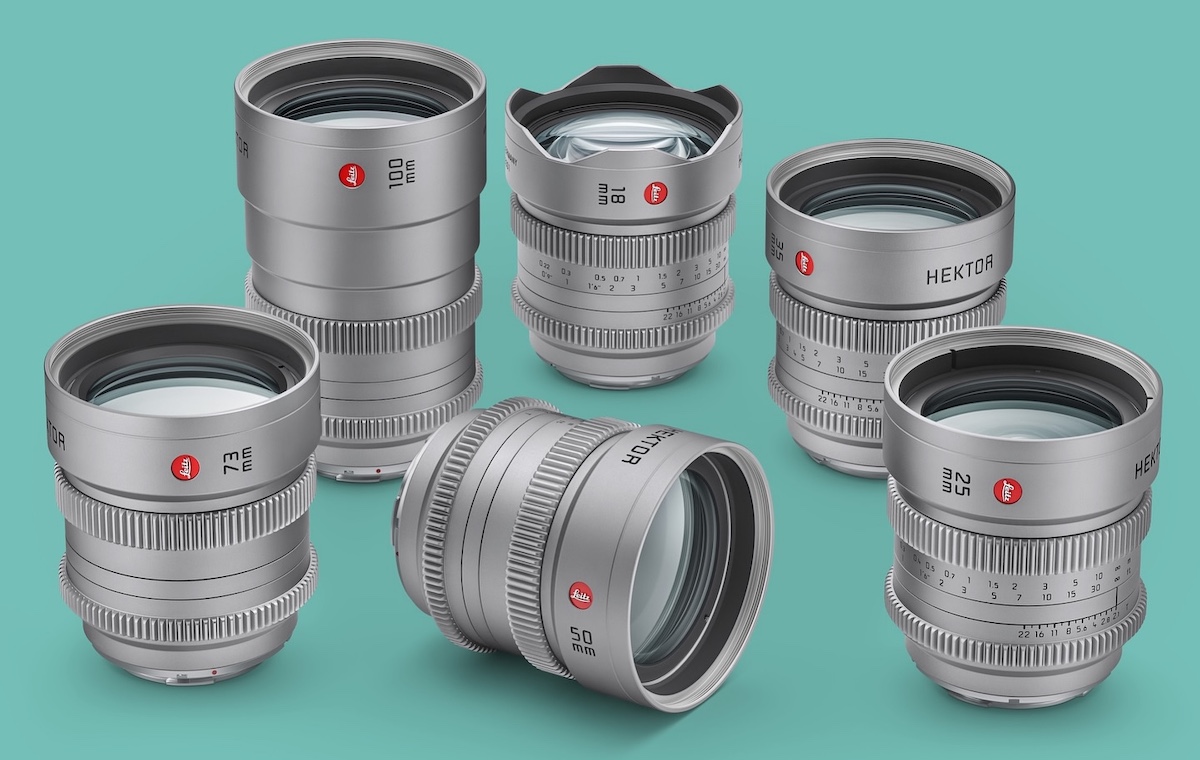
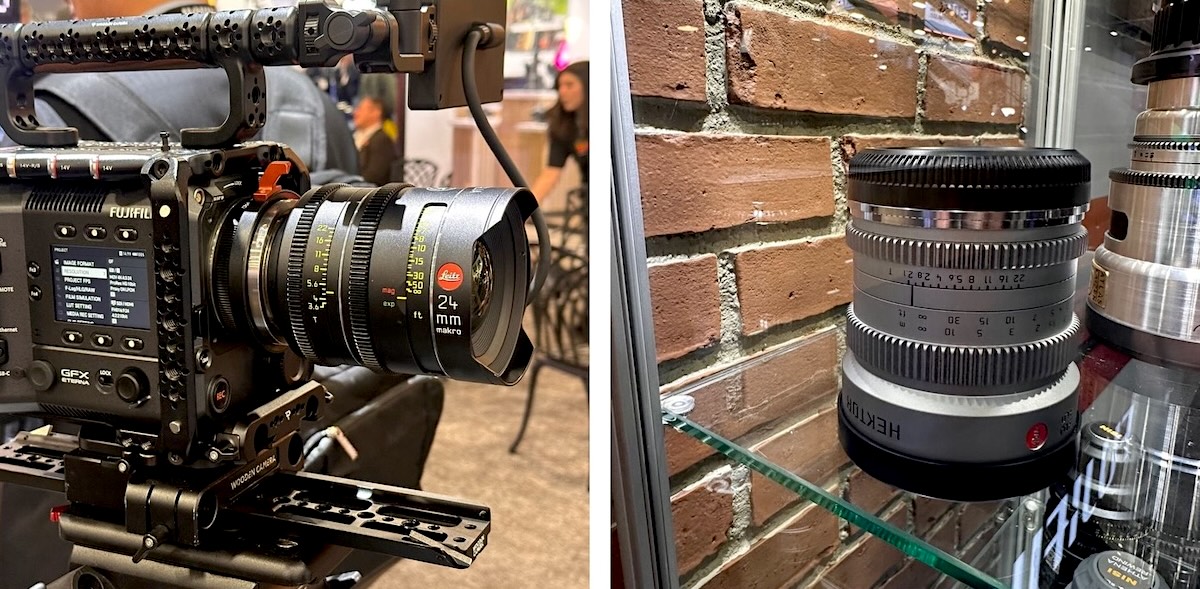
The six Leitz Hektor full-frame prime cine lenses are now available for Fujifilm G mount, marking a significant expansion of Leitz Cine’s mirrorless prime series to Fujifilm’s GFX ecosystem, including the GFX ETERNA 55 cinema camera and GFX100 stills models. This new user-interchangeable G mount joins the existing lineup of Sony E, Leica L, Canon RF, and Nikon Z options. While the optics do not cover the full sensor area of the larger GFX ETERNA 55 format, most focal lengths deliver generous coverage suitable for most cine formats. Check the pricing at B&H Photo. Additional information on the Leitz Hektor T2.1 mirrorless cinema lenses can be found here:
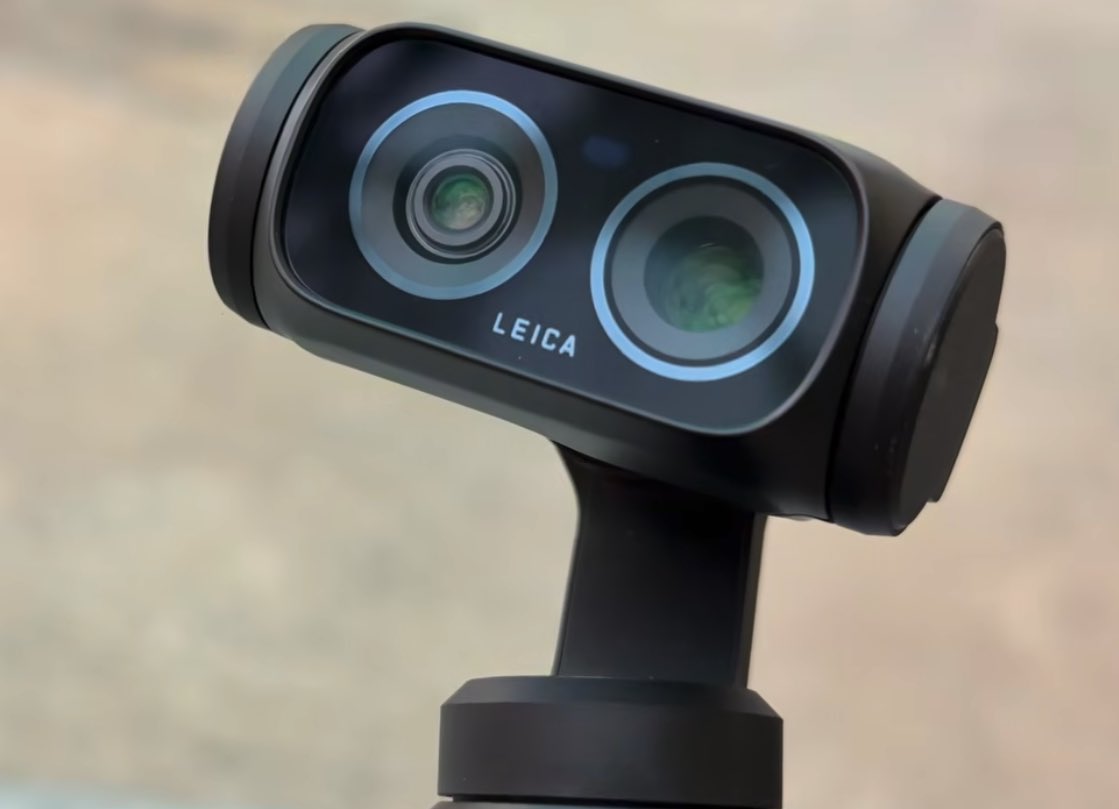
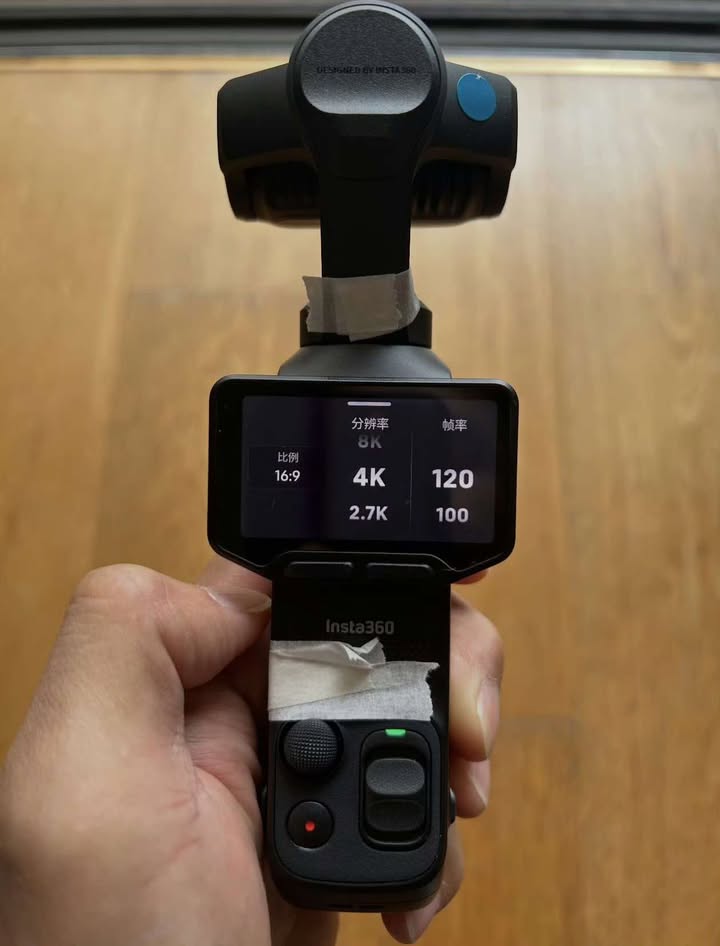
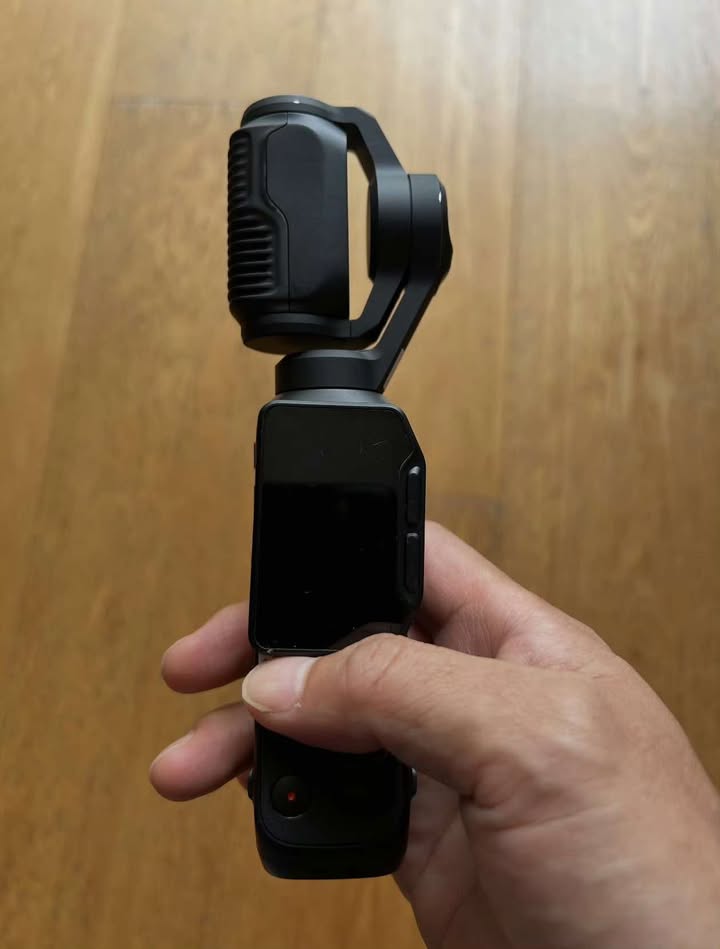
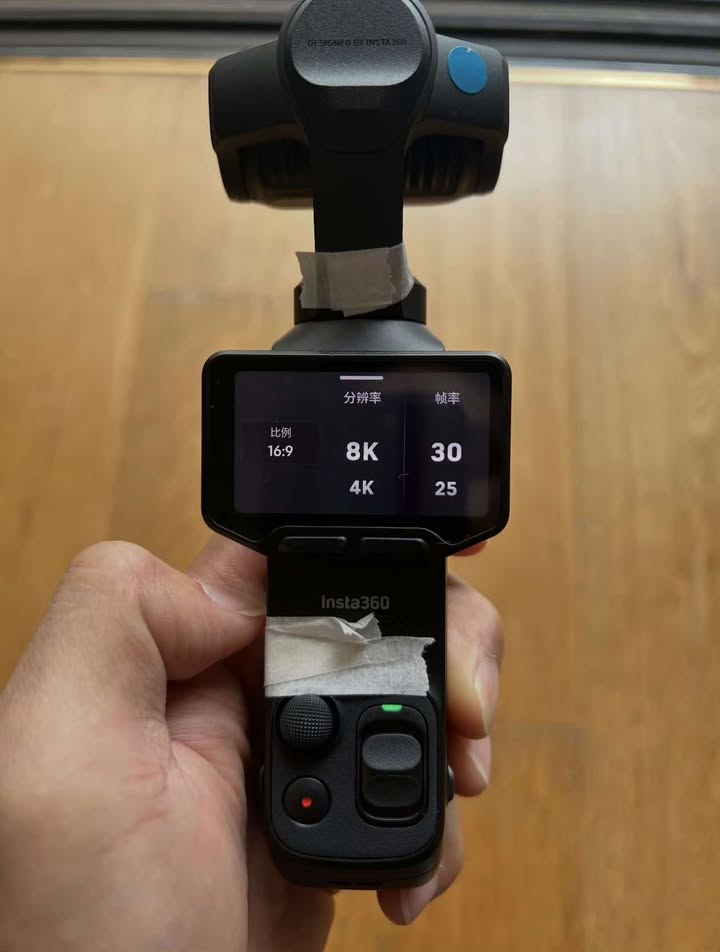
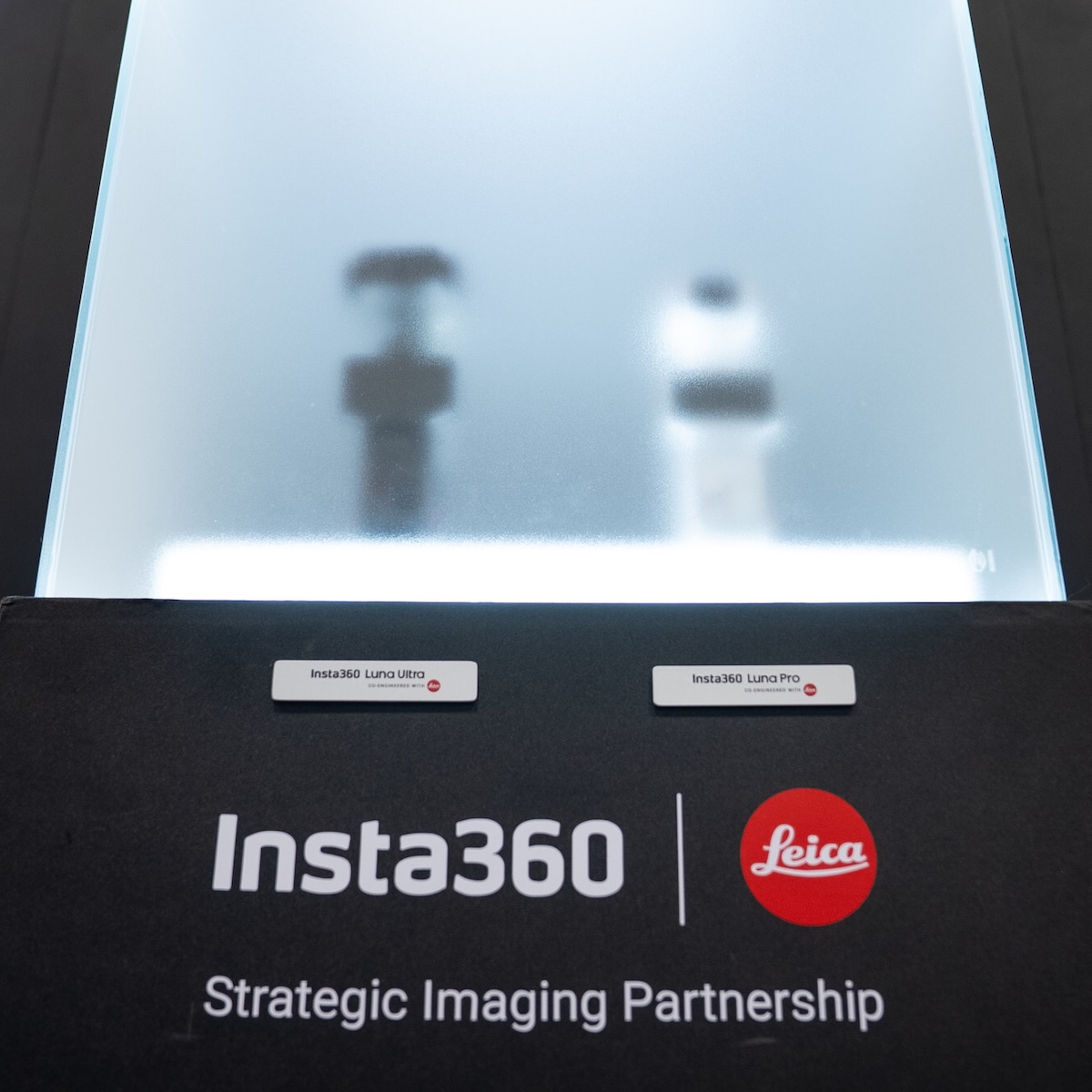
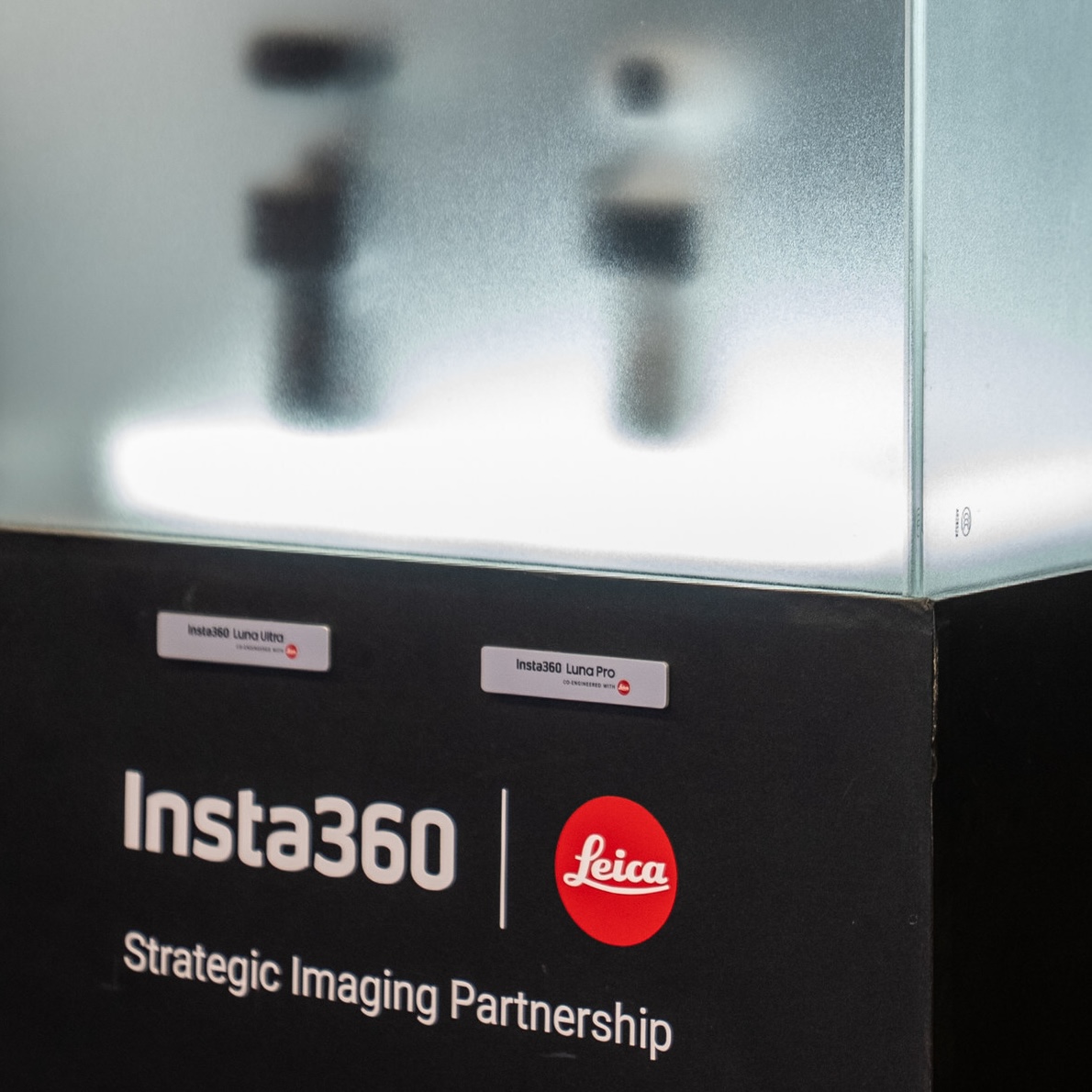
Insta360 is partnering with Leica on the development of the upcoming Luna gimbal cameras (previously reported here). Here is a recap of rumored/leaked Insta360 Luna camera specifications:
Leica co-engineering: Optics, color science, and full-chain calibration tuned by Leica for premium image quality and “Leica look.”
Sensor and lens (main/wide on both models): 1-inch CMOS sensor, f/1.8 aperture (some hands-on reports specify ~18–20mm equivalent focal length), 14 stops of dynamic range.
Luna Ultra only: Dual-lens design with a secondary telephoto lens (1/1.3-inch sensor, ~70mm equivalent, f/2.8 aperture) for enhanced zoom performance.
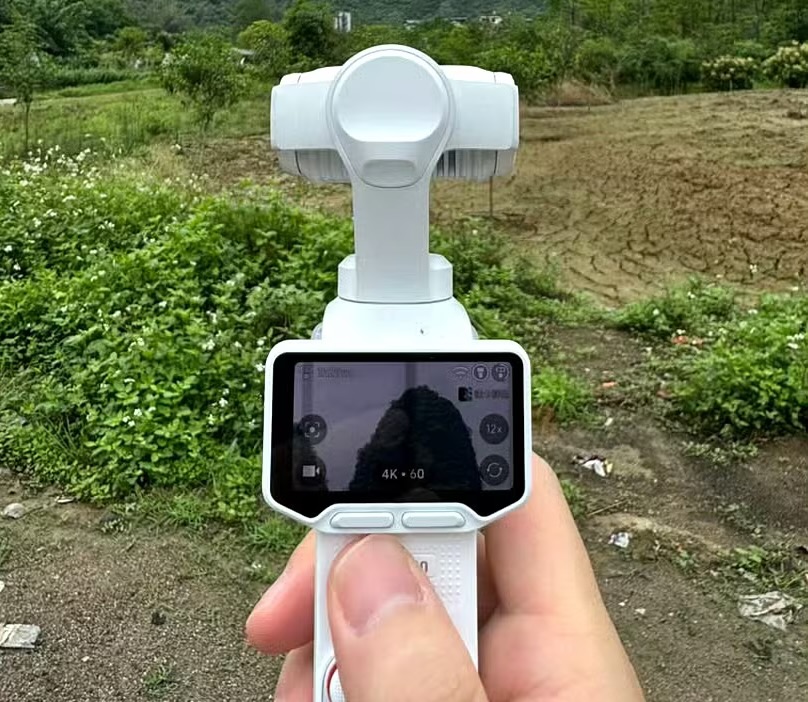
Zoom: Variable focal length with 1–6× lossless zoom (optical component reportedly up to ~3.9×); early leaked footage shows a 12× zoom toggle in use.
Video capabilities: 10-bit color (hands-on mentions 10-bit iLog), smoother transitions in highlights/shadows; rumored 4K up to 240 fps slow-motion and Dolby Vision HDR support.
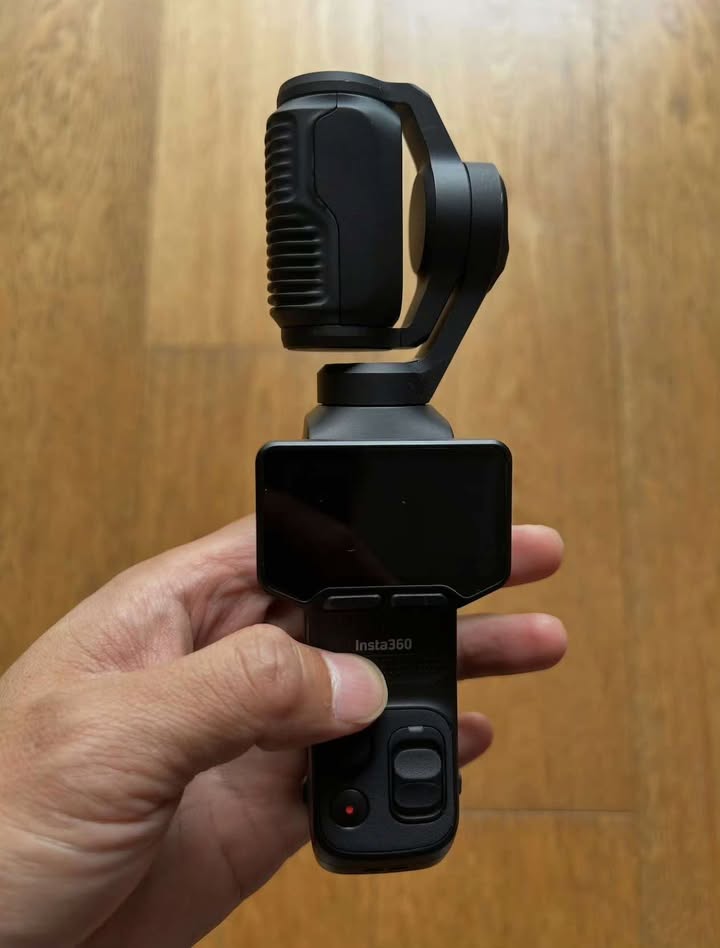
Design and features: Pocket gimbal form factor (Osmo Pocket-style); possible modular/detachable gimbal head; Insta360’s AI stabilization and Deep Track 3.0 subject tracking; physical controls, flip-out/rotating touchscreen.
Colors and variants: Two distinct color options per model
Battery: reportedly around 1,550 mAh
Other: Pairs seamlessly with the new Insta360 Mic Pro
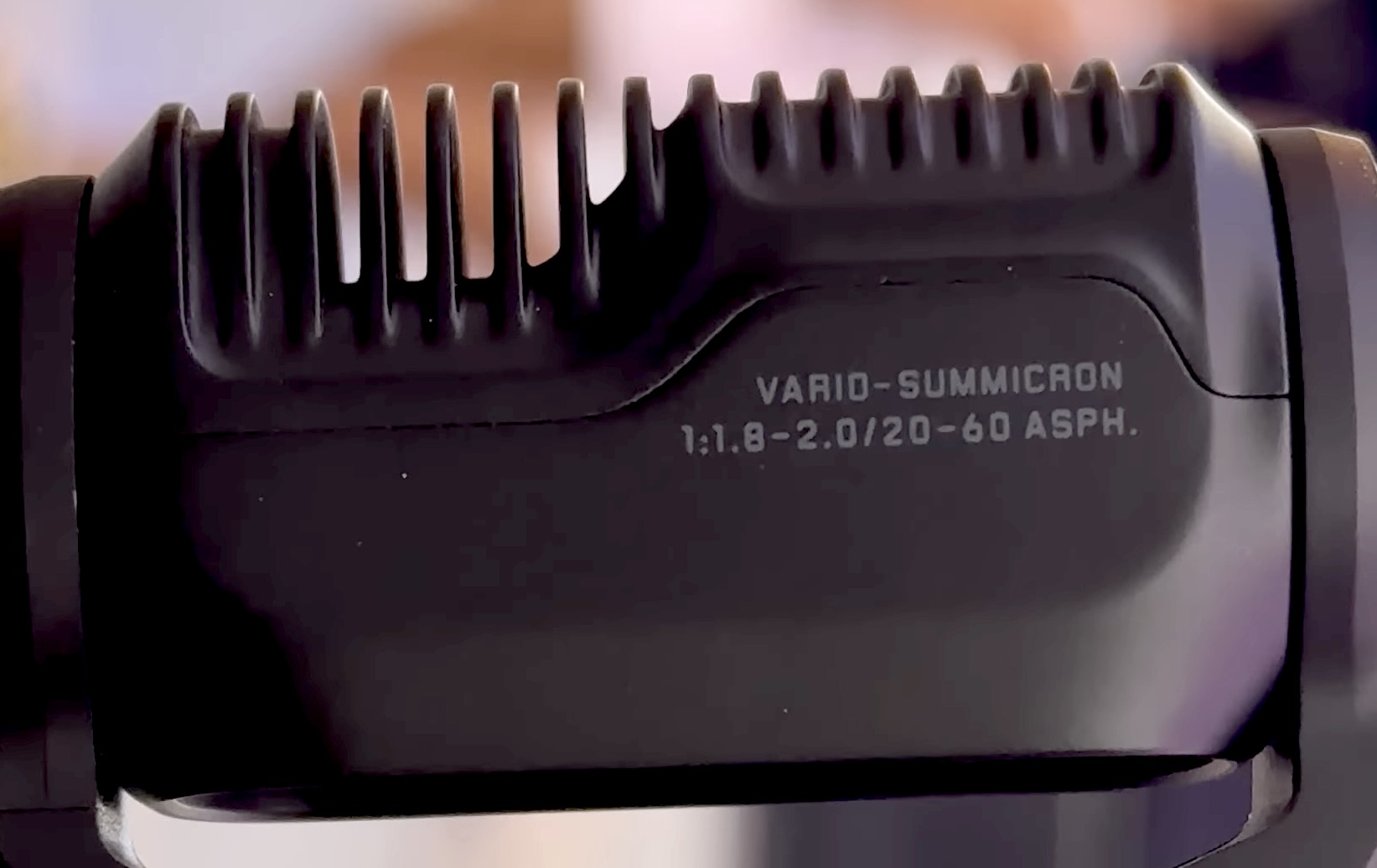
Update: the two lenses are 20mm/1.8 and 60mm/2.0 (see the added picture above). The 20mm lens module has a 1” sensor; the sensor in the 60mm module is unknown for now.
Here is the official statement from Insta 360 on the new Luna camera from the 2026 NAB show:
Members of the media and NAB attendees were among the first globally to preview the upcoming Insta360 Luna Series, co-engineered with Leica, which includes Luna Pro and Luna Ultra. The series features a large 1-inch sensor, a bright F1.8 aperture, a variable focal length, and support for 10-bit color for smoother, more natural transitions in light and shadow, capturing more nuanced and detailed color straight from the camera. Luna Pro features a single-lens design, while Luna Ultra features a dual-lens design and enhanced telephoto performance. Luna Ultra and Luna Pro were both being teased at the booth, and will be available in two distinct color options.
An Insta360 Luna gimbal camera sample video was posted by the CEO and can be found here. He said the following:
Previewing Luna 1-6x shooting results, highest resolution can be chosen includes 4k Dolby Vision. Of course 6x and 4k are not the end, we hope we can do more in “let users have more choices”. Repost and comment the Luna function you expect the most, May 15 will chose three people to buy the new product at 69 RMB.
Based on recent online reports and leaks, the Insta360 Pocket appears to be an upcoming modular handheld gimbal camera designed to compete directly with DJI’s Osmo Pocket series (e.g., the Osmo Pocket 3 and rumored Pocket 4). Here’s a breakdown of the key details gathered from various sources:
The device is rumored to feature a modular “snap-together” system, allowing users to detach and interchange camera modules. This includes options like a three-axis mechanical gimbal lens for stabilized vlogging (similar to DJI’s design) and a non-gimbal module with a larger 1-inch sensor paired with a Leica Super-Elmar 1:2.8/21 lens for higher-quality snapshots or fixed-position shooting.
Patents suggest support for interchangeable lenses, such as double-fisheye for 360° shots, AI tracking (possibly Deep Track 3.0 or later), wireless detachment for remote use, and stackable connectors for batteries or accessories.
Expected specs include up to 8K30fps in 360° mode or 4K60fps in standard mode, IPX8 waterproofing, drop resistance, and a price range of $499–$699.
Prototype photos leaked from a lab environment show a compact, pocketable form factor resembling the DJI Osmo Pocket but with greater flexibility for creators.
Here is another Insta360 Luna Ultra sample footage:
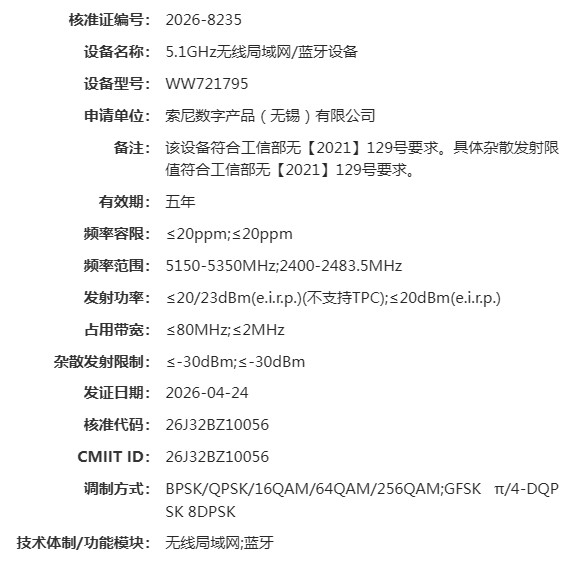
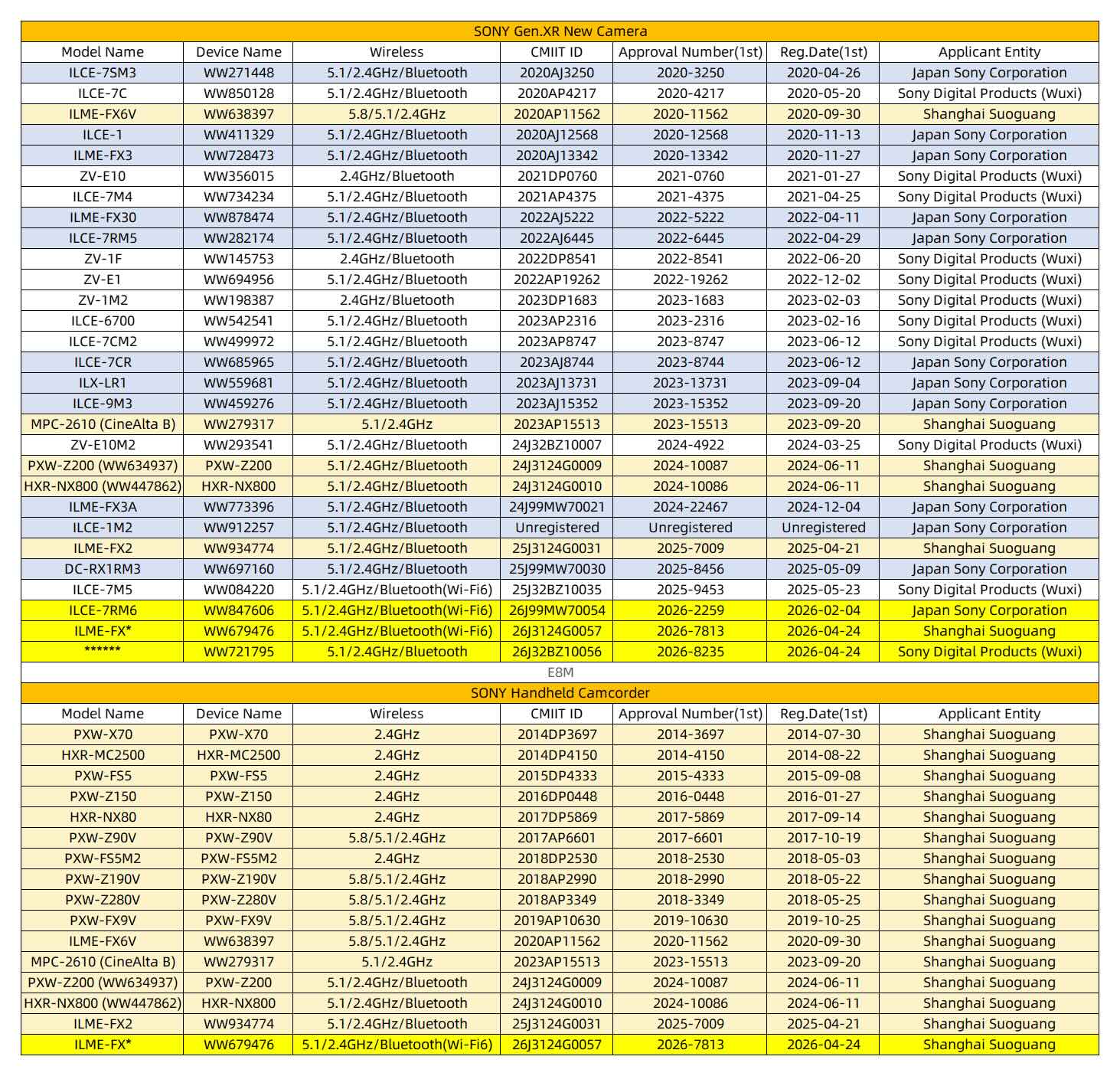
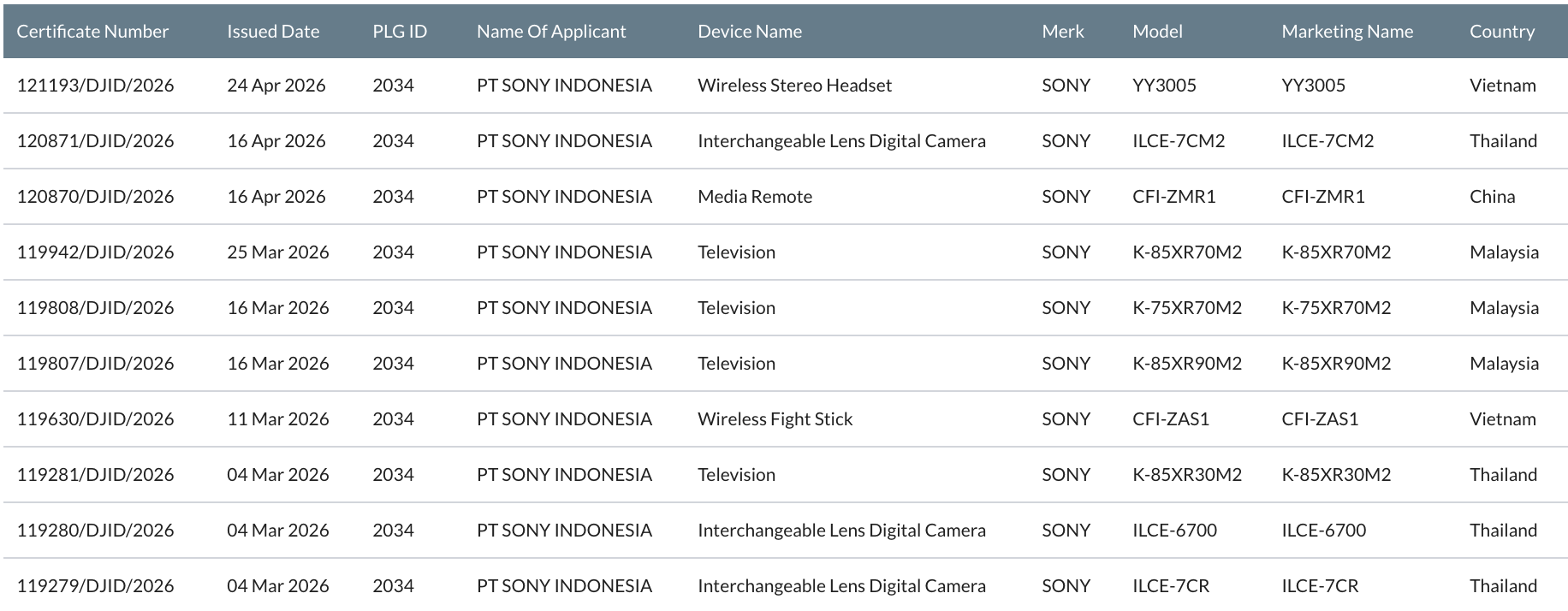
Sony has registered a new Sony WW721795 camera overseas without Wi-Fi 6, which will most likely be a new ZV model or an entry-level mirrorless camera. Sony has also registered a new Wi-Fi 6 camcorder under the code name WW679476. In total, Sony now has at least three upcoming products: a high-end flagship, a video camera, and an entry-level model. Mapping this to some of the existing rumors – this is what to expect:
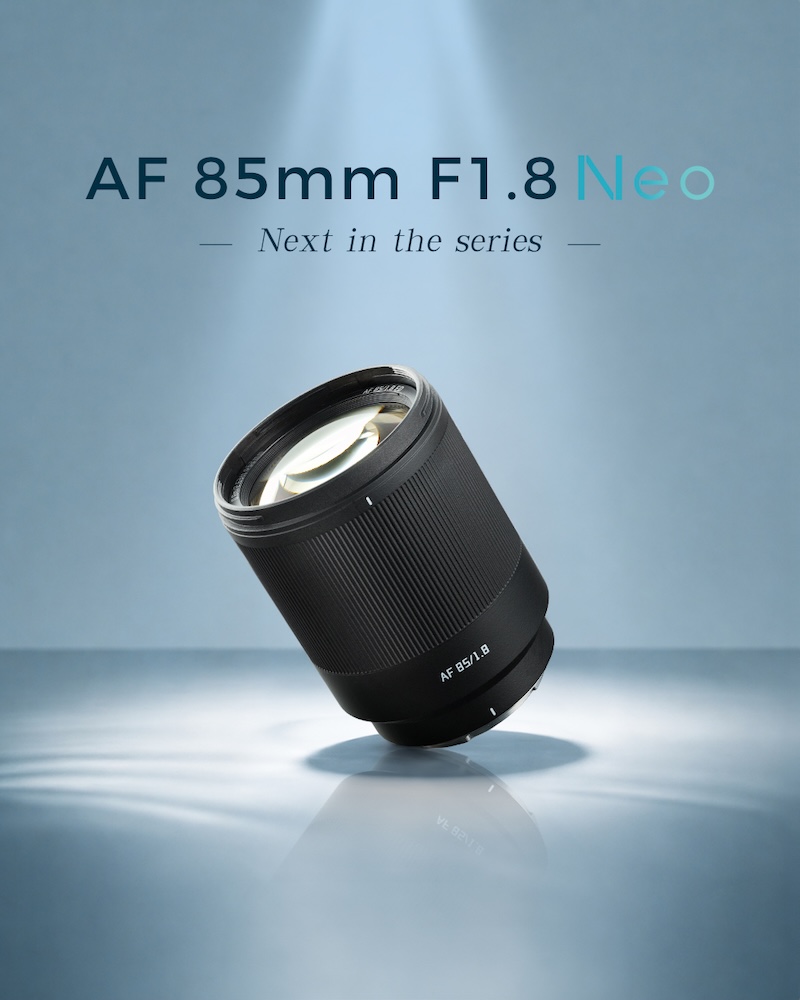
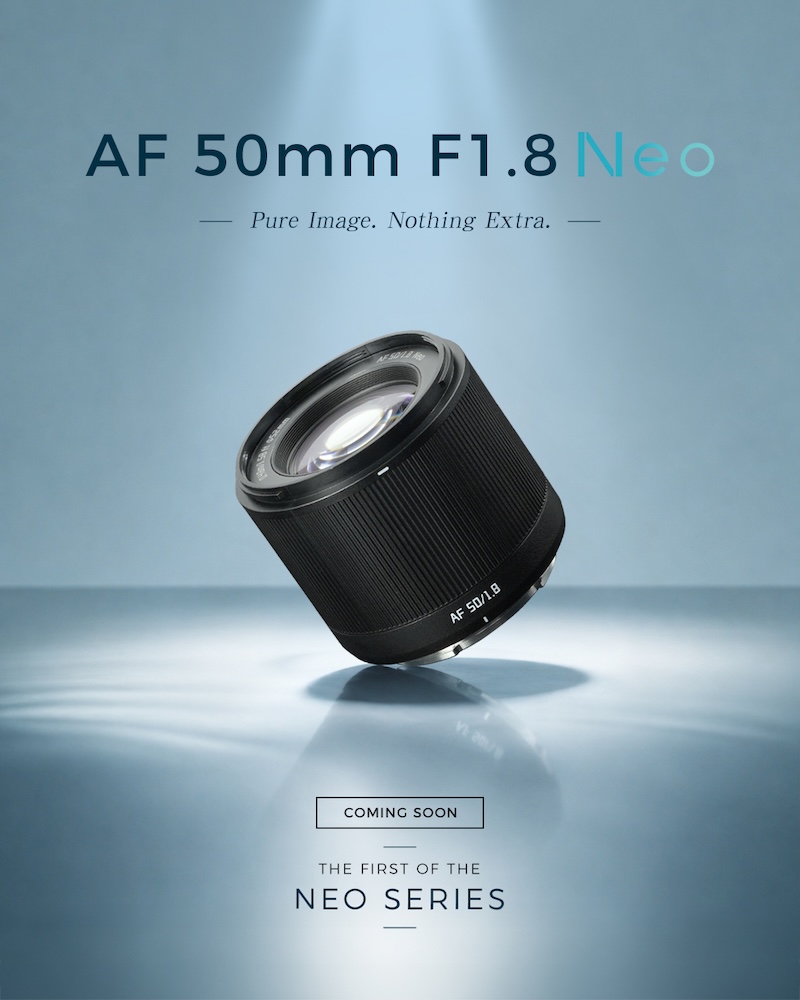
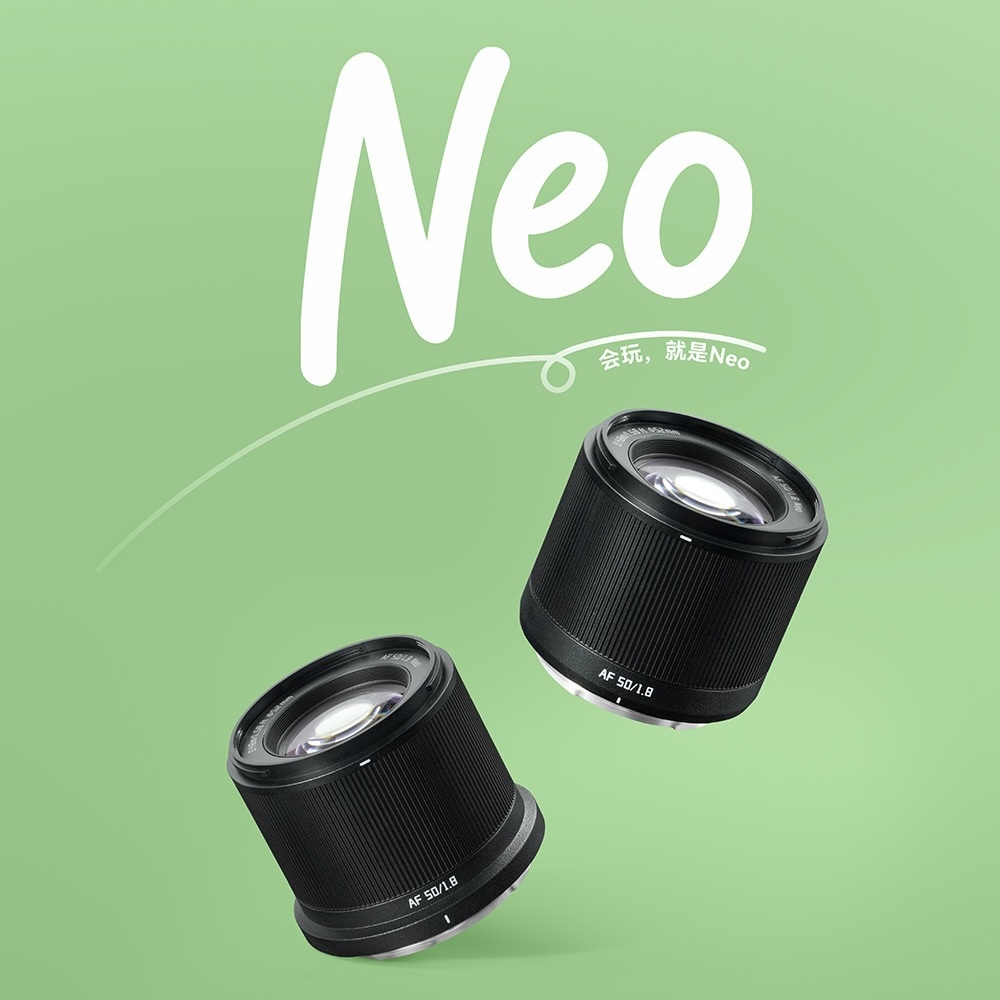
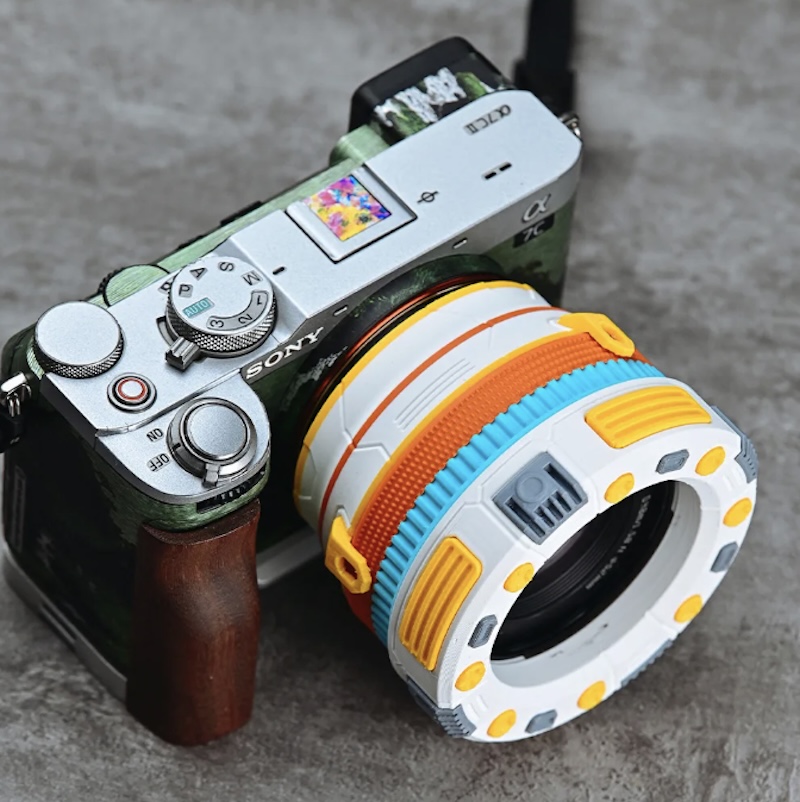
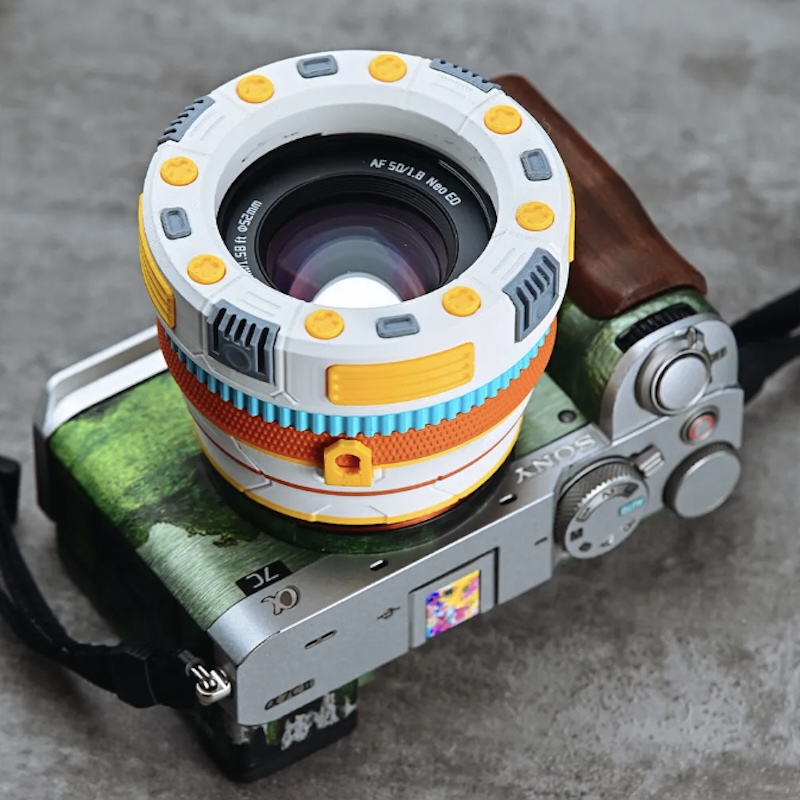
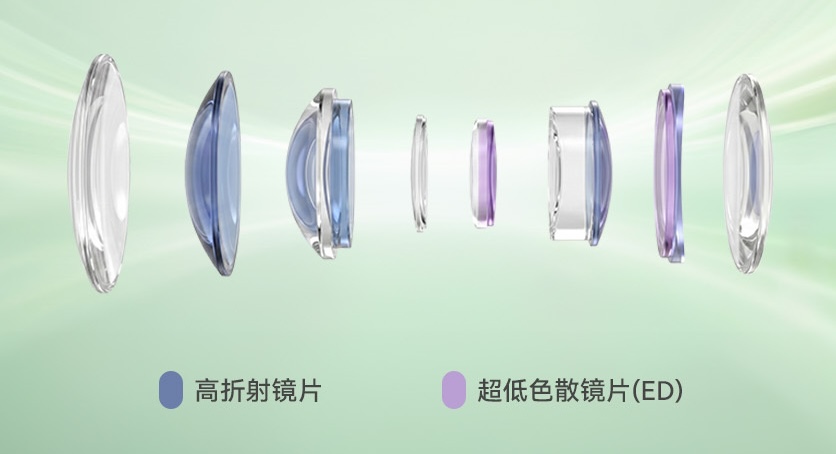
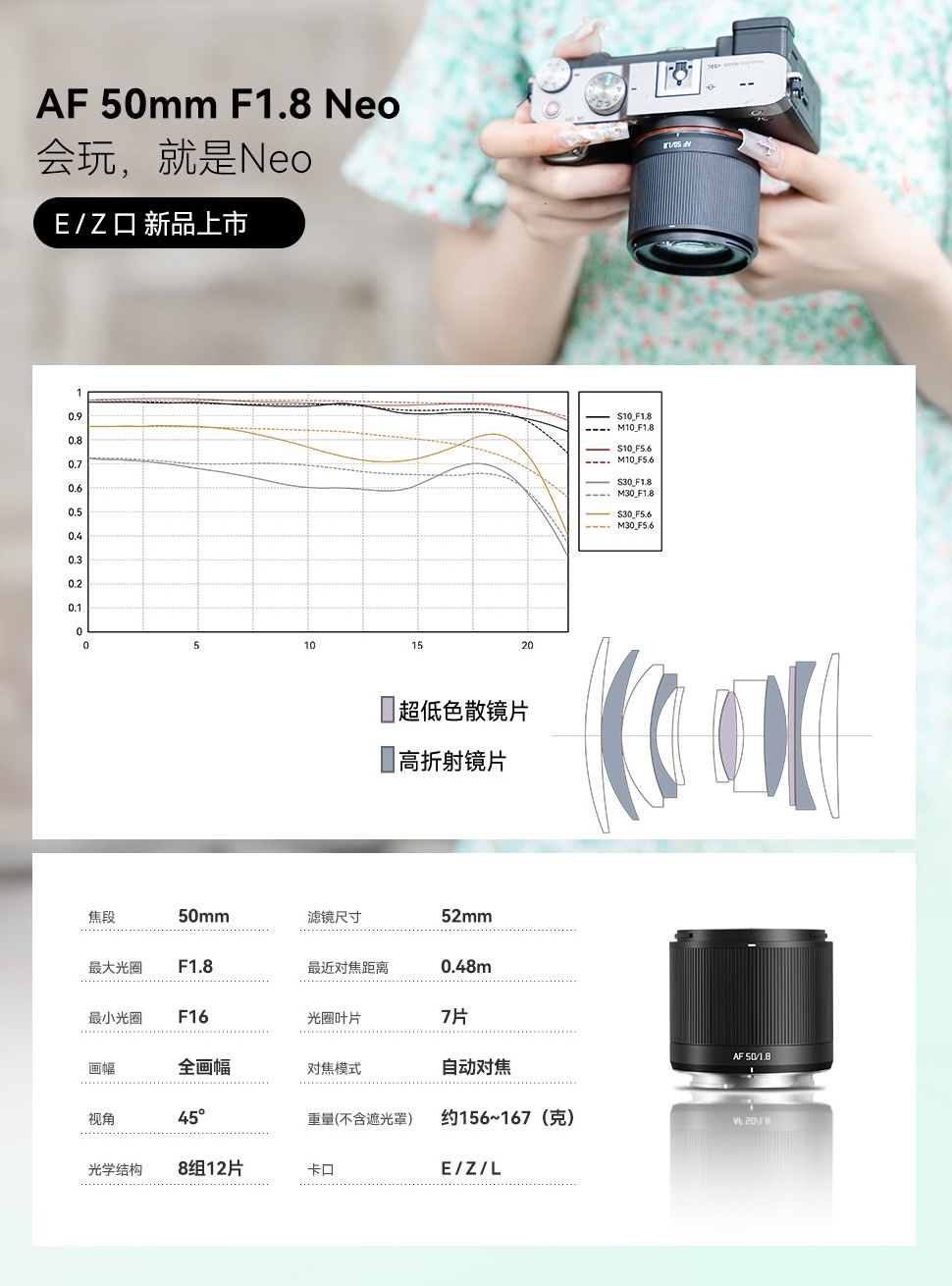
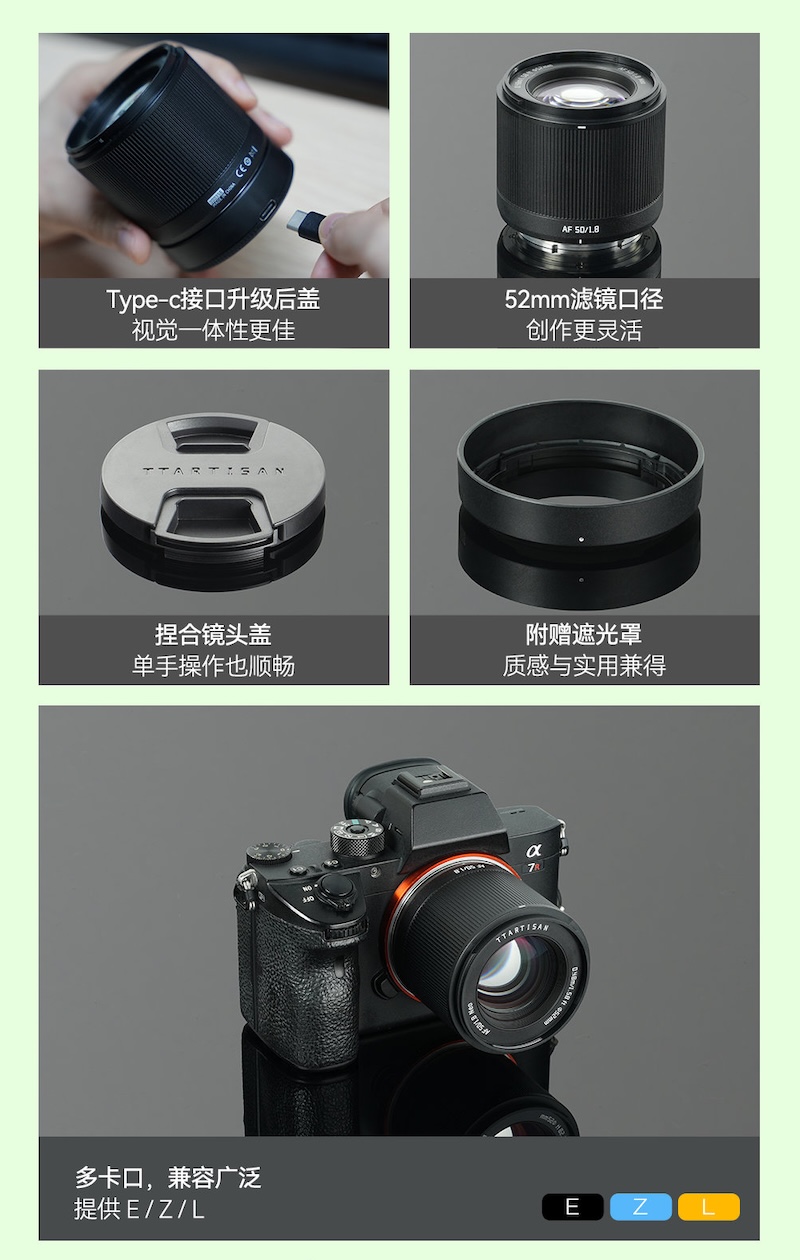
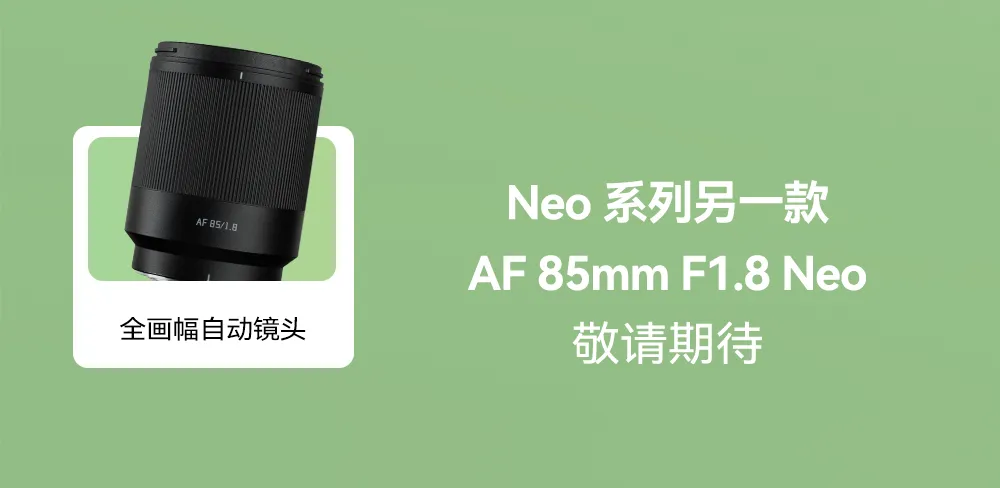
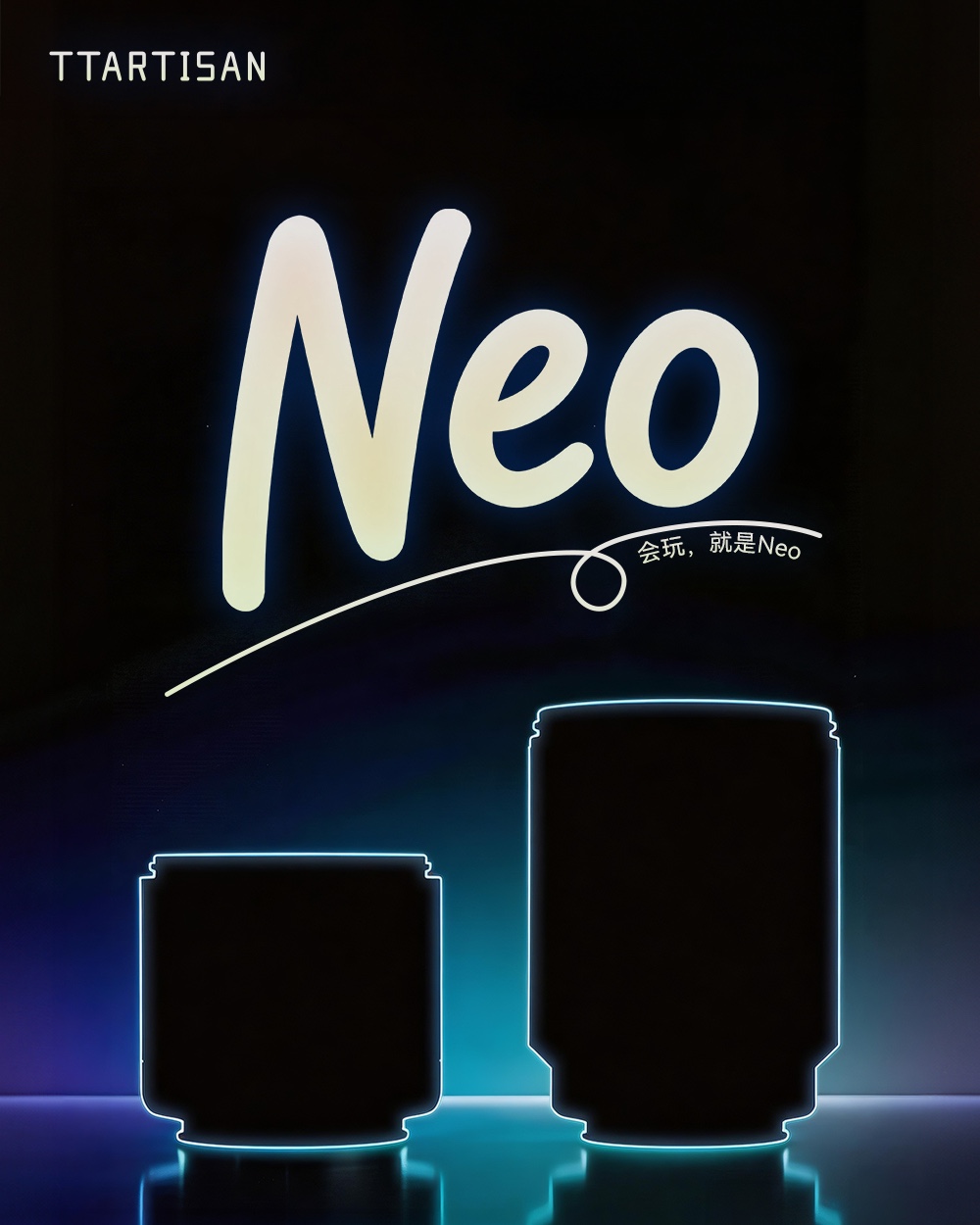
The Neo Series focuses on simplicity, with a clean and minimalistic design – no aperture ring or focus ring. The new TTartisan AF 50mm f/1.8 full-frame lens weighs only 157 grams and is available in Sony E and Nikon Z mounts (a L-mount version is coming later). The lens features an STM stepping motor, an 8-element, 12-group optical design, a 52mm filter thread, and a minimum focusing distance of 0.48 meters, and supports DIY custom armor. The price is around $90. The second TTartisan Neo lens (AF 85mm f/1.8) will be released later.
The new lenses with the third-party skins:
Here are the Tartisan Neo AF 50mm f/1.8 lens technical specifications:
The previously rumored DJI Lito X1 & Lito 1 entry-level drones are now officially announced, but not in the US. In Europe, the new drones can be purchased at Foto Erhard and WEX Photo. Here are the details:
DJI Lito X1
DJI’s Lito X1 is an ultra-light drone designed to capture incredible footage without any baggage. It is equipped with a 1/1.3-inch sensor and 42GB of internal storage. This is accompanied by 4K/60p video, 100fps slow motion, 2.7K vertical shooting, 48MP stills up to 8K detail, and 10-bit D-Log M. With its omnidirectional obstacle sensing, forward LiDAR and ActiveTrack, you can fly with more confidence and keep your subjects locked in the frame. Add on a 36-minute flight time, and you have plenty of room to experiment and refine your shots.
Ultra-light 249g folding body
4K/60p video footage
1/1.3-inch sensor
2.7K vertical shooting
48MP stills up to 8K detail
10-bit D-Log M
DJI Lito 1
DJI also released the Lito 1! This version differs from the Lito X1 in that it’s designed for those who want a simple yet capable aerial camera for everyday shooting. Like the X1, it can shoot 4K/60p video, 100fps slow motion, 2.7K vertical shooting, 48MP stills up to 8K detail, and features omnidirectional obstacle sensing, forward LiDAR and ActiveTrack. The Lito 1 is the perfect entry to drone photography and filmmaking.

 Connexion