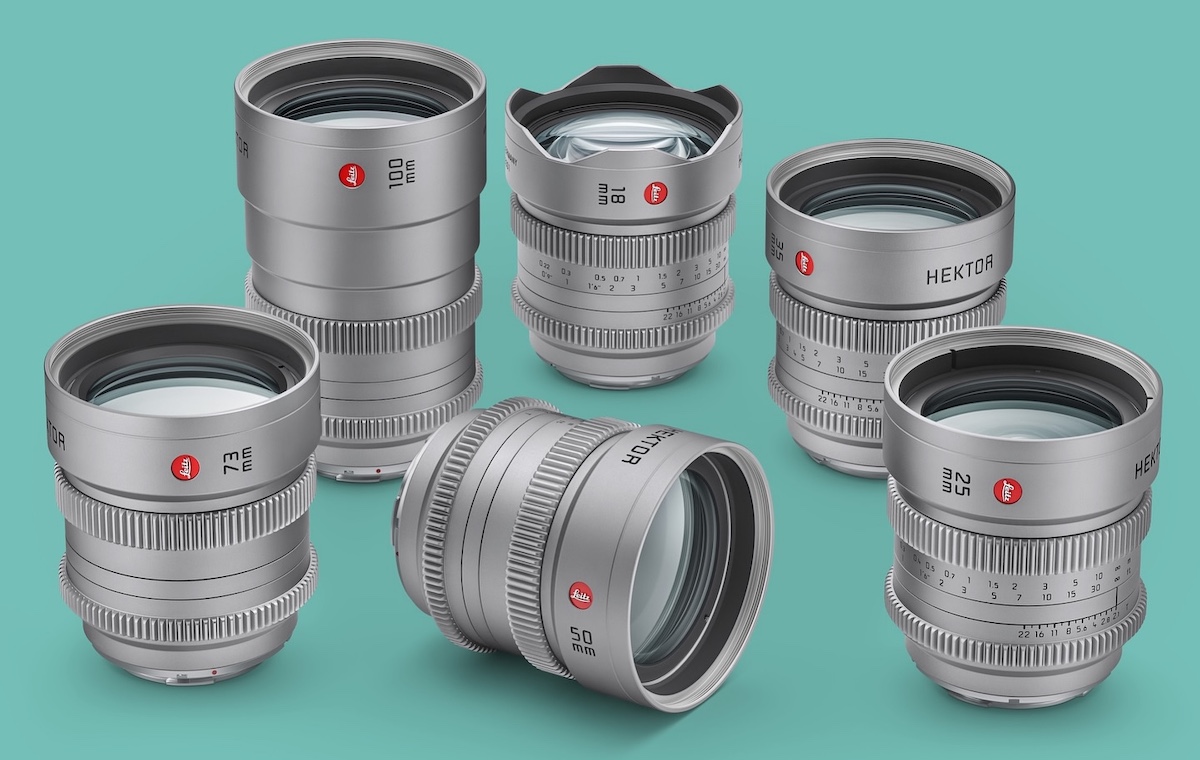
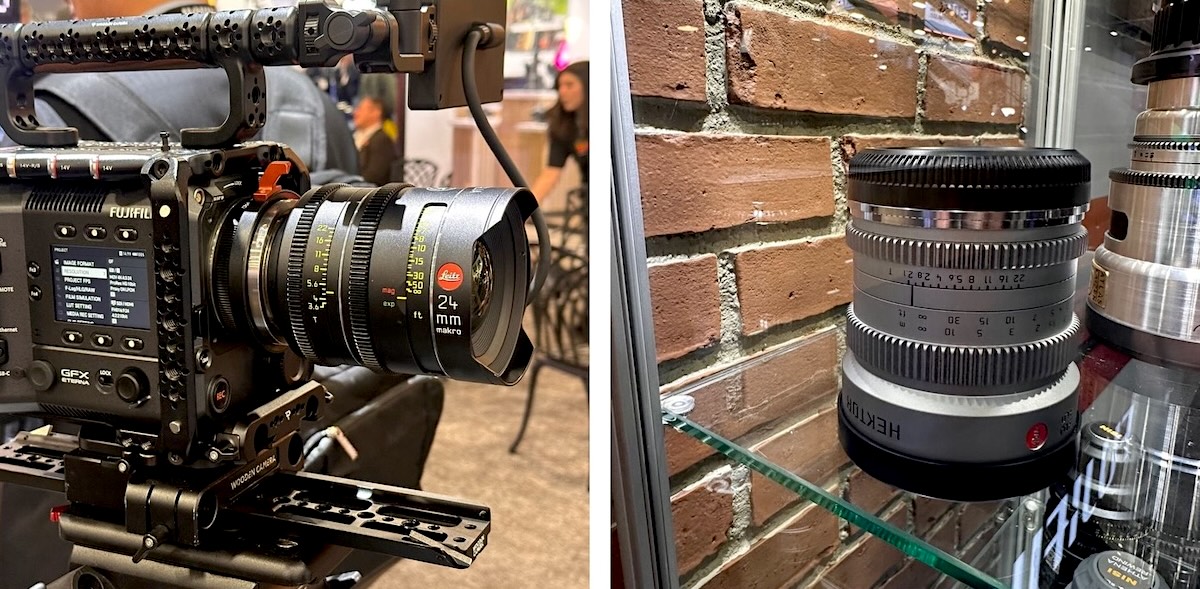
The six Leitz Hektor full-frame prime cine lenses are now available for Fujifilm G mount, marking a significant expansion of Leitz Cine’s mirrorless prime series to Fujifilm’s GFX ecosystem, including the GFX ETERNA 55 cinema camera and GFX100 stills models. This new user-interchangeable G mount joins the existing lineup of Sony E, Leica L, Canon RF, and Nikon Z options. While the optics do not cover the full sensor area of the larger GFX ETERNA 55 format, most focal lengths deliver generous coverage suitable for most cine formats. Check the pricing at B&H Photo. Additional information on the Leitz Hektor T2.1 mirrorless cinema lenses can be found here:
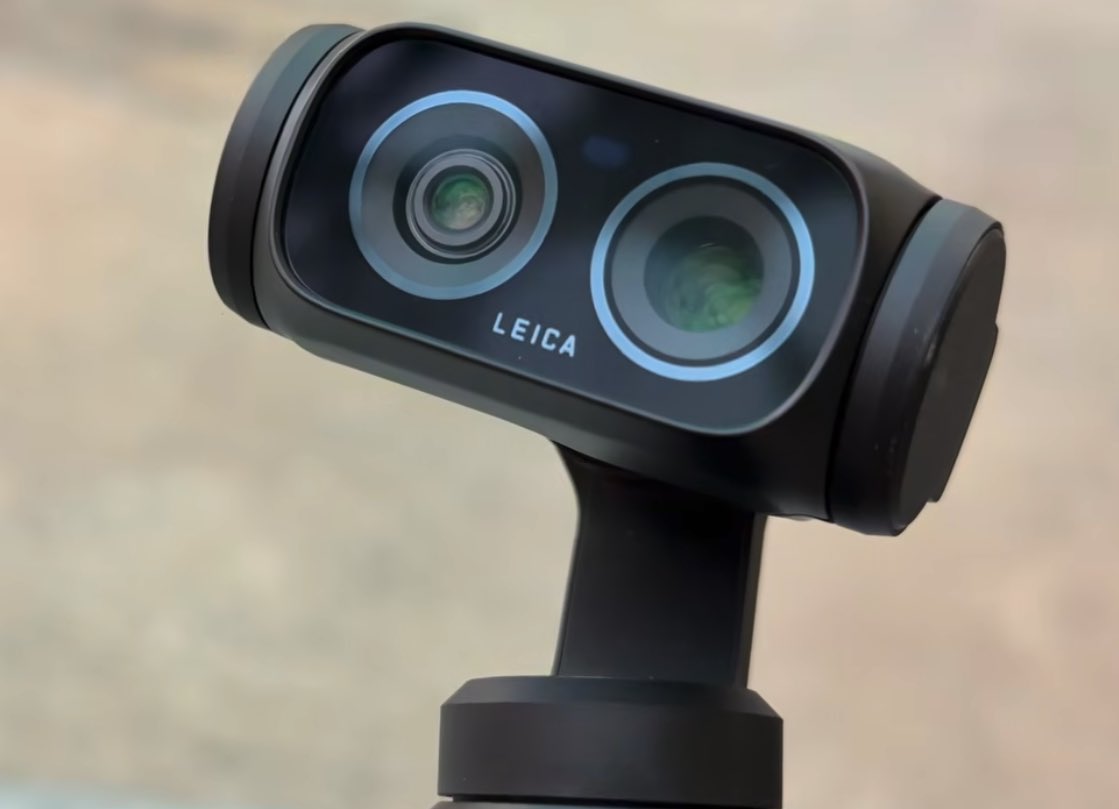
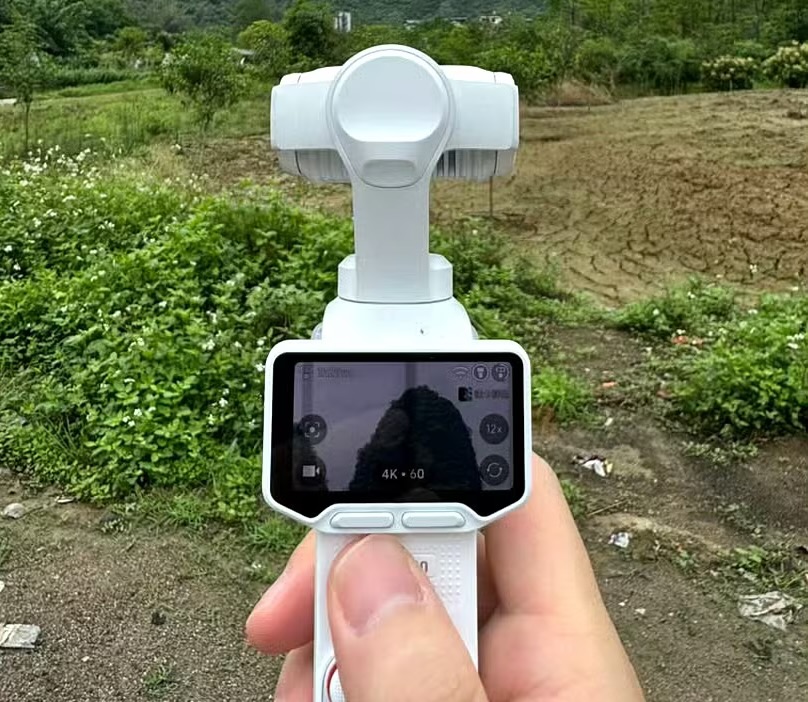
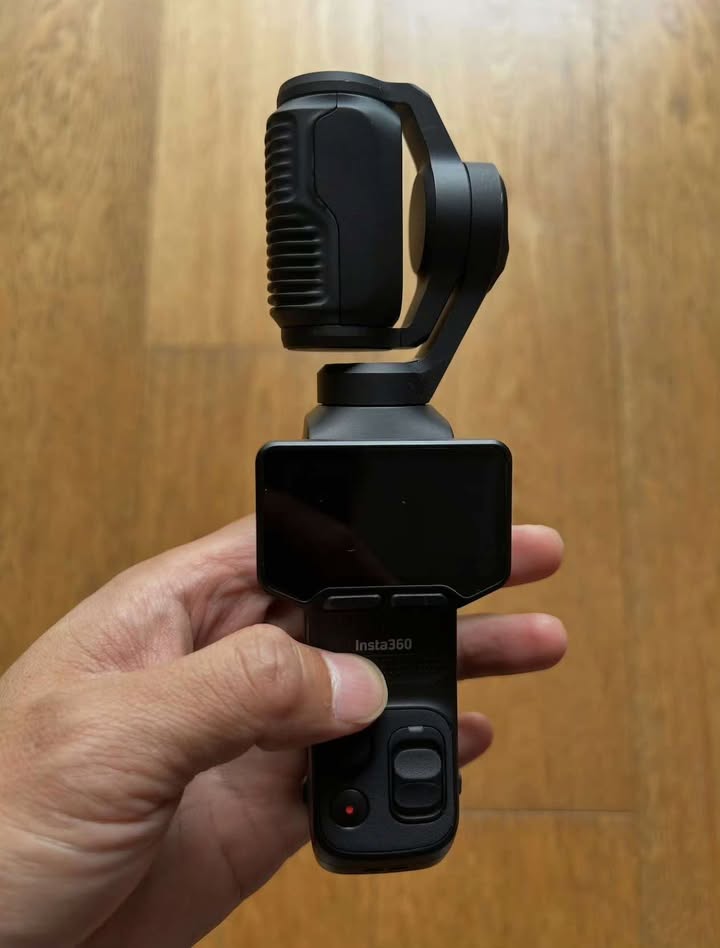
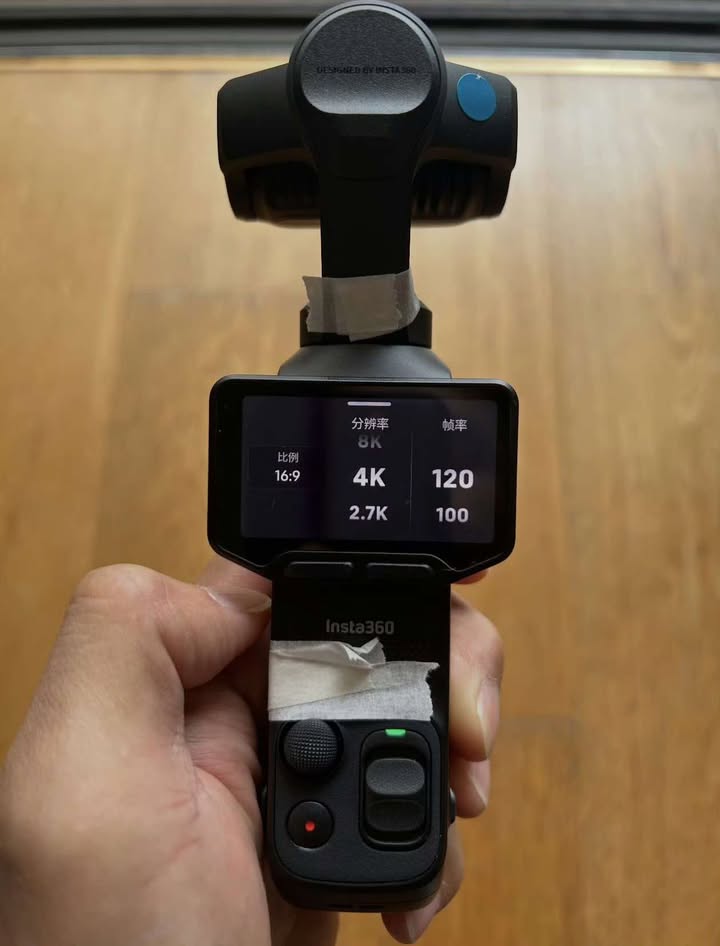
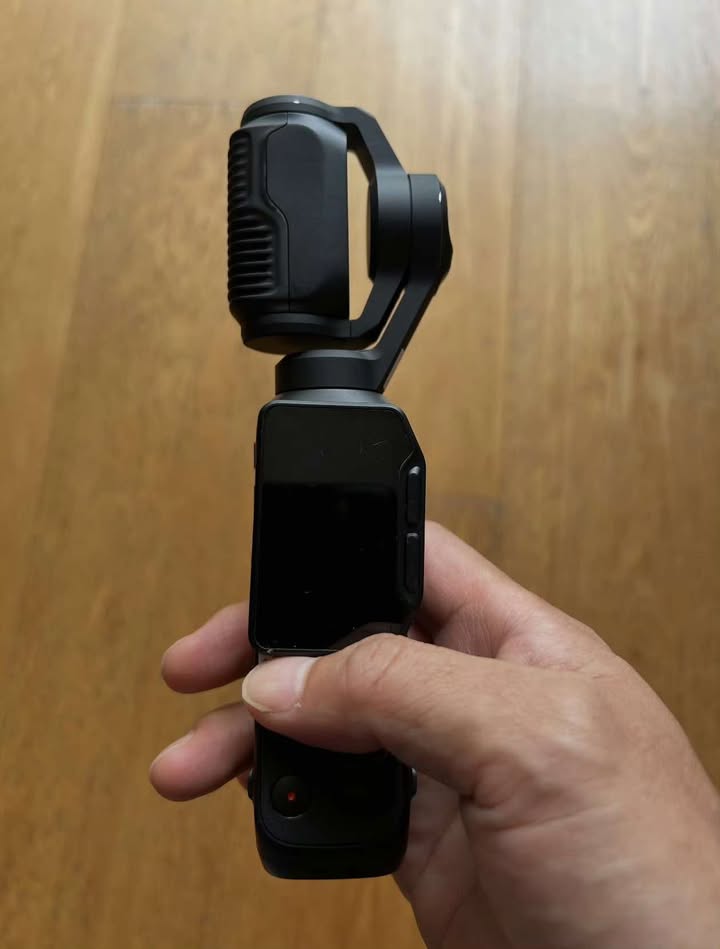
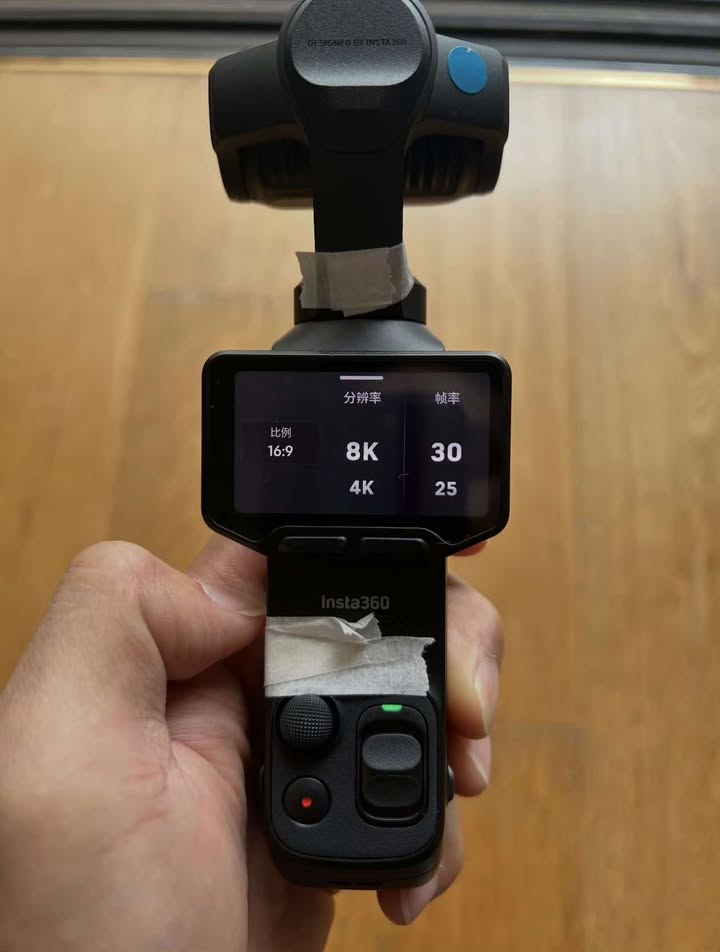
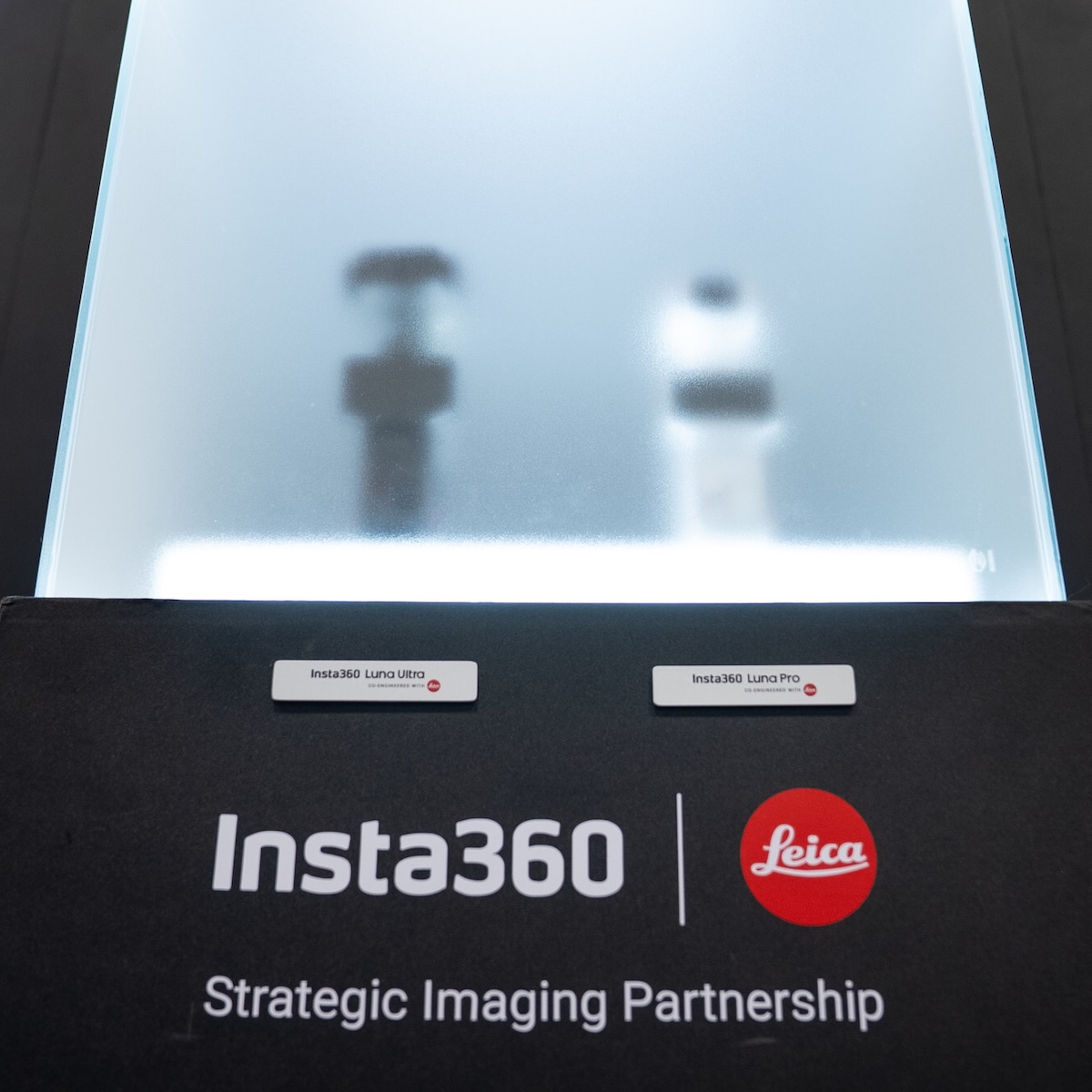
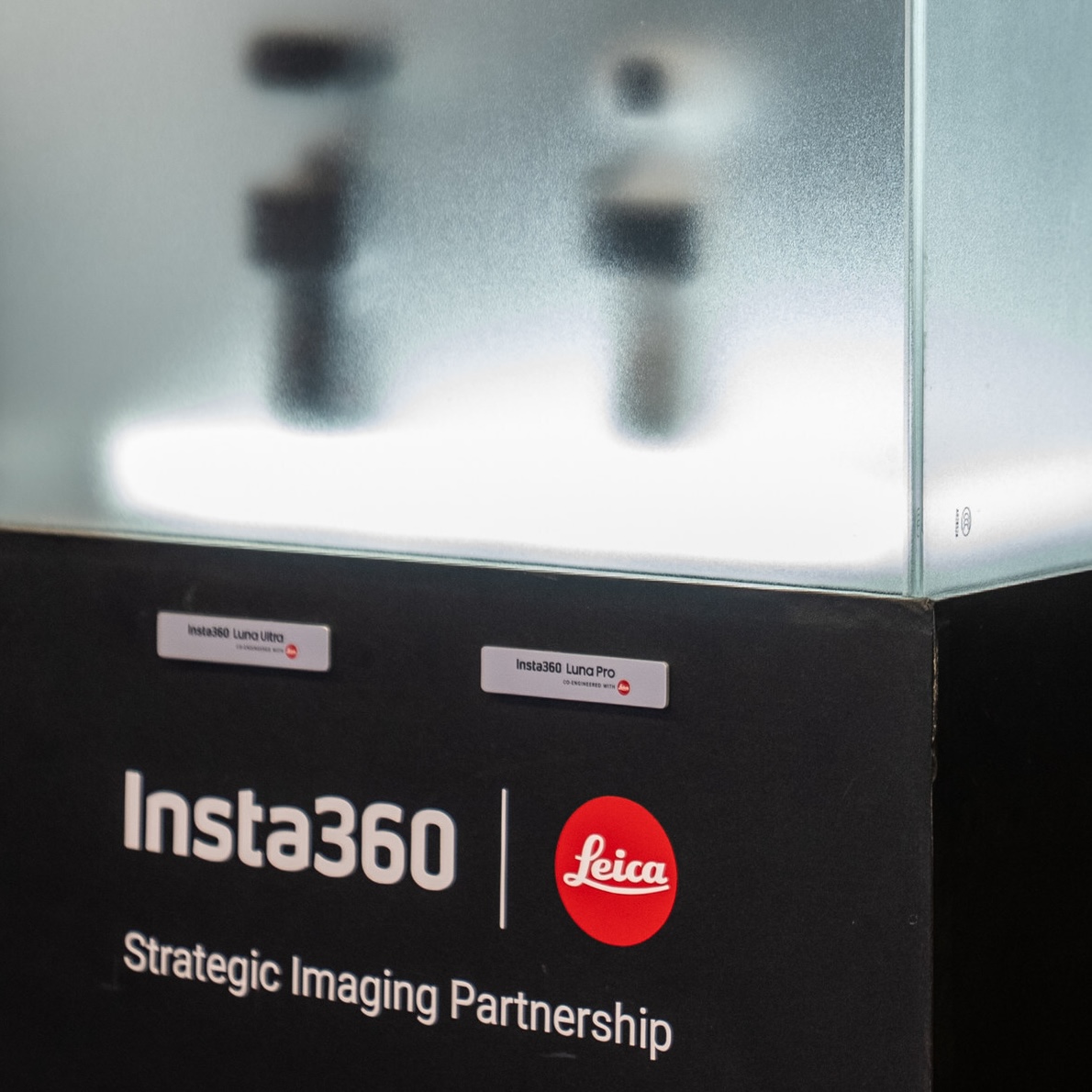
Insta360 is partnering with Leica on the development of the upcoming Luna gimbal cameras (previously reported here). Here is a recap of rumored/leaked Insta360 Luna camera specifications:
Leica co-engineering: Optics, color science, and full-chain calibration tuned by Leica for premium image quality and “Leica look.”
Sensor and lens (main/wide on both models): 1-inch CMOS sensor, f/1.8 aperture (some hands-on reports specify ~18–20mm equivalent focal length), 14 stops of dynamic range.
Luna Ultra only: Dual-lens design with a secondary telephoto lens (1/1.3-inch sensor, ~70mm equivalent, f/2.8 aperture) for enhanced zoom performance.
Zoom: Variable focal length with 1–6× lossless zoom (optical component reportedly up to ~3.9×); early leaked footage shows a 12× zoom toggle in use.
Video capabilities: 10-bit color (hands-on mentions 10-bit iLog), smoother transitions in highlights/shadows; rumored 4K up to 240 fps slow-motion and Dolby Vision HDR support.
Design and features: Pocket gimbal form factor (Osmo Pocket-style); possible modular/detachable gimbal head; Insta360’s AI stabilization and Deep Track 3.0 subject tracking; physical controls, flip-out/rotating touchscreen.
Colors and variants: Two distinct color options per model
Battery: reportedly around 1,550 mAh
Other: Pairs seamlessly with the new Insta360 Mic Pro
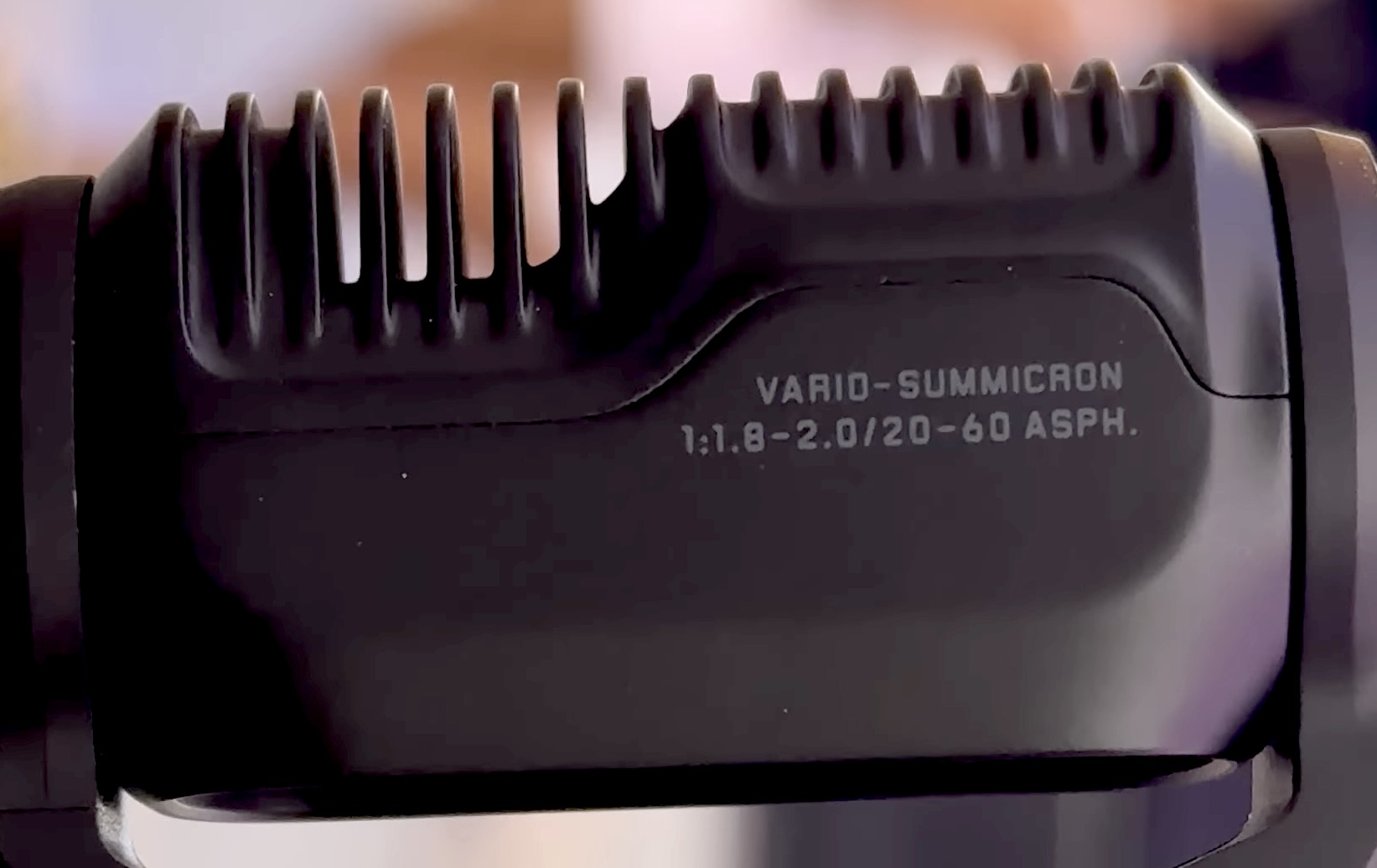
Update: the two lenses are 20mm/1.8 and 60mm/2.0 (see the added picture above). The 20mm lens module has a 1” sensor; the sensor in the 60mm module is unknown for now.
Here is the official statement from Insta 360 on the new Luna camera from the 2026 NAB show:
Members of the media and NAB attendees were among the first globally to preview the upcoming Insta360 Luna Series, co-engineered with Leica, which includes Luna Pro and Luna Ultra. The series features a large 1-inch sensor, a bright F1.8 aperture, a variable focal length, and support for 10-bit color for smoother, more natural transitions in light and shadow, capturing more nuanced and detailed color straight from the camera. Luna Pro features a single-lens design, while Luna Ultra features a dual-lens design and enhanced telephoto performance. Luna Ultra and Luna Pro were both being teased at the booth, and will be available in two distinct color options.
An Insta360 Luna gimbal camera sample video was posted by the CEO and can be found here. He said the following:
Previewing Luna 1-6x shooting results, highest resolution can be chosen includes 4k Dolby Vision. Of course 6x and 4k are not the end, we hope we can do more in “let users have more choices”. Repost and comment the Luna function you expect the most, May 15 will chose three people to buy the new product at 69 RMB.
Based on recent online reports and leaks, the Insta360 Pocket appears to be an upcoming modular handheld gimbal camera designed to compete directly with DJI’s Osmo Pocket series (e.g., the Osmo Pocket 3 and rumored Pocket 4). Here’s a breakdown of the key details gathered from various sources:
The device is rumored to feature a modular “snap-together” system, allowing users to detach and interchange camera modules. This includes options like a three-axis mechanical gimbal lens for stabilized vlogging (similar to DJI’s design) and a non-gimbal module with a larger 1-inch sensor paired with a Leica Super-Elmar 1:2.8/21 lens for higher-quality snapshots or fixed-position shooting.
Patents suggest support for interchangeable lenses, such as double-fisheye for 360° shots, AI tracking (possibly Deep Track 3.0 or later), wireless detachment for remote use, and stackable connectors for batteries or accessories.
Expected specs include up to 8K30fps in 360° mode or 4K60fps in standard mode, IPX8 waterproofing, drop resistance, and a price range of $499–$699.
Prototype photos leaked from a lab environment show a compact, pocketable form factor resembling the DJI Osmo Pocket but with greater flexibility for creators.
Here is another Insta360 Luna Ultra sample footage:
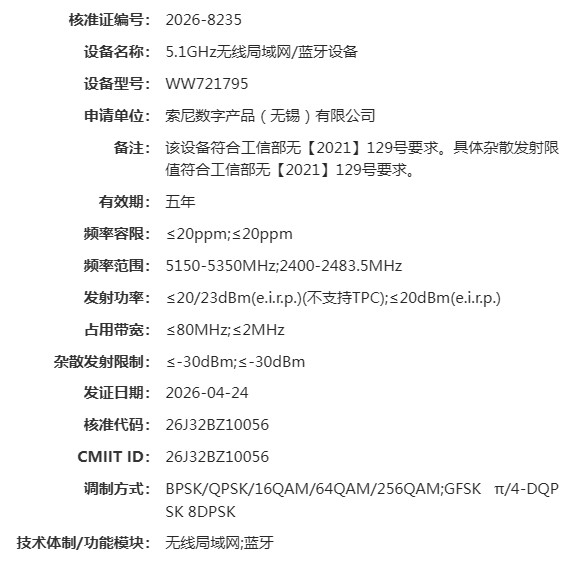
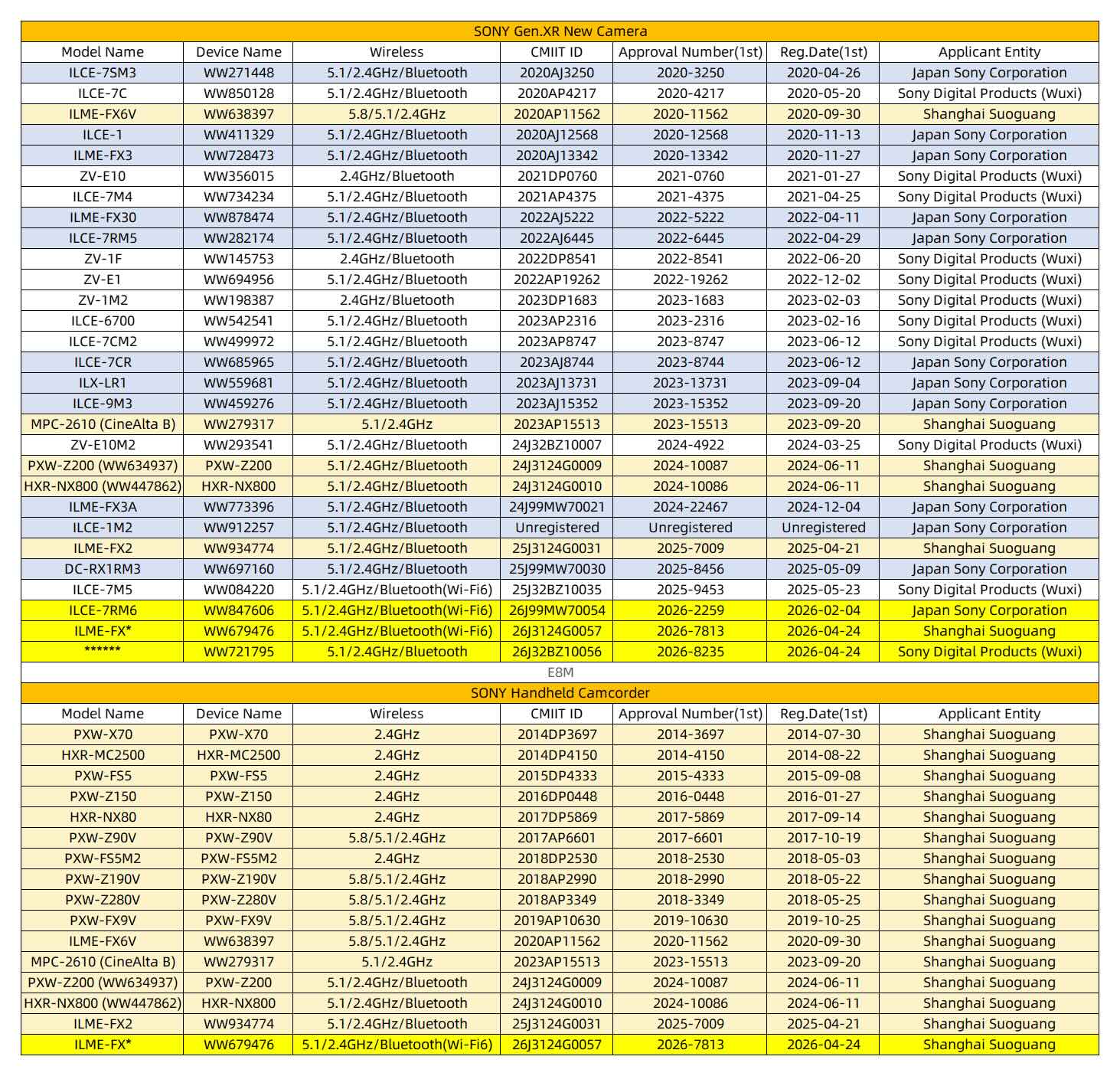
Sony has registered a new Sony WW721795 camera overseas without Wi-Fi 6, which will most likely be a new ZV model or an entry-level mirrorless camera. Sony has also registered a new Wi-Fi 6 camcorder under the code name WW679476. In total, Sony now has at least three upcoming products: a high-end flagship, a video camera, and an entry-level model. Mapping this to some of the existing rumors – this is what to expect:
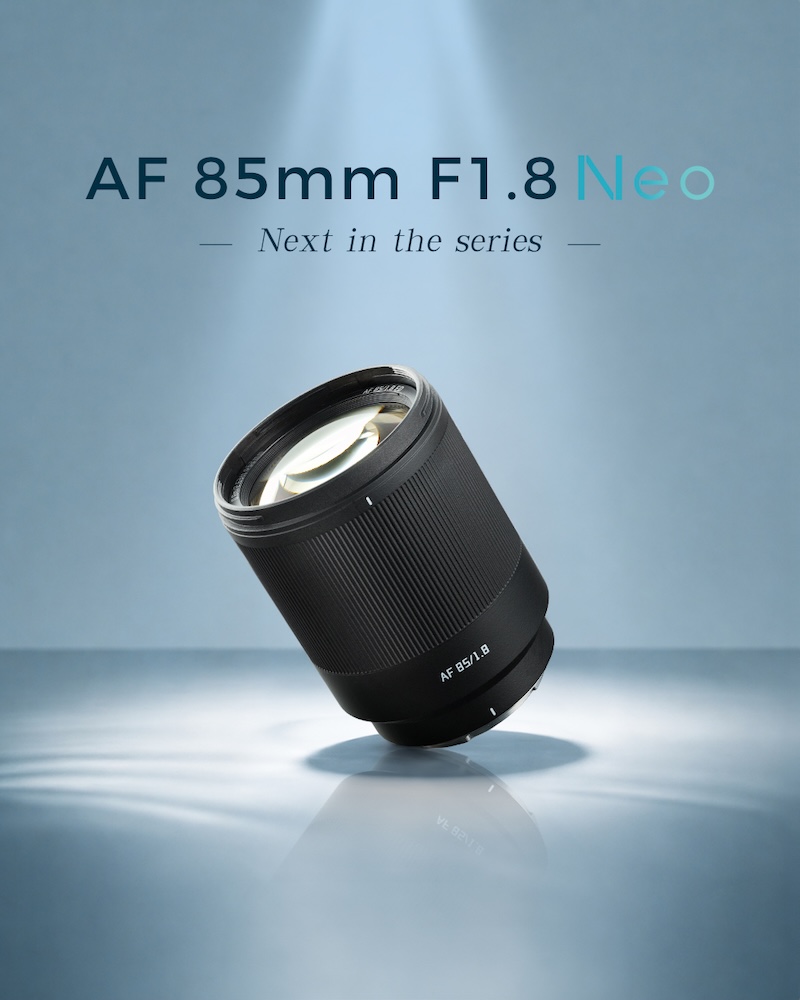
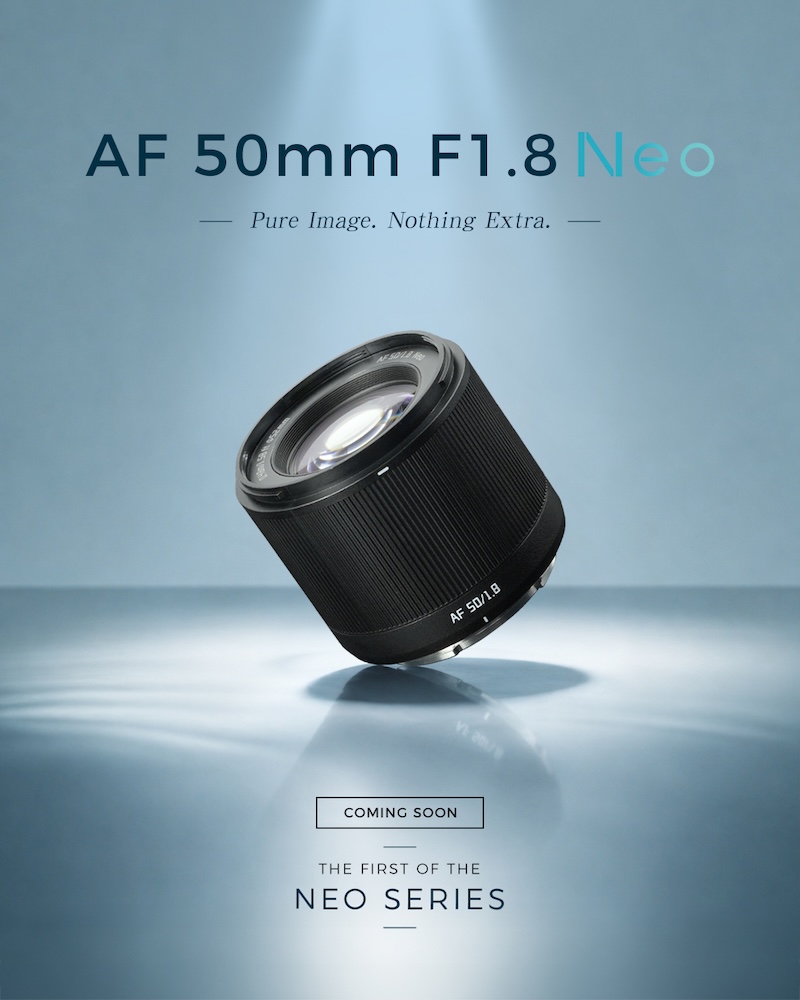
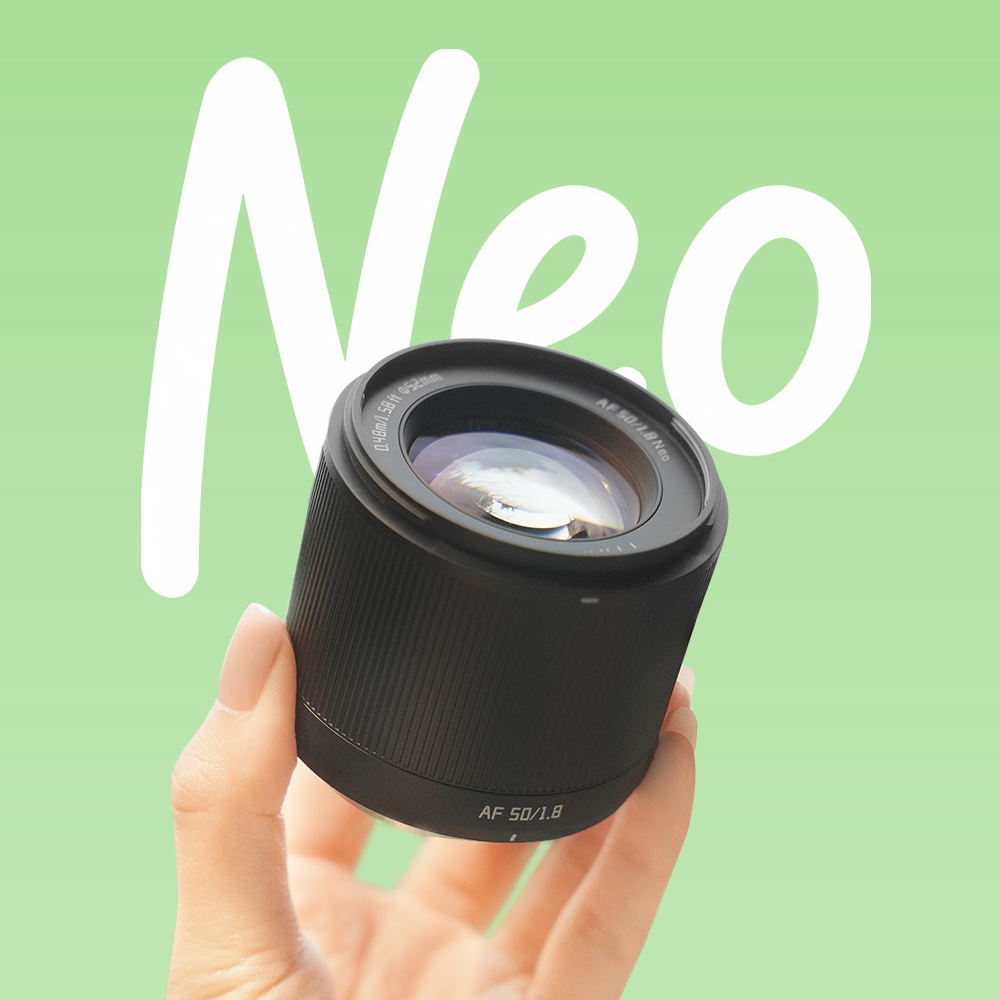
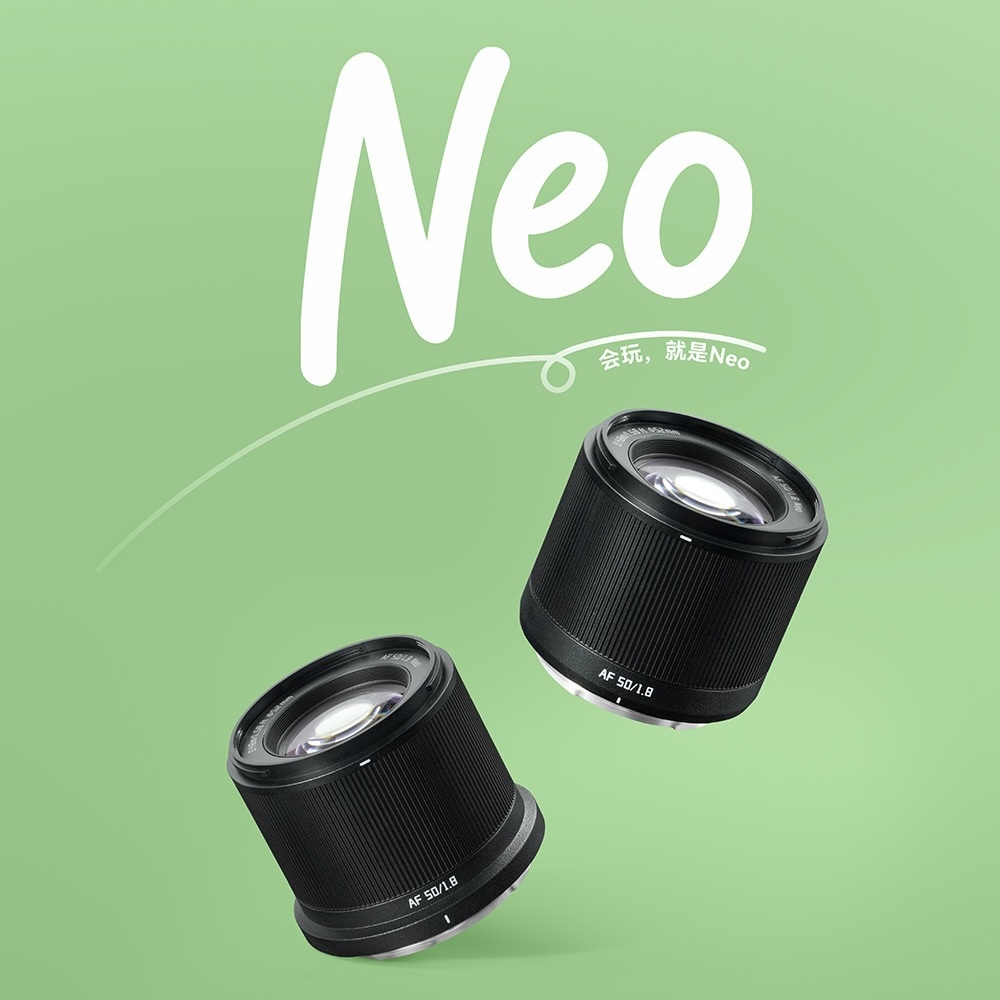
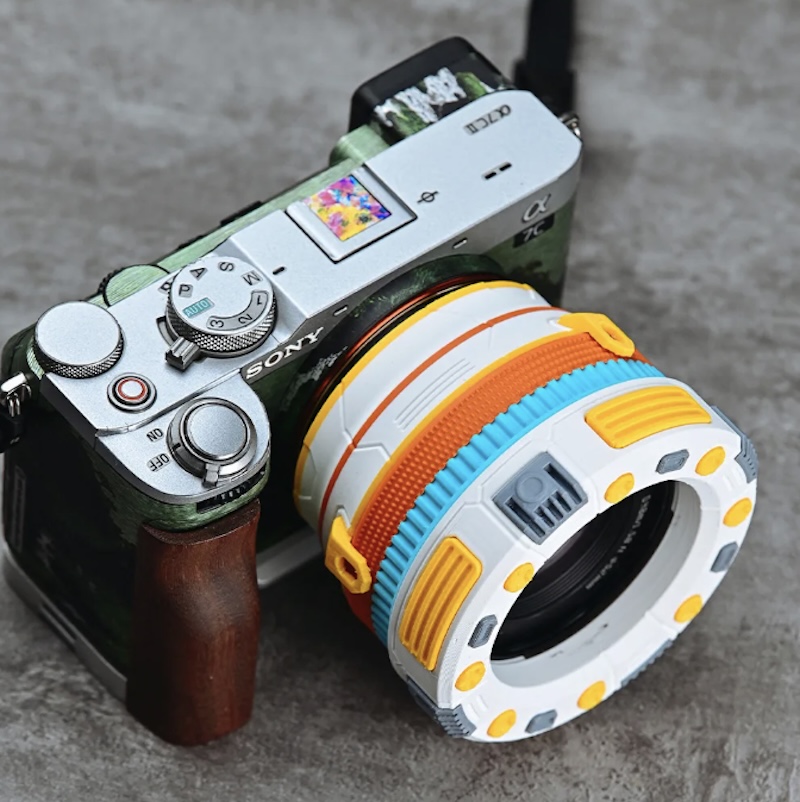
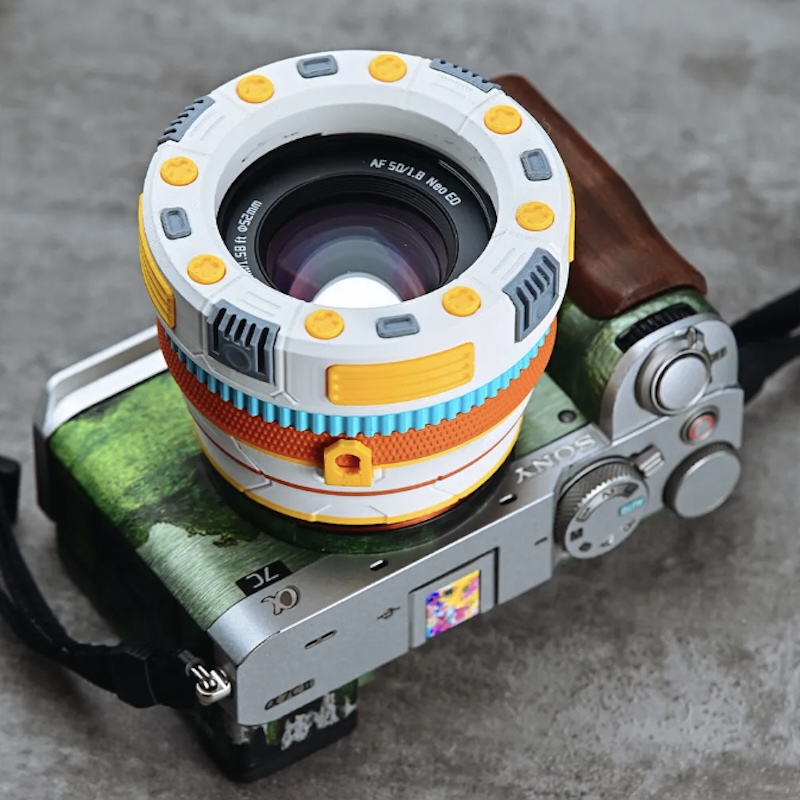
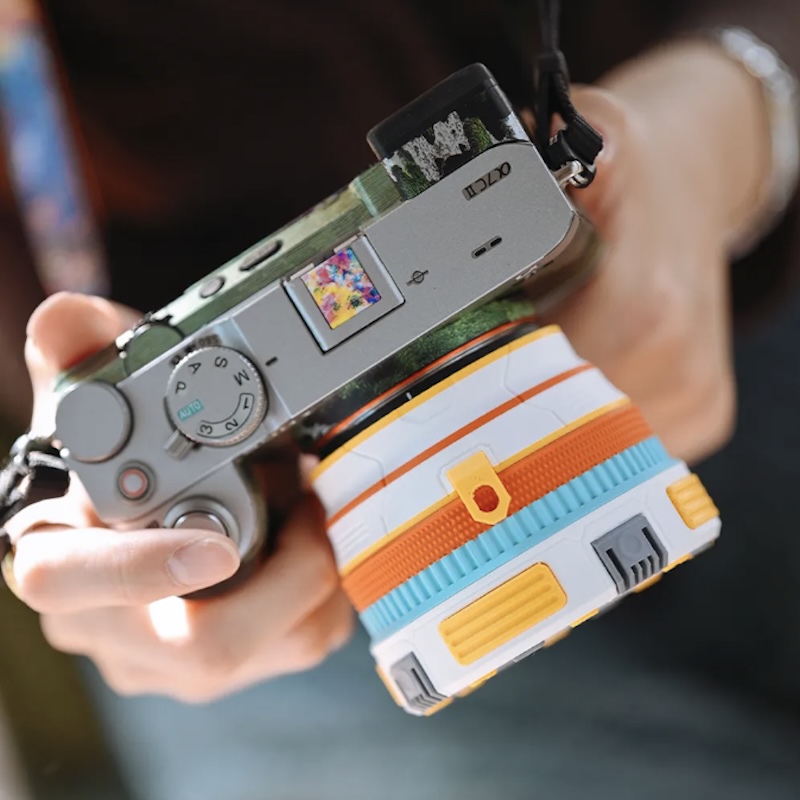
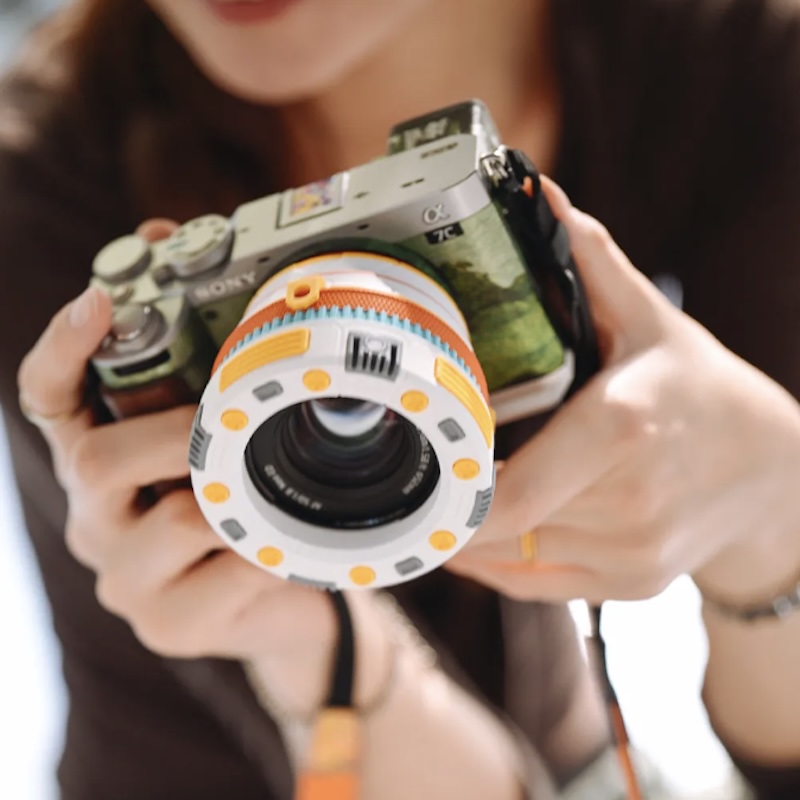
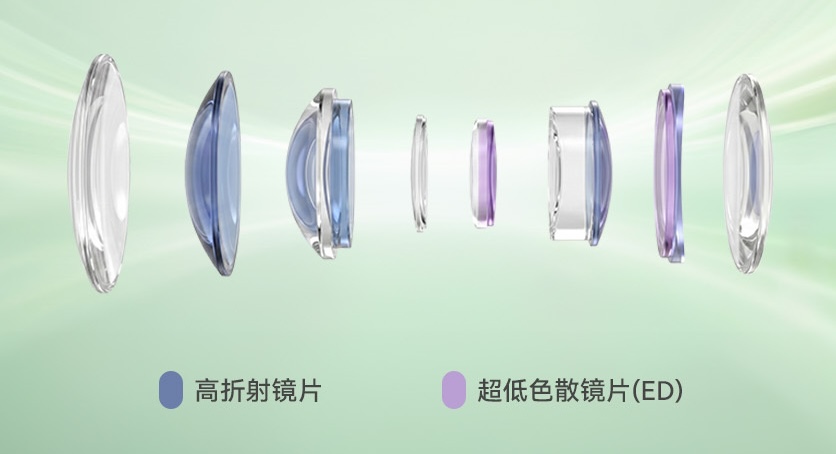
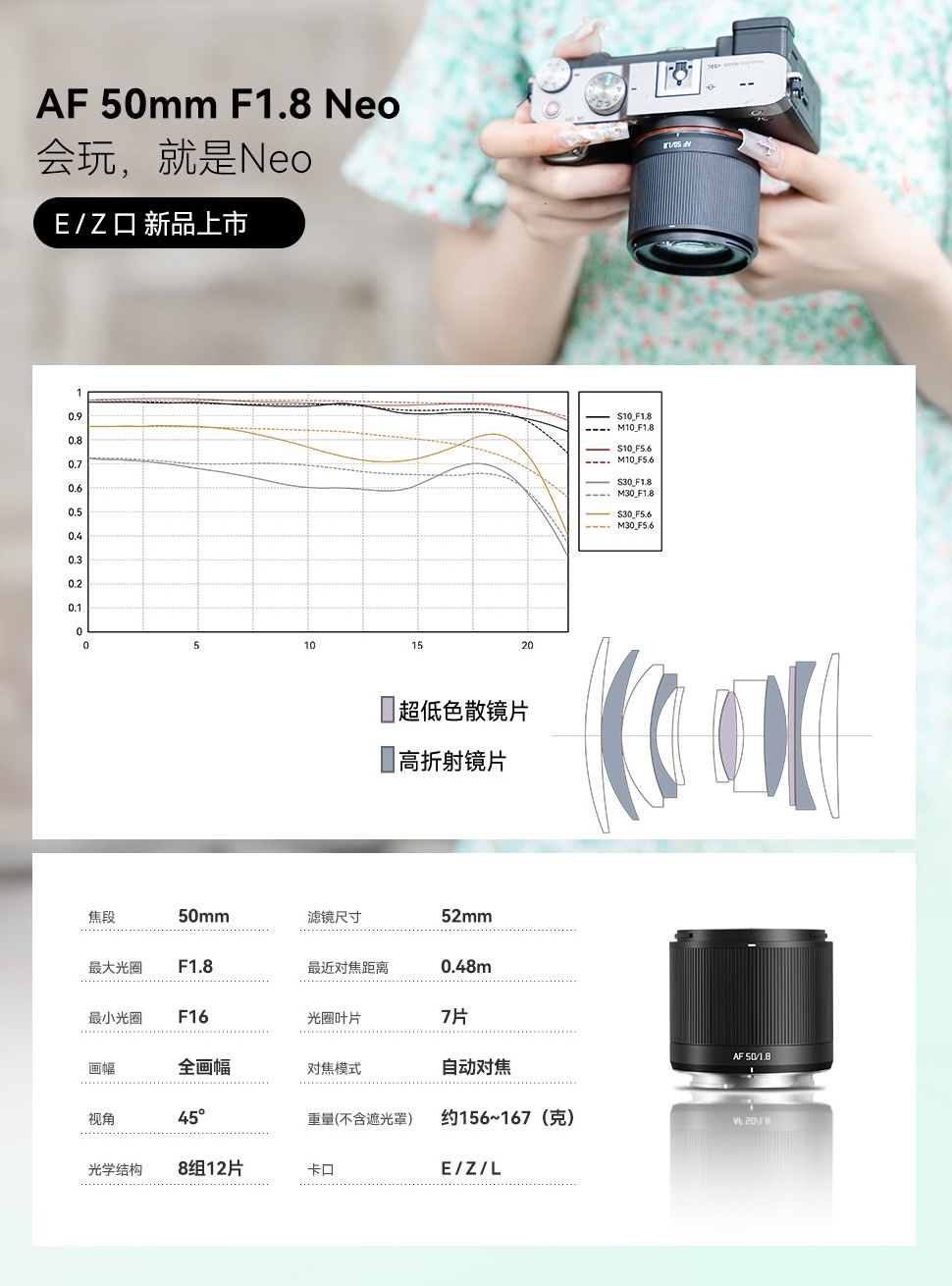
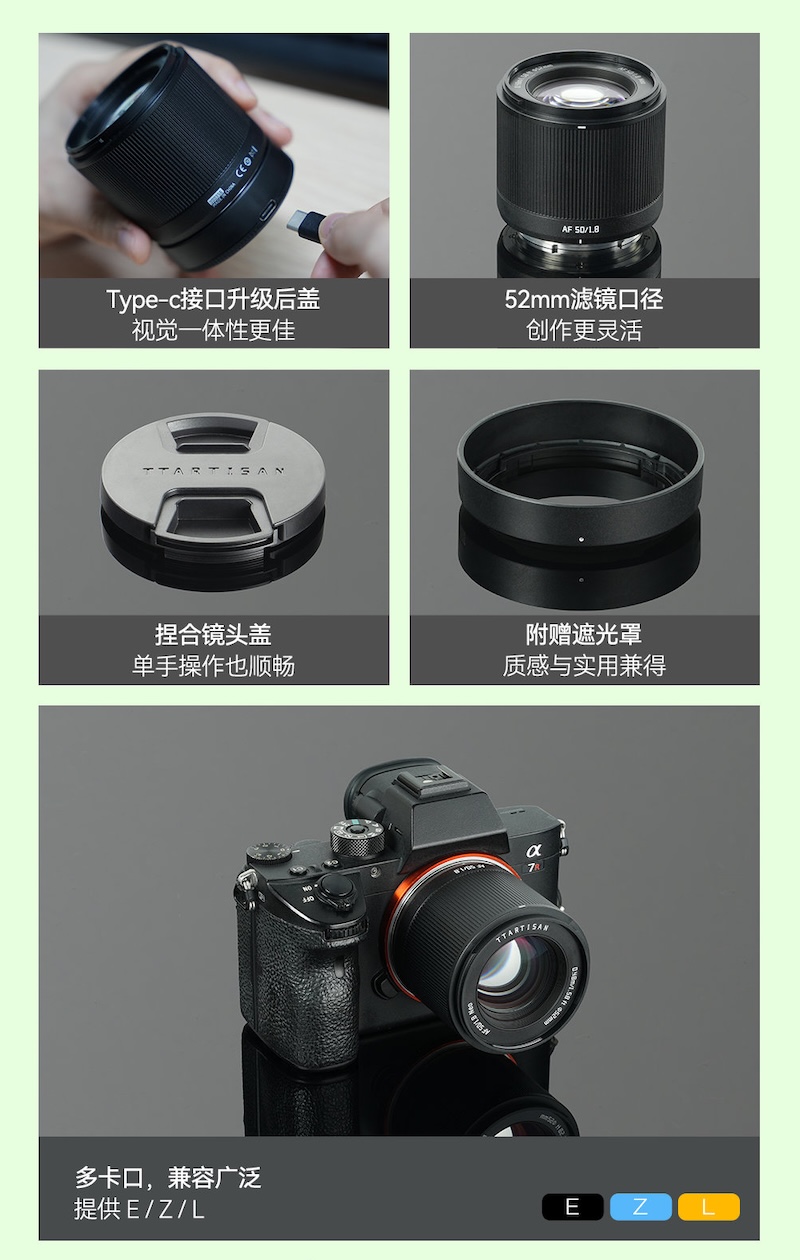
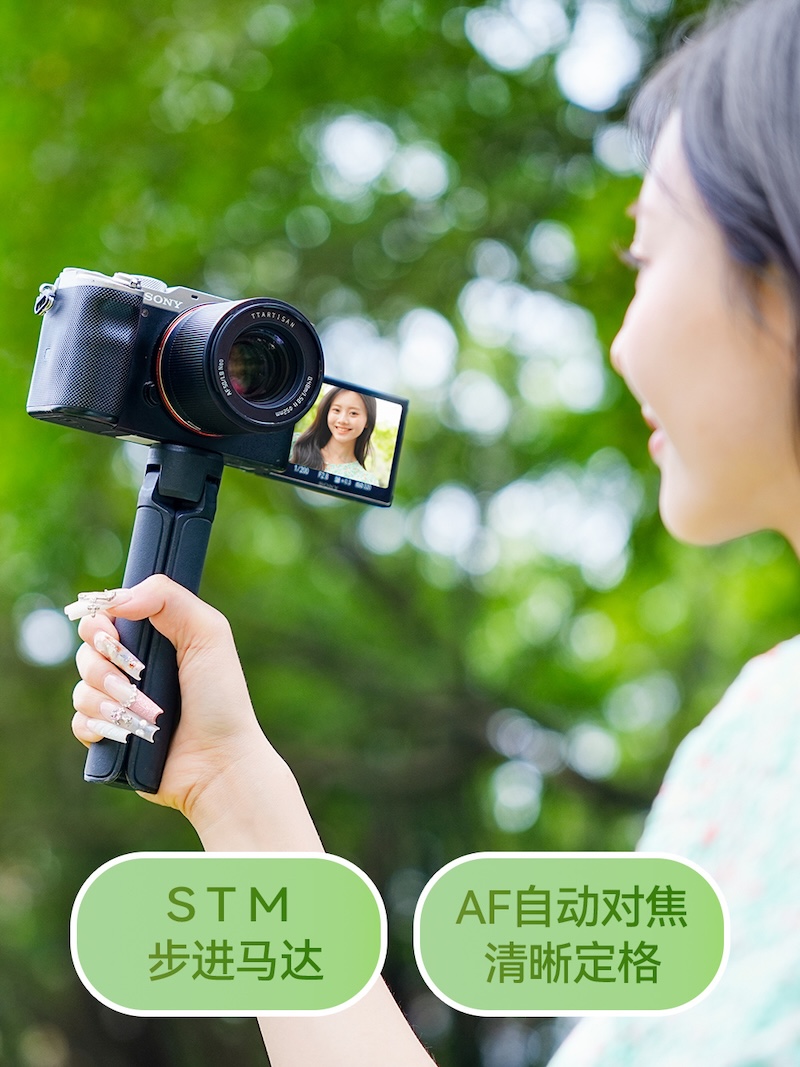
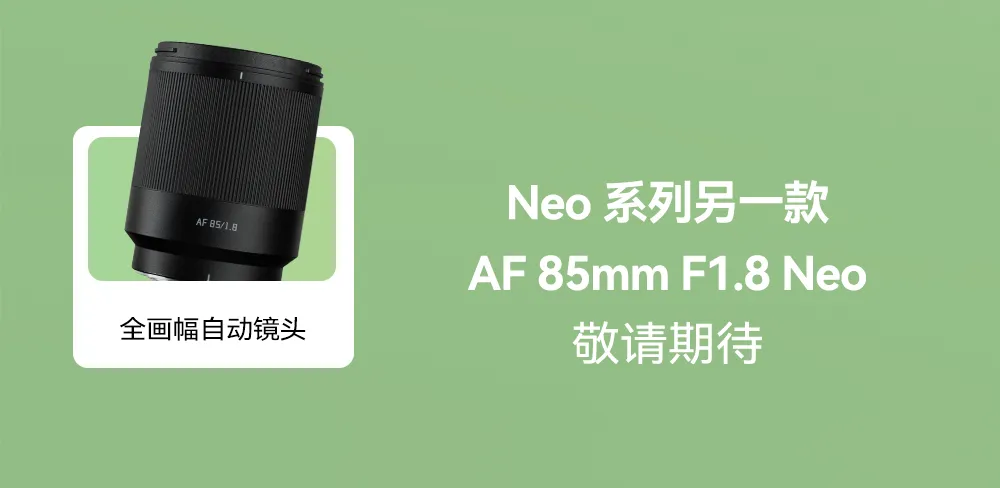
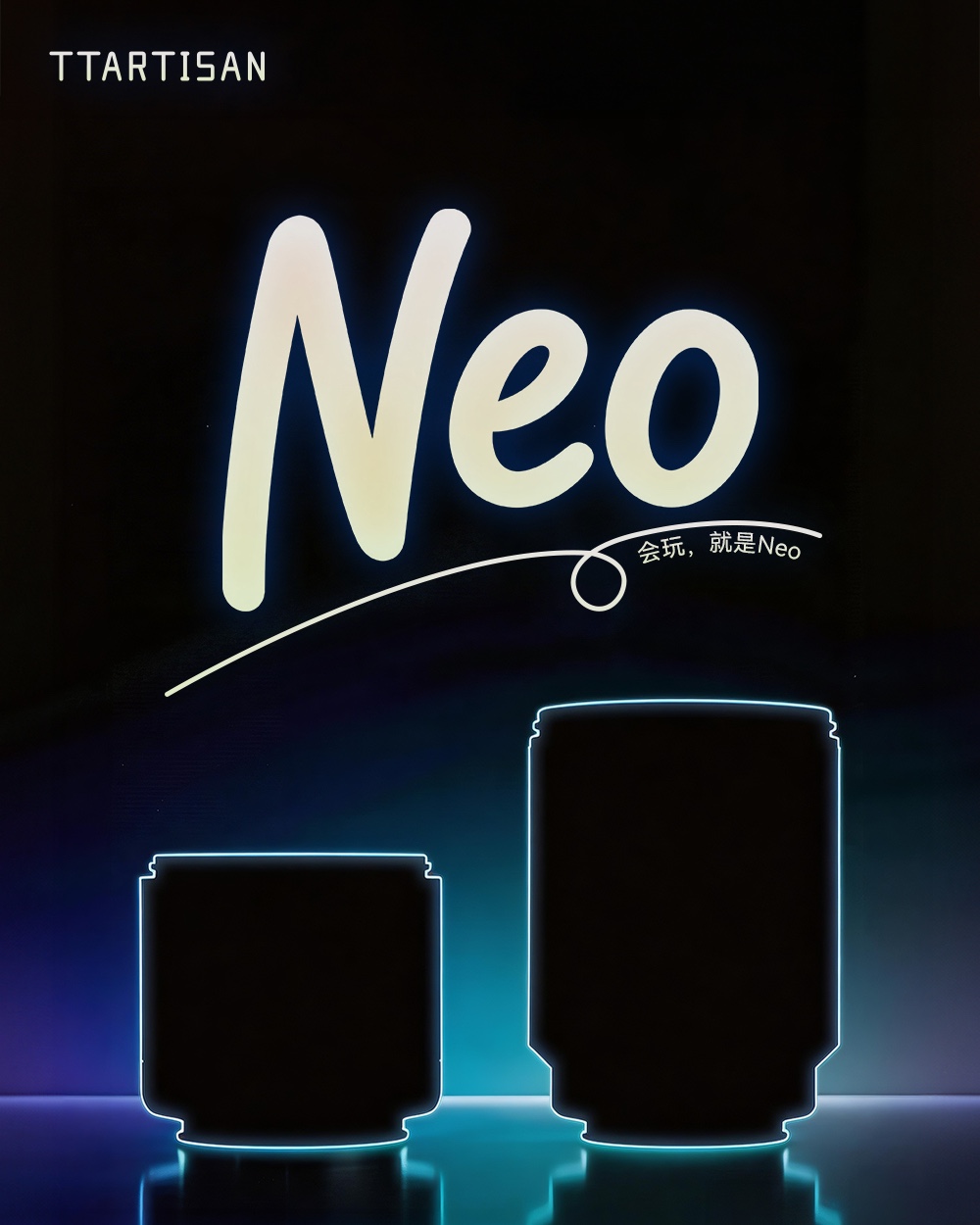
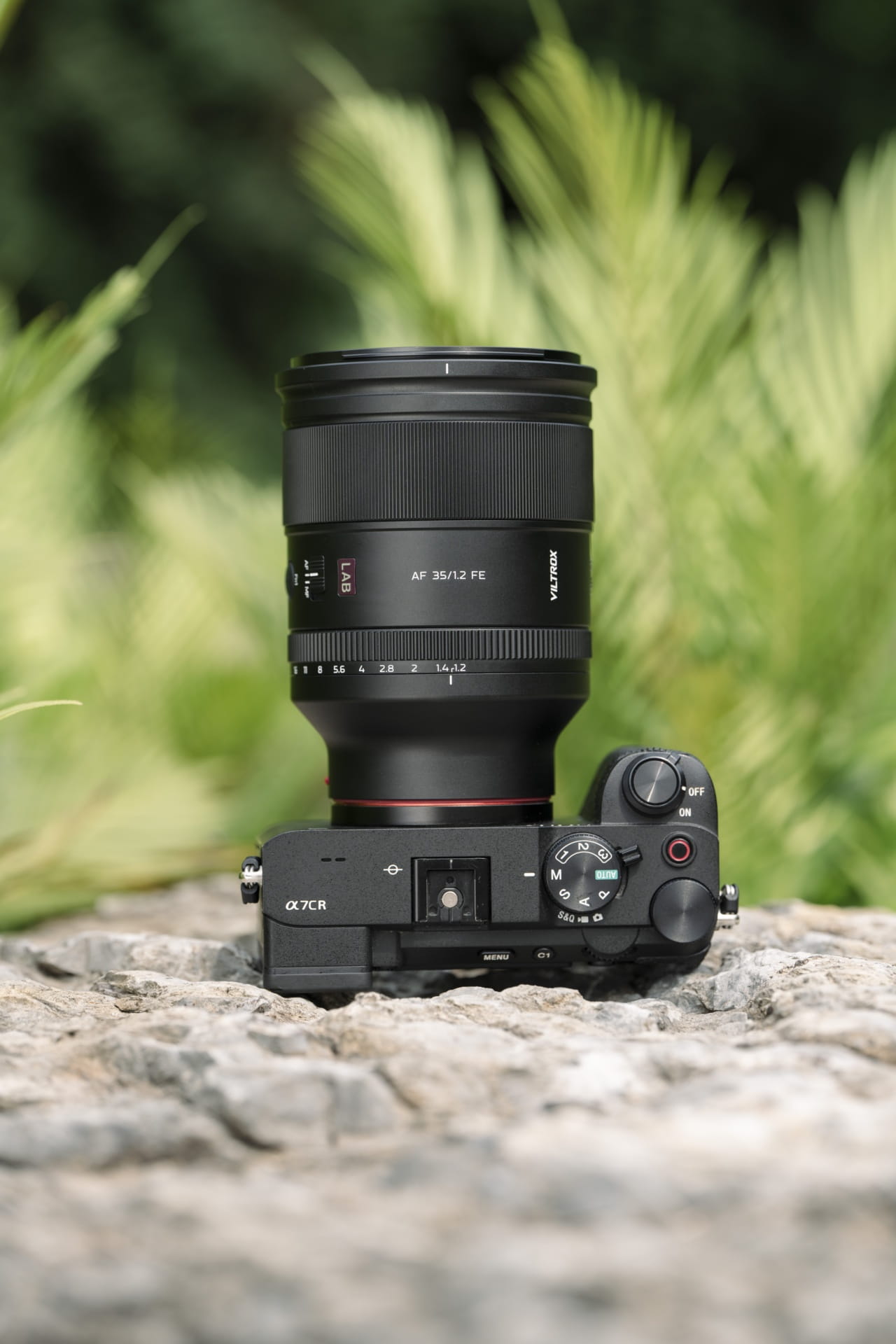
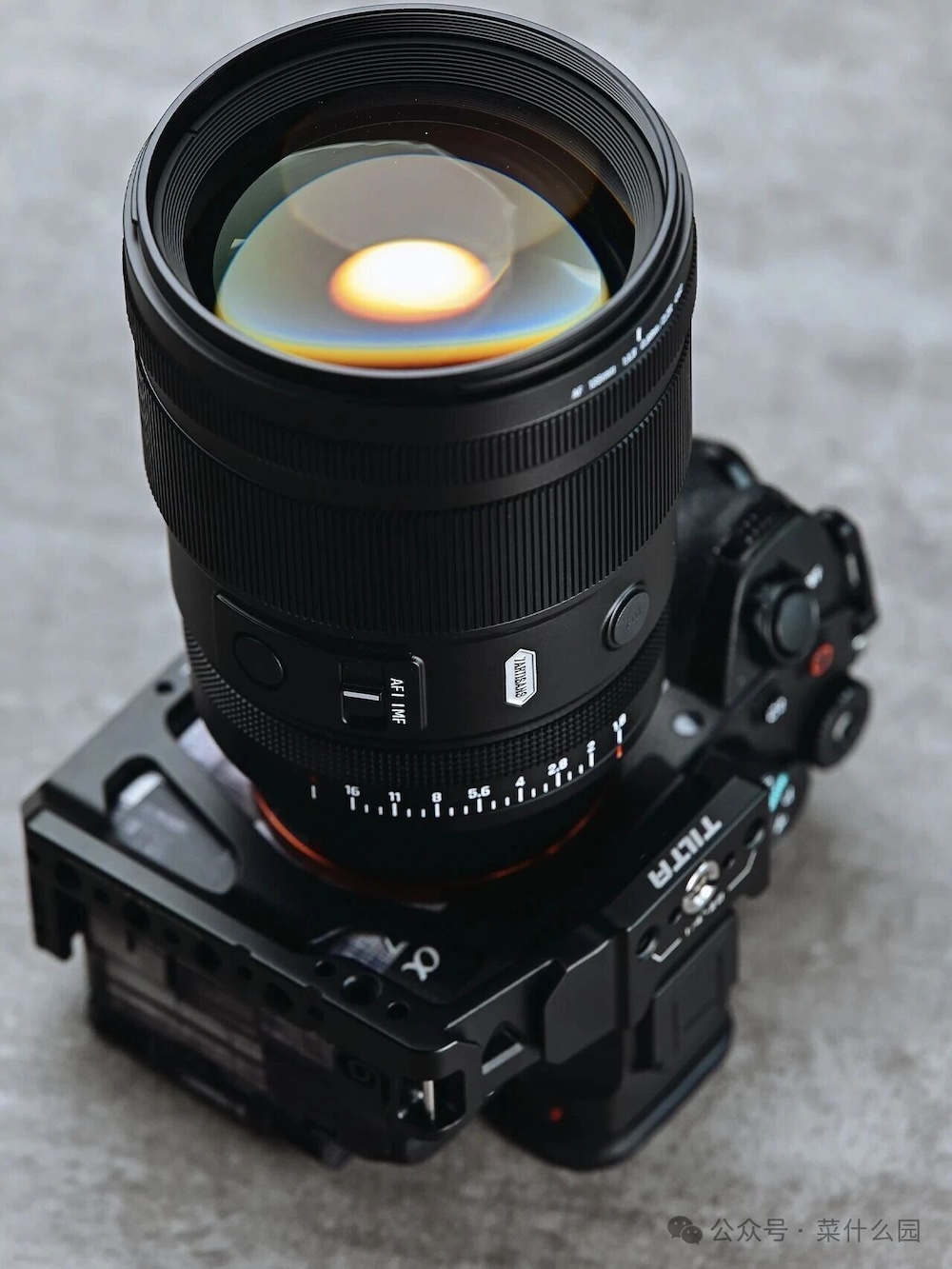
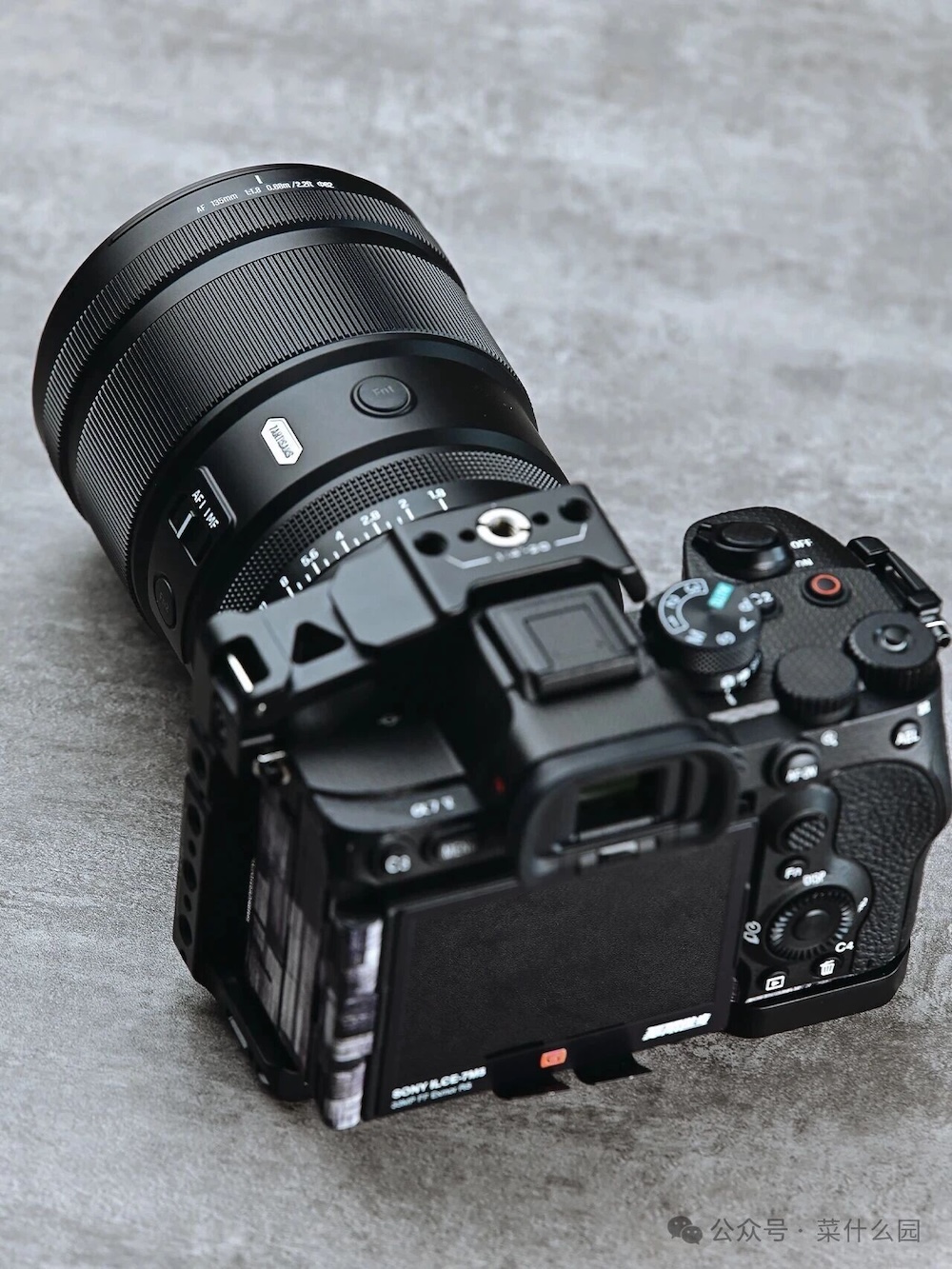
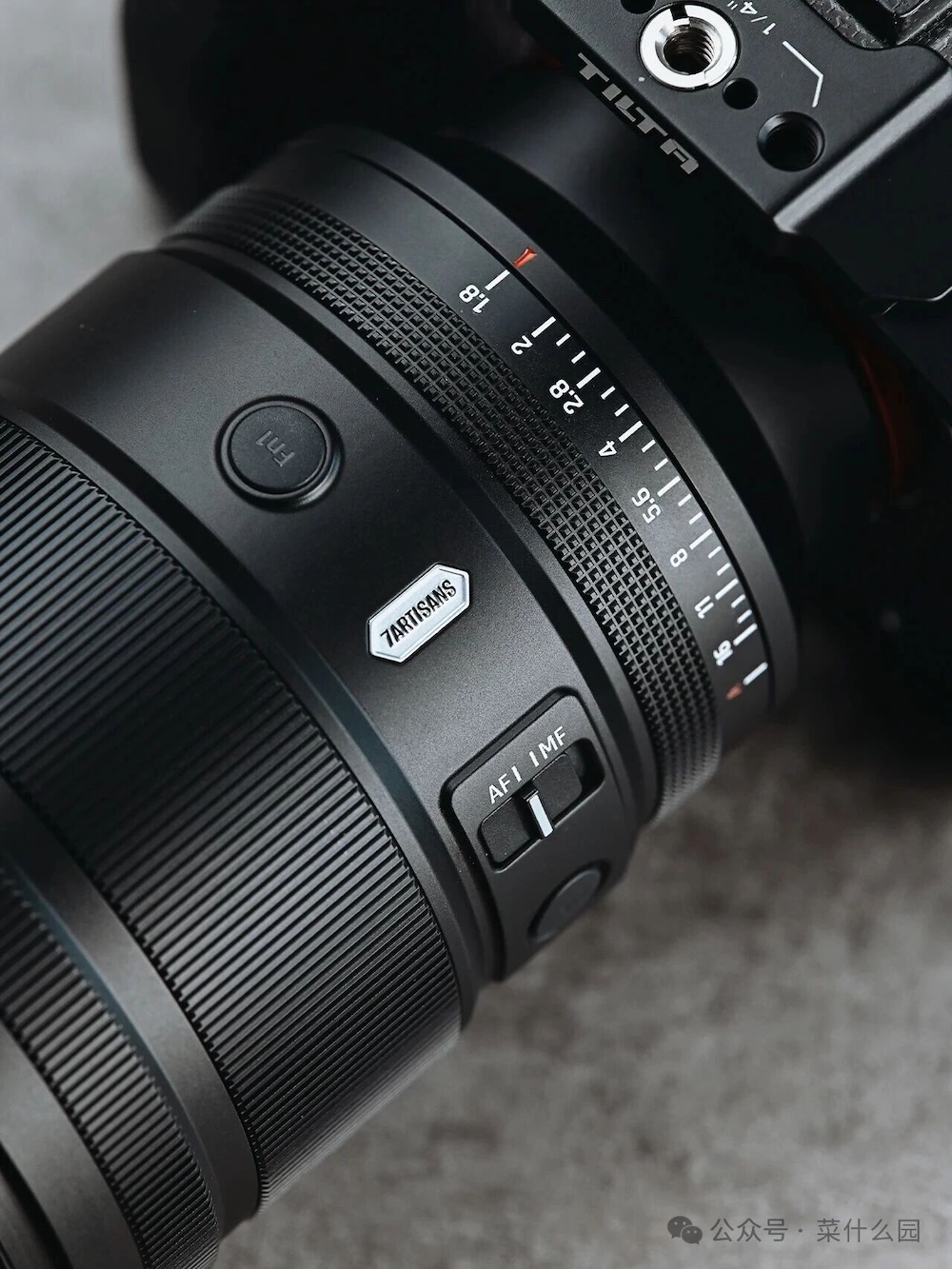
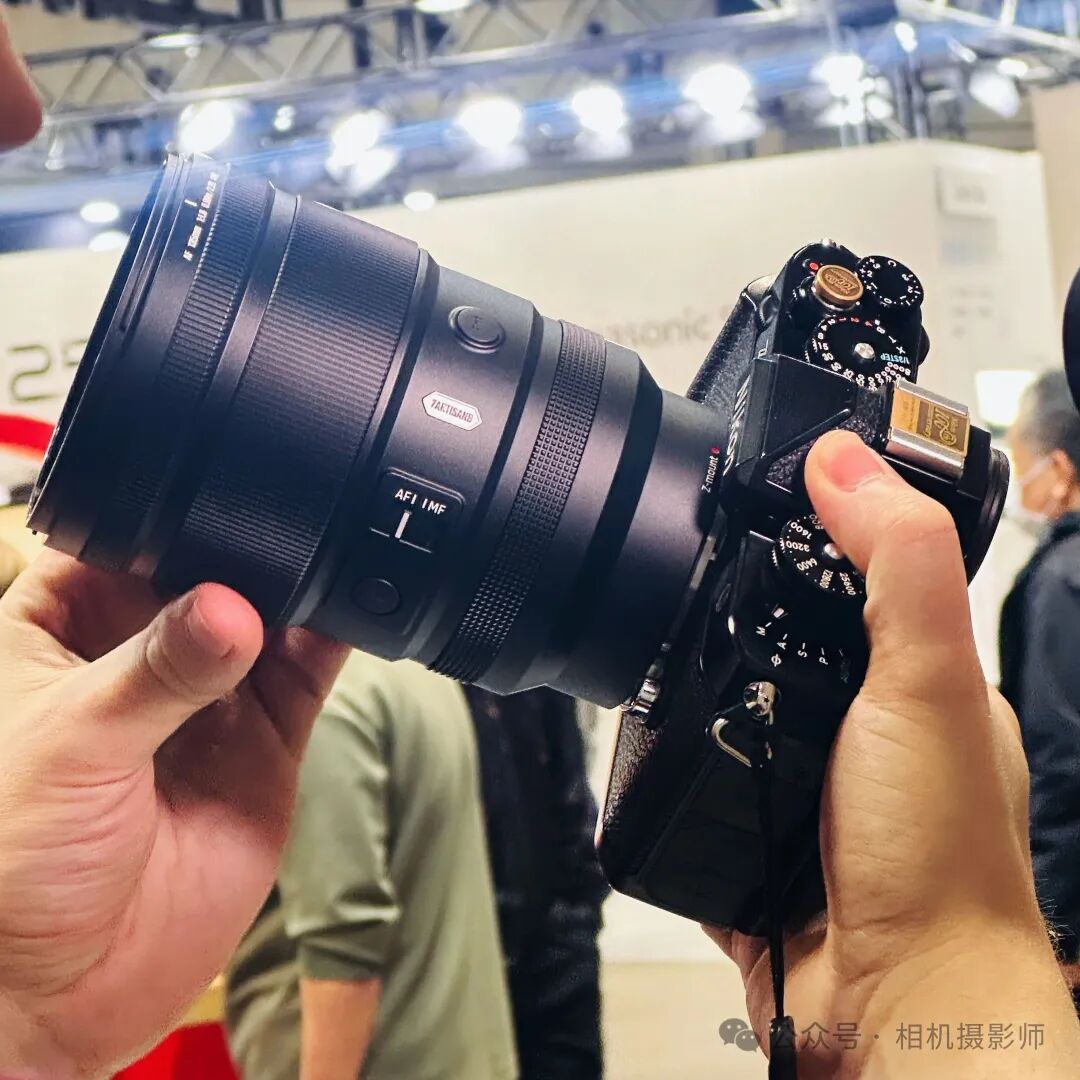
The Neo Series focuses on simplicity, with a clean and minimalistic design – no aperture ring or focus ring. The new TTartisan AF 50mm f/1.8 full-frame lens weighs only 157 grams and is available in Sony E and Nikon Z mounts (a L-mount version is coming later). The lens features an STM stepping motor, an 8-element, 12-group optical design, a 52mm filter thread, and a minimum focusing distance of 0.48 meters, and supports DIY custom armor. The price is around $90. The second TTartisan Neo lens (AF 85mm f/1.8) will be released later.
The new lenses with the third-party skins:
Here are the Tartisan Neo AF 50mm f/1.8 lens technical specifications:
The previously rumored DJI Lito X1 & Lito 1 entry-level drones are now officially announced, but not in the US. In Europe, the new drones can be purchased at Foto Erhard and WEX Photo. Here are the details:
DJI Lito X1
DJI’s Lito X1 is an ultra-light drone designed to capture incredible footage without any baggage. It is equipped with a 1/1.3-inch sensor and 42GB of internal storage. This is accompanied by 4K/60p video, 100fps slow motion, 2.7K vertical shooting, 48MP stills up to 8K detail, and 10-bit D-Log M. With its omnidirectional obstacle sensing, forward LiDAR and ActiveTrack, you can fly with more confidence and keep your subjects locked in the frame. Add on a 36-minute flight time, and you have plenty of room to experiment and refine your shots.
Ultra-light 249g folding body
4K/60p video footage
1/1.3-inch sensor
2.7K vertical shooting
48MP stills up to 8K detail
10-bit D-Log M
DJI Lito 1
DJI also released the Lito 1! This version differs from the Lito X1 in that it’s designed for those who want a simple yet capable aerial camera for everyday shooting. Like the X1, it can shoot 4K/60p video, 100fps slow motion, 2.7K vertical shooting, 48MP stills up to 8K detail, and features omnidirectional obstacle sensing, forward LiDAR and ActiveTrack. The Lito 1 is the perfect entry to drone photography and filmmaking.
DxO released Nik Collection 9. This announcement marks a major milestone for DxO, introducing a significant update in Nik Collection’s history, with powerful AI-enhanced tools, a completely reimagined approach to color grading, and a new generation of creative effects designed to expand artistic possibilities while streamlining the editing workflow.
You can get 15% off DxO products with code RUMORS (for new customers only).
Here is a recap of all the major new features and workflow improvements introduced in DxO’s Nik Collection 9:
AI-Powered Masking Tools
The most significant upgrade in this version is the introduction of advanced, on-device AI masking, which drastically reduces the time spent on complex local selections.
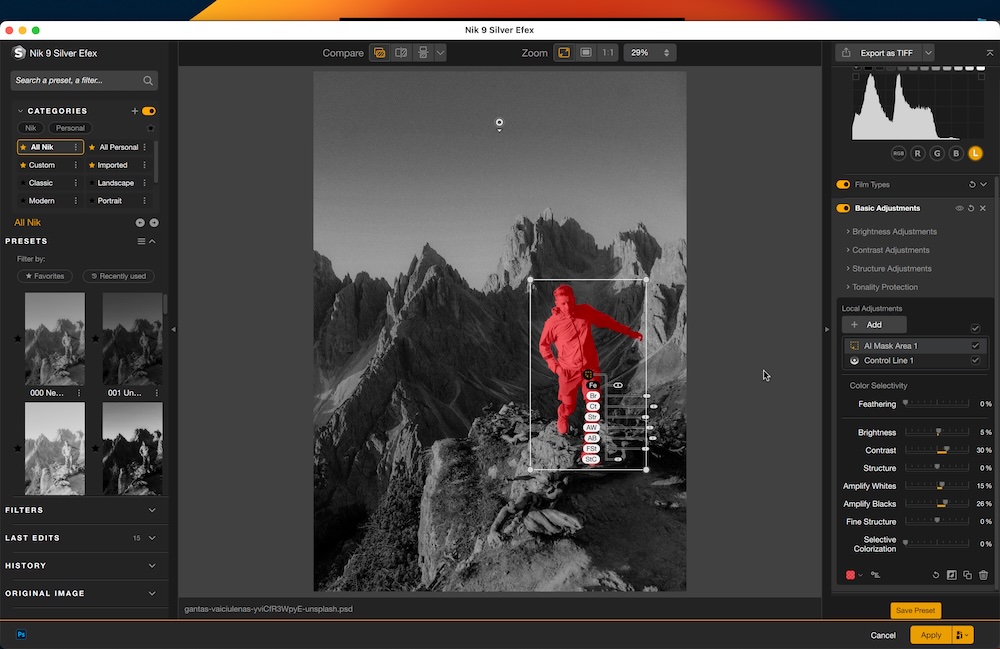
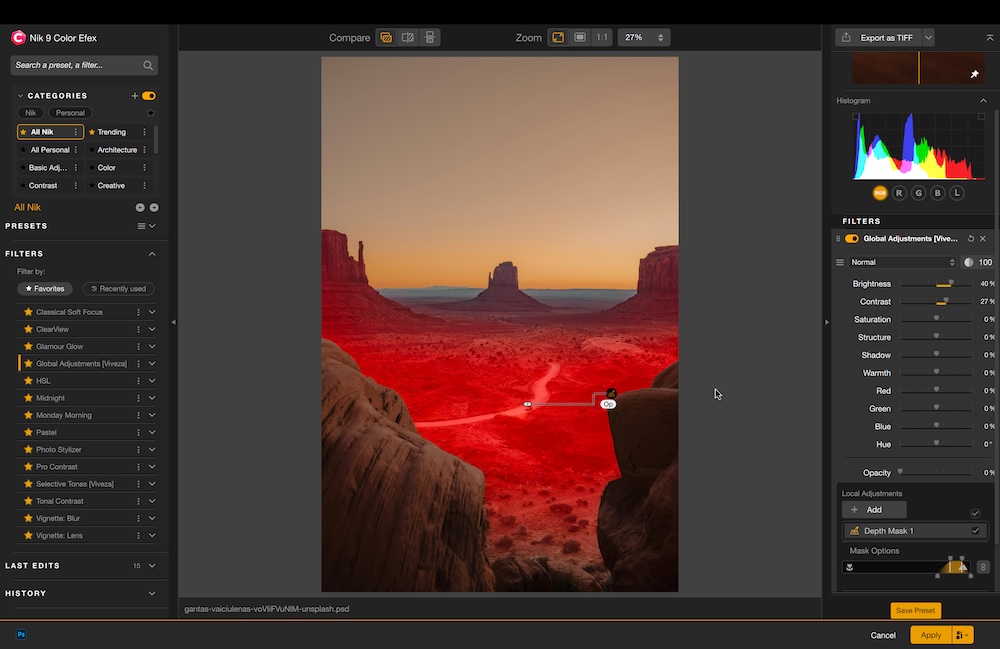
Depth Masks (AI): Available in Color Efex and Silver Efex, this tool analyzes the 2D image to generate a detailed depth map. You can make selective adjustments based entirely on distance from the camera (e.g., editing only the background or foreground), even if the image file has no embedded depth data.
Object Selection Masks: You can now instantly isolate specific subjects within a frame by simply hovering your mouse over them or drawing a rough bounding box. Both mask types include feathering and diffusion sliders to ensure natural transitions.
Streamlined Color Grading
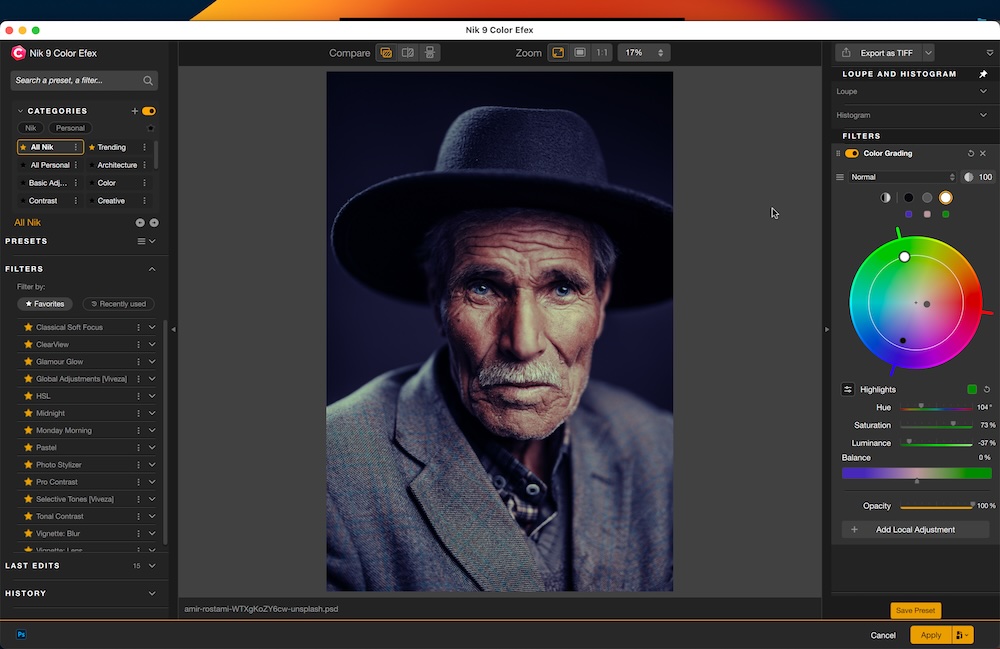
Unified Color Wheel: Nik Color Efex features an overhauled Color Grading tool. Instead of juggling separate panels, you can now plot and control shadows, midtones, and highlights on a single, unified color wheel.
Synchronized Adjustments: You can lock the shadow, midtone, and highlight points together. This allows you to rotate or shift all three simultaneously, preserving the exact relative relationship between their hues and saturations across the image.
Three New Creative Filters
DxO added three new filters to expand the suite’s analog and atmospheric effects:
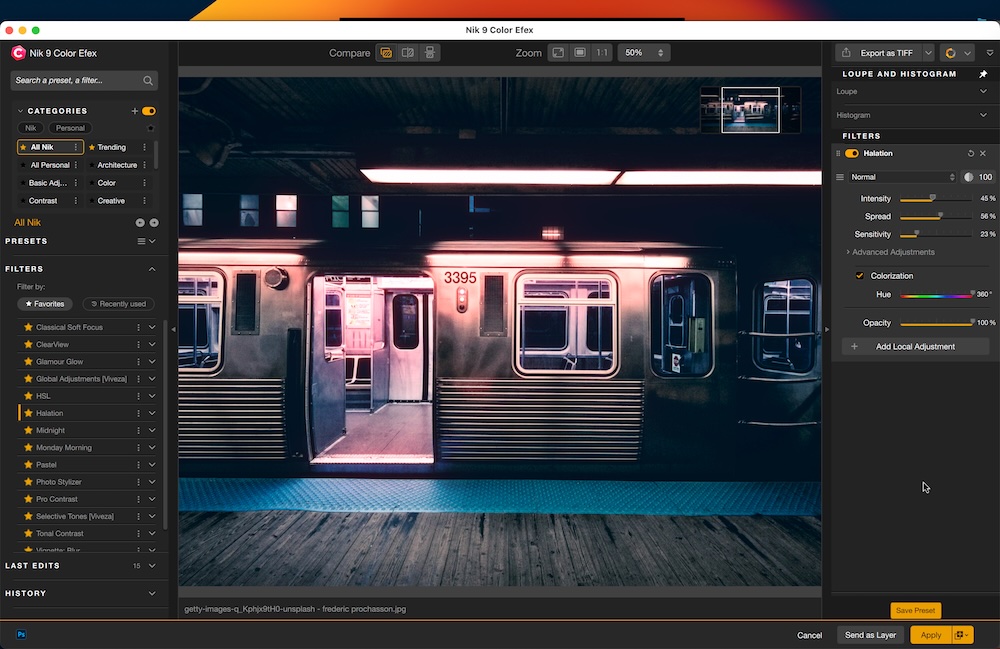
Halation (Color Efex): Recreates the cinematic glow or optical bloom typical of vintage analog film, where bright highlights bleed softly into surrounding darker areas (often creating a subtle reddish halo).
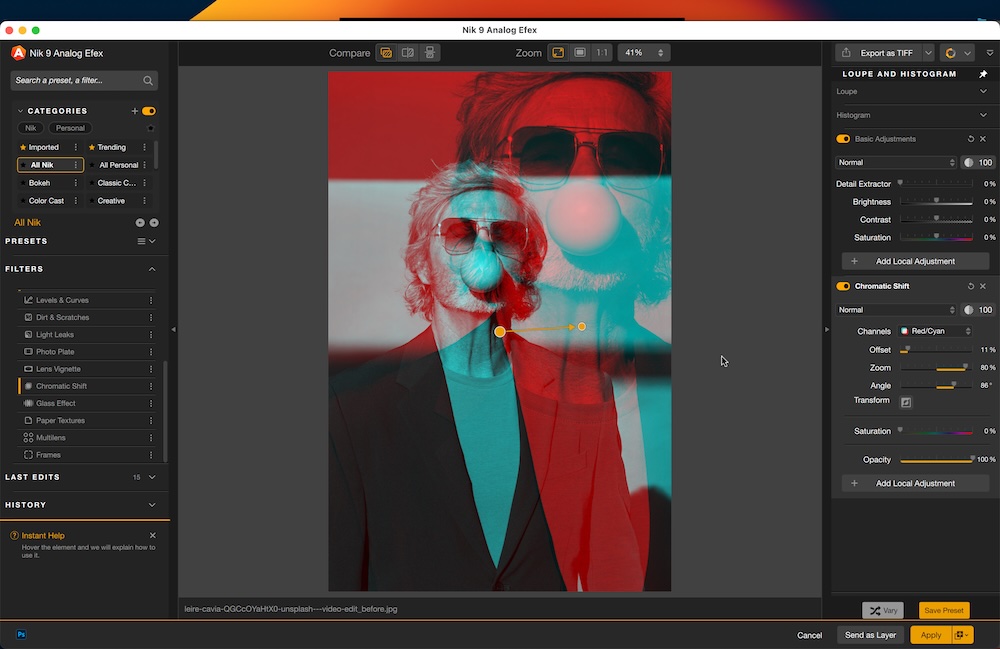
Chromatic Shift (Analog Efex): Simulates the subtle ink misalignments found in traditional offset printing. It displaces color layers (using palettes like red/cyan or yellow/blue) to create authentic vintage imperfections or bold, graphic pop-art effects.
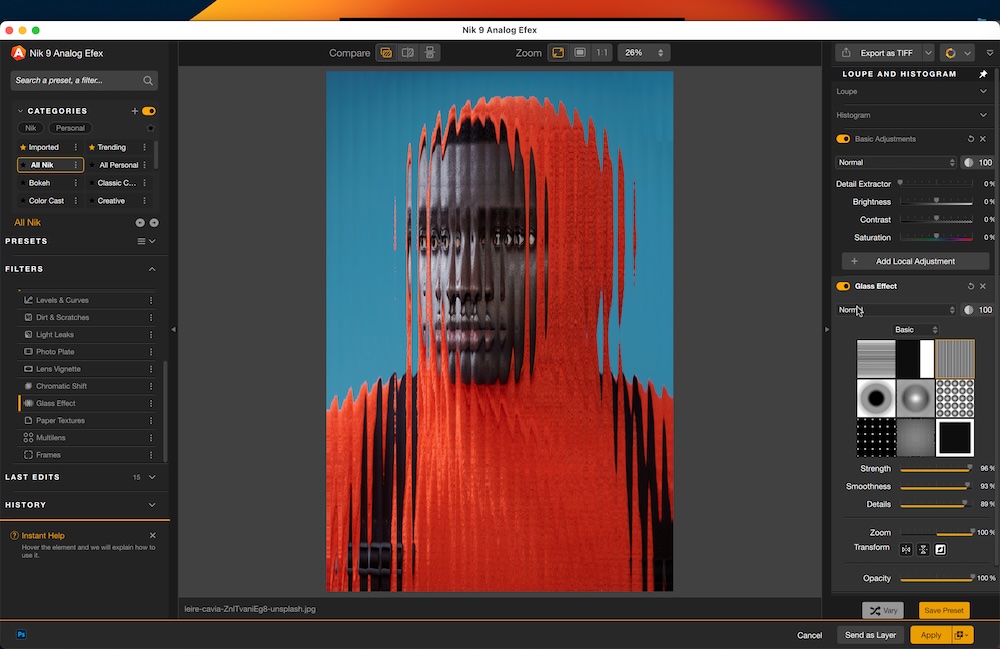
Glass Effect (Analog Efex): Offers over 50 customizable texture overlays that simulate the distortion of viewing your photograph through various patterned or textured glass surfaces.
18 New Blending Modes
Advanced Layer Control: Familiar to Photoshop users, 18 distinct blending modes are now integrated directly into almost all filters in Color Efex and Analog Efex. This gives you massive flexibility in controlling exactly how stacked filters and effects interact with the underlying image.
Workflow and UI Enhancements
Several quality-of-life improvements were introduced to speed up the editing process:
Hover Previews: You can instantly see a real-time preview of presets or past edits on your main image just by hovering over their thumbnails, completely eliminating the need to click and clutter your edit history.
Customizable Mask Overlays: Mask overlays are no longer restricted to red. You can change the overlay color to ensure high contrast and clear visibility against similarly toned areas in your photograph.
Copy & Paste Local Adjustments: You can now copy and paste masks and local adjustments between different filters using standard keyboard shortcuts, preventing you from having to rebuild complex masks from scratch.
Trending Presets: A new category featuring around 24 built-in presets designed specifically to showcase the new tools in version 9.
Preview Quality Mode: A new toggle allows you to adjust the preview rendering quality so you can manipulate sliders without the image temporarily blurring.
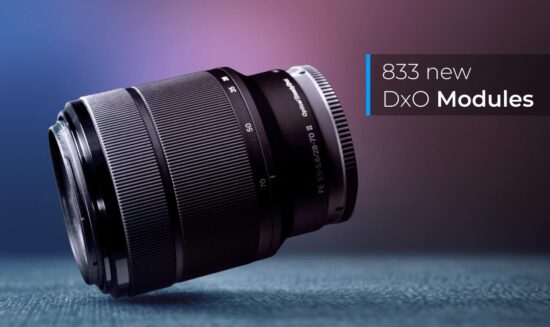
This month, DxO Labs released 833 new DxO camera and lens modules for the latest gear from Canon, Fujifilm, Nikon, Sigma, and more. DxO now offers 112,308 camera and lens combinations.
You can get 15% off DxO products with code RUMORS (for new customers only).

 Connexion