Connexion
Scientists Discover 27 Potential New Planets That Orbit Two Stars
Astronomers have identified 27 potential new circumbinary planets -- worlds that orbit two stars, like Star Wars' Tatooine. "To date, only about 18 circumbinary planets ... had been identified in the universe," reports the Guardian. "More than 6,000 planets have been discovered that orbit single stars, like Earth does around the sun." The Guardian reports: In a timely publication for May 4, also known as Star Wars Day, scientists have identified nearly 30 more candidate planets, whose distances range from 650 to 18,000 light years away from Earth. [...] More than half of the stars in the universe exist in binary or multiple star systems. The researchers instead used a method known as "apsidal precession," searching for a wobble between stars that orbit around and eclipse each other.
"If we monitor the exact timing of these eclipses ... that can tell us that there's something else going on in the system," said Margo Thornton, the study's lead author and a PhD candidate at UNSW. After eliminating other factors such as the rotation and gravitational pull of the two stars, the team identified 36 star systems out of 1,590 whose behavior could only be explained by a third body. For "27 of those objects, it is possible that they are planet mass," Thornton said.
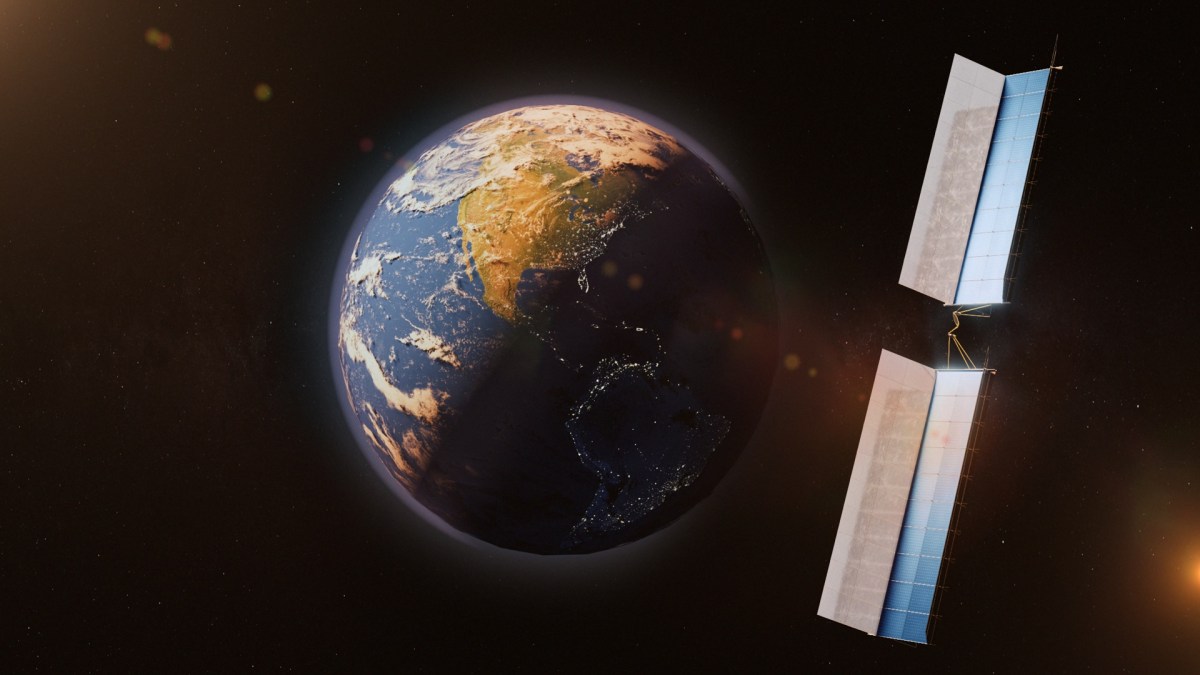
More research into their spectra -- the light they emit -- was needed to formally confirm them as circumbinary planets, she said. "It's just a matter of: what is the mass of it? Is it a planet? Is it a brown dwarf? Is it a star?" The team discovered the potential planets -- which likely range from Neptune-sized to ten times heavier than Jupiter -- using data from Nasa's Transiting Exoplanet Survey Satellite, a planet-hunting space telescope that launched in 2018. The research was published in the Monthly Notices of the Royal Astronomical Society.


Read more of this story at Slashdot.