Vue lecture

Artémis III : la NASA juge qu’un journaliste a « mal interprété » ses propos, les enregistrements montrent l’inverse

artémis lune

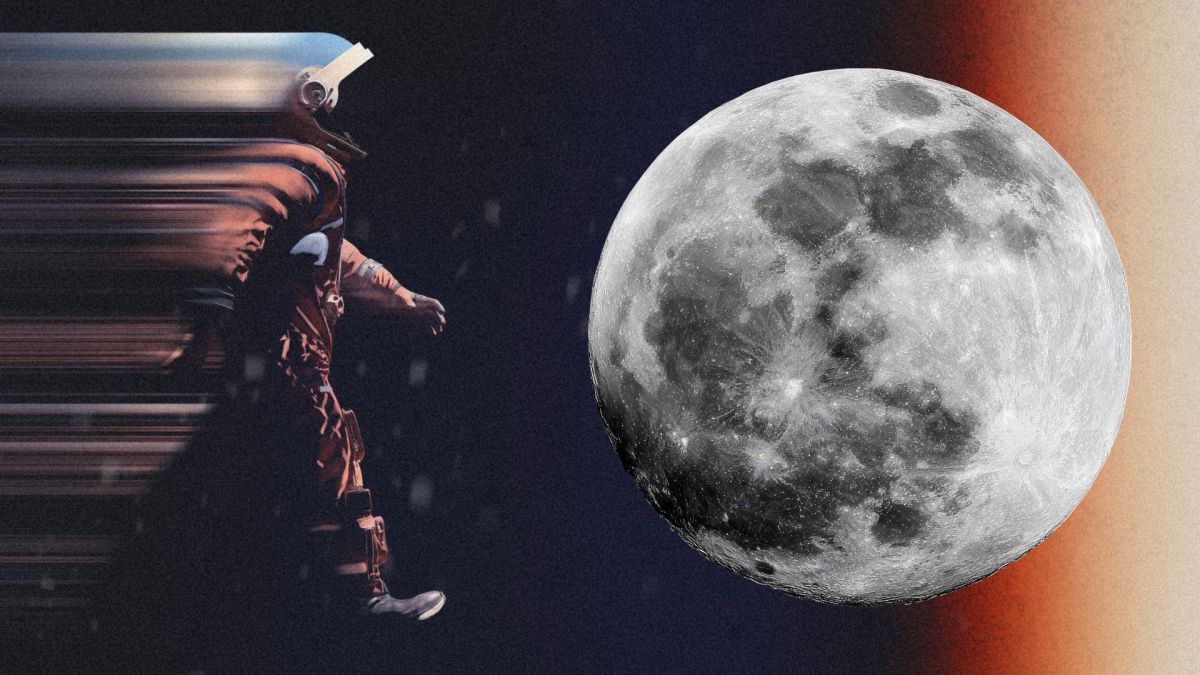
En démentant le report de la mission Artémis III à fin 2027, le patron de la NASA a tenté un rétropédalage. Pour justifier la confusion, Jared Isaacman a pointé du doigt la mauvaise interprétation d'un journaliste… avant que l'enregistrement de ses propres déclarations ne refasse surface pour le contredire.

  •  

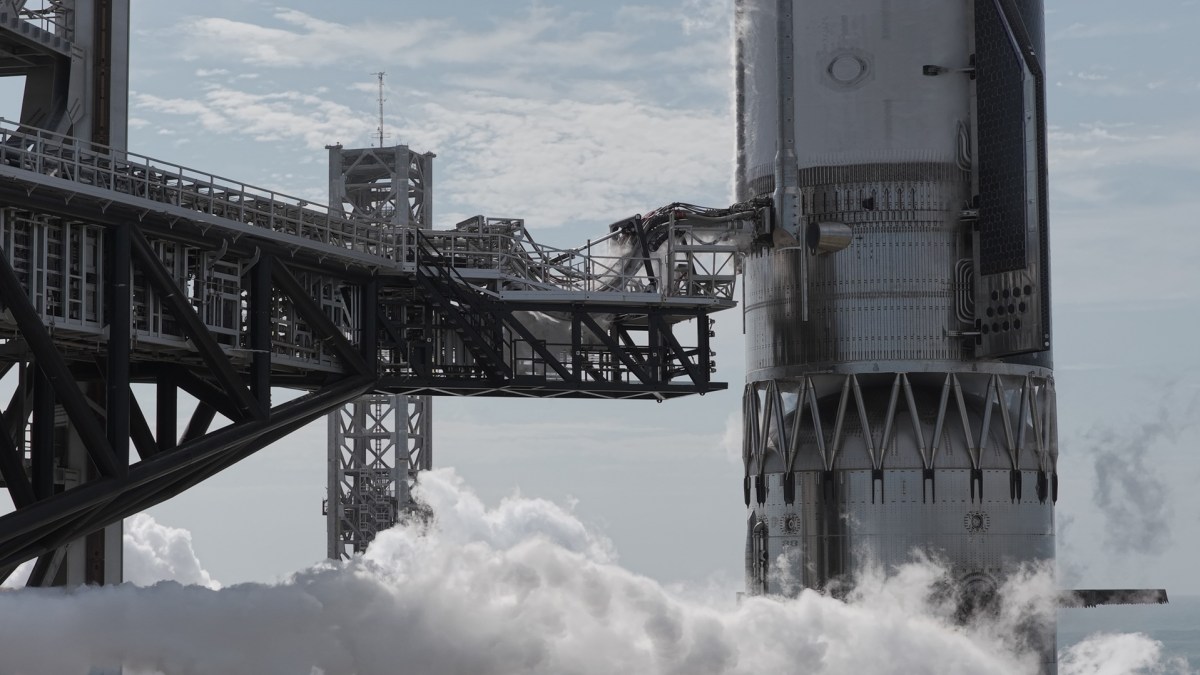
SpaceX Unveils Sweeping Starship V3 Upgrades

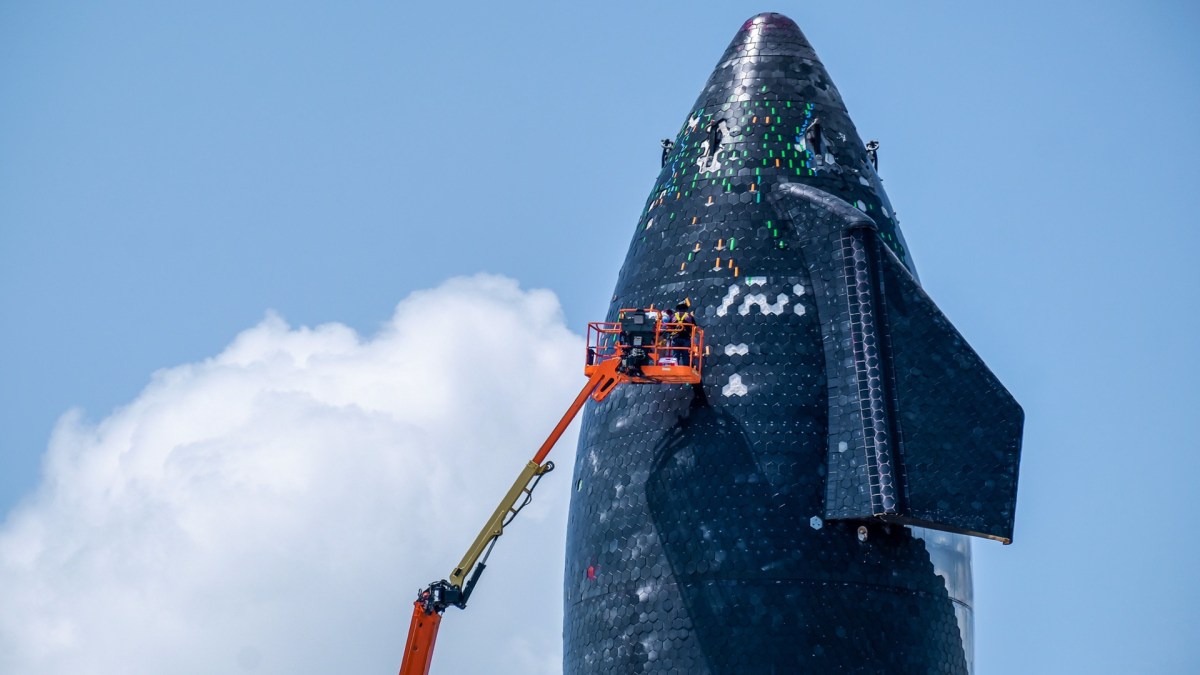
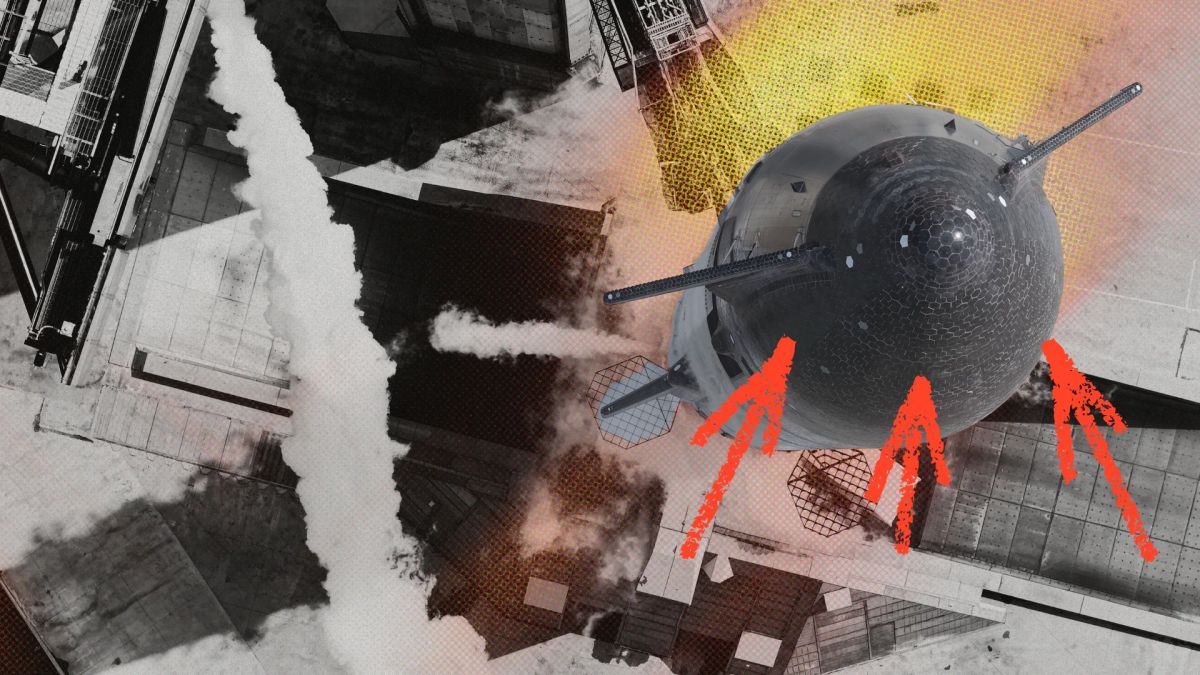
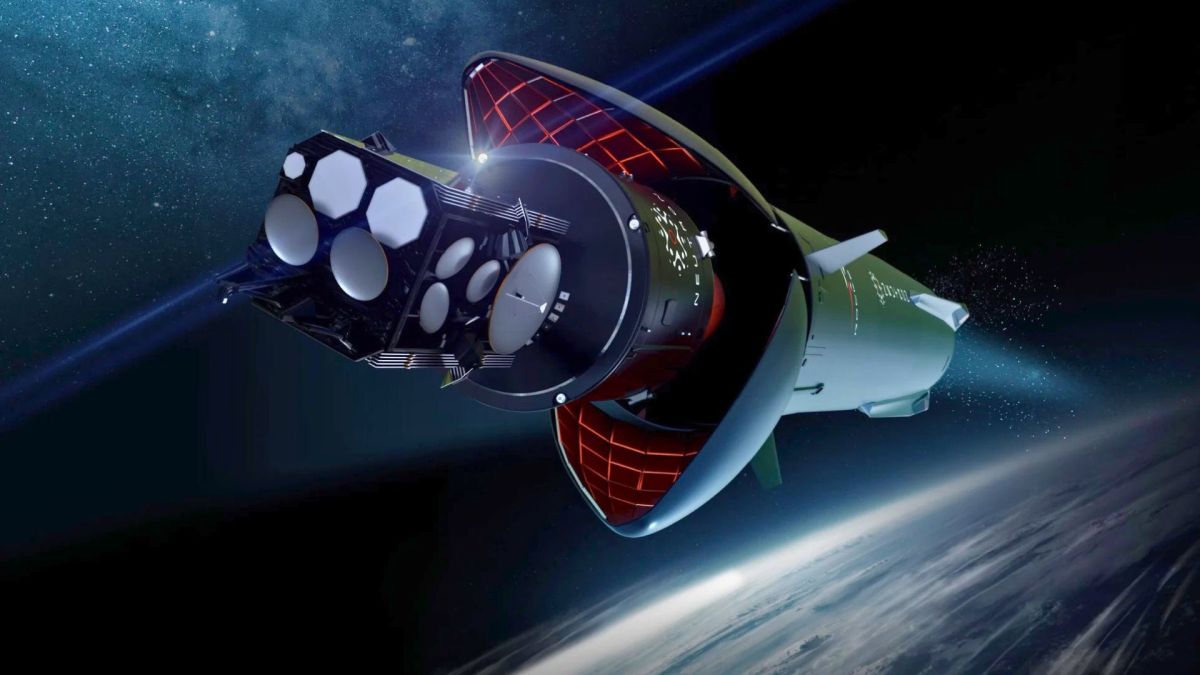
SpaceX has detailed major Starship V3 upgrades ahead of a launch targeted as early as May 19. The changes are meant to move Starship closer to its core goals: rapid reuse, Starlink deployment, orbital refueling, and eventually Moon and Mars missions. Longtime Slashdot reader schwit1 shares a report from Teslarati: Here is an explicit, broken-down list of the key changes, first starting with the changes to Super Heavy V3: - Grid Fin Redesign: Reduced from four fins to three. Each fin is now 50% larger and stronger, repositioned for better catching and lifting performance. Fins are lowered on the booster to reduce heat exposure during hot staging, with hardware moved inside the fuel tank for protection. - Integrated Hot Staging: Eliminates the old disposable interstage shield. The booster dome is now directly exposed to upper-stage engine ignition, protected by tank pressure and steel shielding. Interstage actuators retract after separation. - New Fuel Transfer System: Massive redesign of the fuel transfer tube -- roughly the size of a Falcon 9 first stage -- enables simultaneous startup of all 33 Raptors for faster, more reliable flip maneuvers. - Engine Bay/Thermal Protection: Engine shrouds removed entirely; new shielding added between engines. Propulsion and avionics are more tightly integrated. CO? fire suppression system deleted for a simpler, lighter aft section. - Propellant Loading Improvements: Switched from one quick disconnect to two separate systems for added redundancy and reduced pad complexity. Next, we have the changes to Starship V3: - Completely Redesigned Propulsion System: Clean-sheet redesign supports new Raptor startup, larger propellant volume, and an improved reaction control system while reducing trapped or leaked propellant risk. - Aft Section Simplification: Fluid and electrical systems rerouted; engine shrouds and large aft cavity deleted. - Flap Actuation Upgrade: Changed from two actuators per flap to one actuator with three motors for better redundancy, mass efficiency, and lower cost. - Faster Starlink Deployment: Upgraded PEZ dispenser enables quicker satellite release. - Long-Duration Spaceflight Capability: New systems for long orbital coasts, orbital refueling, cryogenic fluid management, vacuum-insulated header tanks, and high-voltage cryogenic recirculation. - Ship-to-Ship Docking + Refueling: Four docking drogues and dedicated propellant transfer connections added to support in-space refueling architecture. - Avionics Upgrades: 60 custom avionics units with integrated batteries, inverters, and high-voltage systems (9 MW peak power). New multi-sensor navigation for precision autonomous flight. RF sensors measure propellant in microgravity. ~50 onboard camera views and 480 Mbps Starlink connectivity for low-latency communications. "Believe it or not, there's more," writes schwit1. "Two years ago, the biggest and most powerful rocket ever flown was Starship V1. Last year, it was Starship V2. V3 is about to become the biggest and most powerful rocket ever flown -- but don't worry, the company already has plans for V4."

Read more of this story at Slashdot.

  •  

Physicists Find Possible Errors In 100-Year-Old Model of the Universe

A trio of preprint papers suggests the universe may not be perfectly uniform on the largest scales, finding tentative 2-to-4-sigma deviations from a core assumption of standard cosmology known as FLRW geometry. Live Science reports: The work combines observations of distant exploding stars and large-scale galaxy surveys to probe whether the universe truly follows a nearly 100-year-old mathematical framework known as Friedmann-Lemaitre-Robertson-Walker (FLRW) cosmology. The analyses revealed mild-but-intriguing deviations from the predictions of the standard model. "We saw a surprising violation of an FLRW curvature consistency test, hinting at new physics beyond the standard model," study co-author Asta Heinesen, a physicist at the Niels Bohr Institute in Copenhagen and Queen Mary University in London, told Live Science via email, referring to the assumption that the space's curvature is the same everywhere. "This could potentially be due to various effects, but more research is needed to address the cause of the FLRW violation that we see empirically." [...] The analyses revealed small but potentially important departures from the predictions of standard FLRW cosmology. Depending on the dataset and analysis method, the discrepancy reached a statistical significance of about 2 to 4 sigma. In physics, sigma measures how likely a result is to arise purely by chance; a 5-sigma result is typically required before scientists claim a discovery, so the new findings remain tentative. Still, the results suggest that something unexpected may be affecting the geometry or expansion of the universe. "The main finding is that you can directly measure Dyer-Roeder and backreaction effects from available cosmological data, and clearly distinguish these effects from other alterations of the standard cosmological model, such as evolving dark energy and modified gravity theories," Heinesen said. "This was previously not possible in such a direct way, and this is what I think is the breakthrough in our work." "If these indicated deviations from an FLRW geometry are real, it would signify that most of the cosmological solutions considered for solving the cosmological tensions -- evolving or interacting dark energy, new types of matter or energy, modified gravity and related ideas within the FLRW framework -- are ruled out," the researchers wrote. The next step will involve applying the new theoretical framework to larger and more precise datasets. "It is to apply our theoretical results to data to test the standard model and to produce constraints on the Dyer-Roeder and backreaction effects," Heinesen said.

Read more of this story at Slashdot.

  •  

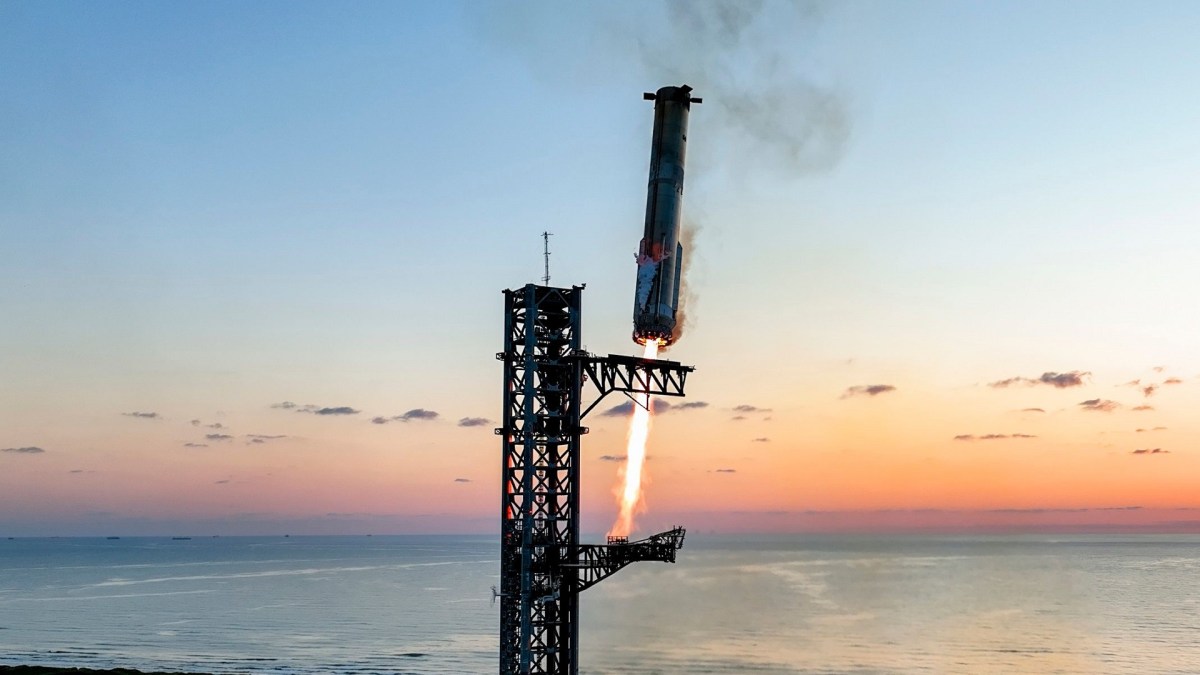
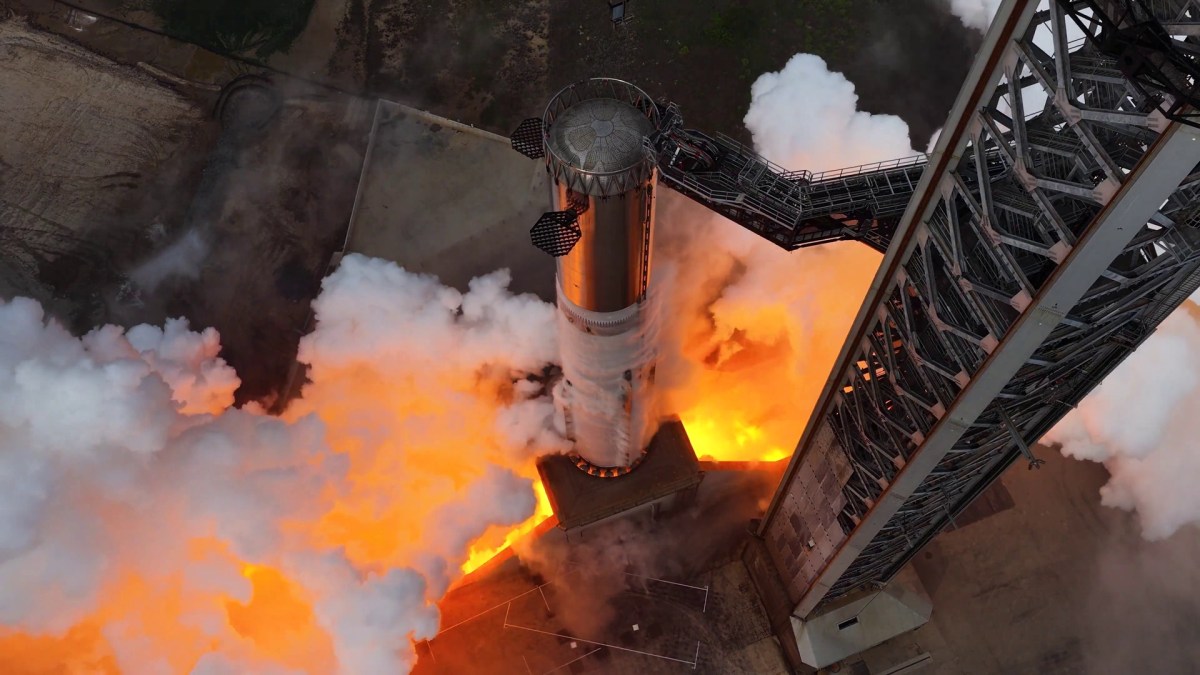
La fusée géante Starship a son plan de vol, mais zappe sa manœuvre la plus spectaculaire

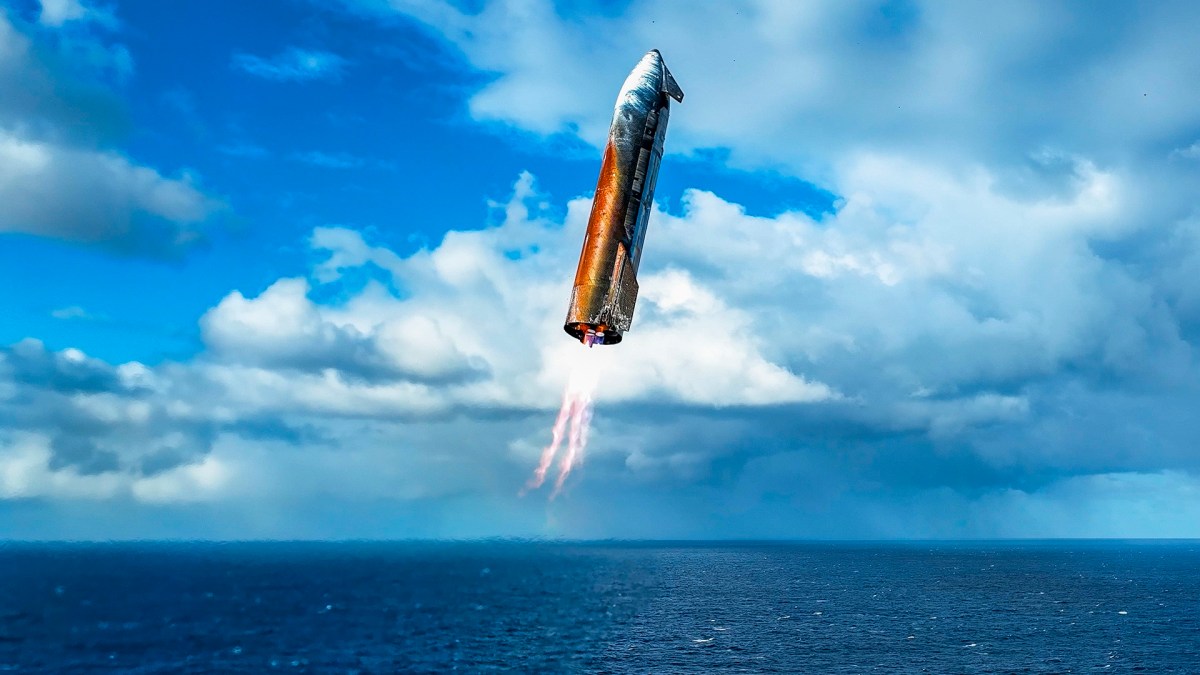
Retour du Super Heavy sur Terre après le 5e vol du Starship

Le 19 mai, SpaceX lancera le douzième vol d'essai de sa fusée géante Starship. Pour ce vol inaugural de la « Version 3 », marqué par une refonte technologique et de nouveaux moteurs Raptor, l'entreprise privilégiera la prudence avec un amerrissage en mer du booster plutôt qu'une capture spectaculaire par la tour.

  •  

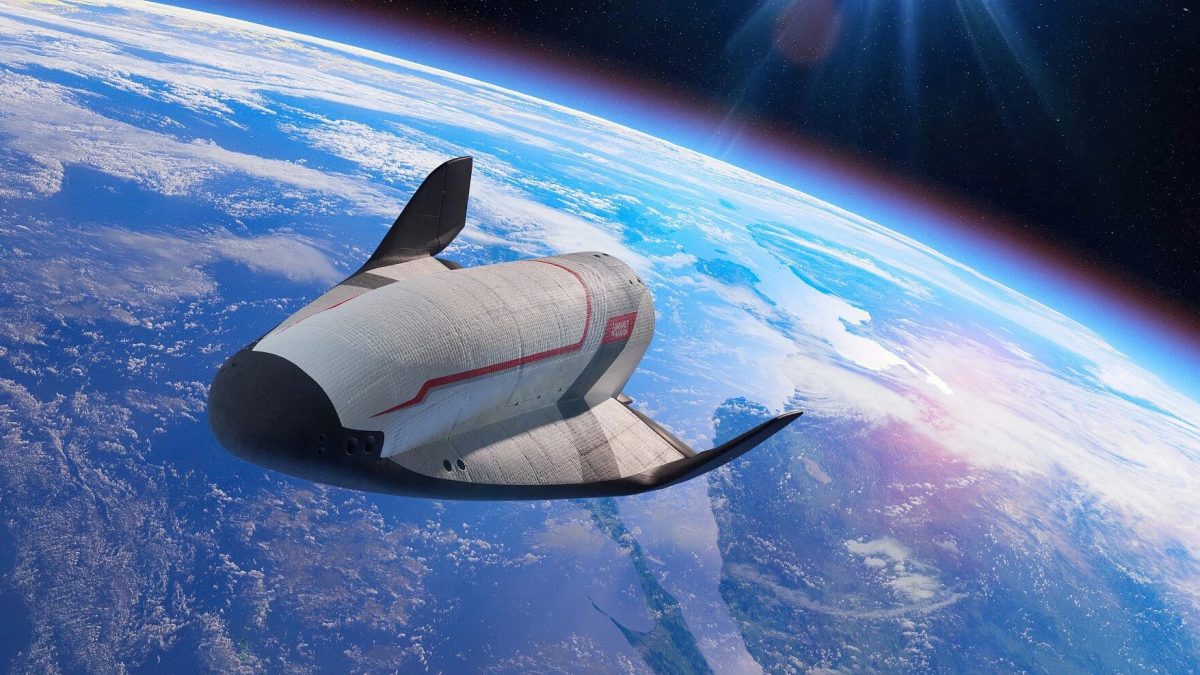
Avion spatial Vortex-S : Dassault trouve un partenaire allemand, et ce n’est pas Airbus

Loin des tensions du SCAF, Dassault Aviation joue la carte de la réconciliation franco-allemande pour conquérir l’orbite. En s'alliant au spécialiste OHB pour proposer le projet Vortex-S à l’ESA, l'avionneur français veut doter l’Europe d’une navette spatiale polyvalente et souveraine. Un pari stratégique pour ne pas se laisser distancer par les États-Unis et la Chine.

  •  

Vortex-S : pour son futur avion spatial, Dassault réussit avec OHB ce qu’il rate avec Airbus

Loin des tensions du SCAF, Dassault Aviation joue la carte de la réconciliation franco-allemande pour conquérir l’orbite. En s'alliant au spécialiste OHB pour proposer le projet Vortex-S à l’ESA, l'avionneur français veut doter l’Europe d’une navette spatiale polyvalente et souveraine. Un pari stratégique pour ne pas se laisser distancer par les États-Unis et la Chine.

  •  

Rocket Lab Reports Growing Demand for Commercial Space Products. Stock Surges 34%

For just the first three months of 2026, Rocket Lab's launch business reports $63.7 million in revenue, reports CNBC — plus another $136.7 million from its space systems business. Besides beating Wall Street's expectations, Rocket Lab also announced that its backlog has more than doubled from a year ago to $2.2 billion, and that it's buying space robotics company Motiv Space Systems. Friday its stock price shot up 34% in one day... Rocket Lab's stock has more than quadrupled over the past year, benefiting from skyrocketing demand for businesses tied to the space economy ahead of SpaceX's hotly anticipated IPO later this year. Demand for space systems and satellites is also escalating as President Donald Trump pursues his ambitious Golden Dome missile defense project and NASA's crewed Artemis missions rev up. Rocket Lab said Thursday that it signed its largest contract ever with a confidential customer for its Neutron and Electron rockets through 2029, weeks after landing a $190 million deal for 20 hypersonic test flights... "The demand signal is clear," CEO Peter Beck said on an earnings call with analysts, calling the pace of new product releases from the company this year "relentless".... Rocket Lab's good news lifted other space companies. Firefly Aeropspace and Intuitive Machines both jumped more than 20, while Redwire gained 19%. Voyager Technologies rose 14%. "The company anticipates revenue between $225 million and $240 million during the second quarter."

Read more of this story at Slashdot.

  •  

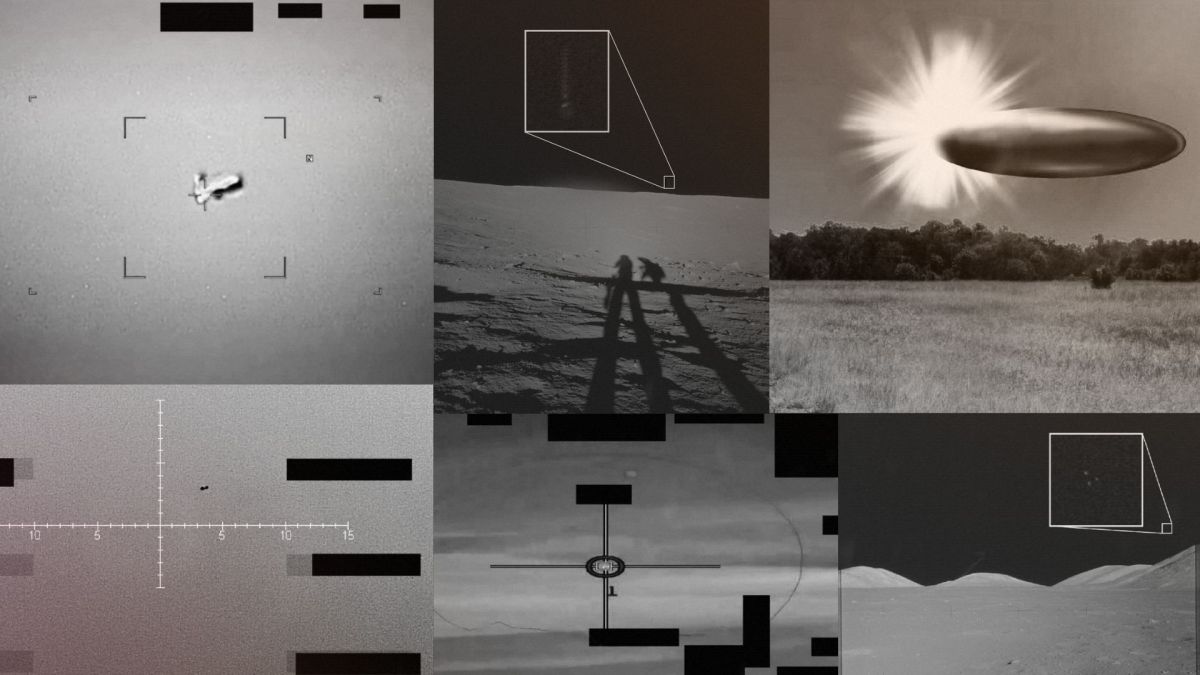
« Trois lueurs au-dessus du relief lunaire » : les USA ouvrent leurs premiers X-Files sur les OVNI

Ce qui n’était qu’une pique de Donald Trump contre Barack Obama en février dernier vient de se transformer en séisme d’État. Ce 8 mai 2026, le Département de la Guerre a lancé le portail War.gov/UFO, livrant au public les premières pièces d’un puzzle de 161 archives déclassifiées sur les phénomènes aérospatiaux non identifiés.

  •  
❌