Vue lecture

Artémis III : la NASA juge qu’un journaliste a « mal interprété » ses propos, les enregistrements montrent l’inverse

artémis lune

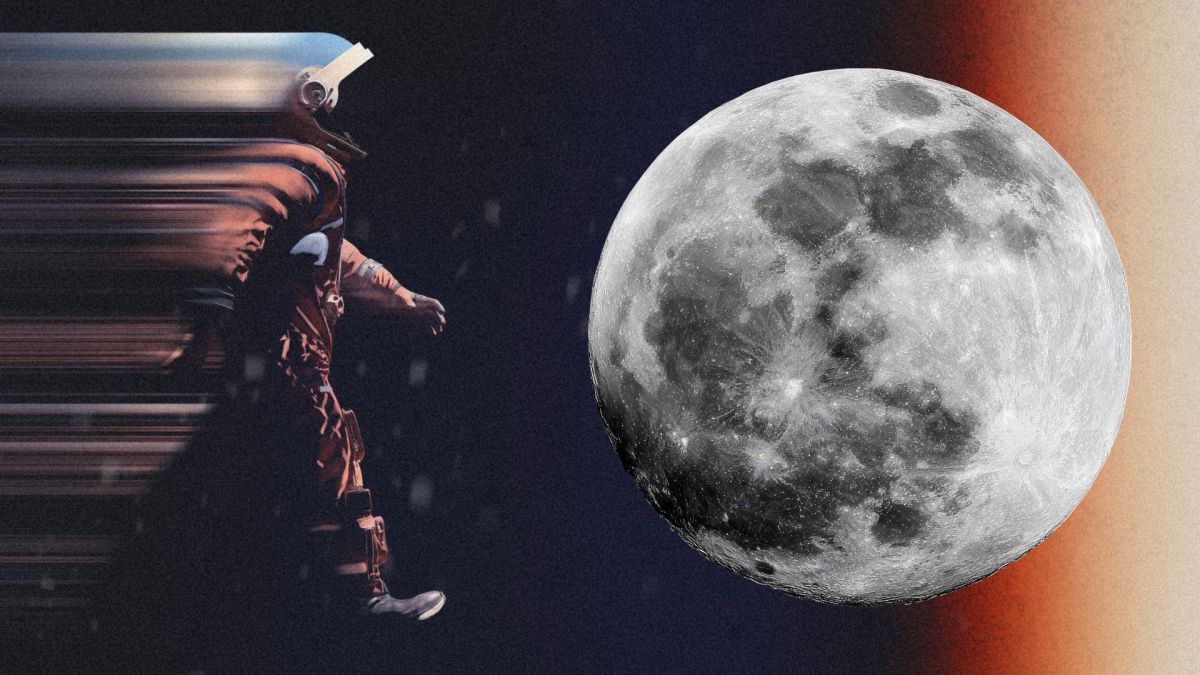
En démentant le report de la mission Artémis III à fin 2027, le patron de la NASA a tenté un rétropédalage. Pour justifier la confusion, Jared Isaacman a pointé du doigt la mauvaise interprétation d'un journaliste… avant que l'enregistrement de ses propres déclarations ne refasse surface pour le contredire.

  •  

Rush Rescue Mission for NASA's $500M Space Telescope Passes Key Milestone

NASA's $500 million Neil Gehrels Swift space observatory was launched in 2004. But it's now "at risk of falling back through the atmosphere and burning up without intervention," reports Spaceflight Now. Fortunately, a mission to prevent that "just passed a notable prelaunch testing milestone." On Friday, NASA announced that the Link spacecraft, manufactured by Katalyst Space Technologies to intervene before Swift's fate is sealed, completed its slate of environmental testing at the agency's Goddard Space Flight Center in Greenbelt, Maryland... "Swift will likely re-enter the atmosphere sometime later this year if we don't attempt to lift it to a higher altitude, [said John Van Eepoel, Swift's mission director at NASA Goddard, in a NASA press release]. "Katalyst has gotten to this point in just eight months, and we're glad they were able to use NASA's facilities to test Link and draw on our expertise to help tackle questions that popped up along the way...." "Given how quickly Swift's orbit is decaying, we are in a race against the clock, but by leveraging commercial technologies that are already in development, we are meeting this challenge head-on," said Shawn Domagal-Goldman, acting director, Astrophysics Division, NASA Headquarters, at the time... Attempting an orbit boost is both more affordable than replacing Swift's capabilities with a new mission, and beneficial to the nation — expanding the use of satellite servicing to a new and broader class of spacecraft...." Swift is in an orbit inclined 20.6 degrees from the equator, which is why Katalyst selected Northrop Grumman's Pegasus XL air-launched rocket in November to fly the mission. "The versatility offered by Pegasus' unique air-launch capability provides customers with a space launch solution that can be rapidly deployed anywhere on Earth to reach any orbit," said Kurt Eberly, Director of Space Launch for Northrop Grumman. The mission is set to launch in June.

Read more of this story at Slashdot.

  •  

« Trois lueurs au-dessus du relief lunaire » : les USA ouvrent leurs premiers X-Files sur les OVNI

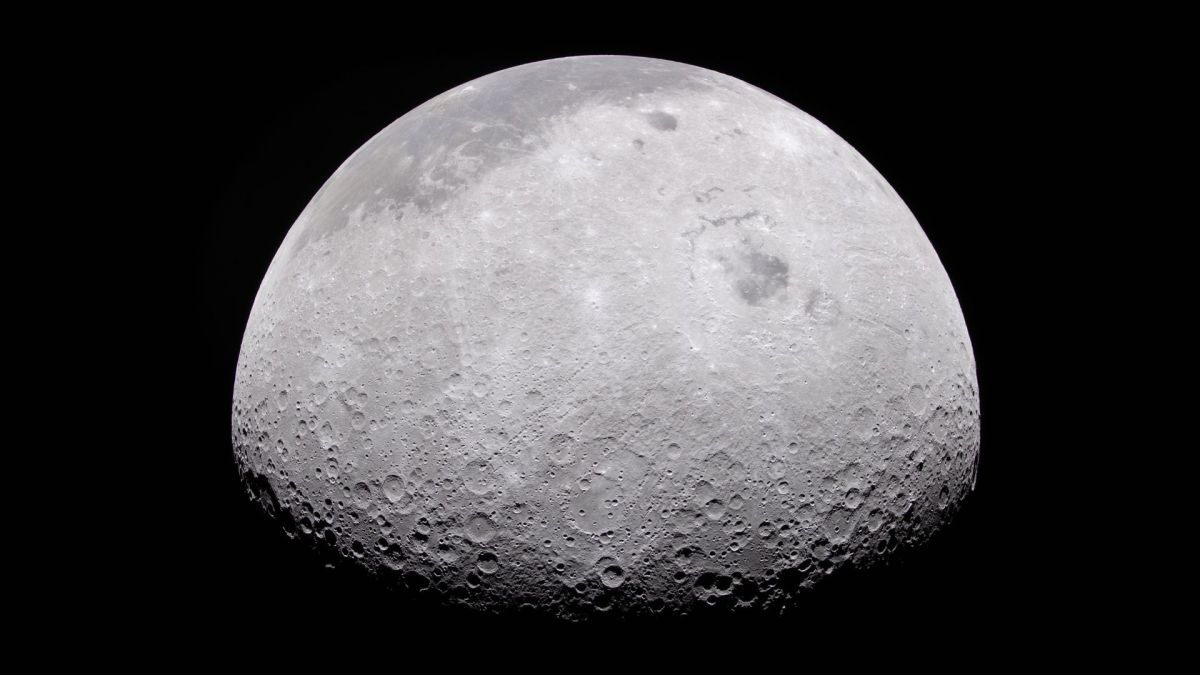
Ce qui n’était qu’une pique de Donald Trump contre Barack Obama en février dernier vient de se transformer en séisme d’État. Ce 8 mai 2026, le Département de la Guerre a lancé le portail War.gov/UFO, livrant au public les premières pièces d’un puzzle de 161 archives déclassifiées sur les phénomènes aérospatiaux non identifiés.

  •  

Le propulseur magnétoplasmadynamique, le moteur futuriste que la NASA vient d’allumer pour de vrai

MPD

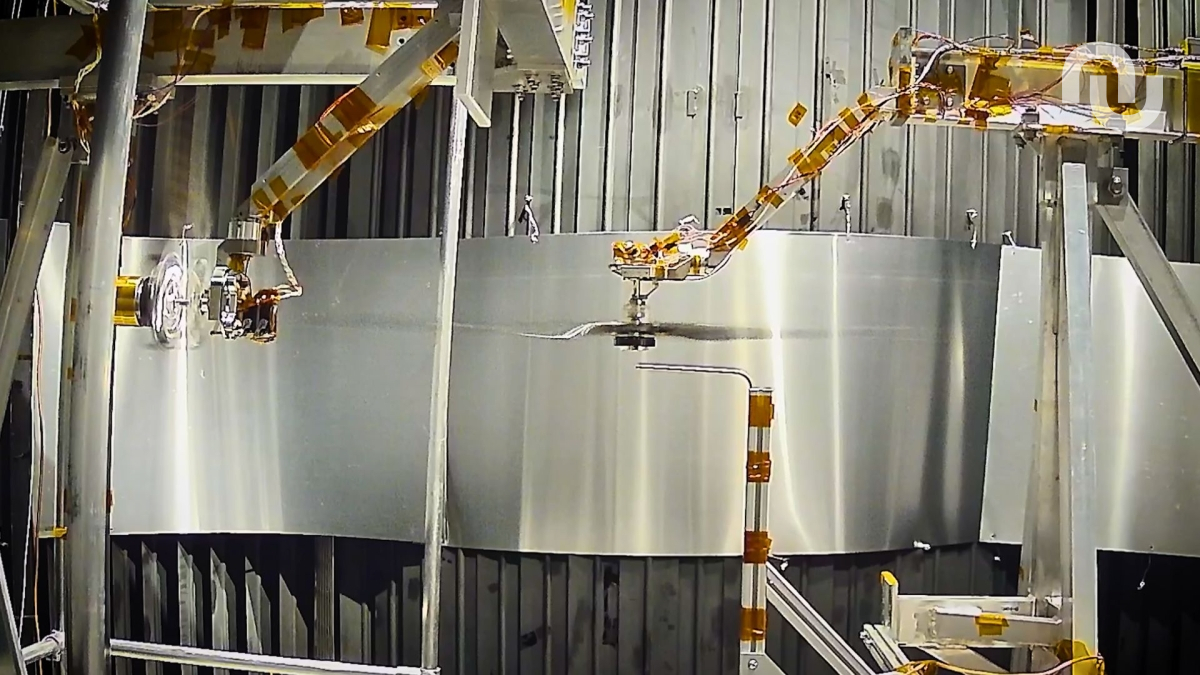
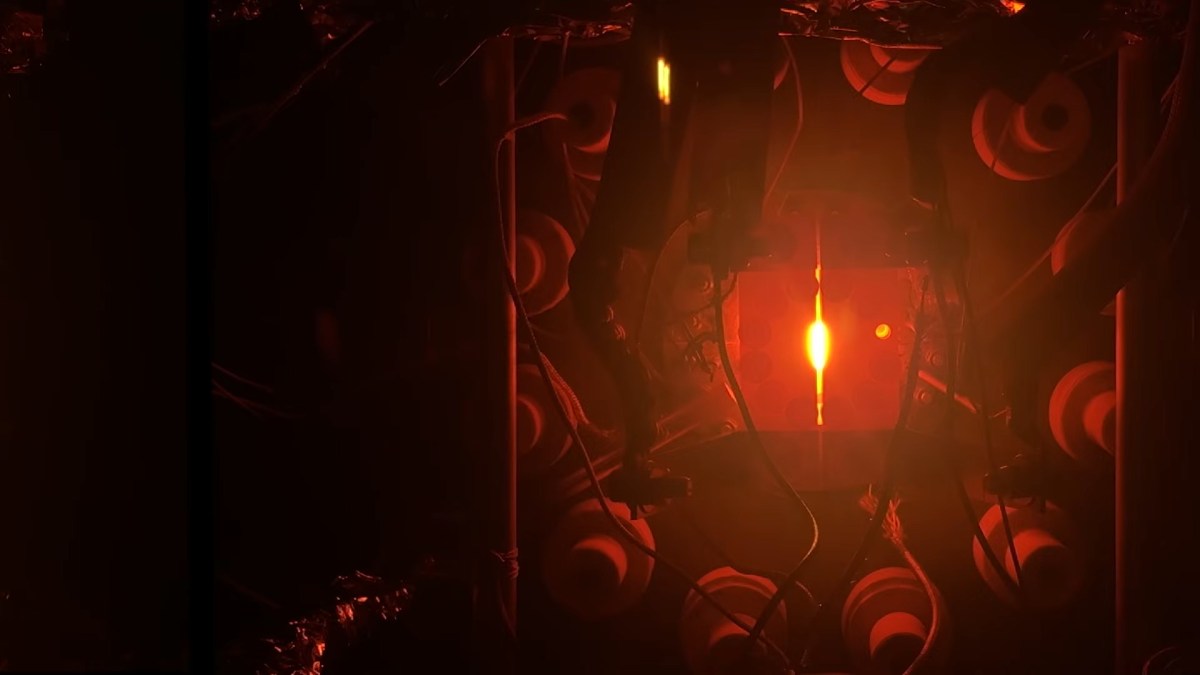
Pour expédier des astronautes vers Mars, la NASA mise sur un moteur digne de la science-fiction. L'agence spatiale a testé un propulseur électromagnétique au lithium d'une puissance de 120 kilowatts. Une avancée technologique qui concrétise le virage nucléaire américain pour l'exploration du Système solaire.

  •  

Refaire de Pluton une planète ? C’est le nouveau combat de Jared Isaacman et de la Nasa

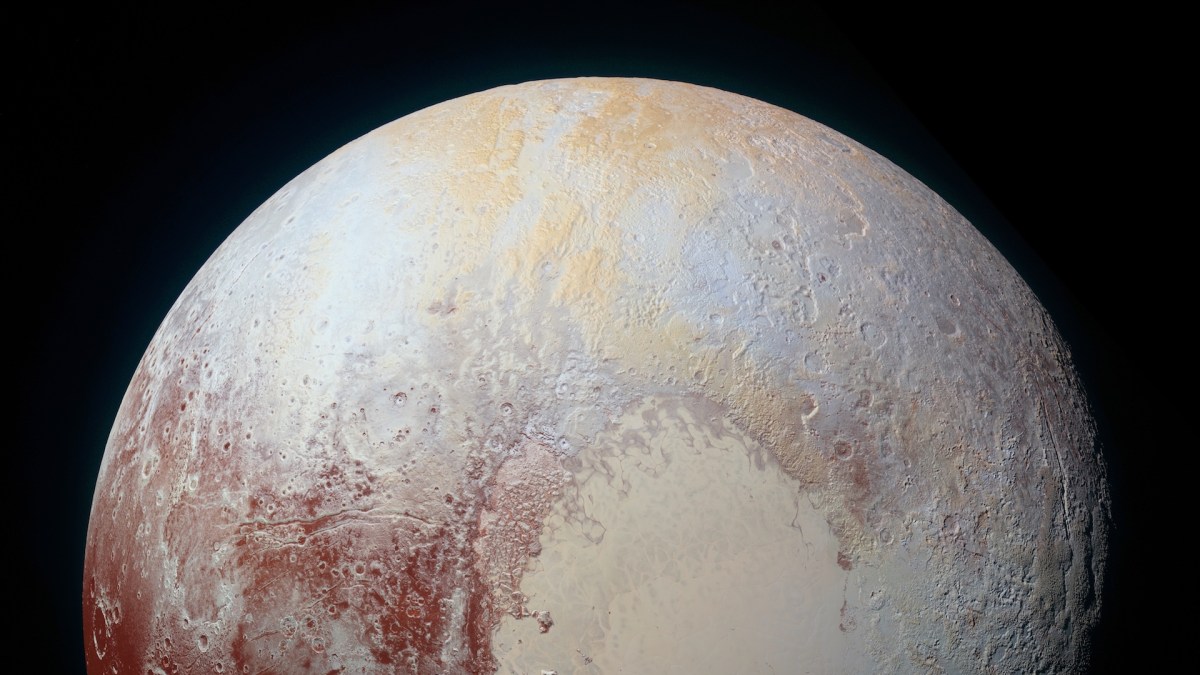
Déchue de son statut de planète depuis 20 ans, Pluton occupe toujours une place importante dans l'inconscient collectif, au point que certains voudraient son « retour ». C'est le cas de Jared Isaacman, qui a dit vouloir redorer son blason, réactivant ainsi une vieille polémique qui continue d'agiter le monde scientifique.

  •  

New Problem for NASA's 'Lunar Gateway': Corrosion in Two Modules Caused by Supplier

In March, NASA Administrator Jared Isaacman announced that the moon-orbiting "Lunar Gateway" space station was being "paused" to focus instead of missions to the moon's surface. And Ars Technica agrees that the project was essentially "spending billions of dollars to make it more difficult to reach the lunar surface and faced the prospect of watching Chinese astronauts wander around on the Moon from orbit instead of being there themselves." "But this week, we learned another reason that Gateway is going away, and it's pretty shocking." During testimony before the US House Committee on Science, Space, and Technology, Isaacman faced questions about NASA's budget... He then publicly confirmed rumors (reported last month by Ars) that there is corrosion in both the HALO [Habitation and Logistics Outpost] and I-HAB modules of the Gateway. "The only two habitable volumes that were delivered — both were corroded," Isaacman said. "And that's unfortunate because it would have delayed, probably beyond 2030, the application of Gateway...." In a statement, Northrop confirmed the issue as well. "Using NASA-approved processes, Northrop Grumman is completing repairs to HALO after a manufacturing irregularity," a company spokesperson told Ars. "We expect to complete repairs by the end of the third quarter. HALO can still be repurposed for any mission, and it's the most mature technology to support a deep space or lunar habitat." By referring to a "manufacturing irregularity," Northrop answered the central mystery here: how corrosion could appear in both modules. This is because a French-Italian space and defense company, Thales Alenia Space, built the primary structure of HALO for Northrop Grumman. The module was delivered from Italy to the United States about a year ago Thales is a powerhouse of the European space industry. It built several pressurized modules of the International Space Station, and it's working with Axiom Space to build its commercial space station. The company also had a big piece of the Lunar Gateway in addition to HALO, developing the I-HAB module and a future communications and refueling module known as ESPRIT... After the issue was discovered, the European Space Agency established a "tiger team" to investigate. "Based on the investigation and available data, the corrosion issue was understood to be technically manageable and did not constitute a showstopper for I-HAB, which was, in any case, in better conditions than HALO from [a] corrosion point of view," the spokesperson said... After publication of this story on Friday, Axiom Space confirmed that it has also experienced corrosion issues. In a statement, the company said: "Axiom Space has experienced a similar phenomenon with the first module; we are leveraging the expertise of NASA and Thales Alenia Space to address the issue. Module 1 is on track to launch in 2028."

Read more of this story at Slashdot.

  •  
❌