❌

Vue lecture

« J’ai été idiot d’avoir fait ça » : Sylverster Stallone a beaucoup de regrets sur sa carrière

À 80 ans, Sylvester Stallone fait un mea culpa sans détour sur ses cascades. Ravagé par une dizaine de passages sur la table d'opération et des traumatismes cervicaux à répétition, l'éternel interprète de Rocky et Rambo tire à boulets rouges sur son propre ego passé. Il regrette beaucoup.

  •  

Introducing GNOME OS Preview

✇LWN
Par : jzb

The GNOME Project has provided GNOME OS for some time; until now, the project only provided a "Nightly" edition that was built from the latest commits and was aimed solely at GNOME developers. Adrian Vovk has now announced the release of GNOME OS Preview, which is intended for a non-developer audience:

GNOME OS Preview is the current GNOME OS Nightly, but without the "nightly" aspect. Instead, it's built from the latest stable GNOME release (GNOME 51.1, at the time of writing). GNOME OS Preview lives in the same branches on GitLab as the stable org.gnome.Platform Flatpak runtimes.

GNOME OS Preview is only a few weeks old, so it has only seen limited real-life testing so far. We therefore expect people will uncover some issues initially. That said, Preview is significantly more stable than Nightly, which dozens of people have been daily driving without major issues for over a year. Thus, we're feeling confident that Preview is going to be reliable enough for daily use by non-developer enthusiasts.

While Preview is meant for non-developers, it is not considered complete or stable for the broader public. There are a number of features, listed in Vovk's post, that need to be implemented before the project is ready to declare GNOME OS "ready for prime time". Adventurous users, who might not mind having to reinstall the OS once a stable version is declared, can download and start using GNOME OS Preview today.

  •  

[$] Safe self-referential data structures in kernel Rust

✇LWN
Par : daroc

Self-referential structures that can be used without unsafe code have posed a problem for Rust for years. There are many cases where a self-referential data structure is the elegant algorithmic choice, but implementing it in accordance with Rust's lifetime rules is all but impossible. At Kangrejos 2026, Gary Guo presented a clever solution to the problem in the context of the kernel's pin_init crate, which helps with the creation of immovable data structures, typically for interoperability with C. Guo's changes could help remove most of the unsafe code related to lifetimes in the Nova driver and, eventually, other Rust components.

  •  

[$] Recent and future changes to the Linux NFS server

✇LWN
Par : corbet
The NFS network filesystem protocol has a long history on Unix-like operating systems (and beyond). NFS is still evolving, though, and implementations need to keep up. At the 2026 Linux Plumbers Conference, NFS developer Jeff Layton gave an overview of recent enhancements to the Linux implementation, along with some hints for what will be coming in the near future.
  •  

Results from the 2026 TAB election

✇LWN
Par : corbet
The results from the 2026 election for members of the Linux Foundation Technical Advisory Board (TAB) have been announced. Kees Cook, Dave Hansen, Miguel Ojeda, and Shuah Khan have all been re-elected, and Laurent Pinchart will be joining the board.
  •  

C’est quoi FREYJA, ce projet de bouclier antimissile que Macron et Zelensky veulent pour fin 2026 ?

Emmanuel Macron et Volodymyr Zelensky ont discuté, le 15 octobre 2026, de l’accélération de FREYJA. Ce projet ukrainien et européen doit permettre d’intercepter des missiles balistiques, avec un objectif affiché par Kiev : devenir opérationnel avant la fin de l’année. Un calendrier qui reste à concrétiser.

  •  

Security updates for Friday

✇LWN
Par : jzb
Security updates have been issued by AlmaLinux (ghostscript, grafana, hplip, libsoup3, lrzsz, rpcbind, and wireshark), Debian (chromium, cifs-utils, expat, gst-plugins-bad1.0, gst-plugins-good1.0, jpeg-xl, mutt, and spip), Mageia (gpsd, libx11, and roundcubemail), Oracle (389-ds-base, compat-libtiff3, environment-modules, ghostscript, grafana, gstreamer1-plugins-bad-free, gstreamer1-plugins-base, gstreamer1-plugins-good, hplip, idm:DL1, kernel, kernel-uek, libsoup, libsoup3, lrzsz, rpcbind, and wireshark), Red Hat (gd), SUSE (alloy, amazon-ecs-init, bind, busybox, chromium, distribution, govulncheck-vulndb, iperf, jackson-annotations, jackson-core, jackson-databind, kernel, libXtst, mutt, openssh, php8, python313-python-multipart, python313-python-rapidjson, python313-python3-saml, python313-pywbem, python313-redis, python313-reportlab, python313-requests, python313-rope, python313-rpyc, python313-rsa, qemu, swtpm, the Java stack, and wpa_supplicant), and Ubuntu (golang-1.23, linux-azure, and rabbitmq-server).
  •  

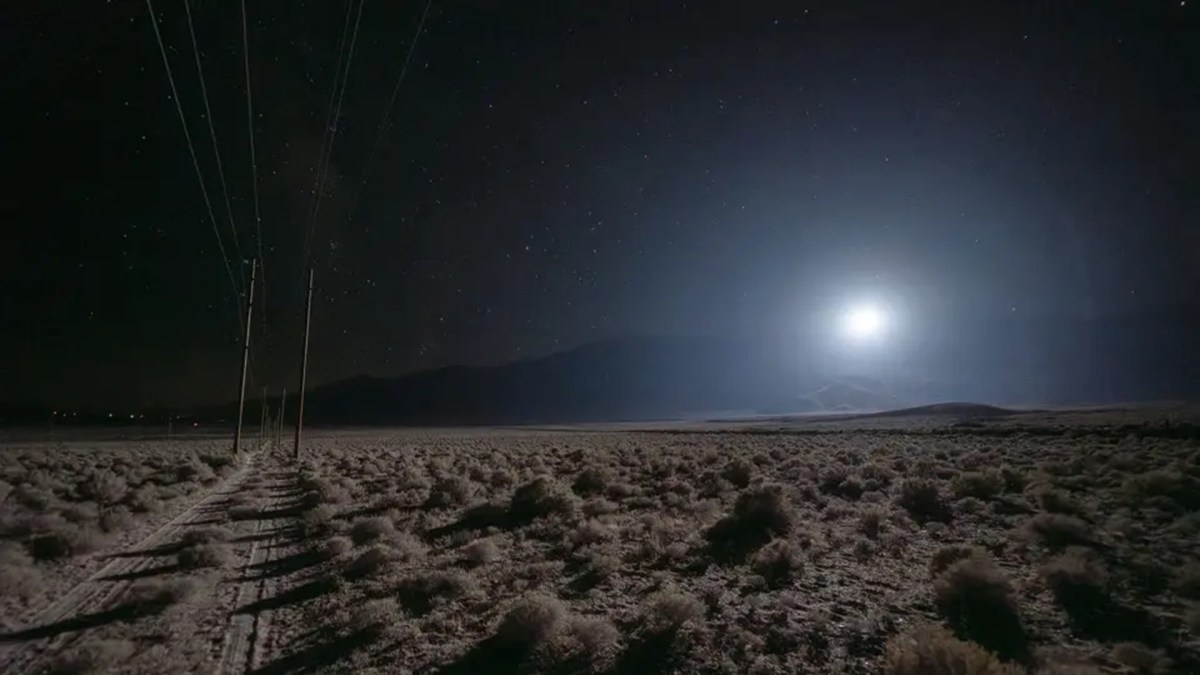
Ca a commencé : les essais des satellites-miroirs ont apporté la lumière en pleine nuit

Le test réalisé à Lone Pine. Source : Reflect Orbital

Ce qui ressemblait à un projet de science-fiction dystopique a bel et bien commencé à voir le jour. En Californie, la start-up Reflect Orbital a éclairé le désert en pleine nuit avec des projecteurs, pour simuler ses futurs satellites miroirs. Une première étape technique avant de déployer cette technologie promettant le jour à la demande.

  •  

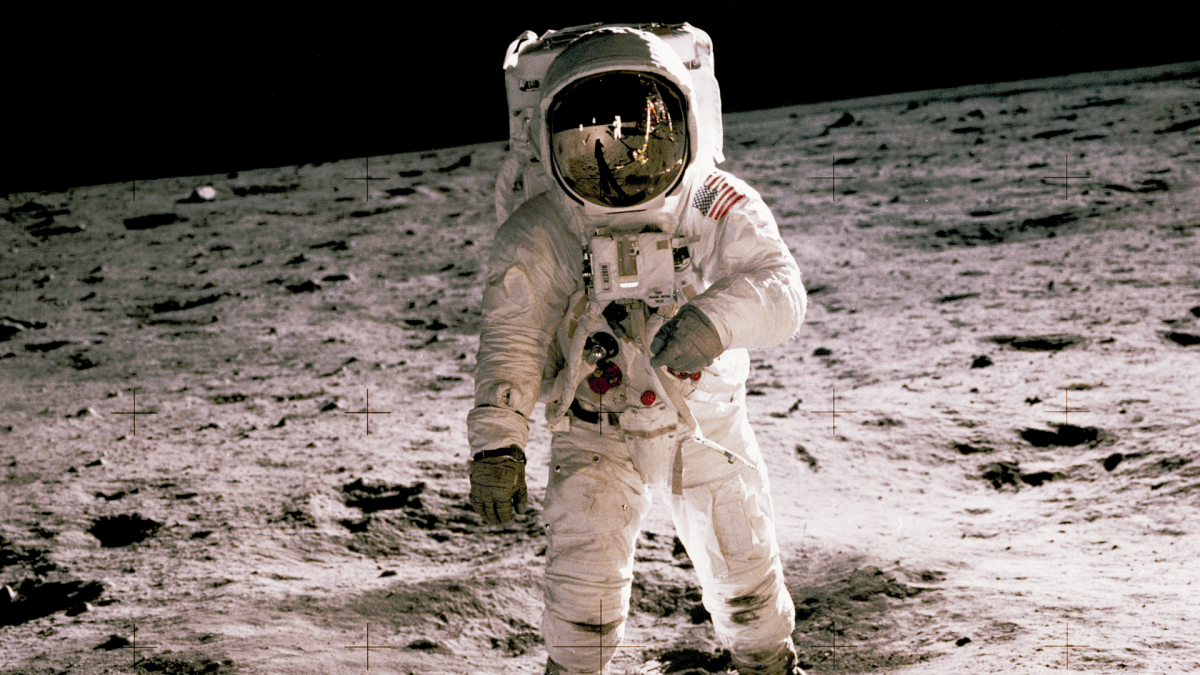
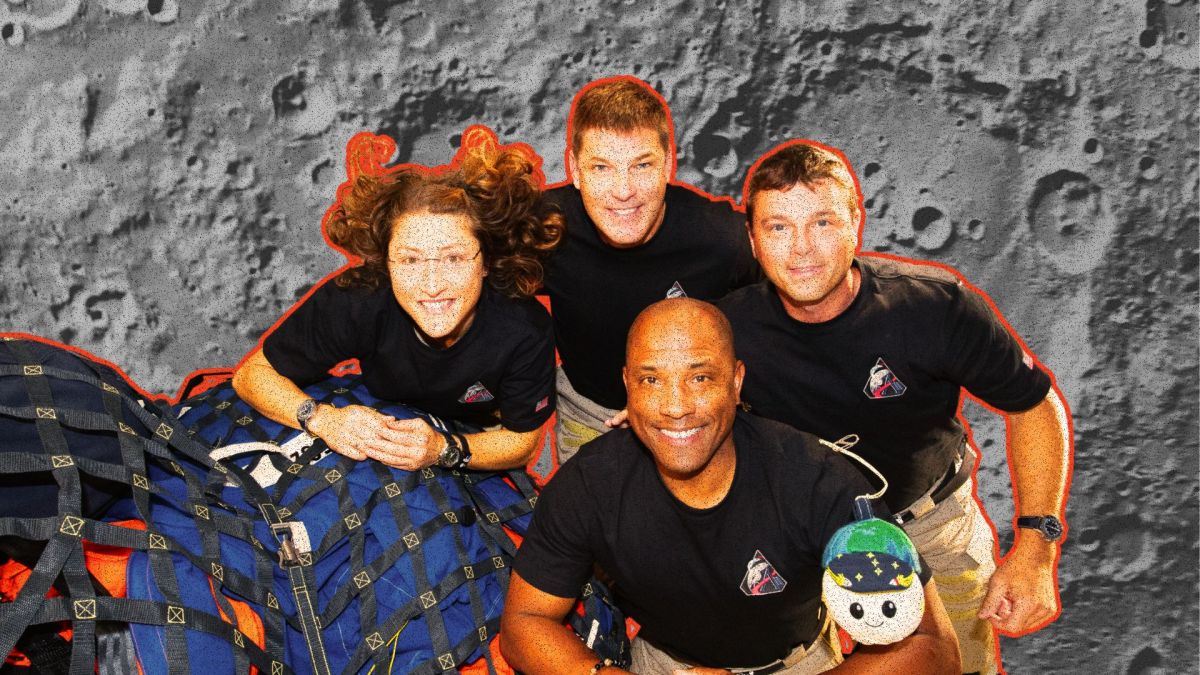
« J’aurais pu marcher sur la Lune » : pourquoi les astronautes d’Artémis II ont tous renoncé à revoler dans l’espace

Christina Koch, astronaute d'Artémis II, n'est plus éligible aux vols spatiaux et prend d'autres fonctions au sein de la Nasa. C'est donc tout l'équipage de la mission lunaire d'avril 2026 qui renonce à voler dans l'espace. Une preuve que les astronautes auraient reçu trop de radiations ? La rumeur a été rapidement démentie par l'un d'eux.

  •  
❌