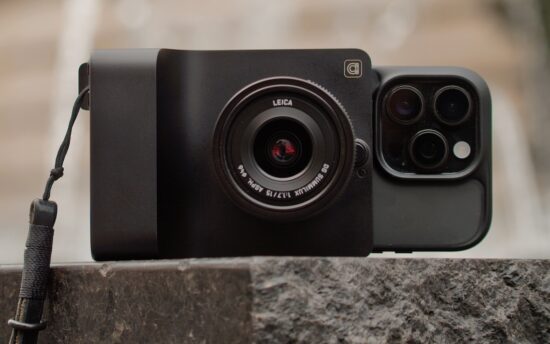
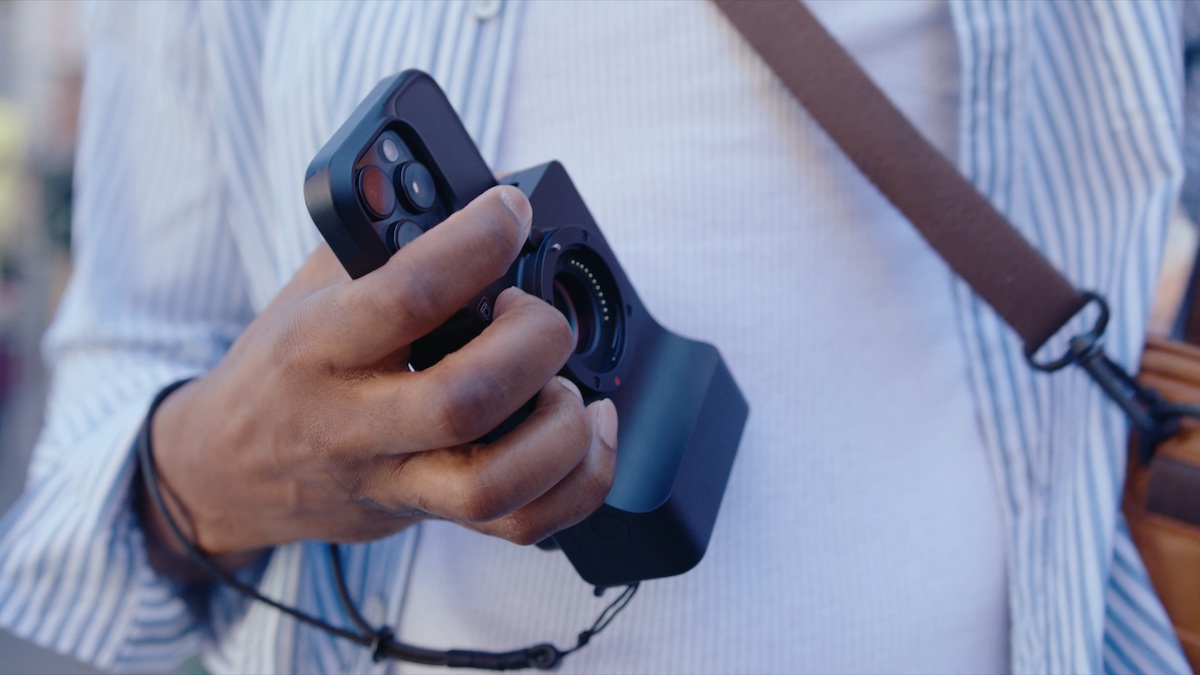
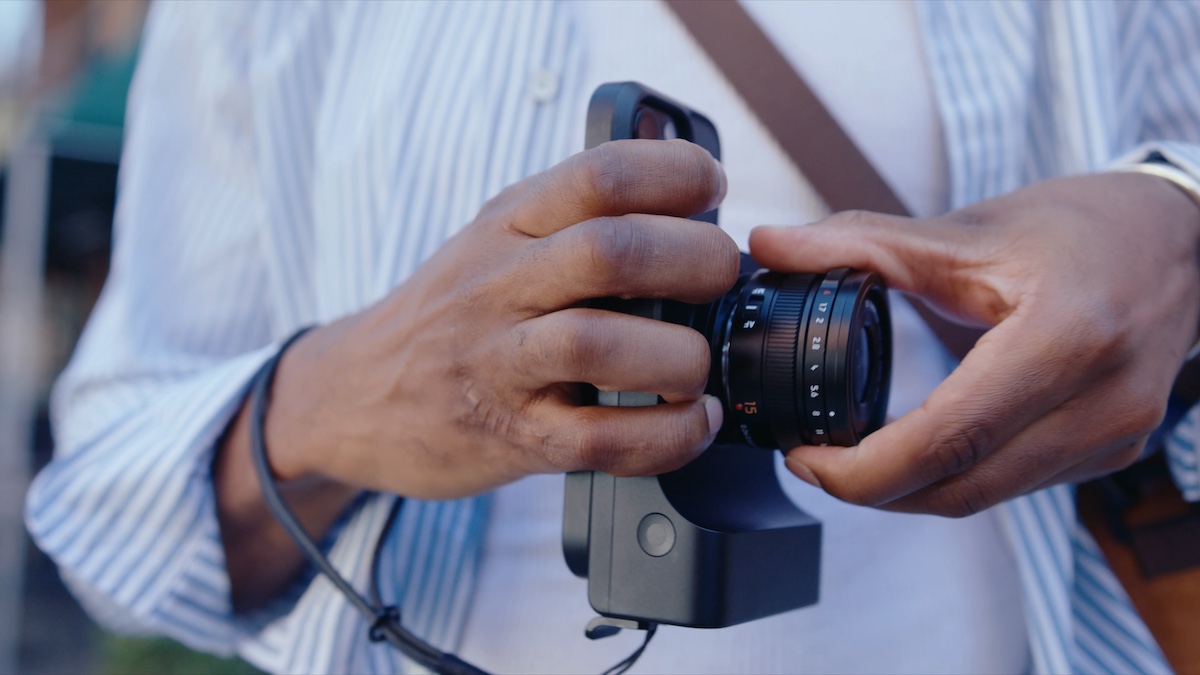
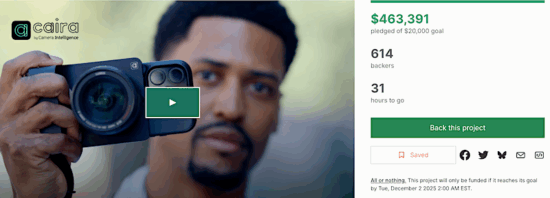
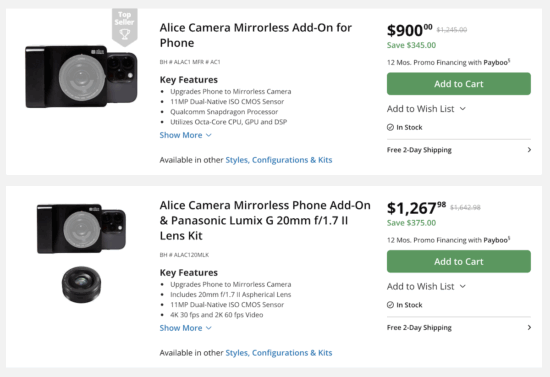
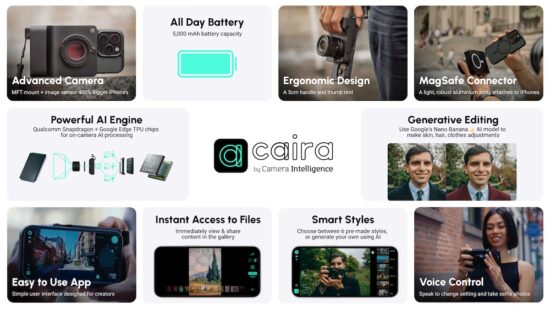
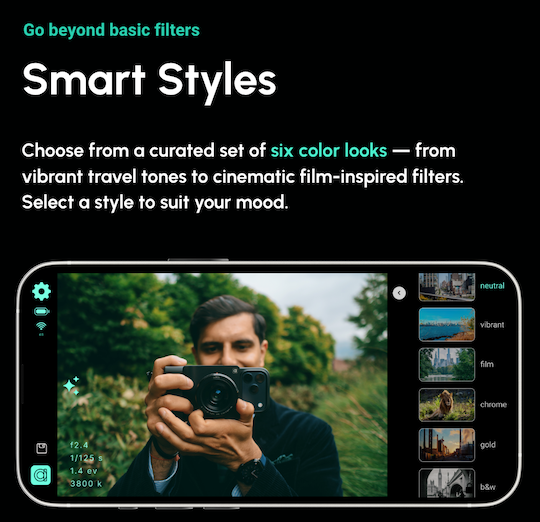
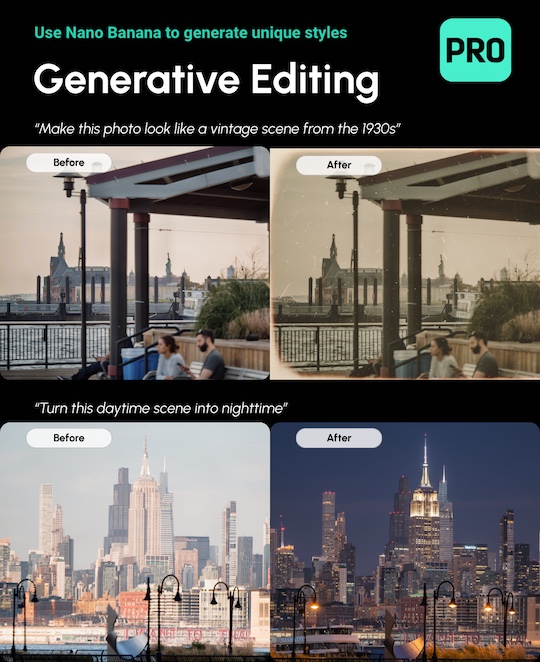
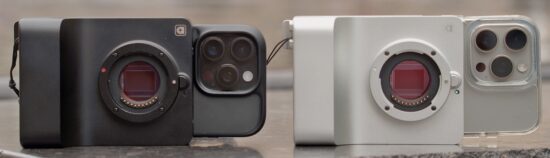
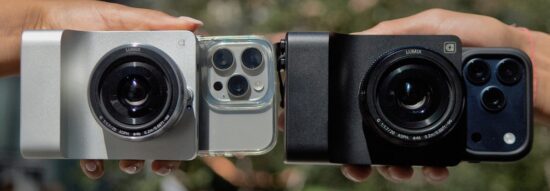
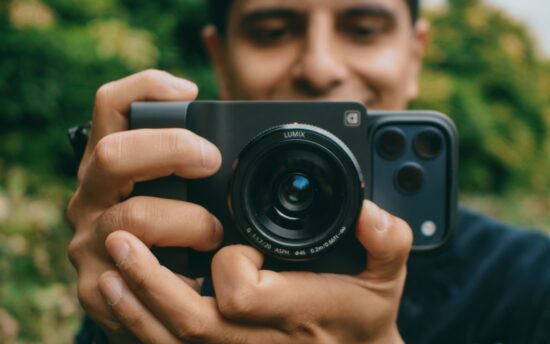
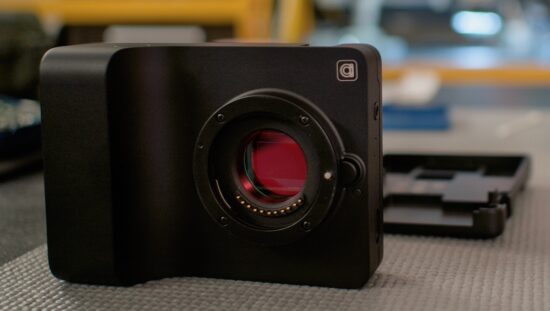
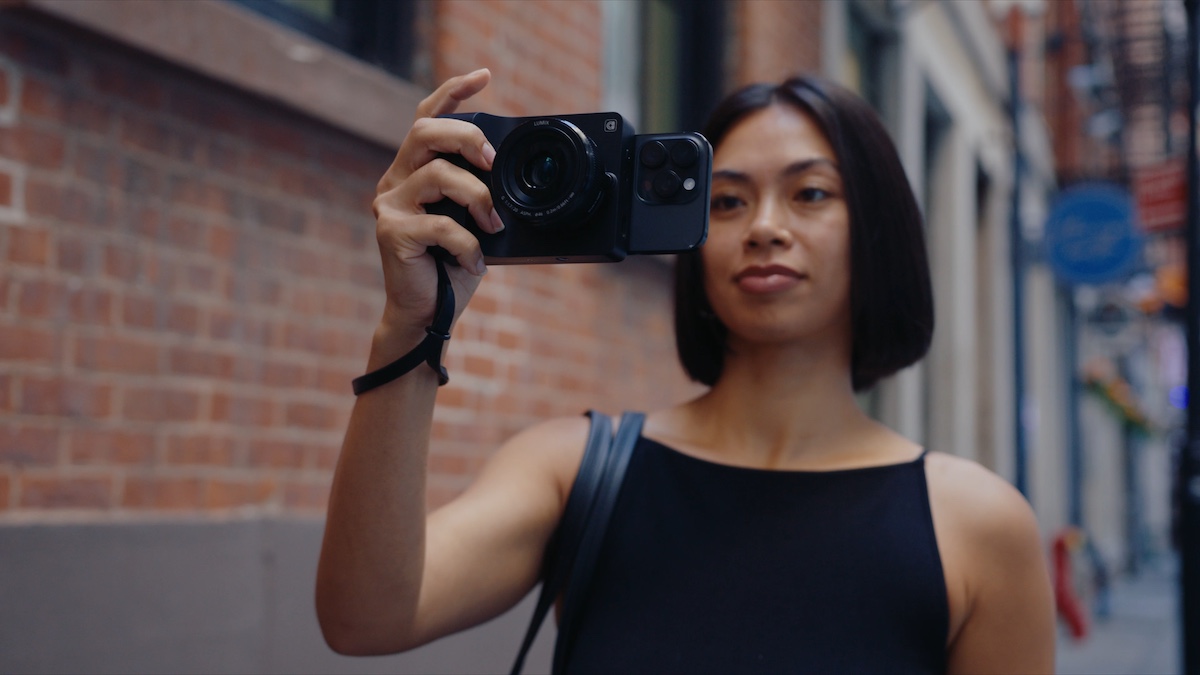
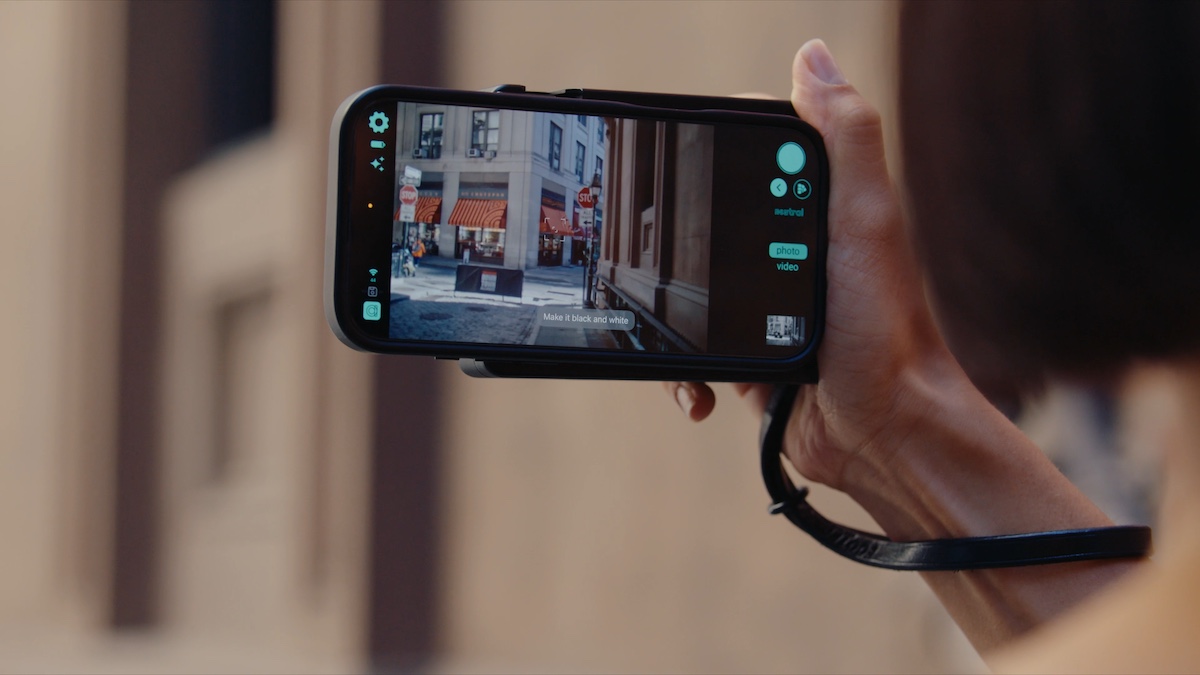
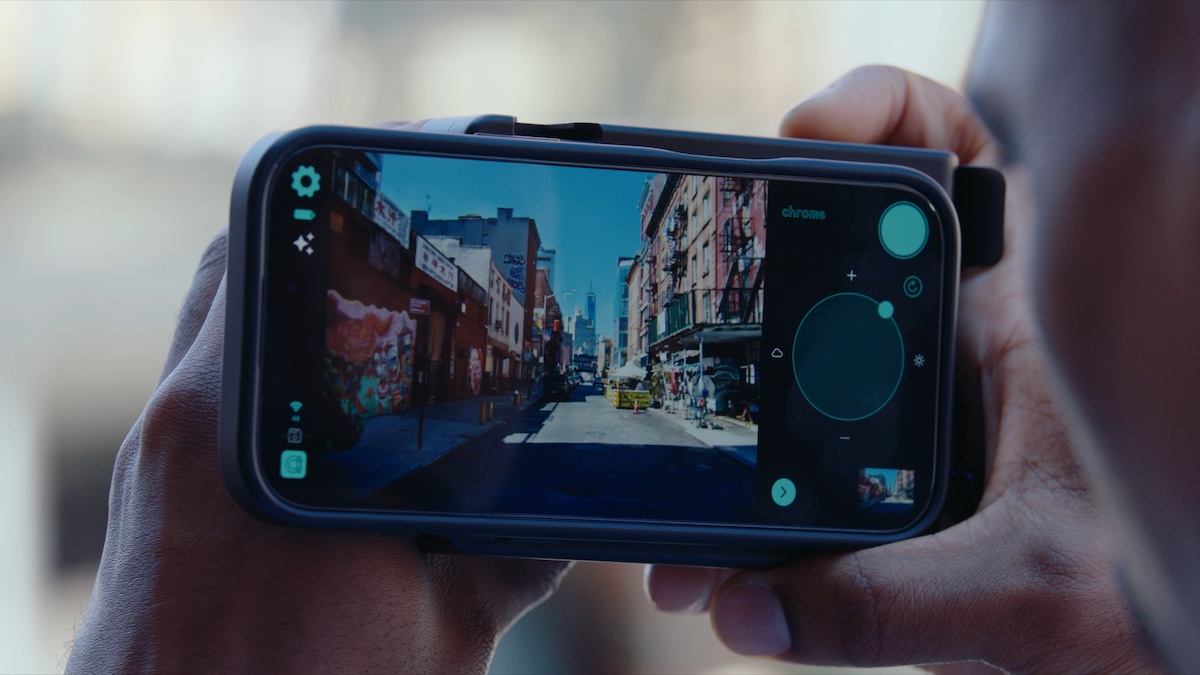
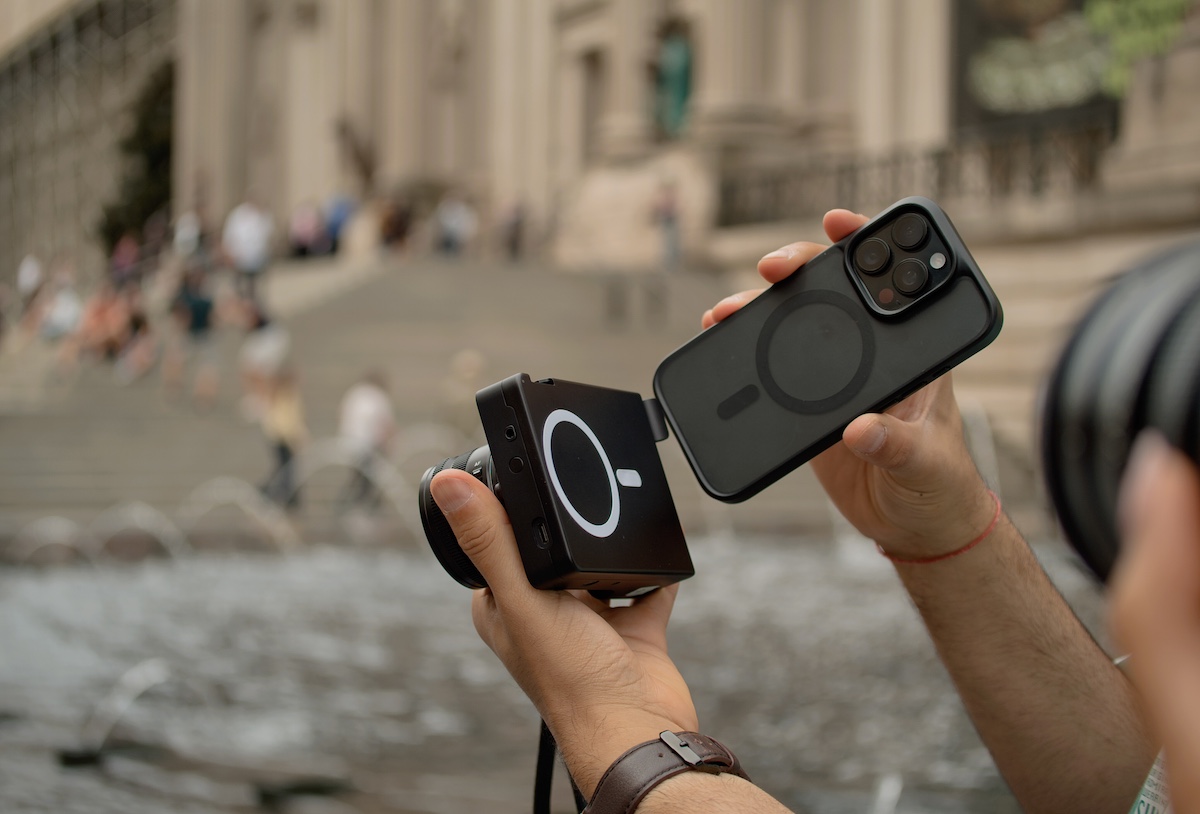
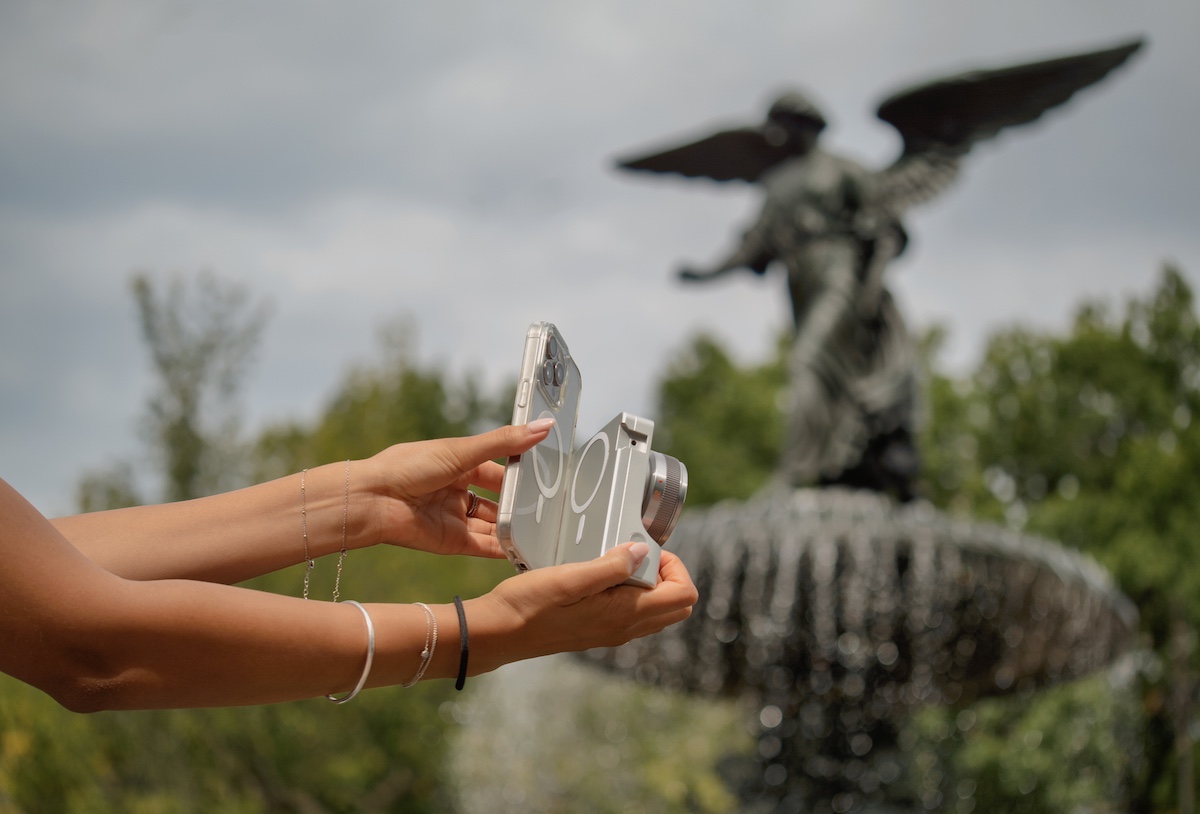
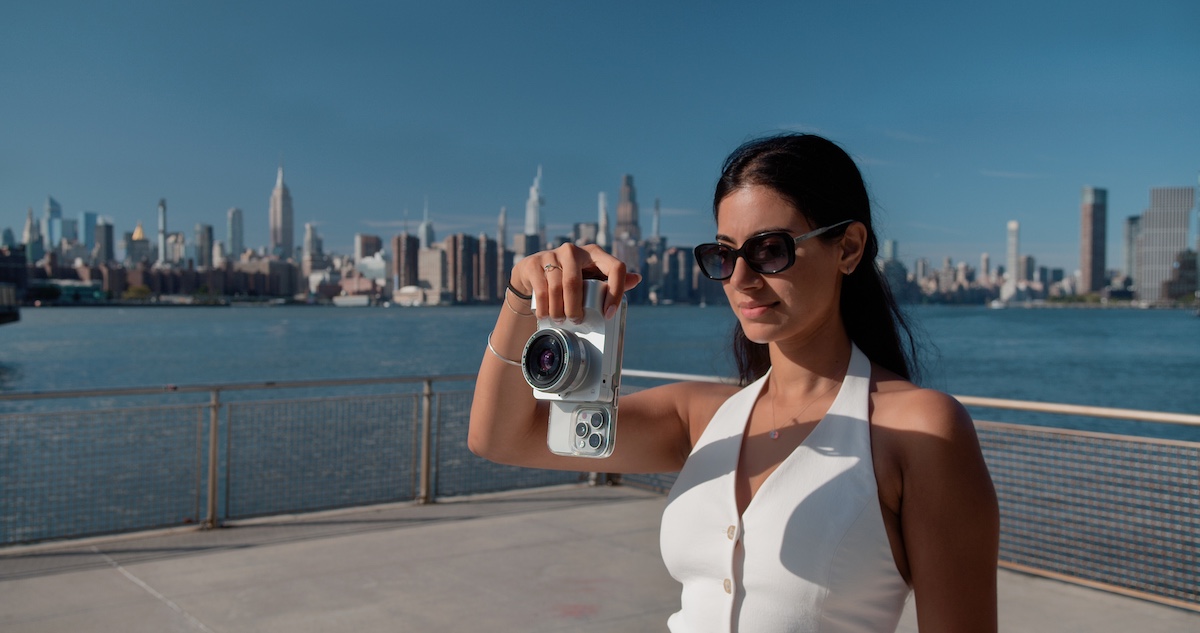
The Caira module (aka Alice Camera, previously reported here) connects to iPhones via MagSafe, and it’s the first mirrorless camera in the world to integrate Google’s “Nano Banana” generative AI model. All Kickstarter supporters will receive a free 6-month Caira Pro Generative Editing software subscription (priced at $7 per month, extendable to 9 months if the fundraising goals are met). The full press release can be found here. See also current listings at B&H Photo:
For this challenge, we asked you to share photos taken with compact, or fixed-lens, cameras, and wow, did you deliver! We've become accustomed to seeing outstanding photos in these challenges, but this month's entries were particularly impressive. One thing is clear: in the hands of talented photographers, a compact camera can be a powerful creative tool.
As usual, we were overwhelmed with great pictures – many more than we can present here. Our favorites, showcasing a diverse range of vision and talent, are presented in random order.
Photographer's statement: This photo was taken in a dark room. The tangerine was sitting on a mirror, illuminated by a flashlight positioned behind it. The "clockworks" were inserted to add interest.
Photographer's statement: Immediately after surfacing from scuba diving, I spotted this colorful boat. The wake from my ascent gives a dramatic front. Only when viewing on a large monitor did I spot the man in the water between the boat and me.
Photographer's statement: In May 2024, we spent a week in Tuscany, Italy. Upon arrival in Florence we took a stroll through the streets of the neighborhood of our hotel. All of a sudden, a beautiful scene materialized before my eyes. Luckily, the small Sony RX100VII was ready to shoot. And so I managed to take the picture.
Photographer's statement: I would never grab a photo during a performance, but when the curtain call took place, I grabbed my camera and made this quick frame at the Paris Opera House.
Photographer's statement: It was about -10 degrees F when I took this picture of my friend skiing in front of snow- and ice-blasted radio towers on top of our favorite local mountain to ski. We had climbed for about 90 minutes to this spot and only had moments before our sweat turned to ice.
Photographer's statement: Lower Antelope Canyon is generally dark and poses a challenge for any slow lens. However, this image surprised me, shot with a Type 1/2.3 point-and-shoot camera in auto mode and came out just perfect.
Photographer's statement: Long-tailed macaques are pretty widespread throughout Malaysia and are well adapted to humans. This one was located at the Batu Caves Hindu temple, posing beautifully while I took its photo.
Photographer's statement: On an evening stroll in Brussels, I saw this shoe polisher and his client on an enlarged plateau silhouetting against the setting sun. Just below the horizon and therefore not visible was the skyline of the lower part of Brussels.
Photographer's statement: Taken whilst on an exploratory caving expedition in Borneo in 2013 (to find, explore and survey new cave passages). The mist and formations were a good opportunity to try out a lightweight photography setup.
Photographer's statement: A photo taken during the Leica architecture at night workshop in Rotterdam, my very first experience of shooting with Leica. The image is the view from below the famous cubic houses and into the sky near Rotterdam Blaak station.
Photographer's statement: This was taken in Malmö, Sweden, a few days ago. I had just left my favorite film camera shop in town, Fotoaffären, when it suddenly started to snow for the first time this year. The scene seemed interesting, with the bright car lights cutting through the night and casting dark silhouettes against the snowfall. So I grabbed my camera, noticed the cyclist struggling to keep his balance, and took the shot.
Photographer's statement: I wanted to capture a single drop of water with a rainbow refracted in it to symbolize the importance of this seemingly abundant, but actually rare, vital resource for all life on earth.
Photographer's statement: Every day, I walk my dog in my neighborhood, Asokoro, in Abuja, the capital of Nigeria. One day, I saw this construction worker, and asked him to pose like a fighter.
Photographer's statement: A moment of reflection in the middle of a wedding ceremony taking place in the Jvari Monastery in the old Georgian capital of Mtsketa. I like the light of the candles on the woman's face. I like her extended fingers as she holds the candle. I like the calm demeanor of the man behind the candle stand. I like the icon of St Nino, almost seeming to float in the air. I even like the blown-out brightness of the doorway, though there was a time when it bothered me.
Photographer's statement: Delicate Greta oto butterfly displaying transparent wings that blend perfectly with the surroundings. Its subtle form and gentle posture emphasize natural camouflage, creating a soft, nearly invisible presence in the scene.
Photographer's statement: Laguna Parón, in Peru, 4155m (13,600 ft) above sea level. In the background, in the center, the imposing Piramide de Garcisalo peak. After a few hours of van travel along the narrow and winding gravel roads of the Cordillera Blanca, we arrived at the trailhead. From the parking lot, we already had this spectacular view. It was May 2019. After taking the photo, my favorite of the whole trip, we climbed the mountain to the right to see the landscape from another point of view. The climb was strenuous, as there were many large and loose rocks. Every step was worth it.
Equipment: Sony Cyber-shot DSC-RX10
Three elegant ladies waiting for a lift in front of a mural
Photographer's statement: The decisive moment shows up without warning and never comes back. Location: Lyon, France. This painting is part of a group of murals called "le Mur du Cinéma" (the Cinema Wall). It's about the brothers Auguste and Louis Lumière, who were living in Lyon and invented the movie camera. It shows the first movie theater: Le Cinématographe, where you could watch "animated photographs". Since then, this mural has been vandalized by taggers.
Photographer's statement: The photo was taken at the annual post-Tour criterium, which always takes place on the first Tuesday after the Tour de France and is attended by a few of the top riders from that race. I had an accreditation for this event too, but it wasn't a paid assignment for me. So there I was with my Leica Q3 43 among the other press photographers with their zoom lenses. My intention that day was to get as close to the action as possible and capture the speed by using long shutter speeds and following the action. All this, of course, without posing a danger to the cyclists. Virtually nothing is in focus in this photo. But I love the colors and the composition and framing of the cyclist in the wheel of the other cyclist.
Photographer's statement: While about to enter an exhibit at the Art Gallery of Ontario, I saw a young child skipping through the atrium. I had to lean over the railing to capture it with my Fuji X100T, as the fixed lens didn't allow for any zooming. The scene reminded me of something that might be captured by Cartier-Bresson.
Photographer's statement: I was swimming at the 40-foot at low tide and saw this group taking turns at diving in from the rocks. It took a few attempts to get one of them in midair.
If you're a beginner photographer who spends any time on the internet, chances are you've been bombarded with content saying that you need to learn Manual mode immediately. It's a frequent refrain that "real" photographers exclusively shoot with manual controls, even from day one. While Manual mode certainly has its advantages and is something to work toward, Auto mode doesn't need to be so vilified. There's a time and a place for it, especially as you learn.
Auto is a good starting point
Photo: Abby Ferguson
Photography can be an overwhelming activity when you're new. There's a lot to balance and consider when managing technical aspects such as exposure and stylistic choices like depth of field, motion and composition. While some people learn best by throwing themselves into the deep end, that's not the case for everyone. That's where Auto mode comes into play.
You can focus your energy on learning light, composition, timing and storytelling.
In Auto mode, your camera automatically sets core settings based on the scene you're photographing, which takes some of the pressure off as you learn. Instead of having to juggle exposure right from the start, you can focus your energy on learning light, composition, timing and storytelling. After all, each of those aspects have a significant impact on how successful or impactful your image is. If you dedicate yourself to improving those right away, you'll be off to a great start on your photographic journey.
Automatic mode can also help you learn about manual controls, provided you pay attention. If you notice that your portraits don’t have the blurred background you see in others’ photos, that’s a clue that depth of field and aperture are topics to dig into next. Likewise, if you're consistently getting blurry results when photographing action, that's a sign you may want to dedicate time to learning about shutter speed. Auto mode doesn't just take the guesswork out of exposing images; it can highlight specific knowledge gaps you may want to fill when you're ready to learn about manual controls.
Auto mode can make the difference between missing out or taking the photo.
On the practical side, there are times when getting the shot is the most important thing. Auto mode can make the difference between missing out because you're fiddling with settings or taking the photo. Using Auto (especially as you learn) for everyday snapshots, travel and fast-moving moments can help ensure that you have a photo of the moment. If the prospect of using your camera in Manual mode is intimidating, spend time regularly using Auto mode first, and work your way up to manual controls over time.
Yes, manual mode is important
Photo: Abby Ferguson
While Auto mode is useful, photographers actively seeking to grow will eventually encounter limitations and frustrations with it. That's because Auto doesn't know what you want in terms of depth of field (how much of a scene is in focus) or what you're trying to achieve with motion. It may also struggle in tricky lighting conditions, such as backlighting and night scenes, leaving you with disappointing photos.
At a certain point, as the photographer, you'll want to take creative control.
At a certain point, as the photographer, you'll want to take creative control, and learning the impact of the different camera settings unlocks just that. There are other modes in between full Auto and Manual that can also help you learn while taking some of the pressure off: Aperture Priority and Shutter Priority are all beneficial tools for photographers of all levels.
Choosing an aperture and shutter speed based on the visual impact of each will help you create an image that more closely aligns with your vision and adds to the photograph's impact. Ultimately, Manual mode gives you the most control and can help you prioritize proper exposure where you want it in challenging light, such as keeping your subject bright enough even if the light is behind them.
Learning how (and why) to control aperture, shutter speed and ISO can be tricky, but it just takes time. Each has an impact on your image, so it takes balancing all three to achieve what you want.
Use your resources
At the end of the day, Auto mode is a tool, just like any of the other modes. It isn't "cheating" or a badge of ineptitude if you use Auto. It can be a useful resource for beginner photographers, helping to keep the pressure off as you learn other aspects of photography. Plus, photography doesn't always need to be so serious; sometimes it's okay to turn your camera to Auto and just have fun.
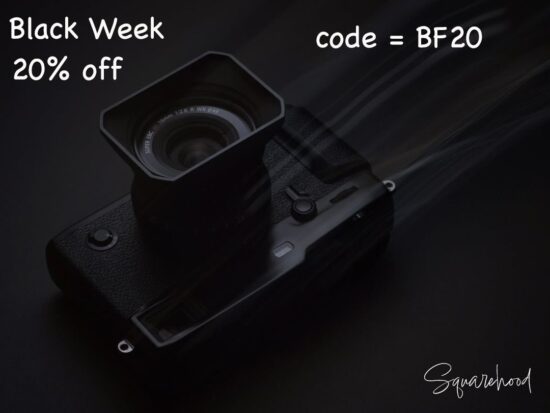
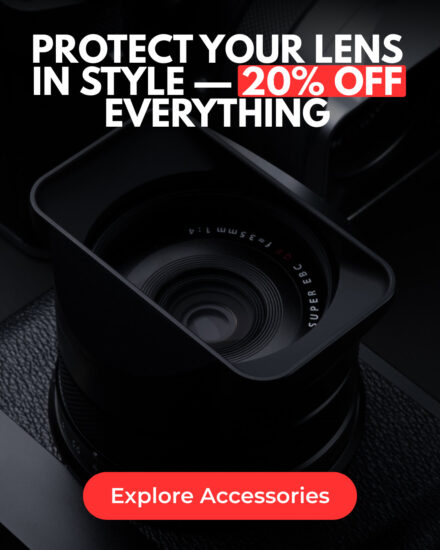
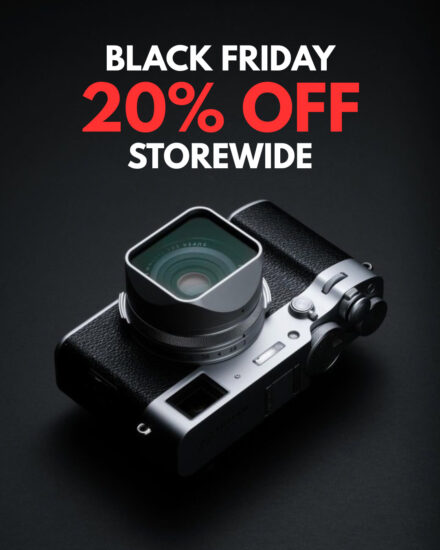
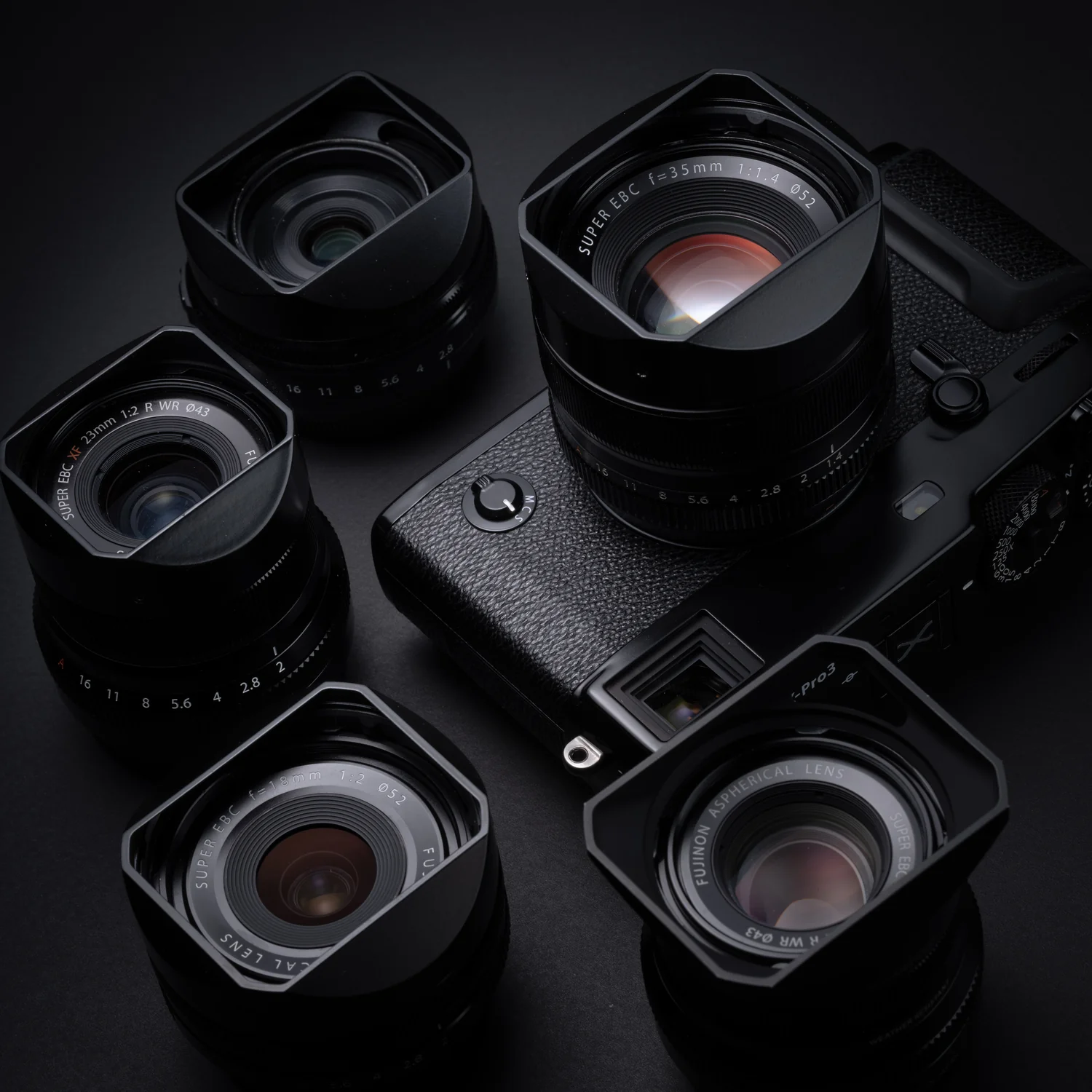
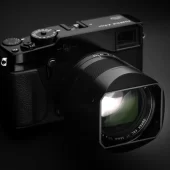
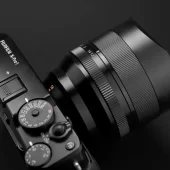
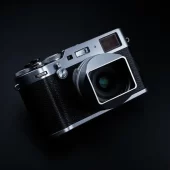
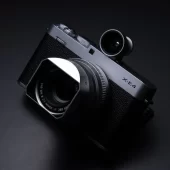
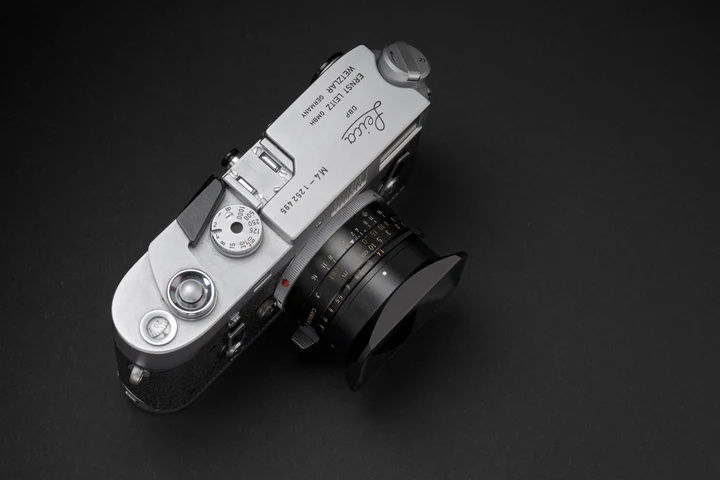
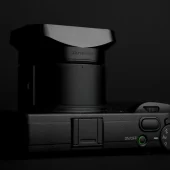
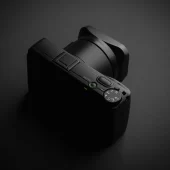
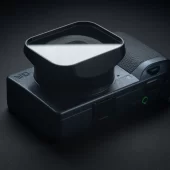
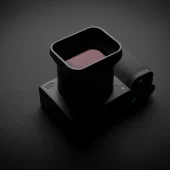
For Black Friday, Squarehood is offering a 20% discount on everything in its store. Squarehood sells several different lens hood solutions for Fuji, Leica, Nikon, and Ricoh cameras and lenses. Visit their website for more information and a list of products. Here are some of the Fuji lens hoods:
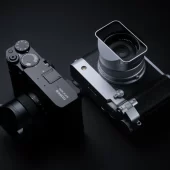
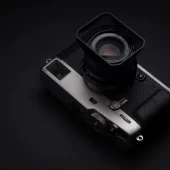
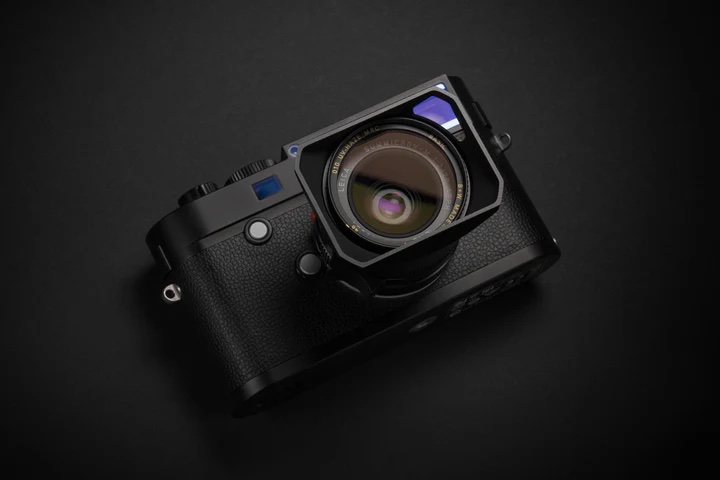
Next are a few examples of the Squarehood lens hoods for Leica and Ricoh:
When you use DPReview links to buy products, the site may earn a commission.
Product photos: Mitchell Clark
We've had the chance to spend some time with Nikon's updated 24-70mm F2.8 S II, which was announced earlier this year. It's an update to an already-solid offering, but one that's substantially lighter than its predecessor, while still promising solid build and image quality.
Since the lens is designed to be a workhorse for a wide variety of users, we also wanted to share some of our impressions on what it was like to use, compared to both its predecessor and the options available on other mounts.
In use
Photos don't always tell the whole story. While the Nikon 24-70mm F2.8 S II isn't noticeably more compact than Canon's stabilized, extending zoom offering, it is substantially lighter.
This lens's big trick is that it's the first of its kind to zoom internally. While that's likely to be more important for videographers using it on a gimbal who want to avoid their setup's center of gravity shifting, it's also a definite nice-to-have for photography, too. The lens not shifting as you zoom makes it that bit easier to control and faster to get the composition you're trying to achieve.
Having also spent a lot of time with Canon's 900g (31.7oz) 24-70mm F2.8 IS USM L recently, I was also very pleased with the Nikon's light weight: 675g (23.8). I found myself throwing it in a bag or taking it out on hikes that I'd normally be hesitant to bring a full 24-70mm F2.8 on, and I could comfortably carry it around without absolutely needing a neck strap. Nikon isn't the first to release this kind of lens at this size and weight, but it's nice that Z-mount users now have it as an offering, since the Sigma version isn't available.
The ability to click and declick the lens at will is a big upgrade.
While I typically prefer dedicated aperture rings, most shooters will likely be happy with the programmable control ring on this lens. It's right where you'd expect an aperture ring to be, so you can set it as that and use it like you typically would (albeit without hard stops at each end) if you want, but you can also use it to control things like ISO, exposure compensation, autofocus selection point and more. We also deeply appreciate the ability to click or declick it; while the clickless control or aperture rings Nikon and others include are good for video, they can be frustrating to use for stills. With this lens, neither side has to give anything up.
Speaking of video (just for a moment, promise), focus breathing is well-controlled throughout the lens's zoom range. Its included lens hood also has a door that you can use to adjust filters without taking it off, though my variable ND filter and its magnetic adapter ring wouldn't fit on the lens with the hood mounted. Photographers using more sensible filters will likely be pleased that it has a 77mm thread, rather than an 82mm one, though, assuming they haven't already heavily invested in larger filters.
This lens' autofocus is quick and decisive, even when shooting moving subjects wide open.
Nikon Z8 | Nikkor Z 24-70mm F2.8 S II | 70mm | F2.8 | 1/80 sec | ISO 64
Finally, there's autofocus. Nikon claims the motors are five times faster than the ones on the previous model, and that they should be much better at retaining focus while zooming. In my experience, they are extremely quick, even when shifting from close focus to infinity, and I never found a situation where I felt like the lens, rather than my skills, was the bottleneck (though I didn't get to test it out in any of the pro-level situations that it's designed for, such as shooting a wedding).
Optics
This isn't a full-fledged review, but it's at least worth touching on a few things that I noticed while shooting the 24-70mm F2.8 S II. The biggest was the relatively intense vignetting that shows up throughout its focal length when shooting wide-open, which makes the image look a fair bit darker than at other aperture settings. However, it clears up relatively quickly, being relegated to the corners at F4, and almost completely gone by F5.6. This doesn't seem to be a compromise to achieve the internal zoom, though, as I noticed similar levels of vignetting at F2.8 using its predecessor as well.
70mm
F2.8
F4
F5.6
F8
As for sharpness, the 24-70 F2.8 S II is, unsurprisingly, quite good; it captures fine details from edge-to-edge, even wide open. Longitudinal chromatic aberration appears to be well-controlled, too, only showing up in the most challenging of situations.
24mm
F2.8
F5.6
F8.0
70mm
F2.8
F5.6
F8.0
I found the bokeh to be relatively pleasing in most scenarios, without too much distracting businesses. However, I wouldn't say that rendering specular highlights is this lens's specialty. While the bokeh is relatively clean, at the long end, you see some pretty intense cat's eye effect wide open, where lights are rendered as more of an eclipse than a circle. It's present throughout the range, though less noticeable at the wide end. At all ranges and apertures, you'll likely see some bokeh that isn't perfectly circular, but by the time you're at F5.6, it starts to take a decidedly octagonal shape across the frame.
Versus the original
The II is larger than its predecessor's retracted state, but is smaller than it extended to 70mm. It also has much larger focus and zoom rings.
Design-wise, I consider this lens an improvement in almost every way; it's only fractionally longer than its predecessor's fully retracted state, but it stays that size even if you want to walk around with it zoomed to 70mm. It's also hard to complain about the small status display being replaced by a portrait-orientation function button, as I never found it to be particularly useful, since I'd often have to move my head to look down at the top of the lens.
I also found the command dial much more useful, now that there's a clicked mode; I always ignored the clickless-only version on the original 24-70mm F2.8 S, but found myself frequently using the clicky one on the II. The lighter weight is also immediately noticeable when comparing the two side-by-side, and makes it nicer to carry around.
I also appreciate the focus limit switch added on the II. While I didn't find myself reaching for it as often as I would with a more telephoto lens, there were a few times when it was handy to have.
The II's closer minimum focusing distance is also noticeable in real-world use, though optically it doesn't appear to be at its best at those distances.
Sample Gallery
Please do not reproduce any of these images on a website or any newsletter/magazine without prior permission (see our copyright page). We make the originals available for private users to download to their own machines for personal examination or printing; we do so in good faith, so please don't abuse it.
Sample gallery
This widget is not optimized for RSS feed readers. Click here to open it in a new browser window / tab.
DxO Black Friday 2025 – up to 50% off. Get an additional 5% off the already reduced prices with the coupon code RUMORS when you purchase from this link (valid for new customers only).
The 2025 DxO Black Friday offers up to 50% off their products. You can get an additional 5% off DxO products, in addition to the already reduced prices, with the coupon code RUMORS when you purchase from this link (valid for new customers only). Here is the breakdown of the deals (those offers will end on Tuesday, December 2):
The start of the holiday shopping season is upon us, with Black Friday and Cyber Monday deals kicking off. In years past, deals on photography-related equipment, especially cameras and lenses, were rather lackluster. This year, however, actually brings some significant savings even on big-ticket items. We've combed discounts to highlight deals that we'd actually recommend.
This isn't an exhaustive list by any means. Feel free to share your favorite deals in our forum post as well so that others don't miss them!
Camera deals
Image: Nikon
This year, there are some surprisingly impressive deals on cameras. For US customers, there are even prices that dip well below pre-tariff pricing, offering truly excellent savings.
For those looking for a camera that's more affordable than the above options, you're in luck. These devices can make excellent gifts or a fun option for yourself, too.
Software is one of those things that isn't very fun to spend money on, typically, but it's necessary. Luckily, there are some Black Friday deals on software this year, so you can save some money while picking up necessary editing tools.
Viltrox 35mm f/1.2 LAB for Nikon Z mount coming in December:
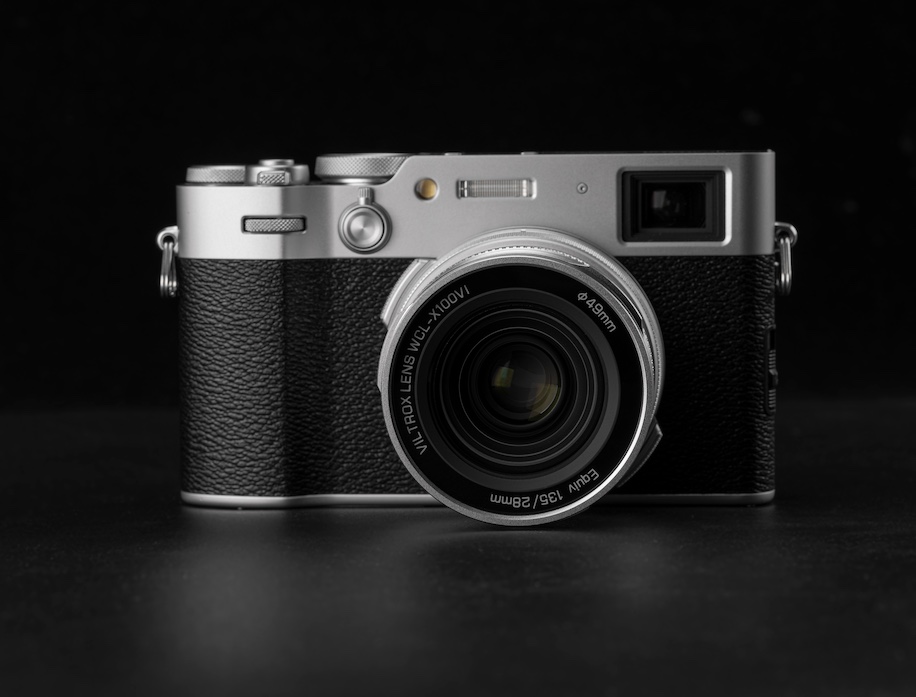
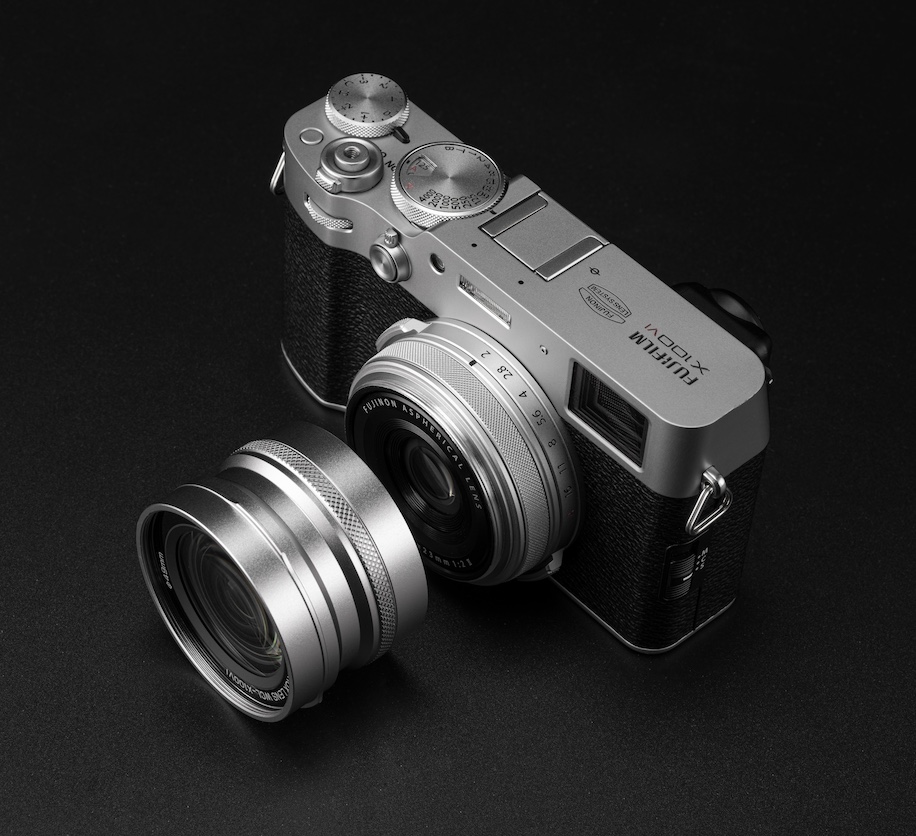
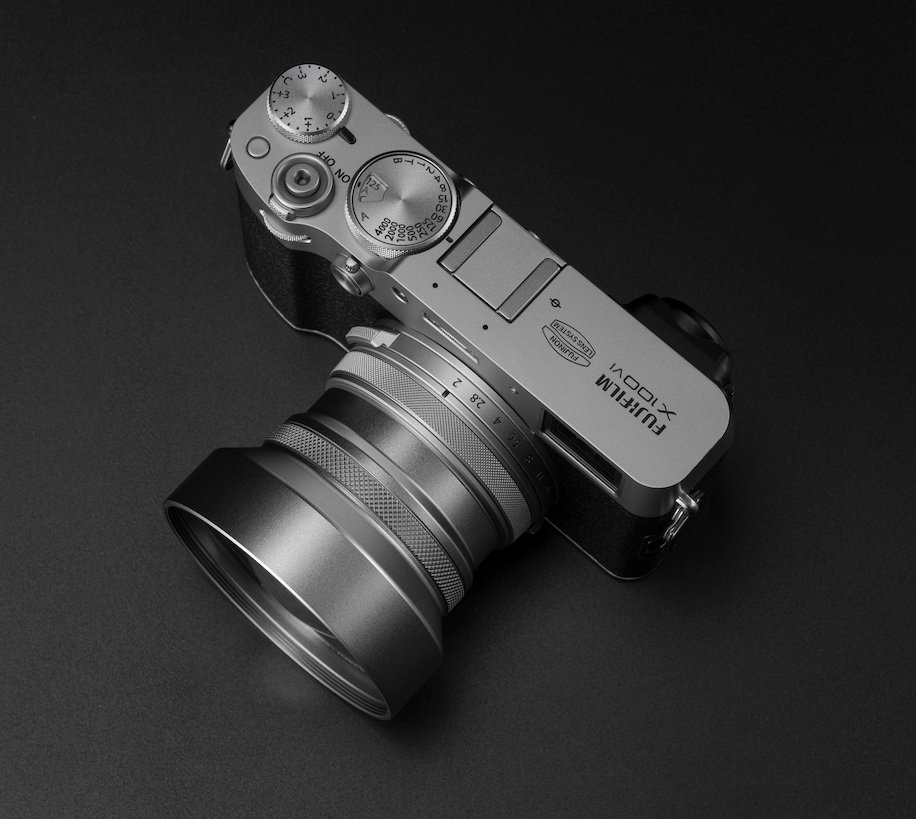
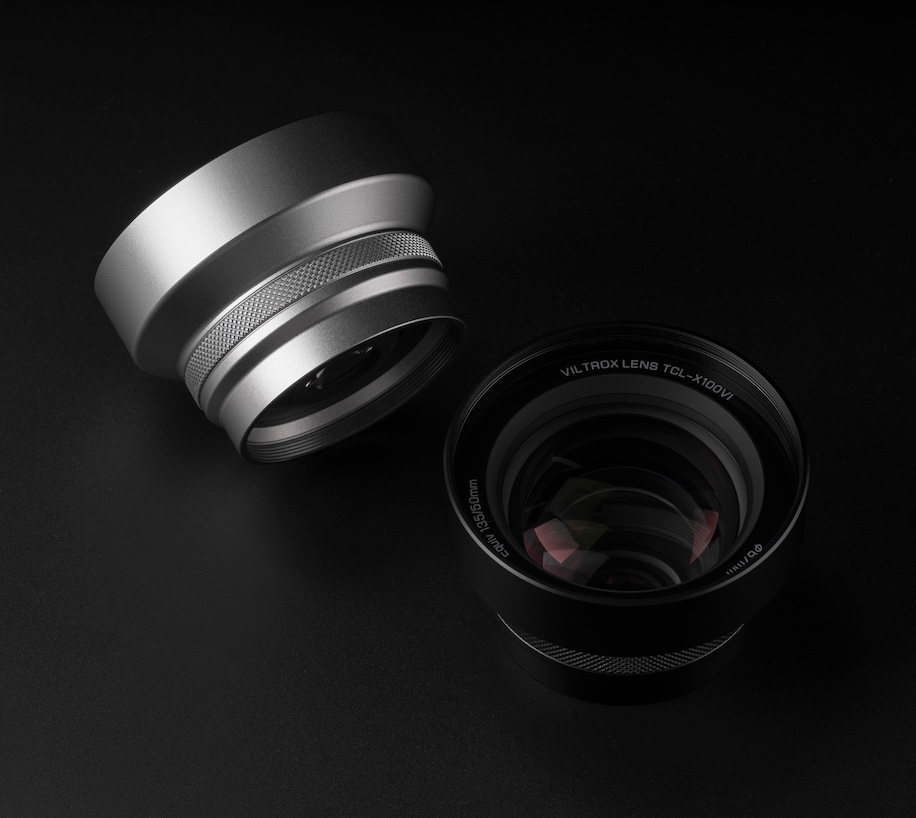
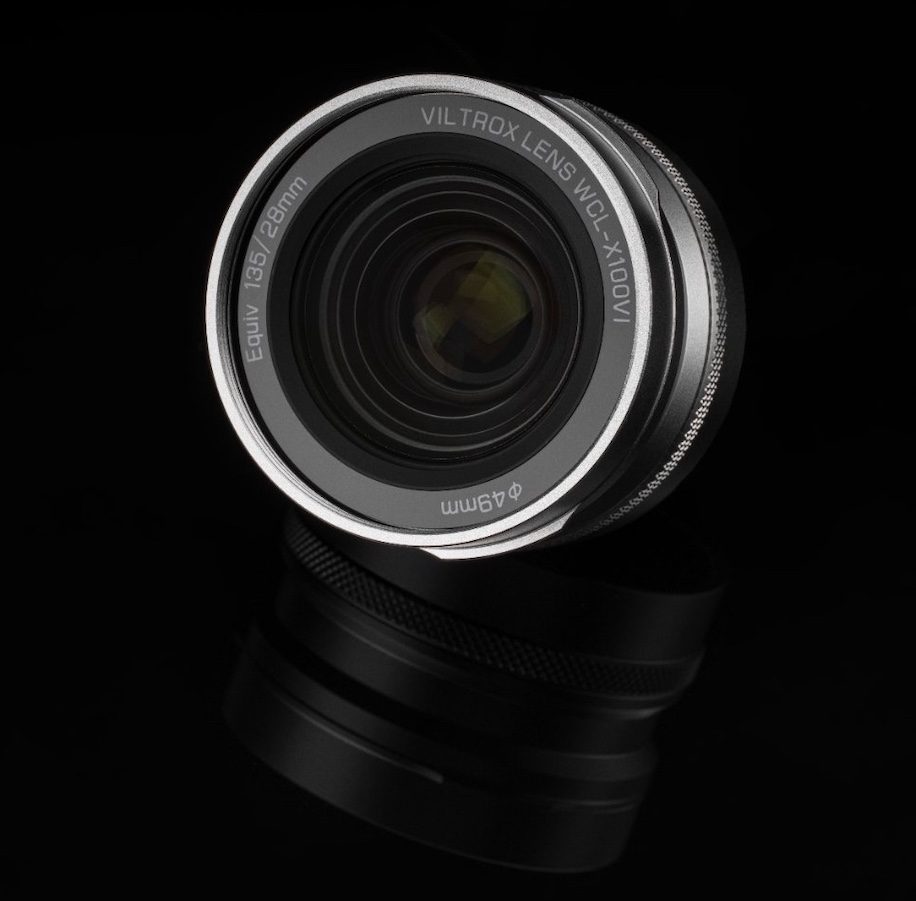
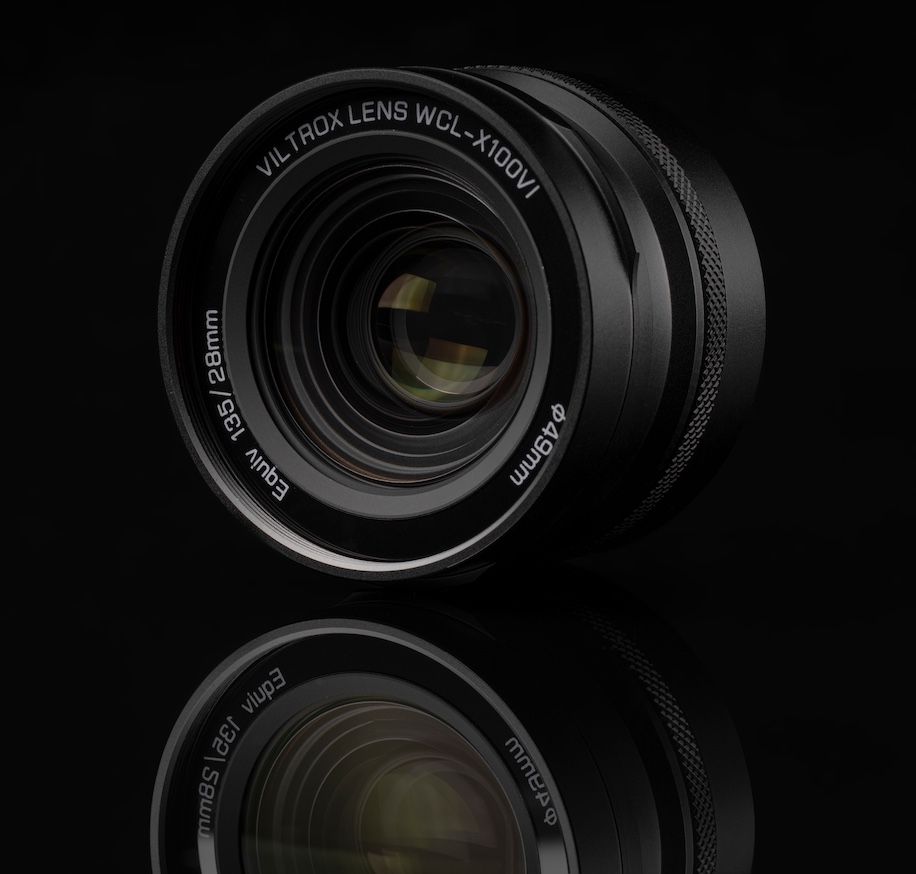
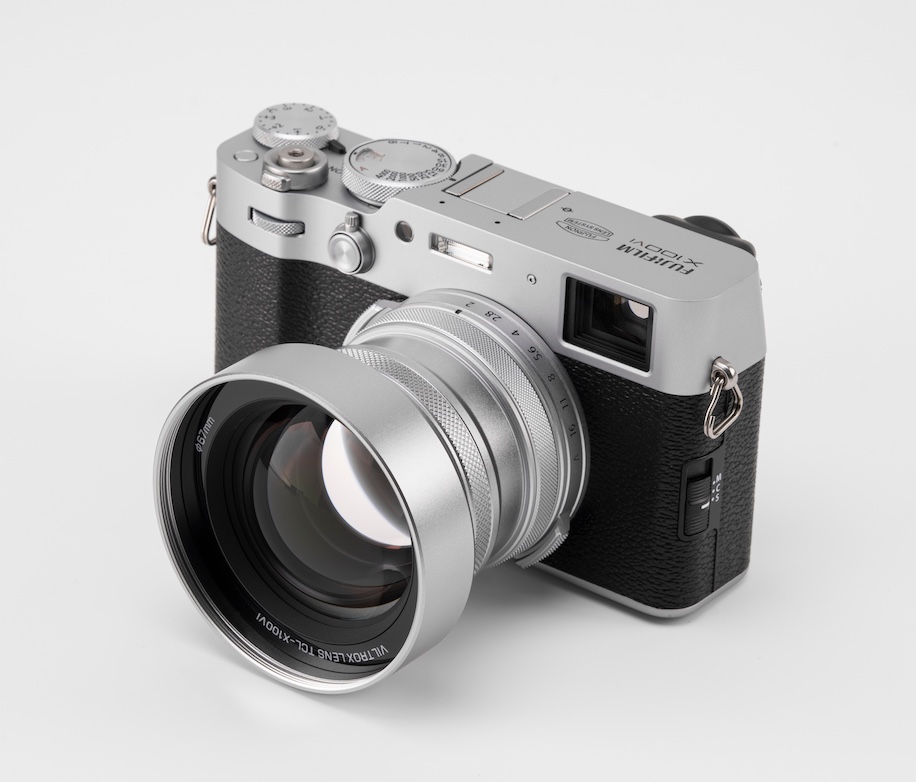
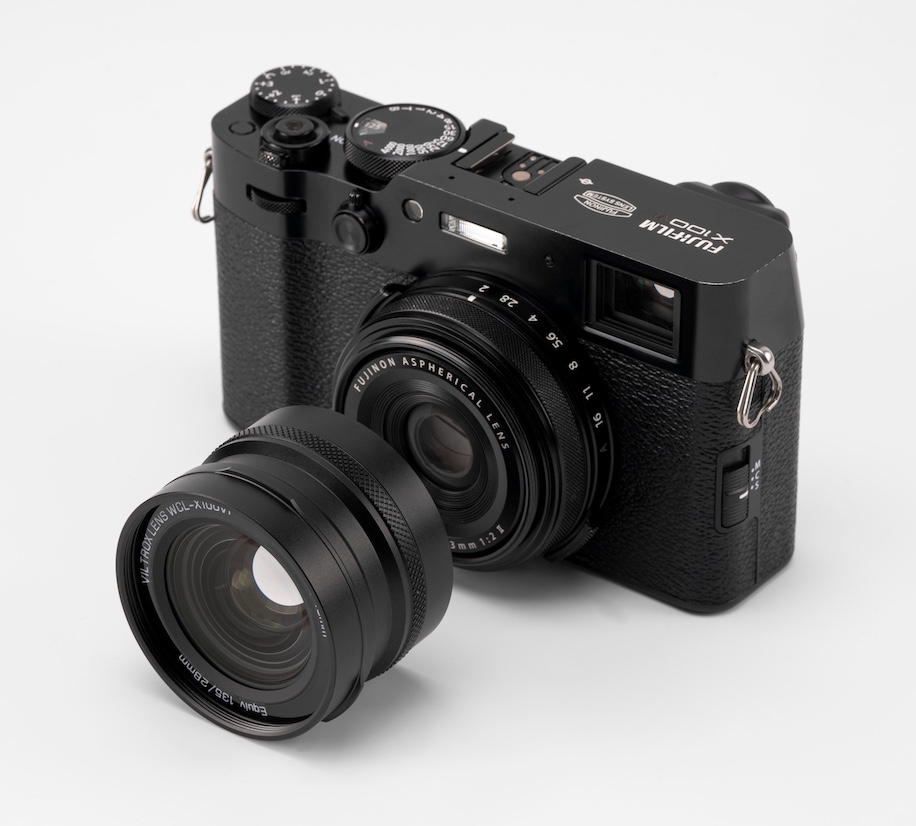
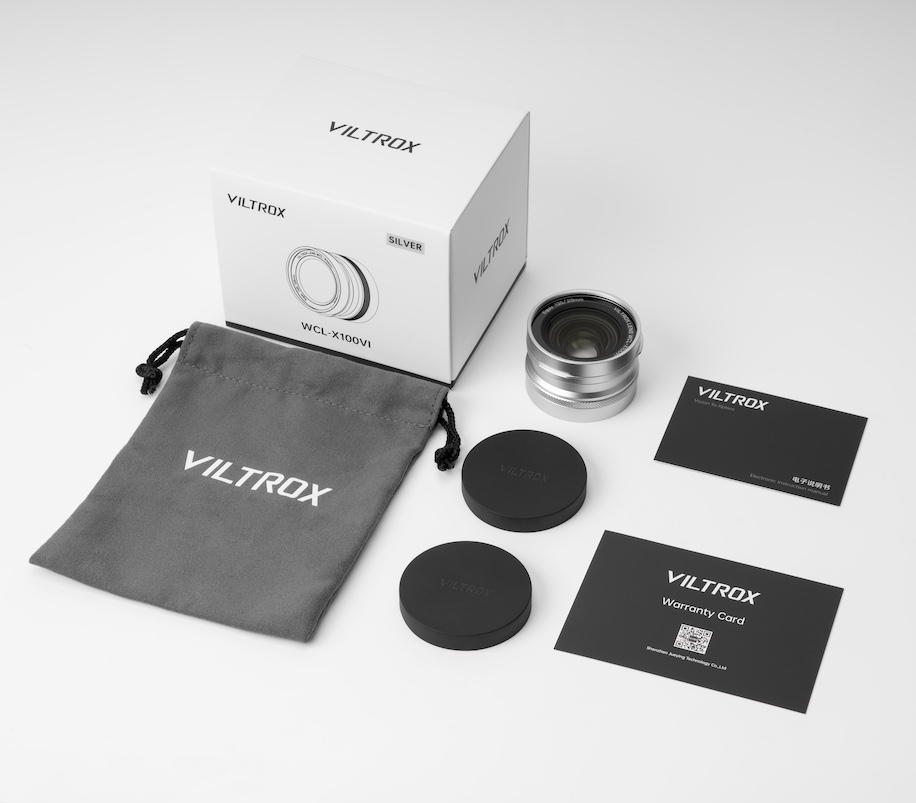
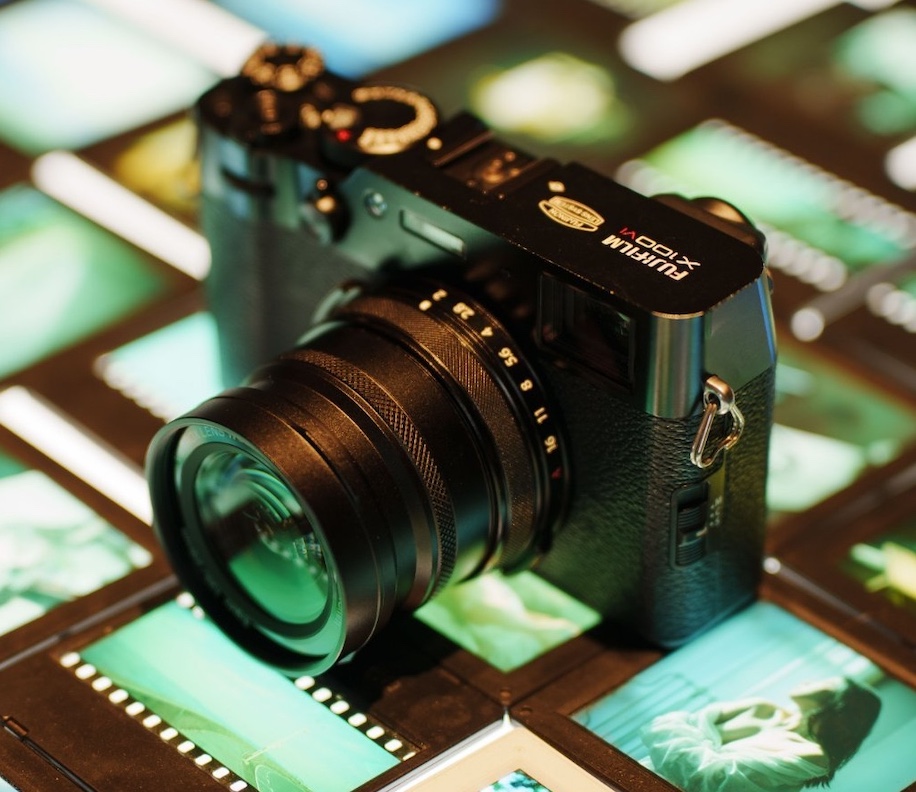
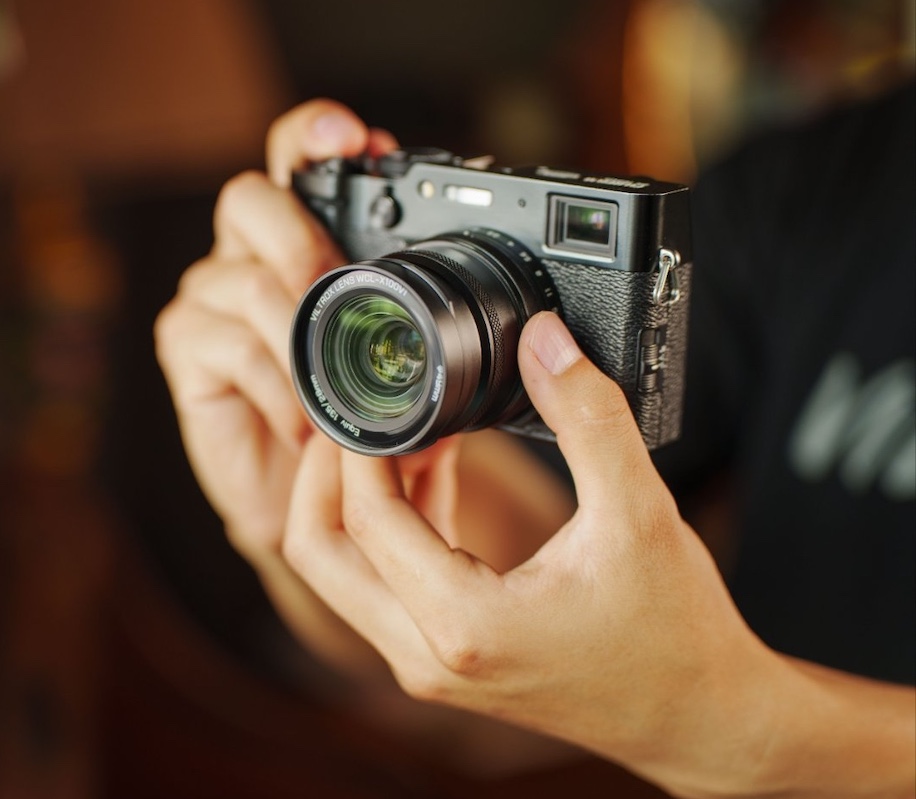
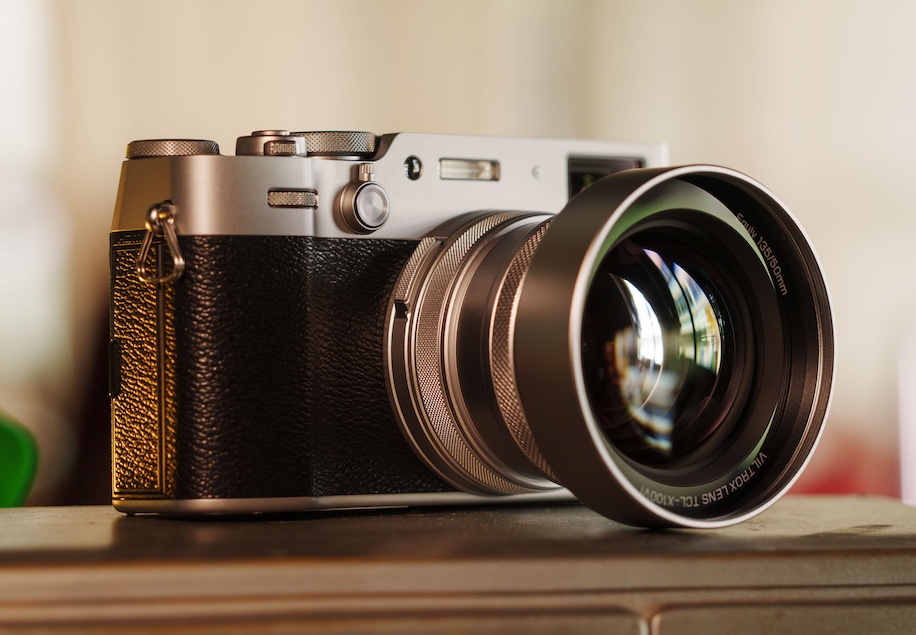
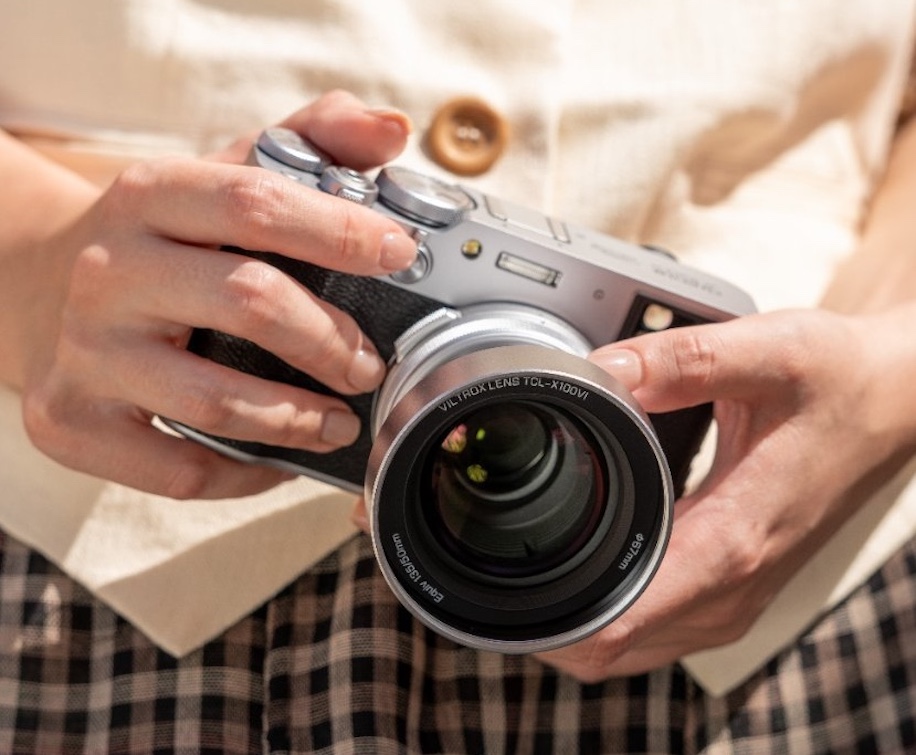
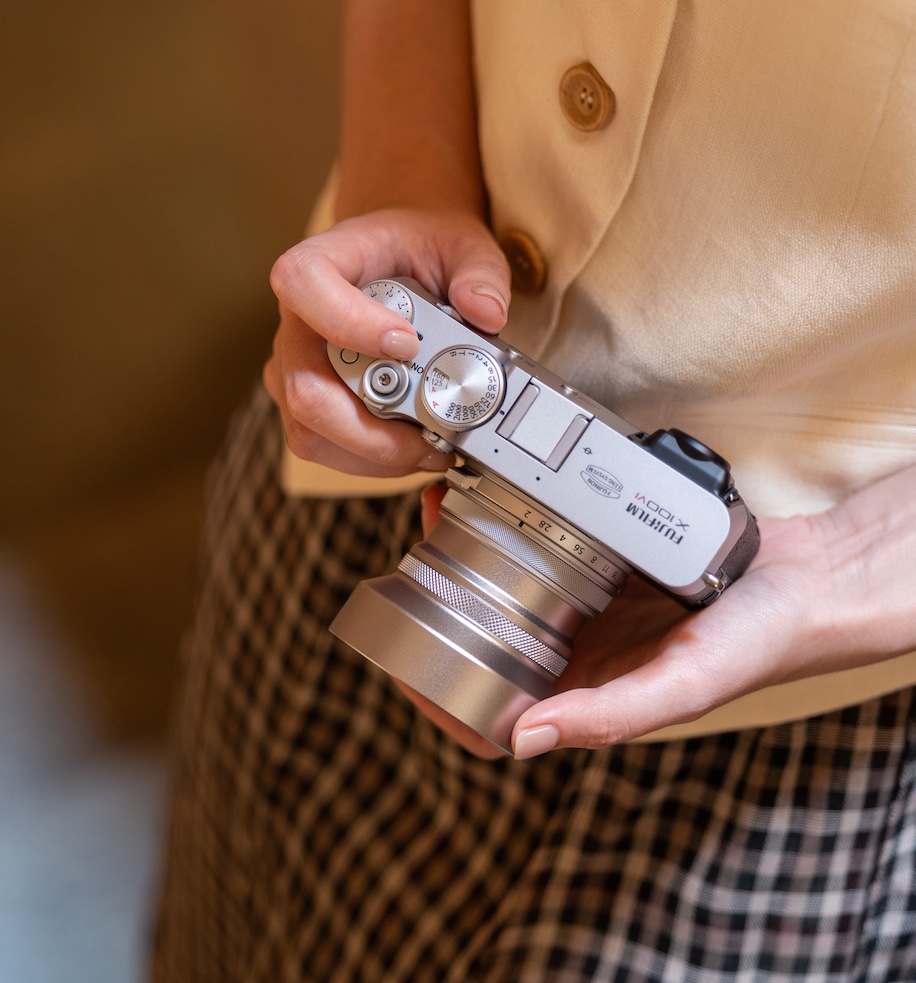
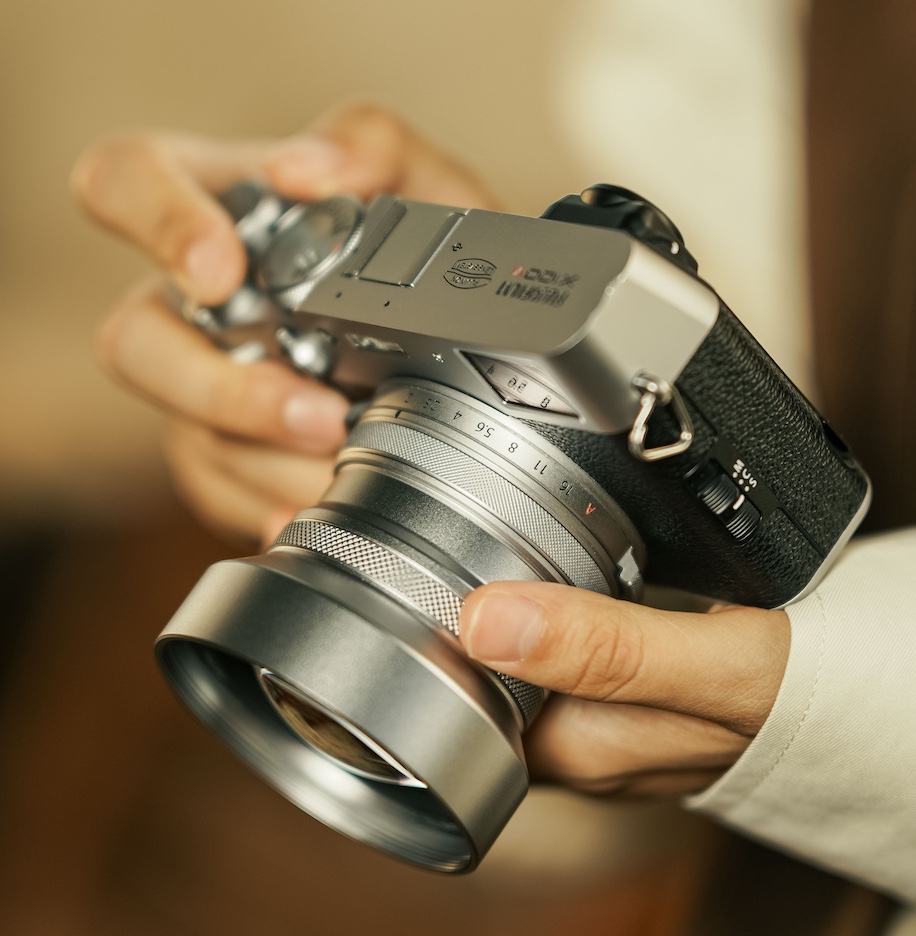
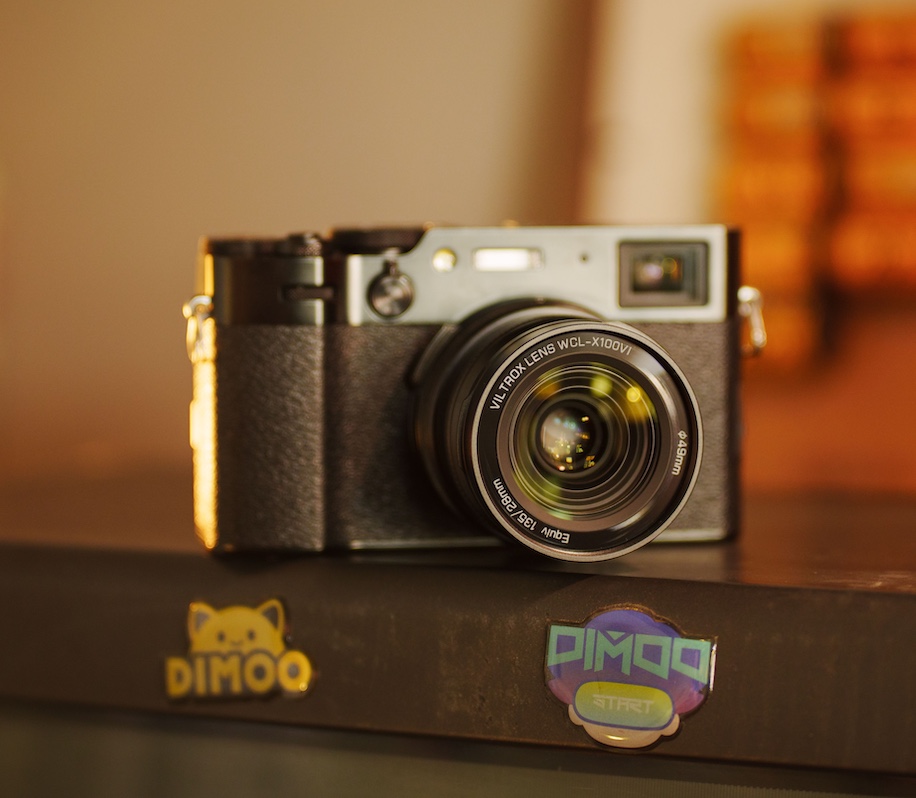
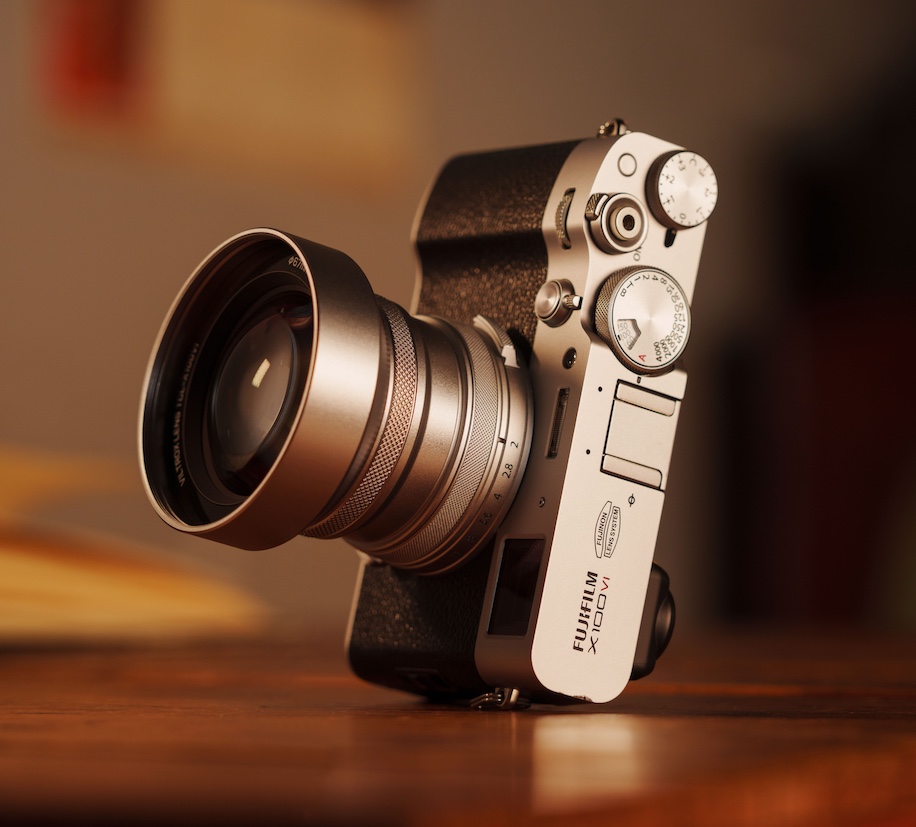
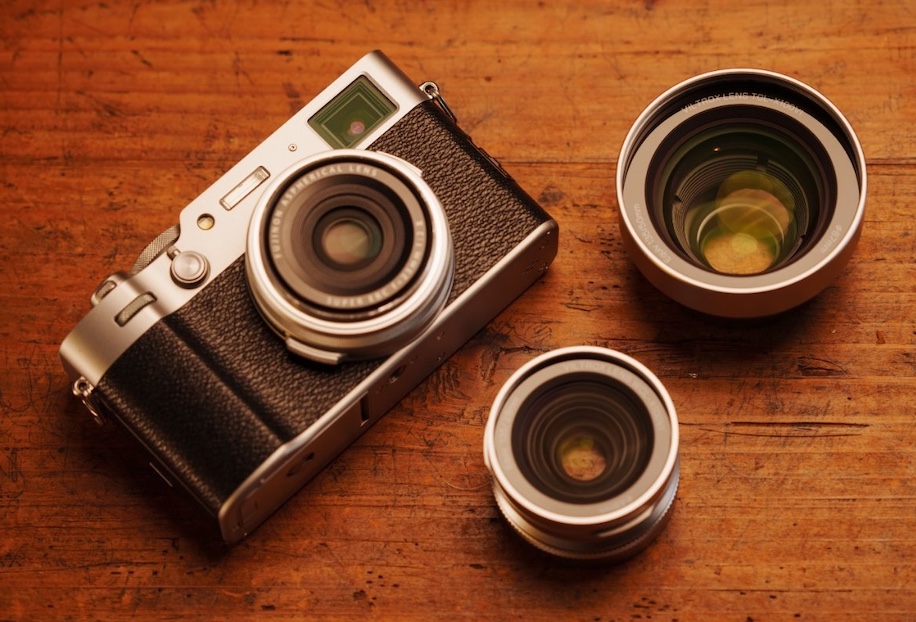
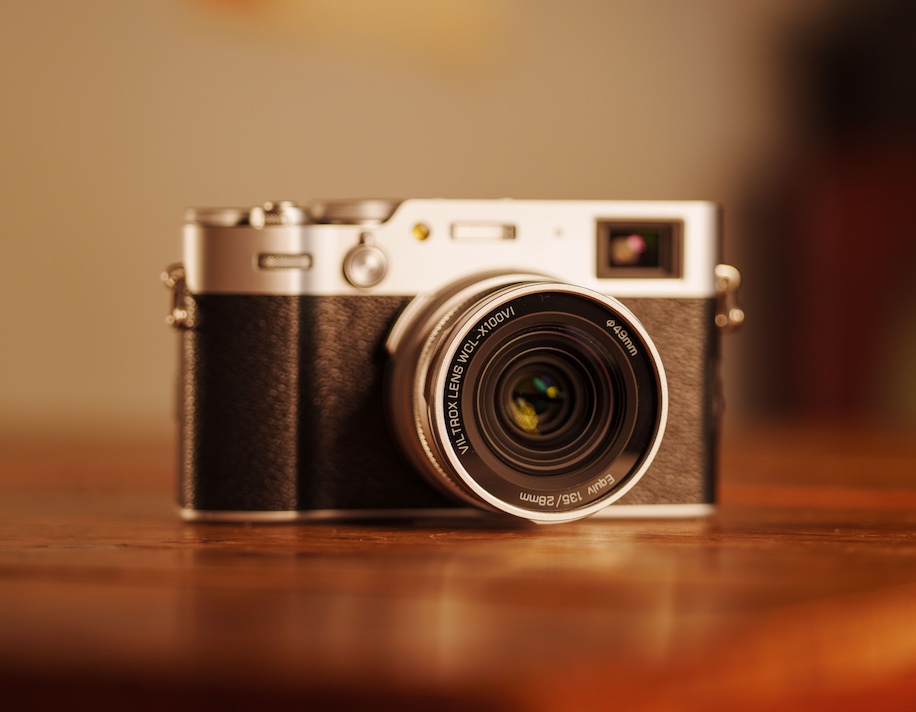
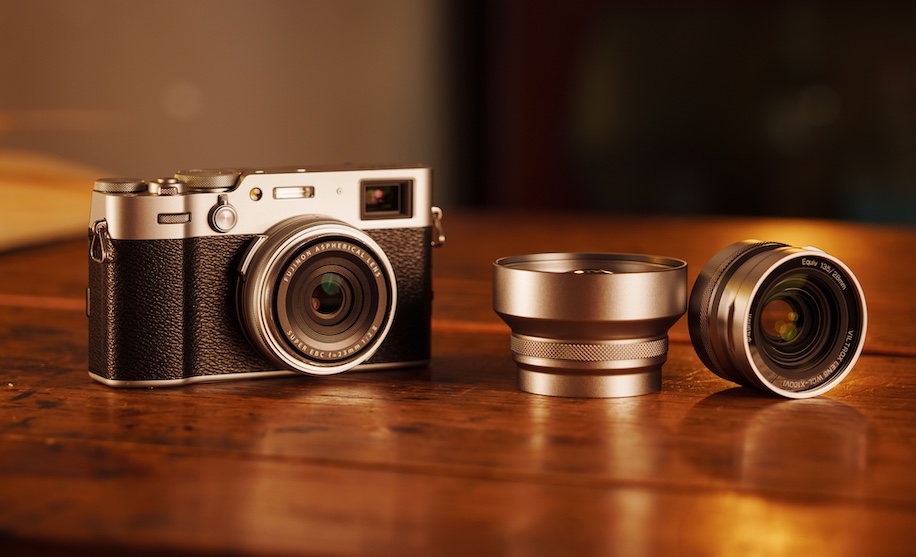
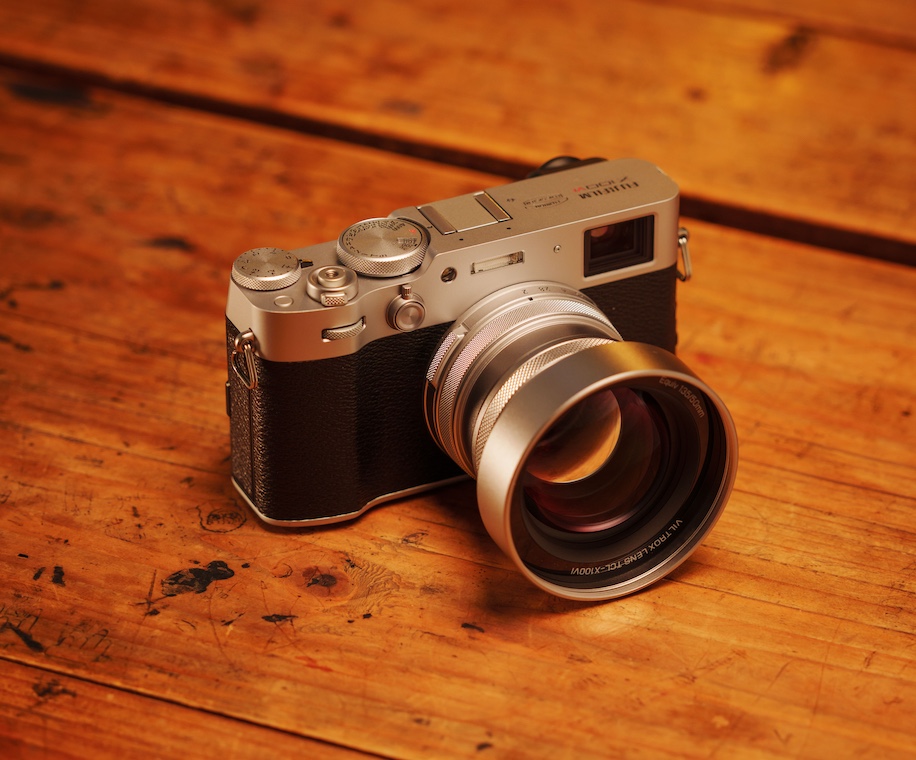
New Viltrox front teleconverters (0.8× and 1.4×), probably designed for compact cameras like the Fuji X100:
“We’ll soon be launching a front teleconverter (increasing the focal length by 1.4×) and a wide-angle conversion lens (reducing the focal length to 0.8×). With these, you can instantly unlock new focal lengths without changing your camera.“
New Viltrox Chip series pancake lenses:
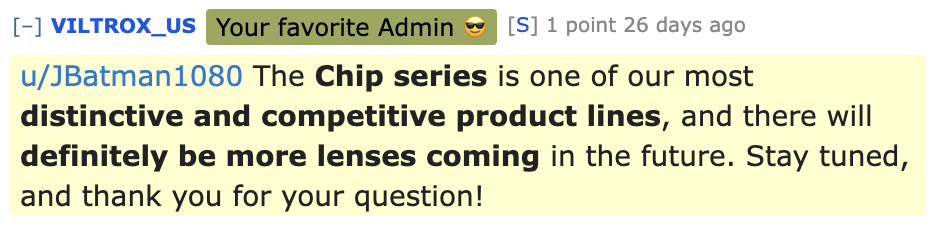
“The Chip series is one of our most distinctive and competitive product lines, and there will definitely be more lenses coming in the future.” (Reddit)
A federal ban on DJI drones in the US is set to trigger on December 23, 2025, unless a designated national security agency (such as the Office of the Director of National Intelligence) completes a mandated security audit beforehand. This deadline stems from Section 1709 of the Fiscal Year 2025 National Defense Authorization Act (NDAA), passed by Congress in December 2024. If the audit doesn’t happen, DJI (along with fellow Chinese manufacturer Autel Robotics) will be added to the FCC’s “Covered List,” prohibiting the import, sale, and FCC certification of new DJI products. Existing drones owned by consumers and businesses would likely remain usable, but repairs, parts, and software updates could become challenging.
State-level restrictions are already in place in some areas. For example, Florida implemented a ban on DJI drones for government use in 2024, leading to the seizure of equipment worth over $200 million and a switch to pricier US-made alternatives. Similar restrictions exist in states like Arkansas and Mississippi for public agencies, often driven by the same federal concerns.
Reasons for the Potential Ban
Data Privacy and Espionage Risks: Fears that DJI drones could transmit sensitive flight data, images, or videos back to China via backdoors, enabling surveillance. This echoes restrictions on other Chinese tech companies, such as Huawei.
Forced Labor and Subsidies: Accusations that DJI benefits from unfair state subsidies and supply chains involving forced labor in Xinjiang.
Military/Combat Use: Claims that DJI tech could be repurposed for warfare, though DJI counters that it has never marketed military products and actively discourages combat applications.
DJI disputes these, emphasizing features like “Local Data Mode” (which disables internet connectivity) and offering full access for independent audits. The company argues the restrictions are politically motivated, benefiting U.S. competitors like Skydio (which holds only 5-10% market share) by creating a $1-2 billion domestic opportunity at the expense of innovation and affordability.

 Connexion