Vue lecture

Coral, fungi and butterflies: check out the winners of the close up photographer contest

Close-up Photographer of the Year 7

five images are arranged in a grid with a white background

The winners of the seventh edition of the Close-up Photography of the Year (CUPOTY) contest have been announced. This year's competition drew more than 12,000 entries from 63 countries, with images revealing wonders of the world through macro, micro and close-up photography.

A jury of 22 expert photographers, naturalists and editors selected the winners. They collectively spent more than 20 hours on Zoom calls to make the winner selections and choose the Top 100 images. The contest includes 11 categories: Animals, Insects, Butterflies & Dragonflies, Arachnids, Invertebrate Portrait, Underwater, Plants, Fungi & Slime Moulds, Intimate Landscape, Studio Art, and Young Close-up Photographer of the Year (for entrants aged 17 or under).

"This was the toughest competition yet," says CUPOTY co-founder Tracy Calder. "The winning image embodies everything close-up photography can achieve – it shows us a perspective we've never seen before and reveals hidden beauty in a familiar subject. The judges were captivated."

You can see all of the winning and finalist images at the CUPOTY website.

Grand Prize

1st-Underwater-Fractal Forest-Ross Gudgeon-CUPOTY 7

© Ross Gudgeon / CUPOTY

Name: Ross Gudgeon

Title: Fractal Forest

Category: Underwater

Place: 1st

Nationality: Australian

Picture details: The inside of a cauliflower soft coral in Lembeh Strait, Indonesia.

Caption: Named for its characteristic cauliflower-like appearance, this coral has numerous small, rounded, bump-like polyps that give it a puffy texture. This unique perspective was made possible by the Nauticam EMWL (Extended Macro Wide Lens), an underwater version of the probe or insect eye lens. Due to its long length, small diameter, close focus, and wide field of view, this lens allows for perspectives impossible with conventional lenses. I decided to experiment with the EMWL on the soft coral to capture a different view of a common life form. I carefully threaded the end of the EMWL through the branches of the soft coral so as not to damage them, creating an image looking from the inside out.

Technical information:

  • Camera: Sony A7R IV
  • Lens: Sony FE 90mm F2.8 Macro G OSS
  • ISO: 400
  • Aperture: F9
  • Shutter speed: 1/100 sec
  • Accessories: Nauticam EMWL with 160º objective lens and 2x Retra Pro flashes
  • Post processing: DXO Pure Raw, Adobe Lightroom, Topaz Photo AI and Adobe Photoshop

Further information:

Instagram: @ross_gudgeon

Facebook: Ross Gudgeon

Animals - First Place

1st-Animals-Amphibian Galaxy-Filippo Carugati-CUPOTY 7

© Filippo Carugati / CUPOTY

Name: Filippo Carugati

Title: Amphibian Galaxy

Category: Animals

Place: 1st

Nationality: Italian

Picture details: A Malagasy frog (Guibemantis sp.) egg clutch hangs on a small trunk next to a pond in Maromizaha rainforest, Madagascar.

Caption: Conducting fieldwork during cyclone season gave me the opportunity to witness a wonderful natural spectacle: Malagasy frogs' mass reproduction. The Maromizaha rainforest, where I spent six months collecting data for my PhD thesis, hosts an outstanding richness of amphibians, with at least 74 endemic species. For many Malagasy frogs, reproduction peaks correspond with winter months, a period characterised by higher temperatures and intense rainfall. During my nocturnal explorations, I was deeply impressed by the variability in shapes, colours, and sizes of the numerous egg clutches deposited on leaves, branches, and trunks. In this shot, I documented a large egg clutch (20–30cm) hanging on a small trunk. Inside this egg aggregation, several tadpoles were swimming peacefully through the gelatinous substance. Using an external remote-controlled flash, I lit the subject from behind, enhancing the shapes of the converging tadpoles and the colourful mixture within the gelatine, which suggested a cosmic appearance.

Technical information:

  • Camera: Canon EOS R7
  • Lens: Canon EF100mm F2.8L Macro IS USM
  • ISO: 800
  • Aperture: F11
  • Shutter speed: 1/200 sec
  • Accessories: Remote-controlled flash (Canon Speedlight 430) with softbox
  • Post processing: Photoshop Camera Raw

Further information:

Website: www.filippocarugatiphotographer.com

Instagram: @wildlais

Facebook: Filippo Carugati - Wildlife Photographer

Arachnids - First Place

1st-Arachnids-Dinner-Artur Tomaszek-CUPOTY 7

© Artur Tomaszek / CUPOTY

Name: Artur Tomaszek

Title: Dinner

Category: Arachnids

Place: 1st

Nationality: Polish

Picture details: A lynx spider (Oxyopes sp.) feeds on a few termites in Hong Kong.

Caption: Lynx spiders are ambush predators that actively hunt prey by sight. Though they produce and use silk, they do not build webs to capture prey. I came across this one during a moth survey on a particularly memorable night. It had been a very hot spring with little rain, but that evening it suddenly started raining, prompting thousands of termites to begin their mating dance and swarm in the air. This provided an excellent opportunity for the lynx spider to make its catch of the night. The main difficulty in capturing the picture was the thousands of termites flying in my face, attracted by the camera's flash. In the end, the spider managed to catch two or three termites at once, creating this striking scene.

Technical information:

  • Camera: Canon EOS R5
  • Lens: Laowa 100mm F2.8 2x Ultra Macro APO
  • ISO: 320
  • Aperture: F11
  • Shutter speed: 1/160 sec
  • Accessories: Cygnustech diffuser
  • Post processing: Lightroom

Further information:

Website: www.arturtomaszek.com

Instagram: @artur.tomaszek.photo

Facebook: Inglourious Reptiles

Flickr: Artur Tomaszek

Butterflies - First Place

1st-Butterflies-Butterfly Flash-Pål Hermansen-CUPOTY 7

© Pål Hermansen / CUPOTY

Name: Pål Hermansen

Title: Butterfly Flash

Category: Butterflies & Dragonflies

Place: 1st

Nationality: Norwegian

Picture details: A Camberwell beauty (Nymphalis antiopa) flashes its wings to defend its feeding spot on a birch tree trunk in Follo, Norway.

Caption: The butterfly was sitting on a birch tree trunk, drawn by the leaking sap caused by an attack of goat moth (Cossus cossus) larvae. Some red admiral butterflies and wasps were also attracted to the sweet sap. When the wasps approached, the Camberwell beauty did not fly off, but instead defended the spot by suddenly flashing its wings several times. The other insects kept their distance, allowing it to spend sufficient time feeding undisturbed.

Technical information:

  • Camera: Olympus OM-D E-M1X
  • Lens: M.Zuiko Digital ED 40-150mm F2.8 PRO
  • ISO: 125
  • Aperture: F22
  • Shutter speed: 1/3 sec
  • Accessories: MC-20 (2x teleconverter)
  • Post processing: Photoshop

Further information:

Website: www.palhermansen.com

Instagram: @hermansenpal

Fungi - First Place

1st-Fungi-Mushroom in the  Nude  Style-Valeria Zvereva-CUPOTY 7

© Valeria Zvereva / CUPOTY

Name: Valeria Zvereva

Title: Mushroom in the 'Nude' Style

Category: Fungi & Slime Moulds

Place: 1st

Nationality: Russian

Picture details: Fragment of the lower part of the cap of a lamellar mushroom in the Moscow region, Russia.

Caption: The lower part of the cap of a lamellar mushroom. After all, there is something of the "nude" style in this.

Technical information:

  • Camera: Canon EOS R
  • Lens: Canon MP-E 65mm F2.8 1-5x Macro
  • ISO: 1600
  • Aperture: F5.6
  • Shutter speed: 1/2500 sec
  • Accessories: Flash
  • Post processing: Adobe Photoshop CS6

Further information:

Instagram: @zebrav1

Facebook: Valeriya Zvereva

Insects - First Place

1st-Insects-Blue Army-Imre Potyó-CUPOTY 7

© Imre Potyó / CUPOTY

Name: Imre Potyó

Title: Blue Army

Category: Insects

Place: 1st

Nationality: Hungarian

Picture details: Danube mayflies (Ephoron virgo) swarm in Szentendre, Hungary.

Caption: After a few decades, the spectacular endangered Danube mayfly has returned to the river Danube, probably due to increasing water quality after disappearing from the rivers of Middle Europe owing to water pollution. The summer of 2024 was memorable for fans of these mayflies, as the season — likely extended by dry, hot days and persistently low water levels — lasted nearly a month. On 25 occasions, we waded deep into the strong currents, surrounded and overwhelmed by the mayflies. A massive swarm numbering in the millions is approaching the illuminated city of Szentendre. The lights lure the mayflies out due to their positive phototaxis. During the late August festival, dense clouds of mayflies engulfed the restaurants, vendors, wine bars, and concerts, becoming an unmissable and alarming spectacle. The mayflies circled around the lights for a long time, unable to break free, and sadly perished on the asphalt. Such an evening can result in ecological damage worth billions, as mayflies writhing and drying on pavements, roads, and ledges perish along with the egg clusters that represent their offspring.

Technical information:

  • Camera: Nikon D7200
  • Lens: Nikkor AF DX Fisheye 10.5mm F2.8G ED
  • ISO: 1250
  • Aperture: F22
  • Shutter speed: 10 sec
  • Accessories: Tripod, KuangRen Macro Twin Flash, lights
  • Post processing: Lightroom

Further information:

Instagram: @imrepotyo

Facebook: Imre Potyó

Intimate Landscape - First Place

1st-Intimate Landscape-Dreamy State-Sho Hoshino-CUPOTY 7

© Sho Hoshino / CUPOTY

Name: Sho Hoshino

Title: Dreamy State

Category: Intimate Landscape

Place: 1st

Nationality: Japanese

Picture details: A tree covered with rime ice in Nagano Prefecture, Japan.

Caption: I took this photograph when frost-covered trees stood before a mist that turned pink in the morning sunlight. The composition relies on soft, pale tones, anchored by the dark, intricate shape of the tree trunk and its distorted form. I intentionally excluded the base of the tree to highlight the complexity of its trunk. I also wanted to emphasise the special conditions of frost and mist, so I waited for the moment when the background turned pink. Although the scene depicts the freezing cold of winter, the warm colour tones give it a gentle sense of warmth rather than loneliness.

Technical information:

  • Camera: Fujifilm GFX100S
  • Lens: Fujinon GF 100-200mm F5.6 R LM OIS WR
  • ISO: 400
  • Aperture: F8
  • Shutter speed: 0.6 sec
  • Accessories: Tripod, CPL filter
  • Post processing: Lightroom and Photoshop

Further information:

Website: www.shohoshinophotography.com

Instagram: @shocha_photography

Facebook: Shocha Photography

X: @shochacamera

YouTube: Shocha Photography

Invertebrate Portrait - First Place

1st-Invertebrate Portrait-Good Boy-Laurent Hesemans-CUPOTY 7

© Laurent Hesemans / CUPOTY

Name: Laurent Hesemans

Title: Good Boy

Category: Invertebrate Portrait

Place: 1st

Nationality: Belgian

Picture details: A moth (Bombycidae sp.) in Tinamaste, Costa Rica.

Caption: A favourite quarry of many macro photographers, it is always a lovely opportunity to spend time with members of the Bombycid family. Incredibly photogenic, the large eyes and antenna positions of these moths, especially the males, always lend their portraits a somewhat melancholy feeling. They are a lesson in beautiful subtlety and a reminder to always give even the simplest arthropods and small creatures a second, closer look.

Technical information:

  • Camera: Sony A7R V
  • Lens: Sony FE 90mm F2.8 Macro G OSS
  • ISO: 200
  • Aperture: F8
  • Shutter speed: 1/125 sec
  • Accessories: Godox V860III flash, Cygnustech diffuser, Raynox DCR-250
  • Post processing: Focus stack processed in Helicon Focus, Lightroom Classic, Photoshop, and Topaz Sharpen

Further information:

Website: www.laurent-hesemans.com

Instagram: @Laurent_nam

Facebook: Laurent Hesemans

Plant - First Place

1st-Plants-Rebirth from Destruction-Minghui Yuan-CUPOTY 7

© Minghui Yuan / CUPOTY

Name: Minghui Yuan

Title: Rebirth from Destruction

Category: Plants

Place: 1st

Nationality: Chinese

Picture details: Decaying lotus leaves and floating fern (Salvinia natans) in Xishuangbanna Tropical Botanical Garden, China.

Caption: In a pond outside the tropical rainforest in Xishuangbanna, I found these decaying lotus leaves floating on the dark water, their skeletal veins creating a delicate lacework of purple and green. Amongst them, bright clusters of floating fern had taken hold. Floating fern thrives only in warm, clean waters, so finding it here amongst these skeletal leaves felt like the rebirth of hope and a symbol of the continuation of life.

Technical information:

  • Camera: Fujifilm X-H2
  • Lens: Fujinon XF 16-55mm F2.8 R LM WR
  • ISO: 200
  • Aperture: F10
  • Shutter speed: 1/42 sec
  • Post processing: Photoshop

Studio Art - First Place

1st-Studio Art-COPPER WORKS No.25 - 2024-Paul Kenny-CUPOTY 7

© Paul Kenny / CUPOTY

Name: Paul Kenny

Title: COPPER WORKS No.25 - 2024

Category: Studio Art

Place: 1st

Nationality: British

Picture details: A copper plate distressed and oxidised by everyday household materials.
Caption: Three years ago, at the age of 71 and after 35 years in rural/coastal tranquillity, my wife and I moved back into the centre of a big city. For 50 years, my work had been concentrated on creating visionary landscapes, constructed from insignificant scraps from the shoreline. My new environment conjured up memories of my upbringing in the post-Industrial Revolution Lowry-esque landscape of inner-city Salford. Over three years, a new body of work has emerged, but the fragments of flotsam and jetsam that formed the source of my medium have been replaced with the chemical fragments of common household materials — bleach, cleaners, gardening products, bathroom products. This image is made on a glass plate and captured with a scanner.

Technical information:

  • Scanner: Epson Perfection V750 Pro scanner
  • Scan time: 15 minutes
  • Post processing: Photoshop Elements

Further information:

Website: www.paul-kenny.co.uk

Instagram: @jmarmaduke

Threads: @jmarmaduke

Young - First Place

1st-Young-Guardians of the Hive-Rithved Girish-CUPOTY 7

© Rithved Girish / CUPOTY

Name: Rithved Girish

Title: Guardians of the Hive

Category: Young

Place: 1st

Nationality: Indian

Age: 14 years old

Picture details: Stingless bee (likely Tetragonula sp.) nest in Mezhathur, Kerala, India.
Caption: During my summer holiday in Kerala, India, I encountered a nest of stingless bees, likely from the Tetragonula family. Fascinated by the tiny wonders of nature, I make it a point to explore and learn more about the natural world whenever I visit India. These small yet remarkable bees had carefully built their home using wax, resin, and mud, creating a unique tube-shaped entrance to safeguard their colony. The guard bees at the entrance remained alert, ensuring the safety of their hive from potential threats. No bait or attractants were used whilst capturing this moment, allowing their natural behaviour to remain undisturbed. This image serves as a reminder of the vital role these tiny creatures play in maintaining ecological balance.

Technical information:

  • Camera: Nikon D850
  • Lens: Sigma 105mm F2.8 DG DN Macro Art
  • ISO: 400
  • Aperture: F11
  • Shutter speed: 1/160 sec
  • Accessories: Rollei Flash 58F, Radiant diffuser

Further information:

Instagram: @rithved.girish

Facebook: Rithved Girish

  •  

Camera settings to change on your new Nikon camera

Nikon z6iii on yellow background
Image: Richard Butler

If you've recently picked up a new Nikon camera, you might be a bit overwhelmed about where to start setting it up. After all, camera menus can be hard to navigate, and the sheer number of settings options can be dizzying.

Some settings are universal, no matter your camera brand or preferred shooting style. We've already covered those in a separate article, so you may want to start there. This guide walks you through some of the Nikon‑specific settings worth changing on day one. The suggestions below are aimed at addressing the needs of most photographers; if you have a specific shooting style or preferred genre, there may be additional considerations. But below you'll find a good starting point for setting up your camera.

Basic Nikon behaviors

If you're new to Nikon, there is a key quirk you might want to be aware of: that nothing is selected until you've pressed the OK button. It's very easy to navigate to a menu parameter, think you've selected the option you want, and then hit Menu or half-press the shutter to exit, only to discover that nothing's changed. Get into the habit of assertive confirmation.

Release button to use dial
This option won't be in the same exact position on every Nikon model, but it should be located in the purple Controls section.

Another behavior that may be unfamiliar, if you've come from other brands, is that you need to hold buttons such as WB or Exposure Comp down while you turn the command dial. If you want to just press once, rather than having to hold the button down, you need to change the "Release Button to Use Dial' option in section 'f' of the Custom Settings menu.

Engaging and controlling Auto ISO

Auto ISO is typically On by default on most Nikon Z-mount cameras. However, there are points worth being aware of. If your camera has a dedicated ISO button, or you've defined a custom button to control ISO, you can hold that button down and turn one of the command dials to toggle Auto ISO on and off.

However, be aware that the other dial will define the minimum ISO that the camera will use, which risks limiting the maximum image quality available. If you are finding that the Auto ISO system isn't using as fast a shutter speed as you'd like, it's better to go into the Photo Shooting menu and adjust the "Minimum Shutter Speed" setting under "ISO sensitivity settings."

Easy Exposure Compensation

Easy Exposure compensation

Easy Exposure Comp makes one of your command dials act as exposure comp without having to press a button. If you ever shoot in A or S mode, you should set this to 'On.'

Screengrab: Mitchell Clark

Nikon cameras offer an "Easy Exposure Compensation" setting that lets you customize how you dial in exposure compensation (EC).

By default, this is set to off, which means that you have to hold the ± button while turning a command dial to change EC. However, when you use P, S and A modes, you’ll have a command dial that isn’t being used. By changing to "On (auto reset)" or just "On," you'll be able to use the free dial to quickly change the EC setting without pressing a button at the same time. The auto reset option simply means that the camera will reset the EC to zero when you power off or the standby timer times out.

Choosing a Raw mode

In our article on general settings to change on any camera, we suggested enabling Raw files for greater flexibility when editing your images. But with Nikon cameras, you’re also asked to choose a type of Raw file (NEFs on Nikon cameras), which can get confusing.

On the first two generations of Z-mount camera, you'll have the option to choose 12‑bit or 14‑bit Raw. Full-frame models also let you chose a compression method: Uncompressed, Lossless Compressed or Compressed (often referred to as lossy compressed). Without getting too deep into the technical details, Lossless Compressed uses reversible compression. You get the benefit of smaller files, but you can restore the image for full editing capability. 12-bit mode makes the files still smaller and lets you capture more images during burst shooting, with very little impact unless you're shooting at low ISOs and really pushing the Raws.

Raw Recording efficiency menu
Cameras that with Expeed 7 branded processing offer the newer TicoRaw-based HE* and HE

On cameras newer than the Z9 (those using Expeed 7 generation processing), you instead get the choice of Lossless Compression, High Efficiency* or High Efficiency (HE) compression. You no longer have to decide the bit-depth the camera uses. The Lossless compression is the same as on the older cameras, whereas the two HE options use a more modern, more effective compression system.

If you have one of the older cameras, we'd generally suggest shooting 12-bit Raw with Lossless Compression, if you're given the choice. The only exception would be if you're shooting ISO 64 on a Z7 or Z7 II and really pushing the Raws to make full use of their dynamic range.

We've been impressed with our experiences with HE* compression on the newer cameras.

Engaging Raw shooting

Image quality settings stars
Don't forget to tell your camera to actually shoot in Raw after choosing your Raw settings; it's easy to do.

While both older and newer Nikon cameras have menu options to define what type of Raw file they capture, it's important to recognize that they don't actually make use of this setting until you select Raw or Raw+ from the "Image Quality" setting, further up the Photo Shooting menu.

Sensor shield

Nikon Z9 with shield down

The Z9 and Z8, which always use electronic shutter mode, have a carbon "sensor shield" that can be used to keep dust off the sensor, without having to worry so much about damaging delicate, fragile shutter blades.

Photo: DPReview

The Nikon Z8 and Z9 both offer an option to enable a "sensor shield" when the camera is powered off. It helps reduce the amount of dust and debris that can land directly on the sensor during lens changes. We'd suggest setting "Sensor Shield Behavior at Power Off" to "Sensor shield closes." In the setup menus.

This option is not available in other Nikon cameras because they do not have carbon blades that can be used to prevent dust ingress. Instead, they have mechanical shutter blades which are much easier to damage than the sensor is.

We'd suggest being wary of dust with most Nikon cameras and being careful not to touch the sensor shield if you have a Z8 or Z9.

Shutter angle

Shutter angle setting
If you have a higher-end camera, you'll be able to change the Shutter Mode in the Video ('g') Custom Settings menu.

Shutter angle is a feature specific to videographers, so if you're not shooting video, there's no need to worry about this one. But, especially if you plan to shoot video at different frame rates, expressing the exposure time in terms of shutter angle can be really handy.

This setting only affects video shooting and is currently only available on the ZR, Z6III, Z8 and Z9.

AF-F

One Nikon-specific quirk to be aware of is that the mode that continuously refocuses during video capture is called AF-F (fulltime AF) on Nikon cameras, rather than some variety of continuous autofocus, as is more commonly the case. This is because Nikon also has an AF-C mode that acts like the same mode in stills shooting: only re-focusing when you're pressing a button to tell the camera to do so.

Specifying different settings for video

White balance video same as photo settings

By default, certain settings such as White Balance and Picture Control will carry over from stills to video mode. However, you can choose different settings by going into the "Video Shooting" menu and changing the setting to something other than "Same as Photo Setting." This makes it easier to switch back and forth between stills and video shooting without accidentally carrying your settings across.

Customize your camera for your needs

custom controls menu
Depending on your camera model, several buttons and button/dial combinations can be separately configured for stills shooting, video and playback modes.

If you want to go beyond these basics, you can configure custom buttons the the "Custom Controls" option(s) the 'f' section of the Custom Settings menu. You can customize buttons for video use in "Custom Controls" in section 'g.'

i menu nikon
The i menu can be configured to give you semi-fast access to the settings you regularly change, and can be configured separately for stills and video

It's a similar story if you wish to change which options appear in the i quick menu, these are also configured at the top of section 'f' for photo mode and section 'g' for video mode.

The above options are Nikon-specific items that apply to most users, regardless of their specific niche. However, it's also not an exhaustive list. If you have other settings that you change as soon as you purchase a new (or new to you) Nikon camera, share them in the comments.

  •  

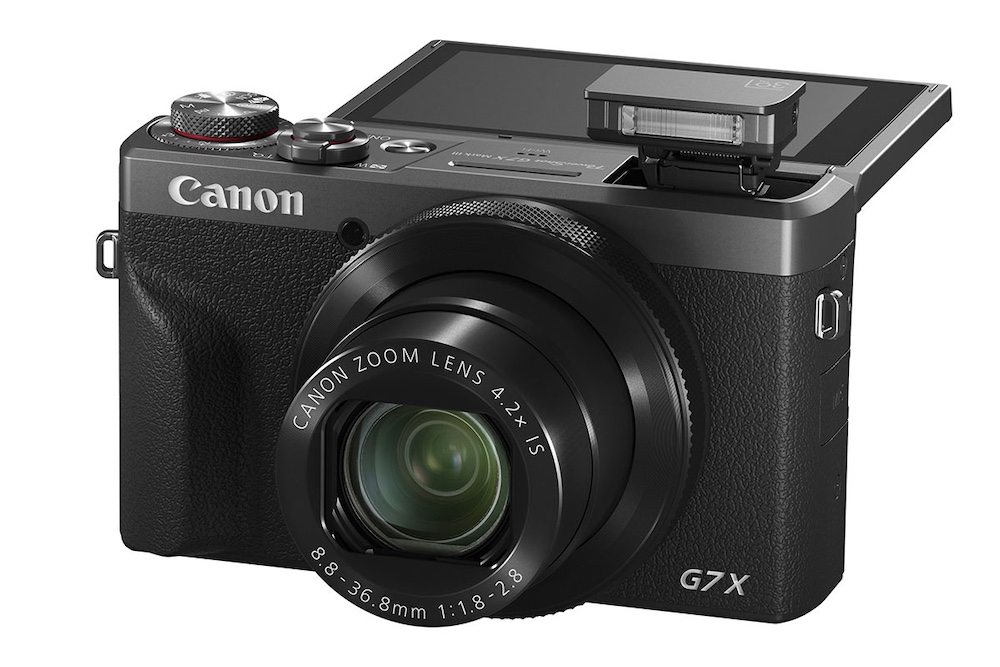
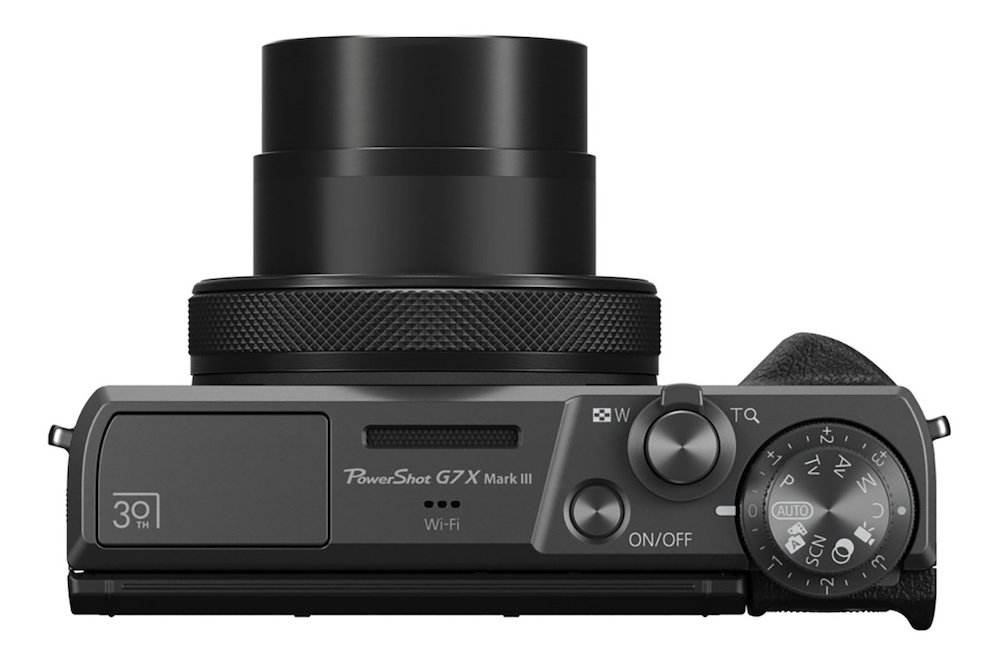
Additional information on the new Canon PowerShot G7 X Mark III “30th Anniversary” limited edition camera


Additional information on the new Canon PowerShot G7 X Mark III “30th Anniversary” limited edition camera:

Canon’s PowerShot Compact Digital Camera Turns 30

Limited Edition PowerShot G7 X Mark III Camera Available

MELVILLE, N.Y., February 4, 2026 – Canon U.S.A., Inc., a leader in digital imaging solutions, today announced that its parent company, Canon Inc. celebrates that 2026 marks the 30 year anniversary of Canon’s PowerShot compact digital camera. To commemorate this anniversary, a limited edition PowerShot G7 X Mark III camera with a limited color body design and 30 year anniversary logo is currently scheduled to be released in April 2026.

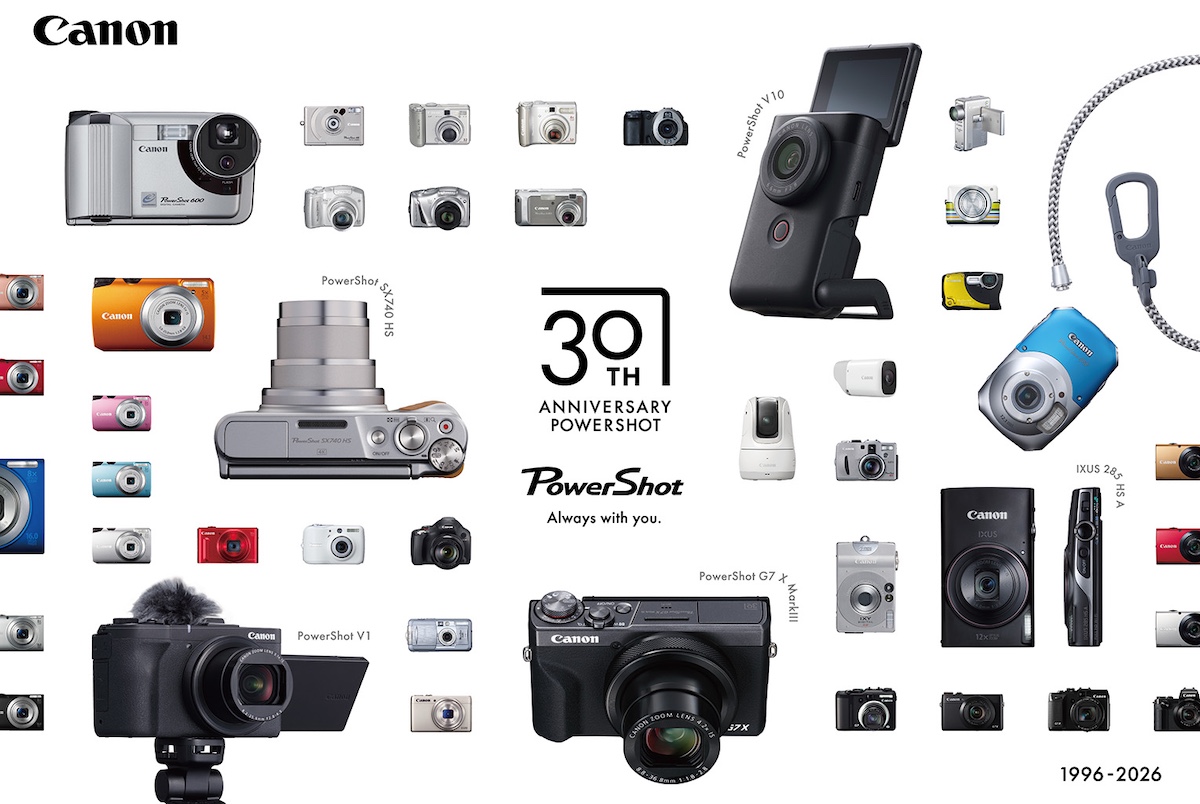
Since the launch of the original PowerShot 600 in July 1996, PowerShot has expanded its lineup to meet the diverse needs of its users. The PowerShot line, which was developed with the aim of making it easy for users to enjoy high-quality still images and video, is popular among a wide range of users, from camera beginners to amateurs, and as of February 2026 over 200 PowerShot cameras in the Americas have been released.

Currently, Canon offers a wide range of products tailored to each user’s lifestyle, including the G Series, which combines a compact, lightweight body with high image quality and multiple functions, the V Series, which allows users to enjoy full-fledged video recording with ease, and the SX Series, which offers high-magnification zoom.

Canon will continue to contribute to the further development of photographic and imaging culture by pursuing advanced technologies and high expressivity in response to user needs within the PowerShot line.

PowerShot 30 Anniversary Edition Available

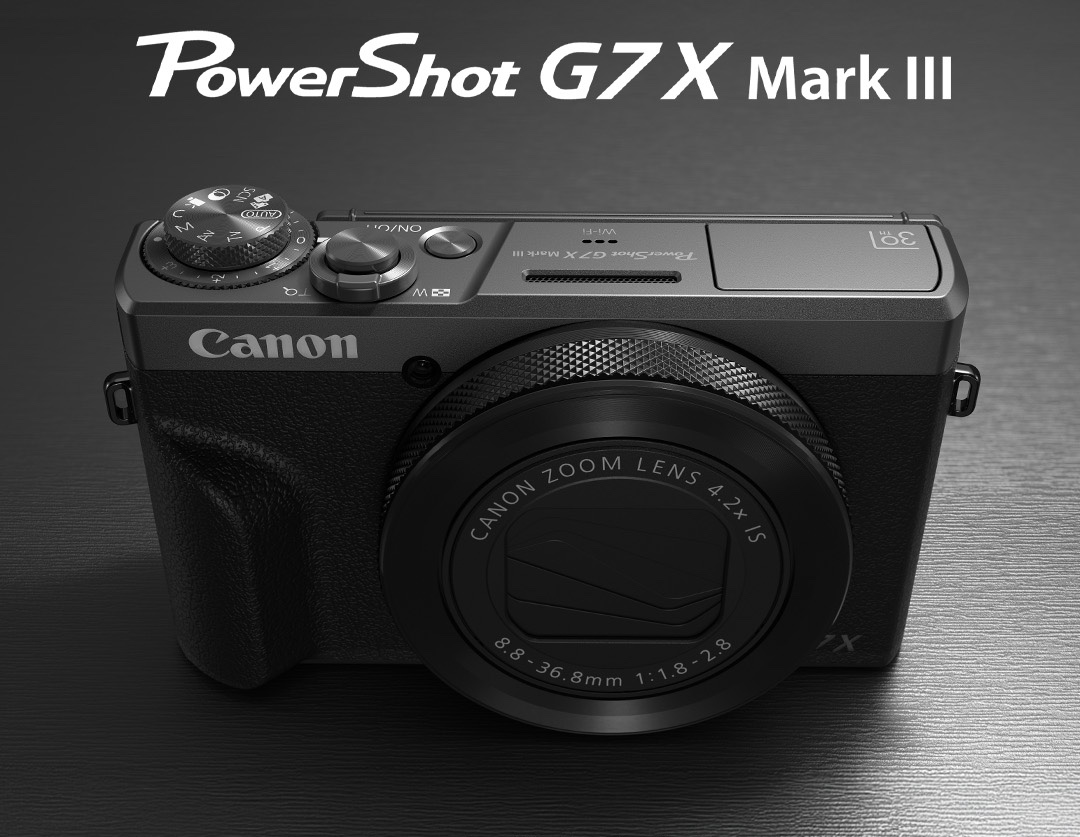
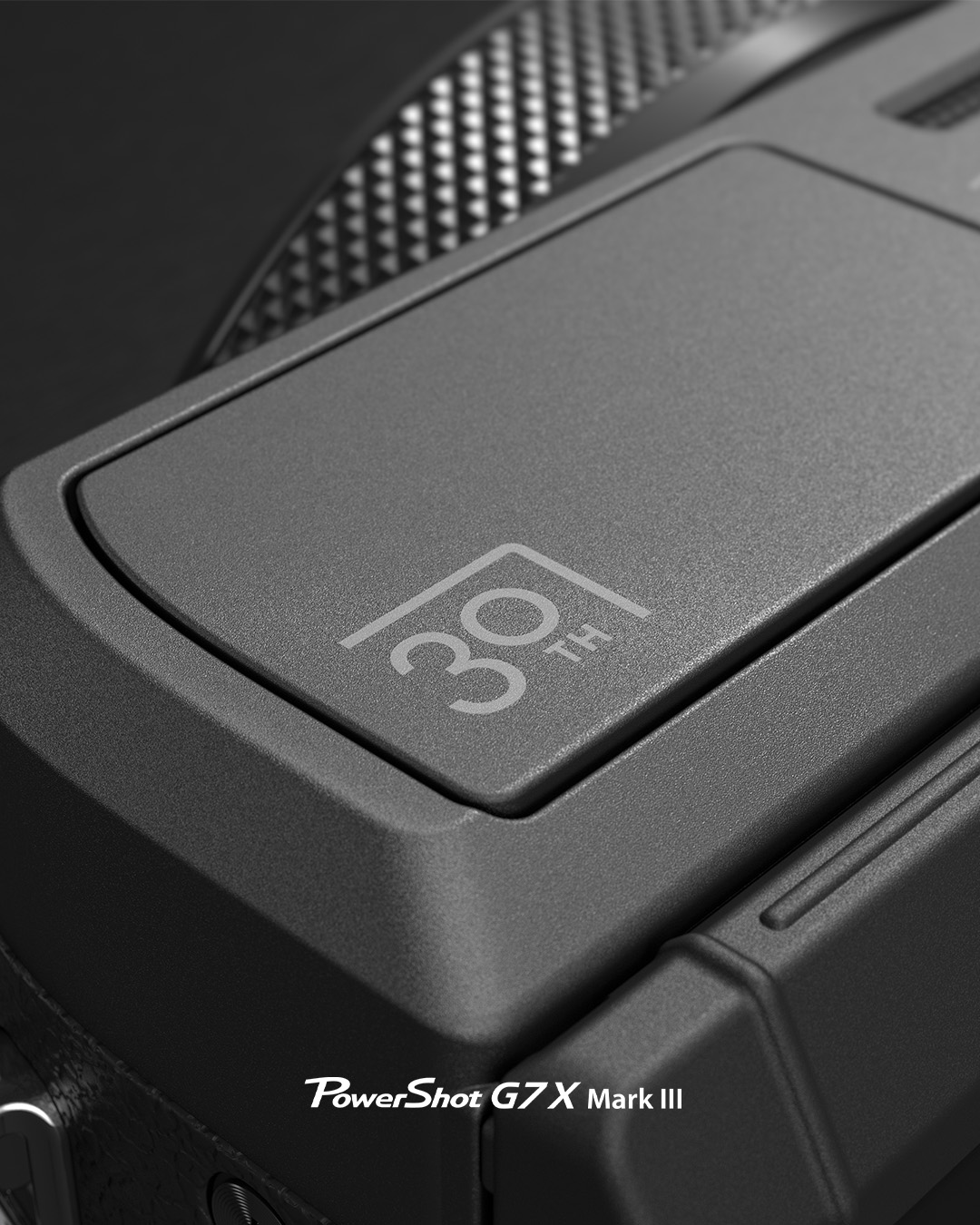
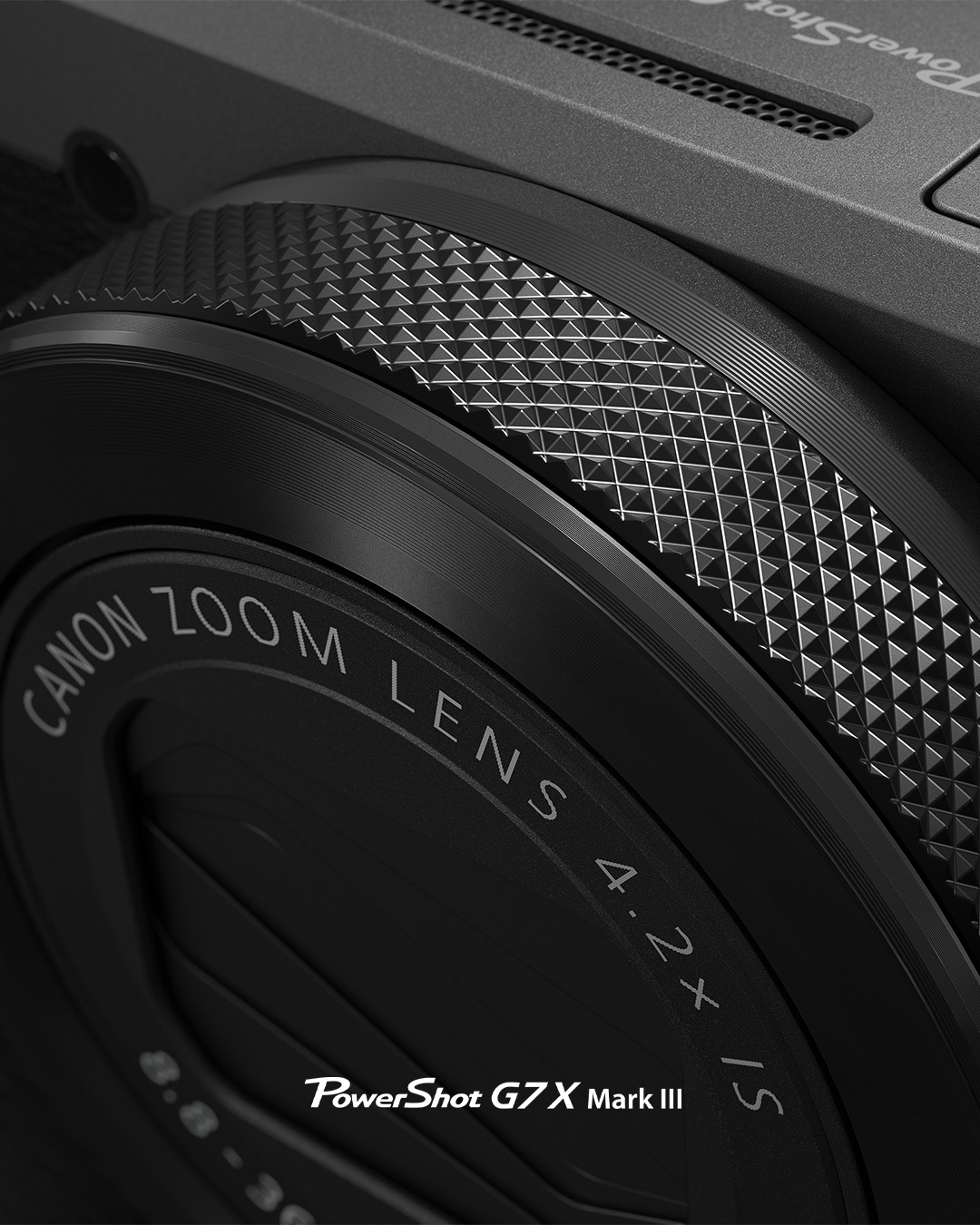
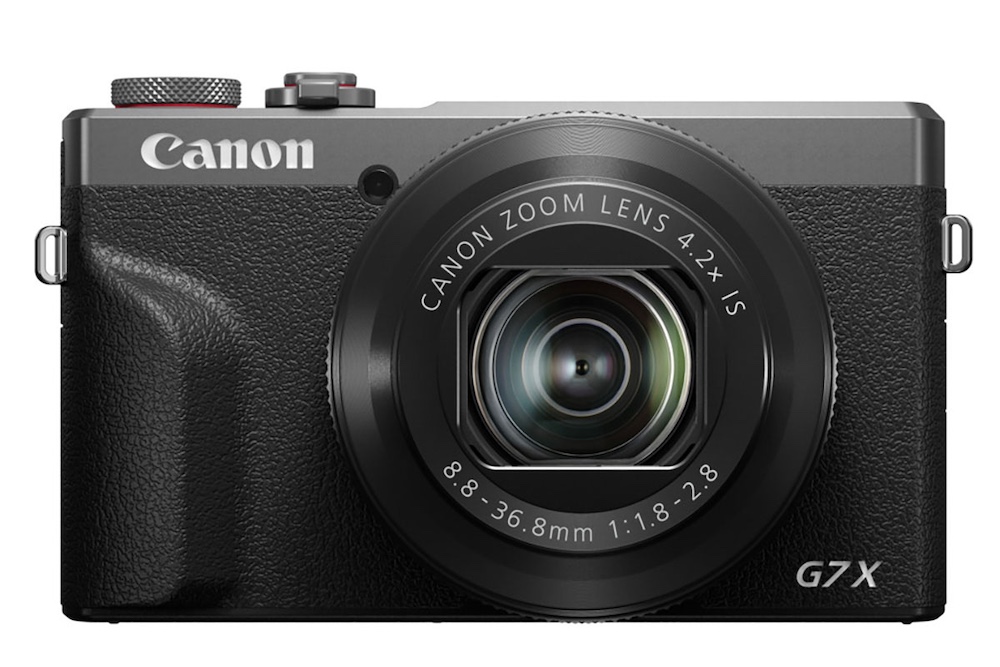
To celebrate 30 years of PowerShot cameras, a limited edition version of the PowerShot G7 X Mark III camera is scheduled to be available later this year. The 1.0 inch PowerShot G7 X Mark III is a compact digital camera featuring a stacked CMOS sensor with approximately 20.1 million effective pixels and a large aperture and bright 4.2 x optical zoom lens for versatile video expression. In addition to still image capture, the “Video Blog” mode, which is specialized for Vlog shooting, enables comfortable video capture. This limited edition model uses a unique color “graphite” for the camera body and the front ring has a diamond knurling to create a design that combines luxury and quality. In addition, the 30 year anniversary logo is printed on the body to create a special feeling suitable for limited edition models.

Availability

The PowerShot G7 X Mark III Graphite Kit – PowerShot 30th Anniversary Limited Edition Camera, which will be available with a Limited Edition Peak Design Cuff Wrist Strap and a 32GB SD card, is currently scheduled to be available in April 2026 for an estimated retail price of $1,299.00.

Select Key Models in PowerShot History:

Product name Launched
PowerShot 600 July 1996
PowerShot A5 April 1998
PowerShot Pro70 November 1998
PowerShot S10 October 1999
PowerShot G1 October 2000
PowerShot S100 DIGITAL ELPH May 2000
PowerShot SD100 May 2003
PowerShot TX1 March 2007
PowerShot SX100 IS October 2007
PowerShot E1 September 2008
PowerShot D10 May 2009
PowerShot N April 2013
PowerShot V10 June 2023

About Canon U.S.A., Inc.


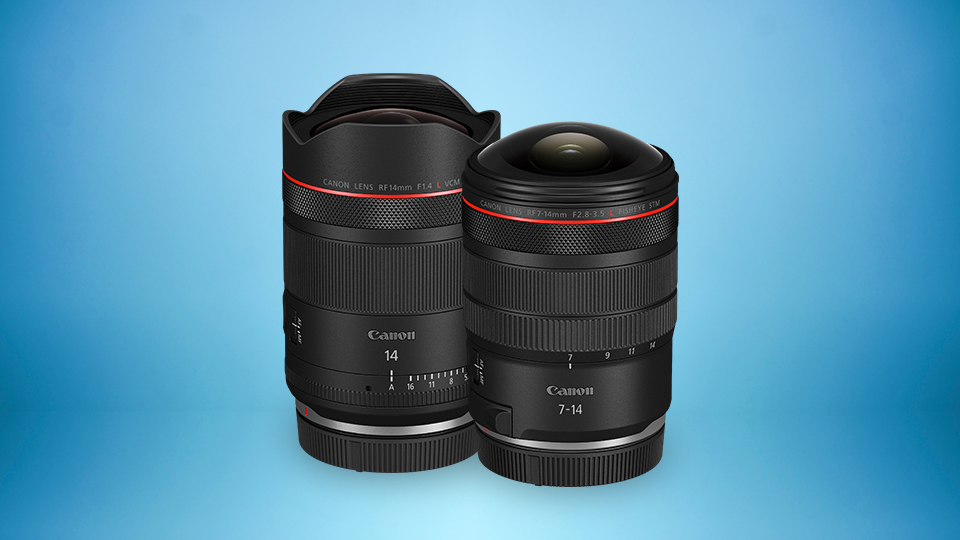
Announced: new Canon RF 14mm f/1.4L + 7-14mm f/2.8-3.5 lenses + PowerShot G7 X Mark III “30th Anniversary Edition” camera

The post Additional information on the new Canon PowerShot G7 X Mark III “30th Anniversary” limited edition camera appeared first on Photo Rumors.

  •  

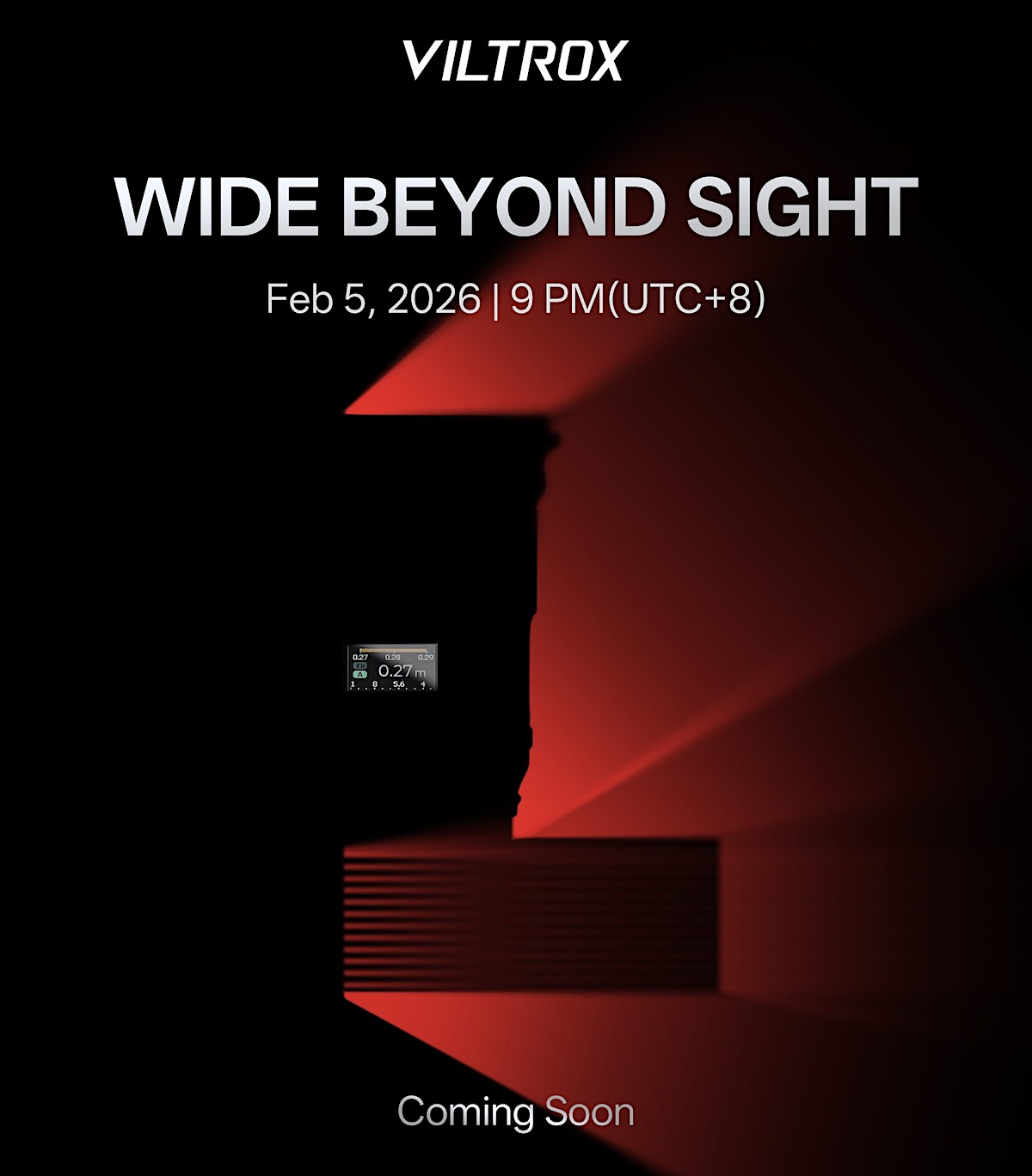
The rumored Viltrox AF 16mm f/1.8 full-frame lens for L-mount is now officially announced


The previously rumored Viltrox AF 16mm f/1.8 full-frame lens for L-mount is now officially announced and available for pre-orders at:

Additional information:

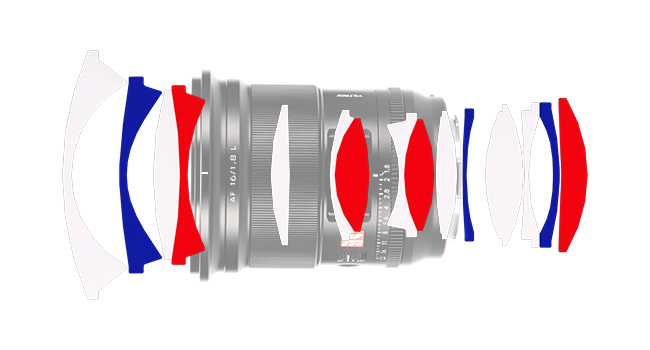
  • 15 Elements in 12 Groups (4 ED, 3 ASPH Lenses)
  • 0.27m MFD; 0.1× Magnification
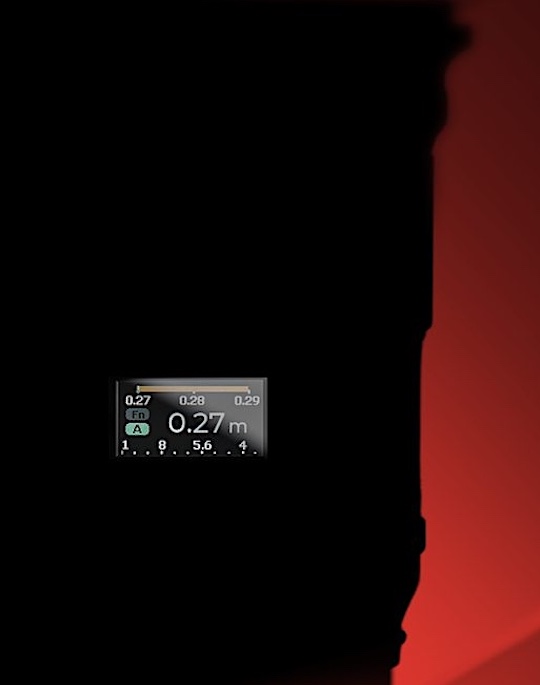
  • Lens Info Screen with Real-Time Data
  • Fn1/Fn2 Customizable Buttons
  • AF/MF Switch Lever
  • Click/De-Click Aperture Ring
  • Quiet STM Autofocus Motor
  • Minimal Focus Breathing — Video-Friendly
  • Superior Reliability Body Design
  • 550g Weight; 77mm Filter Thread
  • MSRP: 580 USD / 599 EUR / 530 GBP


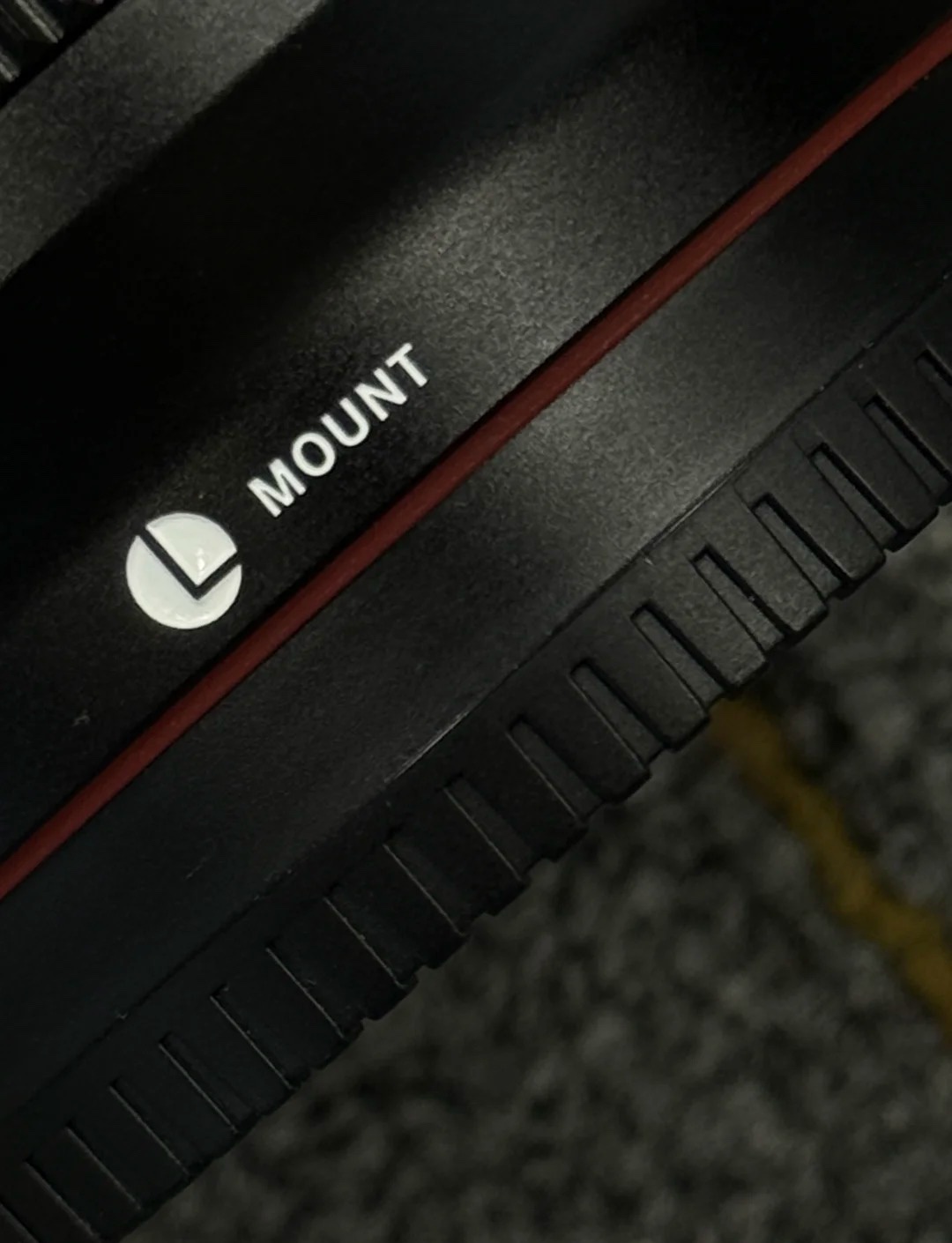
Viltrox joined the L-Mount Alliance in September, 2025:

Today Viltrox became the 10th member of the L-Mount Alliance

What’s coming next from Viltrox (updated)

Updated list of latest/upcoming/rumored Chinese lenses

The Panasonic LUMIX S1RII camera is now $300 off: https://t.co/mYJfCMuGfq pic.twitter.com/CpBHF0iuL4

— Photography Deals (@PhotogDeals) February 2, 2026

Via LeicaRumors

The post The rumored Viltrox AF 16mm f/1.8 full-frame lens for L-mount is now officially announced appeared first on Photo Rumors.

  •  

Viltrox's first autofocus lens for L-mount is officially here

When you use DPReview links to buy products, the site may earn a commission.
hands hold a black camera with large lens attached over a blurred gray background
Image: Viltrox

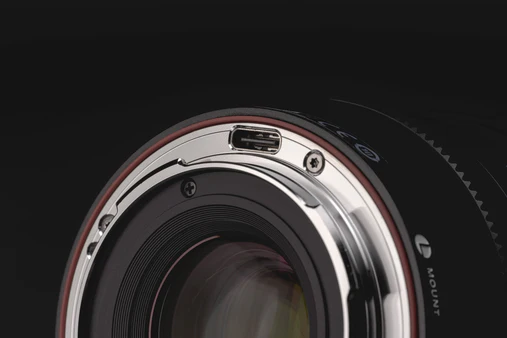
Viltrox has announced its first L-Mount lens after joining the alliance last September. The company will now sell an L-mount version of its AF 16mm F1.8 lens, which has previously been available for E and Z mount cameras.

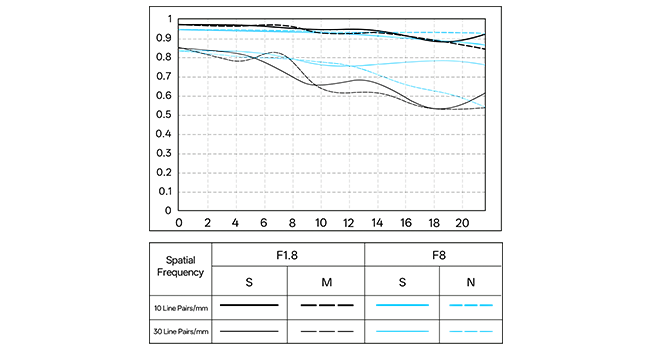
Optically, the Viltrox AF 16mm F1.8 L is the same as the models released in 2024. It's built around 15 elements in 12 groups, an optical design that includes 3 aspherical elements and 4 ED elements to better manage distortion, chromatic aberration and coma. Viltrox promises ultra-high resolution from the ultra-wide and says it is sharp edge-to-edge even when wide open.

The lens offers a wide F1.8 maximum aperture and can focus as close as 0.27m (10.6"), which is twice the distance of Sony's 16mm F1.8, its closest like-for-like rival. It uses Viltrox's stepper motor for autofocus, which it says is fast and accurate. Viltrox also promises minimal focus breathing, making it a suitable option for video applications.

a thumb rests on the aperture ring of a black lens with yellow blurred lights in the background
Image: Viltrox

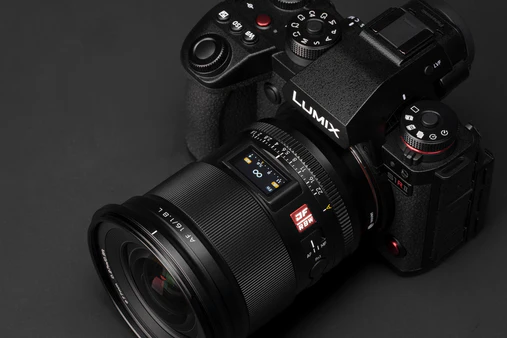
Like the original E and Z-mount versions, the lens offers plenty of on-body controls. It features two function buttons: one is customizable, while the other enables users to quickly switch between two preset focus distances. A focus ring can be clicked or de-clicked, and it features an AF/MF switch. There's also a 0.96" color display at the top of the lens that shows focus distance, depth of field, and aperture settings.

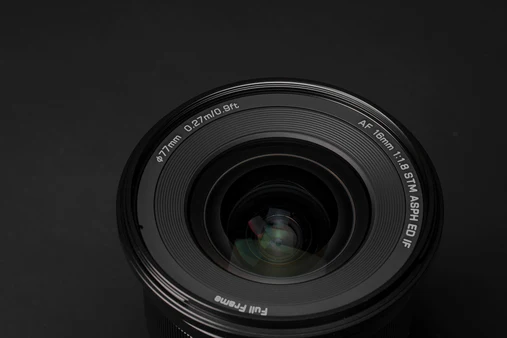
Unlike some ultra-wide lenses, the Viltrox 16mm doesn't feature a bulging front lens element. The flat lens design reduces the risk of damaging the glass when walking around with it and also allows for a 77mm filter thread. It uses metal construction and weighs 550g (1.2 lbs). It also offers some weather sealing to protect against dust.

The Viltrox AF 16mm F1.8 L is available for purchase for $580.

Press release:

Viltrox Launches AF 16mm F1.8 L for Full Frame

Viltrox’s first L-mount autofocus lens underlines commitment to L-Mount Alliance

Shenzhen, China, [February 5], 2026 – Following its entry into the L-Mount Alliance, Viltrox today announces the release of the AF 16mm F1.8 L, the company’s first autofocus lens for L-Mount systems.

This milestone lens demonstrates Viltrox’s commitment to photographers and filmmakers working within the L-Mount ecosystem, by delivering high-performance optics, advanced autofocus, and professional-level control.

Ultra-wide 16mm view and extraordinary detail

The AF 16mm F1.8 L captures expansive scenes with its ultra-wide 16mm (105.6°) field of view, while precision optical design precisely preserves fine details. There are 15 lens elements in 12 groups, including 3 aspherical and 4 ED (extra-low dispersion) elements. This optical design controls distortion, chromatic aberration, and coma, ensuring consistent sharpness from frame center to edge.

Large aperture up to F1.8

The F1.8 maximum aperture makes this lens excel in low light, enabling faster shutter speeds and lower ISO settings for cleaner, higher-quality images. For example, it is perfect for capturing the Milky Way and other night sky scenes in stunning detail.

Fast, accurate autofocus

Viltrox’s STM stepping motor delivers fast, accurate, and stable autofocus. The lens also supports eye and face detection on compatible cameras, providing reliable subject tracking for photography and video. Focus transitions are smooth and controlled, with minimal focus breathing, making the lens perfect for video production, vlogging, and hybrid shooting workflows.

Comprehensive control for professional workflows

For professional creators, the AF 16mm F1.8 L features an intuitive control layout. At the heart of the user interface is the 0.96-inch color lens info panel, showing real-time data such as a large display of current focus distance, plus depth of field, aperture and other settings. The display is clearly visible in low-light conditions.

A Custom Function Button (Fn1) is user-assignable for quick access to frequently used settings – available functions will depend on the attached camera model. The Focus Preset Button (Fn2) instantly switches between two preset focus distances. The AF/MF Switch selects between autofocus and manual focus.

The CLICK Aperture Ring Switch selects between stepped aperture, for tactile still photography control, or smooth, silent continuous aperture changes for adjustment while shooting video.

Perfect for landscapes and astrophotography

The AF 16mm F1.8 L offers distinct advantages for outdoor and night-sky photography. First among these is the ultra-wide full-frame, high-resolution image quality, with aspherical elements that precisely render point light sources and suppress coma. Tactile, customizable controls streamline field operation, even in low-light. The non-bulbous front element with a 77mm filter thread supports CPL, ND, and other common filters. The high-grade dust-sealing protects the lens in demanding outdoor environments.

Expanding the L-Mount Creative Ecosystem

The launch of the AF 16mm F1.8 L marks Viltrox’s first L-Mount lens, introducing a large-aperture ultra-wide option that combines advanced optical performance with an accessible price point for L-Mount users.

Designed with modern optical engineering, professional control features, and full system-level compatibility, the AF 16mm F1.8 L expands the range of practical, high-performance lens options within the L-Mount ecosystem, supporting photographers and filmmakers with professional yet affordable tools.

Viltrox 16mm F1.8 specifications

Principal specifications
Lens typePrime lens
Max Format size35mm FF
Focal length16 mm
Image stabilizationNo
Lens mountL-Mount, Nikon Z, Sony E, Sony FE
Aperture
Maximum apertureF1.8
Minimum apertureF22
Aperture ringYes
Number of diaphragm blades9
Optics
Elements15
Groups12
Special elements / coatings4 ED, 3 aspherical
Focus
Minimum focus0.27 m (10.63)
Maximum magnification0.1×
AutofocusYes
Motor typeStepper motor
Full time manualUnknown
Focus methodInternal
Distance scaleYes
DoF scaleYes
Physical
Weight550 g (1.21 lb)
Diameter85 mm (3.35)
Length103 mm (4.06)
SealingYes
Filter thread77 mm
Hood suppliedYes
Tripod collarNo

  •  

Announced: new Canon RF 14mm f/1.4L + 7-14mm f/2.8-3.5 lenses + PowerShot G7 X Mark III “30th Anniversary Edition” camera


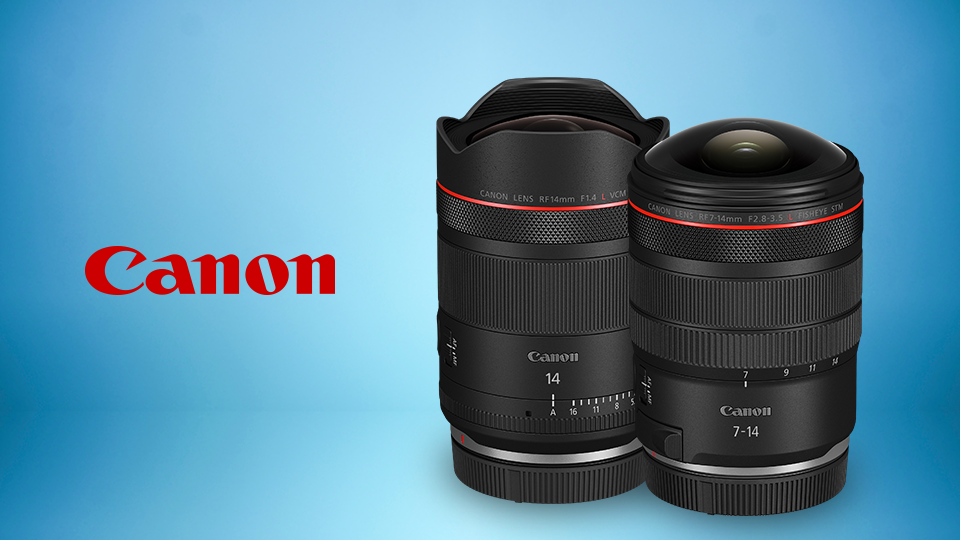
The previously rumored Canon RF 14mm f/1.4L VCM, RF 7-14mm f/2.8-3.5 lenses, and PowerShot G7 X Mark III “30th Anniversary Edition” camera are now officially announced:

Additional information:

Canon RF 14mm f/1.4L VCM lens:

  • Canon’s brightest ultra-wide-angle (14mm) interchangeable lens for hybrid Photo / Video use.
  • Bright f/1.4 aperture with 11-bladed circular iris for background separation and low light.
  • Extremely lightweight and compact design, complimenting the comprehensive F1.4 L-Series lens
    line-up.
  • A VCM (Voice Coil Motor) powers the primary rear focus unit and is incredibly fast, accurate and
    quiet (great for video).
  • Minimal focus breathing – a hallmark of the Canon hybrid lenses.
  • SubWavelength Structure Coating Air Sphere Coating (ASC) helps to significantly reduce ghosting
    and flare.
  • High image quality as the first ultra-wide-angle lens featuring (1) Fluorite element, along with (1)
    BR (Blue Spectrum Refractive) Optics element, 1 UD (Ultra Low Dispersion) element, and 3 GMO
    (Glass Molded Optics) aspheric lenses to minimize chromatic aberration and for incredible quality
    from edge-to-edge.
  • Featuring an Iris ring for manual iris control during video capture, Lens function button, Control
    Ring and support for rear cut filters.
  • L-series reliability, with dust- and weather-resistant sealing and fluorine coating

Canon RF 7-14mm f/2.8-3.5 fisheye zoom lens:

  • Introducing the new Canon ultra-wide-angle zoom (7-14mm) lens – the ultimate creative tool for extreme close-up action imagery with unique distortion, and extraordinary perspectives.
  • World’s first fisheye zoom lens that covers a 190-degree angle of view.*
  • Can achieve both “circular” fisheye imagery (at 7mm Wide position) and “full frame” diagonal fisheye (at 14mm Tele position) imagery.
  • Variable aperture lens support f/2.8 at the widest angle and f/3.5 at the telephoto setting.
  • Built-in support for use of EF-to-EOS R mount adapter drop-in filters (Clear, CPL, V-ND).
  • High image quality featuring 5 UD lens elements, 2 replica aspheric elements.
  • Reduced ghosting and anti-reflectivity with Air sphere coating (ASC).
  • Leadscrew-type STM focus drive with minimum focusing as close as 5.9-inches.
  • Enhanced operability for photo and video with dedicated Lens Function button, Control Ring,
  • Zoom limit/Lock switch, Iris ring, and a practical size and weight.
  • EOS VR System application support for monoscopic VR shooting.
  • L-series reliability, with dust- and weather-resistant sealing and fluorine coating

Canon PowerShot G7 X Mark III “30th Anniversary Edition” camera:

To celebrate 30 years of PowerShot cameras, a limited edition version of the PowerShot G7 X Mark III camera is scheduled to be available later this year. The 1.0 inch PowerShot G7 X Mark III is a compact digital camera featuring a stacked CMOS sensor with approximately 20.1 million effective pixels and a large aperture and bright 4.2 x optical zoom lens for versatile video expression. In addition to still image capture, the “Video Blog” mode, which is specialized for Vlog shooting, enables comfortable video capture. This limited edition model uses a unique color “graphite” for the camera body and the front ring has a diamond knurling to create a design that combines luxury and quality. In addition, the 30 year anniversary logo is printed on the body to create a special feeling suitable for limited edition models.

The post Announced: new Canon RF 14mm f/1.4L + 7-14mm f/2.8-3.5 lenses + PowerShot G7 X Mark III “30th Anniversary Edition” camera appeared first on Photo Rumors.

  •  

Canon celebrates 30 years of PowerShot with a G7 X III you might, briefly, be able to buy

When you use DPReview links to buy products, the site may earn a commission.
Canon PowerShot G7X III LE top view

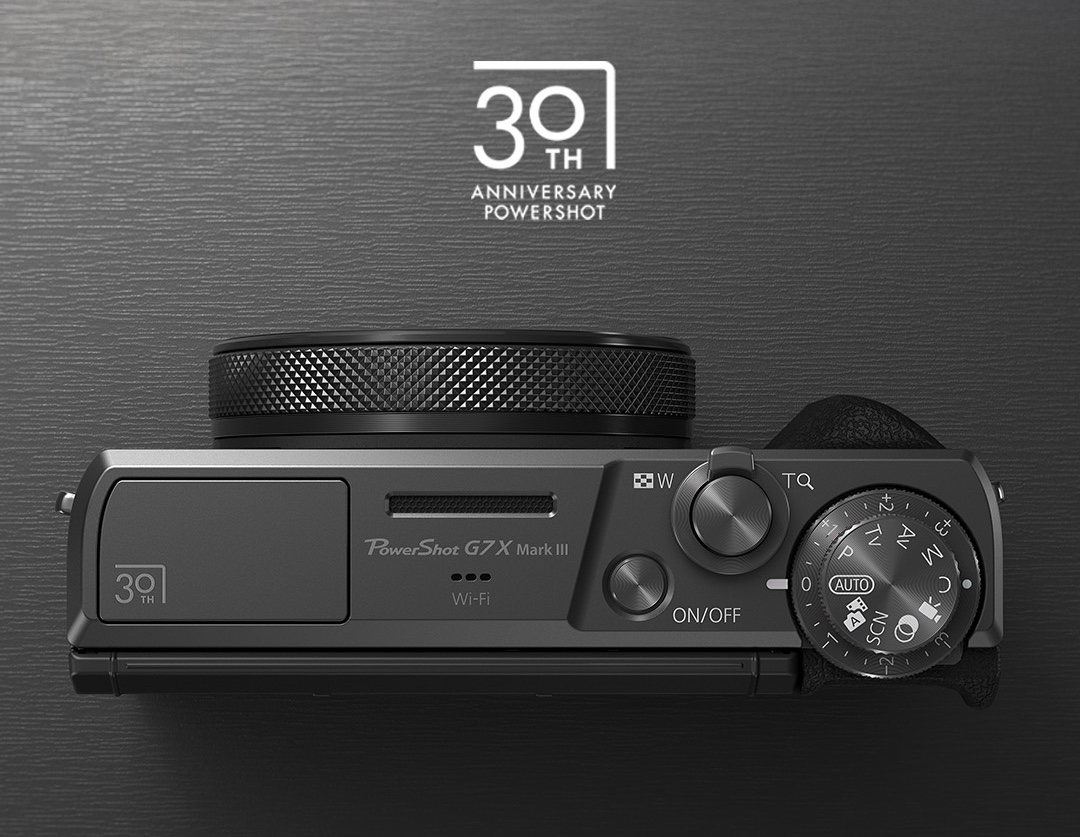
The gray colorscheme, 30th Anniversary logo, 'diamond' knurling on the control ring around the lens and the price set the Anniversary edition apart from the standard G7 X III.

Image: Canon

Canon is celebrating the 30th anniversary of its PowerShot line of compact cameras with a premium-priced special edition of its hard-to-find G7 X Mark III enthusiast compact.

It features a gray top plate and different knurling on the control ring, along with 30th Anniversary branding on the flash. Other than that, it's identical to the standard G7 X Mark III that's reliably unavailable.

As such it has a 24-100mm equiv. F1.8-2.8 lens in front of a 20MP Type 1 (13.2 x 8.8mm) Stacked CMOS sensor. It also has a clicking control dial around the lens, a dedicated exposure comp dial and a rear screen that flips 90 degrees down and 180 degrees upward, helping it become something of a TikTok favourite, as well as being an excellent enthusiast compact.

Canon North America will also provide a leather PeakDesign wrist strap with the 30th Anniversary logo but this isn't included in all markets.

Canon PowerShot G7X III LE 3qtr view

The Anniversary Edition is described as a limited edition, but the extent of its availability has not been disclosed.

Image: Canon

Canon refers to it as a "limited edition" but declined to specify how many units the edition is limited to. Canon North America told us it will run a lottery for people wanting to buy them from its own website but it'll be left up to retailers to decide how to allocate the units they get into stock.

The special edition G7 X Mark III will be available from April 2026 in unspecified numbers at a cost of $1295. This is a $420 premium over the regular version that isn't formally limited. A company spokesperson said that supply constraints on the standard version "should get better, later in the year."

In the UK, the special edition will cost £860, only a £40 increase over the cost over the standard model. Though you don't get the custom wrist strap. It will go on sale on April 23rd.

European outlets are reporting that the Anniversary edition and all G7 X III's will move over from the NB-13L battery to a new unit called the NB-15L. Batteries with the new designation differ only in that they won't attempt to charge if they've been over-discharged, as a safety feature.

Canon's PowerShot Compact Digital Camera Turns 30

Limited Edition PowerShot G7 X Mark III Camera Available

MELVILLE, N.Y., February 4, 2026 - Canon U.S.A., Inc., a leader in digital imaging solutions, today announced that its parent company, Canon Inc. celebrates that 2026 marks the 30 year anniversary of Canon's PowerShot compact digital camera. To commemorate this anniversary, a limited edition PowerShot G7 X Mark III camera with a limited color body design and 30 year anniversary logo is currently scheduled to be released in April 2026.

Since the launch of the original PowerShot 600 in July 1996, PowerShot has expanded its lineup to meet the diverse needs of its users. The PowerShot line, which was developed with the aim of making it easy for users to enjoy high-quality still images and video, is popular among a wide range of users, from camera beginners to amateurs, and as of February 20261 over 200 PowerShot cameras in the Americas have been released.

Currently, Canon offers a wide range of products tailored to each user's lifestyle, including the G Series, which combines a compact, lightweight body with high image quality and multiple functions, the V Series, which allows users to enjoy full-fledged video recording with ease, and the SX Series, which offers high-magnification zoom.

Canon will continue to contribute to the further development of photographic and imaging culture by pursuing advanced technologies and high expressivity in response to user needs within the PowerShot line.

PowerShot 30 Anniversary Edition Available

To celebrate 30 years of PowerShot cameras, a limited edition version of the PowerShot G7 X Mark III camera is scheduled to be available later this year. The 1.0 inch PowerShot G7 X Mark III is a compact digital camera featuring a stacked CMOS sensor with approximately 20.1 million effective pixels2 and a large aperture and bright 4.2 x optical zoom lens for versatile video expression. In addition to still image capture, the "Video Blog" mode, which is specialized for Vlog shooting, enables comfortable video capture. This limited edition model uses a unique color "graphite" for the camera body and the front ring has a diamond knurling to create a design that combines luxury and quality. In addition, the 30 year anniversary logo is printed on the body to create a special feeling suitable for limited edition models.

Availability

The PowerShot G7 X Mark III Graphite Kit - PowerShot 30th Anniversary Limited Edition Camera, which will be available with a Limited Edition Peak Design Cuff Wrist Strap and a 32GB SD card, is currently scheduled to be available in April 2026 for an estimated retail price of $1,299.003. For more information about Canon's latest innovations and products, please visit www.usa.canon.com

Select Key Models in PowerShot History

Product name

Launched

PowerShot 600

July 1996

PowerShot A5

April 1998

PowerShot Pro70

November 1998

PowerShot S10

October 1999

PowerShot G1

October 2000

PowerShot S100 DIGITAL ELPH

May 2000

PowerShot SD100

May 2003

PowerShot TX1

March 2007

PowerShot SX100 IS

October 2007

PowerShot E1

September 2008

PowerShot D10

May 2009

PowerShot N

April 2013

PowerShot V10

June 2023

1 Number of models in the United States of America.
2 The total number of pixels is approximately 20.9 million.
3 Pricing, specifications and availability are subject to change without notice. Actual prices are set by individual dealers and may vary.

Canon PowerShot G7 X Mark III Specifications

Price
MSRP$880 / £820 ($750 / £750 at launch)
Body type
Body typeCompact
Sensor
Max resolution5472 x 3648
Image ratio w:h1:1, 4:3, 3:2, 16:9
Effective pixels20 megapixels
Sensor photo detectors21 megapixels
Sensor size1″ (13.2 x 8.8 mm)
Sensor typeBSI-CMOS
ProcessorDIGIC 8
Color spacesRGB
Color filter arrayPrimary color filter
Image
White balance presets6
Custom white balanceYes
Image stabilizationOptical
Uncompressed formatRAW
JPEG quality levelsFine, normal
File format
  • JPEG (Exif v2.3)
  • Raw (Canon CR3)
Optics & Focus
Focal length (equiv.)24–100 mm
Optical zoom4.2×
Maximum apertureF1.8–2.8
Autofocus
  • Contrast Detect (sensor)
  • Multi-area
  • Center
  • Selective single-point
  • Tracking
  • Single
  • Continuous
  • Touch
  • Face Detection
  • Live View
Autofocus assist lampYes
Digital zoomYes (4x)
Manual focusYes
Normal focus range5 cm (1.97)
Macro focus range5 cm (1.97)
Screen / viewfinder
Articulated LCDTilting
Screen size3
Screen dots1,040,000
Touch screenYes
Screen typeTFT LCD
Live viewYes
Viewfinder typeNone
Photography features
Minimum shutter speed30 sec
Maximum shutter speed1/2000 sec
Maximum shutter speed (electronic)1/25600 sec
Exposure modes
  • Program
  • Shutter priority
  • Aperture priority
  • Manual
Scene modes
  • Self Portrait
  • Portrait
  • Panning
  • Star Portrait
  • Star Nightscape
  • Star Trails
  • Star Time-Lapse Movie
  • Handheld Night Scene
  • High Dynamic Range
  • Fireworks
  • Standard Movie
  • Short Clip
  • Manual Movie
  • Time-Lapse Movie
  • iFrame Movie
Built-in flashYes
Flash range7.00 m
External flashNo
Flash modesAuto, on, slow synchro, off
Drive modes
  • Single
  • Continuous
  • Self-timer
Continuous drive30.0 fps
Self-timerYes (2 or 10 secs, custom)
Metering modes
  • Multi
  • Center-weighted
  • Spot
Exposure compensation±3 (at 1/3 EV steps)
Videography features
FormatMPEG-4, H.264
Modes
  • 3840 x 2160 @ 30p, H.264
  • 1920 x 1080 @ 120p, H.264
  • 1920 x 1080 @ 60p, H.264
  • 1920 x 1080 @ 30p, H.264
MicrophoneStereo
SpeakerMono
Storage
Storage typesSD/SDHC/SDXC card (UHS-I compatible)
Connectivity
USB USB 3.2 Gen 1 (5 GBit/sec)
USB chargingYes
HDMIYes (micro-HDMI)
Microphone portYes
Headphone portNo
WirelessBuilt-In
Wireless notes802.11b/g/n + Bluetooth
Remote controlYes (via smartphone or wireless remote)
Physical
Environmentally sealedNo
BatteryBattery Pack
Battery descriptionNB-13L lithium-ion battery and charger
Battery Life (CIPA)235
Weight (inc. batteries)304 g (0.67 lb / 10.72 oz)
Dimensions105 x 61 x 41 mm (4.13 x 2.4 x 1.61)
Other features
Orientation sensorYes
Timelapse recordingYes
GPSNone

  •  

Astro shooters rejoice: Canon's new F1.4 prime is its widest yet

When you use DPReview links to buy products, the site may earn a commission.
Canon-RF14mm-F1-4-L-VCM-3qtr view
Image: Canon

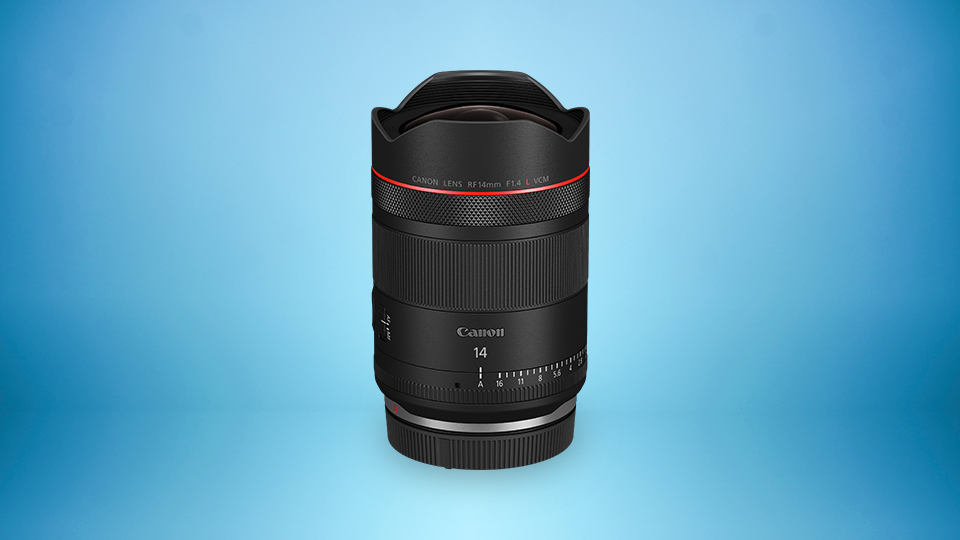
Canon has announced the 14mm F1.4 VCM L, the latest in its family of similarly-sized F1.4 lenses designed for shooting both stills and videos. With the exception of the company's "Dual" lenses designed for VR, this becomes Canon's widest-angle prime for RF mount.

The lens is made up of 18 elements in 13 groups, with a litany of special glass and coatings: there's a fluorite lens, a UD lens, a Blue Refractive "BR" optical element for correcting chromatic aberration, and three glass-molded aspheric elements, as well as a fluorine coating for anti-fouling and the company's SWC and ASC coating for reducing flare, ghosting and reflections. It can focus on subjects as close as 0.24m (9.4") away, providing up to 0.11x magnification.

Physically, the lens is a similar weight to the rest of Canon's VCM lenses, coming in at 578g (20.4oz). At 112mm (4.4") long, it'll stick out a touch further from the camera than the others, though that's primarily down to its integrated lens hood. Speaking of, the front element is slightly bulbous, meaning the lens can't be used with filters that screw on to the front. It does, however, have a holder for pre-cut gelatin filters on the back of its mount. A special lens cap that clips on is included.

Canon-RF14mm-F1-4-L-VCM showing slot-in rear filter

The 14mm F1.4 VCM accepts gelatin filters at the back of the lens. There doesn't appear to be room behind the optics to use the slot-in filter modules used on the co-announced 7-14mm L fisheye lens.

Image: Canon

It has plenty of controls and switches, including a customizable function button, a manual / auto focus switch, Canon's control ring and an (unfortunately clickless) aperture ring, which can be locked into "Auto" mode. As with the rest of the VCM lenses, the latter can be used in video mode across Canon's RF camera lineup, but can only be used in stills mode on the relatively recent EOS R1, R5 II, R6 III and R50V.

The RF 14mm F1.4 VCM L fills a hole in Canon's mirrorless lineup, which previously lacked a fast, high-end ultra-wide prime, the kind that's the bread and butter of astro-photographers. Of course, there are plenty of other uses for this focal length, but some of those will have already been covered by lenses like the 10-20mm F4 zoom.

We wouldn't have necessarily guessed that this would be Canon's next choice for a VCM lens, partially because the company has always stressed its focus on making the lenses good for both stills and video. While the company says it has well-controlled breathing, the lens still falls a bit short for the latter use case since its front element makes it difficult to attach filters. Presumably for reasons of space, Canon hasn't used the drop-in filter port included on the fisheye lens launching alongside this one, which would've made at least some affordance for a variable ND. Still, we're glad to see the company finally offering a high-end ultrawide prime for full-frame RF.

The RF 14mm F1.4 VCM L will be available near the end of February and will retail for $2499.

Sample gallery

Please do not reproduce any of these images on a website or any newsletter/magazine without prior permission (see our copyright page). We make the originals available for private users to download to their own machines for personal examination or printing (in conjunction with this review); we do so in good faith, so please don't abuse it.

Sample gallery
This widget is not optimized for RSS feed readers. Click here to open it in a new browser window / tab.

Canon Continues Wide Angle Optical Excellence with Launch of RF7-14mm F2.8-3.5 L Fisheye STM Zoom Lens and RF14mm F1.4 L VCM Prime Lens

MELVILLE, N.Y., February 4, 2025 — Canon U.S.A., Inc., a leader in digital imaging solutions, today announced the launch of the RF7-14mm F2.8-3.5 L Fisheye STM zoom lens and the RF14mm F1.4 L VCM prime lens. Building on Canon's legacy of innovative optics, these new RF-mount lenses expand the diverse lineup for professional photographers, videographers, and hybrid creators. The RF7-14mm F2.8-3.5 L Fisheye STM zoom lens introduces the world's widest angle zoom lens1 with a 190° field of view, ideal for dynamic fisheye imagery in sports, landscapes, and virtual reality. The RF14mm F1.4 L VCM prime lens delivers Canon’s brightest ultra-wide1 angle interchangeable lens ever produced, a 14mm lens with a bright f/1.4 aperture, perfect for astro, architecture, and video applications.

Canon RF7-14mm F2.8-3.5 L Fisheye STM zoom lens redefines versatility in ultra-wide angle fisheye imaging. Continuing the heritage of the groundbreaking EF 8-15mm f/4L Fisheye USM, the world's first fisheye zoom lens2, this new RF lens pushes boundaries further for professionals seeking impactful, distorted perspectives. It supports a wide range of unique use cases including sports, landscapes, starscapes, video, and virtual reality.

Key features include:

  • Canon's widest single lens3 with a maximum 190° field of view, achieving both circular 190° fisheye at 7mm (wide), and diagonal 180° fisheye at 14mm (telephoto), with its’ 7-14mm zoom range.
  • Variable maximum aperture of f/2.8 at 7mm (wide) and f/3.5 at 14mm (telephoto), brighter than its EF predecessor for enhanced low-light performance and background separation.
  • Built-in support of Canon EF-to-EOS R mount adapter drop-in filters (Clear, CPL, Variable ND) plus Lens Lock/Limit, Lens Function button and Control Ring.
  • High image quality with 5 UD lens elements, 2 replica aspheric lenses, and Air Sphere Coating (ASC) applied in 3 locations to reduce ghosting.
  • Leadscrew-type STM focus drive with position sensors for smooth, video-capable operation and reduced focus breathing (0.4% at wide, 1.5% at tele).
  • Fisheye images shot with the RF7-14mm F2.8-3.5 L STM zoom lens can be converted using Canon EOS VR Utility for viewing on a PC or head-mounted display. Conversion of 2D VR images is possible with cameras such as: EOS R5C, EOS R5 Mark II, EOS R5, EOS R6 Mark II.
  • This lens appeals to professional photographers and videographers seeking dynamic imagery and VR studios desiring a lens for monoscopic shooting, offering wider angle zoom, brighter aperture, and more video capabilities than the EF 8-15mm.

The Canon RF14mm F1.4 L VCM prime lens empowers professional photographers, and hybrid creators with Canon’s brightest ultra-wide-angle interchangeable lens ever produced, an extremely compact and lightweight ultra-wide lens with incredible optical performance. Updating the legacy of the EF 14mm f/2.8L II USM, this lens provides ultra-wide angle views with a fast f/1.4 aperture and controlled distortion and rectilinear characteristics from the center to image. It's designed for pro still photographers capturing landscape, astro, and starscape imagery, as well as architectural and real estate shooters, and videographers and time-lapse creators.

Key features include:

  • Canon’s brightest ultra-wide-angle (14mm) interchangeable lens for hybrid Photo / Video use.
  • Ultra-wide 14mm prime with f/1.4 aperture for outstanding low-light performance and background separation, brighter aperture than the EF 14mm f/2.8. Dual VCM (Voice Coil Motor) focusing for fast, precise autofocus in photo and video, with reduced focus breathing (3.0%, or 2.3% up to f/20).
  • Compact and light weight at 4.4” (L) x 3.0” (D) and just 1.27lbs, providing a similar size, weight and design complimenting the comprehensive F1.4 L-series lens series (RF20mm/24mm/35mm/50mm/85mm F1.4 L VCM lenses).
  • Amazing optics for high image quality and sharp rendering of point light sources with Canon’s first Fluorite element in an ultra-wide-angle lens, and featuring BR Optics, 1 UD lens, and 3 GMo aspheric lenses, plus Sub-wavelength coating in 1 location and Air Sphere coating in 2 for minimized ghosting.
  • 11-blade aperture for smooth, circular bokeh.
  • Iris ring compatible with EOS R1, EOS R5 Mark II, and EOS R6 Mark III cameras; plus Lens Function button and Control Ring.

Availability

The Canon RF7-14mm F2.8-3.5 L Fisheye STM zoom lens and RF14mm F1.4 L VCM prime lens are currently expected to be available by the end of February 2026, for estimated retail prices of $1,899.00 and $2,599.00 respectively4. For more information about Canon's latest innovations and products, please visit www.usa.canon.com.

1 As of February 3, 2026 according to Canon data

2 As of August 23, 2010 according to Canon data

3 Among full-frame lenses manufactured by Canon with a focal length wider than 20mm

4 Specifications, availability and prices are subject to change without notice.

Canon 14mm F1.4 VCM L specifications:

Principal specifications
Lens typePrime lens
Max Format size35mm FF
Focal length14 mm
Image stabilizationNo
Lens mountCanon RF, Canon RF-S
Aperture
Maximum apertureF1.4
Minimum apertureF16
Aperture ringYes
Number of diaphragm blades11
Optics
Elements18
Groups13
Special elements / coatings1 flourite, 1 UD, 1 BR, 3 aspheric, SWC, ASC, flourine coatings
Focus
Minimum focus0.24 m (9.45)
Maximum magnification0.11×
AutofocusYes
Motor typeLinear Motor
Focus methodInternal
Distance scaleNo
DoF scaleNo
Physical
Weight578 g (1.27 lb)
Diameter77 mm (3.03)
Length112 mm (4.41)
SealingYes
ColourBlack
Filter notesSlot for rear gelatin filters
Hood suppliedYes
Hood product code14B
Tripod collarNo

  •  

Canon's new fisheye zoom has a 190° field of view

When you use DPReview links to buy products, the site may earn a commission.
Canon-RF7-14mm-F2-8-3-5-L-FISHEYE-STM-diagonal
Image: Canon

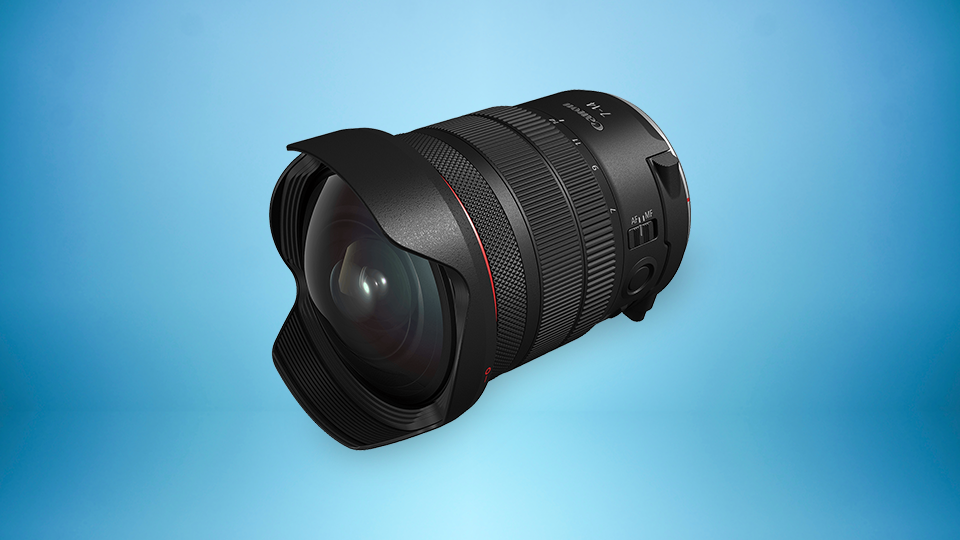
Canon has announced the RF 7-14mm F2.8-3.5 L Fisheye STM, which it says is the first zoom lens of its kind to provide a 190° field of view at its widest setting. The lens also has a few other tricks up its sleeve, including a way to use filters – even variable ones – despite its hemispherical front element.

The lens is made of 16 elements in 11 groups, with two aspheric elements and 5 UD lenses. It has a minimum focusing distance of 0.15m (5.9") across its zoom range, providing up to 0.35x magnification at 14mm. When paired with a full-frame camera, its widest angle offers a circular field of view, which becomes a diagonal fisheye field of view at the 'long' end.

It has a dual-purpose locking / limit switch, which you can use for different purposes, depending on what kind of system you're using it on. If you're shooting on a full-frame camera, you can use it to lock the zoom at 7mm, making sure you maintain the full circular fisheye effect. If you're using it with an APS-C body, however, you can use it to lock the lens in to only use focal lengths that fill the entire frame, starting at around 8.7mm.

To help with this mode, there's a "C" indicator on the zoom ring, which lines up with the limit switch once you've reached that focal length. Of course, there's nothing stopping you from using this limit setting on a full-frame camera, too, but the focal lengths it limits you to won't have any particular significance on a larger sensor.

The lens also has Canon's control ring, a programmable button and an autofocus / manual focus switch.

7343C002-RF7-14mm-F2-8-3-5-L-FISHEYE-STM-1

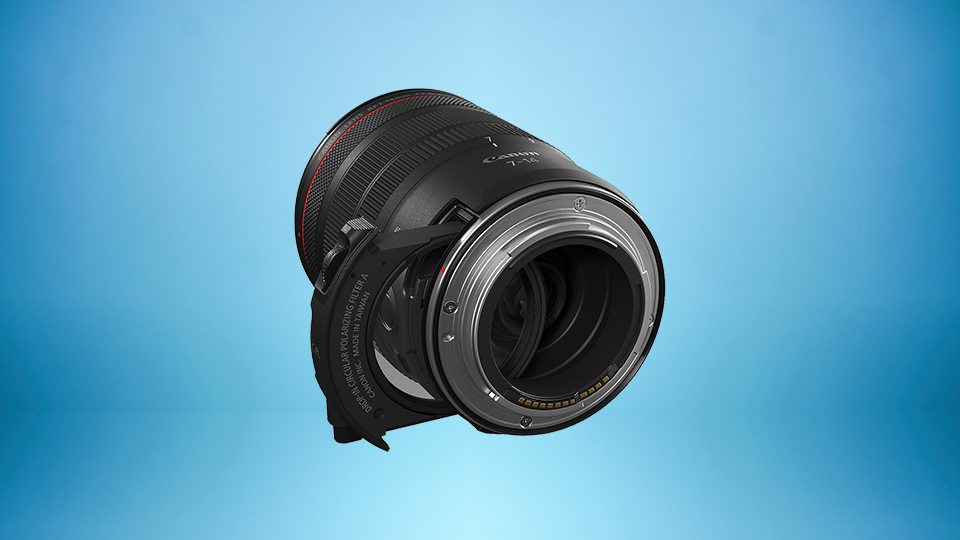
You can use the slot-in circular polarizer previously offered with Canon's EF/RF adapter, this has a small, geared wheel (shown towards the upper left of this image) to let you rotate the filter inside the lens.

Image: Canon

It weighs 476g (16.8oz) and is 109mm (4.3") long. While its front element makes it impossible to use standard screw-on filters, Canon has borrowed a trick from one of its EF to RF adapters, building in a slot for drop-in filters into the lens. It ships with a clear filter, but it can accept any of the ones used by that adapter, meaning there's already a circular polarizer, gelatin filter holder and even a variable ND filter for it. The circular polarizing and vari ND filters come with a geared wheel that lets you rotate the filters while they're mounted in the lens.

The Canon RF 7-14mm F2.8-3.5 L Fisheye STM will be available later this month at an MSRP of $1899. As you'd expect of an L-series lens, it's weather sealed and comes with both a lens hood and lens pouch.

Sample gallery

Please do not reproduce any of these images on a website or any newsletter/magazine without prior permission (see our copyright page). We make the originals available for private users to download to their own machines for personal examination or printing (in conjunction with this review); we do so in good faith, so please don't abuse it.

Sample gallery
This widget is not optimized for RSS feed readers. Click here to open it in a new browser window / tab.

Canon Continues Wide Angle Optical Excellence with Launch of RF7-14mm F2.8-3.5 L Fisheye STM Zoom Lens and RF14mm F1.4 L VCM Prime Lens

MELVILLE, N.Y., February 4, 2025 — Canon U.S.A., Inc., a leader in digital imaging solutions, today announced the launch of the RF7-14mm F2.8-3.5 L Fisheye STM zoom lens and the RF14mm F1.4 L VCM prime lens. Building on Canon's legacy of innovative optics, these new RF-mount lenses expand the diverse lineup for professional photographers, videographers, and hybrid creators. The RF7-14mm F2.8-3.5 L Fisheye STM zoom lens introduces the world's widest angle zoom lens1 with a 190° field of view, ideal for dynamic fisheye imagery in sports, landscapes, and virtual reality. The RF14mm F1.4 L VCM prime lens delivers Canon’s brightest ultra-wide1 angle interchangeable lens ever produced, a 14mm lens with a bright f/1.4 aperture, perfect for astro, architecture, and video applications.

Canon RF7-14mm F2.8-3.5 L Fisheye STM zoom lens redefines versatility in ultra-wide angle fisheye imaging. Continuing the heritage of the groundbreaking EF 8-15mm f/4L Fisheye USM, the world's first fisheye zoom lens2, this new RF lens pushes boundaries further for professionals seeking impactful, distorted perspectives. It supports a wide range of unique use cases including sports, landscapes, starscapes, video, and virtual reality.

Key features include:

  • Canon's widest single lens3 with a maximum 190° field of view, achieving both circular 190° fisheye at 7mm (wide), and diagonal 180° fisheye at 14mm (telephoto), with its’ 7-14mm zoom range.
  • Variable maximum aperture of f/2.8 at 7mm (wide) and f/3.5 at 14mm (telephoto), brighter than its EF predecessor for enhanced low-light performance and background separation.
  • Built-in support of Canon EF-to-EOS R mount adapter drop-in filters (Clear, CPL, Variable ND) plus Lens Lock/Limit, Lens Function button and Control Ring.
  • High image quality with 5 UD lens elements, 2 replica aspheric lenses, and Air Sphere Coating (ASC) applied in 3 locations to reduce ghosting.
  • Leadscrew-type STM focus drive with position sensors for smooth, video-capable operation and reduced focus breathing (0.4% at wide, 1.5% at tele).
  • Fisheye images shot with the RF7-14mm F2.8-3.5 L STM zoom lens can be converted using Canon EOS VR Utility for viewing on a PC or head-mounted display. Conversion of 2D VR images is possible with cameras such as: EOS R5C, EOS R5 Mark II, EOS R5, EOS R6 Mark II.
  • This lens appeals to professional photographers and videographers seeking dynamic imagery and VR studios desiring a lens for monoscopic shooting, offering wider angle zoom, brighter aperture, and more video capabilities than the EF 8-15mm.

The Canon RF14mm F1.4 L VCM prime lens empowers professional photographers, and hybrid creators with Canon’s brightest ultra-wide-angle interchangeable lens ever produced, an extremely compact and lightweight ultra-wide lens with incredible optical performance. Updating the legacy of the EF 14mm f/2.8L II USM, this lens provides ultra-wide angle views with a fast f/1.4 aperture and controlled distortion and rectilinear characteristics from the center to image. It's designed for pro still photographers capturing landscape, astro, and starscape imagery, as well as architectural and real estate shooters, and videographers and time-lapse creators.

Key features include:

  • Canon’s brightest ultra-wide-angle (14mm) interchangeable lens for hybrid Photo / Video use.
  • Ultra-wide 14mm prime with f/1.4 aperture for outstanding low-light performance and background separation, brighter aperture than the EF 14mm f/2.8. Dual VCM (Voice Coil Motor) focusing for fast, precise autofocus in photo and video, with reduced focus breathing (3.0%, or 2.3% up to f/20).
  • Compact and light weight at 4.4” (L) x 3.0” (D) and just 1.27lbs, providing a similar size, weight and design complimenting the comprehensive F1.4 L-series lens series (RF20mm/24mm/35mm/50mm/85mm F1.4 L VCM lenses).
  • Amazing optics for high image quality and sharp rendering of point light sources with Canon’s first Fluorite element in an ultra-wide-angle lens, and featuring BR Optics, 1 UD lens, and 3 GMo aspheric lenses, plus Sub-wavelength coating in 1 location and Air Sphere coating in 2 for minimized ghosting.
  • 11-blade aperture for smooth, circular bokeh.
  • Iris ring compatible with EOS R1, EOS R5 Mark II, and EOS R6 Mark III cameras; plus Lens Function button and Control Ring.

Availability

The Canon RF7-14mm F2.8-3.5 L Fisheye STM zoom lens and RF14mm F1.4 L VCM prime lens are currently expected to be available by the end of February 2026, for estimated retail prices of $1,899.00 and $2,599.00 respectively4. For more information about Canon's latest innovations and products, please visit www.usa.canon.com.

1 As of February 3, 2026 according to Canon data

2 As of August 23, 2010 according to Canon data

3 Among full-frame lenses manufactured by Canon with a focal length wider than 20mm

4 Specifications, availability and prices are subject to change without notice.

Canon RF 7-14mm F2.8-3.5 L Fisheye STM specifications:

Principal specifications
Lens typeZoom lens
Max Format size35mm FF
Focal length7–14 mm
Image stabilizationNo
Lens mountCanon RF, Canon RF-S
Aperture
Maximum apertureF2.8–3.5
Minimum apertureF22–29
Aperture ringNo
Number of diaphragm blades8
Optics
Elements16
Groups11
Special elements / coatings2 asph., 5 UD
Focus
Minimum focus0.15 m (5.91)
Maximum magnification0.35×
AutofocusYes
Motor typeStepper motor
Focus methodInternal
Distance scaleNo
DoF scaleNo
Physical
Weight476 g (1.05 lb)
Diameter77 mm (3.03)
Length109 mm (4.29)
SealingYes
ColourBlack
Zoom methodRotary (internal)
Power zoomNo
Zoom lockYes
Filter notesDrop-in filter slot
Hood suppliedYes
Hood product code7-14
Tripod collarNo

  •  

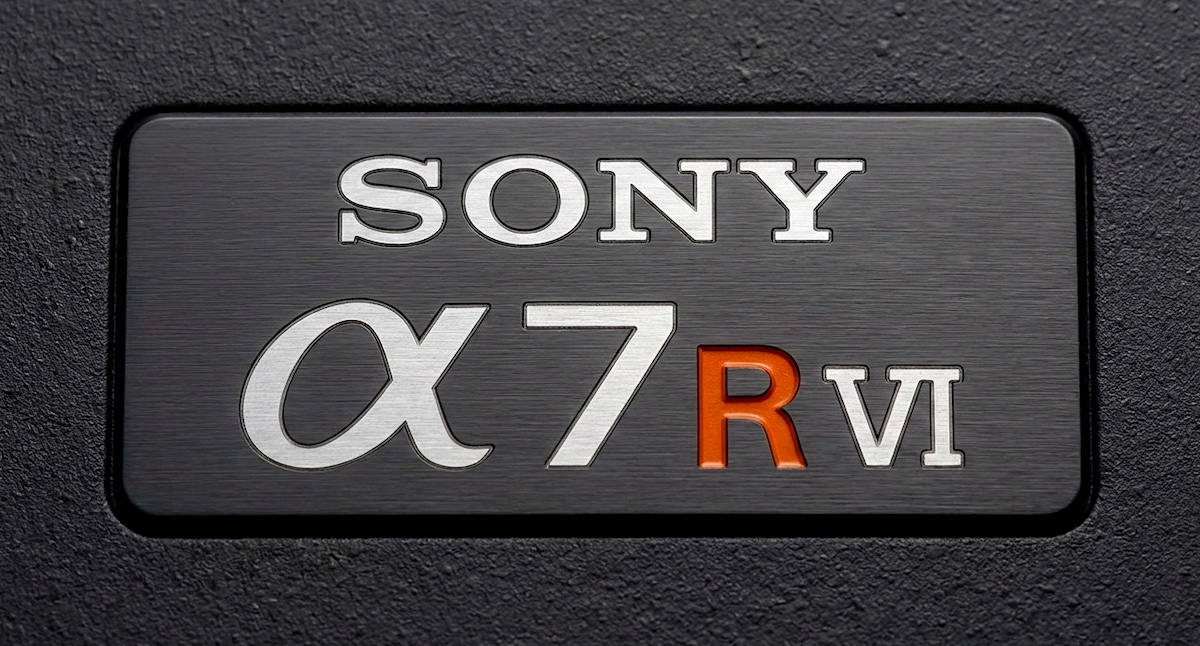
Sony a7R VI camera first rumored specifications


Here is the first set of rumored Sony a7R VI camera specifications I received today:

  • Sony’s A7R VI is set to be released before November 2026, right before the Alpha 7S series
  • The Alpha 7R VI is currently undergoing testing on a small scale
  • BIONZ XR2 processor with 8.5 stops of image stabilisation
  • 30fps 14-bit RAW continuous shooting
  • RAW pre-capture
  • 60fps AE/AF
  • 16-frame high-resolution composite shooting
  • Up to 32-frame noise-reduced composite shooting
  • The grip has been redesigned, adopting the deeper handle found on the A1 II.
  • The screen’s maximum brightness is 50% higher than the A1 II.
  • The A7R VI uses a full-stacked sensor with 80M effective pixels
  • It’s seen as a big step up from the A7 V, and it’s in a similar position to the A7R III and A7 III at the time
  • No open gate, no RAW video, no 6K HEVCIt supports full-frame 10.9K oversampled 8K30p, APS-C 7.1K oversampled 4K60p, and full-frame 5.5K (pixel-binning) oversampled 4K120p video
  • For stills, it can take 30 fps, but there’s a hard limit on the number of frames.
  • The dynamic range is still better than the A7R V in mechanical shutter mode when using electronic shutter, and it has a 16+ stop dynamic range when enabling mechanical shutter.
  • The number of pixels on the screen is higher than the A7 V, but the electronic shutter speed is slightly faster. However, the electronic shutter speed is still only a third of the A1 II.

The post Sony a7R VI camera first rumored specifications appeared first on Photo Rumors.

  •  

The 2025 CIPA numbers are out: compacts up 30% in units and 49% in shipped value


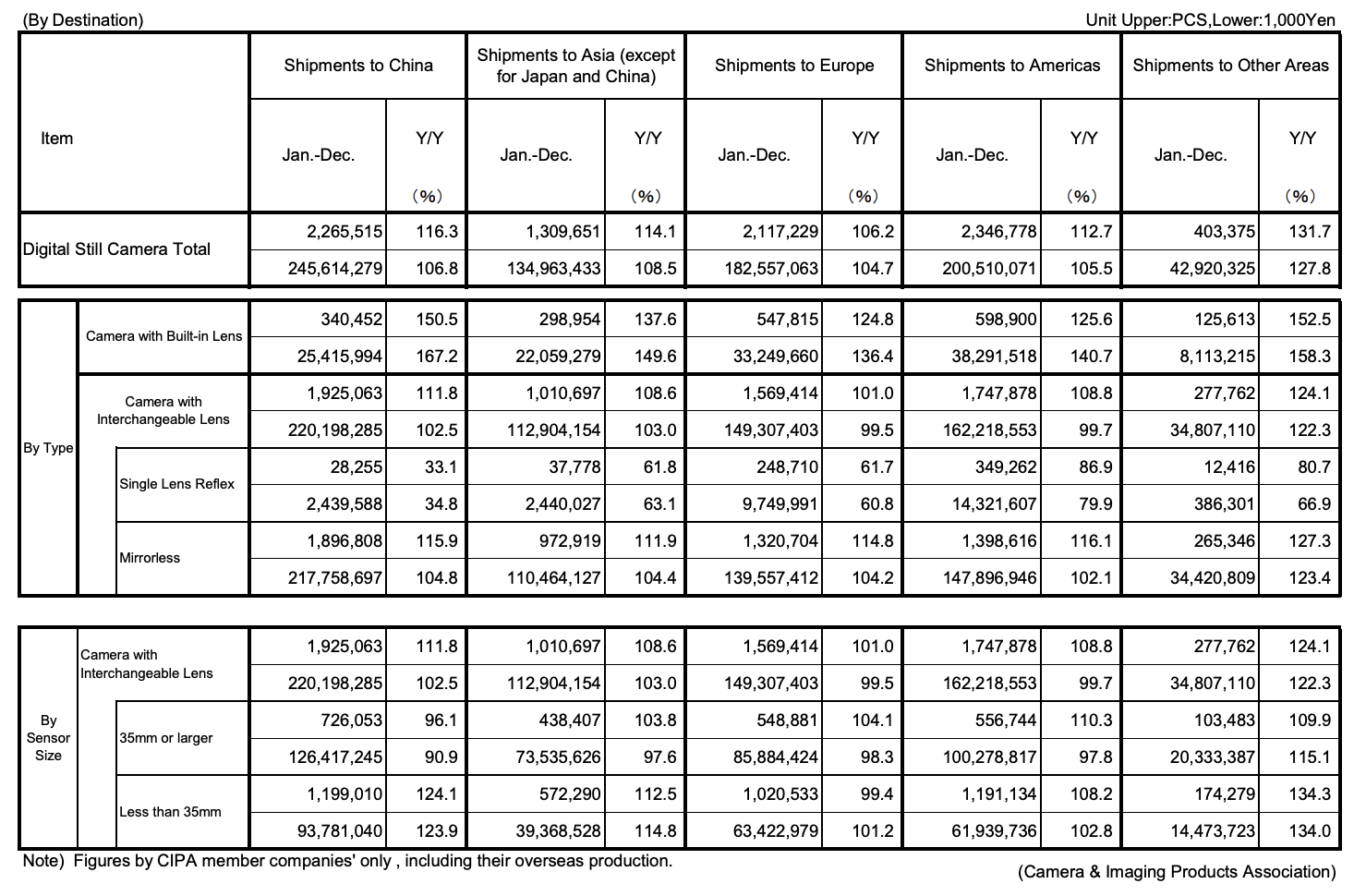
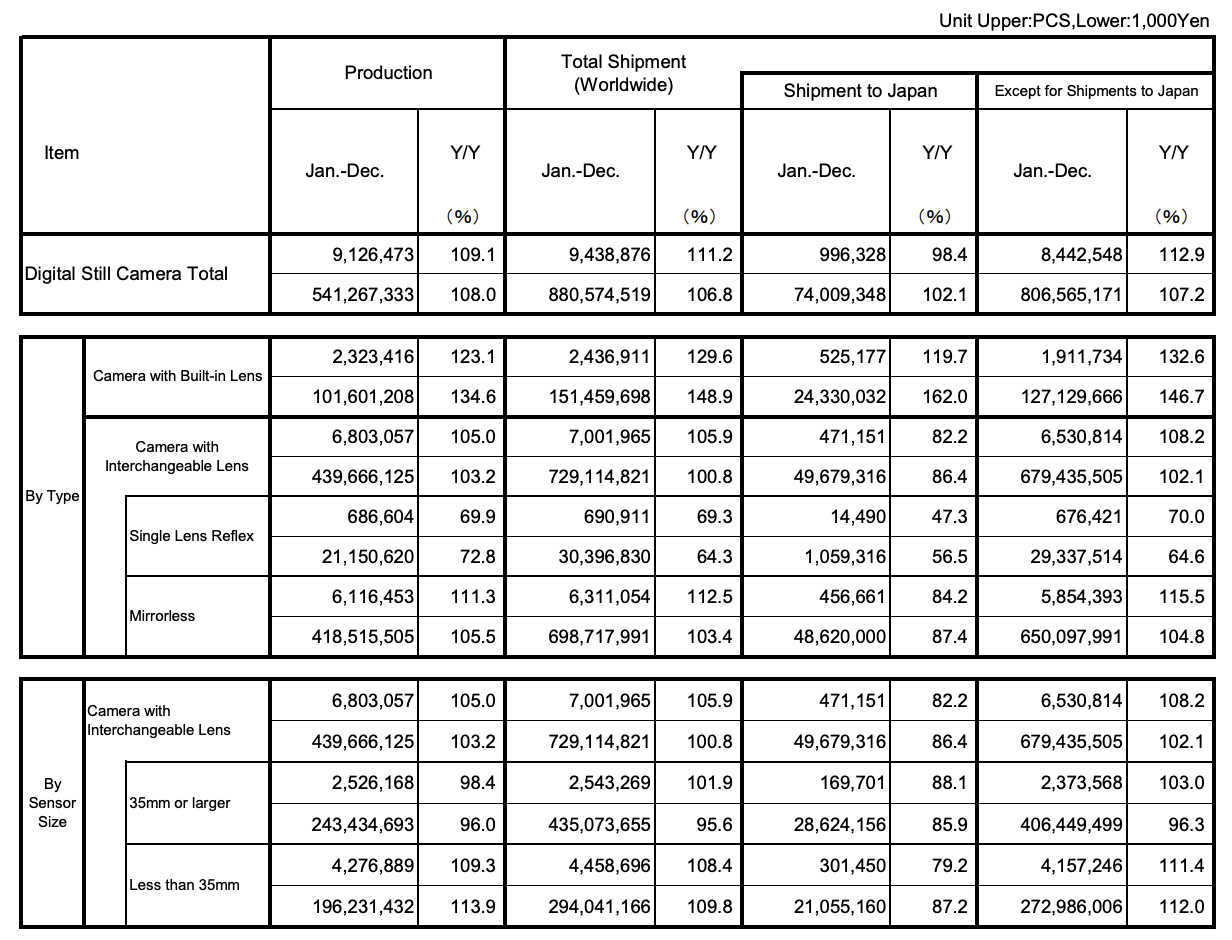
CIPA (Camera & Imaging Products Association in Japan) published its 2025 camera production data, and the compact camera segment is the biggest winner of the year:

Full Year 2025 CIPA numbers by ZoetMB
(All comparisons to Full Year 2024)

CIPA has predicted 6.66m ILCs, 1.92m compacts and 10.56m lenses for calendar 2025, a modest increase over 2024.
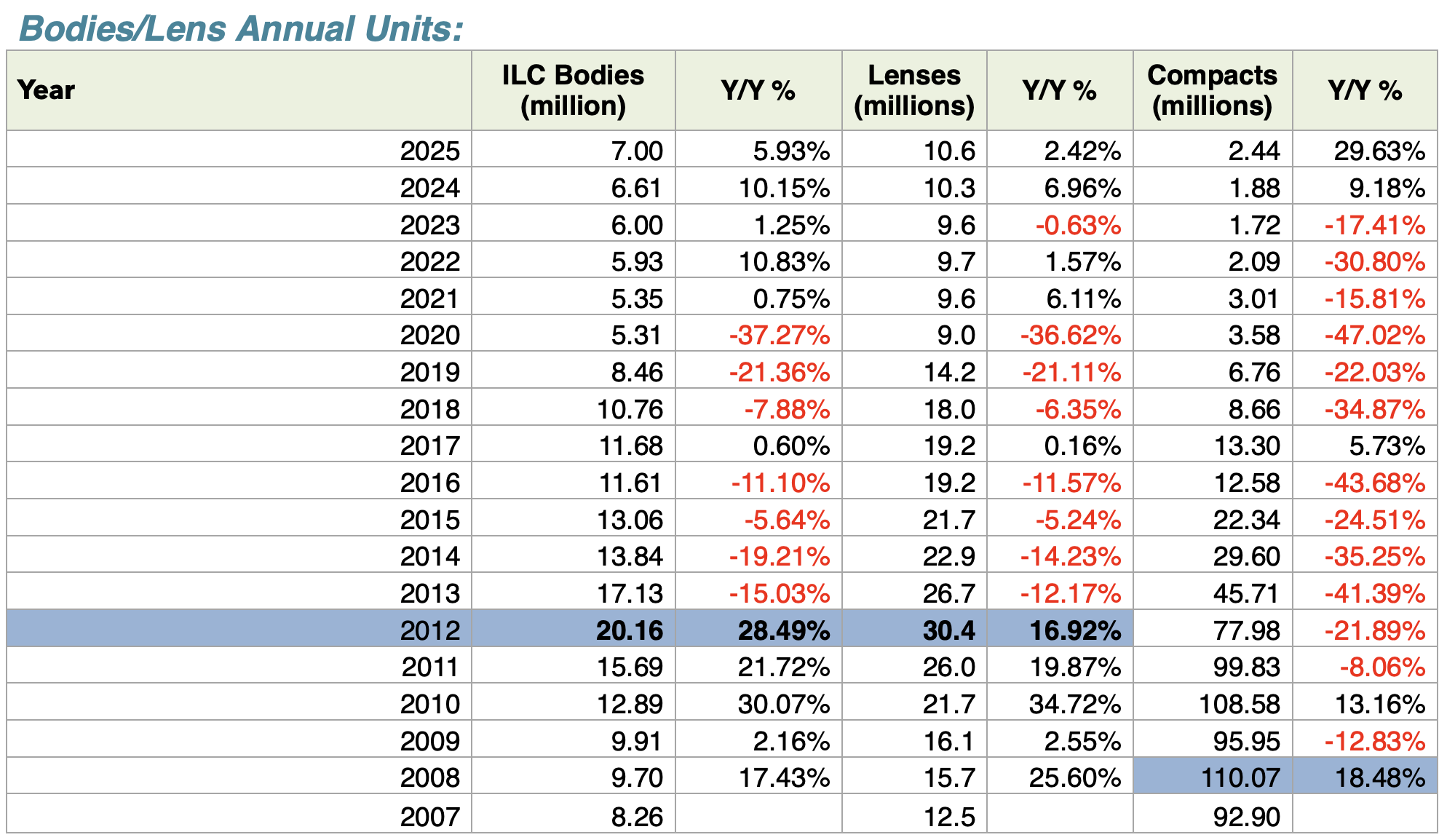
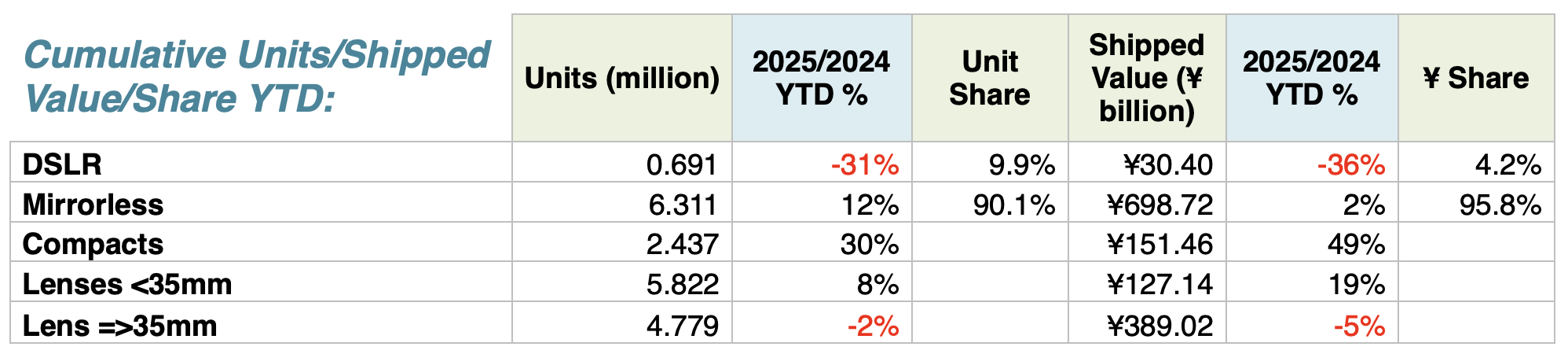
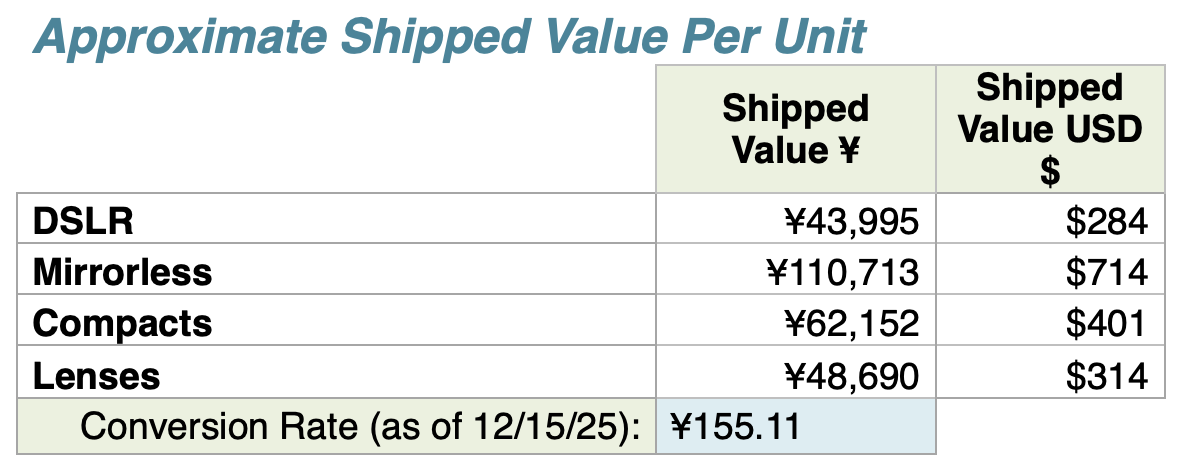
The year actually came in at 7.002m ILCs, 2.44mm compacts and 10.6m lenses. Last month we projected between 6.93m and 6.98m ILC units, so we were close (but that was only a month ago).

For the 2025 full year:

  • DSLR’s were down 31% in units and 36% in shipped value.
  • Mirrorless units were up 12% in units and 3% in shipped value.
  • Compacts were up 30% in units and 49% in shipped value.
  • Lenses for smaller than 35mm sensors were up 8% in units and 19% in shipped value and lenses for 35mm and larger sensors were down 2% in units and down 5% in shipped value.
  • The lens to body sales ratio dropped to 1.51 compared to 1.56 a year ago.

Original CIPA data:


A list of participating CIPA companies can be found here.

Via NikonRumors

The post The 2025 CIPA numbers are out: compacts up 30% in units and 49% in shipped value appeared first on Photo Rumors.

  •  

Your camera disasters revealed

ibeam-camera-ruined-destroyed-mud-covered

A muddied construction site in Indonesia during the wet season got revenge on this camera.

Photo: I Beam

In last week's Question of the week, the community didn’t just swap specs or talk wishlists; you traded reports from a diverse set of danger zones in photography. We were amazed by how many cameras managed to survive such incredible disasters. Cameras were flung off boats, buried in mud, run over by construction trucks and even pulled from rice paddy firefights. Yet, amazingly, many of them remained functional with just a bit of cleanup needed to get them going again.

Read on for some of those intense stories that pitted cameras against the wrath of nature.

Your camera disasters revealed

Bearly There: A bear tried to eat my GoPro. I had it sitting on a fence post along an animal trail attached to a Gorillapod and set the GoPro to take a photo every five seconds. I left it there for a few hours before going back to retrieve it, only to find it on the ground, covered in slimy slobber.

Hike Pics: Early 90s, on our 1st anniversary, my wife and I were down in Savannah, Georgia. I was stepping out of one of the many shops facing the Savannah River. I missed the first step, causing my 80-200mm to flip out of my front-facing fanny pack (that I forgot to zip) and land on the street. I heard glass break. I tossed it and the fanny pack into the garbage can. I NEVER got another fanny pack!

woxx: I was on a beach in Iceland with my Fujifilm GFX 50S and GF45 on a cold spring day with high wind and rough water. They say never turn your back on the water, but I stupidly did. Right then, a wave pushed about a foot of water up, knocking me down onto my hands and knees. The wave completely submerged my GFX 50S in cold Atlantic saltwater.

destroyed-camera-broken-apart

Dropped Ricoh Caplio R6 survived in sand, but did not survive a second, more disastrous drop.

Photo: ThvdW

RecklessCoding: Over a decade ago, I was doing my mandatory military service. There was this big event, an unveiling of a monument for a dead war hero. The president of my country, ambassadors, generals, etc, were all set to come as they would double the event as a full-on inspection of the guard. I was asked to take photos at the event.

During the president's speech, I thought of getting up on the platform he was standing on to take a nice portrait. I took the first step, and bam, I lost my balance. My camera bag was open, and one of the lenses flew out in front of the president's face and landed somewhere on a bush behind him. Longest second of my life.

The Squirrel Mafia: Back in 2014, I went to Disneyland with the family. I took my 10 MP Sony A200 DSLR. By midday, we got on the Jungle Cruise. I took the camera strap off my neck and took a few photos. Then I put the camera on my lap. When the boat got back to the dock, I thought I had the camera strap on my wrist. As I got up, the camera flew off my lap and fell upside down onto the hard floor of the boat. The camera survived, but the flash mechanism didn't. Had I turned the other way, it would have fallen right into the "river".

KCK14-black-white-Kowa Shot

Kowa Super 66 was shot dead by a deer rifle due to the owner's frustration at not being able to repair the camera.

Photo: KICK14

deep7: I was out on a horse trek with some friends. We weren't far from base when my Olympus Mju film camera fell out of my backpack. I went back for it once the horses were sorted, to find that an eight-ton horse truck had driven right over it! The camera had a massive crack and didn't function, but pressing the film rewind button made it work. I retrieved the film, completely undamaged. Tough little cameras, no wonder they sold millions of them.

The Point and Shoot Pro: During the days when I was shooting 4/3s cameras, I was talking to a nice older gentleman who had an E-1. He was on one of these Nikon "Mentor" trips, shooting by a slow-running river. A few Canikon fans were there, sort of talking crap about his "inferior" Olympus setup. So he walked over to the river, dropped his camera in, looked at the boys, and said, "Go ahead, do that with your gear".

Vetteran: We took a day trip in Iceland (all 4.5 hours of sunlight in January) to the infamous Reynisfjara "Black Sand Beach" known for sneaker waves. Of course, I was about 100 feet from the surf when a sneaker wave came in. The wave hit my camera bag hard. The result: both of my Leicas, D109 and VLUX Type 114, which were in my Domke camera bag, slipped off my shoulder, and the interior of the bag was water-drenched, ruining both cameras.

Mitchell-Clark-camera-tripod-water-submerged

Sometimes, putting your camera in harms' way to get the shot works out. Other times it doesn't.

Photo: Mitchell Clark

These tales feel less like minor mishaps and more like war stories from the front lines, with cameras hurled off boats, buried in mud, drowned in surf and even dragged through firefights. Hard lessons learned: trust your straps, respect the weather, zip the bag, spread the tripod legs, and always have a plan for when gravity or water wins.

So many other great stories we couldn't fit in this article are shared in the forums. Thanks to everyone who took the time to write up a fascinating account of your camera accidents.

Keep watch for the next Question of the week every other Wednesday to participate in this series. New questions are posted here on the homepage and in the forums. We can't wait to read and share your stories!

Had a camera destroyed? Click here to share your story!

  •  

New Godox V1mid on-camera flash announced (C/N/S/F/O)


The previously reported Godox V1mid on-camera professional round-head flash is now announced (C/N/S/F/O). Compact and well-balanced, with refined optical performance, fast operation, and reliable wireless control, the V1 mid delivers natural, evenly shaped light powered by the Godox Optical System.

Pre-orders: B&H Photo | Amazon

Additional information:


  • Compact professional round-head flash
  • Natural, uniform light with smooth transitions
  • Godox Optical System for refined light shaping
  • TTL auto flash & 1/8000s HSS
  • Front and rear curtain sync
  • Godox 2.4GHz Wireless X System
  • High-performance Li-ion battery with USB-C charging
  • Compatible with AK-R1 round-head accessories
  • Supports Bowens-mount modifiers via optional S3 bracket
  • Price: $179.00
  • Godox V1 MID vs. Godox V1:

Godox released a new AD800 Pro all-in-one outdoor flash, new V1 Mid flash coming next

Via CanonAddict

The post New Godox V1mid on-camera flash announced (C/N/S/F/O) appeared first on Photo Rumors.

  •  

Canon EOS R7 Mark II camera expected to be announced before June 2026


The previously reported Canon EOS R7 Mark II camera is already registered with the FCC. The confidentiality status is currently scheduled to expire on June 16, 2026, indicating that the new Canon EOS R7 Mark II will be released before that date, unless there is a delay and they extend the lock period. Stay tuned for updates.

The post Canon EOS R7 Mark II camera expected to be announced before June 2026 appeared first on Photo Rumors.

  •  

Raw video is easier than before, but is it worth it?

Nikon ZR with microphone attached

It's become increasingly common for cameras to be able to capture Raw video without the need for an external recorder, making it that bit more accessible.

Photo: Mitchell Clark

Raw video looks set to become increasingly common on cameras, with cameras from Panasonic, Canon and Nikon all offering internal Raw capture options. We thought it was a good time to take another look at the pros and cons of Raw video, whether it's worth the effort and whether you should consider it an essential feature, next time you buy a camera.

It's not as significant as for stills

The first point worth reiterating is that the benefits of Raw shooting aren't anywhere near as significant as they are for stills shooting. The main reason for this is that the alternative to shooting Raw stills is typically an 8-bit JPEG with a high-contrast S-curve applied to it, ready for viewing which leaves relatively little scope for significant brightness and tonal edits. Whereas the alternative to Raw in video tends to be 10-bit footage encoded with a Log response curve which is specifically designed to maintain tonal flexibility.

"A 10-bit log file can comfortably retain all the meaningful content of a 12-bit linear one"

It also tends to be the case that most video is derived from 12-bit sensor readout, rather than the 14-bit modes used on most large pixel cameras. Reducing the readout bit-depth boosts the readout speed but puts a limit on the amount of DR that can be retained. That said, many modern cameras increasingly oversample for their core video modes, an act that helps reduce noise and boost DR.

Little information is given about most 'Raw' video formats, but if they are encoded in a linear manner, as delivered by cameras' ADCs, it's worth pointing out that a 10-bit logarithmic file can comfortably retain all the meaningful content of a 12-bit linear one.

It's more that there's a well-established alternative to Raw capture, rather than any weakness of the Raw footage, that leads us to stress that the benefits are more modest than you might expect, if you're coming from a stills-shooting background.

So what benefits do you gain?

Control over white balance and ISO

The easiest benefit to spot is that, as in Raw photos, Raw video typically doesn't apply multipliers to its color channels and 'bake' a white balance into the file. This retains maximum flexibility in the edit, as it eliminates the risk that a badly judged white balance has prematurely clipped a channel that you then want to recover.

In practice, there isn't going to be a big difference between this and a 10-bit Log workflow, if you get the white balance quite close at the point of capture.

ProRes Raw options menu in Final Cut Pro

Raw footage should let you adjust the white balance and brightness rendering of the footage, after the fact. In this instance the interface gives you "ISO", "Exposure Offset" and "Color Temperature" tools. There's no setting for adjusting the Magenta/Green 'tint' axis.

Screengrab: DPReview from Final Cut Pro 11.1

Another benefit of the better Raw implementations is the ability to change ISO after the fact. Strictly speaking, you can't edit ISO after the fact any more than you can adjust "exposure" in a stills Raw converter, but you can see why they might choose to label the control that way.

Typically what's actually happening is that your camera is shooting at its base amplification setting (or its second gain step) to prevent unnecessary clipping, then brightening the footage in post, based on the "ISO" value to assign in your editor. As with white balance, this lets you second-guess your decisions at the point of shooting, but the end results are unlikely to be radically different to having shot Log in the 'correct' ISO, at the time.

Control over sharpening and noise reduction

What you definitely gain is much greater control over the sharpening and noise reduction being applied to your footage. Even at their minimal settings (and different brands have a very different idea of what minimal processing looks like), most hybrid cameras will apply quite a lot of noise reduction and sharpening to their processed output.

Shooting Raw gives you much more choice about the level and complexity of noise reduction and sharpening being applied. Of course, this also means you need to come up with a sharpening and noise reduction strategy in your workflow.

Support

Support for Raw video has been improving in recent months, with Adobe adding beta support for Nikon's NRaw and related R3D formats. Between plugins from the manufacturers and third-party options such as Color Finale Transcoder 2, you can use most Raw formats in the most popular editing software.

Canon Raw / Raw Light

Nikon
NRaw/R3D
Apple ProRes Raw Blackmagic
BRaw
Adobe
Premiere
Yes Yes Yes Via free Blackmagic plugin
Apple
Final Cut Pro
Via free Canon plugin Via third-party plugins Yes Via third-party plugins
Davinci
Resolve
Yes Yes Yes Yes

This is particularly useful as, for instance, Nikon cameras derive their native Raw and their ProRes Raw output on different sensor modes, so the quality and available framerates can differ between them.

Lens corrections

Another consideration is that a great many modern lens designs only deliver the combination of angle-of-view, size and price they offer, because they use software corrections as part of their design. Not all Raw video workflows maintain the necessary correction parameters, meaning you'll need to find correction plugins to mimic them, if you want to use many modern hybrid lenses.

Nikon ZR Raw Options Menu

The Nikon ZR lets you choose between capturing Nikon's N-Raw or the related R3D NE format. Alternatively you can capture the more widely supported ProRes Raw format, though not at the higher frame rates offered in its native formats.

Screengrab: Mitchell Clark

This isn't an issue if you're adapting manual focus lenses, but it's worth testing whether the Raw format you hope to use will maintain the lens correction information if you're planning to use most systems' native AF lenses. For instance, Nikon writes its lens corrections parameters to its NRaw and R3D Raw formats, but doesn't embed them in ProRes Raw mode.

Canon's lens corrections are provided as part of its Raw files. Premiere honors the lens settings, whereas DaVinci Resolve lets you hack around them, if you prefer. And, although correction support has been added to ProRes Raw, Panasonic's cameras don't yet add the metadata to present its lenses correctly.

File sizes

Raw video tends to be larger than processed footage, not just because of increased bit-depth but also because chroma sub-sampling and sophisticated compression tends to be used on processed files. However, another factor is that truely Raw files are typically created from the sensor's native resolution. Sub-sampling the sensor by line-skipping would reduce the quality of the footage and rendering it then downscaling wouldn't be very raw. Some cameras let you crop in to a 4K region of the sensor but this effectively reduces the sensor size of your camera, lowering the quality of the footage.

This means you typically end up with roughly 6K or 7K footage with modern hybrid cameras. Differences in file size then add up very quickly. Here we've put together some typical bitrates and then extrapolated from that to work out roughly how much footage you can fit on a 256Gb memory card.

Bitrate Approx footage on a 256GB card
Nikon R3D 6K/24
(ZR)
1520 Mbps ∼22 min
Canon Raw 7K/24
(EOS R6 III)
2150 Mbps ∼16 min
Canon Raw Light 7K/24
(EOS R6 III)
970 Mbps ∼35 min
ProRes RAW HQ 5.8K/24
(DC-S1II)
3400 Mbps ∼10 min
ProRes RAW 5.8K/24
(DC-S1II)
2200 Mbps ∼15 min
H.265 4:2:2 All-I 4K/24
(DC-S1II)
400 Mbps ∼1hr 25min

If you want the additional resolution, many recent cameras can also record processed, compressed 10-bit footage at their native capture resolutions (around 6 to 7K), which is typically captured at similar bit-rates to the 4K footage, though often with 4:2:0 chroma sub-sampling.

But, as the table above should make clear, you can expect to get less than a third as much Raw footage on your memory card. Or, to put it the other way 'round: you'll need to buy at least three times as much media and storage in order to capture a project in Raw.

Is it worth it?

Overall then, is it worth it? Ultimately that's up to you, what you shoot and whether you want to maintain some flexibilty / pass extra work to the editing stage of your workflow.

Increasingly the tools are becoming available to let you work with Raw footage, but it's definitely worth considering whether the additional workflow steps and added storage requirements are worth it for the marginal gains in post-processing flexibility.

As things stand, we don't believe Raw video should be a deciding factor when choosing a camera unless you're absolutely certain that it's essential for the work you plan to do.

  •  

Viltrox to announce four new products on February 5th


I already reported that Viltrox will announce its first L-mount lens on February 5th. The possible choices that have been rumored for months now are:

Viltrox is now teasing two additional products:


One of them could be a new flash – what do you think?

Update – the latest rumors from China indicate the following breakdown of the new products:

After the official announcement, Viltrox is planning to hold an interactive event together with Panasonic:


Viltrox joined the L-Mount Alliance in September, 2025:

Today Viltrox became the 10th member of the L-Mount Alliance

What’s coming next from Viltrox (updated)

Updated list of latest/upcoming/rumored Chinese lenses

The Panasonic LUMIX S1RII camera is now $300 off: https://t.co/mYJfCMuGfq pic.twitter.com/CpBHF0iuL4

— Photography Deals (@PhotogDeals) February 2, 2026

The post Viltrox to announce four new products on February 5th appeared first on Photo Rumors.

  •  
❌