Vue lecture

Apple's latest MacBook Pros are more powerful than ever

Apple-MacBook-Pro-M5-Pro-and-M5-Max-lifestyle-01-260303 big.jpg.large 2x
The latest MacBook Pros are familiar on the outside, but have some interesting changes on the inside.
Image: Apple

This week, Apple announced its latest generation of MacBook Pros, which also marks the debut of its high-end M5 Pro and M5 Max chips. The company says the new processors are up to 30% faster in "pro workflows" than its previous CPUs, which is good, since the laptops' starting prices are a bit higher than their predecessors'.

Part of that uplift likely comes from the M5 Pro and Max simply having more CPU cores. The Pro starts with 15, upgradable to 18, while all Max models have 18. These represent an addition of three and four cores, respectively.

It's not just a matter of adding more slightly upgraded cores, though. Previous generations of M chips, and the standard M5 that's been around for a while, have had a mix of what Apple calls Power and Efficiency cores. The M5 Pro and M5 Max follow a similar paradigm, but rather than using the same types of cores as the standard M5, as previous Pro and Max chips did, they use the M5's performance cores for their less intensive processing and introduce "all-new performance cores." In other words, the M5's most powerful cores are the M5 Pro and Max's weakest ones.

Performance > Super > Efficiency

The company has rebranded those as "Super" cores across its lineup; the M5 has a mix of Super cores and Efficiency cores, while the M5 Pro and Max have Performance cores and Super cores. The new branding is a little hard to keep track of*, especially since it's not necessarily clear how the previous-gen "Performance"-branded cores compare to the apparently new and improved Performance cores. However, in the current M5 generation, it boils down to: Performance > Super > Efficiency.

M4 Pro M5 Pro M4 Max M5 Max M5
12 cores
8 Performance
4 Efficiency
GPU
16 core
15 cores
10 performance
5 Super
GPU
16 core
14 cores
10 Performance
4 Efficiency
GPU
32 core
18 cores
12 Performance
6 Super
GPU
32 / 40 core
10 cores
4 Super
6 Efficiency
GPU
10 core
14 cores
10 Performance
4 Efficiency
GPU
20 core
18 cores
12 Performance
6 Super
GPU
20 core
16 cores
12 Performance
4 efficiency
GPU
40 core

While GPU core counts have remained largely the same, the company says they have a "next-generation architecture," higher memory bandwidth, and higher performance in AI tasks (in fact, the press release mentions "AI" around 25 times). The company also promises that its latest GPUs have greater performance in compute and ray-tracing.

Apple-M5-Pro-M5-Max-chips-260303 big.jpg.large 2x
For those interested in the intricacies of chip design, Apple says the M5 Pro and Max feature a new "Fusion Architecture" that combines two 3nm-class dies. It's reminiscent of the chiplet design that's served AMD's Ryzen series so well, and it could make it possible for Apple to more easily offer a bit more freedom when it comes to configuring your mix of CPU and GPU cores in the future.
Image: Apple

Beyond the new processors, the laptops are relatively similar to their predecessors, with the same displays, three Thunderbolt 5 ports, SDXC card slot, and dedicated coprocessors for encoding and decoding codecs like H.264, HEVC, ProRes and ProRes RAW. However, there are some other small upgrades: the 2026 MacBook Pros have Apple's N1 wireless chip, providing an upgrade to Wi-Fi 7 from the Wi-Fi 6E found in the previous generation. The chip also includes Bluetooth 6, updated from Bluetooth 5.3.

Apple has also tweaked the default storage and memory configurations. The M5 Pro laptops all now start with 1TB of storage (the 16" version used to start with 512GB), and the M5 Max ones start with 2TB. The company also promises that the computers' SSDs will run up to two times faster than those of their predecessors.

The M5 Pro laptops can also now be optioned with 64GB of memory, up from 48GB, though doing so will cost a pretty penny; you have to spend $200 to get the higher-end Pro chip, then add on $600 to upgrade from the base 24GB of memory (though, given what's happening with the rest of the industry, those prices seem less egregious than they once did).

Apple-MacBook-Pro-M5-Pro-and-M5-Max-Capture-One-260303 big.jpg.large 2x
You certainly don't need a Pro or a Max chip to edit photos... but it doesn't hurt.
Image: Apple

For most photographers, the standard M5 MacBook Pro will be plenty powerful, as will the cheaper M5 MacBook Air (though it misses out on the SD card reader and HDR-capable screen). But those doing heavy edits on high-resolution files, or who want to configure their machines with ludicrous amounts of memory or storage, will appreciate these higher-end options. The extra horsepower may also be useful to anyone who edits video; the standard M5 is no slouch, but the extra CPU cores, GPU power and SSD speed will make the process that much smoother.

The M5 Pro MacBook Pros start at $2199 for the 14" model, and $2699 for the 16" one: a $200 premium over the starting prices of their corresponding M4 models. Upgrading to the Max chip will add $1400 to the price. Preorders open on March 4th, and the laptops will be available starting on the 11th.

* As is tradition. I'm sure there are even folks at Apple who have a hard time keeping the relationships between Studio, Ultra, Pro, and Max products straight.


  •  
  •  

Samyang announced a new AF 35mm f/1.8 P FE lens


At the 2026 CP+ show, Samyang announced a new AF 35mm f/1.8 P FE full-frame lens with an ultra-compact design, almost identical to the existing AF 85mm f/1.8 P FE and AF 16mm f/2.8 P FE lenses from the Prima series. Key new/updated features:

  • Larger, textured manual-focus ring
  • USB-C port for firmware updates
  • Dedicated AF/MF switch
  • More robust build with improved weather sealing
  • Quieter and optimised autofocus motor
  • Check for pre-orders

In the US, some LK Samyang lenses are also sold under the Rokinon brand. In Europe, Smyang lenses are sold at Foto Erhardt and WEX Photo.

LK Samyang to release a new line of “Prima Series” lenses

Via Phototrend

The post Samyang announced a new AF 35mm f/1.8 P FE lens appeared first on Photo Rumors.

  •  

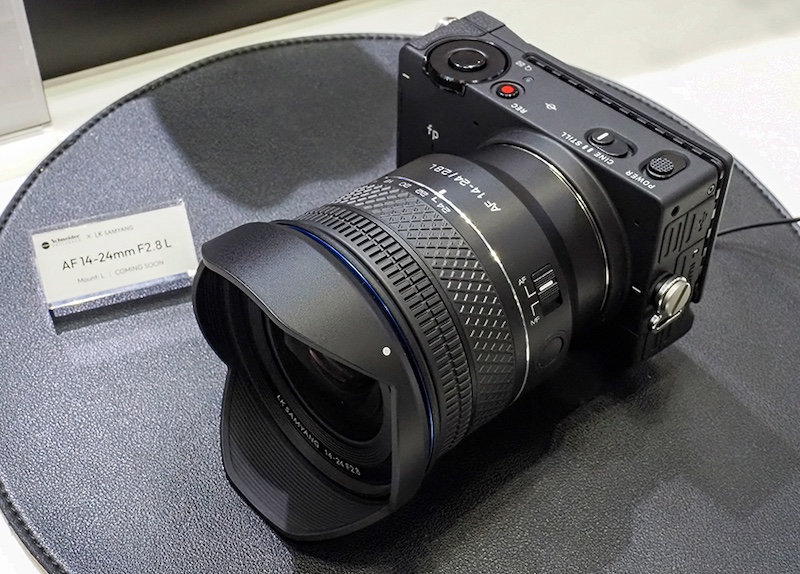
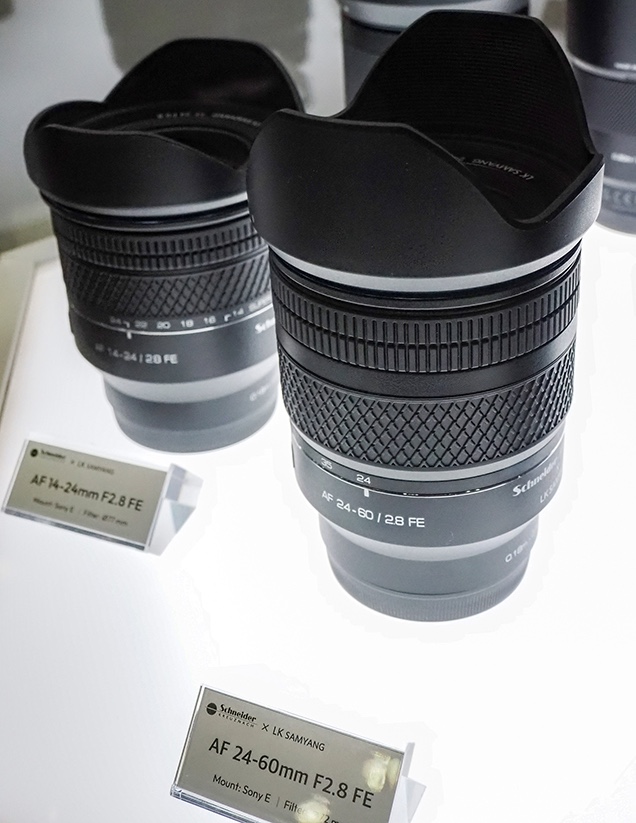
Additional information on the Schneider Kreuznach × LK Samyang lens prototypes


Here is some additional information on the Schneider Kreuznach × LK Samyang lens prototypes (previously reported here):

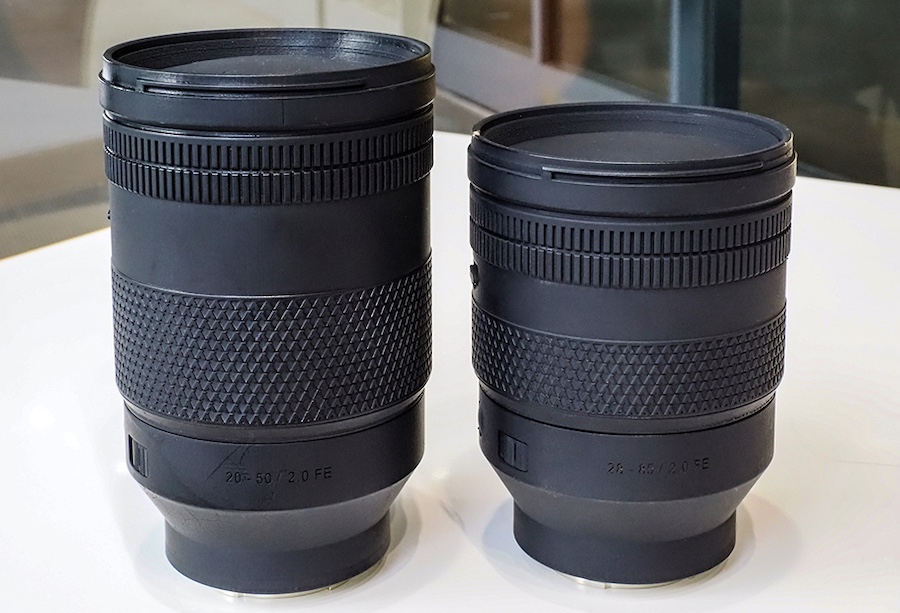
Samyang AF 20-50mm f/2 FE

  • Focal length & aperture: 20-50 mm f/2 (constant)
  • Mount: Sony E (FE)
  • Key points: Brighter and wider than the existing AF 24-60 mm f/2.8; expected to be bulkier and heavier
  • Status: Very early development (possible 2028–2029 launch to avoid cannibalising the 24-60 mm)
  • No further specs (elements/groups, size, weight, etc.) available yet

Samyang AF 28-85mm f/2-2.8 FE

  • Focal length & aperture: 28-85 mm f/2-2.8 (variable aperture; originally planned constant f/2 but adjusted for size)
  • Mount: Sony E (FE)
  • Key points: Slightly larger than the new AF 24-60 mm f/2.8; no built-in stabilisation
  • Status: Early concept; possible late-2027 or spring-2028 release if feedback is positive
  • No further specs released

Samyang AF 28-135mm f/2.8 FE

  • Focal length & aperture: 28-135 mm f/2.8 (constant)
  • Mount: Sony E (FE)
  • Key points: New linear VCM autofocus motor (faster and quieter than previous stepper motors, ideal for video/action); more versatile range than competing 28-105/35-100 mm f/2.8 zooms
  • Status: Already in production; prototype shown at IBC 2025; earliest release late 2026
  • No detailed optical formula, size or weight figures yet

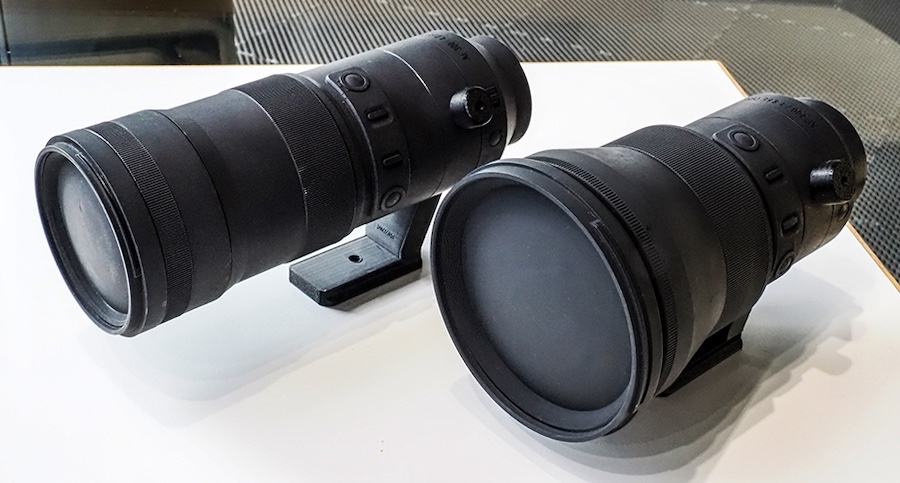
Samyang AF 300mm f/4 FE OIS

  • Focal length & aperture: 300 mm f/4
  • Mount: Sony E (FE)
  • Key points: First Samyang lens with optical image stabilisation (OIS); built-in 1.4× teleconverter (becomes 420 mm f/5.6); multiple custom controls; positioned as a lighter/cheaper wildlife/sports alternative to 70-200 mm f/2.8 zooms
  • Status: Early development; competitive pricing targeted
  • No further specs available

Samyang AF 200mm f/1.8 FE OIS

  • Focal length & aperture: 200 mm f/1.8
  • Mount: Sony E (FE)
  • Key points: Bright prime with integrated OIS; technological showcase to compete with Laowa/Sigma 200 mm f/2 options
  • Status: Early development (only one of the two telephoto primes may eventually be produced to avoid internal competition)
  • No further specs released

In the US, some LK Samyang lenses are sold under the Rokinon brand. In Europe, Smyang lenses are sold at Foto Erhardt and WEX Photo.

A complete list of all Schneider Kreuznach x LK Samyang lenses can be found here:

Complete list of all Schneider Kreuznach x LK Samyang lenses

Four new Schneider Kreuznach × LK Samyang AF lens prototypes: 20-50mm f/2, 28-85mm f/2, 200mm f/1.8, and 300mm f/4

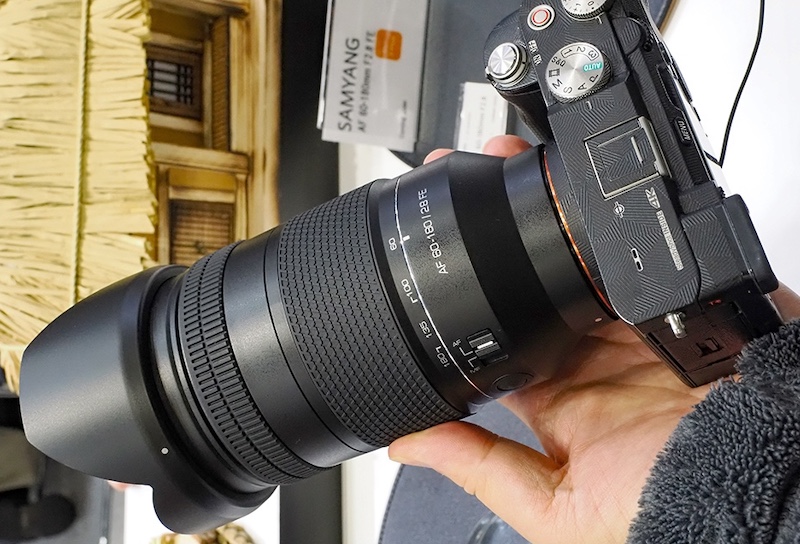
Here is the rumored Schneider Kreuznach x LK Samyang AF 60-180mm f/2.8 lens

Schneider Kreuznach × LK Samyang rumored to announce a new 20-50mm f/2 lens at the 2026 CP+ show

Via Phototrend

The post Additional information on the Schneider Kreuznach × LK Samyang lens prototypes appeared first on Photo Rumors.

  •  

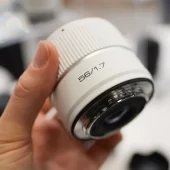
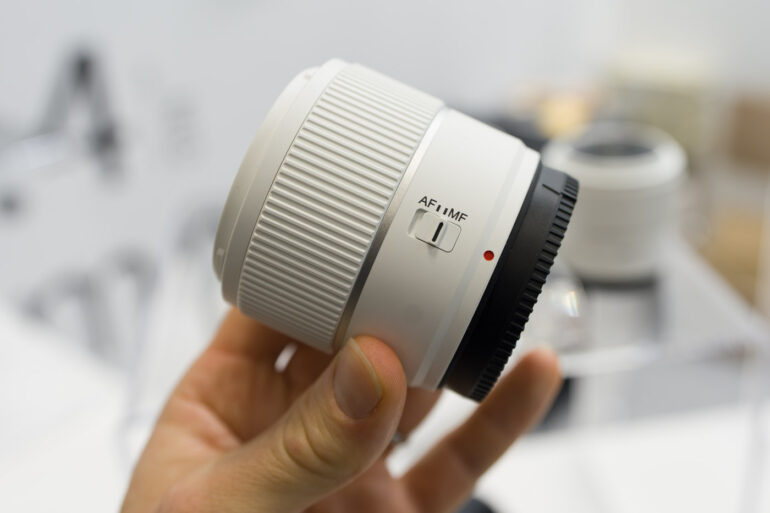
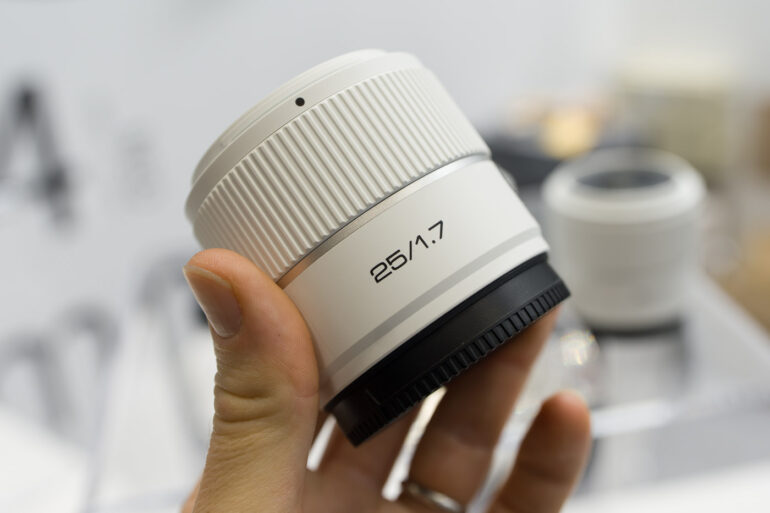
Meike AF Air 25mm/35mm/56mm f/1.7 compact APS-C lenses additional information (Z/E/X)

At the 2026 CP+ show in Japan Meike had on display their upcoming Meike AF Air 25mm/35mm/56mm f/1.7 compact APS-C lenses for Sony E, Fujifilm X, Nikon Z (previously reported here). Here are the new details:

Meike Air Series new ultra-light APS-C prime lenses

  • Mounts: Sony E, Fujifilm X, Nikon Z
  • Aperture: f/1.7 (all models)
  • Autofocus: STM motor (quiet and fast for photo/video)
  • Design: Extremely compact, no aperture ring
  • Weight: ~170 g per lens
  • Availability: Expected May 2026 (check availability at B&H Photo)

Meike Air 25mm f/1.7

  • Focal length: 25 mm
  • Price: ~170 USD

Meike Air 35mm f/1.7

  • Focal length: 35 mm
  • Price: ~160 USD

Meike Air 56mm f/1.7

  • Focal length: 56 mm
  • Price: ~160 USD

Additional information on the rumored Meike Air compact APS-C lenses + a new AF 85mm f/1.4 SE lens

First pictures of the upcoming Meike AF 85mm f/1.4 II MIX lens (E/Z/L)

2026 CP+ show recap

Via Phototrend

The post Meike AF Air 25mm/35mm/56mm f/1.7 compact APS-C lenses additional information (Z/E/X) appeared first on Photo Rumors.

  •  

Apple’s new monitor looks like a great (but spendy) option for HDR photo editing

a woman sits at a desk with a laptop and two monitors
Image: Apple

Apple announced the Studio Display XDR, a new pro-level entry in its display lineup aimed at photographers and video editors, thanks to its HDR and wider color gamut support. In addition to the new display, the tech giant unveiled an updated version of its standard Studio Display.

The Studio Display XDR effectively replaces Apple’s 32‑inch 6K Pro Display XDR in the lineup. It uses a 27-inch 5K Retina XDR display, with added mini-LED backlighting. It features 2304 local dimming zones and an impressive 1000 nits of SDR brightness and 2000 nits of peak HDR brightness, making it well‑suited for HDR workflows. It also offers a 1,000,000:1 contrast ratio.

an apple studio display is on a white background with a colorful photo in capture one on the screen
The Studio Display XDR is meant for creative professionals.
Image: Apple

The monitor supports P3 and Adobe RGB color gamuts with over 80 percent coverage of Rec. 2020, making it ideal for those who need highly accurate colors. Additionally, it offers a 120Hz refresh rate and a continuously variable refresh rate between 47Hz to 120Hz, making it smoother for video playback than the outgoing Pro Display XDR.

In terms of connectivity, the Studio Display XDR can function as a Thunderbolt hub, offering one port with 140W of charging power, enough to charge a 16-inch MacBook Pro. It also includes a second port for connecting high-speed accessories or daisy-chaining other displays and two additional USB-C ports. The display features a 12MP Center Stage camera with Apple's Desk View support, a three‑mic array and a six‑speaker system.

Apple also updated its standard Studio Display, though it's more of an iterative update rather than a redesign. Like the previous generation, it is a 27-inch 5K Retina display with 600 nits of brightness and support for P3 wide color. However, it now offers Thunderbolt 5 connectivity, allowing users to connect high-speed accessories or daisy-chain displays. It maxes out at up to 96W charging, which is enough to fast‑charge a 14‑inch MacBook Pro.

Apple-Studio-Display-XDR-stand-260303
The Studio Display XDR is still pricey, but at least it comes with a tilt- and height-adjustable stand this time.
Image: Apple

All of the advanced features on the Studio Display XDR come at a steep price; the monitor starts at $3299, or $3599 with anti-reflective nano-texture glass. The good news is that it now includes a tilt- and height-adjustable stand, unlike the Pro Display XDR. The Studio Display keeps the same $1599 price as the previous generation. Preorders for both the Studio Display XDR and Studio Display begin tomorrow, March 4.

Press release:

Apple unveils new Studio Display and all-new Studio Display XDR

Studio Display XDR is the world’s best pro display, featuring a 27-inch 5K Retina XDR display with a mini-LED backlight, 2000 nits of peak HDR brightness, and a 120Hz refresh rate

CUPERTINO, CALIFORNIA Apple today announced a new family of displays engineered to pair beautifully with Mac and meet the needs of everyone, from everyday users to the world’s top pros. The new Studio Display features a 12MP Center Stage camera, now with improved image quality and support for Desk View; a studio-quality three-microphone array; and an immersive six-speaker sound system with Spatial Audio. It also now includes powerful Thunderbolt 5 connectivity, providing more downstream connectivity for high-speed accessories or daisy-chaining displays. The all-new Studio Display XDR takes the pro display experience to the next level. Its 27-inch 5K Retina XDR display features an advanced mini-LED backlight with over 2,000 local dimming zones, up to 1000 nits of SDR brightness, and 2000 nits of peak HDR brightness, in addition to a wider color gamut, so content jumps off the screen with breathtaking contrast, vibrancy, and accuracy. With its 120Hz refresh rate, Studio Display XDR is even more responsive to content in motion, and Adaptive Sync dynamically adjusts frame rates for content like video playback or graphically intense games. Studio Display XDR offers the same advanced camera and audio system as Studio Display, as well as Thunderbolt 5 connectivity to simplify pro workflow setups. The new Studio Display with a tilt-adjustable stand starts at $1,599, and Studio Display XDR with a tilt- and height-adjustable stand starts at $3,299. Both are available in standard or nano-texture glass options, and can be pre-ordered starting tomorrow, March 4, with availability beginning Wednesday, March 11.

“Apple has led the industry in delivering the world’s most advanced displays for pros to do their life’s best work, and today we do that once again with the introduction of the new Studio Display family,” said John Ternus, Apple’s senior vice president of Hardware Engineering. “Studio Display gets even better with a new 12MP Center Stage camera and powerful Thunderbolt 5 connectivity. And the Studio Display XDR is a huge leap forward for XDR technology, with a mini-LED backlight, 2000 nits of peak HDR brightness, advanced color accuracy, and a 120Hz refresh rate, transforming workflows like filmmaking, design and print, and 3D animation. It’s by far the world’s best pro display.”

Studio Display — the Perfect Companion to Mac

The new Studio Display pairs excellent visual quality with compelling features that deliver a great experience when connected to a Mac across a range of professional workflows — from photo and video editing to coding, music production, and everyday tasks. The stunning 27-inch 5K Retina display boasts over 14 million pixels, 600 nits of brightness, and P3 wide color for rich, true-to-life imagery. Studio Display includes a 12MP Center Stage camera, now with Desk View; a studio-quality three-microphone array; and an incredible six-speaker sound system with four force-cancelling woofers that deliver 30 percent deeper bass than the previous generation, plus two high-performance tweeters for immersive audio. Studio Display also brings Thunderbolt 5 connectivity with two ports, so users can daisy-chain up to four Studio Display models for a combined nearly 60 million pixels, or connect high-speed accessories.1 In addition, two USB-C ports can be used for peripherals and charging. With the included Thunderbolt 5 Pro cable, users get a convenient all-in-one connection that offers up to 96W of charging power — enough to fast-charge a 14-inch MacBook Pro.2 Studio Display is available with standard glass or optional nano-texture glass for challenging lighting conditions. It comes with a tilt-adjustable stand, or can be configured with a tilt- and height-adjustable stand or a VESA mount adapter for custom desk setups.

Studio Display XDR — the World’s Best Pro Display

The all-new Studio Display XDR delivers the most advanced display technology and a robust set of features for pro users who need the ultimate front-of-screen performance. With 2000 nits of peak HDR brightness, a 1,000,000:1 contrast ratio, P3 and Adobe RGB wide color gamuts, a 120Hz refresh rate, Adaptive Sync, new DICOM medical imaging presets, a powerful combination of camera and audio, and Thunderbolt 5 connectivity, Studio Display XDR is designed for workflows like HDR video editing, 3D rendering, and diagnostic radiology.2

Advanced XDR Display Technology

Studio Display XDR features a stunning 27-inch 5K Retina XDR display with 5120-by-2880 resolution, offering exceptional detail and clarity. The mini-LED backlight utilizes 2,304 local dimming zones that enable extreme contrast. Studio Display XDR also delivers up to an outstanding 1000 nits of SDR brightness, 2000 nits of peak HDR brightness, and a 1,000,000:1 contrast ratio. This wide dynamic range — from the brightest brights to the deepest blacks — makes HDR content pop off the screen while virtually eliminating distracting halo and blooming effects.

Enhanced Color Accuracy

Ideal for print and design professionals, Studio Display XDR adds Adobe RGB color gamut support, in addition to P3 wide color, making it an even better reference display. This results in more than 80 percent Rec. 2020 coverage for HDR video editing and color grading. Both P3 and Adobe RGB are accessible from the same default preset, streamlining pro workflows that frequently switch between color spaces.

Smooth 120Hz Refresh Rate and Adaptive Sync

Studio Display XDR features a 120Hz refresh rate, enabling smooth, ultra-responsive motion. Adaptive Sync supports a continuously variable refresh rate between 47Hz to 120Hz, making gaming more fluid with faster frame delivery and lower display latency.

Innovative DICOM Medical Imaging

Today, Apple introduces new DICOM medical imaging presets and the Medical Imaging Calibrator to enable use in diagnostic radiology, allowing radiologists to view diagnostic images directly on Studio Display XDR.2 Many medical professionals already use Mac for their office or home setups, and Studio Display XDR offers a versatile alternative to single-purpose medical imaging displays, with seamless display mode switching. The Medical Imaging Calibrator on macOS is pending FDA clearance and is expected to be available soon in the U.S. For decades, healthcare professionals and developers have taken advantage of Apple’s innovative products and frameworks to help achieve better patient outcomes, broaden research opportunities, and improve efficiency across healthcare systems. Apple continues to innovate and collaborate with the healthcare community on solutions to ultimately improve care for their patients.

Powerful Combination of Camera, Audio, and Thunderbolt 5 Connectivity

Studio Display XDR features a 12MP Center Stage camera that keeps users centered in the frame as they move. Video calls become more engaging with Desk View, which simultaneously displays the user and a top-down view of their desk — great for demonstrating a creative project. It also includes a studio-quality three-microphone array with directional beamforming and an immersive six-speaker sound system with support for Spatial Audio.

Studio Display XDR also features Thunderbolt 5 connectivity, with a second port for connecting downstream high-speed accessories or daisy-chaining other displays. And with two additional USB-C ports for even more connectivity, it can act as a Thunderbolt hub, keeping a workspace free of clutter while offering up to 140W of charging power through the included Thunderbolt 5 Pro cable — enough to fast-charge a 16-inch MacBook Pro.3

Versatile Stand and Accessories

Studio Display XDR includes a tilt- and height-adjustable stand to meet the needs of a variety of workspaces. With a height range of 105mm, the stand features a sophisticated counterbalancing arm that makes the display feel weightless, and as users adjust it, the display stays precisely in place. An optional VESA mount adapter is available for those who prefer to use VESA-compatible stands, mounts, and arms for a customized desk setup.
Studio Display Family and the Environment

Studio Display and Studio Display XDR were built with the environment in mind, and bring Apple even closer to reaching its ambitious plan to be carbon neutral across its entire footprint by 2030. Both are made with recycled content, including 100 percent recycled aluminum in the stand and 80 percent recycled glass in the standard glass option. Studio Display and Studio Display XDR are designed to be durable, repairable, and also offer industry-leading software support, while meeting Apple’s high standards for energy efficiency and safe chemistry. The paper packaging is 100 percent fiber-based and was designed to collapse so it can be easily recycled.4

Pricing and Availability

  • Customers can pre-order the new Studio Display and Studio Display XDR starting tomorrow, March 4, at apple.com/store and in the Apple Store app in 35 countries and regions, including the U.S. They will begin arriving to customers, and will be in select Apple Store locations and Apple Authorized Resellers, starting Wednesday, March 11.
  • Studio Display starts at $1,599 (U.S.) and $1,499 (U.S.) for education. Studio Display XDR replaces Pro Display XDR and starts at $3,299 (U.S.) and $3,199 (U.S.) for education.
  • Additional technical specifications, including nano-texture glass and a choice of stand options, are available at apple.com/store.
  • Magic Keyboard with Touch ID and Numeric Keypad ($199 U.S.), Magic Trackpad ($149 U.S.), and Magic Mouse (starting at $79 U.S.) in black or white color options are available at apple.com/store.

1 Users can daisy-chain up to four Studio Display models with a MacBook Pro with M5 Max.

2 The Medical Imaging Calibrator is pending FDA review and is expected to be available soon. The medical imaging presets should not be used for diagnostic purposes unless the display has been calibrated using the Medical Imaging Calibrator on macOS and paired with a compatible DICOM viewer. The presets are available on Studio Display XDR and are intended for use by medical professionals. Not intended for use in mammography.

3 Charge time varies with settings and environmental factors; actual results will vary.

4 Breakdown of U.S. retail packaging by weight. Adhesives, inks, and coatings are excluded from calculations.

  •  

GoPro unveiled a new GP3 custom imaging processor for their upcoming cameras


Today, GoPro unveiled its new GP3 custom imaging processor. This is a 5nm System-on-a-Chip (SoC) with a dedicated AI Neural Processing Unit (NPU). Key upgrades vs. the GP2:

  • More than 2x pixel processing power.
  • Superior AI-driven image quality and low-light performance.
  • Real-time scene recognition, subject detection, and automatic setting adjustments.
  • Better power efficiency and thermal management for longer runtimes in tough conditions.
  • Supports higher resolutions, frame rates, and overall pro-level performance in small form-factor cameras.

It debuts in new GoPro cameras launching in Q2 2026. The processor isn’t limited to action cams — GoPro explicitly confirmed it’s heading to:

  • Action cameras
  • 360 cameras
  • Vlogging cameras
  • Ultra-premium compact cinema-grade cameras

Sample images from the next-gen GP3-powered system already show big leaps in low-light and overall quality. GoPro’s CEO has called 2026 “the year of GP3” with new flagships, heavy AI focus, and a major comeback push:

Hero 14 Black Status & Rumors

  • No Hero 14 in 2025 — the first time in a decade GoPro skipped an annual flagship Hero Black update. The Hero 13 Black stays the top model for now.
  • GoPro’s SVP of Global Marketing confirmed: “The Hero Black story isn’t over.” They’re taking extra time for meaningful upgrades instead of iterative ones.
  • Expected 2026 arrival (likely Q1/Q2, tied to GP3) with a possible 1-inch sensor for huge low-light gains, redesigned body, and bigger resolution/framerate jumps – but nothing confirmed beyond the GP3 integration.

The post GoPro unveiled a new GP3 custom imaging processor for their upcoming cameras appeared first on Photo Rumors.

  •  

Honor and Arri announce partnership set to debut with the upcoming Robot Phone

a phone with a popup camera and large cinema camera are on a black background with glowing yellow light around both
Image: Honor

Honor and Arri have announced a "strategic technical collaboration" to bring Arri's image science and workflow features to Honor phones. The two companies unveiled the partnership at the Mobile World Congress (MWC) 2026, promising that the results will be showcased in the smartphone maker's upcoming Robot Phone.

The collaboration between the smartphone maker and high-end cinema camera manufacturer aims to bring pro-level video features to smartphones. The companies explained that they will combine Honor's mobile imaging capabilities with Arri's cinematic image quality, making high-end video creation more accessible.

two men in suits stand shaking hands on a stage in front of a screen with a smartphone and large cinema camera
Image: Honor

They didn't provide many details about the upcoming phone or how Arri-specific features will be integrated into it, beyond saying it will use Arri's "image science foundation." In theory, it may be similar to how Leica and Hasselblad have collaborated with phone companies to enable their color profiles on phones, though there could be other workflow features as well.

"The challenge is not to replicate cinema hardware, but to translate the underlying principles into compact, real-time mobile architectures," says Dr. Benedikt von Lindeiner, Vice President at Arri and responsible for the technical collaboration with Honor. "Our goal is to bring a true cinematic aesthetic to smartphone imaging – natural color, gentle highlight roll-off and a sense of depth that feels authentic to how stories are meant to be seen."

Honor first showed off the Robot Phone in October of last year with a CGI teaser. The video showed a concept smartphone with a gimbal-mounted camera that extends above the phone, resembling a DJI Osmo Pocket 3 with a phone in place of the handgrip. At the time, the company said it would share more at MWC. This collaboration announcement mentions the Robot Phone again, but doesn't include any new details. Honor did say, however, that the phone will be coming later this year, so it may be closer to reality than we originally thought.

Press release:

HONOR and ARRI announce strategic technical collaboration to bring ARRI Image Science into next-generation consumer devices

  • ARRI and HONOR extend cinematic image science and production workflows into consumer devices
  • A bridge from the world of high‑end filmmaking to the next generation of creators
  • ARRI technology will debut in HONOR’s upcoming ROBOT PHONE

[Barcelona, Spain – March 01, 2026] Leading AI device ecosystem company HONOR has entered into a strategic technical collaboration with ARRI, the world-renowned designer and manufacturer of professional camera technology for cinematic storytelling. This landmark partnership marks a significant step in extending established cinematic standards into the rapidly evolving world of mobile imaging.

By uniting HONOR’s advanced mobile imaging capabilities with ARRI’s centurylong heritage in defining cinematic image quality, the collaboration reflects a shared ambition to unlock new creative possibilities and extend cinematic standards for visual expression from the world of high-end filmmaking to the next generation of content creators.

"HONOR is pioneering a new era of mobile imaging, where technology exists to inspire creativity and storytelling," says James Li, CEO of HONOR. "ARRI has defined the visual language of cinema for generations. Through this collaboration, we are bringing those cinematic standards and professional workflows into mobile imaging, enabling creators to craft stories with greater authenticity and emotional depth."

A Century of Cinematic Excellence as Foundation for Mobile Content Creators

For more than a century, ARRI has helped shape how cinematic stories are told — from the early days of film to today’s most advanced digital camera systems. A commitment that’s been recognized with 20 Scientific and Technical Awards from the Academy of Motion Picture Arts and Sciences.

"Today, consumer smartphones have already become a serious tool in professional filmmaking, being used on blockbusters across the globe. That’s why we believe it is time to bring these worlds even closer together. For the first time ever, core elements of ARRI Image Science are being integrated directly into a consumer device," says David Bermbach, Managing Director at ARRI.

Translating ARRI Image Science into Mobile Technology

In cinema, image science is not a filter or an effect — it is the foundation of how an image is created. It determines how colors feel natural, how highlights and shadows are rendered, and how images consistently behave from capture to final screen. Drawing on ARRI’s Image Science foundation, the collaboration applies core cinematic imaging principles to HONOR’s mobile imaging architecture.

"Smartphones operate under fundamentally different constraints: smaller sensors, highly integrated SoCs, different optical stacks, and different bandwidth limits. The challenge is not to replicate cinema hardware, but to translate the underlying principles into compact, real-time mobile architectures," says Dr. Benedikt von Lindeiner, Vice President at ARRI and responsible for the technical collaboration with HONOR. "Our goal is to bring a true cinematic aesthetic to smartphone imaging — natural color, gentle highlight roll-off, and a sense of depth that feels authentic to how stories are meant to be seen. Creators should be able to move seamlessly from mobile capture into professional post-production workflows."

The first results of this collaboration will debut in the upcoming HONOR ROBOT PHONE later this year.

  •  

Reviews can't be objective, and you wouldn't want them to be

Sony a7V in-hand top down

Reviewing the a7 V reminded me of the challenges, and the importance, of including subjective assessment in reviews.

Photo: Mitchell Clark

Reviews are, by most definitions, subjective: ultimately they always have some degree of opinion. An informed opinion, subject to careful consideration of any inherent biases and critically assessed by other editors, we'd like to think, but still, ultimately, subjective.

This is especially true of camera reviews. A camera isn't a simple device that can be summarized by conducting objective performance tests in an analytical report. For a start, the comfort and usability of a camera are important factors, that can't be objectively assessed. All the more so because a camera is a device that can be used for self-expression. Enjoyment is absolutely critical.

All of this was at the front of my mind as I wrapped up our recent review of the Sony a7 V, and as I, as lead reviewer on this camera, start to build my case for arguing its position in our various Buying Guides. It's a really difficult task, because the a7 V is an extremely capable camera, but one that competes against some of the most all-round capable cameras we've ever seen, battling it out in arguably the most competitive part of the market. There are a few differences in objective spec and performance, but they won't be significant enough for most people to help them make a choice.

The Sony a7 V: so good. And yet...

The a7 V was a particularly challenging camera to review in that regard. It's supremely capable and is an obvious choice for existing Sony users. It'll be a huge step up for anyone using an a7, a7 II, a7 III or a7C, and will be a better camera for some a7 IV users, especially if they shoot video. But for someone without a brand commitment, it's more difficult.

The first thing you have to do is check your own biases.

The easiest thing to do would be to look at how many lenses are available for the Sony E-mount, stop the count and brush any awkward concerns about usability or ergonomics under the carpet. But I feel that would be both simplistic and dishonest. Because, by the end of my review, I found myself thinking that I enjoyed using the Canon EOS R6 III more.

Panasonic S1II control points

I have an annoying habit of admonishing my colleagues for using the term 'intuitive.' Almost no aspect of camera operation is intuitive: it's learned. And if you're thinking that it's intuitive, it might just be that it's something you learned so long ago that you've forgotten doing so. And that's where familiarity bias can creep in.

Photo: Richard Butler

This puts me in perhaps the most uncomfortable position that you encounter, in reviewing: having to work out how much or how little your personal experiences and opinion count, and how much weight to give them. I spent a lot of time asking myself why I was impressed with the camera more than I was enjoying it. Could I point to why I found the interface of the camera rather more awkward than its rivals'?

How objective can you be?

The first thing you have to do is check your own biases. Do I dislike this interface because I haven't taken the time to learn it? Do I prefer a different way of working purely based on familiarity? I don't believe so: I've used Sony cameras just as much as any other brand, and have no more connection to, say, Canon's cameras than to Sony's.

I kept asking myself those questions, the whole time I was using the camera, to make sure I was being fair. And I kept looking to see if I could put my finger on why I found the interface so distancing.

Nikon Z6III rear showing custom menu

The color-coded sections in Nikon's setup menu makes it easy to learn and navigate, but plenty of the rest of the menu structure is struggling under the weight of the feature set and level of customization.

Composite image: Richard Butler

In the end, I'm not sure I found it. I can point to plenty of details I don't like: the strangely phrased and oddly truncated menu names (are Sony's menus still subject to the same character limits as MS DOS?), the superfluous control panel built awkwardly into the new menus, the clumsy handling of features with interacting settings. But I can't be sure that it's the sum total of these annoyances that left me feeling disconnected from what the camera was doing.

But, all the while I'm quizzing myself on this, I'm also very aware that lots of people don't find this a problem. Or simply don't mind. As I've written in just about every Sony review I've ever written: with a bit of customization, you rarely have to use the main menus. Equally, there'll be plenty of people whose primary experience of digital photography may be with Sony cameras: they won't find any of this a problem, because that's just how cameras work, from their perspective. And it's a completely valid perspective.

Sony a7V showing interstitial menu screen

The interactive settings panel, shoehorned into Sony's latest menu system manages to be both too easy to inadvertently navigate away from, while simultaneously always feeling like it's in the way. I'm not sure a prompt to contemplate the nature of paradox is what I'm looking for in a user interface, but I have to assume it's possible that someone finds it useful.

Composite image: Mitchell Clark / Richard Butler

Beyond the user interface, I also found the grip somewhat uncomfortable. Much of the time you tend to support a camera's weight by cradling the lens in your left hand, but I found that myself having to release the camera, relax and stretch my fingers, at regular intervals. Again, this risks being specific to my hand size or shape, or the way I try to grip the camera, but my colleague Mitchell seems to have had the same experience.

Conversely, I don't remember having the experience I've seen some people report, where the proximity of the mount to the hand grip means your knuckles can grate against some of the more stout E-mount lenses. Did I only avoid this through lens choice? Or, again, is this just another personal factor that didn't particularly make apply to me?

How do you proceed?

Canon EOS R6 III in-hand top view

Is the Canon EOS R6 III's grip objectively better (for everyone) than the Sony a7 V's? It's impossible for me to know. But would it help anyone if I pretended there was no difference in my experience with each?

Photo: Mitchell Clark

So what's the correct way to report these issues? I've seen some Sony users insist that they shouldn't be mentioned at all, because they may be personal, rather than universal. But it would be dishonest to omit a factor that might put me off buying a camera, if there's a chance someone might go and spend their money, based on what I wrote (or didn't write).

Instead I did what this job requires: I reported my concerns but was careful to present them proportionately and in context. I made clear which concerns and criticisms I felt would apply to everyone and which wouldn't. And I endeavored to stress that part of the reason the menus have become so overwhelmed, and potentially overwhelming, is that the camera does so many things and offers such a high degree of customization.

Subjective factors like usability aren't trivial complaints, they're fundamental

These are the questions we'll be wrestling with this, as a team, as we look to update our Buying Guides. Because, even on reviews with only my name at the top, we try to represent more than just a single perspective or opinion, in our coverage. But our decision will still factor-in the subjective, because cameras aren't simple devices where you can test a couple of metrics and report which one is objectively "best." And we'd be failing you if we treated them as such.

I saw the subjective concerns about the a7 V dismissed as "all they've got to complain about." And this is a position I don't need to be so introspective about: it's utterly wrongheaded. It's true that the a7 V is a really good camera (hence the Gold award) but at a time where some of the most significant things setting dedicated cameras apart from phones are the experience of controlling the photo and the enjoyment of photography, subjective factors like usability aren't trivial complaints, they're fundamental.

  •  

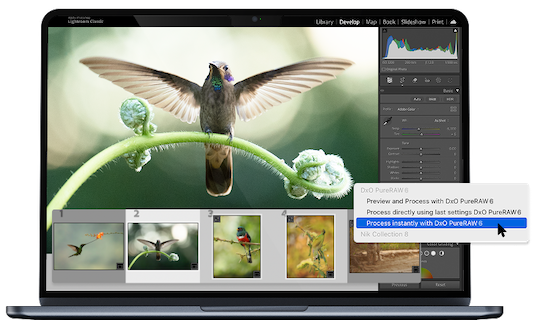
DxO PureRAW 6 launched


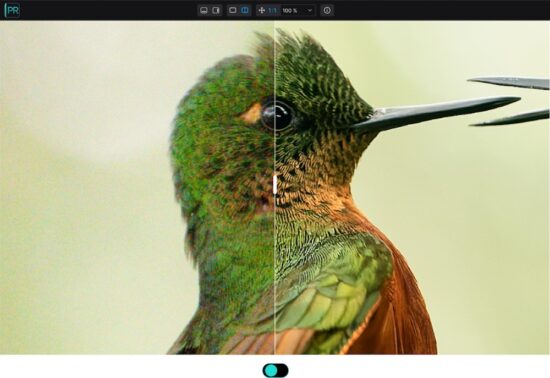
DxO launched PureRAW 6 with DeepPRIME XD3, now extended to Bayer sensors (previously exclusive to X-Trans sensors), as well as next-generation High-Fidelity DNG compression, delivering significantly smaller files while preserving full RAW integrity and flexibility.

You can get 10% off DxO products with code RUMORS.

Additional information:

DeepPRIME XD3: The new benchmark in RAW processing

DeepPRIME XD3, previously exclusively for X-Trans sensors, marks a major leap forward in RAW image quality by now extending its groundbreaking technology to Bayer sensor cameras. An extension of DxO’s renowned DeepPRIME technology, DeepPRIME XD3 is designed specifically for the most demanding files captured under challenging conditions. It produces cleaner, sharper images than ever before, extracting phenomenal detail while maintaining natural textures and colors. It brings professional-grade clarity to every file, from high-ISO night scenes to finely detailed landscapes, establishing a new benchmark for what’s possible in RAW conversion.

Next-level DNG compression: RAW power, smaller files

DxO PureRAW 6 redefines efficiency with new High-Fidelity Compression, delivering RAW-quality output in DNG files up to four times smaller than standard uncompressed versions. This breakthrough means that photographers no longer need to compromise between quality and storage. DxO’s intelligent compression technology maintains the full dynamic range and flexibility of a RAW workflow while dramatically reducing disk usage. Large-scale processing and archiving become faster, lighter, and more efficient than ever.

AI sensor dust removal: Automated perfection

DxO PureRAW 6 brings effortless image cleanliness with the introduction of AI Sensor Dust Removal — the most advanced and accurate automatic dust-spot correction available. By harnessing the power of AI, PureRAW 6 intelligently identifies and removes sensor dust marks across entire batches of images. Users can fine-tune the cleaning threshold for total control, while automation eliminates the need for tedious manual retouching. The result is a spotless workflow that saves time and preserves image integrity, even when processing thousands of photos at once.

Faster processing: Batch Parallelization

DxO PureRAW 6 accelerates high-volume processing with new batch parallelization, intelligently preparing the next image before the previous one is finished. The result is dramatically faster throughput and smoother handling of large sets of files — a powerful boost for demanding workflows.

DxO released new lens modules for the Sony A7 V camera and the latest lenses from Sigma, Viltrox, and Samyang

The post DxO PureRAW 6 launched appeared first on Photo Rumors.

  •  

Peak Design's new collection features ultra-portable packs and a converting travel bag

a man in a black sweater wears a black backpack while standing in front of steps and large pillars

When combined, the Travel Backpack 2-in-1 provides 42L of storage.

Photo: Peak Design

Peak Design has announced the launch of a new travel bag collection designed to meet the needs of various types of travelers. The lineup consists of a modular, two-in-one backpack, a duffel bag, a 20L backpack and a small crossbody bag.

The largest and most interesting of the new offerings is the Travel Backpack 2-in-1. This bag aims to solve the dilemma of deciding which backpack to bring on trips if you need extra space for packing but want a small bag at your destination. It consists of a 35L main pack and a 15L daypack that zip together (with the daypack on the front), providing 42L of storage when combined. It also comes with the company's detachable Travel Hip Belt. Both are made from a weatherproof 330D nylon canvas shell and offer hidden AirTag pockets, mesh water bottle pockets on both sides and luggage pass-throughs.

two green backpacks are standing next to each other on a white background

The Travel Backpack 2-in-1 includes a daypack (on the left) and a main pack (on the right) that can be zipped together.

Photo: Peak Design

The main pack portion features a stowable sternum strap and removable hip belt, and the backpack's straps can be unclipped and put away if you need to check the bag. There are also magnets on the shoulder straps to keep them flat against the back panel when you don't want to unclip them. It is compatible with Peak Design's Camera Cubes, up to the large size, and offers padded laptop and tablet sleeves. The 15L daypack is slim and lightweight, making it easier to get around once you arrive at your destination. It also offers a padded laptop sleeve, but it's important to note that it isn't meant for the Camera Cubes, and most sizes won't fit inside the daypack.

hands open a green bag set on a wood table

The Travel Weekender 25L

Photo: Peak Design

The Travel Weekender 25L is an ideal size for short trips, providing upright access, an extra-wide clamshell opening for easier packing and a vertical luggage pass-through. The bag features an organization pocket on the outside for essentials. On the inside are two zippered pockets and seven stretch panel pockets to keep things organized. It also uses a folding bottom design that allows it to collapse flat for easy storage or to compress when shoved under an airplane seat. The duffel bag fits up to one Large PD Packing Cube, two Smedium Packing Cubes or one Smedium Camera Cube, along with a 16-inch MacBook Pro. Like the Travel Backpack, it is weatherproof and will keep your stuff dry.

a woman wearing sunglasses and a black backpack stands smiling at a harbor with a city in the background

The Travel Backpack 20L

Photo: Peak Design

The Travel Backpack 20L is designed for everyday use or travel. It's international carry-on approved, so you won't have to worry about needing to check it if you're hopping airlines around the world. Like the other bags, it features a vertical luggage pass-through and a padded laptop sleeve. It also offers an expandable main compartment for when you need a bit more space, a soft-lined top pocket for quick-grab essentials, a zipper-hidden water bottle pocket and magnetic shoulder strap keepers. There are also external straps to attach a tripod to the bottom of the bag. It fits up to a Smedium Camera Cube, two Smedium Packing Cubes or one Large Packing Cube when the bag isn't expanded.

a hand pulls something out of a small green sling set on a persons lap

The Travel Crossbody 3L

Photo: Peak Design

Lastly, the smallest of the bunch is the Travel Crossbody 3L, which is meant for carrying essentials and small items. Peak Design says it builds on its Tech Pouch and features the company's origami-style interior pockets, an extra-wide clamshell opening, a hidden stash pocket with a magnetic closure and a discreet pocket for an AirTag. It can fit devices up to an iPhone 16 Pro Max or Samsung S, along with smaller tablets like the iPad Mini and Kindle. The XXS Ultralight Packing Cube also fits inside, and, like the other bags, it's weatherproof to protect your stuff.

As with many other Peak Design launches, the Travel Backpack 2-in-1, Travel Weekender 25L, Travel Backpack 20L, and Travel Crossbody 3L will first be sold through Kickstarter, beginning today. The bags will retail for $400, $200, $2000 and $100, respectively, but Kickstarter backers will get a $21 discount on the crossbody, $41 on the backpack and weekender, and $81 on the 2-in-1. The full launch is coming sometime at the end of May, though Peak Design hasn't provided a specific date.


Disclaimer: Remember to do your research with any crowdfunding project. DPReview does its best to share only the projects that look legitimate and come from reliable creators, but as with any crowdfunded campaign, there’s always the risk of the product or service never coming to fruition.


Buy on Kickstarter

  •  

Apple's new budget iPhone has some key upgrades, but the same main weakness

Apple-iPhone-17e-family-lineup-260302 big.jpg.large 2x
The iPhone 17e now has MagSafe, double the base storage and tougher glass. But its single camera and slow display remain unchanged.
Image: Apple

Apple has announced the iPhone 17e, updating the lowest-end new model in its lineup. While it has several key updates, including a newer chip and double the base storage, Apple hasn't made any updates to the cameras, which were one of the original 16e's biggest weaknesses.

Like its predecessor, the 17e has a single 48MP Type 1/2.55 (23.5mm²) rear camera with a 26mm equiv. F1.6 lens, which also has a "2x" mode that crops in on the center quarter of the sensor. Apple has, however, updated its branding, now referring to it as a "Fusion camera system" rather than a "2-in-1 camera system."

Apple-iPhone-17e-hero-260302 big.jpg.large 2x
The iPhone 17e's camera has no higher aspirations than to be "good enough."
Image: Apple

The 12MP selfie camera has also been untouched; the 17e doesn't get the larger 18MP square model found on the standard iPhone 17, which lets you take horizontal and vertical crops no matter which orientation you're holding the phone at. The 17 also includes a 48MP, Type 1/2.55 (23.5mm²) ultra-wide camera, which offers the ever-popular "0.5x" mode, and its main camera uses a larger Type 1/1.56 (48mm²) sensor.

Related: Which iPhone is best for photography?

Also unchanged is the display. While the iPhone 17 prompted many "finally!"s by switching to a 120Hz model, the 17e's 6.1" OLED screen is still stuck at a 60Hz refresh rate (and still has a large notch taken out of the top to house the FaceID camera and sensors). It is, however, now protected by Apple's second-gen "Ceramic Shield" glass, which testing has shown to be quite a bit more scratch-resistant than the first-gen one found on the 16e. It can reach 1200 nits, which, while not as impressive as the brightness that some flagship phones are capable of, is still typically plenty for all but the harshest sunlight.

As for what else Apple has changed, the 17e's processor and cellular modem are a generation newer than its predecessor's, though Apple isn't making any strong claims about the A19's performance or efficiency compared to the A18; both "e" models are rated for up to 26 hours of video playback. However, the company does say the Apple-designed C1X modem is "up to 2x faster" than the C1 used by the 16e.

Apple-iPhone-17e-accessories-260302 big.jpg.large 2x
Lots of people complained when the 16e launched without MagSafe, and for good reason: it's wonderfully convenient, and there are a lot of accessories available for it now that it's been around for a few years.
Image: Apple

Perhaps most importantly, though, is that Apple has upgraded the 16e's standard Qi wireless charging. The 17e now has the company's "MagSafe" tech. While some will appreciate that the guaranteed alignment means it can charge twice as fast (up to 15W vs. 7.5), most are likely to be more excited about gaining access to the wide accessory ecosystem surrounding it, making it easy to attach the phone to tripods, stands, and basically anything else. The 17e also has double the base storage as its predecessor, with the standard model coming with 256GB. It does, however, still max out at 512GB.

When the 16e launched last year, replacing the almost decade-old "SE" line, it was an open question as to whether we could expect Apple to update it every year, as it does with its main phones. With the SE, that wasn't the case; the company only made three models between 2016 and 2022. With this news, it appears we have an answer: yes, Apple will continue to add its latest chips and some new features to its more budget-oriented lineup.

Other budget competitors don't make you give up a high refresh-rate display or secondary camera

While the changes it's made to the 17e are important quality-of-life upgrades, I think the phone still sits in a somewhat uncomfortable place. The standard iPhone 17 has been lauded as one of the best all-around options available, and for many people, it'll be worth paying the $200 more to get its faster, larger screen and better camera system. Likewise, many other budget competitors like the Pixel 10a don't make you give up a high refresh-rate display or secondary camera option. However, if you really don't care about any of that and prefer your phones to be Apple-flavored, it's nice that you have the option to save some money and that you'll be getting a phone with fewer compromises than you would've before.

The phone has the same $599 starting MSRP as its predecessor, and is available in black, white and, now, "soft pink." It will be available for pre-order on March 4th and is set to launch on March 11th.

  •  

Which iPhone is best for photography? Breaking down Apple's current lineup

iPhone-17-front-camera-center-stage-in-action
Image: Apple

With Apple's latest iPhone 17 series, the company's lineup has more options than before, from the iPhone Air to the iPhone 17 Pro Max (and we can't forget the budget iPhone 17e). While there are many things that set these phones apart, we're going to look at how the phones are for photography, and how they compare to each other.

How do Apple's new iPhones compare?

iPhone air 17 pro back and front

There are more subtle differences that we'll cover, but the biggest differences between cameras for the Air (left), iPhone 17 (middle) and iPhone 17 Pro (right) are obvious just from looking at them.
Image: Apple

Comparing the cameras on the iPhone 17, iPhone Air, iPhone 17 Pro, and iPhone 17 Pro Max is relatively simple; for most people, the main differences will be in the number of cameras each phone has. The Air has a single wide-angle camera, and the same model is found on the iPhone 17, though paired with an ultra-wide camera. The 17 Pro adds an additional telephoto camera, providing the most range and flexibility.

There are several shared components between the phones. The 17 and Air's main cameras, for example, are the same, as are the wide-angle camera on the 17 and 17 Pro. And for photography, they have the same set of features, including the Camera Control button, customizable Photographic Styles that give you more control over how your photos look and a portrait mode with adjustable computer-generated bokeh.

The iPhone 17 Pro's main camera is much larger than the one on the standard 17 and Air

Despite the commonalities, there are still benefits to going Pro. Besides the addition of a 100mm equiv. telephoto camera, the main camera also uses a much larger Type 1/1.28 (71.5mm²) sensor, compared to the Type 1/1.56 (48mm²) sensor used on the standard 17 and Air.

The additional area means it will gather more light, so it won't have to dip into the long exposure low-light mode as often, and can provide better image quality and more real bokeh in ideal lighting conditions. The Pros' main cameras also have a slightly wider focal length at 24mm, rather than 26mm.

iPhone Air iPhone 17 iPhone 17 Pro
Main (wide)
Sensor resolution / size 48MP
Type 1/1.56 (48mm²)
48MP
Type 1/1.28 (71.5mm²)
Focal length (equiv.) 26mm 24mm
Aperture F1.6 F1.78
Ultra-wide
Sensor resolution / size 48MP
Type 1/2.55 (23.5mm²)
Focal length (equiv.) 13mm
Aperture F2.2
Telephoto
Sensor resolution / size 48MP
Type 1/2.55 (23.5mm²)
Focal length (equiv.) 100mm
Aperture F2.8

Finally, there's the Air, which only has a single 26mm wide-angle camera. Apple includes a "2x" mode that crops in on the 12MP in the center of the sensor to provide a bit of additional reach, but if you like to shoot subjects that are far away, or like the look that ultra-wide images provide, you may want to consider other options. However, if you only use the main camera, you're not giving anything up versus the standard 17.

What about the selfie camera?

iPhone-17-new-Center-Stage-front-camera
Image: Apple

For this generation, Apple introduced a brand new selfie camera which, thankfully, is included on all of its new phones. The new design is larger (though it's not clear by how much), higher-resolution and square. While it doesn't seem like the phone uses the whole sensor at once, it allows you to switch between portrait and landscape selfies without having to physically rotate your phone.

Is the Pro Max better than the Pro?

For photography, no; the iPhone 17 Pro and Pro Max have the same camera setup. This hasn't always been the case; the iPhone 15 Pro Max's telephoto camera had further reach than the one on the smaller model. However, this time around, you don't have to give up any photography features to get the more pocketable phone (unless you truly feel you need the 2TB storage option that's only available on the Max).

If you're interested in the Pro line, be sure to check out our deep-dive article that covers all the changes to its cameras and video features compared to the previous generation.

iPhone 17 versus iPhone 17e

white iphone 17 vs 17e
The iPhone 17 (left) has more than just an extra camera compared to the 17e (right).
Image: Apple

If you look at Apple's spec sheet, it'd be easy to think that the budget-oriented iPhone 17e's single camera is the same one used by the standard iPhone 17; the company calls them both "48MP Fusion Main" cameras, after all. However, the one on the 17e is substantially smaller, coming in at 23.5mm² (which you might recognize as the same size used by the more expensive phones' secondary and tertiary cameras).

The smaller sensor again means that the phone will have to work harder to capture clear photos in low light, and that images from it taken in ideal lighting conditions won't be as good as ones from the newer phones. That's especially true given that it's only optically stabilized, rather than having additional sensor stabilization like the mainline iPhones.

A few other limitations compared to the 17s and Air: the 17e doesn't have the next-generation portrait mode that lets you adjust what the main focus of the image is and what's blurred out, nor does it have the more customizable Photographic Styles. It also lacks the Camera Control button and uses the old selfie camera, meaning you'll have to turn your phone to get landscape portraits.

What about the iPhone 16?

Colorful-Iphone-16
Last year's iPhone 16 has the same main camera as the new iPhone 17, but ultra-wide shooters beware...
Image: Tucker Bowe

As usual, Apple has stopped selling the previous-generation Pro phones, but is still selling the standard iPhone 16 for around $100 less than its launch price. Its main camera will be the same as the standard 17's, but its ultra-wide camera is a smaller (23.5mm²) 12MP model versus the 48MP one used by the current-gen. Like the 16e, it uses the older selfie camera.

What else should I consider?

There's a lot of things to consider when you're buying a phone beyond its photographic capabilities. For example, the iPhone 17 Pro Max has a massive battery and a giant screen, both of which could be handy on days when you're taking a ton of photos. The Pro phones also have a litany of video features, such as the ability to record ProRes Raw and Log footage.

Meanwhile, the iPhone Air is substantially thinner than the other options, which could be nice if you prefer a phone that doesn't take up a ton of pocket space. And, of course, there are countless Android options with their own sets of strengths and weaknesses. But you should now at least understand how the cameras on Apple's current-generation phones stack up to one another.

  •  

What's it like to be on the CP+ 2026 show floor? Go inside with DPReview

For the past several days, our team has been reporting live from CP+ 2026, the camera industry's premier trade show and consumer expo in Yokohama, Japan.

Now that the event has wrapped up, we wanted to share what it's like to experience the show floor in person. From the latest camera gear to the colorful kitsch, this video takes you on a whirlwind tour of CP+ 2026 in just a little over two minutes.

  •  

Tokina is teasing a new lens: “Like No Other”


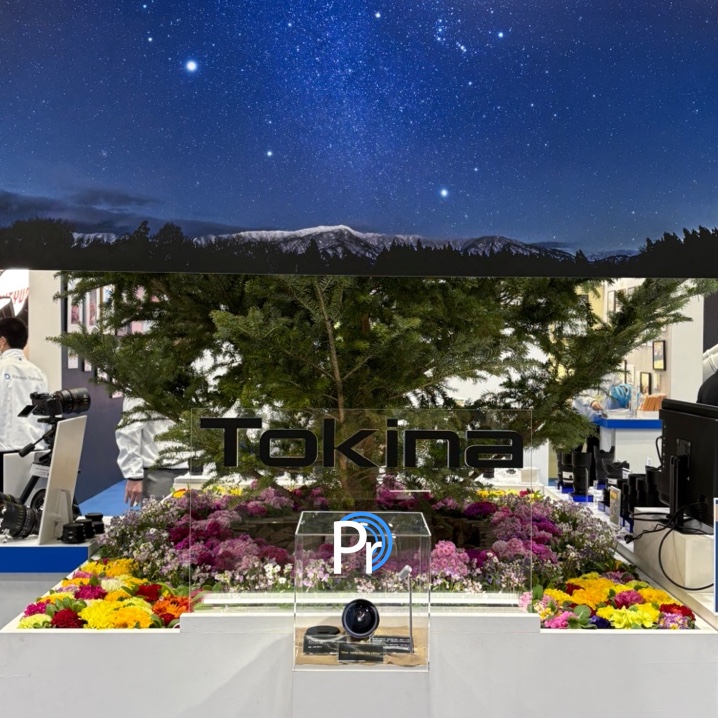
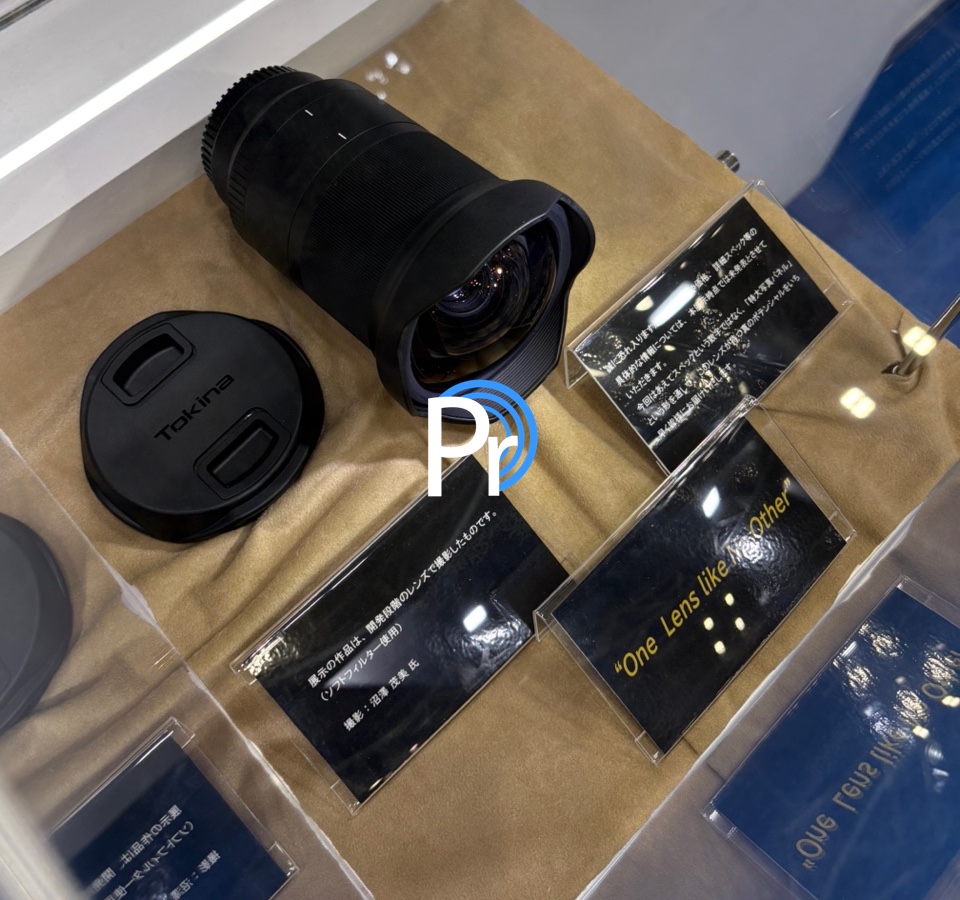
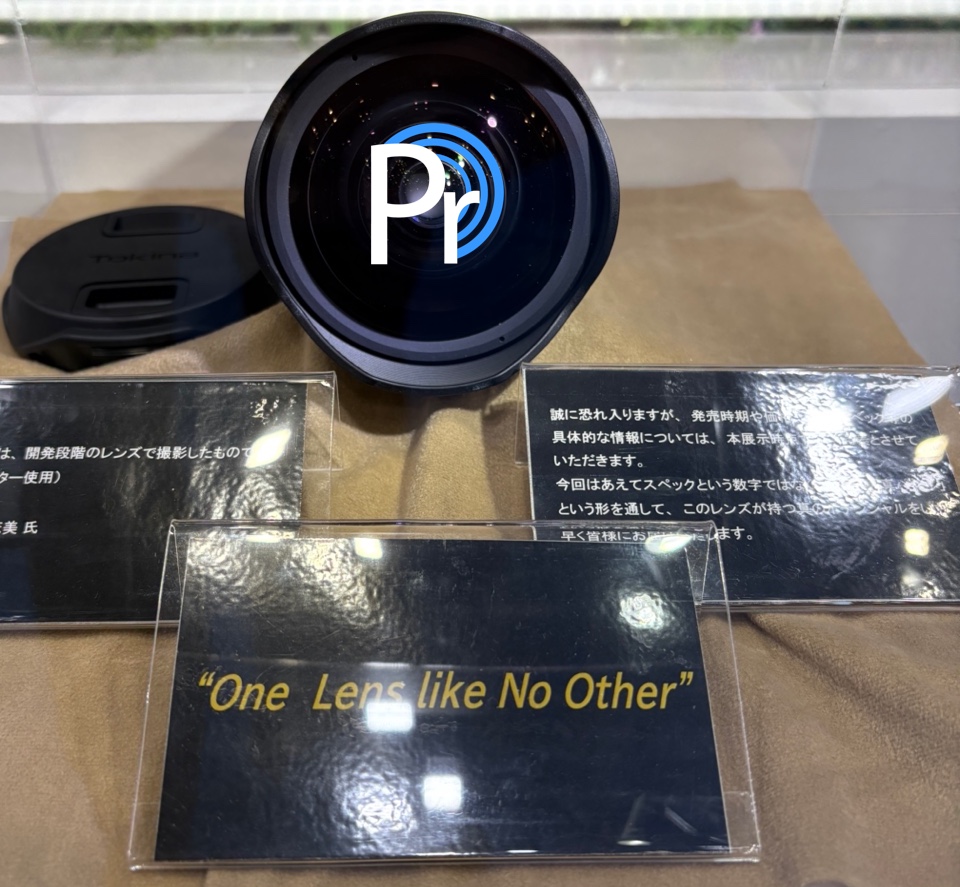
Tokina has been very quiet recently, with only one new lens announcement in 2025. At the 2026 CP+ show in Japan, Tokina had a new lens on display labeled “One Lens Like No Other”. This is what we know:

  • The new lens appears to be a wide-angle, fixed-focal-length, large-aperture lens, given the picture of the night sky in the background.
  • The lens is currently under development – what was on display was a prototype/engineering release.
  • No technical specifications or other details were provided.
  • This lens is supposed to show the power of the next generation of Tokina lenses

Several Tokina lenses are currently on sale at B&H Photo.

The post Tokina is teasing a new lens: “Like No Other” appeared first on Photo Rumors.

  •  

The Sigma Foveon full-frame sensor development is still ongoing

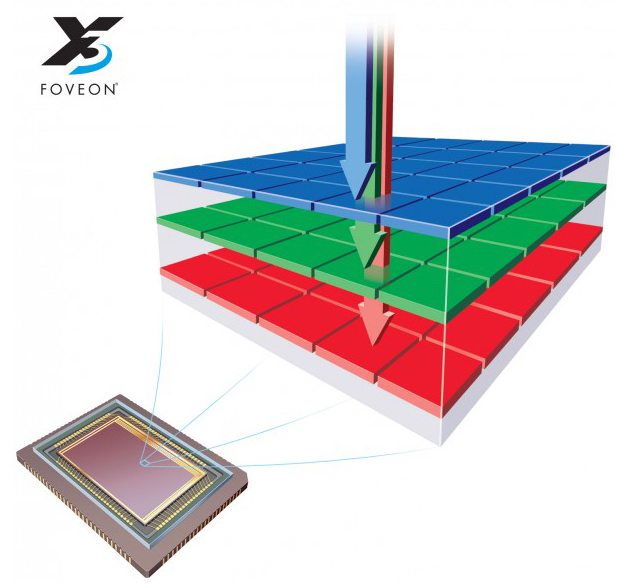
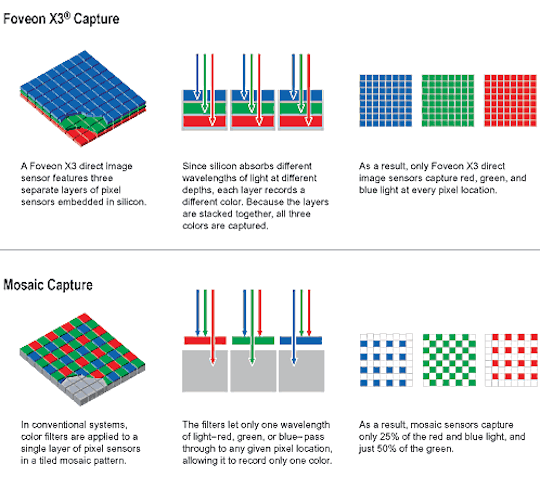
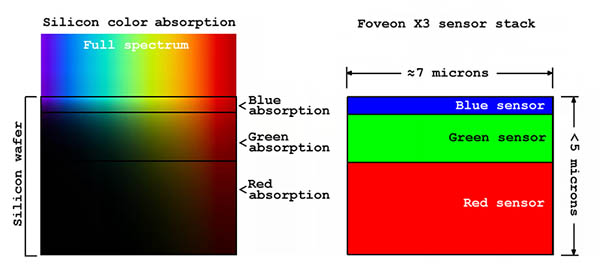
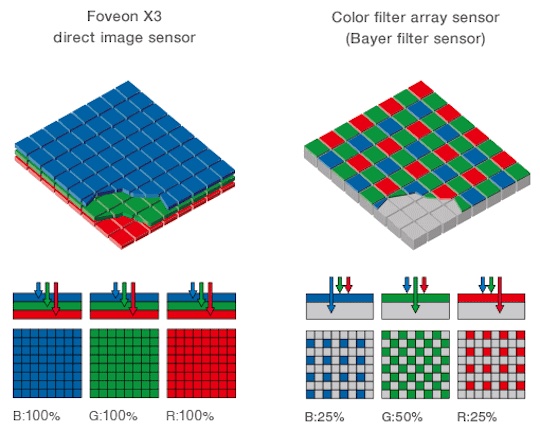
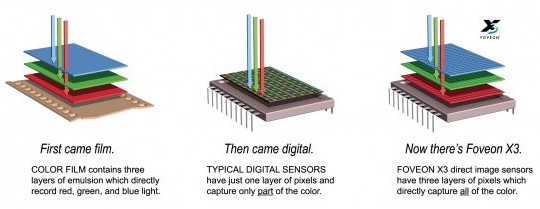
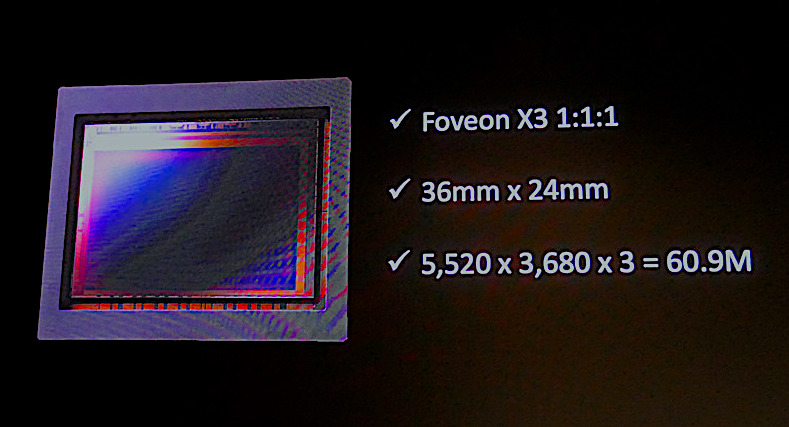
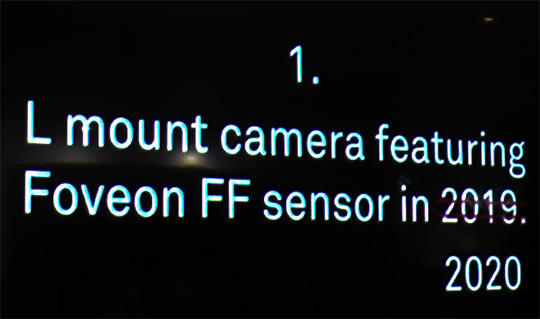
At the 2026 CP+ show in Japan, Sigma’s CEO, Kazuto Yamaki, confirmed that development of the Foveon full-frame sensor is still ongoing but did not provide a release timeframe. He reported steady advancement, “issues have been narrowed”, and the team might reach the next stage – actual full-size sensor manufacturing within 2026. However, he tempered expectations: “I can’t make bold, good reports about productization soon”. Wafer production is infrequent due to reliance on partner lines, requiring repeated cycles of analysis, fixes, and remakes. He reiterated his desire to eventually release a full-frame Foveon camera. The project remains in R&D, with market acceptance still to be evaluated.

#Sigma 山木社長のステージ#FOVEON について

現状も技術開発を続けているとのこと

まだまだですかね#cpplus2026 pic.twitter.com/jpoIJjPHKj

— toshisan (@toshisank_) February 28, 2026

Via mynavi.jp

The post The Sigma Foveon full-frame sensor development is still ongoing appeared first on Photo Rumors.

  •  

Four new Schneider Kreuznach × LK Samyang AF lens prototypes: 20-50mm f/2, 28-85mm f/2, 200mm f/1.8, and 300mm f/4

  •  

Canine capers: February's photo challenge picks of man's best friend

The February Editors' photo challenge

canine-capers-photo-challenge-winners-collageb

The theme for our February Editor's photo challenge was "Canine Capers."

Not every great photograph needs to be serious or technically flawless. Sometimes the best images are the ones that make you laugh or cry. For this latest showcase, we turned our attention to “Canine Capers”, a celebration of dogs being their wonderfully chaotic selves. We asked you to share the moments that happen between the posed shots: the flying ears mid-sprint, the guilty looks after a toppled trash can, the unapologetic couch takeovers. What came back is a gallery full of personality, motion and mischief.

As always, we received many more great photos than we can feature here. Our favorites, showcasing a diverse range of vision and talent, are presented in random order.

Thanks to everyone who participated in this photo challenge. If you'd like to participate in other photo challenges, you can visit our Challenges page to see currently open or upcoming challenges, or to vote in a recently closed challenge.

Jack and the giant

dog-staring-at-robin-snow

Photographer: DavidNikonD500

Photographer's statement: This photo shows how much impact the weather has on birds. There were tons of Robins wandering around, searching for food until the snow would completely cover the ground. But there was one particular Robin that not only caught my attention, but also my dog's. The Robin was fearless (or blind); sometimes it even sat on one of my dogs. I was impressed by this sight (and so were the dogs). So I tried my luck and got this capture among others. I know it is not perfect since it happened very fast, and I only had time to focus on the dog's nose. But still, it is a very interesting sight.

Equipment: Nikon D500

My glorious girl

dalmation-running-across-adriatic-sea

Photographer: Drazen Stojcic

Photographer's statement: Nothing makes my dalmatian girl, Pika, more excited than a chance to charge straight into the Adriatic sea and fetch one of her toys. Over time, I've started going into the water myself, setting up with my camera and just trying to catch that perfect moment when everything is just right. Wife handles the toy throwing, I handle the camera, and Pika handles the fun. It's a win-win-win!

It's far from a simple task. A Dalmatian's spotted coat frequently confuses the autofocus, and all the droplets flying everywhere don't help either. Add to that the incredible speed and agility these dogs have and it's no wonder sometimes I'll take a thousand average photos for just one keeper. This was taken on a late summer afternoon on the Croatian coast, only moments after sunset. It turned out to be one of my favorite photos of Pika, so I naturally had to share it with the DPReview audience!

Equipment: Canon EOS R5 Mark II + Canon RF 100-300mm F2.8L IS USM

Snow falling on shelty

dog-snow-falling

Photographer: RumpelHund

Photographer's statement: Walking the dog in the first snow of the winter, my Z8 (Z7 back then) with the 200/2.0 is the go-to combo as long as I can carry it. Close to the ground, things got easier since the sheltie lady got older and calmer.

Equipment: Nikon Z7 + Nikon AF-S Nikkor 200mm F/2G ED VR II

Kuri at sunset

dog-at-sunset-algarve-beach

Photographer: Calretas

Photographer's statement: There's a beach in the Algarve called Olhos d'Agua that is famous for its sweet water springs and natural lagoons that are only visible during low tide. It's one of my favorite places for photography; the lagoons make for great mirrors, creating awesome compositions. On this day, especially with the clouds, an incredible element of drama and color was added.

Equipment: Canon EOS R6 + Canon EF 24-105mm F/4L IS USM

Skye, having full focus on the treat

dog-catching-treat

Photographer: Ronald53

Photographer's statement: We decided to take some photos of our dog, Skye, trying to catch a treat. This was the first time we tried such a setup: Our dog, a background, two speedlights, my wife throwing the treats, me behind the camera, and a lot of patience. Skye loved it. She always enjoys doing tasks, and she was generously rewarded, as it took multiple shots (and more treats for Skye) to get this result.

Equipment: Nikon Z8 + Nikon Nikkor Z 24-120mm F4 S

Doggles

dog-cool-sunglasses-pink

Photographer: jaberg

Photographer's statement: Gigi was a boon traveling companion, but she was also stubborn. She’d walk for miles. When she grew tired and was put in the backpack, she’d demand to be set down again, take three steps, then look up at you and demand to be put back in the pack. When shod in boots for snowshoeing trips she’d shed the boots... at first. The same was true for her doggles in the Badlands of South Dakota.

Equipment: Apple iPhone 11 Pro

No sugar required

dog-in-tea-cup-planter

Photographer: GrantsImages

Photographer's statement: My dog is 15 now, but when he was a puppy, he fit in this teacup-shaped planter. My wife kept his attention while I took several photos. This was my favorite!

Equipment: Nikon D800 + Nikon AF Nikkor 85mm F1.8D

Windy day

dog-sidewalk-ear-covering-eye

Photographer: Wrancea

Photographer's statement: Walking in the city, I found this little one wandering. When I called him, he stopped and looked at us, then ran in the other direction at full speed. Snapshot.

Equipment: Olympus OM-D E-M1 Mark II + Olympus M.Zuiko Digital ED 12-100mm F4.0 IS Pro

I laugh at your fences

dog-great-dane-looking-over-fence-with-paws

Photographer: SkippyPics

Photographer's statement: Our four-foot fence was no match for our Great Dane, who, just as she matured out of puppyhood, was eager to show she could fill anyone's dance card.

Equipment: Canon EOS 7D Mark II + Canon EF 70-200mm F2.8L IS II USM

Lotte and the sunrise

dog-sunrise-field-wearing-vest

Photographer: Zorro73

Photographer's statement: While having an early morning walk with my beloved Maltipoo Girl Lotte, I had the luck of witnessing the sun rising just between the horizon and a heavy bank of of clouds. Lotte sat there so patiently in the cold that I could not resist to portrait her in front of the great sunrise light.

Equipment: Nikon Zf + Sirui Aurora 8mm F1.4

Bruce likes Jess

dog-belgian-licking-ladys-face

Photographer: Jack Simpson

Photographer's statement: Jess, a Belgian-born barista working at Milano's Espresso Lounge in Vancouver's Gastown neighbourhood, gets a very loving welcome from Bruce, a new puppy in the neighbourhood.

Equipment: Pentax K-3 + Tamron SP AF 70-200mm F2.8 Di LD (IF) Macro

Maja and deer

chihuahua-staring-at-group-of-deer

Photographer: kreeart

Photographer's statement: This photo captures a rare moment between my Chihuahua, Maja, and a herd of deer in our park. While many dogs would chase them or feel afraid, Maja stood calm and steady, gently approaching them and slowly walking towards them with quiet confidence. For a brief second, everything felt perfectly balanced. The deer watched her without fear, and she watched them without tension. It was a silent exchange between wild and domestic, and the only time I managed to frame it.

Equipment: Fujifilm X-T5

Loar, my best friend

black-white-dog-portrait

Photographer: Elyjenka

Photographer's statement: Here’s a portrait of Loar, my White Swiss Shepherd and my best friend. He helped me find my smile again and gave me the strength to learn photography, despite my visual impairment. I have albinism, so together we are a white-haired duo.

Equipment: Sony a7 III + Sony FE 55mm F1.8 ZA Carl Zeiss Sonnar T*

Olive in the wildflowers

dog-portrait-flower-field

Photographer: ltsbrettbryan

Photographer's statement: Olive is sitting in a bed of wildflowers at one of her favorite places at Grandma and Grandpa’s house. While she loves living in Michigan's cold, the humans do not. So every year we take a long road trip to my parents’ place in Texas. They have quite a large property, so Olive gets to escape the city and be the free-roaming farm dog she always wished she could be.

Equipment: Nikon Z7 II

You'll be mine

australian-shepherd-staring-at-toy

Photographer: milarix

Photographer's statement: We have a new friend at home: Mina, an Australian shepherd. Our little four-legged friend looked at the strange colored ball, thinking: You're too beautiful, you'll be mine!

Equipment: Canon EOS R6 + Canon RF 24-105mm F4L IS USM

Border twins

border-twins-dogs-stairing-black-white

Photographer: Vlado Minarik

Photographer's statement: Sara and Amy grew up together in a tourist lodge in the heart of the Mala Fatra National Park in Slovakia. Here they look after sheep, goats and chickens. They provide pleasant company to hungry tourists who bring their fragrant dinner from the kitchen to the terrace to check if they have eaten everything. It was a pleasure to work here for almost five years. These furry ladies are now my great friends.

Equipment: iPhone 12 mini

Walking in the forest

dog-walking-in-forest

Photographer: The Bokeh

Photographer's statement: Lucie loved walking in the forest and could enjoy the whole day outdoors. She was walking towards me when I noticed this little path would make a good background with the bokeh.

Equipment: Fujifilm X-T4 + Fujifilm XF 50mm F2 R WR

Air Riley

dog-jumping-running-caatching-ball-person-behind

Photographer: Looleylawylow

Photographer's statement: Riley is a Mini Goldendoodle who was about 18 months old when this shot was taken on an overcast fall afternoon in Columbus, Ohio. Riley slept well that night, and her human sister, visible in the background, had a sore arm the next day.

Equipment: Sony a7 III + Sony FE 70-200mm F4 G OSS

Whassup?

dog-chillin-on-couch

Photographer: Zorgsonic76

Photographer's statement: Our Maltipoo "Knopfchen" (German for "little button") loves to hang out. I've never caught him in a cooler position, though. I am happy I had my phone right at hand.

Equipment: Samsung Galaxy S23

Weimaraner at attention

dog-weimaraner-posing-black-white-field

Photographer: PeterMiller

Photographer's statement: I asked Winston (the Weimaraner) to pose for me to try out the new portrait lens I had just purchased. He obligingly sat still for a few seconds so I could snap a shot, and then he promptly ran off chasing something.

Equipment: Olympus PEN-F

Woser

dog-tibetan-on-beach-water-ball-at-feet

Photographer: Robot57

Photographer's statement: This dog, a Tibetan something named Woser, was nicknamed Bulldozer. Regularly escaped through the fence to have day-long adventures in the neighbourhood. Also enjoyed walks on the beach and an occasional dip. Sadly passed away at age 13. Remembered fondly.

Equipment: Canon EOS M

  •  
❌