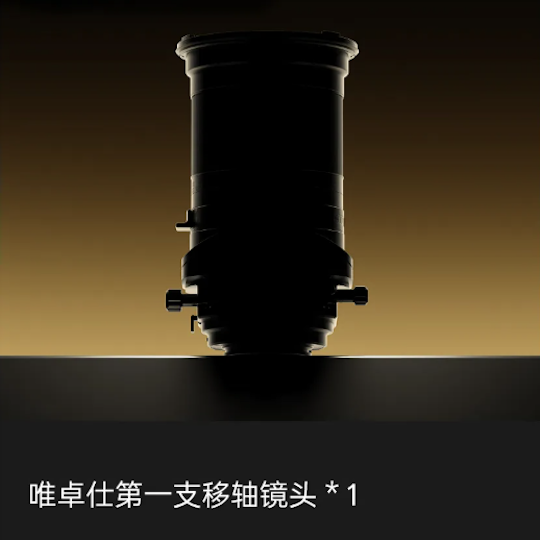
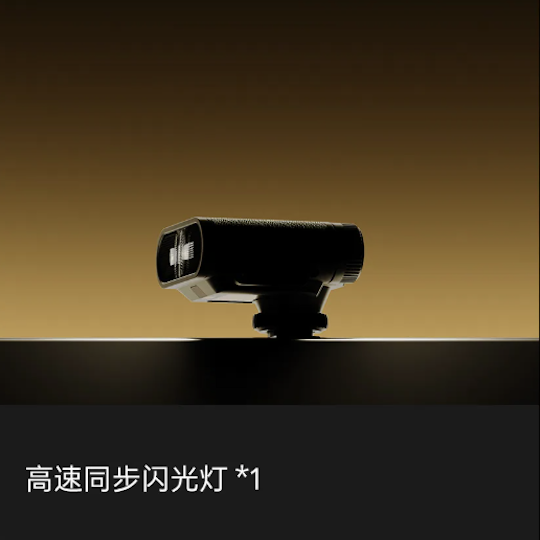
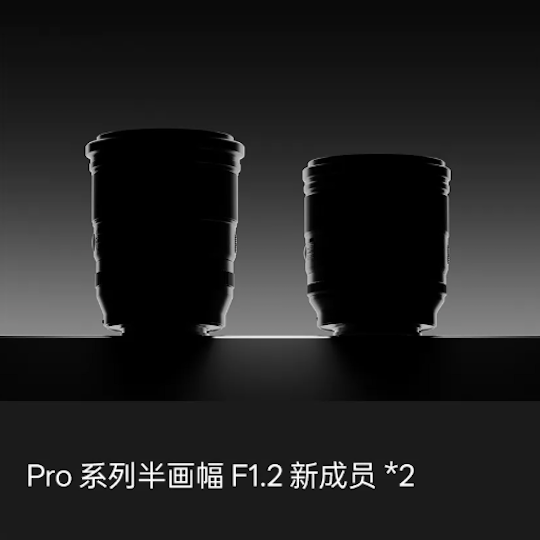
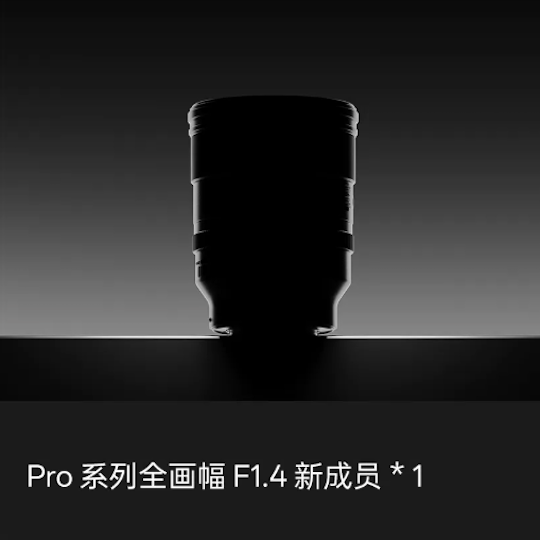
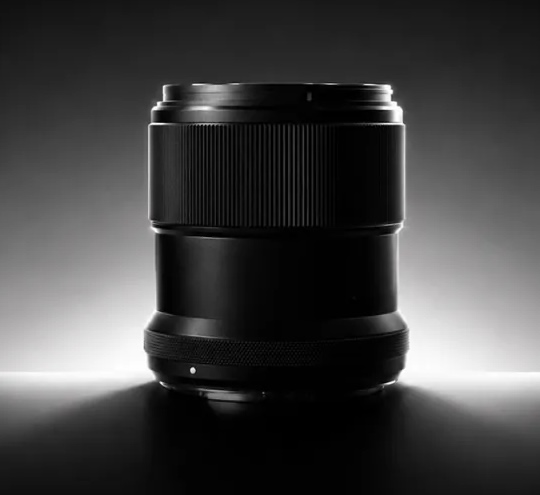
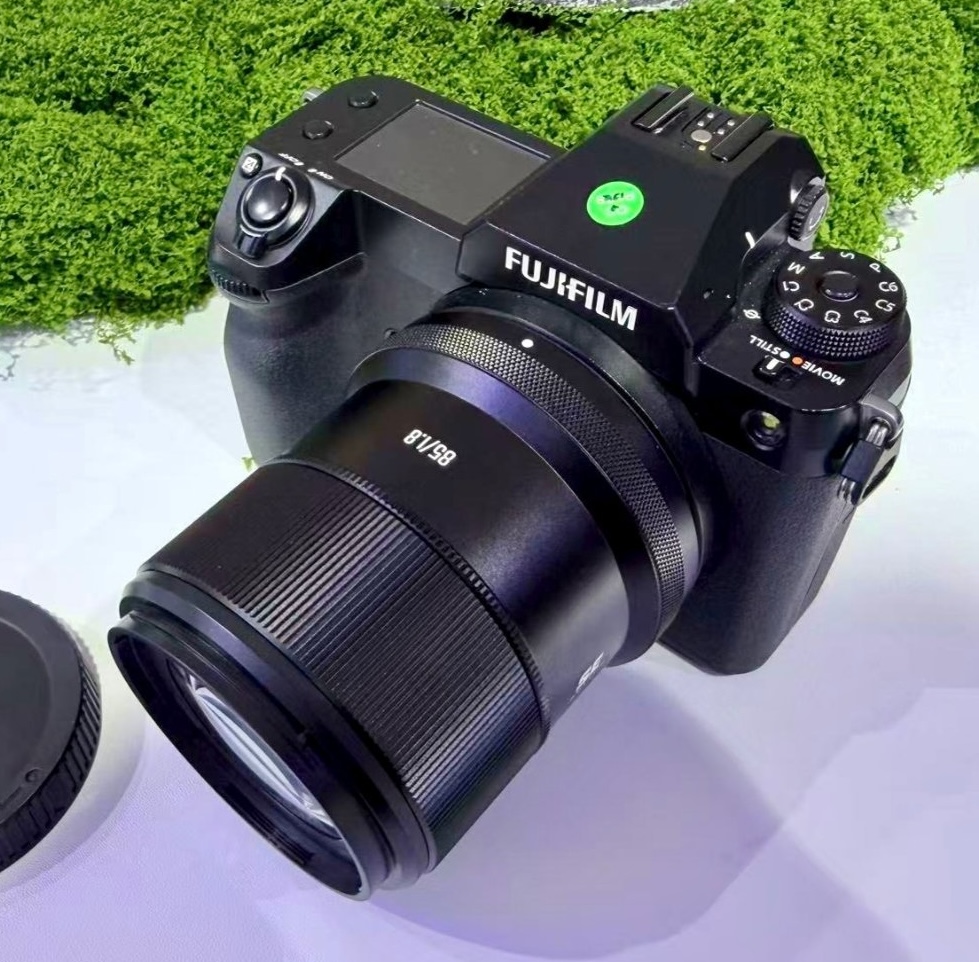
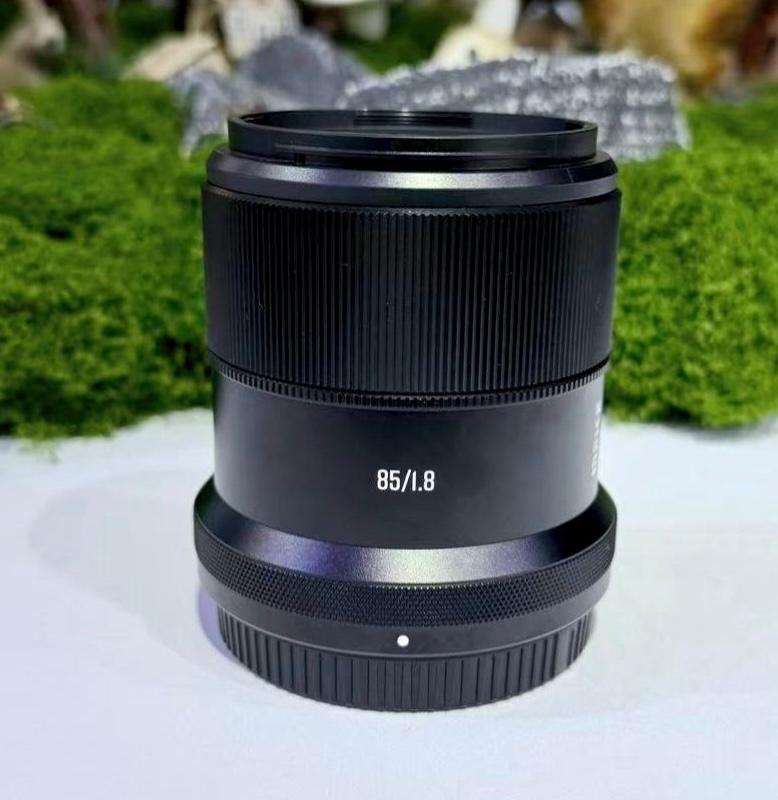
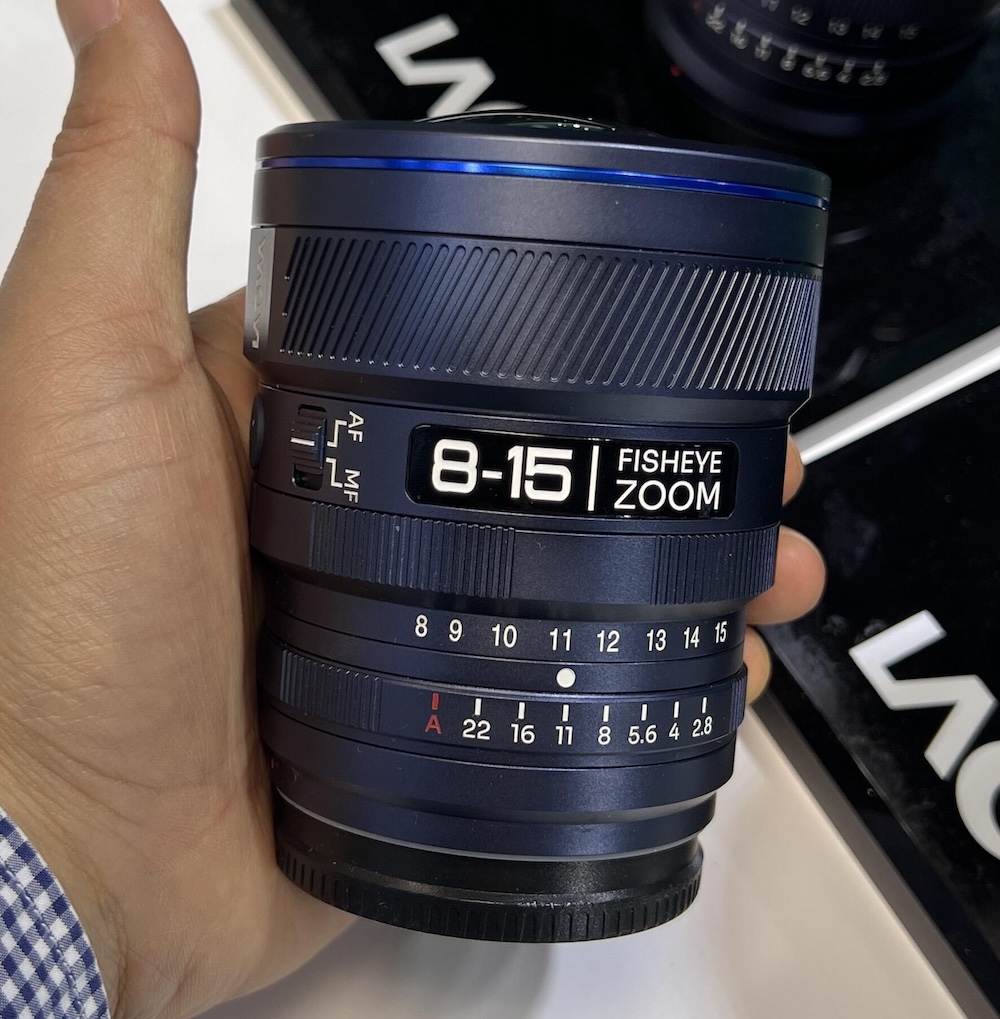
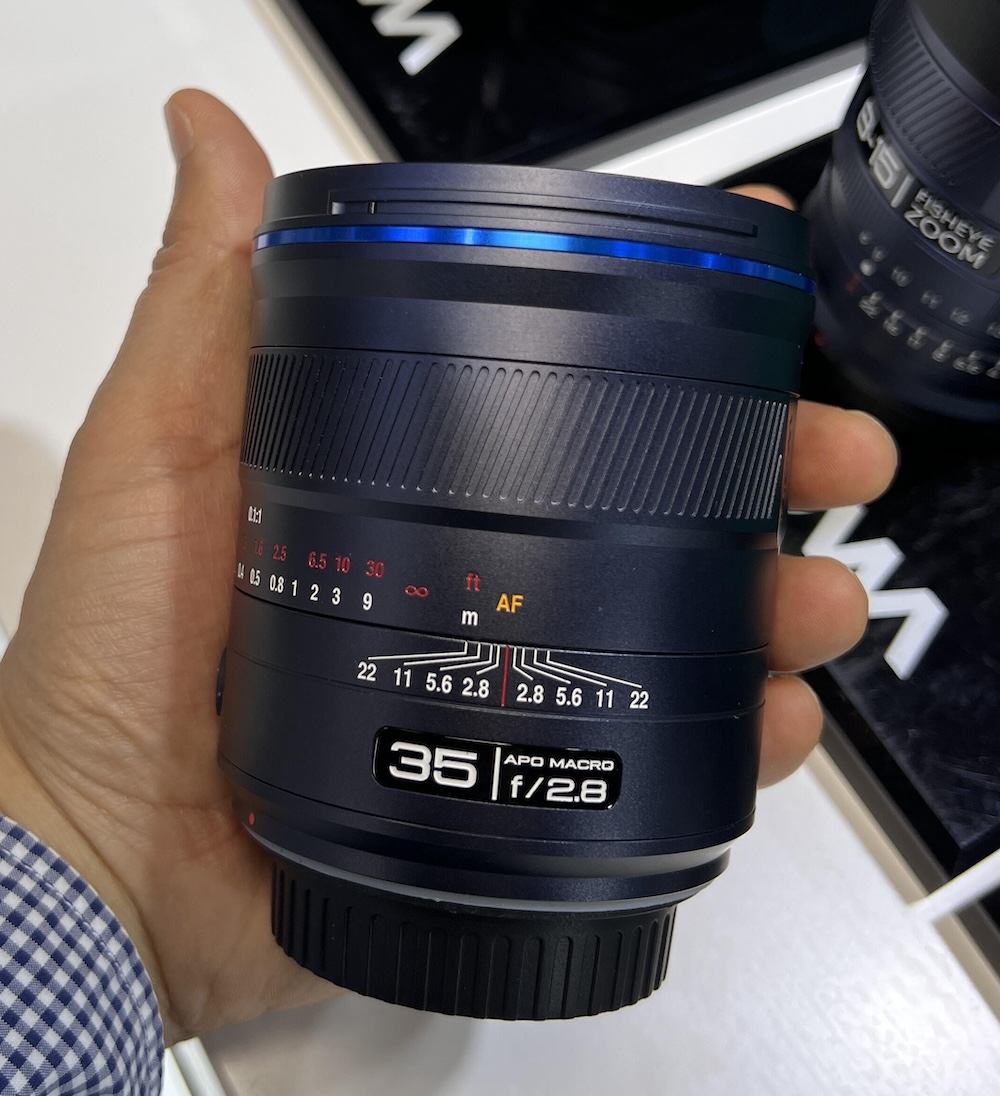
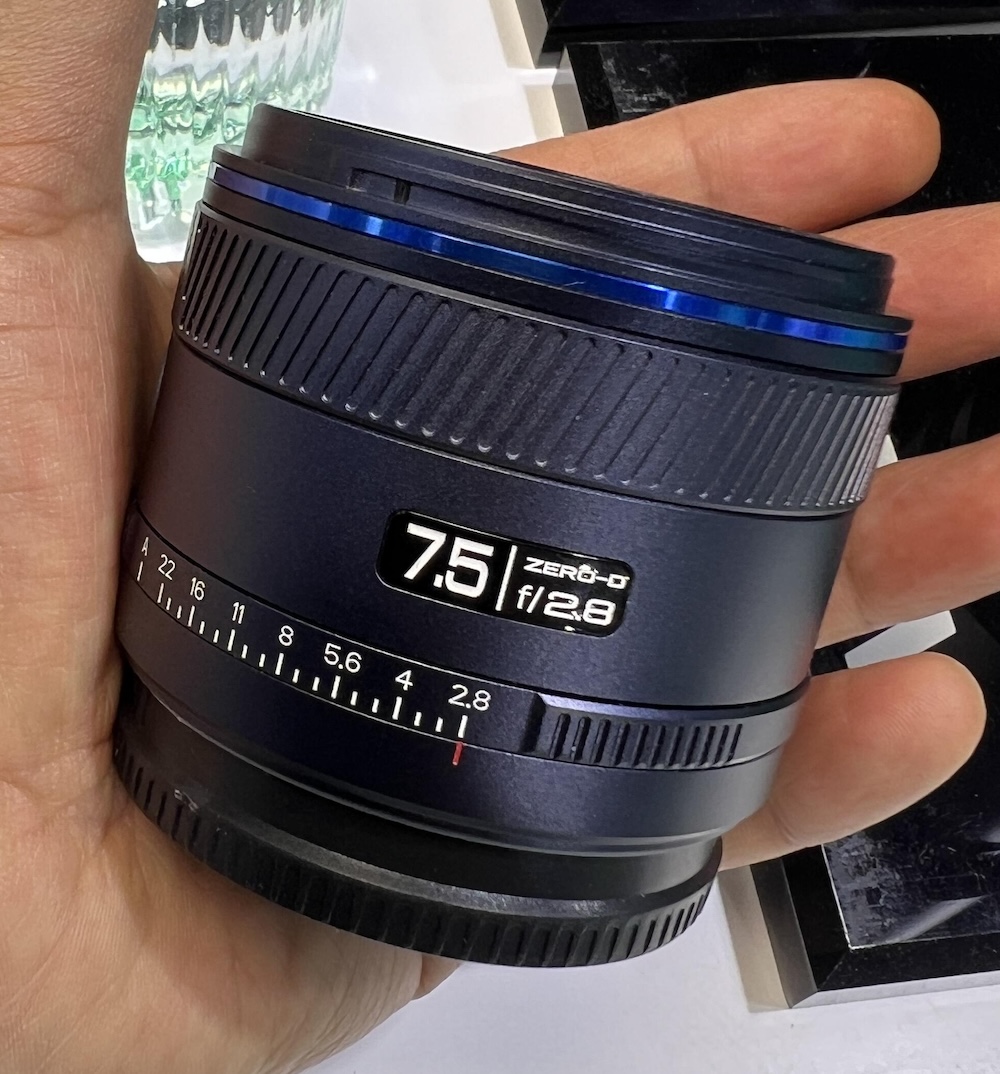
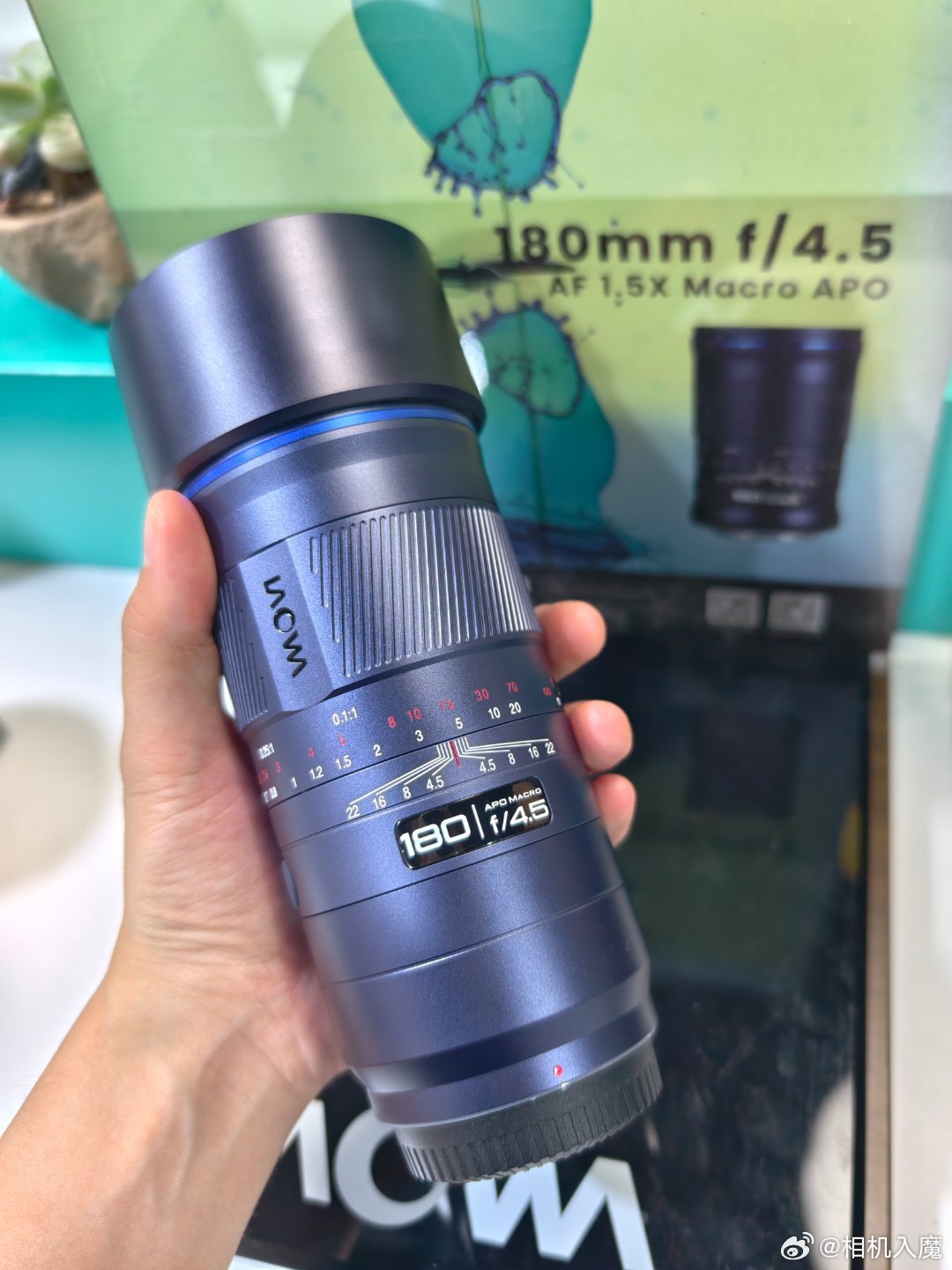
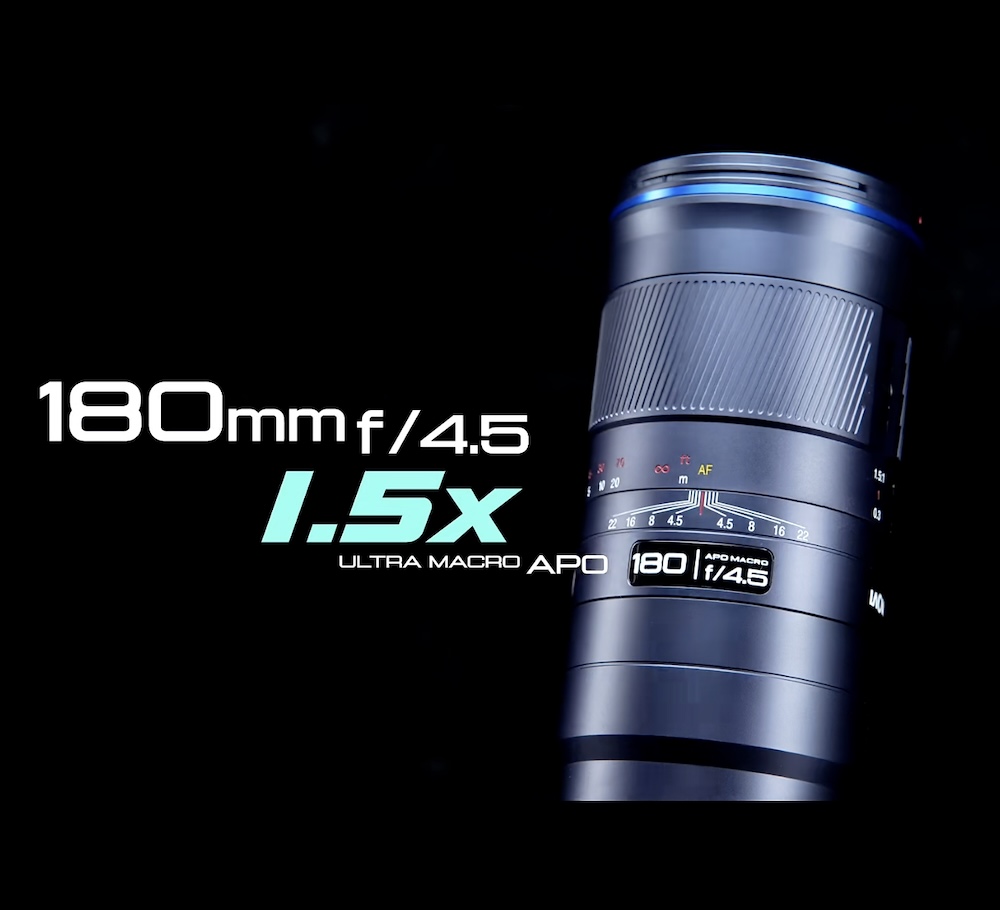
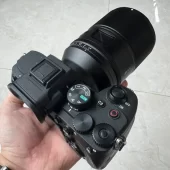
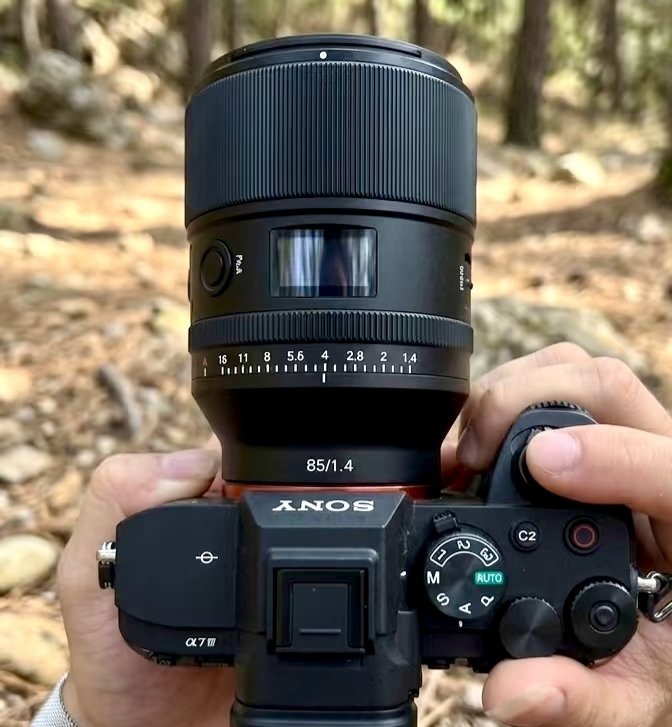
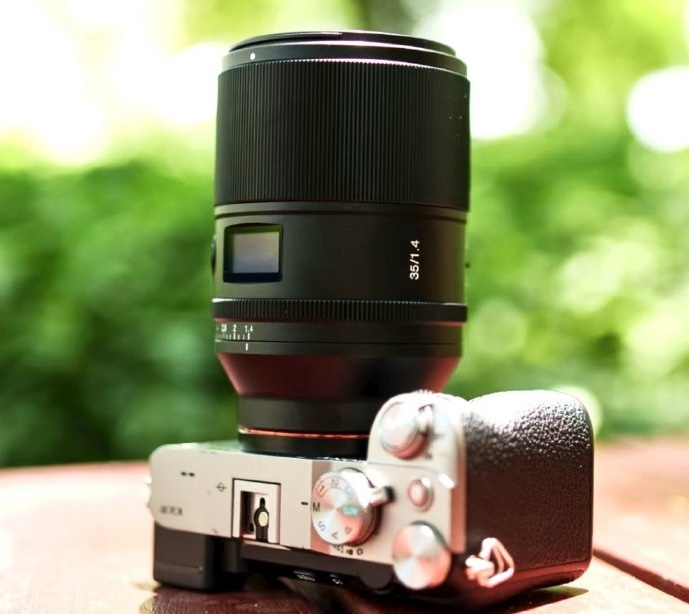
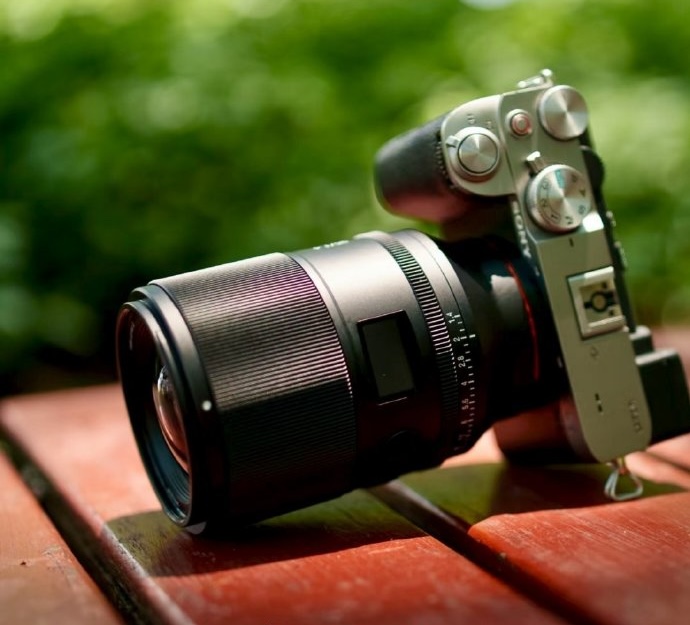
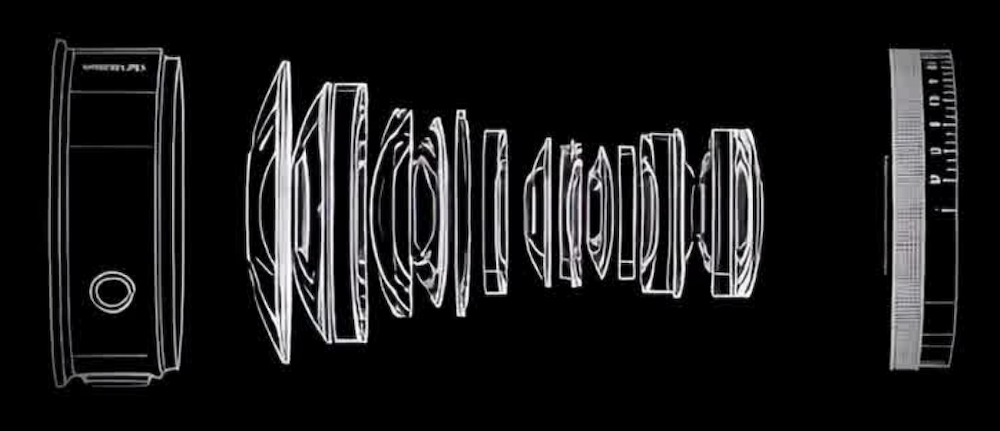
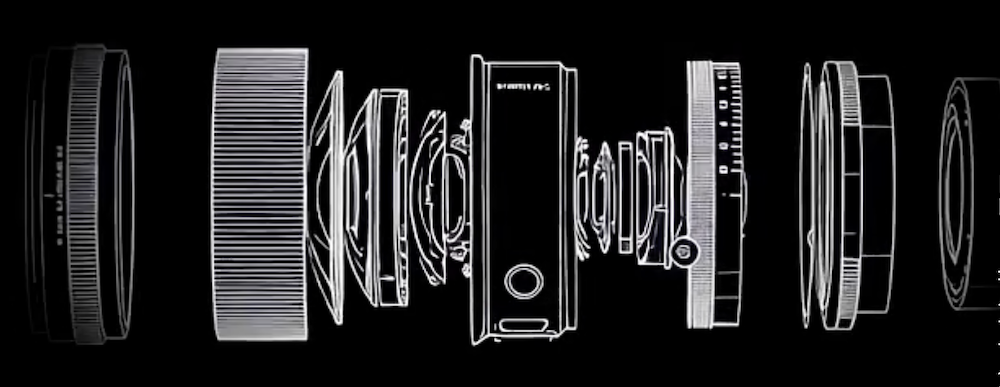
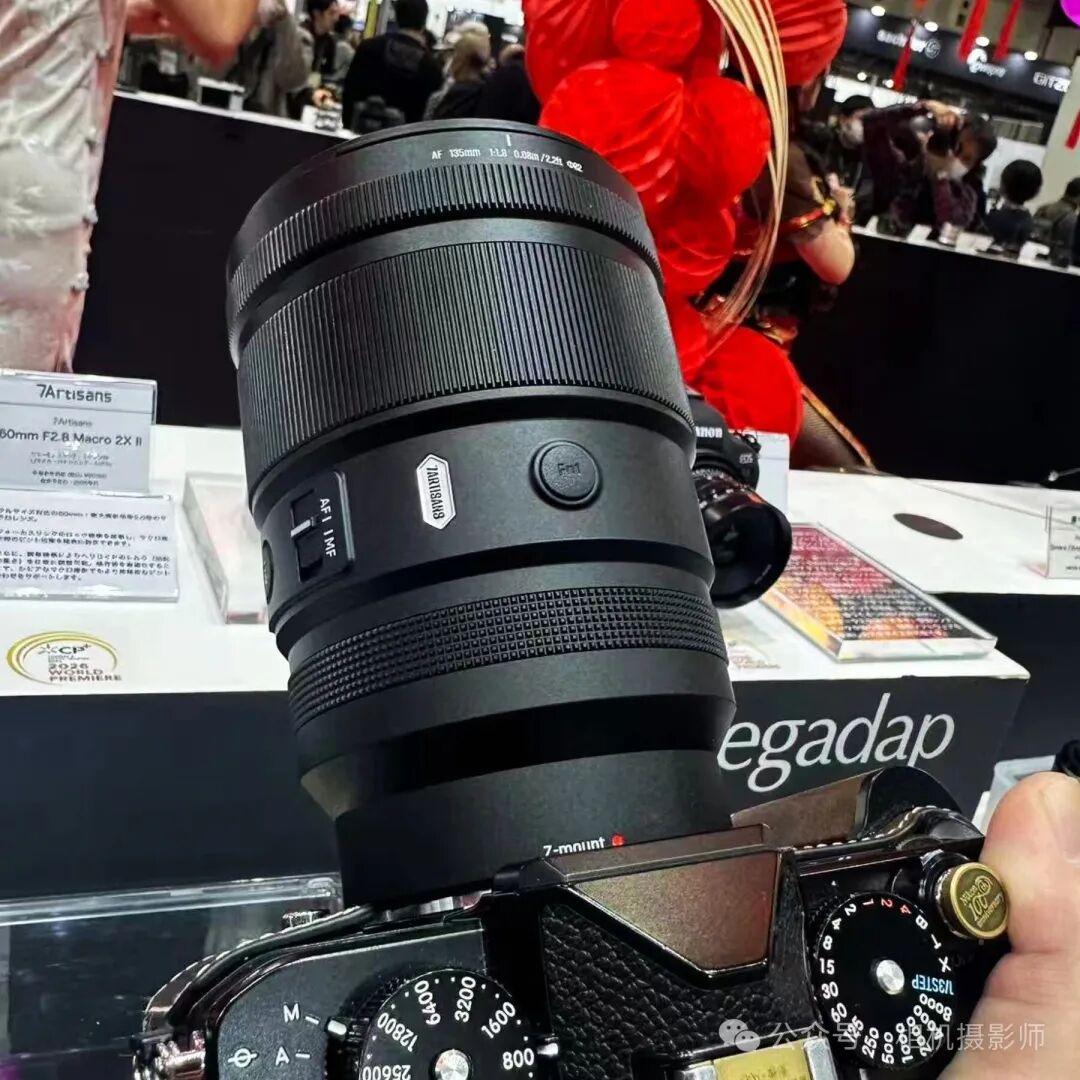
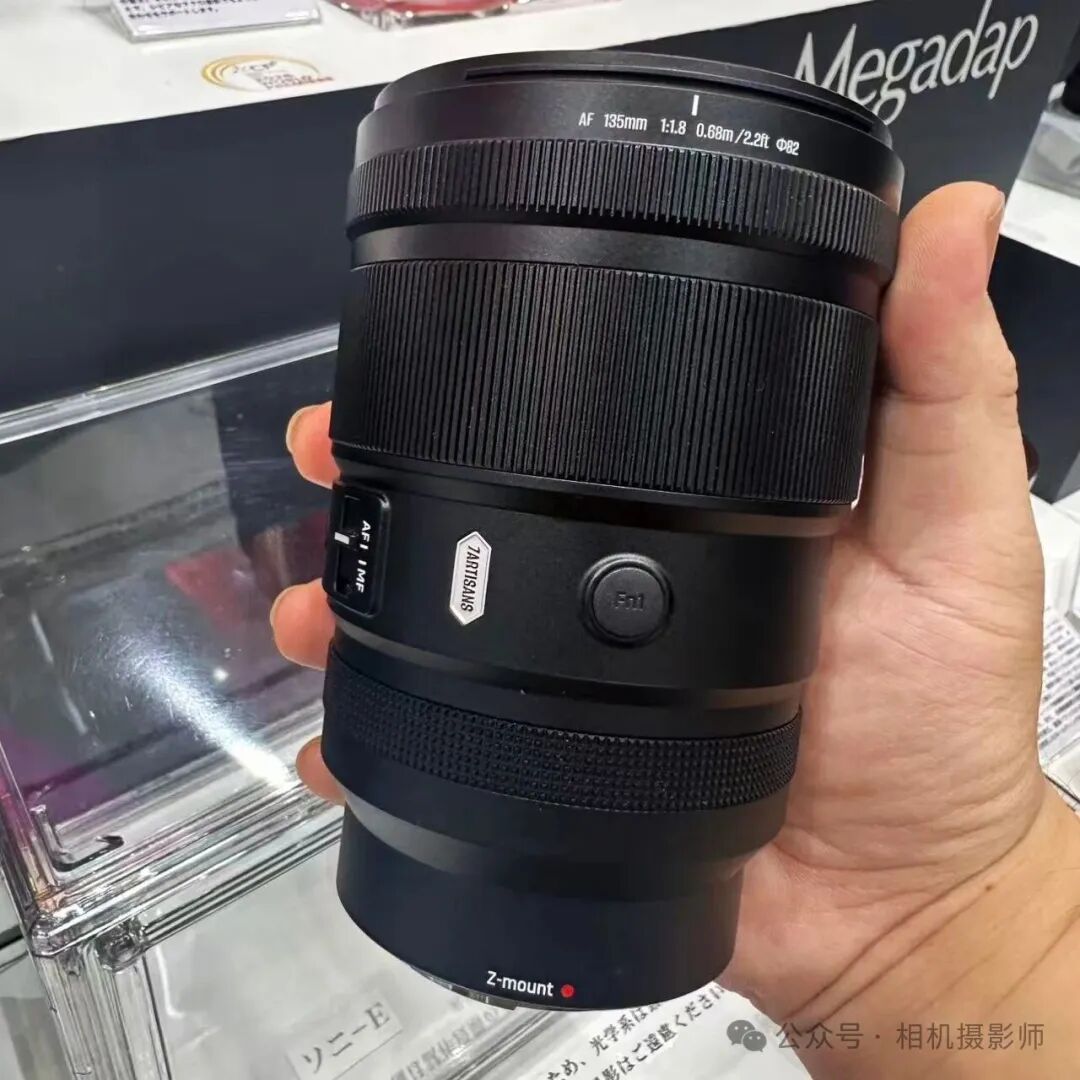
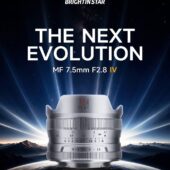
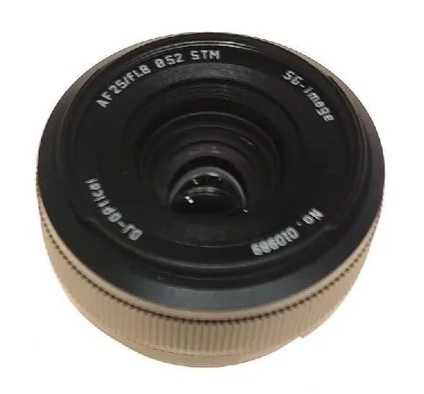
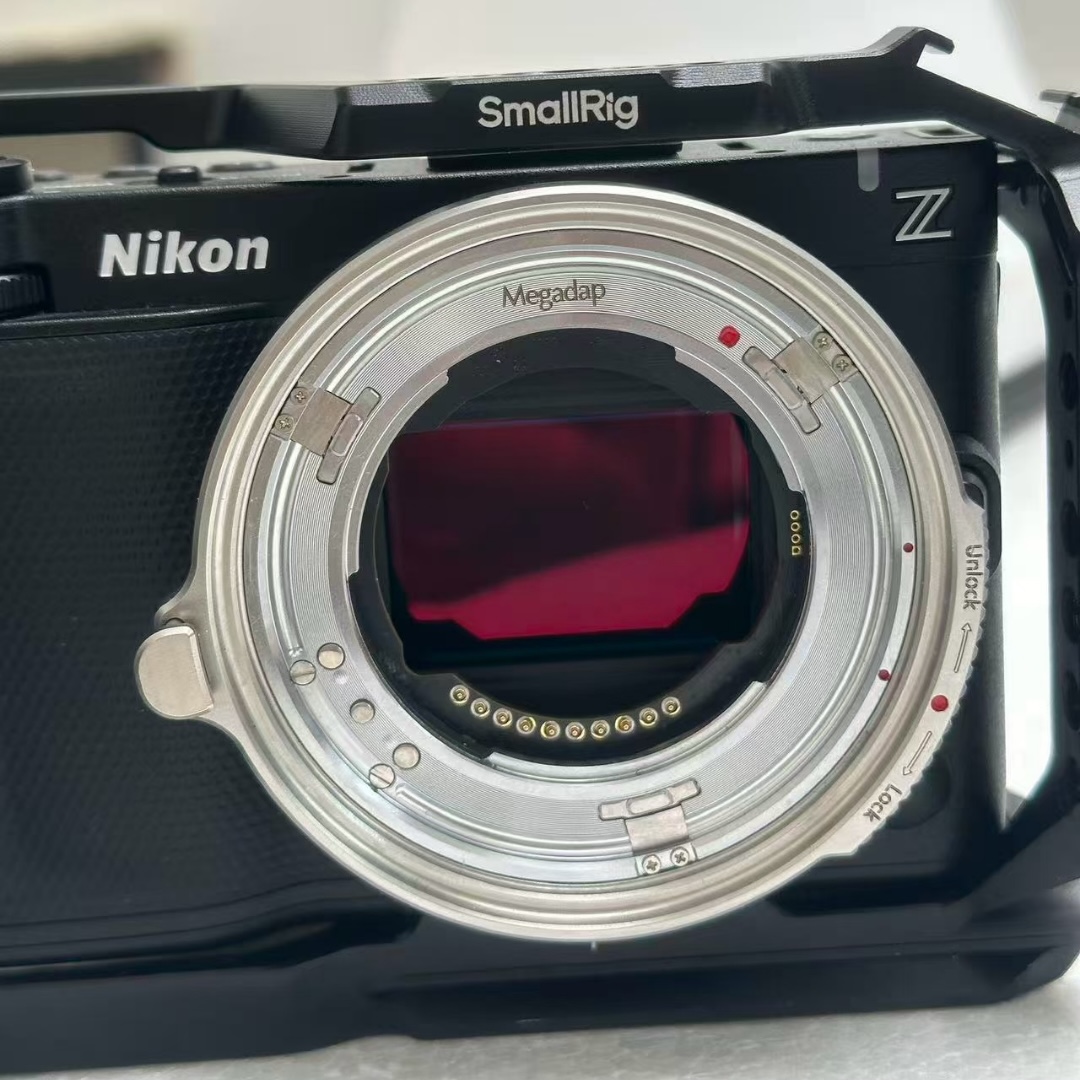
Zeiss is teasing “The next major advancement in lens technology”. The announcement will happen on June 2nd and will be “New horizon in Zeiss lens technology.”
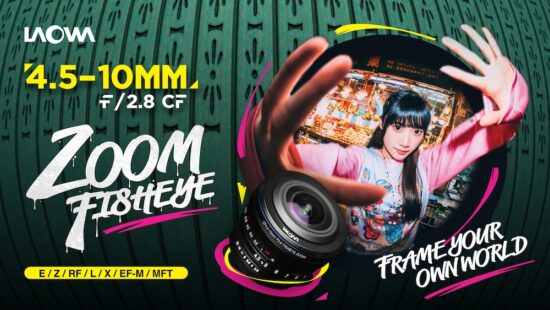
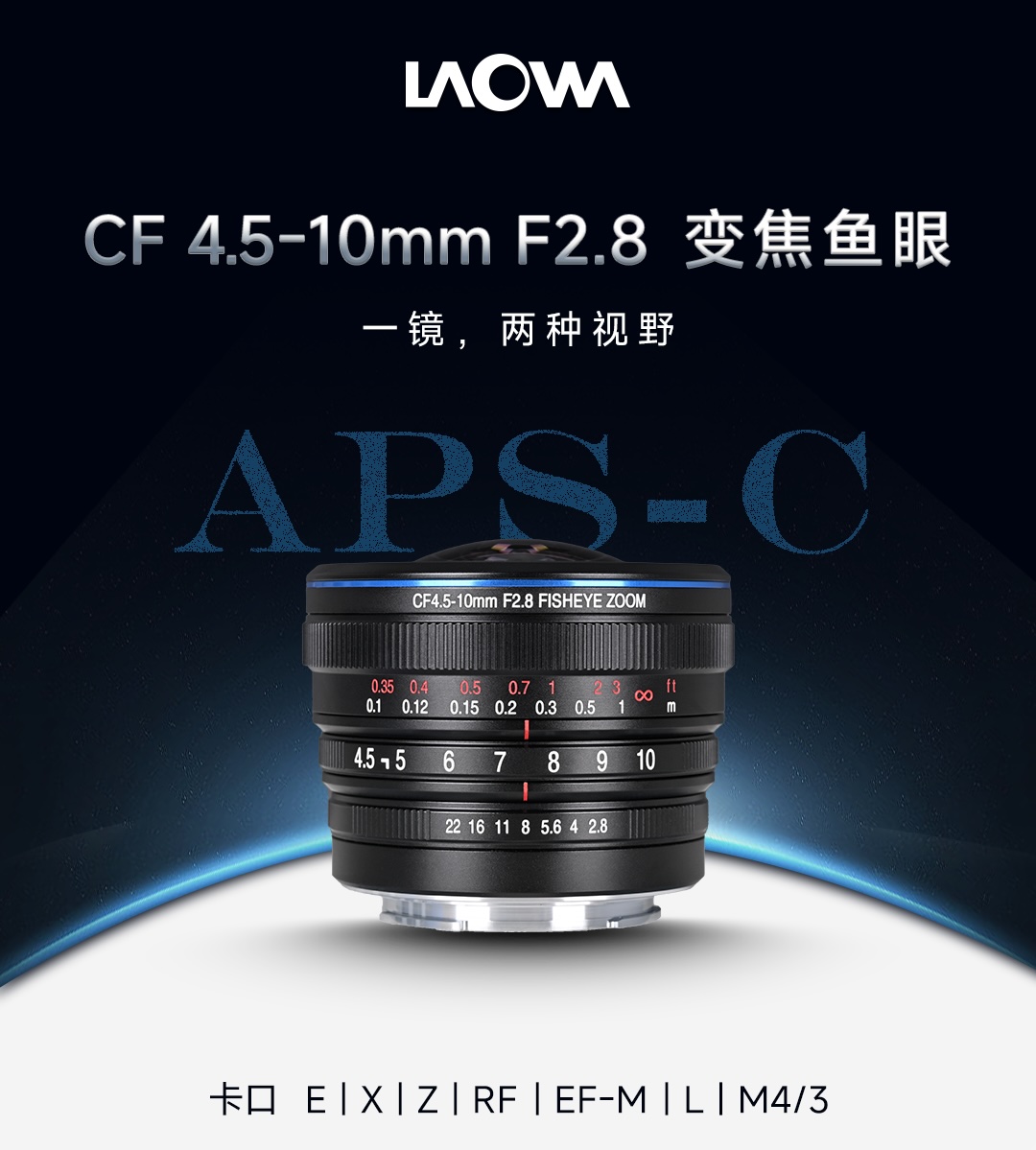
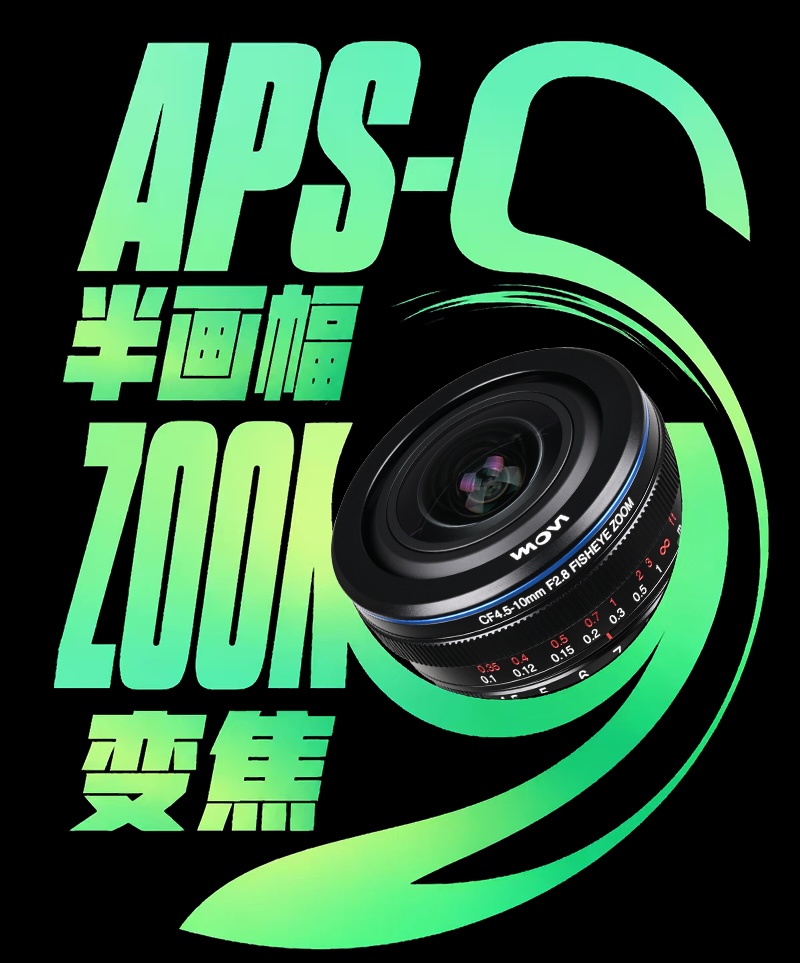
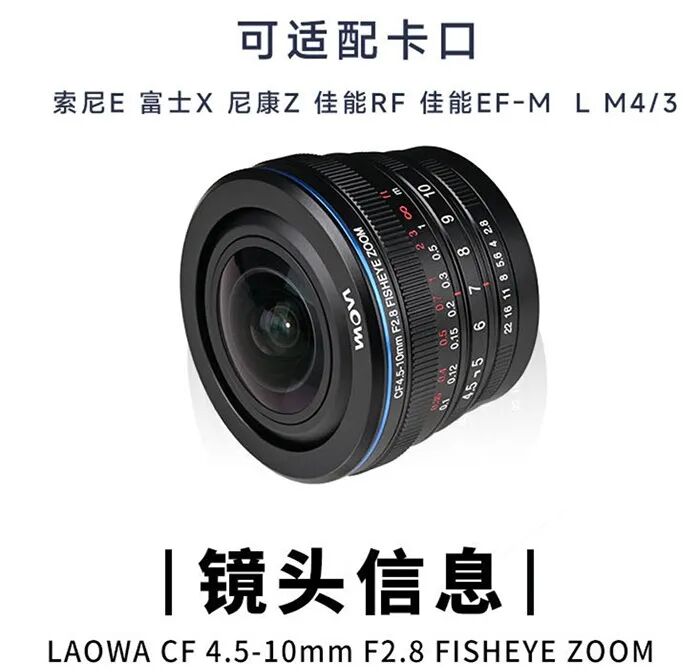
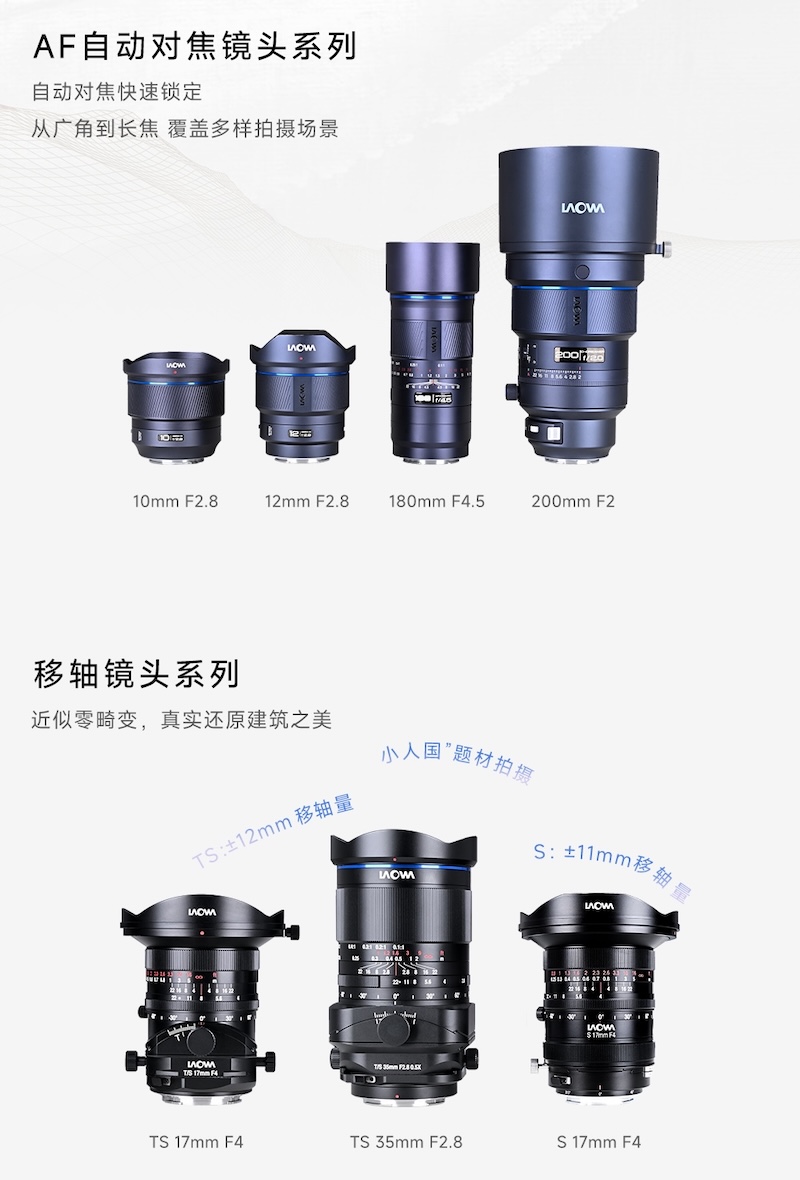
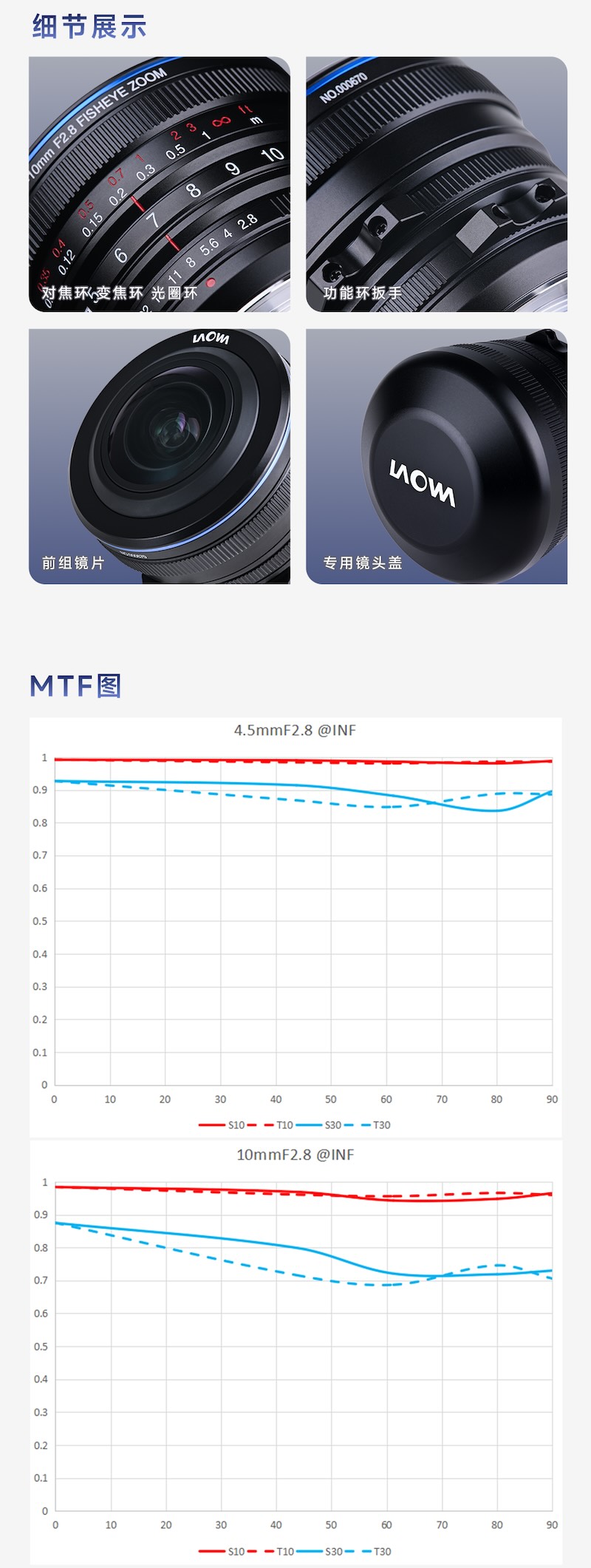
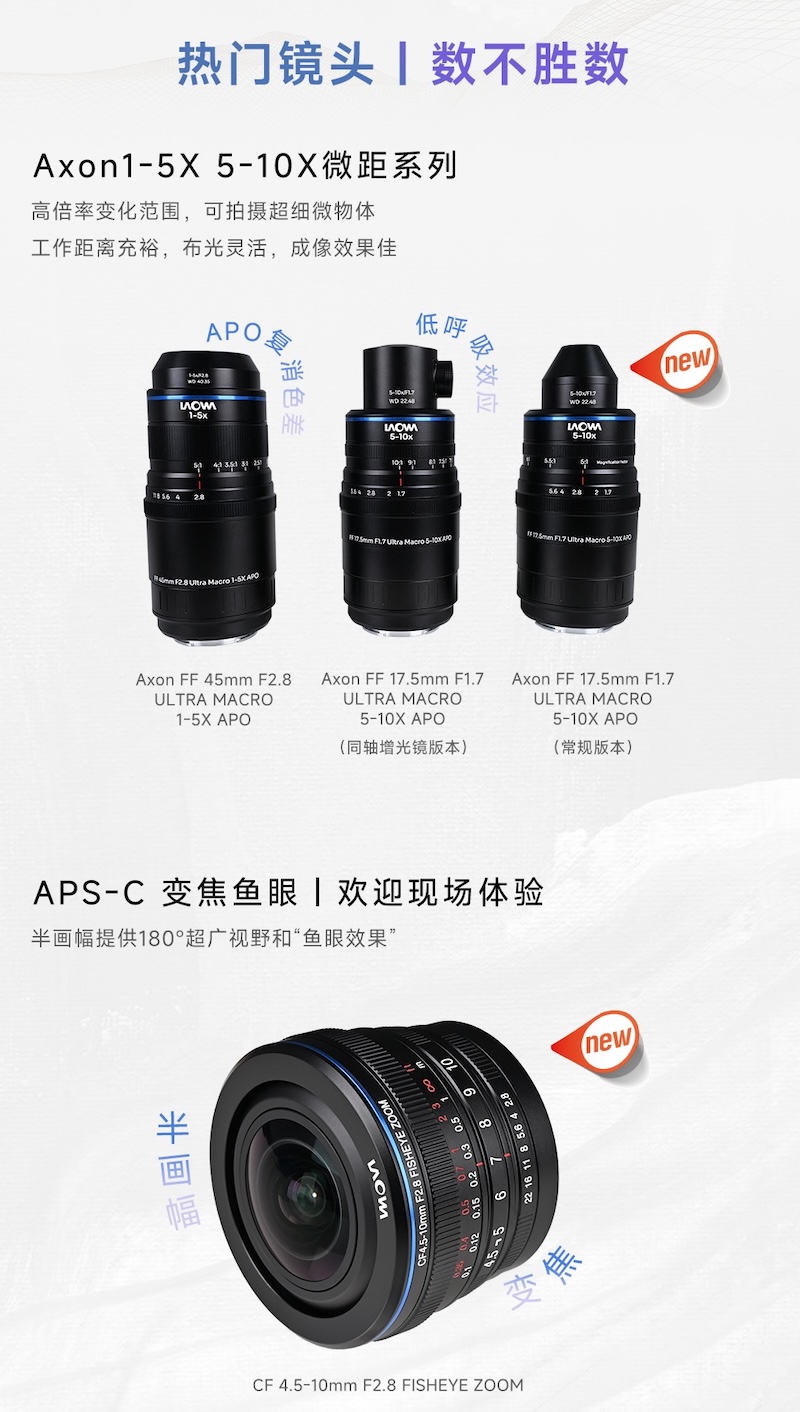
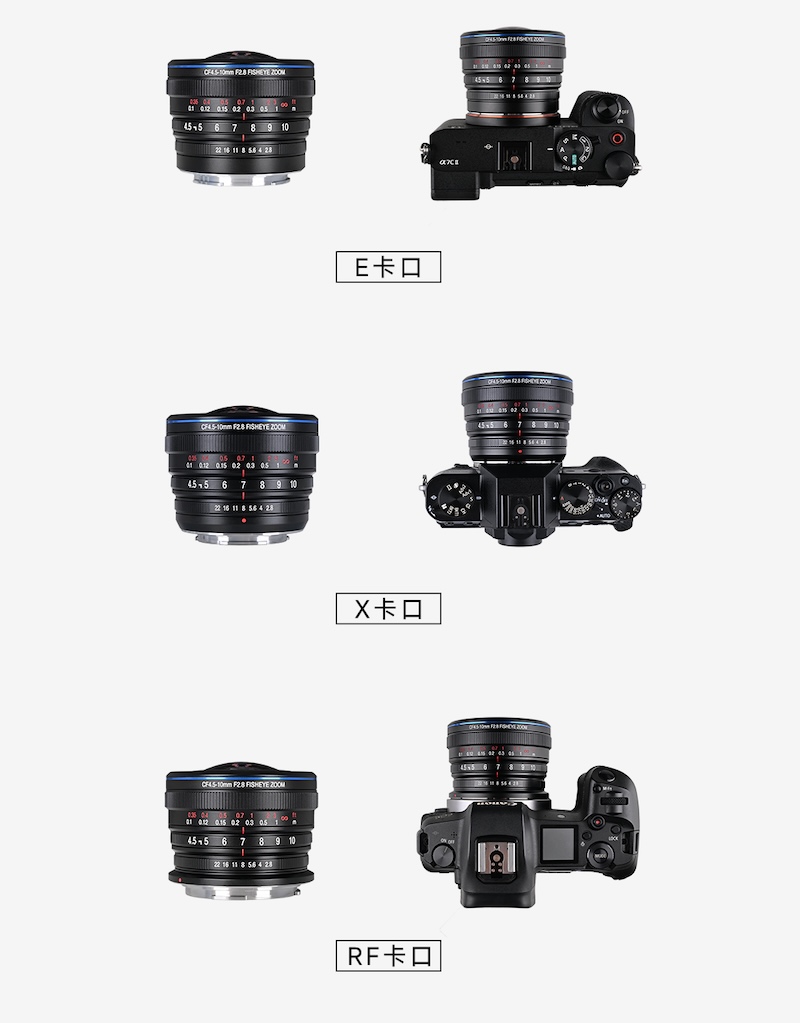
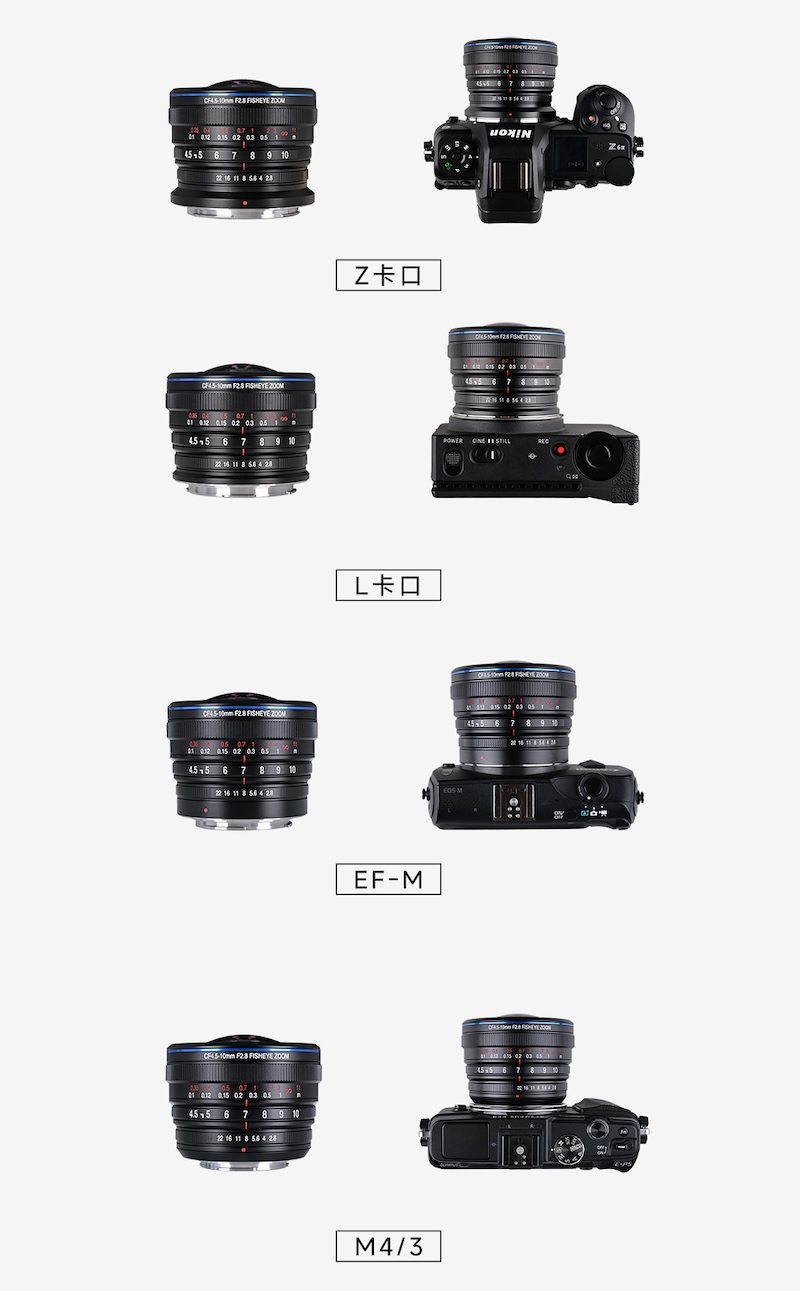
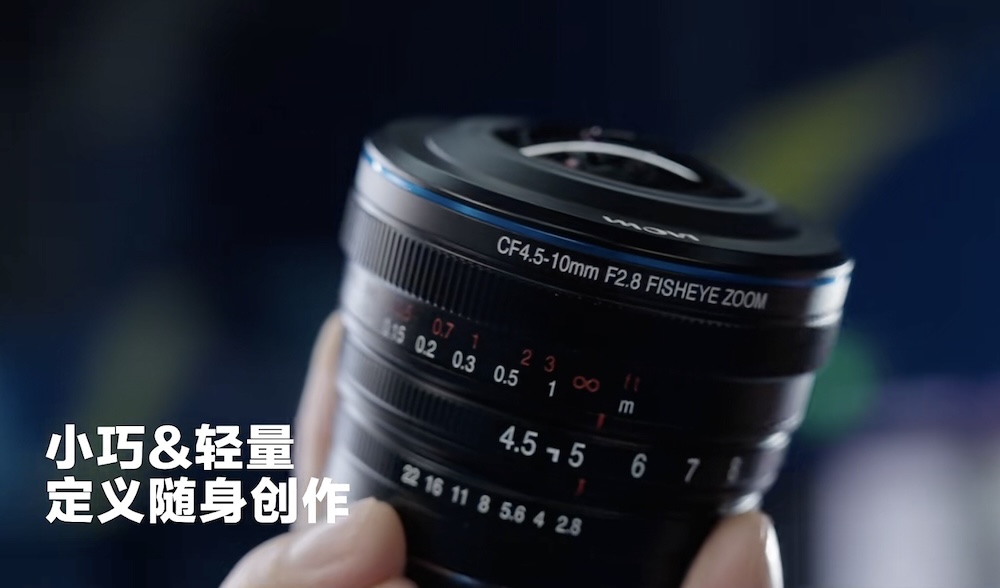
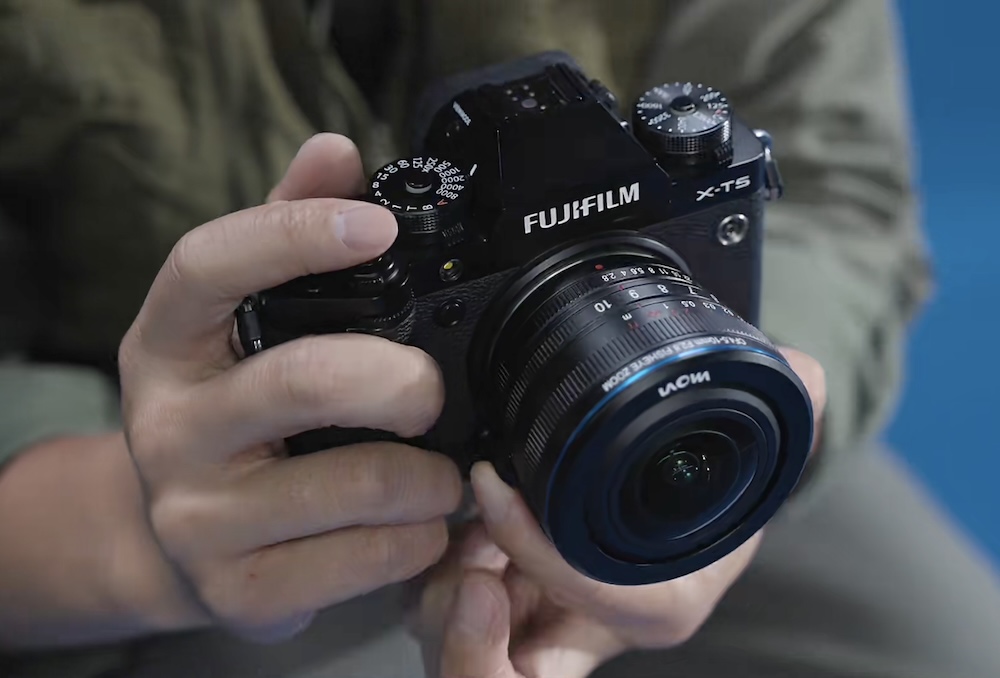
The previously reported Venus Optics Laowa 4.5-10mm f/2.8 CF APS-C fisheye zoom lens for E/Z/RF/L/X/EF-M/MFT mounts has now been officially released. The price is $399:
When you use DPReview links to buy products, the site may earn a commission.
'The Grace Project' dancer: Joy Isabella Brown
Leica M (Typ 240) | Leica Summicron-M 35mm F2 ASPH. | F11 | 1/750 sec | ISO 400 Photo: Josh S. Rose
Josh S. Rose has been capturing visceral reactions since the 1970s, when he wandered around a racetrack park as a kid to explore the event. He found himself hanging out at the photo booth and loved to watch a team develop film after each race, calling up the winners to the announcer upstairs, then hearing the crowd wildly react. His career kept him intrigued by those early moments of capturing scenes on film.
We virtually sat down with Josh to see where that early racetrack experience took him. His experiences and photos are gathered below.
This story is part of our What's in your bag? community spotlight series. The series showcases the diverse gear and photography of our community, and shares their stories of how that gear helped them to capture the perfect shot.
Leica M (Typ 240) | Leica Super-Elmar-M 21mm F3.4 ASPH. | F3.5 | 1/180 sec | ISO 100 Photo: Josh S. Rose
Meet Josh S. Rose
Home base: United States
Favorite camera and lens: Josh’s main setup centers around the Hasselblad X2D with 25mm, 38mm and 90mm f/2.5 lenses for his more artistic and environmental work. When shooting live performance and dance, he switches to the Nikon Z9 paired with 14–24mm, 24–70mm and 70–200mm zooms for speed and flexibility. A Nikon Zf stays in the bag as his everyday and backup camera.
Josh also carries and collects vintage lenses, including Leica Summicron and Super Elmar primes, a Helios and his favorite oddball lens, the vintage Nikkor 43–86mm F3.5 pre-AI zoom
Support gear: ND and polarizing filters, prism and glass filters and Loop earplugs and AirPods to stay focused and comfortable during long shoots and performances.
"My set-ups are generally based on the physical ins and outs of the shoot. I do 100–200 shoots a year, so I’m always trying to streamline without sacrificing options. If I’m parking next to a venue and starting quickly, I’ll bring a bigger hard case. If I’m flying, I pack chargers, extra batteries and other essentials. For a recent shoot with Esa-Pekka Salonen at Disney Concert Hall, the small Nomatic bag was ideal, since we were moving fast and had little time to experiment. The process is to understand the shoot first, then rely on memory of similar shoots to decide what will help most."
A lot of great equipment! What's your absolute one-pick favorite?
"My Tanner Goods Cognac SLR Camera Strap that goes on my Nikon Z9 is probably my favorite thing in my bag. In photography, as in life, there are very few things that get better over time. That strap has been with me for so many years. Like a country singer's guitar, it has been the constant companion for me. Camera bodies come and go, lenses are a bit of a commodity, even the vintage ones. But that strap only gets more and more personalized, more and more beautiful and more and more comfortable as the years pile on."
What other equipment propels your photography forward?
"For me, photography is about creative flow. I feel like I have to be on, with energy and positivity, so that I can both generate ideas and not forget anything or screw anything up. So, all non-photography things in my kit are around keeping me energized and positive, starting with food and energy drinks (I admit a bit of an addiction to C4 and Bang, which I'm quite certain are poison, but they bring me joy and focus. Also, my partner hates energy drinks, so it's sort of my little rebellion, too – shh, don't tell her)."
Ate 9 Dance Company
Leica M (Typ 240) | Leica Noctilux-M 50mm F0.95 ASPH. | F1.0 | 1/750 sec | ISO 1000 Photo: Josh S. Rose
You mentioned to us you have 10 different camera bags...
"Okay, so don't judge me, but I have at least that many bags. I like to pack specifically for any event, trip or shoot. The bag is sort of an expression of how I'm feeling that day."
"For a minimal set-up, I'll use the Luma Camera Sling 12L. When I'm feeling my inner photojournalist, I'll throw the Domke F2 over my shoulder. When I'm in a bit more creative mood, I'll throw everything into a vintage black patent leather Coast S-1 shoulder bag that I borrowed/stole from my producer. For long travel assignments, I usually go with the LowePro BP 300 backpack or, if I need more space, the Tenba Roadie Air Case. For performances, when I need the full arsenal, I go with the SKB iSeries hard case with Think Tank dividers and a lid organizer. And we haven't even gotten into my cinema cases..."
"A little travel hack I have learned over the years is to always bring a small satellite bag and stuff it inside a bigger bag. The smaller bag is great for little day trips or side quests."
A little travel hack I have learned over the years is to always bring a small satellite bag inside a bigger bag. The smaller bag is great for side trips.
How has your photography changed since you started?
"In the beginning, I tried to minimize mistakes. Because I shoot dance and movement a lot, this is exacting work, especially when you're inside – low light and fast movement is a nightmare for a camera. So, I kind of treated dance as one would sports, reaching first and foremost for clarity, focus and split-second timing. It isn't all that hard, honestly. It just takes a certain number of reps."
"What helped far more was learning how to embrace the elements of the camera in ways that break the normal image-capturing techniques, in pursuit of something less ordinary and more evocative. I use a lot of double exposure, slow shutter and dragged shutter techniques in my work. Also, I use glass filters, found framing and just about anything else to make the images feel less technical and more creative, alluring, beautiful or evocative."
Photo from 'The Grace Project'
Leica M10-P | Leica Noctilux-M 50mm F0.95 ASPH. | F4.0 | 1/500 sec | ISO 100 Photo: Josh S. Rose
What excites you most about capturing dance performance?
"My most well-known work is in dance and performance. I have traveled the world as a photographer, often with dance groups and artists. Many times, I am inside shooting a performance, but it is the most special to me when art intertwines with art."
"For example, when I get to shoot dancers and a choreography among works of art, often with live music, something special occurs in this blend of art forms that is unlike anything else. To be an artist, working in and among other artists, to me, is the dream. I just love art so much. I feel like I am always and forever a student of art."
When capturing that perfect shot, what techniques come to mind?
"The 'perfect shot' is, of course, a loaded question. I've shot what I consider three perfect shots in my life, and they were all different from each other."
"One was with the Japanese rockstar, Yoshiki. We were high up in a hotel room with a bunch of people around. It was tense as we were awaiting some kind of press event to happen. Suddenly, a window washer came rappelling down, recognized Yoshiki through the window, and they had a funny moment. I had the presence of mind to see it occurring and move myself in real time to get the shot. The complexity of the shot is insane when you consider everything that had to happen for that to play out the way it did."
'The Window, with Yoshiki'
Leica M10-P | Leica Super-Elmar-M 21mm F3.4 ASPH. | F3.5 | 1/180 sec | ISO 400 Photo: Josh S. Rose
"Another was in Qatar, in and around probably the most beautiful sculpture I've ever seen in my life: Shadows Traveling on the Sea of the Day, by Olafur Eliasson. A dance group led by Bouchra Ouizguen, for her piece Corbeaux, entered the space. It was absolutely overwhelming to me how much geometric beauty was happening all at once. It's the kind of thing that often overwhelms me, but I had gotten to the location early and spent two hours walking around and finding a composition I felt was really special. One of the dancers walked alone into the space, which I had no idea was going to happen. I happened to be present enough to remember where I had stood for that composition, and ran over to it just in time to get a shot that's still among my absolute favorites."
Photo from 'Festival In Motion, Qatar'
Leica M11 | Leica Summicron-M 50mm F2 | F5.6 | 1/2000 sec | ISO 400 Photo: Josh S. Rose
"And the other one I'm thinking of is a shot I got on stage, looking out toward the house at the famed Koch Theater with the New York City Ballet. This was just one image in a set of many that I had planned for a giant mural for The Lincoln Center. We placed the bodies in the locations and composed them perfectly. I took the shot, and then I had this incredible moment I'll never forget. It is always my instinct to keep shooting until the bell rings. I just can't turn off. I keep pushing and pushing to see if there's a better angle or a different physical shape a dancer might try. But not on this day. I had already visited this place twice before. This, to my eye, was the best shot there was. I was done. There was no more to get. I have never felt that at a shoot before. It moved me."
'NYC Tableau' for The Lincoln Center, NYC
Hasselblad X2D 100C | Hasselblad XCD 25mm F2.5 V | F8.0 | 1/20 sec | ISO 1600 Photo: Josh S. Rose
What would you say to a struggling photographer looking to break in?
"The biggest job of my life came from doing years and years of unpaid work in the field of dance. A lot of people (including family) didn't really get why I would keep shooting things without it being an official shoot where I was getting paid. Nonetheless, I stayed at it for years. Eventually, I got an artist residency, then another one, and suddenly these dominoes started falling for me."
"Find your weird, singular little passion first. And fight off the self-doubts and the disbelievers. Protect the passion like a butterfly. Don't be surprised if even your closest people don't quite get you."
Josh really enjoyed writing the content for this spotlight article and would be grateful for you to join him in discussion in the forums. Thanks, Josh, for being featured!
If you'd like to share your photography, tell us about your main camera, lens choices, key settings and strategies. Your photos and story could be featured in the next article!
Editor's note: This article continues a series, 'What's in your bag?', highlighting DPReview community members, their photography and the gear they depend on. Would you like to be featured in a future installment? Tell us a bit about yourself and your photography by filling out this form. If you're selected for a feature, we'll be in touch with next steps.
When you use DPReview links to buy products, the site may earn a commission.
Sony a7R VI | Sony FE 24-70mm F2.8 GM II @ 24mm | ISO 100 | 1/20 sec | F11 | Mech. Shutter | Edited to taste in Adobe Camera Raw Photo: Richard Butler
With the a7R VI, Sony is promising something that, historically, has been difficult to achieve: a camera that is both the fastest in the series, while offering better dynamic range than its predecessors. To help achieve this, it's using a technique that we've recently seen popularized by cameras with partially stacked sensors: combining the readouts of the camera's low and high gain steps, getting the benefits of both higher capacity and lower noise.
Looking at the dynamic range tests we shot in our studio, the results are what we've come to expect. We can see a touch less noise in the deepest shadows than with the already very good a7R V when shooting with the mechanical shutter (including in electronic front curtain mode), where the camera has enough time to do both readouts.
The sensor also performs very well in lower light, when dropping to lower ISO settings to preserve highlights, then raising your lightness in post. We see very little difference in deep shadow noise between a shot at ISO 6400, and a shot with the same exposure settings but at ISO 100, pushed 6EV in Adobe Camera Raw.
While these improvements compared to the a7R VI are measurable – we can see them in our test scene, and they'll show up on DR charts – they'll be subtler in the field. If you weren't able to capture a scene with the a7R V, the a7R VI probably won't be able to handle it either. But if you often find yourself digging into the darkest tones of your image, you'd get a little less noise with Sony's latest.
It's worth repeating that this is only for modes where the exposure is ended by the mechanical shutter. The a7R VI's e-shutter mode, which is required for its fastest burst rates, has slightly noisier shadows than the mechanical shutter mode. But again, while this shows up in our test charts, you'll likely be harder-pressed to see the difference in day-to-day use.
As an example, Richard Butler took an image of a sunset over Seattle, seen at the top of this article, where the difference between the light coming from the sun and the darkest shadows under the bridge was around 13EV. He shot the same exposure with both the mechanical shutter and electronic shutter.
Image Comparison Slider
This widget is not optimized for RSS feed readers. Please open this article's permalink in a browser to view this content.
If you really pixel-peep, you can see that there's a bit of extra noise in the e-shutter version, but the difference is almost impossible to see when viewing the whole images (which you can do in our sample gallery, where you can also download the Raws).
To keep things in perspective, though, the benefits and differences we're discussing are only in the deepest shadows of the image, and it's rare that you'll need to exploit those in situations where you'll also need your highest burst rates. If you're not using those parts of your Raws, the a7R VI's extra dynamic range won't benefit you.
Still, the R series of cameras have historically been made for the types of people who would want to do that; landscape shooters, and anyone who needs the maximum image quality and flexibility. And, as with our standard studio scene tests, our DR tests show that Sony not only avoided making sacrifices in the name of speed, but even managed to eke out some improvement. The camera's greater flexibility to capture a wider array of situations and subjects doesn't come at the cost of its peak dynamic range and IQ.
"An external power bank. For some steampunk events and science fiction conventions, I disguise my camera in other things, and I've been using external power because it often takes me 1/2 hour to remove the camera from the disguise to change the batteries."
OM System OM-1 | Olympus Zuiko Digital 14-54mm F2.8-3.5 II @ 27mm | F3.2 | 1/60 sec | ISO 2000 Image: Michael Meissner
Accessorize, accessorize, accessorize! For the latest Question of the week, we were curious about what accessories are must-haves in your camera kit or bag. You replied with everything from external power banks and filters to more exotic items like a collapsible kabuki brush and loop earplugs. Some of you even provided an entire list of things that would arguably be a great fit for a "bug-out bag".
Check out the top accessory suggestions below, then let us know in the comments which ones will make your GAS expand.
Your must-have camera accessories
A collapsible Kabuki brush for dusting off equipment.
Hike Pics: I have several collapsible kabuki brushes that I keep in my car, bags and around the studio. When I head out, a brush goes with me.
madecov: Ziplock bag with Q-tips. Sometimes you just need them to clean something off.
Jacques Cornell: Oh boy, here goes... A few items have earned permanent spots in my grab & go basic event kit:
First, an 80W USB charging block with a built-in retractable USB-C cable and USB-C and USB-A ports.
Downstream of this, a Tilta 4-battery or Limeta CR2Go (discontinued?) 2-battery charger. The Limeta has its own built-in battery, so it can recharge camera batteries without plugging into AC and can also serve as a general-purpose power bank.
A pair of retracting USB charging cables rated for 100W, with convertible USB-A/-C tips on one end and convertible USB-C/Lightning tips on the other.
Click Jacques's name above to view several additional inclusions!
"My barebones lightweight event kit."
iPhone 17 Pro Max Image: Jacques Cornell
cbf_si: In the last six months, I have mostly been shooting with adapted lenses, so my bag contains various adapters for Sony/Minolta A-mount and Canon EF-mount. I also have various macro extension tubes and reverse rings for macro photography in the bag.
Since I started taking up film photography again, various filters for B&W photography are also in the bag. Luckily, I kept my Cokin filters for the P system, which I can use with any lens using adapters.
Michiel953: Different accoutrements. A chamois, a laptop, a notebook, and a pen (sometimes two; private and business), tissues, paracetamol (just in case ;-) ), and some small things I can't remember. A Wuchuan canvas messenger bag with a Billingham insert and lots of useful pockets! It serves me well, carrying a D850 with one prime (24, 35, 58, or 85, depending on mood and plan, if any).
Vello WB-DU Universal White Balance Handheld Disc. It's worth its weight in gold for setting Custom WB in theatrical settings.
Michael Meissner: I am not a fan of OEM neck straps. I rotate between various straps depending on mood, etc. Because I shoot with multiple cameras, each camera has a different strap so I can quickly identify which camera is which. Mostly, I prefer the 1.5" straps. For lighter-weight setups, I might go to the Peak Designs Leash straps, but I'm not as much of a fan of the wider Peak Designs Slide Lite or Slide straps. All neck straps and hand straps use the Peak Designs anchor system, so I can quickly switch them or take them off. I have hand straps, but I rarely use them.
If you thought Jacques list was extensive, be sure to click on Michael's name above for his complete list!
MGradyC: Vello WB-DU Universal White Balance Handheld Disc. It's worth its weight in gold for setting Custom WB in theatrical settings and under the lighting in high school and small college stadiums and gyms.
"Right-angle viewfinder, excellent for getting right down even to the ground level."
DrHook59: I've taken to using my home-made monopod a lot recently, not just for macro (à la Mark Berkery), but also for landscapes and low-light situations... and yes, I mention it because it fits in my camera bag or a pocket and only weighs just over 300gms. It's nothing clever, but it's easy to put together and may help anyone who suffers from encroaching old age, a lack of grip, or any of the many ailments that may cause tremors; and it helps in dark places a little 😁. It's also probably the cheapest monopod out there.
Mac McCreery: Small Vanguard Vesta Aspire 25 bag holding a Pentax K3ii and DA 15, 20-40 and 70 Limited lenses. Lenspen, spare batteries, grip, remote release, a pen, and polariser. Oh, and a plastic shopping bag (it's multi-purpose). I can sit or kneel on it, wrap it around the camera bag or use it to protect the camera and lens.
A lens Flipper Versatile. Allows me to quickly access a second lens and safely swap between them without risking one lens falling.
John Crowe: Whichever camera I take, and I don't carry a backup, has its own individual case. Individual camera cases vary depending on format. These can range from a PacSafe V2 camera holster (for one of my two Sony Nex/@ systems) to Pelican Micro cases for each small-sensor (such as 'tough') camera, to cite two examples.
From here, it gets more complex, but it works.
Part of the Jeep Wrangler roll bar system is a transverse bar that goes across the vehicle just behind the bucket seats (there is no rear seat, having been replaced by a carpeted dog platform). Hanging from this transverse bar, and adjustable for location across the roll bar, are three magnetic fly-fishing net releases (which would allow a net to be pulled and then have it in hand).
edge_cl: Single most important accessory: lens Flipper Versatile. Allows me to quickly access a second lens and safely swap between them without risking one lens falling.
"RGBACL light panels for very high CRI quality."
Apple iPhone 13 Pro Max Image: Alberto Tanikawa
Alberto Tanikawa: I do a lot of still-life photography, such as knives and bourbon bottles, as well as macro and focus-stacking, so I always need to have my lights, along with mini tripods and magic arms.
RetCapt: For tightening/loosening tripod plates, I have a large-diameter washer tethered to each tripod, which is easily detachable. This gives more leverage on the slots since there is more surface area for the fingers to grasp. These washers come from the hardware store. I find that when I am trying to 'engineer' something new (fairly common), the hardware store is a great resource. That and mountaineering shops for carabiners, etc.
No matter what else I carry in my bag, a right-angle viewfinder is always with me (and almost always attached to the camera).
cyuill2007: My “must-have” accessories these days are lens hoods and extra batteries. Lens hoods minimize unwanted flare and help protect front lens elements. During a session where I end up doing a lot of shooting, I find that my newer mirrorless bodies with features like image pre-capture drain batteries much faster than my DSLRs used to. These days, I make sure I have a fully-charged extra battery whenever I am out shooting.
KPM2: No matter what else I carry in my bag, a right-angle viewfinder is always with me (and almost always attached to the camera). With this tool, it is easy to get right down even to ground level – and in doing so, you capture perspectives that are simply nice.
Keep ready for the next Question of the week to participate in this series. New questions are posted here on the homepage and in the forums every other week. We can't wait to read and share your stories!
When you use DPReview links to buy products, the site may earn a commission.
Photos: Mitchell Clark
While Panasonic's new L10 compact bears the name of a new series, its lens, sensor, and set of features make it a clear continuation of the work the company did with the LX100 II line. But these similarities also invite comparison on one of the areas where the two cameras are substantially different: size.
As I've been testing the L10, I intellectually knew it was larger than the LX100 II; a glance at the spec sheet will tell you that. The newer camera is 127 x 74 x 67mm (5.0 x 2.9 x 2.6") and 508g (17.9oz), while the older one is smaller in every dimension: 115 x 66 x 64mm (4.5 x 2.6 x 2.5") and 392g (13.8oz). But knowing those numbers didn't really prepare me for just how much more compact the LX100 II would feel once I got my hands on it.
To be clear, I don't think it'd be fair to call either camera a "pocket camera." One thing that hasn't changed is the size of the lens, which protrudes far enough off the body that even the largest of pants pockets would struggle to contain it. However, I'd say the LX100 II is just small enough that it could comfortably fit in a jacket pocket without being too much of a burden (or on a, I've been told, very in crossbody strap in warmer seasons). But while I've been able to (uncomfortably) fit the L10 in the massive drop pocket of my Patagonia R1, it's definitely approaching the size where I'd want to put it in a bag, rather than in my coat.
While the cameras use the same size sensor and same class of lens (Panasonic says it's updated it in some way, but wasn't specific), there is still a benefit to the L10's larger size. It now uses the much larger 16Wh BLK22 battery, the same one that powers the company's full-frame mirrorless cameras, like the S1RII. The LX100 II, meanwhile, uses a 7.4Wh model. The difference in longevity should be quite noticeable; the LX100 II is rated to get around 270 shots per charge using the EVF, and 340 using the LCD. The L10, meanwhile, is rated for 410 EVF shots, and 420 ones using the display.
There are other upgrades with the L10, though it's unclear what, if any, of them have to do with its size. Those are features like autofocus recognition for a variety of subjects, crop zoom, open-gate video recording, and more. It also has a fully articulating display, rather than a fixed one, and has an upgraded EVF, fixing what was one of the major complaints with the LX100 II.
There's always the possibility that the L10 isn't bigger because it has to be, but simply because Panasonic chose to make it so. It's almost exactly the same size as Fujifilm's X100 VI a camera that has proven to be slightly popular, so it's possible the company is targeting a similar target audience (which it knows for sure is willing to buy a camera that large). It may be that it started with a different concept for the L10 than it did with the LX100, partially evidenced by the fact that this camera wasn't called the LX100 III.
The size isn't the only change to the camera's build quality. When Panasonic announced the L10, it touted its "signature saffiano leather-textured finish" and "high-quality metal exterior with magnesium alloy front case." Holding the L10, it feels slightly more solid than the LX100 II, and not just because the thicker grip fills out my hand more.
The LX100 II's rubber thumb rest versus the L10's hard plastic one may be one of the biggest differentiators when it comes to feel.
The rest is a bit more of a mixed bag, though. The top plate dials and buttons feel decidedly cheaper and more plastic-y to me. The rear plate buttons aren't especially pleasing to me either, though I appreciate that they're more prominent and easier to press. I also prefer the leatherette wrap on LX100 II to the L10's; it feels grippier and softer to the touch, while the L10's essentially just feels like textured plastic.
When I took the LX100 II out of the box my coworker had shipped it in, I'd been using the L10 for a few days, and I was immediately struck by how much nicer the LX felt. I wasn't the only one with that impression. I handed my wife the LX100 II and then the L10 without any context. Upon receiving the later she immediately said "this one feels cheap." Of course, these are two subjective opinions – I'm sure some people will prefer the L10 – but we both preferred the feel of the older model.
It's not an unalloyed win for the LX100 II, though. I find the L10's aperture ring feels and sounds quite a bit nicer, though I appreciate the noticeable detent when going into and out of 'A' mode on both.
We'll be comparing these two cameras in more detail later, after we finish our initial review of the L10. But given that we have both available, and that the L10's size has become one of its more widely-discussed aspects, we felt it was worth taking the time to show what that difference looks like side-to-side.
When you use DPReview links to buy products, the site may earn a commission.
Photo: Mitchell Clark
Adobe has released its build of Camera Raw that supports the newly-announced Sony a7R VI, which allows us to process the Raw test images of our studio scene and produce Raw conversions from the samples we shot.
Our test scene is designed to simulate a variety of textures, colors, and detail types you'll encounter in the real world. It also has two illumination modes, full even light and low directional light, to see the effect of different lighting conditions.
Image Comparison
This widget is not optimized for RSS feed readers. Click here to open it in a new browser window / tab.
The Raw for our base ISO shot tells a very similar story to the JPEG: the a7R VI captures a bit more detail than its predecessor could, furthering its lead over the 45MP competition. Viewed at comparative sizes, there isn't a noticeable difference in the noise levels at ISO 100.
Thankfully, this remains the case at mid and high ISOs as well, meaning you're not paying a penalty for the increased speed and resolution compared to the a7R V. Given that the line has always been focused on image quality above speed, it's nice to see that the increased flexibility brought by the a7R VI's stacked sensor doesn't make it worse for its core audience.
Now that we can compare the two, we can also see that Sony's JPEG engine is doing a good job of including the details captured by the Raws at base ISO. At higher ISOs, it's deft enough at applying noise reduction to include most of the Raws' detail.
The ability to process Raws also lets us turn our Raws into HDR JPEGs. You can view the original on a device with an HDR-capable display to see the full effect.
Sony a7R VI | Sony FE 24-70mm F2.8 GM II | 24mm | F11 | 1/20 sec | ISO 100 | Processed in ACR Photo: Richard Butler
Be sure to also check out our sample gallery, as we've added a few new shots and reprocessed a few of the original images from it. Many of these edits involved pulling up the shadows after we shot the images to preserve highlights, exploiting this sensor's excellent dynamic range. We also have a pair of images shot at the same exposure in mechanical and e-shutter mode, to demonstrate the difference in dynamic range when the camera is reading from both of its gain steps and when it's not. We'll go into more depth on that topic in a future article.
Sample gallery
This widget is not optimized for RSS feed readers. Click here to open it in a new browser window / tab.
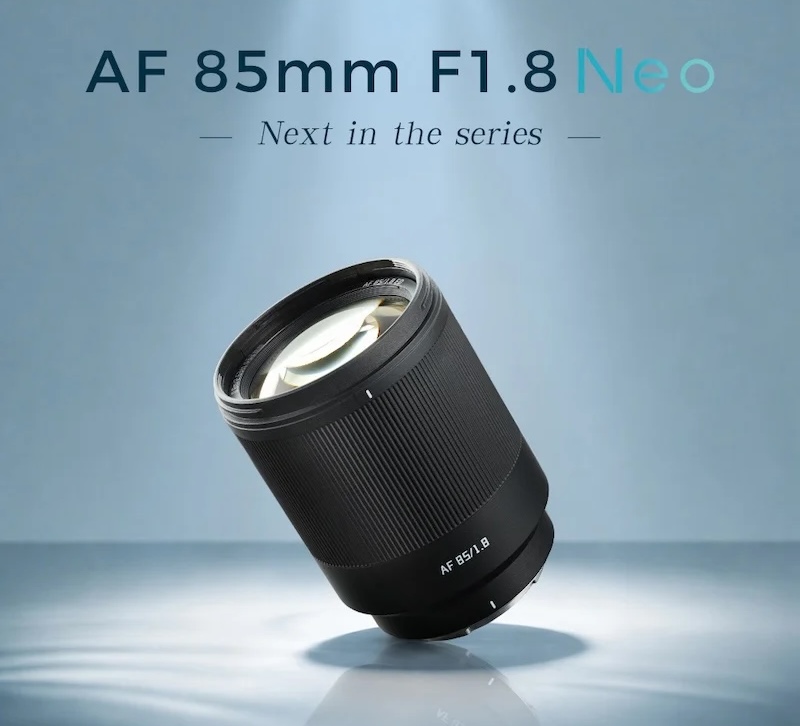
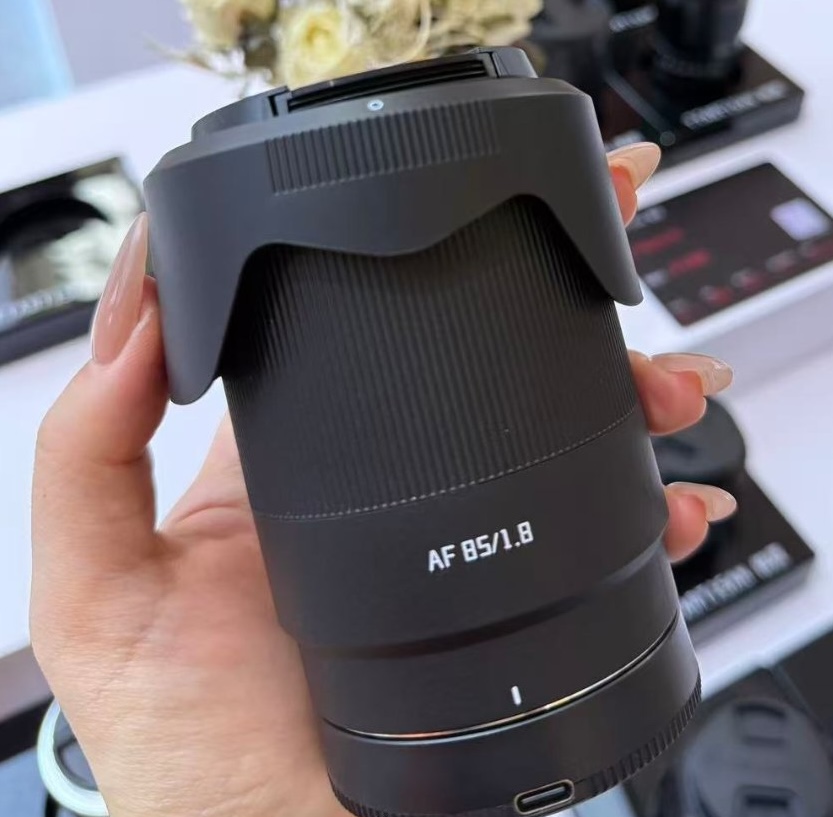
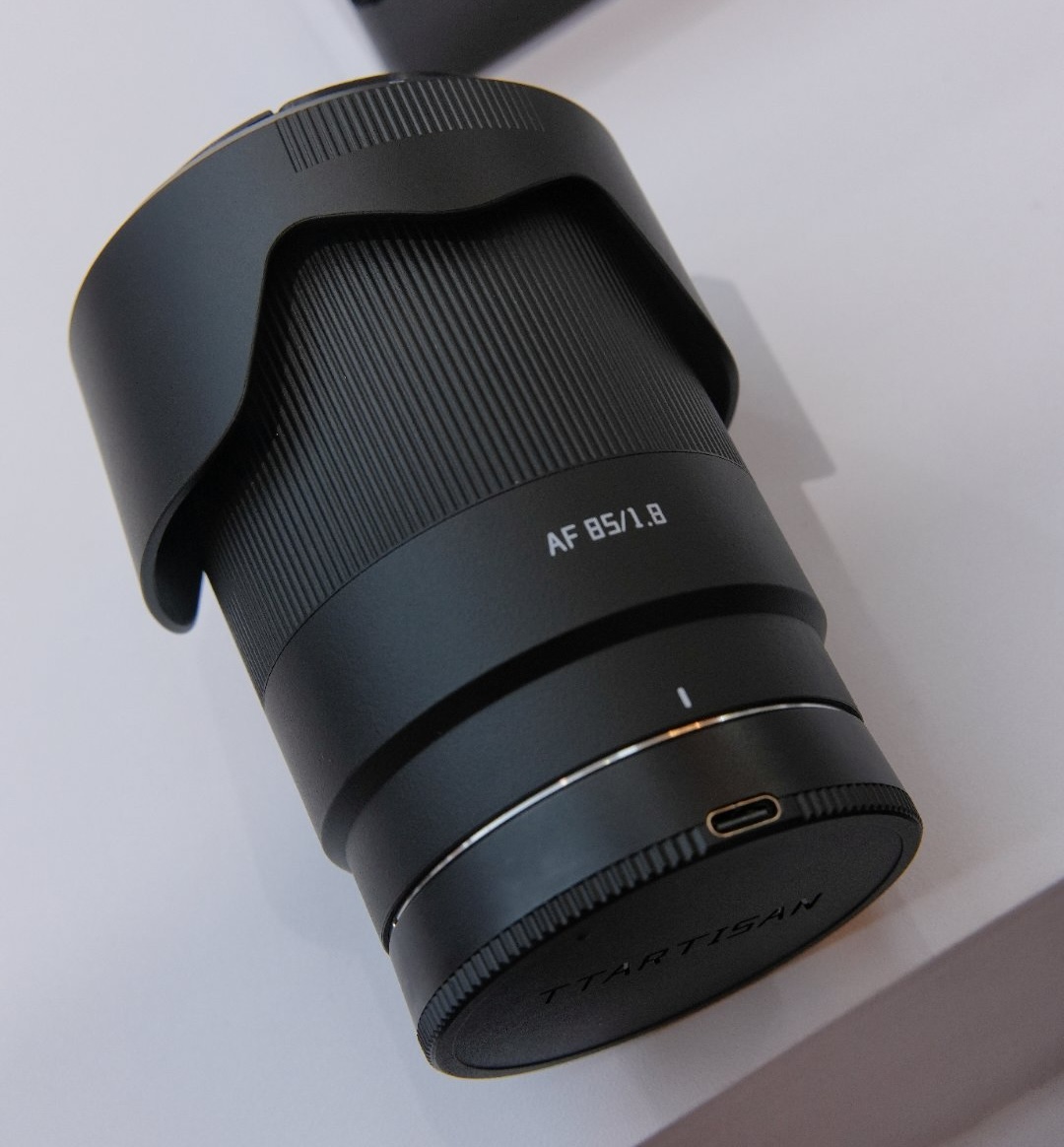
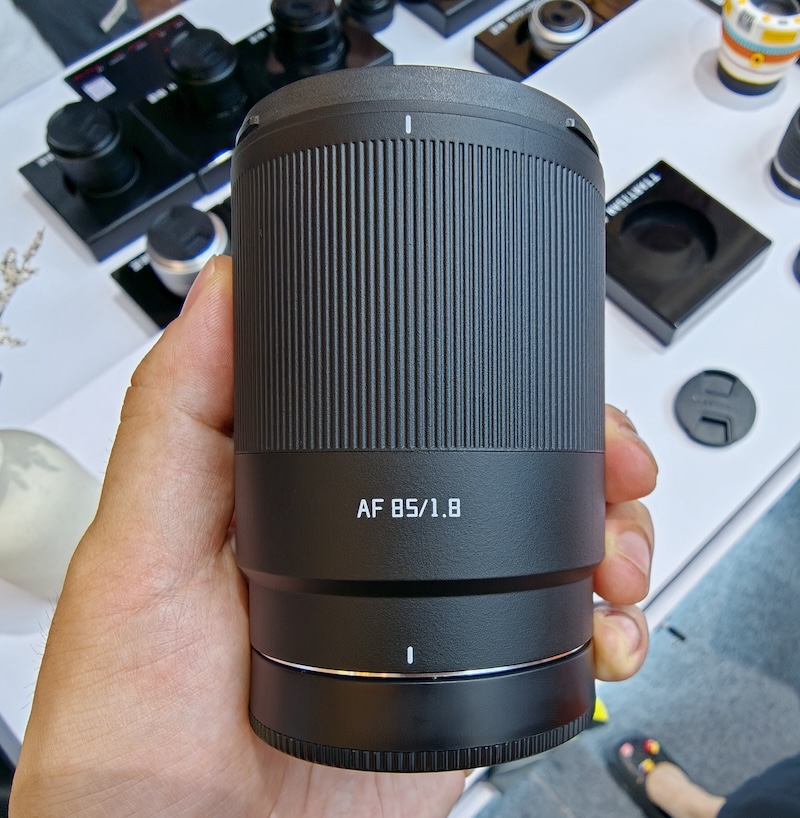
Refined Optical Excellence: 15 elements in 11 groups, featuring HRI, ED (HOYA), and ASPH lenses, with advanced IMC coating for vivid, high-contrast rendering.
12mm Ultra-Wide: 122.5° field of view for landscapes, architecture, interiors, and astrophotography.
Fast STM Autofocus: Next-gen STM motor delivers fast, precise, near-silent autofocus in milliseconds.
Near-Zero Distortion: Aspherical elements ensure accurate geometry and edge-to-edge sharpness.
Intuitive Controls: AF/MF switch and customizable FN button for seamless operation.
Durable Construction: Integrated petal hood reduces flare, with rear sealing for dust and moisture resistance.
GoPro is again exploring a potential sale (or merger). On May 11, 2026, GoPro announced that its Board of Directors has authorized a formal review of strategic alternatives, including a possible sale of the company or a merger, to maximize shareholder value, following multiple unsolicited inquiries:
“The Board expects to evaluate a range of strategic alternatives that could include a sale of the company or merger.”
The company has engaged a financial advisor and stated that no decisions have been made and no timetable exists. The move follows years of declining revenue, widening losses, layoffs, and competition from DJI and Insta360.
When you use DPReview links to buy products, the site may earn a commission.
Panasonic L10 | 34mm (75mm equiv.) | F2.8 | 1/80 sec | ISO 6400 | 3:2 crop Photo: Mitchell Clark
We've had Panasonic's latest enthusiast compact, the L10, for a few days now, and have had some opportunities to get out and shoot with it. While we'll be shooting many more photos as we continue to review it, we figured it'd be worth sharing some of the shots we've taken so far, as there's been a lot of interest in this camera.
Included in the gallery are samples taken using the camera's various aspect ratio modes – it's designed to give you the same diagonal field of view throughout its 4:3, 3:2, 16:9 and 1:1 crop modes – and using a variety of the camera's built-in color modes, including some of the new L.Classic varieties. If you want a more in-depth look at the L10, you can check out our launch coverage, and our hands-on tour of it.
Sample gallery
This widget is not optimized for RSS feed readers. Click here to open it in a new browser window / tab.
Although the transmitter says Insta360 in this shot, it's an e-ink display that can be customized. Image: Insta360
Insta360 has announced a new wireless microphone system, the Mic Pro. The company's flagship mic features a few promising tricks that set it apart from a crowded field of mics: the transmitters feature a three-mic array and an e-ink display.
Although simple, one of the more exciting features of the Mic Pro is the color e-ink display on the transmitter, which Insta360 says is an industry first. Most wireless mics feature a giant brand logo on the front, but the display makes it possible to customize the transmitter in a way that looks better than a piece of tape. The e-ink technology uses less power than other display types, so it won't chew through battery life, and it's also easier to see in bright sunlight, making it useful for outdoor productions.
Although it's hard to see, these mics have emojis on them instead of the Insta360 logo. Image: Insta360
Users can upload any graphic they want via the Insta360 app, including their channel art, personal brand logo, talent names or other key identifiers that would be helpful during production. The e-ink display stays on even when the transmitter is off, so identifying information will stick around during breaks. It allows you to put your own brand on display instead of the mic company's, or to display useful information that will help during or after production.
Insta360 also says that the three-mic array in the Mic Pro is an industry first, since most transmitters use a single built-in omnidirectional capsule, picking up sound from all around it. The Mic Pro, meanwhile, can combine the signals from its three mics and process them to focus on sound coming from specific directions, which you can set using the receiver or the Insta360 app.
For example, with the cardioid configuration selected, it can be mounted on a camera to function as a shotgun mic, while figure-8 mode is ideal for two-person interviews with only a single mic. Insta360 also says that an onboard neural processing chip powers the AI noise cancellation feature, aiming to reduce background noise without distorting the speaker's voice.
Image: Insta360
In terms of other general mic features, the Mic Pro supports timecode sync. It also offers 32-bit float to prevent clipping and stereo internal recording. It also provides 32GB of on-board storage. Insta360 promises 10 hours of battery life from the transmitters and up to 30 hours with the included charging case.
The mic system supports multi-channel recording in two configurations. In two-to-four mode, two transmitters can send audio to up to four receivers simultaneously, making it easier to feed the same mics to multiple cameras or recording devices. In four-to-one mode, up to four transmitters can feed a single receiver, though four-channel recording requires a compatible Sony camera and a separate adapter.
The Mic Pro can be paired with Insta360 products via Bluetooth without needing the receiver. Insta360 also says that future products will support dual-transmitter direct connection. For other devices, the receiver can connect via 3.5mm audio cable or USB-C.
Image: Insta360
The Insta360 Mic Pro is available now at a starting price of $330, which includes two transmitters, one receiver and the charging case.
Press release:
Insta360 Launches Mic Pro: A Wireless Microphone Solving Professional Audio's Biggest Pain Points
Insta360 today announced the Mic Pro, a flagship wireless microphone system that transforms sound into something you can see and own. Designed for creators, filmmakers, podcasters, and event professionals who demand professional-grade results without professional-grade complexity, Mic Pro introduces two industry-first technologies: a customizable E-Ink display and a 3-microphone array.
Beyond professional production, Mic Pro is designed for a new generation of creators, enabling everyday storytelling with audio that is not only heard, but seen and personal. Your microphone is no longer just a tool. It carries your name, your logo, your identity, all the way through to the shot.
Together, these technologies address limitations that have plagued the wireless audio category for years.
Customizable E-Ink Display: An Industry First
Mic Pro is the first wireless microphone to feature a customizable E-Ink display on each transmitter.
Via the Insta360 app, users upload any graphic: station logos, channel art, talent names, or production identifiers. The screen displays it persistently, even when the unit is powered off. On a busy set with multiple transmitters, instant visual identification replaces guesswork.
The choice of E-Ink over OLED is functional as well as distinctive. E-Ink consumes power only during screen refresh, not while displaying a static image, which contributes meaningfully to battery life during extended production days.
Under direct sunlight, where OLED screens wash out and become unreadable, E-Ink remains sharp and high-contrast without glare. For outdoor productions, field recording, and live events, this is a reliability advantage that OLED-equipped competitors simply cannot match.
What Makes Insta360's New Wireless Microphone Different?
Industry-First, High-Performance 3-Mic Array With Polar Patterns
Conventional wireless microphones rely on a single omnidirectional capsule. The pickup pattern is fixed, and users cannot adapt to different acoustic environments without switching hardware entirely.
Mic Pro integrates three microphones into each transmitter. Digital signal processing dynamically combines their input to emulate distinct polar patterns, selectable from the receiver or the Insta360 app. The result is a single device that adapts to the environment rather than the other way around, with the right pickup pattern ready for each shooting scenario. When mounted on a camera for video shoots, the cardioid configuration functions as a directional shotgun mic, giving run-and-gun filmmakers precise front-focused capture without additional hardware.
Omnidirectional mode opens up the pickup area for relaxed, ambient capture. Cardioid mode tightens the pickup to the front, ideal for vlogging, solo livestreams, ASMR, and voiceover. Figure-8 mode captures from both front and rear, built for interviews and two-person conversations.
AI noise cancellation is powered by an onboard NPU chip, designed to reduce background interference without compromising vocal quality. Unlike standard noise reduction that can flatten or dull a voice, the NPU processes sound with greater precision to preserve natural tone and clarity. Wind, crowd noise, and ambient interference are reduced while voices remain clear and lifelike.
32-Bit Float Recording: The End of Clipped Audio
At the core of Mic Pro's audio is 32-bit float internal recording.
Unlike conventional 24-bit recording systems that clip when audio exceeds a set threshold, 32-bit float captures a dynamic range so wide that clipping is effectively eliminated. A whisper and a sudden shout can coexist in the same recording without either being lost.
In post-production, normalization replaces the stress of real-time gain management, saving takes that would otherwise be ruined by unexpected loud sounds during interviews, ceremonies, and live events.
32GB Built-In Storage: An Onboard Safety Net
Each transmitter records independently to 32GB of onboard memory, providing a continuous safety net against wireless interference or camera failure. Recordings auto-split every 30 minutes to prevent file size limitations from interrupting long takes.
Stereo internal recording, a feature unique to Mic Pro in this class, captures immersive ambient soundscapes and ASMR-quality audio directly to the transmitter at up to 32-bit float quality.
For additional control, Auto Gain Control offers two modes. Prevent Clipping (Auto) handles unpredictable high-dynamic environments, while Dynamic Mode suits controlled indoor recording where consistent output levels matter most.
Scalability Beyond Two Channels
Most compact wireless systems hard-cap at two transmitters per receiver. Mic Pro breaks that ceiling with two configurations designed for the most demanding multi-source audio scenarios.
4-to-1 mode connects four transmitters to a single receiver, feeding four isolated tracks without external mixers. Podcasters, panel moderators, and interviewers can scale to four guests while retaining individual track control in post.
2-to-4 mode distributes two transmitters across four receivers simultaneously, solving the audio distribution challenge in multi-camera productions. Weddings, corporate events, and broadcast setups that run several cameras can now share clean audio without complex routing or cable infrastructure.
Four-channel output is available when connecting to compatible Sony cameras via the Camera Adapter, enabling 48kHz 24-bit digital audio across all four tracks (adapter sold separately).
Direct Insta360 Camera Connection
Mic Pro pairs directly with Insta360 cameras, including X5, X4 Air, Ace Pro 2, and GO Ultra, via Bluetooth. This delivers 48kHz high-fidelity audio without a receiver, eliminating a piece of hardware from the kit entirely for creators already in the Insta360 ecosystem.
Dual-transmitter direct connection will be available with upcoming Insta360 camera releases.
All-Day Power With Fast Charging
Each transmitter delivers 10 hours of standalone battery life, extending to 30 hours with the included charging case.
A 5-minute fast charge provides up to one additional hour of recording time, enough to get back to action between setups. The receiver syncs its power state with the connected camera automatically, and both transmitter and receiver support auto power-off to conserve battery when not in use.
Timecode Sync and Broad Device Compatibility
Mic Pro supports timecode sync via a high-precision TCXO oscillator, maintaining less than one frame of drift across 24 hours and keeping audio locked to video across every device on a multi-camera production.
The system connects to DSLR and mirrorless cameras via 3.5mm audio cable, to smartphones via USB-C or Lightning adapters, and integrates natively with the Insta360 ecosystem via Bluetooth. It is compatible with virtually every camera, phone, and recorder in professional use today.
At a Glance
Industry-first customizable E-Ink display on each transmitter for visual identity and instant set recognition
3-microphone array with selectable polar patterns (omnidirectional, cardioid, figure-8), functioning as a shotgun mic when camera-mounted
NPU-powered AI noise cancellation preserving natural voice clarity
32-bit float internal recording: clipping is mathematically impossible
32GB onboard memory with stereo internal recording, unique in class
Scalable multi-channel audio: 4-to-1 and 2-to-4 configurations
Direct Bluetooth connection to Insta360 cameras including X5, X4 Air, Ace Pro 2, and GO Ultra
10-hour transmitter battery, 30 hours with charging case, 5-minute fast charge
Availability
The wireless microphone market has long forced a compromise: portability or capability, but rarely both. Mic Pro eliminates these friction points with high performance and its unique E-Ink display.
Insta360 Mic Pro is available now, with a new buyer's guide from Insta360 that covers the differences across its audio range here. The 2 TX + 1 RX kit starts from US$329.99, with additional configurations available at the Insta360 Official Store and Amazon, as well as authorized distributors worldwide.
When you use DPReview links to buy products, the site may earn a commission.
Introduction
The L10 may have a new name, but conceptually it's a successor to the LX100 series that started in 2012.
It's built around a Four Thirds (225mm²) sensor, from which it uses up to a 182mm² region. This makes the sensor 50% larger than a Type 1 sensor and half the size of a standard APS-C chip.
It pairs this with a 24-75mm equiv. F1.7-2.8 lens. By always using a 1.1x crop of its total sensor area, it's able to maintain the same diagonal angle of view, whether you shoot 4:3, 3:2 or 16:9 aspect ratios. It also offers 1:1 capture, but this uses a crop of the 4:3 region, not a taller chunk of the sensor.
The camera comes in three colors: silver, black, and "Titanium Gold." The latter costs $100 more, and is only available from select stores, but also includes a threaded shutter button, leather strap and automatically-opening lens cap.
Updated Internals
The L10 gains the BSI CMOS sensor with on-sensor phase detection from the GH7 and G9 II models, meaning it offers improved dynamic range, improved resolution and faster focus than previous LX100 models.
It also gets the latest processor from the Panasonic S1RII, meaning it has access to the latest subject recognition algorithms, which again should significantly increase the ease-of-use of the AF system*, as well as the performance boost coming from phase detection and the more powerful processor. With that said, you may still find yourself waiting on the lens occasionally; the camera takes a full two to three seconds from when you flip the power switch to when you get a preview.
Finally, the connectivity has been updated. The camera now offers 5Ghz Wi-Fi, as well as a 10Gbps USB-C port.
*Though it inherits that camera's quirk of not allowing generic autofocus tracking when you've selected a subject recognition mode.
Multi-aspect shooting
Like the LX100 cameras, and many of Panasonic's previous LX models, the L10 opts for a multi-aspect design: always using a slight (1.1x) crop of its Four Thirds sensor, which allows it to deliver a series of aspect ratios, each extending out to the image circle of the lens.
This means that, unlike most cameras, you don't get a narrower diagonal angle of view if you crop away from the native aspect ratio. Instead, the L10 gives a choice of 4:3, 3:2 or 16:9 capture, while maintaining the same diagonal angle of view. This means the lens remains a true 24-75mm equivalent, regardless of which format you choose to shoot in. It also means you get the maximum resolution for all of the modes. The only exception is the camera's 1:1 mode, which is simply a crop of the 4:3 region, rather than extending up to use the full height of the sensor.
Maximum resolutions:
4:3 - 20.3MP
3:2 - 19.2MP
16:9 - 18.5MP
1:1 - 15.2MP
The downside of this approach is that you never get to use the entire sensor, so pay a slight sensor size penalty, meaning you get slightly less resolution and slightly more noise, at the whole image level. But plenty of people, including many DPReview reviewers, over the years, have found that the increased creative flexibility makes this trade-off worthwhile.
Bigger is better?
The L10 versus the D-Lux 8, essentially Leica's updated version of the LX100 II.
It's worth noting, though, that the L10 has a new name, rather than being a Mark upgrade of the LX100 series. And while the body looks very similar, it's a distinctly larger camera. It feels sturdier and more substantial, though not necessarily more premium; the buttons and dials feel decidedly less sturdy, and the "saffiano leather-textured finish" doesn't offer a ton of grip.
We previously said the LX100 looked a lot like a smaller X100 with a zoom lens, given the similarity of the control points and their layout. The L10 is no longer smaller, matching the larger sensor camera's dimensions almost to the millimeter. However, the controls have changed somewhat, which again justifies the change of name.
On the subject of names, there was previous a Lumix DMC-L10, which was a Four Thirds system DSLR. This new camera is technically called the Lumix DC-L10. This isn't the first time we've seen camera companies run out of names and have to re-use earlier ones. Canon has made two PowerShot S100 models, 11 years apart, whereas Panasonic's previous L10 came out nearly two decades ago.
A familiar lens
The lens has an ambitious F1.7-2.8 aperture range, giving an equivalent aperture range of F3.8-6.2 in full-frame terms. The lens drops away from its maximum aperture relatively quickly, hitting F1.8 as soon as you start to zoom in, and F2.0 by 27mm equiv. F2.8 is reached at 52mm equiv. and maintained to the full extent of the zoom.
The camera has an in-lens, 'leaf' shutter that can operate at up to 1/2000 sec. This maximum speed is maintained even at the brightest apertures (some leaf shutters can only deliver their maximum shutter speeds at smaller apertures, where they have less distance to travel).
This means the camera can sync with flashes all the way up to 1/2000 sec. The camera's hot shoe gives you the option to use a small flash such as the Godox iT30Pro (the 'O' version is compatible with the Olympus TTL protocol used by Panasonic), or the Godox iT32 / X5 flash/remote trigger combination. However, unlike the LX100 II, it doesn't come with an external flash in the box.
For shutter speeds above 1/2000, the L10 can use electronic shutter, which extends up to 1/32,000 sec and reads out the 4:3 mode in a relatively quick 16.7ms. This can't be used with flash but should work pretty well when you want to use a wide aperture in bright conditions, and is fast enough to avoid rolling shutter distortion on most (though not all) subjects.
Controls
The L10 has a mode dial on the top plate, rather than one dedicated to shutter speed. Likewise, the thumb wheel on the corner is no longer dedicated to exposure comp, and can be customized to change ISO, aspect ratio, autofocus mode, drive mode, or to control shutter speed / aperture (depending on exposure mode).
It gains a function button at its center, that, by default, controls your JPEG color mode (unless, of course, you want to switch to the "Real Time LUT" mode, for which you'll use a dedicated button on the back), but can be set to do essentially anything in the cameras' menus.
This camera feels like its control system has been borrowed from a camera with different dials
Like the S9, this camera feels like its control system has been awkwardly borrowed from a camera with a different dial setup (which is unfortunate, as the LX100s had a pretty coherent control system). As an example, the top plate dial controls aperture in both Aperture Priority and Manual modes by default, meaning that, unless your physical aperture ring is in A mode, it doesn't do anything in those modes. (In Shutter priority mode it, more sensibly, controls shutter speed). We found ourselves needing to customize the controls before they made much sense, and even then that required using the fiddly rear-plate dial more than we'd have liked.
Somewhat disappointingly, the aspect ratio slider on the lens has been replaced by a three-position switch, which has an additional position that hands control over to the camera. By default in controls aspect ratio, but can be re-purposed to control a few other parameters: switching between a set of autofocus subject recognition modes, zoom steps, or color modes. While some, especially those disinterested in changing aspect ratio, will appreciate the change, others – including members of DPReview's staff – are sad to see the despecialization of what was once a favourite control.
Other changes
The bigger body allows for the use of a much larger battery. Rather than the 7.4Wh battery used in the LX100s, the L10 gains the much larger, DMW-BLK22, which has a capacity of 15.8Wh. This powers it to an 420 shot per charge rating, measured by the CIPA standard test method, and over 1000 shots in power save mode. These are excellent figures for a relatively compact camera, and mean you're unlikely to have to worry about battery life when traveling with the camera.
Another feature adding to the camera'a size is the fully articulated rear screen. This is likely to divide audiences, as some photographers prefer a tilting screen, but we suspect most users will find it an upgrade compared with the fixed screen on the LX100 cameras. The L10's screen is a 1.84M dot panel, giving 960 x 640px resolution.
OLED viewfinder, rather than tearing-prone field-sequential finder. It's a 4:3 panel, rather than the wide 16:9 finder in the LX100 cameras, whose area was rarely used to the full. The new finder has an impressive 0.74x magnification (approaching the size of the finders in professional DSLRs), though with a relatively short 20mm eyepoint, which glasses wearers may find a little limiting.
Video specs
Even though Panasonic talk about the L10 as being designed for photographers, its video specs are pretty impressive. Despite the microphone jack, there's no headphone socket for monitoring audio or an HDMI port, but the L10 is clearly a product of the company that brought us the GH series.
There's a Stills / Video / Slow & Quick switch on the back of the camera. It can shoot 4K video in either DCI or UHD aspect ratios at up to 120p, or 5.6K DCI-shaped video at up to 60p, or 4:3 'open gate' 5.2K footage at up to 60p.
The video modes make use of the same multi-aspect approach as stills modes do, so the 5.2K footage is taken from a much taller region of the sensor than the ∼17:9 5.6K video, making it tall enough to extract 2160 x 3840 (vertical 9:16 4K) crops, if you're using it to deliver both horizontal and vertical video from the same capture.
Price
The L10 costs $1500 at launch, which feels like a major step up from the $999 that the LX100 II cost, back in 2019. However, it's worth noting that inflation means you'd need $1320 in modern money to buy the equivalent of a 2019 $999 camera, and the L10 is a much more capable camera, with more substantial-feeling build than its forebears.
The original LX100 developed something of a reputation for sucking dust into its sensor, in part because pocket cameras tend to be carried and used in wide, varied and challenging conditions. Panasonic said they made efforts to reduce this risk with the Mark II, and we've heard fewer complaints from users of the newer model. No further claims were made about the L10, so it's likely to be worth remembering that it's not fully sealed (it has an extending zoom, after all), but shouldn't be as susceptible as the Mk 1 was.
Wrap-up
The L10 might not be as compact as the LX100s were, nor does it follow quite the same control layout, but it brings most of what we liked about those cameras and directly addresses just about all our concerns about them.
We're excited to see the launch of an enthusiast compact based on a modern sensor and a contemporary processor. We'll be using it extensively over the coming weeks to get a sense of what it does well and what it gets wrong.
We're hard at work on our initial review of the camera, and will be posting an initial batch of samples from it shortly, so stay tuned.
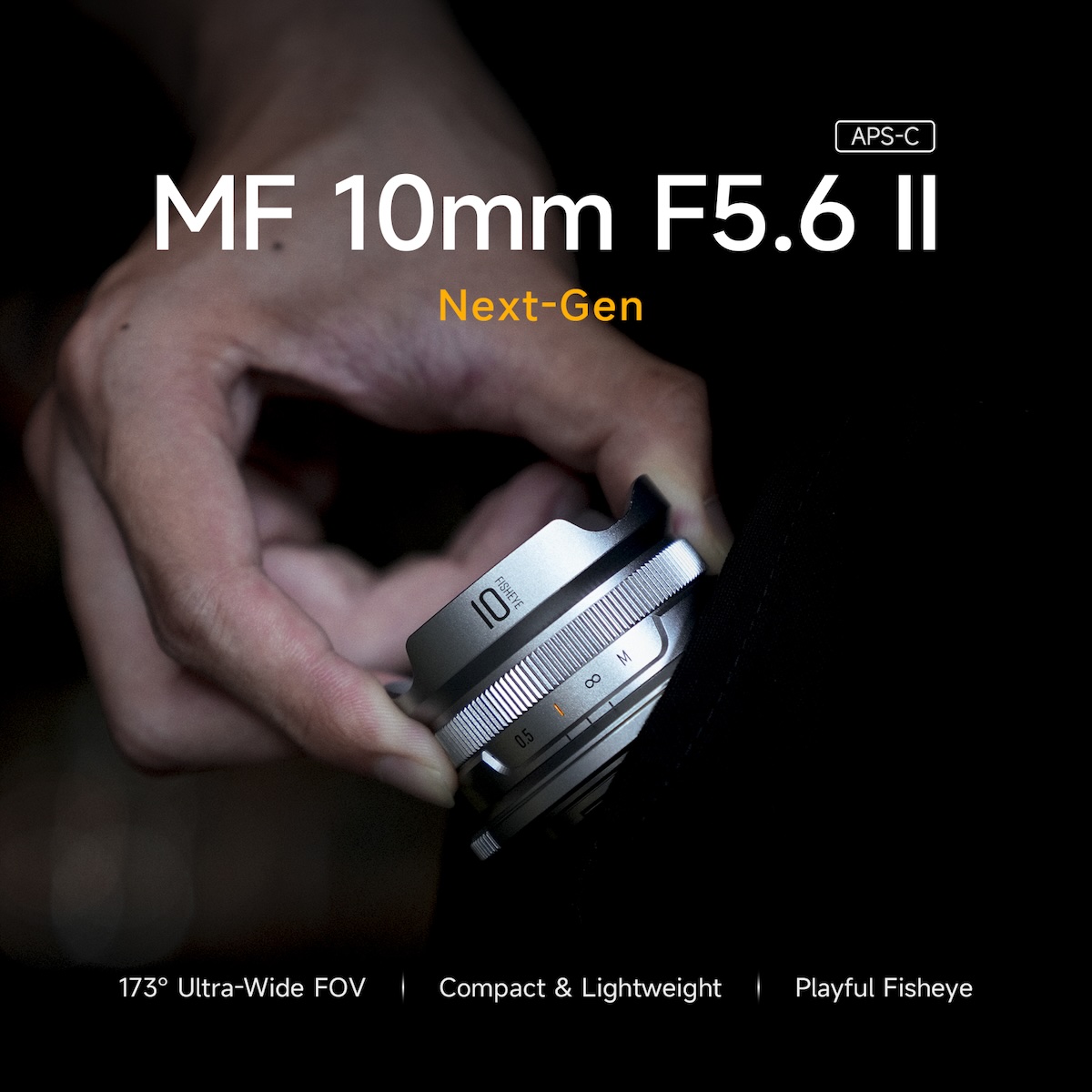
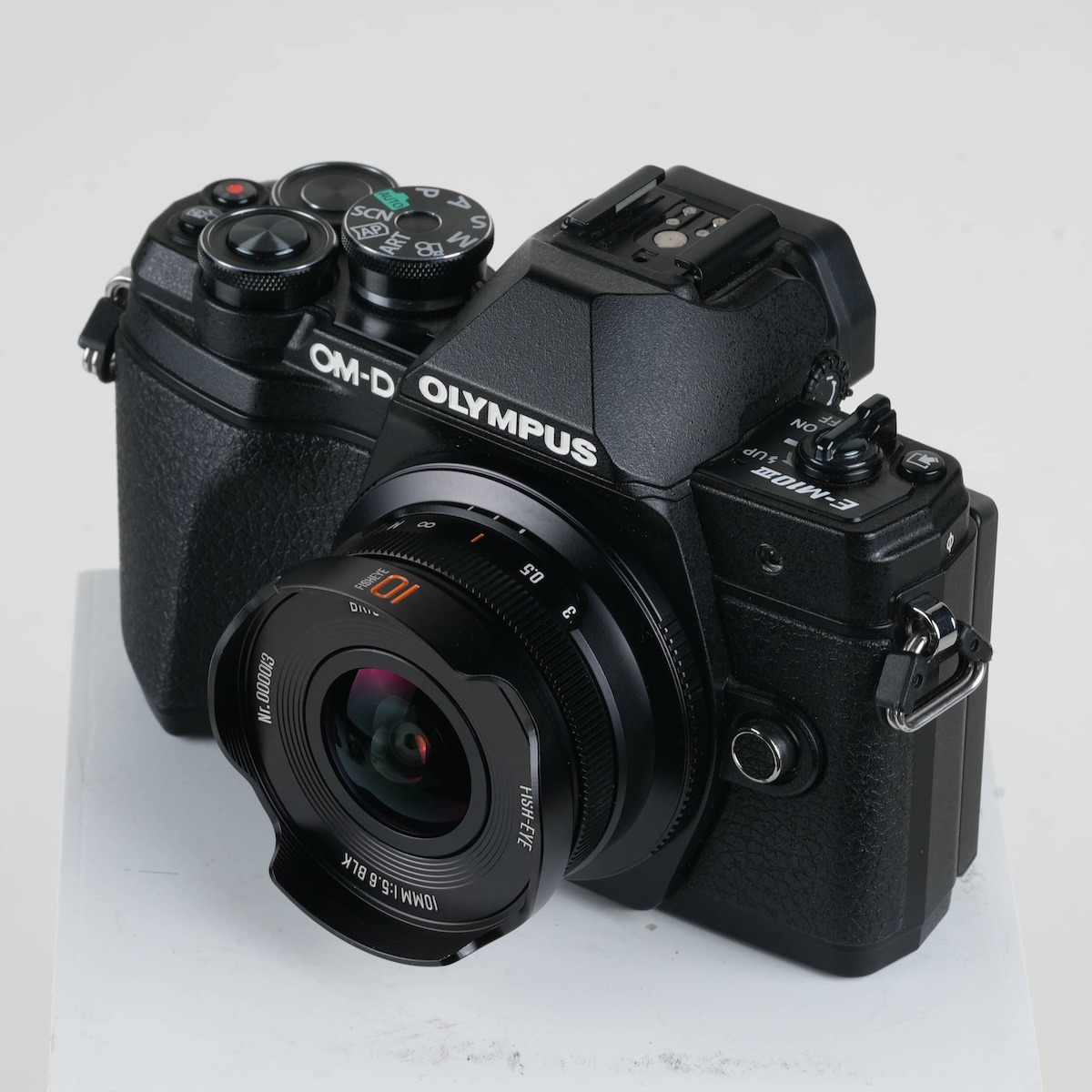
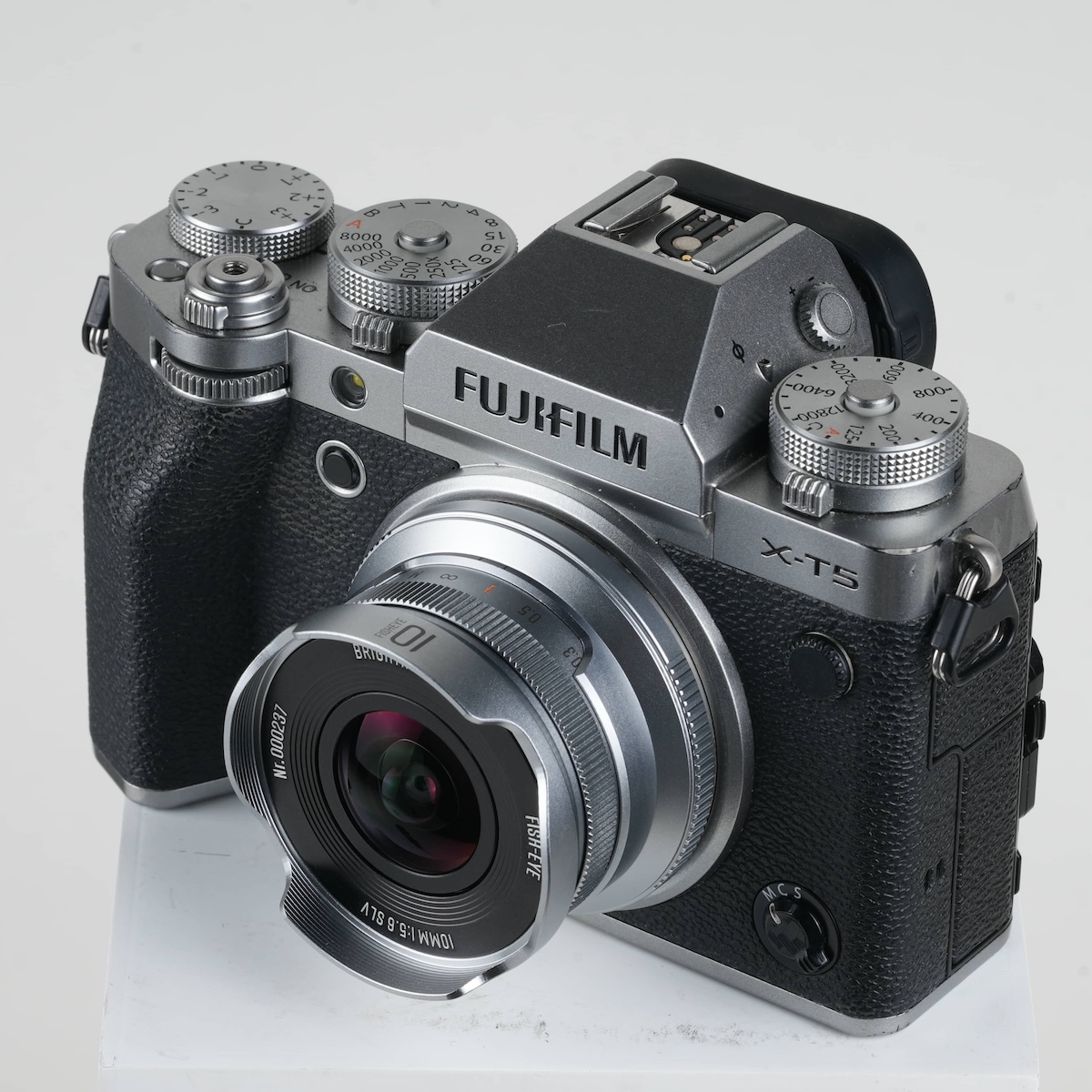
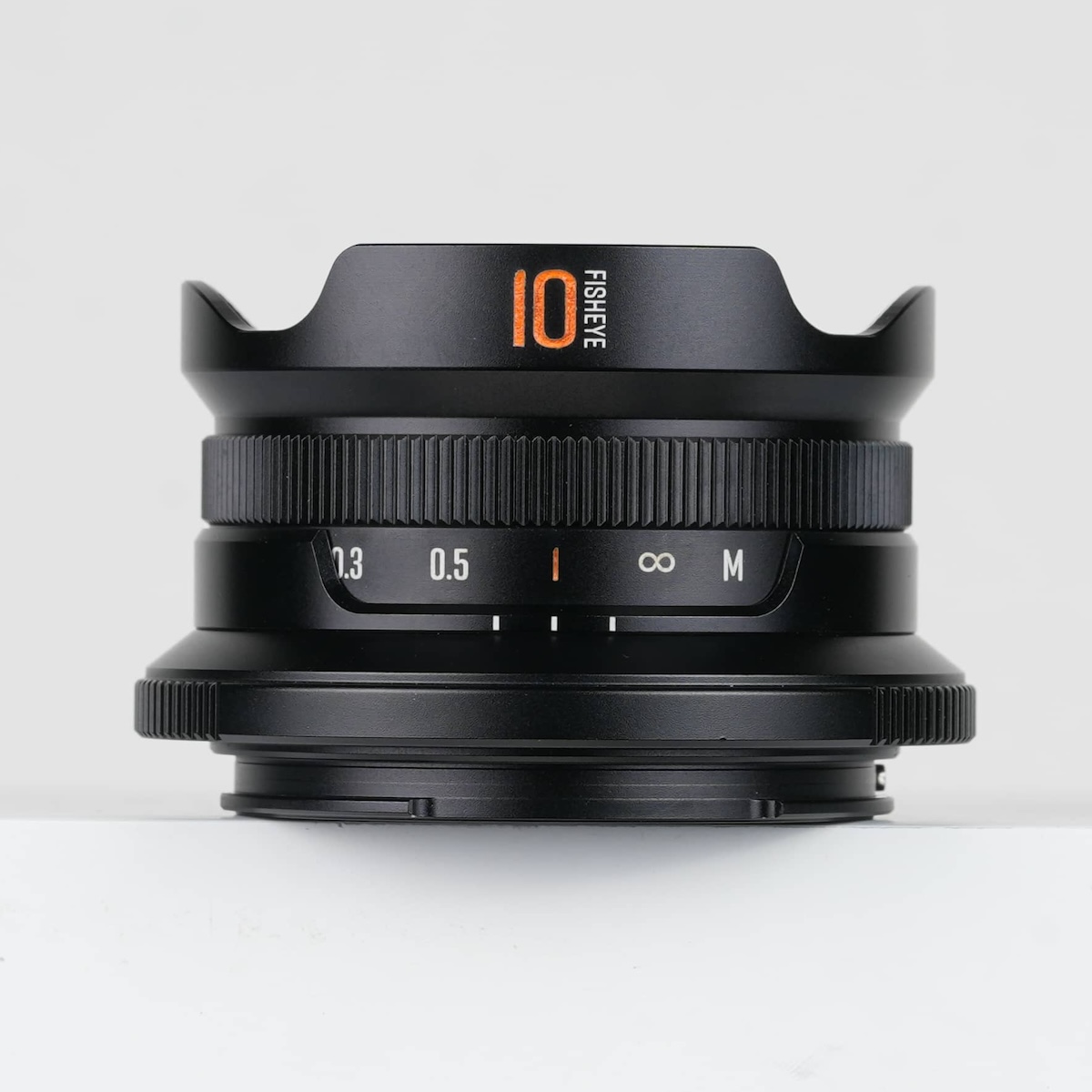
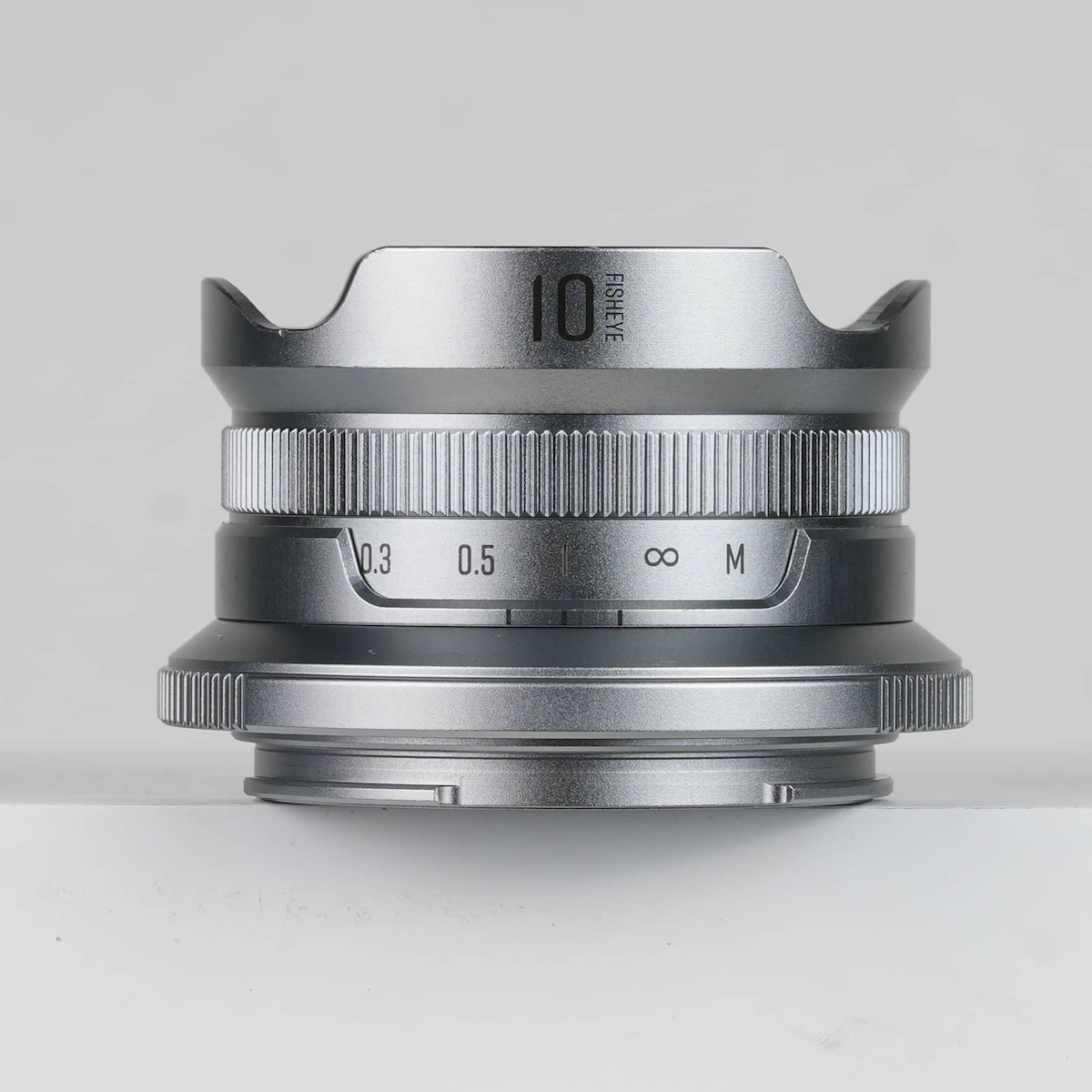
Brightin Star announced a new 10mm f/5.6Ⅱ APS-C fisheye lens for $66, available for Sony E, Nikon Z, Canon EOS M+RF, Fuji X, and MFT mounts. Pre-orders are now open at the official online store (coming soon to B&H Photo).
When you use DPReview links to buy products, the site may earn a commission.
Sony a7R V | Thypoch 24-50mm F2.8 | 35mm | F4 | 1/40 sec | ISO 100 Photo: Mitchell Clark
After announcing last month that it had become the first Chinese lens manufacturer to create a full-frame autofocus zoom lens, this week Thypoch fully revealed its Voyager 24-50mm F2.8 lens for E-mount. The most eye-catching spec was probably its price: $649.
We were able to spend some time with the lens before it launched, shooting it in a variety of scenarios to see how it performs. You can check out our full coverage to read our impressions, but if you want to see for yourself, check out the gallery below.
Please do not reproduce any of these images on a website or any newsletter/magazine without prior permission (see our copyright page). We make the originals available for private users to download to their own machines for personal examination or printing; we do so in good faith, so please don't abuse it.
Sample gallery
This widget is not optimized for RSS feed readers. Click here to open it in a new browser window / tab.
Thank you to Sony for the loan of an a7R V to capture this gallery. All images were processed using our standard lens workflow in Capture One, with no vignetting correction applied.
JC Optics will release a new 400mm f/8 full-frame telephoto manual focus lens with adjustable focus damping, featuring a 3-element, 2-group optical design and a minimum focusing distance of 100cm, and designed for E/Z/F/RF/EF/EF-M/X/MFT mounts (all-metal mount).
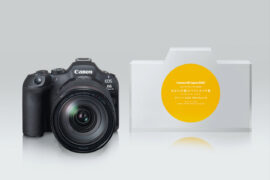
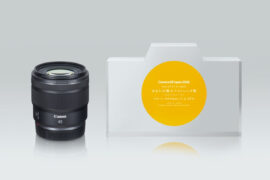
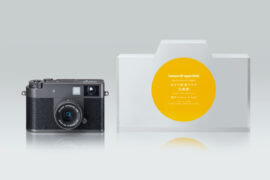
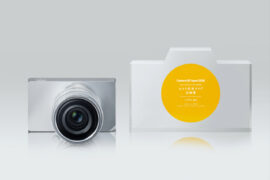
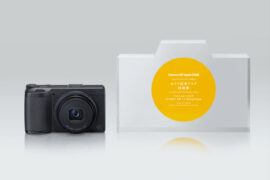
Here is the list of the main 2026 Camera Grand Prix (Camera GP) awards, organized by Japan’s Camera Journal Press Club (CJPC) – they include products released in the Japanese market from April 1, 2025, to March 31, 2026. A committee of 57 members (including media, experts, and TIPA representatives) selected the winners:
Cameras performed well and increased earnings, primarily driven by the Ricoh GR series.
The segment overall reduced its operating loss through cost controls and robust camera sales, despite upfront investments in new businesses and a goodwill impairment in the drug discovery support business.
New Medium-Term Management Plan: Targeting 10+ new model launches per year by FY26
Net Sales: ¥11,305 million (-16.7% YoY): Significant decline driven primarily by weak OEM performance; other segments offset some impact at consolidated level.
Operating Income: ¥2,390 million (-37.2% YoY)
Operating Margin: 21.1% (-6.9 pts YoY): Profit hit by lower gross profit (sales decline + unfavorable product mix), plus higher material/utility costs, increased R&D, and personnel expenses.
Canon is actively reviving and expanding its PowerShot compact camera lineup in response to renewed market demand, particularly from younger users and social media creators. This shift is driven by easing smartphone dominance, with compacts seen as creative tools and fashion statements rather than just point-and-shoots. Here is a recap from Canon’s report:
Key Insights from Canon’s 2026 Integrated Report
Canon’s official 2026 report (covering 2025 performance) highlights that the camera market contraction due to smartphones has eased. New user segments, especially young people focused on video and social media photography, are driving growth. Compact digital cameras are expanding again as tools that offer capabilities beyond smartphones, with ownership viewed as a cultural/fashion statement among younger generations.
The PowerShot V1 (a 2025 video-focused model) is highlighted as a key example of this direction, positioned alongside existing models like the PowerShot G7 X Mark III, SX740 HS, and IXY 650.
Canon increased compact camera production in 2025 and plans further expansion. The Imaging Group saw strong sales growth (up 12.5% to over 1 trillion yen), with compacts contributing alongside entry-level mirrorless cameras.
Broader strategy: Strengthen products across categories (including compacts) with a focus on video, while maintaining leadership in interchangeable-lens cameras.
This aligns with executives noting that current compact buyers are often new customers (not traditional Canon users), so future models will introduce “new technologies or use cases.”
Up to three new Canon PowerShot models are rumored for 2026, including two high-end models and one more mass-market option. These are expected to launch around Q3–Q4 (potentially tied to holiday shopping).

 Connexion