When you use DPReview links to buy products, the site may earn a commission.
Panasonic L10 | 50mm equiv. | F2.7 | 1/60 sec | ISO 1250 | Flash Photo: Richard Butler
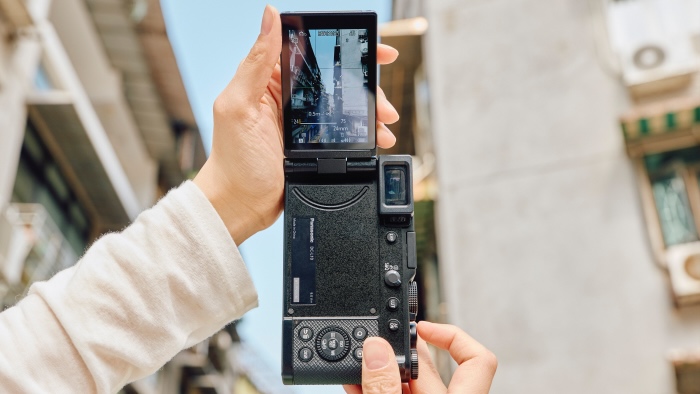
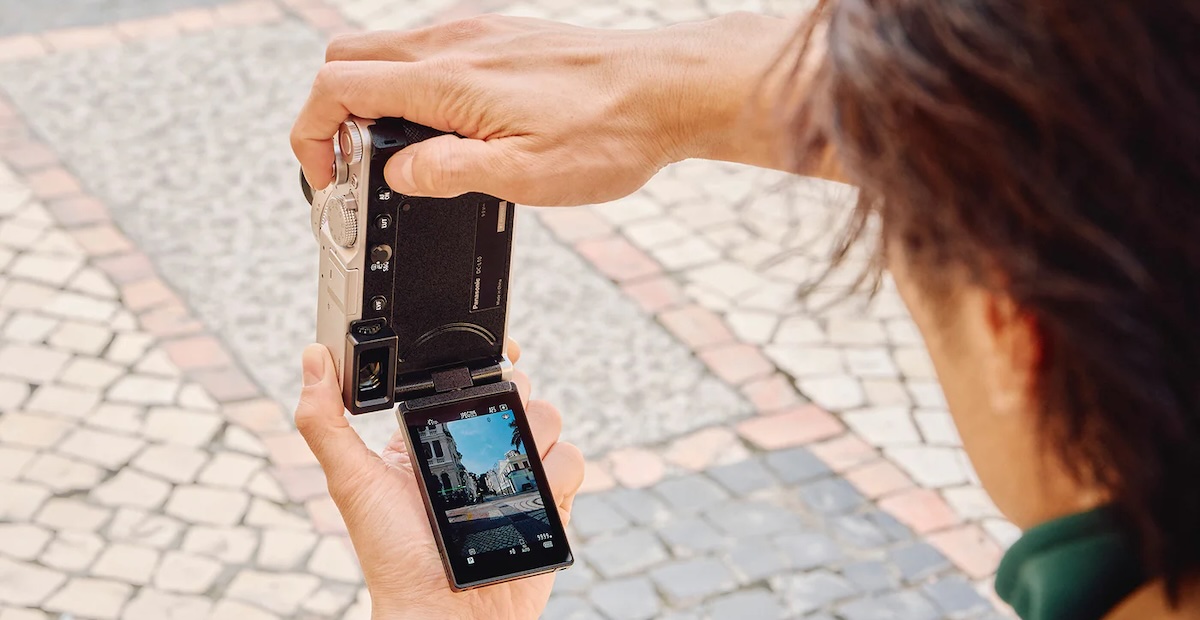
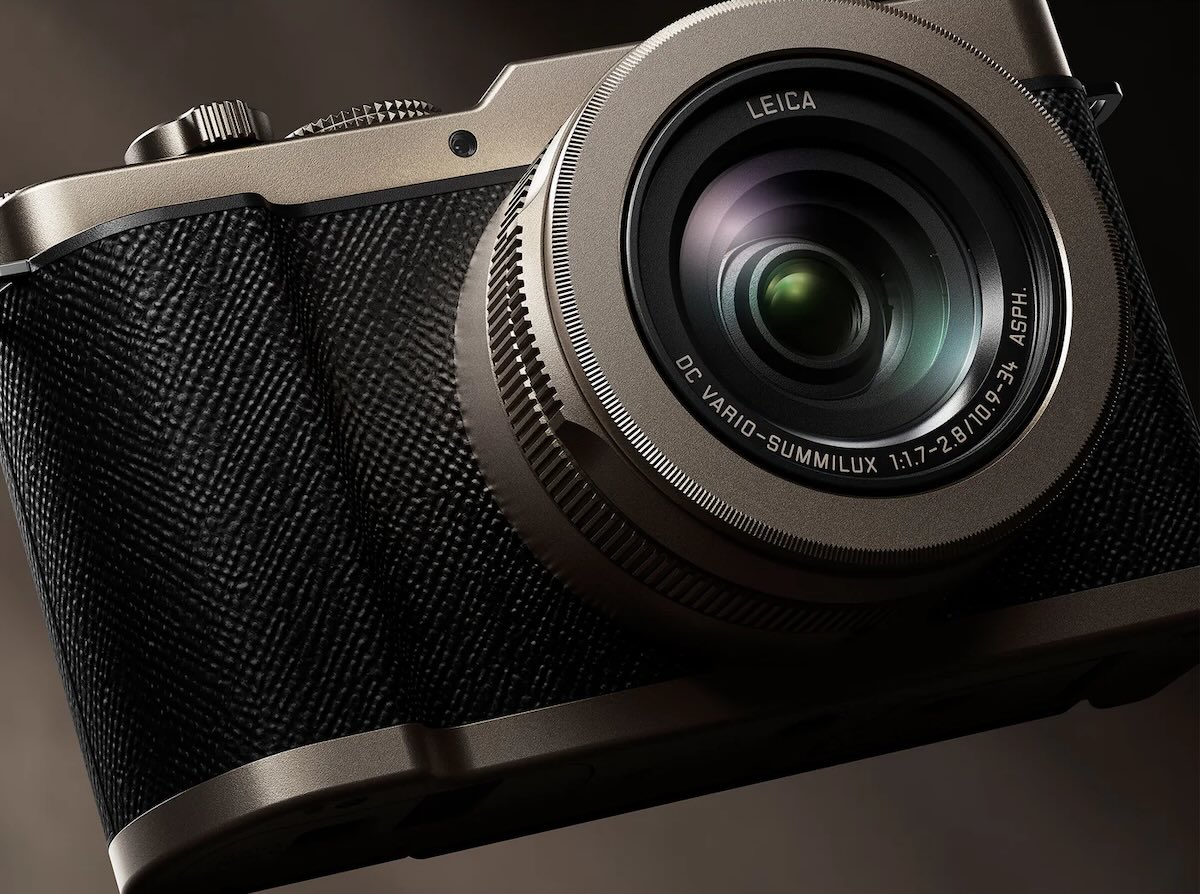
We're hard at work at finishing our review of the Panasonic L10, and, in the process, have been taking quite a few pictures with it. We've updated our sample gallery with some of the best ones, including a few taken with flash, and some Raw conversions that exploit its dynamic range capabilities.
If you want to dive deeper into the L10's image quality, we've also added it to our studio scene, and you can read our writeup about it here.
Please do not reproduce any of these images on a website or any newsletter/magazine without prior permission (see our copyright page). We make the originals available for private users to download to their own machines for personal examination or printing; we do so in good faith, so please don't abuse it.
Sample gallery
This widget is not optimized for RSS feed readers. Click here to open it in a new browser window / tab.
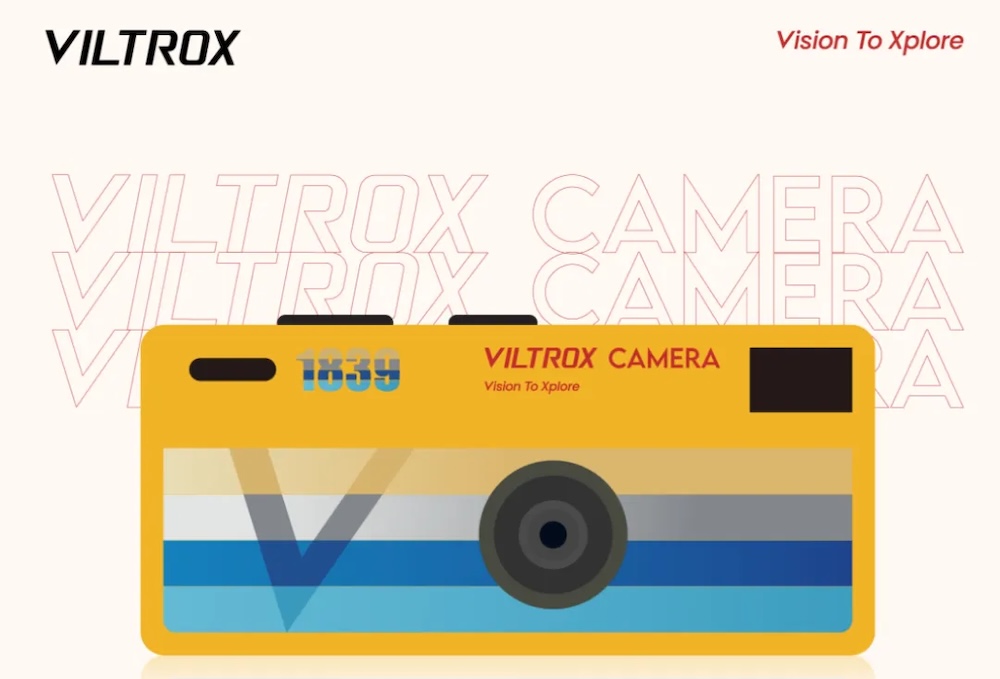
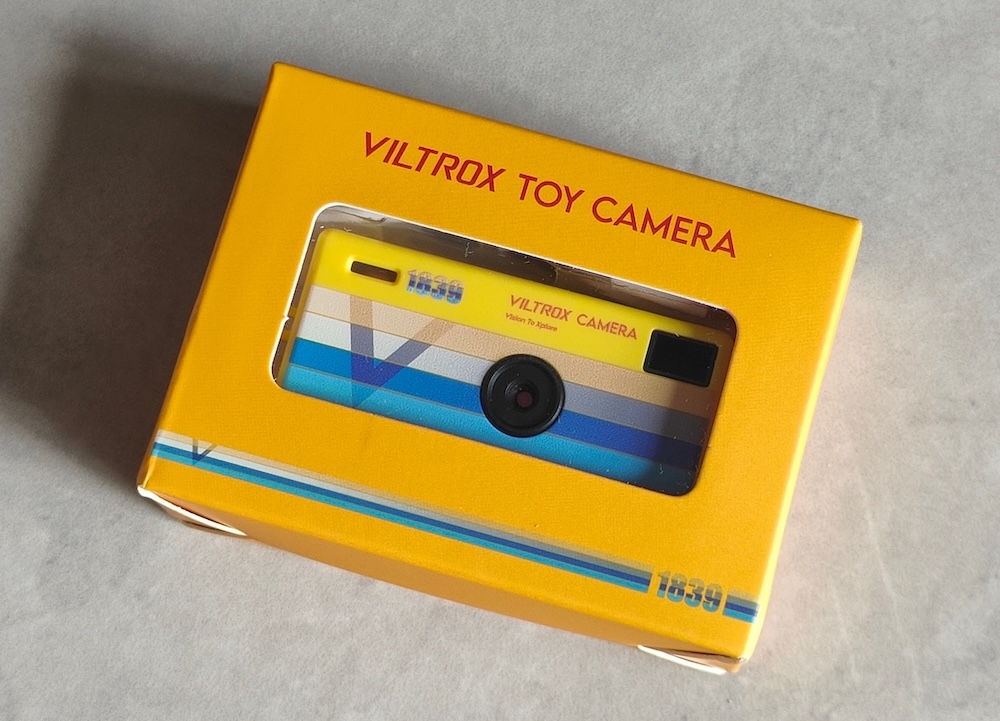
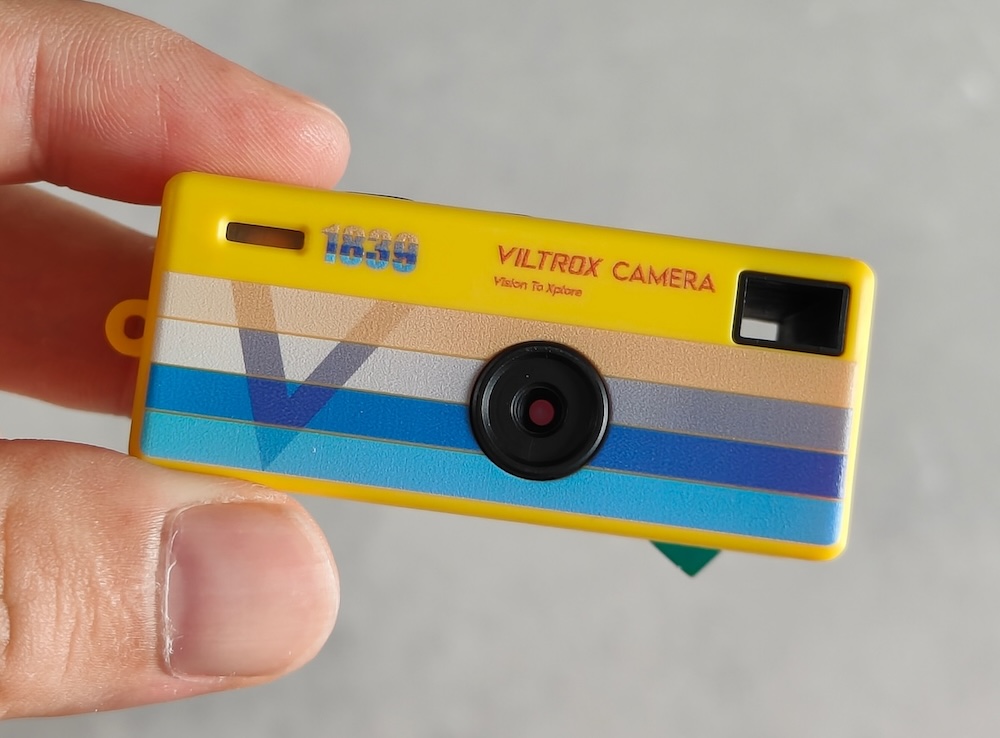
I have been very skeptical about the previously reported Viltrox camera rumors and rightfully so – here are the first leaked pictures of the Viltrox 1839 Toy Camera:
This adorable little yellow plastic toy camera features a fixed lens, a simple viewfinder, and a retro-striped design with a prominent “1839” marking and a “Vision To Xplore” tagline. Clearly, this is not the interchangeable-lens mirrorless body that has been rumored for months with wild speculations, including possible Nikon Z-mount compatibility:
Adobe has announced that it's bringing its AI "creative agent" to the desktop version of Photoshop, after it debuted on the web version of the app earlier this year. While the software is still in beta, it shows that the company is moving forward with its plans to add an increasing number of AI-powered features into its photo editing software.
The goal of the assistant is to provide a chat interface that lets you ask the software to carry out various tasks for you. These could be relatively simple menial tasks – adjusting a photo's brightness, organizing layers, applying edits to make the subject stand out – or relatively complex tasks, like figuring out error messages, coming up with captions for your photo for social media, or identifying fonts in an image.
Image: Adobe
When we spoke to a Photoshop project manager at Adobe's Max conference last year after the feature's announcement, they made it clear the company viewed the AI tool as a way to automate tasks, rather than a guide to teach you the software. And while it can act as one – it describes the edits it makes, which are often applied as layers and effects that you can then tweak – the company is clearly continuing along that line, pitching it as a way to let you focus on your craft, rather than the boring parts of editing.
Of course being an AI system, and a beta one at that, there are still plenty of warnings that results may be inaccurate, and that it can make mistakes. We found that to be true when we tried out the version of the tool available on the web earlier this year, though we wouldn't be surprised if Adobe has made some progress on that front since then.
The AI assistant is currently available in Photoshop Beta for Creative Cloud subscribers.
Adobe Unveils Major Expansion of Creative Agent Across Firefly and Creative Cloud Apps Including Photoshop and Premiere
SAN JOSE, Calif. — June 18, 2026 — Today, Adobe (Nasdaq: ADBE) — the global technology leader that unleashes creativity, productivity and customer experiences through innovative tools and platforms — announced a major expansion of its creative agent across Firefly and Creative Cloud. Adobe Firefly, the all-in-one creative AI studio, now delivers expanded agentic capabilities with new creative skills and tools, and previewed a unified experience that brings every stage of creative work together from ideation to creation to production. Adobe is also introducing its creative agent across Creative Cloud apps including Photoshop, Premiere, Illustrator and more, enabling creators to describe their desired outcome while the assistant orchestrates multi-step workflows. Together, these advancements establish Adobe’s creative agent as the connective layer across every stage of creative work, letting creatives focus on the craft, taste and judgment that make the work distinctly theirs.
Adobe's creative agent puts creators in the director's chair, handling the orchestration and execution of complex, repetitive workflows so the creative vision stays theirs from start to finish. Built on four decades of understanding how creative work gets made, it scales to support every type of creator from individual creators to enterprise creative and marketing teams. And with Adobe’s pro-grade creative tools now expanding to platforms including ChatGPT, Claude, Copilot, Gemini and Slack, that reach grows to hundreds of millions of people wherever they create and work.
"Adobe has always been at the center of how the best creative work comes to life, and this is a major expansion of that promise," said David Wadhwani, president of Adobe’s Creativity & Productivity business. "Every creative now has an agent capable of helping them execute across every app and platform where they work so they can set the vision, apply their taste and make the calls that only they can.”
Adobe Firefly expands agentic capabilities and advances its creative AI studio experience
Since launching in public beta recently, AI Assistant in Firefly has rapidly gained traction with creators who have embraced it as a faster, more intuitive way to bring their ideas to life. Today’s expansion builds on that momentum with new creative skills and tools designed for creators and solopreneurs building their brands on social media, along with customization upgrades that can be tailored to each creator’s preferences. Powered by Adobe’s creative agent, AI Assistant in Firefly brings pro-grade tools from across Adobe's Creative Cloud applications into a single conversational interface in Firefly, allowing creators to describe the outcome they want, while the assistant orchestrates multistep workflows behind the scenes.
New creative skills and tools include:
Brand kit creation: Describe your style, brand name and color palette; AI Assistant in Firefly generates and saves a complete logo, brand identity and color palette, ready to apply across every piece of content you create.
Short product video creation: Turn product photos into polished, cinematic short-form videos with premium lighting, motion, audio and brand styling — ready to publish.
Create a Quick Cut: Automatically assemble video clips into a polished first cut, edited around dialogue, narration or visual content.
Create storyboards and generate video from storyboards: Turn an idea into a visual scene sequence, then use those storyboard frames to generate video.
AI Assistant in Firefly also delivers new customization upgrades that better understand a creator’s intent, surface any asset they describe in their own words and learn their preferences over time. Creators can now also invite collaborators to review and provide feedback on work directly inside AI Assistant in Firefly before publishing.
Firefly creative AI studio: from idea to finished content in one seamless workflow
Adobe Firefly gives every creator the speed, control and creative freedom to move from idea to high-quality content. Today, Adobe is previewing an upgraded Firefly creative AI studio experience that connects generation and editing in one place, so creators can seamlessly move projects from ideation to creation to production without breaking their flow.
The upgraded Firefly creative AI studio experience, now in private beta, is designed to give creators persistent context, reusable assets and organized workflows so they can maintain continuity, style and creative vision across every iteration and format, at every stage of production:
Elements: Save characters, locations and objects you've already created and reuse them across generations, helping maintain consistency at scale as stories, campaigns and projects evolve in Firefly.
Projects: Keep your assets, generations and creative context organized across Firefly and Creative Cloud, making it easier to pick up where you left off and build on previous work.
The announcement comes as creative AI becomes increasingly central to how creators work. According to Adobe’s recent Creators’ Toolkit Report, which surveyed more than 16,000 creators globally, 75% of creators describe creative AI as integrated or essential to how they work, but 85% also say the final creative decision should always remain theirs — a principle at the heart of how Adobe is building its creative agent.
Adobe brings its creative agent to Creative Cloud app
Adobe is bringing AI Assistants, powered by Adobe’s creative agent, to its category-leading Creative Cloud apps as public betas, starting with Premiere, Photoshop, Illustrator, InDesign and Frame.io. The creative agent powers AI Assistant in each application, orchestrating multi-step workflows so creative professionals can stay focused on their craft: choosing what to hand off to the assistant, what to own and how best to apply their taste, expertise and judgment to shape every editable outcome.
AI Assistant in each Creative Cloud app operates as a specialist enabling:
Premiere: The tedious set-up work is taken care of for you: sorting assets into bins, batch renaming clips, identifying interview questions, adding markers or even assembling a working starting point. If you can do it in the Project panel or Timeline, AI Assistant can help.
Photoshop: Describe the desired outcome, such as swapping out a background, resizing assets for every platform or organizing layers, and the assistant executes across the entire composite, applying intelligent adjustments that can continue to be adjusted further.
Illustrator: Ask the AI Assistant to support multi-step production jobs such as generating 50 versioned files from a spreadsheet, reorganizing layers across a document or running a pre-flight check to flag color mode errors or missing fonts before anything goes to print.
InDesign: Drop in a new brand PDF or open an existing template, then let the assistant apply updates across every layout including copy, styling and print-readiness checks.
Frame.io: Provide creative direction and the AI Assistant helps organize shoot assets, surface feedback across revisions, and generate B-roll, all within the project.
AI Assistant is available in After Effects in private beta and Adobe is working to extend its agentic capabilities to other Creative Cloud apps for more photography, video and motion design workflows.
Bringing Adobe’s industry leading creative tools everywhere
Today's announcement builds on Adobe's strategy to bring its pro-grade creative tools to surfaces where people already work, making it easier for people to create standout content wherever inspiration strikes. Beyond the applications, Adobe’s tools are available across a number of third-party platforms that reach hundreds of millions of people worldwide, including OpenAI’s ChatGPT, Anthropic’s Claude and Microsoft 365 Copilot. Adobe also recently announced plans to bring its connector to Google Gemini and Slack, further expanding the reach of its creative tools across the AI ecosystem.
Pricing and availability
The latest capabilities for AI Assistant in Firefly (beta) are available today in the Firefly web app. The upgraded Firefly creative AI studio experience — including the unified generation and editing space, as well as Elements and Projects features — is available in private beta through a waitlist. For more details, review the blog post.
AI Assistant is available today in public beta across Premiere, Photoshop, Illustrator, Frame.io and InDesign. AI Assistant is available in private beta in After Effects. For more details, review the blog post.
The name Phaos comes from the ancient Greek word for light, and the logo is made to represent the interaction between a photon and a silver halide crystal.
Logo and photo: Danielle Honan
Ask a photographer how they feel about Instagram, and you're likely to get groans. Many of us, at best, have a love-hate relationship with the app, especially since the CEO announced in 2021 that the platform would focus on video going forward. Now, the photographs you're proud of may not even be shown to everyone who's chosen to follow you, thanks to the opaque and increasingly mutable algorithm.
For film photographers, the frustration with social media platforms like Instagram is compounded by the challenges associated with the medium. Managing scans of rolls of film can be quite difficult and requires lots of organization or time, or you're left with camera rolls and hard drives filled with images without any clear information or context.
While there have been social media apps meant for film photographers in the past, few have taken off, and none have really stuck. Danielle Honan hopes to change that with Phaos – a platform built not around the logic of social media, but around the logic of film. I sat down with Honan to find out what drove her to build it, and where she sees it going.
What Phaos does differently
The Phaos platform can serve as both an archive and a social media platform. Image: Danielle Honan
In terms of design, every decision in Phaos reflects how film actually works, rather than how general social media works. For Honan, having the roll as an integrated unit was very important, and so she designed the app to allow users to upload an entire roll at once. "It has inspired me to shoot more film," she said. "When I get a roll, I'm super excited to have the pictures together in one place."
When uploading a roll of film, you can add a range of useful information. Screenshot: Abby Ferguson
When you upload an entire roll, it is formatted as a contact sheet with specific looks for 35mm, 120 and large format. It also gives you the opportunity to add information such as the camera, film stock, development lab, if it was expired, any pushing or pulling information, development date and general notes. You can choose to publish the roll to your profile for public view, or simply keep it as part of your personal archive.
There are more traditional social media app features, too. You can still post individual photos without uploading an entire roll, and can like and comment on individual images. There's also a feed of people you follow, with photos shared chronologically, and a feed to discover new photographers whom you don't follow. "I like the idea of seeing pictures in the order they were posted," said Honan. "That's how Instagram started, and now I don't even know how I'm seeing things on my feed. It's really nice to see it when someone posts a new picture."
Phaos has a feed of people you follow, and a feed to discover new photographers. Images: Danielle Honan
That focus on discovery is an important one for Honan. When I asked her how she wants users to feel as they scroll through the feed compared to Instagram, she focused on inspiration. "I definitely want them to be inspired and to engage with other photographers, to learn from them and connect with them," she explained. "For example, someone posted a fantastic photo with Harman Red film stock and I was like, 'Oh, I have to try this.' So finding inspiration to shoot film more, try different things, and learn."
"I wanted to create a space that appreciated the intentional, slow process of film"
Creating a slower pace was also a critical feature for Honan as she developed Phaos. "I wanted to create a space that appreciated the intentional, slow process of film and where I could look back at what I did," she said. Honan explained that she sees the chronological feed as a way to create that slower pace. "You're only posting when you have pictures, so you're not generating new content all the time," she said. "You're not going to get stuck doomscrolling like you would on Instagram." There are also no ads or videos in Phaos, giving a much different experience from today's Instagram.
Honan has found that the ability to see an entire roll has a similar slowing-down effect. Taking the time to look at all 36 exposures from a roll makes you move a bit slower than quickly scrolling through disparate images, and it gives you a new perspective on someone's work. She also purposefully didn't include a carousel-like feature. "I got rid of the carousel; on the iOS app, you scroll through it more like a gallery to create a more intentional experience," she said.
Identifying the gap
A view of the profile page in the iOS app. Image: Danielle Honan
Hona's decisions about the design and functionality of Phaos are inspired by film, but they also come from experience with other apps. Like many of us, she took to Instagram to share her photographs, but it became increasingly frustrating. She explained how, unless you're a giant account, your work simply doesn't get seen. The app's move to video was a tipping point. "When I started attempting to create Reels on Instagram, I was like, 'I'm spending way too much time trying to share my work on a platform that is not making it possible,'" she said.
In 2022, she discovered a web app called Grainery, which became quite popular with film photographers. There was a premium version that cost $3 a month, and Honan (and others) liked it enough that they were paying that fee. The solo developer released a beta for the iOS app, but then they basically disappeared, and no final version was ever released. The web app isn't receiving any updates, either.
"I'm spending way too much time trying to share my work on a platform that is not making it possible"
Since then, other apps have appeared, some of which seem to copy Grainery quite closely. But with all of those, Honan felt like they were missing the mark. She wanted something that went beyond a typical social platform for film, and instead added useful features tailored specifically to film photographers. In her mind, there should be an app that looks at the roll as a unit, a personal archive you can look back through.
Managing files is a challenge for all photographers, but film photographers have some added layers of complexity. Honan described the process of getting a WeTransfer link back from a lab and dumping all the images into her camera roll. Unless you take the time to set up a specific organizational structure, those images end up buried, with no metadata to help you remember information like camera, lens and lab.
The app and web versions let you upload an entire roll to view it as a contact sheet, or tap to view a single image at a time. Image: Danielle Honan
"I feel like the gap is putting your rolls together, not just single posts, but posting an entire roll of photos together and being able to look back at those as your own personal digital archive, like a contact sheet," she explained. "I felt like I would get the most value out of that personally because I don't have a way to track or organize my rolls in my camera roll. I was actually shocked that didn't exist in another film social media platform yet."
What's next
Image: Danielle Honan
Phaos is still very much in its early days. Honan started building the platform in March, and she has big plans for it. So much so that she decided to take some time off from her economic consulting job. "I think part of why I left was that I just wanted to create things and build things, and working full-time, I wasn't able to do all the stuff I wanted to do," she told me.
Thanks to previous platform development time, Honan said it took roughly two weeks to build the initial version of Phaos. She has been iterating ever since and now has both a web platform and an iOS app with around 100 users at the time of writing. She also plans to start work on an Android version soon.
The next primary feature that she's working on is a forum. "It'll be a place for things like 'film versus digital' or 'film versus iPhone' comparisons and more in-depth discussion about your work," she explained. "It gives you a way to recycle your work, like adding your photos to a communal album of 'red tone' photos and seeing what others uploaded."
She's also focused on the experience of using Phaos and how she can make it easier to use than other apps. "I hate the effort required to post on Instagram. One thing I'm considering is having a separate gallery within Phaos of all your film once you upload a roll, making it easier to select from that to create posts," she said.
Even though it's in its early days, the Phaos app allows for a fair amount of customization, including three background color options. Images: Danielle Honan
As with any app, there's always the question of how it can be financially sustainable. It's still so early that Honan hasn't solved that, but she is clear that she wants it to remain free. "I've intentionally avoided monetizing for now," she explained. "Film is already so expensive; I'm not trying to profit off people like me. Maybe in the future, it could be a way for photographers to sell prints or host a portfolio. I really believe the core product should be free."
"I want to build a strong, robust community around film that's eager to engage"
Honan says she wants to make the platform strong enough to serve as a full replacement for other social media apps. "I want to make it feel like the only platform you need," she told me. Even more important, though, Honan wants Phaos to be the landing spot for film photographers of all types and levels. "I want to build a strong, robust community around film that's eager to engage and be genuine," she said.
From a personal standpoint, an app tailored to film photography, with a better way to organize and revisit my rolls, is exactly what I've been looking for. Finding community around a shared passion is never easy, and if Phaos can be that place for film photographers, it's worth keeping an eye on.
If you're interested in checking it out, head over to the Phaos website or download the iOS app.
VSCO has long been an app photographers turn to for film-inspired presets, but now the company is making a pivot toward something far more ambitious. This week, it announced two interconnected products that aim to serve photographers far more broadly: Studio Pro, a dedicated professional batch-editing app, and VSCO One, an all-in-one platform launching later this month that bundles editing, client galleries, booking and more.
Studio Pro is the more immediate piece of VSCO's new platform. At launch, Studio Pro is fairly limited in features, with a primary focus on editing colors and making minor tweaks to JPEGs. VSCO says it's intentionally shipping the first version now so that it can gather feedback before rolling out additional features. It says it plans to regularly release improvements and new features "based on real-world professional workflows."
Image: VSCO
To start, one of its primary features is batch editing, allowing photographers to apply VSCO's film presets and adjustments like HSL, grain, exposure, contrast and white balance on up to 100 images at once with one tap. The tool is aimed at portrait, wedding, sport and event photographers who need to be able to quickly edit larger sets of images.
Studio Pro also offers Style Match, which analyzes a previously edited reference image and replicates its color and tonal character across new images. The tool promises to make it easier to achieve a consistent look across image sets, allowing photographers to develop a distinct style. Lastly, the app will allow photographers to post images to VSCO Galleries, making it easier to share finished work with clients.
Image: VSCO
Raw file support, something most professional photographers would consider a must-have, is listed as a planned future feature, not something available immediately. Likewise, manual culling with star ratings, custom crop tools, tethering and advanced export options such as file renaming and resolution control are all slated for the product roadmap. There's also a macOS desktop version planned for later this year.
Studio Pro enters a crowded and competitive field that includes Lightroom Mobile, Darkroom and Halide, apps with more mature feature sets and, in Lightroom's case, years of well-established professional workflows behind them. Whether photographers find enough in Studio Pro's current iteration to trial it depends largely on how central VSCO's preset aesthetic already is to their work. For shooters already living in the VSCO ecosystem, the batch workflow could be a meaningful upgrade. For everyone else, it may be worth revisiting when Raw support arrives.
For everyone else, it may be worth revisiting when Raw support arrives.
What could be enticing to photographers, though, is the promise of a more complete ecosystem under one umbrella. Historically, photographers have had to stitch together various tools from different companies to manage all aspects of the business. That could mean Lightroom for editing, Pixieset for gallery delivery, HoneyBook for contracts and invoices, Squarespace for websites, and the list goes on, with each carrying its own subscription. VSCO puts the costs at $800 to $3200 annually.
Image: VSCO
VSCO's upcoming ecosystem, VSCO One, aims to ease those costs and the pain points of dealing with multiple subscriptions with what it's calling the "Connected System for Photographers." The platform is designed to cover the complete photography workflow, from creative to business needs, and it bundles the company's existing offerings under one subscription that costs $500 a year.
Additionally, the subscription will include VSCO Workspace, a tool for client management, booking, scheduling, invoicing, contracts and studio operations. It will also provide access to The Freelance Photographer, a business education and mentorship platform that VSCO acquired last year.
VSCO's new Studio Pro is available for free on iOS now, though you will need a subscription for some features, such as the company's full preset library. VSCO One will be available at the end of the month.
When you use DPReview links to buy products, the site may earn a commission.
"U2; Concert for Obama, 2009, Washington, D.C. It was 10 seconds before they went on, we were all standing on wood planks and frozen ground, feeling history at the same time."
Canon EOS-1D X | EF 70–200mm F2.8L IS II USM | F2.8 | 1/200 sec | ISO 640 Photo: Brian Ach
Brian Ach, known as Achman in the wider community and contributor at DPReview.com, loves to cover raving stadium shows and gain backstage access at major cultural events for clients like Getty and AP. In contrast, his personal work takes things down a notch in speed and seriousness. Street, travel and fine art photography give Brian room to go back to when he first learned photography: shooting film in New York City on his daily commute with a 35mm camera.
"After I was a couple of blocks from the WTC on 9/11, I decided life was short and graphic design wasn't for me. I left the full-time job and became a freelance photographer."
This story is part of our What's in your bag? community spotlight series. The series showcases the diverse gear and photography of our community, and shares their stories of how that gear helped them to capture the perfect shot.
"Venice Beach; California. For me, there is nothing better than exploring the world with TriX."
Canon F1 | Canon FD 35mm F2 | Tri X ISO 400 Photo: Brian Ach
Meet Brian Ach
Home base: United States
Favorite camera: "It's not related to my work or these photographs, but I’ve had my original Yashicamat for 30 years – it’s more than just a camera to me, it feels like a friend."
What's in Brian's bag
Brian's camera bag
Photo: Brian Ach
Cameras for work:Canon R5 ("two of them, actually")
Support gear: Brian's kit shifts depending on assignment. For commercial and editorial stills, he travels with a streamlined pro setup built around the R5 system, backed by a Pelican Air carry-on, a MacBook Pro, a Wi-Fi hotspot and a 2TB Samsung SSD for fast offload and backup in the field. Lighting is handled with a Profoto B2, including two packs and four heads.
Camera bags: "Like many others in the DPReview community, I'm a fan of the ThinkTank ShapeShifter and a blue Pelican 1535 Air. The ShapeShifter is a flexible day-to-day carry solution for moving between shoots, and the Pelican serves as a convenient travel-and protection-first case, especially on long-duration flights."
"Taylor Swift; NYC, 2010. Sometimes you have minutes to make a portrait; here I had 15 seconds."
Canon EOS-1D X | EF 85mm F1.2L II USM | F2.8 | 1/250 sec | ISO 1600 Photo: Brian Ach
What's your preferred shooting scene?
"My work is pretty divided into work and play."
"For work, I shoot for Getty, AP, and editorial and commercial clients. I've been around the world on these jobs, working as Prince's European tour photographer alongside other major names like Jay-Z and Journey. And also big brands and events from Jaguar/Land Rover to Samsung to New York Fashion Week and the MTV VMA awards. I like to say I've shot everything and everyone."
"Film forces me to really shoot with intention, to dissolve into the process and be deliberate about what I'm doing."
"For play, I like street, travel and fine art. I started in film, and it is still what really gets me going. Film forces me to really shoot with intention, to dissolve into the process and be deliberate about what I'm doing. I started learning by shooting street in NYC with a rangefinder and a 35mm lens on the way to and from work every day. It trained my eyes to be soft and let the image find its way to my shutter. This early work informed my process to this day, even in my professional work."
Have you taken any particularly memorable trips?
I visited 12 countries in 24 days quite a few years ago, and recently visited 9 countries in less time, including India and Japan. I'm a travel junkie. Many times, I only took the film cameras out, and it was just great. Sometimes you would see a shot you wanted to get, but you weren't able to because of what you had, and it was good to be able to let go of that, because professionally, I can't.
"Shadow Dancer; Chelsea Flea Market, NYC, 2002. Yashicamat, TriX. I was born on this street."
Photo: Brian Ach
How has your photography changed since you started?
"Shooting for clients all the time has definitely made me shoot less for fun. Carrying a lot of gear to a job often means no room for a fun camera, even if it is small. I just don't want to carry another thing. So, it's a sad but true thing that I shoot less of the 'fun' stuff. It does make it more special when I choose to do it, though."
"When I started out professionally, I was concerned about creating a certain 'look'. Something people would know is from me. I quickly started shooting like my heroes, Callahan, Mary Ellen Mark and learned from each of them. But if I could tell myself how it really works, I would say: 'Learn and move on.' Your style will become clear after years of shooting. Don't get hung up on that."
"Learn and move on. Your style will become clear after years of shooting."
"My shooting has improved for simple reasons – experience has taught me to understand what the shot I'm seeking really is, and when to take it. I shoot fewer frames than ever because I am not searching as much. With clients, I've probably thought more about their shoot than they have by go time, and it makes it easier."
You clearly have a distinct shooting method. What's your secret?
"I think through the job or the trip multiple times, pack everything I want to take, and then take stuff out of the bag or case depending on what conclusions I come up with."
"I teach my method, which I call 'Content meets Context', in workshops. I use this every time I shoot to create 'intentional' photographs. Content is nothing without context, especially nowadays. An example would be Prince performing at the Stade de France. A picture of him on stage performing would be great, but there is no context – nothing to indicate it is in the iconic arena. I went and shot him wide, from behind (thanks, all access) as he turned around, so you can have the context of the arena in the shot."
"Prince; Stade de France, Paris 2011; This was the first show on the European Tour, the first time I had photographed him in concert."
Canon EOS-1D X | EF 17–40mm F4L USM | F4 | 1/320 sec | ISO 2000 Photo: Brian Ach
"For all photographers: shoot more, be open to criticism and learn how to self-critique. Like a musician who knows their keys and scales by rote, you need to know your cameras the same way. Practice, refine, grow and get the work out there. Happy shooting!"
Also, check out Brian's stories of getting the right shot on DPREview TV:
Thanks again, Brian, for being featured!
If you'd like to share your photography, tell us about your main camera, lens choices, key settings and strategies. Your photos and story could be featured in the next article!
Editor's note: This article continues a series, 'What's in your bag?', highlighting DPReview community members, their photography and the gear they depend on. Would you like to be featured in a future installment? Tell us a bit about yourself and your photography by filling out this form. If you're selected for a feature, we'll be in touch with next steps.
When you use DPReview links to buy products, the site may earn a commission.
Photo: Mitchell Clark
Our test scene is designed to simulate a variety of textures, colors, and detail types you'll encounter in the real world. It also has two illumination modes, full even light and low directional light, to see the effect of different lighting conditions.
Image Comparison
This widget is not optimized for RSS feed readers. Click here to open it in a new browser window / tab.
Shooting in Raw at its base ISO, the L10 captures a good amount of detail, on par with the Sony and Canon, and slightly more than the LX100 II. Despite using the same amount of sensor area as the LX100 II, it provides an image that's 1EV cleaner thanks to its ability to gather more light by shooting at ISO 100 instead of 200. Likewise, it produces slightly less noise than its Type-1 peers, thanks to its 66% increase in sensor area.
This advantage continues through to higher ISOs, though if you find yourself shooting in the dark often, it's worth considering the noise advantage that APS-C compacts like the Ricoh GR IV or Fujifilm X100VI provide, at the cost of less versatility thanks to their prime lenses. The L10's JPEG engine does a decent job of retaining details while reducing noise, though the older cameras that act as its competition are decent in this regard, too.
Standard Color Profile
L.Classic Neo
L.Classic
L.Classic Gold
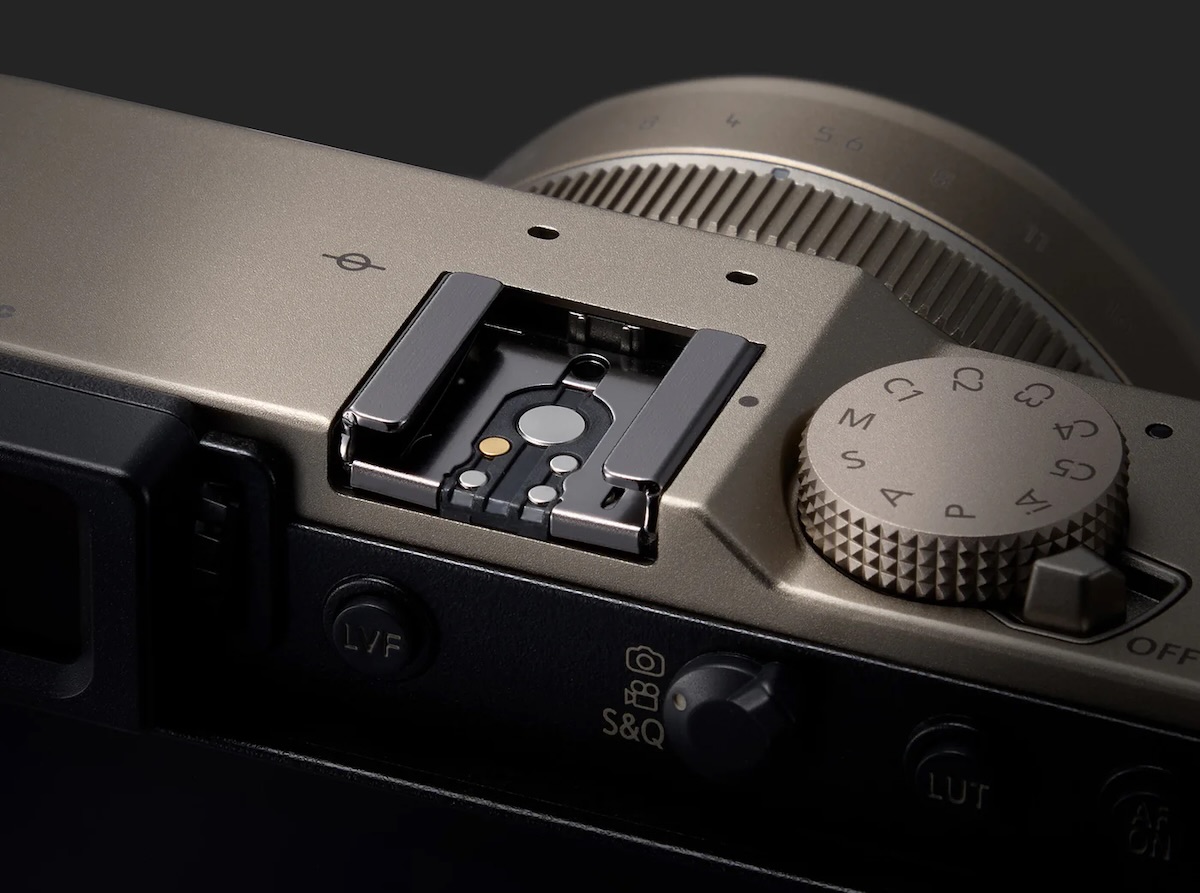
The L10 has pleasing colors in its standard color mode, and a variety of other profiles, with the option to experiment further, through the use of uploadable LUT files.
Where Panasonic's processing has improved is when it comes to its JPEG colors. Overall, they're pleasing and more punchy, and we've enjoyed them in the pictures we've taken with it outside of the studio. And if you don't enjoy the colors in its built-in modes, it's almost infinitely customizable thanks to the L10's Real Time LUT system.
Dynamic Range
The L10 provides plenty of latitude to shoot to preserve highlights, then brighten in post.
Panasonic L10 | 75mm equiv. | F2.8 | 1/500 sec | ISO 100 | Edited to taste in Adobe Camera Raw Photo: Mitchell Clark
The sensor used in the L10 has been shown to have great dynamic range in the other cameras we've tested that use it, and we're happy to say the L10 is no exception. While its deepest shadows aren't quite as clean as those of the cameras that use the sensor's entire area, you still have plenty of room to exploit them. There's perhaps not as much difference as we might expect from a camera that can combine high and low gain readout in a 16-bit space, vs the 12-bit, single-read approach from the LX100 II, but they should still be pretty flexible.
Likewise, the sensor has very little read noise, giving you the option to choose an exposure, then lower your ISO to preserve highlights without having to worry about a ton of additional noise showing up in post when you raise the shadows. Shots at ISO 100 pushed 4EV will show a little more noise than shooting at ISO 1600 in the first place, but even by ISO 200 the difference isn't particularly distinguishable.
Lens performance
Image Comparison
This widget is not optimized for RSS feed readers. Click here to open it in a new browser window / tab.
When we reviewed the LX100 II in 2018, we said that camera's 17MP sensor was showing the limits of the lens. With the L10 essentially using the same optics, paired with a higher-resolution sensor, that's even more true today, with noticeable softness in the corners even when stopped down to F4 or 5.6 (though doing so provides noticeable improvement versus faster apertures like F2.8).
The bright, complex, foldable lenses on compacts are quite susceptible to sample variation, and we aren't able to test multiple copies of the camera. Putting it in the studio scene also pits it against extremely high-quality primes, many of which are larger and heavier than the L10 in its entirety, and holds it to a higher standard than most would expect from their real-world shooting. In the process of shooting our sample gallery, we haven't come across many situations where the lens felt inadequate for what we were trying to capture.
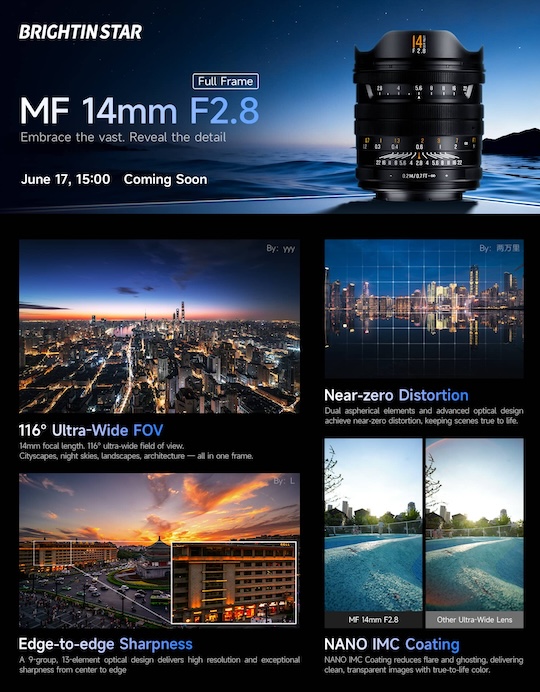
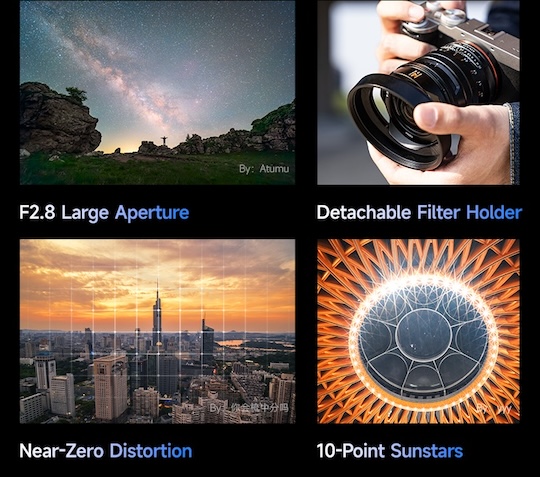
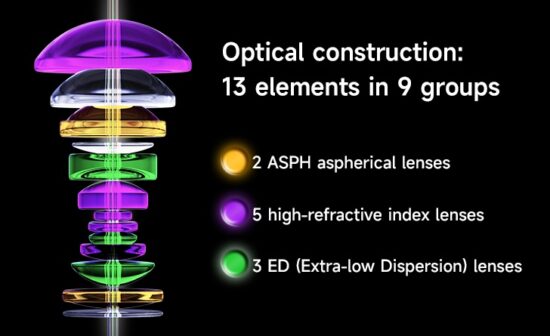
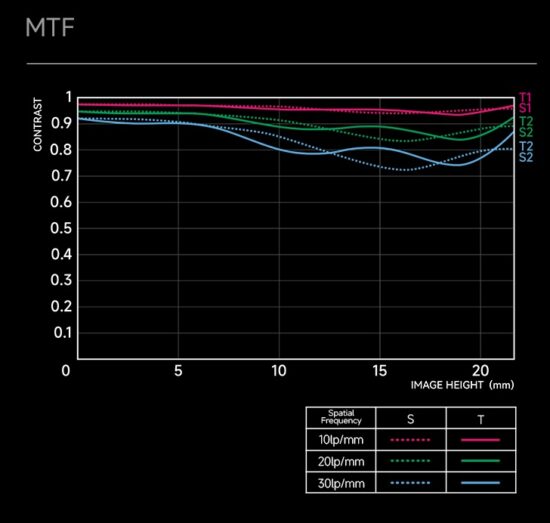
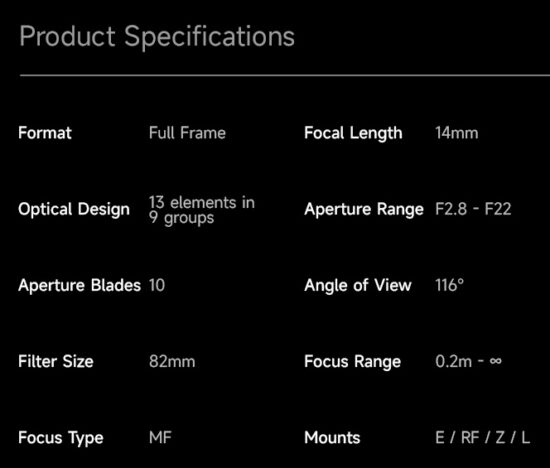
Brightin Star officially announced the previously reported 14mm f/2.8 wide-angle full-frame manual-focus lens for E/Z/L/RF mount. Pre-orders are now open at:
Worldwide: Brightinstar store introductory price: $239.99, regular price: $279.99, introductory period: June 17 – June 27, use code RUMORS for a discount)
Ricoh Japan announced that all current GR camera models will be getting a 6-11% price increase in Japan on July 1st. No information was provided on potential price increases in other markets. Check the latest Ricoh GR availability and pricing at:
When you use DPReview links to buy products, the site may earn a commission.
The Viltrox AF 28mm F4.5 "Chip" is finally available for L-mount.
Image: Viltrox
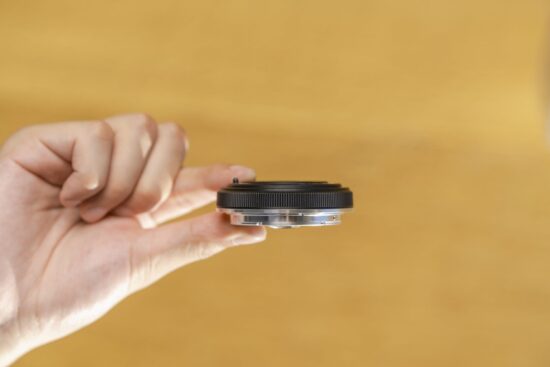
After months of teasing, Viltrox has released the L-mount version of its full-frame AF 28mm F4.5 "Chip" lens. It becomes the company's second autofocusing lens for the system since it joined the alliance in September, 2025, and is a truly tiny option for people with cameras that use the mount.
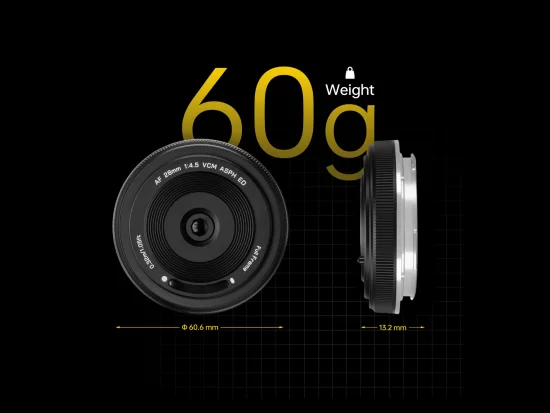
The lens design has been around for a few years on Sony E and Fujifilm X mounts, and it gets its name and notoriety from its size: it's 15.3mm (0.6") thick, and weighs 60g. That, and its relatively wide focal length, make it an attractive prospect for anyone looking for an as-small-as-possible kit for everyday shooting.
That's an especially interesting proposition on L-mount, where there haven't been that many choices for that kind of lens, despite how much small, gripless cameras like the Panasonic S9 and Sigma BF would benefit from one. Panasonic itself released a relatively small 40mm F2 recently, and there are a few similarly-sized options from other brands, but even those are still noticeably bigger and heavier than the Chip. And while Panasonic's 26mm F8 is similarly-sized, it's quite a bit slower, and manual-focus only.
Image: Viltrox
Conversely, the Viltrox has a voice coil motor (or VCM) for autofocus and can't be manually focused. It also includes an integrated lens cap, which you can deploy by sliding a switch to keep the front element protected if you're sliding the lens into a bag.
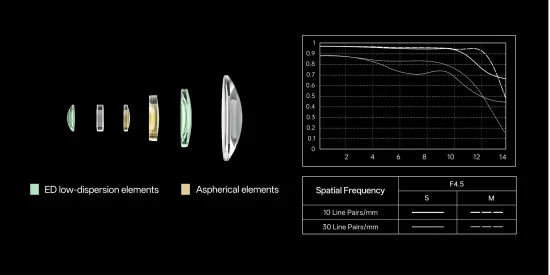
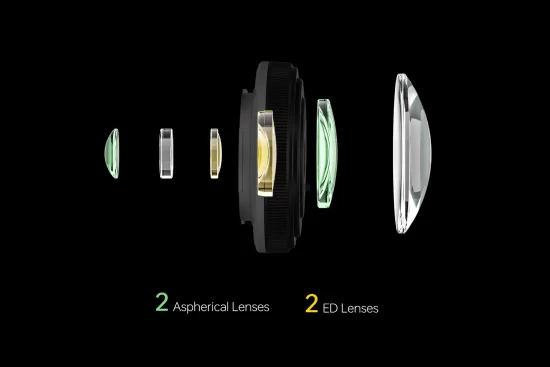
The lens is made up of six elements in six groups, with two aspherical and two ED lenses, as well as coatings to reduce reflections and to repel water and oils from the front element. Perhaps its biggest drawback is the aperture: while you may be willing to trade the speed of the ~F2 options for the size and weight savings, it is worth noting that the Chip is a fixed F4.5 lens, meaning you also can't stop it down any further if it's particularly bright or if you want to capture more depth of field or blur motion.
While it's exciting to see Viltrox release a new lens for L-mount, especially one that fits into an underserved niche, this release also highlights the company's relatively slow entrance into the L-mount ecosystem. In the ten months since it announced it was joining the alliance, it's only released this lens and its 16mm F1.8 for the mount, both of which were promised at the beginning. In that time, it has released six other full-frame lenses for other mounts (mainly Sony's E and Nikon's Z), with the only word on L-mount versions coming in the form of responses to Instagram comments.
Still, the release of the AF 28mm F4.5 Chip is a sign that there's at least some work being done at Viltrox for L-mount. It's available today for $99.
Ultra-compact, ultra-light pocket-size full-frame lens built for street photography, travel, or spontaneous everyday shots
Shenzhen, China, June 16, 2026 — Viltrox today announced its new AF 28mm F4.5 Chip L, a full-frame autofocus pancake lens for L-Mount cameras. The lens combines an ultra-slim profile, exceptional lightness, and excellent portability that’s ideal for everyday shooting, travel, and street photography.
With the launch of the AF 28mm F4.5 Chip L, Viltrox further expands its L-Mount lineup. In addition to support for in-camera correction functions, the lens is optimized to work seamlessly with modern L-Mount camera systems, delivering a compact and effortless shooting experience for everyday photography.
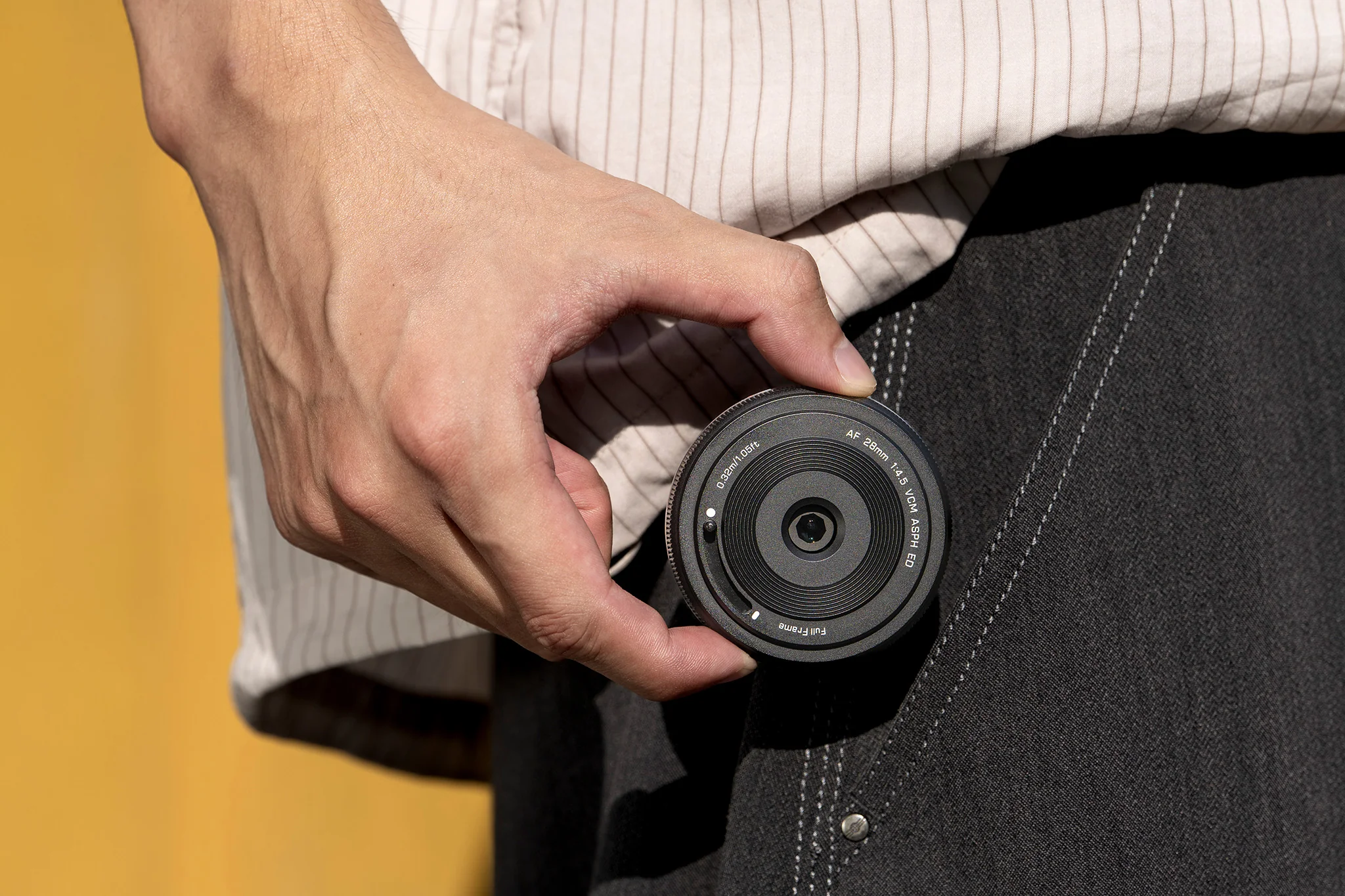
Weighing just ~60g and measuring just 13.2mm thin, this ultra-compact autofocus lens is comparable in size to a simple lens cap or camera body cap, transforming a professional mirrorless camera into a pocket-friendly companion. When paired with cameras such as the Panasonic Lumix S9 and Lumix S5II, the AF 28mm F4.5 Chip L creates a remarkably compact full-frame setup, allowing photographers to stay highly mobile with minimal bulk.
An Ultra-Lightweight Pancake Lens for Everyday Creativity
The Viltrox AF 28mm F4.5 Chip L features a fixed F4.5 aperture and a VCM (Voice Coil Motor) autofocus system that delivers fast and quiet autofocus performance. Its versatile 28mm focal length and minimum focusing distance of just 0.32m make it well suited to a wide range of everyday shooting scenarios, providing a natural balance between environmental context and subject emphasis.
To maximize convenience, the lens incorporates a signature slide-lever lens cover design. This built-in mechanism allows users to open and close the integrated lens cover without the need for a separate lens cap, further streamlining the transition from carrying to capturing.
The lens also features a distinctive polygonal aperture plate design that produces recognizable starburst effects around point light sources in backlit and night scenes, adding a unique visual signature to select images.
Learn more: https://bit.ly/4fGYGQh
Pricing and Availability
Viltrox AF 28mm F4.5 Chip L MSRP - $99 / €109 / £90
Amazon Store US: https://www.amazon.com/dp/B0H338KPY6
Amazon Store Europe: https://www.amazon.de/dp/B0H338KPY6
With 100Ws of power and 1/8000s high-speed sync, the NEEWER Z3R 100Ws 2.4G TTL Round Head Flash Speedlite can handle everything from entirely backlit scenes to fill flash for outdoor portraits and fast-moving subjects.
A round head produces softer, more natural light than a traditional rectangular type, while dual LED modeling lamps make it easier to preview the effect of the flash output before you’ve even pressed the shutter button. Add fast recycling, a high-capacity rechargeable battery and an efficient cooling system into the mix and the Z3R can deliver professional-level results in a huge range of situations. Let’s get into the details.
The power you need
The Z3R delivers the output and responsiveness photographers need in demanding conditions. Its 100Ws of power and high-speed sync up to 1/8000s help balance ambient light, maintain exposure and support shallow depth of field photography, making it especially effective for portraits, action and fast-paced location shoots.
Support for both the NEEWER Q and Godox X wireless flash ecosystems means your setup options are expansive, while dedicated Canon, Sony and Nikon versions ensure compatibility with major DSLR and mirrorless camera systems. The result is a flashgun that fits easily into existing workflows without sacrificing control or performance.
Designed to support your creativity
Photo: NEEWER
Adjustments are quick and straightforward thanks to an intuitive 2.8-inch full-color touchscreen and one-click TTL/M switch. Dual 3300K +/- 200K LED modeling lamps with 10 brightness levels help you preview light direction and light shape so you can perfectly refine a setup on the fly, without relying on time-consuming test shots.
The round flash head also works with NEEWER CRM2, M12, CRS6, CRS7 and CRB1 mounts, opening the door to a wide range of perfectly matched accessories and creative lighting effects. Plus, the Z3R is compatible with the SEKONIC L-858D Light Meter (RT-GX modules) for ultimate control over flash exposure.
Speed and power without the drawbacks
Photo: NEEWER
The Z3R is built to keep pace during demanding shoots. Its advanced cooling system supports 70–100 consecutive full-power flashes across a 28–105mm focal length range, while the 3000mAh lithium battery is good for up to 500 full-power flashes per charge with a fast 1.7-second recycle time. This combination – plus easy USB-C charging – makes the Z3R ideally suited to high-intensity applications including weddings, events and longer assignments where flexibility and stamina matter.
The Z3R’s round head design and premium quartz flash tube deliver excellent light quality, with a soft spread, clean catchlights and accurate skin tones. And, because it’s rated for 100,000 flashes, you can rely on the Z3R to deliver long-term durability.
Overall, the NEEWER Z3R is a highly capable, well-rounded flash for photographers who need power, speed and flexibility in a compact, affordable unit. From fast recycle times to intuitive controls and broad compatibility, it offers a powerful, flexible lighting solution that adapts easily to portraits, events and demanding location work. With an MSRP of $279.99, the NEEWER Z3R offers pro-level performance at a solid value.

 Connexion