❌

Vue lecture

High camera prices aren’t proof that camera makers are greedy

Camera companies’ appetite for profit hasn’t changed, but their costs have, and that’s what you’re seeing on the price tag.

Camera bodies and lenses on a blue background with three money bag icons.

Almost every time a camera maker announces a new model, I spot a few comments that follow a familiar script: someone sees the price, winces, and declares the company “greedy.”

It’s not just cameras. The same charge gets thrown at smartphone makers, appliance manufacturers, and even app developers who choose to charge a subscription. I see it far more often today than I did ten years ago, and in most cases, I think it’s misguided.

Don’t get me wrong. I understand sticker shock, and I feel it too. My colleague Richard Butler has done a great job explaining why your sense of camera prices might be out of date and why launch prices always seem high. Even with that perspective, though, we still feel the sting of higher prices. But a price that makes us cringe isn’t evidence of greed.

panasonic l10 in hand top plate
Camera prices have risen dramatically in the past few years. But a price that makes us cringe isn’t evidence of greed.
Mitchell Clark

Few people start a business to give something away, and camera companies aren’t charities. Like most companies, their goal is to make money, ideally as much as they can. That’s not wrong – it’s business.

Consider what that means. Camera makers want the highest price they can get today. But they wanted the same thing five years ago, and ten years before that. Their appetite for profit didn’t suddenly appear when prices went up, and that appetite always has to be tempered by what people are willing or able to pay. What has changed is what it costs to design and build a camera, and what we’re comparing new prices against.

In fact, it can be in our interest for camera companies to be profitable.

In fact, it can be in our interest for camera companies to be profitable. Profit keeps them in business and pays for R&D. And let’s be honest – making cameras isn’t exactly a gold mine. Olympus sold off its camera business, and Samsung walked away from the market entirely, just as it was emerging as a more serious player.

Additionally, we always want more. I’ve never seen a camera launch where everyone said, “That’s it. This camera is perfect. It’s all we’ll ever need.” There’s always a “but.” But if it only had this one feature… The catch is that nobody agrees on what that feature is, so manufacturers have to keep developing. That requires money.

Am I suggesting that manufacturers never overreach? Of course not. We’ve all seen a company swing for the fences on price, sometimes to the point of being laughable. As Richard pointed out, launch prices in particular are essentially an opening bid, the most a company will ever get for a product, and they’re often optimistic.

However, consumers have power too: we can choose not to buy. If a camera sits on shelves, its price will come down. It almost always does. And if it sells out at full price, that tells us something too, even if we don’t like what it says.

Three-quarter view of the Sony RX10 V
The Sony RX10 V may look much more expensive than its predecessor, but its price has risen roughly in line with US consumer prices over the nine years between them.
Richard Butler

Is the system perfect? No. A handful of brands dominate the camera market, and once you’re invested in a system, switching is neither easy nor inexpensive. Companies do have real leverage over pricing, and it tends to show up where you’re locked in: proprietary batteries, pricey accessories, or even mounts that restrict the use of third-party lenses. Those are fair targets for criticism. But it’s a much more specific complaint than “this camera costs more than I want to pay, so the manufacturer must be greedy.” And when it comes to the cameras themselves, you have alternatives.

The next time a new camera’s price makes you cringe, try asking a different question. Instead of “why are they so greedy?”, ask “is this worth it to me?” If the answer is no, don’t buy it. It’s the most effective message a camera buyer can send.

That message has its limits, though. Holding off on buying might bring an optimistic launch price down, but it can’t make a camera cheaper to manufacture. If enough people decide the answer is yes, that price may simply be the new normal. If enough decide it’s no, we’re more likely to get a cheaper camera than the same camera for less.

About the Author: Dale Baskin is a professional photographer, writer, and filmmaker based in the Pacific Northwest. He is the Managing Editor of DPReview.com.

Want to stay up to date on the latest product news and releases? Add DPReview as a preferred source to ensure our independent journalism makes it to the top of your Google search results.

  •  
  •  

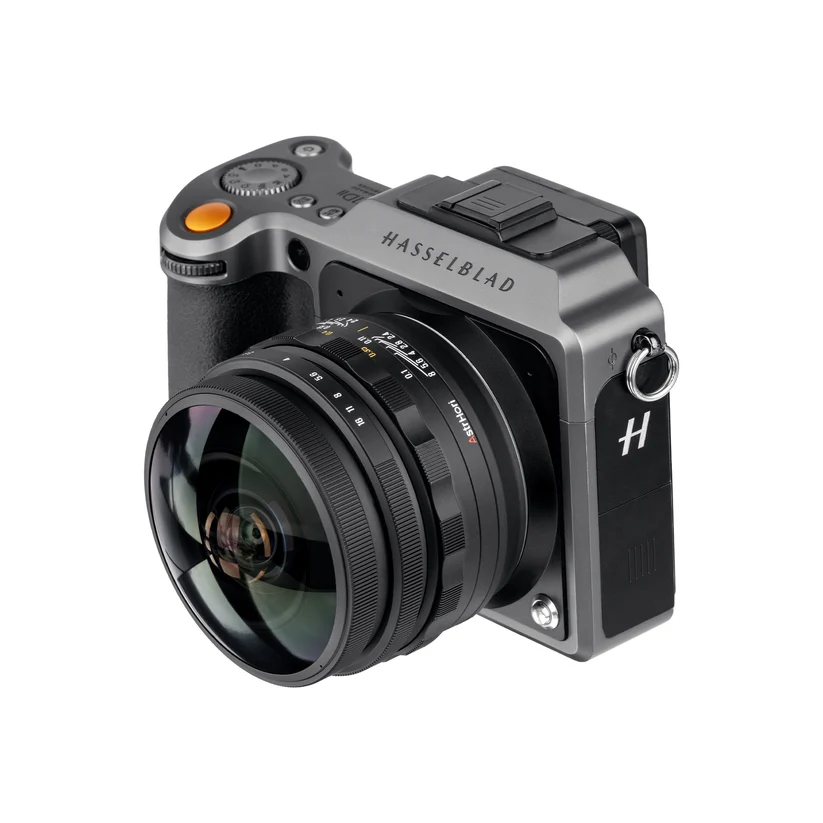
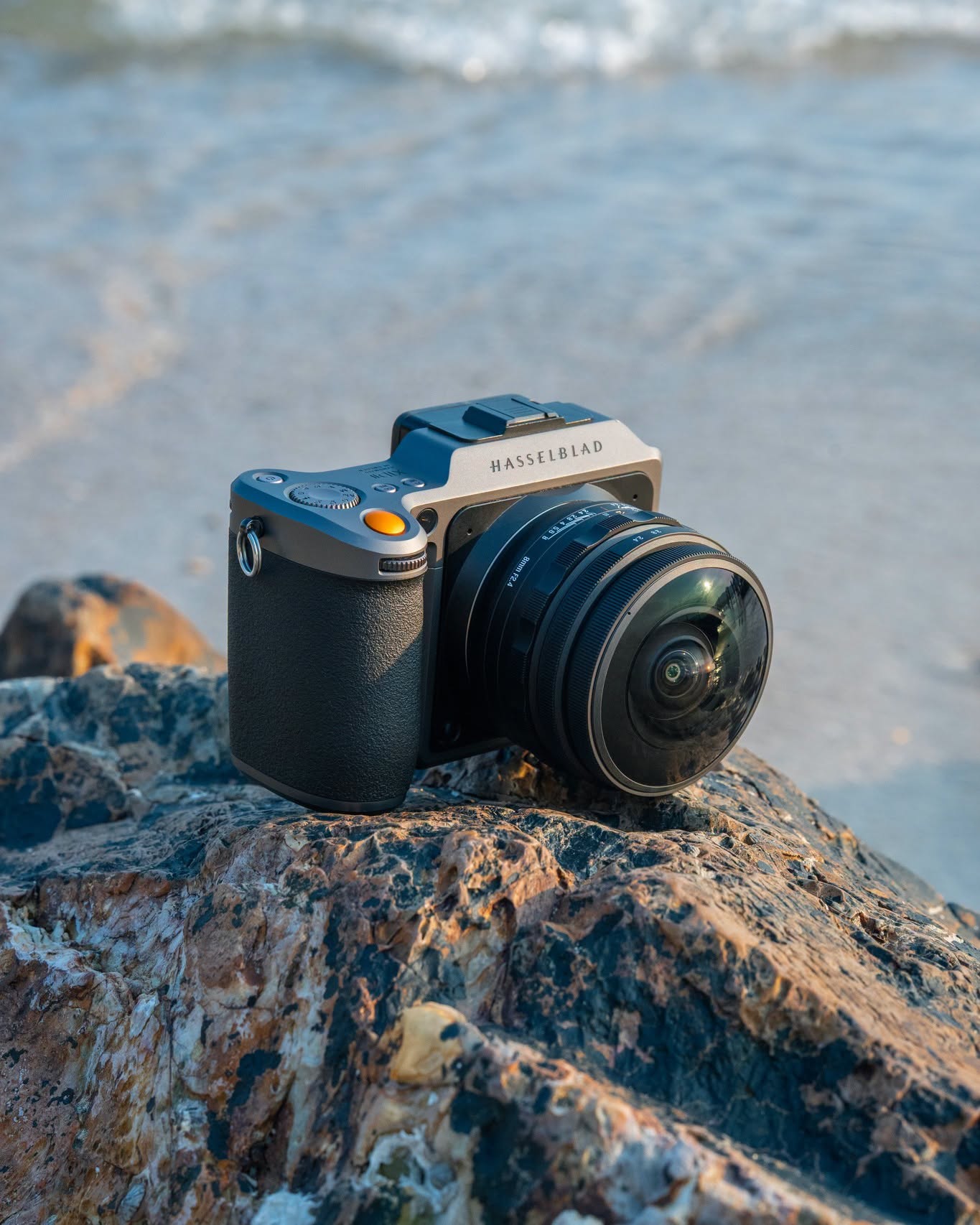
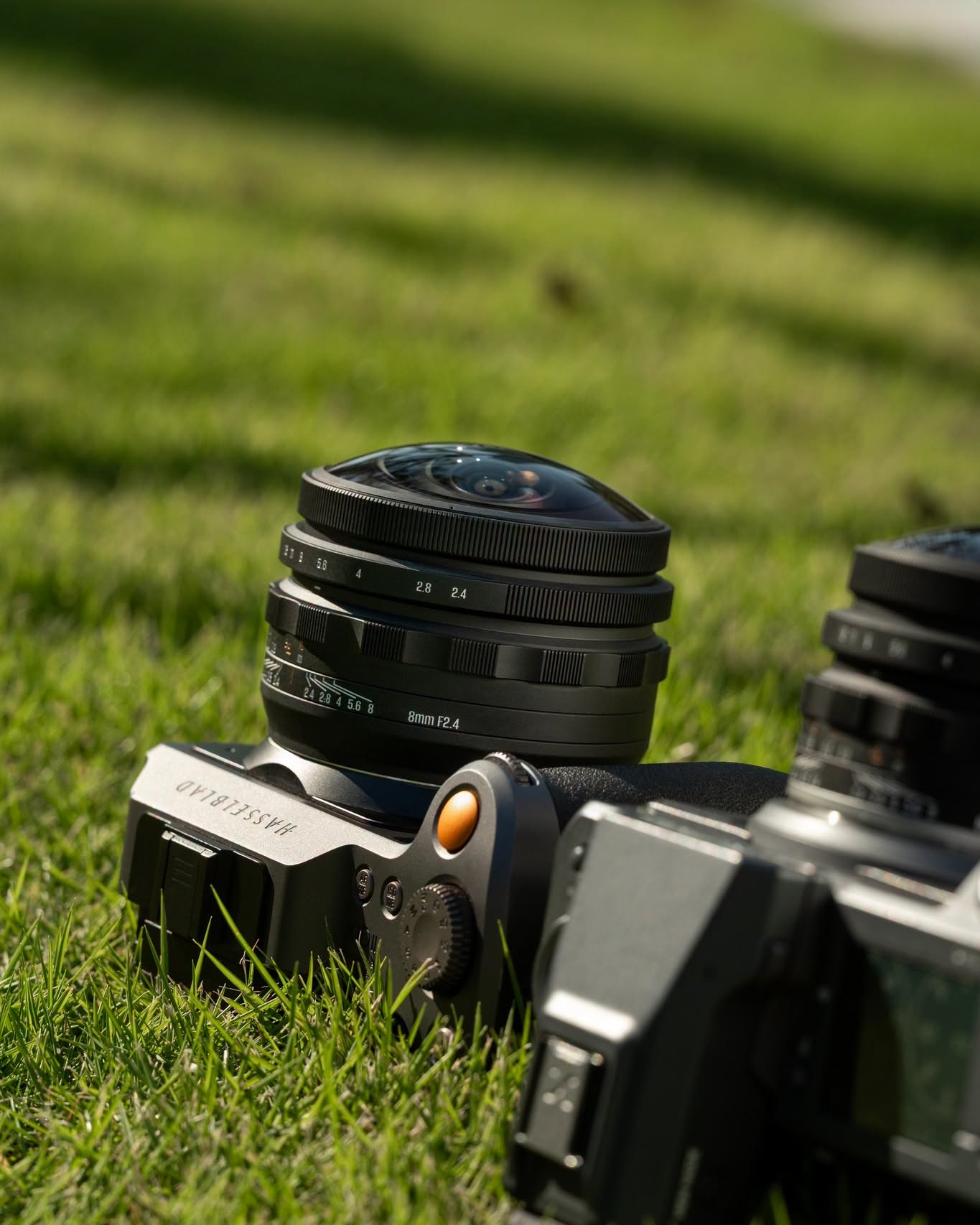
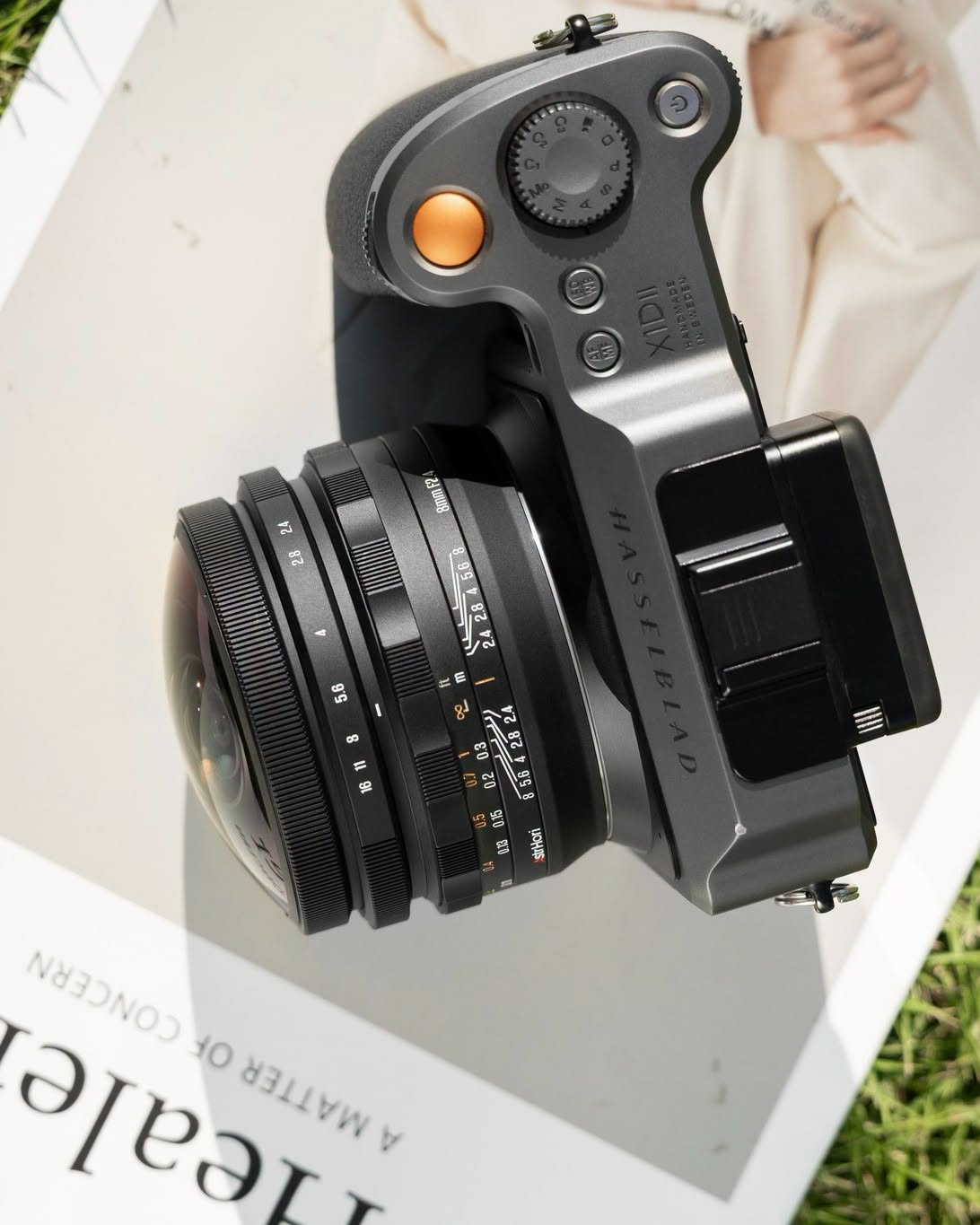
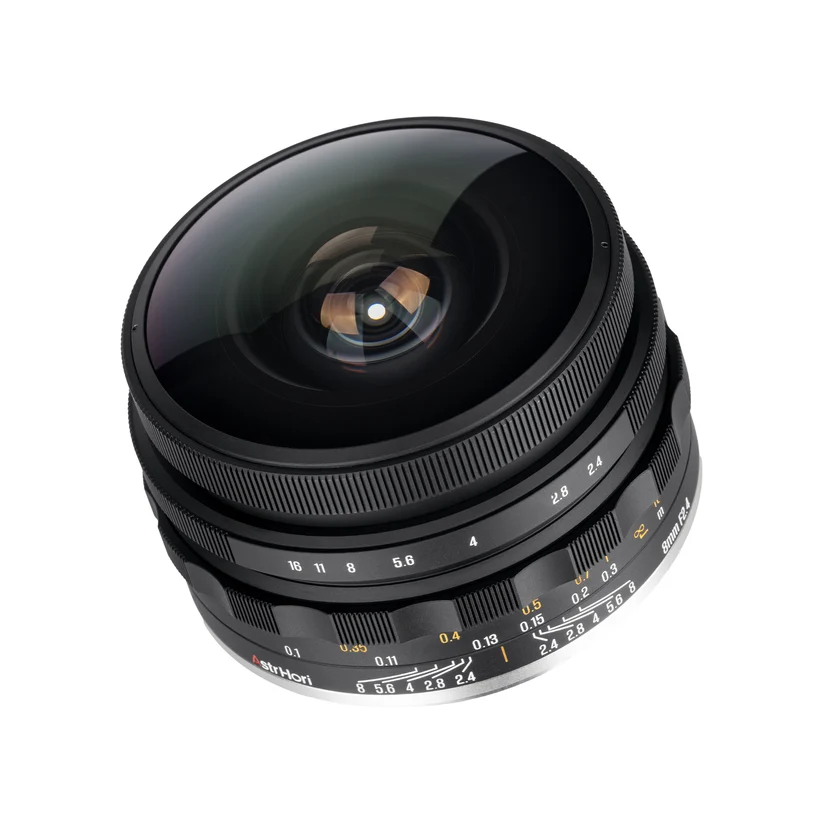
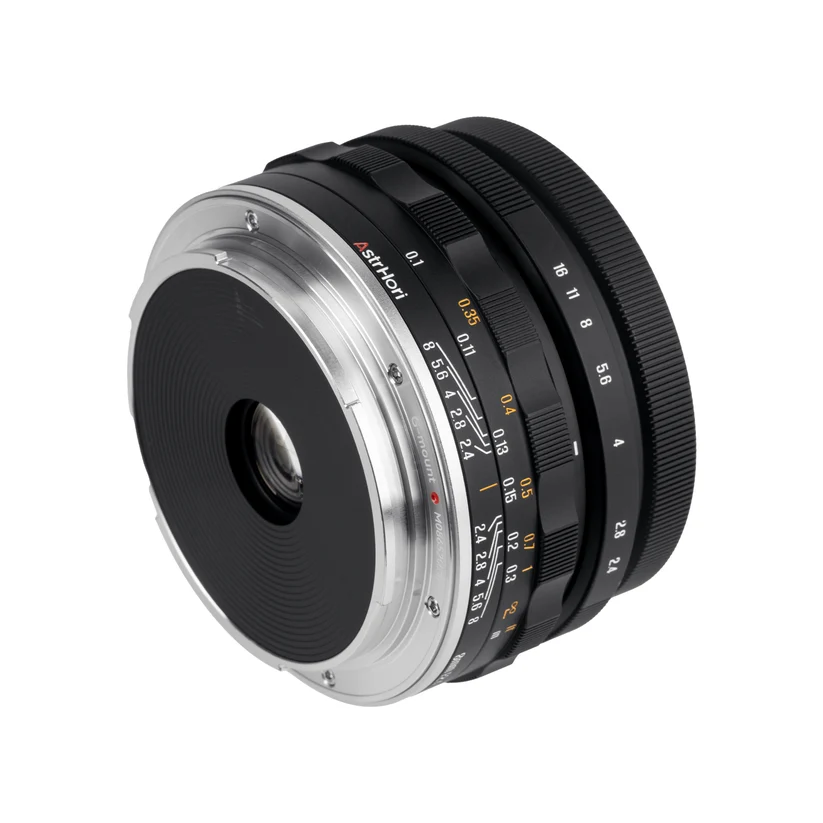
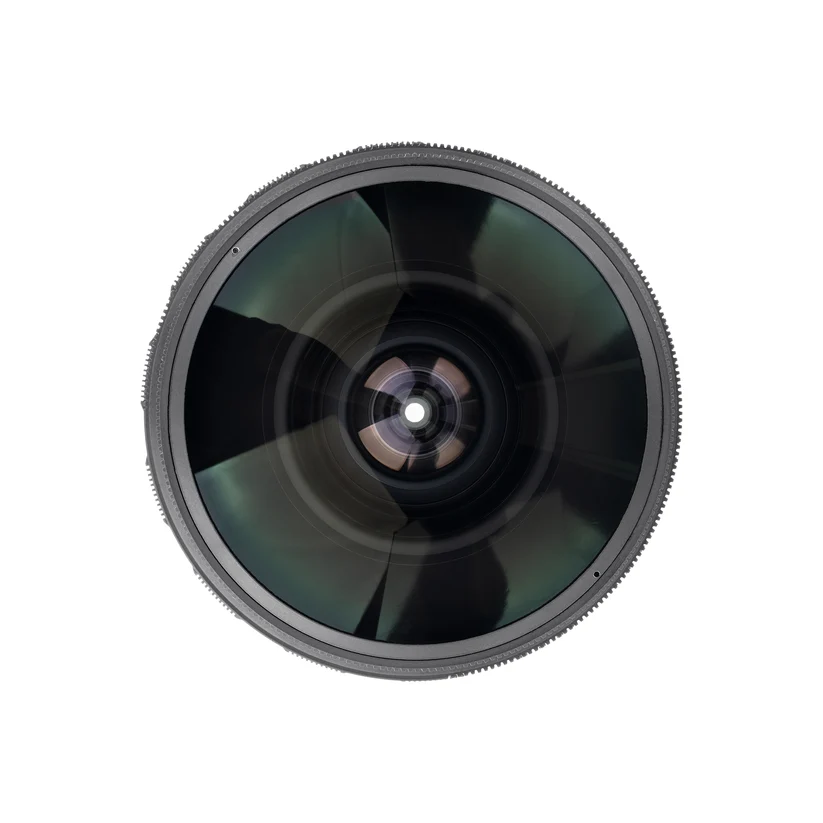
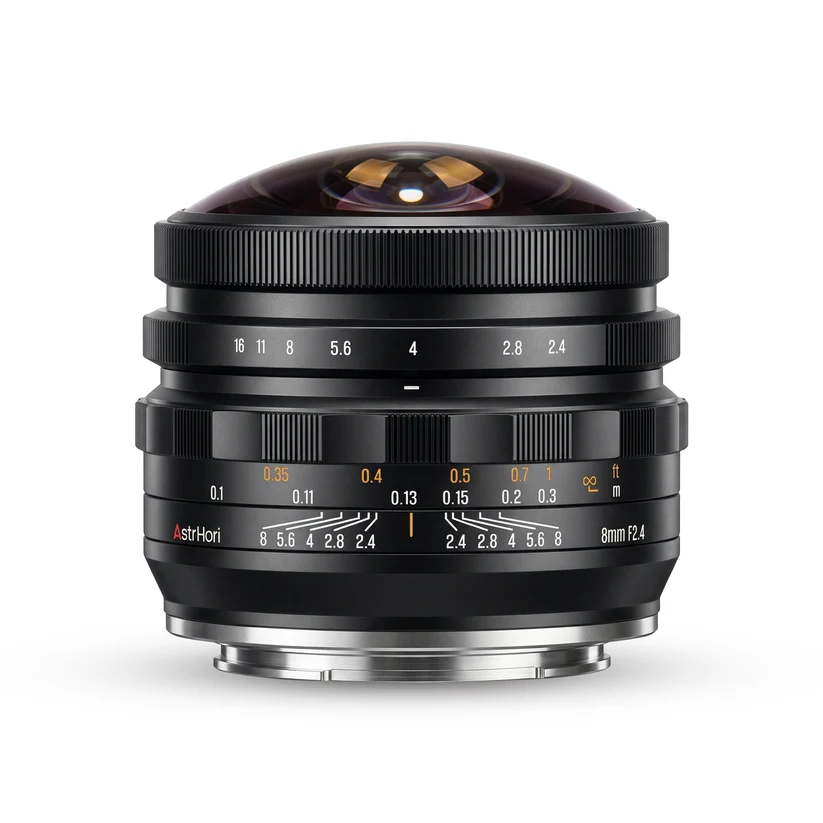
New AstrHori 8mm f/2.4 medium-format circular fisheye lens for GFX/XCD mount announced


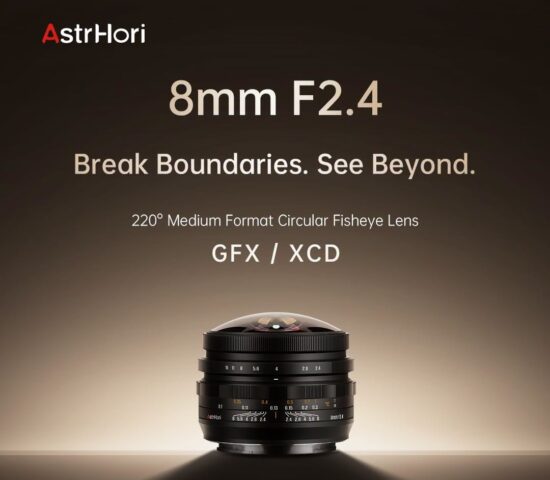
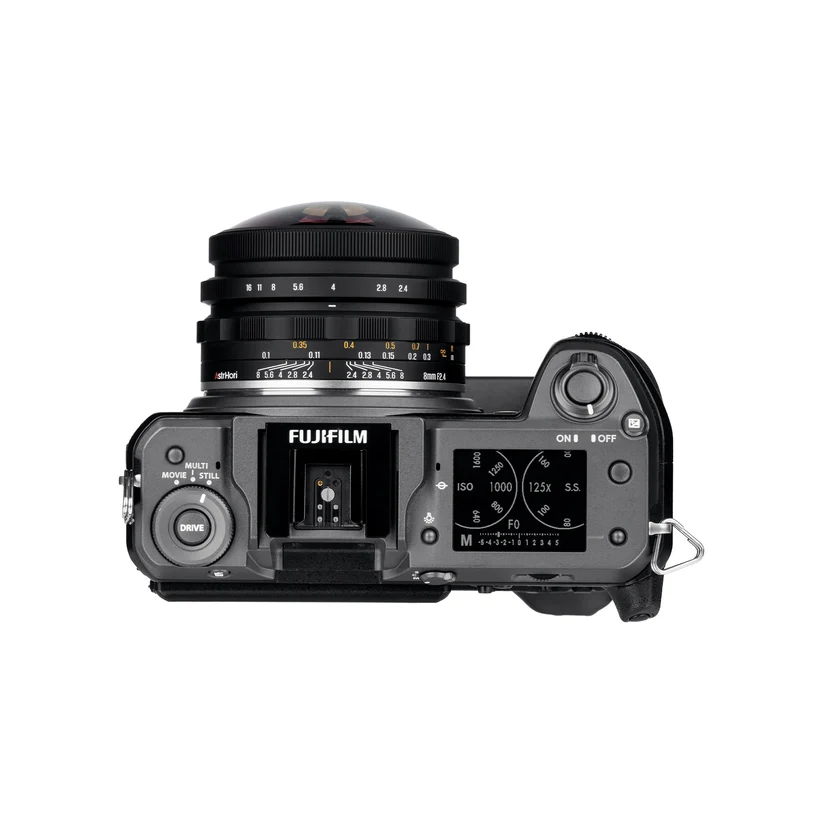
The previously reported AstrHori 8mm f/2.4 medium-format circular fisheye lens for GFX/XCD mount is now officially announced:

  • Pre-orders: AstrHori store | Pergear | B&H Photo (coming soon)
  • 220° ultra-wide field of view for GFX / XCD systems
  • Weight: 517g
  • Medium Format
  • 8mm Focal Length
  • F2.4–F16 Aperture Range
  • 0.1m–∞ Focus Range
  • Regular price is $398, the intro price is $359 until October 20, 2026
  • Additional information:

Design & Specifications

The MF 8mm F2.4 is a fully manual-focus circular fisheye engineered for medium-format sensors. Its 8mm focal length (roughly 6mm full-frame equivalent) combines with a 220° angle of view to wrap the entire surroundings into a single circular image – a look that ordinary wide-angle lenses cannot reproduce.

The optical design consists of 10 elements in 8 groups, including 2 high-refractive-index and 2 ED elements to control chromatic aberration across the huge image circle. The aperture range is F2.4 to F16 with a 10-blade diaphragm, and the minimum focusing distance is just 0.1m for bold, close-in compositions.

The all-metal body measures about Φ80 × 62mm (GFX) and Φ80 × 65mm (XCD), weighing approximately 511g and 536g respectively. As is typical of fisheye optics, a front filter thread is not supported.

A Perspective Beyond 180°

Unlike a standard 180° fisheye, the extra reach to 220° pulls in the space behind and around the camera, giving landscapes, architecture, interiors and night skies a distinctive spherical character. Combined with the 0.1m minimum focus, creatives can exaggerate foreground subjects while still capturing the full scene around them.

The post New AstrHori 8mm f/2.4 medium-format circular fisheye lens for GFX/XCD mount announced appeared first on Photo Rumors.

  •  

Yashica’s 1950s throwback micro-camera will cost $119

The company has fully announced the Y16 with specs, price and a release date

Two small Yashica Y16 digital cameras held in a hand, one with an orange front and one with a yellow front.Yashica

Last month, Yashica announced it was working on the Y16, a tiny pocket camera that mimics the design of the Y16 released in 1959 by the original Yashica company. While details on the camera were slim, the company has now fully revealed it, giving us its specifications, price and release date.

The Y16 has a 12MP ~18mm² sensor paired with a 27mm F12 equiv. lens. Like many of the other cameras the company makes, this means its image quality will be far lower than that of a typical smartphone, though for some, that’s part of the charm. Alongside the announcement, Yashica has shared some sample images from the camera, which you can see in the gallery below.

What phones don’t have is a proper xenon flash built-in, which will help in low-light situations. The company says it should work at up to 2m (6’6″) away from your subject. The camera also features an optical viewfinder, and a 1.45″ display.

A small digital camera in a hand displays its screen with a selfie of two people, while a blurred airplane and runway appear in the background.Yashica

Physically, it’s minuscule, weighing only 93g (3.3oz). It measures 91 x 45 x 29mm (3.6 x 1.8 x 1.1″), so it should fit in most pockets and pretty much any purse or bag.

The Y16 has a microSD card slot for storage, and actually comes with an 8GB card. While that’s not huge, it should hold quite a few of the relatively small JPEGs the camera produces. Plus, given the price, it’s hard to complain about included storage: the Y16 will retail for $119. The company says it’s currently still in production, but it’s available for pre-order now and is expected to ship in late November.

The Yashica of the 1950s isn’t the same as the one today, as in the 1980s it was sold to Kyocera, which has since licensed the name to other companies. The current crop of Yashica cameras appears to be sold by the Hong Kong-based 100 Enterprises.

Manufacturer samples

Loading gallery…

About the Author: Mitchell started taking pictures at 10 and hasn’t stopped since. It’s been a wide-ranging adventure, spanning a wide variety of genres and locales, and occasionally dipping into fascinations with video and filmmaking. They honed their technical knowledge doing documentation, programing and QA, writing for The Verge, and just generally messing around on the computer to see what breaks.

Want to stay up to date on the latest product news and releases? Add DPReview as a preferred source to ensure our independent journalism makes it to the top of your Google search results.
  •  
❌