Depuis plusieurs mois, le nombre « 141 » est brandi sur les réseaux sociaux – Instagram et TikTok en tête – comme symbole de défense de la nature. Une tendance largement récupérée par l’extrême-droite qui, pour l’autrice Stephanie Lamy, charrie un mélange d’idéologies radicales parfois concurrentes, du néonazisme à la mouvance anti-tech.
À chaque chiffre sa lettre de l’alphabet. A priori, rien de plus simple pour décoder ce que signifie «141» , un nombre présent ces derniers mois sur de nombreuses vidéos en ligne, Instagram et TikTok en tête. «1-4-1 » devient ainsi « a-d-a », abréviation d’anti-deforestation action (« action contre la déforestation »). Utilisé comme symbole de protection de la forêt et de la nature dans son ensemble, celui-ci accompagne des contenus à l’esthétique bien particulière.
Ici, un jeune homme se filme profitant d’une randonnée en montagne, comme seul au monde. Là, des paysages verdoyants se succèdent, entrecoupés de scènes de pollution environnementale. En fond sonore, les mêmes morceaux reviennent en boucle : des mélodies et remix foutraques tantôt survitaminés, tantôt mélancoliques et oppressants façon post-punk soviétique.
Diffusé largement grâce à la nature très consensuelle de son message, le phénomène a désormais un nom qui lui est propre : le 141 core. «Ce que l’on nomme esthétique ou core, ce sont des codes visuels récurrents qui forment un certain type d’imagerie, explique le vulgarisateur Wherldo, spécialisé dans les tendances du genre. On prend une base et on la décline, comme le chromecore qui reprend la texture du même nom pour en recouvrir le monde. Cela s’inscrit dans un contexte de surconsommation d’images induite par le fonctionnement des réseaux sociaux. »
Les codes du 141 core se diffusent sur Tiktok – capture d’écran Next
Avec le 141 core, on a donc affaire à une iconographie bucolique, où la montagne et les forêts sont glorifiées. « Je pense que les gens cherchent une connexion avec la nature et ce, depuis la période du Covid-19 qui nous en a privé pendant un temps. » Difficile cependant d’en quantifier la viralité, certaines vidéos ne cumulant que quelques dizaines de vues, d’autres plusieurs centaines de milliers. Et si là encore il est compliqué de retracer son origine, sa popularisation semble liée au débat concernant le report de l’application du Règlement européen contre la déforestation et la dégradation des forêts (RDUE).
Mais au contraire d’autres tendances,«le 141 core se détache aujourd’hui d’une ligne purement esthétique pour prendre une dimension plus idéologique, observe Wherldo. De par son accessibilité, il participe à la popularisation d’idées nauséabondes comme le néonazisme. »
Il reste 76% de l'article à découvrir. Vous devez être abonné•e pour lire la suite de cet article. Déjà abonné•e ? Générez une clé RSS dans votre profil.
Les prix de la DRAM sont devenus totalement fous, et ce n'est pas Cameron Crandall, responsable chez Kingston des SSD pour data centers qui va dire le contraire. Pour reprendre ses propres mots, "il n'a jamais vu cela en 29 ans de carrière dans le milieu", et le souci c'est que même si le démarrage...
An anonymous reader quotes a report from the New York Times: Two of the largest food-delivery app companies have made a last-ditch effort to overturn tipping laws in New York City that go into effect in January just as its next mayor, who has been highly critical of the companies and the app industry, takes office. Tips to delivery workers have plummeted since some food-delivery apps switched to showing the tipping option only after a purchase had been completed; that change came after New York City established the country's first minimum pay-rate for the workers in 2023. The new laws will require the apps to suggest a minimum tip of 10 percent at checkout, though customers can contribute more or less, or nothing at all.
Two of the app companies, DoorDash and Uber, filed a joint federal lawsuit in the Southern District of New York late last week targeting the City Council legislation, arguing that the new rules violated the First Amendment by requiring them to "speak a government-mandated message" and exceeded the Council's authority. Although tipping will be optional under the law, the companies wrote in the suit that a "mandated pre-delivery 10 percent tip suggestion" would cause customers to use the app less because they were suffering from "tipping fatigue." "Lessened engagement would result in fewer orders," the suit said.
Colin Watson announced that Debusine repositories are now available in beta form, which can be used to maintain APT-compatible add-on package repositories for Debian Linux. This comes down to being similar in nature to Personal Package Archives (PPAs) that are popular with Ubuntu Linux...
Après avoir critiqué Dell et Apple pour faire leur beurre sur la disette imposée de mémoire vive, Framework annonce à son tour une augmentation de la mémoire vive dans ses options de DDR5. Hausse qui s’associe avec une mise à jour des conditions de ventes de ses machines.
Chez Framework on estimait le 9 décembre que des entités comme Dell et Apple surfacturaient l’augmentation de la mémoire. Ce qui n’est franchement pas un scoop et qui fait partie intégrante des schémas de commercialisation de ces entreprises. Si la crise actuelle accentue le phénomène, tout le catalogue de Dell et d’Apple sont pensés dans ce sens.
Framework indiquait que son passage de 16 à 32 Go de DDR5 ne coutait que 80$ le 9 décembre. Tout en mettant en avant le fait que ce tarif ne vous offrirait qu’une seule barrette de 16 Go depuis un engin vide chez Dell. Et qu’il vous en couterait le double pour en avoir deux. Je ne vais pas revenir en détail sur les stratégies de chacun, mais cela me parait un peu difficile de comparer Dell, Apple et Framework.
Tout le monde sait, depuis toujours, qu’appeler un conseiller Dell permet de réduire sa facture d’achat significativement. Les entreprises qui contactent le service client pour acheter quelques machines à l’année bénéficient de réductions et le calcul des composants secondaires est souvent lié à cela. Doubler « gratuitement » sa mémoire vive est un « geste commercial » assez classique chez Dell. Du moins, ça l’était.
Depuis le Apple M1, la mémoire vive est intégrée directement sur le SOC
Apple de son côté embarque directement la mémoire vive dans ses puces et cela rend cette comparaison très étrange. L’impact de l’augmentation de la mémoire et des tensions d’approvisionnement est forcément très différent. Apple achète en amont de la fabrication de ses SoC. Et la marque choisit des grades de mémoire très élevés. Elle n’intègre évidemment que le très haut de gamme dans ses puces pour ne pas générer de couteux déchets de production ou de pannes à moyen terme. Là où un autre constructeur peut tolérer des barrettes défectueuses, Apple ne laissera rien passer. Imaginez vous acheter de la mémoire un peu moins haut de gamme, la monter sur une série de quelques milliers de puces et découvrir ensuite des erreurs en sortie de chaine. Le coût de fabrication d’un SoC Apple avec cette mémoire défectueuse embarquée serait catastrophique. Framework de son côté peut simplement renvoyer les barrettes qui posent un éventuel souci en SAV.
Enfin, les volumes des trois entités sont totalement différents. Les chiffres de Framework ne sont pas connus, mais Dell a distribué 10.3 millions de PC au troisième trimestre 2025. Apple, 6.8 millions. Je doute fortement que l’impact d’une pénurie de mémoire soit le même pour les trois entités. Je ne suis pas là pour défendre Dell ou Apple mais s’ils ont décidé une augmentation de la mémoire vive, c’est en anticipant probablement le scénario que va connaitre toute l’industrie en 2026. Ils le font peut être plus rapidement que d’autres tout simplement parce qu’ils vendent plus que d’autres. C’est par ailleurs lié à leur position particulière dans un calcul permettant de lisser les tarifs pour ne pas avoir à changer les prix en permanence1. Tout simplement parce que pour Dell comme pour Apple, il est difficile de proposer des devis et des contrats professionnels avec des tarifs qui fluctuent.
Ainsi Framework achète sa mémoire avec plus de souplesse que Dell ou Apple, peut changer de fournisseur/fabricant et même utiliser des grossistes au besoin. Son appétit n’est pas tout à fait le même en quantité. Dell et Apple ont dû signer des engagements sur une période plus longue pour obtenir l’approvisionnement nécessaire à leur fonctionnement. Et leurs fournisseurs n’ont évidemment pas décidé de leur faire un cadeau en se basant sur le cours du jour pour déterminer leurs contrats à long terme. S’ils savent que les prix vont monter à l’avenir, ils vont anticiper un tarif moyen sur l’année 2026.
Une augmentation de la mémoire vive pour tout le monde
Au final Framework monte donc le prix de ses composants à son tour mais uniquement pour les options. La marque a dû sécuriser un assez gros stock de DDR5 avant la hausse qu’elle conservera au prix d’avant la hausse pour ses machines pré-équipées. Comme la marque n’écoule pas 10.3 millions de PC par trimestre comme Dell, ce qui veut dire 3.43 millions de PC par mois entre juillet en septembre, ou 114 333 PC par jour, chaque jour pendant trois mois, elle peut se le permettre. Si elle avait la même distribution que Dell, Apple ou un autre acteur du TOP 10 des vendeurs de PC mondiaux, elle serait dans le même bain.
D’ailleurs ce n’est qu’une question de temps avant que la marque soit obligée d’augmenter tous les tarifs de ses composants mémoire. Le fait que ses composants n’augmentent pas dans ses portables va les rendre plus séduisants et son stock va disparaitre plus vite. Et le constructeur en est pleinement conscient puisqu’il a déjà modifié ses conditions générales de vente pour éviter que de petits malins achètent des portables Framework avec des options mémoire vive et puissent les renvoyer sans cette même mémoire. Désormais il faudra renvoyer la machine telle qu’elle a été livrée, options comprises, pour bénéficier d’un remboursement.
Excellent cumul de promotions en ce 17 décembre 2025 pour celui qui ne dirait pas non à un écran gaming Dual Mode. L'AOC U27G4R est l'un d'eux, et il est disponible uniquement aujourd'hui à un prix encore jamais vu.Il s'agit donc d'un écran ayant une diagonale de 27 pouces et une dalle IPS pouvant p...
Ahead of AMD releasing their Zen 6 EPYC and Ryzen processors in 2026, AMD today saw their Zen 6 "znver6" support land into the GCC 16 open-source compiler...
Intel this week released their last planned feature update to their open-source Compute Runtime for 2025. The Intel Compute Runtime 25.48.36300.8 delivers the latest OpenCL and Level Zero performance optimizations, Xe3 workarounds, and other fixes for those on Intel integrated and discrete graphics hardware...
If you are not satisfied with the current performance for PyTorch or ComfyUI / Stable Diffusion on your Strix Halo APU system or with other consumer RDNA3/RDNA4 Radeon consumer GPUs, AMD engineers are interested in your logs to help better optimize the performance going forward...
Au Vietnam, un réparateur a vécu le cauchemar ultime du j'ai laissé le carton 2 minutes. Résultat : 50 SSD Samsung PM991A (512 Go, format M.2 2280) pliés avec application par un enfant de 10 ans. Oui, pliés, ruinés, cassés. Inventaire vaporisé, dignité aussi. Le propriétaire d'une boutique/réparation a partagé cette histoire sur un groupe Facebook avec photos à l'appui : une boîte en vrac de 50 SSD NVMe qui ne ressemblent plus à des SSD, mais à une collection de trucs pliés. L'explication est aussi simple que douloureuse : l'enfant aurait manipulé le carton et vérifié la solidité des barrettes. […]
AMD propose une nouvelle version de sa carte graphique Radeon RX 9060 XT, sobrement appelée LP et détrompez-vous, ce n'est pas pour Low Profil, mais bien pour Lower Power !
AMD mise donc sur la sobriété énergétique pour cette "nouvelle" carte, dont la caractéristique principale semble être de proposer un TBP (Typical Board Power) réduit, la RX 9060 XT classique affiche un TBP de 160 Watts, dans les recommandations d'AMD, tandis que la version Lower Power se limite à 140 Watts, au maximum. Cela aurait un impact sur le Boost, avec une potentielle limite à 3.03 Ghz, contre 3.13 Ghz pour la version classique et sur les performances en TFLOPs et TOPs, par exemple le Peak Single Precision est de 25 TFLOPs pour la version LP, contre 25.6 TFLOPs, pour la version classique.
Outre cela, la RX 9060 XT LP conserve les caractéristiques identiques à la RX 9060 XT "classique", mais ne sera proposée qu'en version 16 Go. […]
Allons du côté de SAMA ce matin afin de découvrir le radiateur dual tower A60B. Du noir, de l'aluminium brossé pour le style, deux ventilateurs qui soufflent fort et des performances intéressantes, voilà le programme avant de découvrir, prochainement, la version A60L. Un bon choix pour une configuration sans RGB ? Oui. A découvrir ici : SAMA A60B ou sur la source.
[…]
Cette fin d'année aura été marquée, chez GIGABYTE, par l'arrivée de plusieurs nouveautés dans le catalogue ordinateurs portables. Avec des machines destinées à de nombreux usages, GIGABYTE voit large. Qu'on soit en AORUS, AERO ou GAMING, il y a de tout, mais il y a surtout de tout avec un design très sage.
La marque est en effet revenue sur un style plus basique sur l'ensemble des produits, y compris pour les machines AORUS. Alors oui, on retrouve toujours du RGB ou un lettrage agressif sur les touches, mais nous sommes loin des premières productions AORUS, ce qui mène certaines machines face à des configurations AERO. Bien entendu, des différences sont présentes, à commencer par le format, cette dernière gamme visant plus de finesse.
[…]
Difficile de résumer cette longue vidéo, très dense, de la construction de cet improbable Portable C64. Tout y passe. De la conception de la machine mobile à l’intégration de la carte Raspberry Pi en incluant même la réalisation d’un clavier au design et au marquage propre à cette machine Commodore.
Comme j’ignore par quoi commencer, je ne vais même pas essayer de tout détailler dans cette vidéo de Kevin Noki. Je vous encourage à vous y plonger quand vous aurez trente minutes devant vous.
Le Portable C64
La somme de travail et de savoir faire réunie ici est impressionnante. Le design de base de l’objet, la qualité de l’impression 3D, le choix des coloris des matériaux, tout est parfait pour donner l’impression que ce portable C64 est vraiment sorti d’une usine en 1982.
Le clavier maison du Portable C64
Le travail mené autour du clavier est assez impressionnant. Celui de la machine originale est réellement particulier avec des touches d’un format particulier qui comprenaient une double sérigraphie. Non seulement la police utilisée est spécifique, mais le marquage de la partie avant de chaque touche fait partie de l’objet d’origine. La création de décalcomanies avec du papier transfert de l’ensemble du clavier et la pose de celles-ci, après découpe au plotter, est un vrai tour de force.
Pour ajouter une poignée au Portable C64, comme c’était parfois le cas des machines transportables dans les années 80, l’auteur a mis en place un système original. La poignée imprimée peut se rétracter dans le châssis en recyclant une solution utilisée en menuiserie. Cela permet de monter et de descendre la poignée facilement. On la pousse légèrement pour qu’elle se déploie et quand on l’enfonce de nouveau, elle reste affleurante au châssis.
Le cœur de la machine est un Raspberry Pi associé à un HAT pour lui ajouter un SSD NVMe. Mais beaucoup d’autres composants secondaires sont présents autour de cette base. L’auteur veut absolument pouvoir utiliser des périphériques originaux de la marque avec son portable C64. Cela passe donc par la création de petits circuits secondaires pour ajouter différents accessoires : joysticks, magnétophone, lecteur de disquettes… Tout cela passe par des ports propriétaires à la machine d’origine implantés autour de solutions Arduino classiques. D’autres connecteurs sont plus modernes comme de l’USB et du HDMI qui serviront à programmer la machine, par exemple.
Pour alimenter l’engin, un jack est positionné vers l’extérieur en relais d’une solution de batterie intérieure. Là encore une solution assez intéressante a été trouvée avec une sorte d’onduleur constitué de 6 cellules 18650 et d’une électronique qui redistribue le courant. Il s’agit d’une solution livrée sans batterie à moins de 10€ qui propose plusieurs sorties en 5, 9 et 12 volts et qu’on alimente en 12V. Elle propose également des LEDs indiquant l’état de charge des 6 cellules 18650 et un interrupteur.
J’ai trouvé cette solution très intéressante pour de nombreux projets. Comme elle n’est pas trop chère, je suppose qu’elle pourrait convenir à beaucoup de monde. Une partie de la vidéo montre comment Kevin Noki modifie cet accessoire pour permettre un affichage de ses LEDs vers l’extérieur tout en informant la carte Raspberry Pi de l’état de la batterie. Un petit convertisseur supplémentaire permet d’ajuster les 9V vers du 5 volts. Mieux encore, la solution est détournée pour que les cellules soient accessibles via une trappe sous l’appareil. Ce qui permettra de les changer facilement en cas de besoin sans avoir à tout démonter.
L’écran retenu affiche sur une diagonale de 10 pouces en 4:3 et en 1024 x 768 pixels qui ne convient pas tout à fait à Kevin. Il veut pouvoir ajuster son contraste simplement grâce à une molette sur le côté du Portable C64. Un détail qui ajoute encore une correspondance avec l’écran de la machine originale et rend l’ensemble encore plus cohérent. Comme si cela ne suffisait pas, le firmware de la carte contrôleur est également modifié pour faire disparaitre les messages « HDMI IN » de l’écran d’origine. Encore une fois beaucoup de travail de recherche pour obtenir un résultat qui ne brouillera pas l’ambiance globale de l’engin au démarrage.
Un Portable C64 plus vrai que nature
Le passage de câble se fait par la base au travers d’un espace dans la grosse charnière de l’engin. Des ergots coulissants sont mis en place pour permettre à l’écran de rester sagement refermé sur sa base. Le résultat est bluffant, à tous points de vue. Je n’ai aucune idée du temps de travail injecté dans ce projet, mais c’est un des plus aboutis que j’ai pu voir à ce jour. A la fois dans le design et l’esprit global de la machine, mais également par les différentes solutions trouvées pour rendre l’objet cohérent.
Le ministère de l’Intérieur a confirmé il y a quelques jours une fuite de données. Des pirates ont revendiqué l’attaque, affirmant avoir des informations sur des millions de personnes, issues notamment des fichiers TAJ et FPR. Le ministre de l’Intérieur, Laurent Nunez, a confirmé ce matin que ces bases avaient bien été consultées et que des fiches avaient été volées.
Un ou des pirates ont revendiqué l’attaque contre le ministère de l’Intérieur. Une personne, se faisant appeler « Indra », a relancé brièvement BreachForums, qui avait disparu suite à plusieurs arrestations, aussi bien aux États-Unis qu’en France. Le message revendiquait l’attaque, précisait qu’il s’agissait d’une vengeance pour l’arrestation de ses « amis » et que la fuite était bien plus grave que ce que l’on pensait. Les pirates affirmaient ainsi posséder des informations sur plus de 16 millions de personnes, dont quantité d’informations provenant des fichiers TAJ (Traitement d’antécédents judiciaires) et FPR (Fichier des personnes recherchées).
Officiellement, le ministère de l’Intérieur, Laurent Nunez, a confirmé dans un premier temps qu’une attaque avait bien eu lieu contre des services de messagerie. Les mesures de sécurité avaient en conséquence été relevées et des rappels d’hygiène numérique faits aux forces de l’ordre. La fuite est cependant plus grave qu’initialement reconnu.
« Quelques dizaines de fiches »
Ce matin, Laurent Nunez a donné de nouvelles informations à Franceinfo, lors de l’émission de 8h30. « On a fait l’objet d’une intrusion malveillante il y a quelques jours ». Il a confirmé que des accès ont été obtenus à partir de « certaines boites professionnelles ». De là, « l’individu ou le groupe d’individus […] a pu consulter un certain nombre de fichiers importants pour nous, notamment le traitement des antécédents judiciaires, et procéder à un certain nombre d’extractions ».
Le ministre évoque « quelques dizaines d’extractions », mais pas les « millions de données » revendiquées dans le message sur BreachForums. Cependant, Laurent Nunez indique en même temps que l’on « ne connait pas l’ampleur des compromissions », faisant relativiser le nombre d’extractions donné.
De plus, le ministère ne peut « absolument pas dire si cela va compromettre des enquêtes », mais affirme que l’incident « ne met pas en danger la vie de nos compatriotes ». Autre affirmation : aucune demande de rançon n’aurait été reçue. Ce qui irait d’ailleurs dans le sens du message des pirates, qui indiquaient attendre que la France les contacte.
Laurent Nunez reconnait que « des imprudences » ont été commises et le scénario d’attaque laisse effectivement penser que de l’ingénierie sociale a été utilisée pour piéger une ou plusieurs personnes. Les accès récupérés (sous forme de mots de passe en clair dans des échanges e-mails) auraient alors servi à accéder aux applications métiers et bases de données, dont le TAJ et le FPR. « On a saisi la CNIL aussi, la Commission nationale de l’informatique et des libertés, comme la loi nous l’impose. Et puis il y a eu une enquête administrative que j’ai demandée, sur laquelle on travaille », a ajouté le ministre.
L’ampleur de la fuite reste à déterminer
La grande question est désormais de savoir quelle crédibilité accorder aux affirmations du ou des pirates. Si la menace est avérée, alors une grande partie du TAJ et du FPR serait dans la nature, avec des conséquences potentiellement catastrophiques pour la France.
La situation n’est cependant pas claire. Le message du ou des pirates a été publié initialement le 13 décembre. Un ultimatum était donné à la France, qui a jusqu’au 20 décembre pour contacter le groupe à une adresse tutanota indiquée dans l’avertissement. Indra insistait en outre sur l’aspect vengeance de l’attaque, pour l’arrestation des membres du groupe ShinyHunters.
Cependant, si l’on en croit SaxX, les ShinyHunters (avec qui il assure être en contact) se seraient « désolidarisés » de ce Indra ayant attaqué le ministère de l’Intérieur, dont on ne sait rien de plus à l’heure actuelle. Il pourrait s’agir, comme le suppose SaxX, d’une menace étatique étrangère ayant pris l’apparence d’un groupe cybercriminel « classique ».
Trop peu de preuves à ce stade
La situation est d’autant plus floue que les experts ne sont pas d’accord sur l’ampleur de la menace. Pour Baptiste Robert par exemple, le ou les pirates n’ont pas exfiltré l’intégralité du TAJ et du FPR. Preuve en serait l’usage de termes trop génériques employés dans ce contexte.
Le chercheur en sécurité soulignait également hier soir que les pirates avaient publié sur leur chaine Telegram une capture montrant le portail de connexion CHEOPS avec l’adresse de la chaine en identifiant et les mots « WE ARE STILL HERE » (« Nous sommes toujours là ») dans le mot de passe. Selon lui, cette capture ne prouve rien, car l’utilisateur n’est pas authentifié. « Si c’est un moyen d’essayer de faire pression en vue d’une éventuelle négociation, c’est particulièrement mal fait », a indiqué Baptiste Robert.
Il y aurait ainsi bien compromission, récupération d’accès et consultation des données, mais aucune preuve d’une extraction conséquente des données.
Le ministère de l’Intérieur a confirmé il y a quelques jours une fuite de données. Des pirates ont revendiqué l’attaque, affirmant avoir des informations sur des millions de personnes, issues notamment des fichiers TAJ et FPR. Le ministre de l’Intérieur, Laurent Nunez, a confirmé ce matin que ces bases avaient bien été consultées et que des fiches avaient été volées.
Un ou des pirates ont revendiqué l’attaque contre le ministère de l’Intérieur. Une personne, se faisant appeler « Indra », a relancé brièvement BreachForums, qui avait disparu suite à plusieurs arrestations, aussi bien aux États-Unis qu’en France. Le message revendiquait l’attaque, précisait qu’il s’agissait d’une vengeance pour l’arrestation de ses « amis » et que la fuite était bien plus grave que ce que l’on pensait. Les pirates affirmaient ainsi posséder des informations sur plus de 16 millions de personnes, dont quantité d’informations provenant des fichiers TAJ (Traitement d’antécédents judiciaires) et FPR (Fichier des personnes recherchées).
Officiellement, le ministère de l’Intérieur, Laurent Nunez, a confirmé dans un premier temps qu’une attaque avait bien eu lieu contre des services de messagerie. Les mesures de sécurité avaient en conséquence été relevées et des rappels d’hygiène numérique faits aux forces de l’ordre. La fuite est cependant plus grave qu’initialement reconnu.
« Quelques dizaines de fiches »
Ce matin, Laurent Nunez a donné de nouvelles informations à Franceinfo, lors de l’émission de 8h30. « On a fait l’objet d’une intrusion malveillante il y a quelques jours ». Il a confirmé que des accès ont été obtenus à partir de « certaines boites professionnelles ». De là, « l’individu ou le groupe d’individus […] a pu consulter un certain nombre de fichiers importants pour nous, notamment le traitement des antécédents judiciaires, et procéder à un certain nombre d’extractions ».
Le ministre évoque « quelques dizaines d’extractions », mais pas les « millions de données » revendiquées dans le message sur BreachForums. Cependant, Laurent Nunez indique en même temps que l’on « ne connait pas l’ampleur des compromissions », faisant relativiser le nombre d’extractions donné.
De plus, le ministère ne peut « absolument pas dire si cela va compromettre des enquêtes », mais affirme que l’incident « ne met pas en danger la vie de nos compatriotes ». Autre affirmation : aucune demande de rançon n’aurait été reçue. Ce qui irait d’ailleurs dans le sens du message des pirates, qui indiquaient attendre que la France les contacte.
Laurent Nunez reconnait que « des imprudences » ont été commises et le scénario d’attaque laisse effectivement penser que de l’ingénierie sociale a été utilisée pour piéger une ou plusieurs personnes. Les accès récupérés (sous forme de mots de passe en clair dans des échanges e-mails) auraient alors servi à accéder aux applications métiers et bases de données, dont le TAJ et le FPR. « On a saisi la CNIL aussi, la Commission nationale de l’informatique et des libertés, comme la loi nous l’impose. Et puis il y a eu une enquête administrative que j’ai demandée, sur laquelle on travaille », a ajouté le ministre.
L’ampleur de la fuite reste à déterminer
La grande question est désormais de savoir quelle crédibilité accorder aux affirmations du ou des pirates. Si la menace est avérée, alors une grande partie du TAJ et du FPR serait dans la nature, avec des conséquences potentiellement catastrophiques pour la France.
La situation n’est cependant pas claire. Le message du ou des pirates a été publié initialement le 13 décembre. Un ultimatum était donné à la France, qui a jusqu’au 20 décembre pour contacter le groupe à une adresse tutanota indiquée dans l’avertissement. Indra insistait en outre sur l’aspect vengeance de l’attaque, pour l’arrestation des membres du groupe ShinyHunters.
Cependant, si l’on en croit SaxX, les ShinyHunters (avec qui il assure être en contact) se seraient « désolidarisés » de ce Indra ayant attaqué le ministère de l’Intérieur, dont on ne sait rien de plus à l’heure actuelle. Il pourrait s’agir, comme le suppose SaxX, d’une menace étatique étrangère ayant pris l’apparence d’un groupe cybercriminel « classique ».
Trop peu de preuves à ce stade
La situation est d’autant plus floue que les experts ne sont pas d’accord sur l’ampleur de la menace. Pour Baptiste Robert par exemple, le ou les pirates n’ont pas exfiltré l’intégralité du TAJ et du FPR. Preuve en serait l’usage de termes trop génériques employés dans ce contexte.
Le chercheur en sécurité soulignait également hier soir que les pirates avaient publié sur leur chaine Telegram une capture montrant le portail de connexion CHEOPS avec l’adresse de la chaine en identifiant et les mots « WE ARE STILL HERE » (« Nous sommes toujours là ») dans le mot de passe. Selon lui, cette capture ne prouve rien, car l’utilisateur n’est pas authentifié. « Si c’est un moyen d’essayer de faire pression en vue d’une éventuelle négociation, c’est particulièrement mal fait », a indiqué Baptiste Robert.
Il y aurait ainsi bien compromission, récupération d’accès et consultation des données, mais aucune preuve d’une extraction conséquente des données.
L’USB est un connecteur universel que l’on retrouve partout, à commencer par les ordinateurs et smartphones. 25 ans que cette norme évolue, mais en assurant toujours la rétrocompatibilité… ce qui n’est pas toujours facile. Rien que pour le format de connecteur Type-C (réversible), on se retrouve avec un document explicatif de 439 pages. Next a plongé dedans, voici ce qu’il faut en retenir.
L’USB, tout le monde connait. C’est un format universel utilisé pour des souris, des claviers, du stockage… Cette norme est capable d’assurer des échanges de données jusqu’à plusieurs dizaines de Gb/s et, dans le même temps, de la charge rapide jusqu’à 240 watts. La promesse est simple, universelle, mais la réalité est bien plus compliquée.
Voyez ce premier papier comme l’introduction d’un long dossier concernant les câbles USB avec au moins un connecteur Type-C à une des extrémités. Nous allons ici exposer la théorie et les recommandations de l’USB-IF en charge de ce protocole. Il s’agit de détailler les bonnes pratiques que tous les fabricants sont censés mettre en œuvre.
Nous verrons par la suite que c’est loin d’être le cas puisqu’on trouve encore aujourd’hui dans le commerce des câbles USB non conformes et potentiellement dangereux. Comme avec les chargeurs USB, il y a aussi les fausses promesses, malheureusement impossibles à vérifier avant d’avoir le produit entre les mains et du matériel spécialisé pour le tester.
Les câbles USB ont également un ennemi invisible (leur résistance interne) que nous expliquerons et analyserons dans la suite de notre dossier. Enfin, nous avons retrouvé dans un tiroir un câble USB aux performances absolument catastrophiques. Il transforme le 5 volts en 3 volts et nous l’avons même fait chauffer à plus de 100 °C ! Prudence, vous pouvez aussi en avoir un du genre qui traine chez vous, sans pouvoir l’identifier facilement. Nous avons identifié le nôtre par hasard.
Débits et charge : 25 ans d’évolution de l’USB
La première version de l’USB va fêter ses 30 ans, mais il a vraiment pris son envol au début des années 2000 avec l’USB 2.0, encore aujourd’hui largement utilisé dans le monde. En l’espace de deux décennies, les débits ont explosé et ont été multipliés par plus de 160 et même 250 avec le mode asymétrique de l’USB4 v2.0, qui permet d’atteindre 120 Gb/s.
Voici un résumé de l’historique des débits (avec le nom commercial entre parenthèses) :
Nous en avons déjà parlé plusieurs fois, mais l’USB permet aussi de charger des appareils et des batteries, avec une puissance qui a elle aussi fortement augmenté au fil des années. Entre l’USB 2.0 et la dernière version de la norme Power Delivery (PD), la puissance de charge a été multipliée par 100.
Arrivé il y a une dizaine d’années, Power Delivery (suite de Battery Charging alias BC) permet de transmettre plus de puissance électrique en USB. On passe de quelques watts en USB 2.0 et 3.0 à 100 watts via Power Delivery et jusqu’à 240 watts dans la dernière version. Adieu les 5 volts historiques, il est possible de monter jusqu’à 20 volts avec jusqu’à 48 volts à partir de PD 3.1. Dans tous les cas, le courant est limité à 5 ampères.
Voici le détail des puissances électriques :
USB 2.0 : 2,5 W (5 V et 500 mA)
USB 3.0 et 3.1 : 4,5 W (5 V et 900 mA)
USB BC 1.2 : 7,5 W (5 V et 1.5 A)
USB Type-C 1.2 : 15 W (5 V et 3 A)
USB PD 2.0 et 3.0 : 100 W (20 V et 5 A)
USB PD 3.1 : 240 W (48 V et 5 A)
Type-A, Type-B et Type-C : trois formats de connecteurs
Il existe aussi plusieurs connecteurs. Les Type-A et Type-B étaient les premiers arrivés, avec des déclinaisons mini et micro. Ces derniers sont plus petits que les connecteurs standards sans fonctionnalités supplémentaires, nous ne nous attarderons donc pas dessus.
Le Type-A sert généralement aux « hosts », c’est-à-dire les ordinateurs et les alimentations (chargeurs). Le Type-B sert aux « devices », à savoir les périphériques comme les imprimantes et les disques durs externes. Pour d’autres périphériques comme les claviers et souris, le câble USB est généralement attaché, avec un port Type-A pour le brancher à l’ordinateur. Le format micro USB Type-B (en forme de trapèze) a longtemps équipé les smartphones Android.
Tout ce petit monde est doucement mais surement remplacé par le connecteur Type-C, d’autant plus avec l’Europe qui l’impose un peu partout : ordinateurs portables, routeurs et bornes Wi-Fi, batteries externes, etc. Pour simplifier quasiment tout ce qui se recharge et qui ne nécessite pas plus de 240 watts (il y a des exceptions).
Le connecteur Type-C est réversible (contrairement au Type-A dont on retourne parfois plusieurs fois le connecteur avant de pouvoir l’insérer…) et s’utilise aussi bien pour les « hosts » que les « devices ». Alors que les Type-A et Type-B permettent d’éviter de se tromper par des formats physiques incompatibles, le Type-C utilise une détection et une protection électronique pour déterminer qui est le « host » (auparavant connecteur Type-A) et qui est le « device » (ancien Type-B).
Au fil des années et de la montée en débit, les connecteurs ont évolué. Laissons de côté l’USB 1.x, à la durée de vie trop courte, pour débuter avec l’USB 2.0 lancé en 2000. Peu importe le connecteur (Type-A ou Type-B), il y a quatre broches et autant de fils dans les câbles. Deux pour l’échange des données, D+ et D-, et deux autres pour le courant électrique, Vbus pour le + 5 V et GND pour la masse.
Avec l’USB 3.0 (annoncé en 2008), cinq nouvelles broches sont apparues. Deux paires pour le SuperSpeed (alias SS) et une dernière pour la masse. La rétrocompatibilité est de mise. Le format du connecteur Type-A reste le même avec des broches supplémentaires à l’intérieur du connecteur, tandis que le Type-B grossit un peu pour permettre d’ajouter les broches supplémentaires. Idem avec le micro-B en USB 3.0 qui a le trapèze d’origine et un petit bloc supplémentaire à côté.
On peut donc utiliser un câble USB 2.0 dans un connecteur USB 3.x, mais on se limite alors aux performances de l’USB 2.0. Même chose avec un câble USB 3.X dans un emplacement USB 2.0. Pour profiter du SuperSpeed, il faut à la fois un câble et des connecteurs compatibles.
Il reste 69% de l'article à découvrir. Vous devez être abonné•e pour lire la suite de cet article. Déjà abonné•e ? Générez une clé RSS dans votre profil.
U.S. senators are probing whether Big Tech data centers are driving up local electricity bills by socializing grid upgrade costs onto residents. Some of the tactics they're using include NDAs, shell companies, and lobbying. Ars Technica reports: In letters (PDF) to seven AI firms, Senators Elizabeth Warren (D-Mass.), Chris Van Hollen (D-Md.), and Richard Blumenthal (D-Conn.) cited a study estimating that "electricity prices have increased by as much as 267 percent in the past five years" in "areas located near significant data center activity." Prices increase, senators noted, when utility companies build out extra infrastructure to meet data centers' energy demands -- which can amount to one customer suddenly consuming as much power as an entire city. They also increase when demand for local power outweighs supply. In some cases, residents are blindsided by higher bills, not even realizing a data center project was approved, because tech companies seem intent on dodging backlash and frequently do not allow terms of deals to be publicly disclosed.
AI firms "ask public officials to sign non-disclosure agreements (NDAs) preventing them from sharing information with their constituents, operate through what appear to be shell companies to mask the real owner of the data center, and require that landowners sign NDAs as part of the land sale while telling them only that a 'Fortune 100 company' is planning an 'industrial development' seemingly in an attempt to hide the very existence of the data center," senators wrote. States like Virginia with the highest concentration of data centers could see average electricity prices increase by another 25 percent by 2030, senators noted. But price increases aren't limited to the states allegedly striking shady deals with tech companies and greenlighting data center projects, they said. "Interconnected and interstate power grids can lead to a data center built in one state raising costs for residents of a neighboring state," senators reported.
Under fire for supposedly only pretending to care about keeping neighbors' costs low were Amazon, Google, Meta, Microsoft, Equinix, Digital Realty, and CoreWeave. Senators accused firms of paying "lip service," claiming that they would do everything in their power to avoid increasing residential electricity costs, while actively lobbying to pass billions in costs on to their neighbors. [...] Particularly problematic, senators emphasized, were reports that tech firms were getting discounts on energy costs as utility companies competed for their business, while prices went up for their neighbors.
« Nous évoluons désormais dans un espace entre la paix et la guerre », a déclaré la nouvelle directrice du MI6, Blaise Metreweli, dans son premier discours public, le 15 décembre, avant de présenter le « réseaux entremêlé de défis de sécurité » à laquelle l’agence de renseignement extérieure britannique doit faire face.
Dans cette nouvelle « ère d’incertitude », « la ligne de front est partout » a-t-elle décrit, citant les menaces hybrides et informationnelles parmi les outils déployés par une Russie « agressive, expansionniste et révisionniste ».
Photo de Luke Stackpoole sur Unsplash
Et de citer les menaces « juste en dessous du seuil de la guerre » que pose le gouvernement de Vladimir Poutine, autant par le recours à des cyberattaques sur des infrastructures que par les apparitions croissantes de drones aux alentours d’aéroports civils.
Première femme à prendre la tête du MI6, toujours sous le nom de code « C », Blaise Metreweli a autant détaillé les mouvements géopolitiques à l’œuvre – suggérant implicitement de traiter différemment la Chine de la Russie – que décrit la maîtrise des technologies comme « défi déterminant du XXIe siècle ». En la matière, l’enjeu n’est pas seulement « de savoir qui détient les technologies les plus puissantes, mais aussi de savoir qui les guide avec la plus grande sagesse ».
En l’occurrence, « le pouvoir lui-même devient plus diffus, plus imprévisible, car le contrôle de ces technologies passe des États aux entreprises, et parfois même à des individus », a décrit la cheffe des espions britanniques.
Avant sa prise de poste le 1ᵉʳ octobre 2025, à la suite de Richard Moore, Blaise Metreweli dirigeait la division Innovation et Technologie du MI6.
« Nous évoluons désormais dans un espace entre la paix et la guerre », a déclaré la nouvelle directrice du MI6, Blaise Metreweli, dans son premier discours public, le 15 décembre, avant de présenter le « réseaux entremêlé de défis de sécurité » à laquelle l’agence de renseignement extérieure britannique doit faire face.
Dans cette nouvelle « ère d’incertitude », « la ligne de front est partout » a-t-elle décrit, citant les menaces hybrides et informationnelles parmi les outils déployés par une Russie « agressive, expansionniste et révisionniste ».
Photo de Luke Stackpoole sur Unsplash
Et de citer les menaces « juste en dessous du seuil de la guerre » que pose le gouvernement de Vladimir Poutine, autant par le recours à des cyberattaques sur des infrastructures que par les apparitions croissantes de drones aux alentours d’aéroports civils.
Première femme à prendre la tête du MI6, toujours sous le nom de code « C », Blaise Metreweli a autant détaillé les mouvements géopolitiques à l’œuvre – suggérant implicitement de traiter différemment la Chine de la Russie – que décrit la maîtrise des technologies comme « défi déterminant du XXIe siècle ». En la matière, l’enjeu n’est pas seulement « de savoir qui détient les technologies les plus puissantes, mais aussi de savoir qui les guide avec la plus grande sagesse ».
En l’occurrence, « le pouvoir lui-même devient plus diffus, plus imprévisible, car le contrôle de ces technologies passe des États aux entreprises, et parfois même à des individus », a décrit la cheffe des espions britanniques.
Avant sa prise de poste le 1ᵉʳ octobre 2025, à la suite de Richard Moore, Blaise Metreweli dirigeait la division Innovation et Technologie du MI6.

 Connexion


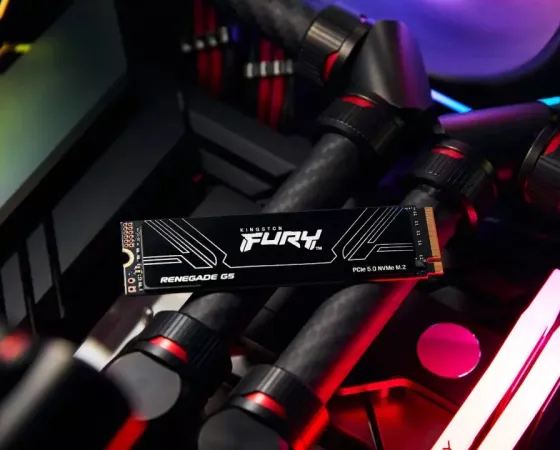 Les prix de la DRAM sont devenus totalement fous, et ce n'est pas Cameron Crandall, responsable chez Kingston des SSD pour data centers qui va dire le contraire. Pour reprendre ses propres mots, "il n'a jamais vu cela en 29 ans de carrière dans le milieu", et le souci c'est que même si le démarrage...


 Excellent cumul de promotions en ce 17 décembre 2025 pour celui qui ne dirait pas non à un écran gaming Dual Mode. L'AOC U27G4R est l'un d'eux, et il est disponible uniquement aujourd'hui à un prix encore jamais vu.Il s'agit donc d'un écran ayant une diagonale de 27 pouces et une dalle IPS pouvant p...


