 Connexion
LDLC trolle Valve sur la Steam Machine, puis fait machine arrière
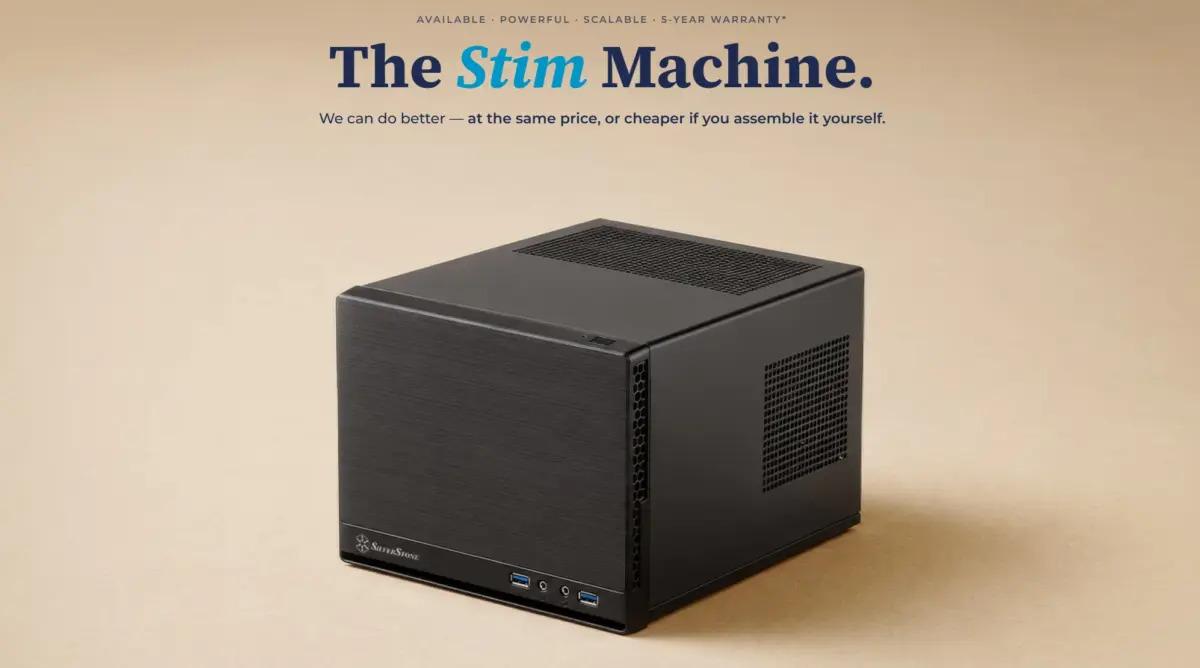 1039 euros. Pour un PC-console équipé d’un GPU moins performant qu’une Radeon RX 7600 et ne proposant que 512 Go d’espace de stockage... [Tout lire]
  1039 euros. Pour un PC-console équipé d’un GPU moins performant qu’une Radeon RX 7600 et ne proposant que 512 Go d’espace de stockage... [Tout lire]
 Fort de son trailer à plus de 55 millions de vues en dix heures et après plusieurs reports, GTA VI, ou Grand Theft Auto VI pour les puristes, a désormais un prix. Ce sera 79,99 dollars pour son édition standard, ou 99,99 dollars pour sa version Ultimate... [Tout lire]
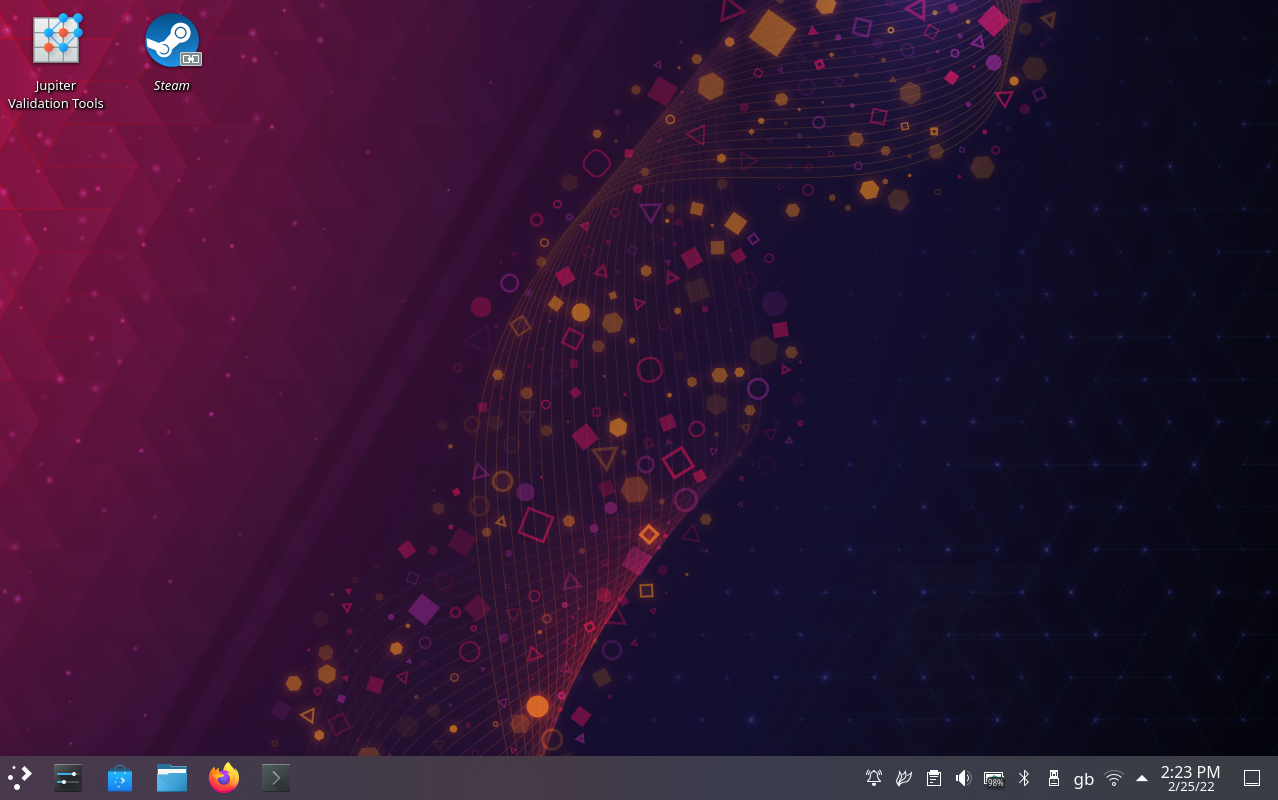 Dans les commentaires de l'article consacré à la commercialisation de la Steam Machine, deux d'entre vous, le Ragoteur sans valve embusqué et Un champion du monde embusqué, ont manifesté leur intérêt pour un SteamOS compatible avec le matos NVIDIA. Dans une interview accordée à The Verge, Pierre-Loup Griffais, une figure bien connue de Valve, a indiqué que son équipe « collaborait très étroitement avec NVIDIA » afin d'assurer la prise en charge des GeForce par SteamOS... [Tout lire]
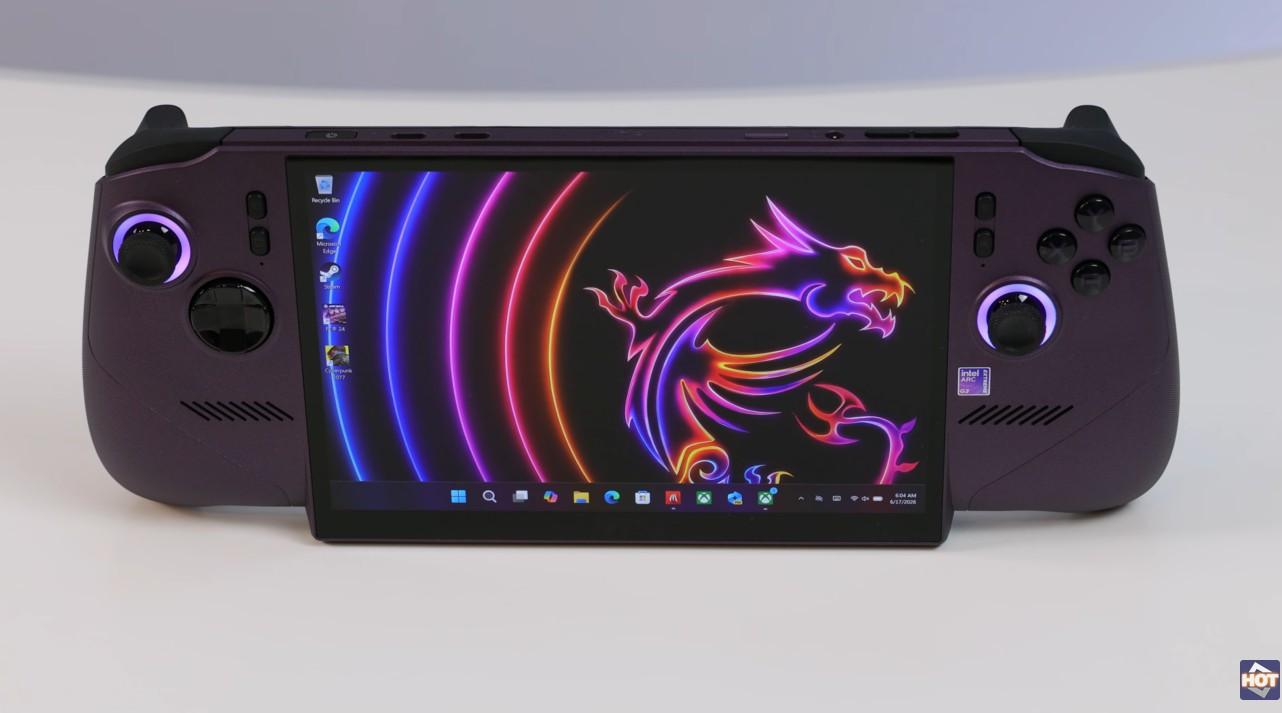 Fin mai, Intel a officialisé sa série Arc G3. Cette gamme est composée de deux processeurs Panther Lake, l’Arc G3 Extreme et l’Arc G3... [Tout lire]
 la mi-mai, AMD avait promis de délayer son FSR 4.1 à la sauce RDNA 3 en juillet... [Tout lire]
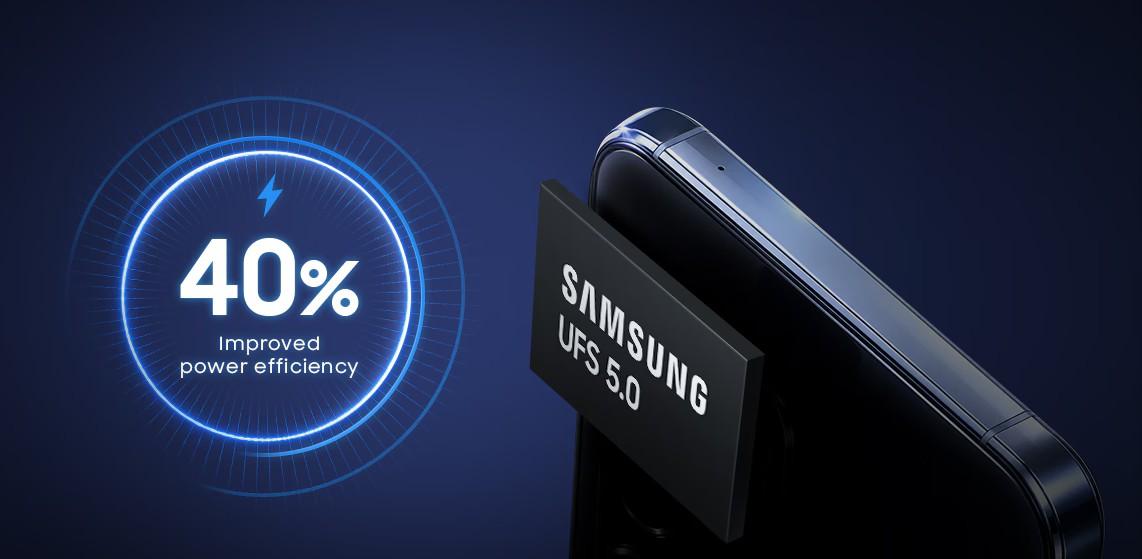 Samsung a présenté sa première solution de stockage UFS 5.0 (Universal Flash Storage), donc destinée aux appareils mobiles de nouvelle génération... [Tout lire]
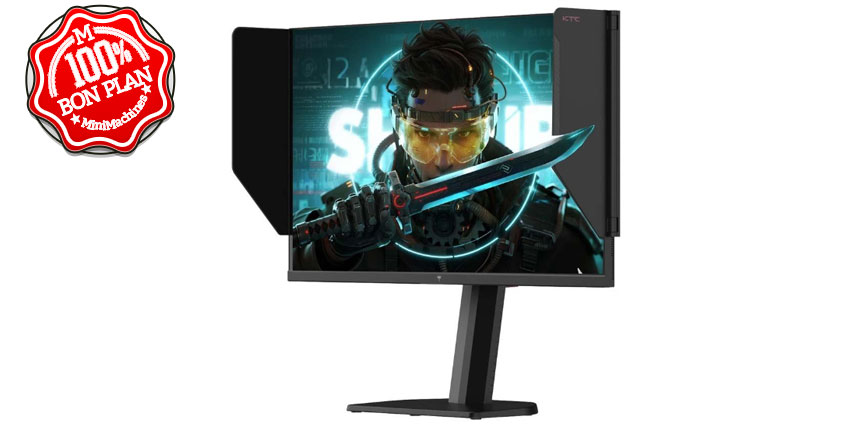

KTC-H27E8 – Ecran de jeu 27″ – Rafraîchissement 240 / 275 Hz – Fast IPS – 2560 x 1440 pixels – 1 ms – Freesync & G-Sync – Dalle 100% sRGB – HDR400 – compatible VESA 100×100 – Deux ports HDMI 2.0 + deux ports DisplayPort 1.4 – Jack audio. Inclinaison écran et passage en mode portrait. Dispo à 189.99€.
Retrouvez tous mes bons plans sur Mistermatos.com
Moniteur KTC-H27E8 27″ IPS 2560×1440 275 Hz à 189€ 🍮 © MiniMachines.net. 2026
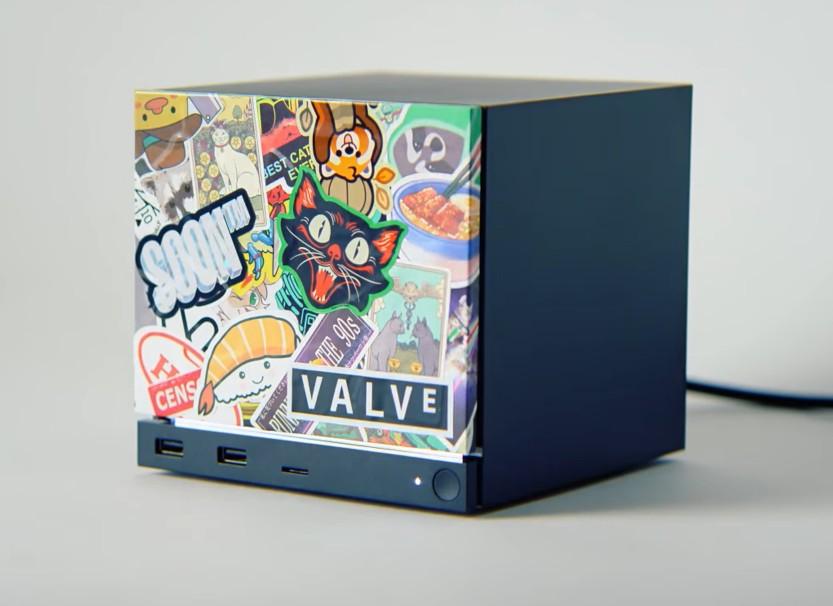 Le prix de la Steam Machine suscitait toutes les spéculations depuis l’officialisation de la machine le 13 novembre dernier. Valve vient d’y mettre fin : la console sous SteamOS sera disponible à partir de 1 039 euros... [Tout lire]
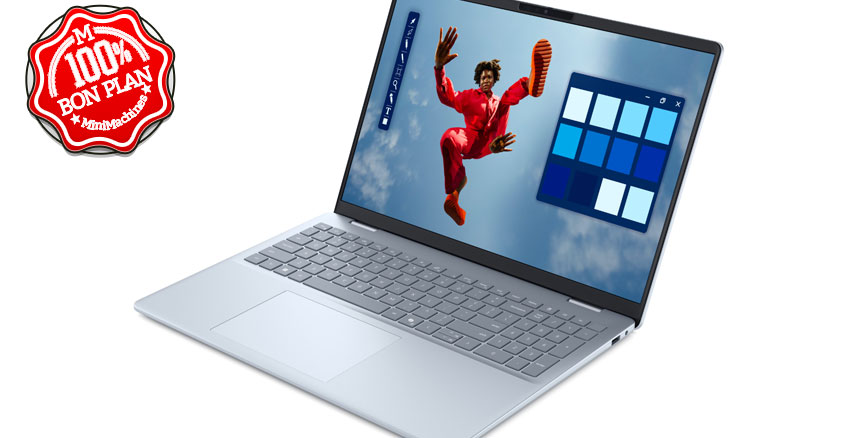
Alors que le modèle de Dell 16 Plus entrée de gamme est proposé à 1349€ sous Core Ultra 7 256V avec 16 Go de mémoire vive et 512 Go de stockage, cette promo sur le modèle haut de gamme équipé d’un Core Ultra 9 288V avec 32 Go de DDR5 et 2 To de stockage est seulement à 50€ de plus.

Le Dell 16 Plus est un ordinateur portable semi-sédentaire. Avec une diagonale de 16 pouces, ce n’est pas vraiment l’engin qu’on baladera le plus fréquemment avec soi. L’engin pèse 1.87 kilos et mesure 35.67 cm de large pour 25 cm de profondeur avec une épaisseur maximale de 16.99 mm. Un joli bébé qu’on conservera plus volontiers sur un bureau ou qu’on déplacera de pièce en pièce, même si ses dimensions sont finalement celles d’un 15.6″ classique d’il y a seulement quelques années.

L’écran choisi est un 2.5K IPS (2560 x 1600 pixels) avec une luminosité de 300 nits et une colorimétrie calibrée en usine respectant à 100% la norme DCI-P3. Il est piloté par une puce Intel Core Ultra 9 288V « Lunar Lake ». Un processeur 8 cœurs composé de 4 cœurs P et 4 cœurs E pour 8 Threads dans une solution dont les fréquences varient de 3.3 à 5.1 GHz. Avec 12 Mo de mémoire cache, cette puce est pensée pour fonctionner dans un TDP très réduit allant de 17 à 37 watts. Ce qui sera facilement pris en charge par un engin de ce gabarit.

La partie graphique est confiée à un circuit Intel Arc 140V déployant 8 cœurs Xe poussant sa fréquence à 2.05 GHz. Un NPU 48 TOPs est par ailleurs intégré à cet ensemble. Sur le processeur, on retrouvera les 32 Go de mémoire vive LPDDR5x-8533 sur deux canaux unifiés. Le stockage est confié à un classique SSD au format M.2 2280 de 2 To.

Parmi les services proposés par le Dell 16 Plus, on retrouve une webcam FullHD à 30 images par seconde équipée d’un oeilleton de confidentialité et d’un double micro proposant un réduction du bruit ambiant. De deux haut-parleurs de 2.5 Watts avec prise en charge du Dolby Atmos.

Le clavier est de type Chiclets avec pavé numérique et rétroéclairage complet. Un module Wi-Fi7 et Bluetooth 5.4 Intel BE201 est intégré. La batterie est une 54 Wh 4 cellules démontable qui offrira sans doute suffisamment d’autonomie à la machine pour un passage de pièce en pièce. Le constructeur met en avant 20 heures d’autonomie pour cette gamme dans un usage purement vidéo. Comptez plutôt sur 10 à 11 heures d’autonomie en usage réaliste de plusieurs programmes.

On retrouve une connectique assez classique avec un USB 3.2 Type-A, USB 3.2 Gen2 Type-C proposant également du DisplayPort 1.4 et du Power Delivery. Un port Thunderbolt 4 qui affichera en DisplayPort 2.1 avec toujours du Power Delivery, un HDMI 2.1 et un jack audio combo 3.5 mm. Ce genre de machine s’appuie souvent sur l’ajout d’un Dock pour augmenter ses possibilités connectiques. Des solutions Thunderbolt ou USB Type-C pouvant largement améliorer le confort de l’utilisateur.

La coque supérieure, le cadre de l’écran et la partie basse du châssis sont tous réalisés en aluminium. Seul le repose-poignet et l’entourage du clavier sont en matière plastique.
Ce type de potable vise avant tout un usage généraliste confortable. Ce n’est pas un engin spécialisé, mais la puce embarquée associée à ces composants permet de toucher à tous types de programmes. Si le jeu, la 3D, le montage vidéo ou autre utilisation créative ne sera pas aussi puissant qu’avec un portable créatif ou orienté jeu, cela n’interdira aucun de ces usages. Pour une exploitation multimédia, du web, des travaux bureautique, de la retouche d’images, de la programmation et même du montage vidéo, le Dell 16 Plus sera efficace. Pas au niveau d’une station spécialisée bien sûr, mais suffisant pour des usages très larges.
Le jeu ne sera pas au niveau d’une machine spécialisée, mais avec l’exploitation du XeSS et de l’upscaling, des performances confortables en HD et FullHD seront accessibles sur des jeux récents. La vidéo ci-dessus montre les résultats obtenus dans certains jeux triple A avec un Core Ultra 7 256V, une puce à l’architecture identique mais dont les fréquences sont moindres. Les jeux indépendants, plus anciens et très optimisés pour le grand public, seront parfaitement gérés.

J’aurais tendance à orienter vers cet engin des familles et des utilisateurs à la recherche d’un engin « à tout faire » très confortable. Le fait de pouvoir obtenir ce modèle fort bien équipé en mémoire vive assurera un travail multitâche très confortable. Le stockage de 2 To propose, en plus, assez d’espace pour stocker les documents de plusieurs utilisateurs. À 1399€, c’est à mon sens un excellent investissement pour les années à venir pendant cette période de crise.
Portable Dell 16 Plus : Core Ultra 9 288V 32Go / 2 To à 1399€ © MiniMachines.net. 2026

Mise à jour du 23 Juillet : Une nouvelle version du GMKtec NucBox M6 Ultra avec 48 Go de mémoire vive DDR5-4800 est apparue à 579€ sur le site du fabricant. 48 Go montés sur deux slots SODIMM et donc deux barrettes de 24 Go. C’est assez intéressant niveau prix et permet surtout d’imaginer une distribution de cette mémoire sur deux engins différents…
Billet original : le NucBox M6 Ultra GMKtec ne révolutionnera pas le marché, mais cette minimachine coche beaucoup de bonnes cases pour tous ceux à la recherche d’un MiniPC efficace et pas trop cher.

Le design du GMKtec NucBox M6 Ultra est hyper classique, il a déjà été employé à plusieurs reprises par la marque. Le boitier mesure 12.7 cm de large pour 12.88 cm de profondeur et 4.78 cm d’épaisseur. Assez pour enfermer une carte mère très complète qui embarque pour commencer un Ryzen 7 7640HS de génération Phoenix (2023).
Il s’agit d’une puce mobile relativement abordable chez AMD qui offre un excellent rapport performances / prix. Elle développe 6 cœurs pour 12 Threads sur un développement Zen4. Elle est associée à un circuit graphique Radeon 760M portant 8 cœurs RDNA 3 à 2.6 GHz. La puce affiche un TDP situé entre 35 et 54 Watts que le MiniPC pourra solliciter via son BIOS. Par défaut, l’engin est réglé en 45 watts ce qui correspond à un usage équilibré. Les modes « 35w » et « 50w » permettant des usages sobres ou, à l’inverse, les plus gourmands.

La marque promet un fonctionnement silencieux à 35 dB, probablement en mode « discret » à 30 w de TDP. Elle réunit deux ventilateurs pour deux missions séparées. Le premier refroidira les composants situés au-dessus de la machine, le second refroidira des ailettes dans un dispositif de transmission de chaleur très habituel. Pour avoir eu entre les mains ce même boitier avec un processeur au comportement en TDP similaire, la machine reste rarement à 35 dB à moins de ne pas vraiment la solliciter.
En usage très léger sur le web, pour de la décompression audio ou vidéo, le volume reste en général effectivement autour des 35 dB. Un usage intensif poussera la rotation du ventilateur du processeur dans un régime plus soutenu. Et le MiniPC atteint alors des 38-39 dB assez rapidement. Ce qui est encore une fois assez discret et dans la moyenne des MiniPC avec ce type de TDP de processeur (45 w). Il sera sans doute assez facile d’améliorer la finesse du refroidissement avec un élément logiciel de contrôle pour trouver les réglages les plus adaptés à ses besoins.
Dans tous les cas, la puce proposera un équipement suffisant pour énormément de tâches : bureautique et web, travaux graphiques, modélisation 3D, retouche d’image, montage vidéo, musique et même, dans une certaine mesure, les jeux. Ce n’est pas un monstre de performances mais il se situe tout de même dans une belle fourchette d’usages généralistes.

Pour soutenir ce processeur, on retrouve deux slots SODIMM de DDR5-4800 en double canal pour monter jusqu’à 128 Go de mémoire vive. Ainsi que deux ports M.2 2280 NVMe PCIe Gen3.0 x4 qui pourront chacun embarquer des SSD de 4 To. Le GMKtec NucBox M6 Ultra est proposé en plusieurs parfums, du modèle barebone à la version 32 Go de mémoire et 1 To de stockage. Il faut donc pouvoir accéder facilement aux composants. Le constructeur résout ce détail assez simplement avec un capot qui se retire en dévissant quatre vis qui traversent la machine de part en part.

La connectique est classique et subit le choix de GMK de proposer une minimachine avec les composants au-dessus du capot. La majorité des câbles vont ainsi venir se positionner devant les aérations de l’engin, il faudra donc optimiser ce poste avec des serre-fils pour éviter toute surchauffe. Ce qui entrainerait une augmentation de la température et du bruit.
En face avant, on retrouve des classiques : un bouton de démarrage, un jack audio combo 3.5 mm, un port USB4, deux USB 3.2 Gen2 Type-A. Sur la partie arrière, un USB 2.0 Type-A, un USB 3.2 Gen2 Type-A, un Antivol type Kensington Lock, un DisplayPort 1.4, un HDMI 2.0 et deux Ethernet 2.5 Gigabit pilotés par des circuits RTL8125. L’alimentation se fera avec un port jack 19V/6.32A. C’est un ensemble de ports très correct et la présence d’un USB4 autorisera une prise en charge de trois écrans ainsi que le pilotage éventuel d’un dock plus complet. La partie sans fil est confiée à une puce également signée par MediaTek, un MT7922 qui délivrera du Wi-Fi6E et Bluetooth 5.4 sur un port M.2 2230.
Livré avec un support VESA, l’engin peut s’accrocher facilement derrière un écran. Les modèles équipés de stockage sont tous livrés avec un Windows 11 préinstallé.

Sur le site de la marque, le MiniPC est disponible dans trois versions, veillez à bien sélectionner une prise d’alimentation Europe.
M6ultra00M6ultra00M6ultra00M6EU30Les frais de port sont gratuits et les expéditions de GMKtec sont faites après un passage par les entrepôts allemands de la marque.
| GMKtec NucBox M6 Ultra : Ryzen 5 7640HS – GMKtec | ||
 Mini-Score : C Mini-Score : C |
+ distribution certifiée + Expedition Europe + larges évolutions techniques + connectique confortable + livré prêt à l’emploi (sauf barebone) |
– SAV Europe et garantie 1 an |
GMKtec NucBox M6 Ultra : les MiniPC Ryzen 5 7640HS en promo © MiniMachines.net. 2026
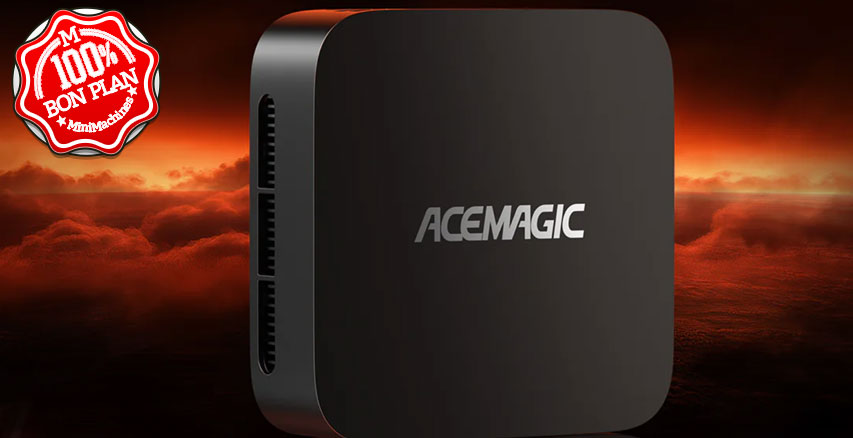
Le ACEMAGIC Mini K1 est un miniPC très classique qui embarque un AMD Ryzen Embedded R2544. Un processeur de génération Picasso pas tout jeune puisque sorti en 2022 mais qui conserve toujours de bonnes performances, surtout dans une machine bien entourée.

ACEMAGIC Mini K1
Le AMD Ryzen Embedded R2544 du ACEMAGIC Mini K1 est une puce quadruple cœur Zen+ qui développe 8 Threads, elle embarque un circuit graphique Radeon Vega 8 et propose un bon niveau de performances. Si on compare le processeur à un Intel N150, ce Ryzen particulier reste devant en monocœur – environ 10% plus rapide – et surtout en multicœur, où il est 30% plus véloce.
Les constructeurs s’intéressent actuellement à ces puces « Embedded » à cause d’une raison assez simple. Elles font partie du catalogue « industriel » d’AMD. Catalogue qui doit être par contrat suivi jusqu’en 2032 et qu’AMD est forcé de produire en nombre. Comme la marque délaisse son entrée de gamme au profit des puces les plus rentables de son catalogue orienté vers l’IA, les Ryzen « classiques » que nous trouvions dans les MiniPC jusqu’en 2025 sont souvent indisponibles. Les Ryzen « Embedded » sont plus accessibles en quantité, les constructeurs y ont donc de plus en plus largement recours.

Mais, il y a un mais, le R2544 est beaucoup, beaucoup plus gourmand en énergie que le N150. On passe d’un TDP de 6 watts pour la puce Intel à 45 watts sur cet AMD. Cela a un impact direct sur l’usage, la chauffe et donc le refroidissement du MiniPC. C’est aussi ce qui fait2 l’intérêt de ces gammes particulière chez Intel.
D’un point de vue performances pures, le Ryzen s’en sortira donc très bien. Avec de bonnes capacités pour de nombreux usages. Ici entouré par 16 Go de DDR4-3200 évolutif vers 64 Go grâce à deux ports SODIMM, l’engin saura piloter aussi bien de la bureautique que du surf en ligne, des contenus multimédias, de la programmation, de la modélisation 3D, des travaux créatifs et même des jeux. Ce ne sera pas un foudre de guerre, mais l’engin devrait s’en sortir de manière convaincante dans la majorité des situations.

Le stockage employé est un SSD au format M.2 2280 SATA3, livré avec 512 Go de stockage de base sur lequel est installé Windows 11 Pro. Toutefois le port M.2 2280 sur lequel le SSD est installé supporte également la norme NVMe PCIe 3.0 x2 et la machine propose également un second port au format NVMe PCIe 3.0 x4 pour une future évolution. Un troisième port M.2 2230 sert à piloter un module sans fil au format Wi-Fi5 et Bluetooth 4.2 un peu daté mais remplaçable facilement. Ces composants seront facilement accessibles en ôtant le capot supérieur de la machine.

La connectique propose l’attirail habituel de ce que l’on s’attend à trouver dans un MiniPC de 12.8 cm de large et 4.1 cm d’épaisseur. On retrouve en façade un USB 3.2 Type-C, deux USB 3.2 Type-A, un jack audio combo 3.5 mm et le bouton d’allumage.

À l’arrière, le ACEMAGIC Mini K1 propose des sorties vidéo HDMI 2.0 et DisplayPort 1.4, un port Ethernet Gigabit et pas moins de quatre ports USB 3.2 Type-A supplémentaires. Un jack d’alimentation est visible ainsi qu’un dispositif Antivol type Kensington Lock. On note que la connectique est placée au-dessus d’une ouïe d’évacuation de l’air chaud. Ce n’est cependant pas un drame pour une fois puisque le dispositif de refroidissement est différent de nos habitudes.

Le MiniPC propose en effet un ventilateur de 8 cm de diamètre qui repousse l’air sur les côtés de l’engin grâce aux larges ailettes d’un énorme dissipateur en aluminium. L’aspiration d’air frais est essentiellement faite par le dessous de la machine. Il faudra donc veiller à ne pas étouffer la grille inférieure plutôt qu’à éviter d’empêcher les câbles de pendre derrière le châssis. Une solution accessoire consistera à utiliser le support VESA livré pour accrocher l’engin derrière un écran, sur un mur ou sous un bureau.
A noter que le constructeur ne précise rien sur le bruit généré par le MiniPC. La présence d’un ventilateur de 8 cm de large suppose un bon volume d’air déplacé dans un minimum de tours par minute… mais on aurait préféré avoir une précision sur le nombre de décibels mesurés.

L’engin est proposé à 279€ sur le site européen de la marque, c’est un bon prix en ce moment au vu de l’équipement embarqué et des usages possibles. Le MiniPC est complet, pourra répondre à un assez beau panel de programmes et remplacer une machine classique tombée en panne en attendant que les prix des composants s’assagissent. Il n’est pas parfait, le recours à un châssis en ABS au lieu d’une coque en aluminium ou l’emploi d’une puce ayant un TDP de 45 watts ne sont pas les meilleures solutions. Mais cela reste une minimachine capable et plutôt correctement construite. Elle bénéficie d’une garantie de deux ans directement auprès de la marque.
| ACEMAGIC Mini K1 : Ryzen Embedded R2544 – 16 Go / 512 Go – Windows 11 Pro | ||
 Mini-Score : B |
+ distribution certifiée + évolutions techniques possibles + Garantie 2 ans + SAV et support en Europe + accès simple aux composants + compatibilité logicielle poussée + livré prêt à l’emploi + Rapport équipement / prix |
– conception OEM |
ACEMAGIC Mini K1, un MiniPC Ryzen R2544 16/512 Go à 279€ © MiniMachines.net. 2026

Mise à jour : baisse de prix intéressante pour le NucBox K16 qui passe de 619.99€ lors de sa sortie en janvier à 529.99€ aujourd’hui. L’engin, équipé de 32 Go de mémoire vive LPDDR5 et de 512 Go de stockage. Voir en fin de billet.
Billet du 22 janvier 2026 : Le NucBox K16 est un bon exemple de la réactivité du marché des MiniPC par rapport à d’autres secteurs informatiques. La souplesse des fabricants et la relative étroitesse de la production permettent plus de choses aux petits acteurs de ce marché qu’aux marques internationales.
Lorsqu’un HP, un Lenovo ou un Dell conçoivent une machine, ils ont une stratégie à long terme. C’est logique et normal vu le nombre d’unités à produire. En amont, il faut un stock conséquent de matériel, des lignes de production réservées pour des temps longs, signer des contrats avec différents fournisseurs. En aval, il faut former ses équipes, préparer les ventes et le marketing, gérer une énorme logistique… Tout cela demande du temps et des moyens techniques importants. Ce qui crée toujours un décalage entre la conception des machines et leur mise en place sur le marché.
Pour les fabricants de MiniPC, on n’est pas du tout dans les mêmes métriques. Ce ne sont pas des dizaines de milliers d’unités qui sont négociées pour arroser les stocks de toutes les filiales. Ce sont des lots de 2000 ou 3000 machines qui sont lancés au mieux. Quitte à relancer la production dans la foulée. Il est donc possible de mettre la main sur un « lot » de processeurs et d’activer une production très ponctuelle.
| Coeurs / Threads | Fréquences | Cache | TDP | GPU | |
| Ryzen 7 7735HS | 8 / 16 | 3.2 GHz / 4.75 GHz | 20 Mo | 35-45W | Radeon 680M (12 x RDNA 2) |
| Ryzen 7 6800H | 8 / 16 | 3.2 GHz / 4.70 GHz | 20Mo | 45W | Radeon 660M (12 x RDNA 2) |
C’est exactement ce que semble avoir fait GMKtec avec son NucBox K16. Un « nouveau » MiniPC qui embarque un « ancien » processeur AMD Ryzen 7 7735HS. Pour tout vous dire, la dernière minimachine équipée de ce processeur qui est apparue sur le blog date d’il y a un an. Le dernier MiniPC GMK avec cette puce était le NucBox K5 lancé en février 2024.
L’intérêt pour GMKtec de relancer un MiniPC de ce type, c’est de pouvoir le proposer à un prix plus abordable. La hausse des tarifs de la mémoire et du stockage conduit à faire des choix. Soit répercuter le prix de ces composants sur un MiniPC « classique » et donc proposer au public des engins de plus en plus chers. Soit baisser un autre poste technique de la machine pour compenser la hausse.
Sur un MiniPC, il n’y a pas un grand choix technique possible. Passer d’un Wi-Fi6 à un Wi-Fi5 ne fait gagner que quelques dollars. Même chose pour un Ethernet moins performant ou un port M.2 en moins. La seule piste possible pour bouger réellement les lignes se retrouve au niveau du processeur. Basculer d’une puce de 2025 vers une puce de 2023 permet sans doute de grappiller quelques dollars. Surtout s’il s’agit d’un vieux stock de puces délaissées par un autre fabricant.

GMKtec NucBox K16
Le processeur a été lancé en mai 2023 dans une gamme « Rembrandt Refresh » qui cache très mal le fait qu’il s’agit juste d’un Ryzen 7 6800H un peu remaquillé. C’est donc en réalité une puce de début 2022 qui est intégrée dans ce nouveau MiniPC. Est-ce que c’est grave ? Pas vraiment.
Le Ryzen 7 7735HS propose de bonnes performances globales en FullHD.
Ce NucBox K16 propose donc un processeur à l’architecture Zen 3+ avec 8 cœurs et 16 Threads dans des fréquences allant de 3.2 à 4.75 GHz. Il fonctionne de 35 à 54 W de TDP. Un de ses principaux avantages est la présence d’un circuit graphique Radeon 680M avec 12 cœurs RDNA 2 capable d’atteindre 2.2 GHz. Il est ici secondé par 32 Go de mémoire vive LPDDR5-6400 soudés à la carte mère. Le stockage est confié à 2 ports M.2 2280 PCIe Gen4 x4 NVMe M.2 2280. Un ensemble aux performances toujours convaincantes qui pourra effectuer de nombreuses tâches.

Le tout est monté dans un châssis impressionnant. 10.7 cm de large, 11.1 cm de profondeur, mais 6.3 cm d’épaisseur. C’est haut pour un MiniPC et la connectique semble un peu noyée dans l’engin. Cela permet surtout à GMKtec de proposer un engin bien ventilé avec une circulation d’air qui se fera sur les côtés pour ne pas être gênée par la connectique arrière.

On retrouve en façade un USB4, deux USB 3.2 Type-A, un jack audio combo 3.5 mm et un port OCuLink pour profiter d’une solution graphique externe. Un bouton de démarrage est également visible.
Sur la partie arrière, on peut lister un USB 3.2 Type-A, un USB 2.0 Type-A, un port HDMI 2.0, un DisplayPort 1.4, deux Ethernet 2.5 Gigabit et un Antivol type Kensington Lock. Le module sans fil embarqué propose du Wi-Fi6E et du Bluetooth 5.2.

L’engin est sorti à 619.99€ dans une version équipée de 32 Go de mémoire et 512 Go de stockage. Il est désormais proposé à 549.99€. Une baisse plus que sensible, assez appréciable pour un engin équipé très correctement en mémoire vive.

Le code ABANDON20 permet en plus de faire fondre son tarif de 20€ supplémentaires pour un total de 529.99€. C’est à mon avis le meilleur investissement des deux modèles actuels. Il sera toujours possible d’ajouter un second SSD M.2 en interne quand les prix seront plus raisonnables.
Le modèle de NucBox K16 en 32 Go / 1 To a quant à lui été lancé à 669.99€ en janvier et dégringole à 599.99€ aujourd’hui. Le même code lui fait perdre 20€ pour un total de 579.99€. La livraison est dans les deux cas gratuite et se fait rapidement depuis un entrepôt allemand de la marque. Le paiement est assuré par la plateforme Paypal.
| GMKtec NucBox K16 : Ryzen 7735HS – 32 Go / 512Go / 1 To – Windows 11 | ||
|
Mini-Score : B |
+ conception originale + distribution certifiée + garantie 2 ans + évolutions du stockage possible + performances évoluées + accès simple aux composants + connectique USB4 / OCuLink + livré prêt à l’emploi sous W11 |
– SAV et support en Europe |
GMKtec NucBox K16 : Ryzen 7 7735HS 32/512 Go à 529.99€ © MiniMachines.net. 2026
It is with great sadness that I find myself penning the hardest news post I’ve ever needed to write here at AnandTech. After over 27 years of covering the wide – and wild – world of computing hardware, today is AnandTech’s final day of publication.
For better or worse, we’ve reached the end of a long journey – one that started with a review of an AMD processor, and has ended with the review of an AMD processor. It’s fittingly poetic, but it is also a testament to the fact that we’ve spent the last 27 years doing what we love, covering the chips that are the lifeblood of the computing industry.
A lot of things have changed in the last quarter-century – in 1997 NVIDIA had yet to even coin the term “GPU” – and we’ve been fortunate to watch the world of hardware continue to evolve over the time period. We’ve gone from boxy desktop computers and laptops that today we’d charitably classify as portable desktops, to pocket computers where even the cheapest budget device puts the fastest PC of 1997 to shame.
The years have also brought some monumental changes to the world of publishing. AnandTech was hardly the first hardware enthusiast website, nor will we be the last. But we were fortunate to thrive in the past couple of decades, when so many of our peers did not, thanks to a combination of hard work, strategic investments in people and products, even more hard work, and the support of our many friends, colleagues, and readers.
Still, few things last forever, and the market for written tech journalism is not what it once was – nor will it ever be again. So, the time has come for AnandTech to wrap up its work, and let the next generation of tech journalists take their place within the zeitgeist.
It has been my immense privilege to write for AnandTech for the past 19 years – and to manage it as its editor-in-chief for the past decade. And while I carry more than a bit of remorse in being AnandTech’s final boss, I can at least take pride in everything we’ve accomplished over the years, whether it’s lauding some legendary products, writing technology primers that still remain relevant today, or watching new stars rise in expected places. There is still more that I had wanted AnandTech to do, but after 21,500 articles, this was a good start.
And while the AnandTech staff is riding off into the sunset, I am happy to report that the site itself won’t be going anywhere for a while. Our publisher, Future PLC, will be keeping the AnandTech website and its many articles live indefinitely. So that all of the content we’ve created over the years remains accessible and citable. Even without new articles to add to the collection, I expect that many of the things we’ve written over the past couple of decades will remain relevant for years to come – and remain accessible just as long.
The AnandTech Forums will also continue to be operated by Future’s community team and our dedicated troop of moderators. With forum threads going back to 1999 (and some active members just as long), the forums have a history almost as long and as storied as AnandTech itself (wounded monitor children, anyone?). So even when AnandTech is no longer publishing articles, we’ll still have a place for everyone to talk about the latest in technology – and have those discussions last longer than 48 hours.
Finally, for everyone who still needs their technical writing fix, our formidable opposition of the last 27 years and fellow Future brand, Tom’s Hardware, is continuing to cover the world of technology. There are a couple of familiar AnandTech faces already over there providing their accumulated expertise, and the site will continue doing its best to provide a written take on technology news.
As I look back on everything AnandTech has accomplished over the past 27 years, there are more than a few people, groups, and companies that I would like to thank on behalf of both myself and AnandTech as a whole.
First and foremost, I cannot thank enough all the editors who have worked for AnandTech over the years. There are far more of you than I can ever name, but AnandTech’s editors have been the lifeblood of the site, bringing over their expertise and passion to craft the kind of deep, investigative articles that AnandTech is best known for. These are the finest people I’ve ever had the opportunity to work with, and it shouldn’t come as any surprise that these people have become even bigger successes in their respective fields. Whether it’s hardware and software development, consulting and business analysis, or even launching rockets into space, they’ve all been rock stars whom I’ve been fortunate to work with over the past couple of decades.
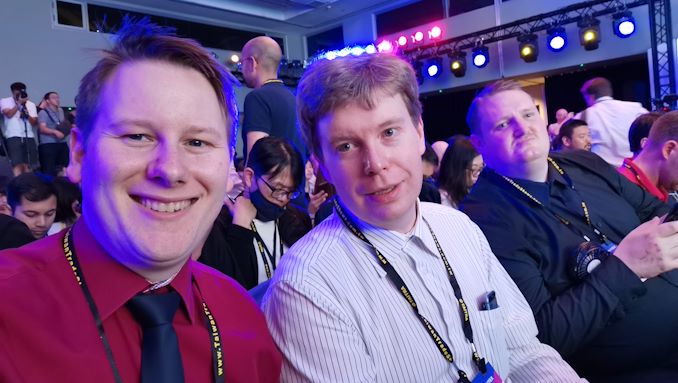
Ian Cutress, Anton Shilov, and Gavin Bonshor at Computex 2019
And a special shout out to the final class of AnandTech editors, who have been with us until the end, providing the final articles that grace this site. Gavin Bonshor, Ganesh TS, E. Fylladitakis, and Anton Shilov have all gone above and beyond to meet impossible deadlines and go half-way around the world to report on the latest in technology.
Of course, none of this would have been possible without the man himself, Anand Lal Shimpi, who started this site out of his bedroom 27 years ago. While Anand retired from the world of tech journalism a decade ago, the standard he set for quality and the lessons he taught all of us have continued to resonate within AnandTech to this very day. And while it would be tautological to say that there would be no AnandTech without Anand, it’s none the less true – the mark on the tech publishing industry that we’ve been able to make all started with him.

MWC 2014: Ian Cutress, Anand Lal Shimpi, Joshua Ho
I also want to thank the many, many hardware and software companies we’ve worked with over the years. More than just providing us review samples and technical support, we’ve been given unique access to some of the greatest engineers in the industry. People who have built some of the most complex chips ever made, and casually forgotten more about the subject than we as tech journalists will ever know. So being able to ask those minds stupid questions, and seeing the gears turn in their heads as they explain their ideas, innovations, and thought processes has been nothing short of an incredible learning experience. We haven’t always (or even often) seen eye-to-eye on matters with all of the companies we've covered, but as the last 27 years have shown, sharing the amazing advancements behind the latest technologies has benefited everyone, consumers and companies alike.
Thank yous are also due to AnandTech’s publishers over the years – Future PLC, and Purch before them. AnandTech’s publishers have given us an incredible degree of latitude to do things the AnandTech way, even when it meant taking big risks or not following the latest trend. A more cynical and controlling publisher could have undoubtedly found ways to make more money from the AnandTech website, but the resulting content would not have been AnandTech. We’ve enjoyed complete editorial freedom up to our final day, and that’s not something so many other websites have had the luxury to experience. And for that I am thankful.

CES 2016: Ian Cutress, Ganesh TS, Joshua Ho, Brett Howse, Brandon Chester, Billy Tallis
Finally, I cannot thank our many readers enough. Whether you’ve been following AnandTech since 1997 or you’ve just recently discovered us, everything we’ve published here we’ve done for you. To show you what amazing things were going on in the world of technology, the radical innovations driving the next generation of products, or a sober review that reminds us all that there’s (almost) no such thing as bad products, just bad pricing. Our readers have kept us on our toes, pushing us to do better, and holding us responsible when we’ve strayed from our responsibilities.
Ultimately, a website is only as influential as its readers, otherwise we would be screaming into the void that is the Internet. For all the credit we can claim as writers, all of that pales in comparison to our readers who have enjoyed our content, referenced it, and shared it with the world. So from the bottom of my heart, thank you for sticking with us for the past 27 years.
Finally, I’d like to end this piece with a comment on the Cable TV-ification of the web. A core belief that Anand and I have held dear for years, and is still on our About page to this day, is AnandTech’s rebuke of sensationalism, link baiting, and the path to shallow 10-o'clock-news reporting. It has been our mission over the past 27 years to inform and educate our readers by providing high-quality content – and while we’re no longer going to be able to fulfill that role, the need for quality, in-depth reporting has not changed. If anything, the need has increased as social media and changing advertising landscapes have made shallow, sensationalistic reporting all the more lucrative.
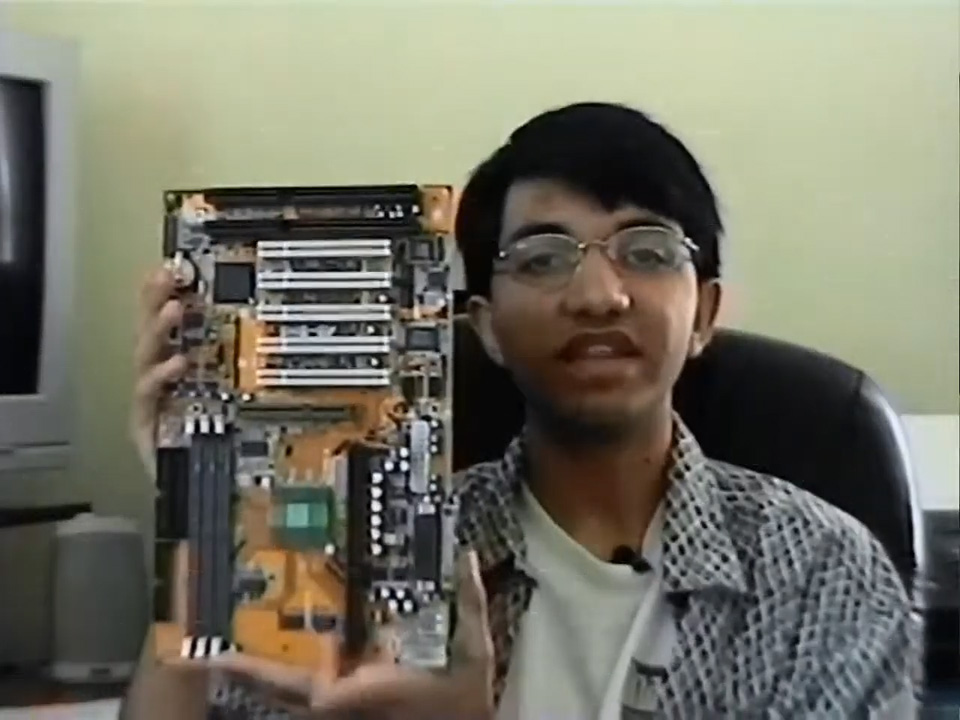
Speaking of TV: Anand Hosting The AGN Hardware Show (June 1998)
For all the tech journalists out there right now – or tech journalists to be – I implore you to remain true to yourself, and to your readers' needs. In-depth reporting isn’t always as sexy or as exciting as other avenues, but now, more than ever, it’s necessary to counter sensationalism and cynicism with high-quality reporting and testing that is used to support thoughtful conclusions. To quote Anand: “I don't believe the web needs to be academic reporting or sensationalist garbage - as long as there's a balance, I'm happy.”
Wrapping things up, it has been my privilege over the last 19 years to write for one of the most impactful tech news websites that has ever existed. And while I’m heartbroken that we’re at the end of AnandTech’s 27-year journey, I can take solace in everything we’ve been able to accomplish over the years. All of which has been made possible thanks to our industry partners and our awesome readers.
On a personal note, this has been my dream job; to say I’ve been fortunate would be an understatement. And while I’ll no longer be the editor-in-chief of AnandTech, I’m far from being done with technology as a whole. I’ll still be around on Twitter/X, and we’ll see where my own journey takes me next.


To everyone who has followed AnandTech over the years, fans, foes, readers, competitors, academics, engineers, and just the technologically curious who want to learn a bit more about their favorite hardware, thank you for all of your patronage over the years. We could not have accomplished this without your support.
-Thanks,
Ryan Smith
Corsair, a longstanding and esteemed manufacturer in the PC components industry, initially built its reputation on memory-related products. However, nearly two decades ago, Corsair began diversifying its product line. This expansion started cautiously, with a limited number of products, but quickly proved to be highly successful, propelling Corsair into the industry powerhouse it is today.
One of Corsair's most triumphant product categories is all-in-one (AIO) liquid coolers. This success is particularly notable given that their initial foray into liquid cooling in 2003 did not meet expectations. However, Corsair didn’t throw in the towel. Undeterred, they re-entered the market years later, leveraging the growing popularity of user-friendly, maintenance-free AIO designs. This gamble paid off handsomely, as AIO coolers are now one of Corsair’s flagship product lines, boasting a wide array of models.
In this review, we focus on the latest addition to Corsair's AIO cooler lineup: the iCUE LINK TITAN 360 RX. This model is similar to the iCUE LINK H150i RGB, but introduces subtle yet significant improvements, including a performance upgrade with an enhanced pump. The TITAN 360 RX continues Corsair's tradition of innovation and quality, seamlessly integrating into the iCUE ecosystem for an optimized user experience. Its single-cable design ensures a clean and effortless installation, making it a standout in Corsair's evolving cooler lineup.
iBUYPOWER is a U.S.-based company known for its custom-built gaming PCs and peripherals. Established in 1999, the company offers a wide range of self-branded products, including pre-built desktop computers, laptops, and gaming accessories. These products are designed to cater to various performance needs, from casual gaming to high-end competitive gaming. iBUYPOWER is particularly recognized for its customizable gaming PCs, allowing users to choose specific components according to their preferences. The company's self-branded peripherals, like keyboards, mice, and headsets, are designed to complement their gaming systems, providing a cohesive experience for gamers.
iBUYPOWER also offers a selection of cooling-related products, including air and liquid cooling solutions, tailored to ensure optimal thermal performance and custom aesthetics for their gaming systems. Most of these products are from other manufacturers, but the company is also branching out into selling their own cooling related products. Most notable of these is the new AW4 360 mm AIO liquid cooler. This review will focus on the AW4 AIO, evaluating its design, cooling efficiency, and overall performance within high-demand gaming and computing environments.
Cougar, established in 2008, has become a notable name in the PC hardware market, particularly among gamers and enthusiasts. While Cougar might appear to be a relatively recent addition to the industry, it is backed by HEC/Compucase, a veteran in the PC market known primarily for its OEM products. Cougar was created as a subsidiary to focus on developing and marketing high-performance products tailored to the needs of gamers and PC enthusiasts.
Initially, Cougar focused primarily on PC cases, gradually expanding its product lineup as the brand gained recognition. Over the years, Cougar has successfully diversified its offerings to include a wide range of products, from gaming chairs to mechanical keyboards. This strategic expansion has allowed Cougar to establish a strong presence in the gaming hardware market.
In this review, we are focusing on Cougar's latest entry into the liquid cooling market, the Poseidon Ultra 360 ARGB cooler. The Poseidon Ultra 360 ARGB is a high-performance, all-in-one liquid cooler featuring a 360mm radiator and vibrant ARGB lighting, designed to appeal to both performance enthusiasts and those looking for a visually striking setup. This review will delve into the AIO cooler’s key features, cooling efficiency, and noise levels, to determine how it stands up against the competition in the increasingly crowded liquid cooler market.
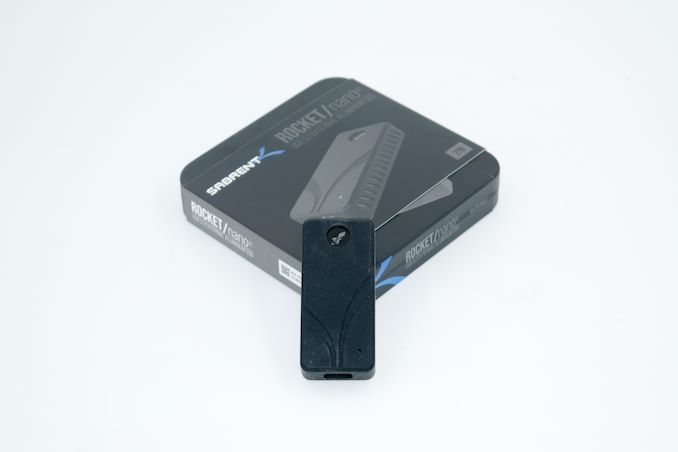
Sabrent's lineup of internal and external SSDs is popular among enthusiasts. The primary reason is the company's tendency to be among the first to market with products based on the latest controllers, while also delivering an excellent value proposition. The company has a long-standing relationship with Phison and adopts its controllers for many of their products. The company's 2 GBps-class portable SSD - the Rocket nano V2 - is based on Phison's U18 native controller. Read on for a detailed look at the Rocket nano V2 External SSD, including an analysis of its performance consistency, power consumption, and thermal profile.
Standard CPU coolers, while adequate for managing basic thermal loads, often fall short in terms of noise reduction and superior cooling efficiency. This limitation drives advanced users and system builders to seek aftermarket solutions tailored to their specific needs. The high-end aftermarket cooler market is highly competitive, with manufacturers striving to offer products with exceptional performance.
Endorfy, previously known as SilentiumPC, is a Polish manufacturer that has undergone a significant transformation to expand its presence in global markets. The brand is known for delivering high-performance cooling solutions with a strong focus on balancing efficiency and affordability. By rebranding as Endorfy, the company aims to enter premium market segments while continuing to offer reliable, high-quality cooling products.
SilentiumPC became very popular in the value/mainstream segments of the PC market with their products, the spearhead of which probably was the Fera 5 cooler that we reviewed a little over two years ago and had a remarkable value for money. Today’s review places Endorfy’s largest CPU cooler, the Fortis 5 Dual Fan, on our laboratory test bench. The Fortis 5 is the largest CPU air cooler the company currently offers and is significantly more expensive than the Fera 5, yet it still is a single-tower cooler that strives to strike a balance between value, compatibility, and performance.
Intel's Meteor Lake series of processors was launched in September 2023 with a focus on mobile platforms. Multiple mini-PC vendors have utilized these processors to market offerings in the SFF / UCFF desktop market. ACEMAGIC is an Asian manufacturer with products in multiple categories including micro-PCs, UCFF (ultra-compact form-factor) and SFF (small form-factor) PCs, and notebooks. They were one of the first to market with Meteor Lake-based desktop systems.
The ACEMAGIC F2A 125H is the entry-level version of the F2A line, equipped with an Intel Core Ultra 5 125H processor. It is a bit larger than the traditional NUCs, slotting it in the SFF category. However, that allows for the processor to be operated at 65W (compared to the 28 - 40W adopted in the UCFF systems). Read on for a comprehensive look at the performance and features of the ACEMAGIC F2A 125H, including some comments on the pros and cons of the higher operating power as well as other design decisions.
