Here are some sample photos taken with the 135mm lens:
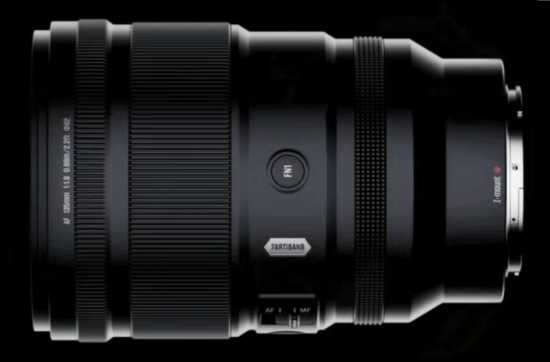
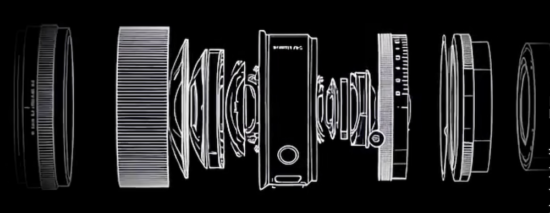
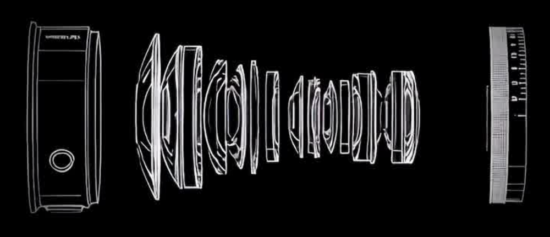
“The 7Artisans 135mm F1.8 AF is a large-aperture prime lens compatible with full-frame sensors. Planned mounts include Sony E, Nikon Z, and L, making it compatible with mirrorless cameras of all these systems. The combination of a 135mm focal length and an F1.8 aperture maximizes the subject’s focus with a shallow depth of field and a compression effect that accentuates the subject. It’s ideal for portraits and other scenes where you want to highlight the subject. The minimum focusing distance of 0.68m, relatively short for a 135mm lens, allows for close-up shots. The aperture ring allows for intuitive aperture control. The AF/MF switch allows for smooth focus control depending on the shooting situation. Furthermore, the camera’s function button can be assigned to various functions, allowing for customization to suit your shooting style. This lens combines the expressive power of a large-aperture prime lens with a practical operation system.”
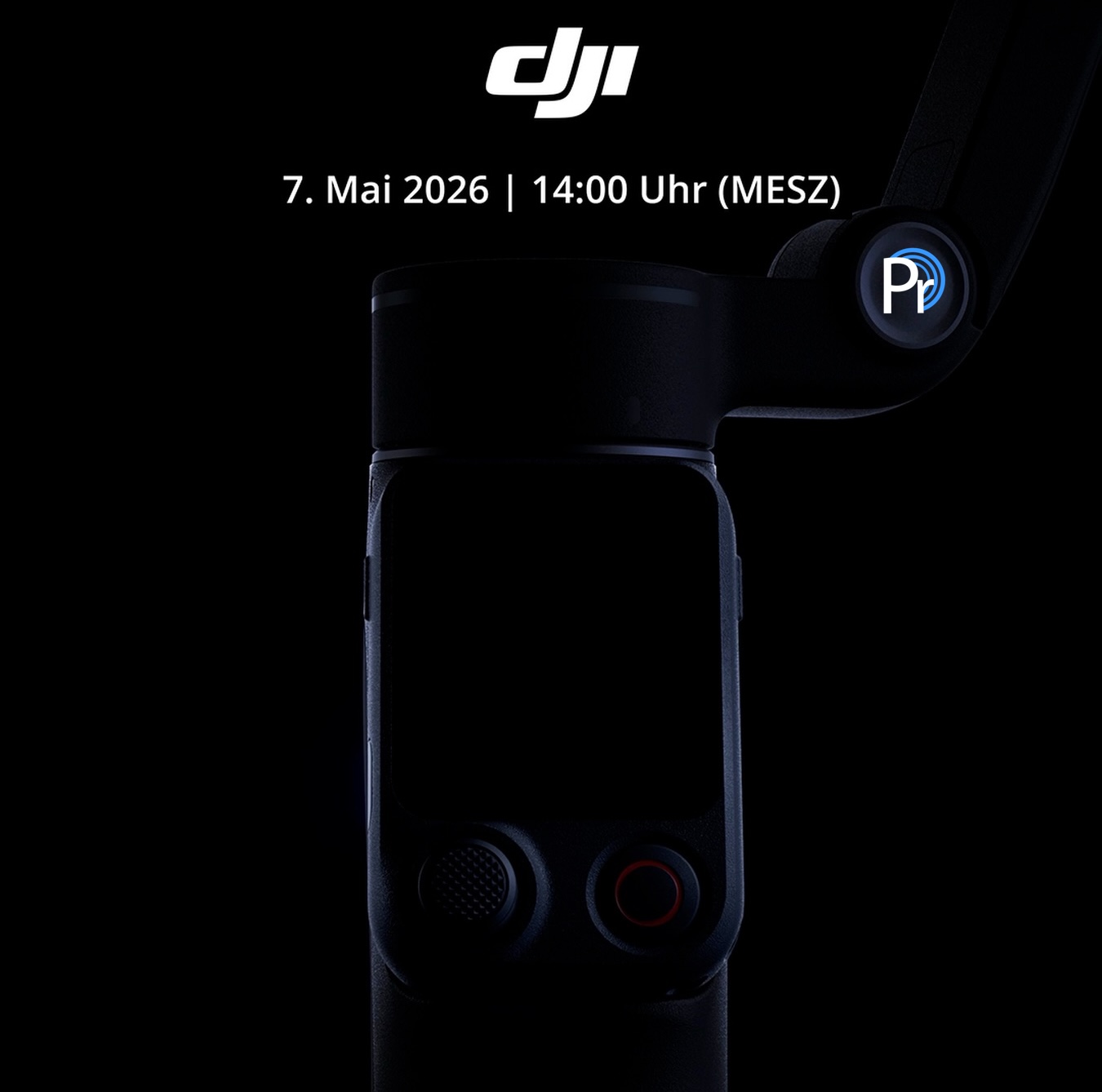
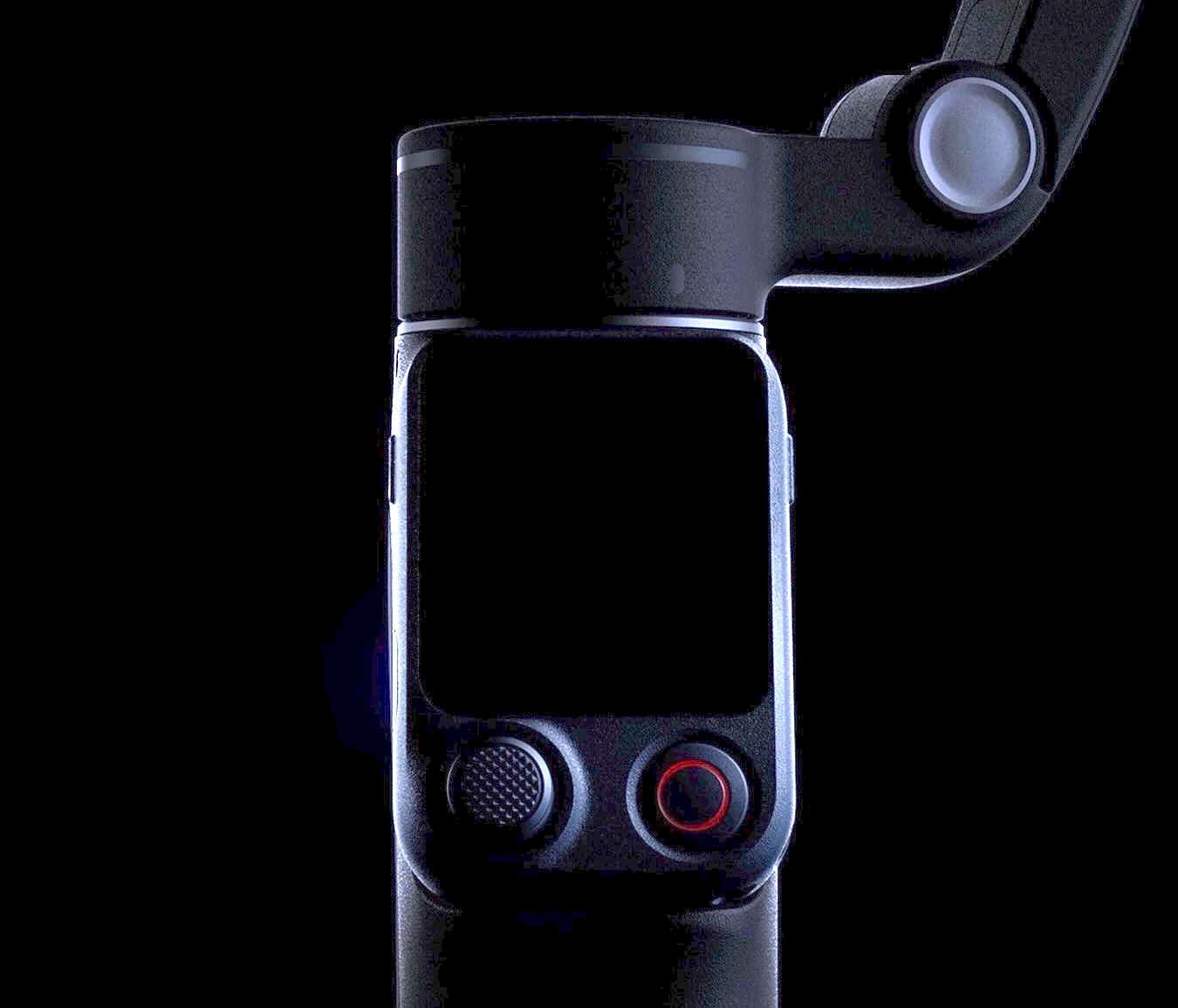
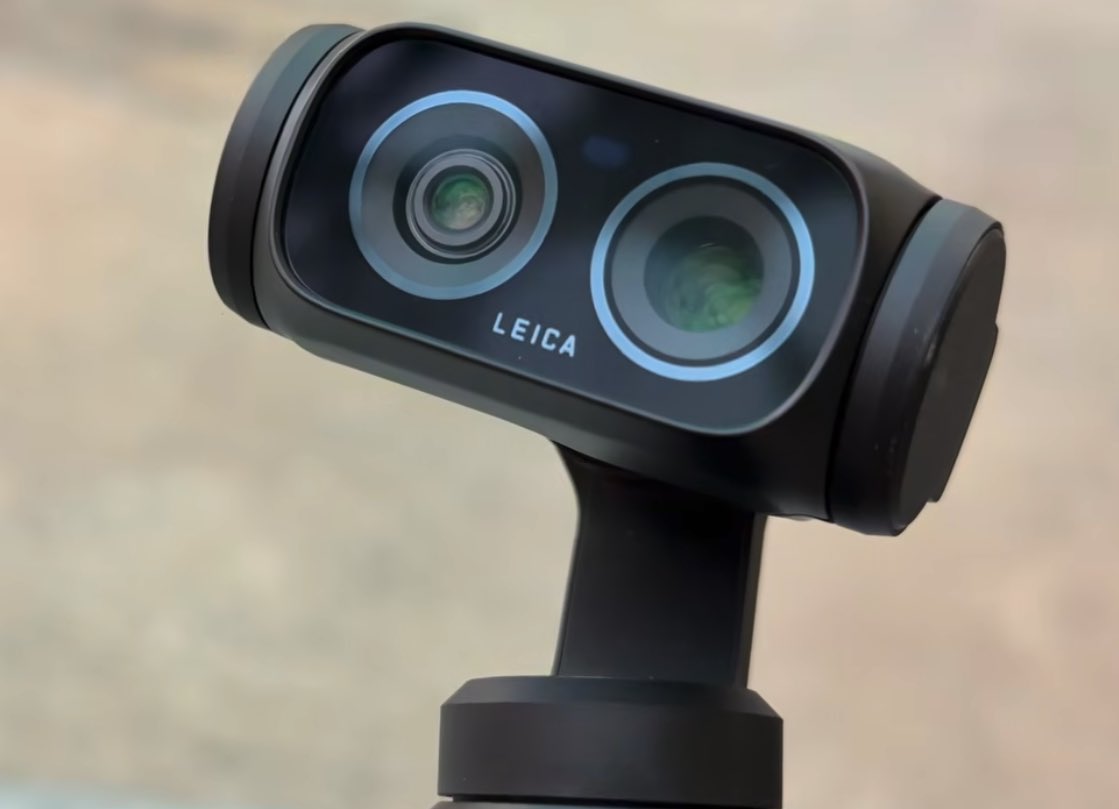
Here is what we know so far about the upcoming DJI Osmo Pocket 4P:
Dual-lens system: 1-inch primary wide-angle sensor + dedicated 3× optical telephoto lens (a major upgrade over the standard Pocket 4’s single lens and 2× lossless zoom). This enables better portrait work, zoom detail, and native vertical video modes.
Video: 4K at up to 240fps slow-motion (matching or building on the Pocket 4), with enhanced stabilization and creator-focused features.
Storage & extras: Rumored 128GB built-in storage (higher than the standard model’s 107GB), flexible/tiltable screen, and strong low-light/portrait performance.
Form factor: Very similar to the Pocket 4 but with a vertically stacked dual-camera module on the gimbal head.
Rumored pricing: Base model expected to start around $700 (premium positioning over the standard ~$499 Pocket 4).
Shared core features with standard model (with Pro enhancements): Likely retains the 1-inch CMOS sensor, 3-axis gimbal stabilization, rotatable touchscreen, ActiveTrack 7.0, 10-bit D-Log, and high dynamic range, but with superior zoom and possibly 6K/ higher-end video options in some speculative reports.
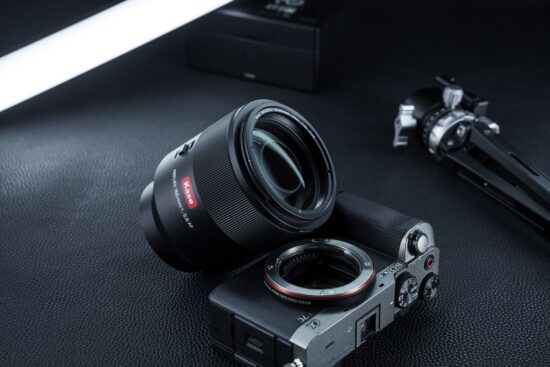
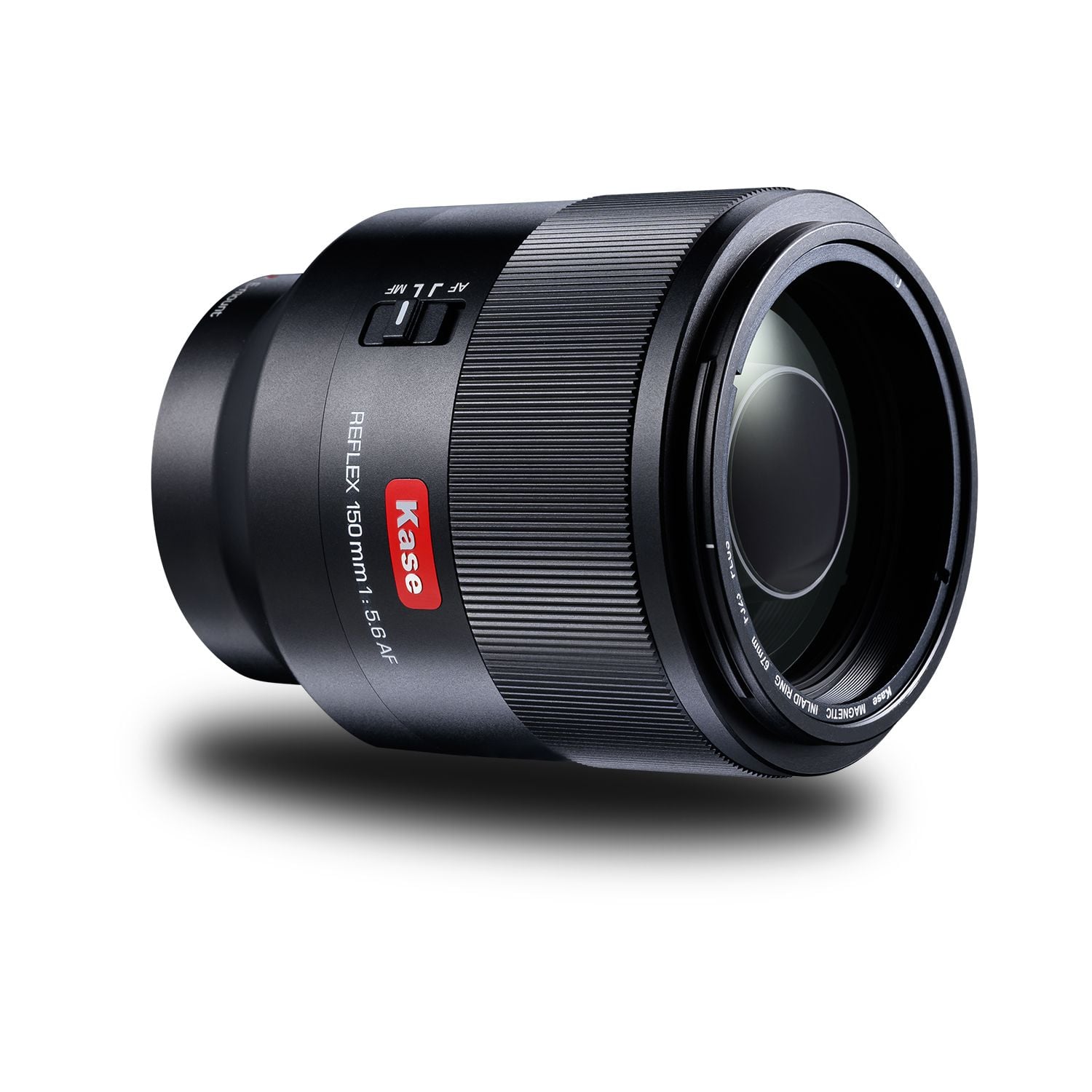
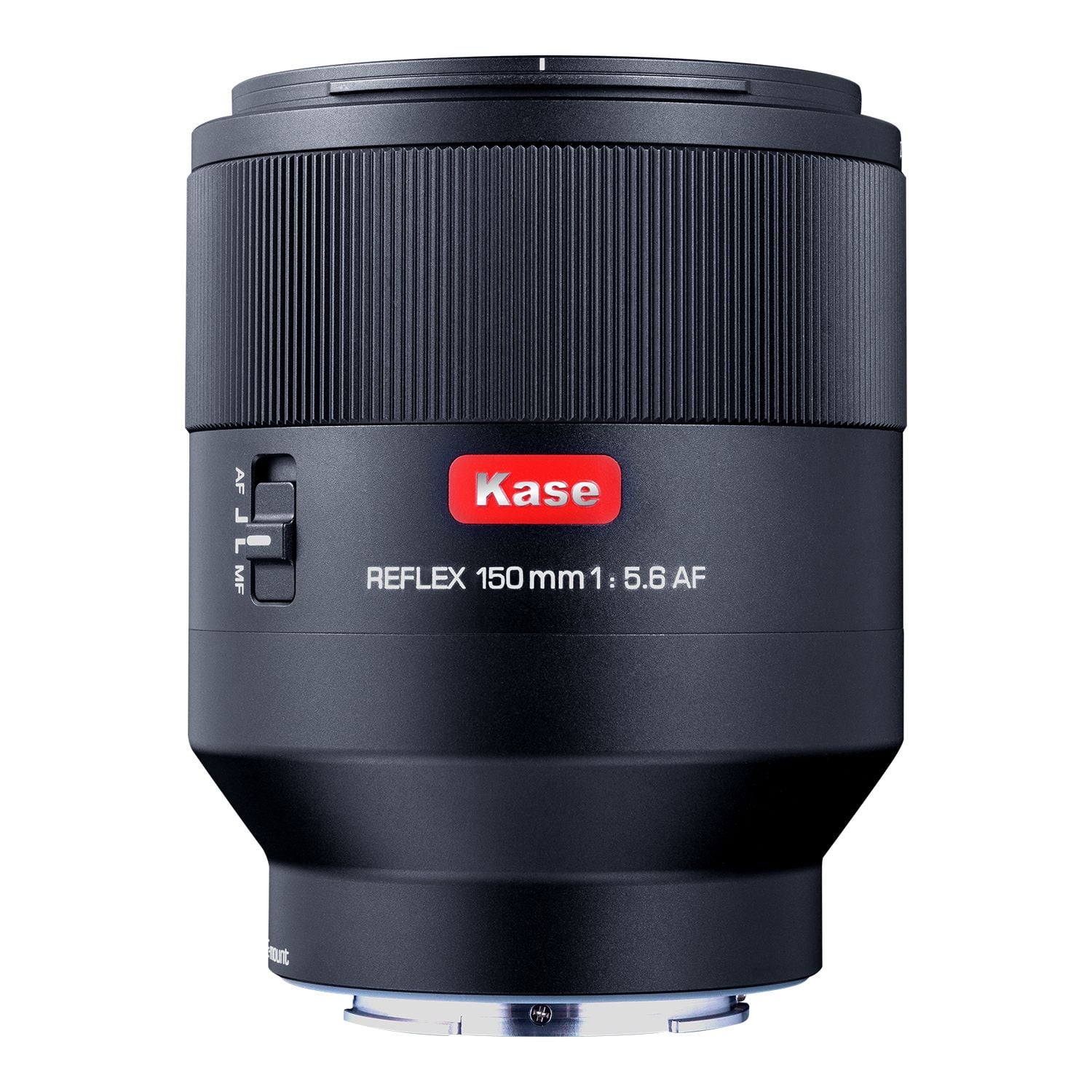
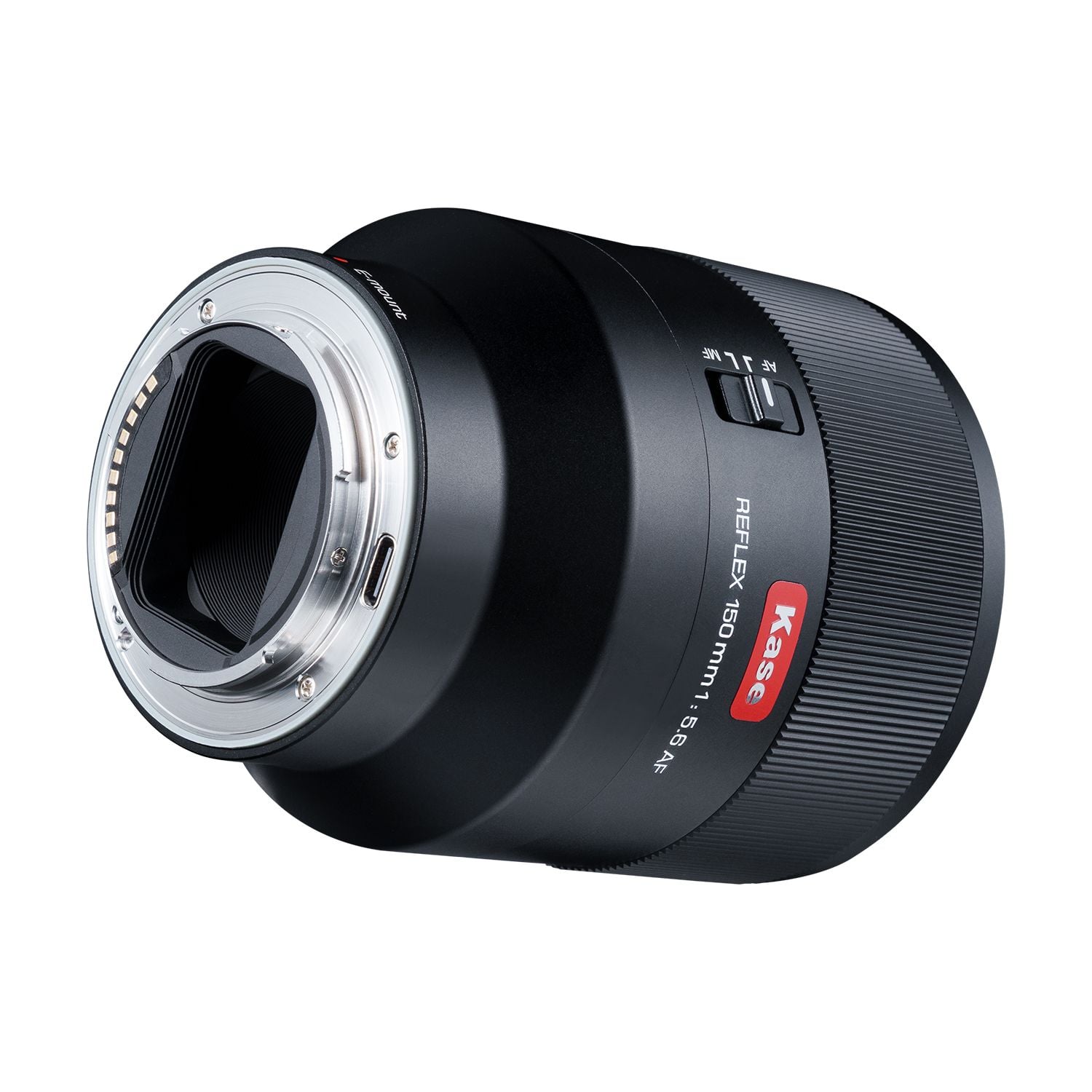
The new Kase 150mm f/5.6 AF reflex mirror lens for Z/G/E/EF mount is now available for pre-order. Here are the key specs & design:
The Kase 150mm f/5.6 AF Reflex (mirror/catadioptric) lens is a compact, full-frame medium-telephoto prime that Kase Optics (primarily known for filters) launched in March 2026. It’s generating buzz as the world’s first autofocus mirror lens at this focal length – most reflex designs are manual-focus only and much longer (300mm+).
Focal length & aperture: 150mm with a fixed f/5.6 aperture (no variable iris, typical for reflex lenses).
Optical design: 5 elements in 4 groups using mirrors + glass for a catadioptric layout. This keeps it much smaller and lighter than a conventional 150mm prime.
Minimum focus: 1.5 m.
Filters & accessories: 67mm screw-in thread, compatible with magnetic filter systems, and includes a magnetic pinch lens cap (works even with a hood attached).
Build: Aluminum alloy body with a grooved focus ring; compact and handheld-friendly.
Very compact size for a 150mm telephoto.
Signature “donut” bokeh – out-of-focus highlights render as bright rings with dark centers. This creates a dreamy, artistic, or vintage look.
Autofocus & Mounts: It offers full AF with AF/MF switch (plus manual override). Availability varies by mount due to camera maker restrictions.
ProGrade announced a price increase on memory cards for May 1st. Memory prices are rising sharply because of a global shortage of NAND flash – the key material used in memory cards, SSDs, and similar storage. AI data centers are demanding huge amounts of special high-speed memory, so major chip makers like Samsung and SK Hynix have shifted production away from regular consumer flash. This has driven costs up dramatically across the industry and is the main reason companies like ProGrade Digital are increasing prices on memory cards starting May 1st. I am sure other brands will follow.
Three months ago, we wrote to you about the flash memory shortage driven by AI datacenter demand. Since then, the situation has intensified rather than stabilized, and we want to give you a clear update on what we’re seeing in the market.
Prices continue to rise, and we don’t expect memory prices to go down in 2026. While some industry analysts project this could extend into 2027, we’re focused on what we can see clearly: the pricing pressure and allocation constraints will persist through the remainder of this year.
We did not make any price increases in April. However, our costs are increasing significantly, and we will have to increase prices in May. We’re sharing this now not to drive urgency, but to give you the information you need to plan your own equipment decisions. Whatever timing works for your business, we wanted you to hear it directly from us.
These cost increases are industry-wide, not specific to ProGrade Digital. We’re grateful to our retail partners—including our own site, Amazon globally, and our authorized resellers around the world—who are working with us to navigate these challenges and keep product available to you wherever you prefer to shop.
Our approach hasn’t changed: we build the same quality into every product, and we communicate openly about market conditions rather than leaving you to guess what’s happening. That’s been our commitment from day one.
Our goal is to keep you shooting and delivering for your clients. We recognize these increases create real budget pressures, especially for independent creators and small production companies. We’re navigating the same constraints on our side, and we’re committed to being as predictable as we can be in an unpredictable market.
If you have questions or concerns, we want to hear from you. Our support team is in San Jose, CA, and we are available at support@progradedigital.com or by phone at +1.408.708.9290.
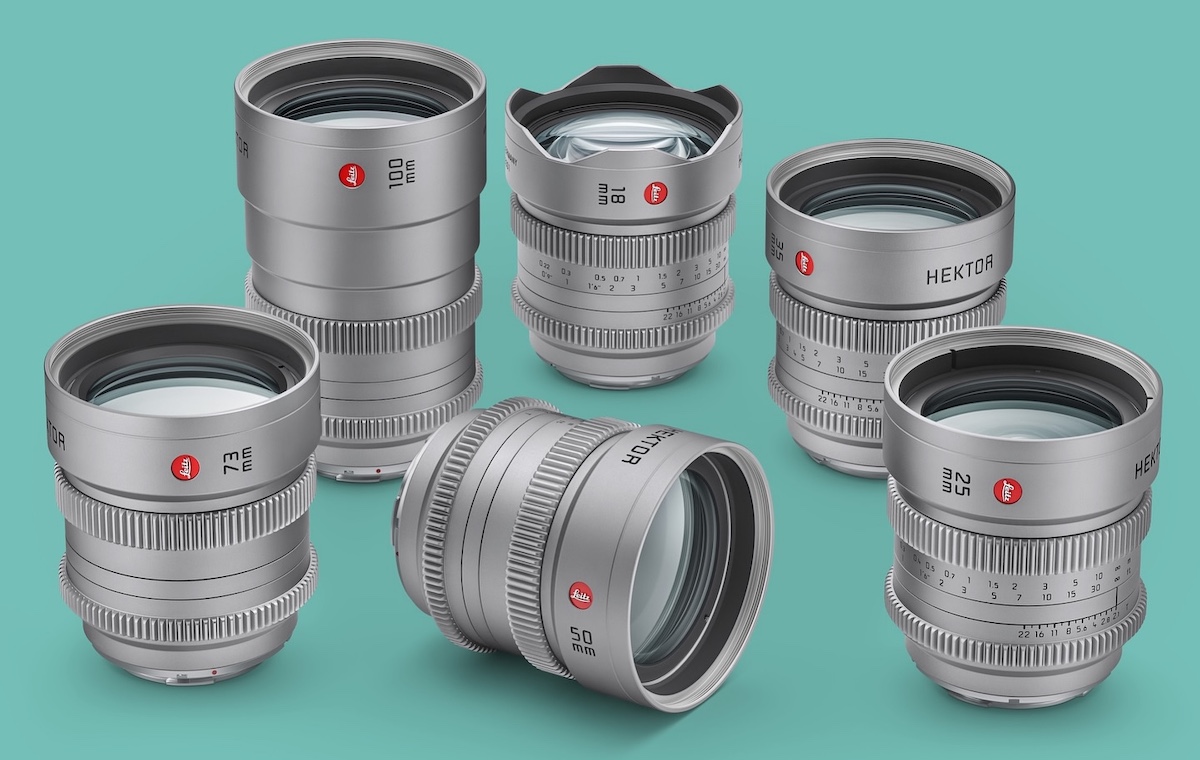
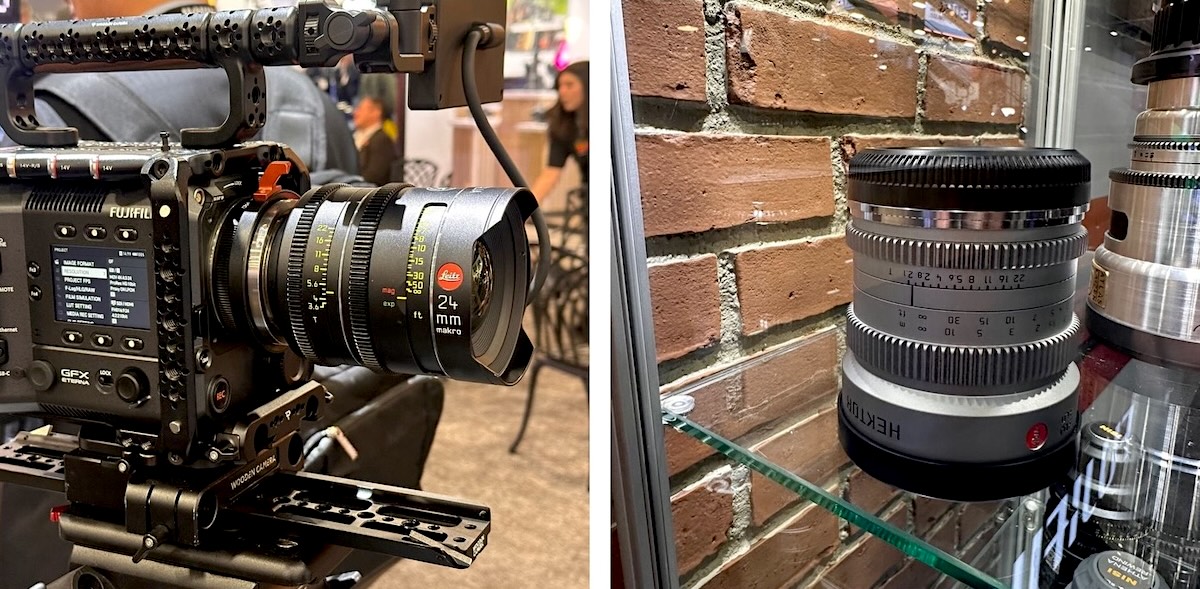
The six Leitz Hektor full-frame prime cine lenses are now available for Fujifilm G mount, marking a significant expansion of Leitz Cine’s mirrorless prime series to Fujifilm’s GFX ecosystem, including the GFX ETERNA 55 cinema camera and GFX100 stills models. This new user-interchangeable G mount joins the existing lineup of Sony E, Leica L, Canon RF, and Nikon Z options. While the optics do not cover the full sensor area of the larger GFX ETERNA 55 format, most focal lengths deliver generous coverage suitable for most cine formats. Check the pricing at B&H Photo. Additional information on the Leitz Hektor T2.1 mirrorless cinema lenses can be found here:
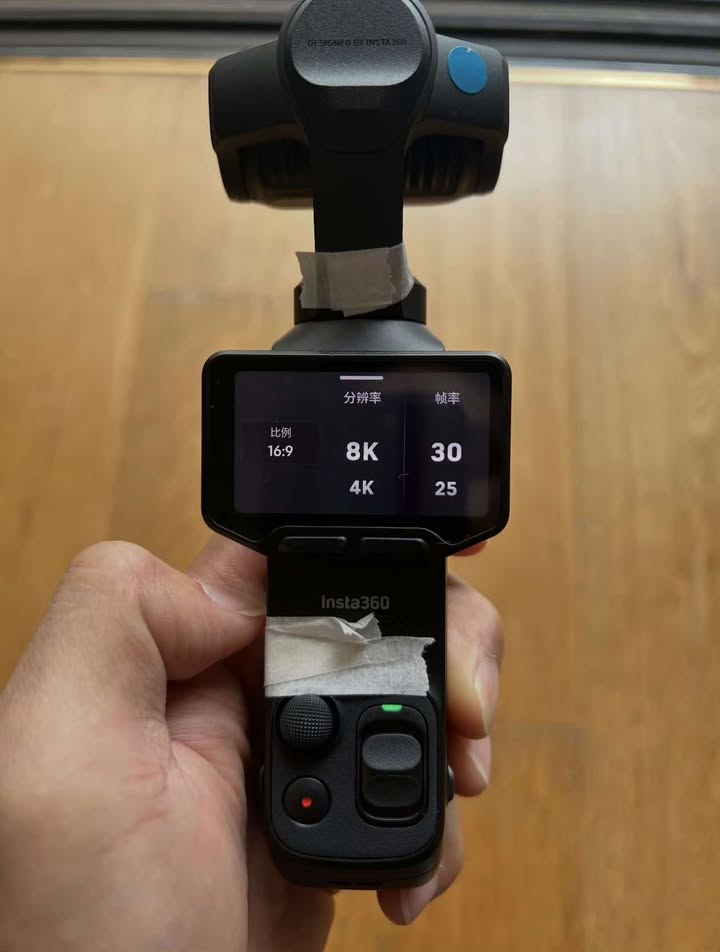
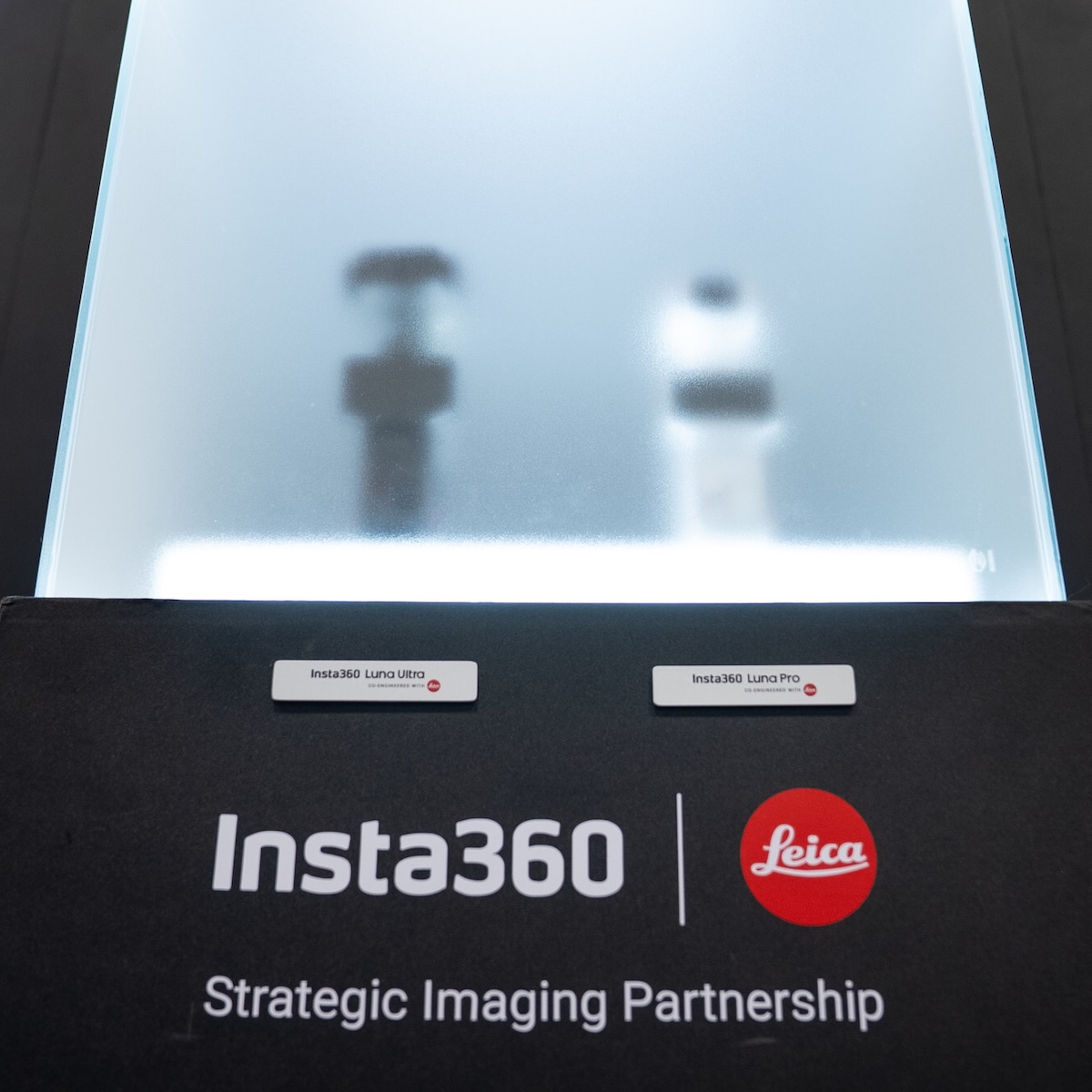
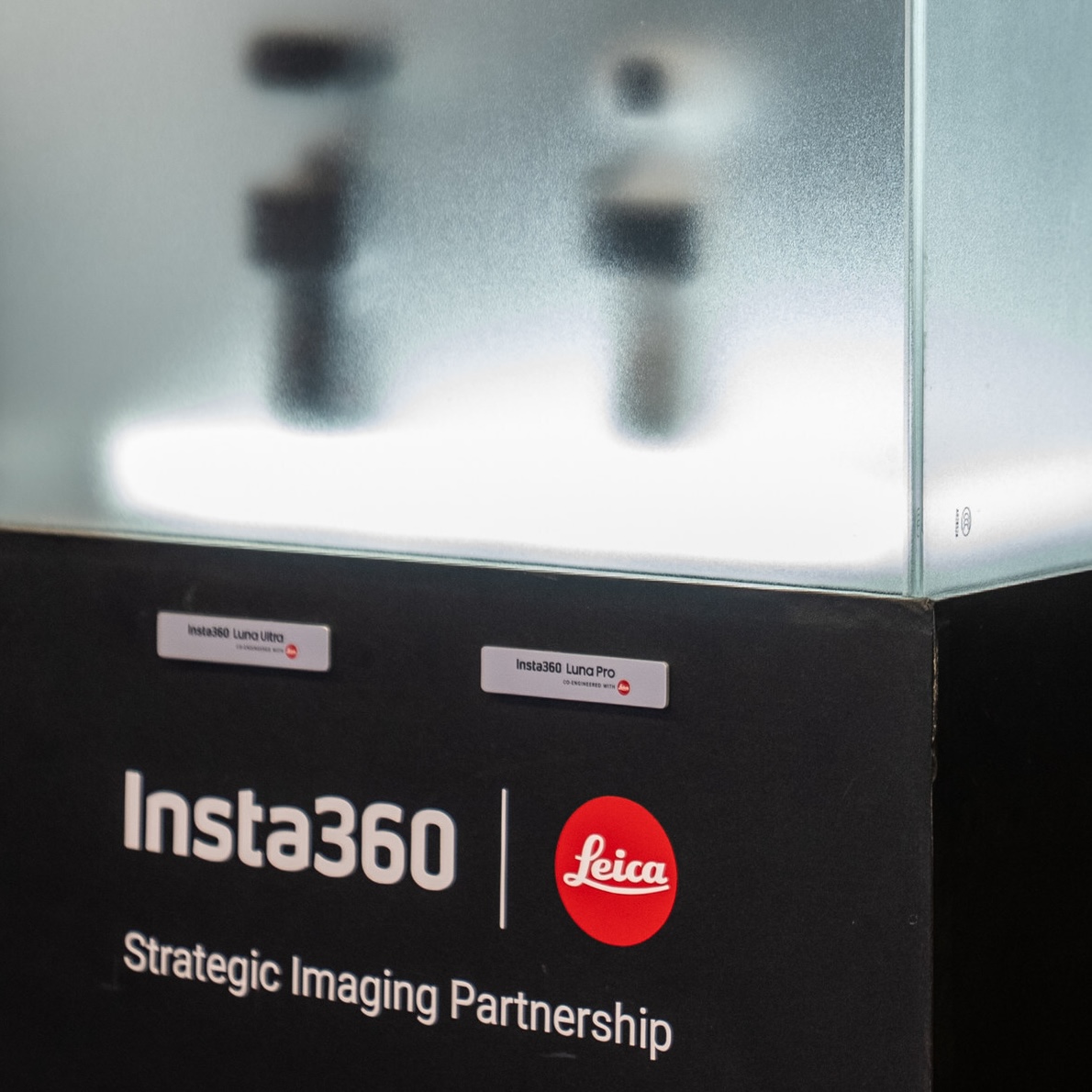
Insta360 is partnering with Leica on the development of the upcoming Luna gimbal cameras (previously reported here). Here is a recap of rumored/leaked Insta360 Luna camera specifications:
Leica co-engineering: Optics, color science, and full-chain calibration tuned by Leica for premium image quality and “Leica look.”
Sensor and lens (main/wide on both models): 1-inch CMOS sensor, f/1.8 aperture (some hands-on reports specify ~18–20mm equivalent focal length), 14 stops of dynamic range.
Luna Ultra only: Dual-lens design with a secondary telephoto lens (1/1.3-inch sensor, ~70mm equivalent, f/2.8 aperture) for enhanced zoom performance.
Zoom: Variable focal length with 1–6× lossless zoom (optical component reportedly up to ~3.9×); early leaked footage shows a 12× zoom toggle in use.
Video capabilities: 10-bit color (hands-on mentions 10-bit iLog), smoother transitions in highlights/shadows; rumored 4K up to 240 fps slow-motion and Dolby Vision HDR support.
Design and features: Pocket gimbal form factor (Osmo Pocket-style); possible modular/detachable gimbal head; Insta360’s AI stabilization and Deep Track 3.0 subject tracking; physical controls, flip-out/rotating touchscreen.
Colors and variants: Two distinct color options per model
Battery: reportedly around 1,550 mAh
Other: Pairs seamlessly with the new Insta360 Mic Pro
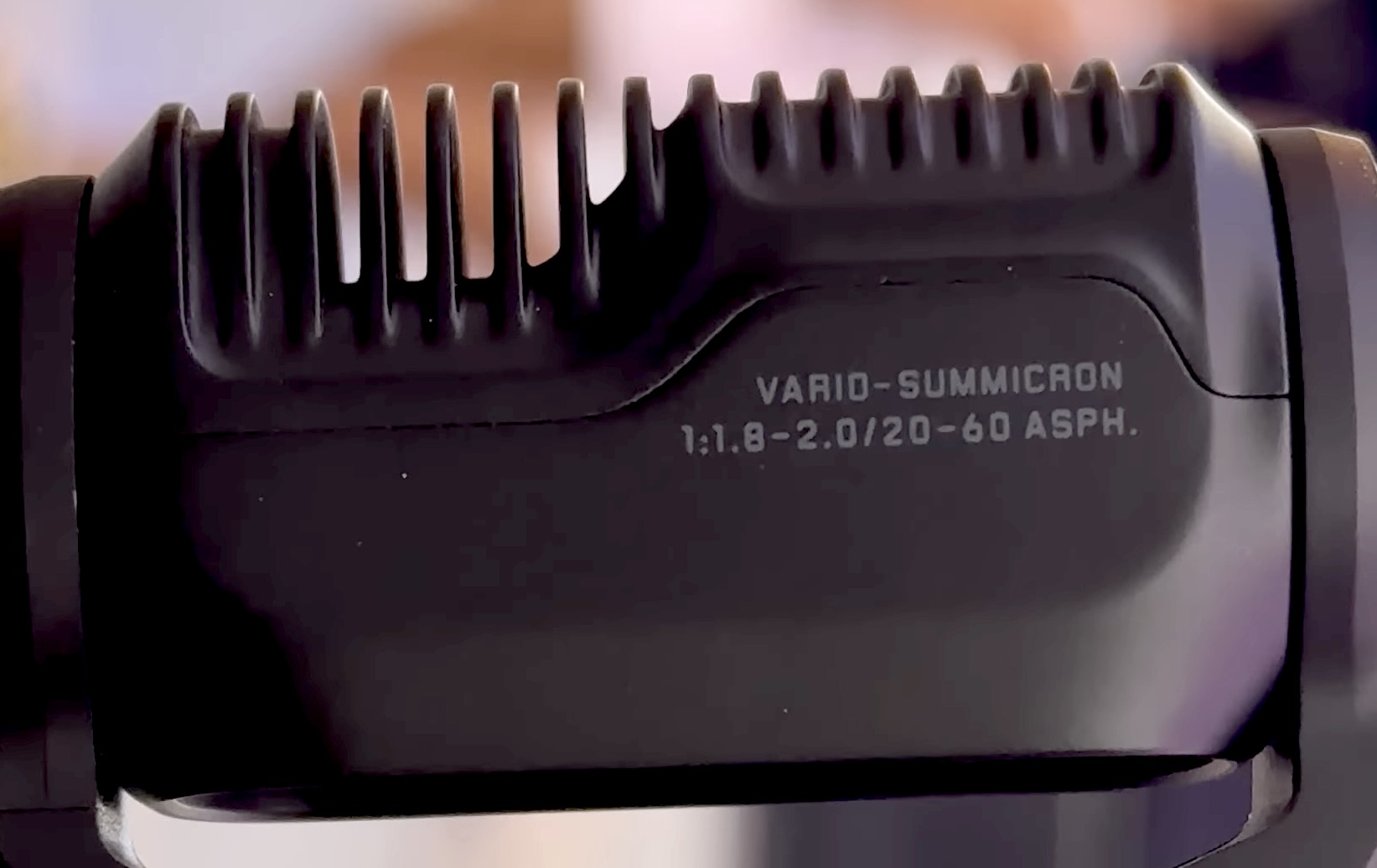
Update: the two lenses are 20mm/1.8 and 60mm/2.0 (see the added picture above). The 20mm lens module has a 1” sensor; the sensor in the 60mm module is unknown for now.
Here is the official statement from Insta 360 on the new Luna camera from the 2026 NAB show:
Members of the media and NAB attendees were among the first globally to preview the upcoming Insta360 Luna Series, co-engineered with Leica, which includes Luna Pro and Luna Ultra. The series features a large 1-inch sensor, a bright F1.8 aperture, a variable focal length, and support for 10-bit color for smoother, more natural transitions in light and shadow, capturing more nuanced and detailed color straight from the camera. Luna Pro features a single-lens design, while Luna Ultra features a dual-lens design and enhanced telephoto performance. Luna Ultra and Luna Pro were both being teased at the booth, and will be available in two distinct color options.
An Insta360 Luna gimbal camera sample video was posted by the CEO and can be found here. He said the following:
Previewing Luna 1-6x shooting results, highest resolution can be chosen includes 4k Dolby Vision. Of course 6x and 4k are not the end, we hope we can do more in “let users have more choices”. Repost and comment the Luna function you expect the most, May 15 will chose three people to buy the new product at 69 RMB.
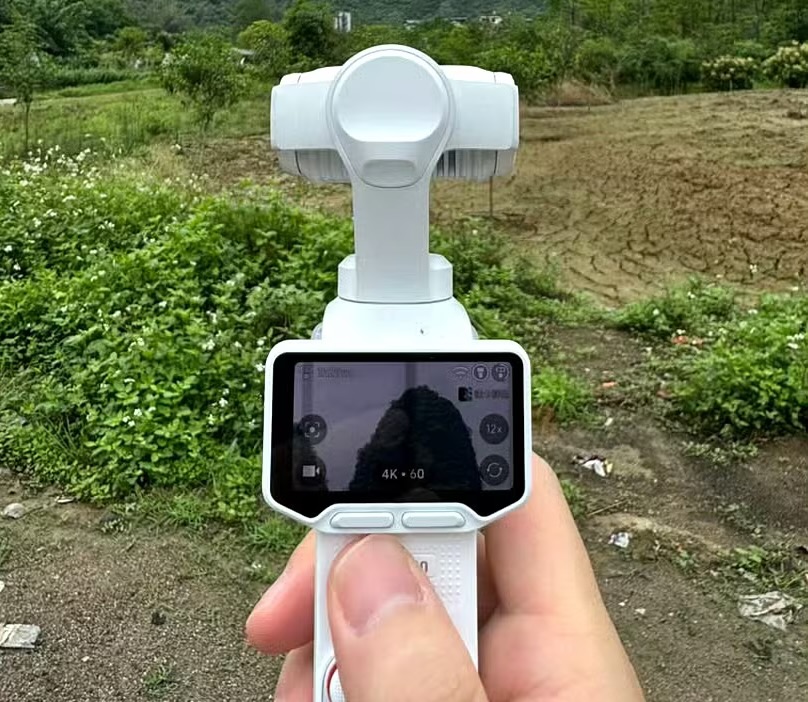
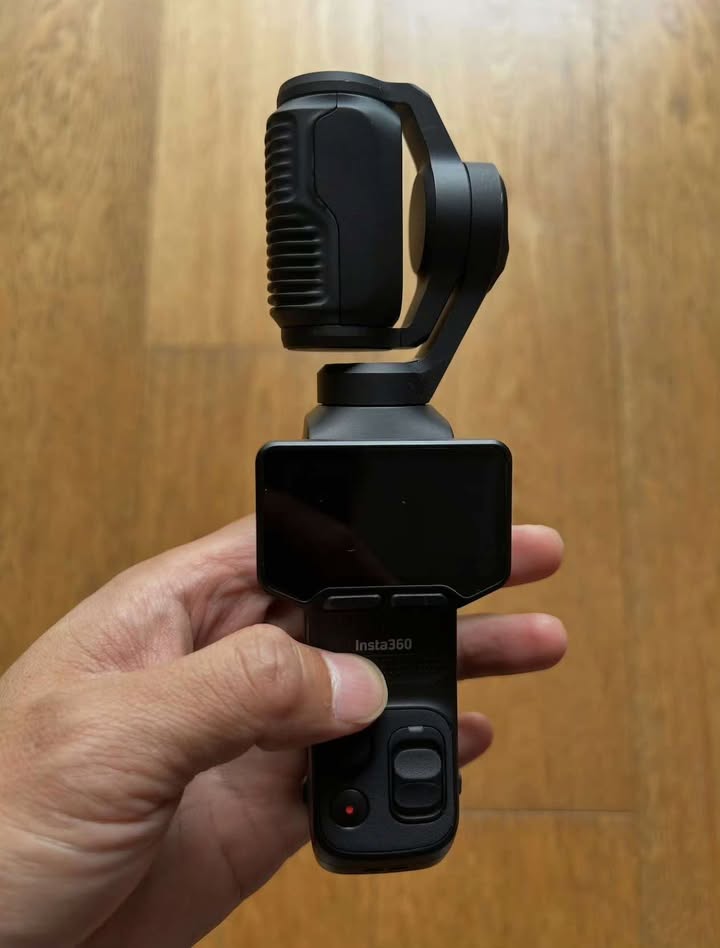
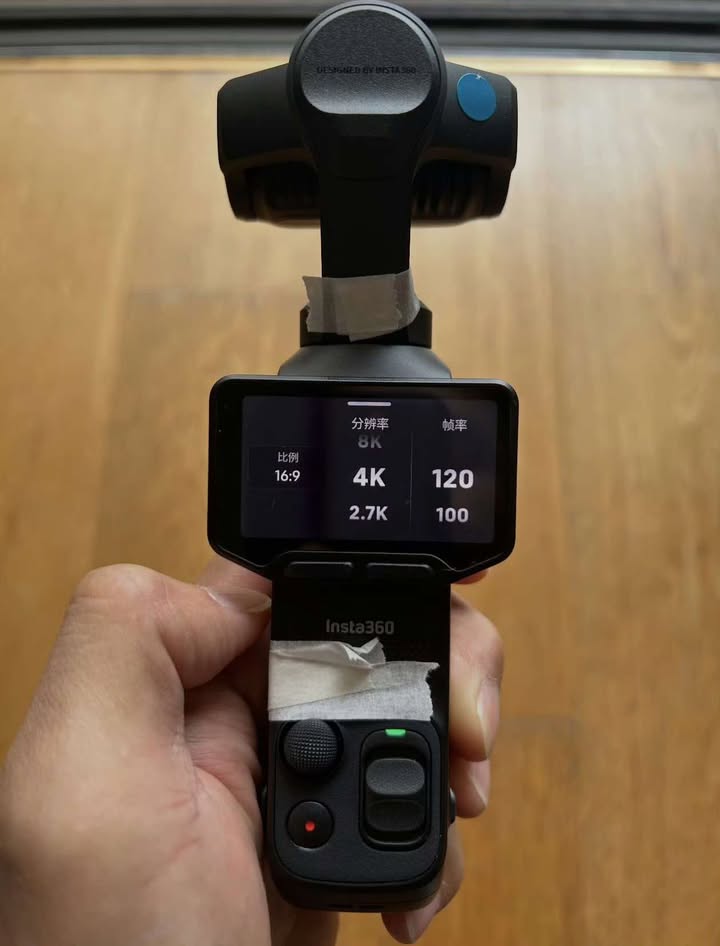
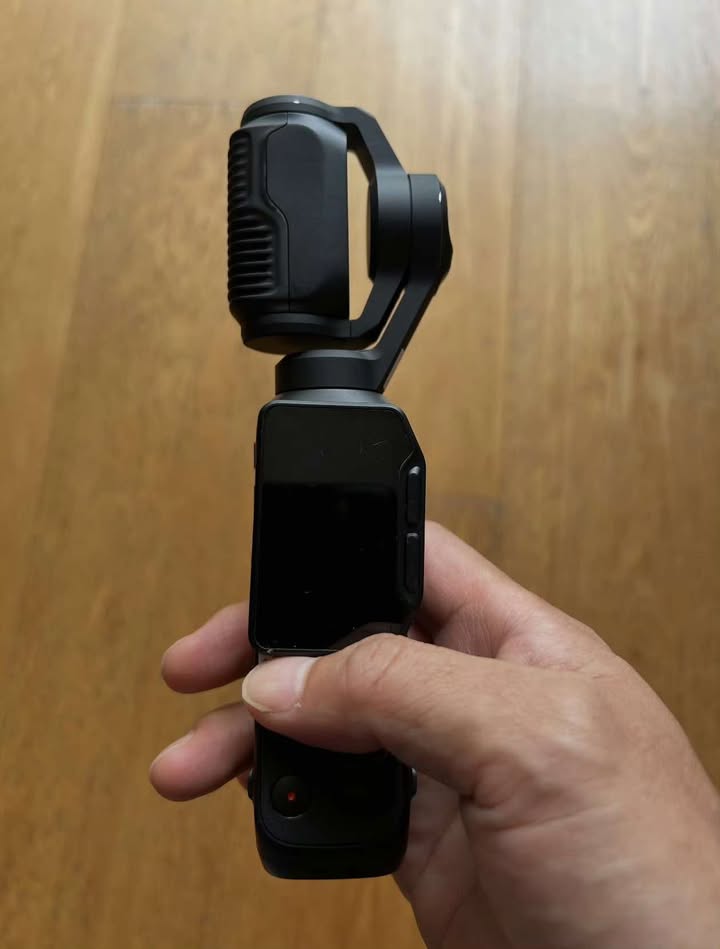
Based on recent online reports and leaks, the Insta360 Pocket appears to be an upcoming modular handheld gimbal camera designed to compete directly with DJI’s Osmo Pocket series (e.g., the Osmo Pocket 3 and rumored Pocket 4). Here’s a breakdown of the key details gathered from various sources:
The device is rumored to feature a modular “snap-together” system, allowing users to detach and interchange camera modules. This includes options like a three-axis mechanical gimbal lens for stabilized vlogging (similar to DJI’s design) and a non-gimbal module with a larger 1-inch sensor paired with a Leica Super-Elmar 1:2.8/21 lens for higher-quality snapshots or fixed-position shooting.
Patents suggest support for interchangeable lenses, such as double-fisheye for 360° shots, AI tracking (possibly Deep Track 3.0 or later), wireless detachment for remote use, and stackable connectors for batteries or accessories.
Expected specs include up to 8K30fps in 360° mode or 4K60fps in standard mode, IPX8 waterproofing, drop resistance, and a price range of $499–$699.
Prototype photos leaked from a lab environment show a compact, pocketable form factor resembling the DJI Osmo Pocket but with greater flexibility for creators.
Here is another Insta360 Luna Ultra sample footage:
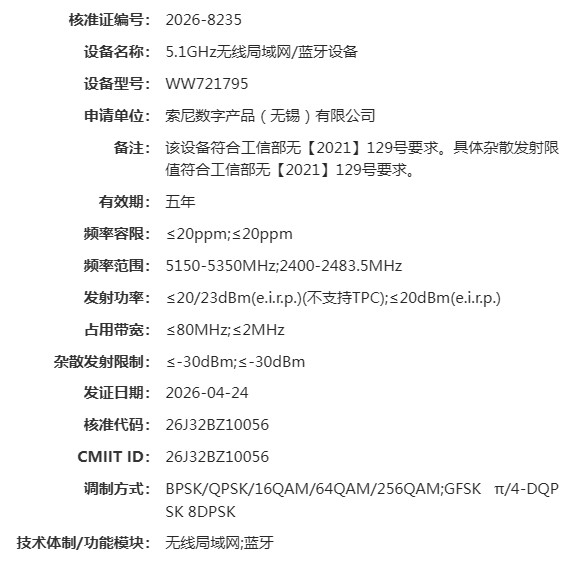
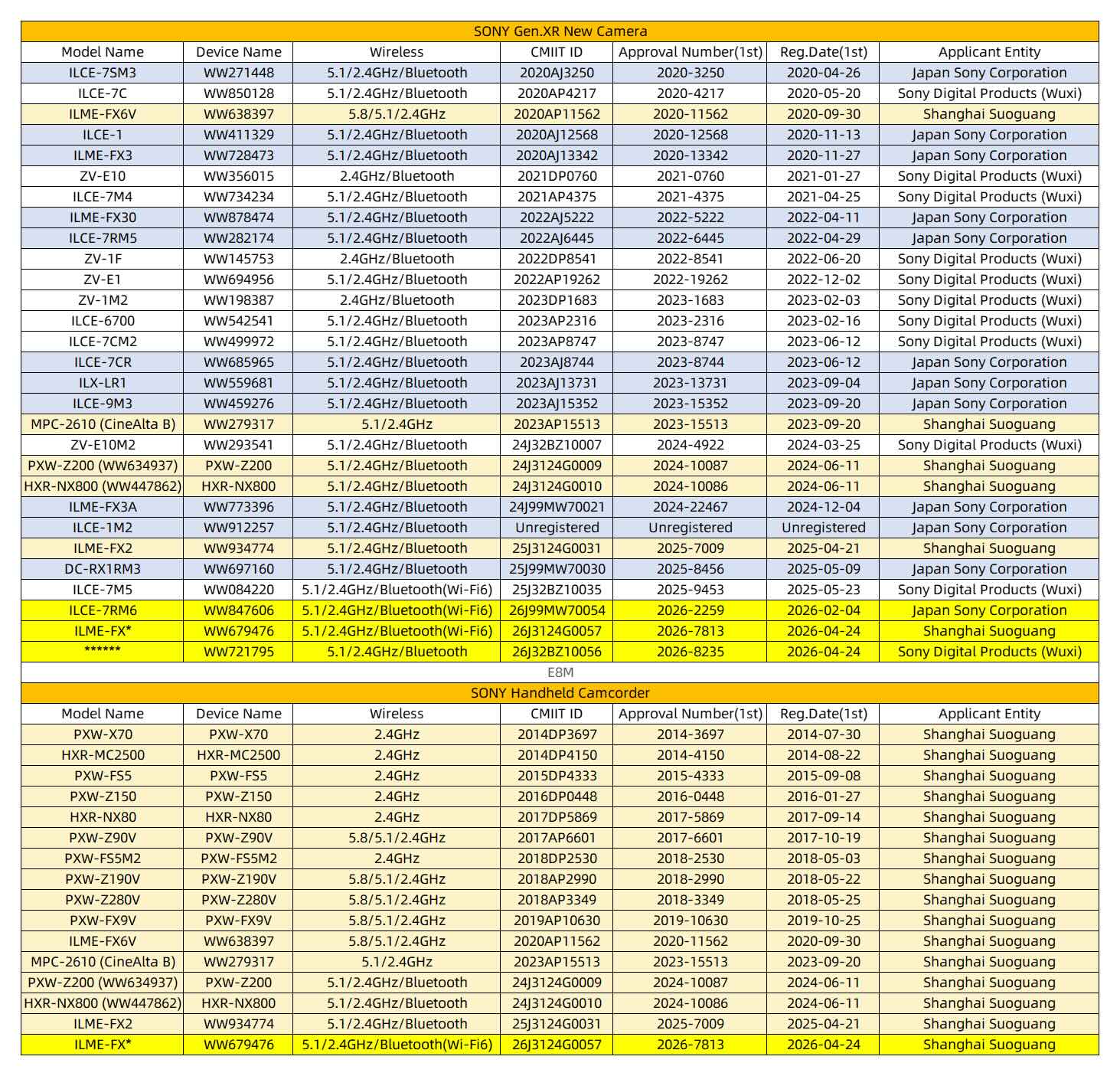
Sony has registered a new Sony WW721795 camera overseas without Wi-Fi 6, which will most likely be a new ZV model or an entry-level mirrorless camera. Sony has also registered a new Wi-Fi 6 camcorder under the code name WW679476. In total, Sony now has at least three upcoming products: a high-end flagship, a video camera, and an entry-level model. Mapping this to some of the existing rumors – this is what to expect:

 Connexion