Cameras performed well and increased earnings, primarily driven by the Ricoh GR series.
The segment overall reduced its operating loss through cost controls and robust camera sales, despite upfront investments in new businesses and a goodwill impairment in the drug discovery support business.
New Medium-Term Management Plan: Targeting 10+ new model launches per year by FY26
Net Sales: ¥11,305 million (-16.7% YoY): Significant decline driven primarily by weak OEM performance; other segments offset some impact at consolidated level.
Operating Income: ¥2,390 million (-37.2% YoY)
Operating Margin: 21.1% (-6.9 pts YoY): Profit hit by lower gross profit (sales decline + unfavorable product mix), plus higher material/utility costs, increased R&D, and personnel expenses.
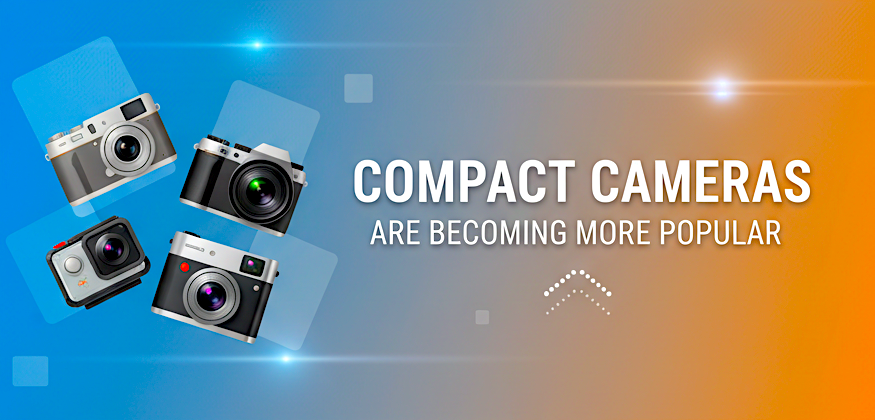
Canon is actively reviving and expanding its PowerShot compact camera lineup in response to renewed market demand, particularly from younger users and social media creators. This shift is driven by easing smartphone dominance, with compacts seen as creative tools and fashion statements rather than just point-and-shoots. Here is a recap from Canon’s report:
Key Insights from Canon’s 2026 Integrated Report
Canon’s official 2026 report (covering 2025 performance) highlights that the camera market contraction due to smartphones has eased. New user segments, especially young people focused on video and social media photography, are driving growth. Compact digital cameras are expanding again as tools that offer capabilities beyond smartphones, with ownership viewed as a cultural/fashion statement among younger generations.
The PowerShot V1 (a 2025 video-focused model) is highlighted as a key example of this direction, positioned alongside existing models like the PowerShot G7 X Mark III, SX740 HS, and IXY 650.
Canon increased compact camera production in 2025 and plans further expansion. The Imaging Group saw strong sales growth (up 12.5% to over 1 trillion yen), with compacts contributing alongside entry-level mirrorless cameras.
Broader strategy: Strengthen products across categories (including compacts) with a focus on video, while maintaining leadership in interchangeable-lens cameras.
This aligns with executives noting that current compact buyers are often new customers (not traditional Canon users), so future models will introduce “new technologies or use cases.”
Up to three new Canon PowerShot models are rumored for 2026, including two high-end models and one more mass-market option. These are expected to launch around Q3–Q4 (potentially tied to holiday shopping).
JC Optics will release a new 400mm f/8 full-frame telephoto manual focus lens with adjustable focus damping, featuring a 3-element, 2-group optical design and a minimum focusing distance of 100cm, and designed for E/Z/F/RF/EF/EF-M/X/MFT mounts (all-metal mount).
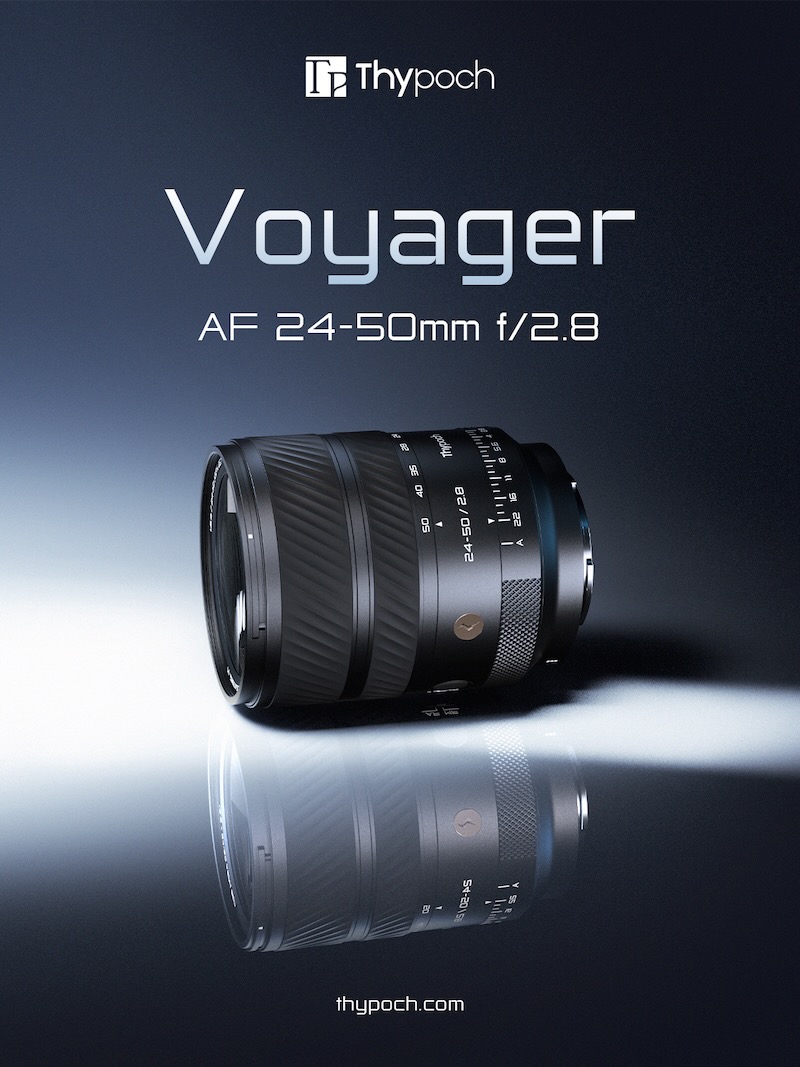
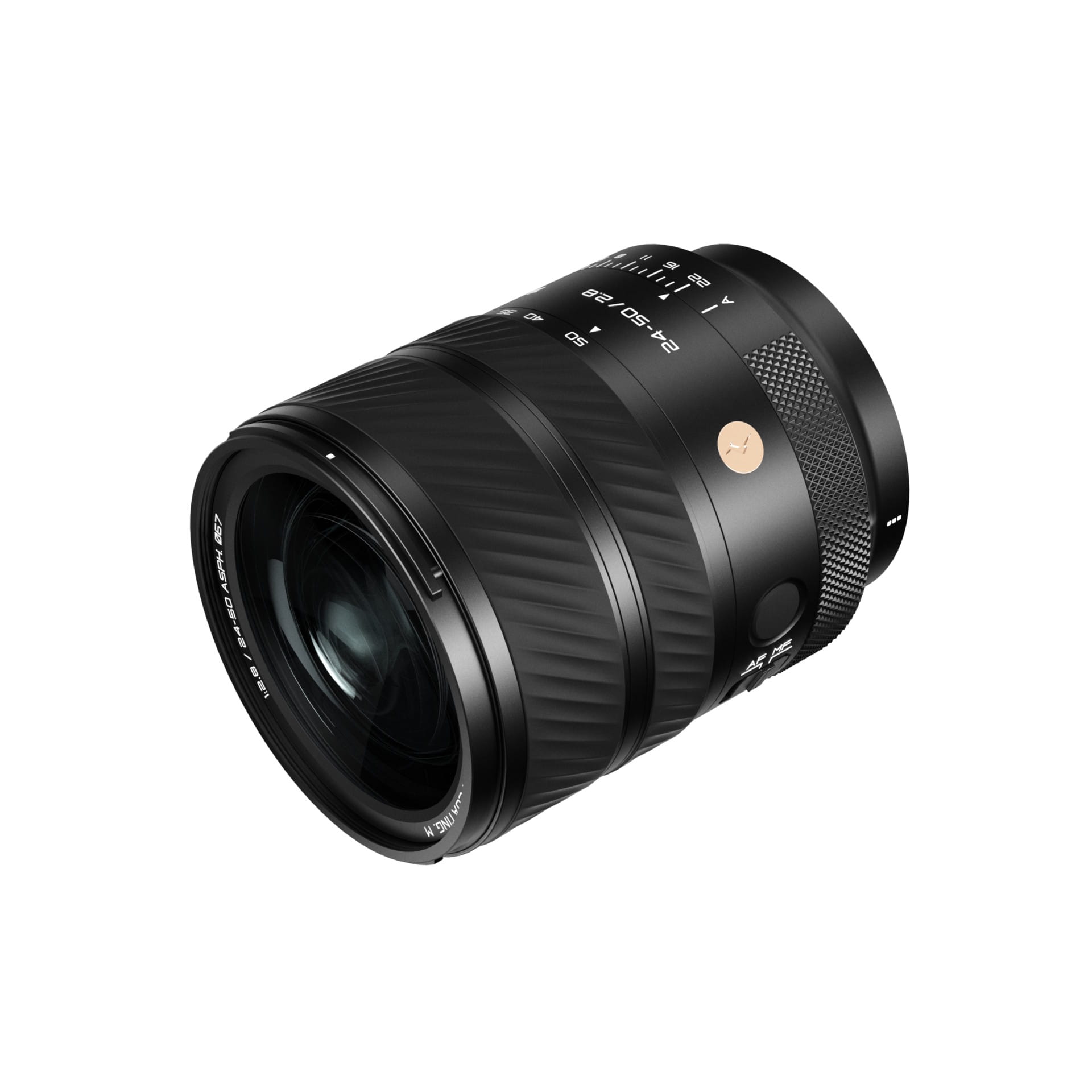
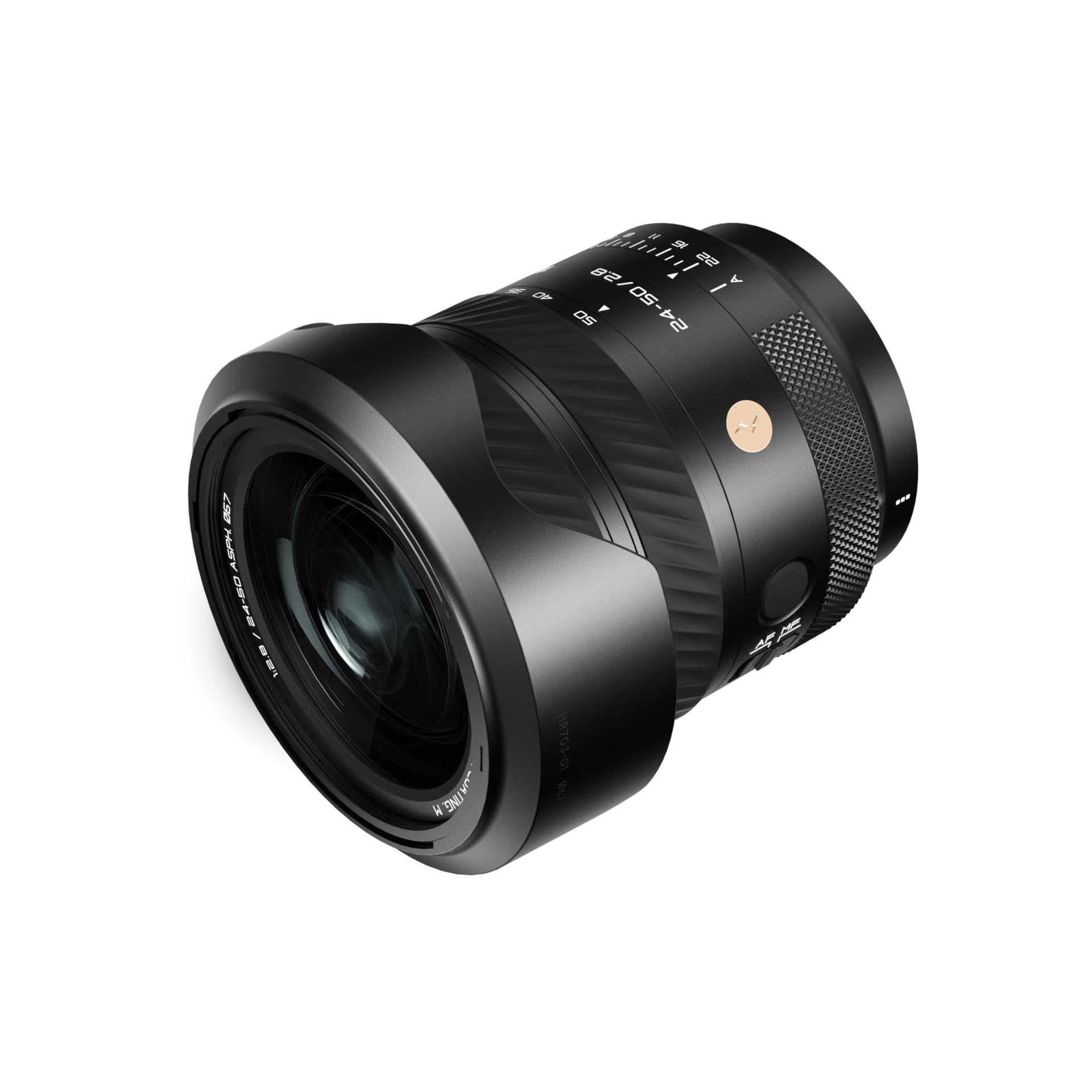
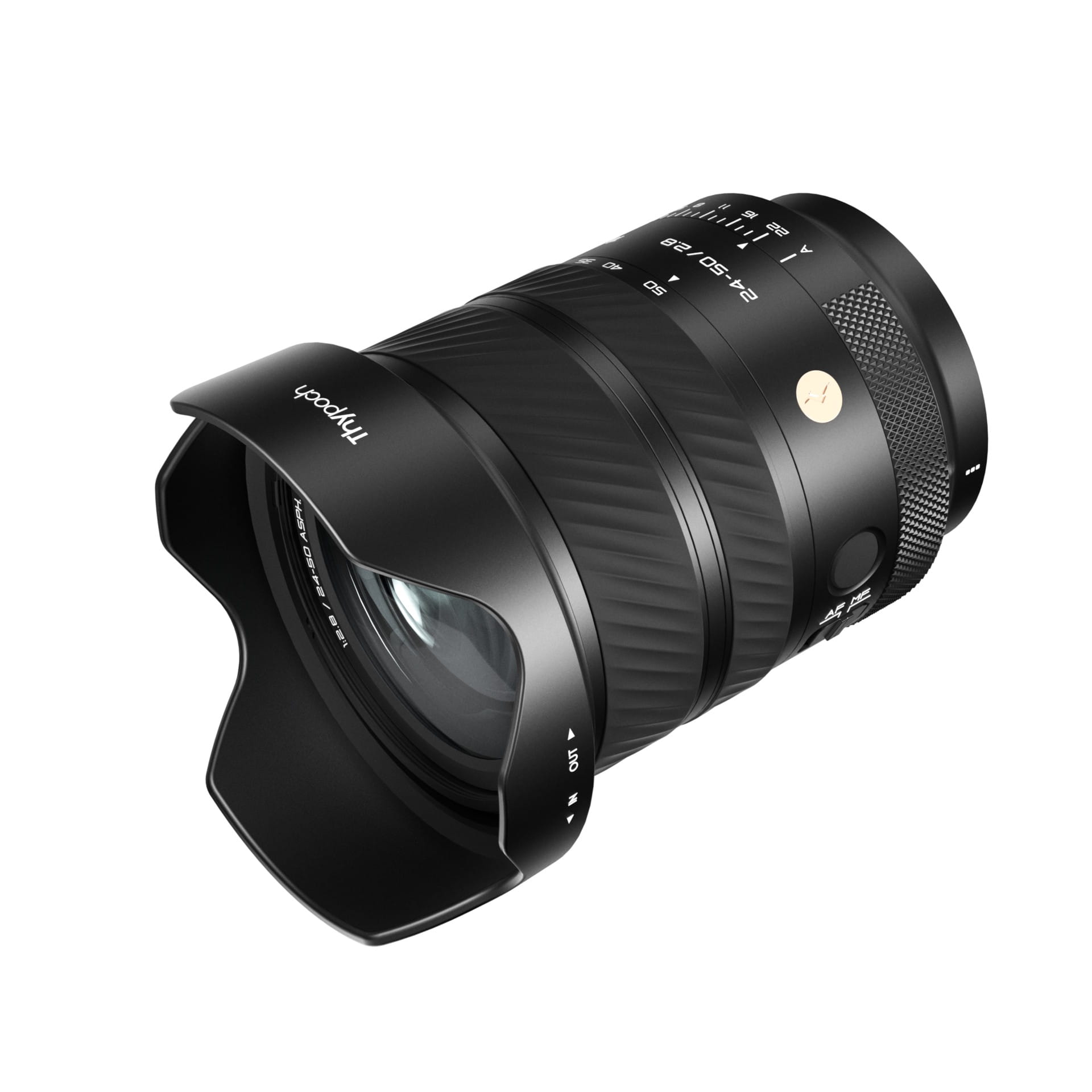
Thypoch enters the autofocus market with Voyager 24-50mm f/2.8 for Sony E-mount
The first full-frame autofocus zoom developed by a Chinese optical brand, in a constant f/2.8 internal-zoom design Thypoch Logo
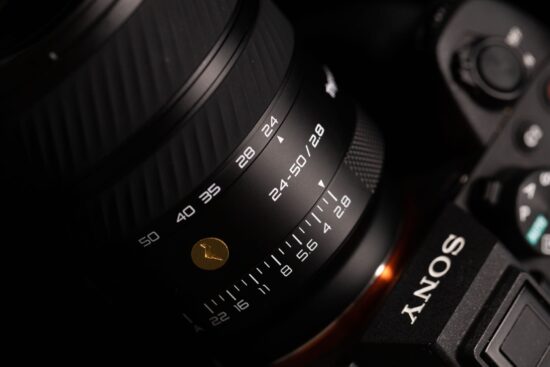
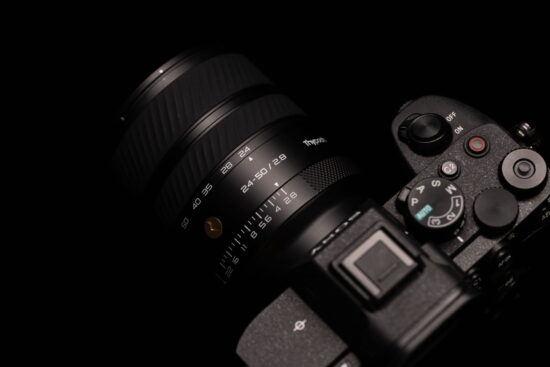
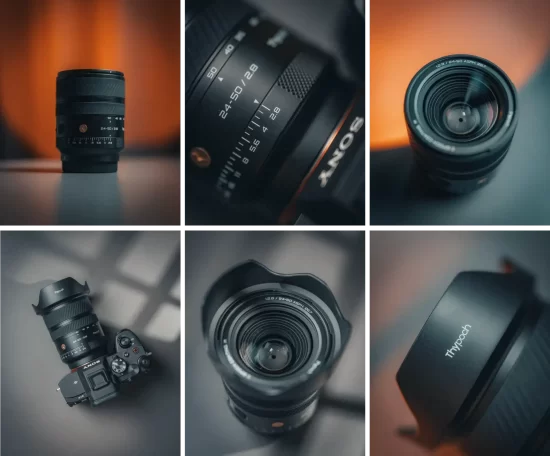
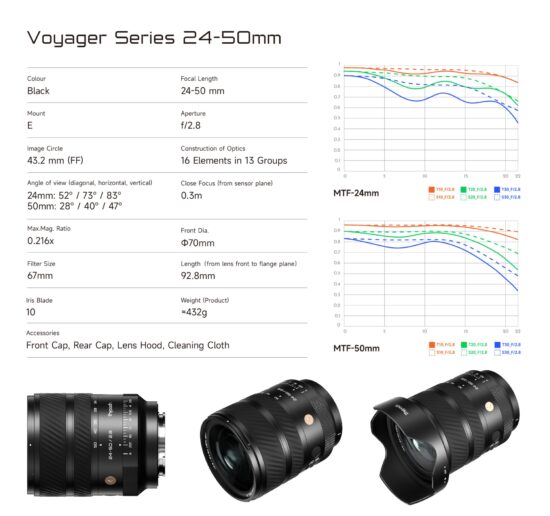
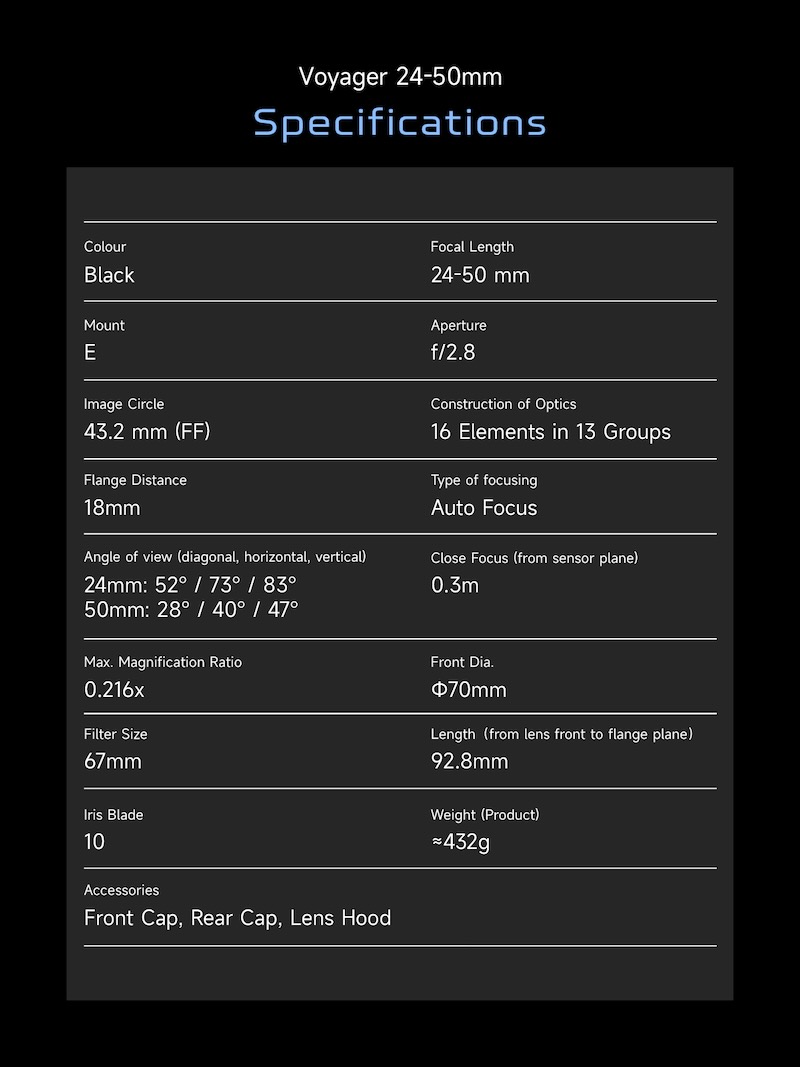
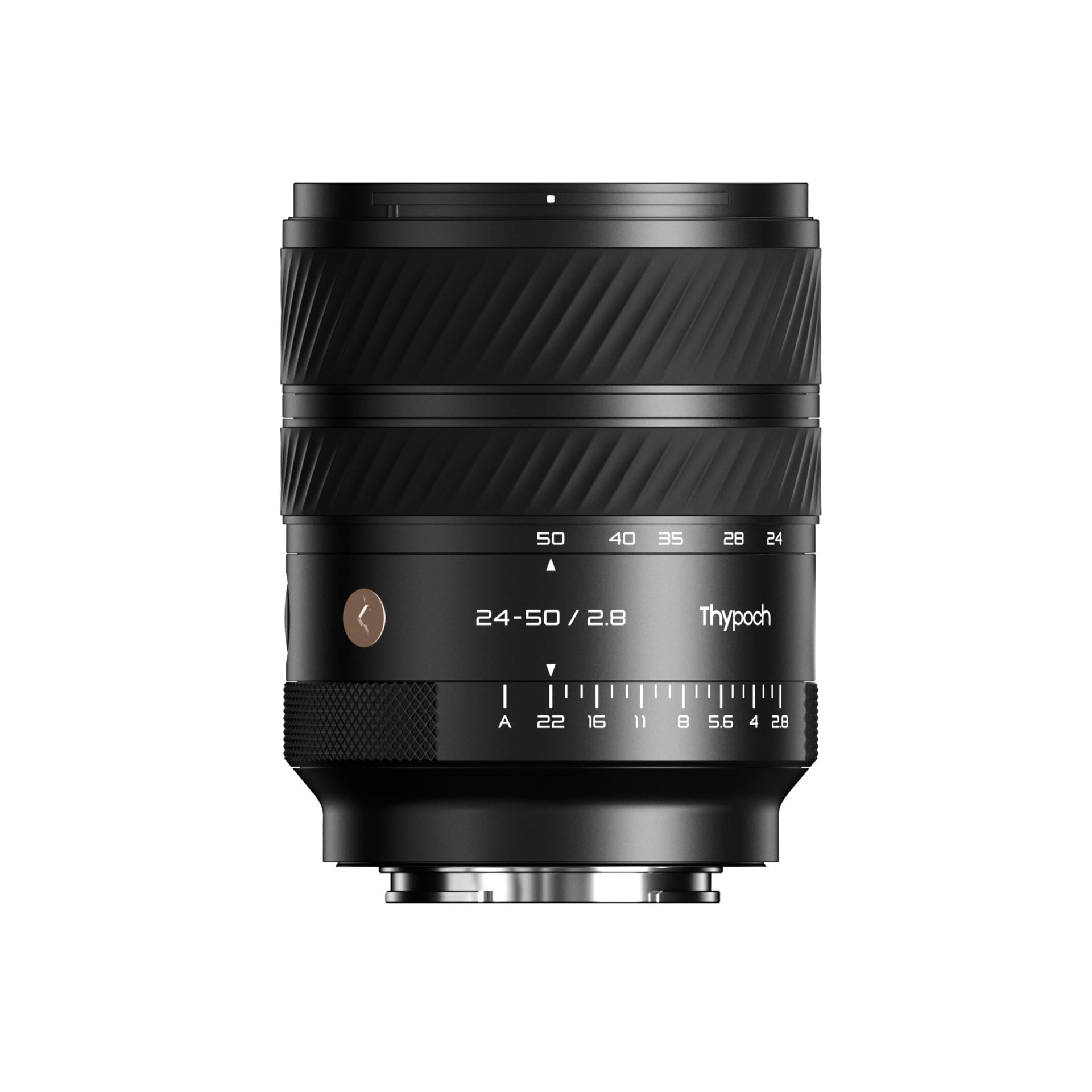
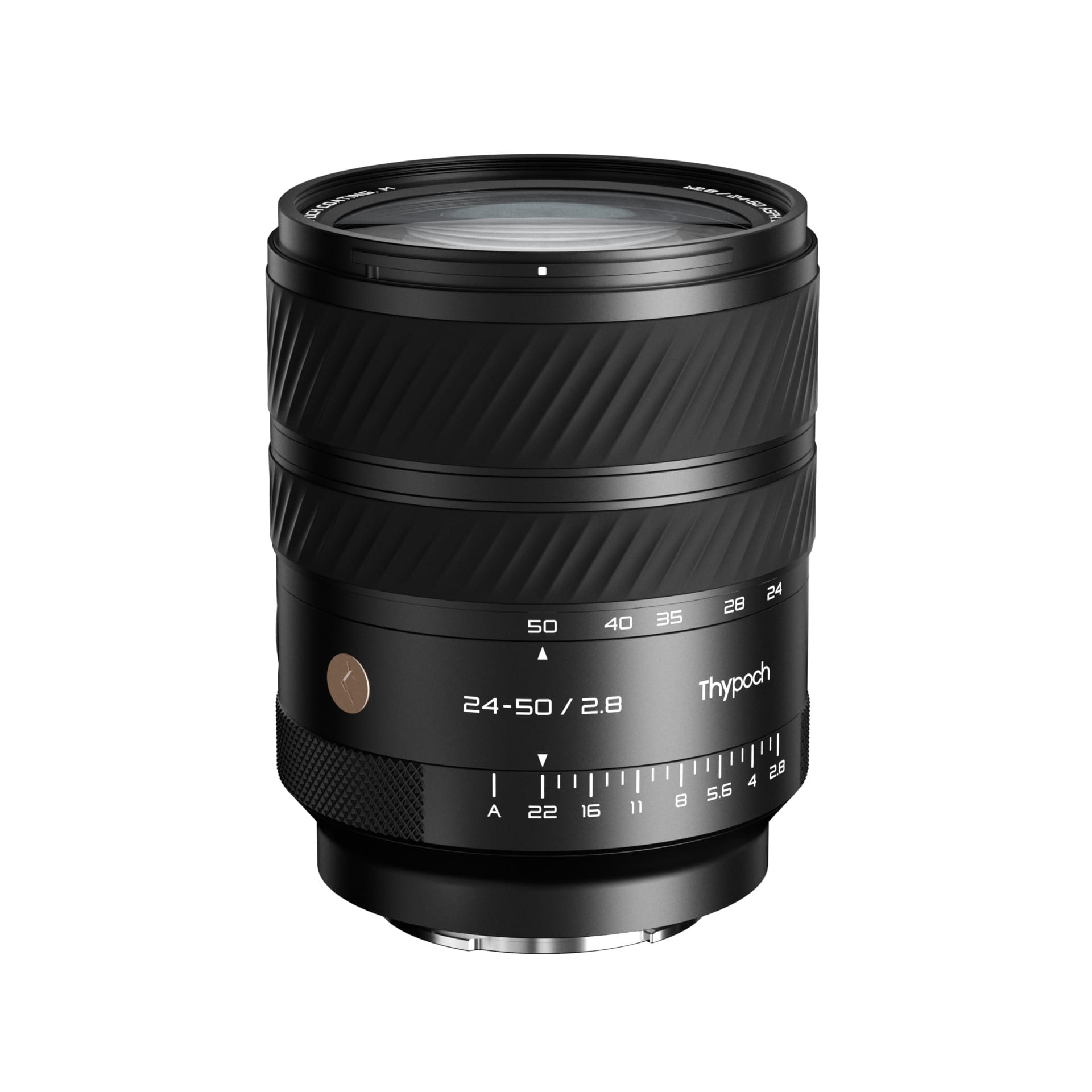
Shenzhen, China, May 14th, 2026 – Thypoch proudly announces the Thypoch today announced the Voyager 24-50mm f/2.8, the first full-frame autofocus zoom developed by a Chinese optical brand and Thypoch’s first AF lens. Built for Sony E-mount mirrorless cameras, the Voyager uses an internal zoom mechanism that holds physical length fixed across the focal range, with a constant f/2.8 aperture from 24mm through 50mm.
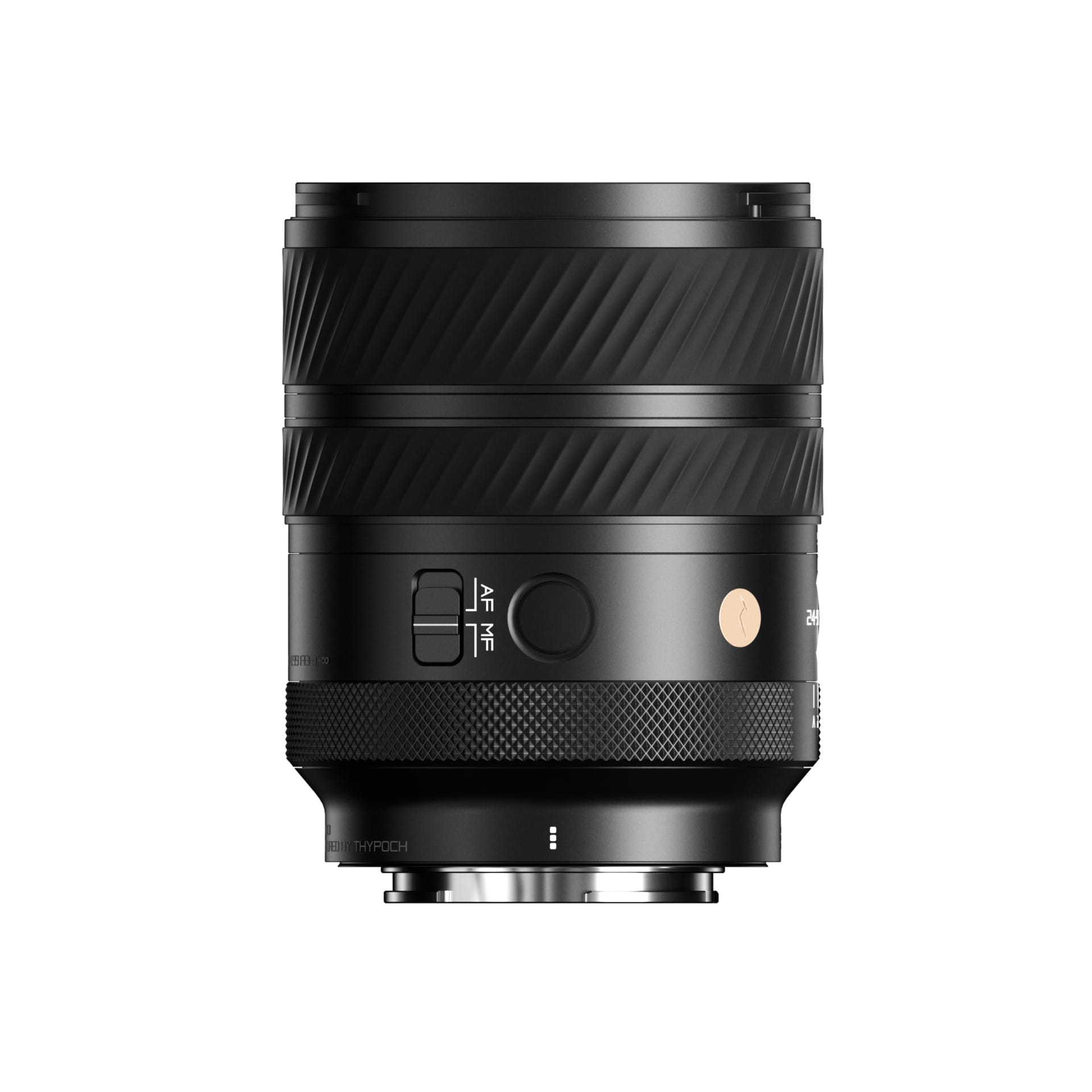
Thypoch Voyager 24-50mm f/2.8 for Sony E-mount
Three Primes in One Lens
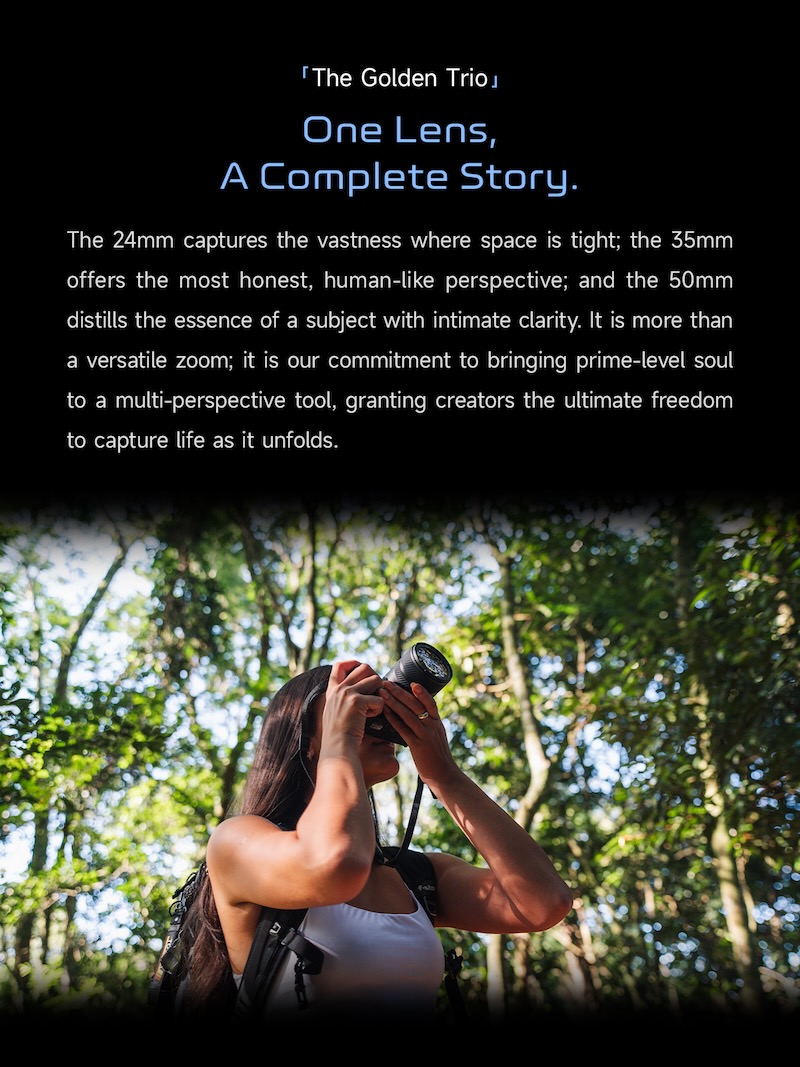
A photographer working with primes typically carries 24mm, 35mm, and 50mm. Those three focal lengths cover the working distances that define documentary, reportage, environmental portrait, street, and event photography. The 24mm captures a full scene when there isn’t room to step back. The 35mm sees roughly the way the eye sees, which is why it remains the working perspective of reportage and documentary photography. The 50mm isolates a subject without flattening the space around it.
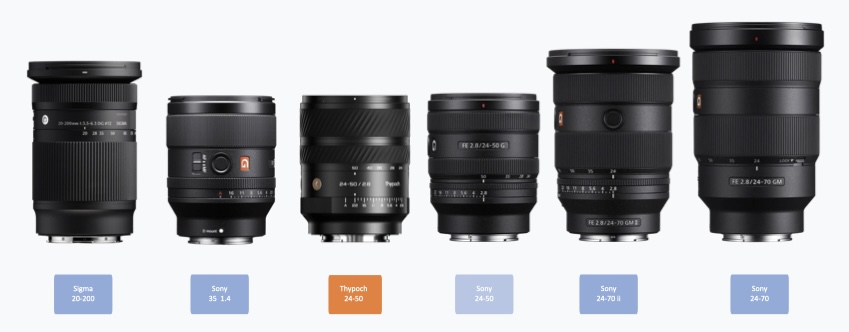
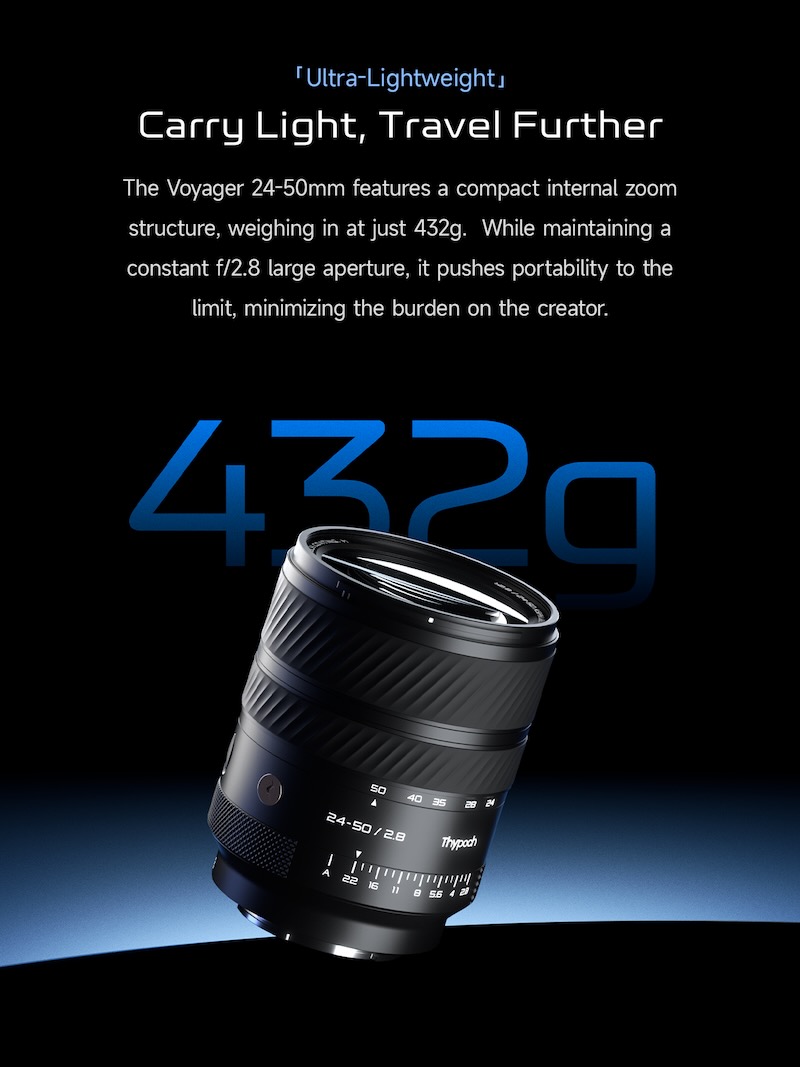
The 24-50mm range was chosen as a balance of size, design, and price point. It covers the focal lengths working photographers reach for daily. The Voyager fits an internal zoom mechanism, holds f/2.8 across the range, and stays compact enough to live on the camera all day.
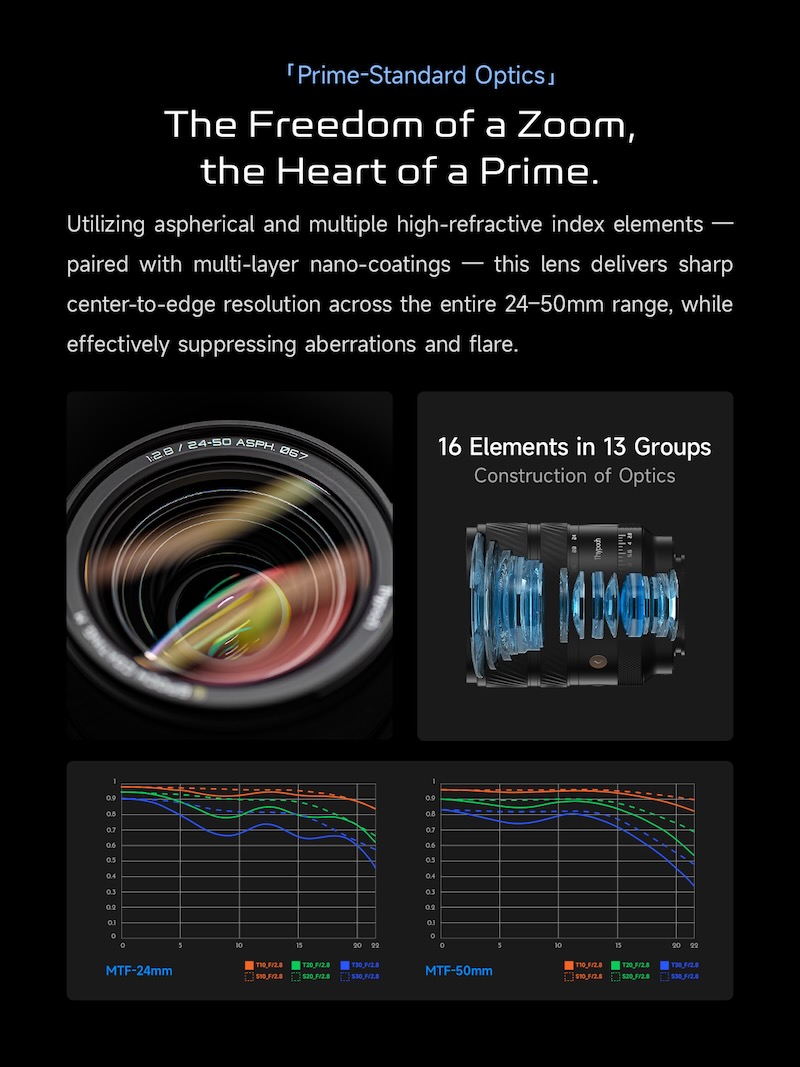
The Voyager is designed to deliver image quality comparable to a dedicated prime across the zoom range, whether the working perspective is the breadth of 24mm, the reportage view of 35mm, or the subject isolation of 50mm. The result is one lens that does the work of three primes, in the size and weight of one.
Fixed Length, Constant Aperture
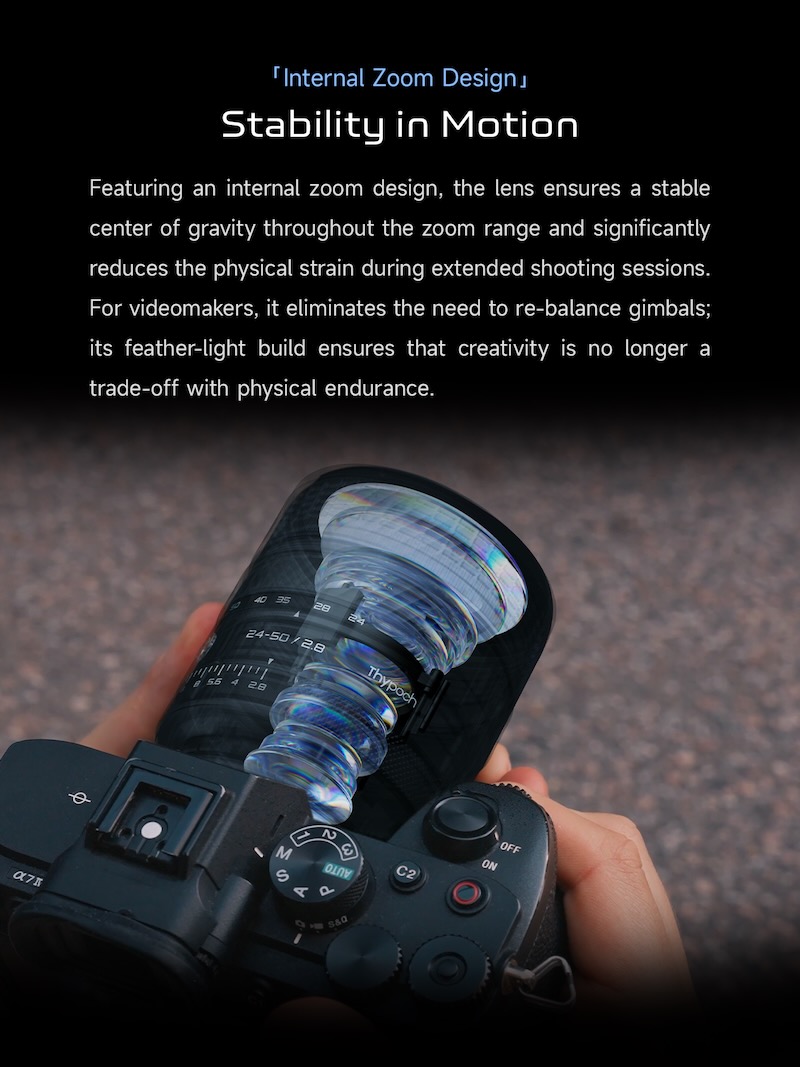
A fixed-length zoom that holds f/2.8 across the range removes two of the most common interruptions in fast-paced shooting: rebalancing a gimbal between focal lengths, and recalculating exposure as the aperture shifts.
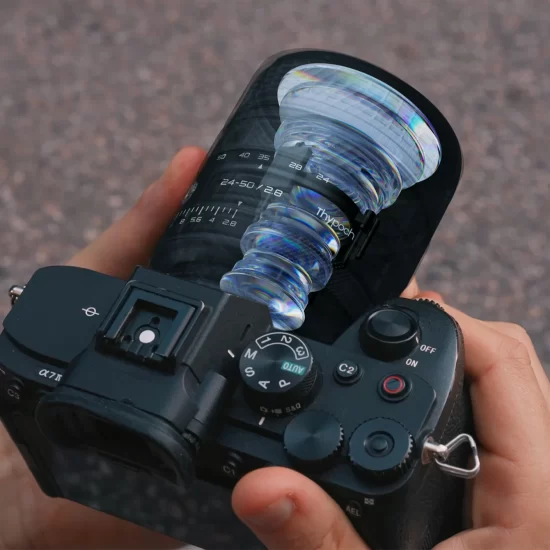
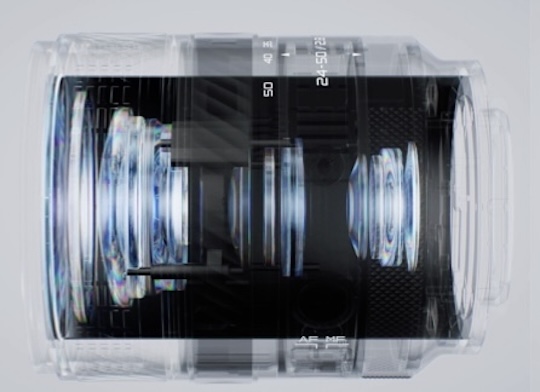
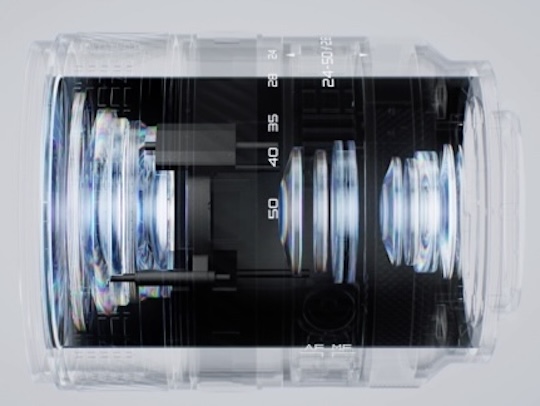
The Voyager’s internal zoom mechanism keeps the barrel length constant from 24mm to 50mm. The center of gravity stays in place during a take. The fixed barrel is also more mechanically stable in the hand than an extending zoom, which translates to a steadier grip during handheld work.
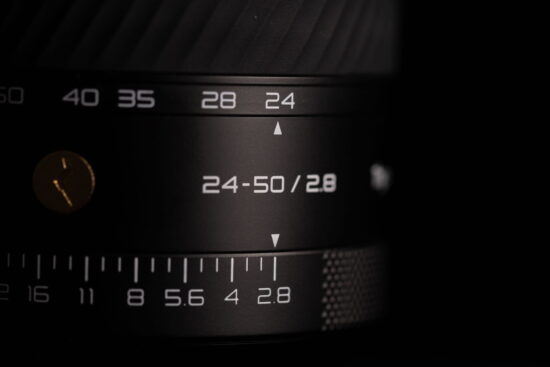
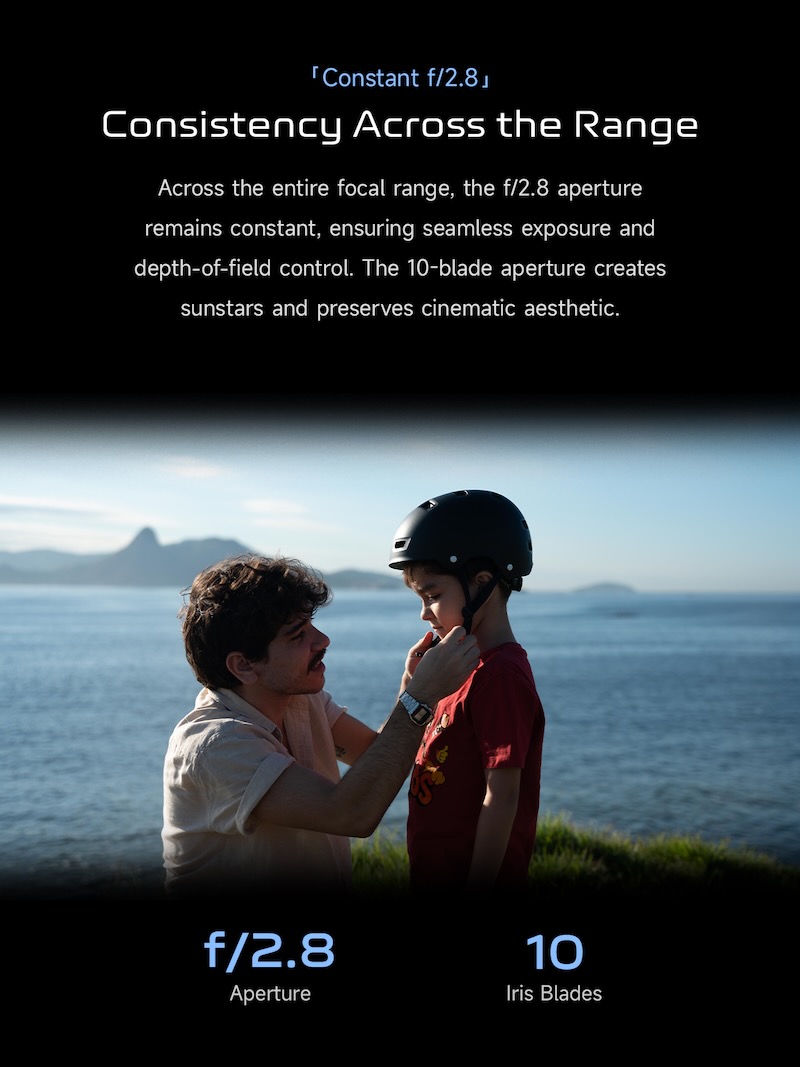
The f/2.8 maximum aperture is held throughout the zoom range. From dim interiors and twilight streets to backlit portraits, f/2.8 delivers the brightness and subject separation that working photographers need when light is scarce. Exposure stays consistent across focal lengths. The lens stays out of the way of the shot.
The fixed barrel also eliminates lens creep when the camera is stowed, and removes the extending external moving parts that complicate weather sealing on conventional zooms.
A First for Chinese Optical Engineering
The Voyager is the first full-frame autofocus zoom developed by a Chinese optical brand. Combining autofocus, full-frame image coverage, and zoom architecture in a single lens requires coordinated development across optical design, mechanical engineering, AF systems, and electronics.
The Voyager’s autofocus system is designed for fast and quiet operation. Thypoch built the AF unit to stay out of the way of the shot, with response speed intended to keep pace with documentary, street, and event shooting, and quiet operation suited to video work and sound-sensitive environments. The lens features native Sony E-mount autofocus, with support for eye AF, AF-C tracking, and in-camera and lens-side AF/MF switching. The lens has been tested with current-generation Sony Alpha bodies including the ZV-E1, A7C2, A7CR, A7IV, A7V, A7RIV, A7RV, A7SIII, A9III, and FX3.
Built for Bokeh
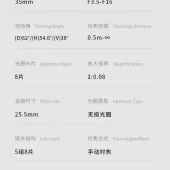
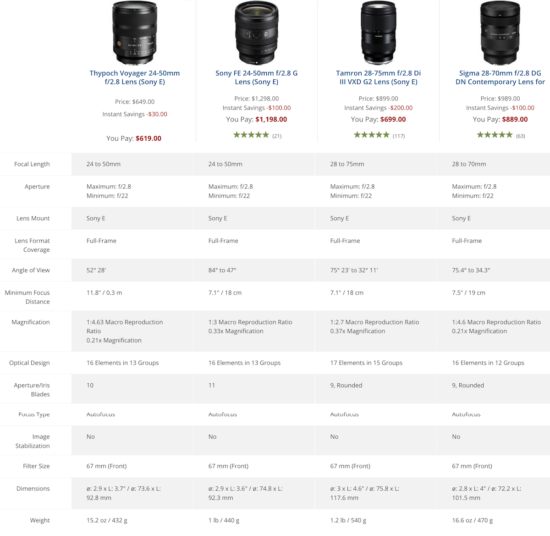
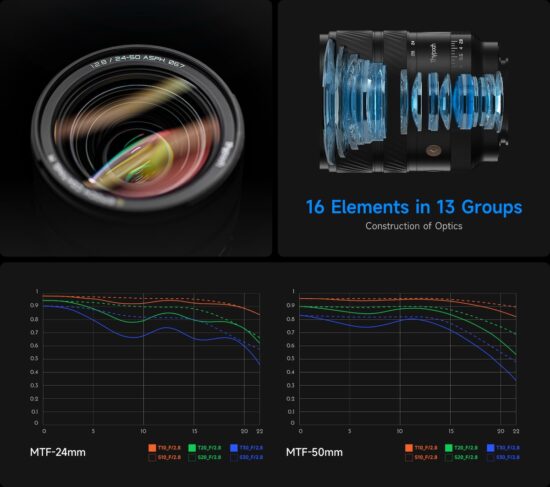
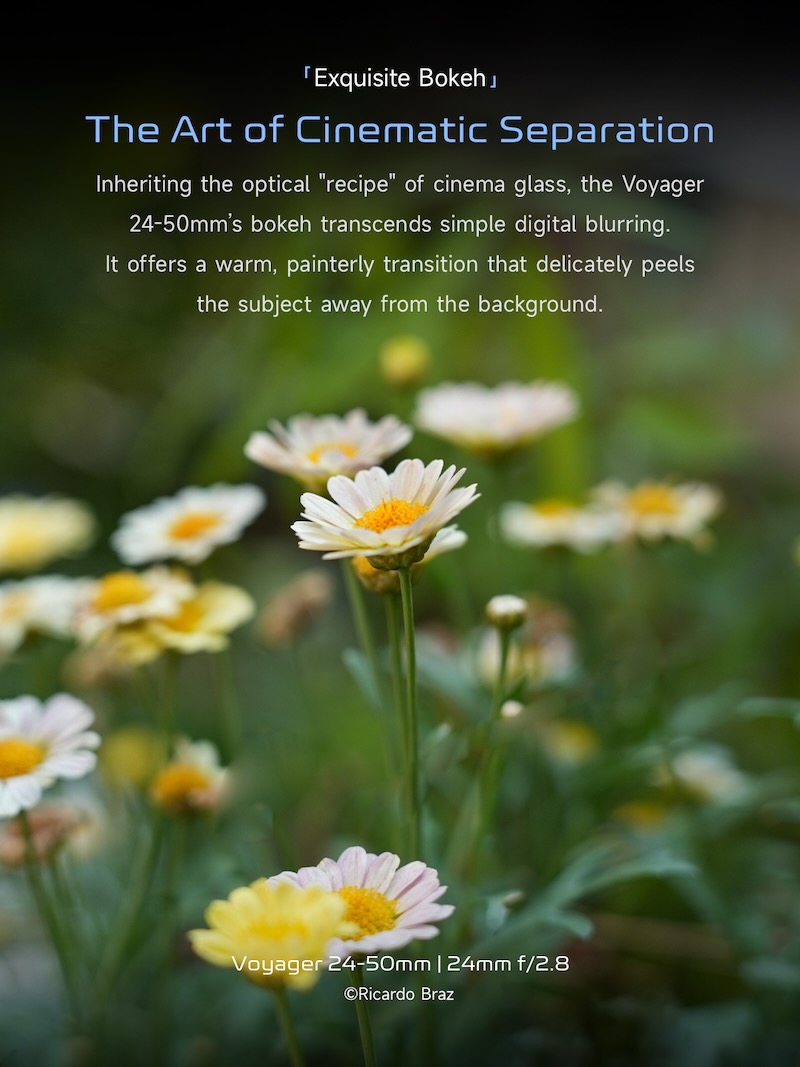
Rendering character is where Thypoch has built its reputation, and the Voyager carries that priority into autofocus. The optical design uses 16 elements in 13 groups, including 2 ASPH (aspherical) elements, 3 ED (extra-low dispersion) elements, and 3 HRI (high refractive index) elements. The formula is designed to control aberrations across the frame at all focal lengths.
The 10-blade rounded aperture holds its circular shape across most of the working aperture range, producing rounded out-of-focus highlights at mid apertures and sunstar rendering at smaller apertures.
Optical, Not Digital
The Voyager’s out-of-focus rendering is built into the glass, not added in software. Optical bokeh behaves naturally at the edges of the frame, around specular highlights, and in the transition zones that digital blur tends to flatten. The result is depth that holds up at full resolution and on close inspection.
The transition from sharp focus to background blur happens gradually, the way a lens with character renders rather than the way a lens that’s merely sharp does. Subjects sit forward in the frame with weight and presence, separated from the background without the harsh cutoff that flattens an image.
Sealed at Every Joint
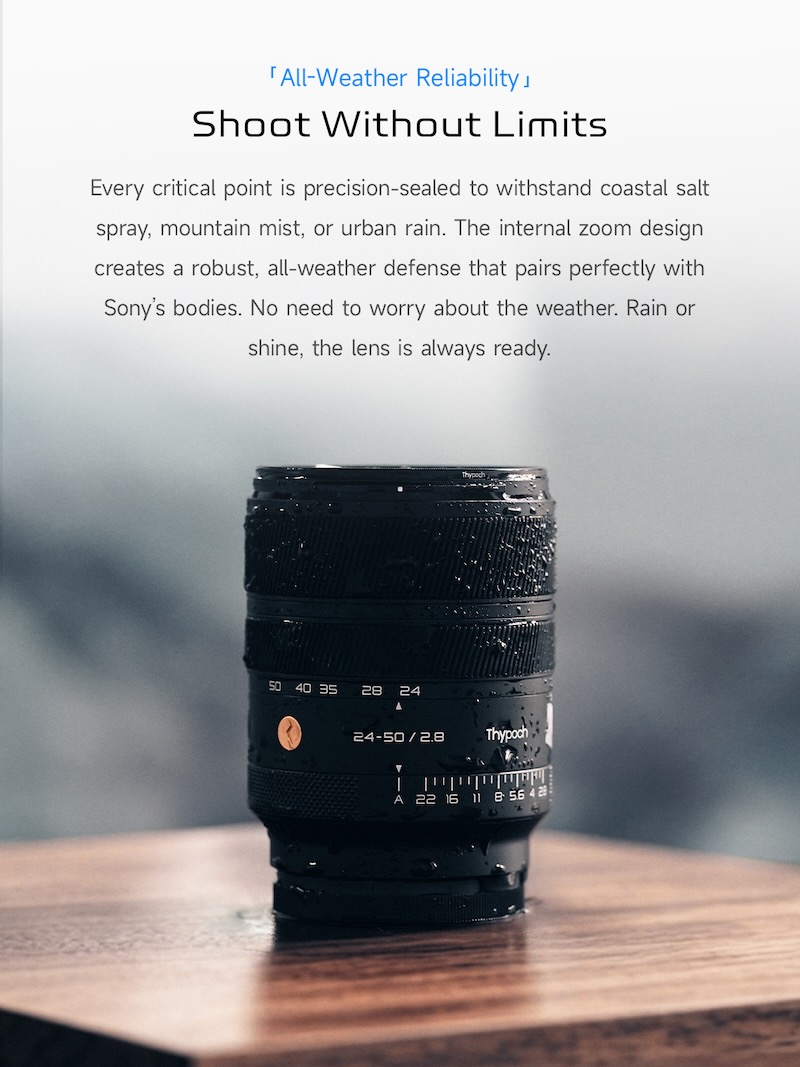
Weather sealing is the difference between a lens that works in the conditions a photographer actually shoots in and a lens that has to be protected from them. The Voyager is built with sealed construction at the lens mount, focus ring, zoom ring, and front element. The internal zoom design contributes to sealing integrity by removing the extending external barrel that creates the most common point of moisture ingress on conventional zooms.
The lens is developed for dust and moisture resistance. Whether the shooting environment is coastal mist or a sudden urban downpour, the Voyager is built to keep working. Paired with Sony’s own weather-sealed Alpha bodies, the lens completes a sealed shooting system rather than introducing a weak point in it.
Cinema Zoom Heritage
The Voyager is Thypoch’s first autofocus lens. Its zoom architecture draws on the parent group’s experience in cinema zoom lens engineering, which includes constant-aperture and internal-zoom designs across multiple cine lens families. Cinema zooms are the discipline in which constant aperture and fixed barrel length were first solved as engineering problems. The Voyager applies that discipline to a stills-format AF lens.
Price and Availability Launch price: USD $619 / EUR €539 (May 14 to May 31, 2026)
MSRP: USD $649 / EUR €569
Standard package: lens body, front cap, rear cap, warranty card.
SPINN.DESIGN is a Germany-based company in Offenbach specializing in innovative, high-quality camera accessories for protecting photography gear. Rooted in German engineering and design heritage, the company positions itself as a long-time product designer and manufacturer focused on premium, precision-crafted solutions for DSLR and mirrorless cameras, emphasizing durability, comfort, and thoughtful functionality over mass-market alternatives. Their flagship products include the SWIFT-LOCK and CP/CP.02 camera-carrying systems, along with the CW.01 and ProWrapp series of self-adhesive, weatherproof, and shock-resistant protective gear wrappers for cameras and lenses.
You can use the coupon code SPINN-RUMORSon their website to get a discount.
Here are the other active photography-related Kickstarter crowdfunding projects (some are still available as late pledges).:
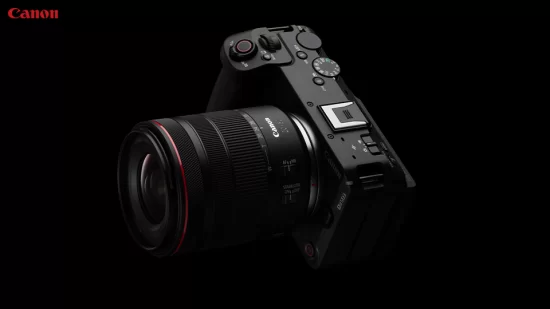
Bridging the gap between content creators and pro filmmakers, the Canon EOS R6 V is a full-frame camera delivering high-end video performance in a body optimized for on-the-fly shooting. It packs a 32.5MP sensor, dual-gain ISO that produces clean, clear footage across a range of lighting conditions, and 7K Open Gate Raw video at up to 60p. Canon’s class-leading Dual Pixel CMOS autofocus, intelligent subject-tracking, and a 6.5-stop in-body stabilization make this a fantastic handheld run-and-gun camera.
32.5MP imaging sensor
7K Open Gate RAW video
Base ISO values at 800 and 6400
15+ stops of dynamic range
C-Log2 and C-Log3 colour profiles
Fully articulating touchscreen, vertical mounting thread, tally-style front record button
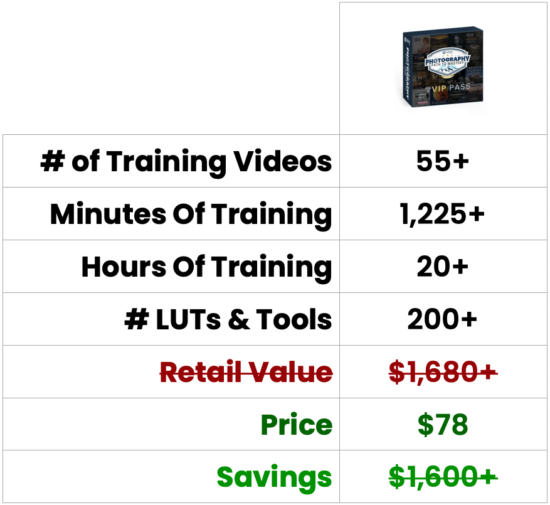
The new 2026 5DayDeal “Photography Path To Mastery” is now available. As in previous years, you will get a package of photography tools at a drastically reduced price ($1,500+ in value for $78) and lifetime access to all class recordings. Several different bundles are available, and a portion of the proceeds will be donated to charities.

 Connexion