Vue lecture

Skylum Luminar Neo Summer Sale: up to 70% off


Skylum has launched a new Luminar Summer Sale with discounts of up to 70%. The campaign runs June 5-28, 2026. Here are the details:

For new users:

  • Desktop Perpetual – $119 / €99 + free Neo video course
  • Cross-device Perpetual – $149 / €129 + free Neo video course
  • MAX Perpetual – $164.99 / €134.99 + free Neo video course + free gift

For existing users:

  • Cross-device Perpetual – $99.99 / €89.99 + free Neo video course
  • MAX Perpetual – $109.99 / €99.99 + free Neo video course + free gift

Luminar Neo is an AI-powered photo editor that makes it easy to achieve professional results with simple and fast edits (available on both desktop and mobile). All plans are perpetual (one-time purchase) licenses with no subscriptions required. The Max plan unlocks the complete experience: desktop + mobile apps, plus access to the creative assets library (skies, overlays, LUTs, presets, and more to fuel your creativity). Here are the main benefits:

  • AI-powered editing made simple
  • Professional results with minimal effort
  • Works across desktop + mobile
  • Strong value with lifetime licenses

The post Skylum Luminar Neo Summer Sale: up to 70% off appeared first on Photo Rumors.

  •  

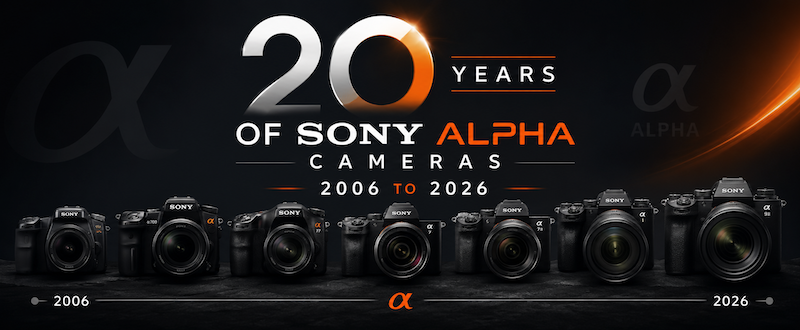
20 years of Sony Alpha cameras: from the Alpha 100 to mirrorless leadership in 2026


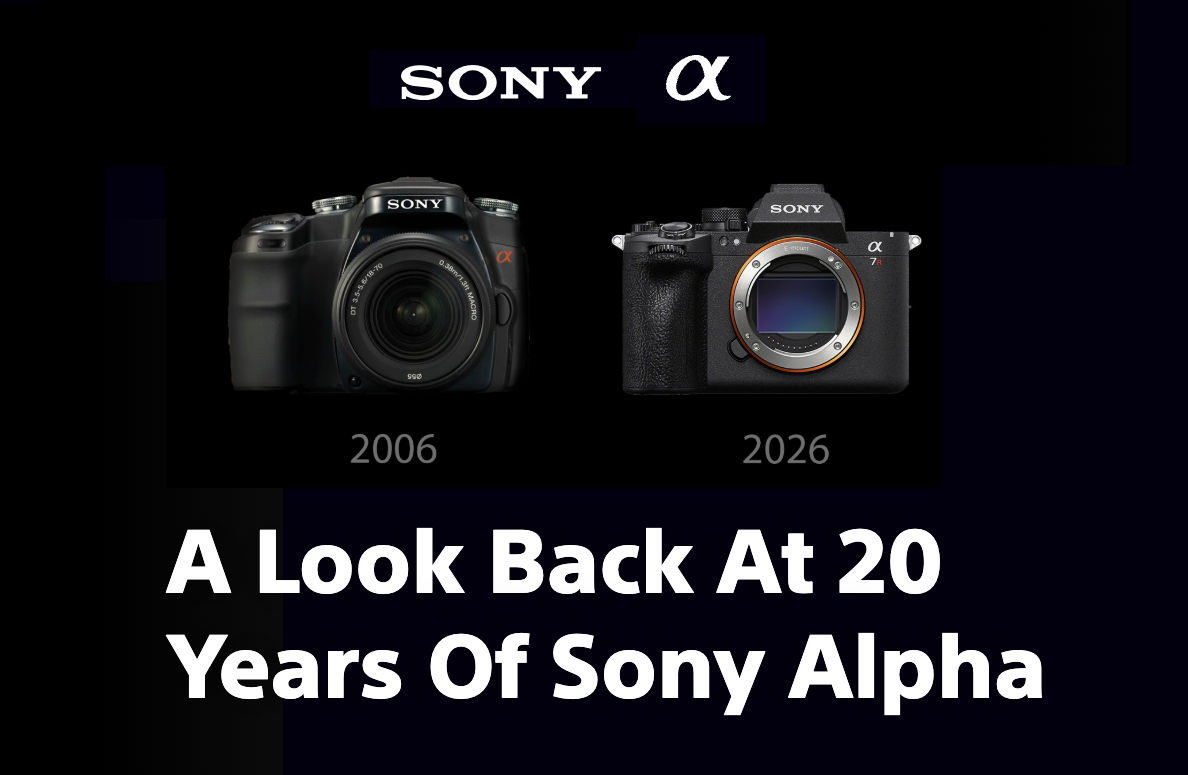
Exactly 20 years ago today, on June 5, 2006, Sony announced the Alpha 100, the camera that launched the Sony Alpha system. What began as an outsider’s entry into the DSLR market, built on the Konica Minolta A-mount platform acquired by Sony, has evolved into one of the most innovative and influential camera lines in the history of photography and videography.

Two decades later, Sony Alpha stands as a benchmark for hybrid photo/video performance, autofocus intelligence, resolution, and speed. From the groundbreaking in-body stabilization of 2006 to the global-shutter flagship of 2023 and the highest-resolution Alpha camera yet in 2026, the journey has left a significant mark on the industry.

The Early Years (2006–2012)

Sony entered the digital camera arena by acquiring Konica Minolta’s camera division, inheriting the A-mount lens ecosystem. The Alpha 100 (10.2MP APS-C CCD) introduced SteadyShot INSIDE in-body image stabilization- a major first for compatible lenses at the time, along with the BIONZ processor and an accessible price point for enthusiasts.
The system quickly expanded:

  • 2007: Alpha 700 brought a 12.2MP CMOS sensor, better AF, and a magnesium body.
  • 2008: The Alpha 900 became Sony’s first full-frame DSLR, featuring a 24.6MP sensor and the world’s first full-frame in-body stabilization.
  • 2009–2010: Entry-level and mid-range DSLRs proliferated (A200/A300 series, A500/A550). Then came the revolutionary SLT (Single Lens Translucent) cameras: the Alpha 33 and Alpha 55 in 2010, which used a fixed translucent mirror for continuous phase-detection autofocus during both stills and video.

The SLT line peaked with the Alpha 99 (2012), the world’s first full-frame SLT, delivering 24.3MP and full-time phase-detect AF.

The Mirrorless Revolution Begins (2013)

In 2013, Sony fundamentally changed the industry with the launch of the Alpha 7 and Alpha 7R – the first full-frame mirrorless cameras. Compact, lightweight, and featuring hybrid AF and the new E-mount, they proved that professional image quality no longer required a bulky DSLR body. This was the true turning point. The E-mount system offered a shorter flange focal distance, enabling smaller, sharper lenses and paving the way for the vast native FE lens lineup we have today (while still supporting legacy A-mount glass via adapters).

Rapid Innovation and Category Leadership (2014–2022)

Sony didn’t rest. Key milestones followed at an impressive pace:

  • 2014: Alpha 7 II introduced 5-axis in-body stabilization (IBIS) to full-frame mirrorless.
  • 2015: Alpha 7R II brought a 42.4MP back-illuminated sensor and excellent 4K video.
  • 2016: APS-C models like the Alpha 6300 and Alpha 6500 delivered class-leading autofocus speed and point counts.
  • 2017: The Alpha 9 introduced blackout-free 20fps shooting with advanced tracking, redefining action and sports photography.
  • 2019: Alpha 7R IV hit 61 megapixels; real-time Eye AF became a Sony signature.
  • 2020–2021: Alpha 7S III redefined low-light video; the Alpha 1 combined 50MP stills with 8K video and 120 AF/AE calculations per second.
  • 2022: Alpha 7R V introduced AI-based autofocus with subject recognition and improved ergonomics.

Pushing Boundaries: 2023–2026

Sony continued to break new ground:

  • 2023: The Alpha 9 III became the world’s first full-frame global shutter camera (24.6MP), enabling true 120fps blackout-free shooting and pre-capture.
  • 2024-2025: Refinements across the lineup, including the partially stacked sensor in the Alpha 7 V.
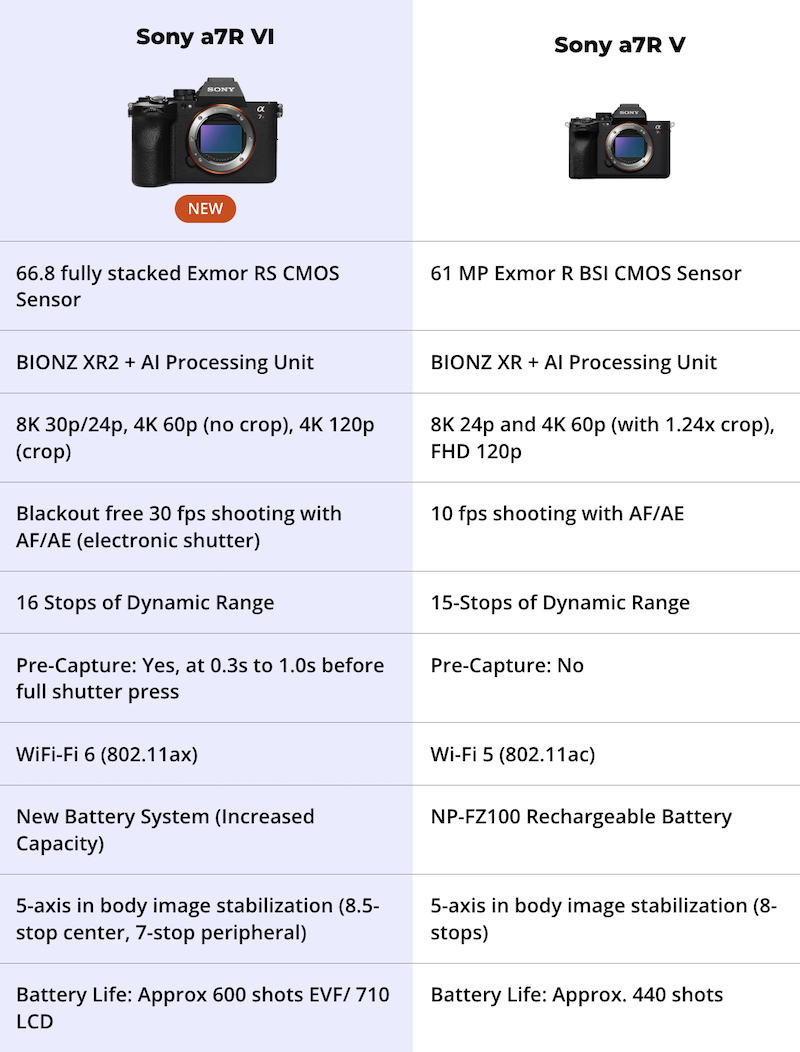
  • 2026: The Alpha 7R VI arrives as the highest-resolution Alpha camera to date, further extending Sony’s dominance in the high-megapixel segment:

Why Sony Alpha Matters

Sony didn’t just compete; it often forced the entire industry to accelerate. The shift to mirrorless, the emphasis on hybrid video capabilities, compact pro bodies, advanced real-time AF (Eye AF, animal/bird/vehicle tracking), and stacked/global-shutter sensors all trace their significant momentum back to Sony’s Alpha developments.

Previous coverage of Sony cameras (all 1,633 blog posts) going back to 2009 can be found here.

The post 20 years of Sony Alpha cameras: from the Alpha 100 to mirrorless leadership in 2026 appeared first on Photo Rumors.

  •  

Used compact camera prices quadruple in Japan as CCD models make a comeback


A recent report from Pinzuba News highlights how the resurgence of compact digital cameras in Japan is driving a massive price increase in the used market for vintage models from the 2000s and early 2010s. According to the article, demand for older compact digital cameras has exploded, leading to prices roughly quadrupling in the second-hand market.

Key Data from KOMEHYO (Major Used Goods Retailer)

  • Sales volume of “old compact digital cameras” has increased approximately 5 times compared to 5-6 years ago.
  • The average selling price has risen to about 3.5 times higher
  • Models that sold for 5,000-10,000 yen five or six years ago are now fetching 20,000–40,000 yen.

Quote from KOMEHYO Expert

Yasuhiro Hara, Camera Sales Floor Manager at KOMEHYO’s Nagoya main store, commented on the surge:

“Demand for old compact cameras has grown significantly compared to 5 or 6 years ago. At our store, sales volume has increased about 5 times, and the average price range has surged to about 3.5 times.”

He went on to explain the unique appeal these older models hold:

“Many compact cameras sold in the 2000s were equipped with CCD sensors. These provide warmer colors than the CMOS sensors in current cameras and smartphones, especially producing a film-like quality in still photos. These ‘old compact cameras’ have qualities that current cameras don’t have.”

Why the Comeback? CCD Sensors and Nostalgic Appeal

The boom is driven by a growing appreciation for the distinctive characteristics of CCD-equipped compact cameras. Unlike modern CMOS sensors (dominant in today’s smartphones and new cameras, which prioritize video performance and efficiency), older CCD sensors deliver warmer color rendition and a nostalgic, film-emulating look in still photography.

While new compact camera (lens-integrated) shipments in Japan are projected to increase about 30% year-over-year to roughly 2.4 million units in 2025, this remains a small fraction of the 2008 peak of 11 million units (and up from the 2023 low of 1.7 million). Limited new supply plus the irreplaceable charm of vintage CCD models has created strong demand in the used market.

This latest development continues the trend I reported on in November 2024, when prices for many old compact digital cameras had already jumped dramatically (up to 20 times in some cases):

The best-selling compact cameras

Compact cameras continue to be popular on the 2025 Map Camera best-selling list

Compact fixed-lens cameras are becoming more popular, while interchangeable-lens cameras are starting to lose their popularity

Is the compact camera dead? The market price of old compact digital cameras has increased 20-fold in one year.

Canon released full-year financial reports, confirms upcoming compact camera(s)

Confirmed: Panasonic to introduce new fixed-lens camera(s)


View this post on Instagram


A post shared by Depot Msa (@depotmsa)

Source: Pinzuba News via Yahoo Japan, digicame-info

The post Used compact camera prices quadruple in Japan as CCD models make a comeback appeared first on Photo Rumors.

  •  

New: Zeniko RF12 M round head mini flash for Canon, Sony, Nikon, Fujifilm, Olympus, and Pentax cameras

Zeniko (Godox sub-brand) launched a new RF12 M round-head mini flash with a universal hot shoe, compatible with Canon, Sony, Nikon, Fujifilm, Olympus, and Pentax cameras.

Additional information:

  • Price: $49.90
  • Design: Round head with proprietary optics + included dome diffuser. Tilts up to 90° and swivels 270°. Ultra-light at 90g and pocketable.
  • Power: 6 manual levels (1/32 to 1/1). Recycle time ~2.5s at full power. Modest but capable output for its size.
  • Battery: Built-in 350mAh Li-ion. Up to 500 full-power flashes per charge. USB-C charging (~1h 10m).
  • Triggering: Manual flash only. Built-in photocell with S1/S2 optical slave modes (S2 works with TTL cameras). No TTL or wireless radio.

New: Zeniko ZA12 mini retro flash

The post New: Zeniko RF12 M round head mini flash for Canon, Sony, Nikon, Fujifilm, Olympus, and Pentax cameras appeared first on Photo Rumors.

  •  

GoPro warns of “Substantial Doubt” about its future


GoPro has disclosed “substantial doubt” about its ability to continue as a going concern in amended financial filings released June 1, 2026. The company and its auditor cited ongoing losses, negative cash flow, looming debt covenant breaches, and “unprecedented” spikes in memory costs – up as much as 115% — driven by AI demand.

The warning comes on top of weak Q1 2026 results: revenue fell 26% year-over-year to $99 million, while GAAP gross margin collapsed to 4.3% from 32.1% a year earlier. GoPro expects continued losses and negative cash flow in the near term.

GoPro is up for sale again

Just three weeks earlier, the company launched its new MISSION series cameras and announced a strategic review that could lead to a sale or merger. Shares dropped sharply on the going-concern news.

New GoPro Mission 1 Pro camera unveiled with 50MP 1″ sensor and a model with MFT mount

Here is the quote from the financial filings:

Substantial Doubt About the Company’s Ability to Continue as a Going Concern

The accompanying consolidated financial statements have been prepared assuming that the Company will continue as a going concern. As discussed in Note 1 to the consolidated financial statements, the Company has incurred operating losses and negative operating cash flows, and has obligations under its financing arrangements which become due within the next twelve months if certain covenants are not met, that raise substantial doubt about its ability to continue as a going concern. Management’s plans in regard to these matters are also described in Note 1. The consolidated financial statements do not include any adjustments that might result from the outcome of this uncertainty. (source)

Update on the GoPro vs. Insta360 lawsuit

The post GoPro warns of “Substantial Doubt” about its future appeared first on Photo Rumors.

  •  

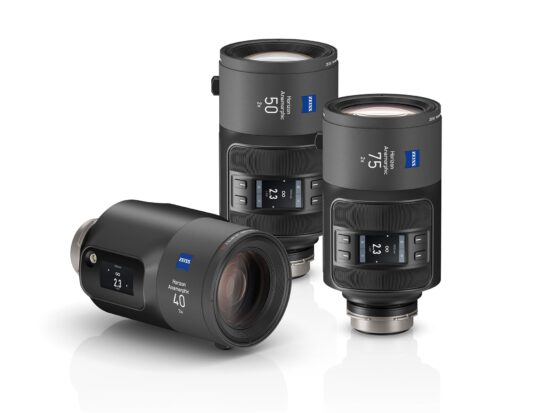
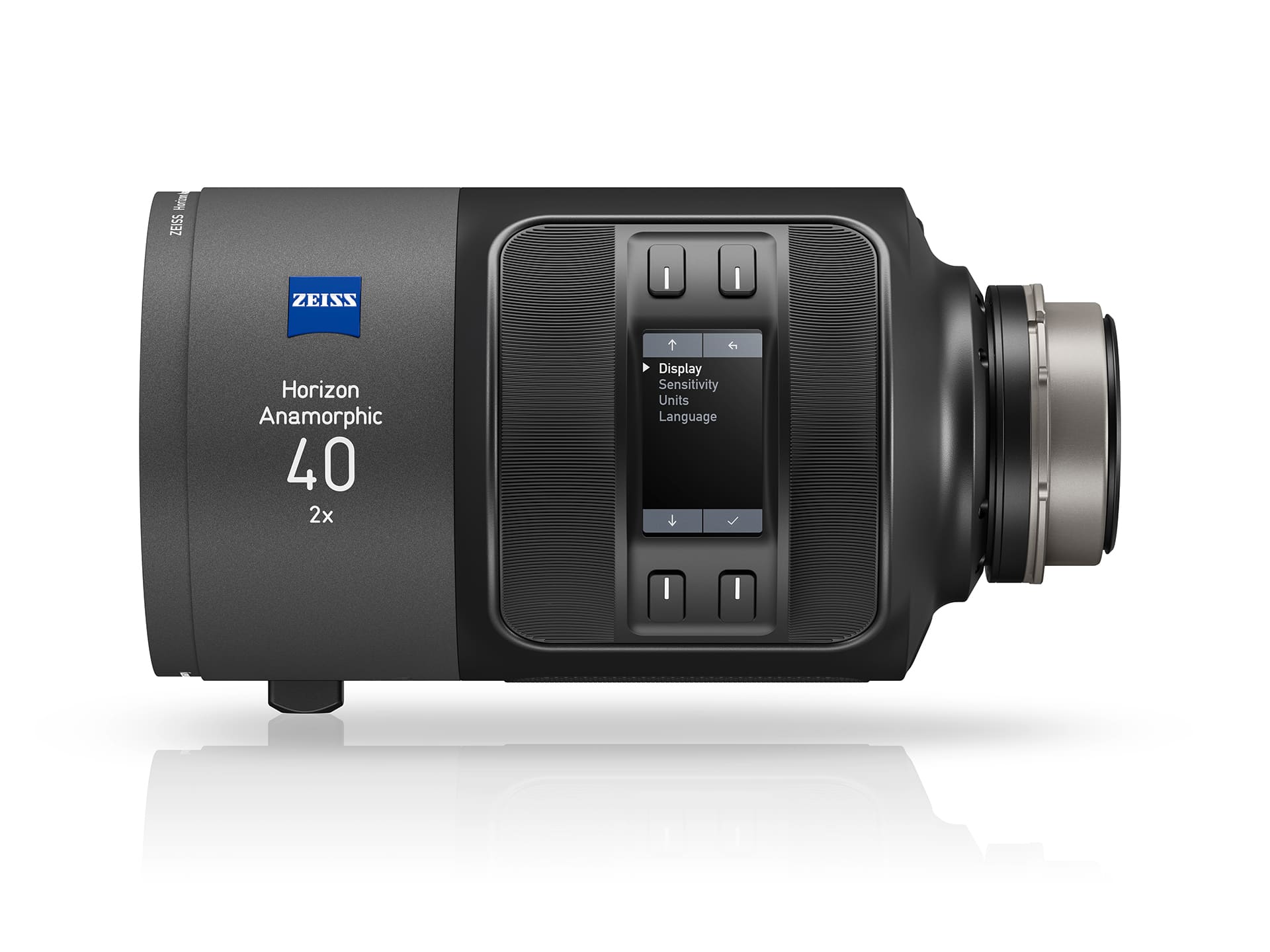
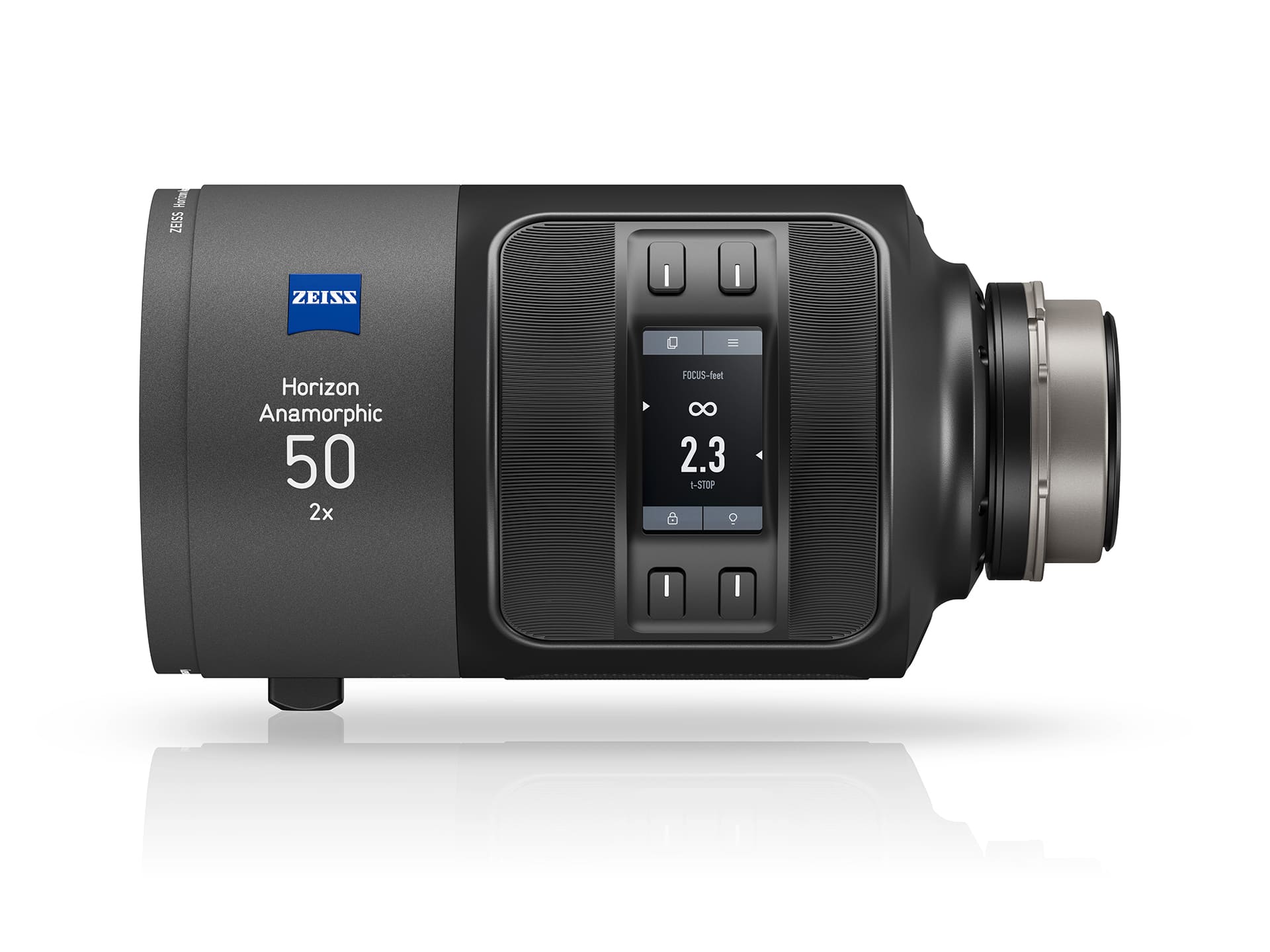
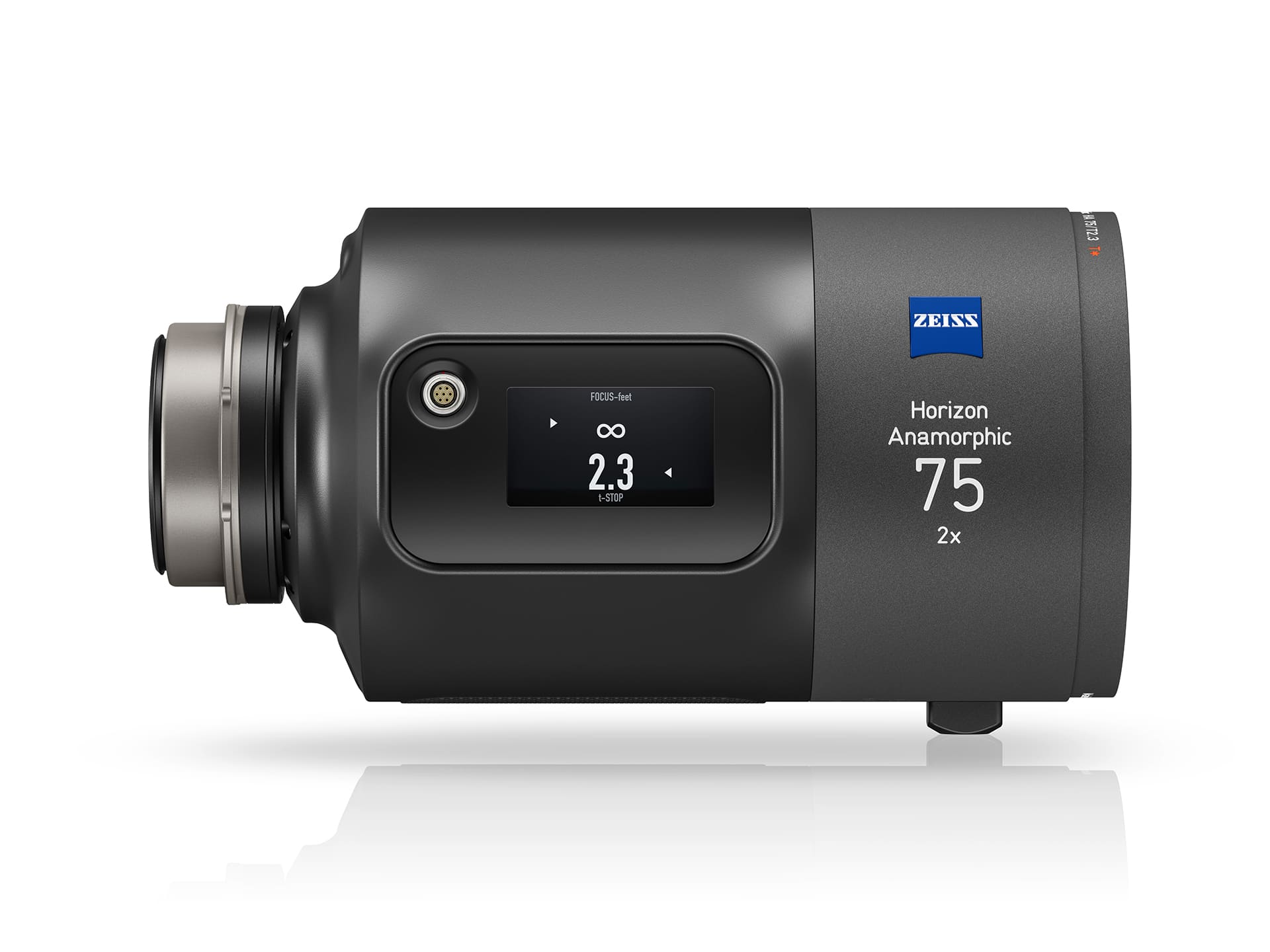
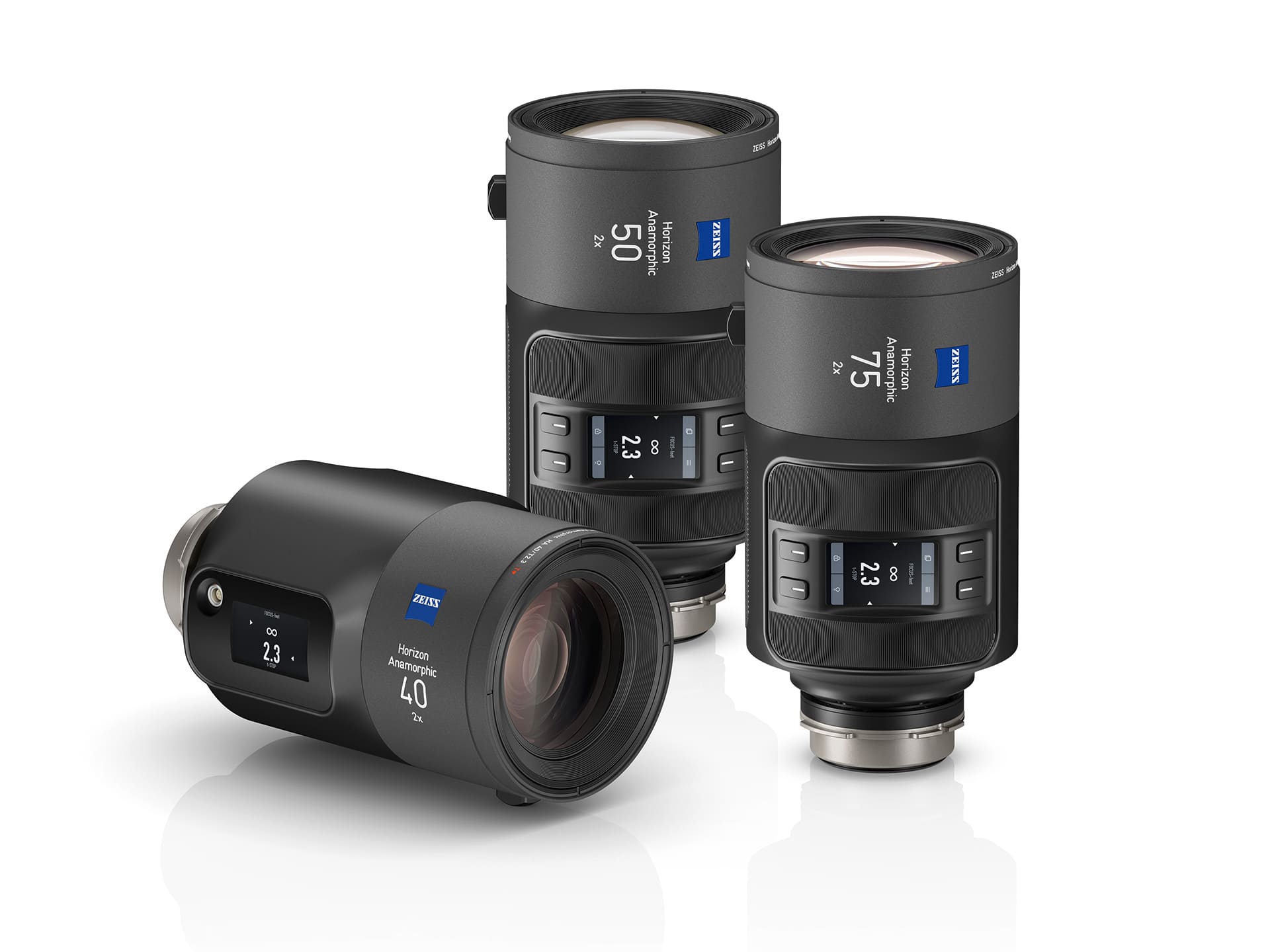
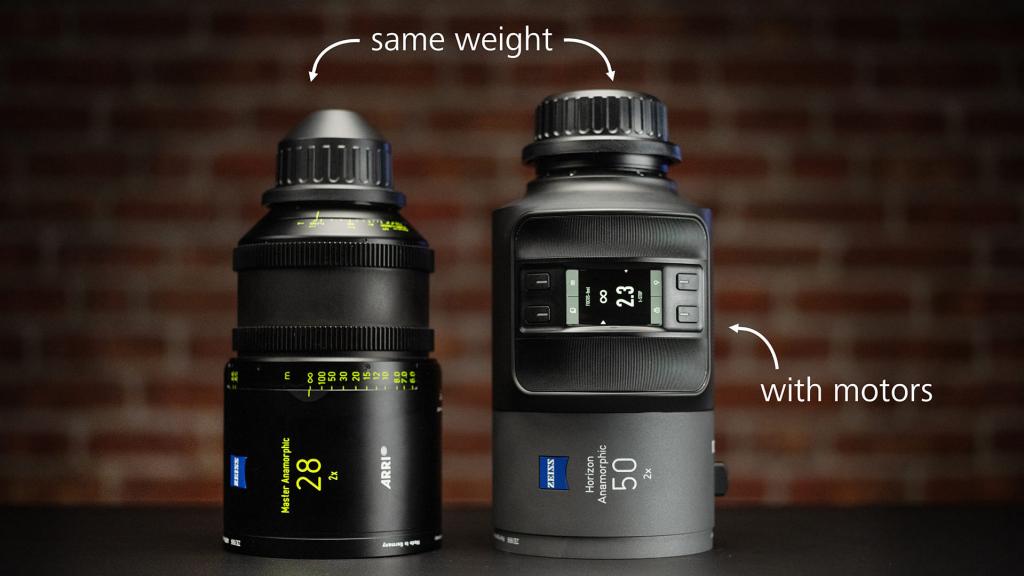
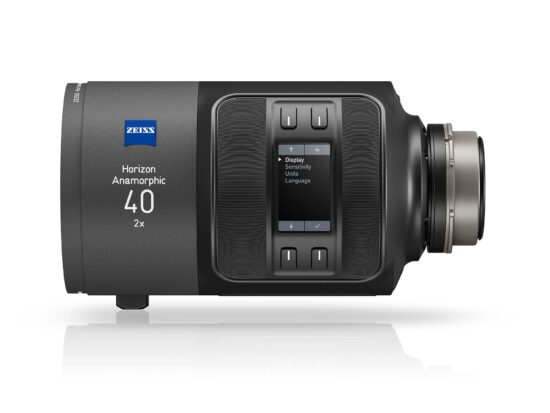
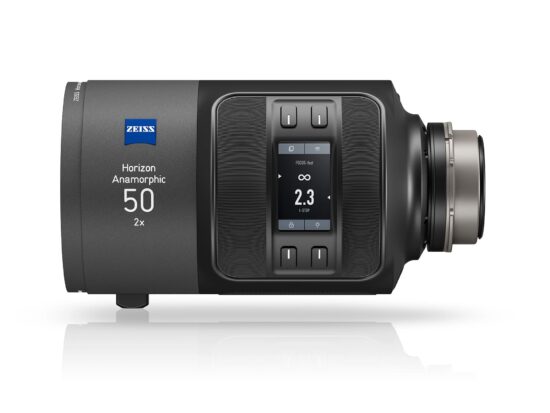
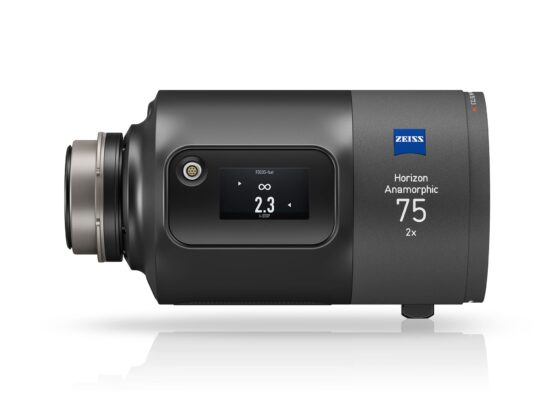
Zeiss announced new Horizon anamorphic lenses


The Zeiss teaser from two weeks ago was for a new line of Horizon full-frame 2x anamorphic cinema prime lenses:

  • Seven focal lengths: 35mm, 40mm, 50mm, 75mm, 100mm, 150mm, 200mm
  • Fast T2.3 aperture (T2.9 on the 200mm)
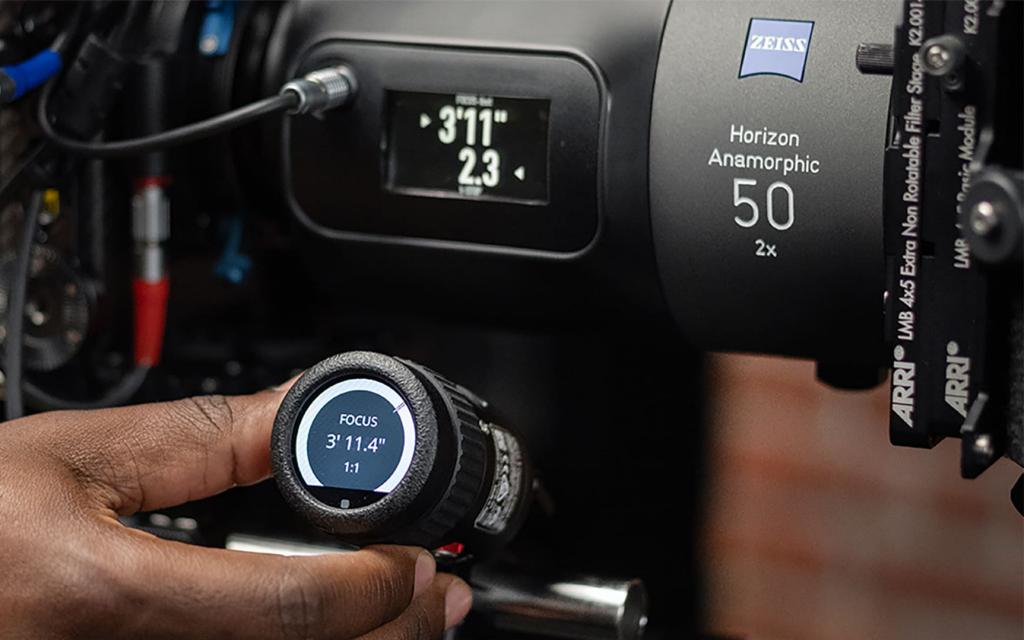
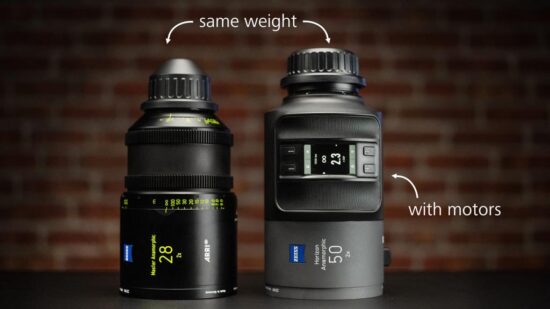
  • Built-in focus and iris motors integrated into the lens body (no external motors needed)
  • Swappable look-tuning rear element for adjustable character while keeping calibration
  • Consistent 114mm front diameter and LPL mount across the set
  • Classic 2x look with pronounced oval bokeh and stretched depth/scale
  • Neutral, low-aberration baseline optimized for VFX and creative tuning
  • Initial shipping (40/50/75mm) starts in September 2026; full set rolls out through 2027
  • Pricing not yet announced (check availability at B&H Photo
  • Product page
  • Additional information

ZEISS Introduces Horizon Anamorphic: Full-Frame 2x Anamorphics with a New Lens Technology Platform

ZEISS unveils the Horizon Anamorphic series, a new lineup of full frame 2x anamorphic cinema lenses designed to deliver a distinctive cinematic look along with a new lens technology platform that brings the speed and precision demanded by contemporary production workflows. Spanning 35 mm to 200 mm across seven focal lengths, Horizon lenses combine their anamorphic look with pronounced oval bokeh and a stretched sense of spatial depth with a lightweight, fully integrated motor system that eliminates the need for external focus or iris motors.

“With Horizon Anamorphics we bring the next chapter of ZEISS cinema optics to life by combining cutting‑edge technology with a refined image that preserves the human, cinematic feel”, explains Christophe Casenave, Head of Business Unit Cinematography at ZEISS.
One lens, multiple looks

The Horizon series is engineered with a neutral baseline look designed to encourage versatility, accepting filtration, LUTs, and diverse lighting approaches without imposing a baked-in feel. Instead, ZEISS introduces an optional interchangeable look tuning back element — a proprietary optical integration that allows crew to dial-in a nuanced individual lens look. Mounted via the ZEISS Interchangeable Mount System (IMS), it alters sharpness, contrast, and overall character with a simple eight-screw swap, while preserving scale accuracy and calibration.

Seamless integration

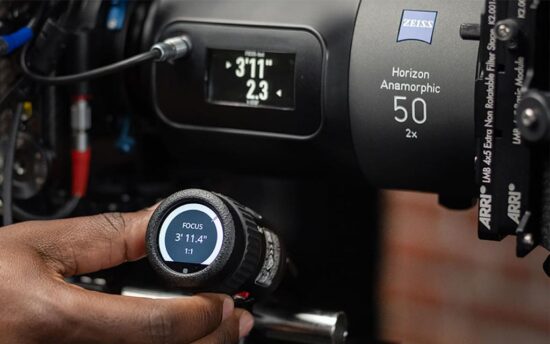
Whisper-quiet and ultra-reliable focus and iris motors are built directly into the lens body, offering compatibility with ARRI and Preston LCS systems via serial or LBUS connections. Factory-calibrated absolute encoders store all lens scales within the lens. This creates a single consistent source for metadata, eliminating the need for re-mapping scales or re-rigging motors between setups. Dual displays and touch panels directly on the lens barrel allow quick focus or iris checks.

“Horizon marks a new reference platform for us that integrates lens motors, data and ecosystem compatibility and by that enables faster, end‑to‑end production workflows,” Casenave adds.

Low distortion, stable color, and minimized aberrations make the Horizon lenses well-suited to VFX-intensive productions requiring clean keying, tracking, and CG integration. All seven lenses come with LPL mount and share a consistent 114mm front diameter to support balanced handheld, gimbal, drone, crane, and car-rig operation. A fast T2.3 stop across the full frame coverage set (T2.9 at 200 mm) provides shallow-depth-of-field anamorphic even in challenging lighting conditions. Built-in processing and on-board memory are designed to support future expansions including broader ecosystem compatibility, extended metadata capabilities, and potential autofocus integration.
Availability

The 40mm, 50mm, and 75mm Horizon Anamorphic lenses are scheduled to ship in September 2026 through authorized ZEISS cinema dealers, with 35mm, 100mm, 150mm, and 200mm focal lengths following in 2026 and 2027.

New Cooke, Thypoch, Blazar, and Zeiss cinema lenses

The post Zeiss announced new Horizon anamorphic lenses appeared first on Photo Rumors.

  •  

The latest Leica SL3-P camera rumors


Here are the latest/updated Leica SL3-P camera rumors:

  • 44.3MP sensor (based on the Panasonic S1RII that was announced in February 2025, see previous coverage)
  • Improved AF (better than the SL3-S)
  • Video capabilities could be lower than those of other SL3 models
  • Rumored to be announced around May-June 2026
  • The new Leica SL3-P model will be positioned between the current Leica SL3 (60MP) and the Leica SL2-S (24MP)
  • Approximately 800 autofocus points
  • The body and operating concept are very similar to the new Panasonic generation

  • Expected retail price around €5,900
  • There is also some talk about Leica introducing a new SL 100mm APO macro lens
  • The Leica SL3-P camera is rumored to be announced at the end of June (around June 22-25th)

This just in: Chinese HSG reportedly in advanced talks to acquire Blackstone’s and, potentially, Kaufmann’s stakes in Leica Camera.

New Leica SL camera model based on the Panasonic S1RII rumored to be announced next year
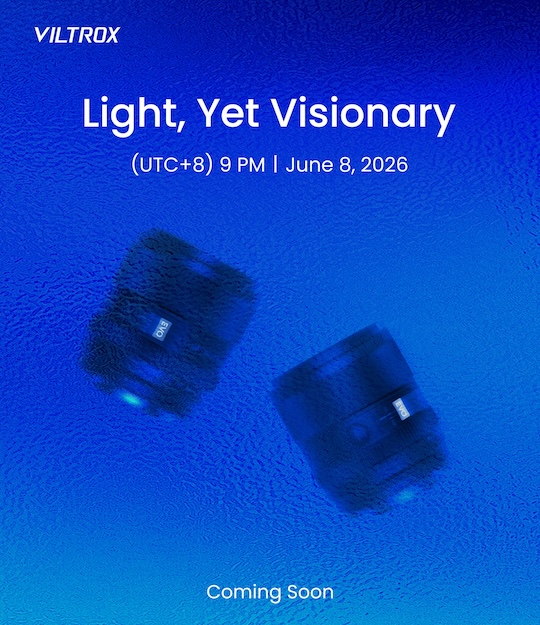
Leica SL3-P camera rumors

What’s next for Leica? (May 2026 update)

The post The latest Leica SL3-P camera rumors appeared first on Photo Rumors.
  •  

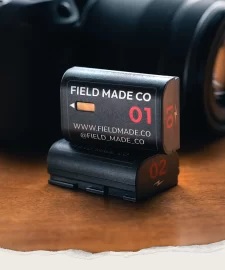
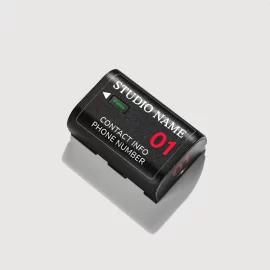
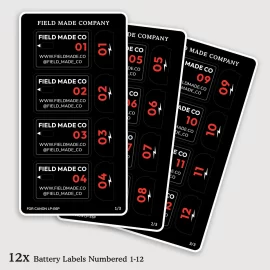
FieldMade released new customizable indicator labels for Canon LP-E6P batteries


Field Made released new customizable indicator labels for Canon LP-E6P batteries.

You can get 10% off your next FieldMade order with coupon code “Rumors10“:

  • 10% off the entire order
  • Minimum purchase of $20 CAD
  • Cannot be combined with other discounts

Additional information:

MATERIALS: Outdoor-rated premium vinyl from the USA with permanent adhesive.

ORIGIN: Tax-Free for US Customers > Printed in Canada using premium US-made vinyl. As a USMCA-compliant product (Category C), all orders shipping to the USA are exempt from taxes and import duties.

SHIPPING DETAILS: No duties or tariffs for US customers. Free shipping on orders over:

  • $60 CAD in Canada
  • $60 USD in the USA
  • 100$ CAD for Australia, Europe & Japan

USA: All orders ship duty-free. As our products are made in Canada with US materials, they are USMCA compliant, so you will not be charged any additional tariffs or customs fees. The price you see at checkout is your final price.

EU: Under 150€ (before taxes and shipping): VAT is charged at checkout. Customers are still responsible for paying any applicable duties upon arrival of the package. Over 150€ (before taxes and shipping): Taxes and duties must be paid when the package arrives.

New FieldMade stealth blackout decals kits for Sony, Canon, Nikon, and Leica cameras (coupon code included)

The post FieldMade released new customizable indicator labels for Canon LP-E6P batteries appeared first on Photo Rumors.

  •  

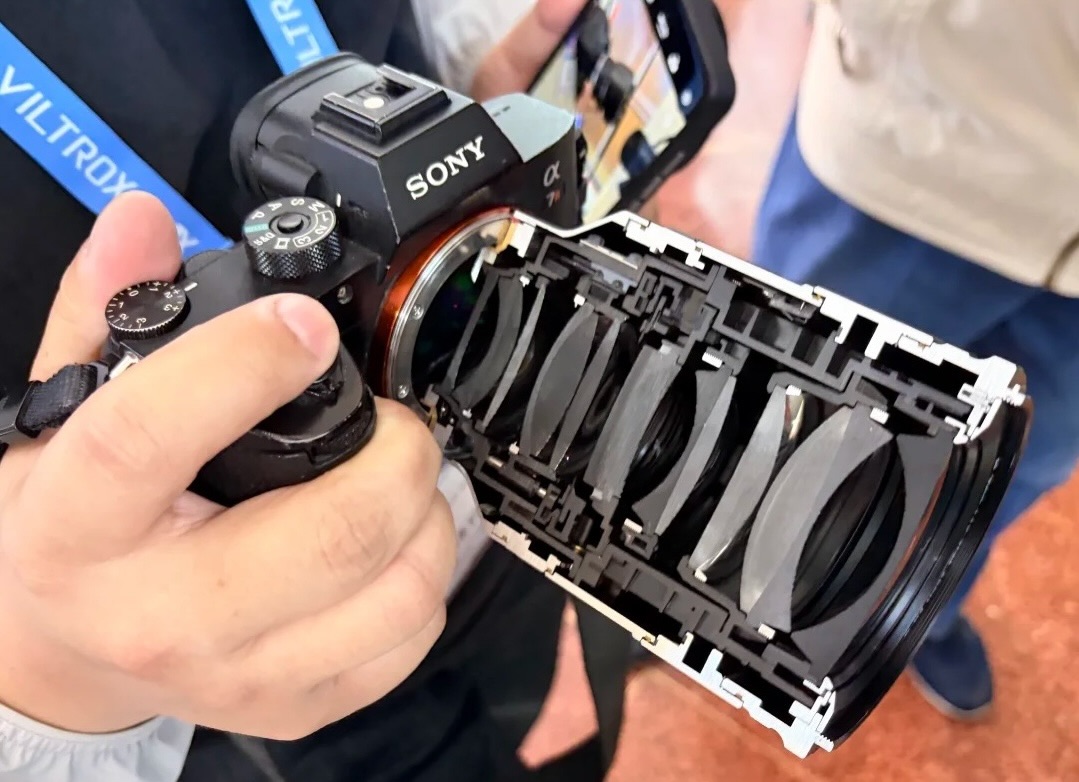
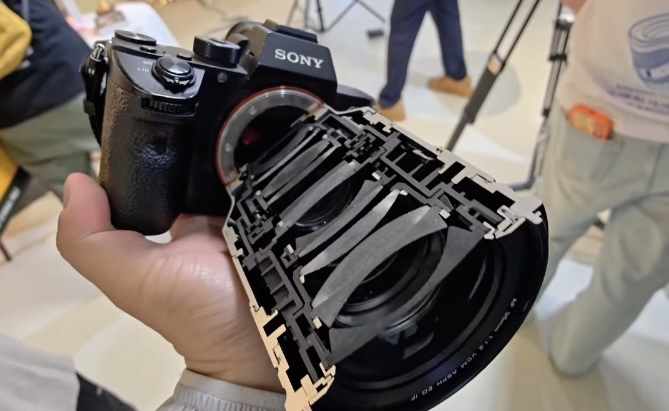
Viltrox cut a lens in half and took pictures with it – here are the results


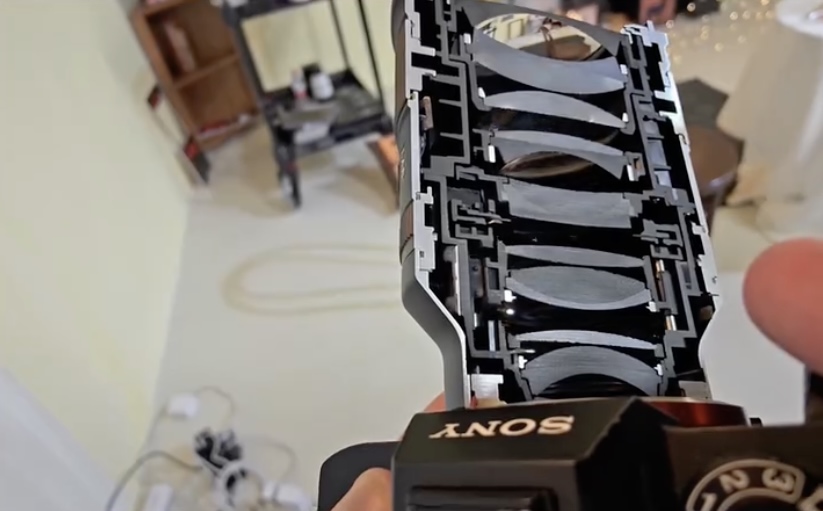
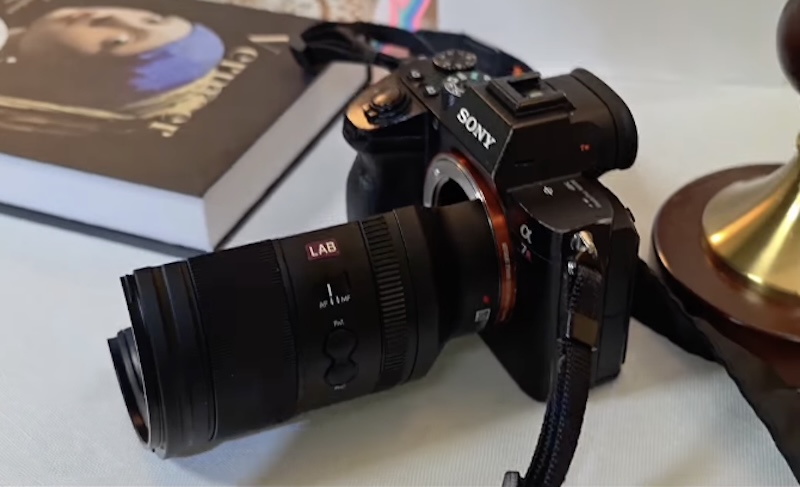
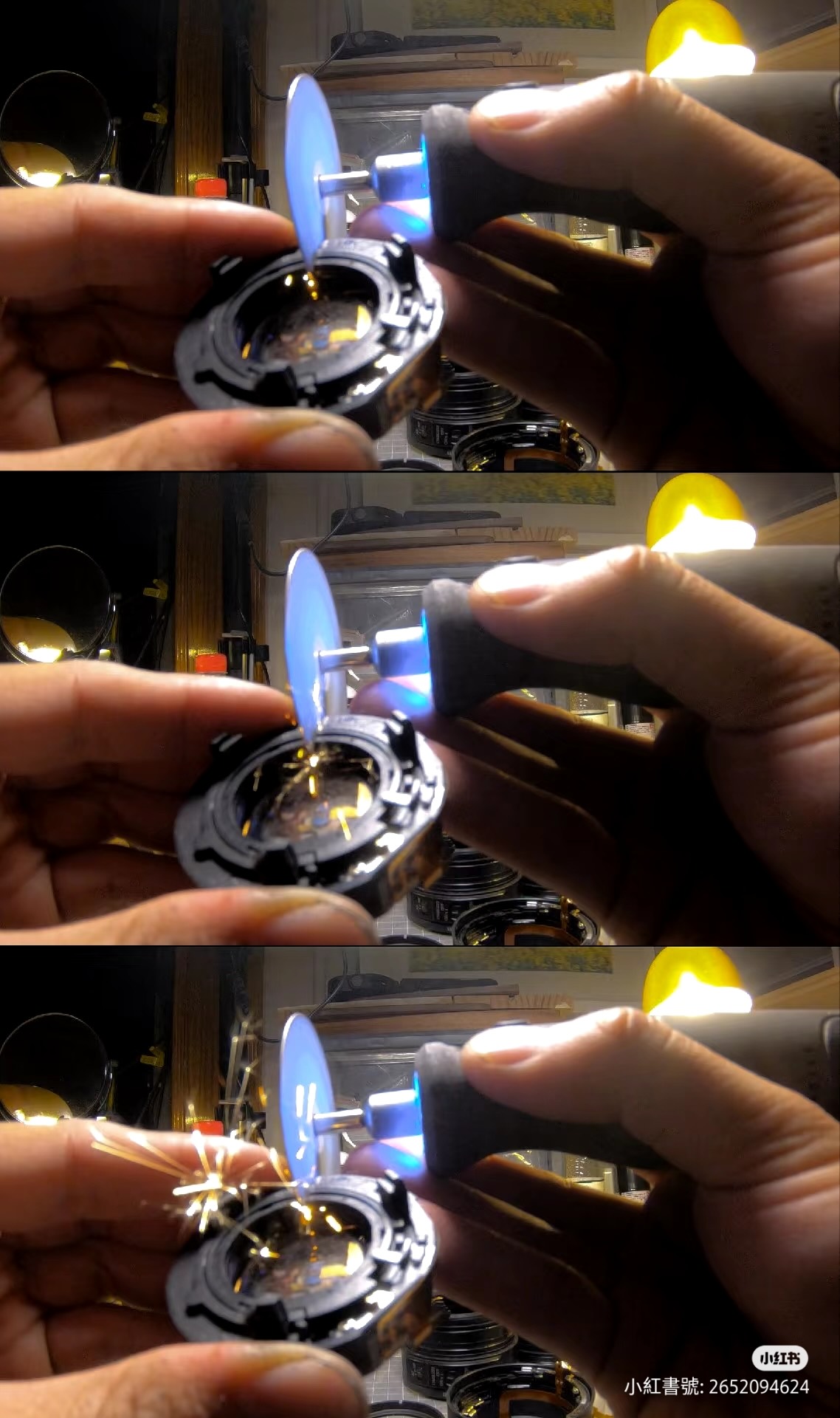
At the P&E show in China, Viltrox cut an AF 35mm F1.2 LAB FE N lens in half and took pictures with it. Unlike other cut lenses we have seen in the past from various brands, the Viltrox lens was actually functional, and the company published the pictures:


View this post on Instagram


A post shared by VILTROX (@viltrox.official)

All new lenses from the 2026 China P&E Imaging Show (update #3)

The post Viltrox cut a lens in half and took pictures with it – here are the results appeared first on Photo Rumors.

  •  

New: Owlkrown FlexGrip for Fujifilm X100VI cameras

Owlkrown released a new FlexGrip for Fujifilm X100VI cameras (the X100VI is still out of stock!) – here are the details:

  • The Owlkrown FlexGrip for the Fujifilm X100VI was designed to integrate naturally with the camera body, extending the original form of the X100VI into a grip that feels unified, balanced, and complete in the hand. The design follows the geometry of the camera closely, preserving the compact nature of the system while significantly improving handling and stability during everyday shooting.
  • Machined from solid aircraft grade aluminum, the FlexGrip maintains an extremely lightweight construction while delivering the rigidity and precision expected from a professionally machined component. Every surface, radius, and transition was engineered to feel seamless against the body of the camera.
  • An integrated AirTag compartment adds discreet traceability without altering the external profile of the grip. Hidden within the structure, it allows photographers to keep track of their camera system without relying on external accessories or cases.
  • The built in Arca-Swiss compatible profile allows direct tripod mounting without requiring additional plates or adapters. Two integrated 1/4”-20 threaded mounts provide additional flexibility for tripod positioning and accessory mounting depending on shooting style or setup.
  • Inside the grip, a silicone padded interface protects the camera body while creating a secure, vibration resistant fit. The side integrated lug allows attachment of wrist straps or alternative carrying configurations including portrait carry setups.

Some Owlkrown are sold at B&H Photo.

More Fujifilm X100VI accessories can be found here:

The new Viltrox conversion lenses for Fuji X100 cameras are now in stock

New: IDSworks foldable thumb grip (thumb rest) for Fujifilm X100VI cameras

Freewell launched the “Real Lens Hood” designed for Leica Q3 43, Fujifilm X100VI/GFX100RF, and RicohGRIII/x cameras

New: Fujifilm X100VI “Slim Skin” case by Akaralabs

Screen covers, dial locks, and leatherette accessories for Fujifilm cameras

Just announced: IDSworks grip for the new Fuji X100VI camera

The post New: Owlkrown FlexGrip for Fujifilm X100VI cameras appeared first on Photo Rumors.

  •  

No, Sony is not working on a new display technology that will noticeably improve battery life


Another clickbait story is circulating the Internet:

“Sony is working on a new display technology for its Alpha cameras after 2026/Q3”
“New rumor suggests upcoming Sony cameras could have noticeably better battery life”

Editors are publishing made-up stories without even doing a simple Google search. The article in question is a 2011 research paper by Korean academics and has nothing to do with Sony or any upcoming Sony cameras. Here are the details:

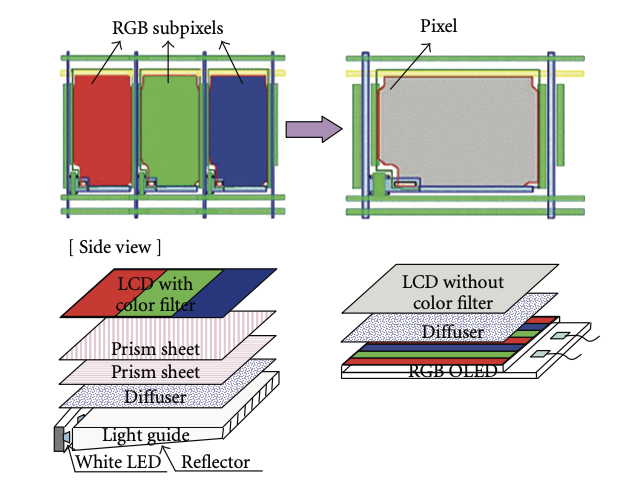
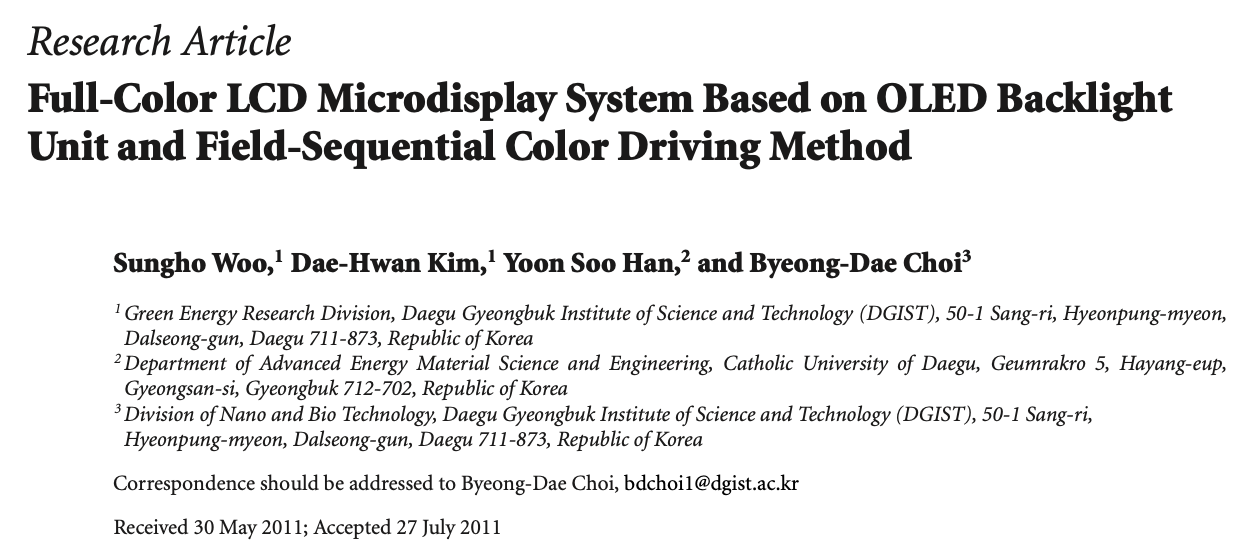
The 2011 paper (“Full-Color LCD Microdisplay System Based on OLED Backlight Unit and Field-Sequential Color Driving Method”) was written by researchers from Daegu Gyeongbuk Institute of Science and Technology (DGIST) and Catholic University of Daegu in South Korea. It describes a prototype 0.7″ FSC (field-sequential color) LCD microdisplay using a custom 0.76″ patterned RGB OLED as the backlight unit (BLU), combined with a high-temperature polysilicon (HTPS) LCD panel supplied by ILJIN Display Co., Ltd. (a Korean company).

There is no mention of Sony anywhere in the paper (including the authors, acknowledgments, references, or experimental details). The work is independent academic/industrial research from Korean institutions focused on low-cost, high-efficiency microdisplays for potential use in viewfinders, projectors, HMDs, etc.

Sony does not appear to be implementing (or planning to implement) this specific technology. Sony’s actual microdisplay approach: Sony Semiconductor Solutions develops and uses direct-emissive OLED microdisplays (OLED-on-silicon/OLEDoS) for electronic viewfinders (EVFs) in its cameras. These are self-emissive panels with high resolution, contrast, and fast response – no separate backlight or color filters in the same way as the paper’s LCD + OLED BLU design. Sony has released multiple generations of these for Alpha cameras and AR/VR applications.

In short, the paper is unrelated to Sony, and while Sony is exploring FSC-based LCD improvements for efficiency in future cameras, there is no indication that it involves the specific OLED-backlit microdisplay approach described in the 2011 paper.

You can download the original PDF research paper from 2011 here.

The post No, Sony is not working on a new display technology that will noticeably improve battery life appeared first on Photo Rumors.

  •  
❌