Vue lecture

Insta360 Luna Ultra camera officially announced



The previously reported  Insta360 Luna Ultra camera is now officially announced and available for order at:

Insta360 Launches Luna Ultra: Leica Co-Engineered Gimbal Camera Built for Next-Generation Mobile Filmmaking

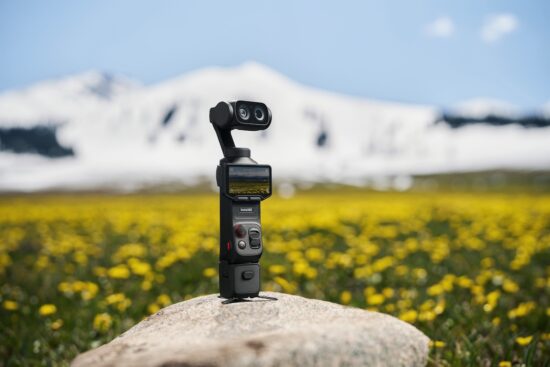
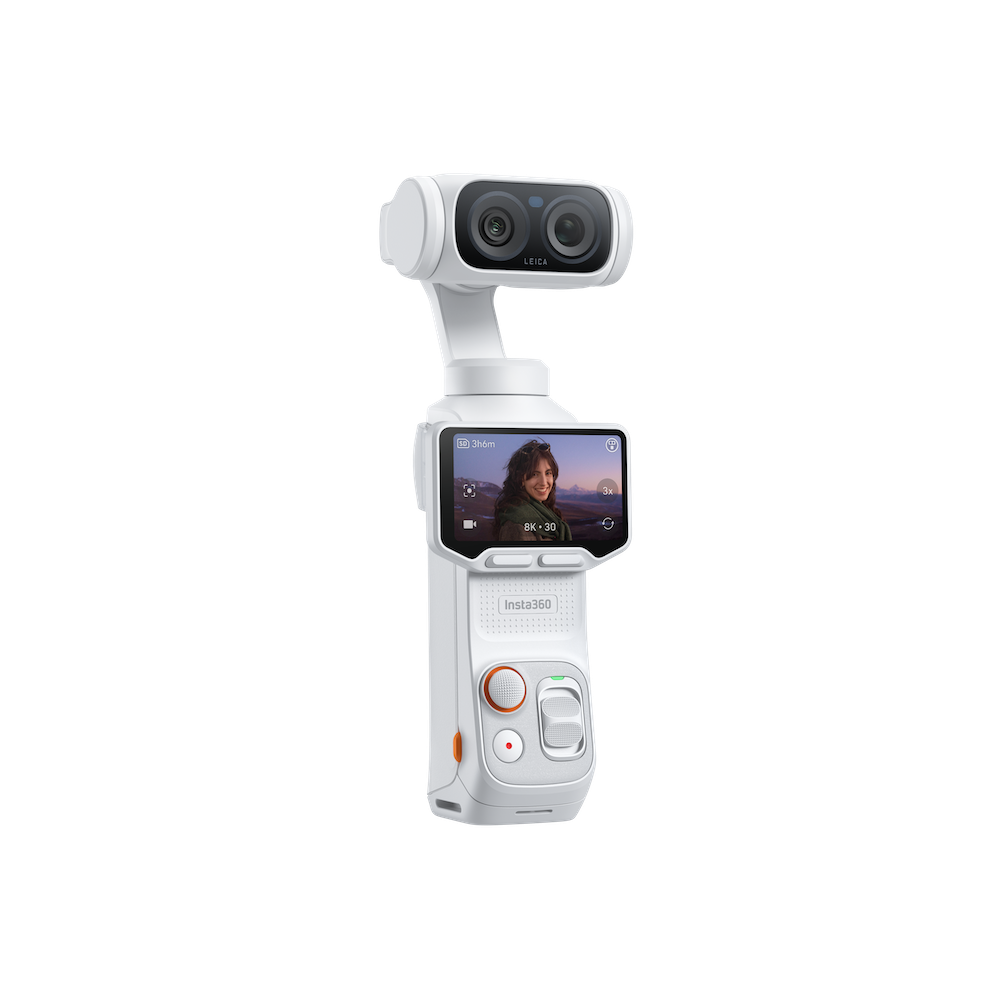
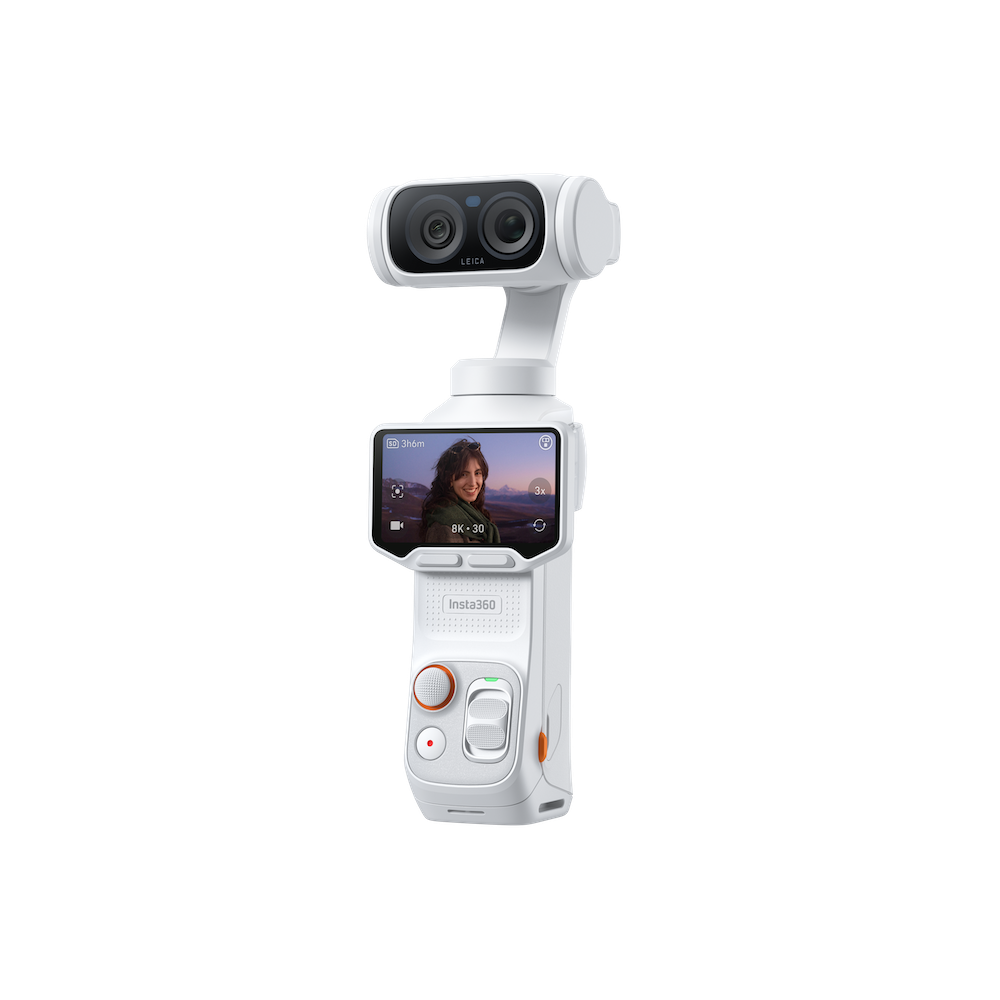
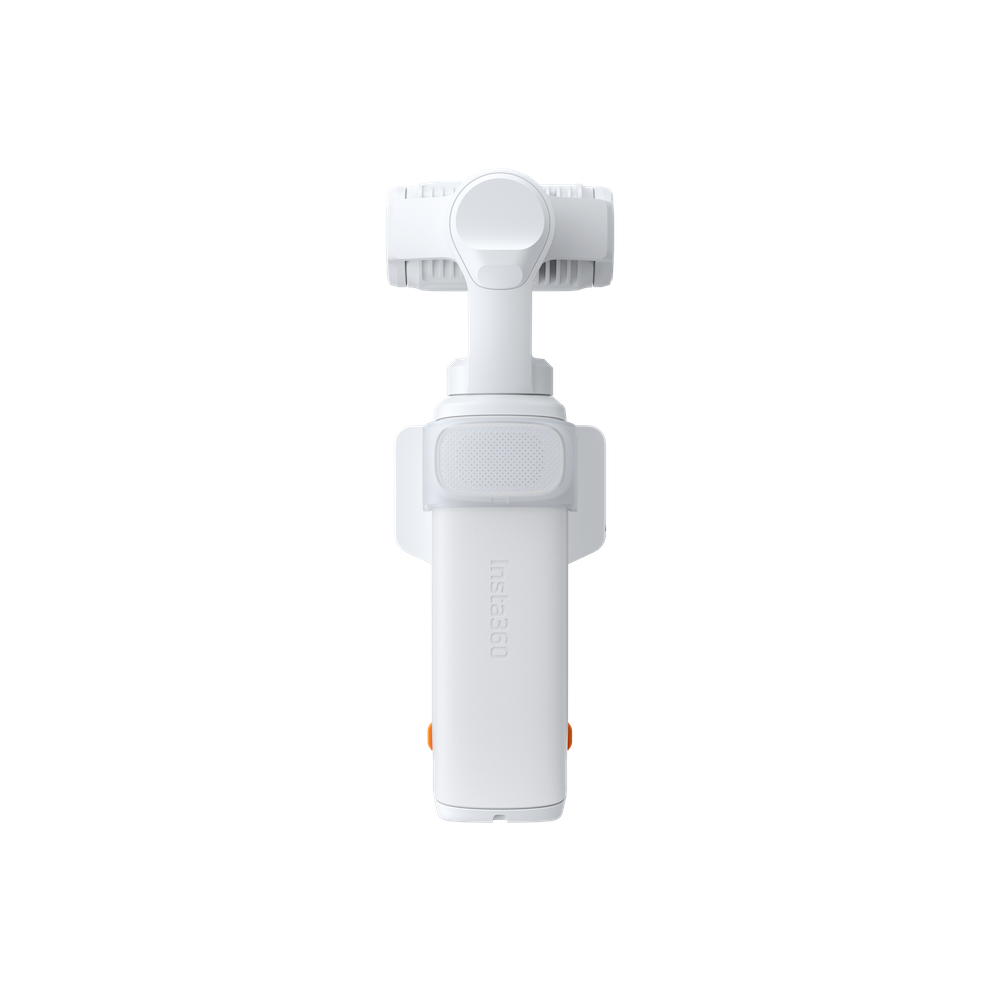
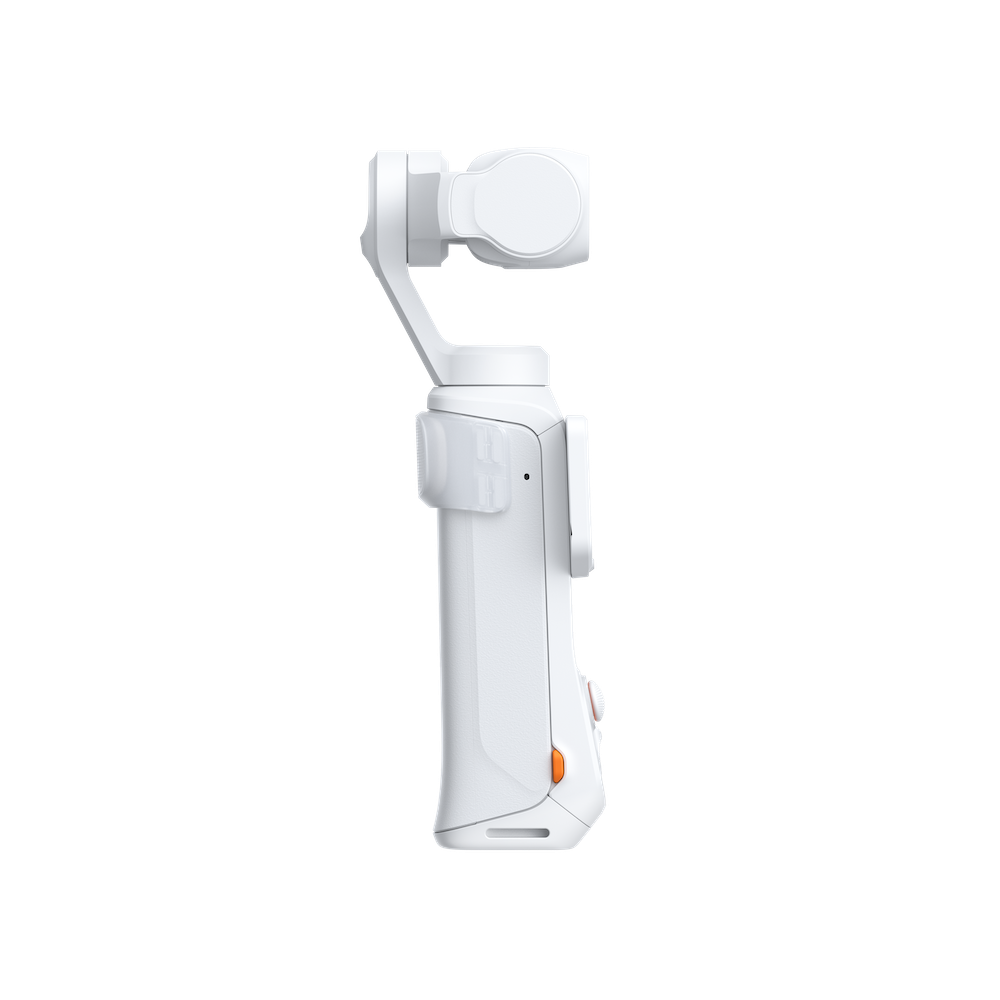
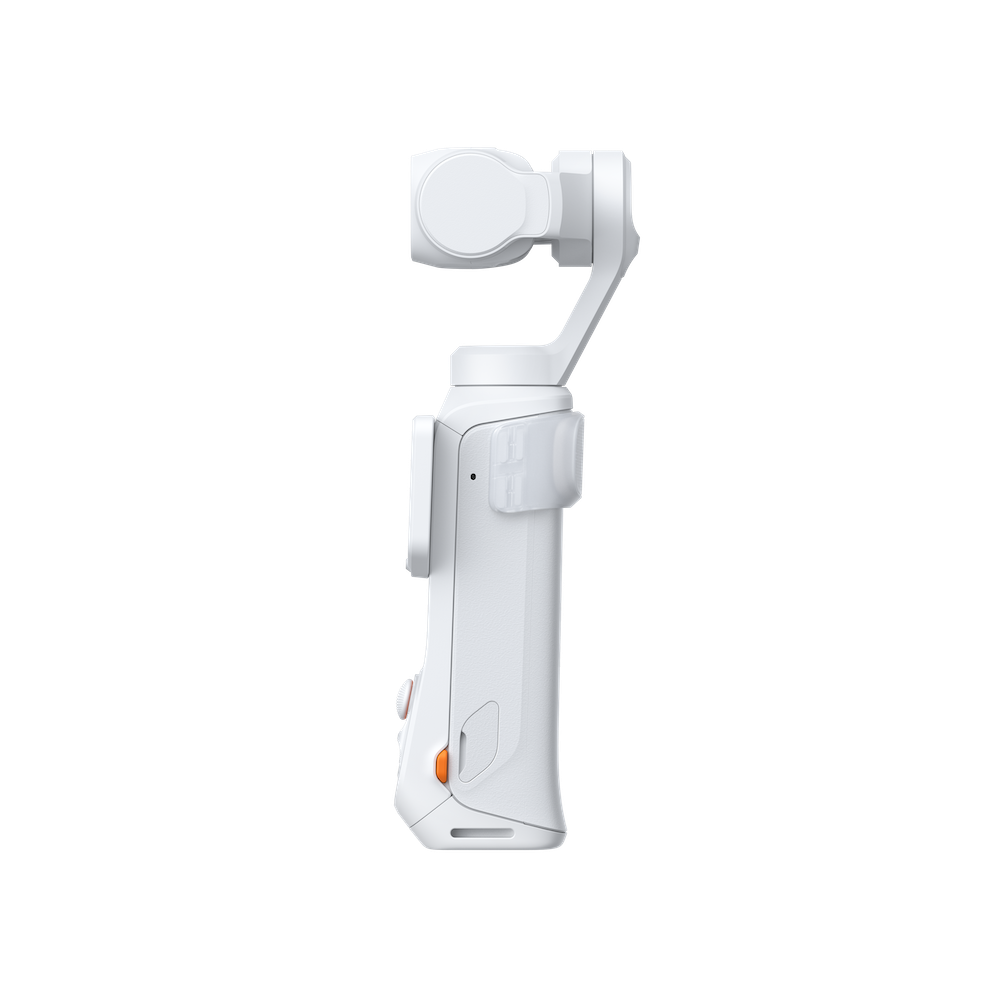
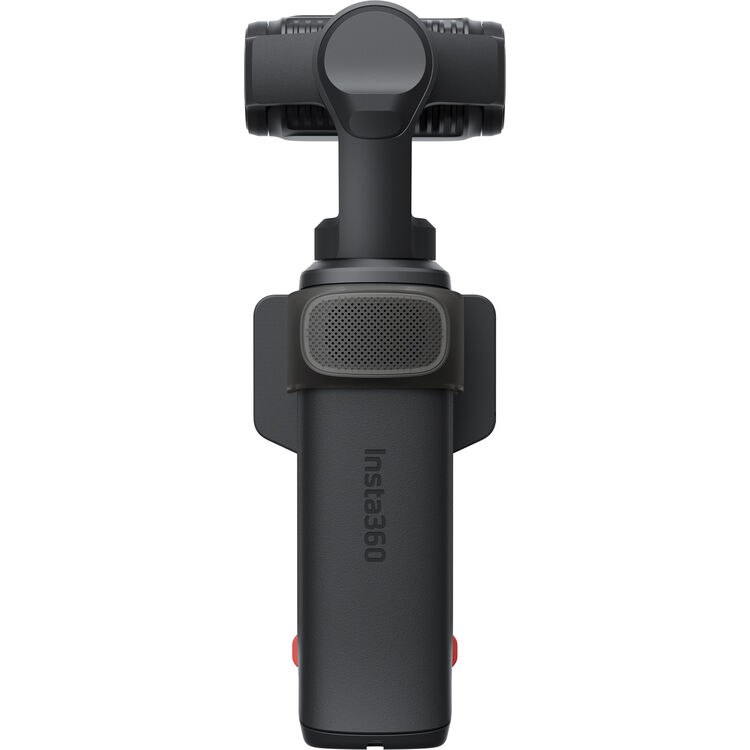
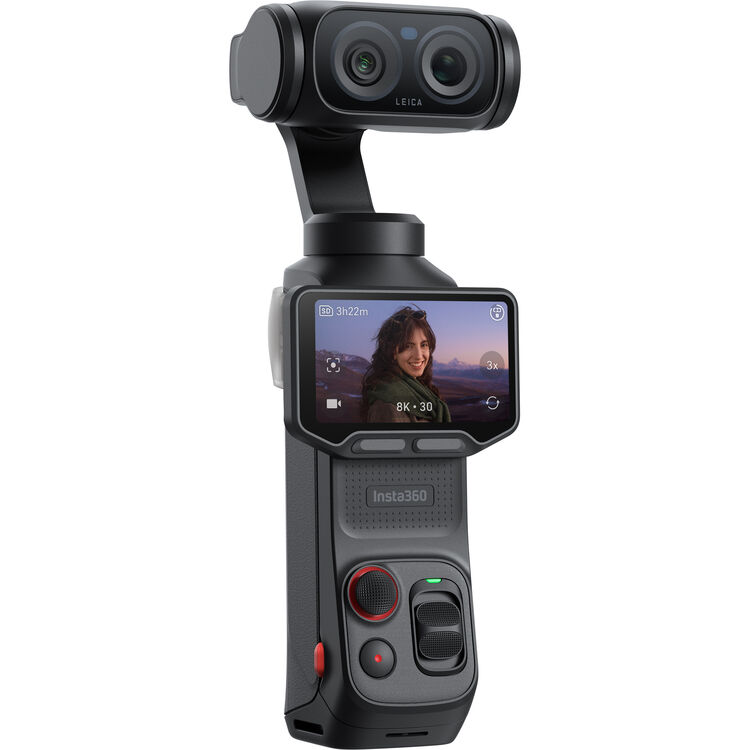
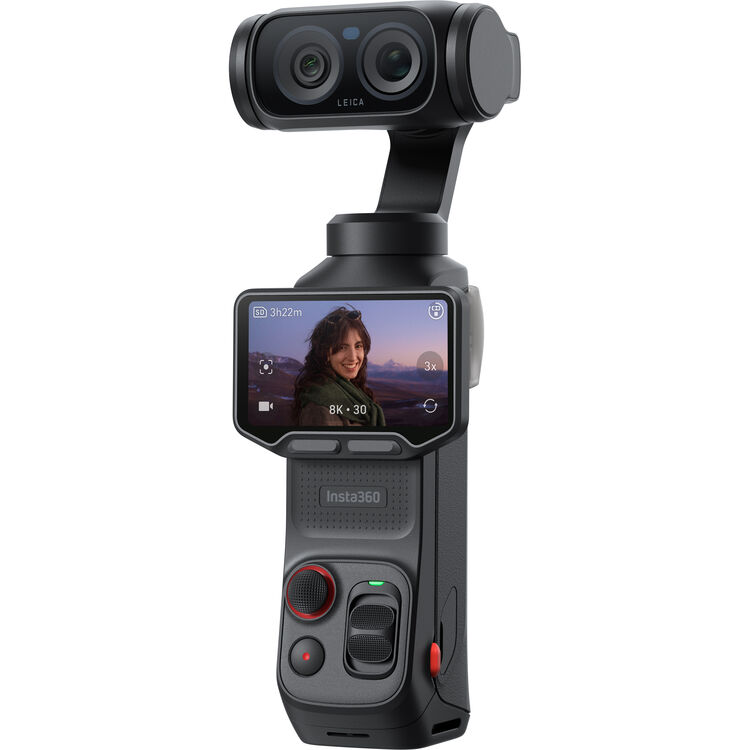
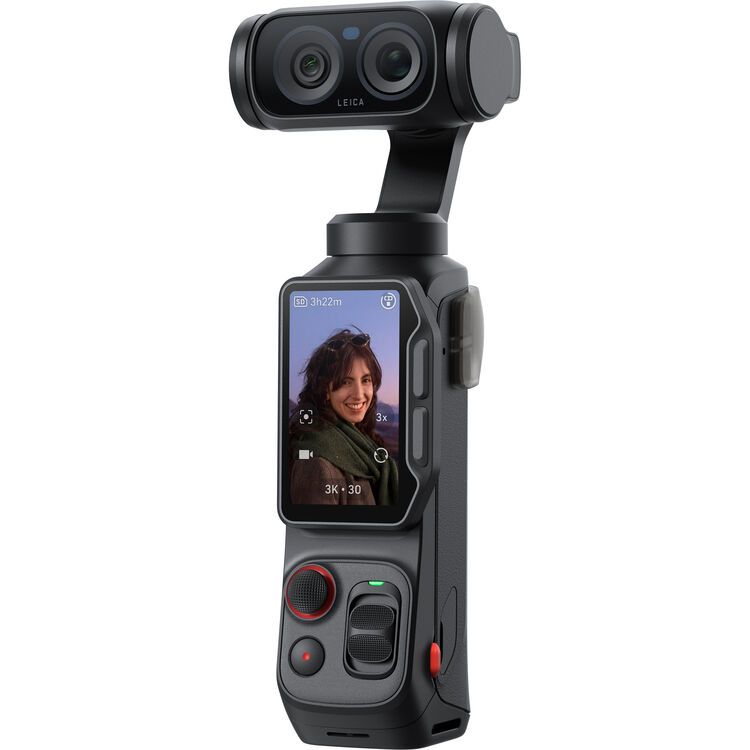
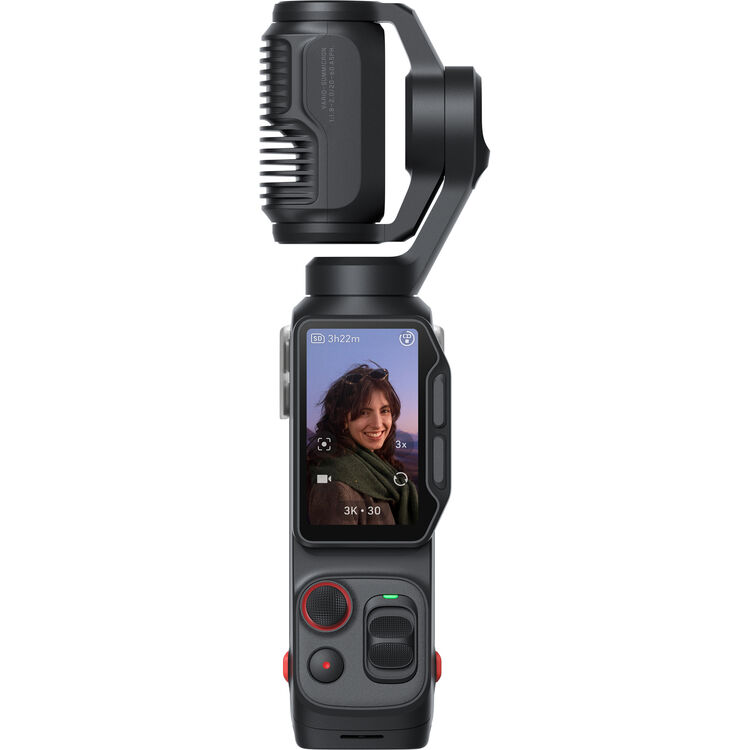
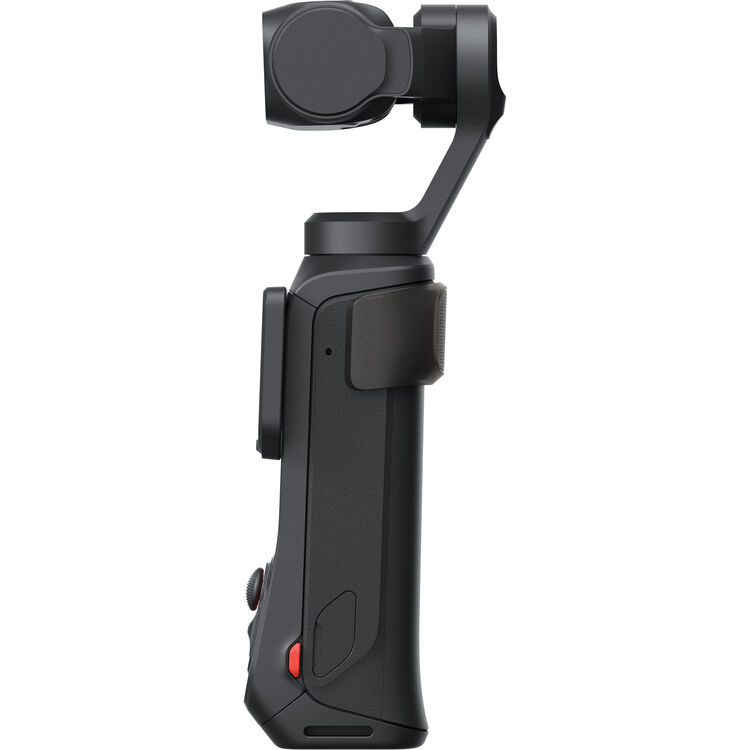
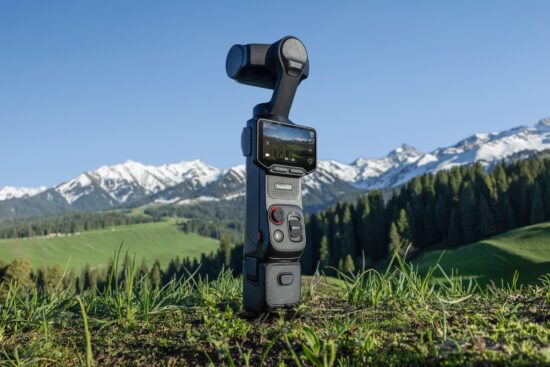
Insta360 today announced Luna Ultra, its flagship gimbal camera co-engineered with Leica, built to combine professional imaging, 3-axis stabilization, and flexible creative tools in one portable device.

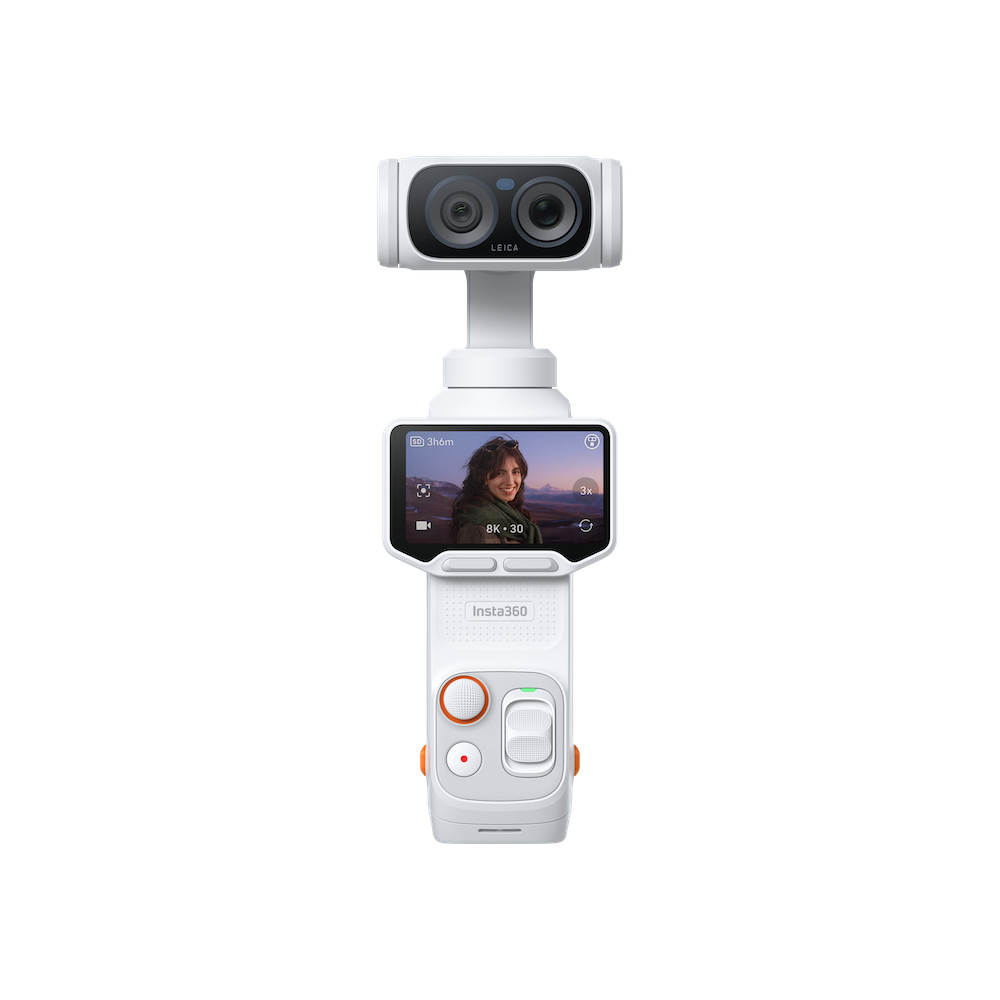
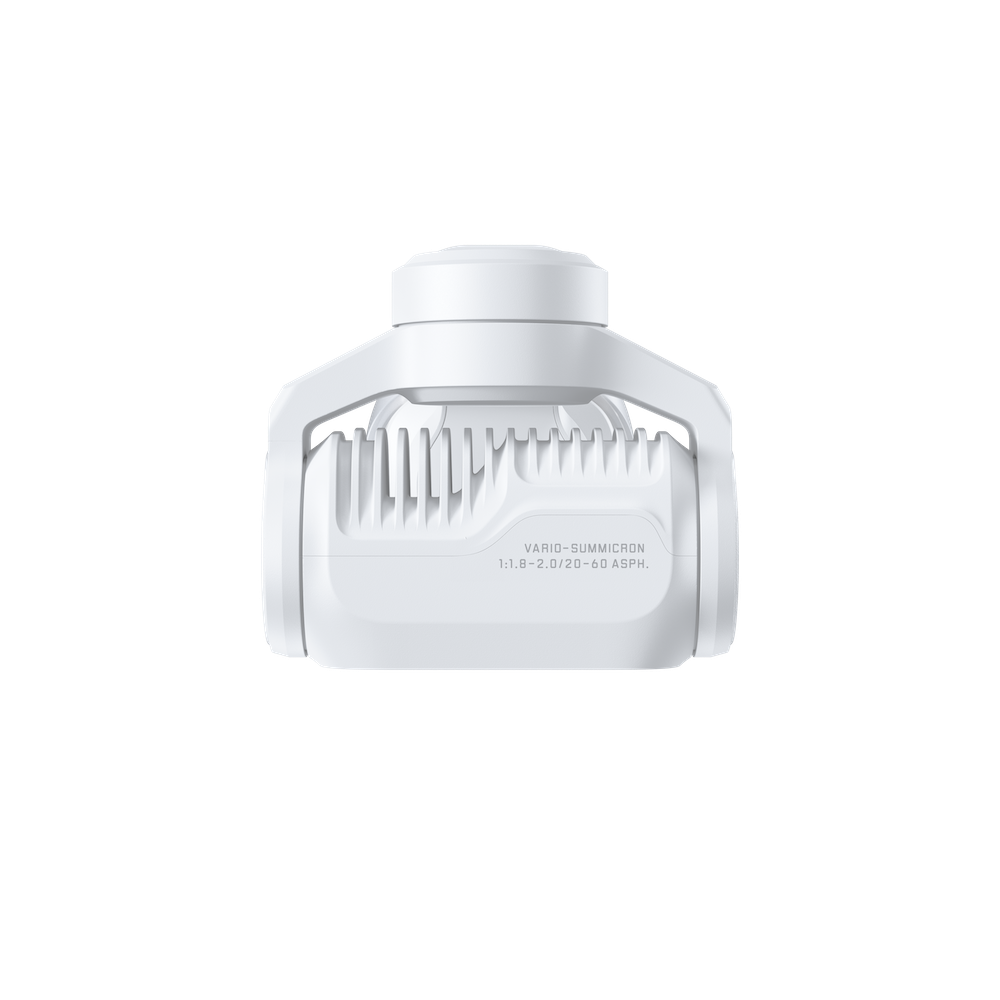
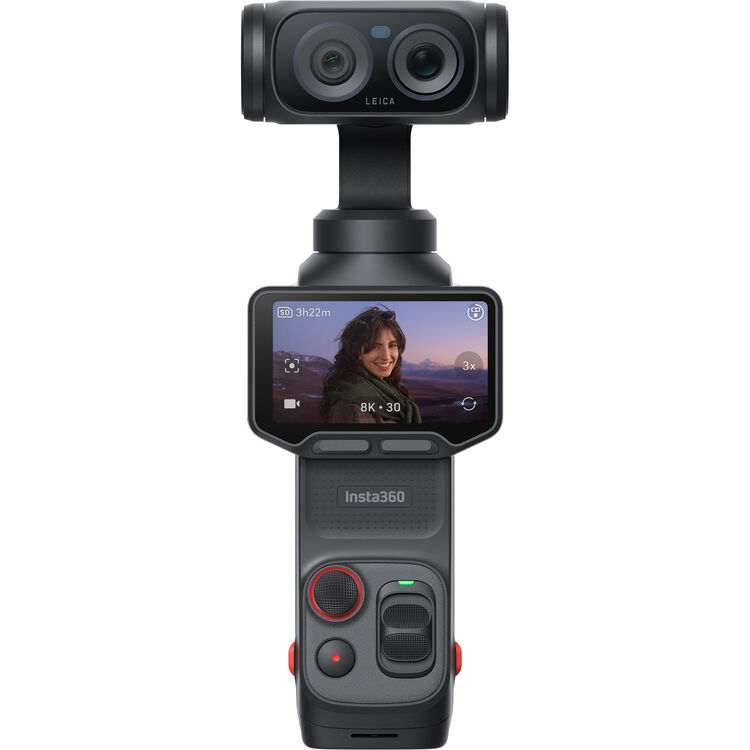
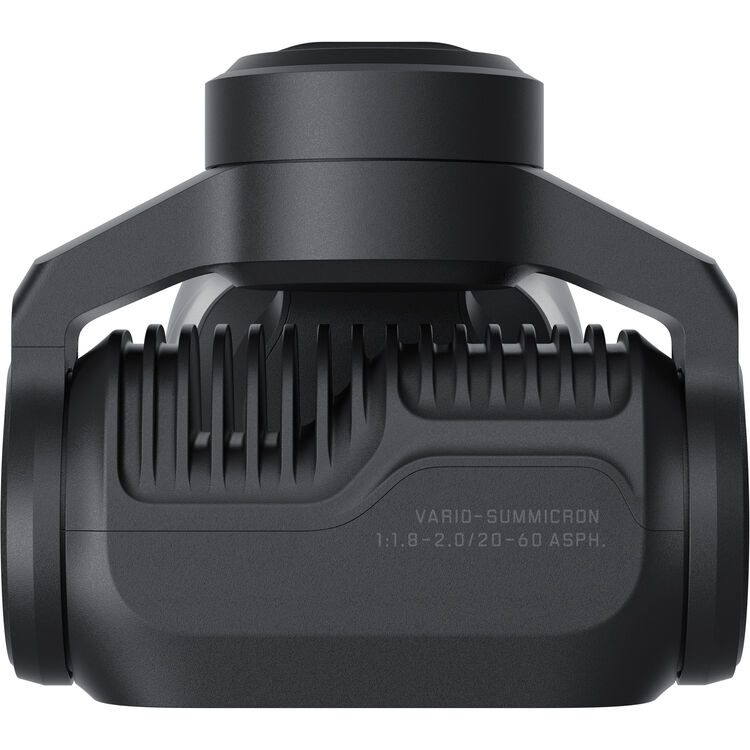
Featuring a dual-lens design with a pro-grade telephoto lens, it’s built for everyday creators and mobile filmmakers. With 1″ 8K imaging, Leica Summicron lenses, a detachable OLED touchscreen, and advanced AI-powered tracking, Luna Ultra brings Insta360’s imaging expertise into a new category for creators who want smooth, high-quality video and photos wherever they go.

Advanced Imaging and Optics

Luna Ultra features a Leica Summicron lens paired with a 1″ 8K sensor for high-resolution video and photo capture, and a secondary telephoto lens system with a 1/1.3″ sensor and F2.0 aperture, enabling natural bokeh across five focal lengths, with up to 12× zoom, including 6× lossless zoom.

“Luna Ultra marks Insta360’s arrival in the gimbal camera space, backed by the full strength of our imaging expertise. We believe this category is ready for a new standard, defined by smarter technology, stronger performance, and a more intuitive user experience. Luna reflects our vision for the future of gimbal imaging, built to help people capture what matters with greater ease, confidence, and authenticity.” — Max Richter, VP of Marketing and Co-Founder of Insta360.

Video capabilities include 8K30fps recording with Dolby Vision and support for 10-bit I-Log capture for greater color information and flexibility in post-production. With up to 14 stops of dynamic range, the system preserves rich detail in both highlights and shadows. For photography, Luna Ultra supports 37MP UltraPhotos and 200MP Scenic Panorama photos.

Low-light performance is enhanced by PureVideo Mode, which reduces noise and improves brightness and detail up to 4K60fps. Luna Ultra also features a Triple AI Chip to support advanced image processing and overall performance.

Design and Stabilization

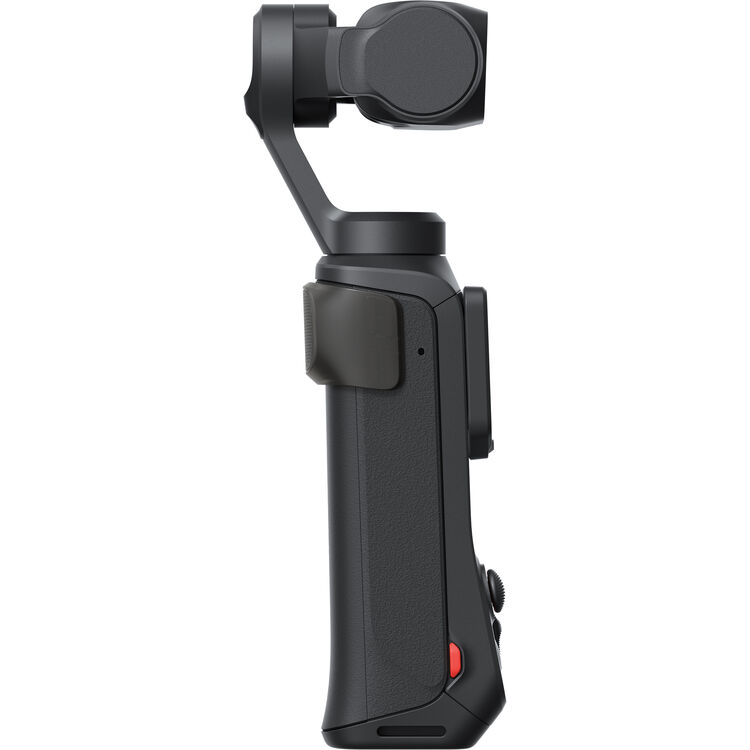
  • Luna Ultra features a compact, lightweight design at just over 200g, making it as easy to carry as a modern smartphone.
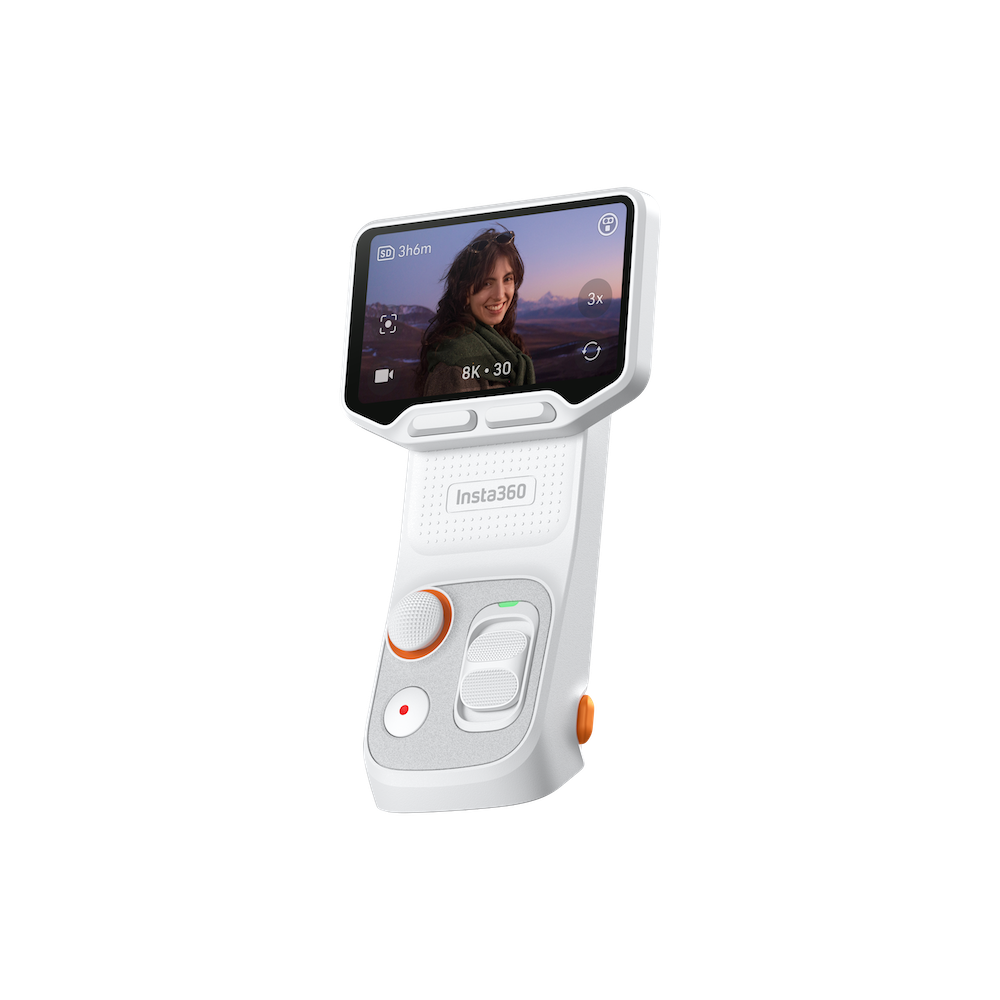
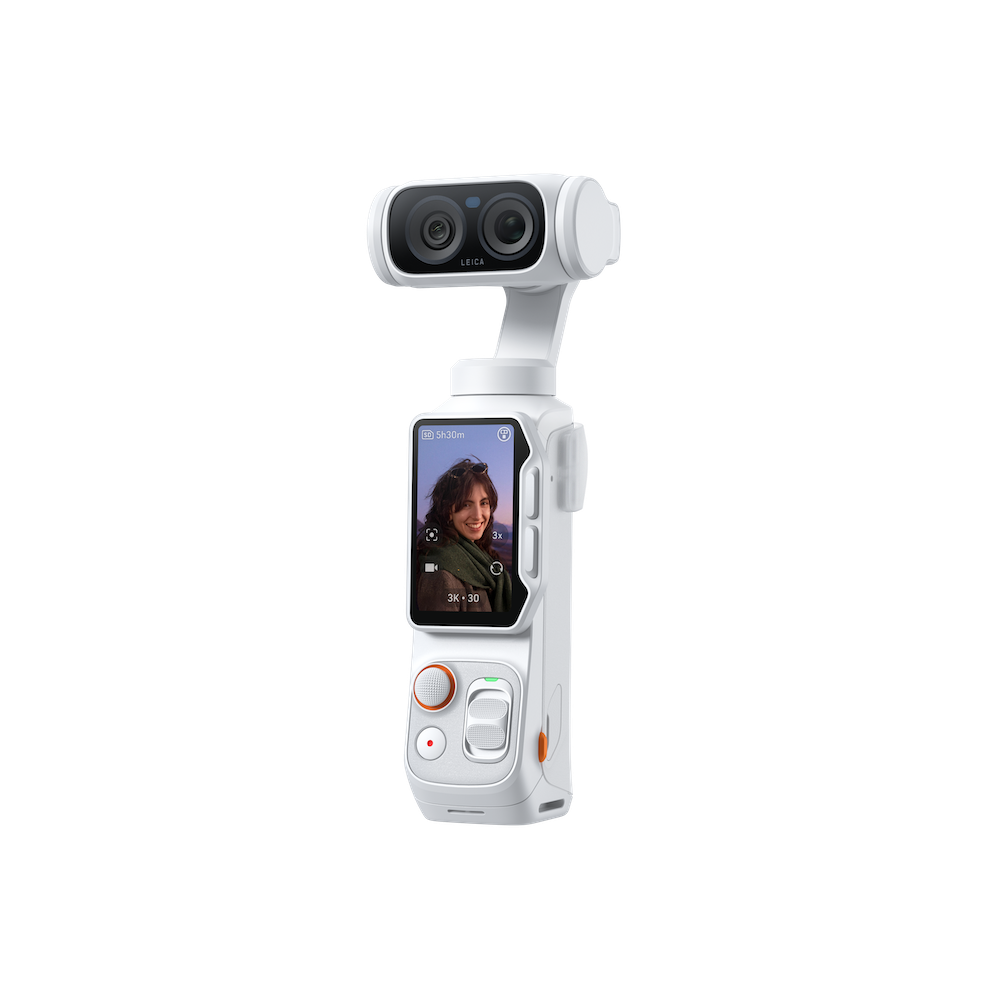
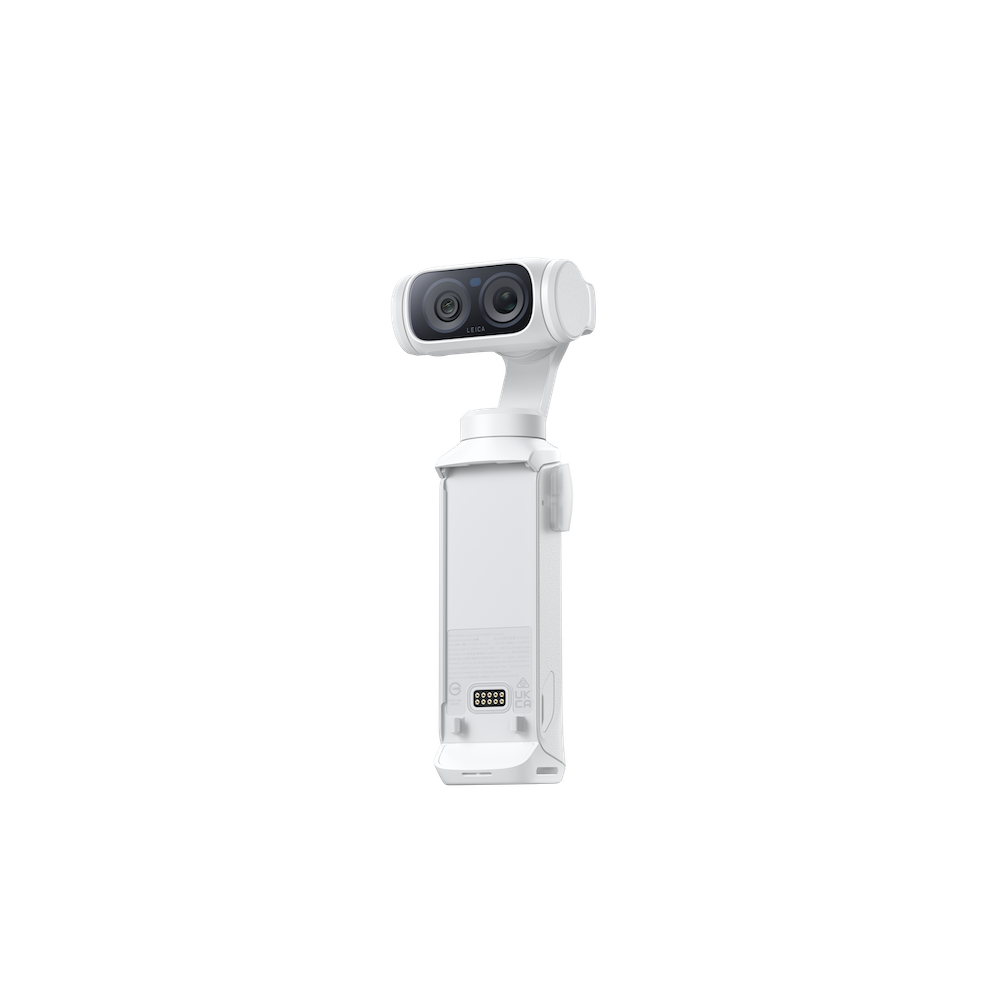
  • An industry-first detachable 2″ OLED touchscreen enables remote monitoring and control with HD transmission up to 20 meters, for more flexible shooting angles and solo capture.
  • It also features a 1550mAh battery for up to four hours of use, with fast charging to 80% in approximately 23 minutes. Built-in storage provides 47GB of usable space, with support for up to 1TB via microSD.
  • A 3-axis stabilization system, combined with electronic image stabilization, ensures smooth footage during movement. Deep Track 5.0 enables precise subject tracking, with features including Auto Tracking, Active Zoom Tracking, Group Tracking, and Smart Framing to help keep subjects in frame and in focus.

Creative Tools and Professional Workflow

  • Luna Ultra incorporates Leica color profiles, including Leica Natural, Leica Vivid, and Leica Chrome, alongside a range of cinematic filters for flexible in-camera looks. It also supports professional color workflows, including ACES (Academy Color Encoding System).
  • Built-in timecode enables multi-camera synchronization and supports editing in software such as Final Cut Pro and Adobe Premiere Pro. Additional tools include QR Color Share for sharing color settings between devices and AI-assisted editing within the Insta360 app, which identifies key moments and generates ready-to-share edits.
  • For audio, Luna Ultra features a built-in wind guard for clearer outdoor recording, along with direct compatibility with Insta360 Mic systems for single or dual-transmitter setups.
  • A dedicated accessory lineup further expands creative options, including a POV Head Tracker for hands-free capture, Black Mist filters for cinematic diffusion, a Wide-Angle Lens that expands the field of view to 108°, and ND Filters for exposure control and motion blur.


A Six-Year Partnership in Imaging Innovation

Insta360’s partnership with Leica spans six years and five co-developed products, combining Leica’s optical heritage and iconic color science with Insta360’s Emmy Award-winning imaging technology. With Luna Ultra, the two companies bring that collaboration into a new category, pairing professional optics with compact, AI-powered gimbal camera design.

Luna Ultra was unveiled at Leica’s Headquarters in Wetzlar, underscoring the close partnership behind Insta360’s first Leica co-engineered gimbal camera.

“This launch represents more than a new product announcement. It reflects the shared vision and long-term collaboration between Insta360 and Leica, combining optical heritage with a new generation of intelligent imaging technology.” — Marius Eschweiler, VP of Business Unit Mobile at Leica Camera AG.

Availability & Pricing

Luna Ultra will be available starting June 10 via the Insta360 Store, Amazon, Best Buy, and select retailers worldwide, with availability in some markets to follow at a later date.

  • Luna Ultra – US$ 769.99
  • It will be available in Cosmic Black and Stellar White.

Insta360 Luna Ultra

Gimbal

Controllable Range Pan: -57° to 235°
Tilt: -57° to 120°
Roll: -50° to 50°
Mechanical Range Pan: -63° to 240°
Tilt: -98° to 180°
Roll: -63° to 220°
Max. Control Speed 210.0°/s
Angular Vibration Range ±0.005°

Main Lens

Sensor Size 1″
Aperture F1.8
35mm Equivalent Focal Length 20mm
Minimum Focus Distance 9cm

Telephoto Lens

Sensor Size 1/1.3″
Aperture F2.0
35mm Equivalent Focal Length 60mm
Minimum Focus Distance 15cm
Focal length Focal length Photo: 1–12×
Video: 1–12×
360 Panorama: 1× only
200MP Scenic Panorama: 3× only

Photo & Video

Video Resolution Video
8K (16:9): 7680×4320@30/25/24fps
8K (2.35:1): 7680×3264@30/25/24fps
4K (16:9): 3840×2160@120/100/60/50/48/30/25/24fps
4K (2.35:1): 3840×1632@120/100/60/50/48/30/25/24fps
3K (1:1): 3072×3072@60/50/48/30/25/24fps
3K (9:16): 1728×3072@60/50/48/30/25/24fps
2.7K (16:9): 2688×1520@120/100/60/50/48/30/25/24fps
2.7K (9:16): 1520×2688@60/50/48/30/25/24fps
1080p (16:9): 1920×1080@240/200/120/100/60/50/48/30/25/24fps
1080p (9:16): 1080×1920@60/50/48/30/25/24fps
PureVideo
4K (16:9): 3840×2160@60/50/48/30/25/24fps
3K (9:16): 1728×3072@60/50/48/30/25/24fps
2.7K (16:9): 2688×1520@60/50/48/30/25/24fps
2.7K (9:16): 1520×2688@60/50/48/30/25/24fps
1080p (16:9): 1920×1080@60/50/48/30/25/24fps
1080p (9:16): 1080×1920@60/50/48/30/25/24fps
Slow Motion
4K (16:9): 3840×2160@120/100fps
4K (2.35:1): 3840×1632@120/100fps
2.7K (16:9): 2688×1520@120/100fps
1080p (16:9): 1920×1080@240/200/120/100fps
Timelapse
4K: 3840×2160@30fps
2.7K: 2688×1520@30fps
1080p: 1920×1080@30fps
Photo Resolution Photo (UltraPhoto):
37MP (7040×5288, 6144×6144)
33MP (7680×4320)
Photo (Standard):
9MP (3520×2644, 3072×3072)
8MP (3840×2160)
200MP Scenic Panorama:
200MP (20224×10112)
Video Format MP4
Photo Format jpg
jpg+RAW
Video Modes Video, PureVideo, Slow Motion, Timelapse, TimeShift, Barrel Roll
Photo Modes Photo (Standard/UltraPhoto), Live Frame, Panorama
Color Profiles Standard, Dolby Vision, 10-bit I-Log
I-Log
Color Depth Photo: 8-bit
Video: 10-bit
Color Gamut Photo/Live Frame: Rec. 601
Video (Standard): Rec. 709
Video (Dolby Vision): Rec. 2020
Video Coding H.265
Max. Video Bitrate 120Mbps
Exposure Value ±4EV
ISO Range 100–6400
Shutter Speed Photo: 1/8000 – 30s
Video: 1/8000 – 1/24s
White Balance 2000–10000K

Audio

Audio Modes Wind Reduction, Voice Enhancement, Original Audio
Audio Format 48kHz, 32-bit, AAC

Hardware

Weight Cosmic Black: 233g (8.2 oz), Stellar White: 235g (8.3 oz)
*Due to differences in manufacturing processes, there is a reasonable weight deviation in product weight.
Dimensions 52.4×169.9×38.5mm
Storage Methods Internal storage + support for microSD cards up to 1TB
Internal Storage Capacity 47GB
Mics 4 (3 mics on main gimbal, 1 mic on the detachable touchscreen)
Battery Capacity Main gimbal: 1550mAh
Detachable touchscreen: 210mAh
Charging Time 80% in 23 mins (15V 3A)
*Tested in 77°F (25°C) lab environment, camera powered off with a PD3.0 PPS certified 45W USB-C charger. Charging time may vary under different conditions.
Run Time 240 mins
*Tested in a 77°F (25°C) lab environment, 1080p24fps video with the screen & WiFi turned off.
Operating Temperature 32°F to 104°F (0℃ to 40℃)
Color Cosmic Black, Stellar White
Wi-Fi Operating Frequency Main gimbal:
2.4GHz ~ 2.4835GHz
5.15GHz ~ 5.85GHz
Detachable touchscreen: 2.4GHz~2.4835GHz
Wi-Fi Protocol Main gimbal: Wi-Fi 6.0 802.11 a/b/g/n/ac/ax
Detachable touchscreen: Wi-Fi 4.0 802.11 b/g/n
Wi-Fi Transmitter Power (EIRP) Main gimbal:
2.4G:
<20dBm (FCC/CE/SRRC/MIC)
5.15GHz~5.725GHz:
<20dBm (FCC/CE/SRRC/MIC)
5.725GHz~5.85GHz:
<23dBm (FCC/SRRC), <14dBm (CE)
Detachable touchscreen:
2.4G:
< 20dbm (FCC/CE/SRRC/MIC)
Bluetooth Protocol BR/EDR/BLE
Bluetooth Operating Frequency 2402MHz ~ 2480MHz
Bluetooth Transmitter Power (EIRP) ≤20dBm
USB Type-C USB 3.0

Compatible Devices

Mobile Phones/Tablets iOS Devices:
Compatible with iOS devices with A14 chips or above and iOS 15.0 or later, including: iPhone 17 Pro Max, iPhone 17 Pro, iPhone 17, iPhone 17 Plus, iPhone 16 Pro Max, iPhone 16 Pro, iPhone 16, iPhone 16 Plus, iPhone 15 Pro Max, iPhone 15 Pro, iPhone 15, iPhone 15 Plus, iPhone 14 Pro Max, iPhone 14 Pro, iPhone 14, iPhone 14 Plus, iPhone 13 Pro Max, iPhone 13 Pro, iPhone 13, iPhone 13 mini, iPhone 12 Pro Max, iPhone 12 Pro, iPhone 12, iPhone 12 mini, iPhone SE (3rd generation, 2022), iPad Pro (M4/M3/M2/M1, 2021–2024), iPad Air (M2/M1, 2022–2024), iPad mini (A17 Pro/A15, 2021–2024), iPad (2022), and newer models.
Android Devices:
Compatible with Android devices with Snapdragon 855, Exynos 2200, Dimensity 9000, Google Tensor G1 and newer chips.
(Requires Android 10.0 or above.)
Note:
Devices that do not meet the above requirements may still be able to use the app to control the camera. However, the performance of some processor-intensive and AI-powered features may be sub-optimal.
Bluetooth Devices Wireless Microphones:
Insta360 Mic Air
Insta360 Mic Pro
Bluetooth Remote:
Insta360 POV Head Tracker

The post Insta360 Luna Ultra camera officially announced appeared first on Photo Rumors.
  •  

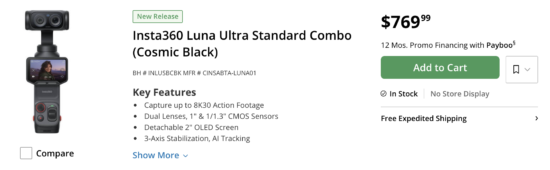
The Insta360 Luna Ultra camera is not officially announced yet, but you can order one at B&H Photo

The Insta360 Luna Ultra camera is not officially announced yet, but you can already order it at B&H Photo:

You can also already reserve the upcoming Insta360 Luna in Germany

Here are the details:

  • Capture up to 8K30 Action Footage
  • Dual Lenses, 1″ & 1/1.3″ CMOS Sensors
  • Detachable 2″ OLED Screen
  • 3-Axis Stabilization, AI Tracking
  • Built-In Leica Color Profiles

Insta360 Luna Ultra Overview

The Luna Ultra from Insta360 is an AI-powered gimbal camera capable of capturing up to 8K30 video thanks to its Leica-engineered optics. The Luna Ultra features two lenses, one with a 1″ CMOS image sensor and one with a 1/1.3″ CMOS sensor. A triple AI chip ensures efficient low-light performance. The 2″ OLED touchscreen on the camera can actually detach to function as a wireless remote for control over distance. AI-powered tracking and rapid focus protocols keep your subjects in focus even during fast-action sports.
High-Quality Imagery
Dual Leica-engineered lenses with professional imaging chips support up to 8K30 Dolby Vision video, 4K120 slow motion, and 4K60 PureVideo. The pro-grade telephoto lens can facilitate up to 12x zoom and 6x lossless zoom for crisp close-ups.
Realistic Portrait Capture
Film 4K60 portrait videos and 4K Live Frame photos all from a single device. Beauty Mode refines skin texture and brightens complexions.
Detachable 2″ OLED Touchscreen
The Luna Ultra’s detachable 2″ OLED touchscreen supports HD video signal transmission up to 65’for remote viewing and control. A built-in wireless microphone in the component records clear dialogue even at a distance.
Smart Shooting
The Luna Ultra features a 3-axis stabilized gimbal, AI tracking, and direct support for the Mic Pro transmitter. Record for long periods of time with the 4-hour battery life.
Built-In Professional Color
Built-in Leica color profiles and cinematic filters create baked-in professional looks for your footage. The Luna Ultra also features 10-bit I-Log and up to 14 stops of dynamic range for rich highlights, shadows, and color detail.

Additional information on the new camera can be found here (check the Insta360 website for more information):

You can already reserve the upcoming Insta360 Luna camera in Germany

The latest Insta360 Luna camera rumors

Coming soon: Insta360 Luna pocket handheld gimbal camera

The post The Insta360 Luna Ultra camera is not officially announced yet, but you can order one at B&H Photo appeared first on Photo Rumors.
  •  

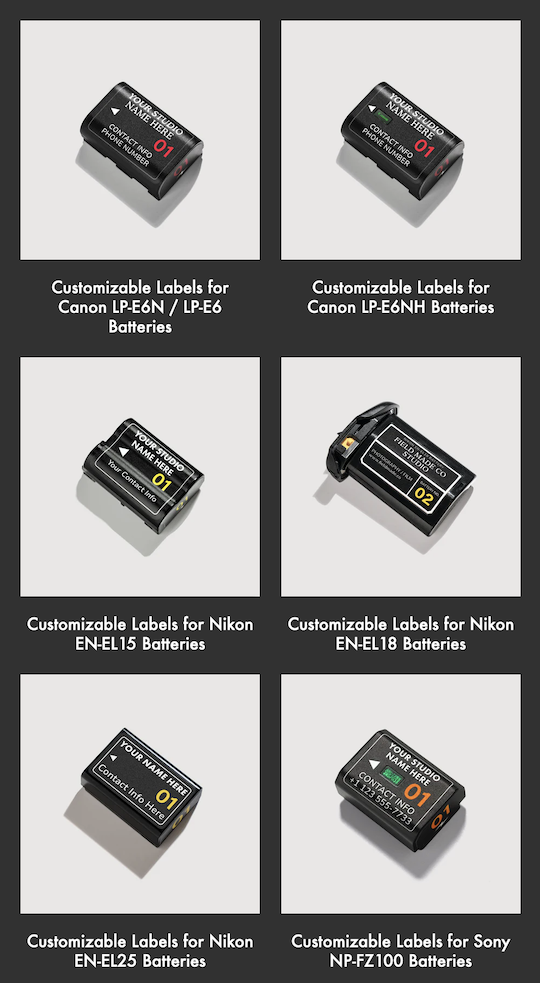
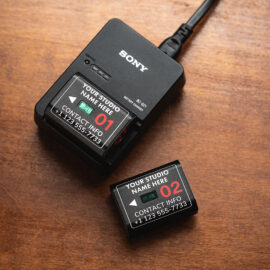
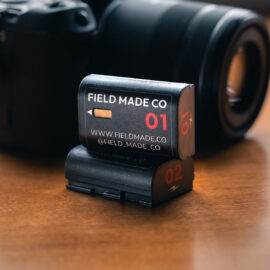
Field Made unveiled a complete customizable battery indicator/labels ecosystem for Canon, Nikon, and Sony cameras (coupon code included)


Field Made unveiled a complete customizable battery indicator/labels ecosystem for Canon, Nikon, and Sony cameras:


You can get 10% off your next FieldMade order with coupon code “Rumors10“:

  • 10% off the entire order
  • Minimum purchase of $20 CAD
  • Cannot be combined with other discounts

New FieldMade stealth blackout decals kits for Sony, Canon, Nikon, and Leica cameras (coupon code included)


Additional information:

Solving a High-Stakes Friction Point in the Field

Modern camera setups—such as the Canon EOS R1, R3, and R5 Mark II, Nikon Z8/Z9, and Sony Alpha series—require meticulous power management. During fast-paced events or intense field assignments, tracking battery health and rotation is critical. Traditionally, photographers and filmmakers have relied on messy gaffer tape or marker lines to distinguish fresh packs from depleted ones—a makeshift solution that degrades under heavy use. The Field Made Battery Indicator Collection replaces this friction with an elegant, highly functional workflow.

Key Product Specifications & Design Details

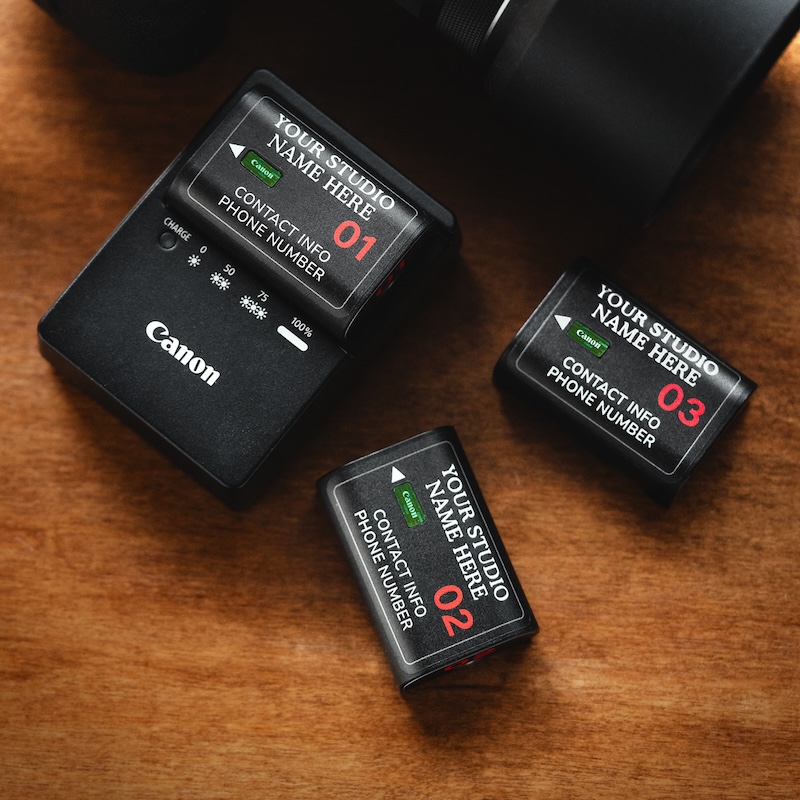
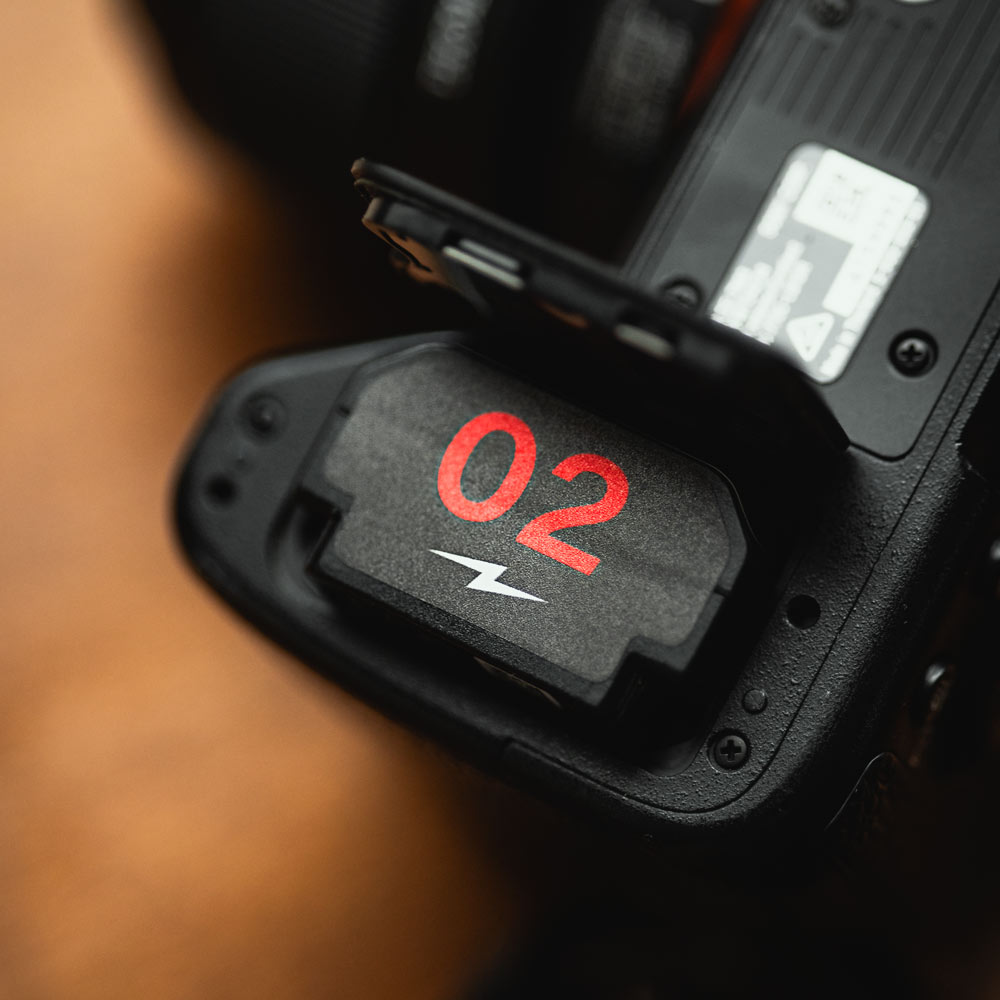
  • Tailored Dimensions: Each set is precision-cut to match the exact physical footprint of specific battery models without obstructing contacts or battery doors.
  • Premium Materials: Built from high-durability, scuff-resistant, outdoor-rated matte vinyl designed to withstand weather and friction in the field.
  • Zero Residue: Applies securely but can be removed cleanly without leaving adhesive residue on high-value gear.
  • Airtight Workflow Numbering: Features bold, high-contrast sequential numbering (01, 02, 03, etc.) to allow creators to maintain a strict “First In, First Out” rotation.
  • Asset Protection: Fully customizable text fields allow users to print their Name, Website, and Phone Number directly onto the label, ensuring misplaced gear finds its way home.
  • Supported Ecosystems & Availability

The collection covers a vast professional footprint, ensuring visual continuity across mixed-brand gear fleets:

  • Canon: LP-E6/LP-E6N, LP-E6NH, LP-E6P, LP-E19
  • Nikon: EN-EL15, EN-EL25, EN-EL18
  • Sony: NP-FZ100

The post Field Made unveiled a complete customizable battery indicator/labels ecosystem for Canon, Nikon, and Sony cameras (coupon code included) appeared first on Photo Rumors.
  •  

Sony registered a new camera WW308784: could be a new RX or APS-C model


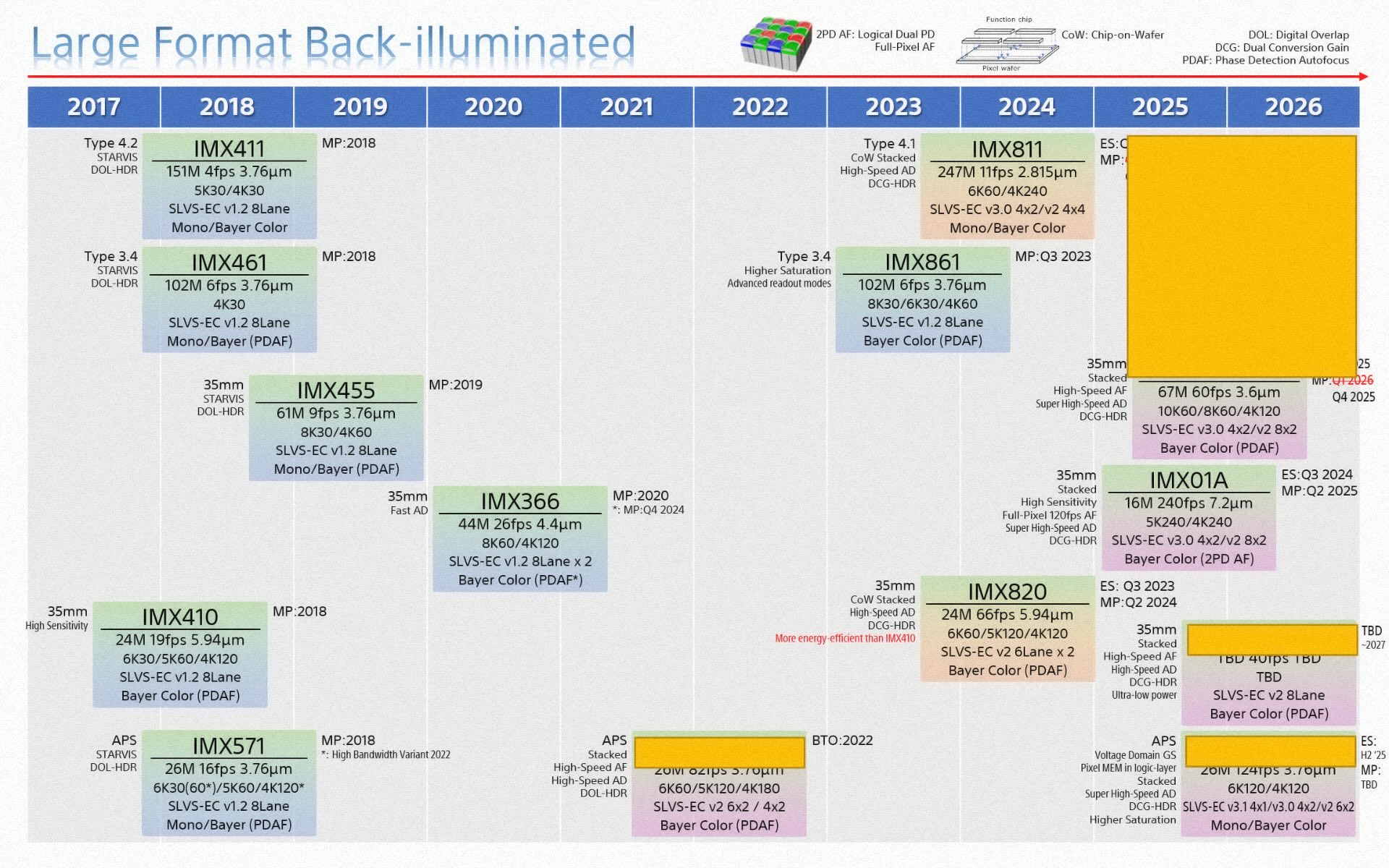
Sony registered a new digital camera with the Indonesian certification body POSTEL, but the entry was later removed. The new WW308784 will be made in China (not Thailand), and DCLife speculates it could be a new RX or APS-C model becuase it was registered as “Digital Camera” rather than “Interchangeable Lens Digital Camera.”


Here is a leaked Sony sensor roadmap from a few months ago – you can see what is expected in 2026 and 2027 :


Somy Indonesia will hold an Alpha event on June 26-28, which is a weekend, so I doubt they will announce a new product:

The “Sony Alpha Event” scheduled for June 26–28 is the Alpha Festival 2026 hosted by Sony Indonesia, taking place at the Sports Hall in Agora Mall, Central Jakarta. It is a multi-day regional community and product showcase rather than a global broadcast.


The post Sony registered a new camera WW308784: could be a new RX or APS-C model appeared first on Photo Rumors.
  •  

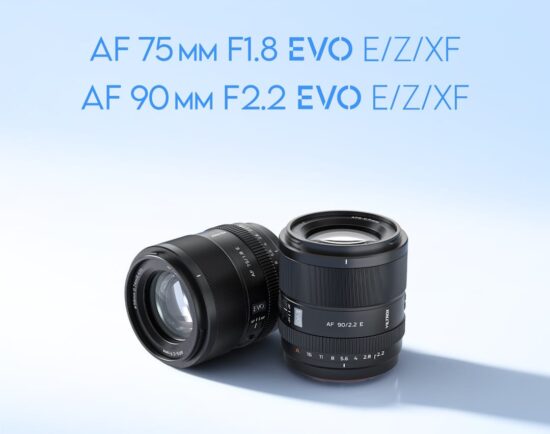
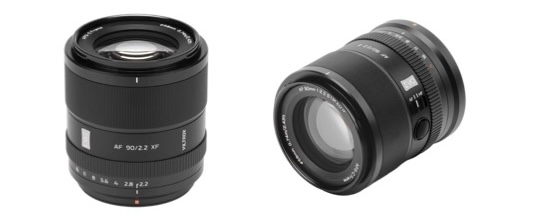
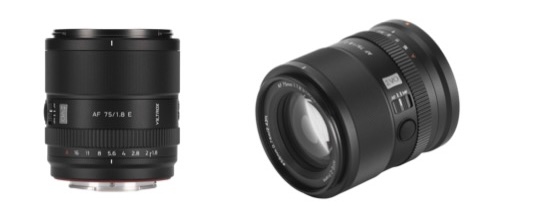
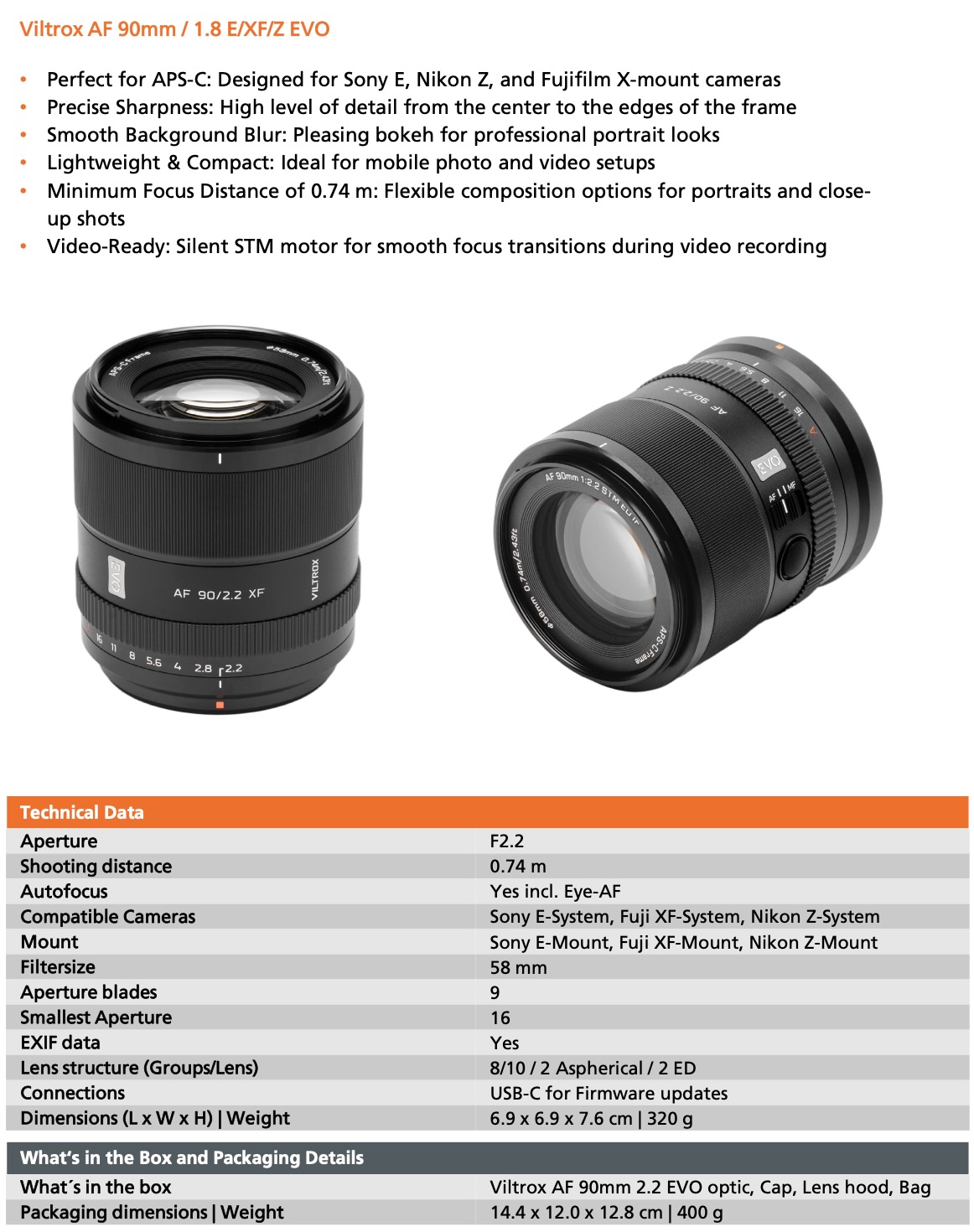
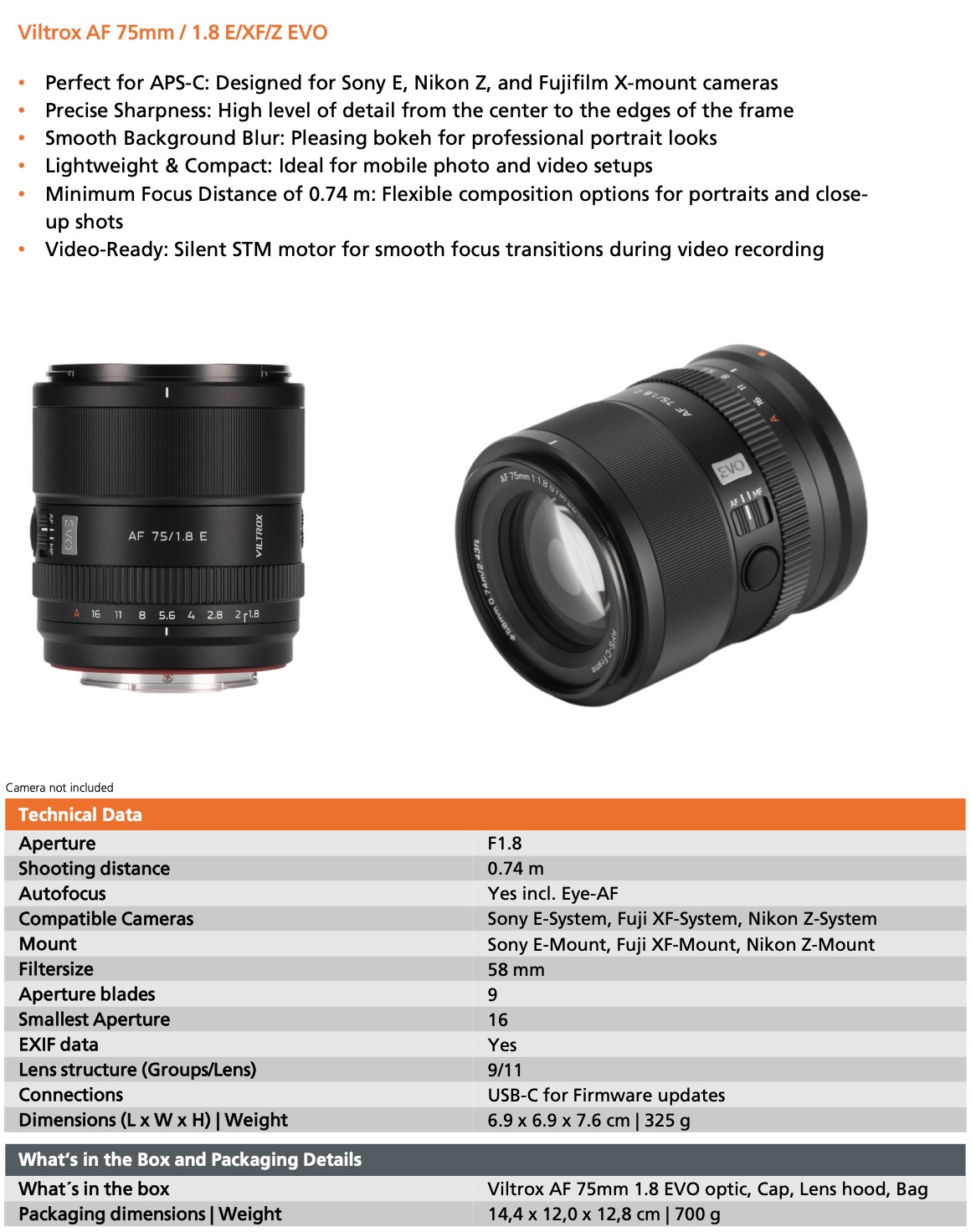
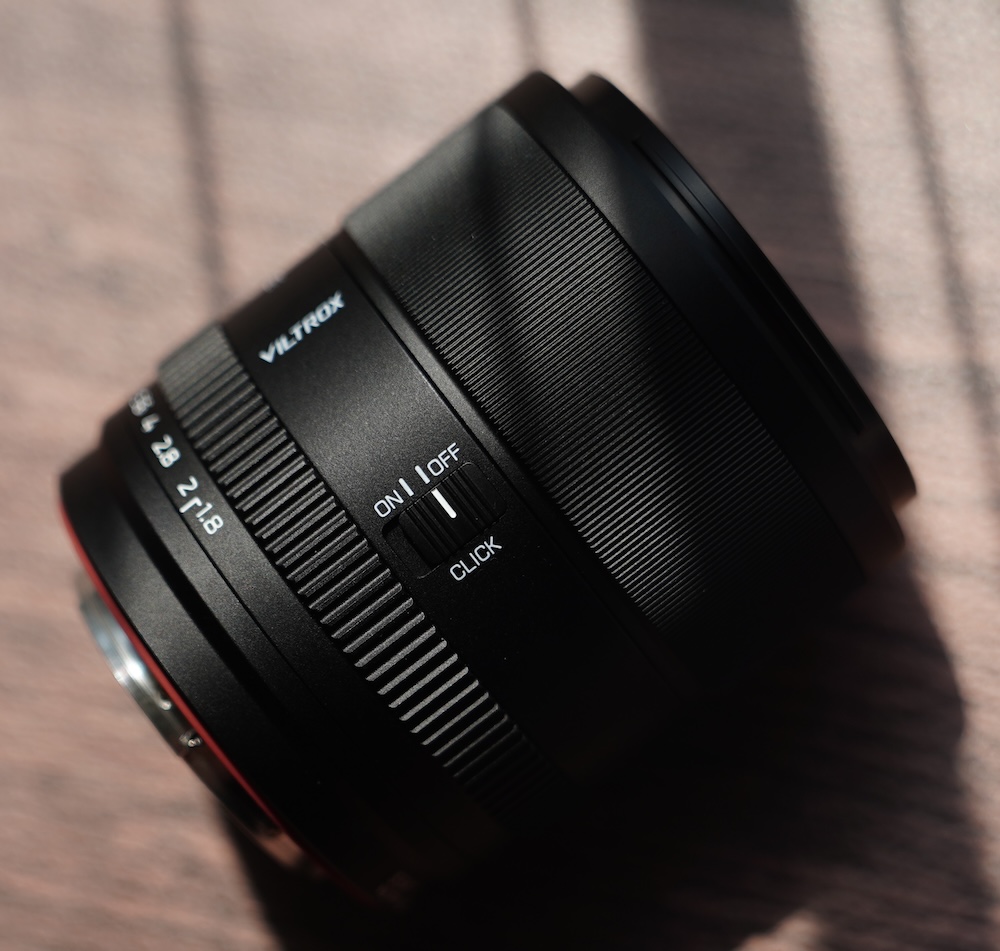
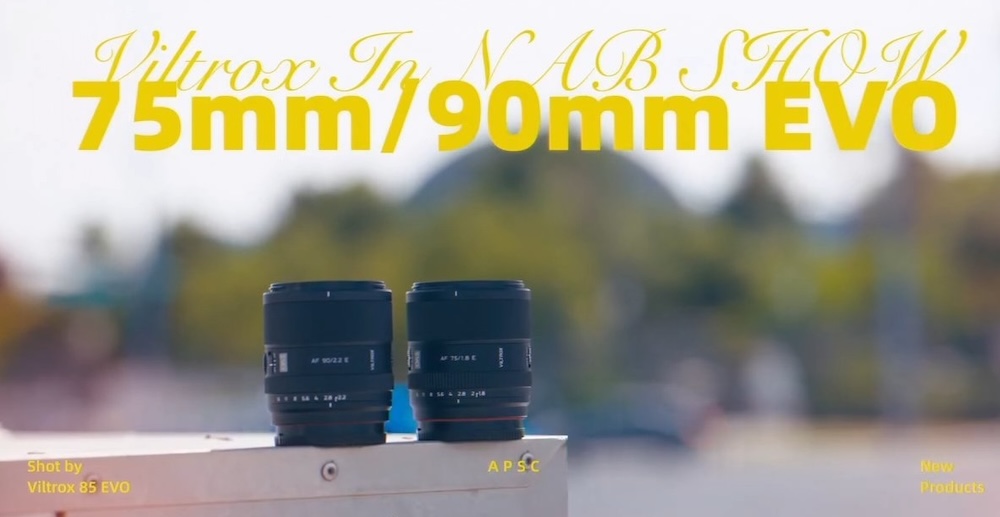
Now available for pre-order: Viltrox AF 90mm f/2.2 & 75mm f/1.8 EVO APS-C lenses (E/Z/X)


The previously reported two new Viltrox AF APS-C EVO lenses (E/Z/X) are now officially announced and available for pre-order (check also the official Viltrox website):

Key features:

  • Designed for APS-C mirrorless cameras (E/Z/XF mounts)
  • Lightweight, strong construction suitable for everyday/everywhere use
  • Fast, bright lenses with minimized vignetting even at max aperture
  • ED and HR elements minimize chromatic aberration for cleaner image rendering
  • STM autofocus system for photo and video shooting
  • Ideal for portraits and immersive close-up shots

The technical specifications can be found here:

Leaked specifications of the upcoming Viltrox AF 90mm f/2.2 & 75mm f/1.8 EVO APS-C lenses (E/Z/X)

Additional information:

Versatile For Everything, Ideal for Portraits

With the introduction of the two new EVO lenses, portrait photographers can achieve strong spatial compression and smooth, atmospheric bokeh that naturally isolates subjects from distracting backgrounds. With a minimum focusing distance of just 0.74m, these lenses also enable tighter framing and immersive close-up shots for more expressive portrait compositions.


The AF 75mm F1.8 EVO offers a versatile 112.5mm-equivalent focal length that balances strong background blur with flexible everyday usability for street photography, half-body portraits, and urban shooting. The AF 90mm F2.2 EVO provides a classic 135mm-equivalent portrait perspective with enhanced compression and subject isolation, making it particularly well suited for outdoor portraits, wedding photography, and cinematic portraiture.


Improved Image Consistency Across the Frame

Viltrox has developed new optical designs incorporating ED (Extra-low Dispersion) and HR (High Refractive Index) elements to reduce chromatic aberration and contribute to improved overall image consistency. Even at maximum aperture, the lenses deliver sharp, high-resolution image quality from center to edge, while effectively helping maintain bright, consistent illumination across the frame. This results in natural tonal transitions and refined rendering characteristics.


Both lenses are equipped with Viltrox’s STM autofocus system, delivering fast, accurate, and quiet focusing performance for both photography and video. Stable, highly responsive continuous autofocus tracking helps creators maintain focus on subjects, even in dynamic shooting environments.


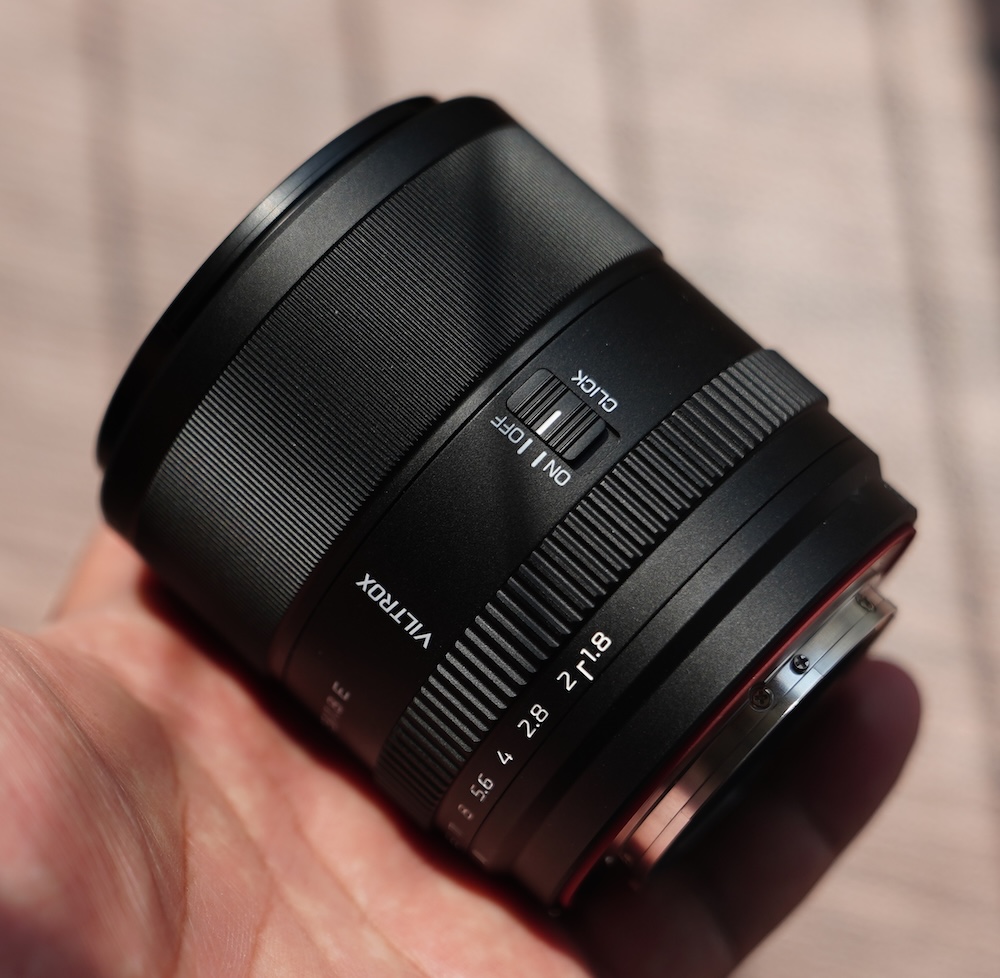
Both lenses also feature a customizable Fn button, an AF/MF switch, and a switchable click/de-click aperture ring** for seamless transitions between photo and video workflows.


The Everyday Carry: Compact and Lightweight Designs

The two EVO lenses continue the series’ design language with a clean exterior, compact construction, and durable build quality. Each lens weighs under 355g*, providing a lightweight alternative to traditional telephoto portrait lenses without compromising performance. With a rubber-sealed lens mount and a smudge and water-resistant coating on the front element, they are well suited to outdoor conditions.

The post Now available for pre-order: Viltrox AF 90mm f/2.2 & 75mm f/1.8 EVO APS-C lenses (E/Z/X) appeared first on Photo Rumors.

  •  

Aftershoot: “The Workflow is Now Complete” and “AI that works for you, not against you”

“The Workflow is Now Complete”


Aftershoot’s biggest recent news is the completion of its end-to-end post-processing workflow, announced on May 28: “The Workflow is Now Complete.”

The company has evolved from an AI culling-focused tool into a full all-in-one platform for culling (Select), AI + manual editing (Edit), retouching (Retouch), and client delivery via Aftershoot Galleries. This shift eliminates the need to switch between multiple apps (e.g., Lightroom for editing/delivery).

Use coupon code RUMORS for a 15% discount at Aftershoot.


Here are the details:

Key Elements of the May 2026 Update

  • Built-in RAW Editing: New dedicated RAW editor with manual tonal adjustments, batch processing, sliders, and fine-tuning of AI edits. You can now edit RAW files directly in Aftershoot and export JPEGs or TIFFs without leaving the app. This includes self-improving AI profiles that learn from your adjustments, plus pipeline tools such as advanced masking, denoising, object removal, HSL/color grading, and more precise cropping/straightening (including aggressive, subject-focused crops).
  • Aftershoot Galleries (new, highlighted with “New” on the homepage): Integrated client delivery platform with 100 GB free storage. Features include built-in proofing, face detection/filtering by person, favorites, branded galleries, and direct export from Aftershoot (no re-uploads or downloads needed). It integrates print sales via labs like WHCC, Bay Photo, and Atkins Pro Labs. The goal is a better client experience than basic shares or Google Drive links.
  • Culling (Select) Enhancements: Smarter duplicate/variation detection (distinguishes intentional variations from true duplicates, ~20% tighter culls), improved blur/closed-eye detection, key subjects prioritization, binary selection states, and “cull to target” (specify how many keepers you want). UI now clearly distinguishes AI Automated Cull vs. AI Assisted Cull.
  • Editing & Retouching Improvements: More consistent white balance/exposure across albums, better before/after previews, enhanced acne/blemish/hair/glare detection with texture preservation, Background Replacement (beta with custom uploads), Cloth Dewrinkle, object removal, and subtle body reshaping. Retouching works on RAW files.

The update positions Aftershoot as a privacy-focused (local processing), non-destructive workflow tool that learns your style via training on your edits/presets or imported Lightroom profiles. It includes 30+ pro styles in the marketplace.

2026 Roadmap

Aftershoot also published its 2026 Roadmap (full AI Retouching rollout with one-click skin/hair/glare tools, advanced culling, smarter editing, and expanded creator styles/marketplace):

  • Further AI refinements in culling (smarter technical detection, key subjects, cull-to-target).
  • Enhanced editing (better profile accuracy, advanced masking/cropping, more marketplace styles with previews).
  • Expanded RAW Editing (histogram, tone curves, deeper masking, etc.).
  • More AI Retouching tools (one-click object removal, body reshaping, background removal, natural skin work).
  • Aftershoot Gallery delivery enhancements (already live).
  • Tethered shooting (sneak peek): Planned rock-solid tethering with fast/stable connections, broad camera support, auto-import/organization, on-set proofing, and instant gallery pushes. Not yet released.

The company claims users save significant time (e.g., 60+ days per year in repetitive work across their user base) while maintaining creative control and style consistency.

Pricing Updates

Aftershoot introduced more flexible modular pricing aligned with the complete workflow:

  • Select (Culling): ~$10/mo (annual) or $15/mo.
  • Edit: ~$30/mo (annual) or $35/mo.
  • Retouch: ~$20/mo (annual) or $25/mo.
  • Aftershoot Complete (Select + Edit + Retouch): ~$45/mo (annual, discounted) or $55/mo.
  • Galleries: Currently free with 100 GB storage (future pricing TBD).

“AI that works for you, not against you”

Aftershoot recently issued a reassuring manifesto titled “AI That Works For You, Not Against You.” It directly addresses photographers’ fears that AI will replace them, emphasizing that the camera will always need a human behind it for intuition, light reading, and client connection. Aftershoot positions its AI as a supportive tool built by photographers for photographers – designed only to handle tedious tasks like culling and editing so you can spend more time shooting.

Aftershoot outlines three firm commitments: they will never create tools to replace you, they will always ask explicit permission before using your images (with easy opt-out or deletion), and they will build the product together with their Founders Community of photographers who help shape the roadmap. A personal note from founder Harshit explains how the company started in 2019 with a simple request to reduce culling time and has stayed true to its mission of returning time to creators ever since.

The post Aftershoot: “The Workflow is Now Complete” and “AI that works for you, not against you” appeared first on Photo Rumors.

  •  

Skylum Luminar Neo Summer Sale: up to 70% off


Skylum has launched a new Luminar Summer Sale with discounts of up to 70%. The campaign runs June 5-28, 2026. Here are the details:

For new users:

  • Desktop Perpetual – $119 / €99 + free Neo video course
  • Cross-device Perpetual – $149 / €129 + free Neo video course
  • MAX Perpetual – $164.99 / €134.99 + free Neo video course + free gift

For existing users:

  • Cross-device Perpetual – $99.99 / €89.99 + free Neo video course
  • MAX Perpetual – $109.99 / €99.99 + free Neo video course + free gift

Luminar Neo is an AI-powered photo editor that makes it easy to achieve professional results with simple and fast edits (available on both desktop and mobile). All plans are perpetual (one-time purchase) licenses with no subscriptions required. The Max plan unlocks the complete experience: desktop + mobile apps, plus access to the creative assets library (skies, overlays, LUTs, presets, and more to fuel your creativity). Here are the main benefits:

  • AI-powered editing made simple
  • Professional results with minimal effort
  • Works across desktop + mobile
  • Strong value with lifetime licenses

The post Skylum Luminar Neo Summer Sale: up to 70% off appeared first on Photo Rumors.

  •  

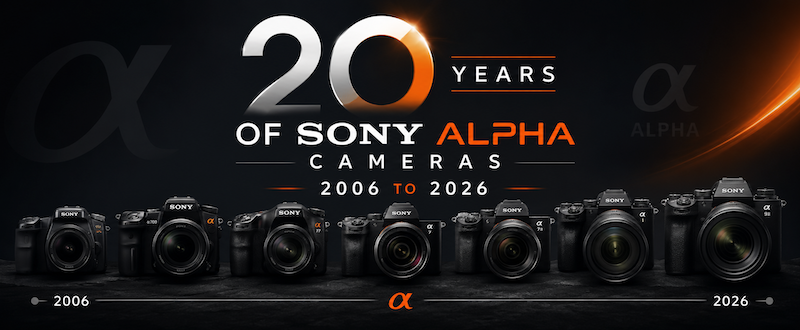
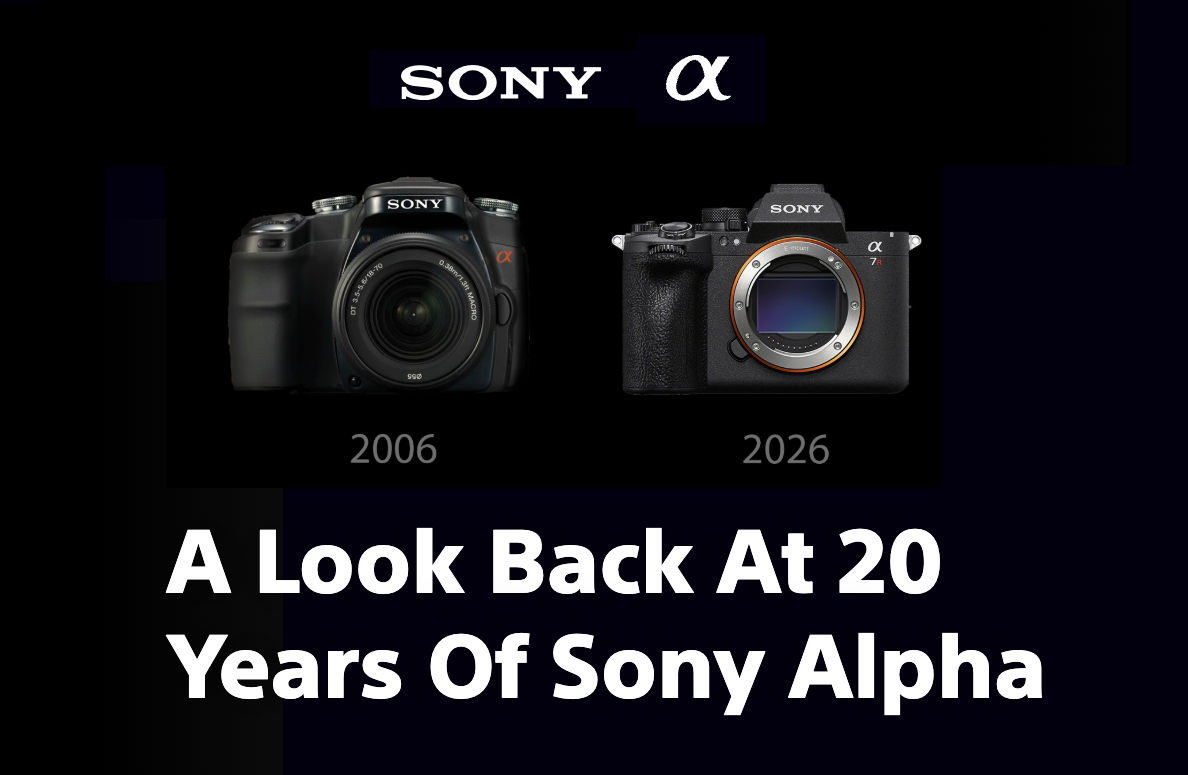
20 years of Sony Alpha cameras: from the Alpha 100 to mirrorless leadership in 2026


Exactly 20 years ago today, on June 5, 2006, Sony announced the Alpha 100, the camera that launched the Sony Alpha system. What began as an outsider’s entry into the DSLR market, built on the Konica Minolta A-mount platform acquired by Sony, has evolved into one of the most innovative and influential camera lines in the history of photography and videography.

Two decades later, Sony Alpha stands as a benchmark for hybrid photo/video performance, autofocus intelligence, resolution, and speed. From the groundbreaking in-body stabilization of 2006 to the global-shutter flagship of 2023 and the highest-resolution Alpha camera yet in 2026, the journey has left a significant mark on the industry.

The Early Years (2006–2012)

Sony entered the digital camera arena by acquiring Konica Minolta’s camera division, inheriting the A-mount lens ecosystem. The Alpha 100 (10.2MP APS-C CCD) introduced SteadyShot INSIDE in-body image stabilization- a major first for compatible lenses at the time, along with the BIONZ processor and an accessible price point for enthusiasts.
The system quickly expanded:

  • 2007: Alpha 700 brought a 12.2MP CMOS sensor, better AF, and a magnesium body.
  • 2008: The Alpha 900 became Sony’s first full-frame DSLR, featuring a 24.6MP sensor and the world’s first full-frame in-body stabilization.
  • 2009–2010: Entry-level and mid-range DSLRs proliferated (A200/A300 series, A500/A550). Then came the revolutionary SLT (Single Lens Translucent) cameras: the Alpha 33 and Alpha 55 in 2010, which used a fixed translucent mirror for continuous phase-detection autofocus during both stills and video.

The SLT line peaked with the Alpha 99 (2012), the world’s first full-frame SLT, delivering 24.3MP and full-time phase-detect AF.

The Mirrorless Revolution Begins (2013)

In 2013, Sony fundamentally changed the industry with the launch of the Alpha 7 and Alpha 7R – the first full-frame mirrorless cameras. Compact, lightweight, and featuring hybrid AF and the new E-mount, they proved that professional image quality no longer required a bulky DSLR body. This was the true turning point. The E-mount system offered a shorter flange focal distance, enabling smaller, sharper lenses and paving the way for the vast native FE lens lineup we have today (while still supporting legacy A-mount glass via adapters).

Rapid Innovation and Category Leadership (2014–2022)

Sony didn’t rest. Key milestones followed at an impressive pace:

  • 2014: Alpha 7 II introduced 5-axis in-body stabilization (IBIS) to full-frame mirrorless.
  • 2015: Alpha 7R II brought a 42.4MP back-illuminated sensor and excellent 4K video.
  • 2016: APS-C models like the Alpha 6300 and Alpha 6500 delivered class-leading autofocus speed and point counts.
  • 2017: The Alpha 9 introduced blackout-free 20fps shooting with advanced tracking, redefining action and sports photography.
  • 2019: Alpha 7R IV hit 61 megapixels; real-time Eye AF became a Sony signature.
  • 2020–2021: Alpha 7S III redefined low-light video; the Alpha 1 combined 50MP stills with 8K video and 120 AF/AE calculations per second.
  • 2022: Alpha 7R V introduced AI-based autofocus with subject recognition and improved ergonomics.

Pushing Boundaries: 2023–2026

Sony continued to break new ground:

  • 2023: The Alpha 9 III became the world’s first full-frame global shutter camera (24.6MP), enabling true 120fps blackout-free shooting and pre-capture.
  • 2024-2025: Refinements across the lineup, including the partially stacked sensor in the Alpha 7 V.
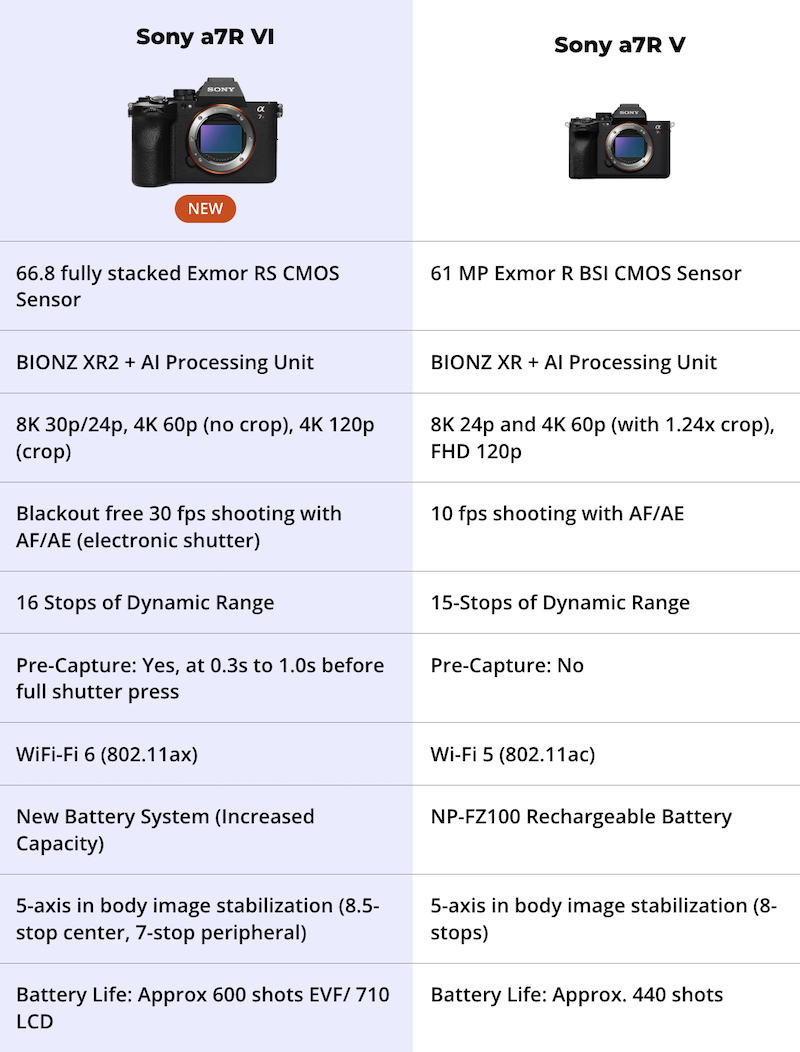
  • 2026: The Alpha 7R VI arrives as the highest-resolution Alpha camera to date, further extending Sony’s dominance in the high-megapixel segment:

Why Sony Alpha Matters

Sony didn’t just compete; it often forced the entire industry to accelerate. The shift to mirrorless, the emphasis on hybrid video capabilities, compact pro bodies, advanced real-time AF (Eye AF, animal/bird/vehicle tracking), and stacked/global-shutter sensors all trace their significant momentum back to Sony’s Alpha developments.

Previous coverage of Sony cameras (all 1,633 blog posts) going back to 2009 can be found here.

The post 20 years of Sony Alpha cameras: from the Alpha 100 to mirrorless leadership in 2026 appeared first on Photo Rumors.

  •  

Used compact camera prices quadruple in Japan as CCD models make a comeback


A recent report from Pinzuba News highlights how the resurgence of compact digital cameras in Japan is driving a massive price increase in the used market for vintage models from the 2000s and early 2010s. According to the article, demand for older compact digital cameras has exploded, leading to prices roughly quadrupling in the second-hand market.

Key Data from KOMEHYO (Major Used Goods Retailer)

  • Sales volume of “old compact digital cameras” has increased approximately 5 times compared to 5-6 years ago.
  • The average selling price has risen to about 3.5 times higher
  • Models that sold for 5,000-10,000 yen five or six years ago are now fetching 20,000–40,000 yen.

Quote from KOMEHYO Expert

Yasuhiro Hara, Camera Sales Floor Manager at KOMEHYO’s Nagoya main store, commented on the surge:

“Demand for old compact cameras has grown significantly compared to 5 or 6 years ago. At our store, sales volume has increased about 5 times, and the average price range has surged to about 3.5 times.”

He went on to explain the unique appeal these older models hold:

“Many compact cameras sold in the 2000s were equipped with CCD sensors. These provide warmer colors than the CMOS sensors in current cameras and smartphones, especially producing a film-like quality in still photos. These ‘old compact cameras’ have qualities that current cameras don’t have.”

Why the Comeback? CCD Sensors and Nostalgic Appeal

The boom is driven by a growing appreciation for the distinctive characteristics of CCD-equipped compact cameras. Unlike modern CMOS sensors (dominant in today’s smartphones and new cameras, which prioritize video performance and efficiency), older CCD sensors deliver warmer color rendition and a nostalgic, film-emulating look in still photography.

While new compact camera (lens-integrated) shipments in Japan are projected to increase about 30% year-over-year to roughly 2.4 million units in 2025, this remains a small fraction of the 2008 peak of 11 million units (and up from the 2023 low of 1.7 million). Limited new supply plus the irreplaceable charm of vintage CCD models has created strong demand in the used market.

This latest development continues the trend I reported on in November 2024, when prices for many old compact digital cameras had already jumped dramatically (up to 20 times in some cases):

The best-selling compact cameras

Compact cameras continue to be popular on the 2025 Map Camera best-selling list

Compact fixed-lens cameras are becoming more popular, while interchangeable-lens cameras are starting to lose their popularity

Is the compact camera dead? The market price of old compact digital cameras has increased 20-fold in one year.

Canon released full-year financial reports, confirms upcoming compact camera(s)

Confirmed: Panasonic to introduce new fixed-lens camera(s)


View this post on Instagram


A post shared by Depot Msa (@depotmsa)

Source: Pinzuba News via Yahoo Japan, digicame-info

The post Used compact camera prices quadruple in Japan as CCD models make a comeback appeared first on Photo Rumors.
  •  

New: Zeniko RF12 M round head mini flash for Canon, Sony, Nikon, Fujifilm, Olympus, and Pentax cameras

Zeniko (Godox sub-brand) launched a new RF12 M round-head mini flash with a universal hot shoe, compatible with Canon, Sony, Nikon, Fujifilm, Olympus, and Pentax cameras.

Additional information:

  • Price: $49.90
  • Design: Round head with proprietary optics + included dome diffuser. Tilts up to 90° and swivels 270°. Ultra-light at 90g and pocketable.
  • Power: 6 manual levels (1/32 to 1/1). Recycle time ~2.5s at full power. Modest but capable output for its size.
  • Battery: Built-in 350mAh Li-ion. Up to 500 full-power flashes per charge. USB-C charging (~1h 10m).
  • Triggering: Manual flash only. Built-in photocell with S1/S2 optical slave modes (S2 works with TTL cameras). No TTL or wireless radio.

New: Zeniko ZA12 mini retro flash

The post New: Zeniko RF12 M round head mini flash for Canon, Sony, Nikon, Fujifilm, Olympus, and Pentax cameras appeared first on Photo Rumors.

  •  

GoPro warns of “Substantial Doubt” about its future


GoPro has disclosed “substantial doubt” about its ability to continue as a going concern in amended financial filings released June 1, 2026. The company and its auditor cited ongoing losses, negative cash flow, looming debt covenant breaches, and “unprecedented” spikes in memory costs – up as much as 115% — driven by AI demand.

The warning comes on top of weak Q1 2026 results: revenue fell 26% year-over-year to $99 million, while GAAP gross margin collapsed to 4.3% from 32.1% a year earlier. GoPro expects continued losses and negative cash flow in the near term.

GoPro is up for sale again

Just three weeks earlier, the company launched its new MISSION series cameras and announced a strategic review that could lead to a sale or merger. Shares dropped sharply on the going-concern news.

New GoPro Mission 1 Pro camera unveiled with 50MP 1″ sensor and a model with MFT mount

Here is the quote from the financial filings:

Substantial Doubt About the Company’s Ability to Continue as a Going Concern

The accompanying consolidated financial statements have been prepared assuming that the Company will continue as a going concern. As discussed in Note 1 to the consolidated financial statements, the Company has incurred operating losses and negative operating cash flows, and has obligations under its financing arrangements which become due within the next twelve months if certain covenants are not met, that raise substantial doubt about its ability to continue as a going concern. Management’s plans in regard to these matters are also described in Note 1. The consolidated financial statements do not include any adjustments that might result from the outcome of this uncertainty. (source)

Update on the GoPro vs. Insta360 lawsuit

The post GoPro warns of “Substantial Doubt” about its future appeared first on Photo Rumors.

  •  

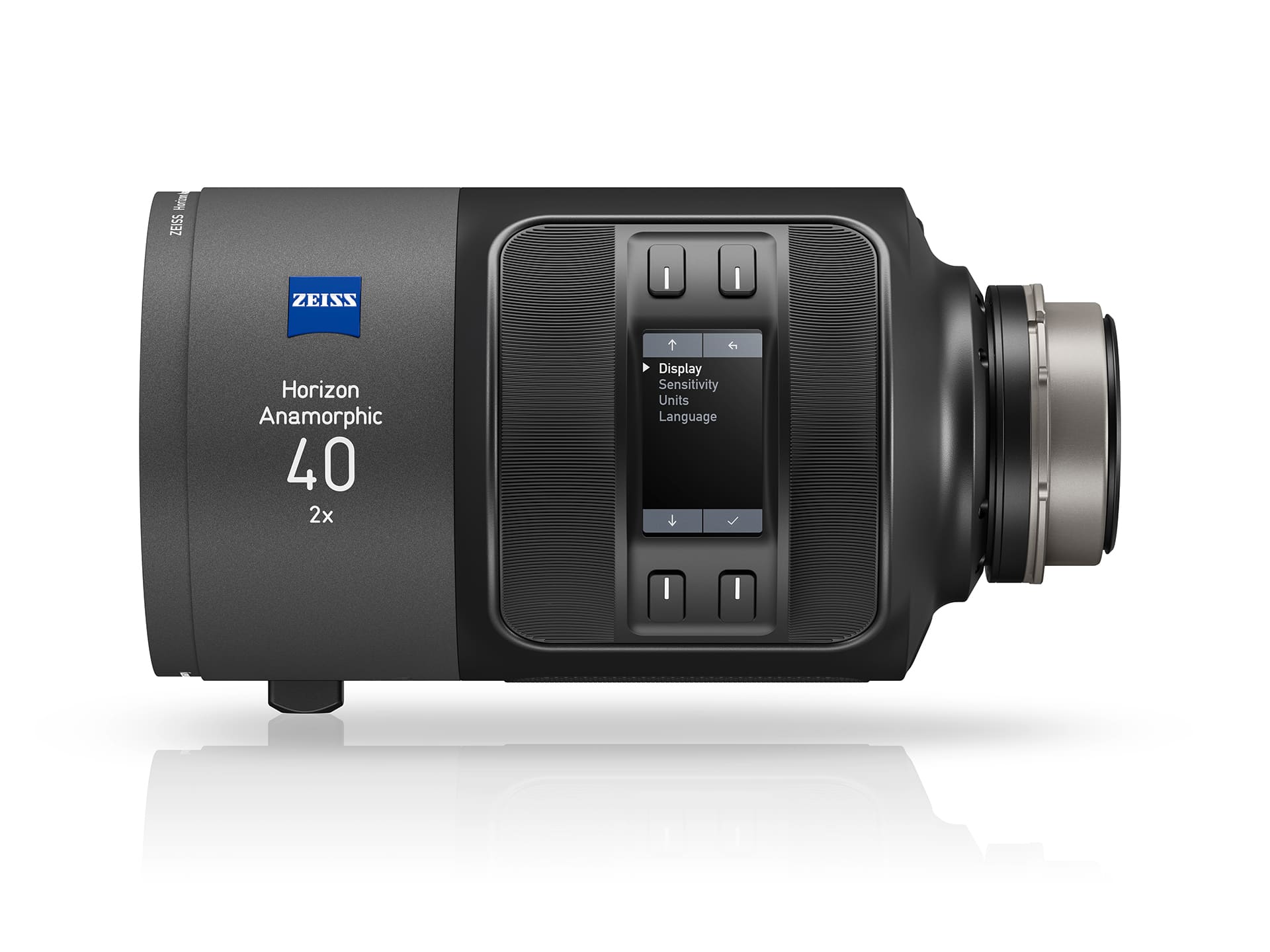
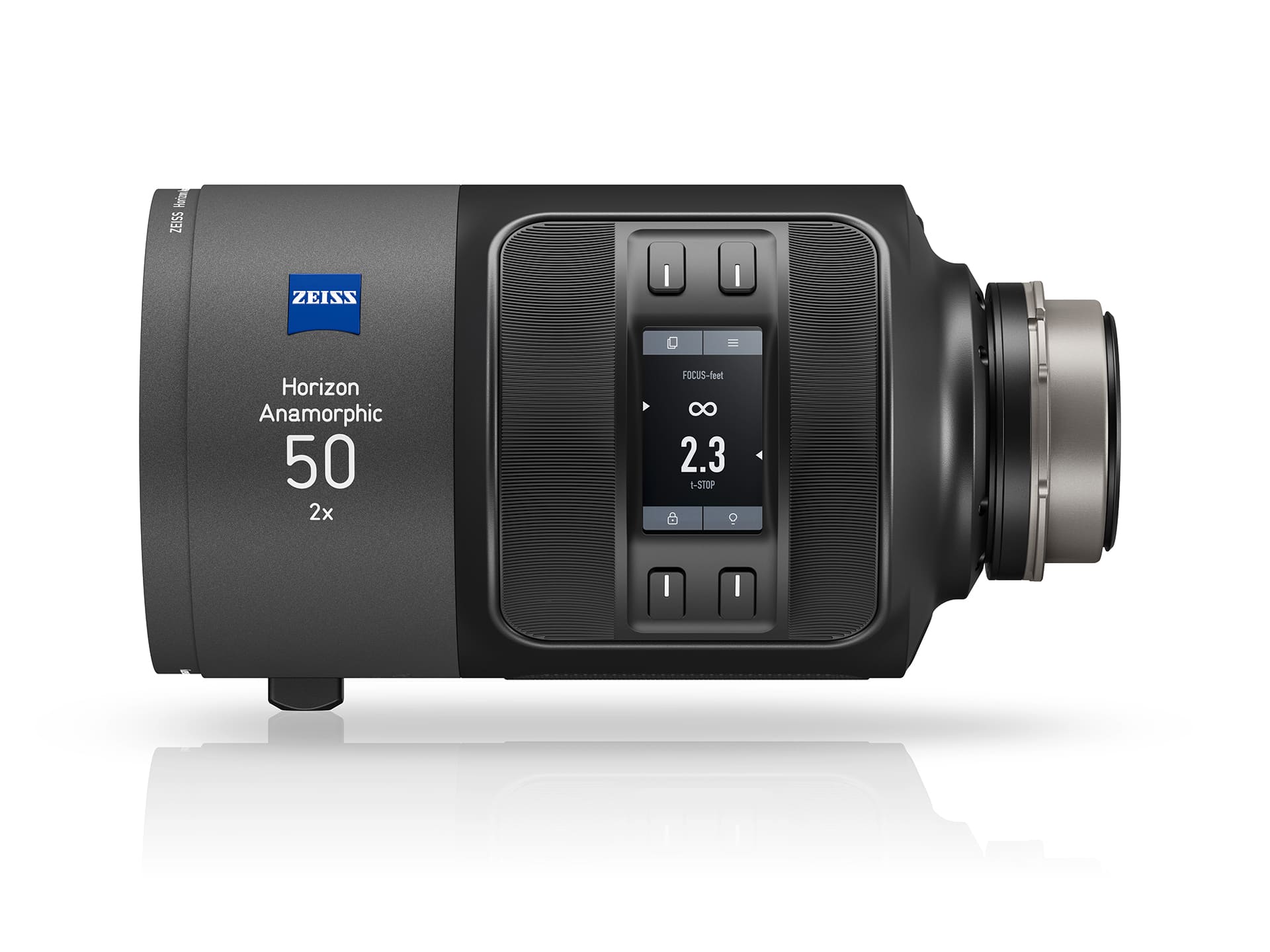
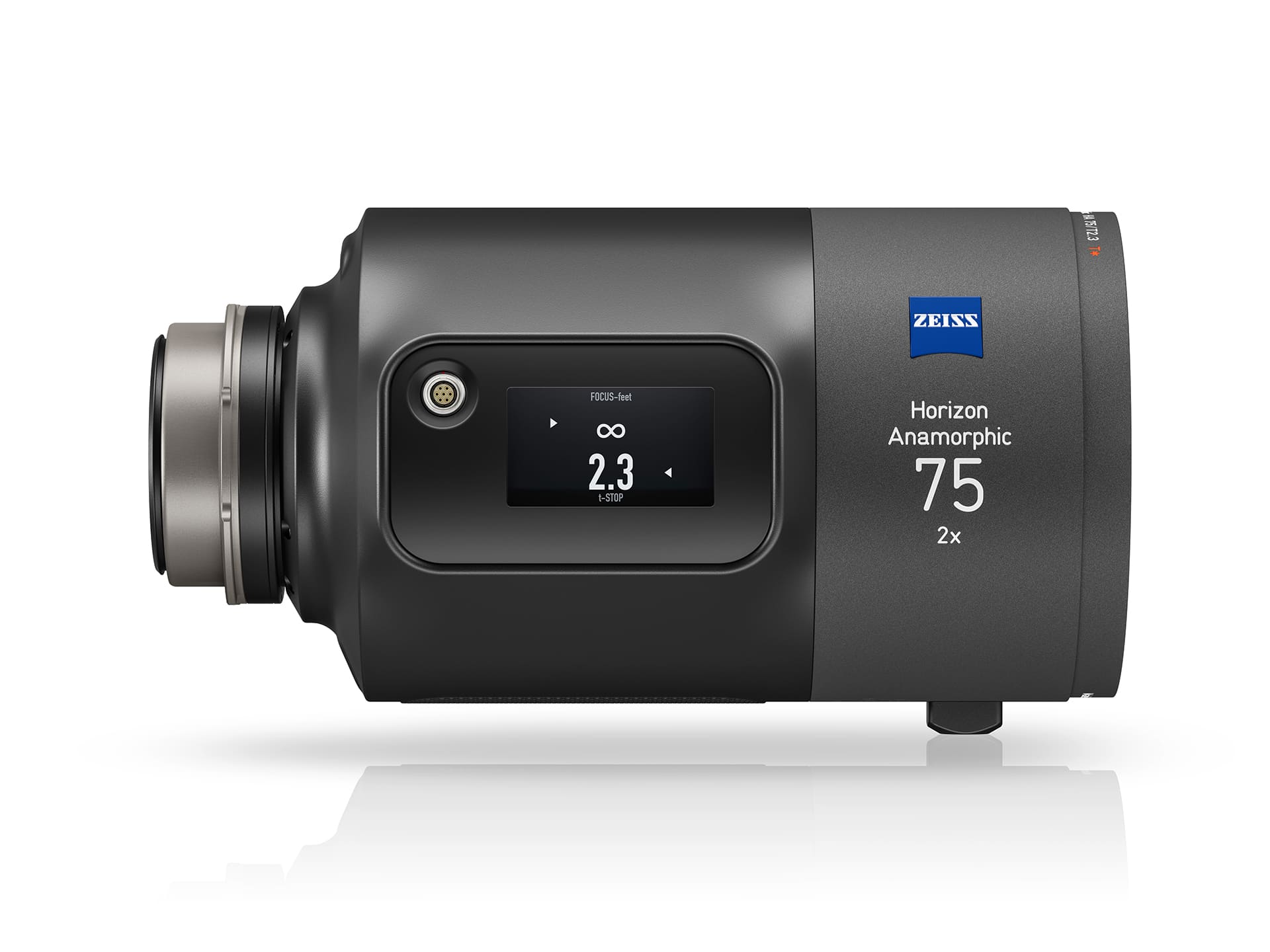
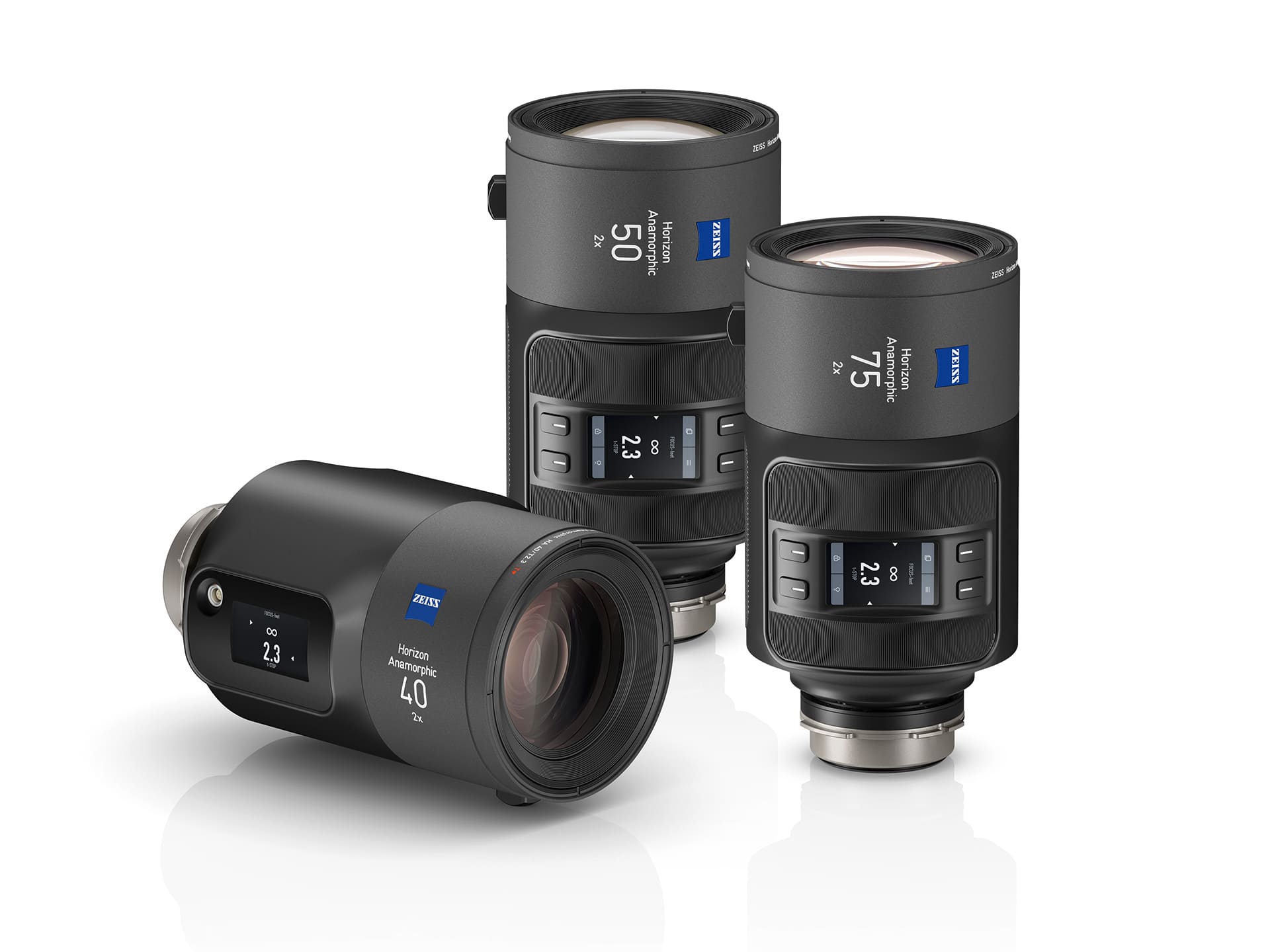
Zeiss announced new Horizon anamorphic lenses


The Zeiss teaser from two weeks ago was for a new line of Horizon full-frame 2x anamorphic cinema prime lenses:

  • Seven focal lengths: 35mm, 40mm, 50mm, 75mm, 100mm, 150mm, 200mm
  • Fast T2.3 aperture (T2.9 on the 200mm)
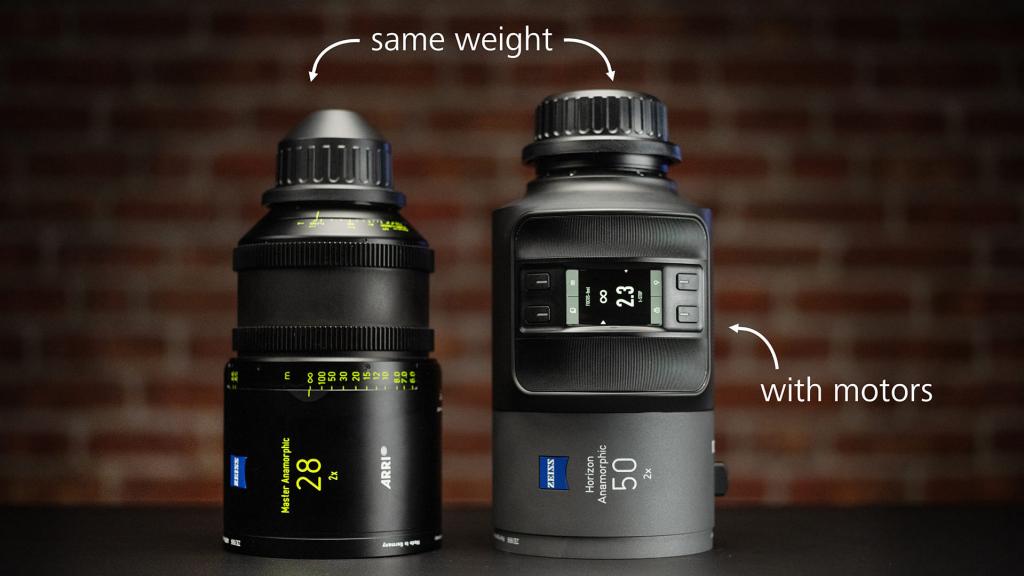
  • Built-in focus and iris motors integrated into the lens body (no external motors needed)
  • Swappable look-tuning rear element for adjustable character while keeping calibration
  • Consistent 114mm front diameter and LPL mount across the set
  • Classic 2x look with pronounced oval bokeh and stretched depth/scale
  • Neutral, low-aberration baseline optimized for VFX and creative tuning
  • Initial shipping (40/50/75mm) starts in September 2026; full set rolls out through 2027
  • Pricing not yet announced (check availability at B&H Photo
  • Product page
  • Additional information

ZEISS Introduces Horizon Anamorphic: Full-Frame 2x Anamorphics with a New Lens Technology Platform

ZEISS unveils the Horizon Anamorphic series, a new lineup of full frame 2x anamorphic cinema lenses designed to deliver a distinctive cinematic look along with a new lens technology platform that brings the speed and precision demanded by contemporary production workflows. Spanning 35 mm to 200 mm across seven focal lengths, Horizon lenses combine their anamorphic look with pronounced oval bokeh and a stretched sense of spatial depth with a lightweight, fully integrated motor system that eliminates the need for external focus or iris motors.

“With Horizon Anamorphics we bring the next chapter of ZEISS cinema optics to life by combining cutting‑edge technology with a refined image that preserves the human, cinematic feel”, explains Christophe Casenave, Head of Business Unit Cinematography at ZEISS.

One lens, multiple looks

The Horizon series is engineered with a neutral baseline look designed to encourage versatility, accepting filtration, LUTs, and diverse lighting approaches without imposing a baked-in feel. Instead, ZEISS introduces an optional interchangeable look tuning back element — a proprietary optical integration that allows crew to dial-in a nuanced individual lens look. Mounted via the ZEISS Interchangeable Mount System (IMS), it alters sharpness, contrast, and overall character with a simple eight-screw swap, while preserving scale accuracy and calibration.

Seamless integration

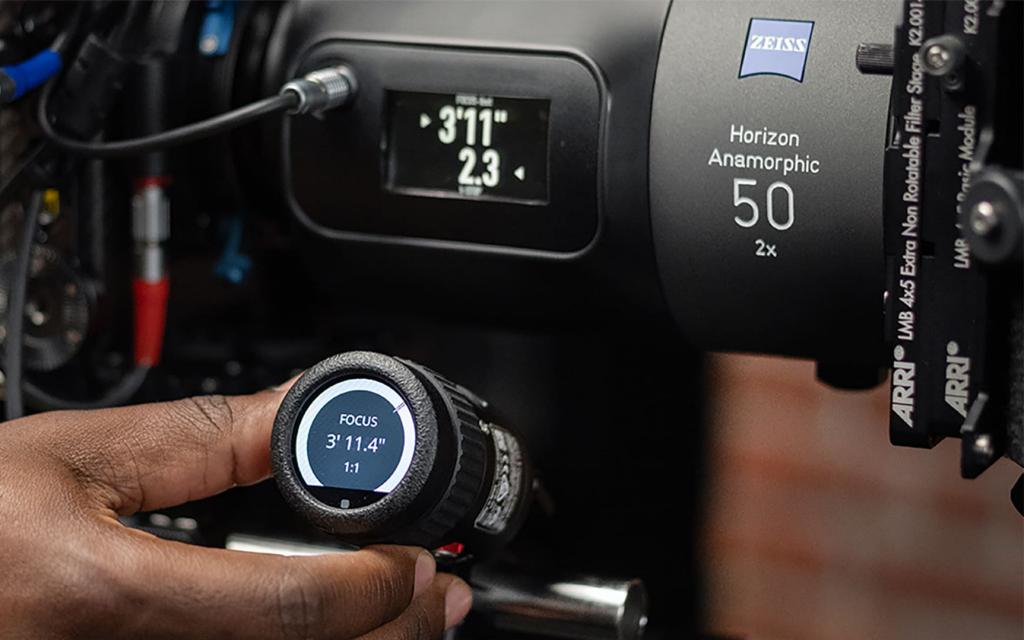
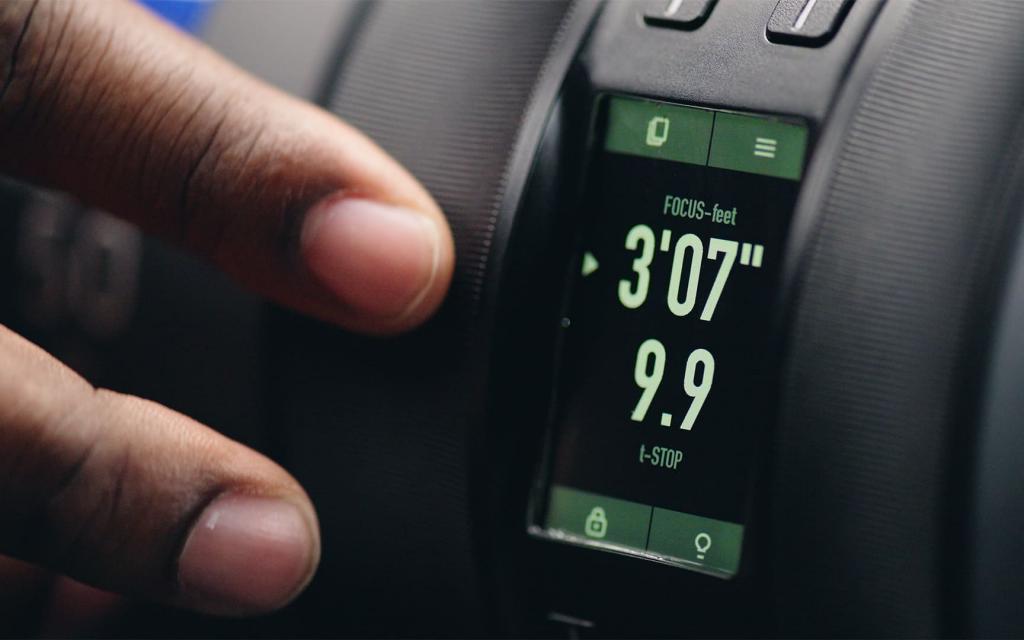
Whisper-quiet and ultra-reliable focus and iris motors are built directly into the lens body, offering compatibility with ARRI and Preston LCS systems via serial or LBUS connections. Factory-calibrated absolute encoders store all lens scales within the lens. This creates a single consistent source for metadata, eliminating the need for re-mapping scales or re-rigging motors between setups. Dual displays and touch panels directly on the lens barrel allow quick focus or iris checks.

“Horizon marks a new reference platform for us that integrates lens motors, data and ecosystem compatibility and by that enables faster, end‑to‑end production workflows,” Casenave adds.

Low distortion, stable color, and minimized aberrations make the Horizon lenses well-suited to VFX-intensive productions requiring clean keying, tracking, and CG integration. All seven lenses come with LPL mount and share a consistent 114mm front diameter to support balanced handheld, gimbal, drone, crane, and car-rig operation. A fast T2.3 stop across the full frame coverage set (T2.9 at 200 mm) provides shallow-depth-of-field anamorphic even in challenging lighting conditions. Built-in processing and on-board memory are designed to support future expansions including broader ecosystem compatibility, extended metadata capabilities, and potential autofocus integration.

Availability

The 40mm, 50mm, and 75mm Horizon Anamorphic lenses are scheduled to ship in September 2026 through authorized ZEISS cinema dealers, with 35mm, 100mm, 150mm, and 200mm focal lengths following in 2026 and 2027.

New Cooke, Thypoch, Blazar, and Zeiss cinema lenses

The post Zeiss announced new Horizon anamorphic lenses appeared first on Photo Rumors.

  •  

The latest Leica SL3-P camera rumors


Here are the latest/updated Leica SL3-P camera rumors:

  • 44.3MP sensor (based on the Panasonic S1RII that was announced in February 2025, see previous coverage)
  • Improved AF (better than the SL3-S)
  • Video capabilities could be lower than those of other SL3 models
  • Rumored to be announced around May-June 2026
  • The new Leica SL3-P model will be positioned between the current Leica SL3 (60MP) and the Leica SL2-S (24MP)
  • Approximately 800 autofocus points
  • The body and operating concept are very similar to the new Panasonic generation
  • Expected retail price around €5,900
  • There is also some talk about Leica introducing a new SL 100mm APO macro lens
  • The Leica SL3-P camera is rumored to be announced at the end of June (around June 22-25th)

This just in: Chinese HSG reportedly in advanced talks to acquire Blackstone’s and, potentially, Kaufmann’s stakes in Leica Camera.

New Leica SL camera model based on the Panasonic S1RII rumored to be announced next year

Leica SL3-P camera rumors

What’s next for Leica? (May 2026 update)

The post The latest Leica SL3-P camera rumors appeared first on Photo Rumors.
  •  
❌