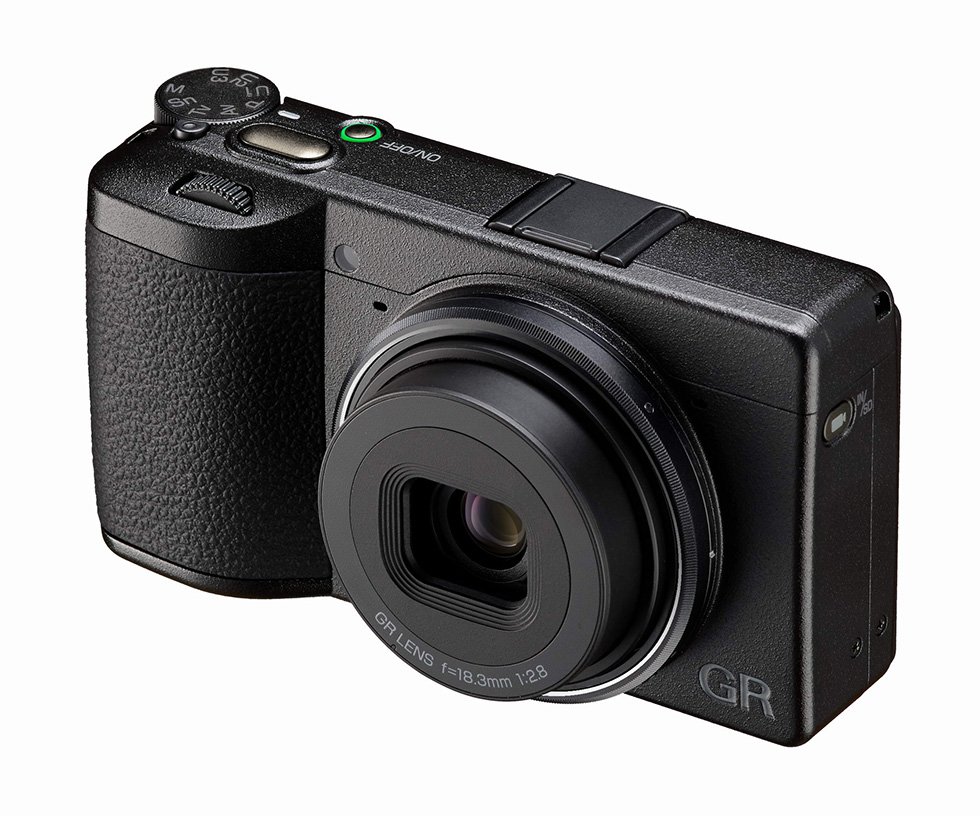
Both Fujifilm and Canon registered new cameras in Asia. Canon registered a new DS126965 camera on July 1st. It features dual-band Wi-Fi. This brings Canon’s total registrations for fiscal year 2026 to three new devices: DS126947, DS126973, and DS126965, none of which have corresponding existing models:
Fujifilm now has two registered and not yet announced cameras:
Fujifilm FF260001: registered on April 7, 2026, featuring the X-Processor 6 APS-C interface, tri-band Wi-Fi 6, NP-W255 battery, and CMOS Image Sensor.
Fujifilm FF260002: registered on July 3, 2026, featuring the X-Processor 6 interface, tri-band Wi-Fi 6, and CMOS Image Sensor – this will probably be the rumored Fujifilm X-T6:
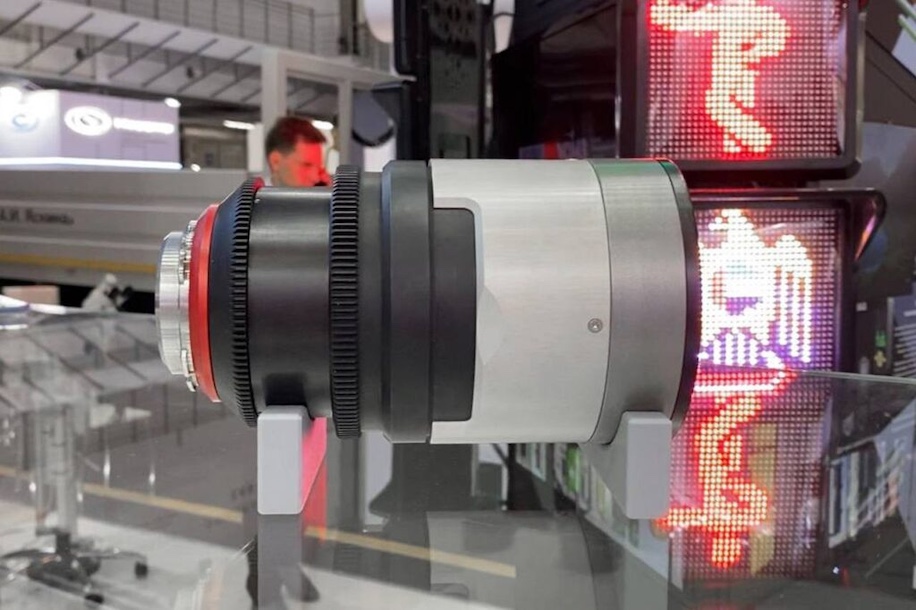
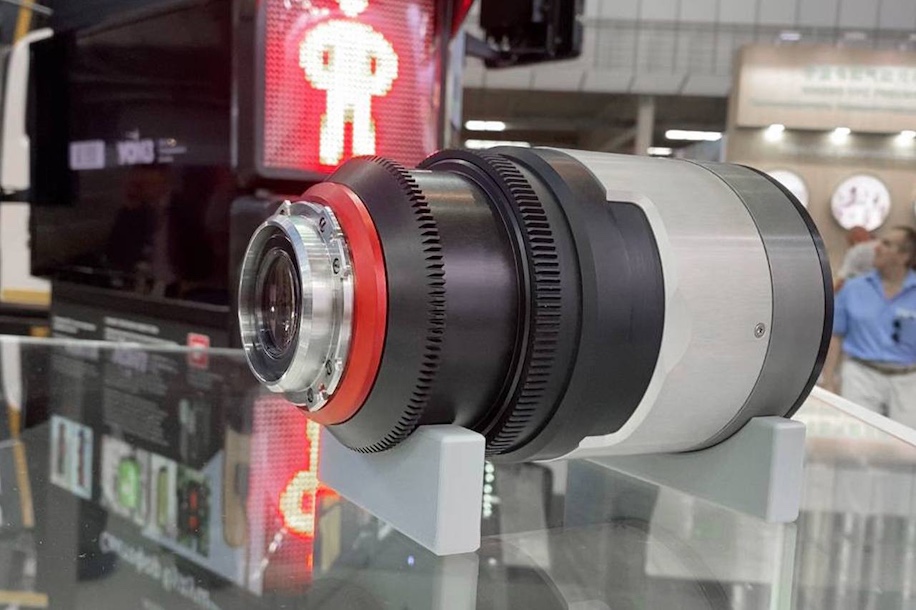
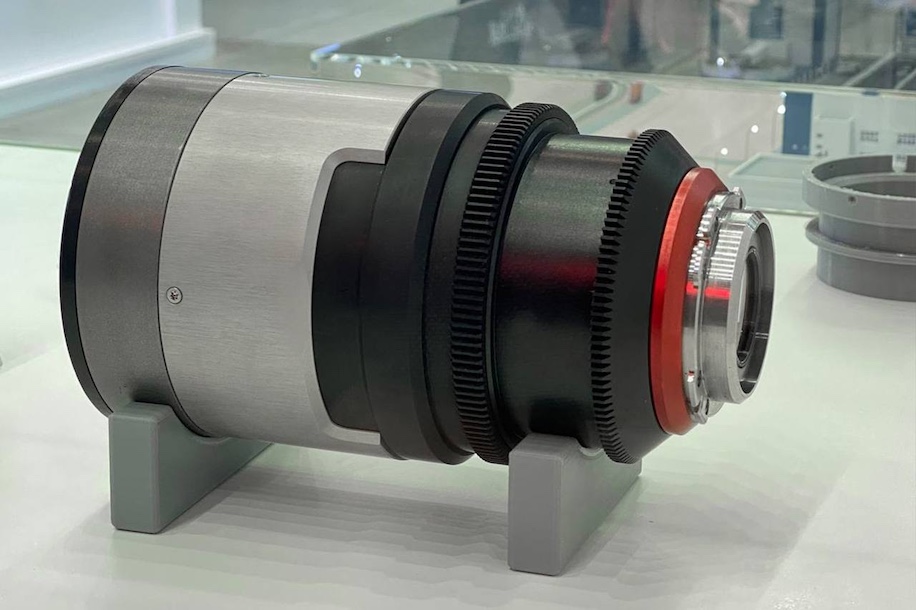
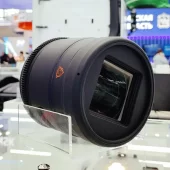
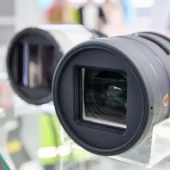
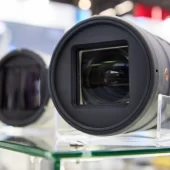
The first 80mm Russian anamorphic cinema lens (previously reported here) was recently presented by Shvabe Holding (part of Rostec State Corporation) at the Innoprom 2026 show. This marks the first time a domestically produced anamorphic film lens has reached the ready-made prototype stage in Russia. The anamorphic series, developed by the Lytkarinsky Optical Glass Plant (LZOS) within the Shvabe holding, includes four focal lengths:
40mm
60mm
80mm (first finished model, now shown)
100mm
All lenses feature a 2x anamorphic squeeze, PL mount as standard (with adapters available for other mounts), and are designed for digital cinema cameras.
Ultra-wide field of view without the edge distortion and corner darkening typical of wide-angle spherical lenses.
Distinctive cinematic rendering, including characteristic bokeh and flares.
High image quality and “unique picture” that sets them apart from many foreign alternatives.
The front elements have an unusual concave shape – a hallmark of this optical design that enables the horizontal squeeze while preserving overall image integrity.
“The development of anamorphic lenses is an important step by a domestic manufacturer for the development of the Russian film industry. In addition to the extended horizontal frames and high image quality, they allow you to create unique cinematic effects. We will launch the film lenses into mass production next year. It is planned to produce 4 sets of products as part of the first installation batch. Test copies will appear this year. They will be available for delivery to film studios, and their cost will be lower than their foreign counterparts.” — Lev Borisov, Deputy General Director for Sales of Civilian Products at Shvabe Holding
Development Timeline & Availability
July 2026: 80mm ready-made model presented publicly for the first time.
Later in 2026: test copies are expected to become available for film studios.
2027: serial/mass production launch, starting with an initial batch of 4 sets.
LZOS & Shvabe Background
Lytkarinsky Optical Glass Plant is one of Russia’s premier optical manufacturers. It is the only facility in the country capable of producing large-scale ground- and space-based mirrors used in major telescopes worldwide. The plant also produces the well-known Rubinar mirror lenses.
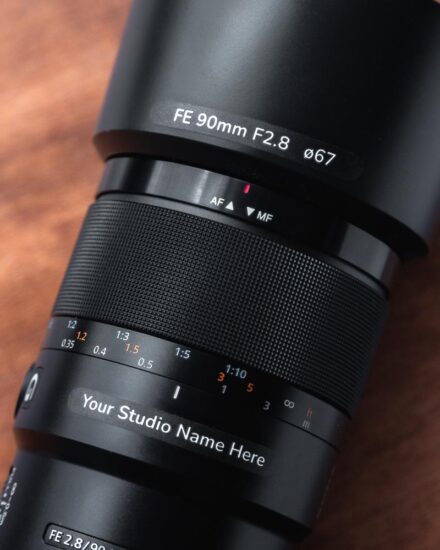
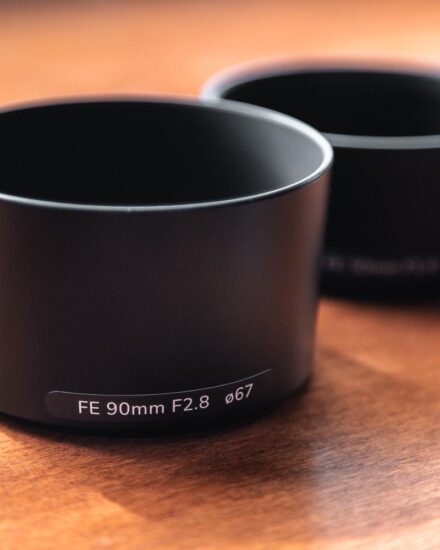
Customizable Lens Hood & ID Labels
Engineered to stop the frustration of mixing up identical-looking lens hoods on busy sets. This system allows shooters to easily differentiate similar hoods while adding their custom studio or business name directly to lens bodies and camera setups for durable, clean ownership tracking.
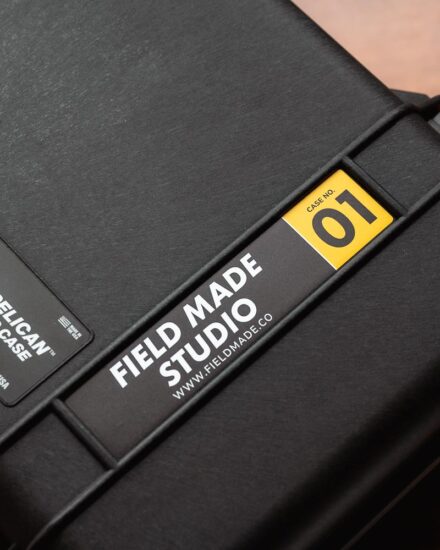
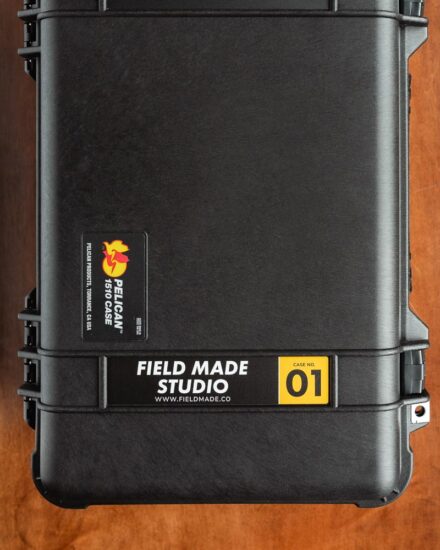
Customizable ID Labels for Pelican Cases
Heavy-duty, weatherproof labels designed to replace messy gaffer tape on rugged hard cases. These IDs allow creators to identify exactly what gear is inside each case at a glance, giving the entire production kit a sleek, cohesive, and professional look during client sessions.
WANDRD introduced new magnetic camera straps: magnetic camera straps with patent-pending features built for speed, security, and a better way to carry your camera (started today and already raised $18,680).
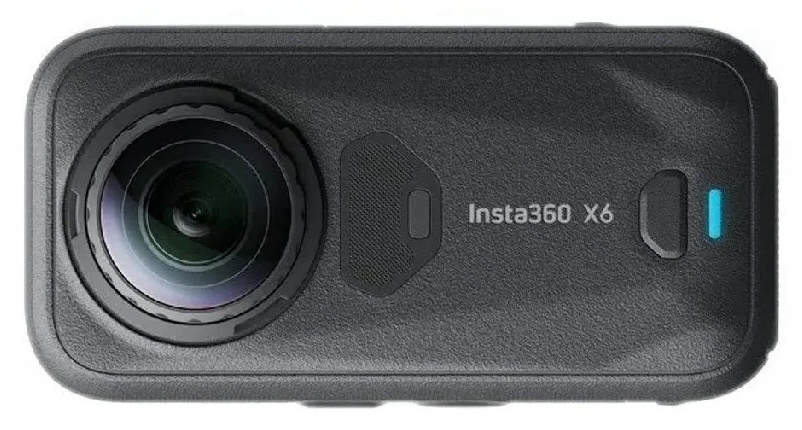
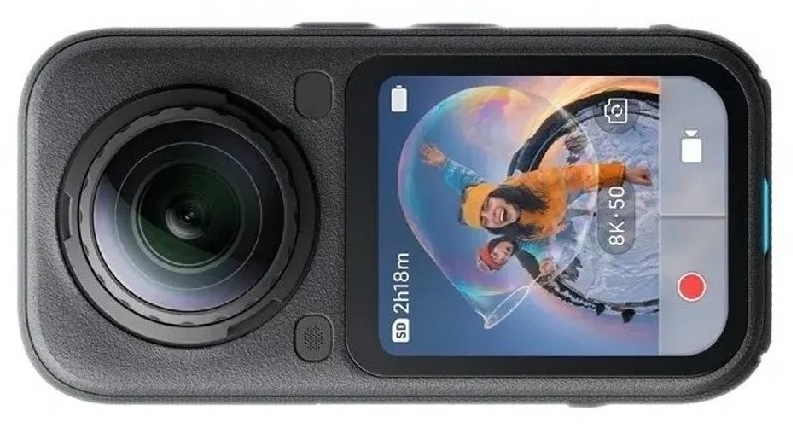
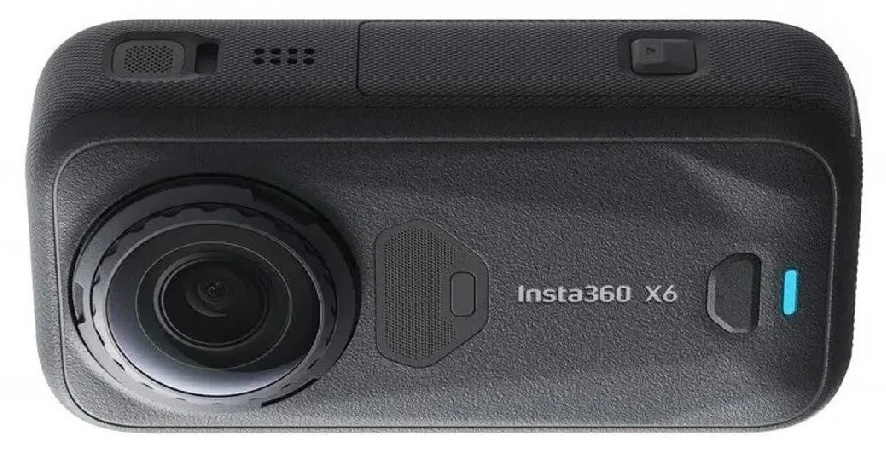
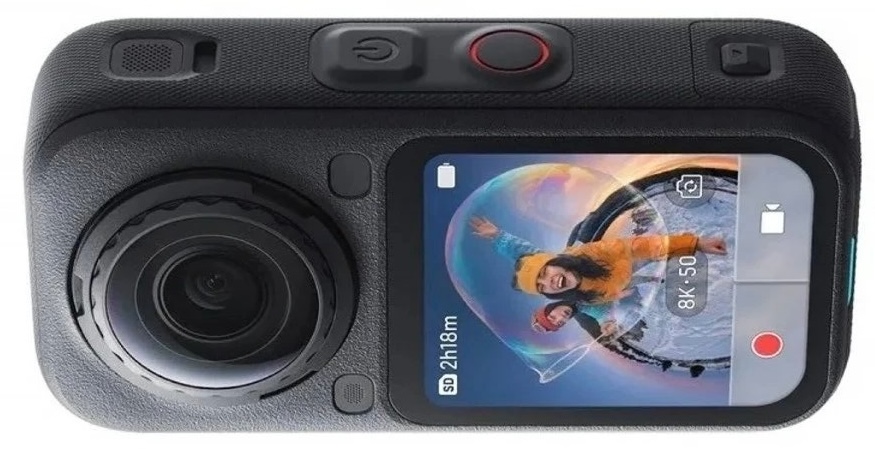
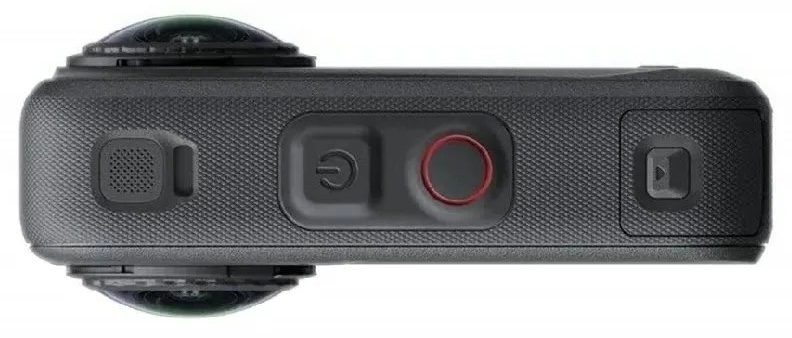
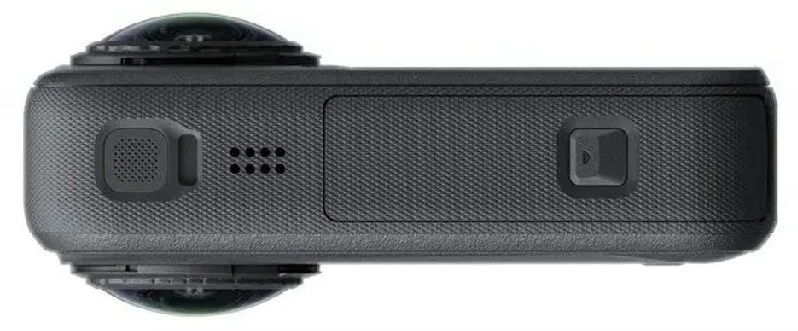
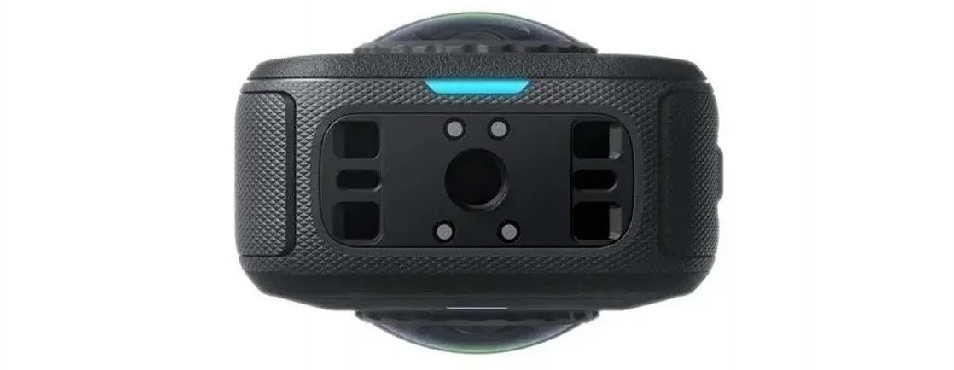
More compact and shorter than the X5, with dual front/back fisheye lenses for 360° capture, a small side touchscreen (redesigned rounded corners), physical shutter/power buttons, multi-directional microphones, a tripod mount, a recording LED, and new cooling vents.
Up to 8K at 50 fps video (a major upgrade from X5’s 8K at 30 fps).
Single-lens mode improvements.
Sensors: larger sensors rumored (1-inch or improved ~1/1.28″ dual sensors).
Photo: 100MP+ stills with enhanced stitching (up from X5’s ~72–100MP).
Color & processing: rumored 10-bit color depth and improved HDR.
Expected 2,600–3,000mAh battery range (improved over X5).
Build & features: retains rugged/waterproof design; enhanced AI for tracking, reframing, and editing; next-gen app integration.
Rumored pricing: €689 ($750 equivalent) for the base model, essentials bundle expected at ~€789, US prices expected $549-$599.
The expected release date is August-September 2026.
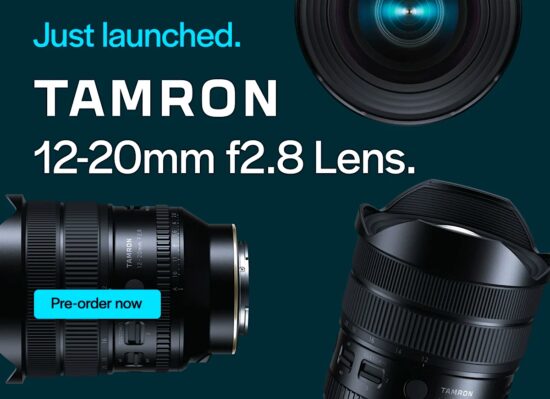
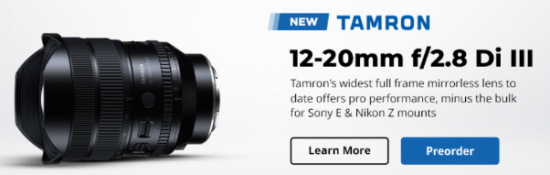
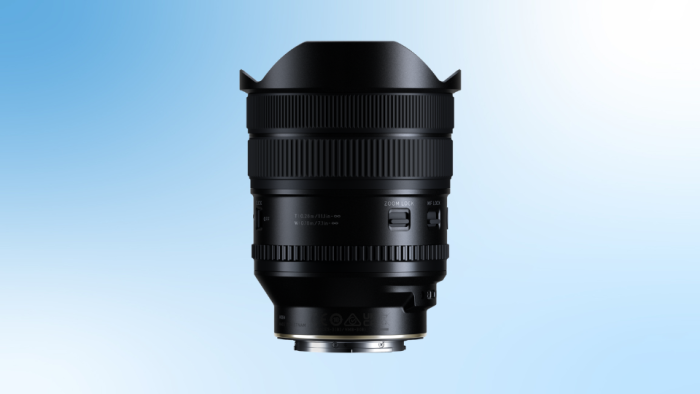
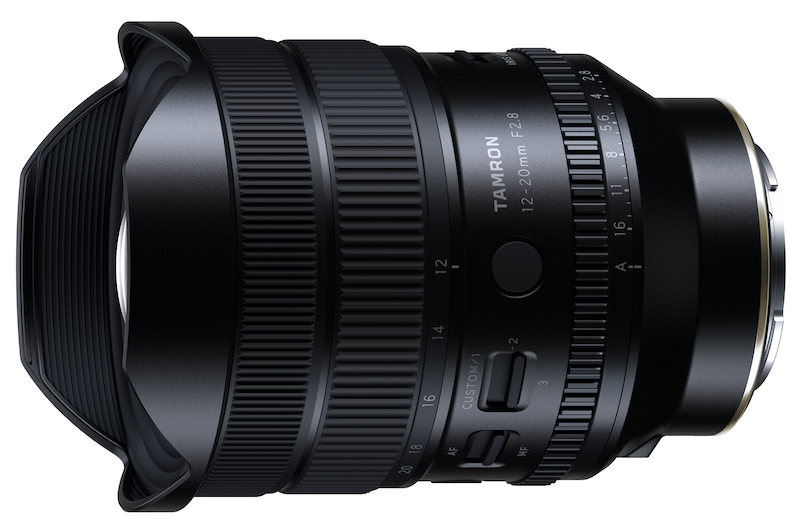
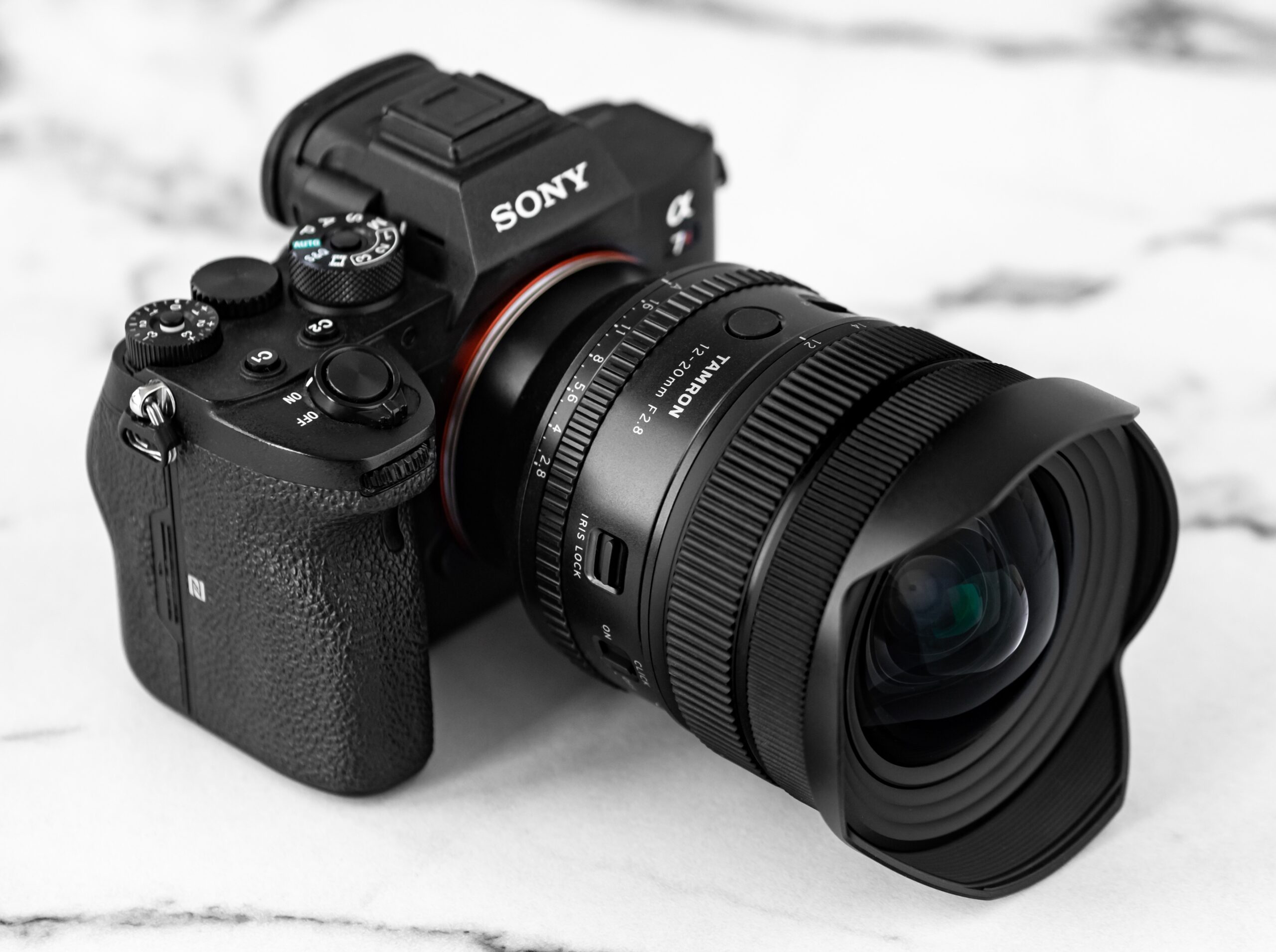
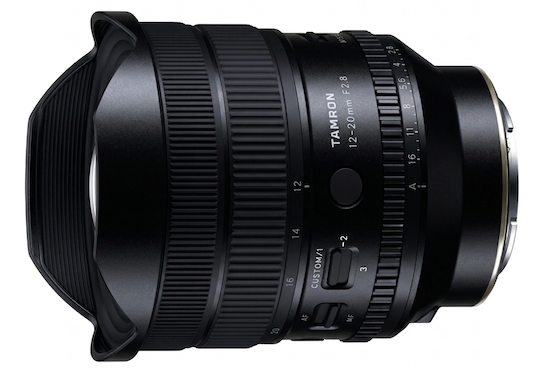
Tamron will soon announce a new 12-20mm f/2.8 lens for Nikon Z-mount and Sony E-mount (model A084). Here are the details:
Focal Length: 12-20mm ultra-wide zoom
Maximum Aperture: Constant F2.8 throughout the zoom range (ideal for astrophotography, nightscapes, and interior shooting)
Format: Di III (full-frame mirrorless)
Angle of View: 121°58′ – 94°30′ (full-frame)
Length: 4.7” (119.3mm) Sony E / 4.8” (121.3mm) Nikon Z
Weight: 20.2 oz (570g) Sony E / 20.7 oz (585g) Nikon Z
Maximum Diameter: Ø90mm
VXD (Voice-coil eXtreme-torque Drive) linear motor focus mechanism — high-speed, high-precision, and quiet
Minimum Object Distance (MOD): 7.1” (0.18m) at 12mm wide end / 11.1” (0.28m) at tele end
Maximum Magnification Ratio: 1:5.8 (wide) / 1:9.1 (tele)
Overwhelming 12mm perspective for dynamic, expansive scenes
Stunning corner-to-corner resolution optimized for astrophotography and nightscapes
Enhanced mobility for landscapes thanks to compact, lightweight design
Comprehensive control features (switches and rings) for professional demands
Compatible with TAMRON Lens Utility for seamless video and stills customization
12-blade circular diaphragm for beautiful bokeh and mastery of light
New “Tone Profile Next” lens design evolution
Integrated flower-shaped lens hood
Integrated rear filter holder
Locking front lens cap
Includes protective lens wrap
Minimum Aperture: F16
Diaphragm Blades: 12 (circular)
Filter Diameter: Rear filter holder (no front thread)
Standard Accessories: Front cap, rear cap, lens wrap, integrated hood
Optical Construction: 17 elements in 12 groups, including 1 XGM (eXpanded Glass Molded Aspherical), 3 GM (Glass Molded Aspherical), and multiple special lens elements:
Effectively suppresses peripheral blurring, color fringing, and sagittal coma flare
Delivers high sharpness from center to extreme edges
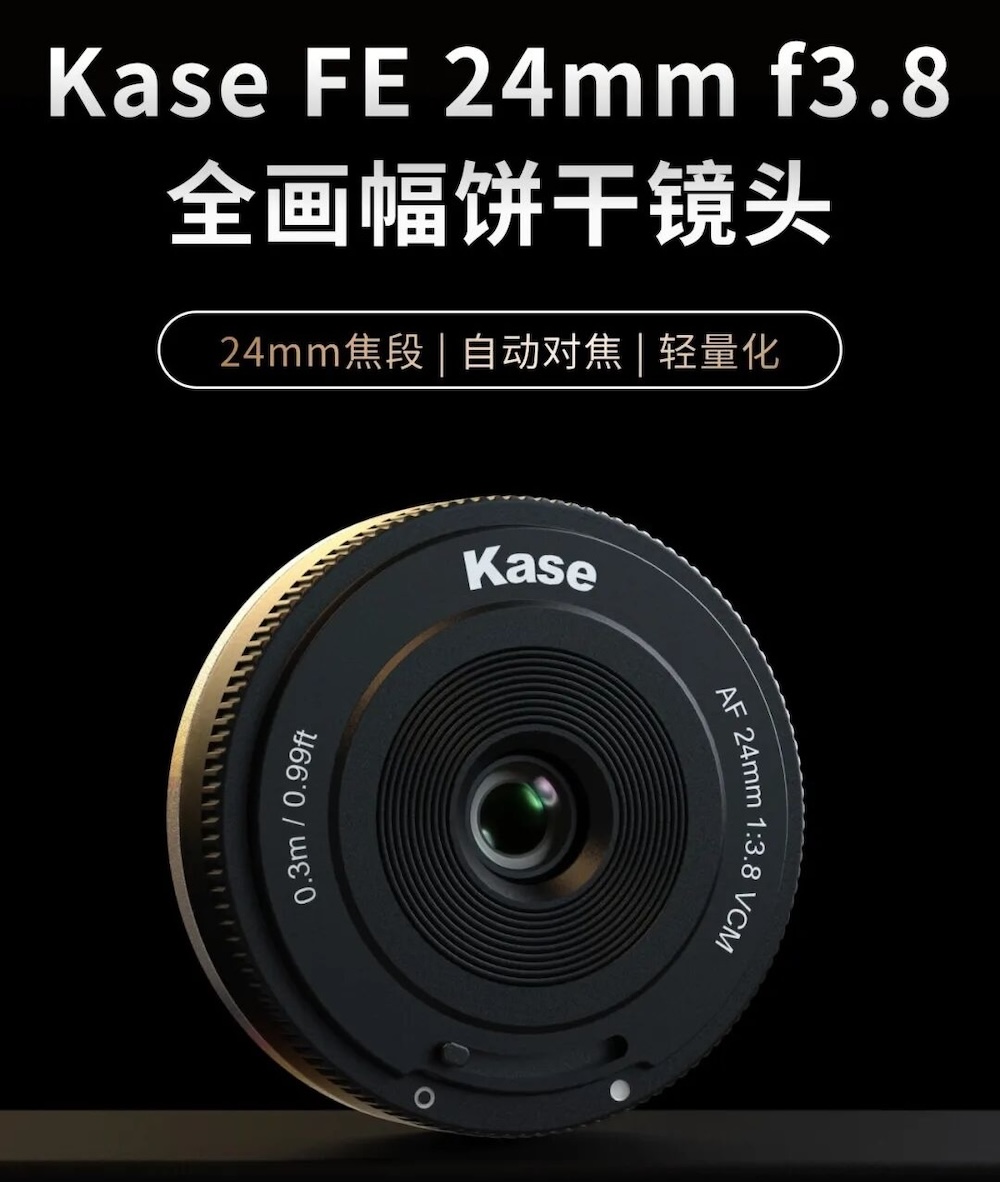
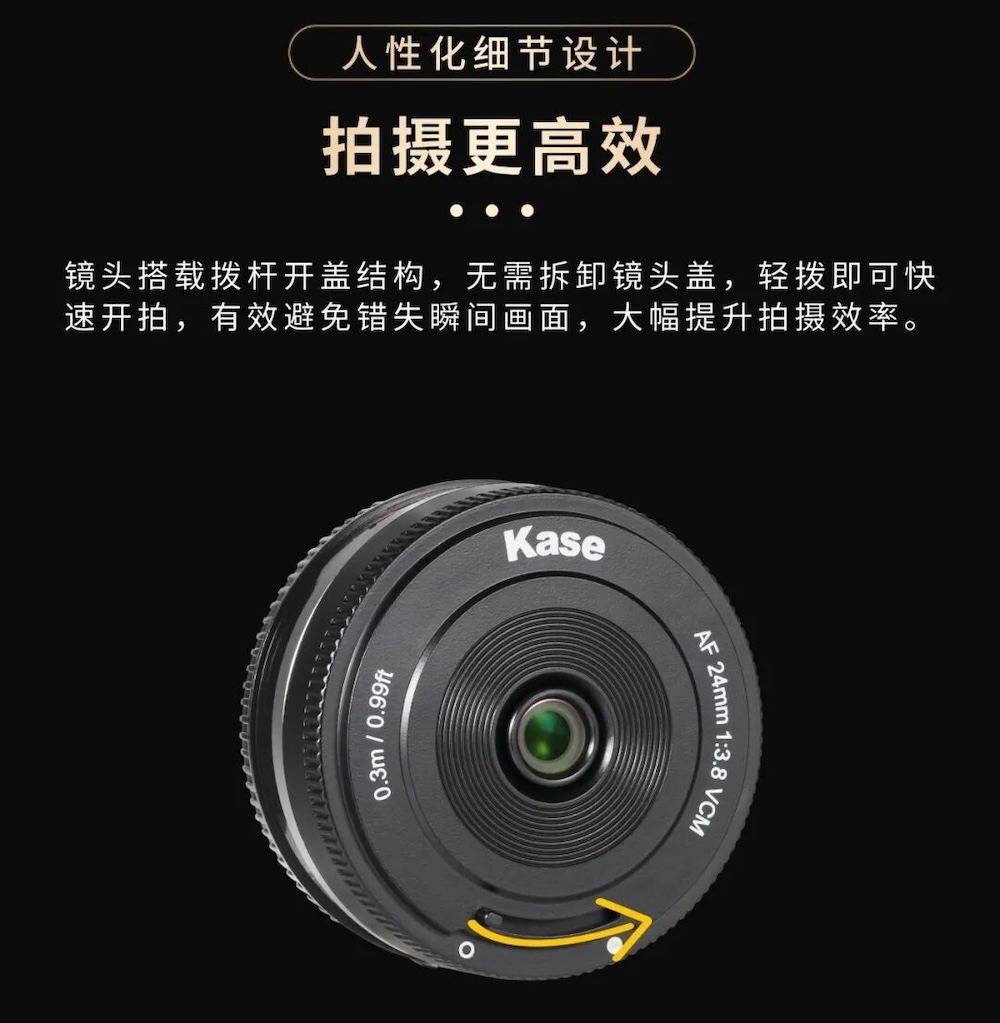
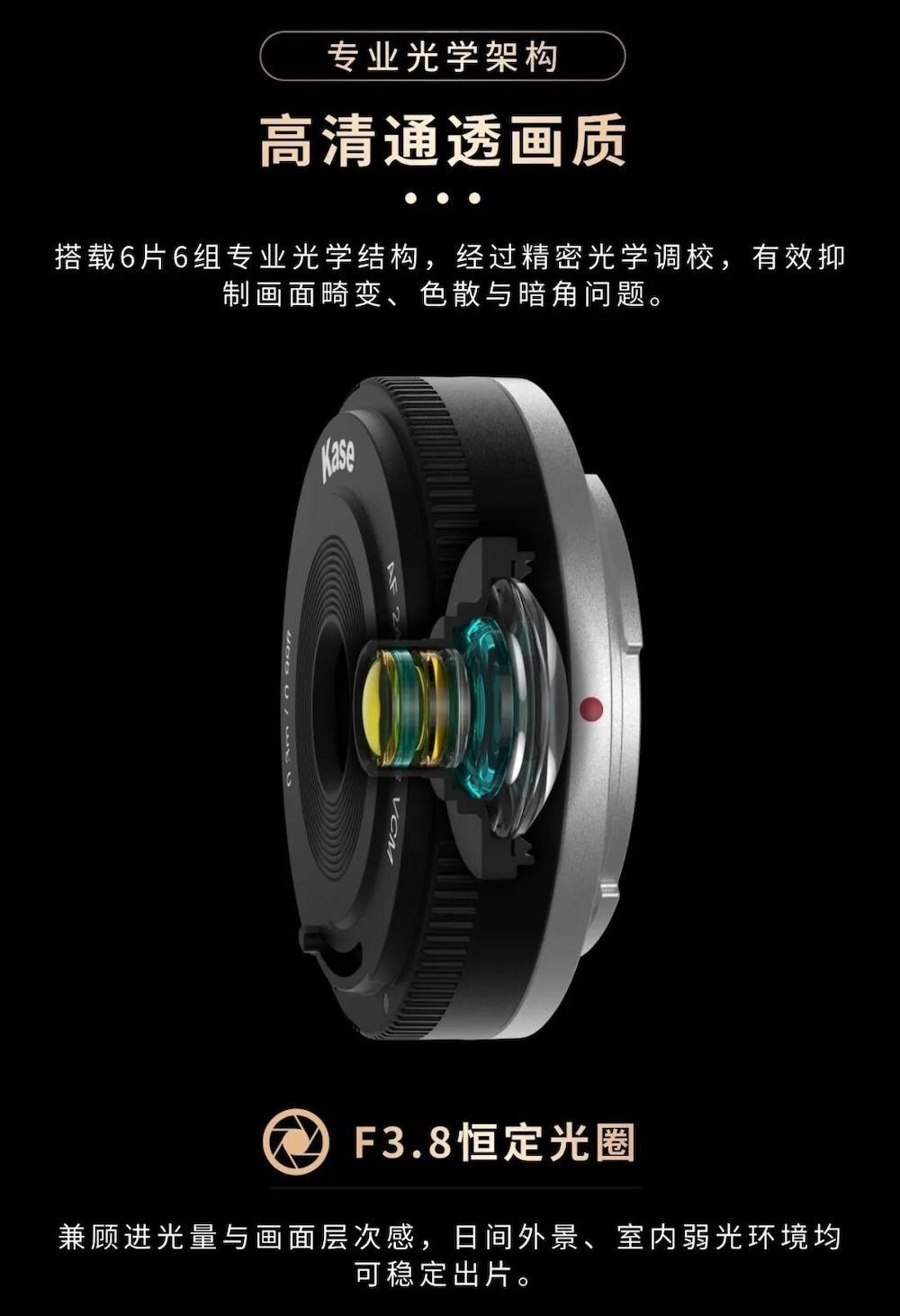
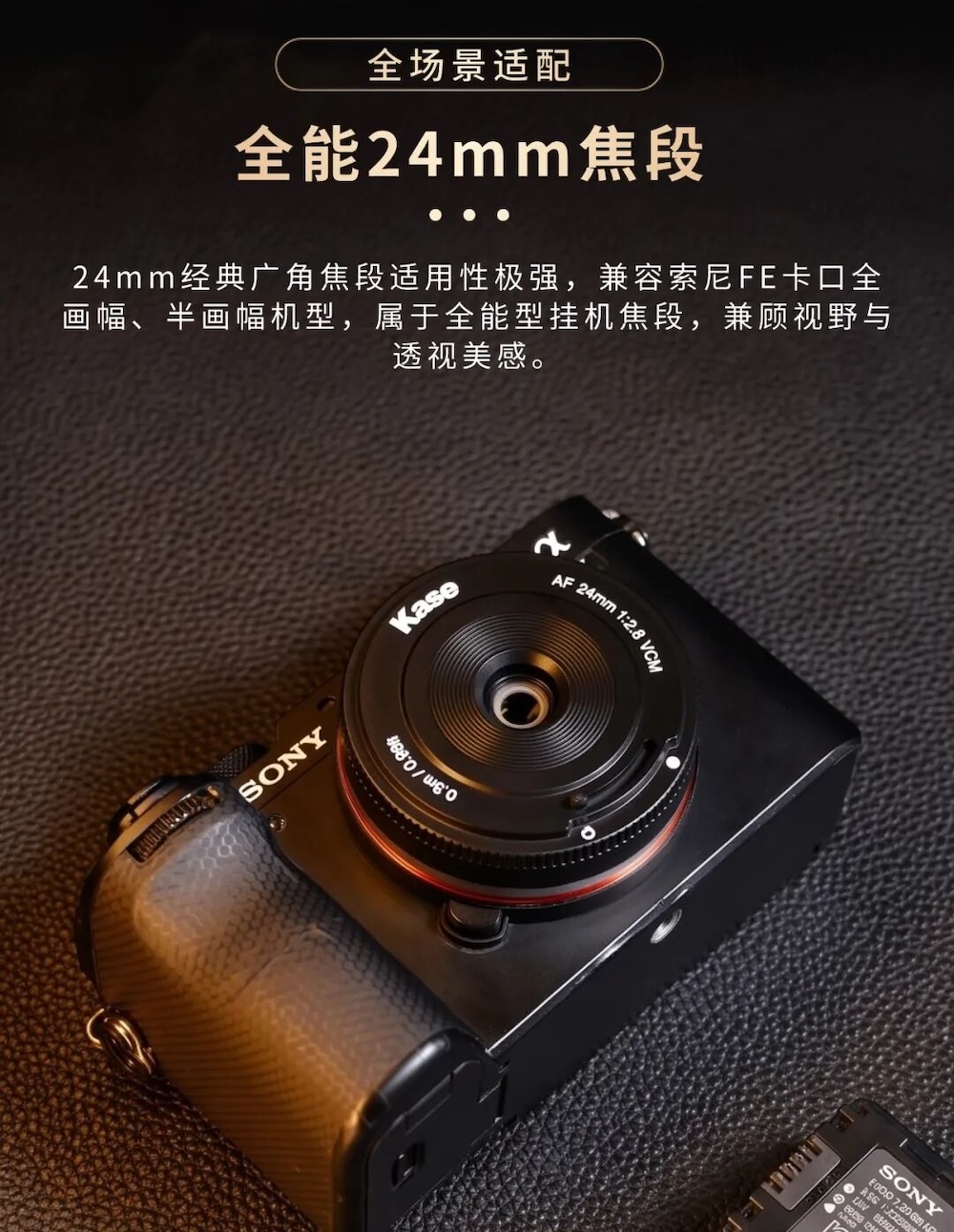
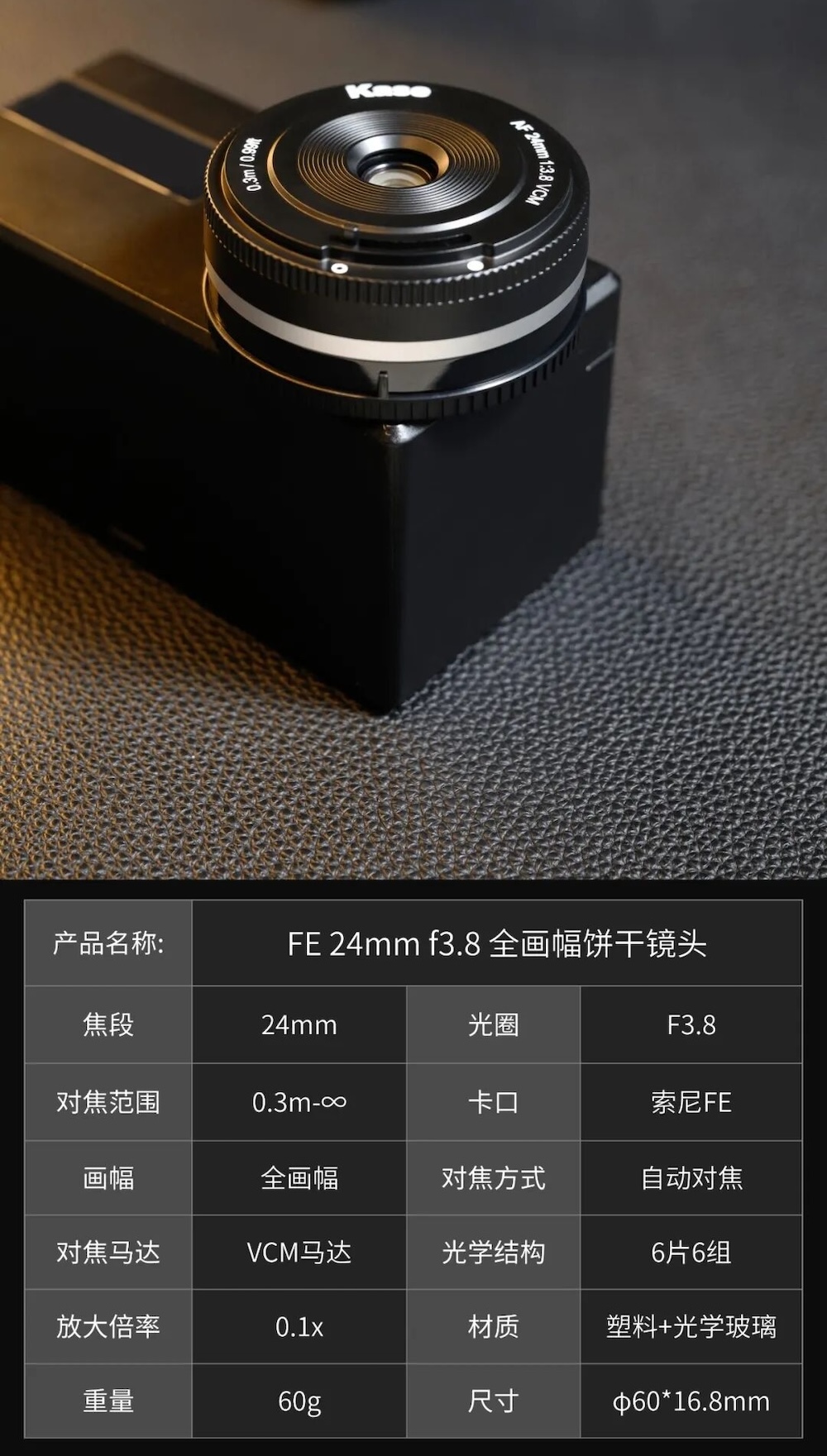
Kase has a new AF 24mm f/3.8 FE full-frame pancake lens (appears to be identical to the upcoming TTArtisan 24mm f/3.8). The lens is already listed for sale on AliExpress.
In the US, Kase Optics products are sold at B&H Photo and Amazon.
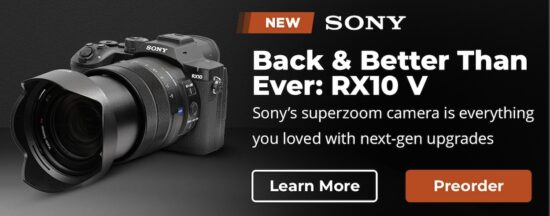
The Sony RX10 V is the fifth generation of the all-in-one super zoom camera series, combining a 24–600mm ZEISS Vario-Sonnar T* F2.4–4.0 lens with AI-powered autofocus and high-speed performance. Powered by a 20.1 MP 1.0-type stacked Exmor RS CMOS sensor and the BIONZ XR processing engine, the RX10 V introduces AI-powered Real-time Recognition AF, blackout-free continuous shooting at up to 30 fps with 60 AF/AE calculations per second, and up to 4K 120p video recording. Borrowing the ergonomics and control layout of Sony’s Alpha series, it also features an upgraded electronic viewfinder, extended battery life, and enhanced handling for demanding shooting environments. The RX10 V will be available in August 2026 for approximately $2,299.99 USD / $2,899.99 CAD.
SanDisk is moving forward with its long-awaited high-capacity SDUC memory cards. After an initial 2024 announcement and a delay from the originally planned 2025 launch, new details emerged last month at Computex 2026 confirming that 8TB full-size SDUC and 4TB microSDUC cards are on track to ship shortly.
SanDisk plans to launch these under its Ultra lineup (with some Extreme Pro variants also referenced):
8TB SDUC (full-size SD card)
4TB microSDUC
Both are UHS-I cards with a theoretical maximum transfer speed of around 104 MB/s. The Ultra models carry V10 and A1 ratings (minimum sustained write speed of 10 MB/s). An Extreme Pro 4TB SDUC version is also expected with a higher V30 rating.
These cards fall under the SDUC (Secure Digital Ultra Capacity) standard, which covers capacities from just over 2TB up to a theoretical 128TB and uses the exFAT file system (like current SDXC cards).
The Major Compatibility Issue
Here’s the big caveat – these cards are not backward compatible with existing SDXC readers or devices.
Current SDXC card readers (even those supporting the highest current capacities up to 2TB) will not work with SDUC cards.
Even brand-new SD Express readers cannot handle SDUC at this point.
No consumer or professional cameras, computers, or devices currently on the market support SDUC cards.
New multi-standard readers that combine UHS-II, SD Express, and SDUC support are expected and were reportedly shown at Computex, but they are not yet widely available.
SanDisk has not released official pricing, exact launch dates, or full spec sheets yet.
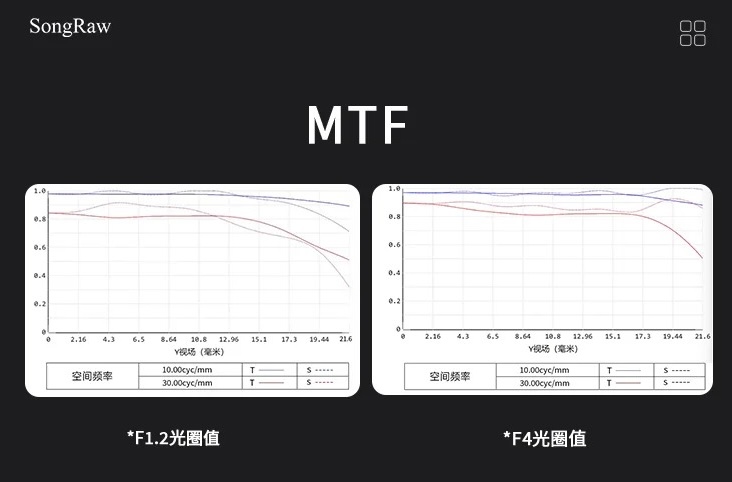
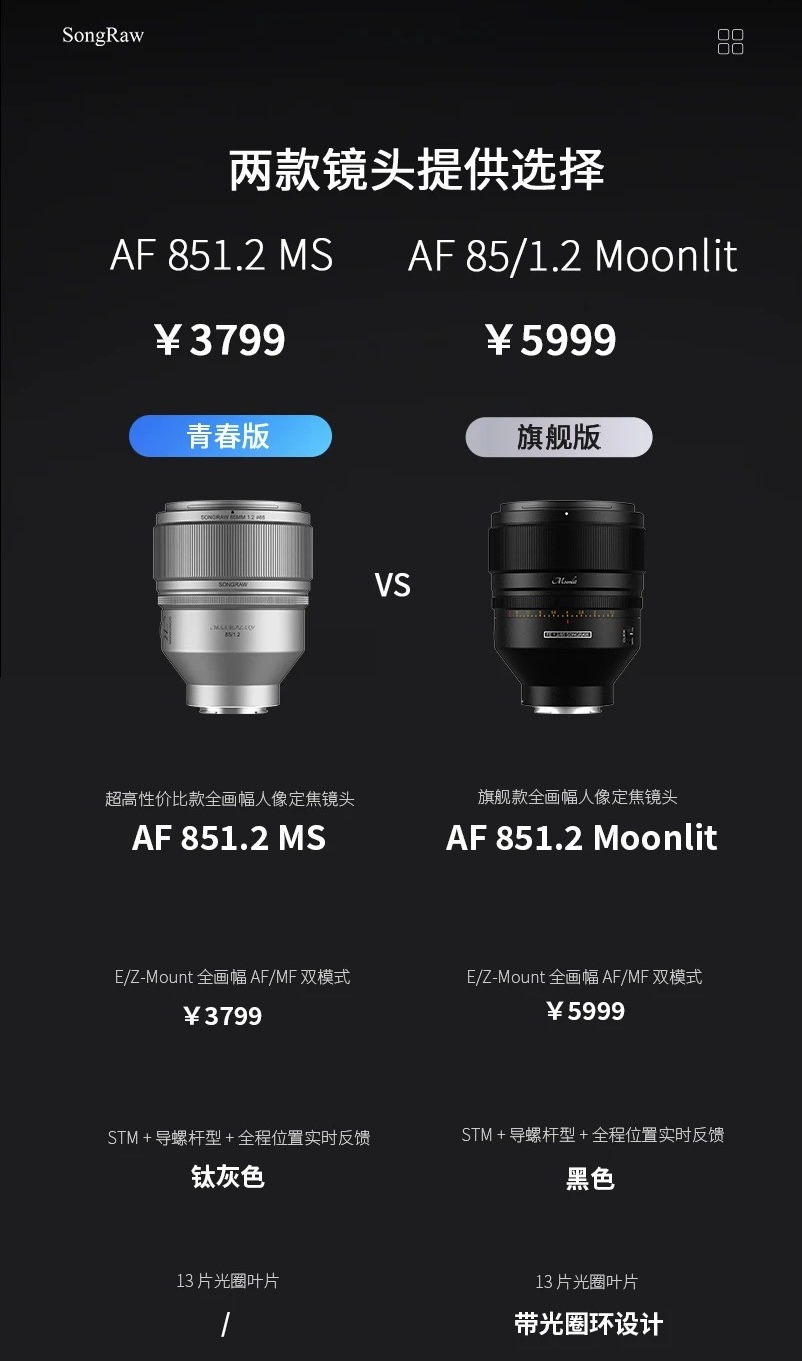
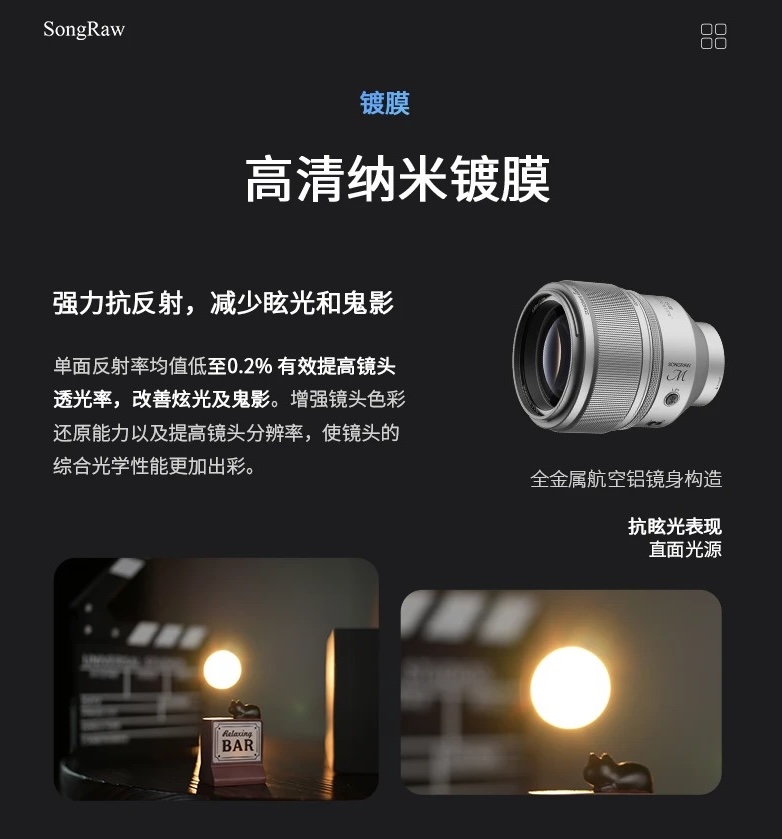
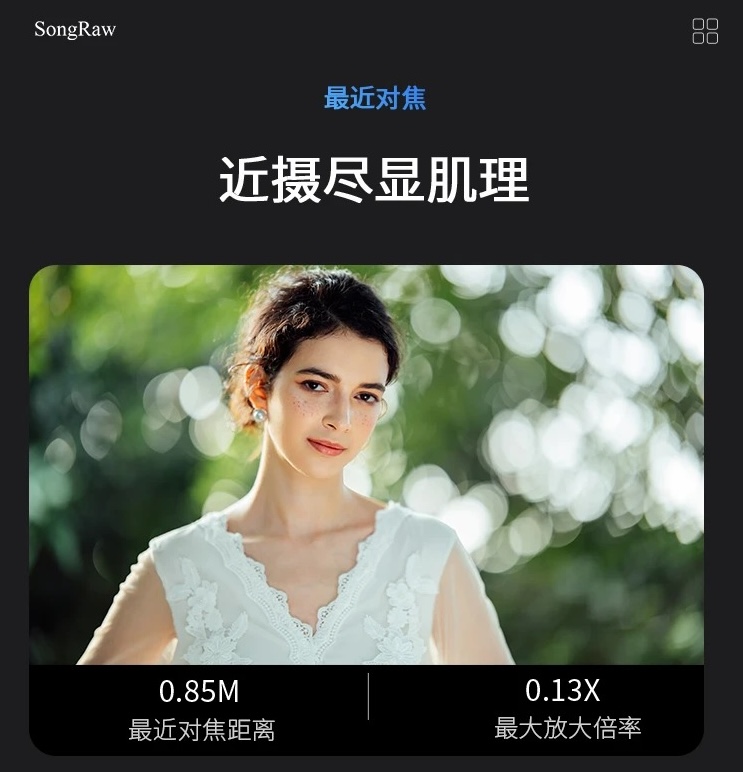
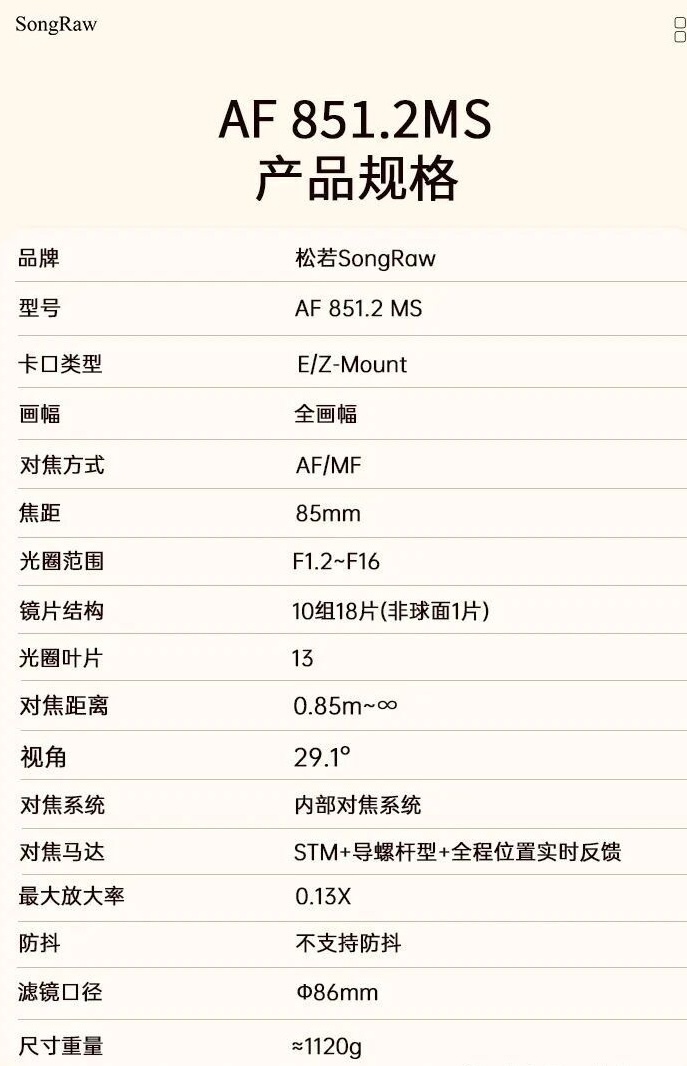
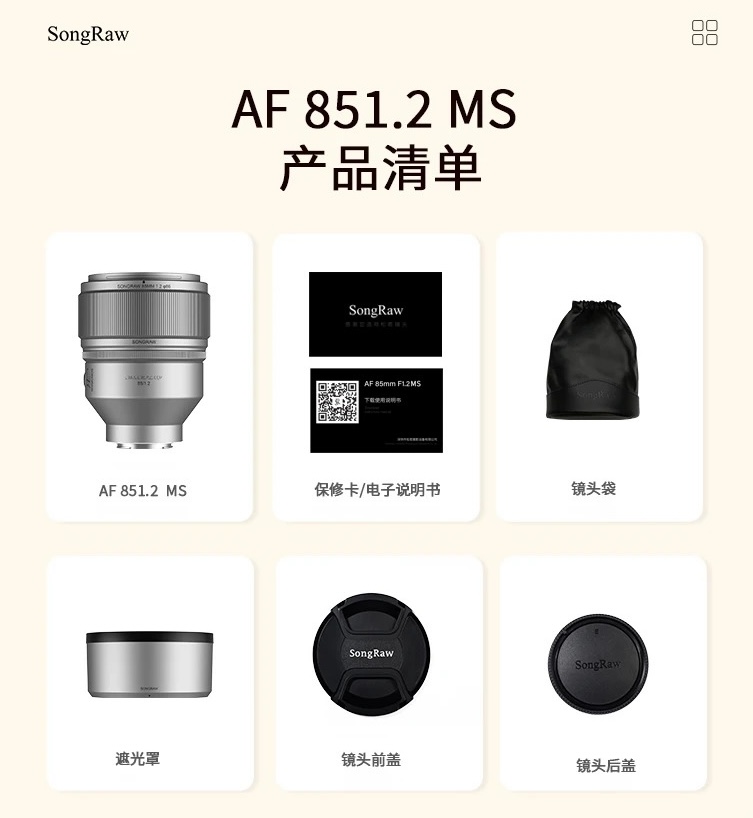
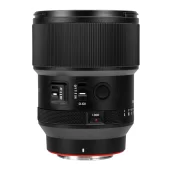
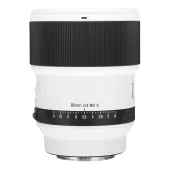
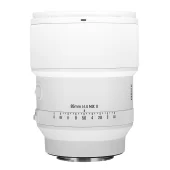
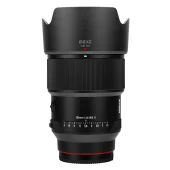
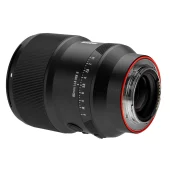
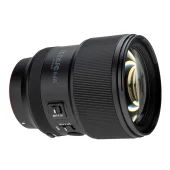
As previously reported, Songraw (not Meike) announced today a new AF 85mm f/1.2 MS “Youth Edition” full-frame autofocus prime lens. The lens itself is not new – see previous coverage. Here are the details on the new “Youth Edition” version of the Songraw 85mm f/1.2 lens made entirely of aviation-grade aluminum (in the US, Songraw lenses are sold at Amazon):
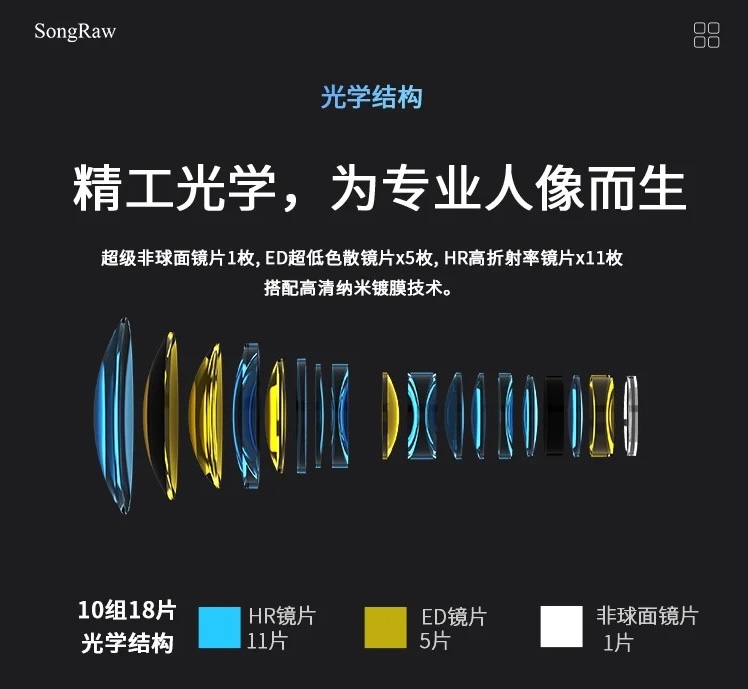
18-element in 10-group, including 6 special elements, and an APO element, nano-coating
13-blade aperture
Made entirely of aviation-grade aluminum
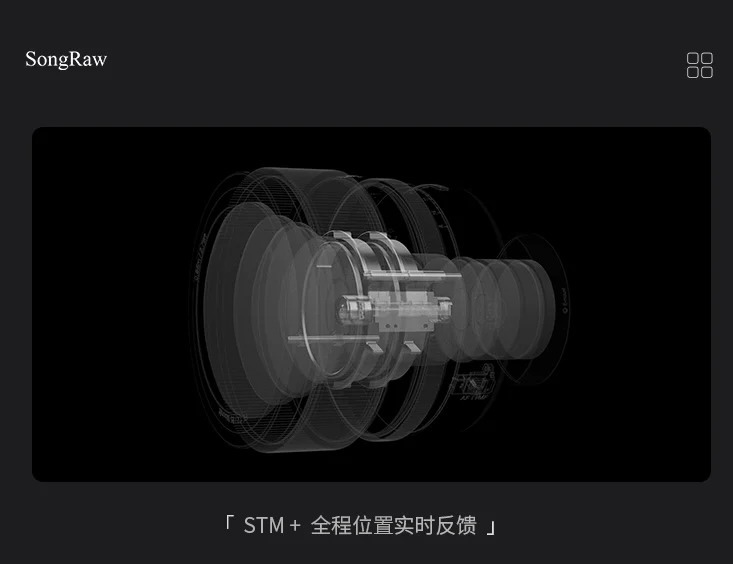
STM motor with real-time position tracking and closed-loop monitoring
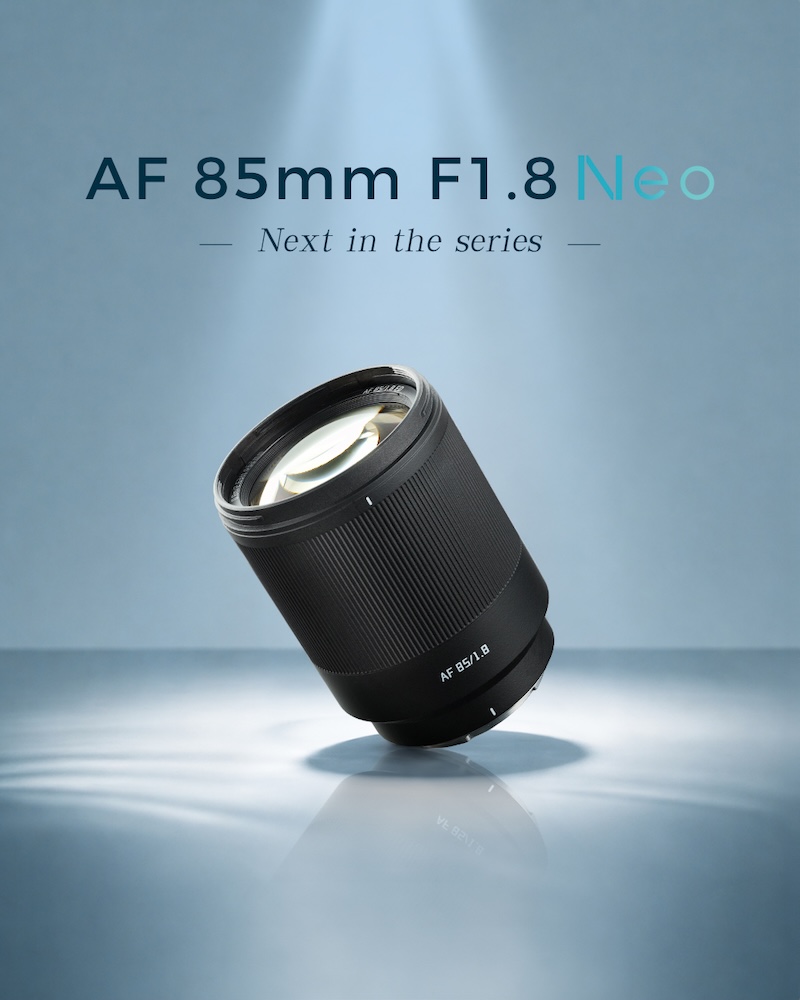
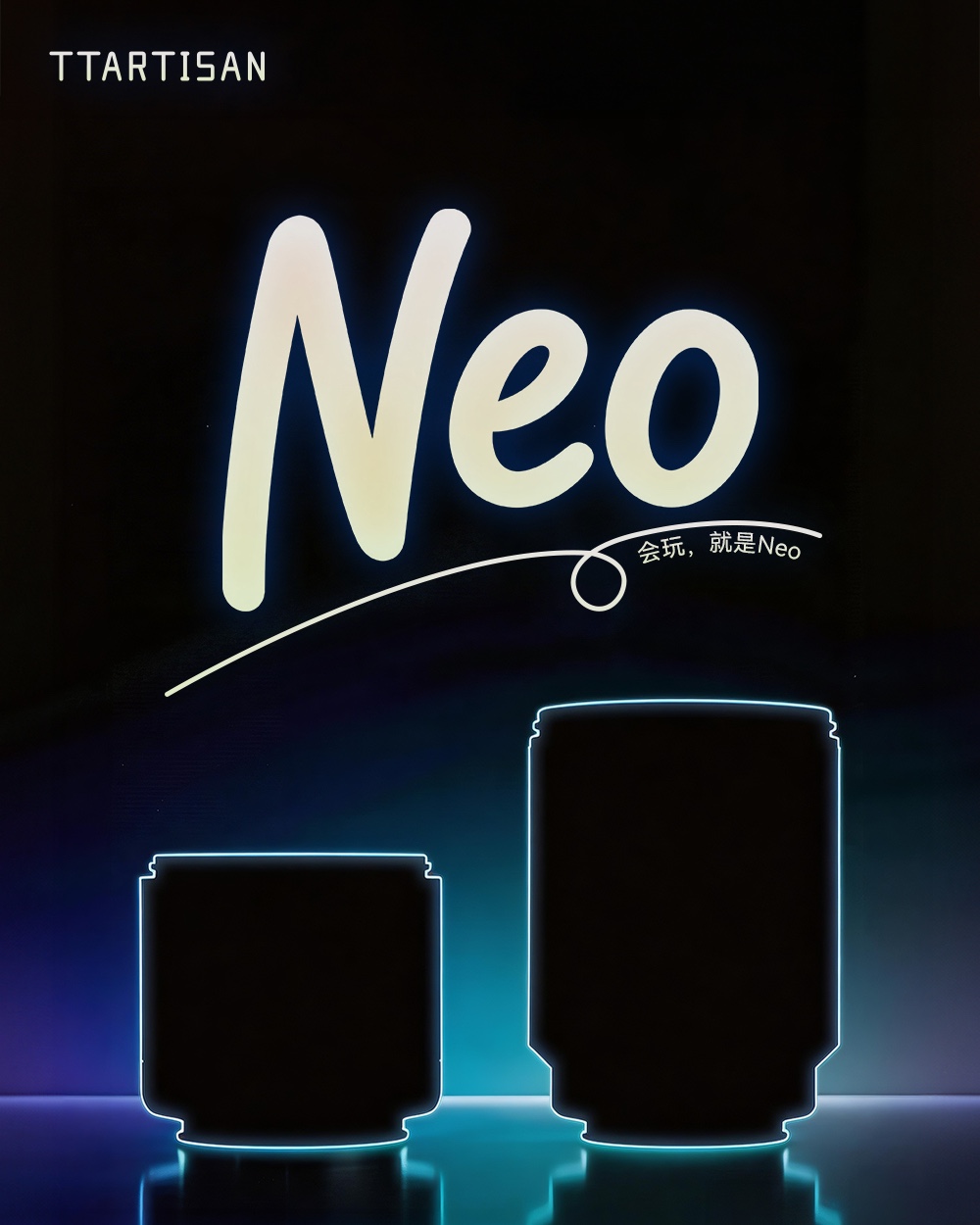
The TTArtisan Neo line is a new series of ultra-affordable, minimalist full-frame autofocus prime lenses that prioritize extreme simplicity, compact size, and low cost over traditional manual controls. The line features a clean, no-frills design with no aperture ring or focus ring.
Information on the TTartisan AF 50mm f/1.8 NEO lens (E/Z/L) is available here:

 Connexion



































 for seamless video and stills customization