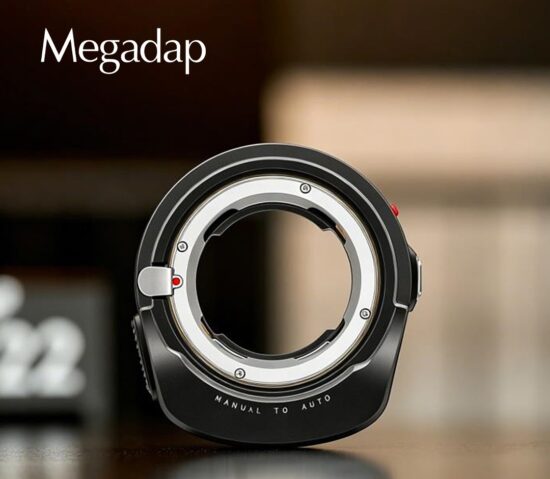
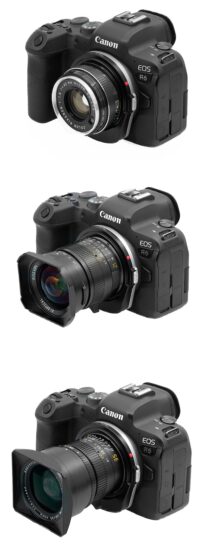
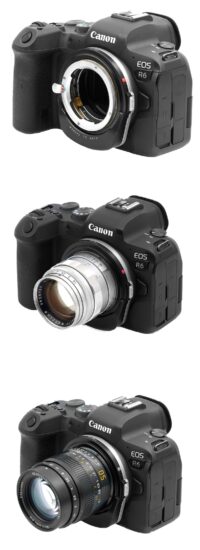
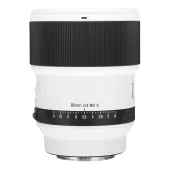
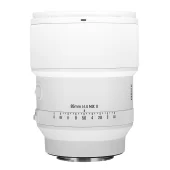
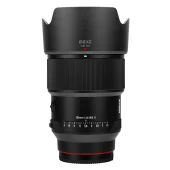
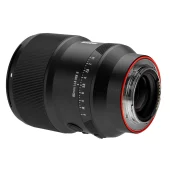
The world’s first Megadap M2RF autofocus lens adapter for using Leica M lenses on Canon RF cameras (previously reported here) is now available to order at:
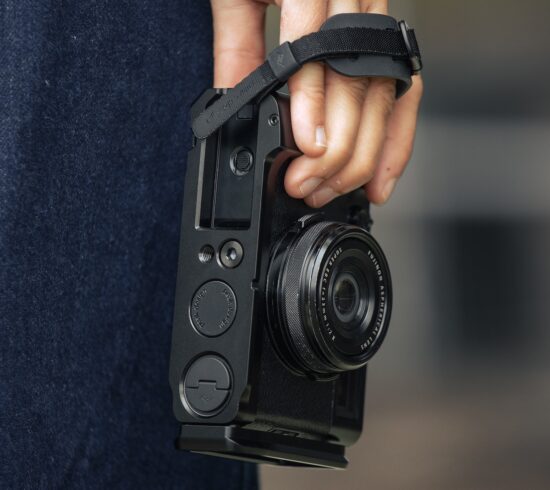
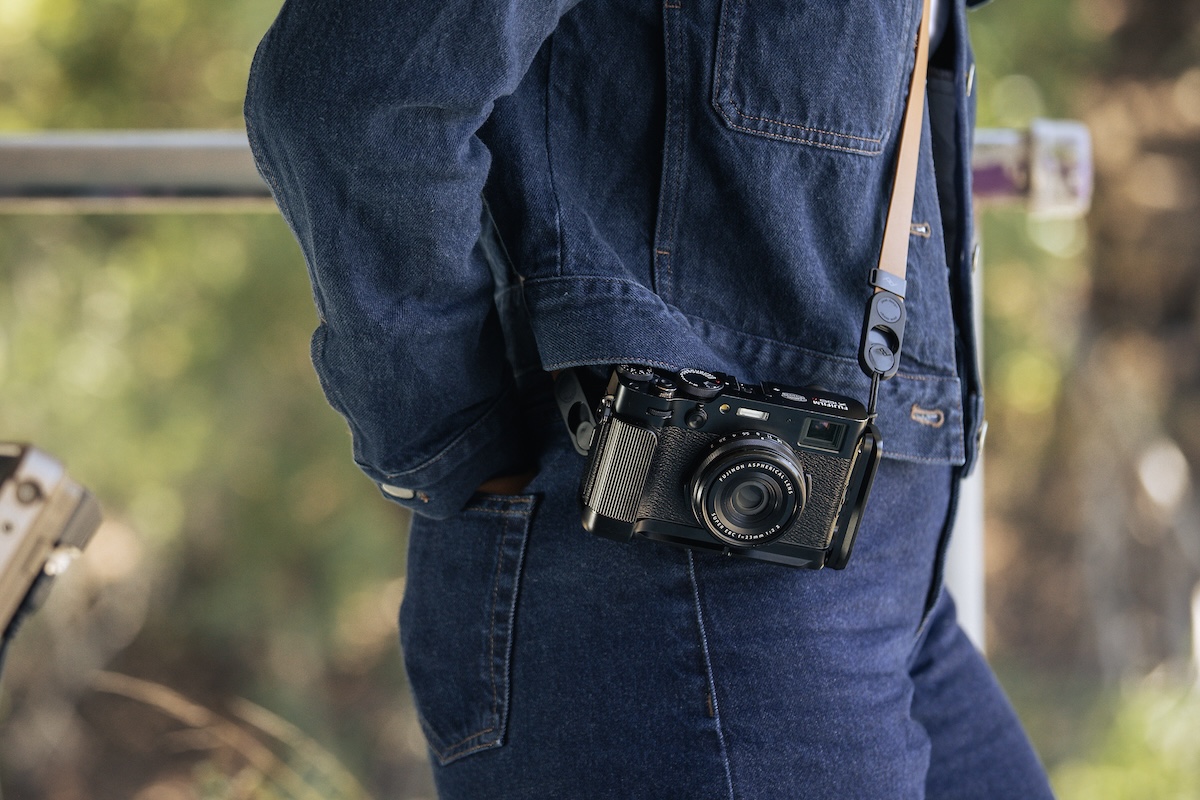
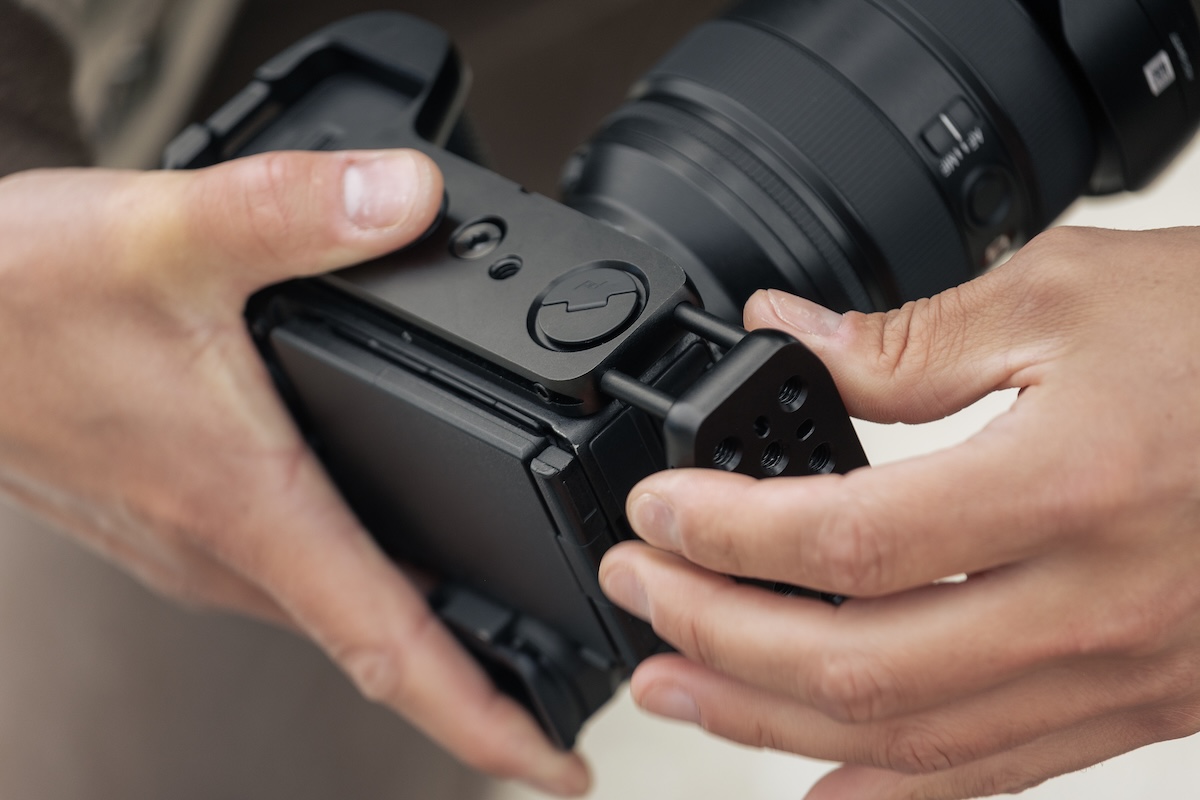
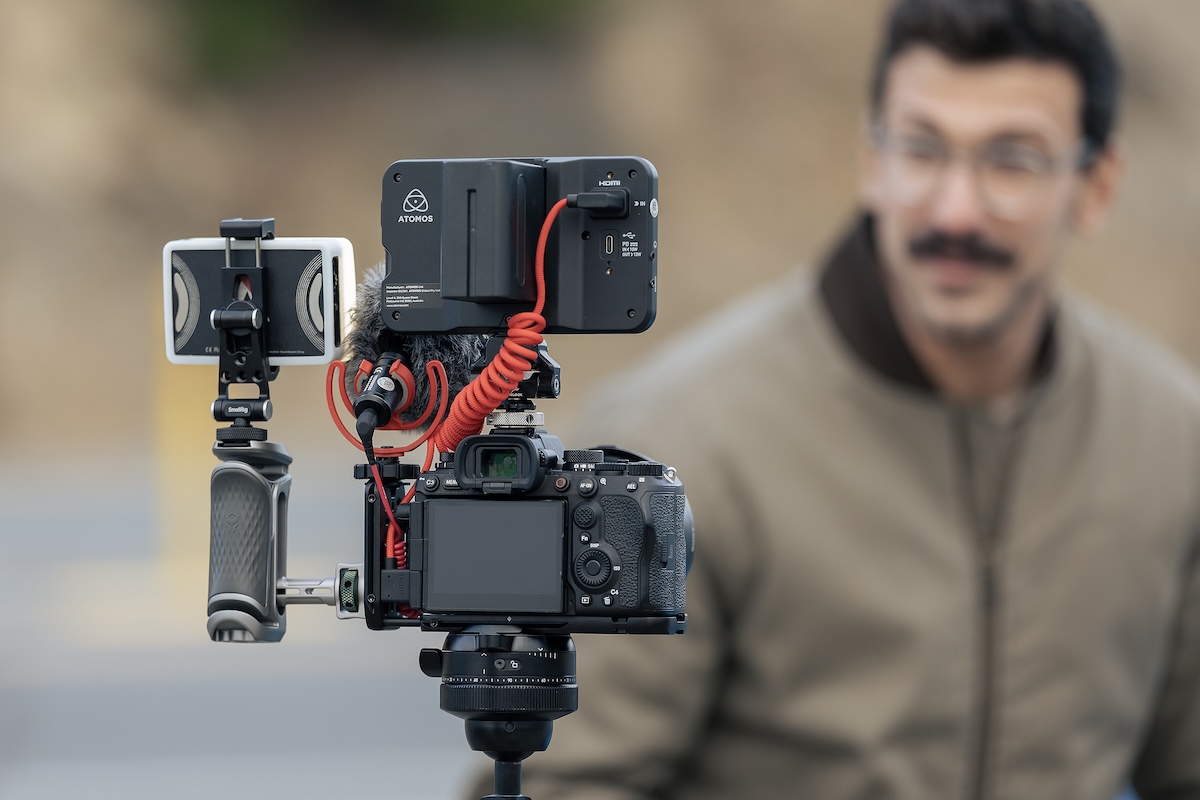
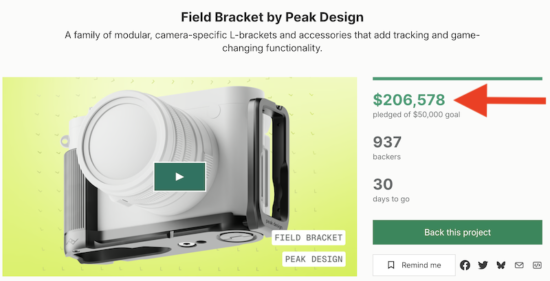
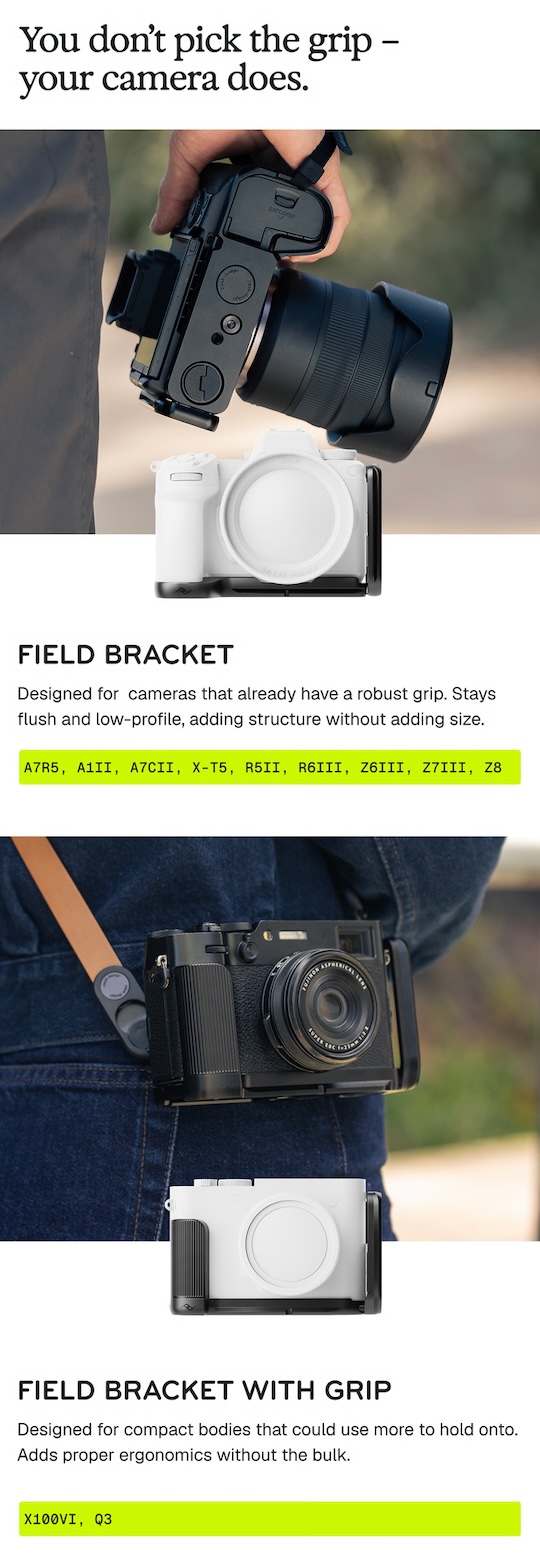
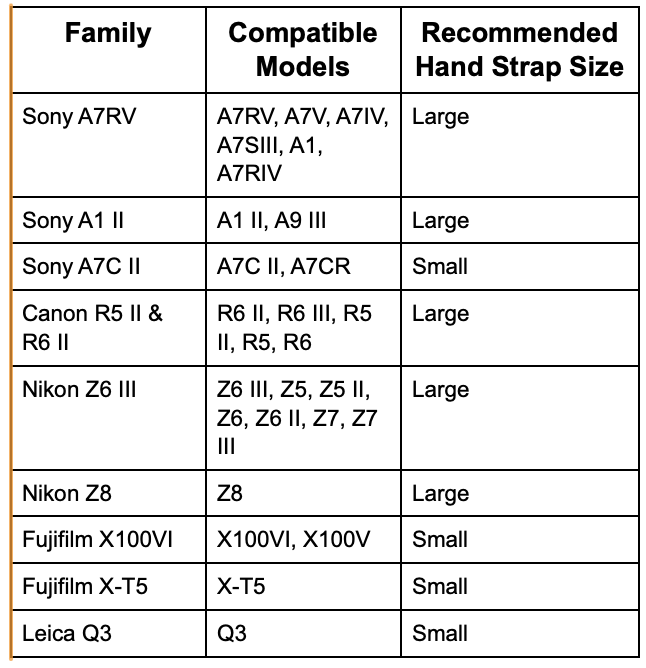
Peak Design introduced a new modular field L-bracket system for Sony, Nikon, Canon, Fuji, and Leica cameras (with an AirTag pocket) and is currently crowdfunding the project on Kickstarter. In just the first few hours, they already raised over $200k:
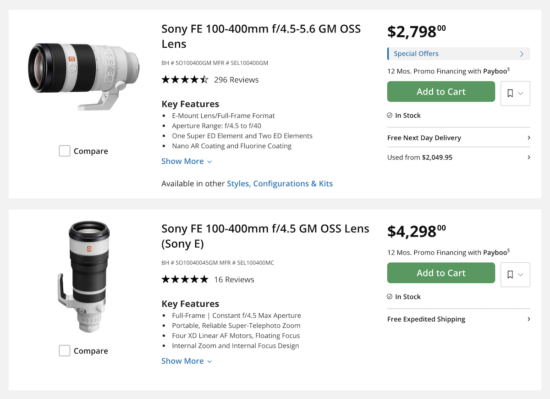
In addition to the new FX camera, Sony will also announce a new FE 100-400mm f/5.6-8 OSS lens that will have an integrated focus limiter switch (∞-3m) into the lens’s AF/MF switch (according to camerainsider).
You can clearly see how the big Japanese brands are behind on the trend – Kodak has four cheap mediocre cameras in the top 10 list.
The BCN Ranking is a POS database that collects and aggregates daily sales data of digital cameras from major consumer electronics retailers and online shops covering approximately 40% of the Japanese retail market.
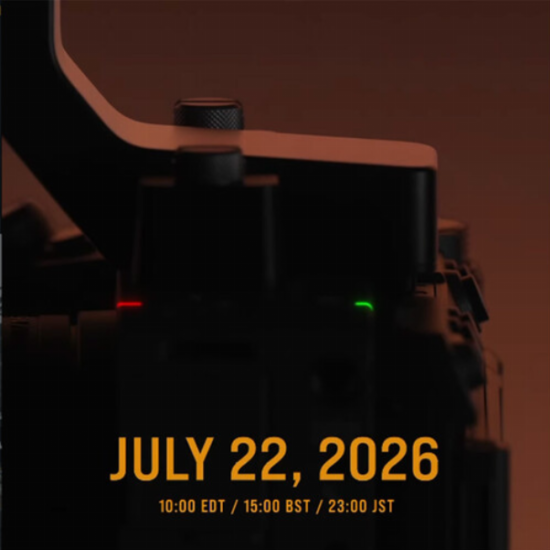
The official announcement is rumored to be on July 22nd – here is what to expect from the new FX model that will be positioned between the FX3/FX3A and the FX6:
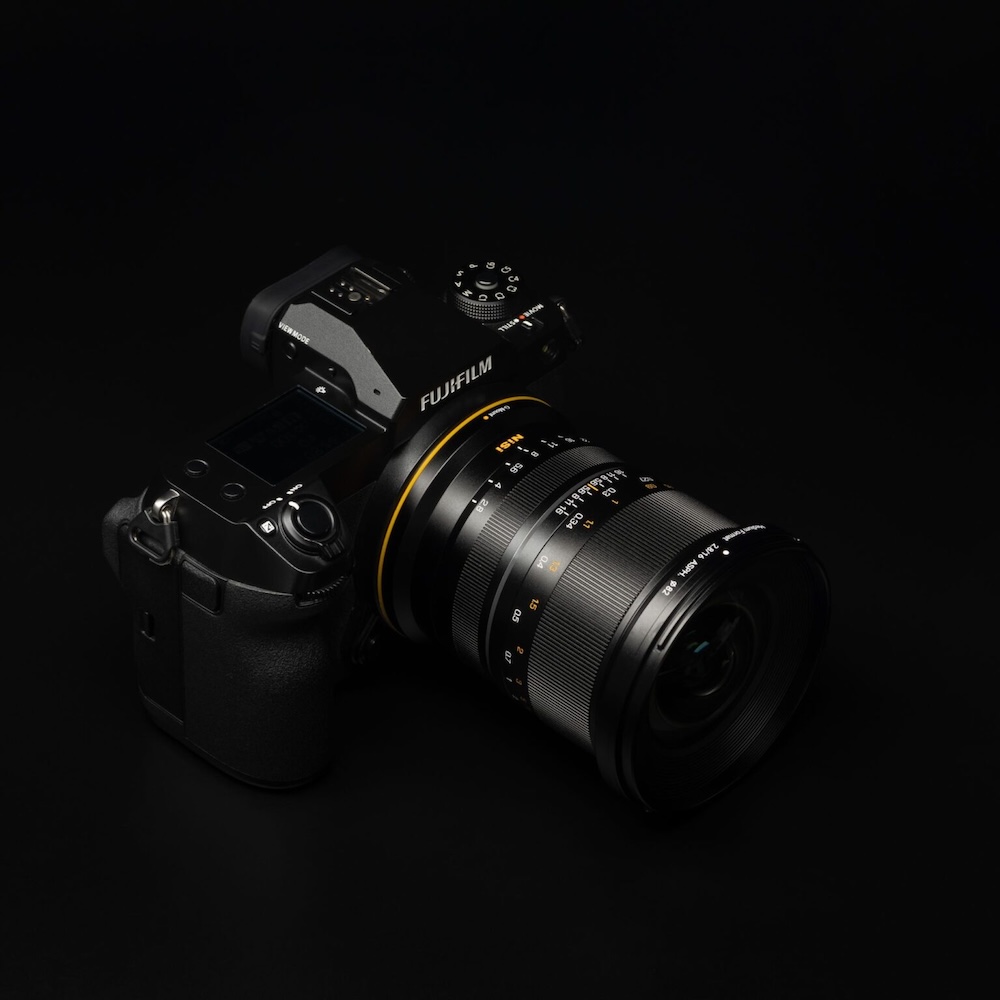
Ultra-Wide 16mm Field of View: With a full-frame equivalent of approximately 12.6mm, it delivers an expansive field of view exceeding 118 degrees for dramatic medium format compositions.
Bright f/2.8 Maximum Aperture: A fast f/2.8 aperture lets you work at lower ISO for cleaner night skies, astrophotography, and dim interiors on high-resolution sensors.
Built for 100MP Medium Format Sensors: The advanced optical design resolves fine detail from center to edge across the entire image circle, matching today’s highest-resolution medium format cameras.
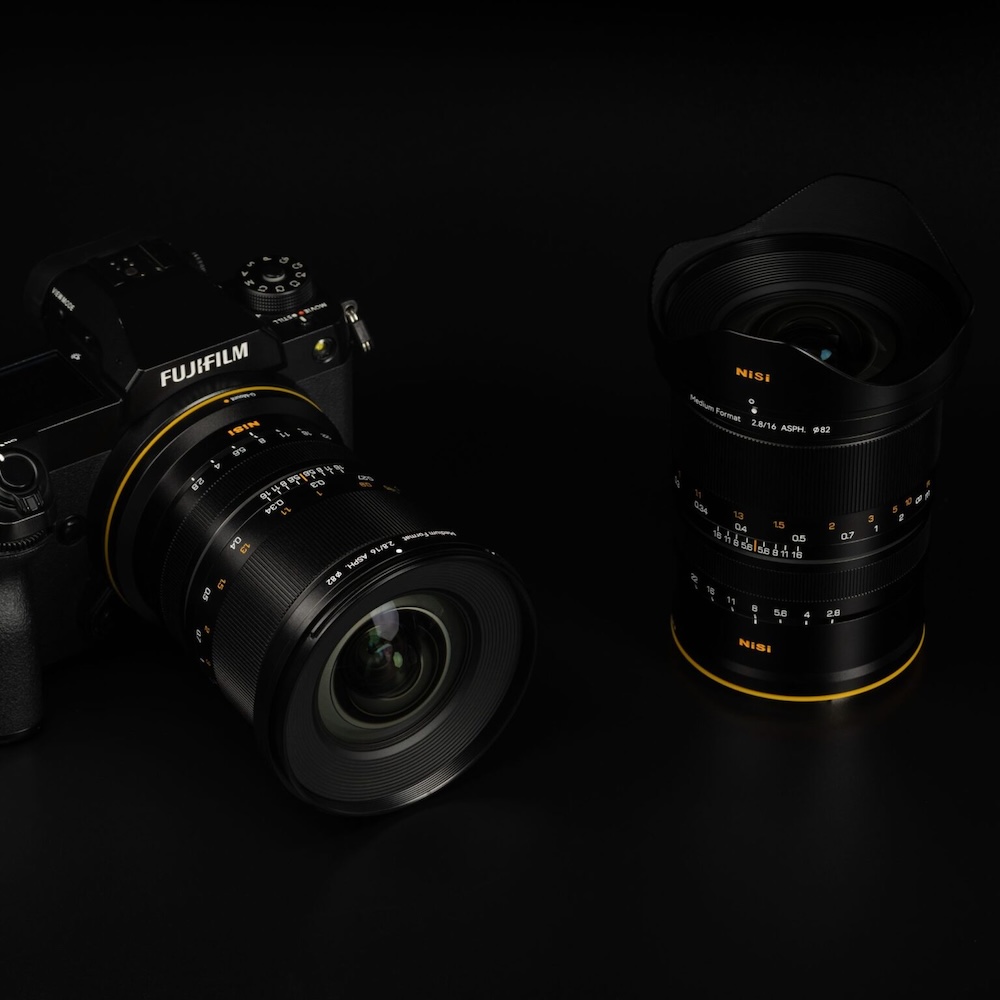
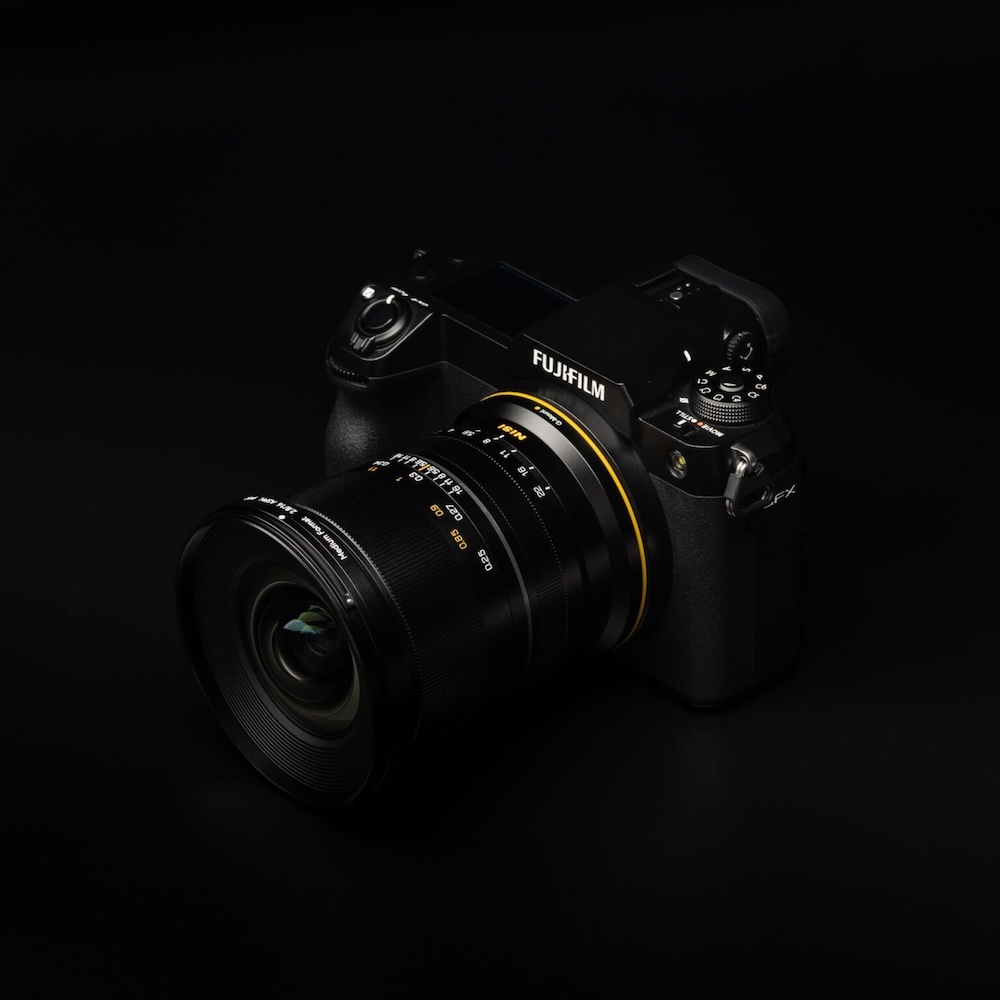
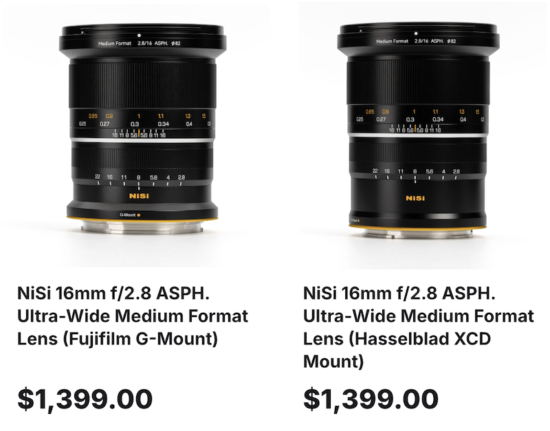
Native Fujifilm G-Mount Fit: This version mounts directly to Fujifilm GFX medium format bodies with no adapter, in a compact 108mm barrel that balances well in the field.
12-Group, 16-Element Optical Design: Three glass aspherical elements and four ultra-low dispersion elements work together to deliver outstanding sharpness, contrast, and color accuracy.
APO-Level Chromatic Aberration Control: Axial and lateral color fringing is held to a minimum even wide open, resulting in clean edge definition and true-to-life color across the frame.
Clean 8-Point Sunstars: A specially designed 8-blade aperture creates crisp, defined 8-point sunstars from f/4 to f/22 for striking starburst effects in cityscapes and night scenes.
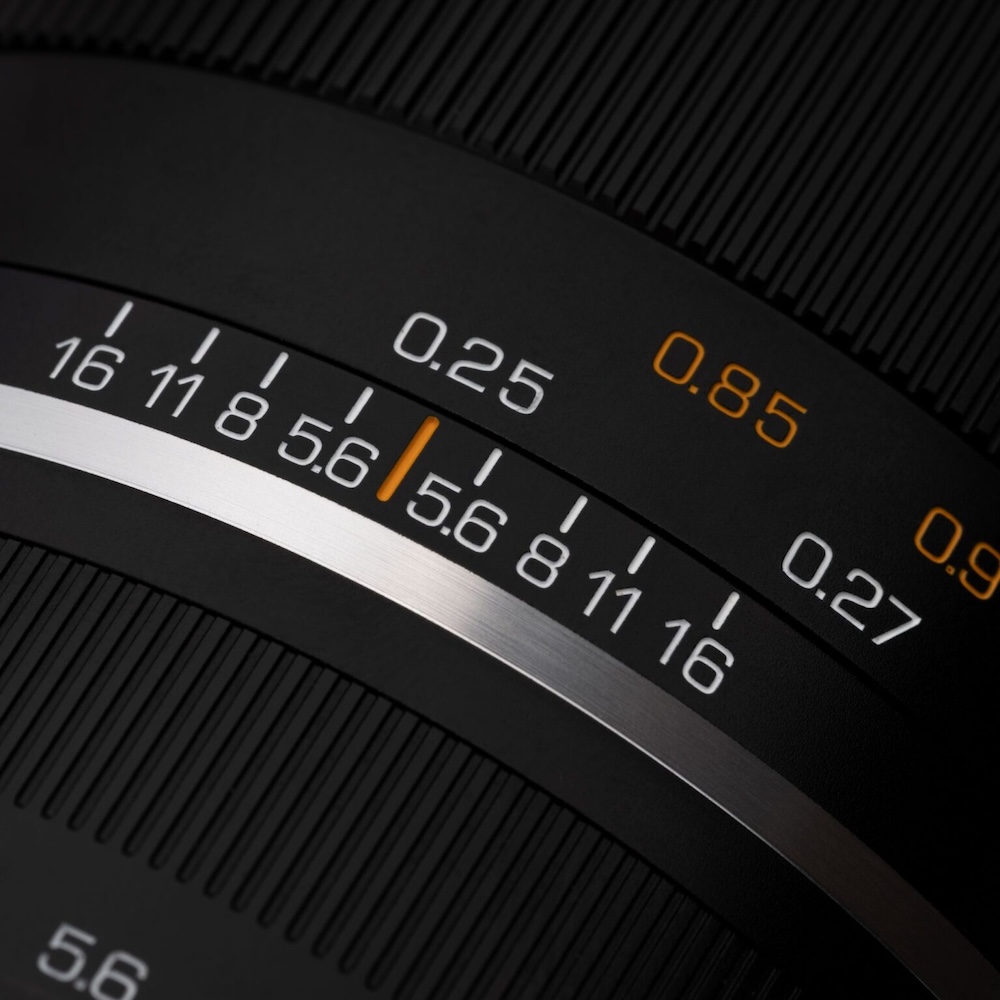
0.25m Close-Focus Capability: A minimum focusing distance of just 0.25m enables close-up compositions with strong foreground impact and an exaggerated ultra-wide perspective.
Weather-Sealed Metal Body: A durable metal barrel with a weather-sealing ring helps resist moisture and dust, staying compact and lightweight at approximately 835g.
82mm Filter Thread with SA+ Coating: An 82mm front thread accepts screw-in filters, while SA+ anti-reflection and ultra-hard surface coatings deliver low flare and lasting protection.
Designed for Fujifilm GFX Medium Format Cameras
This Fujifilm GFX (G-Mount) version mounts natively to Fujifilm GFX medium format bodies with no adapter required. It brings genuine ultra-wide coverage to a system that has long lacked an affordable, fast wide prime, unlocking sweeping landscapes, tight interiors, and night-sky work for high-resolution shooters who want maximum angle without compromise.
16mm Ultra-Wide Coverage
With a full-frame equivalent focal length of approximately 12.6mm, the NiSi 16mm f/2.8 delivers an ultra-wide field of view exceeding 118 degrees. That sweeping angle captures vast scenes, expansive skies, and exaggerated foreground perspective that longer lenses simply cannot reach, making it a natural choice for grand vistas and confined interior spaces alike.
Advanced Optical Design
A 12-group, 16-element optical formula includes three glass aspherical elements and four ultra-low dispersion elements. Together they suppress distortion, control aberrations, and keep lines straight even at the edges, delivering excellent image quality and resolving power across the large medium format image circle for architecture and symmetrical compositions.
Resolving Power for 100-Megapixel Sensors
The optical design delivers outstanding resolution from center to edge across the entire image circle, perfectly matched to high-resolution medium format cameras. Fine textures, distant detail, and subtle tonal transitions are rendered cleanly on today’s 100MP sensors, with peak performance reached around f/5.6 for the most demanding studio and landscape work.
Stays Sharp Wide Open at f/2.8
Even wide open at f/2.8, the NiSi 16mm f/2.8 holds sharp detail from the center to the edge. Three aspherical elements help control coma, rendering point light sources cleanly, which makes it a strong performer for Milky Way and astrophotography. The bright aperture also lets you shoot at lower ISO for cleaner, less noisy night-sky frames.
Minimal Chromatic Aberration
The lens delivers APO-level control of chromatic aberration across the entire image circle. Axial and lateral color fringing is kept to a minimum even wide open, resulting in clean edge definition and true-to-life color in high-contrast scenes such as backlit horizons, city lights, and bright winter skies, so files need less correction in post.
Clean 8-Point Sunstars and Close Focus
A specially designed 8-blade aperture produces clean, defined 8-point sunstars from f/4 to f/22, balancing image quality with a strong starburst effect and a small, tidy center spot. A close 0.25m minimum focusing distance and 0.12x magnification let you push in on foreground subjects for added depth, scale, and dramatic wide-angle storytelling.
Precision Handling and Durable Build
The manual focus ring moves smoothly across a 180-degree rotation, while the clicked aperture ring gives accurate, tactile stop control. A weather-sealed metal body, cinema-inspired painted markings, SA+ anti-reflection coating, and an ultra-hard surface coating that resists water, oil, and fingerprints round out a lens built for serious, repeatable work in tough conditions.
Whether you are capturing the Milky Way, expansive landscapes, or dramatic architecture, the NiSi 16mm f/2.8 ASPH. delivers a rare combination of ultra-wide coverage, a bright f/2.8 aperture, and ultra-high resolution. Its 82mm filter thread also pairs with the JetMag Pro 95MAG magnetic system using a dedicated adapter. Built for the Fujifilm GFX (G-Mount) medium format system, it stands among the highest image quality ultra-wide medium format lenses available today, ready for ambitious work in the studio and the field.
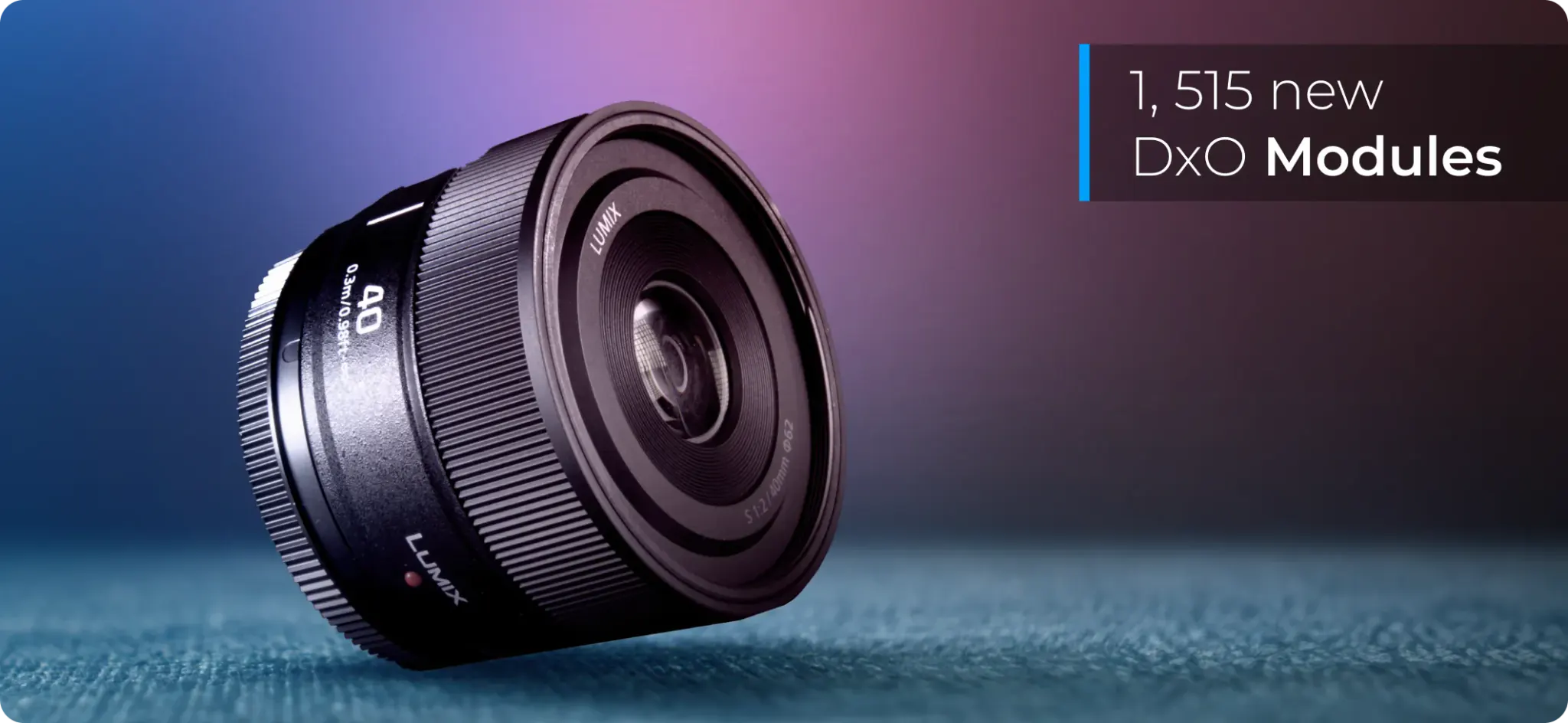
DxO released new modules for the latest releases from Canon, Sony, Sigma, Panasonic, and Smayang. A total of 1,515 new DxO Modules were released. Some of the newest camera modules have already been delivered automatically – here is the complete list:
Both Fujifilm and Canon registered new cameras in Asia. Canon registered a new DS126965 camera on July 1st. It features dual-band Wi-Fi. This brings Canon’s total registrations for fiscal year 2026 to three new devices: DS126947, DS126973, and DS126965, none of which have corresponding existing models:
Fujifilm now has two registered and not yet announced cameras:
Fujifilm FF260001: registered on April 7, 2026, featuring the X-Processor 6 APS-C interface, tri-band Wi-Fi 6, NP-W255 battery, and CMOS Image Sensor.
Fujifilm FF260002: registered on July 3, 2026, featuring the X-Processor 6 interface, tri-band Wi-Fi 6, and CMOS Image Sensor – this will probably be the rumored Fujifilm X-T6:
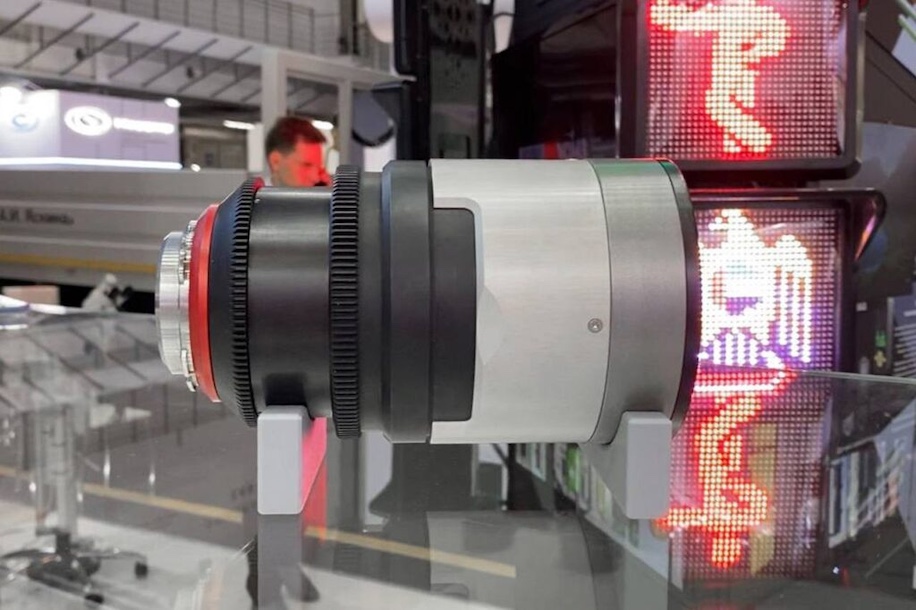
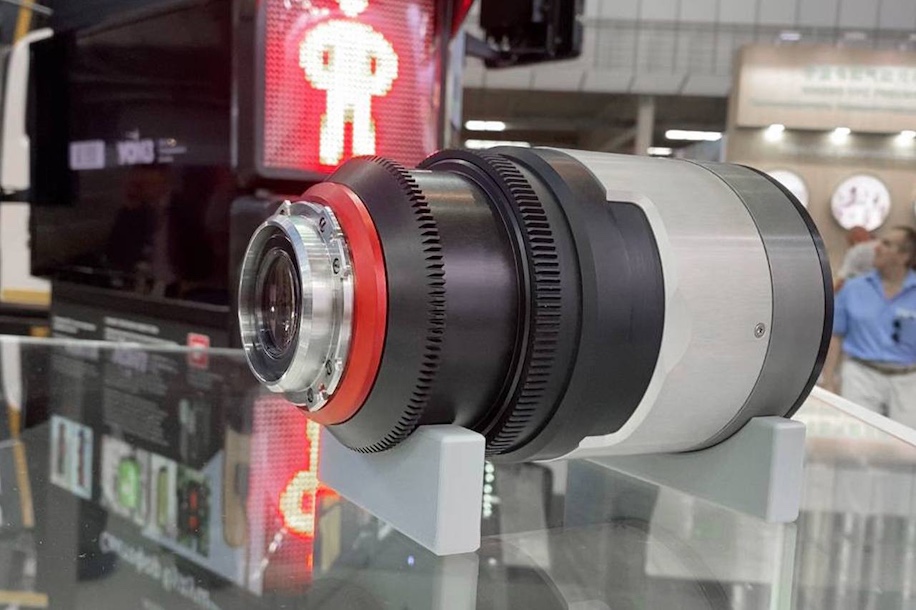
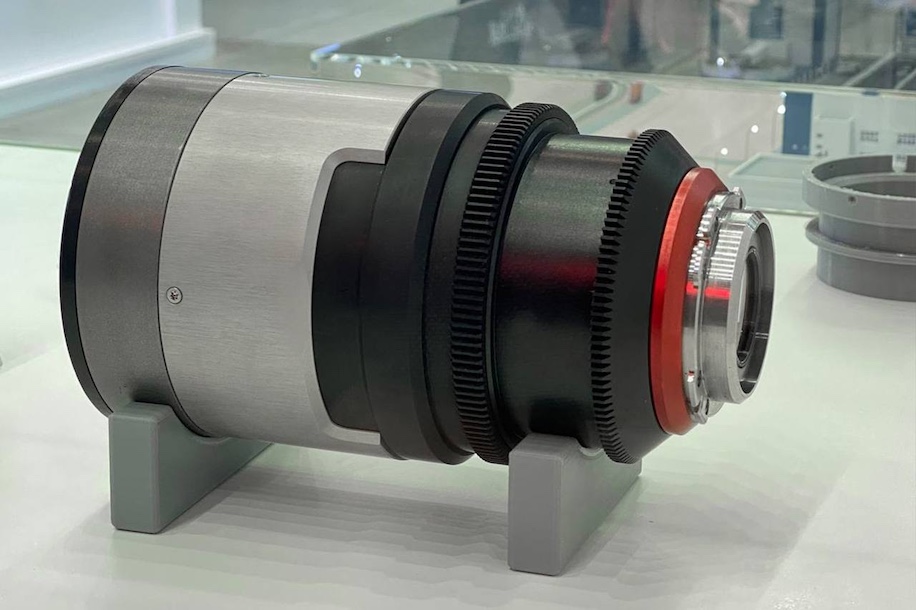
The first 80mm Russian anamorphic cinema lens (previously reported here) was recently presented by Shvabe Holding (part of Rostec State Corporation) at the Innoprom 2026 show. This marks the first time a domestically produced anamorphic film lens has reached the ready-made prototype stage in Russia. The anamorphic series, developed by the Lytkarinsky Optical Glass Plant (LZOS) within the Shvabe holding, includes four focal lengths:
40mm
60mm
80mm (first finished model, now shown)
100mm
All lenses feature a 2x anamorphic squeeze, PL mount as standard (with adapters available for other mounts), and are designed for digital cinema cameras.
Ultra-wide field of view without the edge distortion and corner darkening typical of wide-angle spherical lenses.
Distinctive cinematic rendering, including characteristic bokeh and flares.
High image quality and “unique picture” that sets them apart from many foreign alternatives.
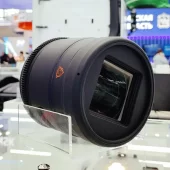
The front elements have an unusual concave shape – a hallmark of this optical design that enables the horizontal squeeze while preserving overall image integrity.
“The development of anamorphic lenses is an important step by a domestic manufacturer for the development of the Russian film industry. In addition to the extended horizontal frames and high image quality, they allow you to create unique cinematic effects. We will launch the film lenses into mass production next year. It is planned to produce 4 sets of products as part of the first installation batch. Test copies will appear this year. They will be available for delivery to film studios, and their cost will be lower than their foreign counterparts.” — Lev Borisov, Deputy General Director for Sales of Civilian Products at Shvabe Holding
Development Timeline & Availability
July 2026: 80mm ready-made model presented publicly for the first time.
Later in 2026: test copies are expected to become available for film studios.
2027: serial/mass production launch, starting with an initial batch of 4 sets.
LZOS & Shvabe Background
Lytkarinsky Optical Glass Plant is one of Russia’s premier optical manufacturers. It is the only facility in the country capable of producing large-scale ground- and space-based mirrors used in major telescopes worldwide. The plant also produces the well-known Rubinar mirror lenses.
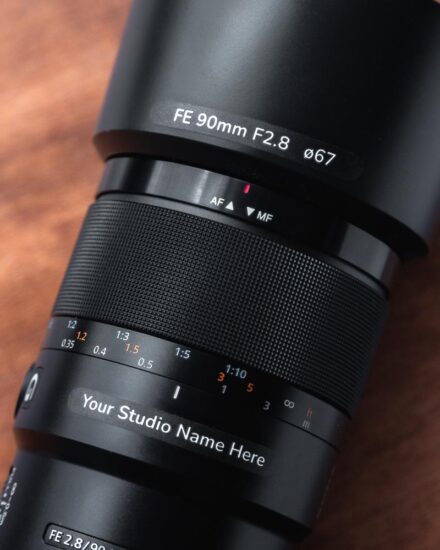
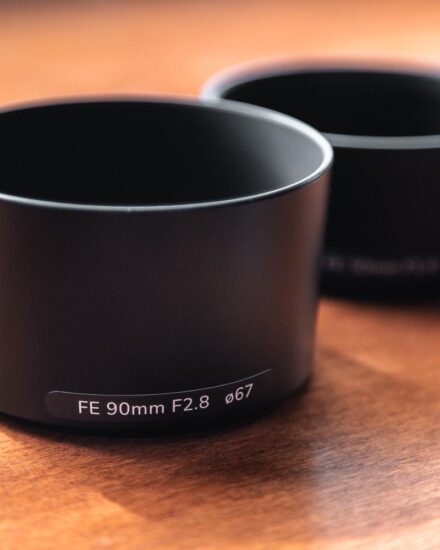
Customizable Lens Hood & ID Labels
Engineered to stop the frustration of mixing up identical-looking lens hoods on busy sets. This system allows shooters to easily differentiate similar hoods while adding their custom studio or business name directly to lens bodies and camera setups for durable, clean ownership tracking.
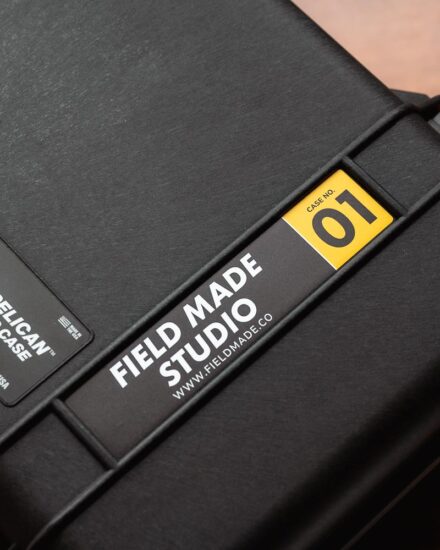
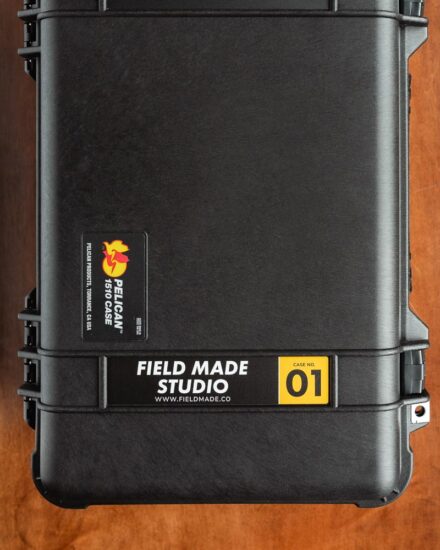
Customizable ID Labels for Pelican Cases
Heavy-duty, weatherproof labels designed to replace messy gaffer tape on rugged hard cases. These IDs allow creators to identify exactly what gear is inside each case at a glance, giving the entire production kit a sleek, cohesive, and professional look during client sessions.

 Connexion