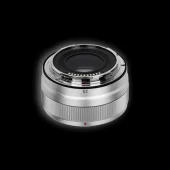
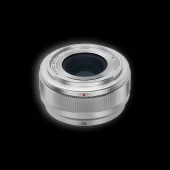
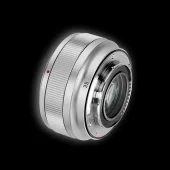
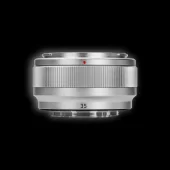
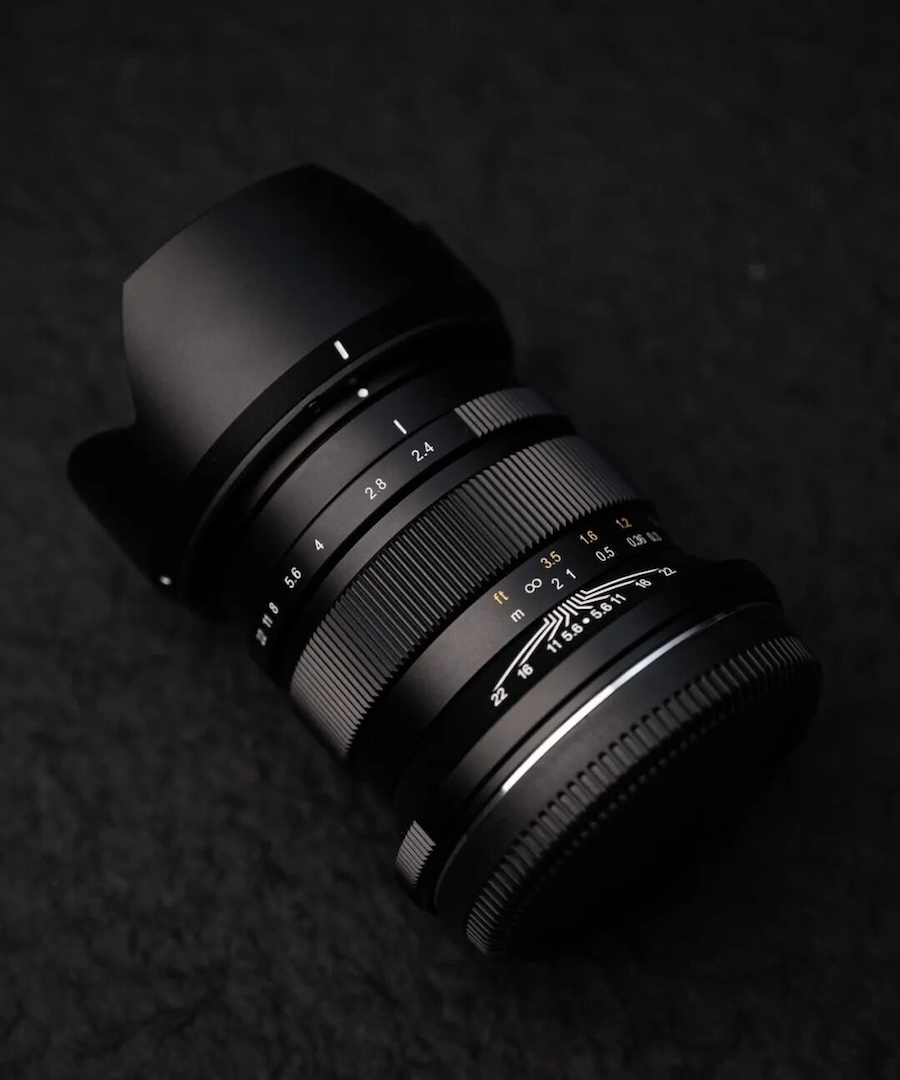
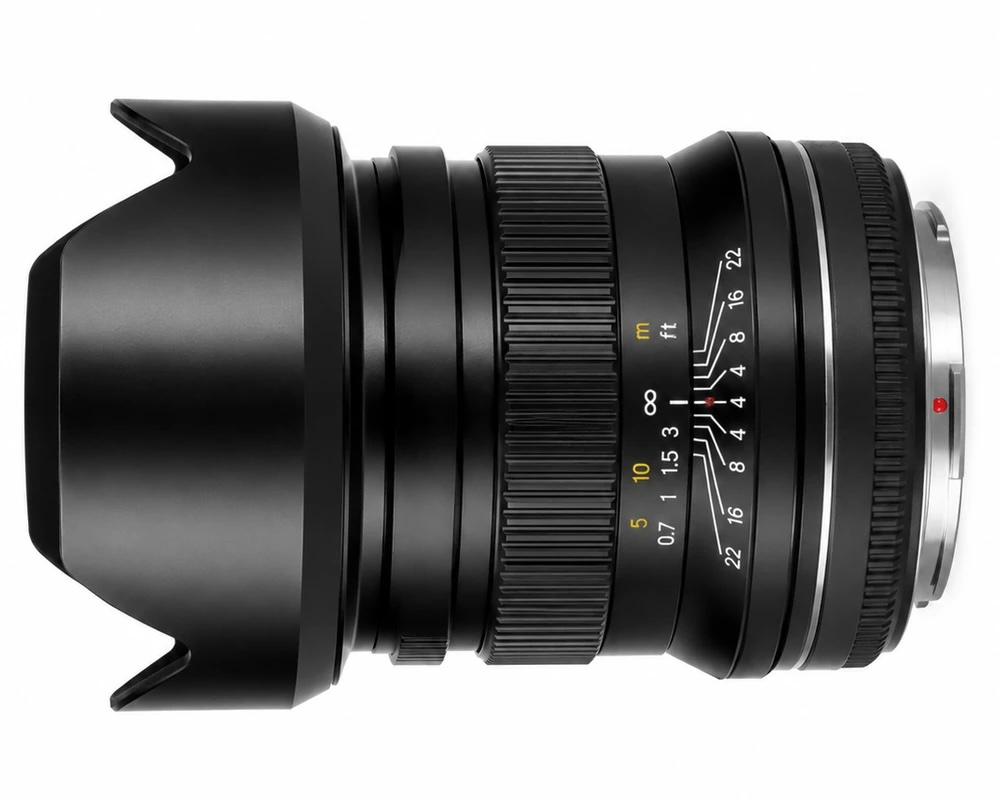
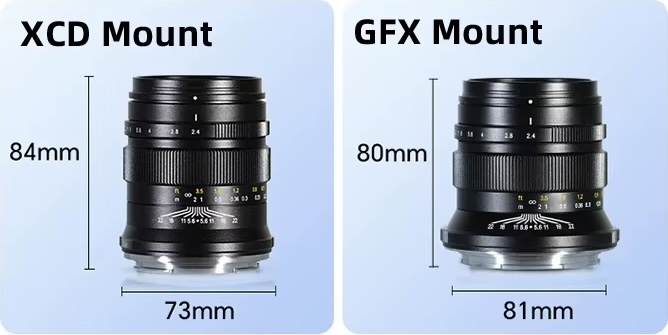
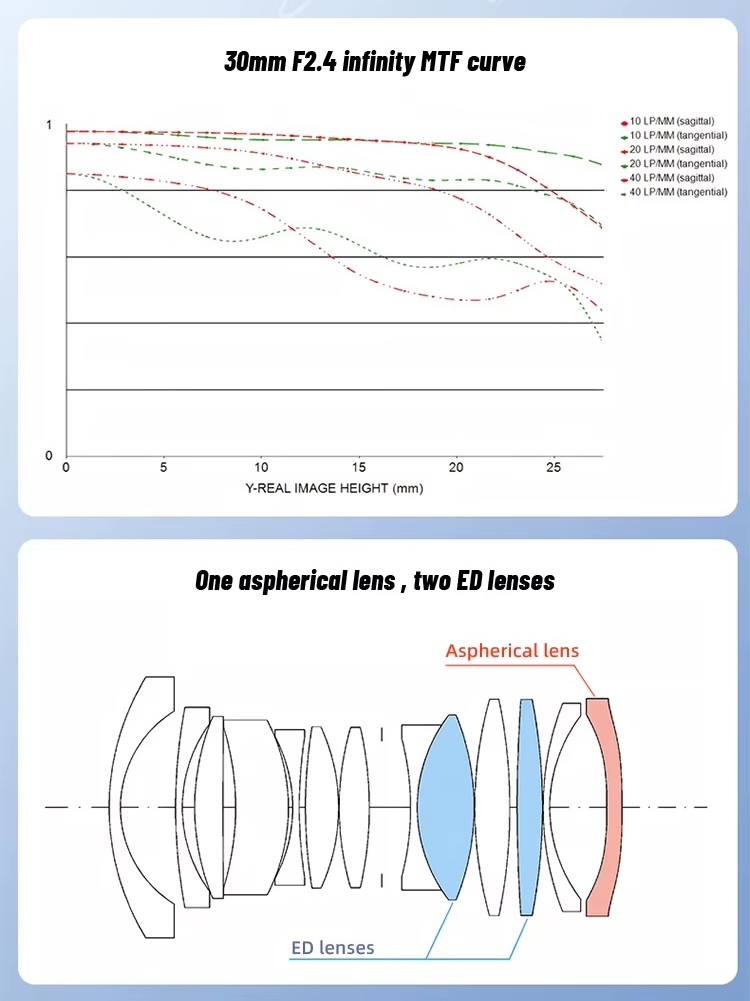
Here are some of the upcoming/rumored Sony lenses that are currently being tested:
8-15mm Fisheye Zoom
600mm f/6.3
400mm f/4.5
28mm G
40mm G
These are all engineering prototypes. Specifications or naming conventions may be adjusted upon official release. The specific release dates are currently unknown.
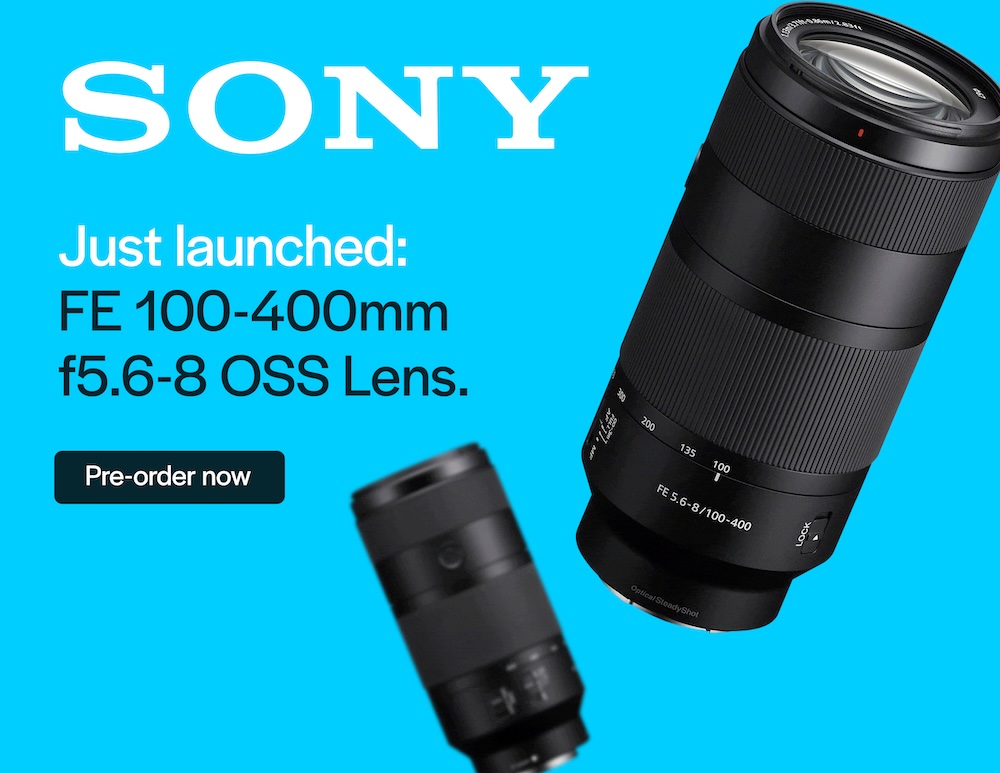
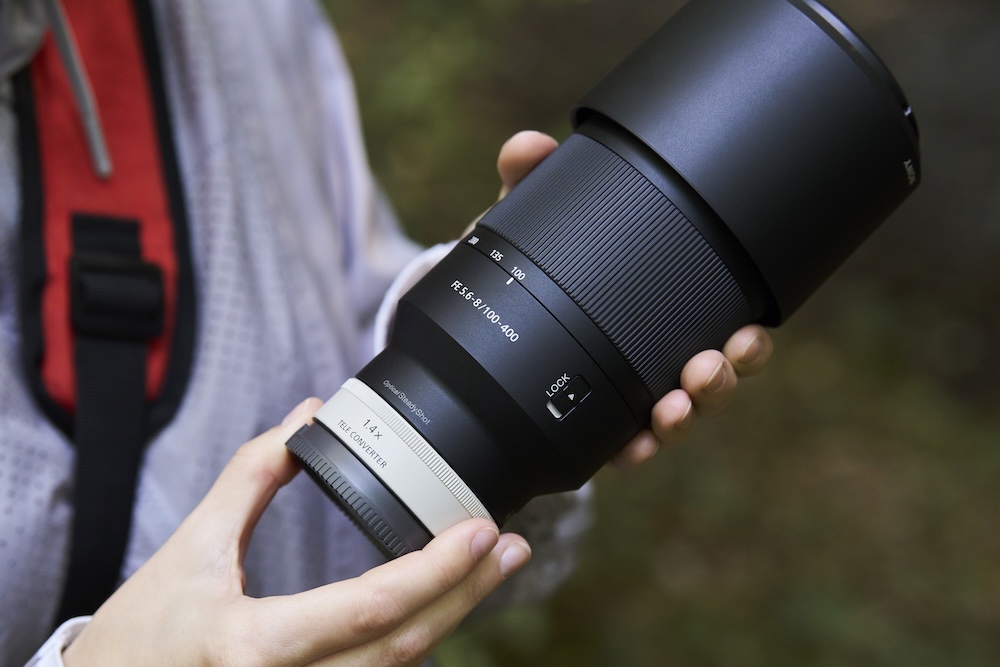
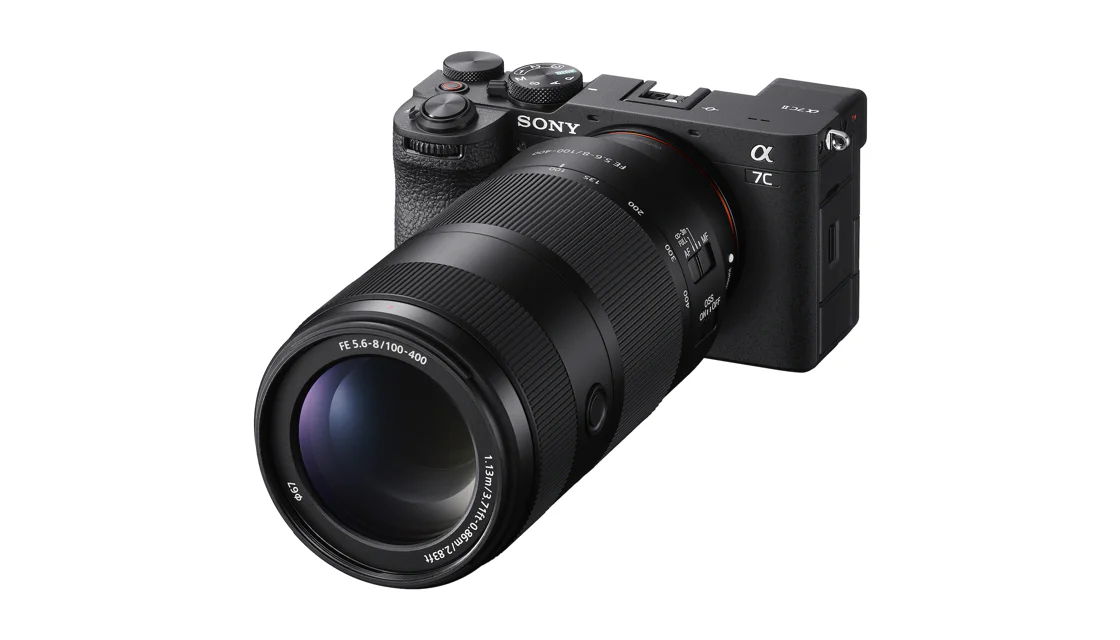
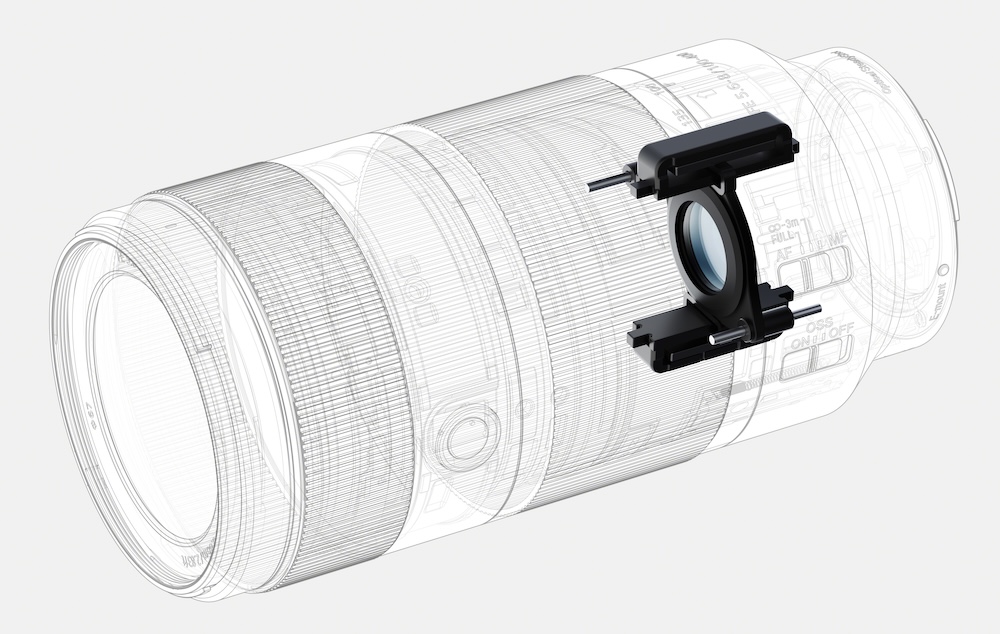
The previously rumored Sony FE 100-400mm f/5.6-8 OSS super-telephoto zoom lens is now officially announced. Notable features include a newly designed optical system with ED (extra-low dispersion) and aspherical elements for outstanding image quality throughout the zoom range, fast and precise linear motor autofocus, built-in Optical SteadyShot image stabilization, impressive close-focusing capabilities with up to 0.41x maximum magnification, and compatibility with Sony teleconverters for even greater reach.
Compact, Lightweight Design for Easy Handling, Even for First-Time Super-Telephoto Users
The lens delivers a 100-400mm super-telephoto zoom range in a compact, lightweight body weighing approximately 654g, making it easy to carry. That portability also eases handling during handheld shooting and speeds up framing. You can capture powerful images of subjects that are hard to approach, such as birds and sports scenes, and use the ‘compression effect’ (which makes the distance between nearby subjects and distant background elements appear shorter) for landscape work unique to super-telephoto lenses. With an optional SEL20TC teleconverter*[1], you can double your reach, up to 800mm, or up to 1,200mm in APS-C mode.
Sharp Detail Through the Entire Zoom Range Means You Can Capture the Details That Matter
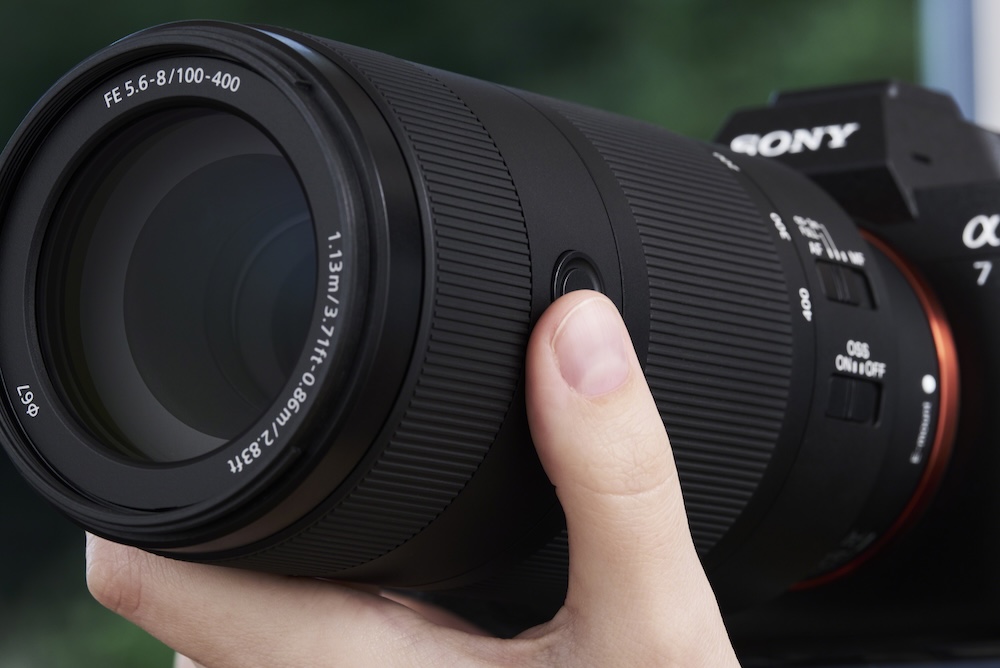
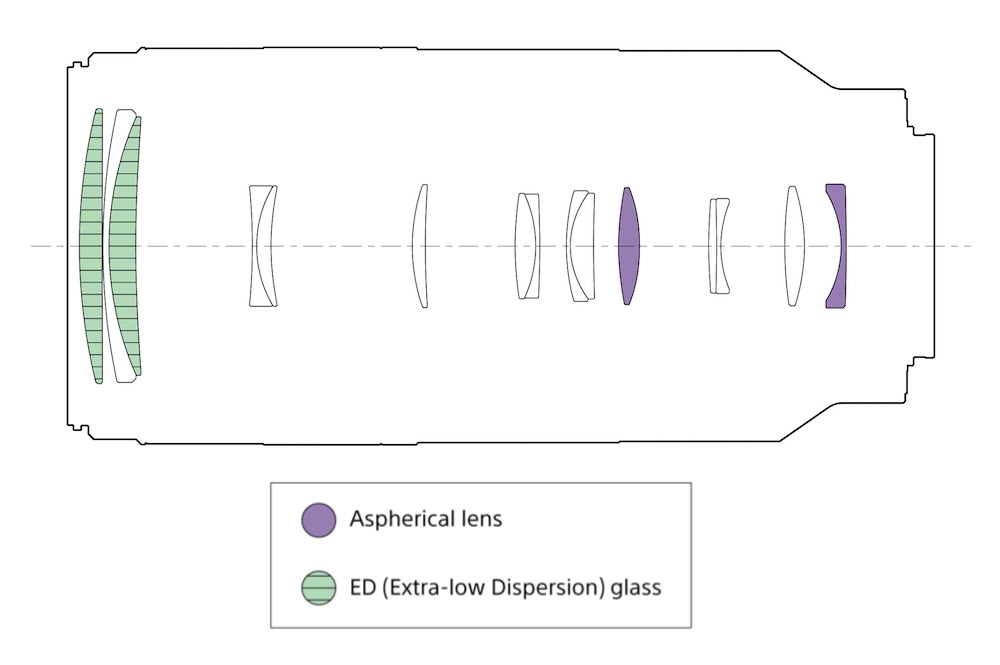
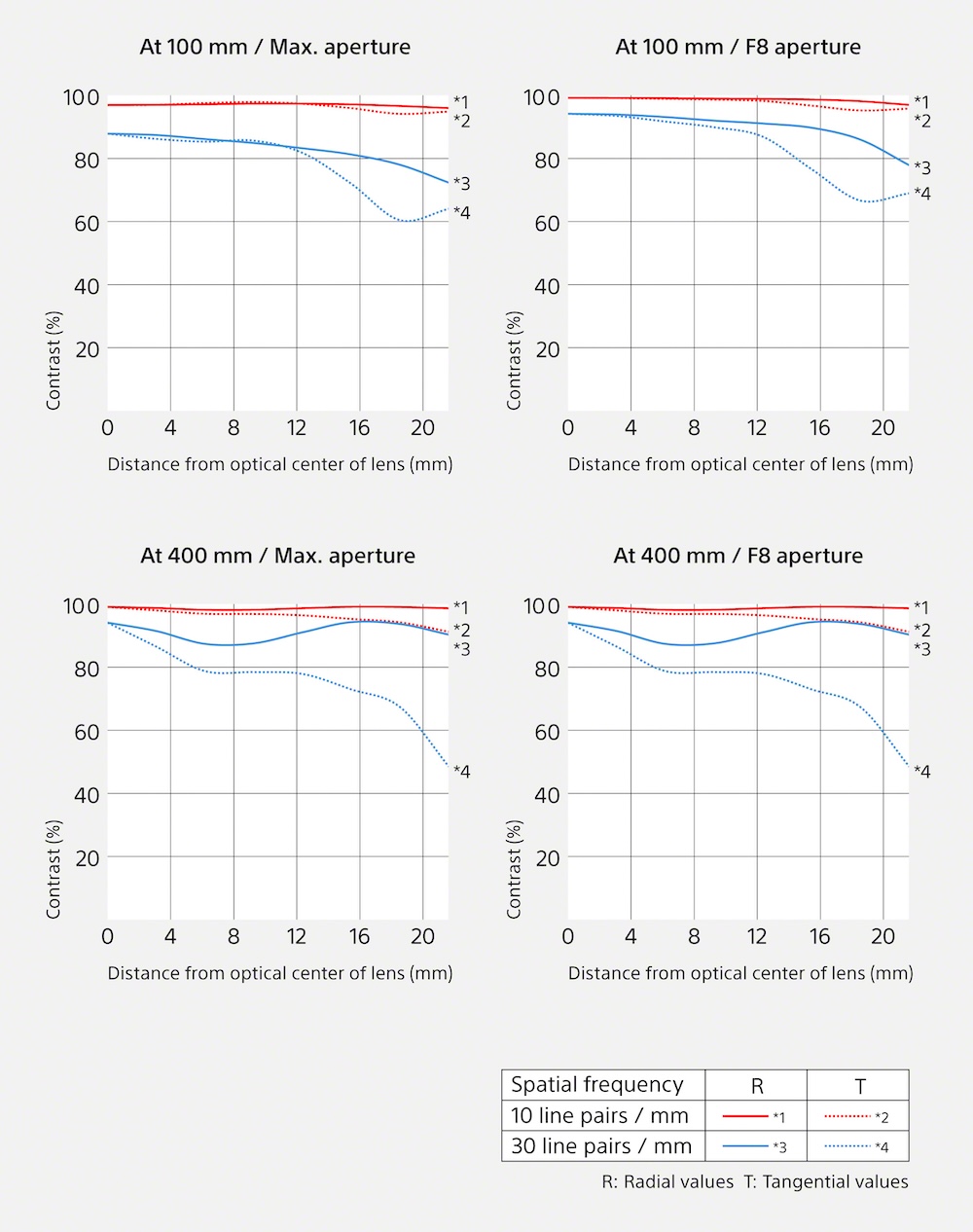
Excellent image quality holds whatever the shooting distance, thanks to an optical design with two ED glass elements and two aspherical elements that suppress color bleeding and distortion for clear rendering across the entire zoom range. The subject stands out against natural, soft bokeh, helped by a 9-blade circular aperture and optimization of spherical aberration. Its close-up performance is strong too: a minimum focusing distance of 0.86 m at the telephoto end and 1.13 m at the wide end, with a maximum magnification of 0.41x, lets you shoot flowers, insects, and other nearby subjects as easily as distant ones.
Fast, Precise AF and Built-In Optical Image Stabilization for Moving Subjects
The linear motor drive delivers fast, precise, and quiet AF (auto focus) to track moving subjects. The lens also supports high-speed continuous shooting with AF/AE (auto exposure) tracking at up to approximately 120 frames per second*[2] with the full-frame mirrorless α9 III camera. Built-in optical image stabilization suppresses camera shake during handheld shooting and keeps framing stable, even with distant subjects. The lens also works with the camera body’s Active Mode image stabilization and coordinated image stabilization control*[3], for high-quality stills and movies with reduced blur when shooting handheld. It also supports the camera body’s breathing compensation function*[4], which corrects changes in angle of view caused by shifts in focus position during movie recording.
Usability and Reliability Built for Outdoor Adventures with Dust and Moisture Resistance
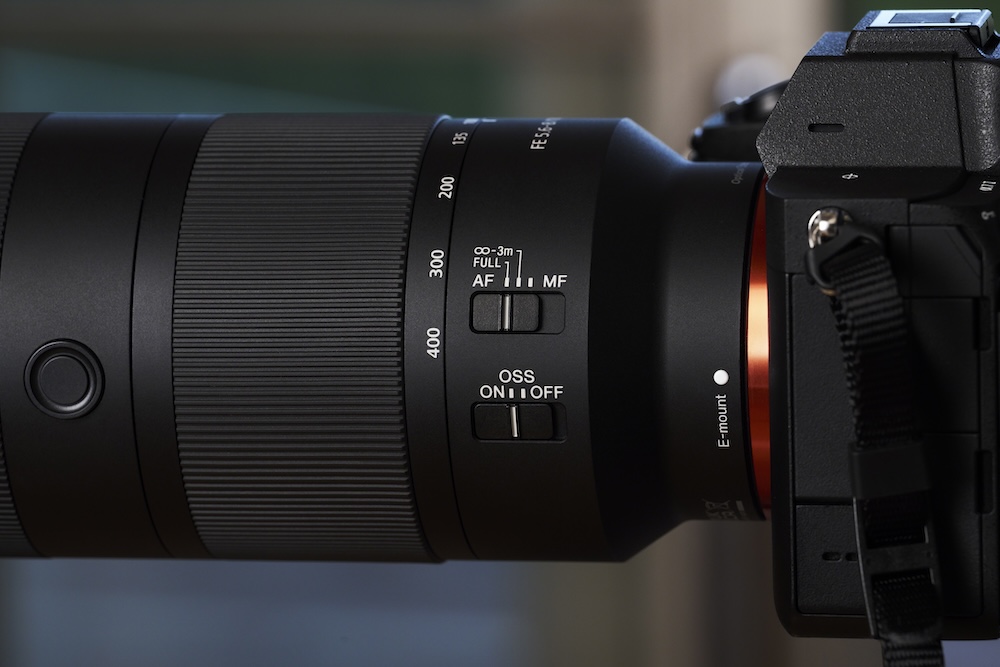
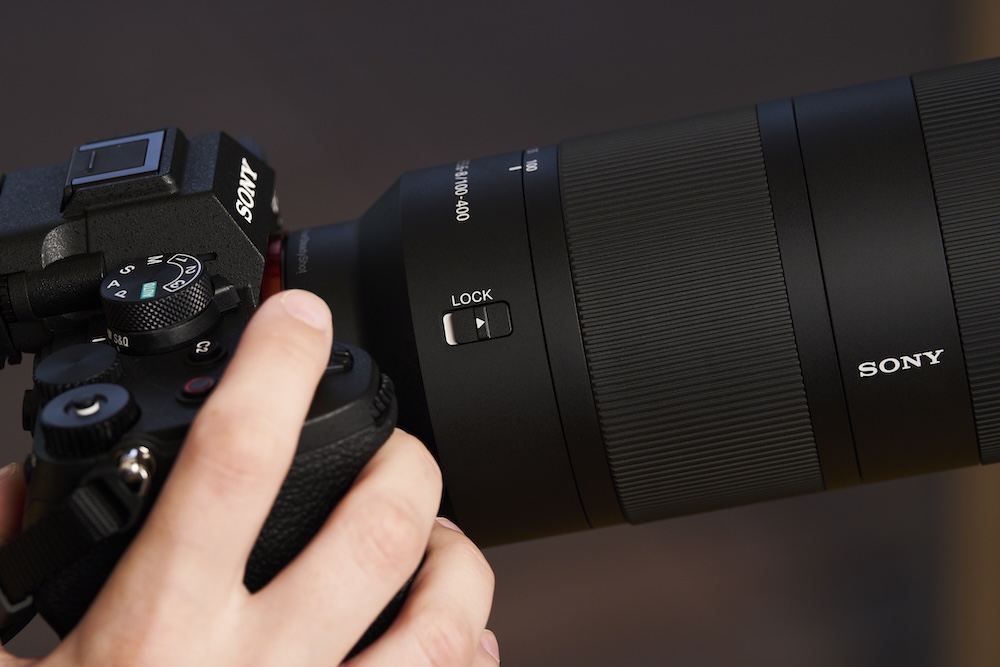
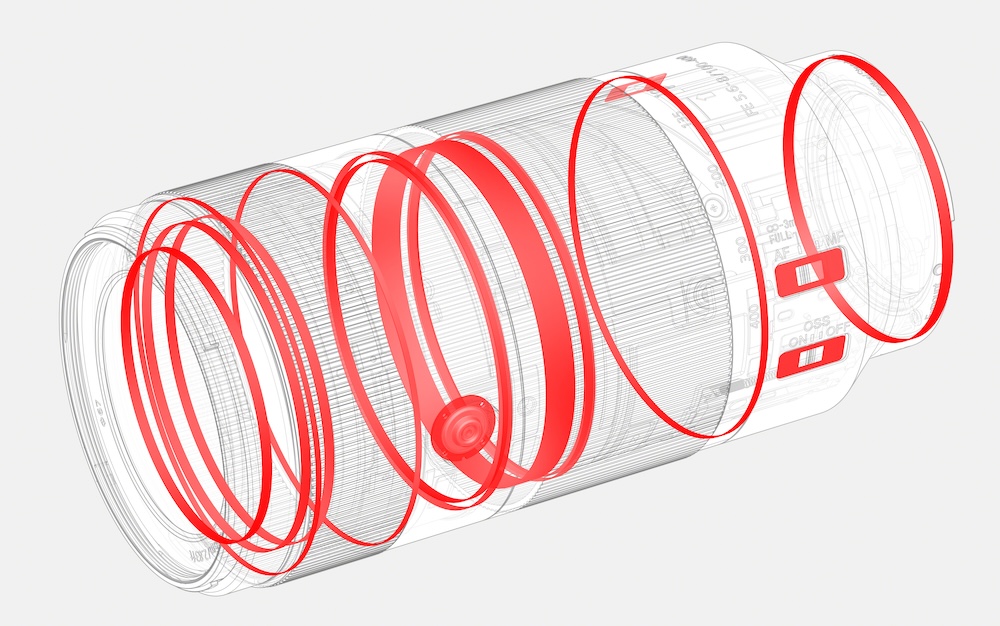
A customizable focus hold button, focus mode/range switching dial, and zoom lock switch give you quick operation across shooting scenes and comfortable ultra-telephoto handling. A dust and moisture resistant design*[5] helps you keep shooting with confidence when the weather changes unexpectedly. The supplied lens hood helps prevent flare and ghosting that can degrade image quality.
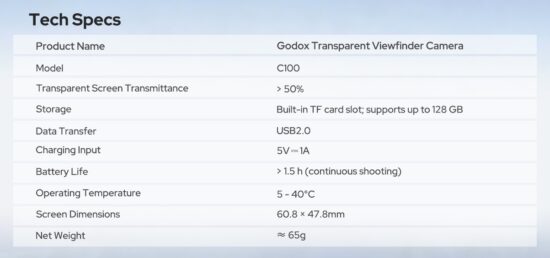
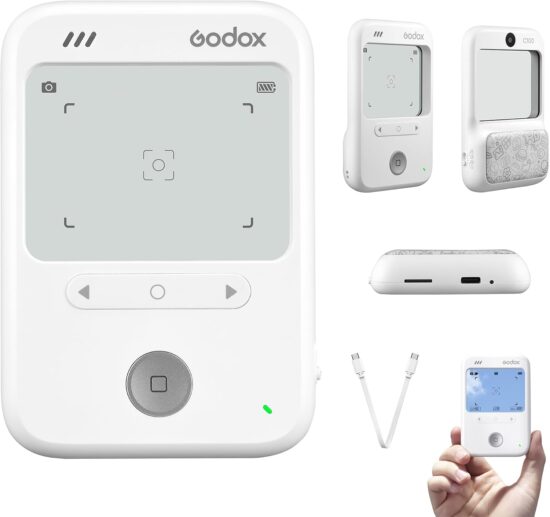
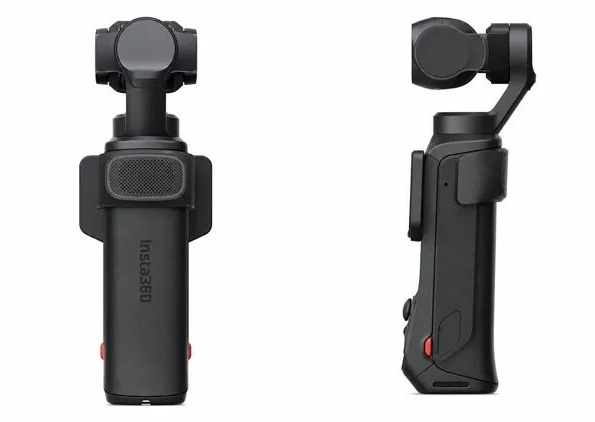
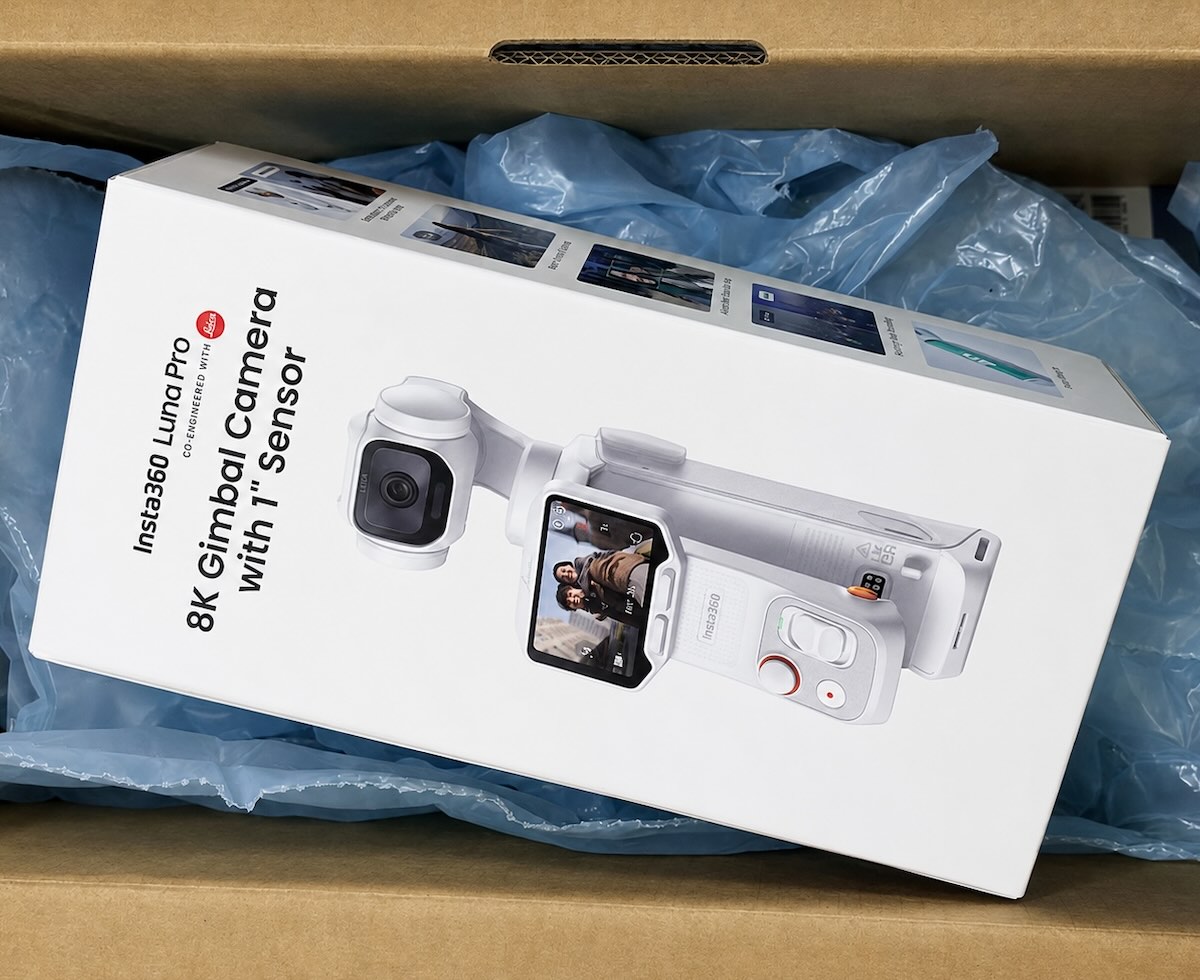
Storage: TF/microSD card support up to 128 GB (card not included)
Battery: Built-in rechargeable battery; claims >1.5 hours of continuous video recording
Charging/Data: USB-C (5V ⎓ 1A) for charging and OTG direct transfer to phones or computers
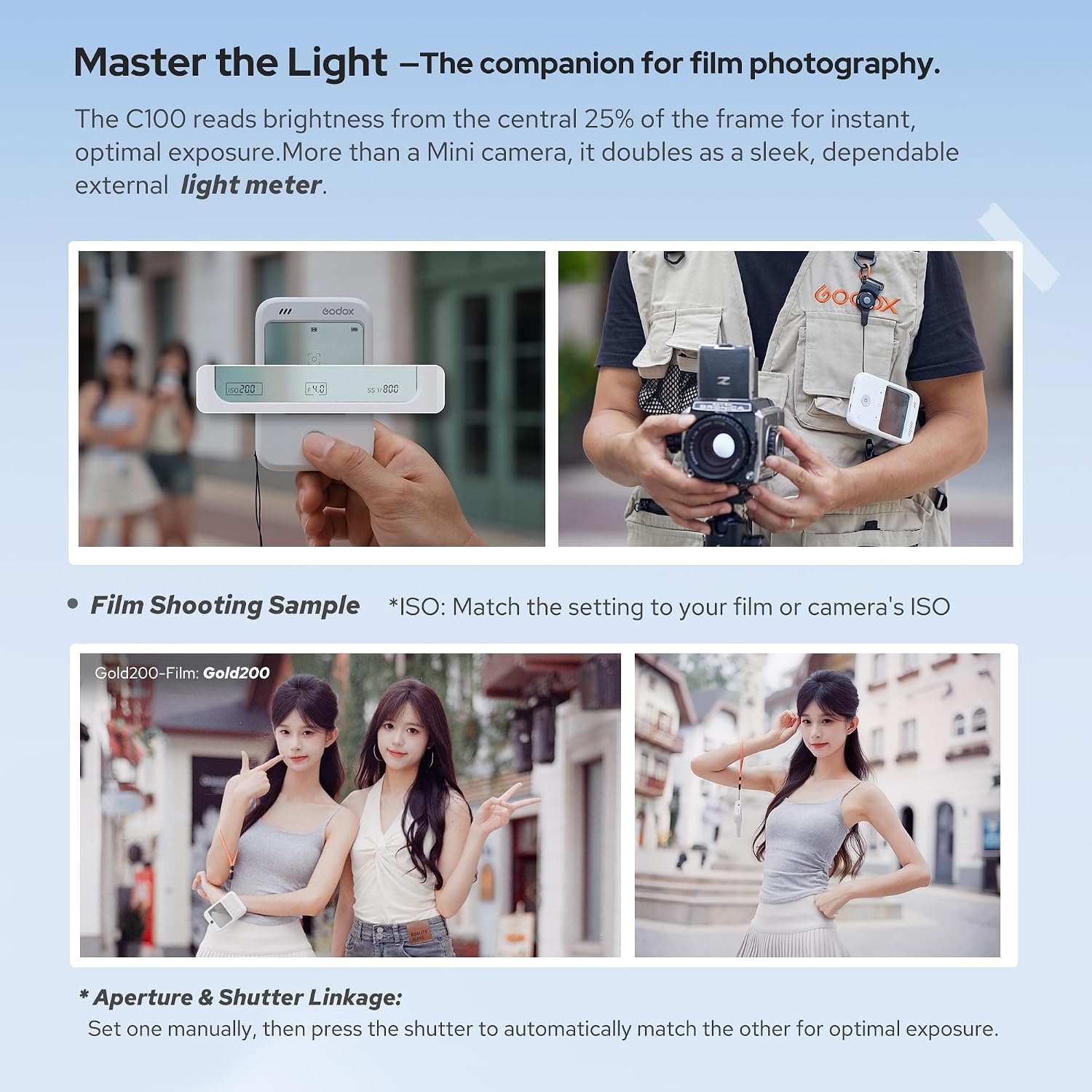
Exposure Controls: Center-weighted metering with linked aperture/shutter adjustment (semi-auto style — adjust one and the camera handles the other). Adjustable ISO.
Other: Portable for travel/street/lifestyle shooting; minimalist design.
Price: 199 RMB (roughly $28 USD).
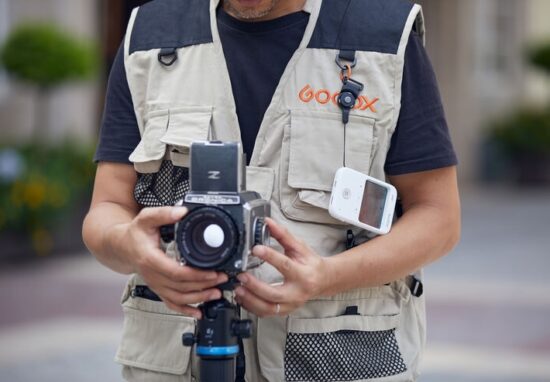
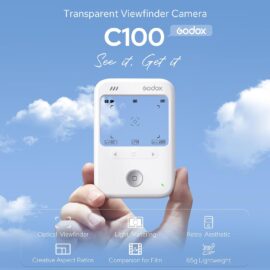
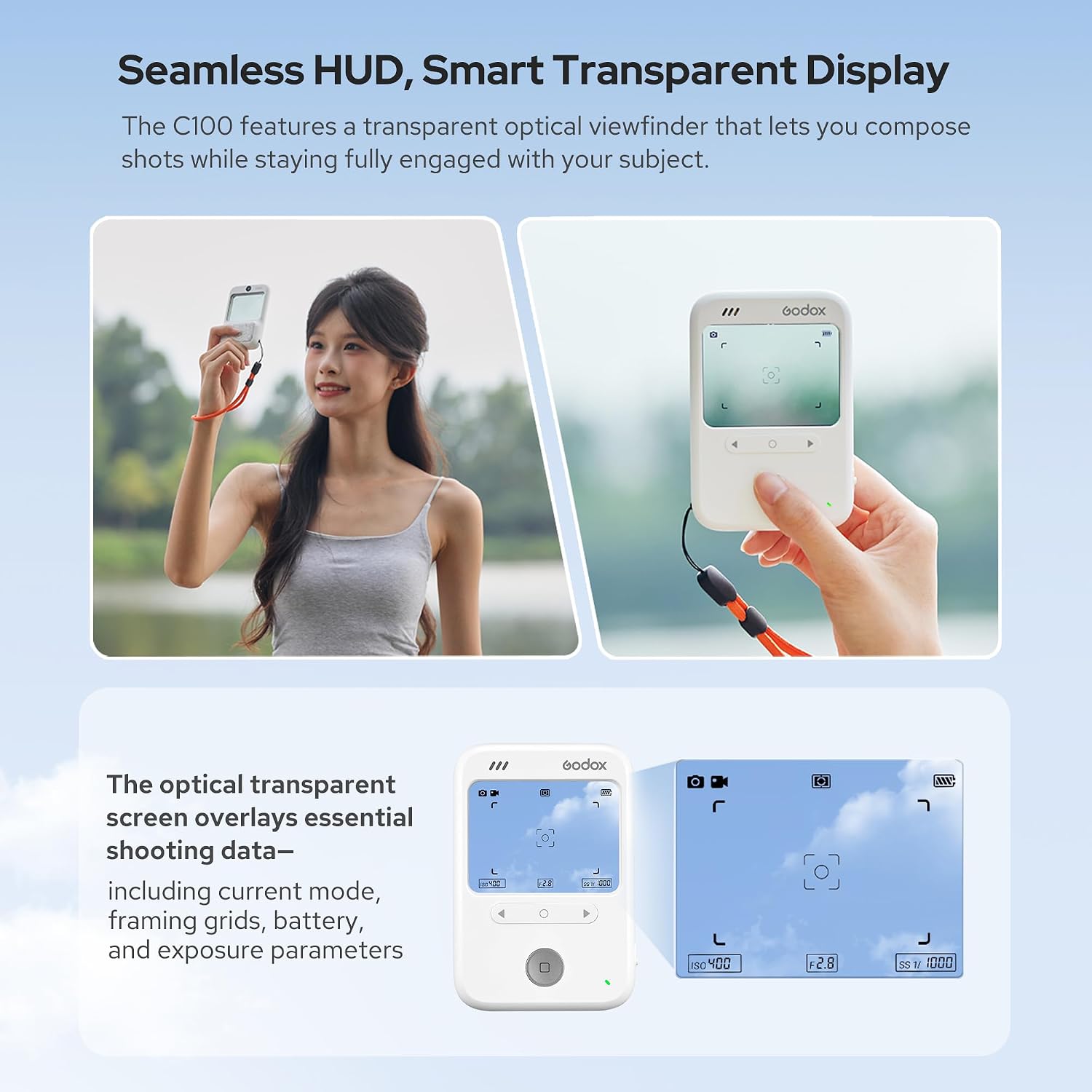
Smart Light Metering – Provides real-time exposure information, making it easier to understand and work with light in different shooting situations.
Transparent Optical Viewfinder – Keeps you visually connected to your subject while encouraging a more natural and engaging shooting experience.
Seamless HUD Display – Displays shooting modes, framing guides, and exposure information in a clean, unobtrusive overlay.
Pure, Present Shooting – A distraction-free experience that encourages photographers to trust their instincts and stay focused on the moment.
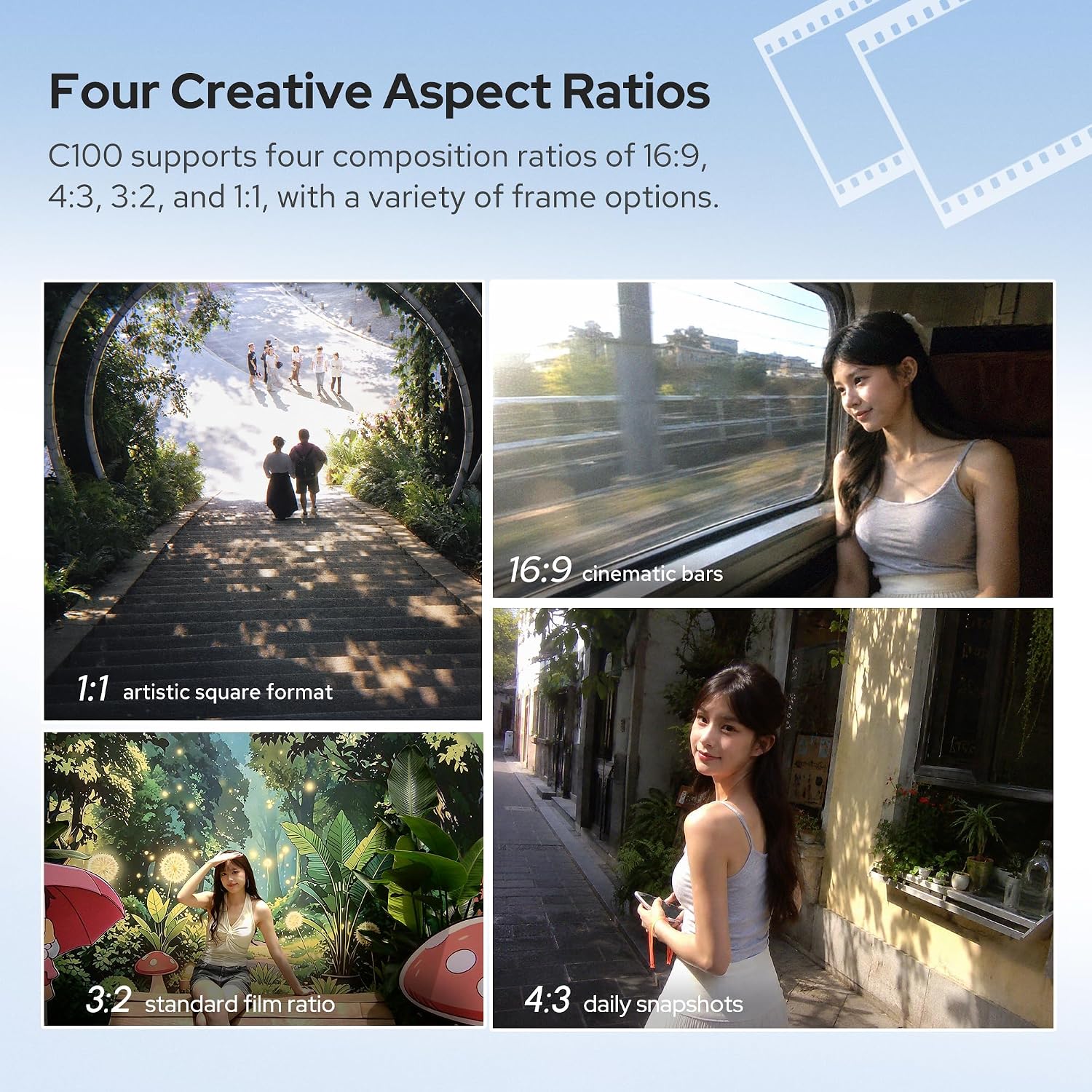
Four Creative Aspect Ratios – Switch easily between 16:9, 4:3, 3:2, and 1:1 to explore different visual styles.
65 g Pocket-Sized Design – Lightweight and easy to carry, making it a practical everyday companion wherever inspiration strikes.
“The E-mount Basic Specifications have been disclosed to the partners that satisfy the qualification criteria predefined by Sony. License partners are as follows (as of July/2026). The E-mount Basic Specifications are disclosed for compatibility. It does not guarantee the compatibility or quality of all functions. For quality assurance, please contact the license partner.”
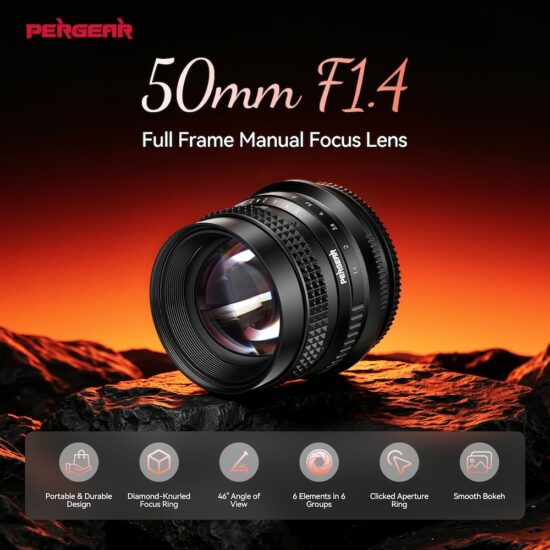
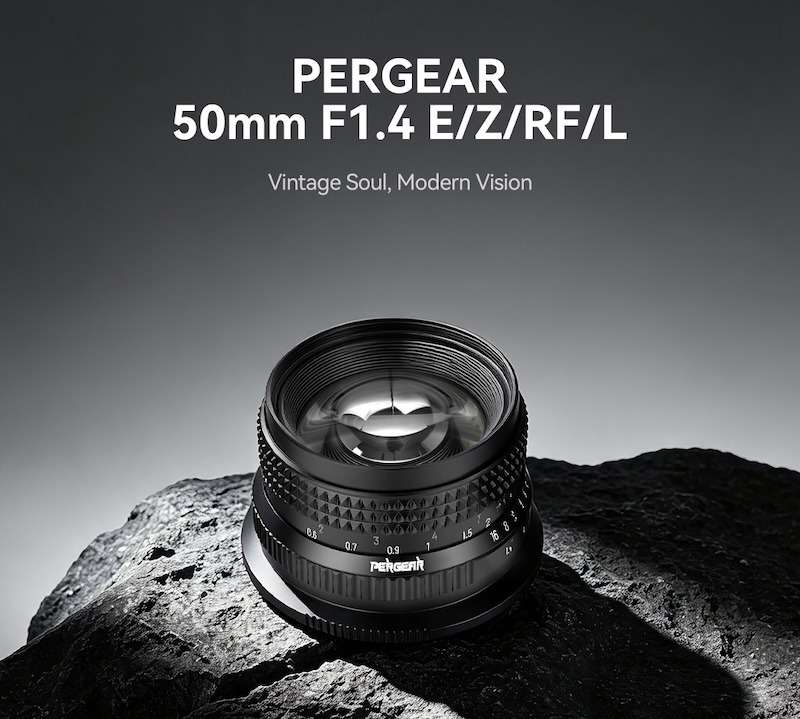
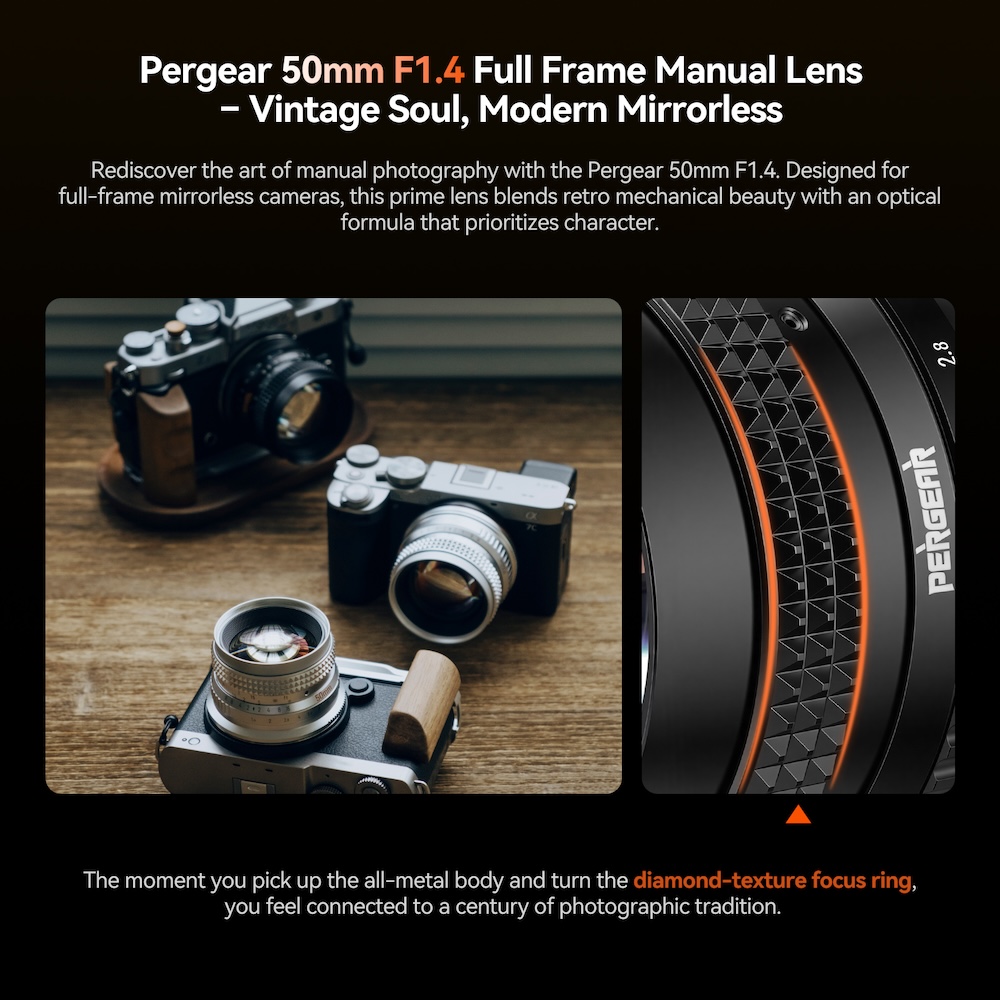
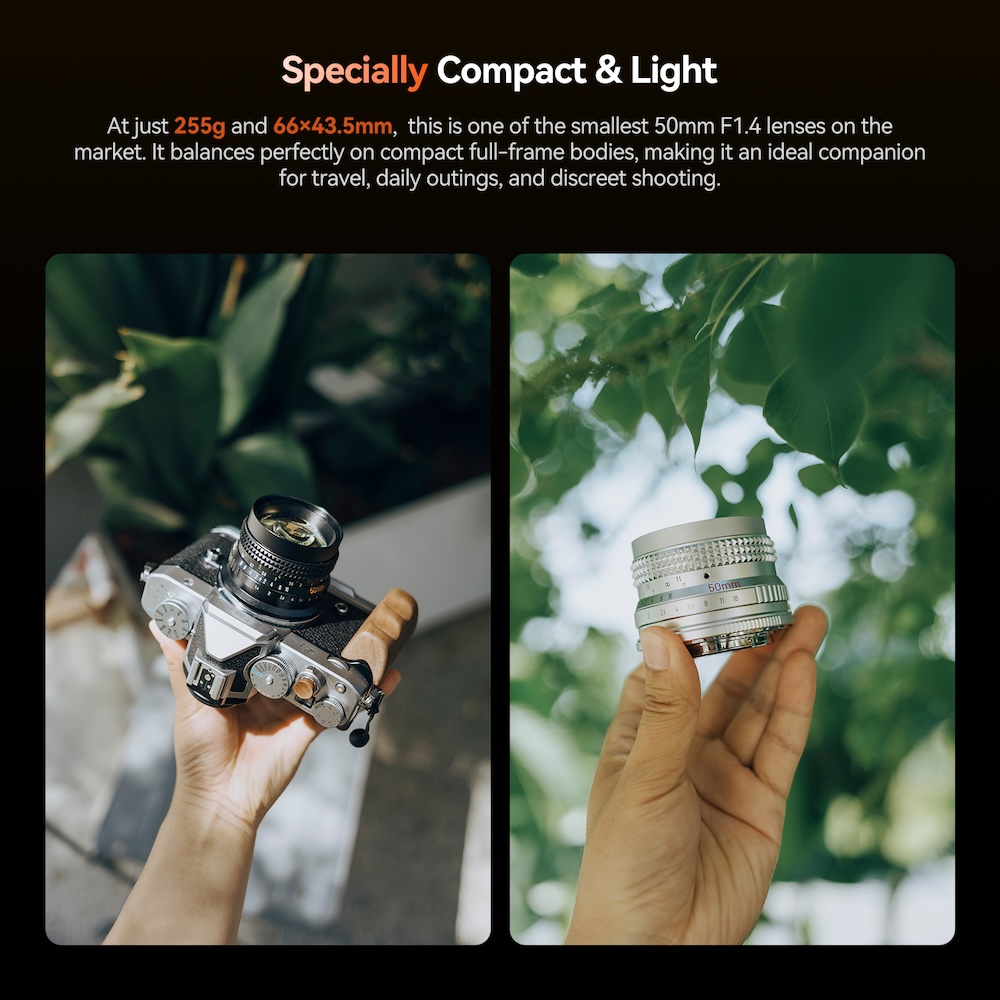
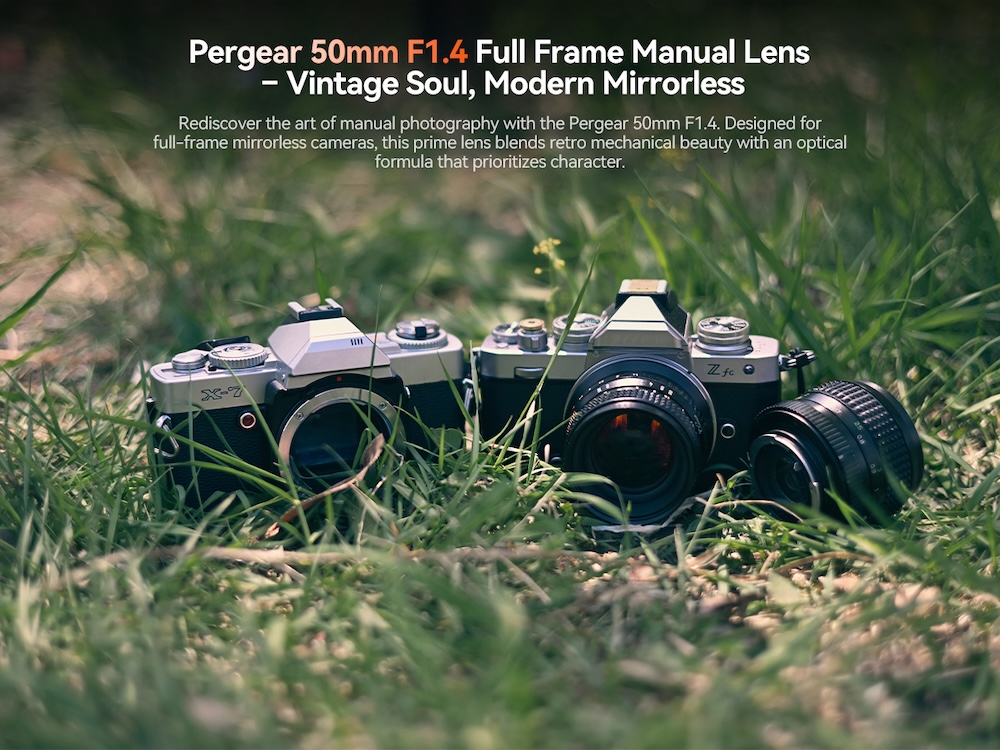
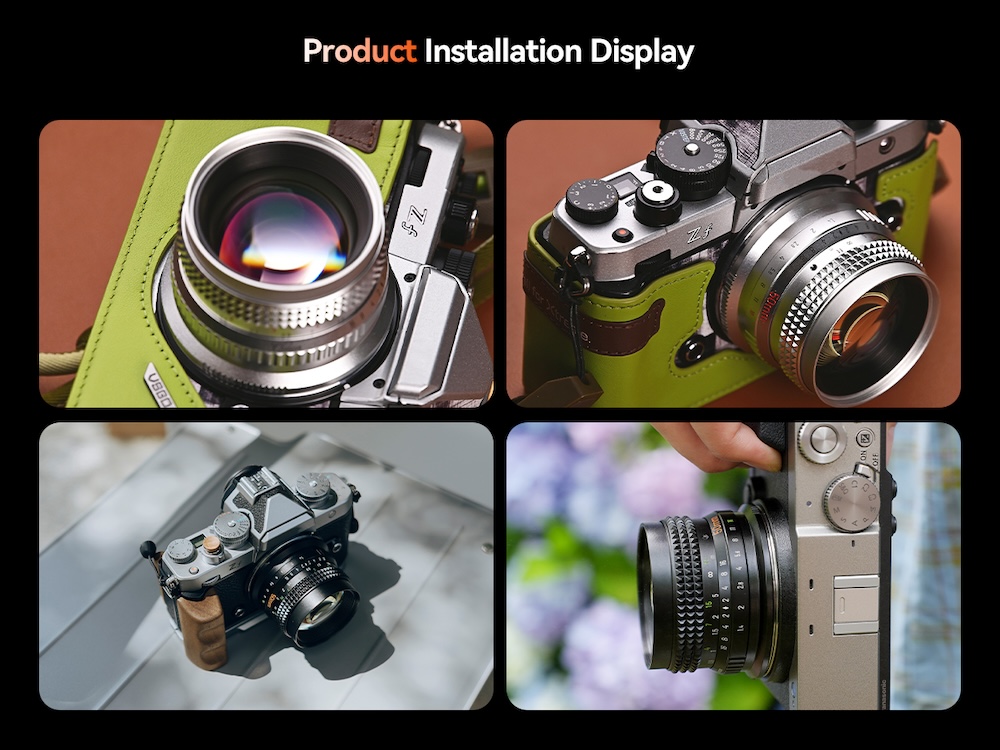
Vintage-Inspired Premium Design
Featuring a classic film-era style with a full-metal body, the lens delivers both a refined appearance and a comfortable shooting experience.
Smooth Manual Focusing Experience
The diamond-pattern focus ring provides smooth rotation and excellent grip, making manual focusing more enjoyable and precise.
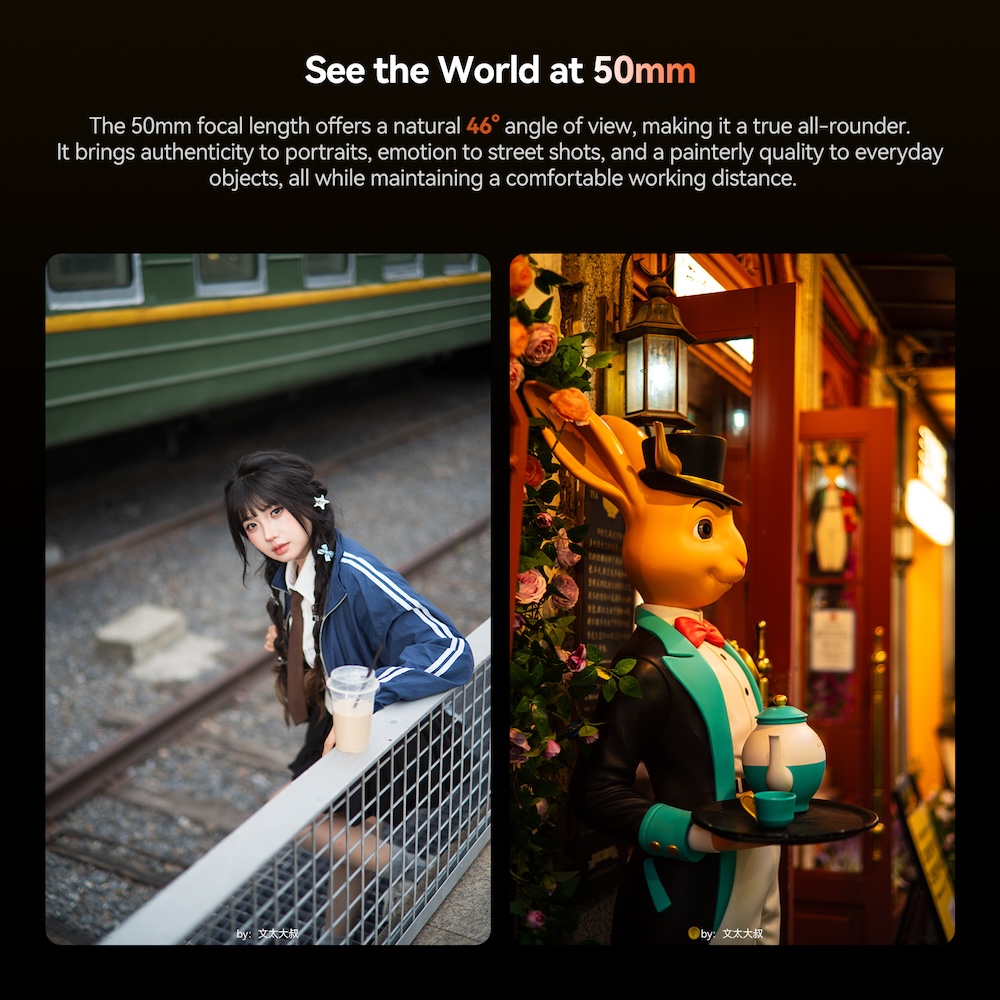
Classic 50mm F1.4 Perspective
The versatile 50mm focal length is perfect for portraits, street photography, travel, and daily shooting.
Beautiful Film-Like Rendering
Designed to create soft tones, natural colors, and a unique vintage atmosphere straight out of camera.
Dreamy Bokeh & Low-Light Performance
The bright F1.4 aperture delivers smooth background blur and beautiful night-light rendering, creating a more artistic visual style.
Earlier today, Sony released its Q1 FY2026 financial results (for the three months ended June 30, 2026). While the big headline numbers were incredibly strong—consolidated sales up 8.2% to JPY 2,837.8 billion and operating income surging 40% to JPY 476.5 billion—the biggest takeaway for the Alpha community was the formal confirmation we’ve all been waiting for: Sony has formally submitted a proposal to acquire Tamron.
In August, you can get an extra 5% off Canon gear at B&H Photo with the PayBoo card (the PayBoo card instantly credits the sales tax). For example, the Canon EOS R1 camera is $6799 everywhere. If you live in an area with a 7% sales tax, you will pay $7274.93 no matter where you buy it, in a store or online. If you buy it at B&H with the PayBoo card, you pay only $6799. From August 1st – 31st, not only will there be Canon rebates, but if you pay with the PayBoo card, you’ll save the tax AND get an extra 5% off. On the EOS R1, that’s an additional $339.95 off. Here is the list of products that will be part of this promotion:
Canon EOS R8 Mark II expected in Fall 2026; could be retro-inspired, with a 32.5MP full-frame CMOS sensor, IBIS, a 40fps electronic shutter (no mechanical shutter), dual SD card slots, and 4K video.
Canon EOS R10 Mark II positioned as the next APS-C camera in the lineup overhaul, ahead of a higher-end R7 successor.
Canon EOS R7 Mark II now most likely expected in 2027
Canon New PowerShot (G7 X-style successor) expected announcement in September 2026.
Lenses
Canon RF 300-600mm f/5.6L IS USM (or VCM)
Canon RF 400mm f/2.8L IS USM and RF 600mm f/4L IS USM replacements
Yesterday, Diamond Online published a partial report stating that there had been an acquisition proposal regarding our company. However, this was not announced by our company.
It is true that we have received a non-binding proposal from Sony Corporation concerning a series of transactions to make our company a wholly-owned subsidiary of the Sony Group. In response, we have established a special committee and are examining various options aimed at enhancing corporate value. At present, however, there are no matters that require public disclosure.
Should any matters requiring disclosure arise in the future, we will promptly announce them.
Canon released its Q2 2026 financial results. Here is the recap:
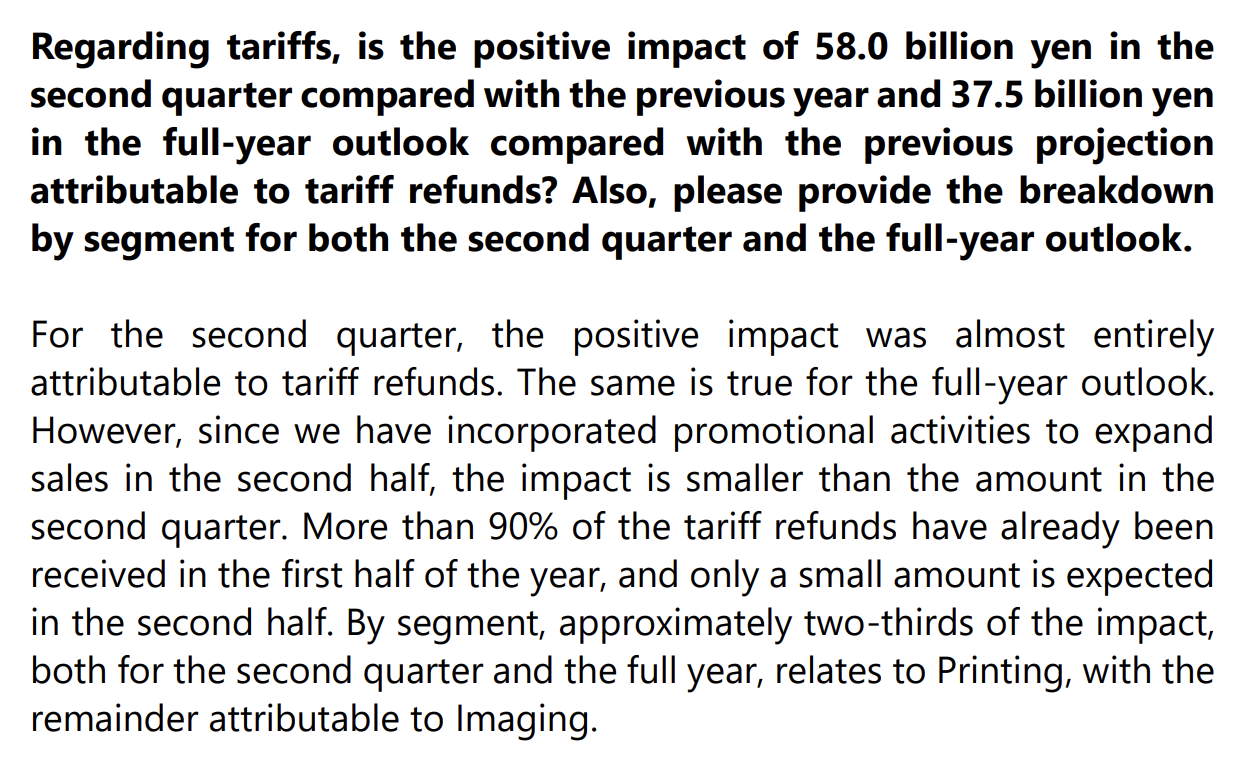
Market conditions remained weak in Europe, affected by the Middle East situation, and in the U.S., where the tariff impact persists.
Net sales rose 3.6%, reaching a record high for a second quarter, driven by continued sales growth in compact camera and network camera businesses, and revenue growth in semiconductor lithography equipment driven by memory-related demand
Higher costs resulting from a rise in memory prices and the Middle East situation, absorbed by refunds on additional U.S. tariffs and yen depreciation
Increased operating profit by 35.2% to 159.2 billion yen
Details on the Canon Imaging Business:
Camera sales increased significantly, driven by strong demand for compact cameras, which continued from the first quarter.
For compact cameras as well, we will further increase production volumes in the second half of the year and aim to achieve full-year sales growth of more than 50%.
For interchangeable-lens cameras, revenue increased as sales of full-frame models, led by the EOS R6 Mark III launched last November, grew compared with the first quarter, resulting in a higher average selling price.
The compact camera market continues to expand, driven by the growing number of new camera users, particularly among younger consumers. As for the interchangeable-lens camera market, while we lowered our outlook to reflect the impact of the Middle East situation, we still expect the market to reach 6.45 million units.
In the second quarter, compact camera sales increased significantly as we were able to meet strong demand through the production expansion implemented in the second half of last year.
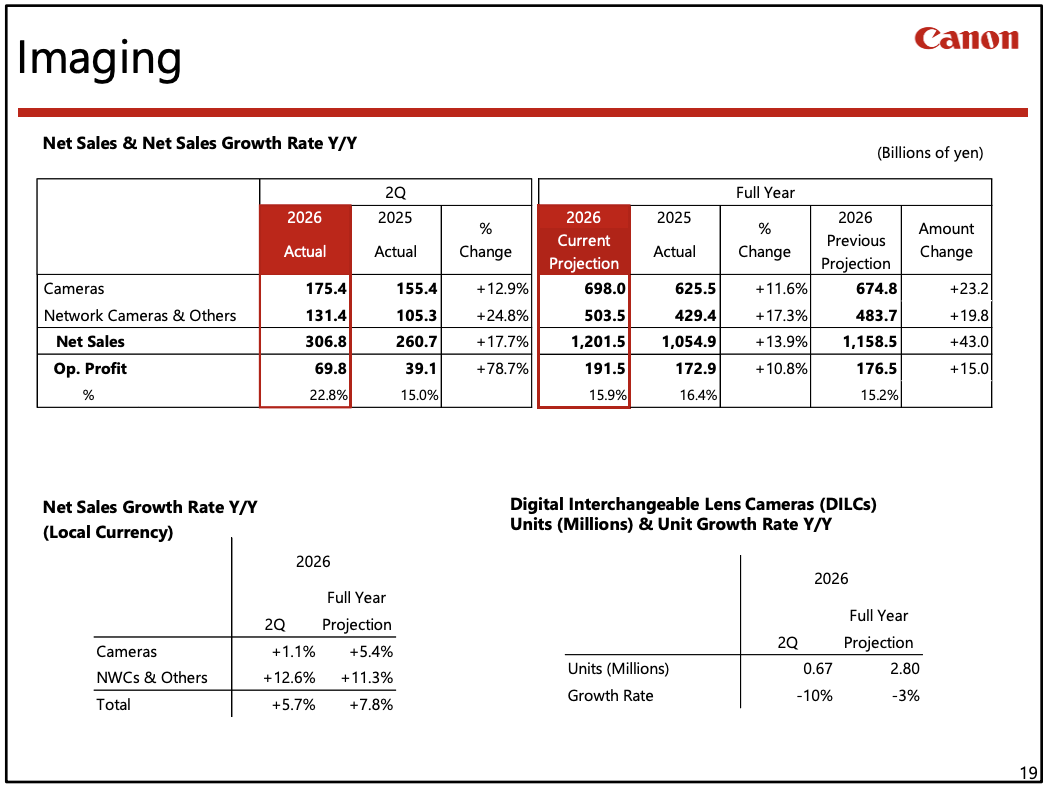
For interchangeable-lens cameras, sales of full-frame models increased significantly compared with the first quarter, led by the EOS R6 Mark III, which was launched in November last year. Combined with an increase in the average selling price, this resulted in revenue growth of 12.9% year on year.
In the second half of the year, for compact cameras, which continue to perform strongly, we will further expand production capacity to eliminate supply shortages as quickly as possible and drive additional sales growth. For interchangeable-lens cameras, in addition to the EOS R6 Mark III, which contributed to sales growth in the first half of the year, we will strengthen sales of full-frame models, led by the EOS R6 V, a full-frame mirrorless camera for video creators launched in June. As a result, we aim to achieve full-year revenue growth of 11.6% for the camera business.
Recap of the latest Canon Q2 financial results (cameras):
Strong demand for compact cameras continued from Q1 and was the main sales driver. Canon plans to further increase production in the second half and is targeting more than 50% full-year sales growth in the compact category.
Interchangeable-lens cameras (ILCs): Revenue grew thanks to higher sales of full-frame models (especially the EOS R6 Mark III), which raised the average selling price.
DILC unit shipments: 0.67 million units (down 10% YoY).
Full-year DILC projection: 2.80 million units (up 15.9% YoY).
Canon described the Imaging business as “highly profitable,” aided by the mix of higher-priced photography camera models. Full-year Imaging operating profit was raised to ¥191.5 billion (+10.8%).

 Connexion