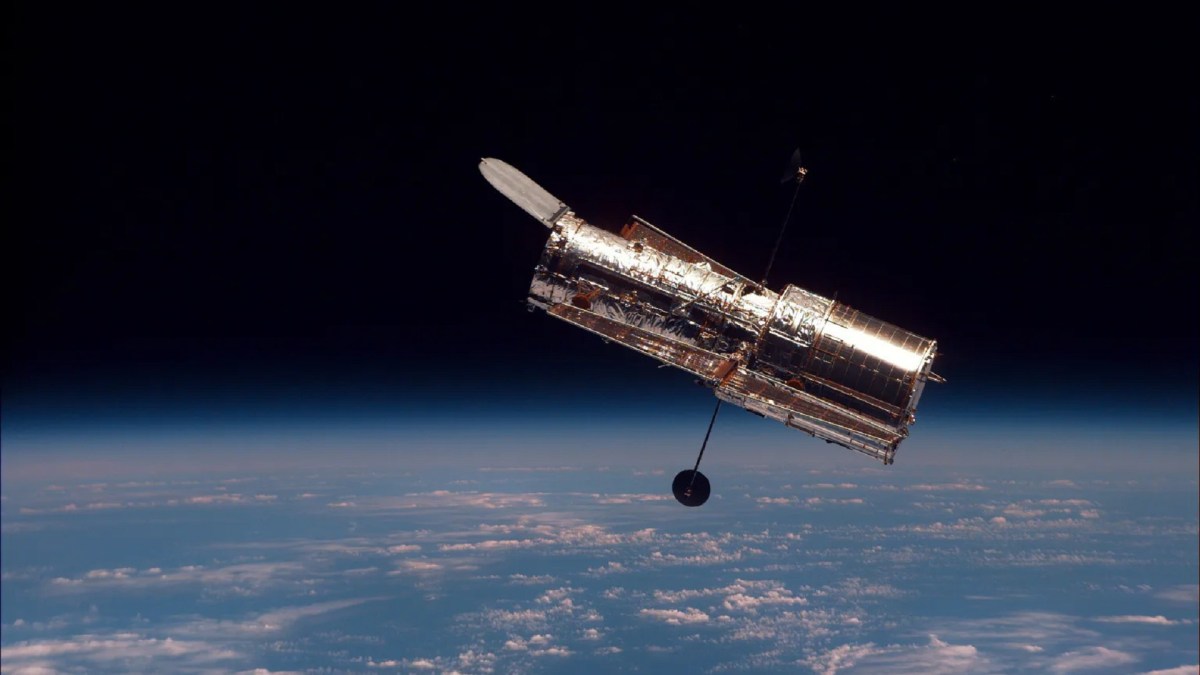
"The clock is ticking" on the Hubble Space Telescope,
writes the space news site Daily Galaxy, citing estimates from the unofficial "Hubble Reentry Tracker" site (which uses orbital data from the site space-track.org, created by tech integrator SAIC):
While Hubble was initially launched into low Earth orbit at an altitude of around 360 miles, it has since descended to approximately 326 miles, and it continues to fall... "The solar flux levels are currently longer in duration and more elevated than previously anticipated, resulting in an earlier reentry forecast for the Hubble Space Telescope if no reboost mission is conducted," Hubble Reentry Trackersays the Hubble Reentry Tracker... ["Hubble has been reboosted three times in its history," the site points out, "all by servicing missions using the Space Shuttle."]
NASA partnered with SpaceX in 2022 to explore the feasibility of raising Hubble to its original altitude of 373 miles. Such an adjustment would have bought Hubble a few more years in orbit. However, the future of this plan remains uncertain, as NASA has not made any official announcements to move forward with it... Solar flux levels, which determine atmospheric drag, have increased in recent years, accelerating the telescope's decline. This change in solar behavior means that the possibility of Hubble reentering Earth's atmosphere in the next five to six years is quite high if no corrective action is taken. ["But it is difficult to estimate this value due to the variability of future solar flux," the site cautions. "In the best case, Hubble may not reenter for 15 more years, around 2040. In the worst case, it could reenter in 4 years..."]
Once Hubble reaches an altitude of 248 miles, it is expected that it will have less than a year before reentry...
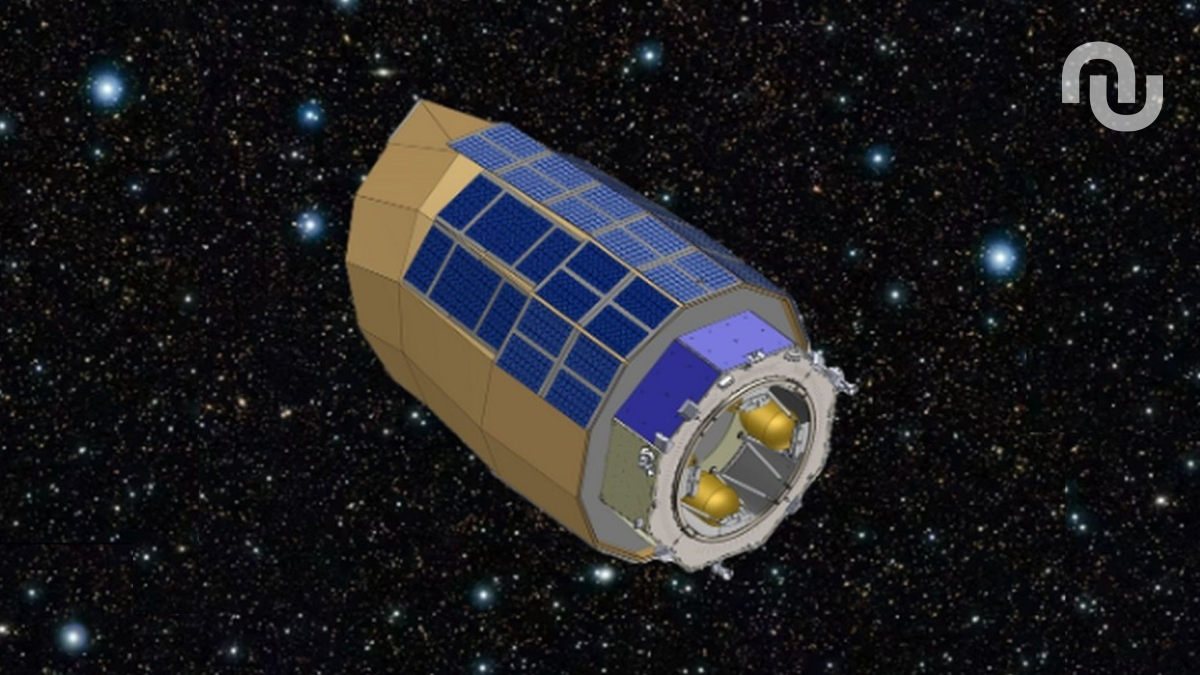
While Hubble's end may be near, there is a promising new project on the horizon: Lazuli, a privately-funded space telescope funded by former Google CEO Eric Schmidt. Lazuli aims to become the first privately-funded space telescope, and it could be the successor Hubble enthusiasts have been hoping for. Schmidt Sciences, the organization behind the telescope, plans to launch Lazuli by 2028, providing a more modern alternative to Hubble with a larger mirror and enhanced capabilities. The telescope's proposed design includes a 94-inch-wide mirror, which is a significant upgrade from Hubble's 94.5-inch mirror, and will feature updated instruments to capture more detailed data than ever before.


Read more of this story at Slashdot.

 Connexion