ON1 Photo RAW 2026.2 is now available as a free update for all Photo RAW 2026 owners with improvements that focus on workflow speed, smarter AI results, and a smoother user experience across the board. Here are the details:
Improved Face Restoration — Sharper Details, Better Accuracy
The upgraded AI Face Restoration model inside Resize AI delivers noticeably better results for:
Teeth, eyes, and glasses
Smaller or distant faces
Preserving natural texture and detail
Portrait photographers will see higher-quality outputs with fewer artifacts, especially when enhancing older images or low-resolution portraits.
New Module Tips for Faster Learning
2026.2 introduces Module Tips, short onboarding dialogs that guide first-time users through each module. This makes ON1 Photo RAW easier to get up to speed for beginners while helping experienced users discover overlooked tools that speed up editing workflows.
Faster Exports + Easier Export Presets
Exporting is now faster and more responsive, especially for large raw files or batch jobs. Export presets have also been redesigned to be easier to create, organize, and apply—saving pros and high-volume shooters valuable time.
New Camera Support
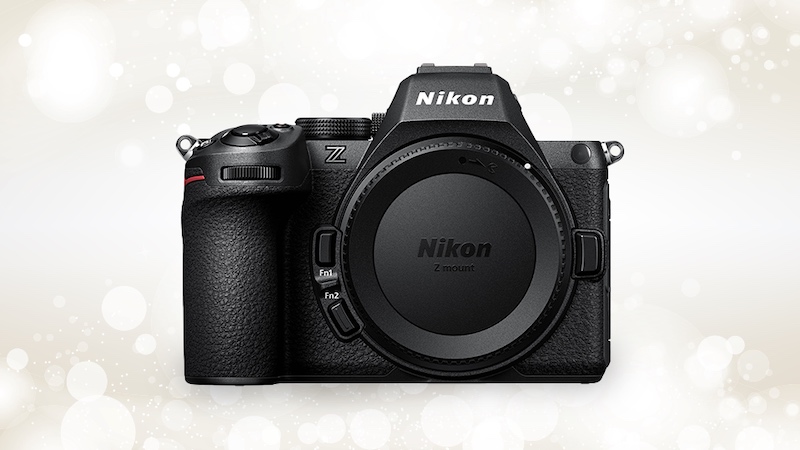
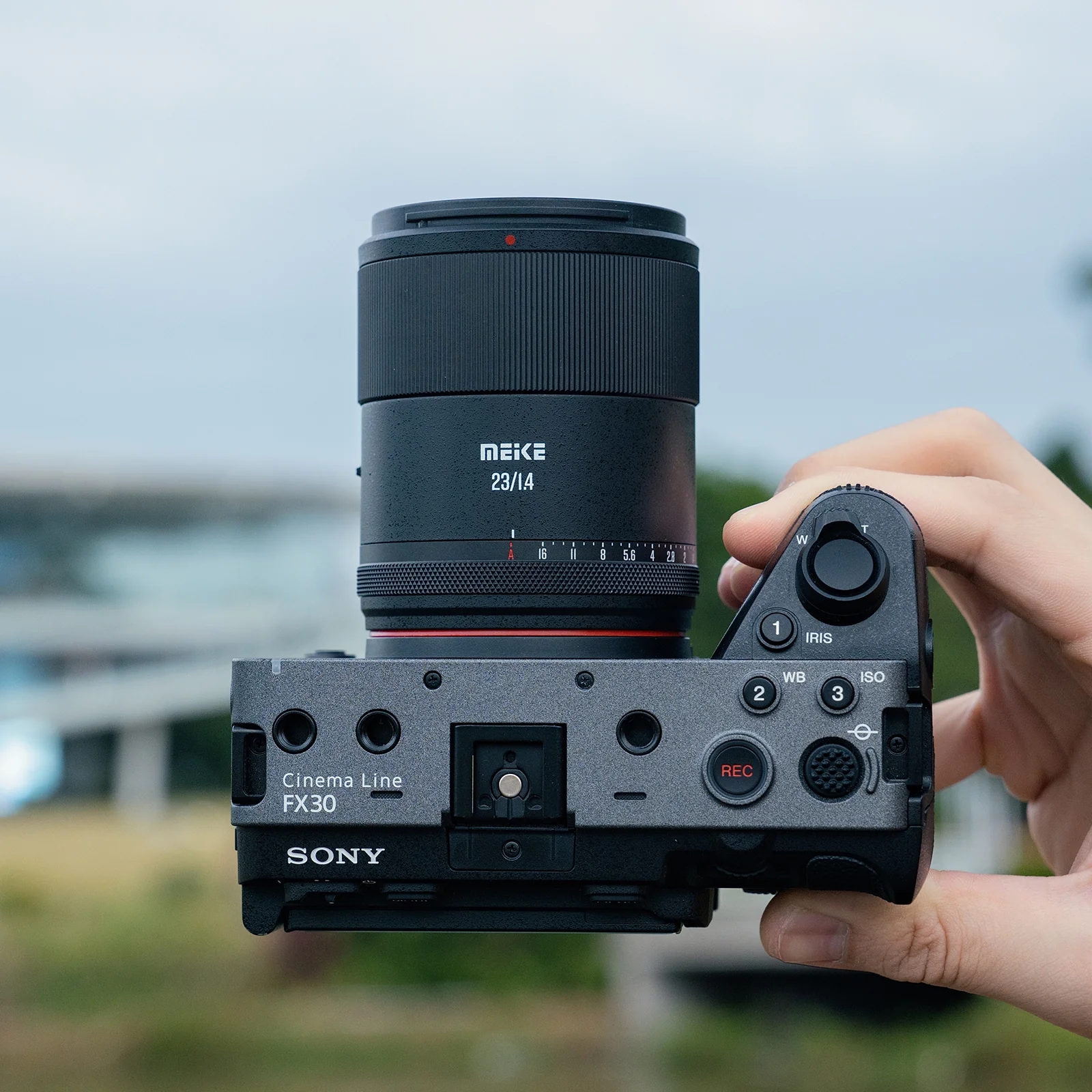
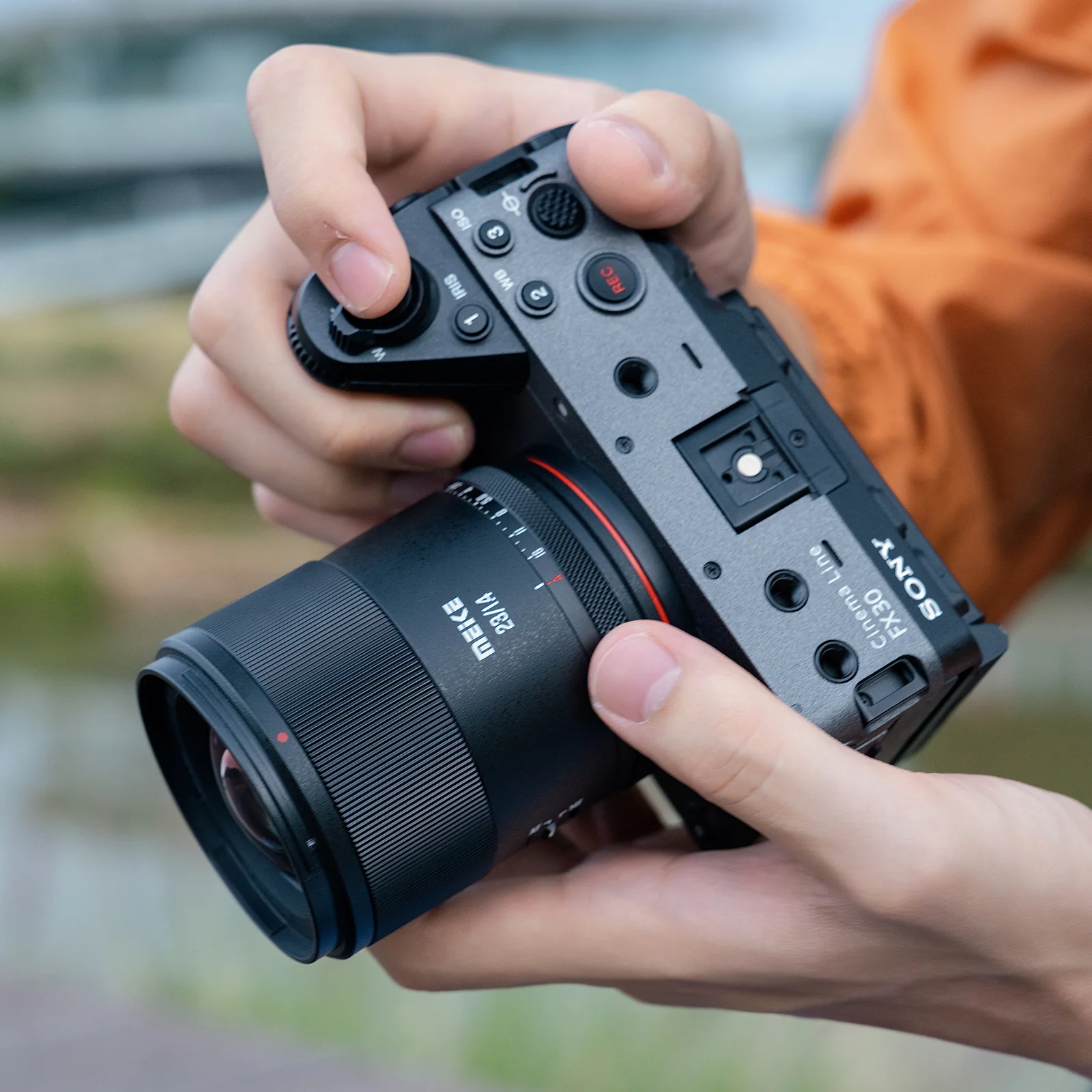
ON1 Photo RAW 2026.2 adds RAW support for:
Leica M EV1
Sony FX 30
New Lens Profiles Added
Optical corrections are now available for the following lenses:
Canon:
EF 20–35mm f/3.5–4.5 USM
RF 10–20mm f/4L IS STM
Fujifilm:
XF 16–50mm F2.8–4.8 R LM WR
Mamiya/Sekor:
SX 55mm f/1.8
Minolta:
MD 24mm f/2.8
MD 45mm f/2
Nikon:
Z 70–180mm f/2.8
AF-S DX 55–200mm f/4–5.6G ED VR II
OM System:
OM 12–100mm F4.0
Pentax:
Super-Multi-Coated Takumar 400mm f/5.6
smc Pentax-M 28mm f/2.8
HD PENTAX-D FA 21mm F2.4 ED Limited DC WR
Other brands:
Auto Petri 55mm f/1.8
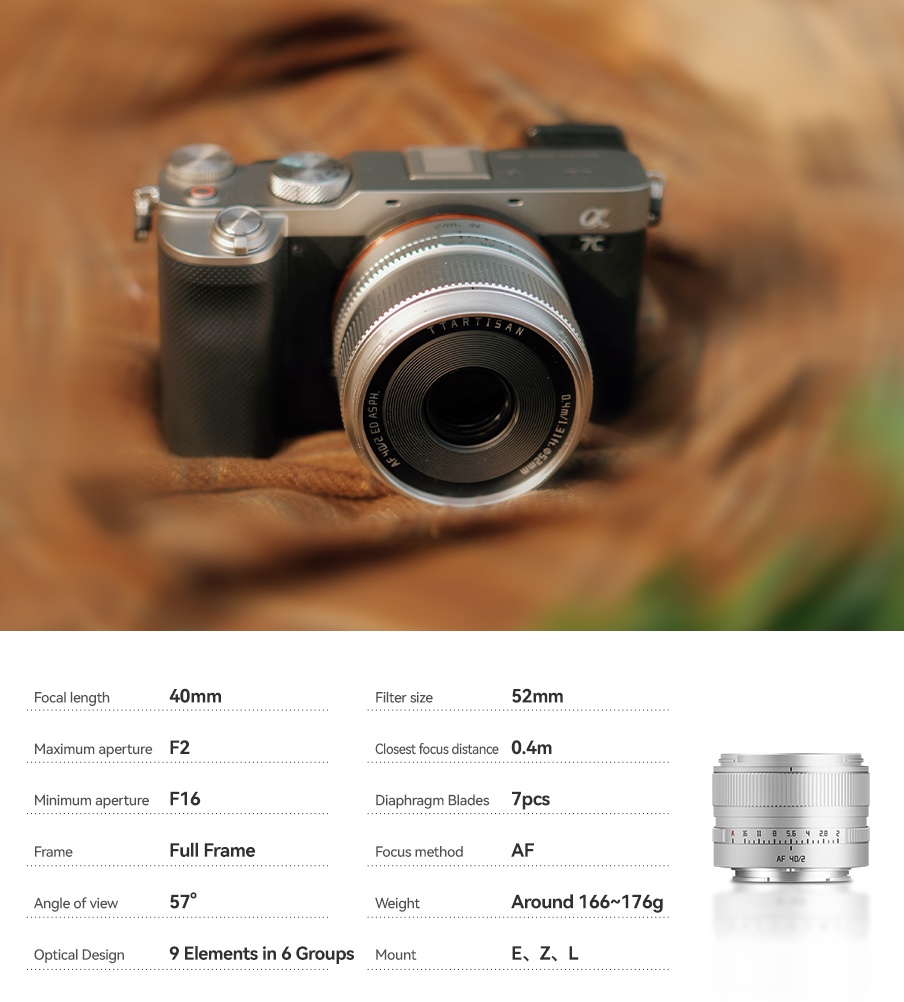
TTArtisan E 23mm f/1.8
Tamron AF 18–400mm f/3.5–6.3 Di II VC HLD
Viltrox 15mm f/1.7 E
Yashica ML 55mm f/4 Macro
Carl Zeiss Sonnar T* 180mm f/2.8 MMJ
Stability Improvements and General Refinements
This release continues ON1’s commitment to quality with better stability, UI polish, and bug fixes across the app. These refinements improve responsiveness and deliver a smoother experience day-to-day.
Fix Grainy, Blurry, Low-Resolution Videos Effortlessly with Aiarty Video Enhancer (Lowest Price for Christmas)
Many photographers today shoot video alongside stills, but video quality doesn’t always meet expectations. Low-light footage often suffers from visible grain, while clips from older cameras and early DSLRs can look soft and outdated on modern displays.
Improving this kind of footage traditionally means complex workflows and inconsistent results. Aiarty Video Enhancer aims to simplify that process.
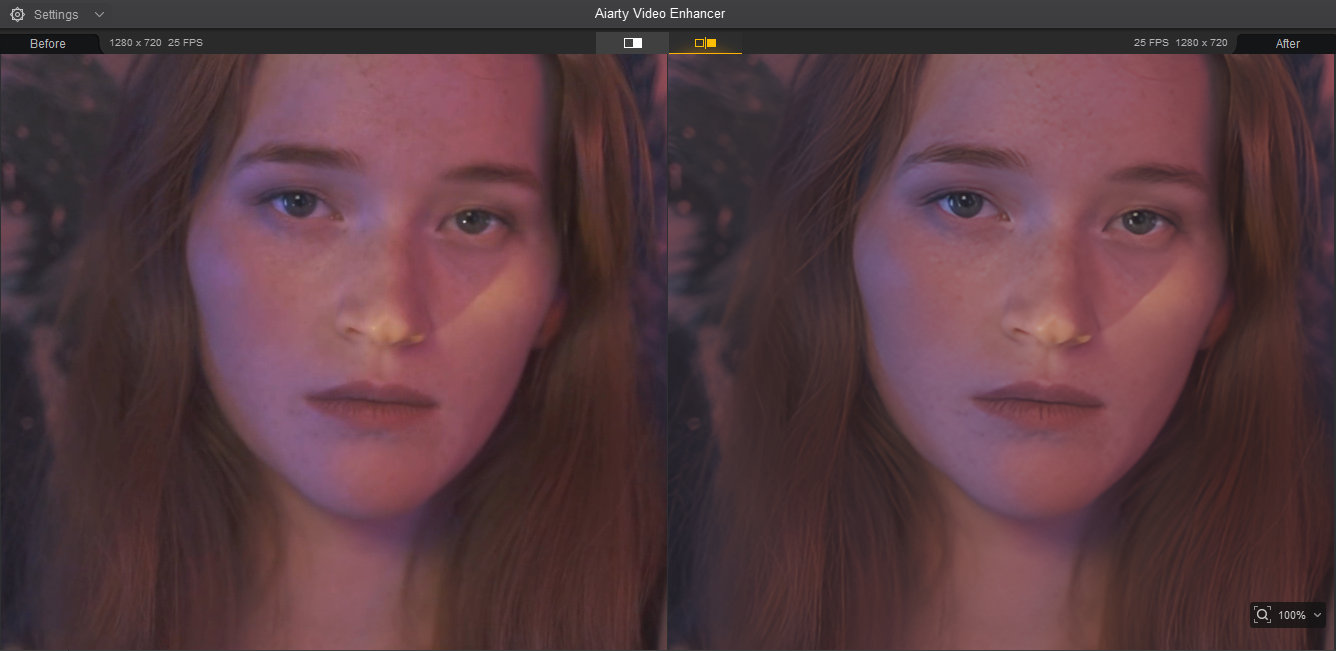
Designed for photographers and editors, Aiarty Video Enhancer is an all-in-one solution for cleaning up and improving video quality. It combines intelligent upscaling, noise reduction, deblurring, restoration, color correction, and frame interpolation into a streamlined workflow, while still giving users enough control to maintain a natural, photographic look.
Christmas Deal: Aiarty Video Enhancer at the Lowest Price of the Year
To coincide with the holiday season, Aiarty is currently running a Christmas promotion that may be of interest to photographers who want to improve the quality of their videos without committing to a subscription-based tool.
What the Christmas offer includes:
36% off the regular price (lifetime license)
Extra $5 coupon: use code XMASSAVE at checkout
The full lifetime license provides full access to all features, includes lifetime free updates, and can be installed on up to 3 Windows or Mac computers.
For users who prefer a one-time purchase with no recurring fees, this seasonal offer makes Aiarty Video Enhancer a relatively low-risk option to try, especially with a 30-day money-back guarantee in place.
How Aiarty Video Enhancer Fits into Real-World Video Workflows
At its core, Aiarty Video Enhancer is built for photographers who want to improve video quality without turning their footage into something artificial or over-processed.
Instead of relying on a single “one-click” AI approach, it combines multiple optimized AI models with practical user controls, allowing creators to balance quality, speed, and visual realism based on real-world needs.
Optimized AI Models with Performance and Control in Mind
Aiarty uses three specialized AI models, each optimized for different scenarios such as fine-detail restoration and extreme low-light denoising. These models are deeply optimized for modern GPUs, pushing utilization as high as 95%, which translates into noticeably faster processing compared to many similar tools that leave much of the GPU idle.
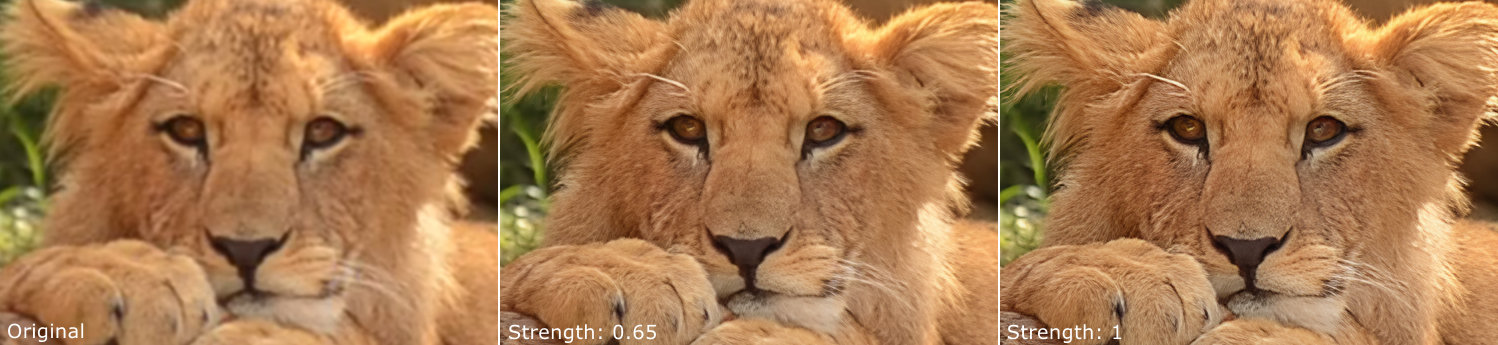
Equally important, Aiarty does not force users to fully surrender creative control to AI. Features like the Strength slider, Turbo Mode, and Step Mode give photographers the flexibility to decide whether they prioritize speed, maximum quality, or a natural, film-like result.
This balance—powerful automation with meaningful control—is what makes Aiarty particularly well-suited to photographers who occasionally work with video but still care deeply about image integrity.
All processing is done locally and offline, which means better privacy and no cloud uploads or data reuse.
Upscale: Making Camera Footage Fit Modern Workflows
Upscaling is not only about improving old videos. For photographers and editors, it often solves very practical problems in real-world workflows.
In mixed timelines, footage may come from different cameras—for example, a main 4K camera combined with 1080p clips from drones, action cameras, or older DSLRs. High-frame-rate slow-motion footage is also often limited to lower resolutions. Reframing or post-stabilization also inevitably reduces resolution.
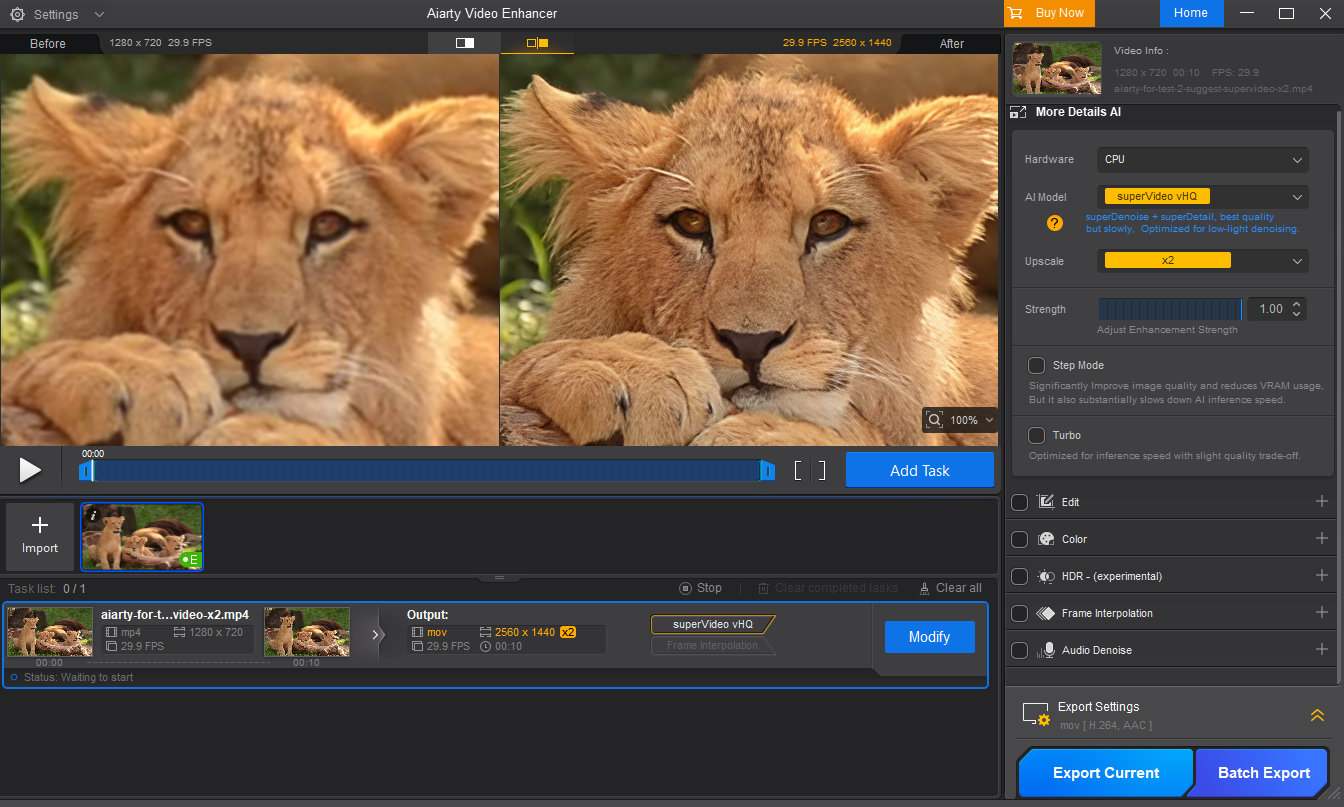
Aiarty allows users to upscale videos using common targets such as 1080p, 2K, or 4K, as well as fixed scaling options like 2× or 4×. Instead of simply enlarging pixels, its AI models analyze edges, textures, and patterns to reconstruct missing detail, helping low-resolution clips appear cleaner and more consistent with today’s viewing standards.
Denoise: Reducing Grain in Video and Cleaning Up Audio
Noise is one of the most common problems in camera video, particularly when shooting in low light or at high ISO. Traditional noise reduction often requires adjusting multiple technical parameters and can come at the cost of lost detail.
Aiarty integrates video denoising directly into its enhancement process, automatically reducing noise while preserving edge detail and texture. If the auto enhancement removes too much grain, users can adjust the strength slider to find the optimal balance between cleaner footage and a natural, film-like look.
This approach avoids the hassle of traditional noise reduction while also preventing the overly smooth, plastic appearance that some AI tools often introduce.
In addition to video denoising, Aiarty also includes basic audio noise reduction, helping reduce background hiss or ambient noise in casual recordings and older clips. While not intended to replace dedicated audio software, it provides a practical improvement that makes clips easier to use and more presentable overall.
Deblur and Restore: Improving Clarity When Reshooting Isn’t an Option
Slight blur and softness are common in real-world video, especially with early-generation sensors or less-than-ideal shutter speeds. When reshooting is impossible, restoration becomes the only option.
Aiarty’s deblurring and restoration capabilities focus on recovering perceived clarity rather than aggressively sharpening. By reconstructing edge definition and fine detail where possible, it improves overall sharpness while avoiding halos or harsh artifacts.
The results won’t turn heavily blurred footage into perfectly sharp video, but they can noticeably improve clarity in many real-world scenarios.
Strength Slider: Why Control Matters for Photographers
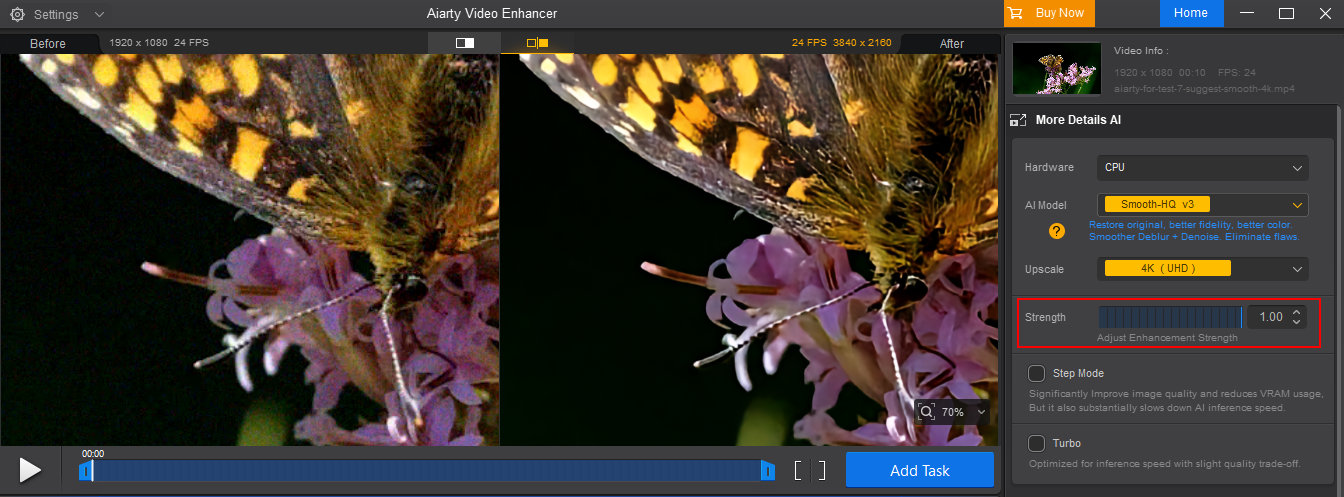
One of the more important design choices in Aiarty Video Enhancer is the inclusion of a strength slider that controls how strongly the AI enhancement is applied. This may seem like a minor feature, but it plays a significant role in achieving natural-looking results.
AI enhancement is not always a case of “more is better”. Applying too much sharpening or denoising can lead to an artificial look, something photographers are particularly sensitive to. The ability to dial back the effect allows users to find a balance between improved clarity and visual realism.
Color Correction: Fine-Tuning After Enhancement
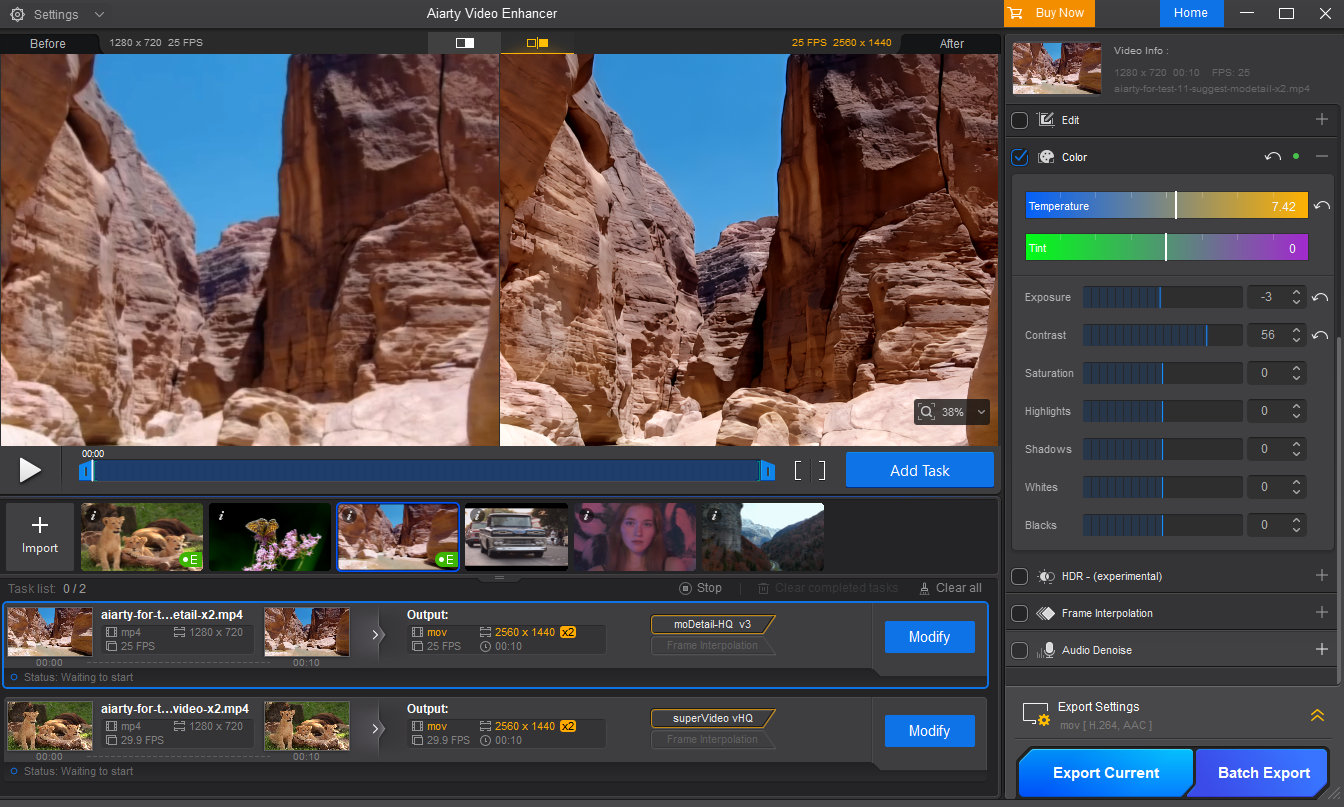
Basic color correction tools, such as controls for exposure, contrast, highlights, shadows, and color temperature, are included to help refine the final output after AI enhancement.
These tools are not meant to replace full-fledged color grading software. Instead, they allow photographers to make subtle adjustments to ensure that enhanced footage looks balanced and consistent, especially after noise reduction or restoration has altered the image slightly.
When used conservatively, these controls help maintain a natural photographic look while polishing the final result.
Frame Interpolation and Slow Motion: Smoother Motion for Creative Control
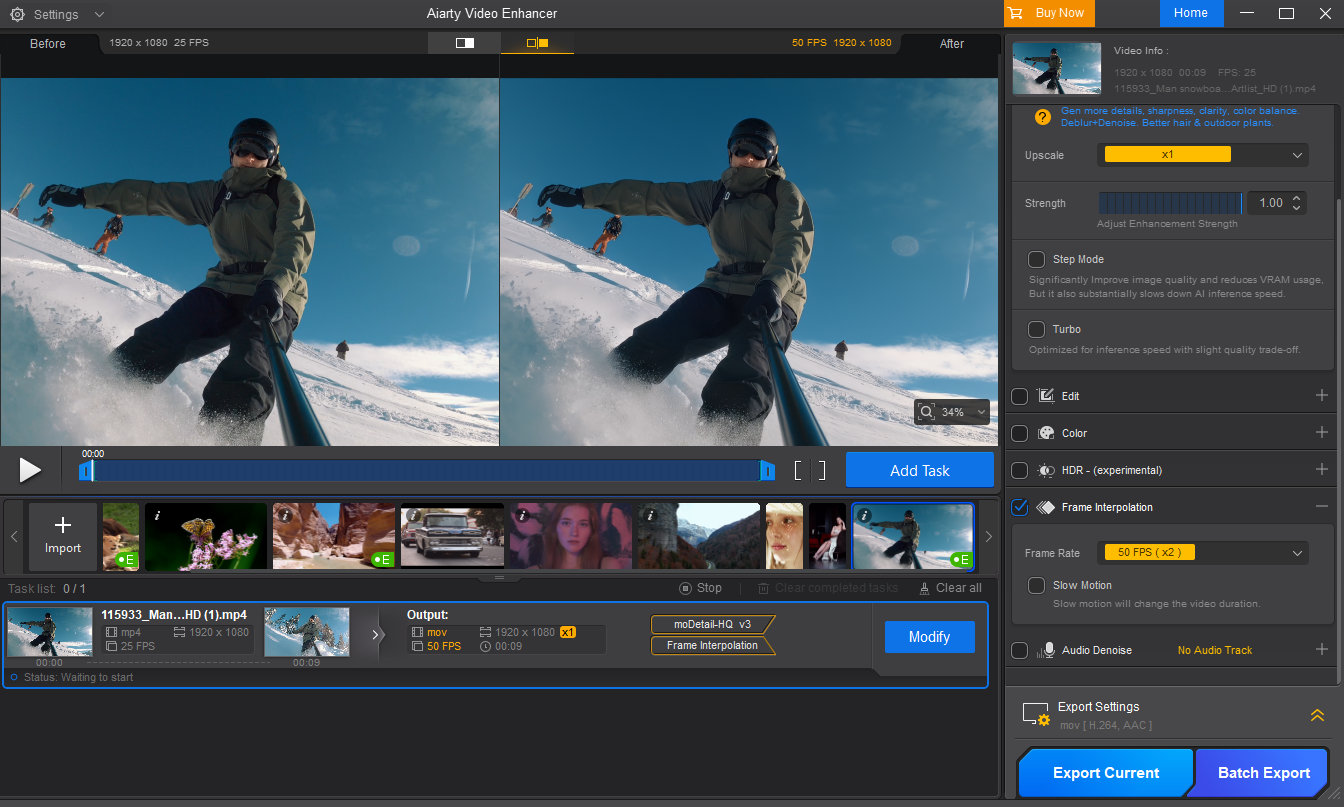
Aiarty includes frame interpolation, allowing users to increase frame rates up to 120 fps, and a slow-motion option with adjustable speeds such as 1/2 or 1/4. While not every photographer will need this daily, it can be extremely useful when working with action footage, fast-moving subjects, or older clips originally captured at low frame rates.
By smoothing motion and creating slow-motion effects, this feature gives photographers more creative flexibility, whether for short films, travel videos, or simply making casual clips look more polished and professional.
SDR to HDR: Giving Footage More Depth
For older 8-bit SDR footage, Aiarty offers an optional SDR-to-HDR conversion that outputs 10-bit HDR video. This process can improve color transitions and reduce banding, resulting in smoother gradients and a more refined visual appearance.
When combined with basic color adjustments, this feature can add depth and richness to older clips. It can noticeably enhance the viewing experience on modern HDR-capable displays.
Final Words: Get the Holiday Treat Before It Goes Away!
If you’ve been thinking about improving your video quality, it’s worth trying out Aiarty Video Enhancer to see the results for yourself.
And if you like what you see, take advantage of the Christmas offer and grab Aiarty Video Enhancer and more powerful tools at the lowest price. All licenses work on 3 computers permanently and include lifetime free updates. Act fast—this seasonal promotion is only available for a limited time.
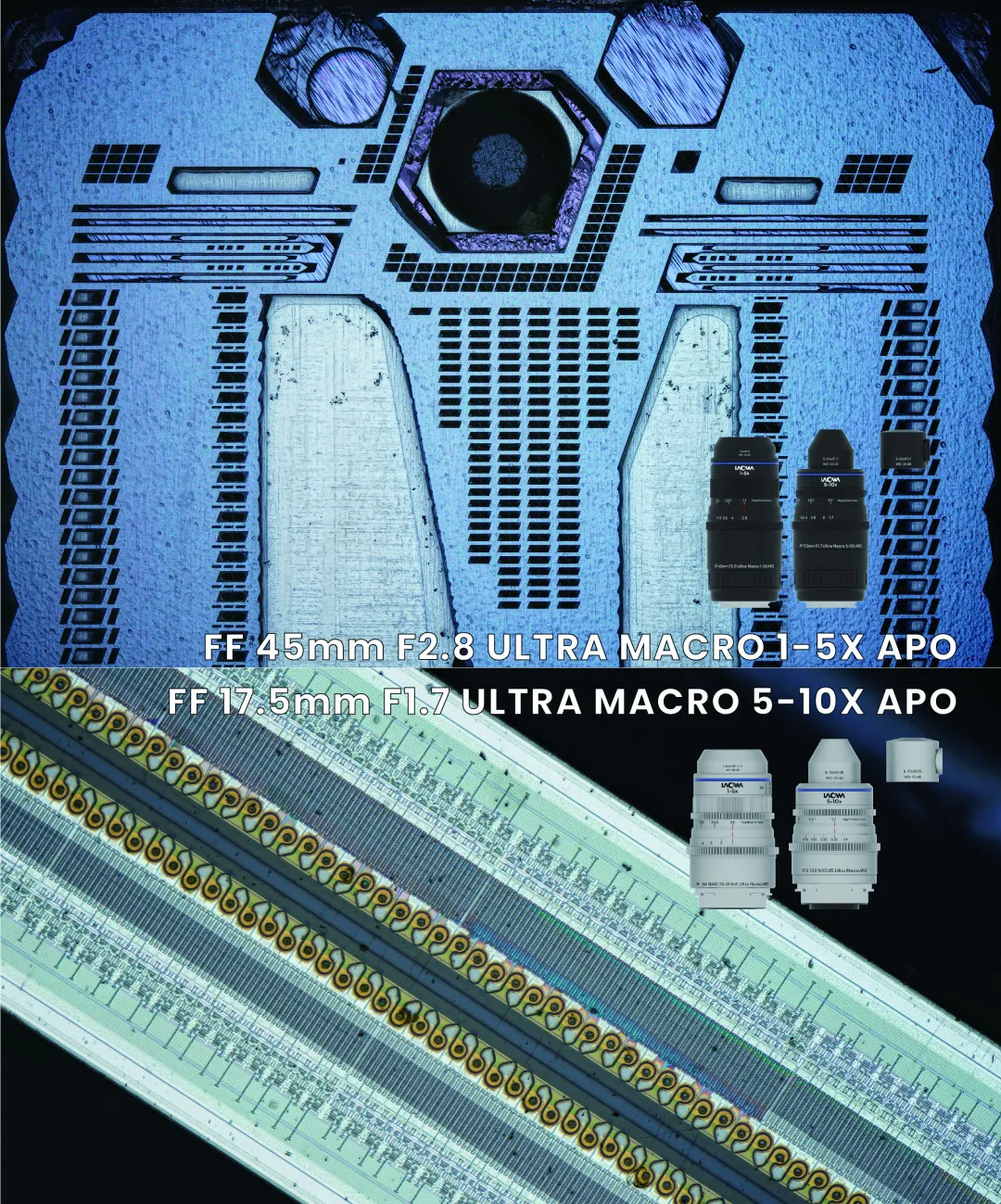
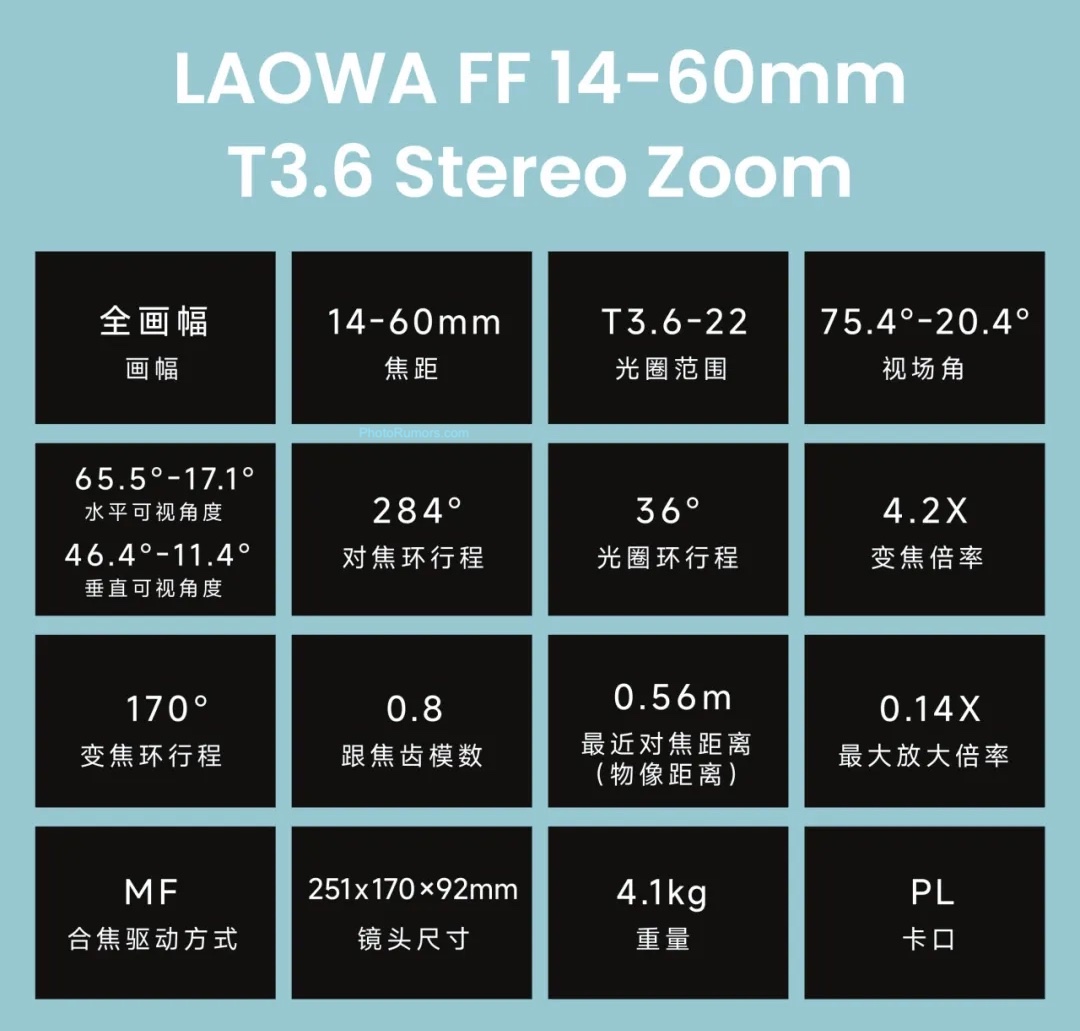
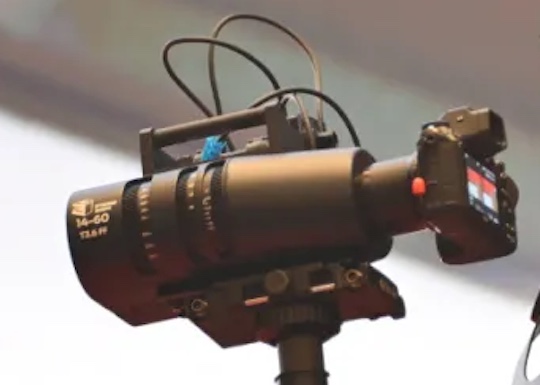
Here are some of the new Laowa lenses Venus Optics will announce next year (2026):
Laowa FF 45mm f/2.8 ultra macro full-frame 1-5X APO (11 elements in 9 groups)
Laowa FF 17.5mm f/1.7 ultra macro full-frame 5-10X APO (17 elements in 12 groups)
Specifications:
Full-range parfocal design throughout zooming (means the focus will not change as you increase magnification)
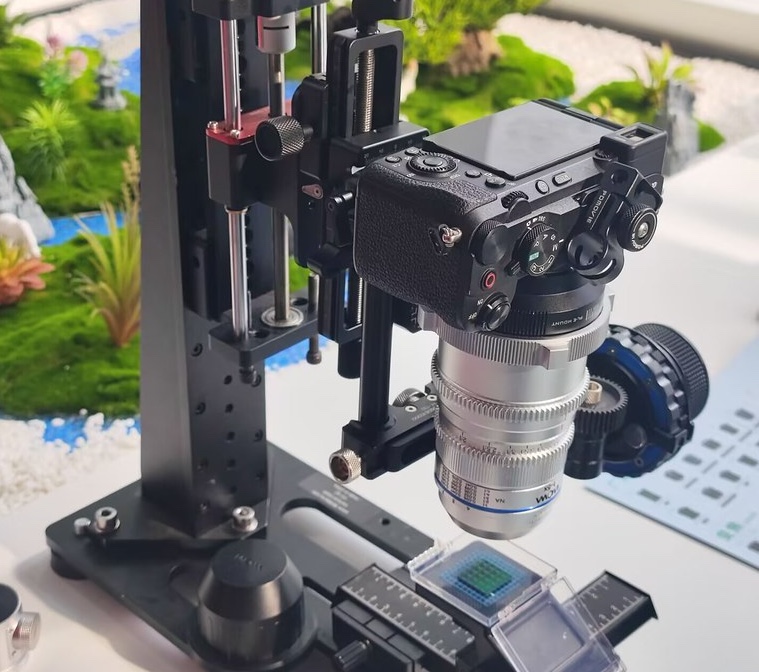
Coaxial illumination (means light goes through the lens, hits the surface, and comes back; the lens acts as a condenser and an objective – suitable for inspection)
Covers high magnification zoom from 1:1 to 10:1, filling the gap between a traditional macro lens and a microscope
Longer working distance (40.35mm/22.5mm) facilitates lighting setup
Adopts apochromatic (APO) optical design to effectively eliminate chromatic aberration, resulting in sharp images and accurate colors
Full-frame lenses compatible with multiple mounts (E/Z/L/F/RF/EF)
Meets the image needs of scientific research and commercial applications
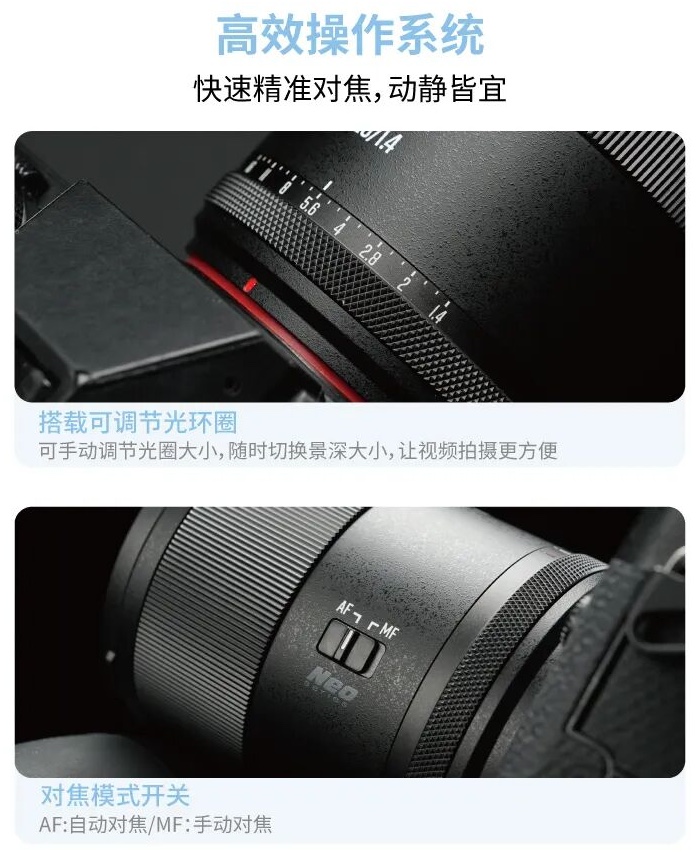
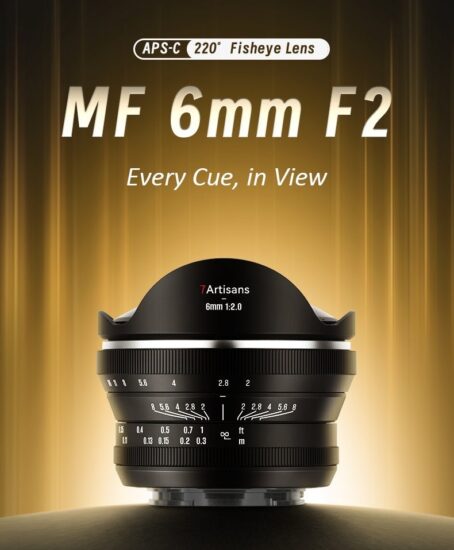
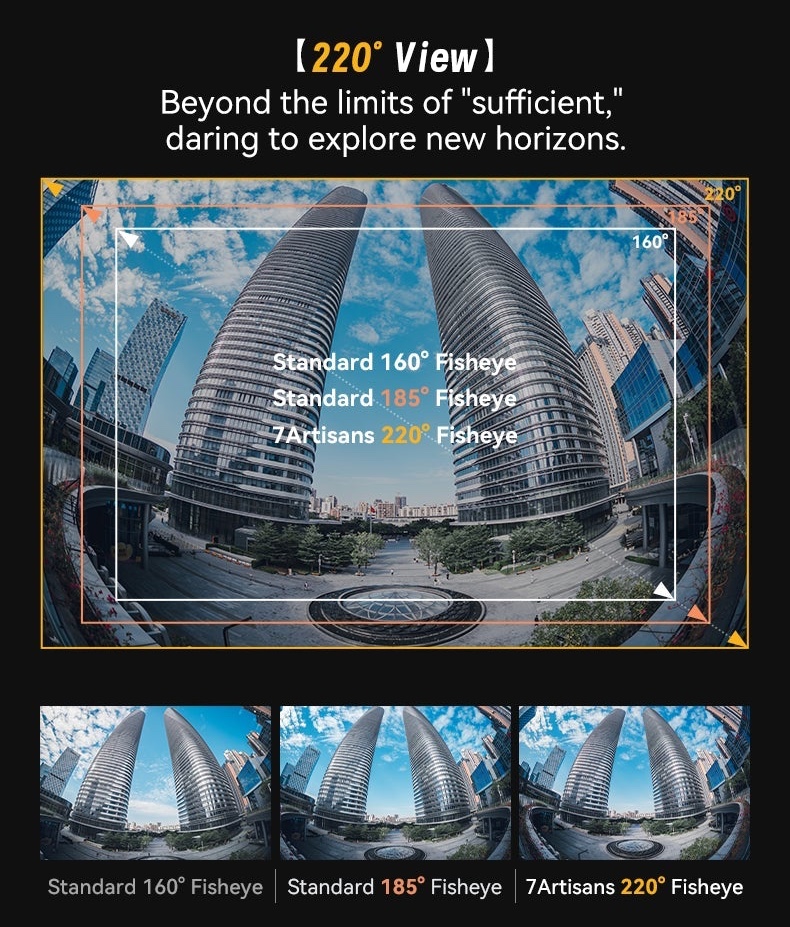
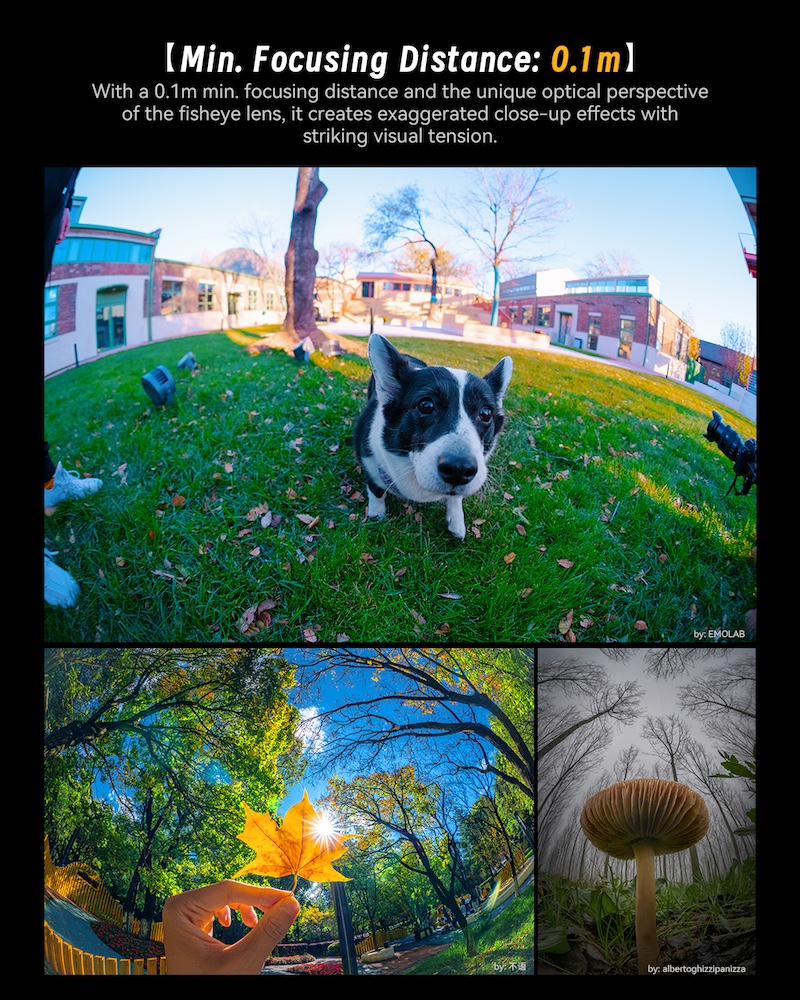
7Artisans is teasing a new line of APS-C LITE autofocus lenses. Three different focal lengths are expected. The weight of each lens will be around 180g.
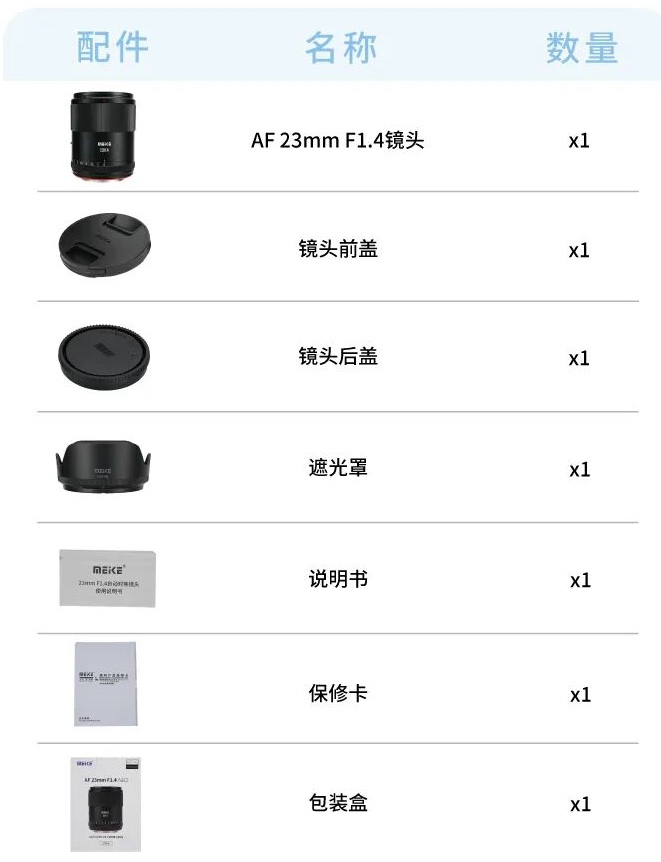
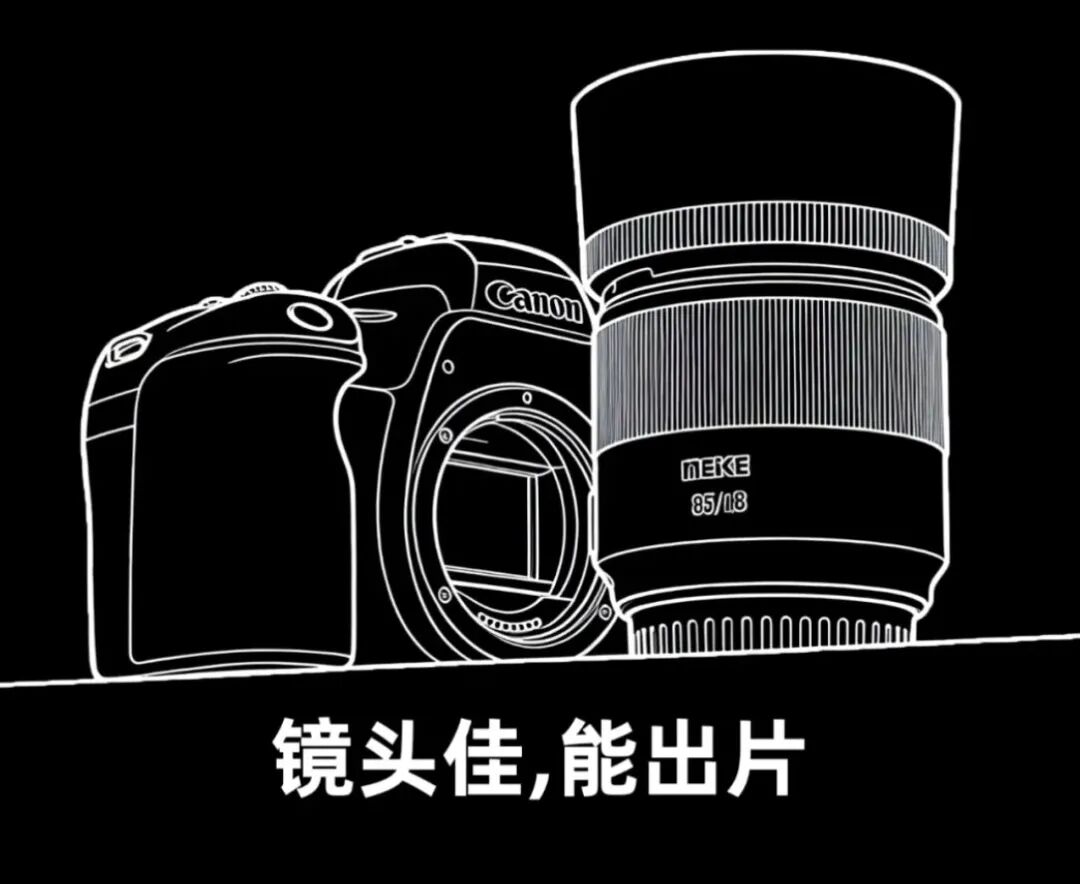
Meike is rumored to announce a new AF 85mm f/1.8 SE II lens for the Canon EF mount. This is a strange move when third-party lens manufacturers are trying really hard to get approval to produce mirrorless lenses for the Canon RF mount:
As previously reported, today the U.S. Federal Communications Commission (FCC) has implemented a rule adding foreign-made drones and critical components to its “Covered List” due to national security concerns. This effectively prevents the import and sale of new DJI drone models (and those from other foreign manufacturers like Autel) that require new FCC authorization. However, the rule is forward-looking and does not ban or ground existing drones: all previously FCC-authorized DJI drone models remain fully legal to own, fly, buy (from existing stock), sell, and use in the United States.
There are no recalls, remote disables, or restrictions on operating drones you already own or purchase from current inventory. Retailers can continue selling stock of previously approved models until it’s depleted.
Future unreleased or newly designed DJI models (or major new components) will not receive FCC approval for U.S. sale unless explicitly exempted by agencies such as the Department of Defense or Homeland Security.
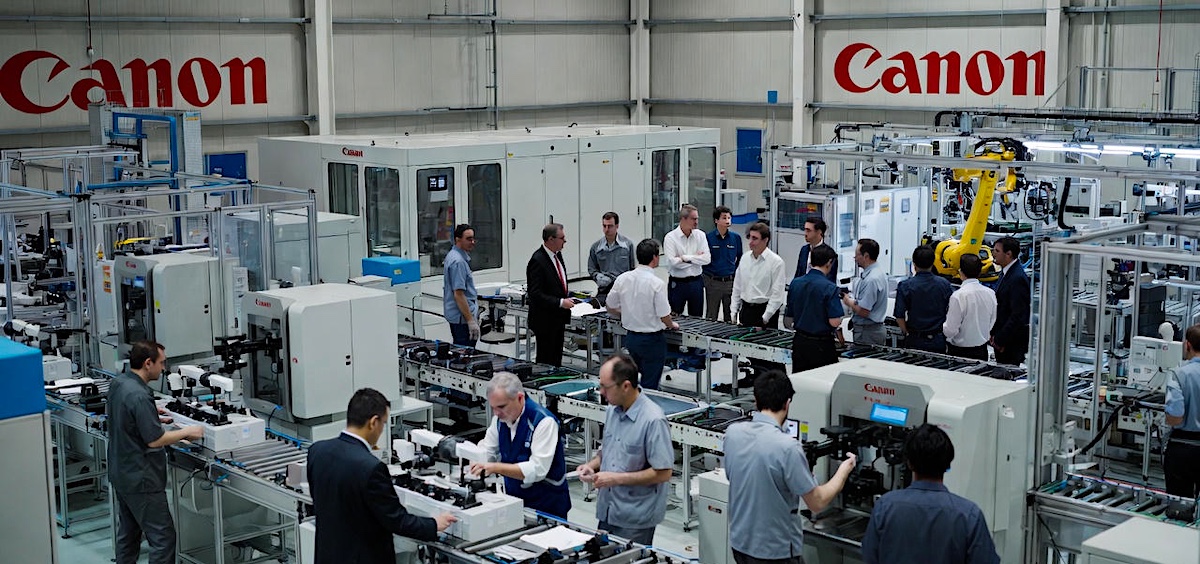
In a recent interview with Nikkei, Canon’s Chief Financial Officer stated that the company is considering outsourcing the production of lower-end (entry-level) product models to external partners. Cameras and printers could be among the products affected. This is part of a broader review of manufacturing and sales structures aimed at improving efficiency and profitability. The ultimate goal is to raise the company’s Return on Equity (ROE) to 12%. This represents a notable shift from Canon’s traditional emphasis on in-house production in Japan. As of late 2025, it’s still in the consideration phase, with no specific partners, timelines, or affected models announced.
Further reports, primarily stemming from a January 2025 Nikkei Asia interview with Canon Chairman and CEO Fujio Mitarai, provide more context and confirm this strategic shift:
Scope of Outsourcing – Canon is considering a “fabless” model (design in-house, manufacturing outsourced) specifically for lower-end digital cameras (e.g., compact/point-and-shoot models) and printers produced in Asia. This includes potentially outsourcing assembly processes to third-party manufacturers in other Asian countries.
Reasons:
Become more “asset-light” by avoiding fixed costs of maintaining own factories.
Better respond to fluctuating demand (e.g., recent rebound in compact camera popularity driven by social media trends and younger users).
Reduce geopolitical risks and supply chain disruptions.
Cut overall costs amid declining demand for traditional office equipment and entry-level cameras, impacted by smartphones.
Background – Canon closed its Zhuhai, China factory in 2022, which produced compact cameras, limiting its ability to ramp up production for the recent compact camera surge quickly. Outsourcing would allow flexibility without reopening or building new facilities.
What Remains In-House – High-end/flagship products, key components, design, development, and core technologies will stay in Japan (using Japanese factories as “mother factories”). Lenses and advanced sensors are unlikely to be outsourced.
Potential Impact – This could enable Canon to increase production/sales of compact cameras (e.g., PowerShot series) and possibly introduce new affordable models. It aligns with industry trends where competitors already outsource more extensively.
Financial Tie-In – The strategy supports broader goals of improving profitability and ROE, building on the CFO’s comments.
The United States is just days away from a DJI drone ban, driven by a provision in the Fiscal Year 2025 National Defense Authorization Act (NDAA). Section 1709 mandates that the US National Security Agency conduct a formal risk assessment of DJI (and Autel Robotics) by December 23, 2025. Despite DJI’s repeated requests for the audit, including formal letters to multiple agencies since early 2025, no agency has initiated or completed the review. If the deadline passes without action, DJI will automatically be added to the FCC’s “Covered List,” effectively blocking FCC authorization for new DJI products and halting their import and sale in the U.S.
⇒ This could be your last chance to get a DJI drone in the US: check Amazon and B&H Photo for their current availability and pricing.
Existing DJI drones already in the U.S. will remain legal to own, fly, and use, with no immediate grounding. However, future access to new models, official parts, repairs, and firmware updates could become limited or unavailable.
This outcome stems from national security concerns over DJI’s Chinese origins, including fears of data transmission risks or ties to the Chinese government, allegations DJI has long denied, pointing to independent audits showing no backdoors and features like offline data modes. DJI dominates over 70% of the U.S. drone market, powering critical operations for public safety agencies (over 80% of law enforcement drone programs), farmers, filmmakers, and hobbyists. Critics warn that an automatic ban, driven by legislative inaction rather than evidence, could disrupt these users without affordable American alternatives ready to fill the gap.
Viltrox is rumored to release new lenses for Canon RF mount. I contacted Viltrox directly, and they responded that they recently officially launched new 1.33x anamorphic lenses for Canon RF-mount with an authorized approval. However, licensing for other RF-mount lenses has not yet been officially approved, but they are still working on it. Stay tuned for updates.
If you missed Black Friday, Topaz Labs just started a new Holiday Sale that includes Topaz Studio, Studio Pro, and all single apps (valid from December 16th to January 7th). Here are the details:
Topaz Labs will also announce a major Realism Update tomorrow. Multiple apps are getting a realism boost, enhancing fine details and lighting, and giving photos, videos, and AI-generated content a more realistic look. Astra, Bloom, Topaz Video, Topaz Photo, and Topaz Gigapixel will all receive new models, features, and updates. Here’s what’s new in the Topaz Realism Update:
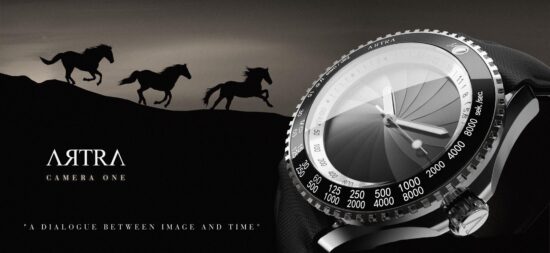
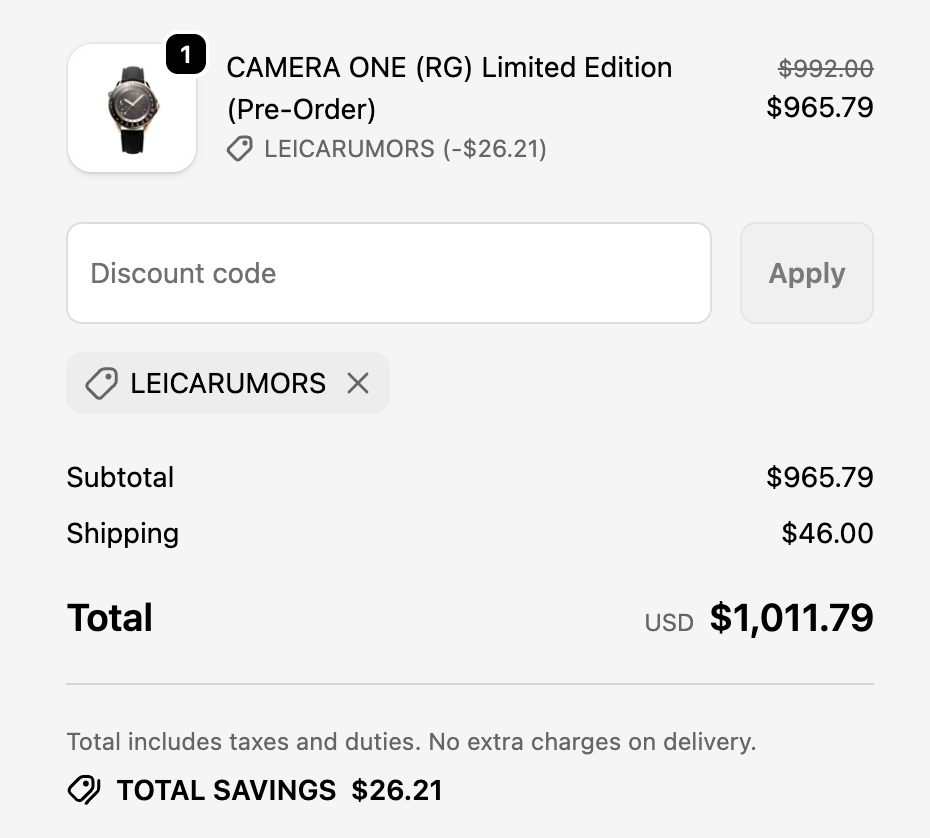
First review of the new Artra Camera One photography-inspired watch created by Artra Designs (the same company that makes the Artra lenses) has already been published on YouTube:
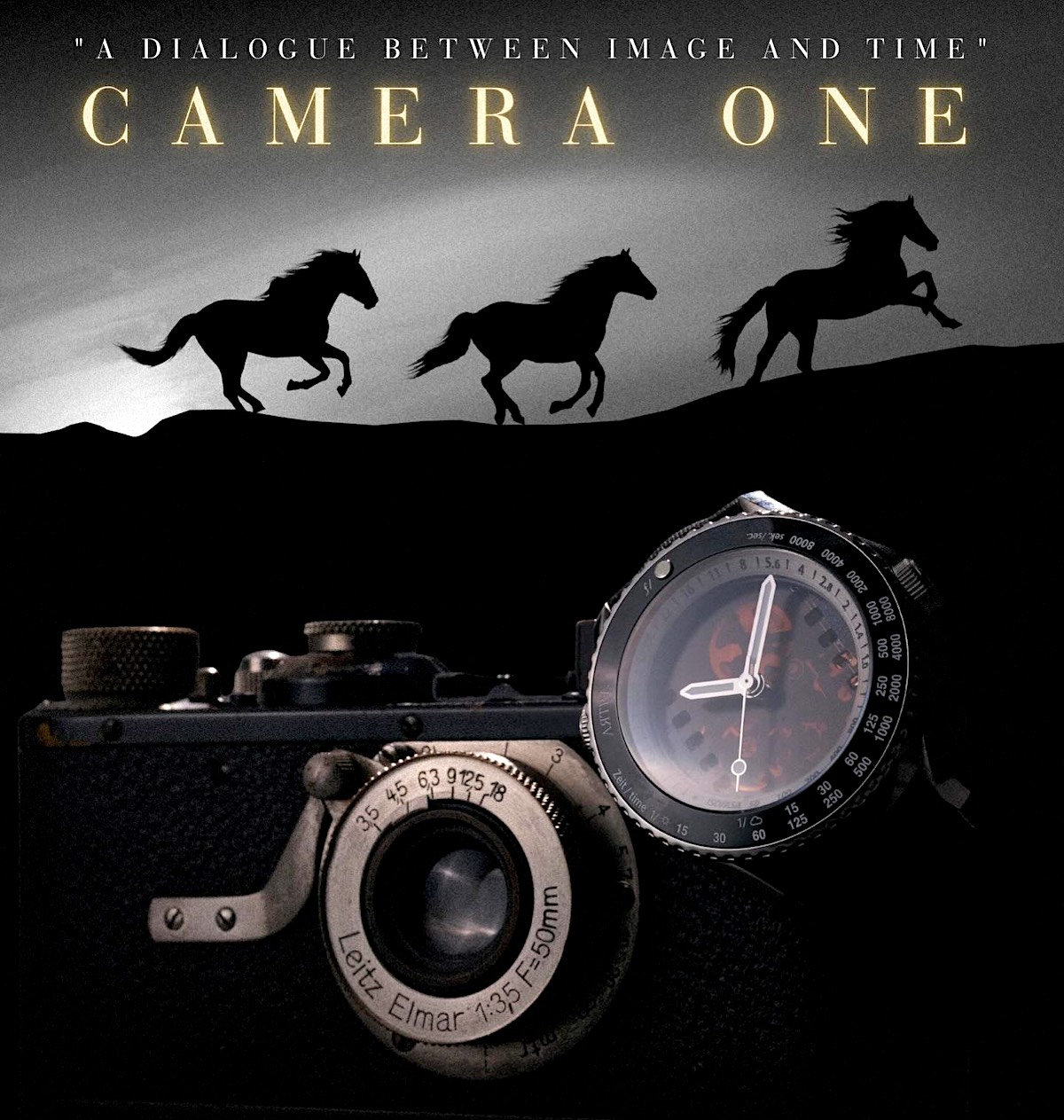
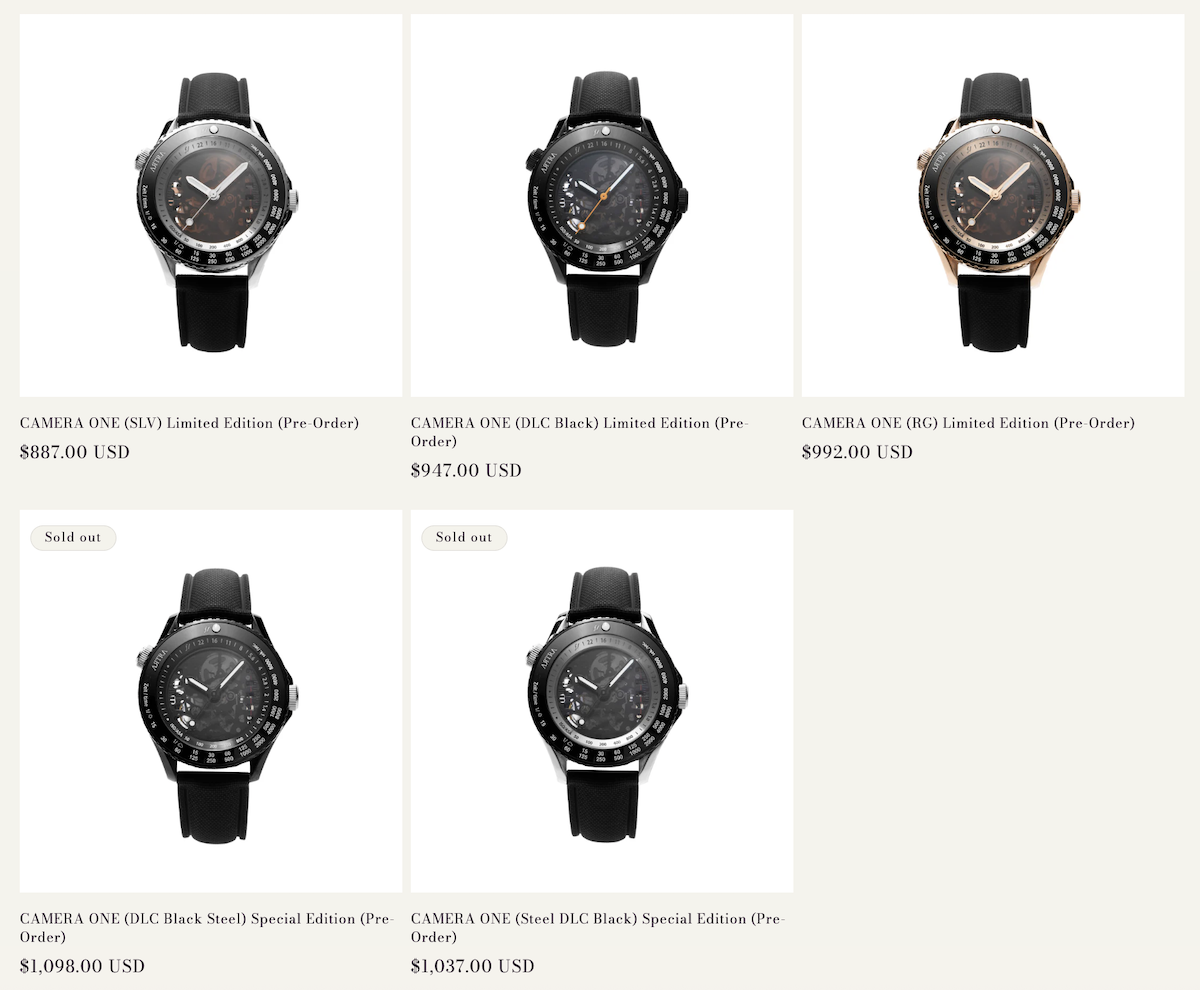
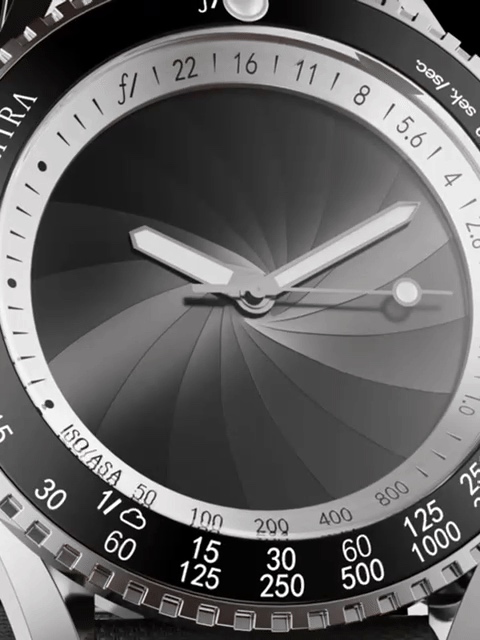
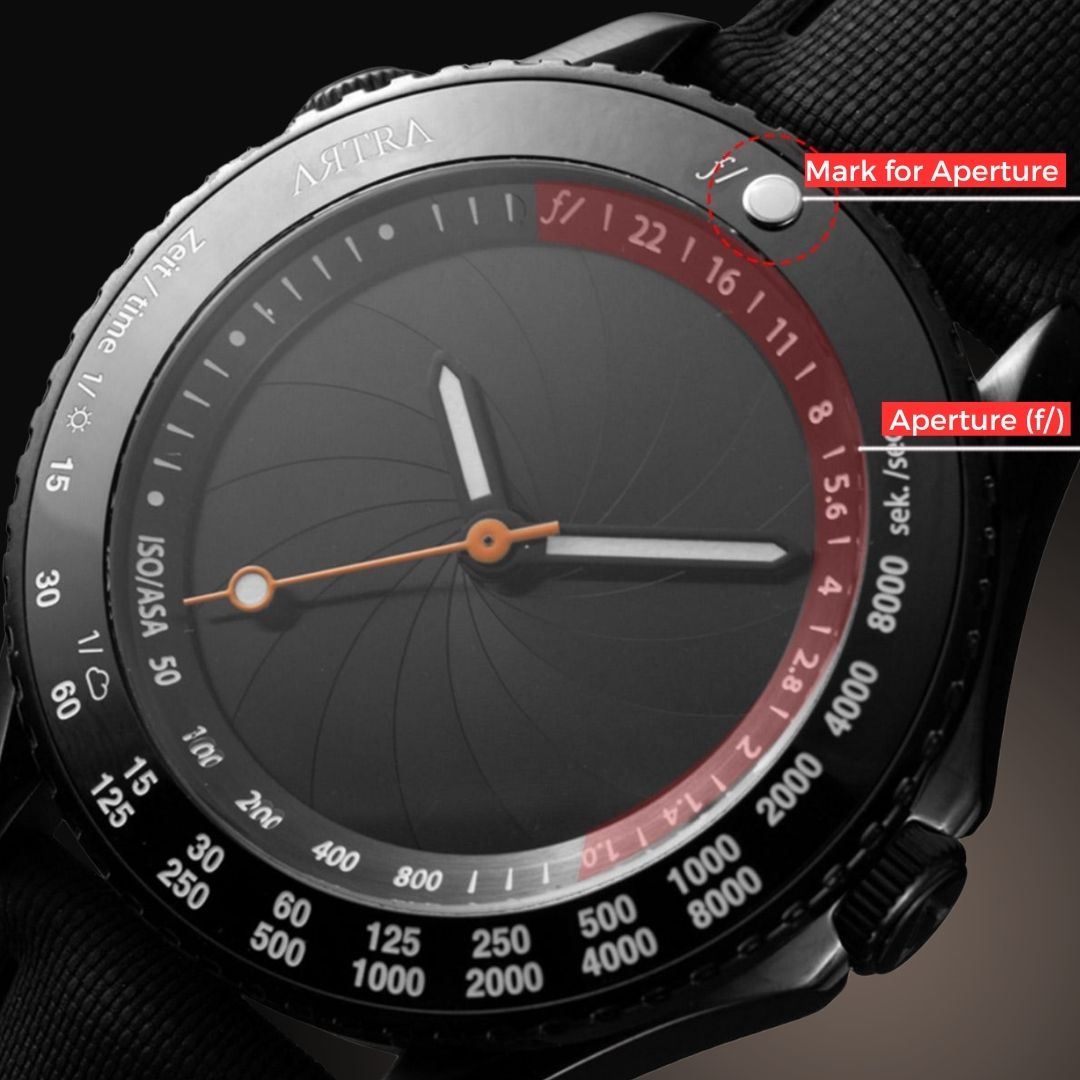
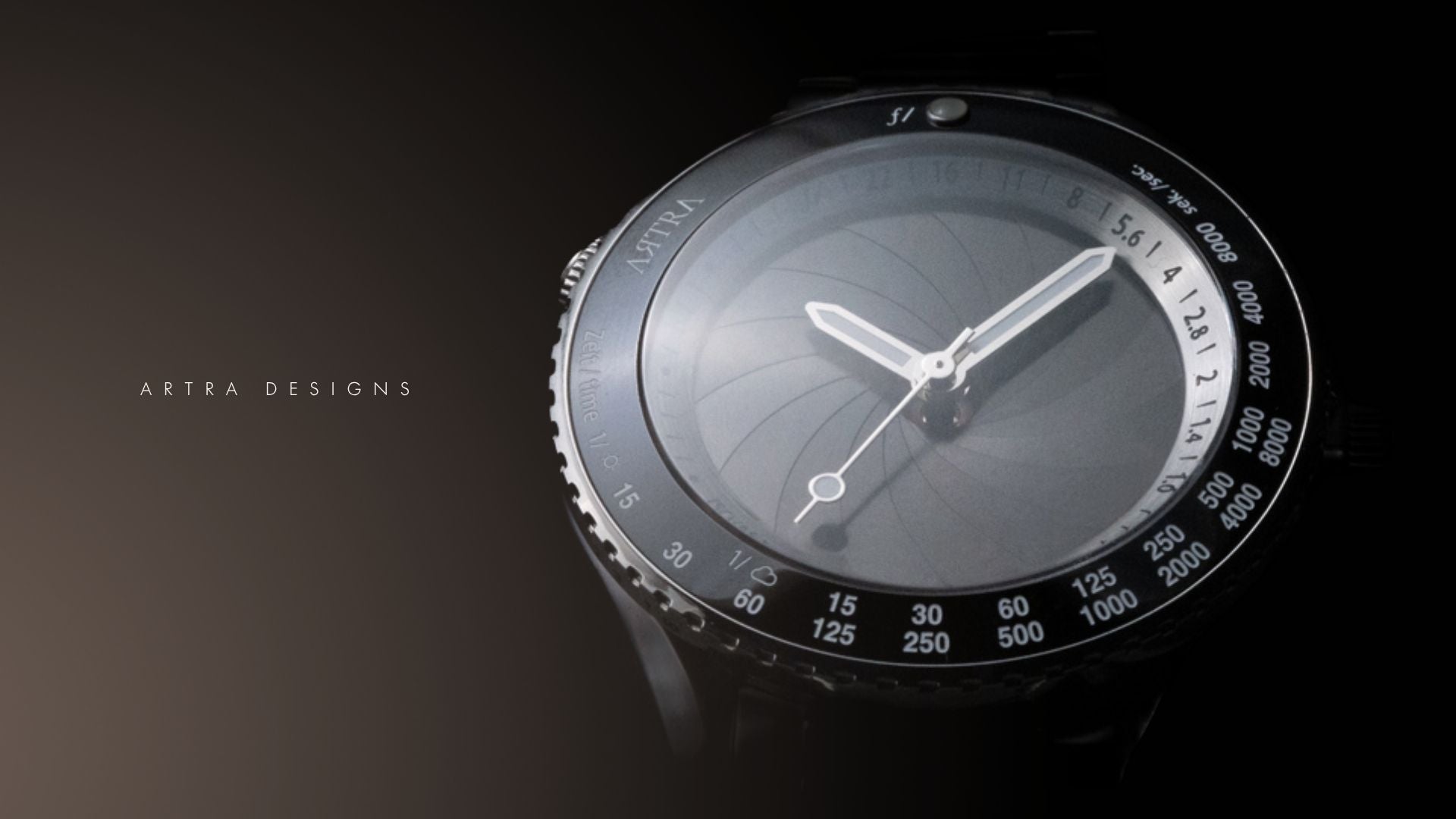
Artra Designs’ “Camera One” collection is a series of limited-edition mechanical watches rendered in premium materials with hand-finished movements visible through sapphire casebacks that pay homage to the golden age of photography, drawing inspiration from iconic cameras and lenses dating back to 1878. Each timepiece features dials and details crafted to resemble camera apertures, shutter blades, depth-of-field scales, and film advance mechanisms. The new Camera One limited edition watch comes in five different configurations (two of them are sold out already):
Inspired by the timeless art of photography, the Artra Designs Camera One shatters conventional watchmaking boundaries with two pioneering patents (ZL202530168106.1) (ZL202520671885.1), weaving the soul of film photography into every facet of its design.
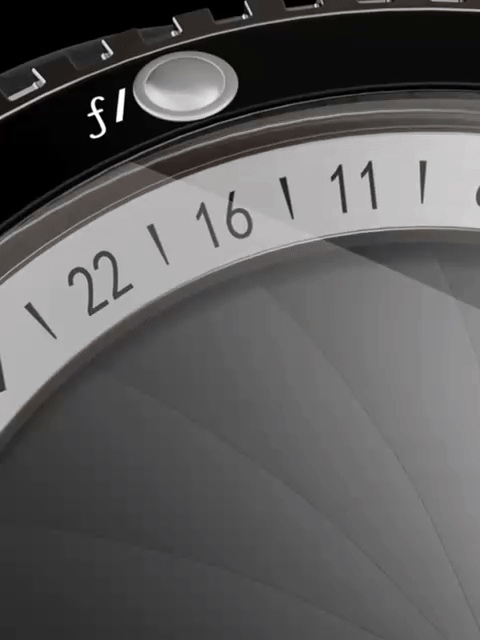
At its heart, the dial reimagines a camera’s aperture structure—turn the crown at the upper left, and the aperture blades dance open and closed, unveiling a translucent “film” beneath. As you admire this mechanical rhythm, it’s as if you’ve stepped back into the romantic golden age of film, where every frame was a deliberate, heartfelt act of creation.
The watch crystal, meanwhile, transcends its role as a mere protector, doubling as a camera lens. Through its clear transparency, it doesn’t just guard time—it captures it, freezing moments of wear into lasting memories. Even the crown rotating ring is reborn as a zoom ring; with each turn, you’re not just adjusting a watch component, but mastering the very rhythm of light and shadow, just as a photographer does when fine-tuning their lens to craft the perfect shot.
From aperture to lens to zoom, the C1 is more than a watch—it’s a wearable love letter to photography, a piece that lets you carry the romance of film in every second that ticks by.
A Tribute to the Legend of 135 Film Format
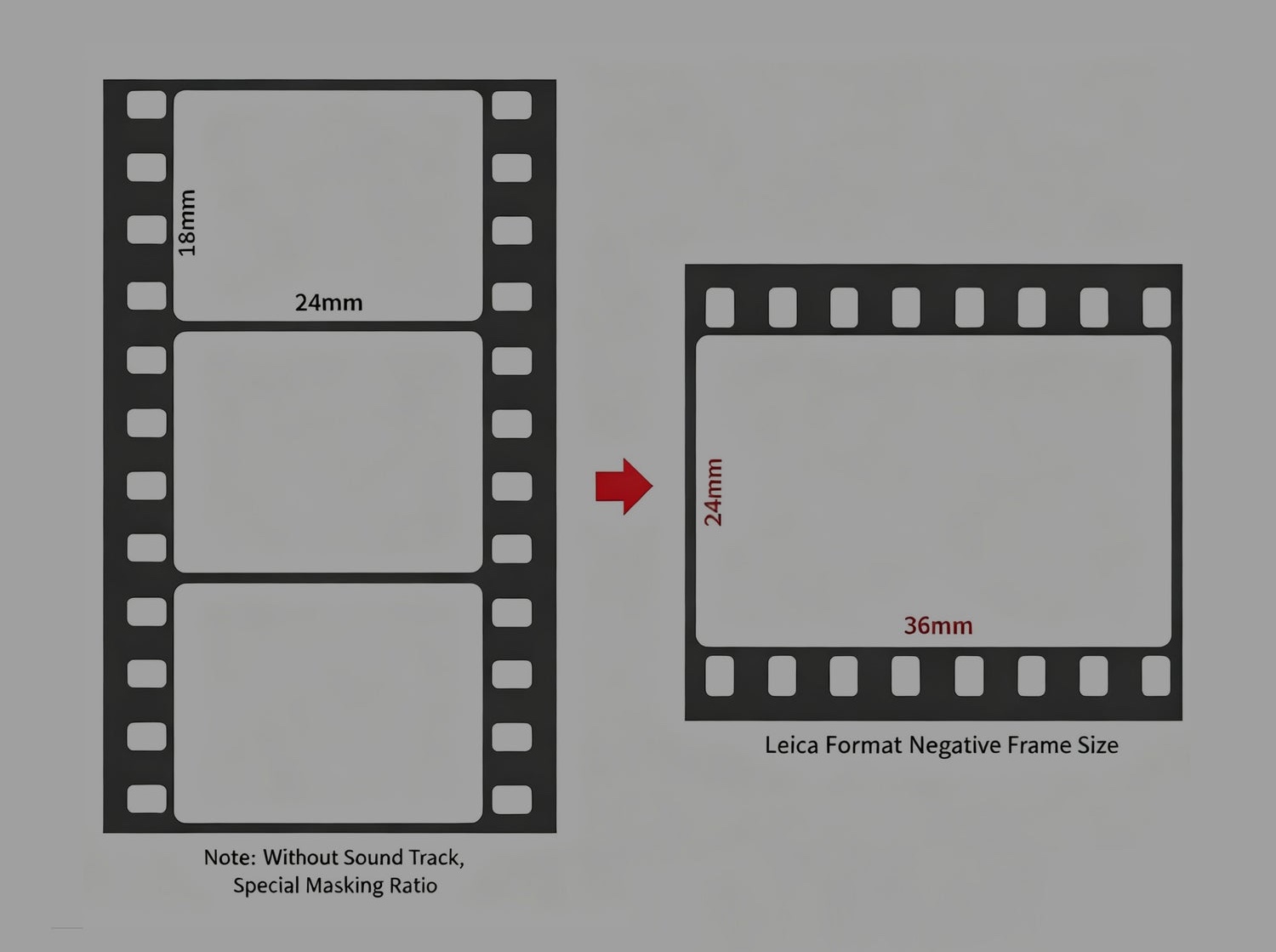
In 1925, Leica pioneered a groundbreaking idea by rotating the Super 35 film frame 90 degrees, laying the foundation for the 135 film format. Later, Kodak popularized photography among the masses by launching the Kodak Retina camera that adopted this 135 standard. A legendary chapter in imaging history was thus written. Taking time as our medium, we have integrated this legacy into watch design to create the “Light & Shadow Scale” Camera-Themed Watch, allowing the passion for imaging to flow through time.
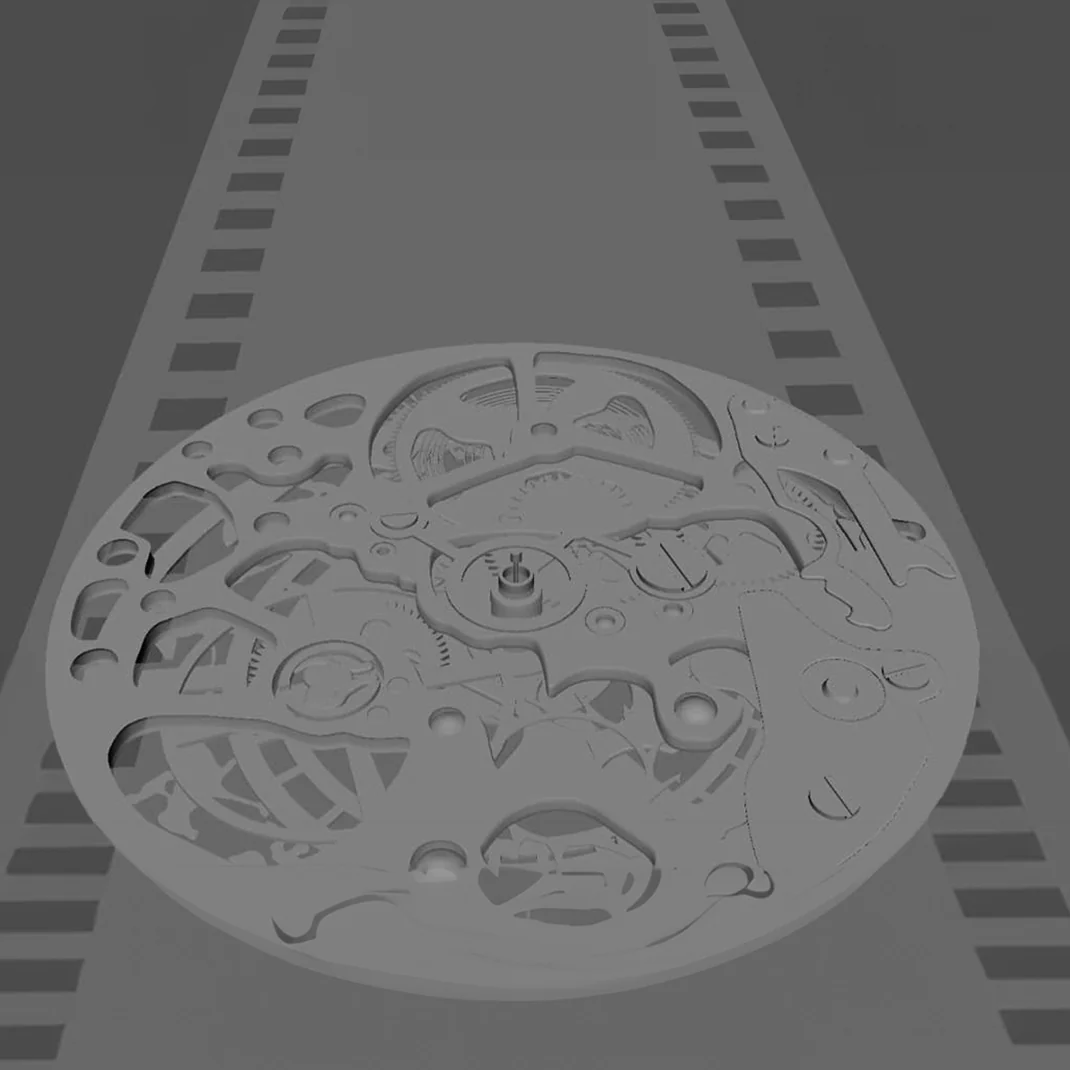
When viewed head-on, the internal “film” of the watch is arranged vertically, replicating the classic composition of traditional film frames. Every time you raise your wrist, it is a look back at the original aspiration of imaging. When the watch is rotated 90 degrees, the depth-of-field scale on the side emerges clearly, and the outline of the watch instantly aligns with the shape of a camera, like a “mini camera” that can command time, rekindling the love for photography.
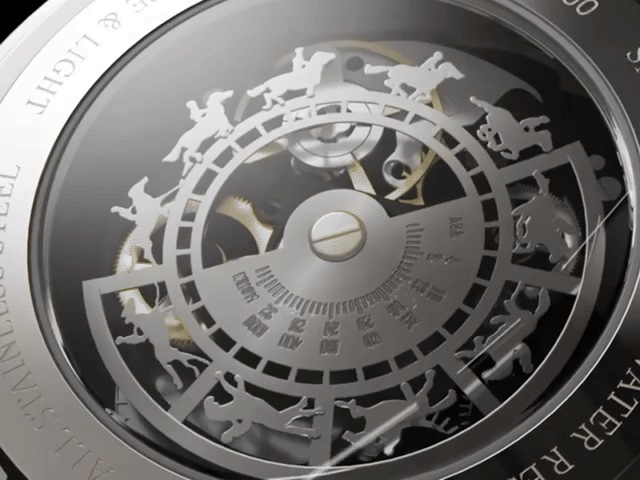
The depth of field scale on the left and the rotor on the back, featuring the iconic image of “Horse in Motion,” the first moving image ever taken by Muybridge in 1878, pay tribute to the history of photography in every detail. More than just a timekeeping tool, it embodies the art of photography on the wrist—encapsulating the inspiration and essence of photography within its compact dial. Every glance at the time feels like a touch of photographic art, embarking on a journey of photographic exploration on the wrist.
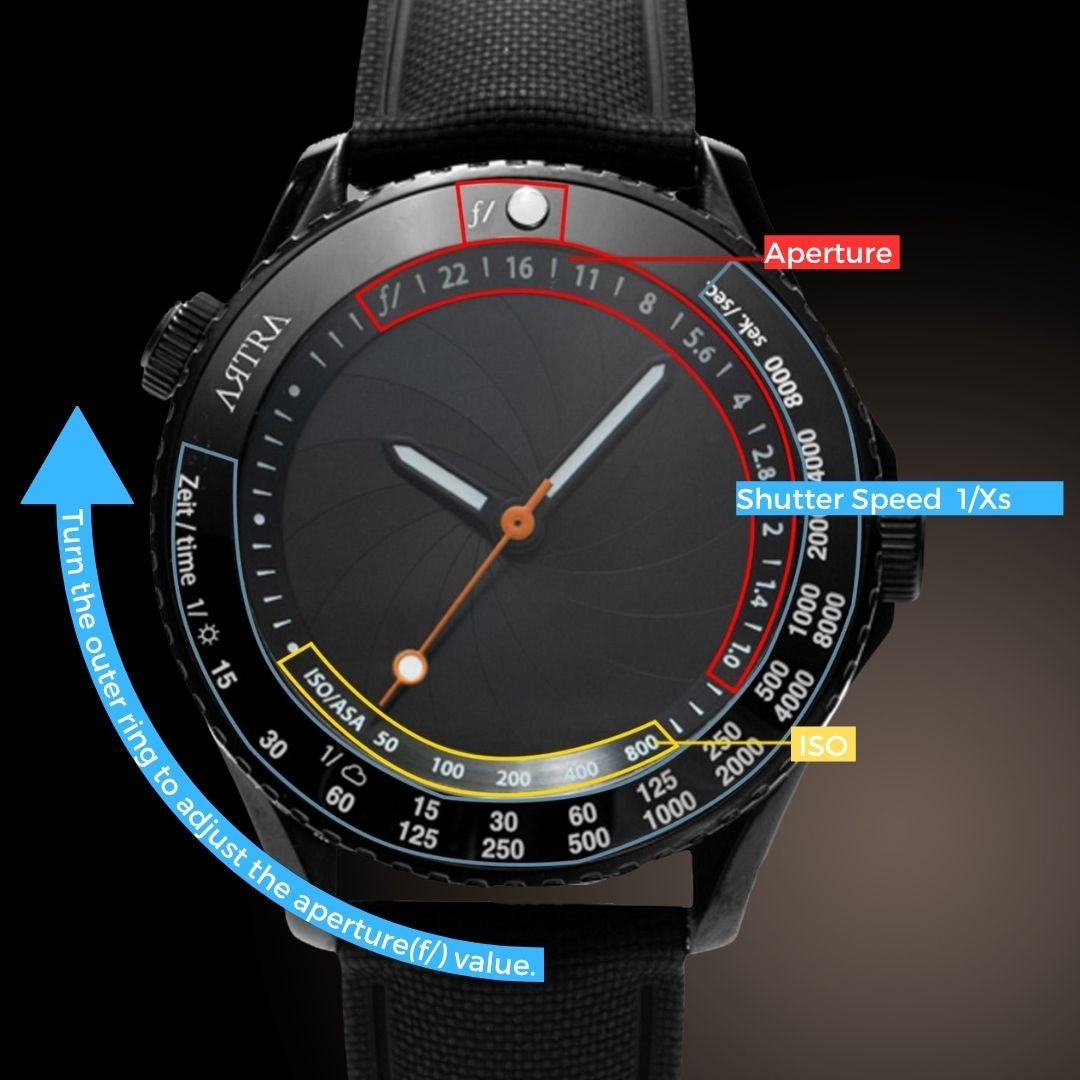
The bottom of the watch is equipped with an ISO and shutter speed display, identical to that of Leica cameras, fully replicating the core elements of a camera. Every design detail pays tribute to the legend of the 135 film format, presenting a wrist accessory that combines passion and quality for those who cherish both imaging and time.
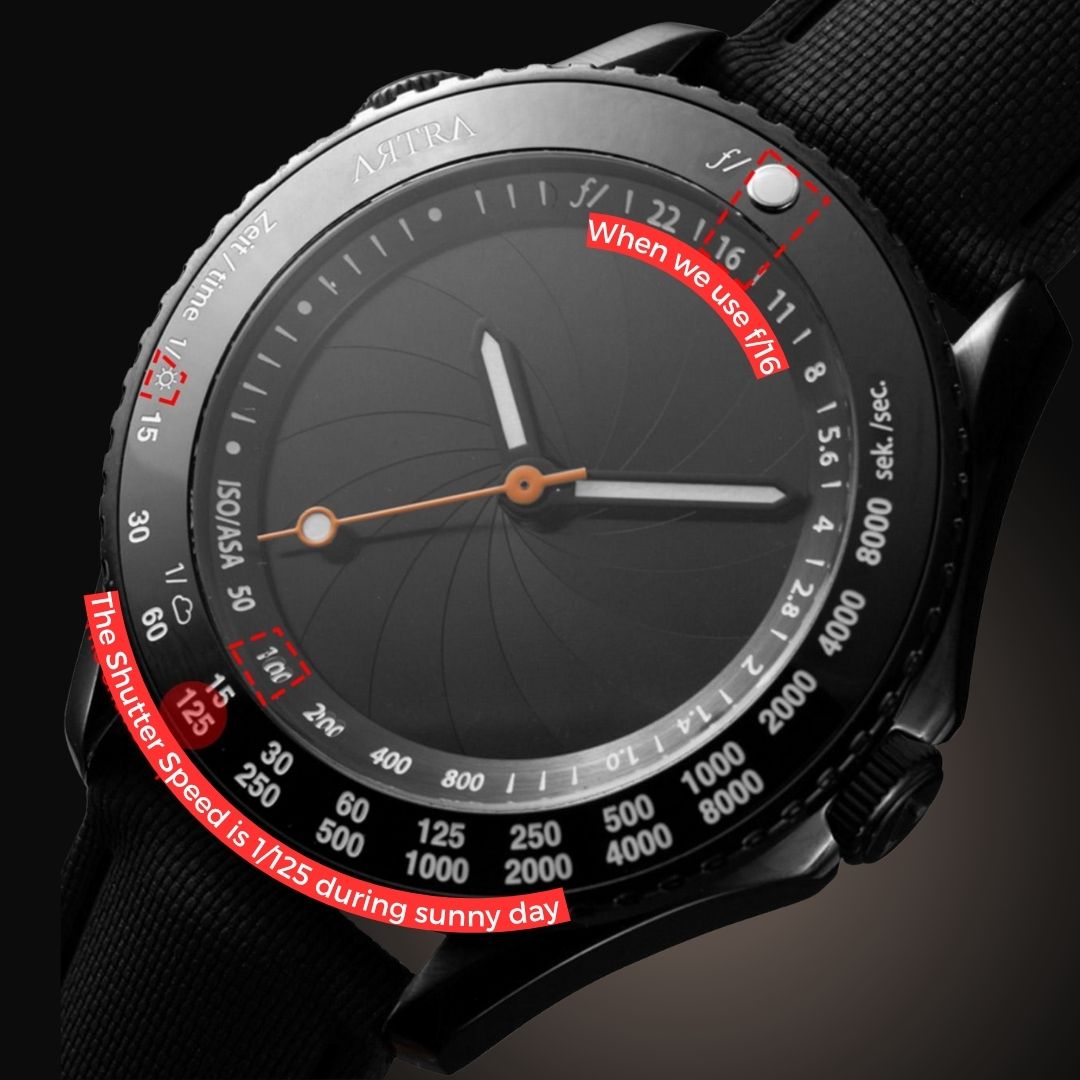
“Sunny 16” principle
The bezel is designed based on the classic “Sunny 16” principle. The luminous pearls indicating the F-number correspond to ISO and shutter speed. This universal principle in photography allows photographers using film to align the luminous pearls with the aperture value at different film speeds, and quickly match the ISO indicated below the inner bezel to the appropriate shutter speed. This allows for simple metering, integrating photographic parameters into the time-reading process and seamlessly integrating timing with the professional logic of photography.
Camera One
Here, each piece embodies craftsmanship inspired by vintage cameras dating back to 1878, holds stories that resonate with legendary figures, and carries the original vision of “freezing the beauty of flow with time.” Every model is an exclusive limited edition—from design details to craft quality, all stand up to the careful appreciation of light, shadow and the passage of time.

 Connexion