Vue lecture

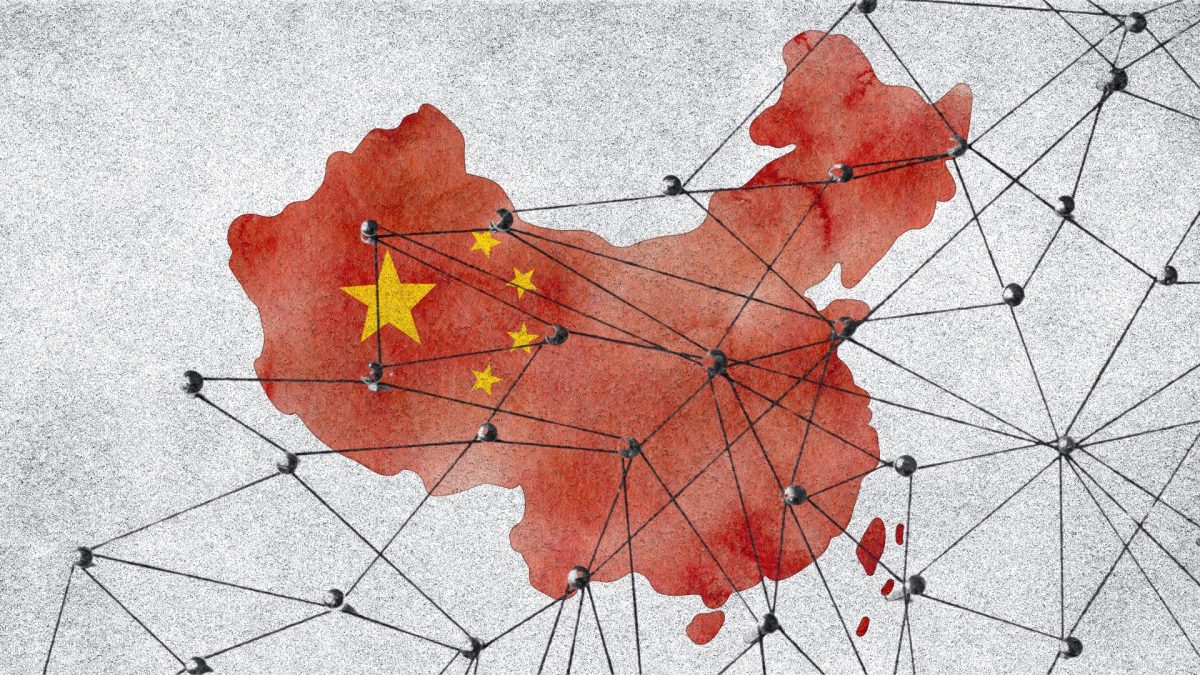
« 5 à 10 ans d’avance sur l’industrie », cet immense réseau-laboratoire chinois entre dans une nouvelle dimension

Le 18 décembre 2025, les autorités chinoises ont officiellement certifié le China Environment for Network Innovation (CENI). Ce vaste réseau de recherche, construit en parallèle de l’Internet public, doit servir de banc d’essai pour tester des innovations réseaux, mais aussi « soutenir les exercices offensifs et défensifs » en cybersécurité.​

  •  

Revue de presse de l’April pour la semaine 50 de l’année 2025

Cette revue de presse sur Internet fait partie du travail de veille mené par l’April dans le cadre de son action de défense et de promotion du logiciel libre. Les positions exposées dans les articles sont celles de leurs auteurs et ne rejoignent pas forcément celles de l’April.

[Goodtech] «Libre à vous!»: découvrez quel prix spécial du jury a reçu cette émission de radio

Le jeudi 11 décembre 2025.

L’émission de l’April, «Libre à vous!», vient de remporter le prix spécial du jury des «Acteurs du libre» pour son rôle crucial dans la défense des libertés informatiques.

[Génération NT] HDMI 2.1 bridé sur la Steam Machine: la faute à Linux!

✍ Mathieu M., le mardi 9 décembre 2025.

La nouvelle Steam Machine de Valve, bien que matériellement compatible avec le HDMI 2.1, sera limitée par son logiciel. En cause: SteamOS, basé sur Linux, ne peut intégrer les pilotes open source nécessaires, bloqués par le HDMI Forum. Valve doit donc trouver des parades, comme la compression de couleurs, pour offrir du 4K à 120 Hz, mais avec des compromis.

[leParisien.fr] Un bug informatique menace de bloquer le RER A et huit lignes de métro en 2038

✍ Candice Doussot, le mardi 9 décembre 2025.

Le tribunal administratif de Paris a condamné, jeudi 13 novembre, Alstom à réparer un défaut logiciel grave affectant le RER A, huit lignes de métro et six lignes de tramway. Sans correction, ces rames s’arrêteront le 19 janvier 2038.

[Les Numeriques] “Il est temps d'envisager sérieusement de quitter Windows”: l'appel de 20 associations pour passer sous Linux

✍ Corentin Bechade, le lundi 8 décembre 2025.

Fort de son succès récent sur l’allongement de la durée des mises à jour de Windows 10, le collectif «Non à la taxe Windows passe désormais la deuxième en faisant ouvertement campagne pour une bascule vers le logiciel libre.

Et aussi:

Commentaires : voir le flux Atom ouvrir dans le navigateur

  •  

Merriam-Webster's 2025 Word of the Year Is 'Slop'

Merriam-Webster crowned "slop" its 2025 Word of the Year, reflecting growing public awareness and and fatigue around low-quality, AI-generated content flooding the internet. "It's such an illustrative word," said Greg Barlow, Merriam-Webster's president. "It's part of a transformative technology, AI, and it's something that people have found fascinating, annoying and a little bit ridiculous." The Associated Press reports: "Slop" was first used in the 1700s to mean soft mud, but it evolved more generally to mean something of little value. The definition has since expanded to mean "digital content of low quality that is produced usually in quantity by means of artificial intelligence." In other words, "you know, absurd videos, weird advertising images, cheesy propaganda, fake news that looks real, junky AI-written digital books," Barlow said. "Words like 'ubiquitous,' 'paradigm,' 'albeit,' 'irregardless,' these are always top lookups because they're words that are on the edge of our lexicon," Barlow said. "'Irregardless' is a word in the dictionary for one reason: It's used. It's been used for decades to mean 'regardless.'" The announcement can be found here.

Read more of this story at Slashdot.

  •  

Cloudflare Reveals How Bots and Governments Reshaped the Internet in 2025

Cloudflare's sixth annual Year in Review report describes an internet increasingly shaped by two forces: automated traffic and government intervention, as global connectivity grew 19% year over year in 2025. Google's web crawler now dominates automated traffic, dwarfing other AI and indexing bots to become the single largest source of bot activity on the web. Nearly half of all major internet disruptions globally were linked to government actions, and civil society and non-profit organizations became the most attacked sector for the first time. Post-quantum encryption crossed a significant threshold, now protecting 52% of human internet traffic observed by Cloudflare. The company also recorded more than 25 record-breaking DDoS attacks throughout the year.

Read more of this story at Slashdot.

  •  

« +1000 en aura » : mais c’est quoi cette « aura » dont tout le monde parle sur les réseaux sociaux ?

De TikTok à X, l’« aura » est devenue une nouvelle unité symbolique de charisme en ligne. Entre blague collective, référence au jeu vidéo et critique ironique, l’« aura farming » s’est ensuite imposé comme l’un des derniers mots-clés viraux des réseaux sociaux. Voici comment les utiliser.

  •  

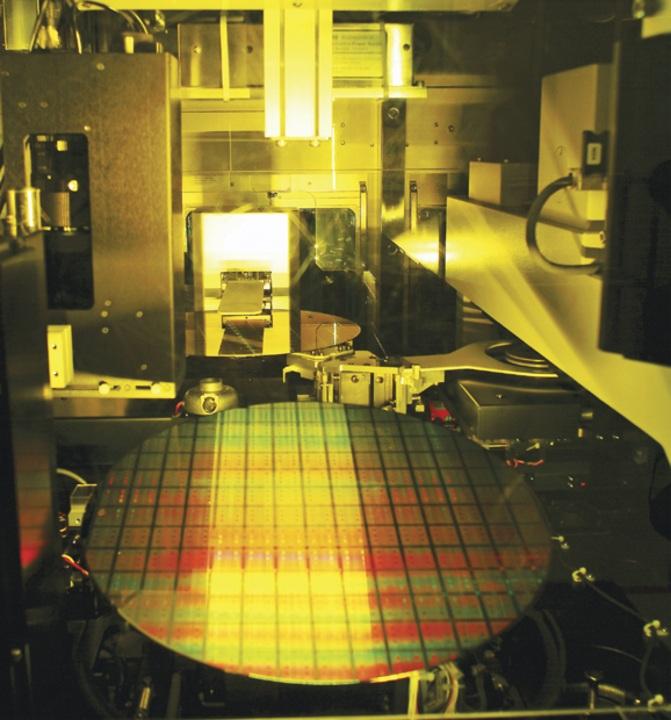
Chez les fondeurs, TSMC reste intouchable, mais les acteurs chinois accélèrent au 3T 2025

TrendForce a dévoilé son classement des dix plus puissants fondeurs (par revenus) du troisième trimestre 2025. Il témoigne de la suprématie de TSMC ; le taïwanais domine largement le marché, et se paye aussi le luxe de signer l’une des plus fortes croissances trimestrielles (la troisième)... [Tout lire]
  •  

India Proposes Charging OpenAI, Google For Training AI On Copyrighted Content

An anonymous reader quotes a report from TechCrunch: On Tuesday, India's Department for Promotion of Industry and Internal Trade released a proposed framework that would give AI companies access to all copyrighted works for training in exchange for paying royalties to a new collecting body composed of rights-holding organizations, with payments then distributed to creators. The proposal argues that this "mandatory blanket license" would lower compliance costs for AI firms while ensuring that writers, musicians, artists, and other rights holders are compensated when their work is scraped to train commercial models. [...] The eight-member committee, formed by the Indian government in late April, argues the system would avoid years of legal uncertainty while ensuring creators are compensated from the outset. Defending the system, the committee says in a 125-page submission (PDF) that a blanket license "aims to provide an easy access to content for AI developers reduce transaction costs [and] ensure fair compensation for rightsholders," calling it the least burdensome way to manage large-scale AI training. The submission adds that the single collecting body would function as a "single window," eliminating the need for individual negotiations and enabling royalties to flow to both registered and unregistered creators.

Read more of this story at Slashdot.

  •  
❌