Vue lecture

NASA Will Soon Find Out If the Perseverance Rover Can Really Persevere On Mars

With NASA's Mars Sample Return mission delayed into the 2030s, engineers are certifying the Perseverance rover to keep operating for many more years while it continues collecting and safeguarding Martian rock samples. Ars Technica reports: The good news is that the robot, about the size of a small SUV, is in excellent health, according to Steve Lee, Perseverance's deputy project manager at NASA's Jet Propulsion Laboratory (JPL). "Perseverance is approaching five years of exploration on Mars," Lee said in a press briefing Wednesday at the American Geophysical Union's annual fall meeting. "Perseverance is really in excellent shape. All the systems onboard are operational and performing very, very well. All the redundant systems onboard are available still, and the rover is capable of supporting this mission for many, many years to come." The rover's operators at JPL are counting on sustaining Perseverance's good health. The rover's six wheels have carried it a distance of about 25 miles, or 40 kilometers, since landing inside the 28-mile-wide (45-kilometer) Jezero Crater in February 2021. That is double the original certification for the rover's mobility system and farther than any vehicle has traveled on the surface of another world. Now, engineers are asking Perseverance to perform well beyond expectations. An evaluation of the rover's health concluded it can operate until at least 2031. The rover uses a radioactive plutonium power source, so it's not in danger of running out of electricity or fuel any time soon. The Curiosity rover, which uses a similar design, has surpassed 13 years of operations on Mars. There are two systems that are most likely to limit the rover's useful lifetime. One is the robotic arm, which is necessary to collect samples, and the other is the rover's six wheels and the drive train that powers them. "To make sure we can continue operations and continue driving for a long, long way, up to 100 kilometers (62 miles), we are doing some additional testing," Lee said. "We've successfully completed a rotary actuator life test that has now certified the rotary system to 100 kilometers for driving, and we have similar testing going on for the brakes. That is going well, and we should finish those early part of next year."

Read more of this story at Slashdot.

  •  

Selon cette nouvelle étude, Mars accueillait autrefois des oasis

Une équipe de chercheurs américains a identifié sur Mars de la kaolinite, une argile qui, sur Terre, se forme dans des climats chauds et humides. Cette découverte, dévoilée dans un article paru début décembre 2025 dans une revue scientifique, apporte de nouveaux indices sur le passé potentiellement humide de la planète rouge.

  •  

NASA Loses Contact With MAVEN Mars Orbiter

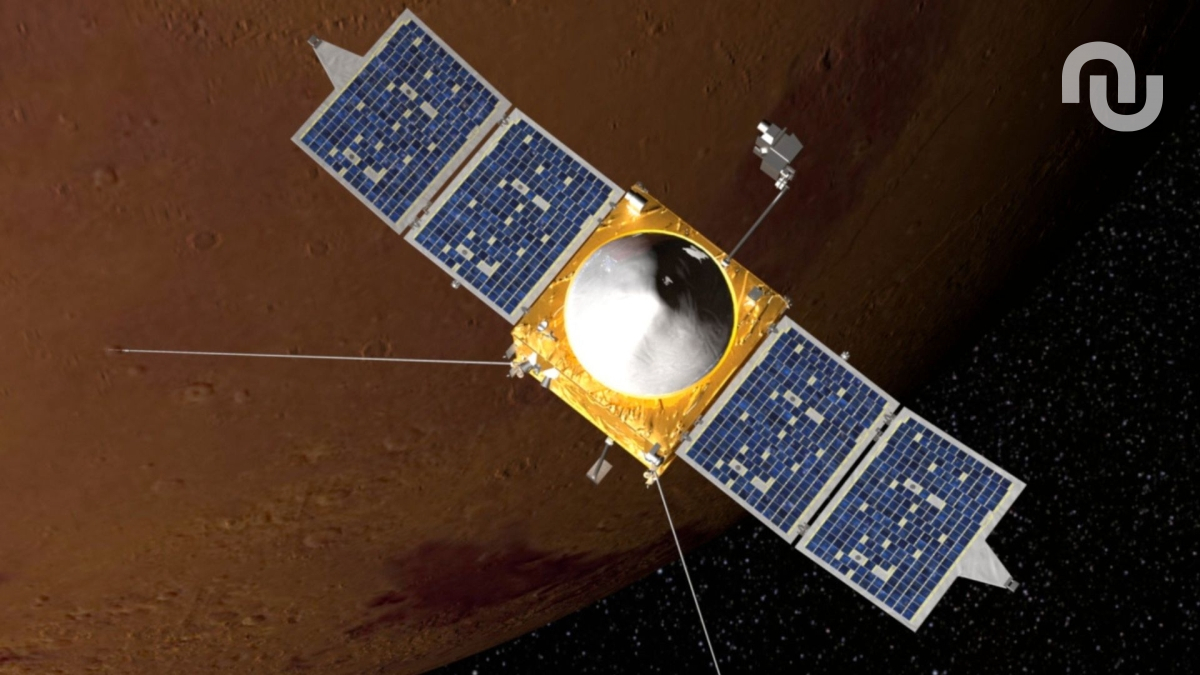
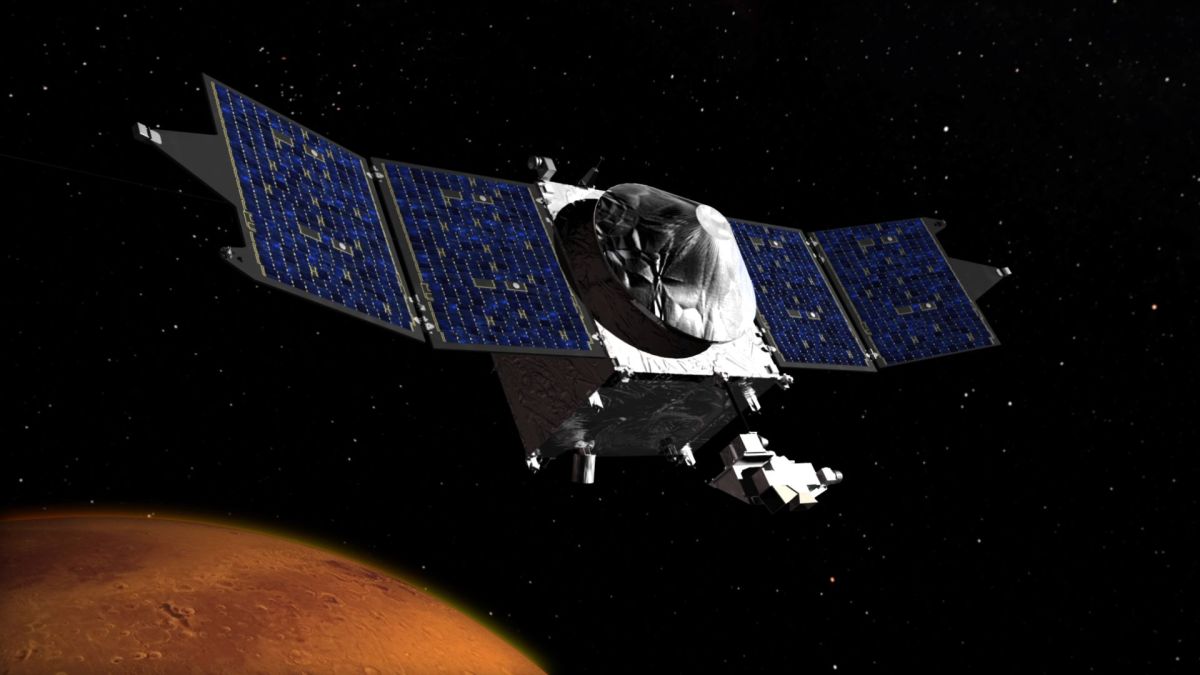
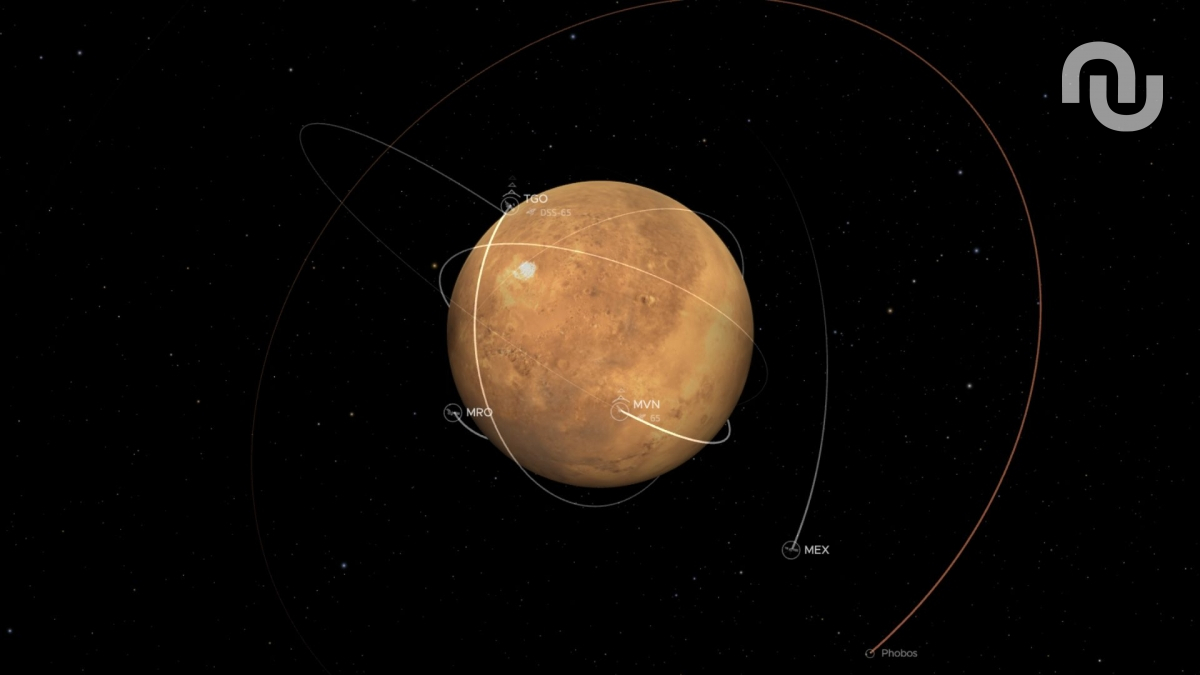
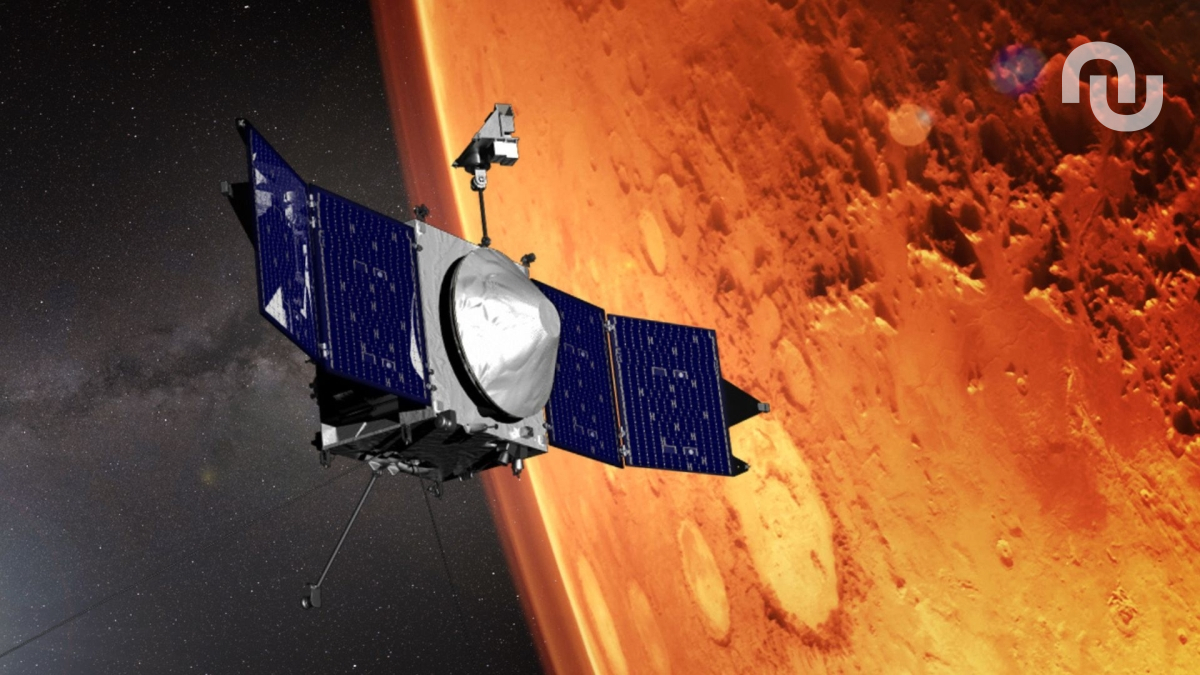
NASA has lost contact with its MAVEN Mars orbiter after it passed behind Mars. When it remerged from behind the planet, the spacecraft never resumed communications. SpaceNews reports: MAVEN launched in November 2013 and entered orbit around Mars in September 2014. The spacecraft's primary science mission is to study the planet's upper atmosphere and interactions with the solar wind, including how the atmosphere escapes into space. That is intended to help scientists understand how the planet changes from early in its history, when it had a much thicker atmosphere and was warm enough to support liquid water on its surface. MAVEN additionally serves as a communications relay, using a UHF antenna to link the Curiosity and Perseverance rovers on the Martian surface with the Deep Space Network. NASA's Mars Odyssey and Mars Reconnaissance Orbiter spacecraft also serve as communications relays for the rovers, but are both significantly older than MAVEN. The spacecraft has suffered some technical problems in the past, notably with its inertial measurement units (IMUs) used for navigation. In 2022, MAVEN switched to an "all-stellar" navigation system to minimize the use of the IMUs. MAVEN has enough propellant to maintain its orbit through at least the end of the decade. NASA's fiscal year 2026 budget proposal, though, zeroed out funding for MAVEN, which cost $22.6 million to operate in 2024. MAVEN was one of several missions "operating well past the end of prime mission" the proposal would terminate, despite MAVEN's role as a communications relay.

Read more of this story at Slashdot.

  •  

NASA Rover Makes a Shocking Discovery: Lightning on Mars

An anonymous reader shares a report: It is shocking but not surprising. Lightning crackles on Mars, scientists reported on Wednesday. What they observed, however, were not jagged, high-voltage bolts like those on Earth, arcing thousands of feet from cloud to ground. Rather, the phenomenon was more like the shock you feel when you scuff your feet on the carpet on a cold winter morning and then touch a metal doorknob. "This is like mini-lightning on Mars," Baptiste Chide, a scientist at the Research Institute in Astrophysics and Planetary Science in Toulouse, France, said of the centimeter-scale electrical discharges. Dr. Chide and his colleagues reported the findings in a paper published on Wednesday in the journal Nature. The electrical sparks, although not as dramatically violent as on Earth, could play an important role in chemical reactions in the Martian atmosphere.

Read more of this story at Slashdot.

  •  
❌