Vue lecture

NASA Confident, But Some Critics Wonder if Its Orion Spacecraft is Safe to Fly

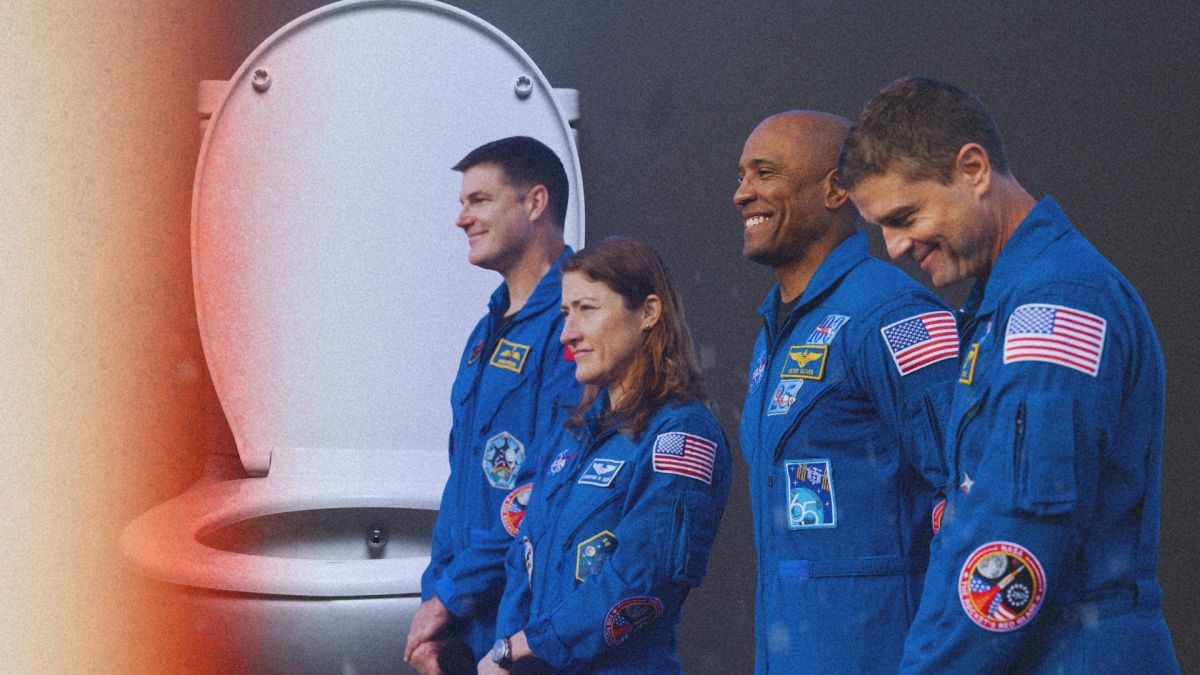
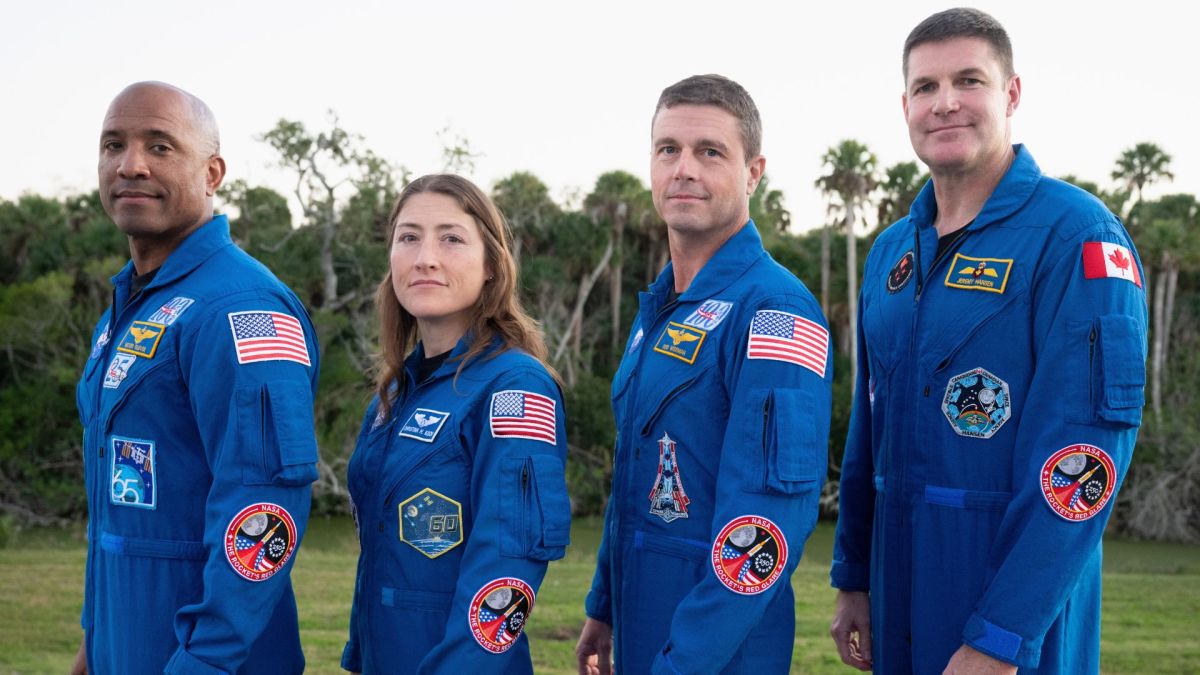
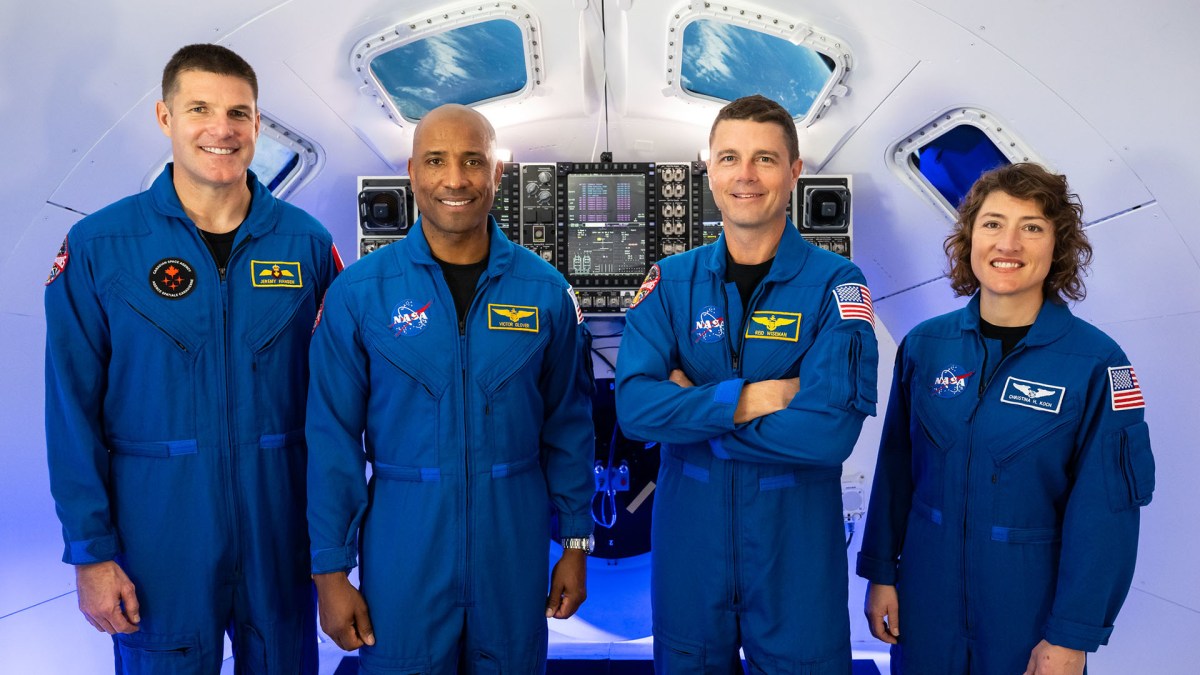
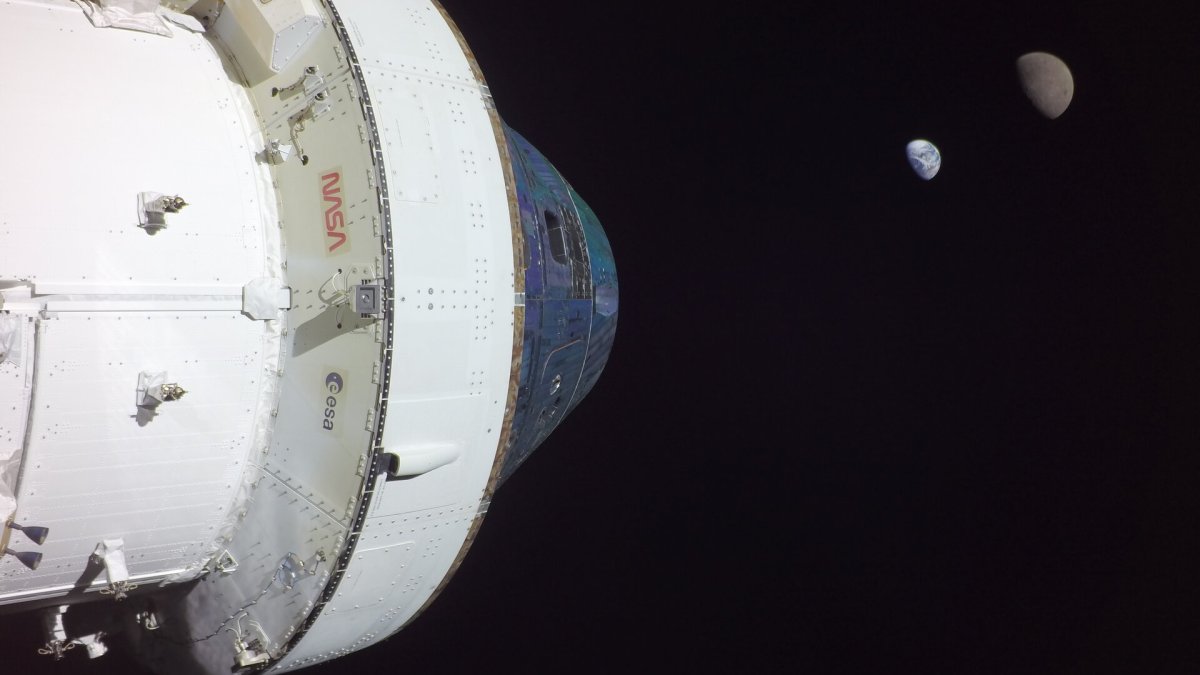
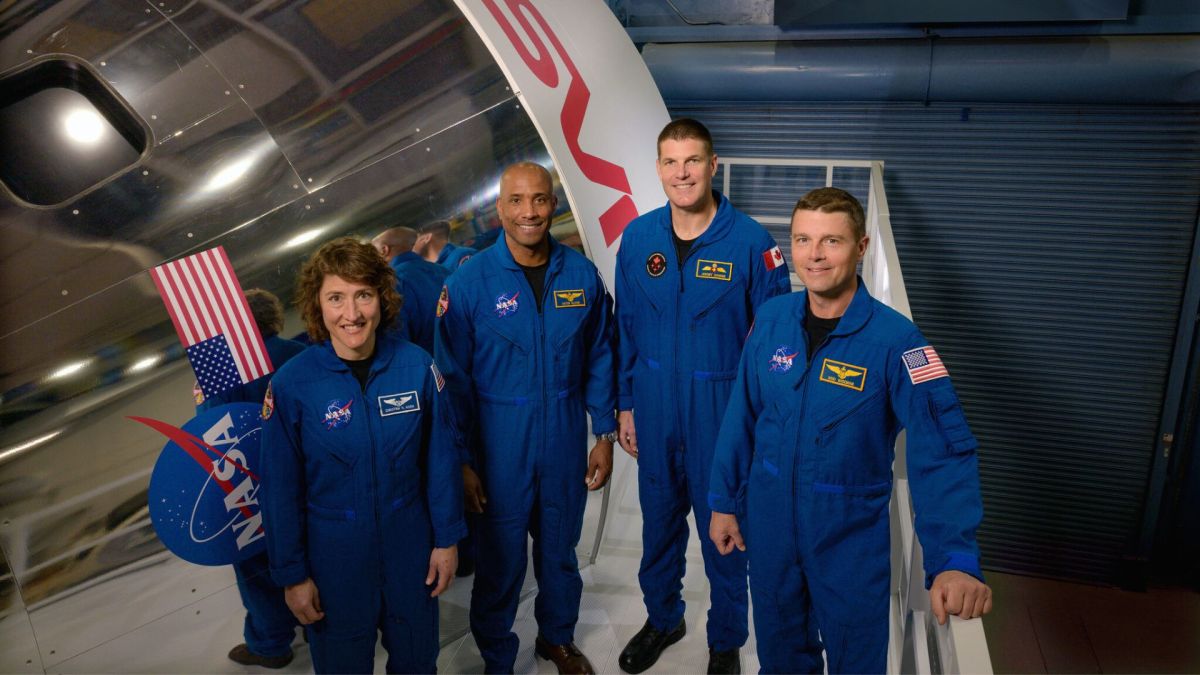
"NASA remains confident it has a handle on the problem and the vehicle can bring the crew home safely," reports CNN. But "When four astronauts begin a historic trip around the moon as soon as February 6, they'll climb aboard NASA's 16.5-foot-wide Orion spacecraft with the understanding that it has a known flaw — one that has some experts urging the space agency not to fly the mission with humans on board..." The issue relates to a special coating applied to the bottom part of the spacecraft, called the heat shield... This vital part of the Orion spacecraft is nearly identical to the heat shield flown on Artemis I, an uncrewed 2022 test flight. That prior mission's Orion vehicle returned from space with a heat shield pockmarked by unexpected damage — prompting NASA to investigate the issue. And while NASA is poised to clear the heat shield for flight, even those who believe the mission is safe acknowledge there is unknown risk involved. "This is a deviant heat shield," said Dr. Danny Olivas, a former NASA astronaut who served on a space agency-appointed independent review team that investigated the incident. "There's no doubt about it: This is not the heat shield that NASA would want to give its astronauts." Still, Olivas said he believes after spending years analyzing what went wrong with the heat shield, NASA "has its arms around the problem..." "I think in my mind, there's no flight that ever takes off where you don't have a lingering doubt," Olivas said. "But NASA really does understand what they have. They know the importance of the heat shield to crew safety, and I do believe that they've done the job." Lakiesha Hawkins, the acting deputy associate administrator for NASA's Exploration Systems Development Mission Directorate, echoed that sentiment in September, saying, "from a risk perspective, we feel very confident." And Reid Wiseman, the astronaut set to command the Artemis II mission, has expressed his confidence. "The investigators discovered the root cause, which was the key" to understanding and solving the heat shield issue, Wiseman told reporters last July. "If we stick to the new reentry path that NASA has planned, then this heat shield will be safe to fly." Others aren't so sure. "What they're talking about doing is crazy," said Dr. Charlie Camarda, a heat shield expert, research scientist and former NASA astronaut. Camarda — who was also a member of the first space shuttle crew to launch after the 2003 Columbia disaster — is among a group of former NASA employees who do not believe that the space agency should put astronauts on board the upcoming lunar excursion. He said he has spent months trying to get agency leadership to heed his warnings to no avail... Camarda also emphasized that his opposition to Artemis II isn't driven by a belief it will end with a catastrophic failure. He thinks it's likely the mission will return home safely. More than anything, Camarda told CNN, he fears that a safe flight for Artemis II will serve as validation for NASA leadership that its decision-making processes are sound. And that's bound to lull the agency into a false sense of security, Camarda warned. CNN adds that Dr. Dan Rasky, an expert on advanced entry systems and thermal protection materials who worked at NASA for more than 30 years, also does not believe NASA should allow astronauts to fly on board the Artemis II Orion capsule. And "a crucial milestone could be days away as Artemis program leaders gather for final risk assessments and the flight readiness review," when top NASA brass determine whether the Artemis II rocket and spacecraft are ready to take off with a human crew.

Read more of this story at Slashdot.

  •  

NASA Eyes Popular PC Hardware Performance Tool for Its Flight Simulators

NASA Langley has initiated the U.S. government software approval process to install CapFrameX, a benchmarking tool popular among PC gaming enthusiasts, on its cockpit simulators used to train test pilots. The space agency reached out to CapFrameX, not the other way around, according to an X post from the company. NASA builds custom flight simulators from scratch for experimental aircraft like the X-59, a supersonic jet designed to produce a quiet thump rather than the traditional sonic boom. The agency's simulator teams replicate every switch, dial and knob to match the actual cockpit layout, helping pilots build muscle memory before flying the real thing.

Read more of this story at Slashdot.

  •  

« Une très bonne expérience » : le paradoxe du retour d’urgence des astronautes de l’ISS

crew-11 retour équipage

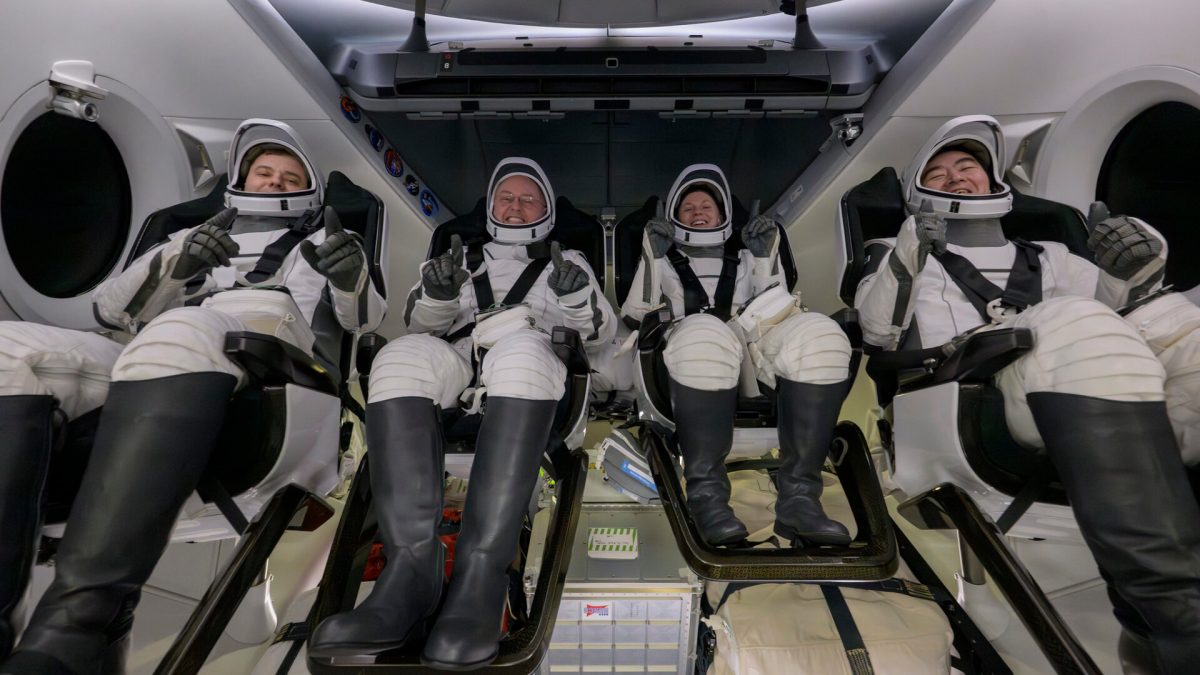
Rentrés d'urgence de l’ISS pour raison médicale, les astronautes de Crew-11 voient dans cette première historique une preuve de la robustesse des procédures spatiales. Mais derrière ce satisfecit, l’incident rappelle surtout que le filet de sécurité de l’orbite basse n’existera plus une fois en route vers Mars.

  •  

Date de lancement d’Artémis II : pourquoi le décollage du 6 février 2026 est incertain

NASA Artémis SLS

En théorie, le lancement de la mission Artémis II vers la Lune aura lieu le 6 février 2026 au plus tôt. Mais l'agence spatiale américaine (Nasa) rappelle qu'il y a tellement de paramètres à prendre en compte que le tir a des chances d'être décalé. Heureusement, il y a plusieurs autres créneaux de tir.

  •  

Artémis II fera « juste » le tour de la Lune : pourquoi la Nasa n’autorise pas les astronautes à s’y poser

Pour la première fois depuis plus d'un demi-siècle, un équipage va se rendre à proximité de la Lune. Cependant, les astronautes à bord de la mission Artémis II ne se poseront pas pour autant sur notre satellite. La Nasa garde cette étape pour le prochain voyage avec Artémis III. Mais pourquoi attendre ?

  •  

The Fastest Human Spaceflight Mission In History Crawls Closer To Liftoff

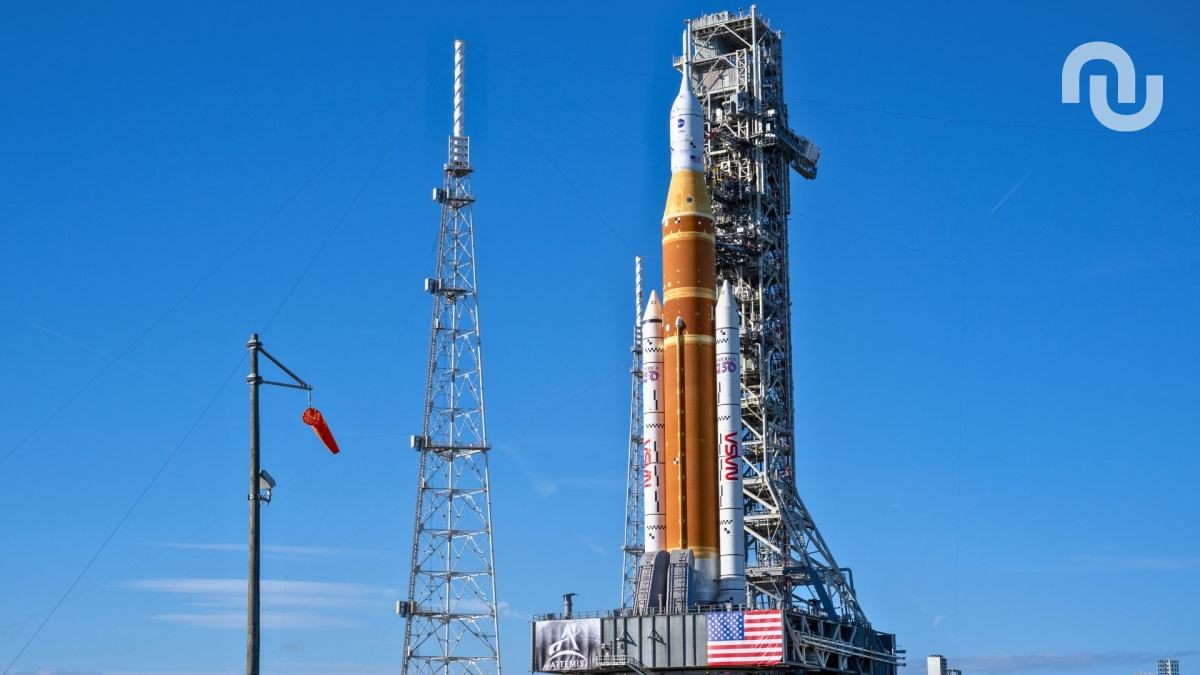
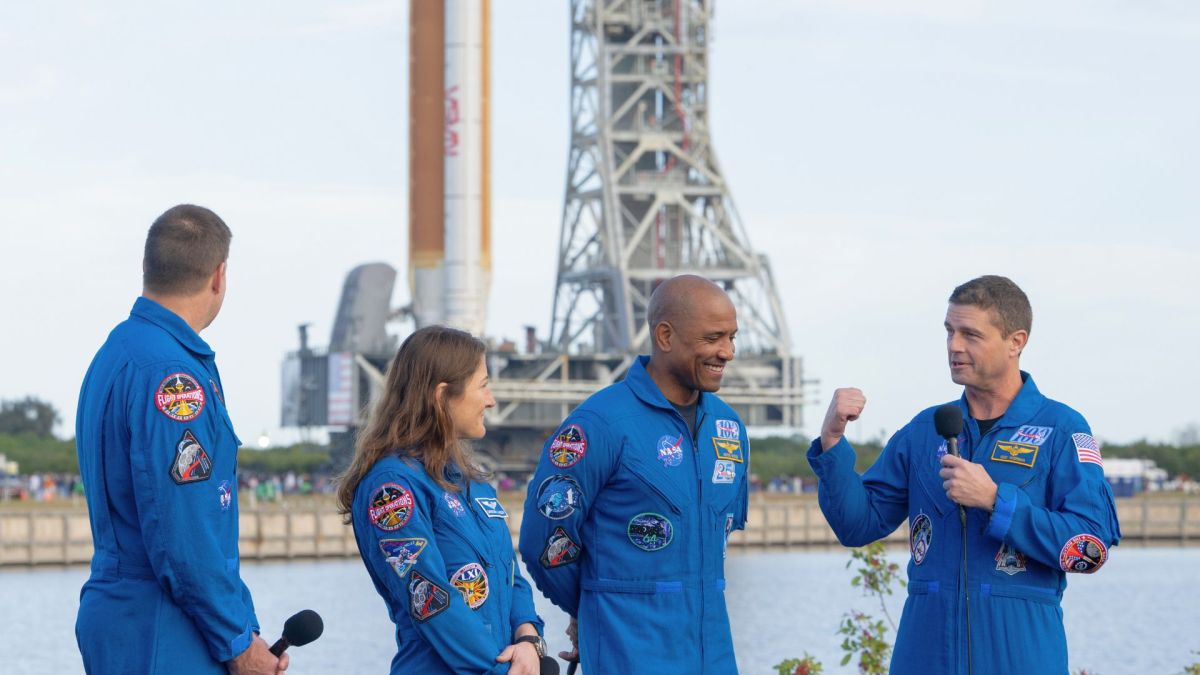
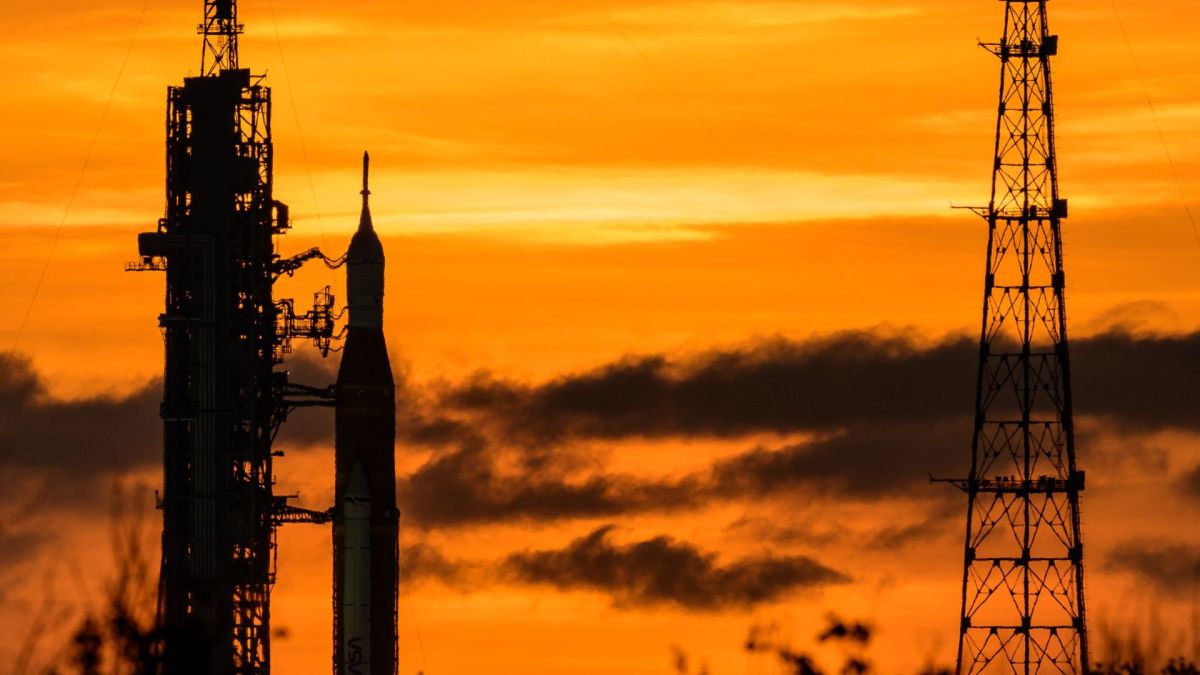
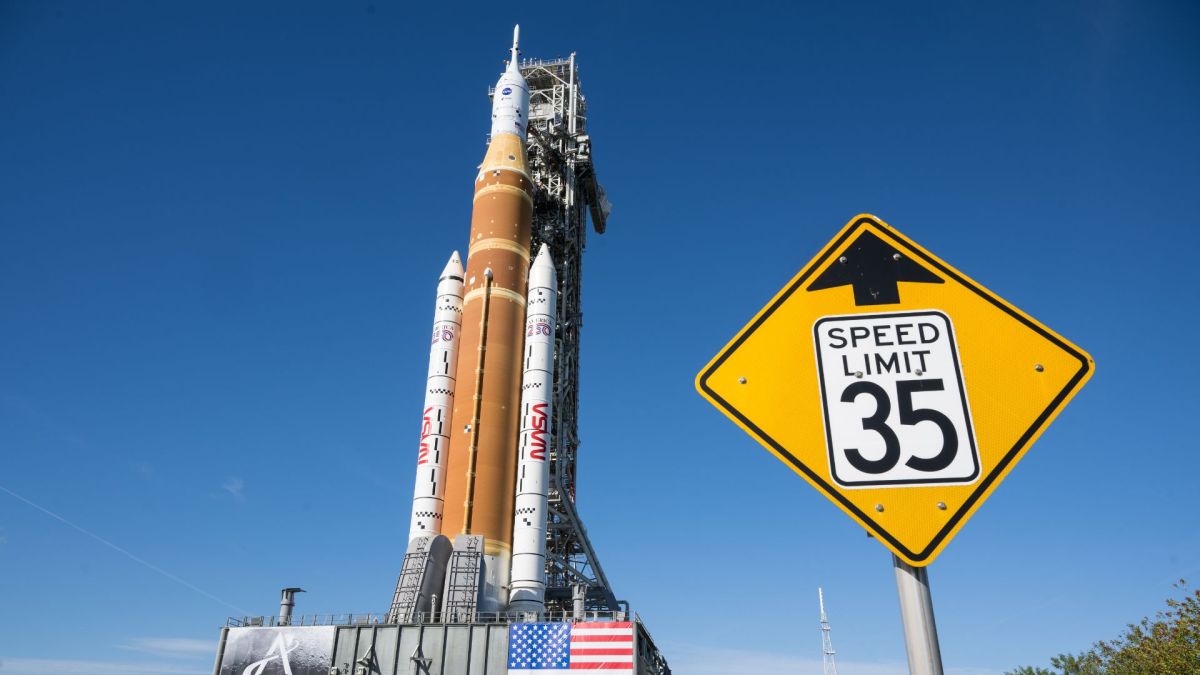
An anonymous reader quotes a report from Ars Technica: Preparations for the first human spaceflight to the Moon in more than 50 years took a big step forward this weekend with the rollout of the Artemis II rocket to its launch pad. The rocket reached a top speed of just 1 mph on the four-mile, 12-hour journey from the Vehicle Assembly Building to Launch Complex 39B at NASA's Kennedy Space Center in Florida. At the end of its nearly 10-day tour through cislunar space, the Orion capsule on top of the rocket will exceed 25,000 mph as it plunges into the atmosphere to bring its four-person crew back to Earth. "This is the start of a very long journey," said NASA Administrator Jared Isaacman. "We ended our last human exploration of the moon on Apollo 17." [...] "We really are ready to go," said Wiseman, the Artemis II commander, during Saturday's rollout to the launch pad. "We were in a sim [in Houston] for about 10 hours yesterday doing our final capstone entry and landing sim. We got in T-38s last night and we flew to the Cape to be here for this momentous occasion." The rollout began around sunrise Saturday, with NASA's Space Launch System rocket and Orion capsule riding a mobile launch platform and a diesel-powered crawler transporter along a throughway paved with crushed Alabama river rock. Employees, VIPs, and guests gathered along the crawlerway to watch the 11 million-pound stack inch toward the launch pad. The rollout concluded about an hour after sunset, when the crawler transporter's jacking system lowered the mobile launch platform onto pedestals at Pad 39B. The rollout keeps the Artemis II mission on track for liftoff as soon as next month, when NASA has a handful of launch opportunities on February 6, 7, 8, 10, and 11. The big milestone leading up to launch day will be a practice countdown or Wet Dress Rehearsal (WDR), currently slated for around February 2, when NASA's launch team will pump more than 750,000 gallons of super-cold liquid hydrogen and liquid oxygen into the rocket. NASA had trouble keeping the cryogenic fluids at the proper temperature, then encountered hydrogen leaks when the launch team first tried to fill the rocket for the unpiloted Artemis I mission in 2022. Engineers implemented the same fixes on Artemis II that they used to finally get over the hump with propellant loading on Artemis I. [...] If the launch does not happen in February, NASA has a slate of backup launch dates in early March.

Read more of this story at Slashdot.

  •  
❌