Vue lecture

SpaceX Crew-11 : retour sur Terre réussi après une urgence médicale inédite dans l’ISS

spacex crew 11 retour

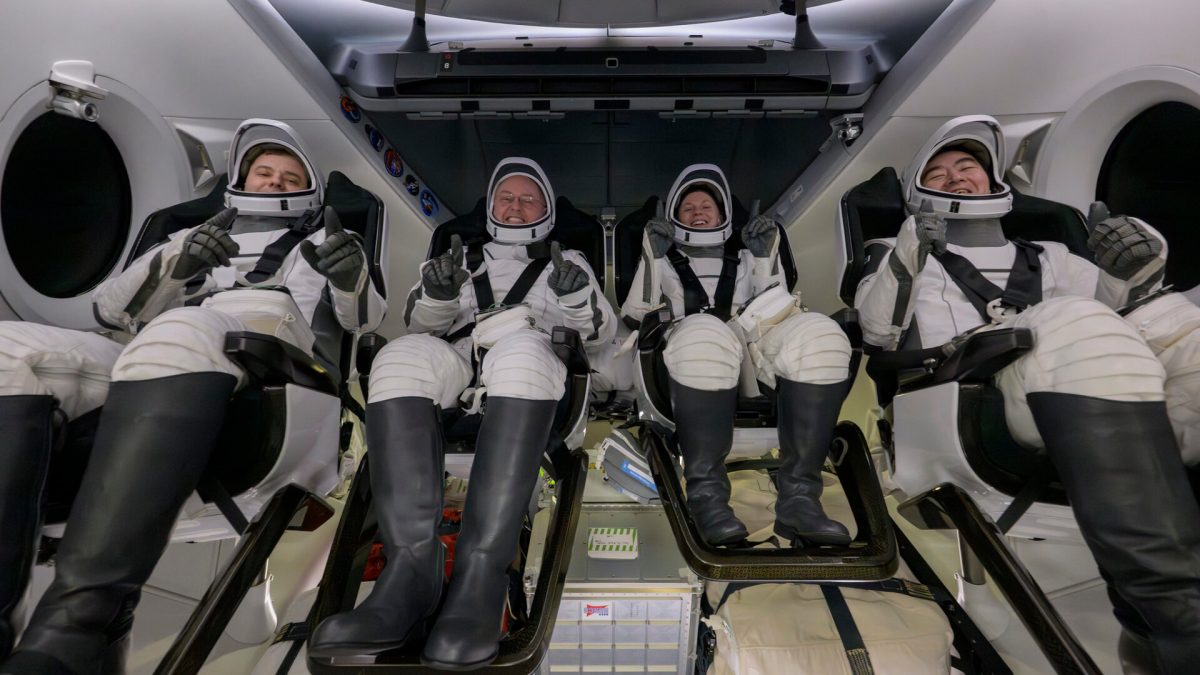
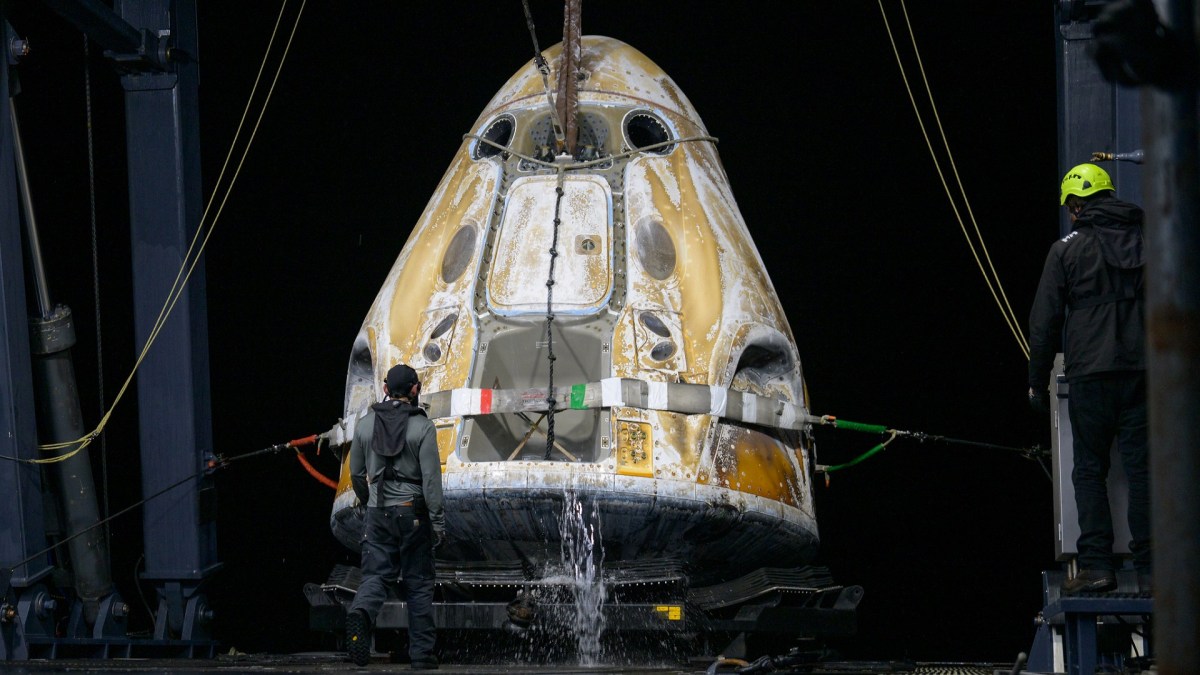
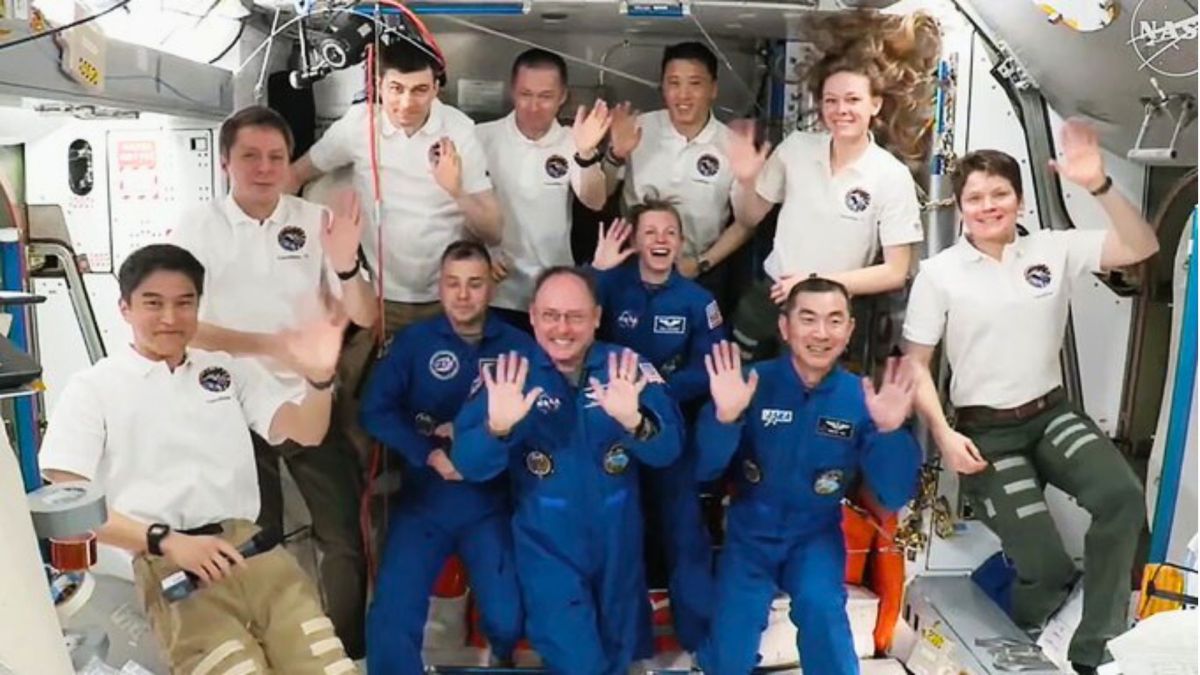
Fin de l’alerte pour la Station spatiale internationale. La capsule Dragon de SpaceX a amerri avec succès ce jeudi matin dans le Pacifique, ramenant sur Terre les quatre membres de la mission Crew-11. Ce retour anticipé, dicté par une urgence médicale inédite en 25 ans, s’est déroulé sans encombre. L’équipage est désormais pris en charge au sol.

  •  

NASA Acknowledges Record Heat But Avoids Referencing Climate Change

An anonymous reader shares a report: Global temperatures soared in 2025, but a NASA statement published Wednesday alongside its latest benchmark annual report makes no reference to climate change, in line with President Donald Trump's push to deny the reality of planetary heating as a result of human activities. That marks a sharp break from last year's communications, issued under the administration of Democrat Joe Biden, which stated plainly: "This global warming has been caused by human activities" and has led to intensifying "heat waves, wildfires, intense rainfall and coastal flooding." Last year's materials also featured lengthy quotes from the then-NASA chief and a senior scientist and included graphics and a video. By contrast, this year's release only runs through a few key figures, and amounts to a handful of paragraphs. According to the US space agency, Earth's global surface temperature in 2025 was slightly warmer than in 2023 -- albeit within a margin of error -- making it effectively tied as the second-hottest year on record after 2024.

Read more of this story at Slashdot.

  •  

Rupture dans le spatial : l’ex-PDG de Google Eric Schmidt finance de puissants télescopes sans aide publique

Eric Schmidt et son épouse Wendy financeront, via leur organisation philanthropique Schmidt Sciences, quatre instruments astronomiques de pointe présentés le 7 janvier 2026 lors d’une réunion de l’American Astronomical Society, une société savante regroupant des astronomes aux États-Unis. Cette annonce intervient dans un contexte de coupes budgétaires dans le monde de la science.

  •  

Mystère médical dans l’espace : la Nasa annule une sortie spatiale à cause d’un astronaute malade

iss astronaute

Une agitation rare se déroule dans la Station spatiale internationale. La Nasa a révélé qu'en raison de l'état de santé d'un des astronautes, la sortie extra-véhiculaire prévue aujourd'hui était reportée. L'agence se veut rassurante, et des procédures sont prévues pour faire face à ces situations.

  •  

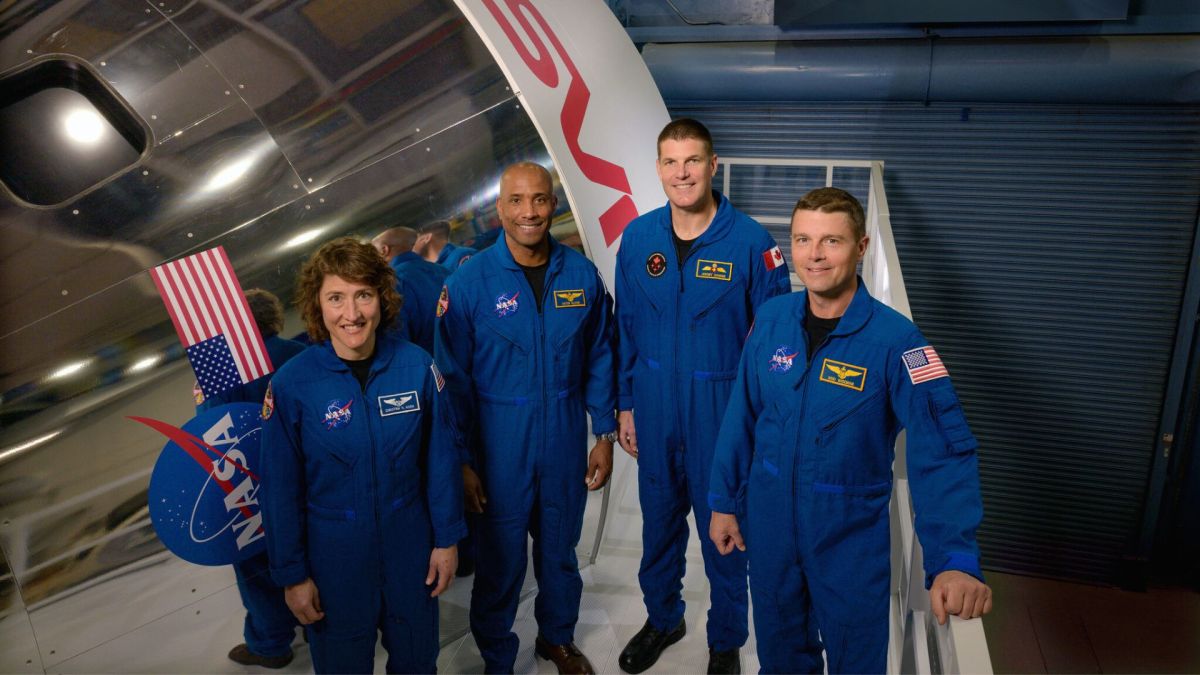
NASA Craft To Face Heat-Shield Test on Its First Astronaut Flight Next Year

An anonymous reader shares a report: Getting to space is hard. In many ways, getting back is even harder. NASA soon aims to pull off the kind of re-entry it last conducted more than 50 years ago: safely returning astronauts to Earth after they fly to the moon and back. The mission is a big moment for NASA, which will put a crew on its Orion ship for the first time. The flight will test the spacecraft's heat shield, designed to protect the astronauts on board. Re-entries of vehicles from orbit remain one of the high-stakes parts of any human spaceflight, given the stress they put on spacecraft. In 2003, NASA's Columbia Space Shuttle broke apart as it came back from low-Earth orbit due to a breach on the vehicle that occurred during launch. All seven astronauts on board were killed. Orion will be coming back to Earth from much further away than low-Earth orbit, where all recent human spaceflights have been conducted. That means its velocity and the energy it needs to disperse will be greater, putting even more stress on the heat shield. During a test flight in 2022 that didn't include astronauts, Orion's heat shield didn't perform as expected. That sparked worries about crew safety on future missions, prompting NASA to investigate and address what happened. NASA will launch Orion with the astronauts on board as soon as February. [...] When the vehicle initially re-enters the Earth's atmosphere, it will be traveling around 25,000 miles an hour and face temperatures of 5,000 degrees as it slows down. The Orion craft, developed by Lockheed Martin for NASA, has a shield that is almost 17 feet in diameter. Installed on the vehicle's underside, the shield is covered in what is called an "ablative" material, which is designed to shift heat away from the craft during re-entry by burning off in a controlled manner.

Read more of this story at Slashdot.

  •  
❌