Vue lecture

NASA Eyes Popular PC Hardware Performance Tool for Its Flight Simulators

NASA Langley has initiated the U.S. government software approval process to install CapFrameX, a benchmarking tool popular among PC gaming enthusiasts, on its cockpit simulators used to train test pilots. The space agency reached out to CapFrameX, not the other way around, according to an X post from the company. NASA builds custom flight simulators from scratch for experimental aircraft like the X-59, a supersonic jet designed to produce a quiet thump rather than the traditional sonic boom. The agency's simulator teams replicate every switch, dial and knob to match the actual cockpit layout, helping pilots build muscle memory before flying the real thing.

Read more of this story at Slashdot.

  •  

« Une très bonne expérience » : le paradoxe du retour d’urgence des astronautes de l’ISS

crew-11 retour équipage

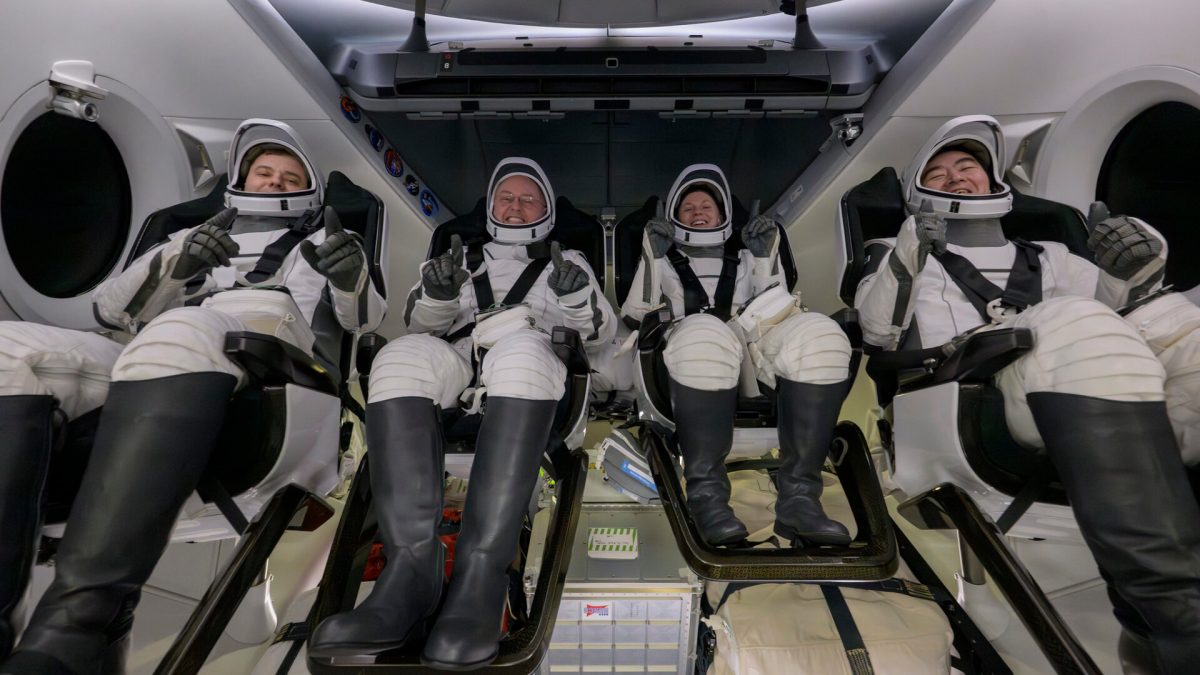
Rentrés d'urgence de l’ISS pour raison médicale, les astronautes de Crew-11 voient dans cette première historique une preuve de la robustesse des procédures spatiales. Mais derrière ce satisfecit, l’incident rappelle surtout que le filet de sécurité de l’orbite basse n’existera plus une fois en route vers Mars.

  •  

Date de lancement d’Artémis II : pourquoi le décollage du 6 février 2026 est incertain

NASA Artémis SLS

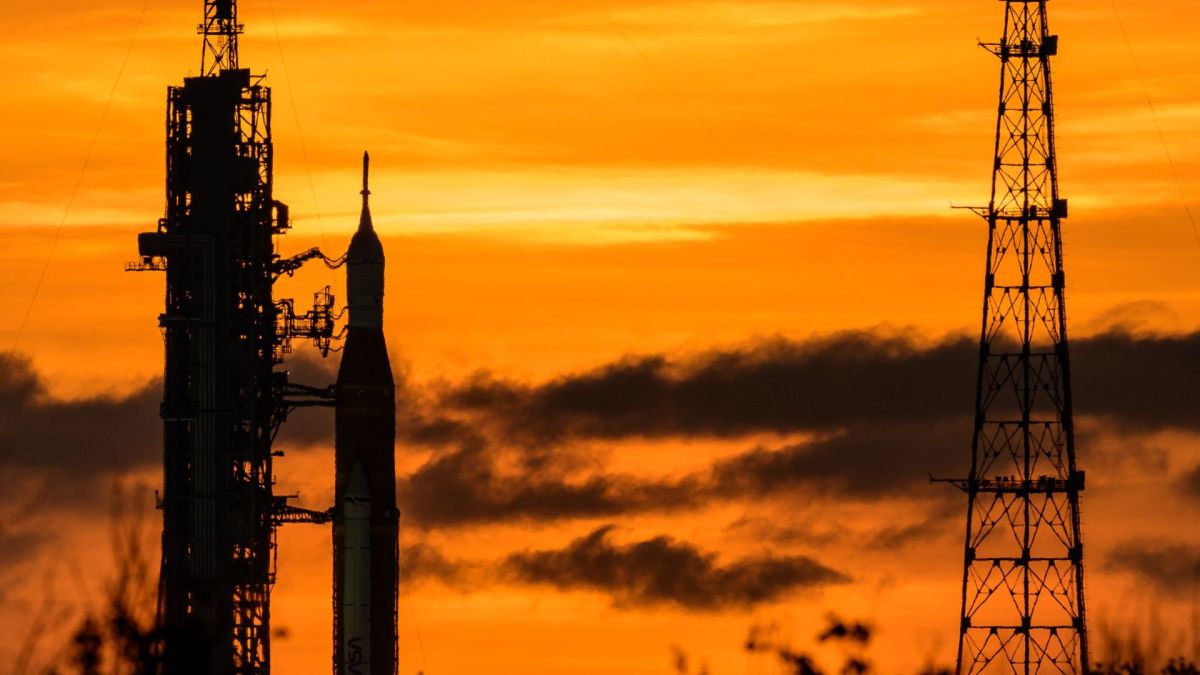
En théorie, le lancement de la mission Artémis II vers la Lune aura lieu le 6 février 2026 au plus tôt. Mais l'agence spatiale américaine (Nasa) rappelle qu'il y a tellement de paramètres à prendre en compte que le tir a des chances d'être décalé. Heureusement, il y a plusieurs autres créneaux de tir.

  •  

Artémis II fera « juste » le tour de la Lune : pourquoi la Nasa n’autorise pas les astronautes à s’y poser

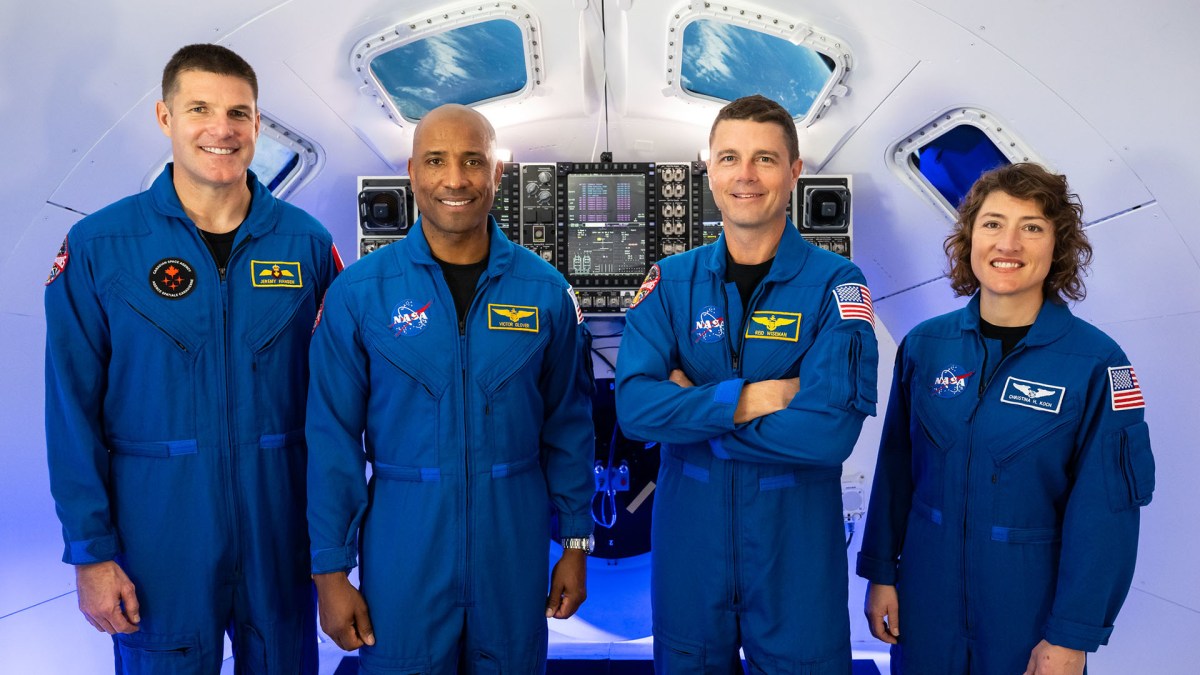
Pour la première fois depuis plus d'un demi-siècle, un équipage va se rendre à proximité de la Lune. Cependant, les astronautes à bord de la mission Artémis II ne se poseront pas pour autant sur notre satellite. La Nasa garde cette étape pour le prochain voyage avec Artémis III. Mais pourquoi attendre ?

  •  

The Fastest Human Spaceflight Mission In History Crawls Closer To Liftoff

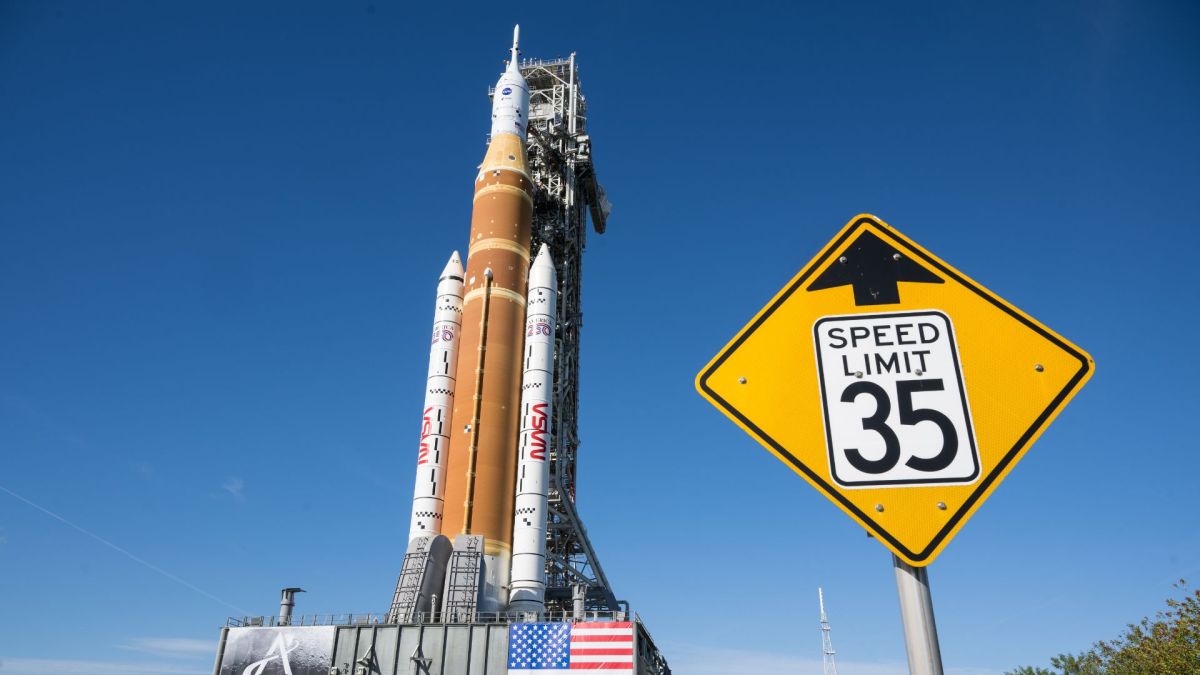
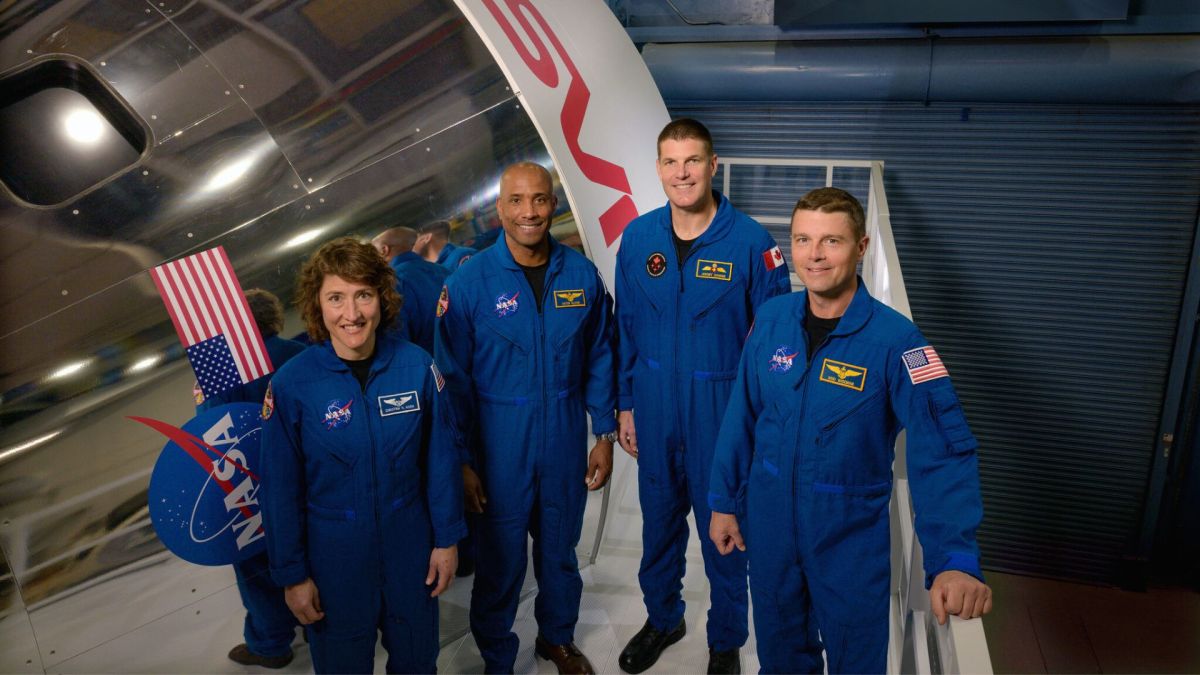
An anonymous reader quotes a report from Ars Technica: Preparations for the first human spaceflight to the Moon in more than 50 years took a big step forward this weekend with the rollout of the Artemis II rocket to its launch pad. The rocket reached a top speed of just 1 mph on the four-mile, 12-hour journey from the Vehicle Assembly Building to Launch Complex 39B at NASA's Kennedy Space Center in Florida. At the end of its nearly 10-day tour through cislunar space, the Orion capsule on top of the rocket will exceed 25,000 mph as it plunges into the atmosphere to bring its four-person crew back to Earth. "This is the start of a very long journey," said NASA Administrator Jared Isaacman. "We ended our last human exploration of the moon on Apollo 17." [...] "We really are ready to go," said Wiseman, the Artemis II commander, during Saturday's rollout to the launch pad. "We were in a sim [in Houston] for about 10 hours yesterday doing our final capstone entry and landing sim. We got in T-38s last night and we flew to the Cape to be here for this momentous occasion." The rollout began around sunrise Saturday, with NASA's Space Launch System rocket and Orion capsule riding a mobile launch platform and a diesel-powered crawler transporter along a throughway paved with crushed Alabama river rock. Employees, VIPs, and guests gathered along the crawlerway to watch the 11 million-pound stack inch toward the launch pad. The rollout concluded about an hour after sunset, when the crawler transporter's jacking system lowered the mobile launch platform onto pedestals at Pad 39B. The rollout keeps the Artemis II mission on track for liftoff as soon as next month, when NASA has a handful of launch opportunities on February 6, 7, 8, 10, and 11. The big milestone leading up to launch day will be a practice countdown or Wet Dress Rehearsal (WDR), currently slated for around February 2, when NASA's launch team will pump more than 750,000 gallons of super-cold liquid hydrogen and liquid oxygen into the rocket. NASA had trouble keeping the cryogenic fluids at the proper temperature, then encountered hydrogen leaks when the launch team first tried to fill the rocket for the unpiloted Artemis I mission in 2022. Engineers implemented the same fixes on Artemis II that they used to finally get over the hump with propellant loading on Artemis I. [...] If the launch does not happen in February, NASA has a slate of backup launch dates in early March.

Read more of this story at Slashdot.

  •  

SpaceX Crew-11 : retour sur Terre réussi après une urgence médicale inédite dans l’ISS

spacex crew 11 retour

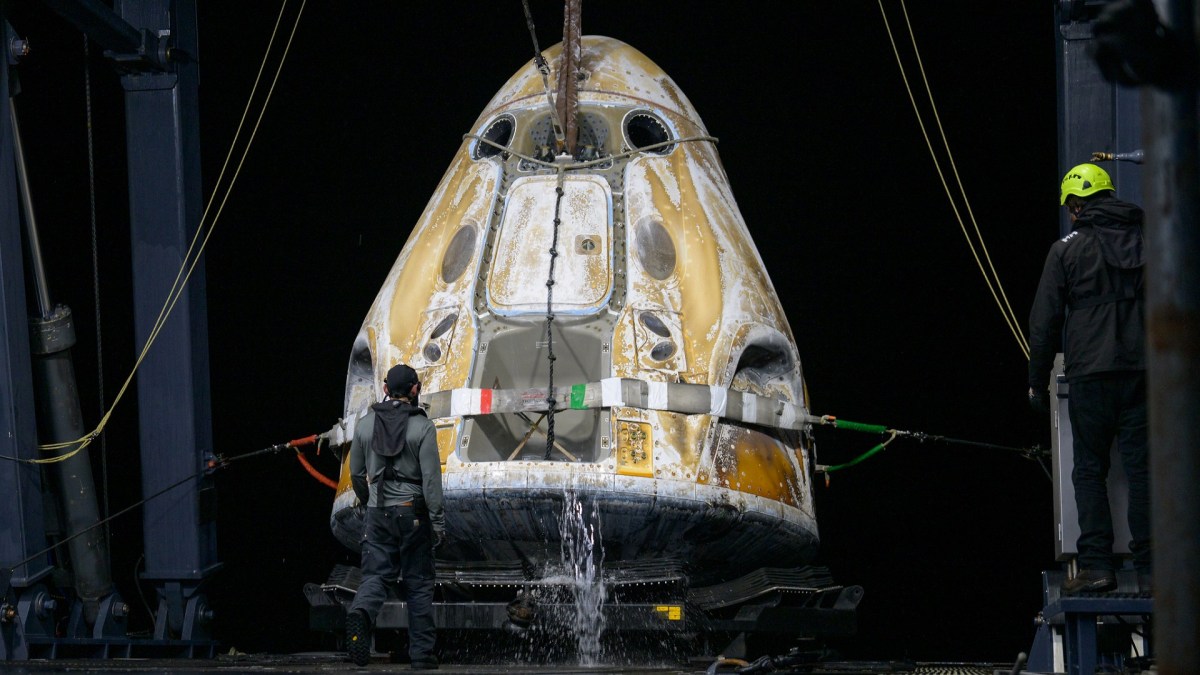
Fin de l’alerte pour la Station spatiale internationale. La capsule Dragon de SpaceX a amerri avec succès ce jeudi matin dans le Pacifique, ramenant sur Terre les quatre membres de la mission Crew-11. Ce retour anticipé, dicté par une urgence médicale inédite en 25 ans, s’est déroulé sans encombre. L’équipage est désormais pris en charge au sol.

  •  

NASA Acknowledges Record Heat But Avoids Referencing Climate Change

An anonymous reader shares a report: Global temperatures soared in 2025, but a NASA statement published Wednesday alongside its latest benchmark annual report makes no reference to climate change, in line with President Donald Trump's push to deny the reality of planetary heating as a result of human activities. That marks a sharp break from last year's communications, issued under the administration of Democrat Joe Biden, which stated plainly: "This global warming has been caused by human activities" and has led to intensifying "heat waves, wildfires, intense rainfall and coastal flooding." Last year's materials also featured lengthy quotes from the then-NASA chief and a senior scientist and included graphics and a video. By contrast, this year's release only runs through a few key figures, and amounts to a handful of paragraphs. According to the US space agency, Earth's global surface temperature in 2025 was slightly warmer than in 2023 -- albeit within a margin of error -- making it effectively tied as the second-hottest year on record after 2024.

Read more of this story at Slashdot.

  •  

Rupture dans le spatial : l’ex-PDG de Google Eric Schmidt finance de puissants télescopes sans aide publique

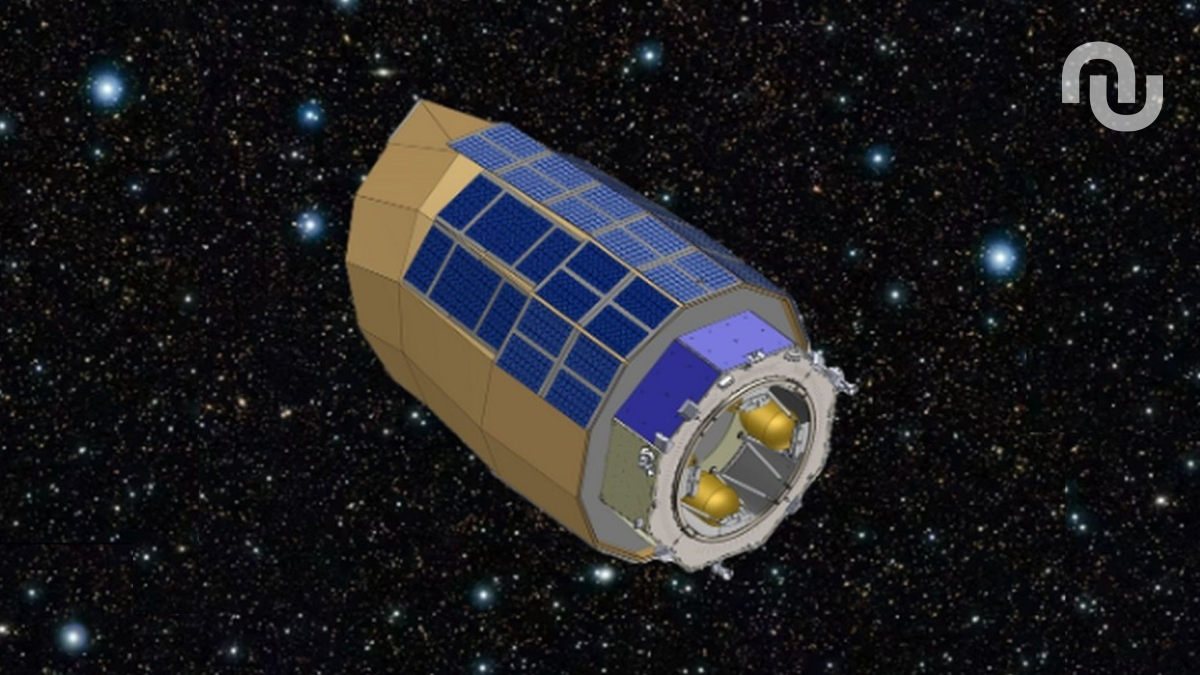
Eric Schmidt et son épouse Wendy financeront, via leur organisation philanthropique Schmidt Sciences, quatre instruments astronomiques de pointe présentés le 7 janvier 2026 lors d’une réunion de l’American Astronomical Society, une société savante regroupant des astronomes aux États-Unis. Cette annonce intervient dans un contexte de coupes budgétaires dans le monde de la science.

  •  

Mystère médical dans l’espace : la Nasa annule une sortie spatiale à cause d’un astronaute malade

iss astronaute

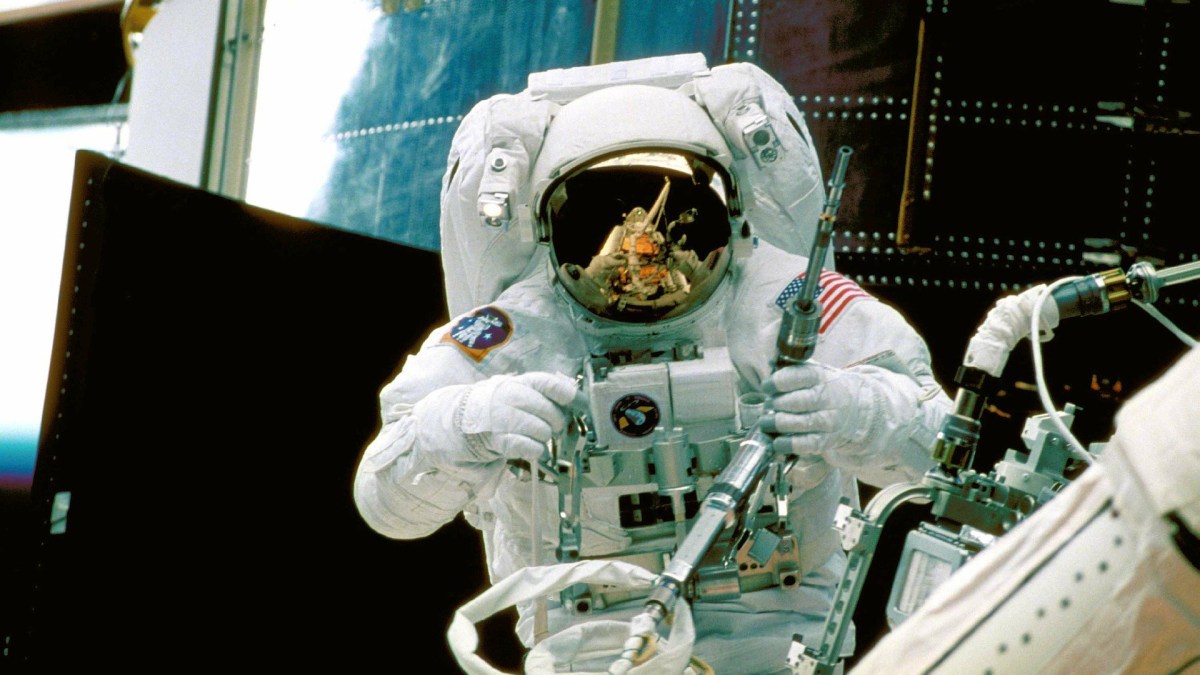
Une agitation rare se déroule dans la Station spatiale internationale. La Nasa a révélé qu'en raison de l'état de santé d'un des astronautes, la sortie extra-véhiculaire prévue aujourd'hui était reportée. L'agence se veut rassurante, et des procédures sont prévues pour faire face à ces situations.

  •  
❌