Vue lecture

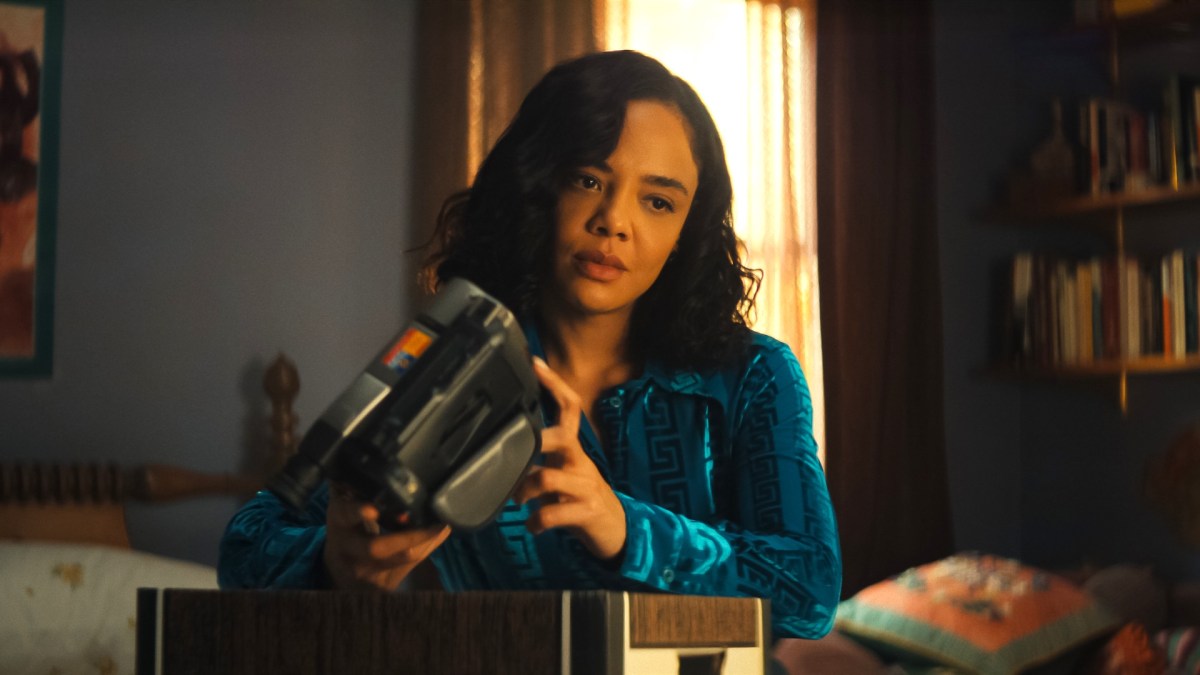
His & Hers sur Netflix : les acteurs Tessa Thompson et Jon Bernthal vous disent quelque chose ? C’est normal

Depuis le 8 janvier 2026, un thriller en 6 petits épisodes squatte allègrement le top 10 de Netflix : His & Hers. Un face-à-face haletant entre deux comédiens de grand talent : Tessa Thompson et Jon Bernthal. Mais avant d'être le duo star de cette mini-série, les deux acteurs se sont déjà construit une solide carrière au cinéma et à la télévision, notamment chez Marvel.

  •  

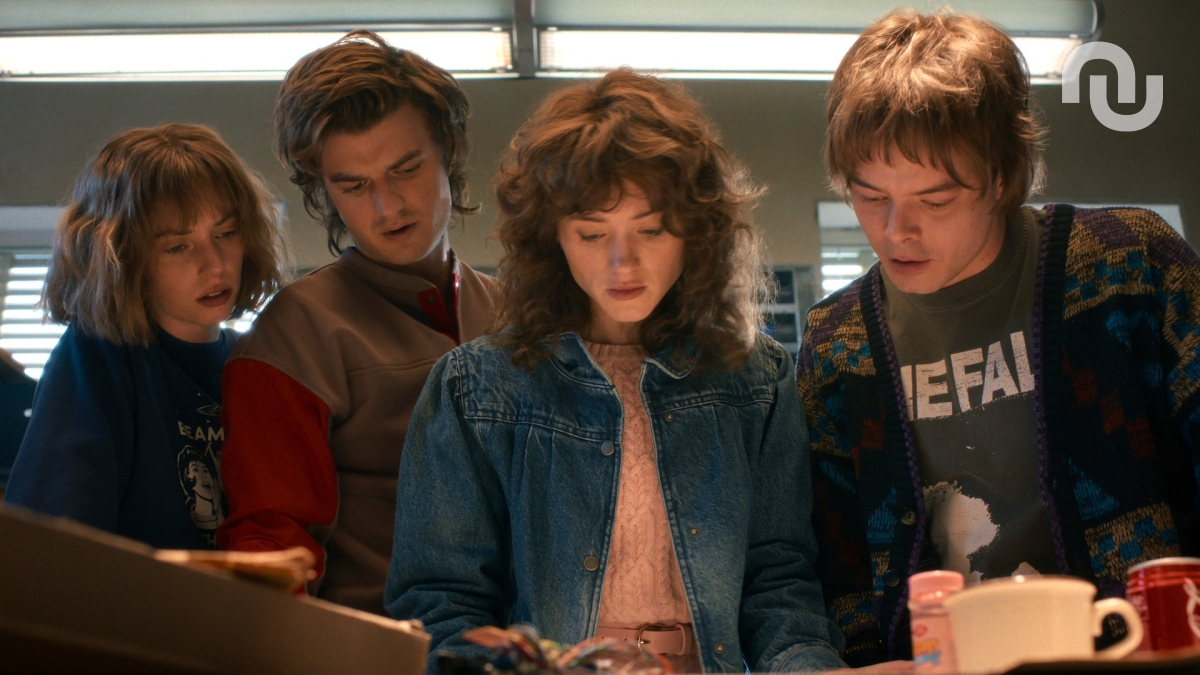
Stranger Things saison 5 : le documentaire La dernière aventure sur Netflix vaut-il vraiment le coup d’œil ?

Stranger Things vous manque déjà ? Netflix a une bonne nouvelle pour vous : vous pouvez désormais vous consoler en découvrant le making-of de l'ultime saison 5, nommé La dernière aventure. Mais devez-vous vraiment regarder ce documentaire, dont la durée culmine à environ deux heures ?

  •  

Des chasseurs en colère après la découverte d’un cerf mutilé dans une forêt près de Bordeaux

Retrouvé dimanche dans la forêt de Noaillan, en Gironde, l’animal a les quatre pattes coupées. L’association de chasse locale s’émeut d’un «braconnage indigne».

© Wayne Marinovich / wayne - stock.adobe.com

Les quatre pattes de l’animal, retrouvé mort dimanche, ont été coupées (photo d’illustration). 
  •  

Revue de presse de l’April pour la semaine 2 de l’année 2026

Cette revue de presse sur Internet fait partie du travail de veille mené par l’April dans le cadre de son action de défense et de promotion du logiciel libre. Les positions exposées dans les articles sont celles de leurs auteurs et ne rejoignent pas forcément celles de l’April.

[Le Monde.fr] «Les Gafam ont colonisé progressivement nos imaginaires» (€)

✍ Fabrizio Defilippi, le samedi 10 janvier 2026.

TRIBUNE. L’essor de l’intelligence artificielle, et avec elle d’images produites rapidement, a entraîné un appauvrissement de la créativité en ligne, au point de susciter une vague de nostalgie pour le Web tel qu’il existait auparavant, souligne Fabrizio Defilippi, spécialiste des cultures numériques, dans une tribune au «Monde».

[Le Monde.fr] «La domination de la Chine dans l'IA open source est un défi pour les Etats-Unis» (€)

✍ Alexandre Piquard, le jeudi 8 janvier 2026.

CHRONIQUE. La concurrence entre modèles propriétaires et modèles ouverts et gratuits d’intelligence artificielle est au cœur de l’affrontement économique et idéologique entre l’Amérique de Trump et la Chine de Xi Jinping, explique Alexandre Piquard dans sa chronique.

Et aussi:

[EurActiv] La Commission européenne veut commercialiser l'open source pour en faire un levier de souveraineté numérique FR

✍ Maximilian Henning, le mercredi 7 janvier 2026.

La Commission européenne entend renforcer la souveraineté numérique de l’UE en favorisant la commercialisation des logiciels open source développés en Europe, selon une consultation publiée mardi 6 janvier.

[ZDNET] Linux sera invincible en 2026

✍ Steven Vaughan-Nichols, le lundi 5 janvier 2026.

Linux et l’open source s’apprêtent à connaître une année faste, avec la croissance de PDM sur les ordinateurs de bureau, la montée en puissance de Rust et toujours plus de sécurité.

[France Info] Arrêter la dépendance à Google: Côte-d'Or Street, première numérisation des routes proposée par un département, 'un véritable enjeu de souveraineté'

✍ Auberi Verne, le mercredi 31 décembre 2025.

Le Département de Côte-d’Or a lancé, fin décembre, son propre service de navigation virtuelle sur le réseau routier. Une façon d’assurer son indépendance face à l’hégémonie du géant Google Street View.

Et aussi:

[ZDNET] Libre et open source express (1/2): dons aux assos, exclusion numérique, Acteurs du Libre, Science ouverte, collectivités

✍ Thierry Noisette, le mardi 30 décembre 2025.

En bref. Et vous, qui soutenez-vous? Ce que peuvent faire les entreprises contre l’exclusion numérique, par Emmaüs Connect. Lyon, Grenoble et d’autres villes, retours d’expérience sur l’adoption de solutions libres

Et aussi:

Commentaires : voir le flux Atom ouvrir dans le navigateur

  •  

Linux Hit a New All-Time High for Steam Market Share in December

A year ago the Steam Survey showed a 2.29% marketshare for Linux. Last May it reached 2.69%, its highest level since 2018. November saw another all-time high of 3.2%. But December brought a surprise, reports Phoronix: Back on the 1st Valve published the Steam Survey results for December 2025 and they put the Linux gaming marketshare at 3.19%, a 0.01% dip from November. But now the December results have been revised... [and] put the Linux marketshare at 3.58%, a 0.38% increase over November. Valve didn't publish any explanation for the revision but occasionally they do put out monthly revised data. This is easily an all-time high... both in percentage terms and surely in absolute terms too.

Read more of this story at Slashdot.

  •  

Non, Instagram n’a pas été piraté ce week-end : voici ce qui s’est réellement passé

Le week-end du 10 janvier 2026 aura été marqué par la rumeur, largement relayée, d’un piratage massif d’Instagram. Source de cette panique ? Des mails de réinitialisation de mot de passe reçus par de nombreux utilisateurs. Instagram a réagi le 11 janvier, assurant avoir corrigé une faille de service, tout en démentant tout piratage.

  •  

The Viltrox Nexus PL to E Pro cinema AI adapter with full AF capabilities is coming to Kickstarter on January 15th


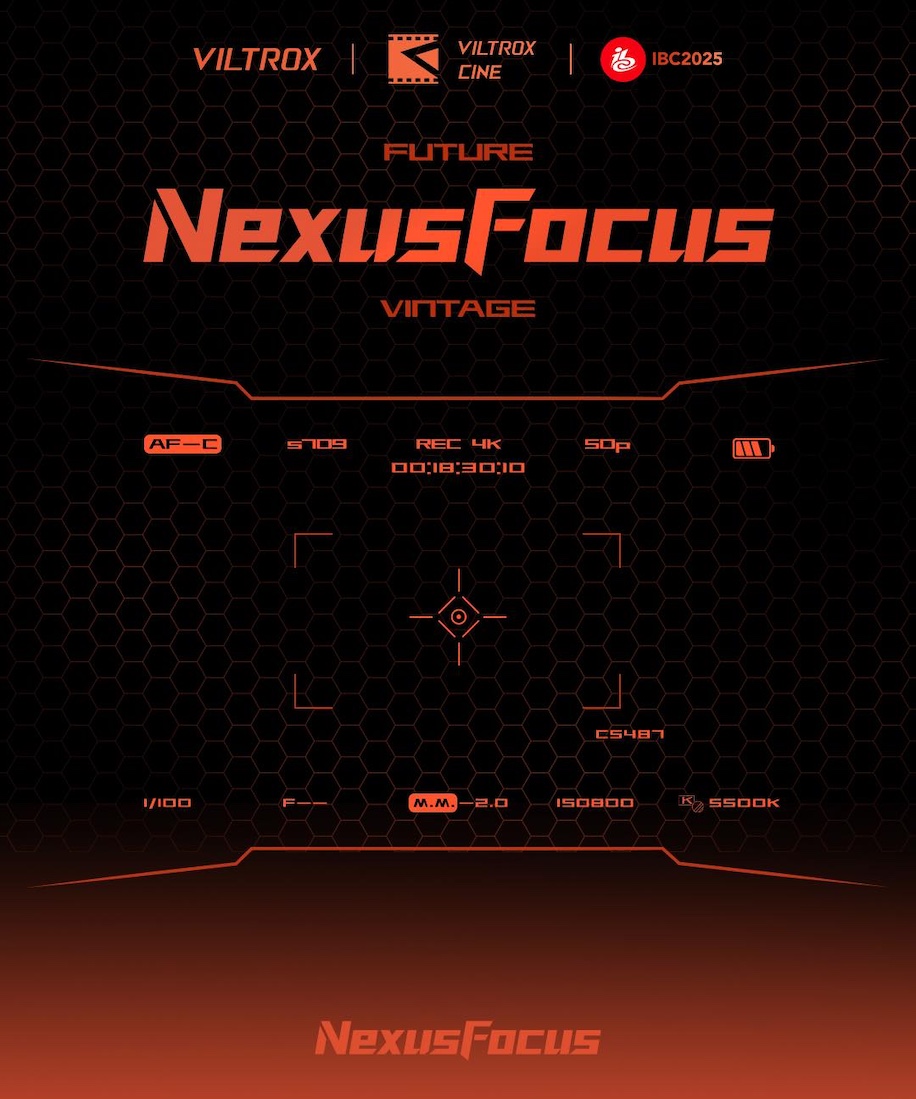
The previously reported Viltrox Nexus PL to E Pro cinema AI adapter with full AF capabilities is coming to Kickstarter on January 15th. Last year Viltrox was teasing a new adapter with AI autofocus support called Nexus Focus: “Where AI autofocus meets the art of cinema“. The new adapter will provide manual-focus lenses with autofocus capability and will support the native phase-detection AF, AI subject recognition, eye + face detection, and more:


The Viltrox NexusFocus PL-E Adapter (also referred to as the Nexus PL to E Pro) is an innovative cinema lens adapter designed to bring full autofocus capabilities to manual PL-mount cine lenses when used on Sony E-mount cameras. Announced as a prototype at IBC 2025 in September, it essentially transforms vintage, anamorphic, or modern manual cinema primes into AI-driven autofocus lenses by leveraging the camera’s native phase-detection AF system.

Key Features

  • Autofocus Integration: It taps directly into Sony’s autofocus protocols, enabling features like eye AF, face recognition, subject tracking, and tap-to-focus on the camera’s LCD. No additional sensors (like LiDAR) or wireless follow-focus systems are needed—the adapter uses external motors to drive focus based on real-time data from the camera sensor.
  • Iris and Zoom Control: Beyond focus, it supports camera-controlled aperture (iris) adjustments, and with additional motors, it could handle zoom on compatible lenses.
  • Lens Profiles: Comes with pre-installed profiles for various PL lenses, allowing quick calibration, saving configurations, and easy swapping without recalibration.
  • Power and Design: Powered by a small battery that lasts for days of use. The prototype includes refinements planned for housing, cable management, and motor strength.

Compatibility

  • Primarily for Sony E-mount cameras with built-in AF, such as the FX3, FX6, A7 series, and NEX series.
  • Limited testing has shown partial functionality on other mounts like L-mount, Nikon Z, and Fuji GFX, with potential for expanded support in future versions.

How It Works

The adapter mounts between the PL lens and E-mount body, then connects to external motors on the lens. It receives AF commands from the camera (e.g., when you tap the screen or use subject detection) and translates them into precise motor movements for focus and iris – making manual lenses behave like native Sony AF glass.

What’s coming next from Viltrox?

Updated list of latest/upcoming/rumored Chinese lenses

The post The Viltrox Nexus PL to E Pro cinema AI adapter with full AF capabilities is coming to Kickstarter on January 15th appeared first on Photo Rumors.

  •  

Gentoo Linux Plans Migration from GitHub Over 'Attempts to Force Copilot Usage for Our Repositories'

Gentoo Linux posted its 2025 project retrospective this week. Some interesting details: Mostly because of the continuous attempts to force Copilot usage for our repositories, Gentoo currently considers and plans the migration of our repository mirrors and pull request contributions to Codeberg. Codeberg is a site based on Forgejo, maintained by a non-profit organization, and located in Berlin, Germany. Gentoo continues to host its own primary git, bugs, etc infrastructure and has no plans to change that... We now publish weekly Gentoo images for Windows Subsystem for Linux (WSL), based on the amd64 stages, see our mirrors. While these images are not present in the Microsoft store yet, that's something we intend to fix soon... Given the unfortunate fracturing of the GnuPG / OpenPGP / LibrePGP ecosystem due to competing standards, we now provide an alternatives mechanism to choose the system gpg provider and ease compatibility testing... We have added a bootstrap path for Rust from C++ using Mutabah's Rust compiler mrustc, which alleviates the need for pre-built binaries and makes it significantly easier to support more configurations. Similarly, Ada and D support in gcc now have clean bootstrap paths, which makes enabling these in the compiler as easy as switching the useflags on gcc and running emerge. Other interesting statistics for the year: Gentoo currently consists of 31,663 ebuilds for 19,174 different packages.For amd64 (x86-64), there are 89 GBytes of binary packages available on the mirrors.Gentoo each week builds 154 distinct installation stages for different processor architectures and system configurations, with an overwhelming part of these fully up-to-date.The number of commits to the main ::gentoo repository has remained at an overall high level in 2025, with a slight decrease from 123,942 to 112,927.The number of commits by external contributors was 9,396, now across 377 unique external authors. Thanks to long-time Slashdot reader Heraklit for sharing the 2025 retrospective.

Read more of this story at Slashdot.

  •  

A Knight of the Seven Kingdoms sur HBO Max : faut-il avoir vu Game of Thrones avant de découvrir la série ?

HBO étend encore l'univers de George R.R. Martin avec l'adaptation du Chevalier errant, A Knight of the Seven Kingdoms, qui sera dévoilée à partir du 19 janvier 2026 sur HBO Max. Mais avec le lourd passif de Game of Thrones et de House of the Dragon, le visionnage est-il impossible pour les néophytes ? Pas du tout.

  •  

That Bell Labs 'Unix' Tape from 1974: From a Closet to Computing History

Remember that re-discovered computer tape with one of the earliest versions of Unix from the early 1970s? This week several local news outlets in Utah reported on the find, with KSL creating a video report with shots of the tape arriving at Silicon Valley's Computer History Museum, the closet where it was found, and even its handwritten label. The Salt Lake Tribune reports that the closet where it was found also contained "old cords from unknown sources and mountains of papers that had been dumped from a former professor's file cabinet, including old drawings from his kids and saved plane ticket stubs." (Their report also includes a photo of the University of Utah team that found the tape — the University's Flux Research Group). Professor Robert Ricci believes only 20 copies were ever produced of the version of Unix on that tape: At the time, in the 1970s, Ricci estimates there would have been maybe two or three of those computers — called a PDP-11, or programmed data processor — in Utah that could have run UNIX V4, including the one at the U. Having that technology is part of why he believes the U. got a copy of the rare software. The other part was the distinguished computing faculty at the school. The new UNIX operating system would've been announced at conferences in the early 1970s, and a U. professor at the time named Martin Newell frequently attended those because of his own recognized work in the field, Ricci said. In another box, stuffed in under manila envelopes, [researcher Aleks] Maricq found a 1974 letter written to Newell from Ken Thompson at Bell Labs that said as soon as "a new batch comes from the printers, I will send you the system." Ricci and Maricq are unsure if the software was ever used. They reached out to Newell, who is now 72 and retired, as well as some of his former students. None of them recalled actually running it through the PDP-11... The late Jay Lepreau also worked at the U.'s computing department and created the Flux Research Group that Ricci, Maricq and [engineering research associate Jon] Duerig are now part of. Lepreau overlapped just barely with Newell's tenure. In 1978, Lepreau and a team at the U. worked with a group at the University of California, Berkeley. Together, they built their own clone of the UNIX operating system. They called it BSD, or Berkeley Standard Distribution. Steve Jobs, the former CEO of Apple, worked with BSD, too, and it influenced his work. Ultimately, it was Lepreau who saved the 9-track tape with the UNIX system on it in his U. office. And he's why the university still has it today. "He seems to have found it and decided it was worth keeping," Ricci said... The U. will also get the tape back from the museum. Maricq said it will likely be displayed in the university's new engineering building that's set to open in January 2027. That's why, the research associate said, he was cleaning out the storage room to begin with — to try to prepare for the move. He was mostly just excited to see the floor again. "I thought we'd find some old stuff, but I didn't think it'd be anything like this," he said. And Maricq still has boxes to go through, including more believed to be from Lepreau's office. Local news station KMYU captured the thoughts of some of the University researchers who found the tape: "When you see the very first beginnings of something, and you go from seed to sapling, that's what we saw here," [engineering research associate Jon] Duerig said. "We see this thing in the moment of flux. We see the signs of all the things changing — of all the things developing that we now see today." Duerig also gave this comment to local news station KSL. "The coolest thing is that anybody, anywhere in the world can now access this, right? People can go on the internet archive and download the raw tape file and simulate running it," Duerig said. "People have posted browsable directory trees of the whole thing." One of the museum's directors said the tape's recovery marked a big day for the museum "One of the things that was pretty exciting to us is that just that there is this huge community of people around the world who were excited to jump on the opportunity to look at this piece of history," Ricci said. "And it was really cool that we were able to share that." Duerig said while there weren't many comments or footnotes from the programmers of that time, they did discovery more unexpected content having to do with Bell Labs on the tape. "There were survey results of them actually asking survey questions of their employees at these operator centers," he said. Thanks to long-time Slashdot reader walterbyrd for sharing the news.

Read more of this story at Slashdot.

  •  
❌