
Vue lecture

Microsoft Turns Copilot Chats Into a Checkout Lane

Microsoft is embedding full e-commerce checkout directly into Copilot chats, letting users buy products without ever visiting a retailer's website. "If checkout happens inside AI conversations, retailers risk losing direct customer relationships -- while platforms like Microsoft gain leverage," reports Axios. From the report: Microsoft unveiled new agentic AI tools for retailers at the NRF 2026 retail conference, including Copilot Checkout, which lets shoppers complete purchases inside Copilot without being redirected to a retailer's website. The checkout feature is live in the U.S. with Shopify, PayPal, Stripe and Etsy integrations. Copilot apps have more than 100 million monthly active users, spanning consumer and commercial audiences, according to the company. More than 800 million monthly active users interact with AI features across Microsoft products more broadly. Shopping journeys involving Copilot are 33% shorter than traditional search paths and see a 53% increase in purchases within 30 minutes of interaction, Microsoft says. When shopping intent is present, journeys involving Copilot are 194% more likely to result in a purchase than those without it.

Read more of this story at Slashdot.

  •  

'The Downside To Using AI for All Those Boring Tasks at Work'

The promise of AI-powered workplace tools that sort emails, take meeting notes, and file expense reports is finally delivering meaningful productivity gains -- one software startup reported a 20% boost around mid-2025 -- but companies are discovering an unexpected tradeoff: employees are burning out from the relentless pace of high-level cognitive work. Roger Kirkness, CEO of 14-person software startup Convictional, noticed that after AI took the scut work off his team's plates, their days became consumed by intensive thinking, and they were mentally exhausted and unproductive by Friday. The company transitioned to a four-day workweek; the same amount of work gets done, Kirkness says. The underlying problem, according to Boston College economist and sociologist Juliet Schor, is that businesses tend to simply reallocate the time AI saves. Workers who once mentally downshifted for tasks like data entry are now expected to maintain intense focus through longer stretches of data analysis. "If you just make people work at a high-intensity pace with no breaks, you risk crowding out creativity," Schor says.

Read more of this story at Slashdot.
  •  

La course folle pour sécuriser les LLM continue, ChatGPT doit colmater une brèche qu’on pensait réglée

Les chercheurs de l’entreprise de cybersécurité Radware ont mis en garde, le 8 janvier 2026, contre une nouvelle attaque par injection indirecte visant ChatGPT.​ Cette offensive détourne une mécanique que l’on pensait réglée depuis quelques mois et cible spécifiquement l’outil Deep Research du chatbot.

  •  

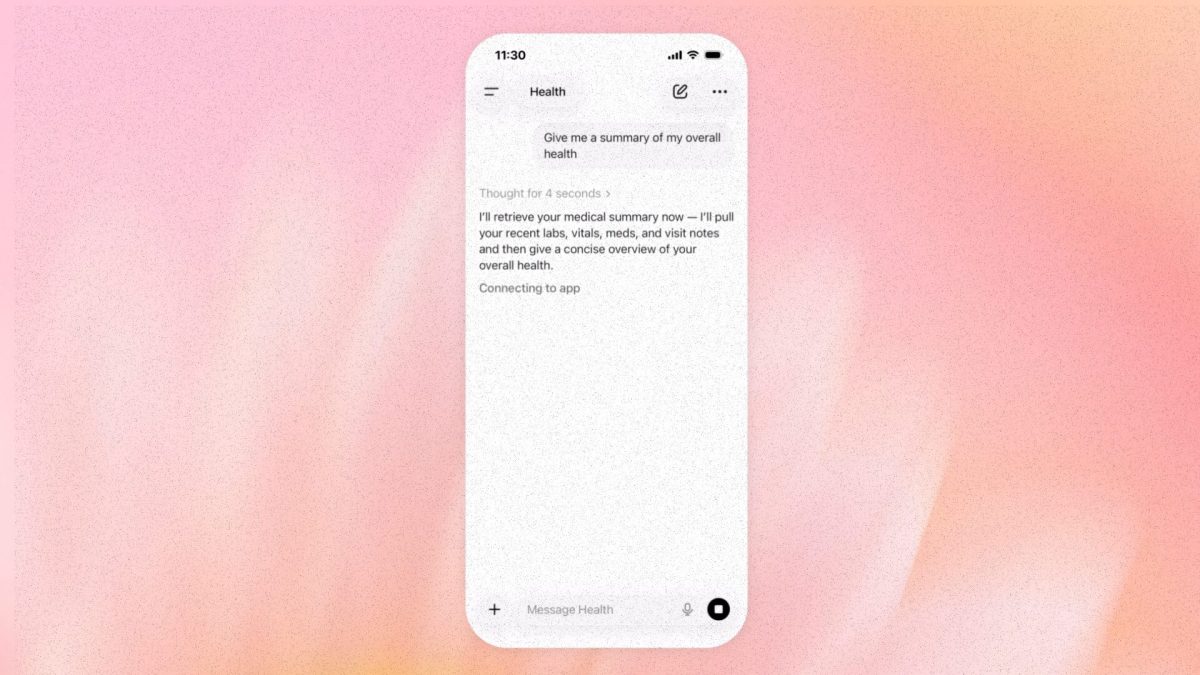
OpenAI Launches ChatGPT Health, Encouraging Users To Connect Their Medical Records

OpenAI has unveiled ChatGPT Health, a sandboxed health-focused mode that lets users connect medical records and wellness apps for more personalized guidance. The company makes sure to note that ChatGPT Health is "not intended for diagnosis or treatment." The Verge reports: The company is encouraging users to connect their personal medical records and wellness apps, such as Apple Health, Peloton, MyFitnessPal,Weight Watchers, and Function, "to get more personalized, grounded responses to their questions." It suggests connecting medical records so that ChatGPT can analyze lab results, visit summaries, and clinical history; MyFitnessPal and Weight Watchers for food guidance; Apple Health for health and fitness data, including movement, sleep, and activity patterns"; and Function for insights into lab tests. On the medical records front, OpenAI says it's partnered with b.well, which will provide back-end integration for users to upload their medical records, since the company works with about 2.2 million providers. For now, ChatGPT Health requires users to sign up for a waitlist to request access, as it's starting with a beta group of early users, but the product will roll out gradually to all users regardless of subscription tier. [...] In a blog post, OpenAI wrote that based on its "de-identified analysis of conversations," more than 230 million people around the world already ask ChatGPT questions related to health and wellness each week. OpenAI also said that over the past two years, it's worked with more than 260 physicians to provide feedback on model outputs more than 600,000 times over 30 areas of focus, to help shape the product's responses. "ChatGPT can help you understand recent test results, prepare for appointments with your doctor, get advice on how to approach your diet and workout routine, or understand the tradeoffs of different insurance options based on your healthcare patterns," OpenAI claims in the blog post.

Read more of this story at Slashdot.

  •  
❌