Vue lecture

SpaceX Crew-11 : retour sur Terre réussi après une urgence médicale inédite dans l’ISS

spacex crew 11 retour

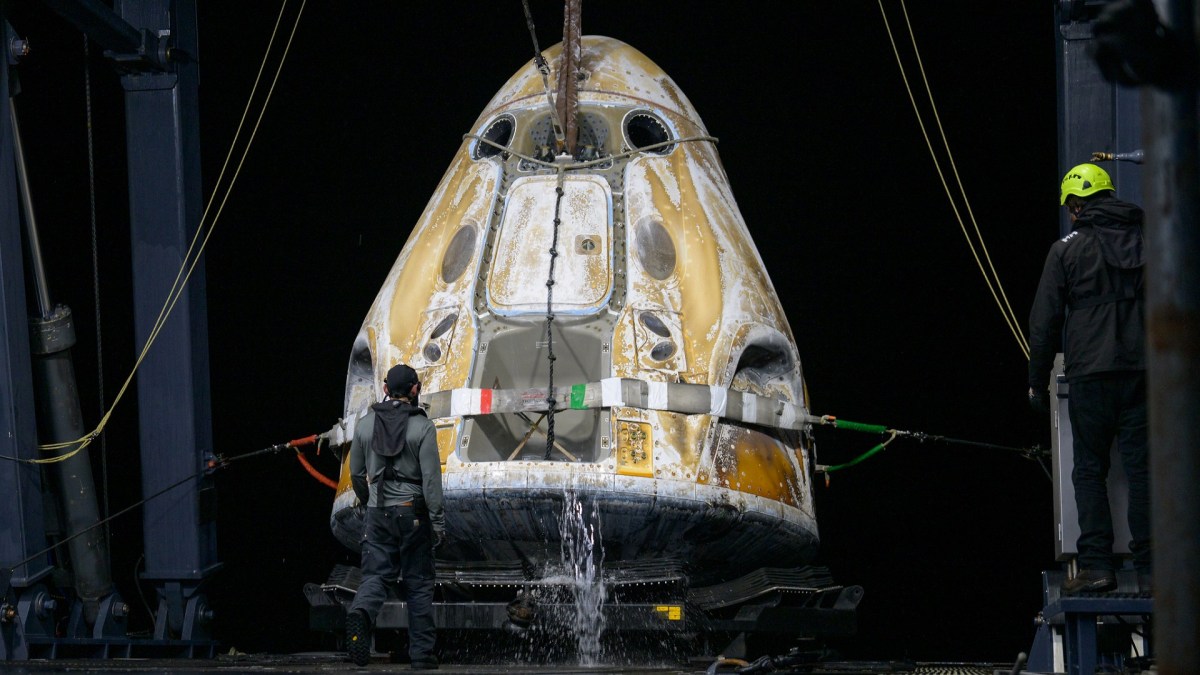
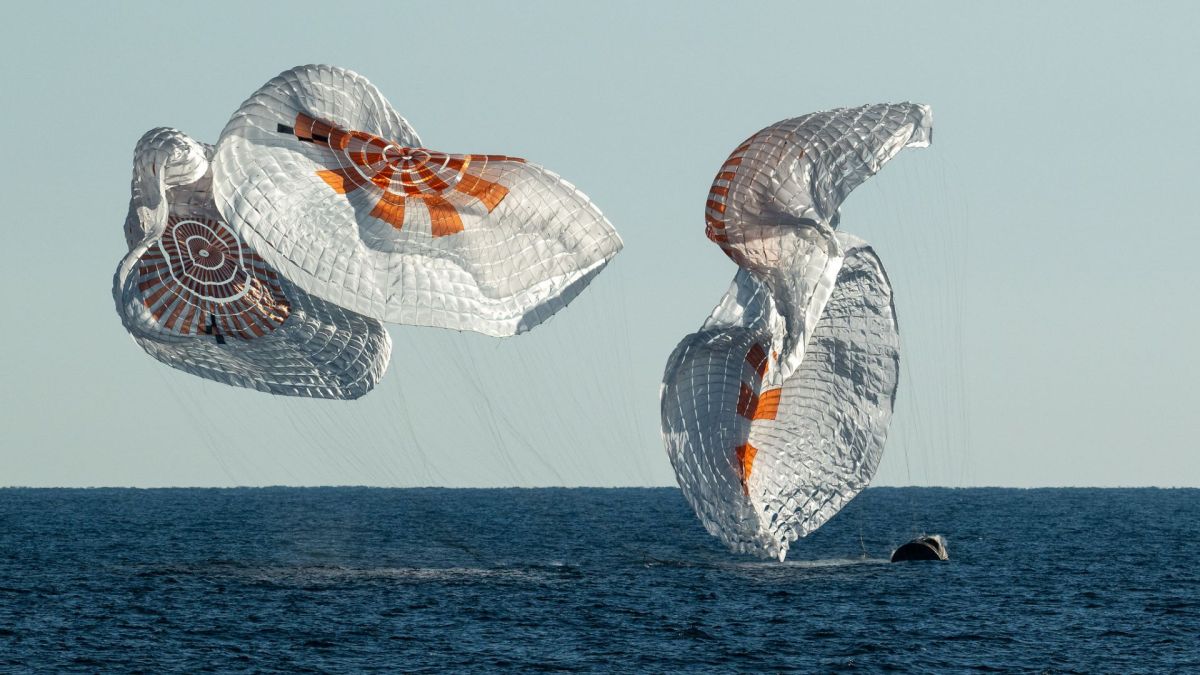
Fin de l’alerte pour la Station spatiale internationale. La capsule Dragon de SpaceX a amerri avec succès ce jeudi matin dans le Pacifique, ramenant sur Terre les quatre membres de la mission Crew-11. Ce retour anticipé, dicté par une urgence médicale inédite en 25 ans, s’est déroulé sans encombre. L’équipage est désormais pris en charge au sol.

  •  

Medical Evacuation from Space Station Next Week for Astronaut in Stable Condition

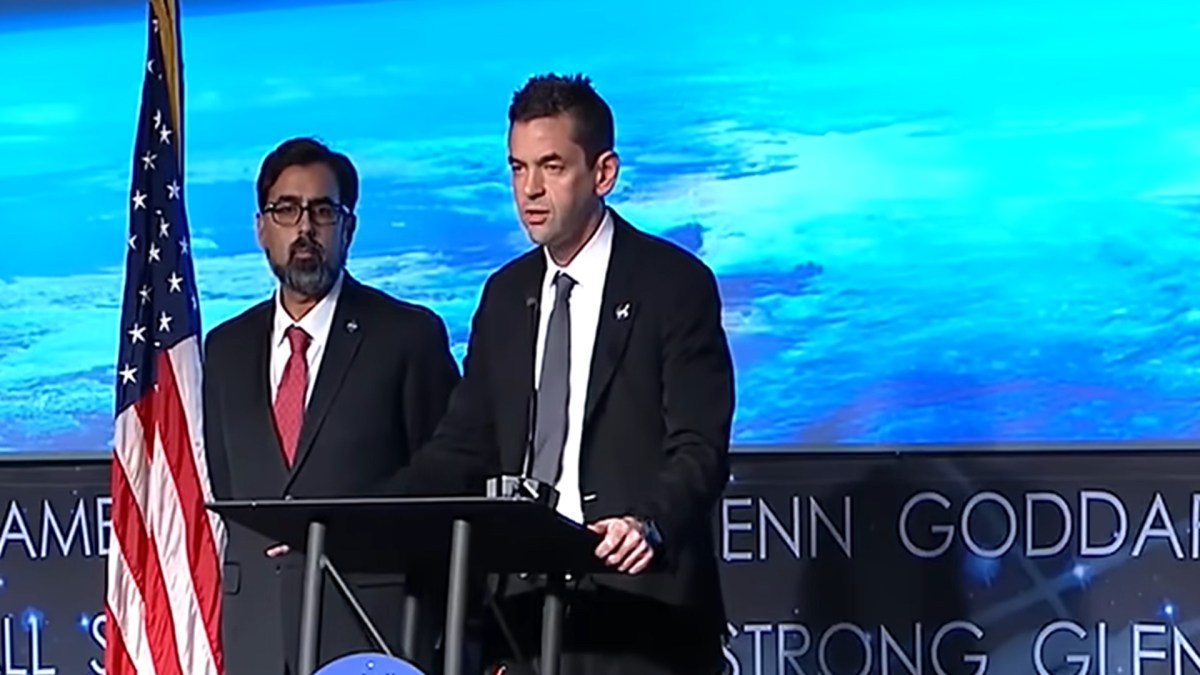
It will be the first medical evacuation from the International space station in its 25-year history. The Guardian reports: An astronaut in the orbital laboratory reportedly fell ill with a "serious" but undisclosed issue. Nasa also had to cancel its first spacewalk of the year... The agency did not identify the astronaut or the medical problem, citing patient privacy. "Because the astronaut is absolutely stable, this is not an emergent evacuation," [chief health and medical officer Dr. James] Polk said. "We're not immediately disembarking and getting the astronaut down, but it leaves that lingering risk and lingering question as to what that diagnosis is, and that means there is some lingering risk for that astronaut onboard." "SpaceX says it's Dragon spacecraft at the International Space Station is ready to return its four Crew-11 astronauts home in an unprecedented medical evacuation on Jan. 14 and 15," reports Space.com: The SpaceX statement came on the heels of NASA's announcement that the Crew-11 astronauts were scheduled to undock from the space station on Jan. 14 and splashdown off the coast of California early on Jan. 15. The Crew-11 Dragon spacecraft will return NASA astronauts Zena Cardman and Mike Fincke to Earth alongside Japanese astronaut Kimiya Yui and Russian cosmonaut Oleg Platanov... NASA officials opted for a "controlled medical evacuation" in order to provide the astronaut better treatment on the ground, NASA chief Jared Isaacman has said... Dr. James Polk, NASA's chief medical officer, has said the medical issue is not an injury to the astronaut afflicted, but rather something related to the prolonged exposure to weighlessness by astronauts living and working on the International Space Station. "It's mostly having a medical issue in the difficult areas of microgravity and the suite of hardware that we operate in," Polk said.

Read more of this story at Slashdot.

  •  

After Half a Decade, the Russian Space Station Segment Stopped Leaking

A small section of the International Space Station that has experienced persistent leaks for years appears to have stopped venting atmosphere into space. ArsTechnica: The leaks were caused by microscopic structural cracks inside the small PrK module on the Russian segment of the space station, which lies between a Progress spacecraft airlock and the Zvezda module. The problem has been a long-running worry for Russian and US operators of the station, especially after the rate of leakage doubled in 2024. This prompted NASA officials to label the leak as a "high likelihood" and "high consequence" risk. However, recently two sources indicated that the leaks have stopped. And NASA has now confirmed this. "Following additional inspections and sealing activities, the pressure in the transfer tunnel attached to the Zvezda Service Module of the International Space Station, known as the PrK, is holding steady in a stable configuration," a space agency spokesman, Josh Finch, told Ars. "NASA and Roscosmos continue to monitor and investigate the previously observed cracks for any future changes that may occur." For the better part of half a decade, Russian cosmonauts have been searching for the small leaks like a proverbial needle in a haystack. They would periodically close the hatch leading to the PrK module and then, upon re-opening it, look for tiny accumulations of dust to indicate the leak sites. Then the Russian cosmonauts would apply a sealant known as Germetall-1 (which has now been patented) to the cracks. They would close the hatch again, monitor the pressure inside the PrK module, and begin the search anew for additional leaks. This process went on for years.

Read more of this story at Slashdot.

  •  
❌