Vue lecture

Additional information on the upcoming Otus ML 35mm f/1.4 and Tamron 35-100mm f/2.8 DI III VXD lenses


Additional information on the upcoming Tamron 35-100mm f/2.8 DI III VXD lens (Z/E):

  • Fast standard zoom lens with a constant aperture of F/2.8 from 35–100 mm
  • Particularly compact and lightweight design – ideal for travel and everyday life
  • High image quality and harmonious bokeh for natural portraits
  • Faster, more precise VXD autofocus for spontaneous and authentic shots
  • Excellent close-up capabilities – ideal for indoor and detail shots
  • Compatible with TAMRON Lens Utility™ software for individual settings
  • High user comfort thanks to ergonomic design – Optimized housing surface – Smooth and precise operation of zoom and focus rings
  • Protective functions through moisture-resistant construction and fluorine coating
  • For Sony E & Nikon Z Mount.
  • Release date: February 26, 2026.
  • Priced like the Tamron 16-30mm f/2.8 Di III VXD G2 lens at $930
  • Filter size: 67mm
  • Length: 121.5mm
  • Weight: 575 g,
  • Shipping in late March or early April
  • Additional leaked pictures

Additional information on the upcoming Tamron 35-100mm f/2.8 DI III VXD lens for Nikon Z-mount

Additional information on the Otus ML 35mm f/1.4 lens for E/Z/RF mount (see also the current Zeiss 1.4/35 and 1.4/50 lenses):

Additional information on the upcoming Otus ML 35mm f/1.4 lens for Nikon Z-mount

The post Additional information on the upcoming Otus ML 35mm f/1.4 and Tamron 35-100mm f/2.8 DI III VXD lenses appeared first on Photo Rumors.
  •  

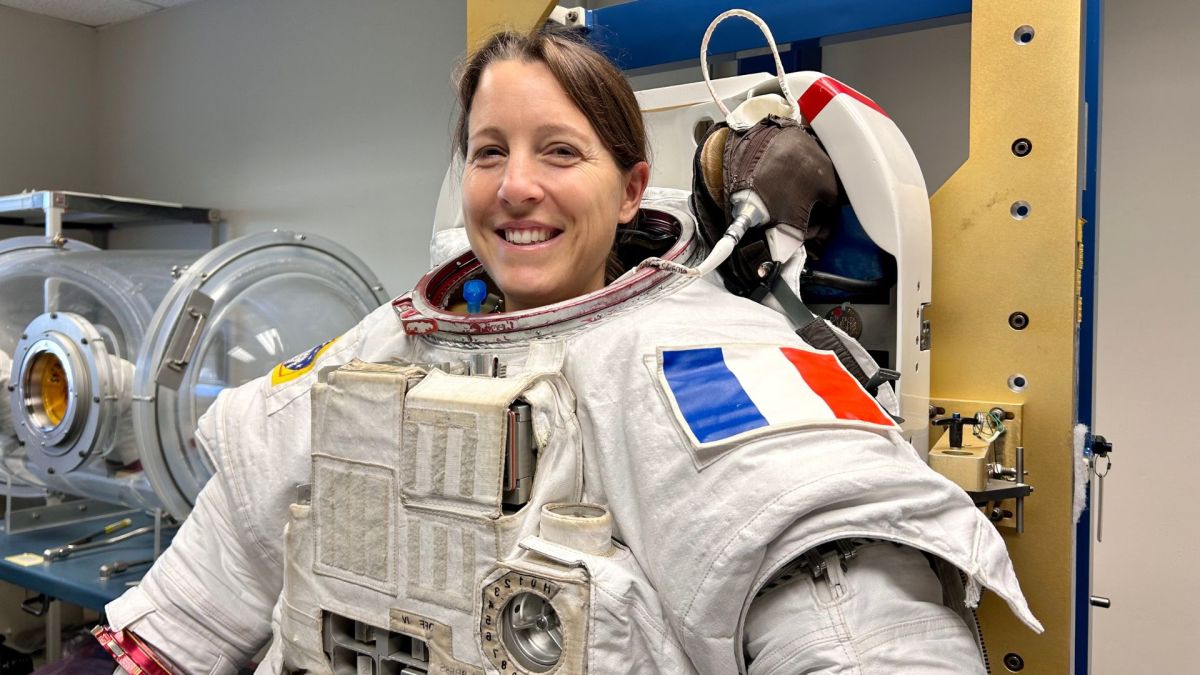
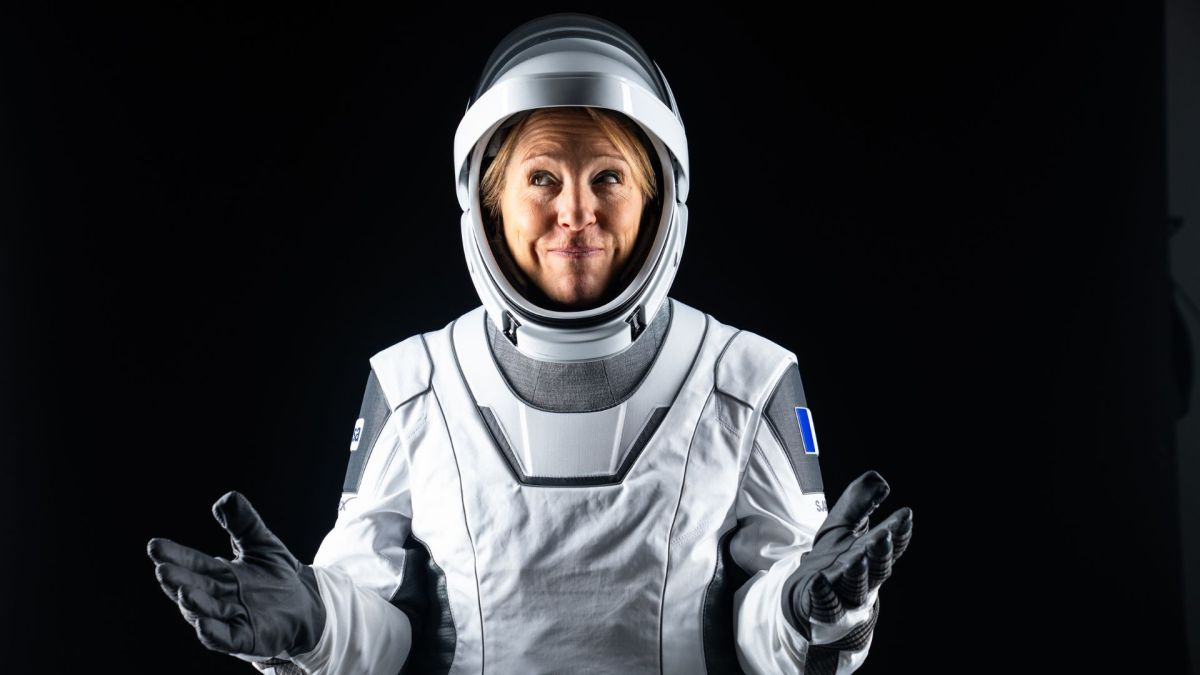
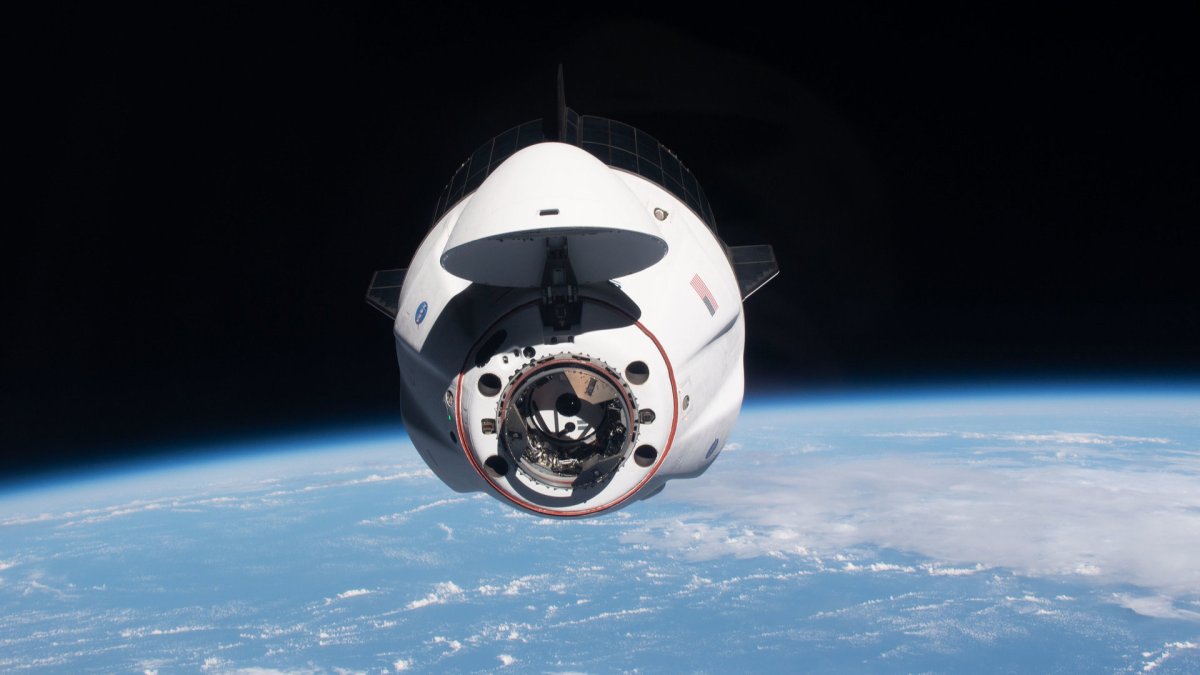
Pourquoi Sophie Adenot va mettre une journée à rallier l’ISS, alors qu’il faut juste quelques heures pour rentrer ?

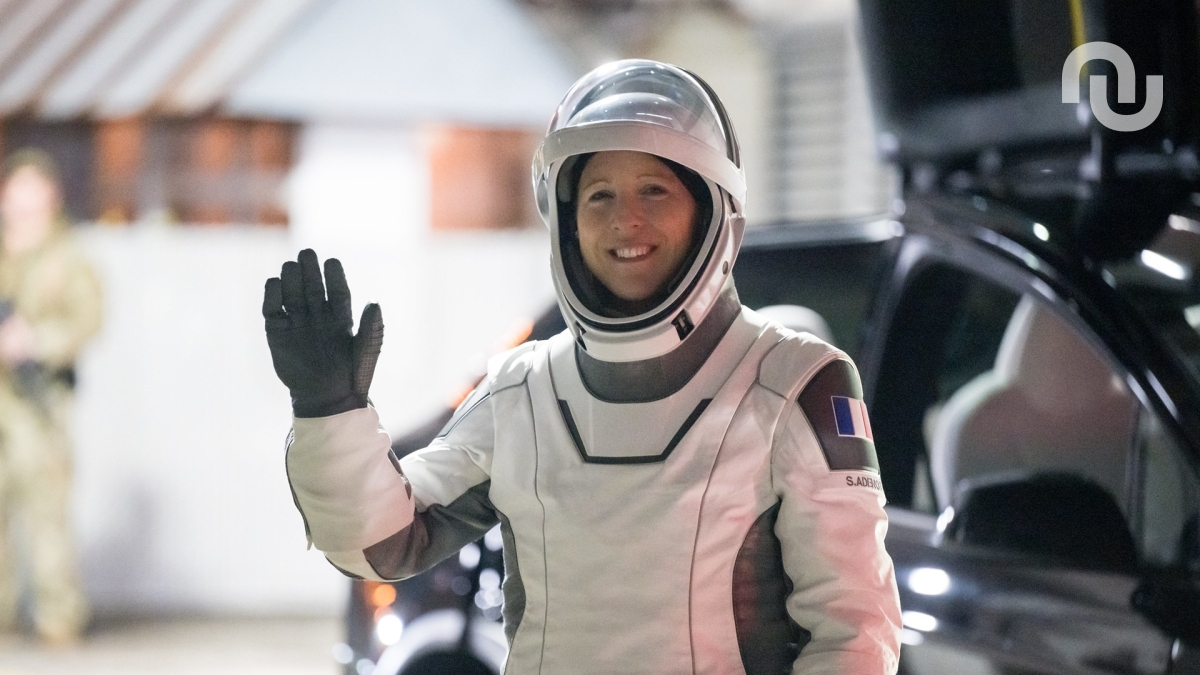
Sophie Adenot va mettre environ 24 heures à rejoindre la Station spatiale internationale (ISS) depuis la Terre, alors qu'un vol de retour ne prend généralement que quelques heures. Cet écart est courant pour les voyages vers et depuis l'ISS. C'est une question de mécanique orbitale.

  •  

Pourquoi Sophie Adenot va mettre une journée à rallier l’ISS, alors qu’il faut juste quelques heures pour rentrer ?

Sophie Adenot va mettre environ 24 heures à rejoindre la Station spatiale internationale (ISS) depuis la Terre, alors qu'un vol de retour ne prend généralement que quelques heures. Cet écart est courant pour les voyages vers et depuis l'ISS. C'est une question de mécanique orbitale.

  •  

Et si on gardait l’ISS, juste au cas où ?

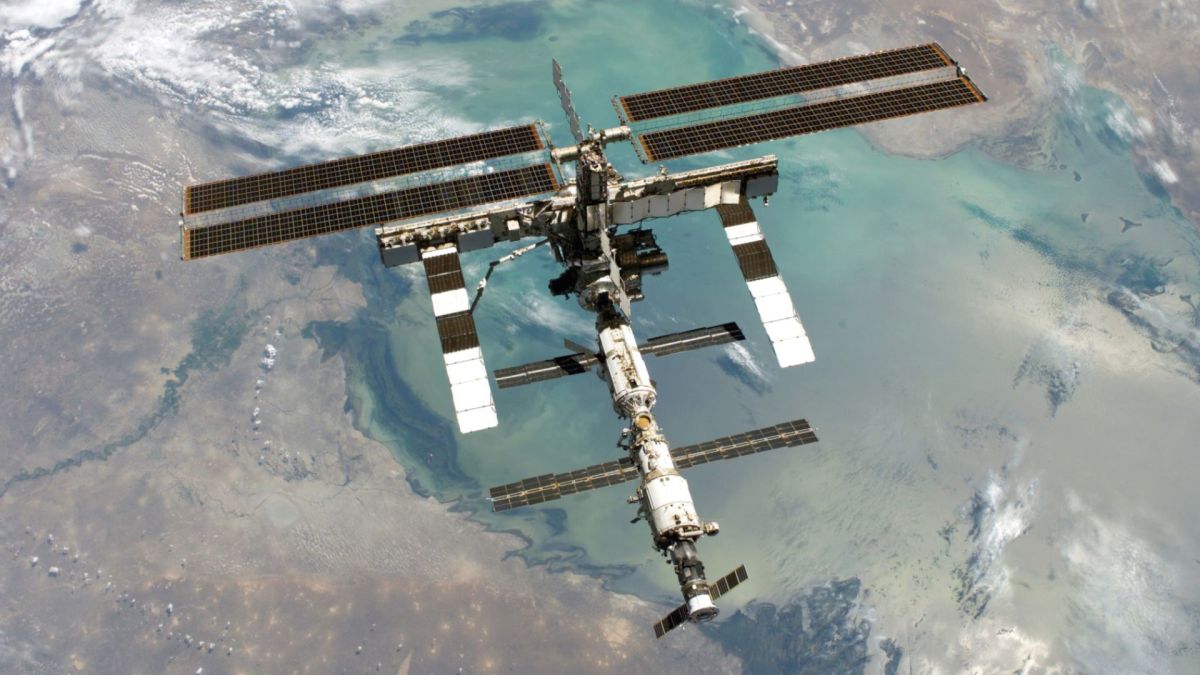
Alors que la fin de la Station spatiale internationale (ISS) approche, il reste quelques incertitudes sur la manière de lui dire au revoir. Le plan actuel prévoit de la désorbiter pour la faire échouer dans l'océan, mais des voix s'élèvent en faveur d'une conservation pour les générations futures.

  •  

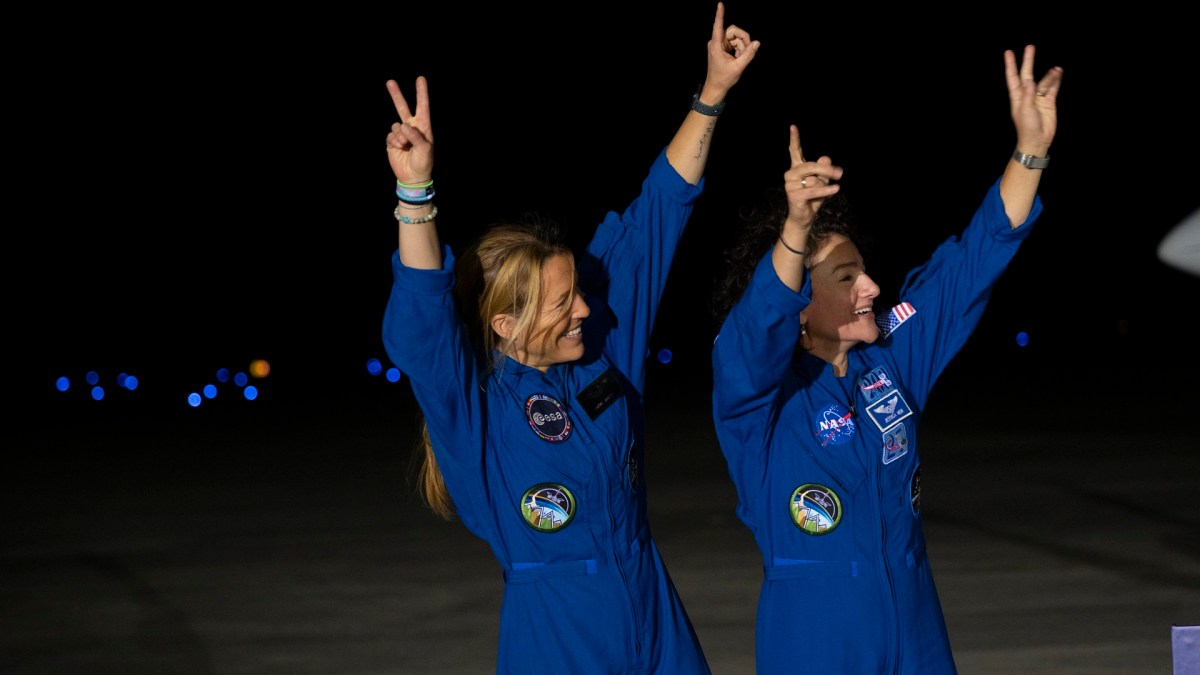
Elles ont ouvert la voie à Sophie Adenot : ces destins d’astronautes qu’il faut connaître

Sophie Adenot va rejoindre le club restreint des femmes parties dans l'espace. Si le métier d'astronaute se féminise peu à peu, il reste encore essentiellement exercé par des hommes, même aujourd'hui. Pourtant, des figures féminines ont marqué l'histoire du spatial, et leur travail mérite d'être mis en avant au même titre que celui de leurs homologues masculins.

  •  

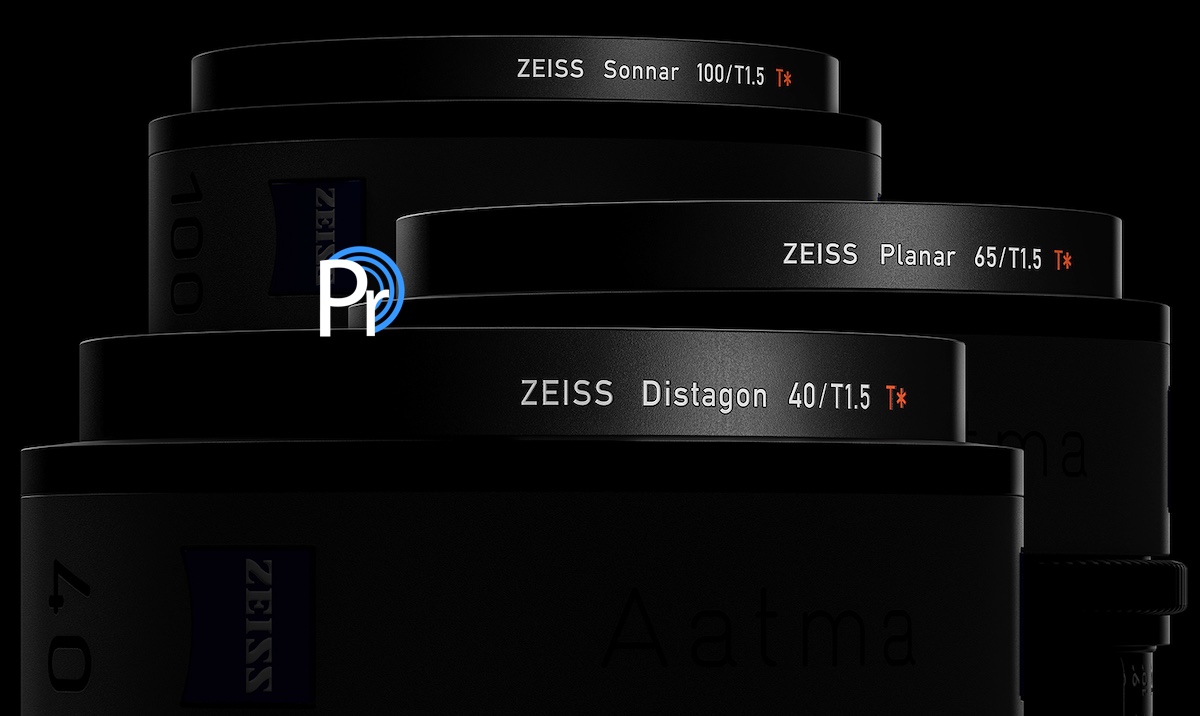
Zeiss is teasing three new cine lenses


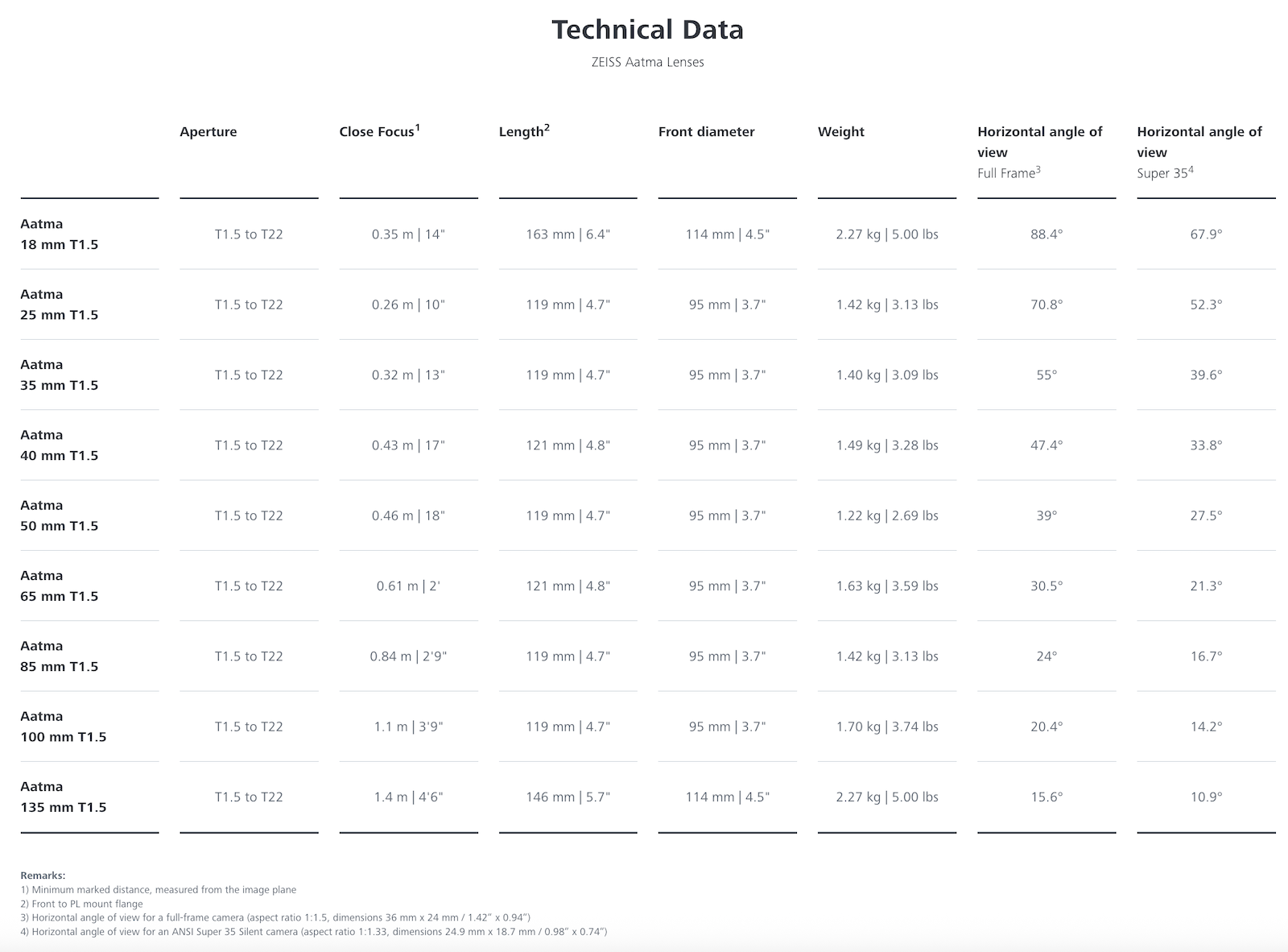
Zeiss is teasing three new cine lenses (see the current line of Zeiss cine lenses):

  • ZEISS Sonnar 100/T1.5 T*
  • ZEISS Planar 65/T1.5 T*
  • ZEISS Distagon 40/T1.5 T*

Cosina already hinted at displaying new lens prototypes at the 2026 CP+ show in Japan:

Cosina to display new lens prototypes at the 2026 CP+ show in Japan

The new Zeiss cine lenses will most likely be announced at the upcoming BSC Expo in London (February 12-14):


The post Zeiss is teasing three new cine lenses appeared first on Photo Rumors.
  •  

Microbes In Space Mutated and Developed a Remarkable Ability

"A box full of viruses and bacteria has completed its return trip to the International Space Station," reports ScienceAlert, "and the changes these 'bugs' experienced in their travels could help us Earthlings tackle drug-resistant infections..." Scientists aboard the space station incubated different combinations of bacteria and phages for 25 days, while the research team led by biochemist Vatsan Raman carried out the same experiments in Madison, down here on Earth. "Space fundamentally changes how phages and bacteria interact: infection is slowed, and both organisms evolve along a different trajectory than they do on Earth," the researchers explain. In the weightlessness of space, bacteria acquired mutations in genes involved in the microbe's stress response and nutrient management. Their surface proteins also changed. After a slow start, the phages mutated in response, so they could continue binding to their victims. The team found that certain space-specific phage mutations were especially effective at killing Earth-bound bacteria responsible for urinary tract infections (UTIs). More than 90 percent of the bacteria responsible for UTIs are antibiotic-resistant, making phage treatments a promising alternative.

Read more of this story at Slashdot.

  •  
❌