Vue lecture

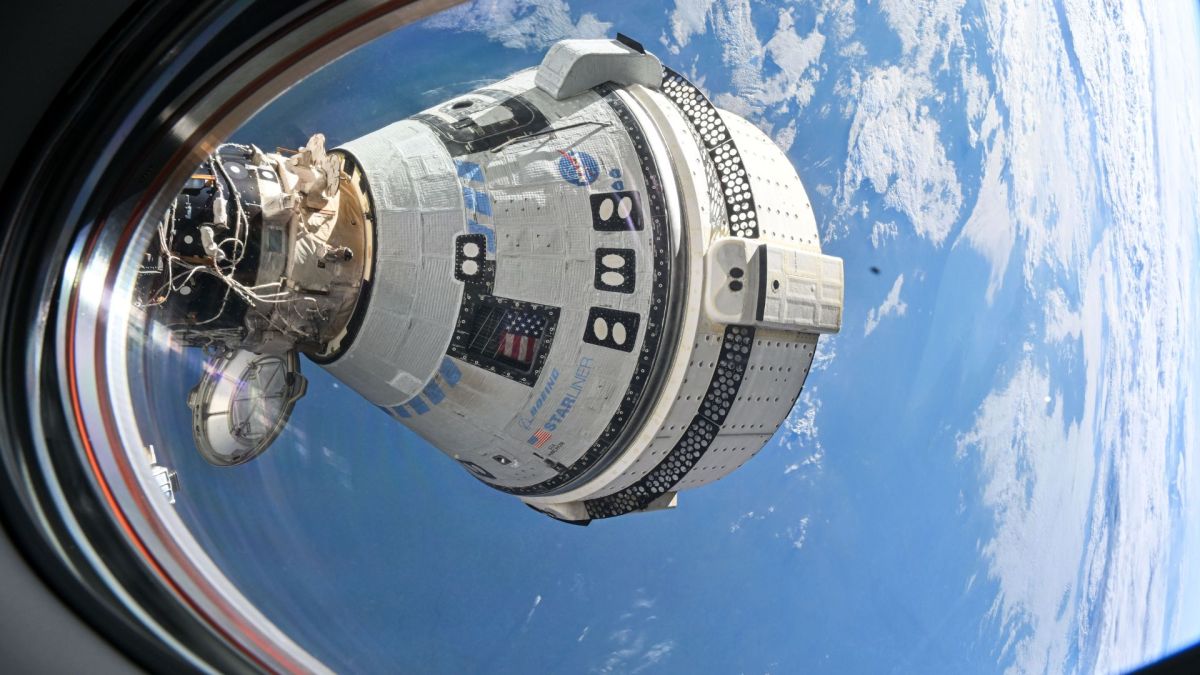
Rapport Starliner : la Nasa classe l’incident au niveau des catastrophes Challenger et Columbia

Dans une conférence de presse annoncée au dernier moment, la Nasa a fait le point sur les déboires de Starliner, plus d'un an et demi après. Des ratés avaient perturbé lourdement la mission, forçant même les astronautes à rester bien plus longtemps que prévu à bord de l'ISS. L'analyse finale de l'agence spatiale américaine est très dure à l'égard de Boeing, le fabricant de la capsule, mais aussi envers elle-même.

  •  

NASA Chief Classifies Starliner Flight As 'Type A' Mishap, Says Agency Made Mistakes

NASA has officially classified Boeing Starliner's 2024 crewed flight as a "Type A" mishap, acknowledging serious technical failures and leadership shortcomings that nearly left astronauts unable to safely return. Administrator Jared Isaacman released (PDF) a 311-page internal report citing flawed decision-making and cultural issues, with the next Starliner flight now planned as uncrewed pending major fixes. Ars Technica reports: As part of the announcement, NASA Administrator Jared Isaacman sent an agency-wide letter that recognized the shortcomings of both Starliner's developer, Boeing, as well as the space agency itself. Starliner flew under the auspices of NASA's Commercial Crew Program, in which the agency procures astronaut transportation services to the International Space Station. "We are taking ownership of our shortcomings," Isaacman said. "Starliner has design and engineering deficiencies that must be corrected, but the most troubling failure revealed by this investigation is not hardware," Isaacman wrote in his letter to the NASA workforce. "It is decision-making and leadership that, if left unchecked, could create a culture incompatible with human spaceflight." Isaacman said there would be "leadership accountability" as a result of the decisions surrounding the Starliner program, but did not say which actions would be taken.

Read more of this story at Slashdot.

  •  

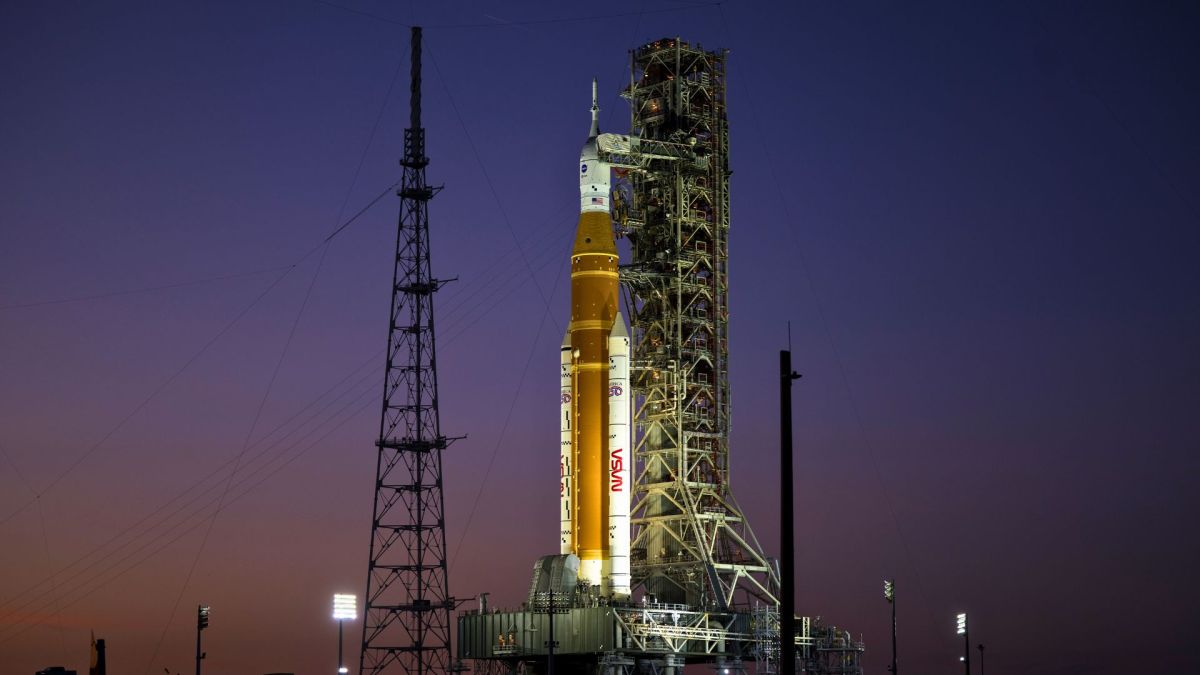
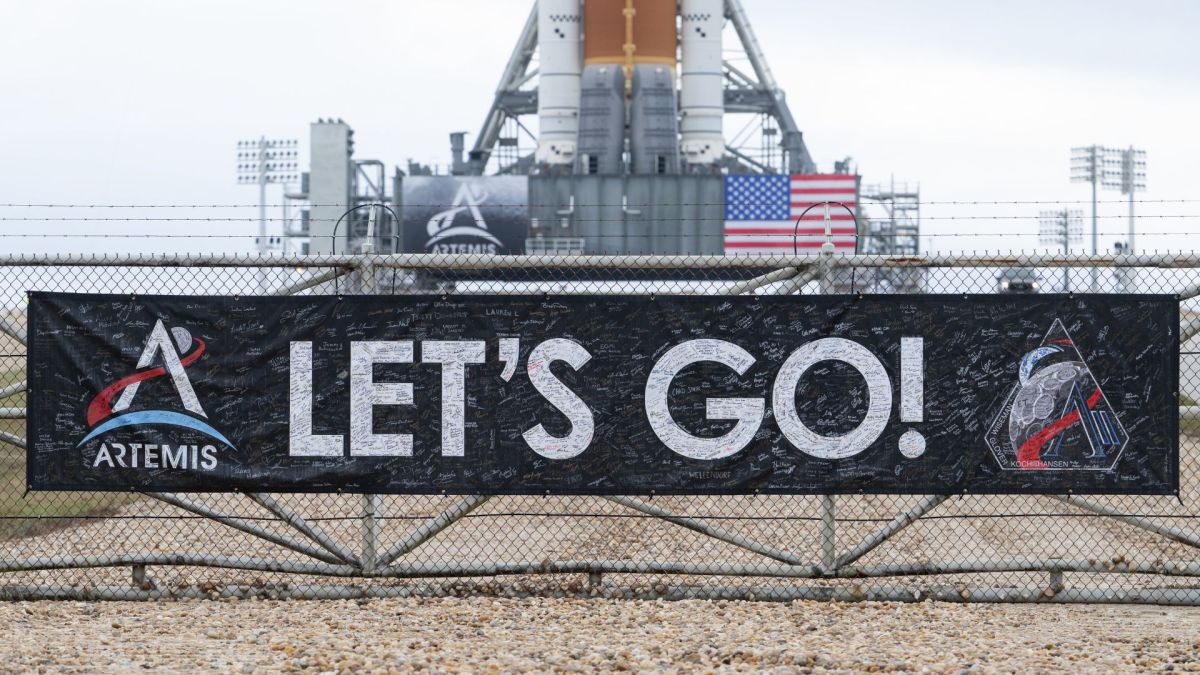
Mission Artémis II : suivez en direct l’ultime test de la méga fusée de la Nasa

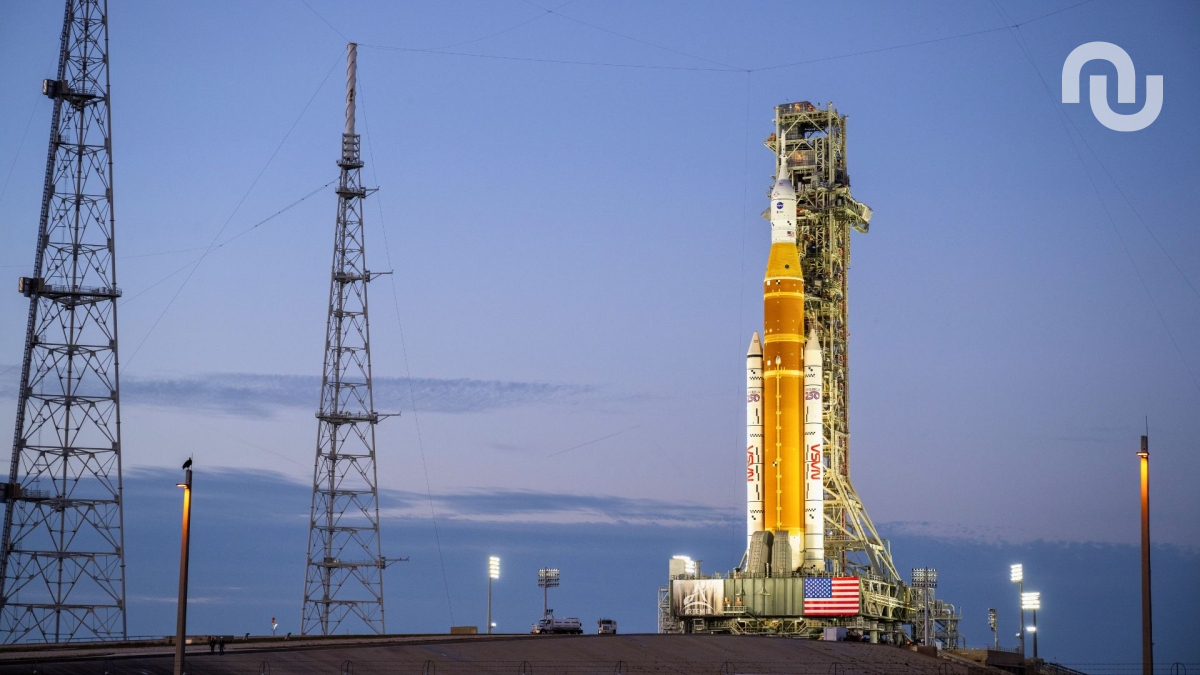
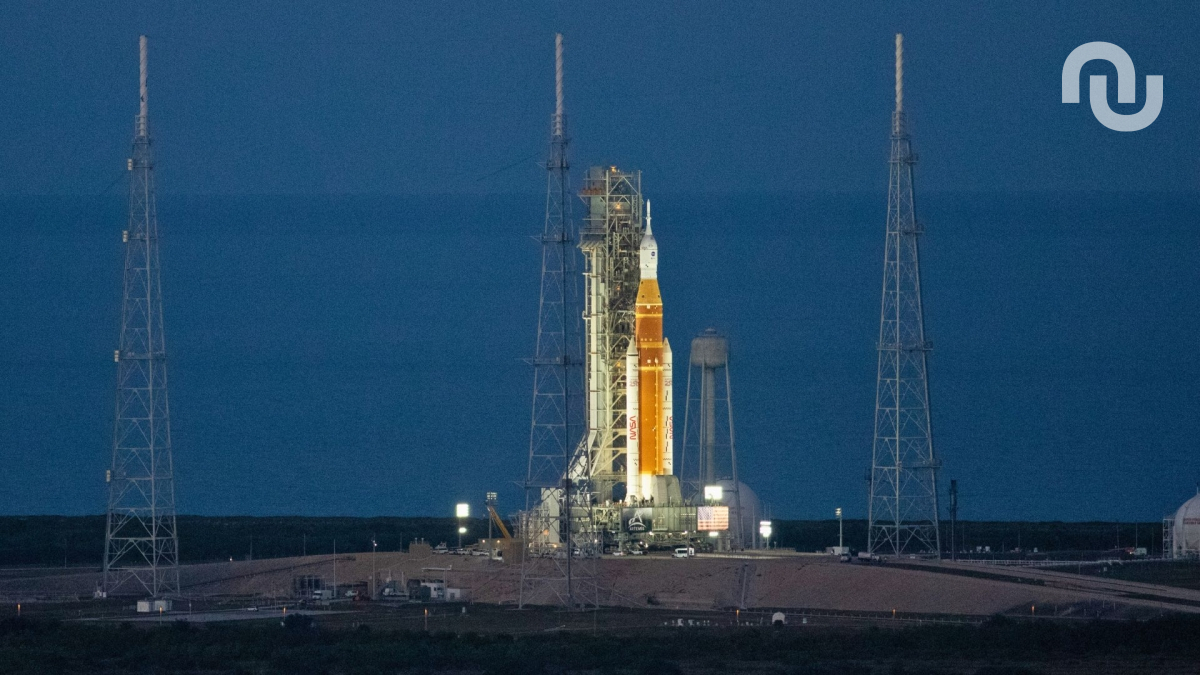
Artémis II SLS

Voilà l'ultime grand test avant le grand jour. Dans le cadre du retour des humains sur la Lune, la Nasa lance la répétition générale de sa fusée géante SLS pour la mission Artémis II, qui consistera ici à faire le tour du satellite avec un équipage. L'événement culmine cette nuit avec le remplissage des réservoirs et un compte à rebours simulé à suivre en direct.

  •  

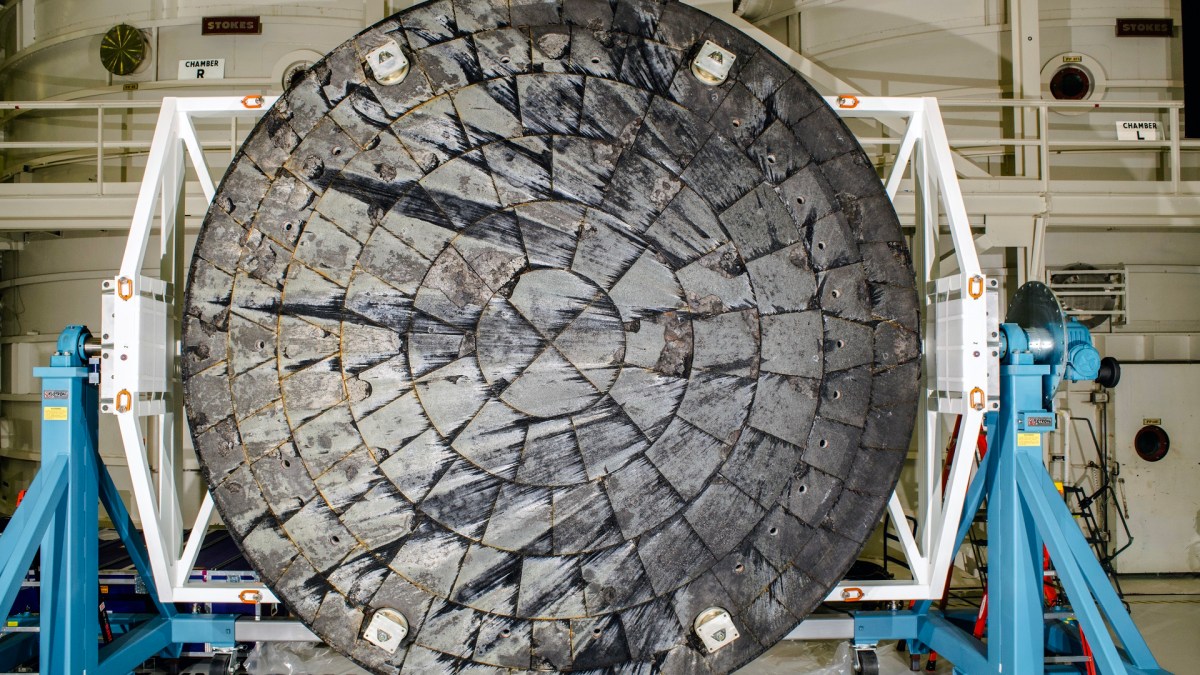
Le bouclier d’Artémis I a montré des signes de faiblesse, mais la Nasa a un plan pour le réutiliser avec Artémis II

Lors du retour de la capsule Orion après la mission Artémis I, la Nasa a identifié des soucis sur le bouclier thermique. Mais alors que le même vaisseau s'apprête à partir avec un équipage à bord, comment la copie a-t-elle été revue pour assurer la sécurité des astronautes ?

  •  

Pourquoi Elon Musk et Emmanuel Macron se disputent sur les réseaux sociaux

Lors d'un discours à Anvers, Emmanuel Macron a encouragé l'Europe à mieux financer ses pépites et à préférer les solutions européennes. Son exemple : Elon Musk, « un gars sursubventionné par les agences fédérales aux États-Unis ». Le milliardaire réfute cette déclaration : selon lui, c'est l'Europe qui sursubventionne les concurrents de ses entreprises.

  •  

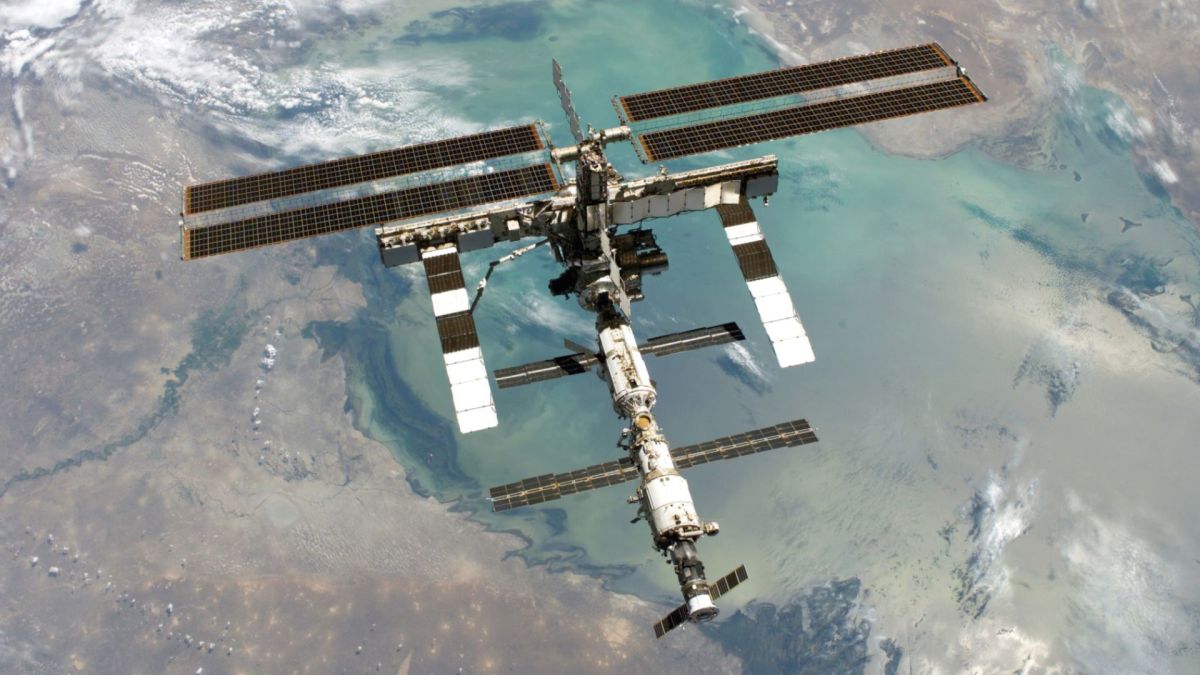
Et si on gardait l’ISS, juste au cas où ?

Alors que la fin de la Station spatiale internationale (ISS) approche, il reste quelques incertitudes sur la manière de lui dire au revoir. Le plan actuel prévoit de la désorbiter pour la faire échouer dans l'océan, mais des voix s'élèvent en faveur d'une conservation pour les générations futures.

  •  

Elles ont ouvert la voie à Sophie Adenot : ces destins d’astronautes qu’il faut connaître

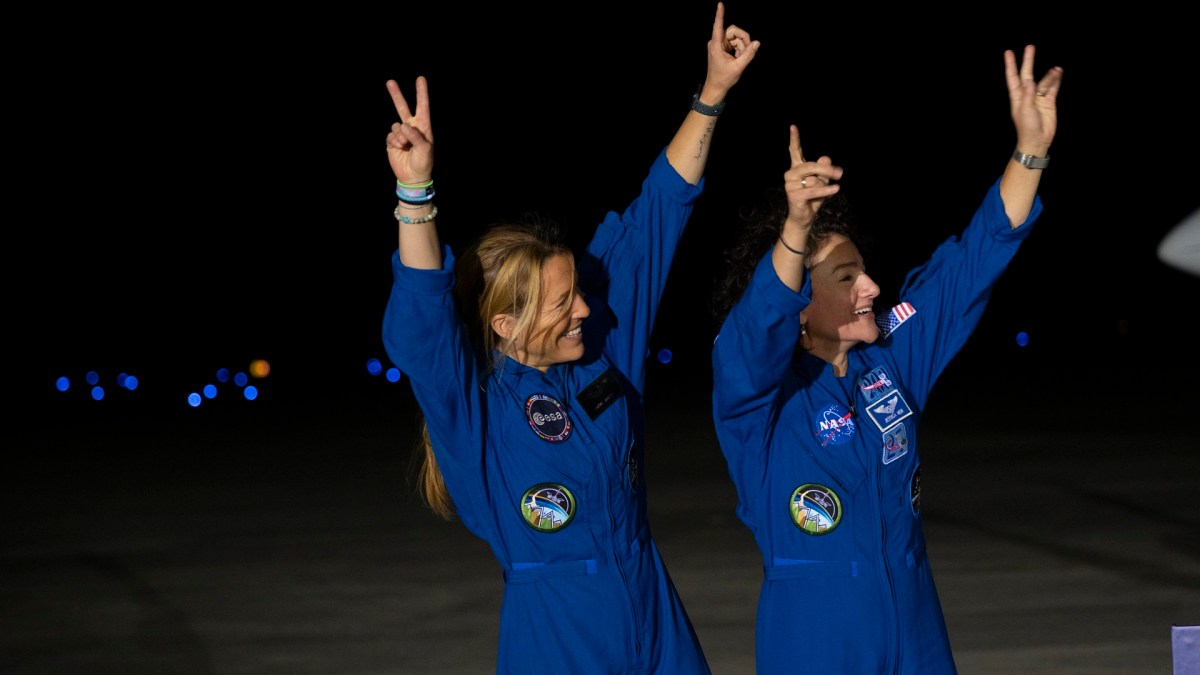
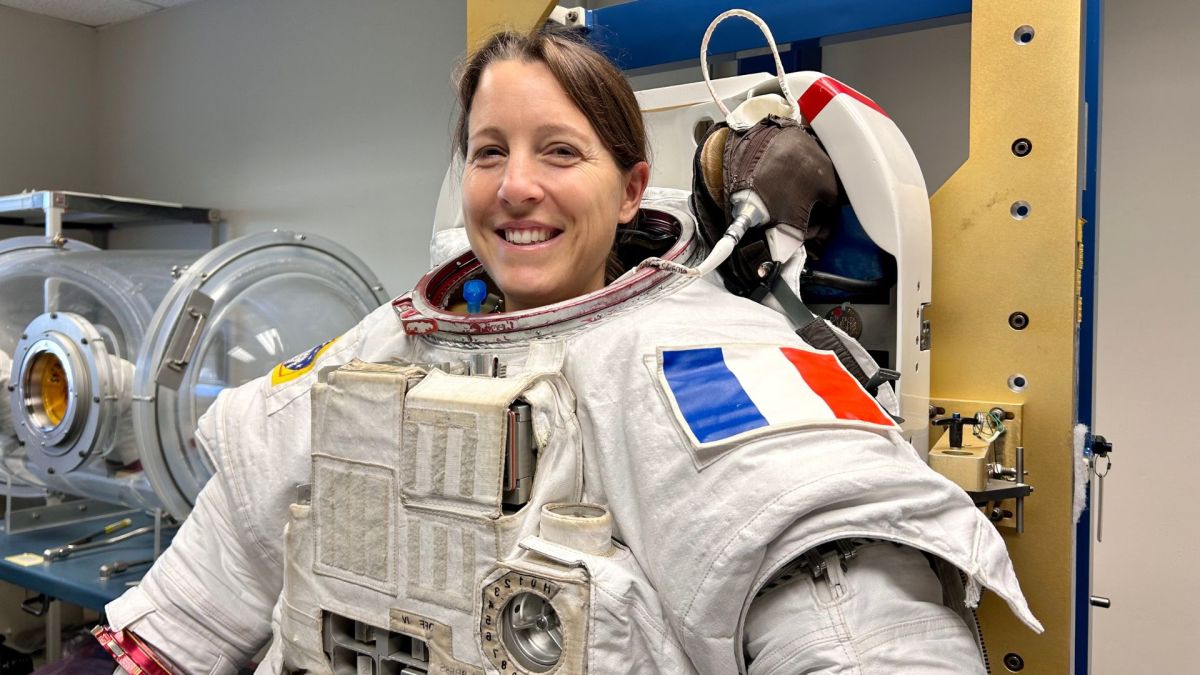
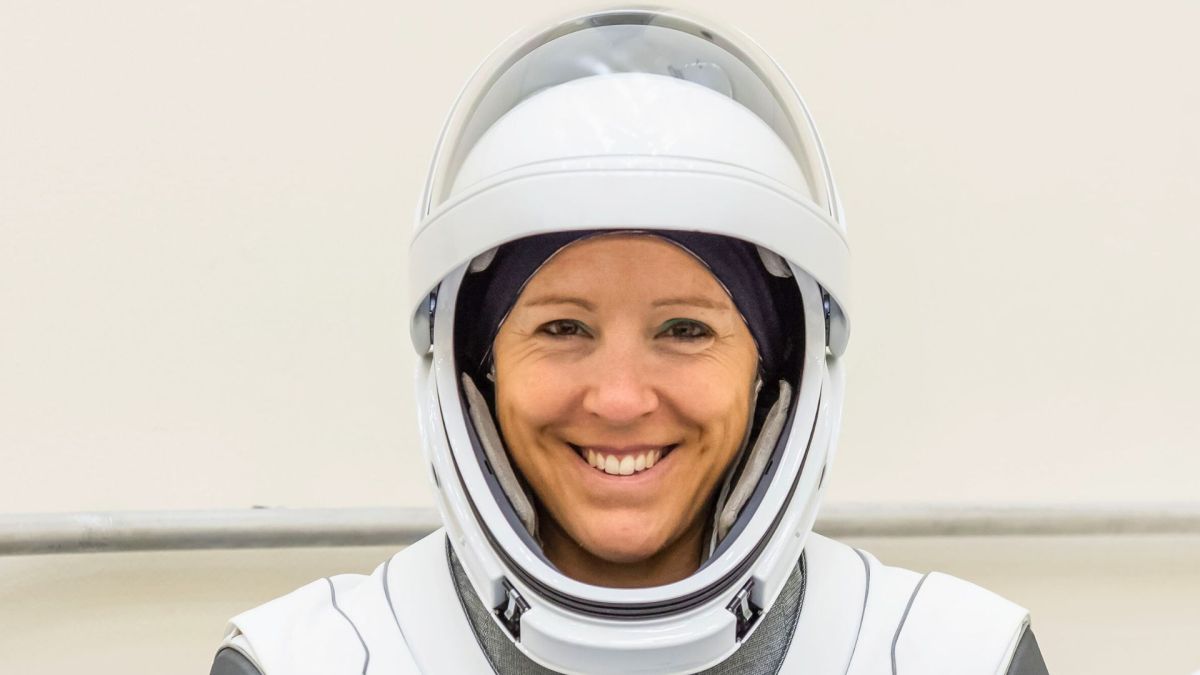
Sophie Adenot va rejoindre le club restreint des femmes parties dans l'espace. Si le métier d'astronaute se féminise peu à peu, il reste encore essentiellement exercé par des hommes, même aujourd'hui. Pourtant, des figures féminines ont marqué l'histoire du spatial, et leur travail mérite d'être mis en avant au même titre que celui de leurs homologues masculins.

  •  

NASA Will Finally Let Its Astronauts Bring iPhones To the Moon

NASA Administrator Jared Isaacman has announced that astronauts on the upcoming Crew-12 and Artemis II missions will be allowed to carry iPhones and other modern smartphones into orbit and to the Moon -- a reversal of long-standing agency rules that had left crews relying on a 2016 Nikon DSLR and decade-old GoPros for the historic lunar flyby. Isaacman framed the move as part of a broader push to challenge what he called bloated qualification requirements, where hardware approvals get mired in radiation characterization, battery thermal tests, outgassing reviews and vibration testing. "That operational urgency will serve NASA well as we pursue the highest-value science and research in orbit and on the lunar surface," he wrote.

Read more of this story at Slashdot.

  •  

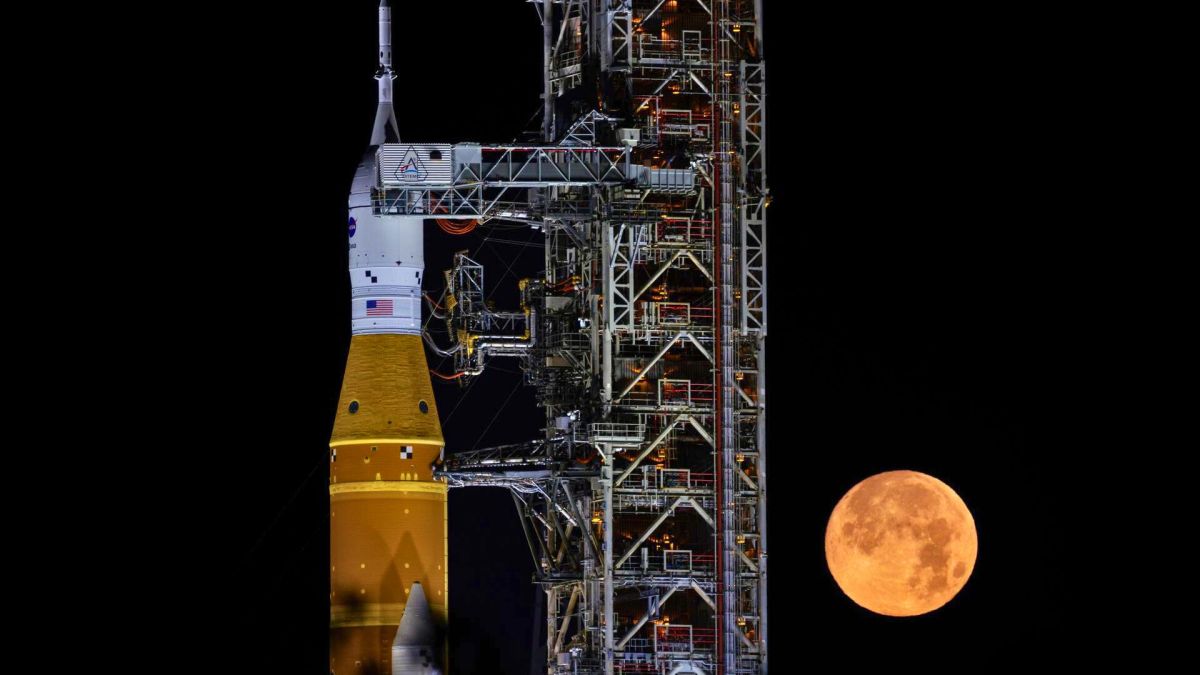
Artémis II : toutes les dates possibles pour le prochain lancement vers la Lune

Le décollage d’Artémis II n'aura pas lieu en février 2026 comme espéré. Après un incident technique lors des derniers tests de la fusée, la mission habitée vers la Lune est officiellement reportée. Mais tout n’est pas remis à zéro pour autant : la Nasa a déjà identifié plusieurs fenêtres de tir au printemps 2026. Voici ce que prévoit désormais le calendrier.

  •  

NASA Delays Artemis II To March

ClickOnThis writes: NASA has delayed the Artemis II launch to March of this year, after a wet dress-rehearsal uncovered a hydrogen leak. From the NASA article: During tanking, engineers spent several hours troubleshooting a liquid hydrogen leak in an interface used to route the cryogenic propellant into the rocket's core stage, putting them behind in the countdown. Attempts to resolve the issue involved stopping the flow of liquid hydrogen into the core stage, allowing the interface to warm up for the seals to reseat, and adjusting the flow of the propellant. Teams successfully filled all tanks in both the core stage and interim cryogenic propulsion stage before a team of five was sent to the launch pad to finish Orion closeout operations. Engineers conducted a first run at terminal countdown operations during the test, counting down to approximately 5 minutes left in the countdown, before the ground launch sequencer automatically stopped the countdown due to a spike in the liquid hydrogen leak rate.

Read more of this story at Slashdot.

  •  
❌