Vue lecture

Startup Plans April Launch for a Satellite to Reflect Sunlight to Earth at Night

A start-up called Reflect Orbital "proposes to use large, mirrored satellites to redirect sunlight to Earth at night," reports the Washington Post, "with plans to bathe solar farms, industrial sites and even entire cities in light that could, if desired, reach the intensity of daylight...." Slashdot noted their idea in 2022 — but Reflect Orbital now expects to launch its first satellite in April, according to the article. "But its grand vision is largely 'aspirational,' as its young founder, Ben Nowack, told me..." Reflect Orbital's Nowack describes a scene right out of sci-fi: An extremely bright star appears on the northern horizon and makes its way across the sky, illuminating a 5-kilometer circle on Earth, then setting on the southern horizon about five minutes later, just as another such "star" appears in the north. To make the night even brighter, a customer could make 10 "stars" appear at once in the north by ordering them on an app. Two such artificial stars are in development in Reflect Orbital's factory. Nowack showed them to me on a Zoom call. The first to launch is 50 feet across, but he plans later to build them three times that size. If all goes according to plan, he'll have 50,000 of them circling the Earth in 2035 at an altitude of around 400 miles. Nowack plans to start selling the service "in mostly developing nations or places that don't have streetlights yet." Eventually, he thinks, he can illuminate major cities, turn solar fields and farms into round-the-clock operations for any business or municipality that pays for it. He likened his technology to the invention of crop irrigation thousands of years ago. "I see this as much the same thing," he said, arguing that people would no longer have to "wait for the sun to shine." The article adds that Elon Musk's SpaceX "wants to launch as many as a million satellites to serve as orbiting data centers — 70 times the number of satellites now in orbit." (America's satellite-regulation Federal Communications Commission grants a "categorical exclusion" from environmental review to satellites on the grounds that their operations "normally do not have significant effects on the human environment.") The public comment periods for the two proposals close on March 6 and March 9.

Read more of this story at Slashdot.

  •  

Startup Plans April Launch for a Satellite Reflect Sunlight to Earth at Night

A start-up called Reflect Orbital "proposes to use large, mirrored satellites to redirect sunlight to Earth at night," reports the Washington Post, "with plans to bathe solar farms, industrial sites and even entire cities in light that could, if desired, reach the intensity of daylight...." Slashdot noted their idea in 2022 — but Reflect Orbital now expects to launch its first satellite in April, according to the article. "But its grand vision is largely 'aspirational,' as its young founder, Ben Nowack, told me..." Reflect Orbital's Nowack describes a scene right out of sci-fi: An extremely bright star appears on the northern horizon and makes its way across the sky, illuminating a 5-kilometer circle on Earth, then setting on the southern horizon about five minutes later, just as another such "star" appears in the north. To make the night even brighter, a customer could make 10 "stars" appear at once in the north by ordering them on an app. Two such artificial stars are in development in Reflect Orbital's factory. Nowack showed them to me on a Zoom call. The first to launch is 50 feet across, but he plans later to build them three times that size. If all goes according to plan, he'll have 50,000 of them circling the Earth in 2035 at an altitude of around 400 miles. Nowack plans to start selling the service "in mostly developing nations or places that don't have streetlights yet." Eventually, he thinks, he can illuminate major cities, turn solar fields and farms into round-the-clock operations for any business or municipality that pays for it. He likened his technology to the invention of crop irrigation thousands of years ago. "I see this as much the same thing," he said, arguing that people would no longer have to "wait for the sun to shine." The article adds that Elon Musk's SpaceX "wants to launch as many as a million satellites to serve as orbiting data centers — 70 times the number of satellites now in orbit." (America's satellite-regulation Federal Communications Commission grants a "categorical exclusion" from environmental review to satellites on the grounds that their operations "normally do not have significant effects on the human environment.") The public comment periods for the two proposals close on March 6 and March 9.

Read more of this story at Slashdot.

  •  

Rubin Observatory Has Started Paging Astronomers 800,000 Times a Night

On February 24th, the Vera C. Rubin Observatory activated its automated alert system, sending out roughly 800,000 real-time notifications flagging asteroids, supernovae, flaring black holes and "other transient celestial events," reports Scientific American. And this is only the beginning -- that number is projected to climb into the millions as it continues scanning the ever-changing sky. From the report: The astronomical observatory equipped with world's largest camera hit a key milestone on February 24, when a complex data-processing system pushed hundreds of thousands of alerts out to scientists eager to pore over its most exciting sightings. The Vera C. Rubin Observatory began operations last year, capturing stunning, panoramic time-lapse views of the cosmos with ease. Rubin's first images, based on just 10 hours of observations, let space fans zoom seemingly forever into an overwhelmingly starry sky. But watchful astronomers were always awaiting the next step: the system that would automatically alert them to the most promising activity in the overhead sky amid the 1,000 or so enormous images that Rubin's telescope captures every night. "We can detect everything that changes, moves and appears," said Yusra AlSayyad, an astronomer at Princeton University and Rubin's deputy associate director for data management, to Scientific American last summer. "It's way too much for one person to manually sift through and filter and monitor themselves." So even as they were designing and building the Rubin Observatory itself, scientists were also designing an alert system to help astronomers navigate the flood of data. As soon as the telescope began observations, the team started constructing a static reference image of the entire sky in impeccable detail. Now the data processing systems that support the observatory are starting to automatically compare every new Rubin image to the corresponding section of that background template. The systems identify all of the differences, each of which is individually flagged. The algorithms can also distinguish between a potential supernova and a possible newfound asteroid, for example. Alerting the scientific community is the final, crucial step. Astronomers -- as well as members of the public -- can sign up for notifications based on the type of sighting they're interested in and the brightness of the observation in question. And now that the alerts system has gone live, users receive a tiny, fuzzy image with some astronomical metadata of each observation that fits their criteria -- all just a couple of minutes after Rubin captures the original image.

Read more of this story at Slashdot.

  •  

Artémis III est-elle une mission trop risquée ? On craint le pire à la NASA

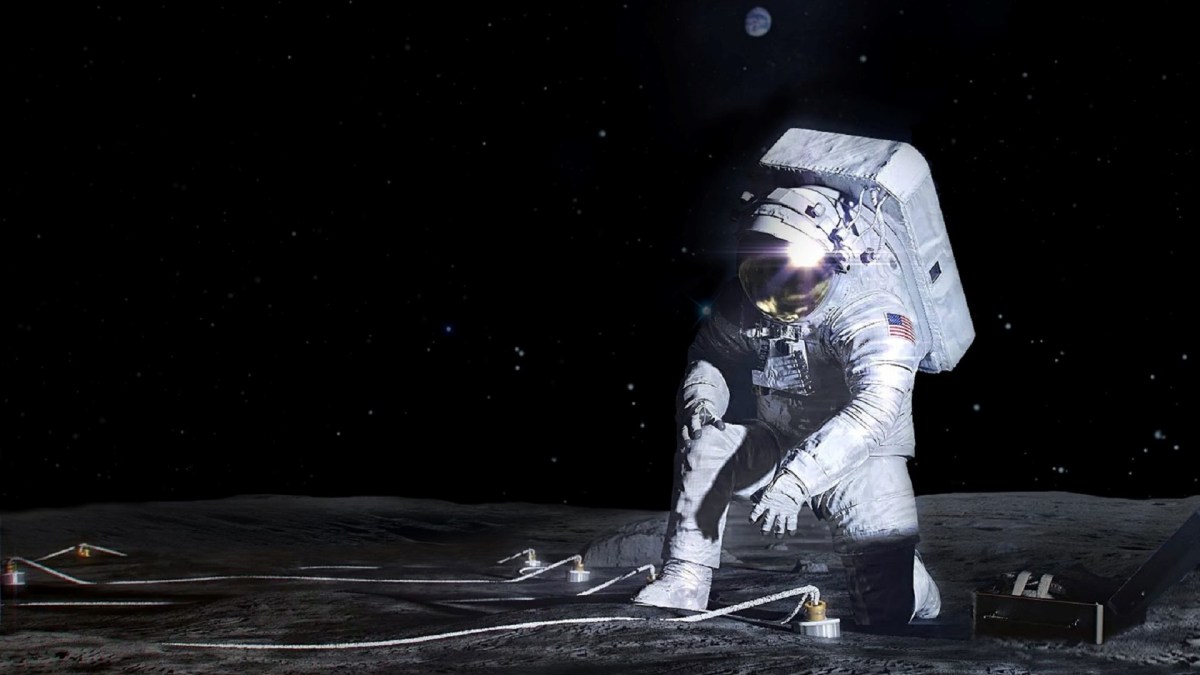
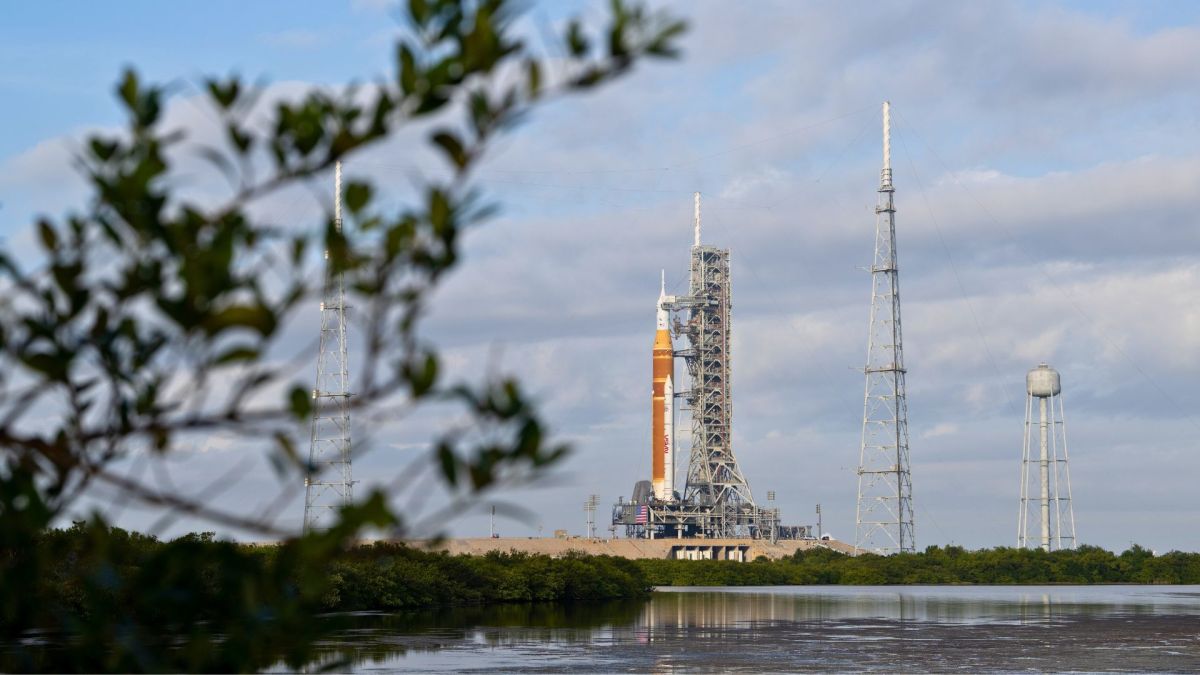
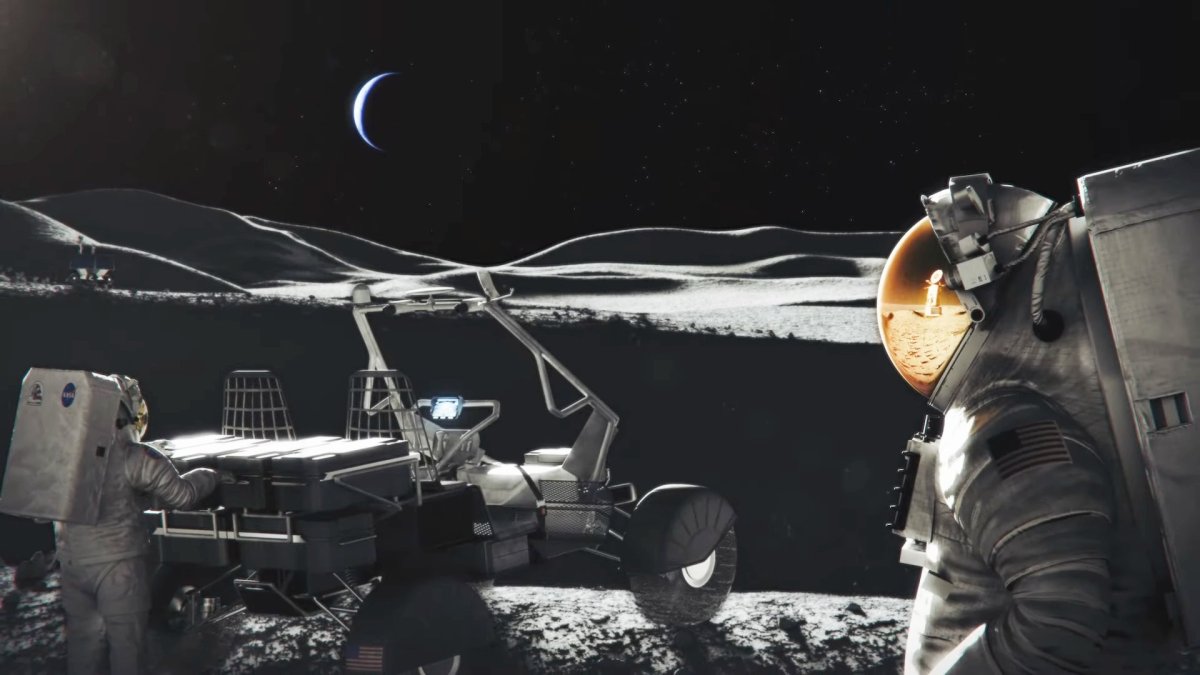
Alors que la mission Artémis II espère décoller pour la Lune d'ici quelques semaines, l'ambiance n'est pas au beau fixe pour la suite du programme. Artémis III, dont l'objectif est de déposer des astronautes sur le satellite, est dans le viseur du comité de sécurité de la NASA, qui craint des failles majeures pour la mission.

  •  

Ce mystérieux vaisseau spatial chinois s’est envolé pour la quatrième fois, et on ne sait toujours pas pourquoi

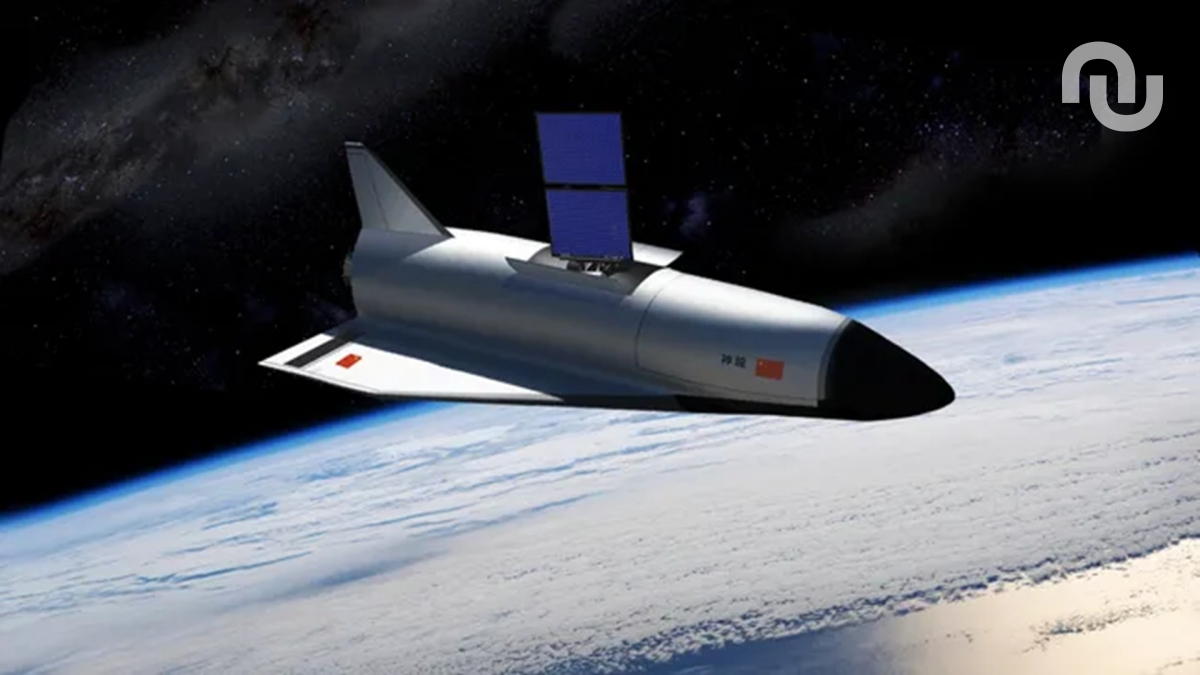
Vue d'artiste du vaisseau Shenlong

Une navette spatiale chinoise est repartie dans l'espace pour la quatrième fois en six ans, mais son objectif n'est toujours pas connu. La Chine évoque de vagues projets scientifiques, mais des observateurs étrangers pensent que l'engin répondrait aussi à des enjeux militaires secrets.

  •  
❌