 Connexion
Ce robot humanoïde ira dans l’espace avant Tom Cruise
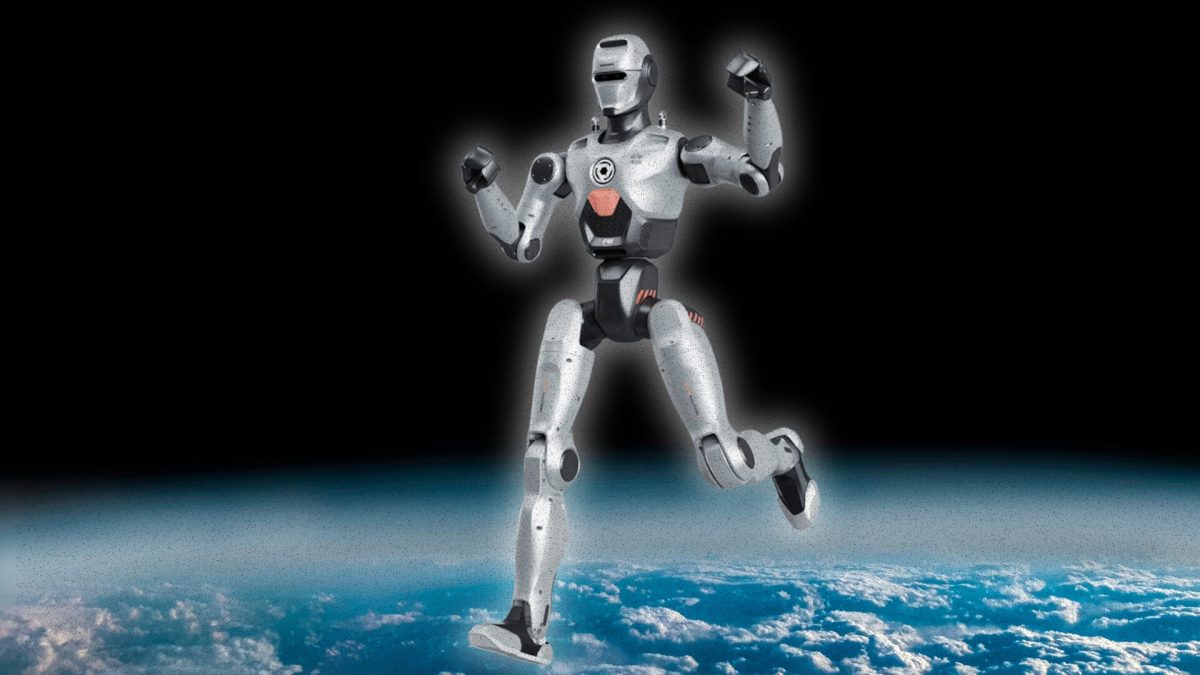
Le fabricant de robots humanoïdes Engine AI ambitionnerait d’envoyer l’un de ses robots dans l’espace, dans le cadre d’un partenariat avec une société chinoise de vol spatial commercial.

Le fabricant de robots humanoïdes Engine AI ambitionnerait d’envoyer l’un de ses robots dans l’espace, dans le cadre d’un partenariat avec une société chinoise de vol spatial commercial.
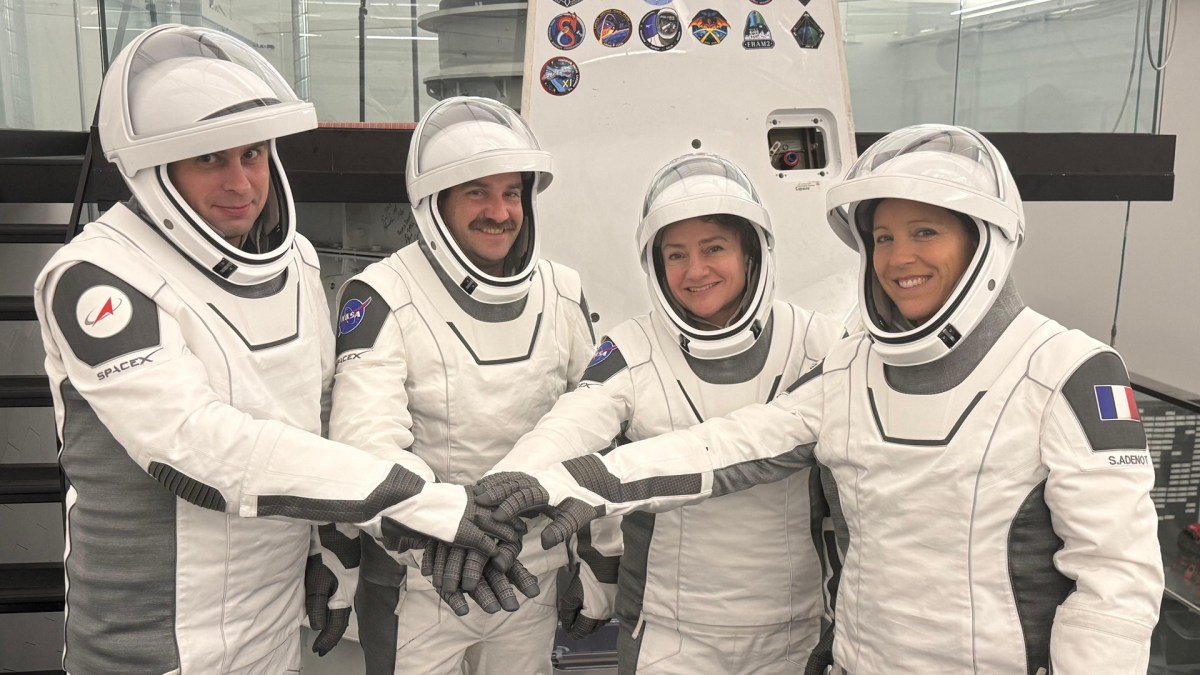
Sophie Adenot a fini ses examens la qualifiant sur la capsule Dragon de SpaceX. La majorité de son entrainement est achevée, mais ce ne sont pas les vacances pour autant avant le décollage. Sa préparation évolue, en raison notamment d'impératifs sanitaires.

Des travaux de l'Antiquité grecque visant à dresser une carte des étoiles ont été retrouvés et des chercheurs ont pu les décoder. Cette plongée inédite dans les prémices de l'astronomie doit beaucoup aux techniques scientifiques modernes qui permettent de fouiller dans les documents au niveau atomique.

De l'actualité spatiale, astronomique et technologique dans ce petit récapitulatif de la semaine !
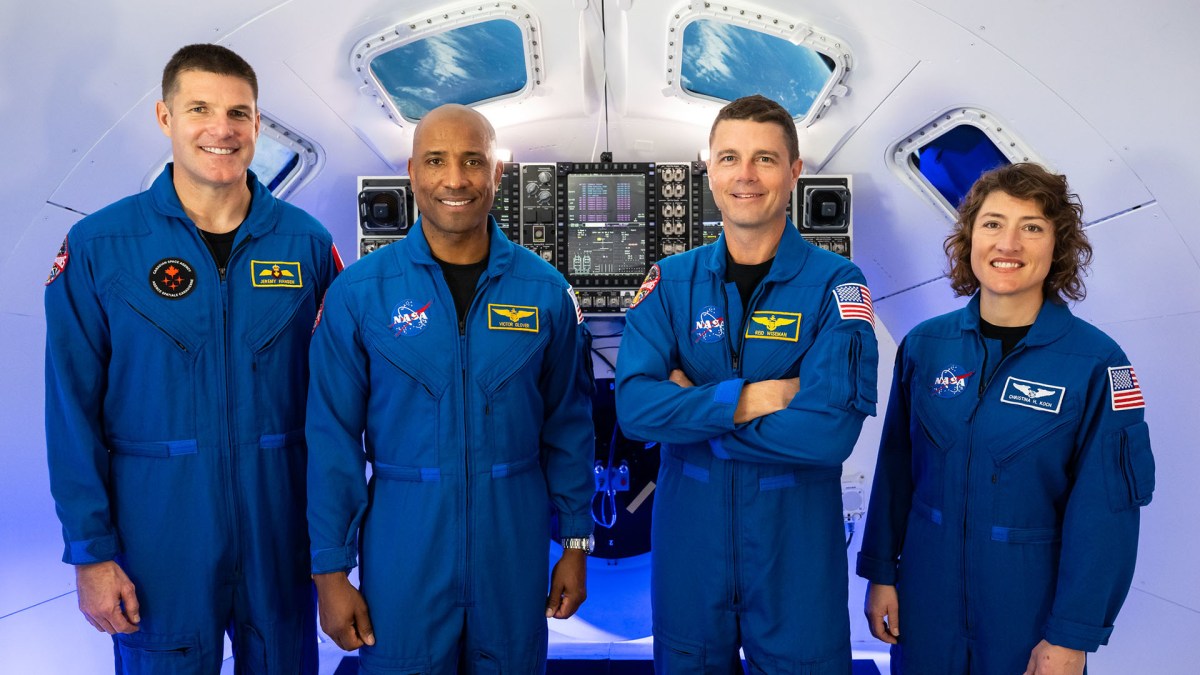
La mission Artémis II autour de la Lune est un voyage d'environ dix jours, avec quatre astronautes à bord de la capsule Orion. La Nasa a détaillé les grandes étapes de cette odyssée.


Read more of this story at Slashdot.
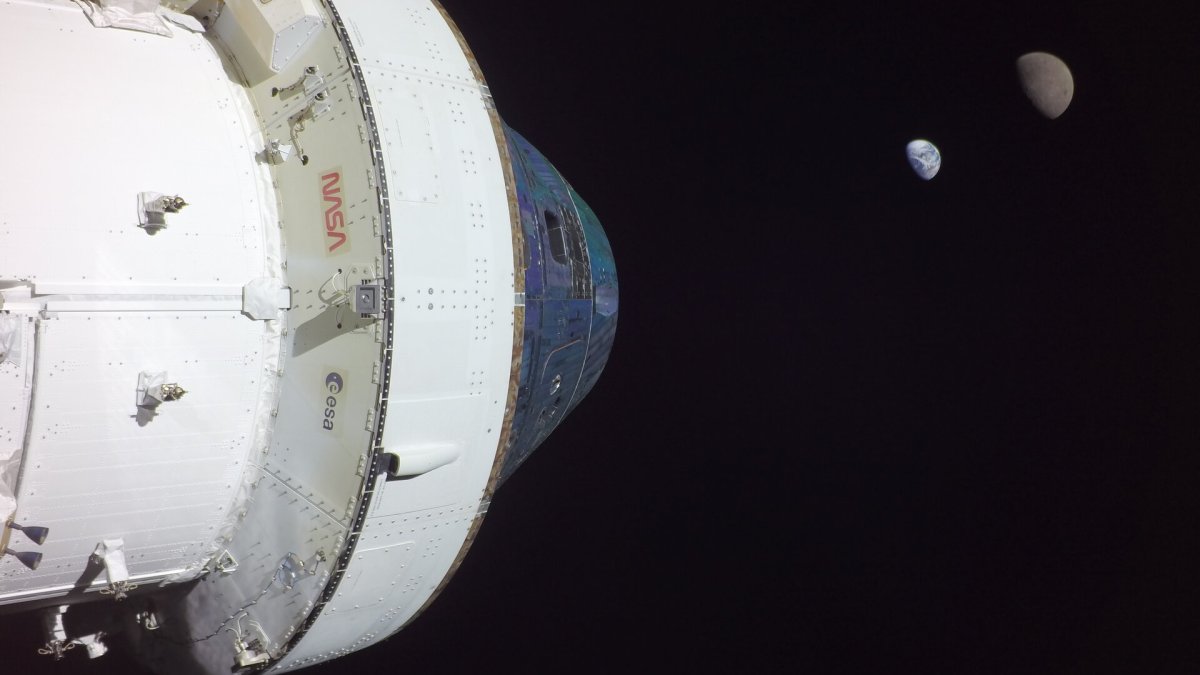
La mission lunaire Artémis II est un moment emblématique de l'histoire spatiale américaine. Quitte à oublier que le projet est également porté par l'Europe, notamment via un module d'Orion, essentiel pour le déroulement du voyage, et construit par différentes entreprises européennes.
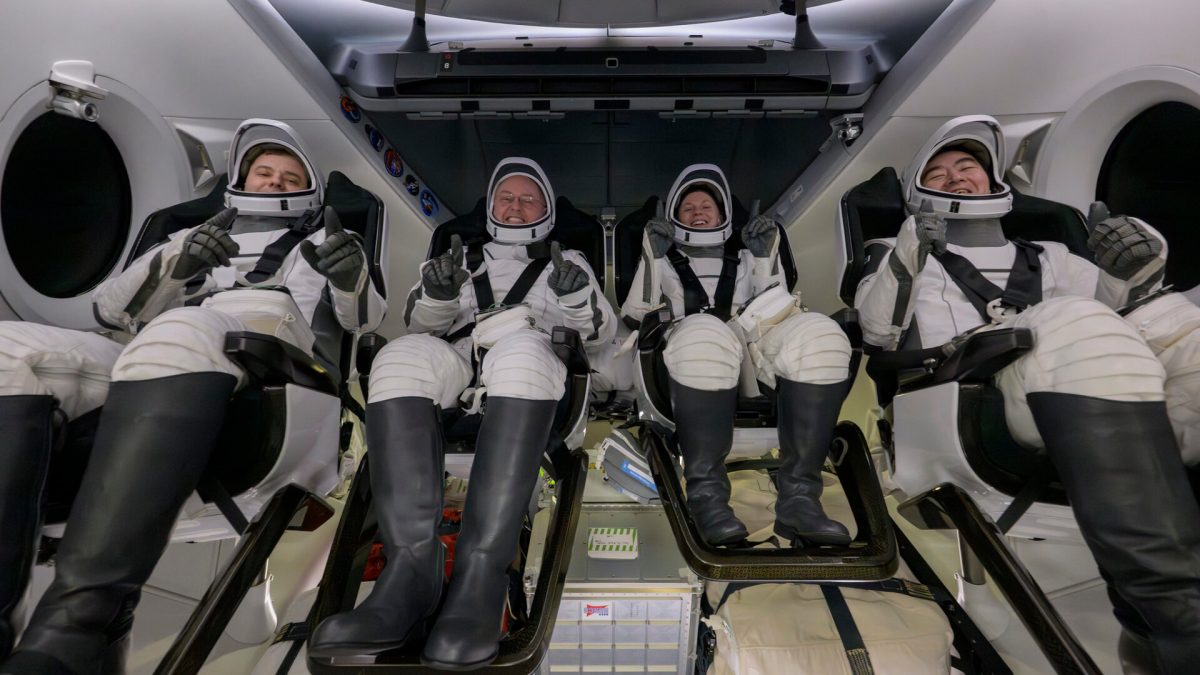
Rentrés d'urgence de l’ISS pour raison médicale, les astronautes de Crew-11 voient dans cette première historique une preuve de la robustesse des procédures spatiales. Mais derrière ce satisfecit, l’incident rappelle surtout que le filet de sécurité de l’orbite basse n’existera plus une fois en route vers Mars.

L'entreprise spatiale Blue Origin vise une constellation de 5 400 satellites qui serait déployée d'ici à 2027. De quoi concurrencer SpaceX et ses Starlink dans ce secteur très convoité de l'internet par satellite.
La mission Artémis II autour de la Lune est un voyage d'environ dix jours, avec quatre astronautes à bord de la capsule Orion. La Nasa a détaillé les grandes étapes de cette odyssée.
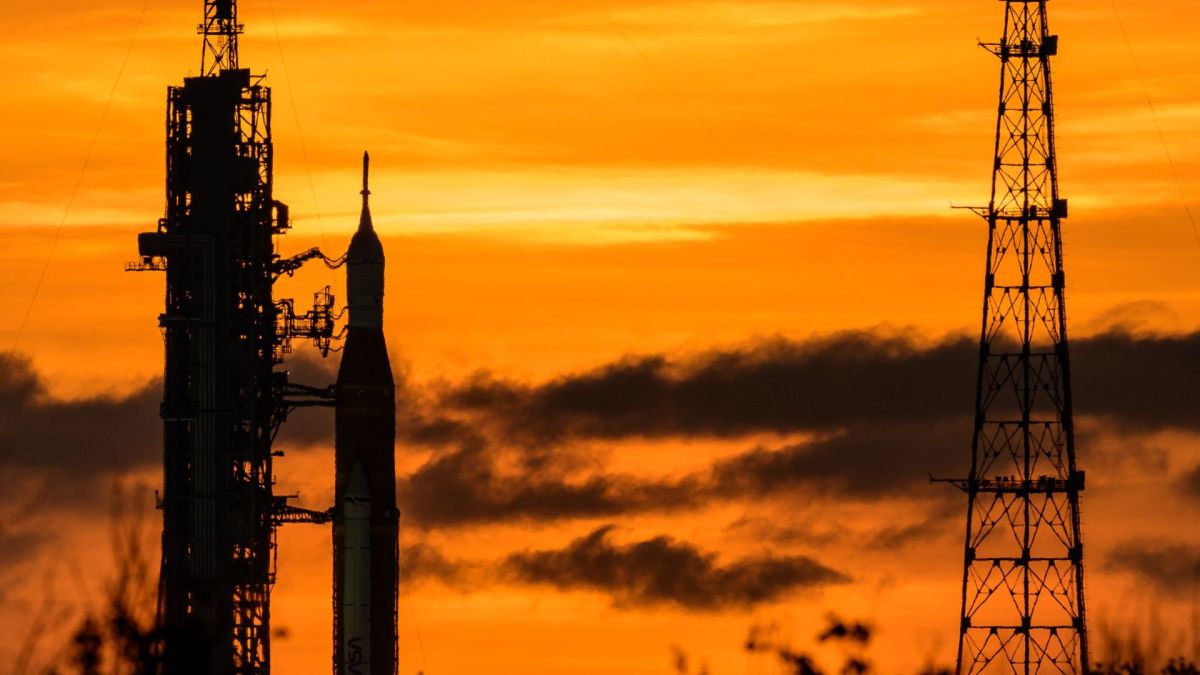
En théorie, le lancement de la mission Artémis II vers la Lune aura lieu le 6 février 2026 au plus tôt. Mais l'agence spatiale américaine (Nasa) rappelle qu'il y a tellement de paramètres à prendre en compte que le tir a des chances d'être décalé. Heureusement, il y a plusieurs autres créneaux de tir.
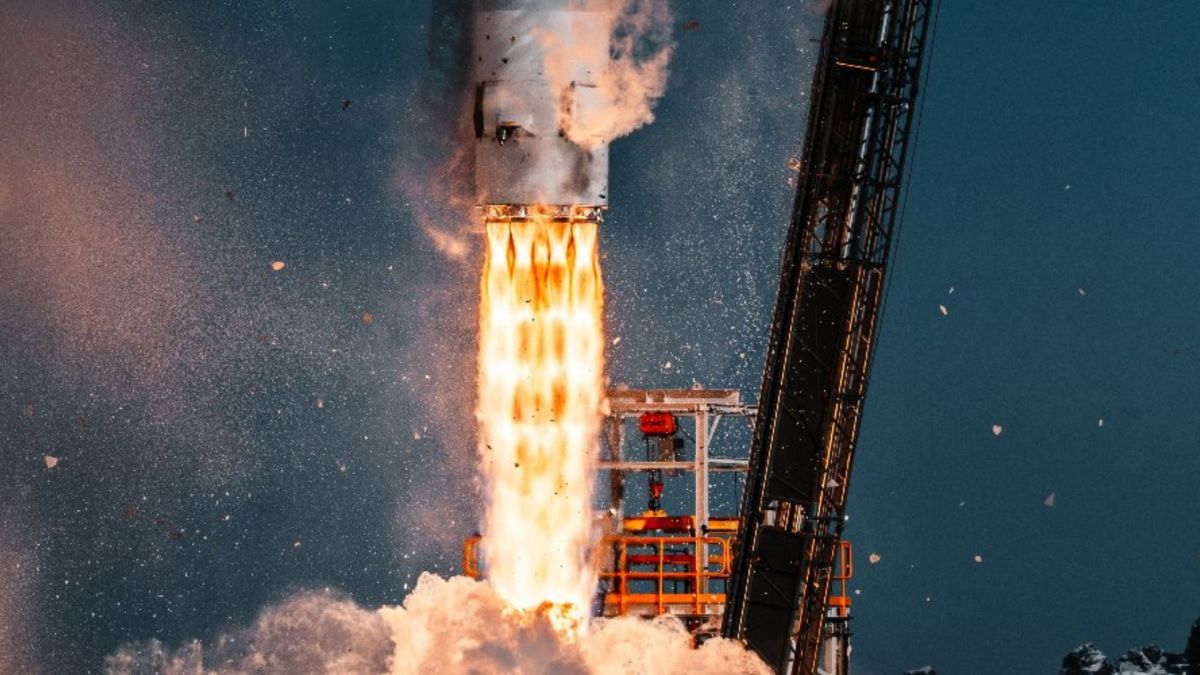
Dix mois après l’échec de son vol inaugural, la fusée Spectrum est de retour sur le pas de tir. La startup allemande Isar Aerospace espère réussir ce mercredi 21 janvier 2026 une première historique : un vol orbital depuis l’Europe continentale. Le lancement est à suivre en direct.
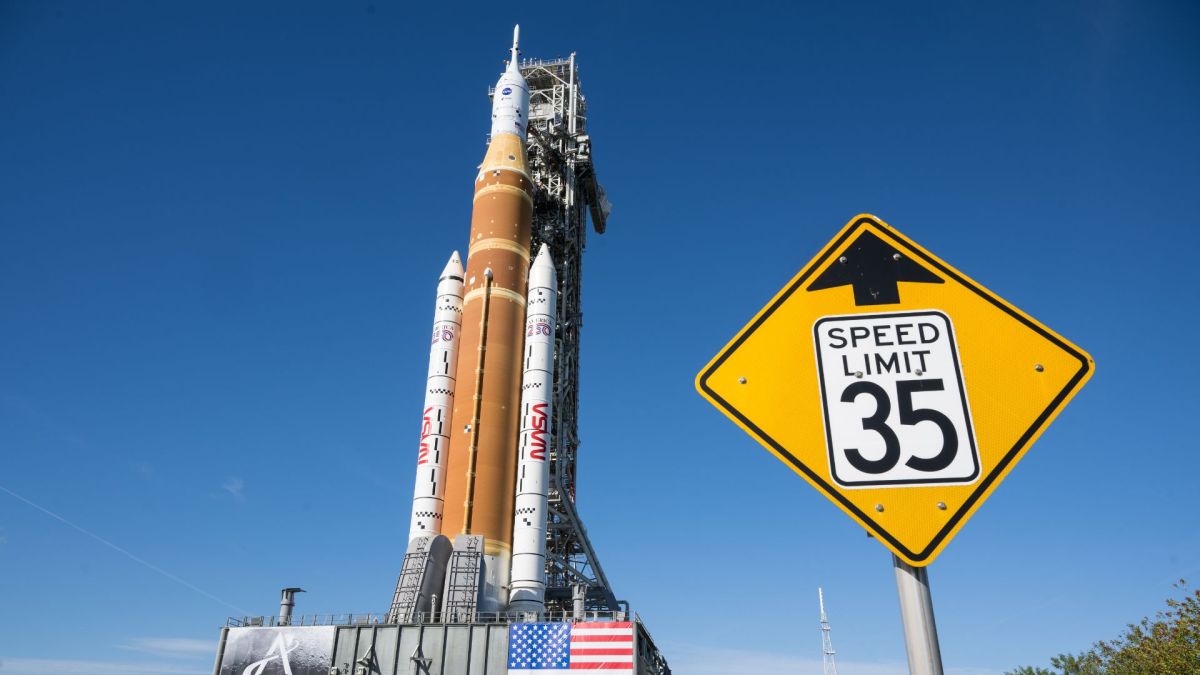
Pour la première fois depuis plus d'un demi-siècle, un équipage va se rendre à proximité de la Lune. Cependant, les astronautes à bord de la mission Artémis II ne se poseront pas pour autant sur notre satellite. La Nasa garde cette étape pour le prochain voyage avec Artémis III. Mais pourquoi attendre ?

L'équipage de Shenzhou 20, rentré plus tôt avec une autre capsule, a récemment donné une conférence de presse permettant d'avoir un descriptif de l'impact qui a fragilisé le hublot de l'engin.
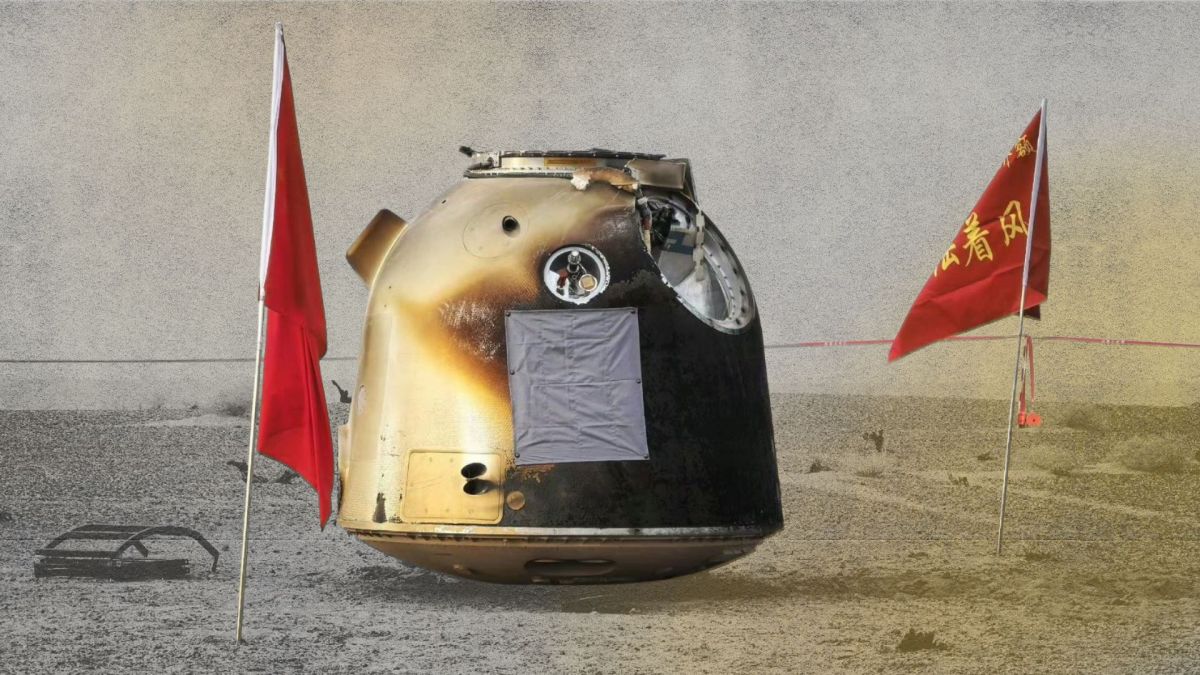
Clap de fin pour la capsule fragilisée. Jugée inapte au vol habité après une collision avec un débris spatial, Shenzhou 20 a réussi son retour sur Terre à vide, ce lundi 19 janvier 2026. Une prouesse technique qui valide les réparations effectuées en orbite et referme trois mois de gestion de crise pour la Chine.
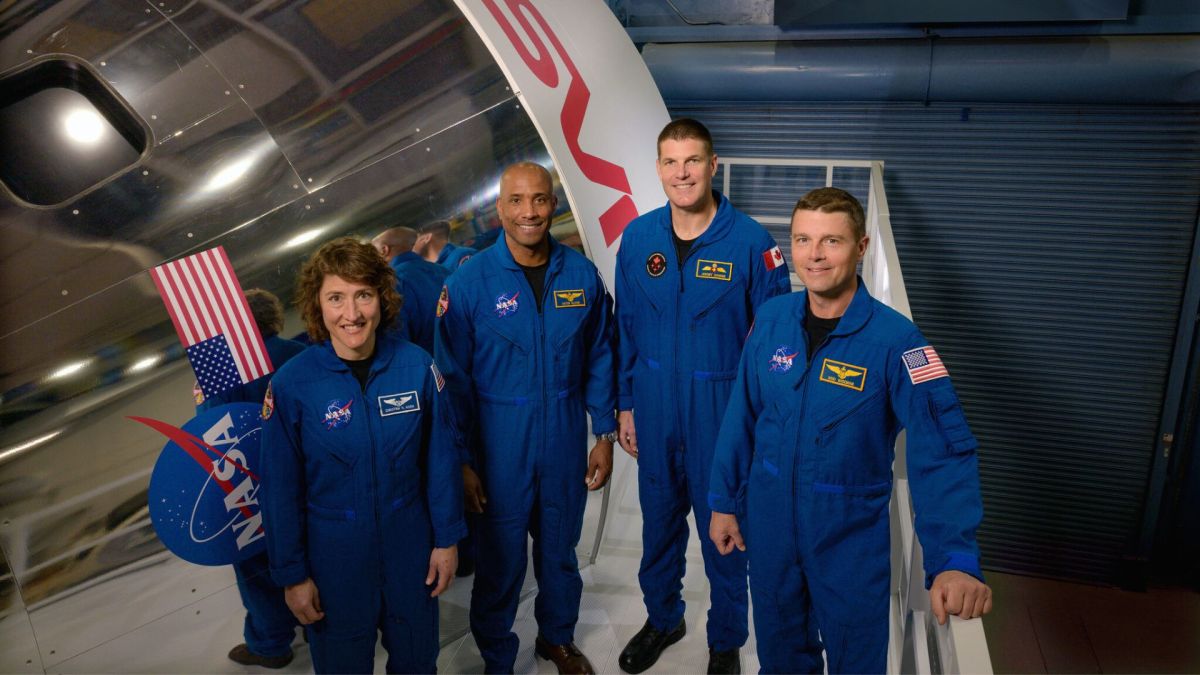
Plus que 24 heures pour envoyer votre nom autour de la Lune, avec Artémis II ! À défaut de rejoindre physiquement les astronautes pour ce tour de la Lune, vous pouvez en effet les accompagner par la pensée, et virtuellement. Attention, c'est votre toute dernière chance.
Plus que 24 heures pour envoyer votre nom autour de la Lune, avec Artémis II ! À défaut de rejoindre physiquement les astronautes pour ce tour de la Lune, vous pouvez en effet les accompagner par la pensée, et virtuellement. Attention, c'est votre toute dernière chance.

Une des missions spatiales les plus attendues de l'année 2026 approche à grands pas. Artémis II doit décoller d'ici début février, et déjà, la fusée SLS qui mettra l'équipage en orbite est sortie sur son pas de tir, au Kennedy Space Center.
Clap de fin pour la capsule fragilisée. Jugée inapte au vol habité après une collision avec un débris spatial, Shenzhou 20 a réussi son retour sur Terre à vide, ce lundi 19 janvier 2026. Une prouesse technique qui valide les réparations effectuées en orbite et referme trois mois de gestion de crise pour la Chine.
Read more of this story at Slashdot.
