Vue lecture

Former Google CEO Plans To Singlehandedly Fund a Hubble Telescope Replacement

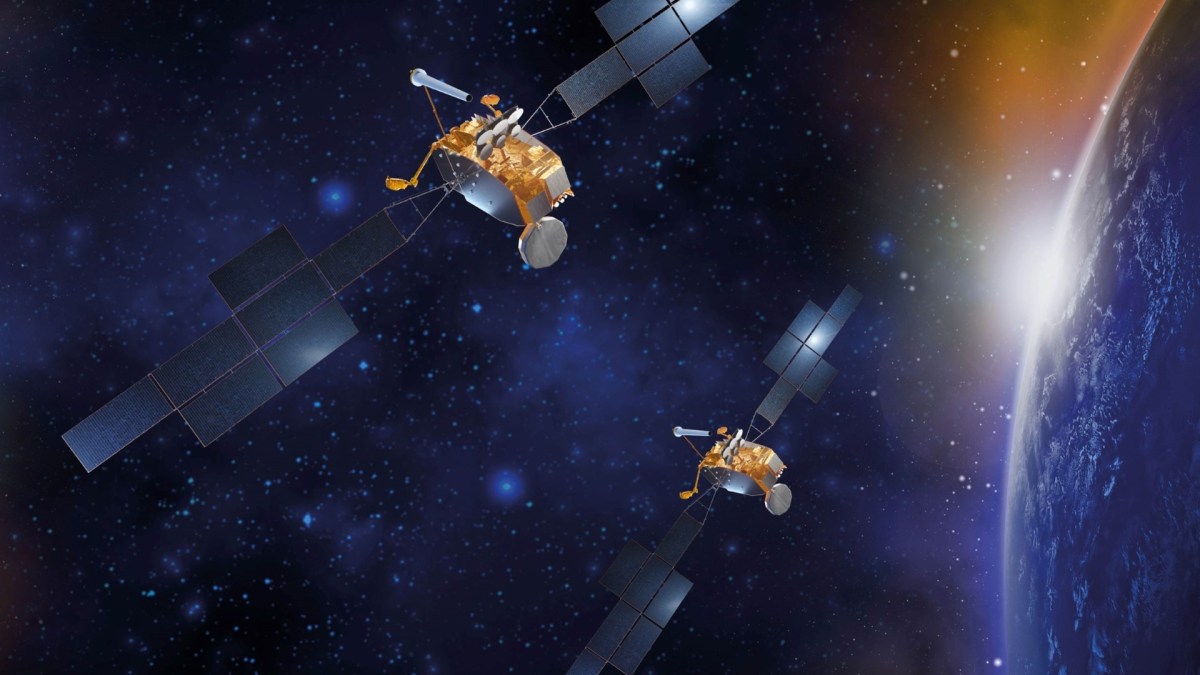
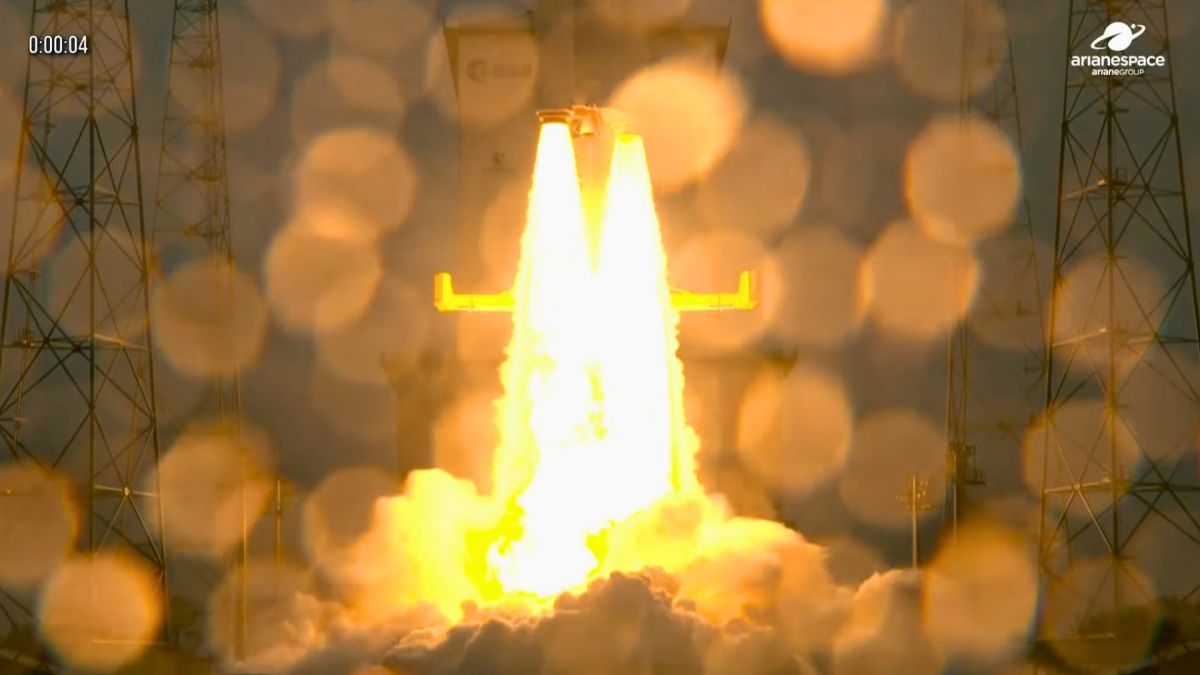
An anonymous reader shares a report: Prior to World War II the vast majority of telescopes built around the world were funded by wealthy people with an interest in the heavens above. However, after the war, two significant developments in the mid-20th century caused the burden of funding large astronomical instruments to largely shift to the government and academic institutions. First, as mirrors became larger and larger to see deeper into the universe, their costs grew exponentially. And then, with the advent of spaceflight, the expense of space-based telescopes expanded even further. But now the tide may be turning again. On Wednesday evening, former Google CEO Eric Schmidt and his wife, Wendy, announced a major investment in not just one telescope project, but four. Each of these new telescopes brings a novel capability online; however, the most intriguing new instrument is a space-based telescope named Lazuli. This spacecraft, if successfully launched and deployed, would offer astronomers a more capable and modern version of the Hubble Space Telescope, which is now three decades old. A billionaire with a keen interest in science and technology, Schmidt and his wife did not disclose the size of his investment in the four telescopes, which collectively will be known as the Schmidt Observatory System. However, it likely is worth half a billion dollars, at a minimum.

Read more of this story at Slashdot.
  •  

Mystère médical dans l’espace : la Nasa annule une sortie spatiale à cause d’un astronaute malade

iss astronaute

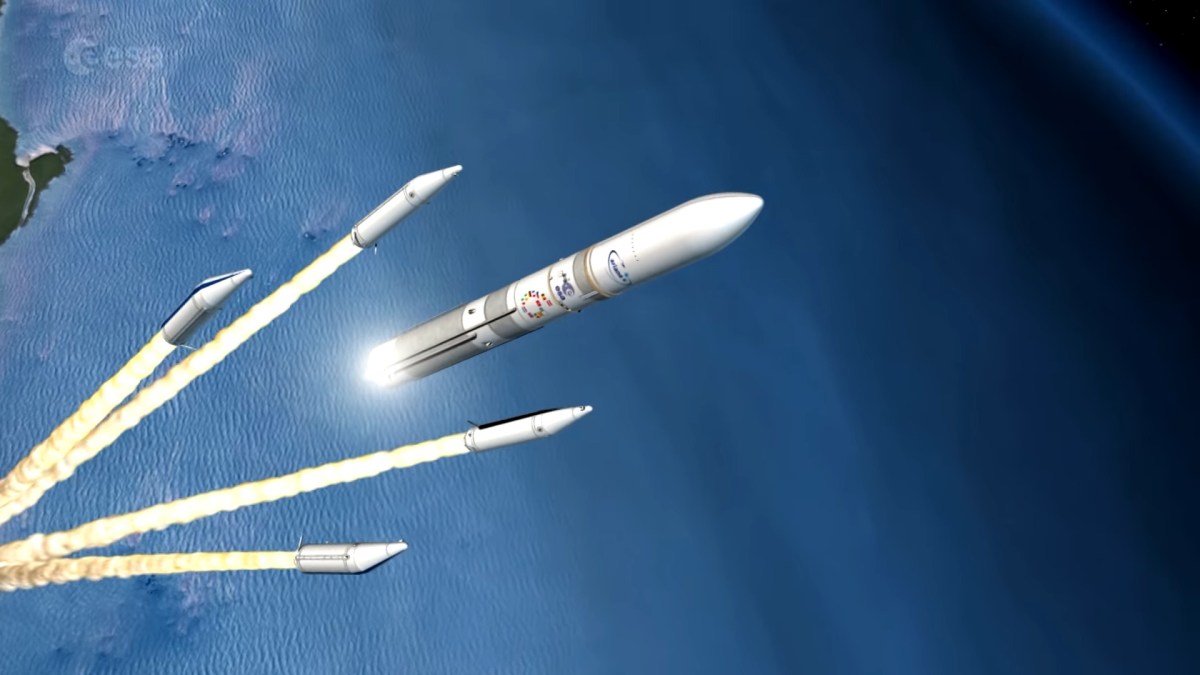
Une agitation rare se déroule dans la Station spatiale internationale. La Nasa a révélé qu'en raison de l'état de santé d'un des astronautes, la sortie extra-véhiculaire prévue aujourd'hui était reportée. L'agence se veut rassurante, et des procédures sont prévues pour faire face à ces situations.

  •  

Rubin Observatory Spots an Asteroid That Spins Fast Enough To Set a Record

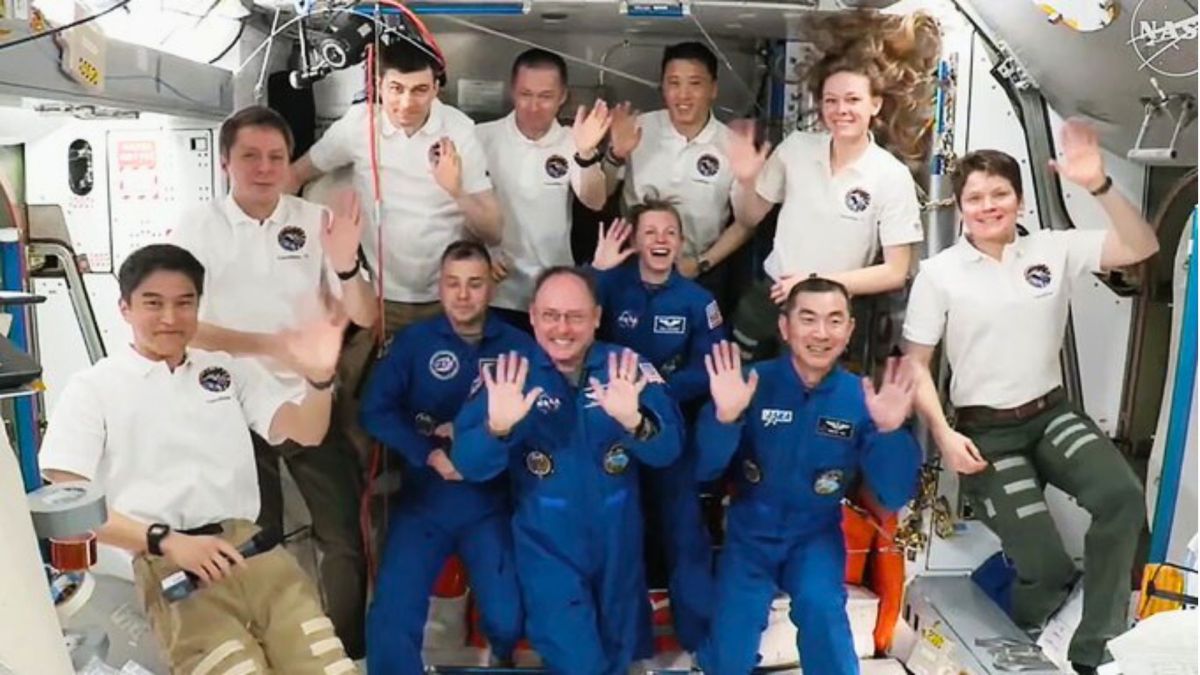
Astronomers using the Vera C. Rubin Observatory have discovered a record-setting asteroid, known as 2025 MN45, nearly half a mile wide and spinning once every 1.88 minutes -- the fastest known rotation for an object of its size. "This is now the fastest-spinning asteroid that we know of, larger than 500 meters," said Sarah Greenstreet, University of Washington astronomer and lead author of the study. The findings have been published in the The Astrophysical Journal Letters. GeekWire reports: 2025 MN45 is one of more than 2,100 solar system objects that were detected during the observatory's commissioning phase. Over time, the LSST Camera tracked variations in the light reflected by those objects. Greenstreet and her colleagues analyzed those variations to determine the size, distance, composition and rate of rotation for 76 asteroids, all but one of which are in the main asteroid belt between the orbits of Mars and Jupiter. (The other asteroid is a near-Earth object.) The team found 16 "super-fast rotators" spinning at rates ranging between 13 minutes and 2.2 hours per revolution -- plus three "ultra-fast rotators," including 2025 MN45, that make a full revolution in less than five minutes. Greenstreet said 2025 MN45 appears to consist of solid rock, as opposed to the "rubble pile" material that most asteroids are thought to be made of. "We also believe that it's likely a collisionary fragment of a much larger parent body that, early in the solar system's history, was heated enough that the material internal to it melted and differentiated," Greenstreet said. She and her colleagues suggest that the primordial collision blasted 2025 MN45 from the dense core of the parent body and sent it whirling into space.

Read more of this story at Slashdot.
  •  

Study Casts Doubt on Potential For Life on Jupiter's Moon Europa

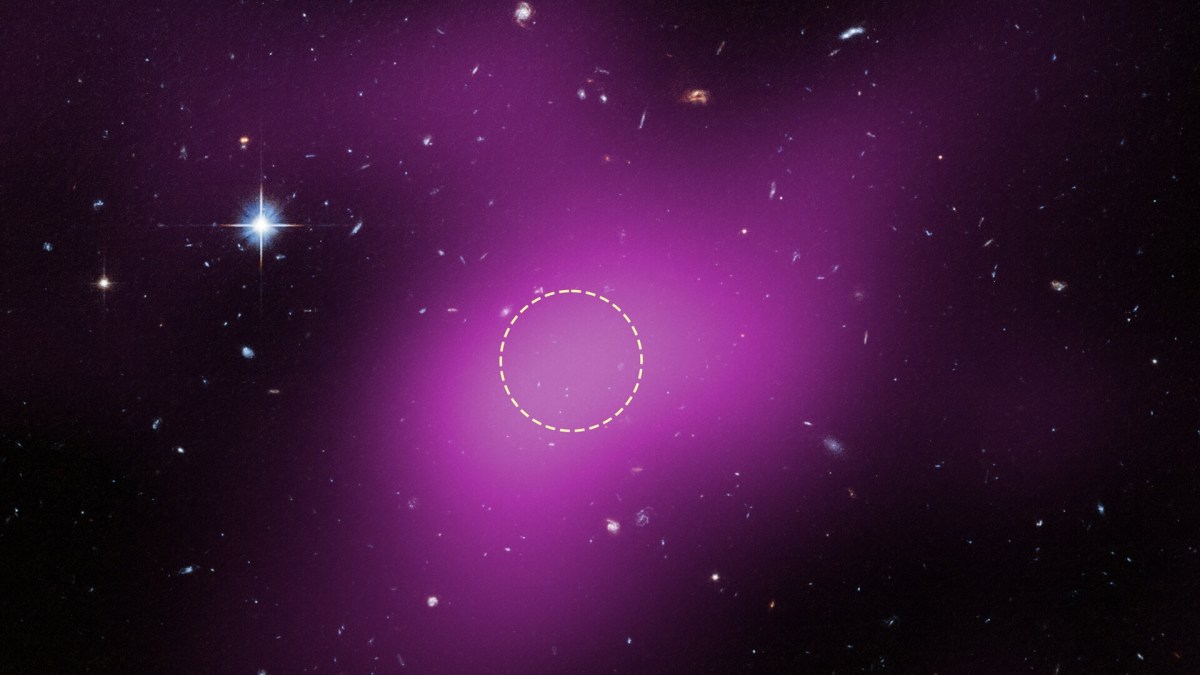
Jupiter's moon Europa is on the short list of places in our solar system seen as promising in the search for life beyond Earth, with a large subsurface ocean thought to be hidden under an outer shell of ice. But new research is raising questions about whether Europa in fact has what it takes for habitability. Reuters: The study assessed the potential on Europa's ocean bottom for tectonic and volcanic activity, which on Earth facilitate interactions between rock and seawater that generate essential nutrients and chemical energy for life. After modeling Europa's conditions, the researchers concluded that its rocky seafloor is likely mechanically too strong to allow such activity. The researchers considered factors including Europa's size, the makeup of its rocky core and the gravitational forces exerted by Jupiter, the solar system's largest planet. Their evaluation that there probably is little to no active faulting at Europa's seafloor suggests this moon is barren of life. "On Earth, tectonic activity such as fracturing and faulting exposes fresh rock to the environment where chemical reactions, principally involving water, generate chemicals such as methane that microbial life can use," said planetary scientist Paul Byrne of Washington University in St. Louis, lead author of the study published on Tuesday in the journal Nature Communications. "Without such activity, those reactions are harder to establish and sustain, making Europa's seafloor a challenging environment for life," Byrne added.

Read more of this story at Slashdot.
  •  

Capture de Maduro : SpaceX active Starlink d’urgence au Venezuela dans des circonstances floues

starlink maduro venezuela

L'opération militaire des États-Unis au Venezuela, qui a mené à la capture de Nicolás Maduro le 3 janvier 2026, a aussi perturbé les accès à Internet à Caracas. En réponse, SpaceX a annoncé l'activation de Starlink. Une manœuvre inédite, car le service n'a théoriquement aucune existence légale dans le pays.

  •  

SpaceX Lowering Orbits of 4,400 Starlink Satellites for Safety's Sake

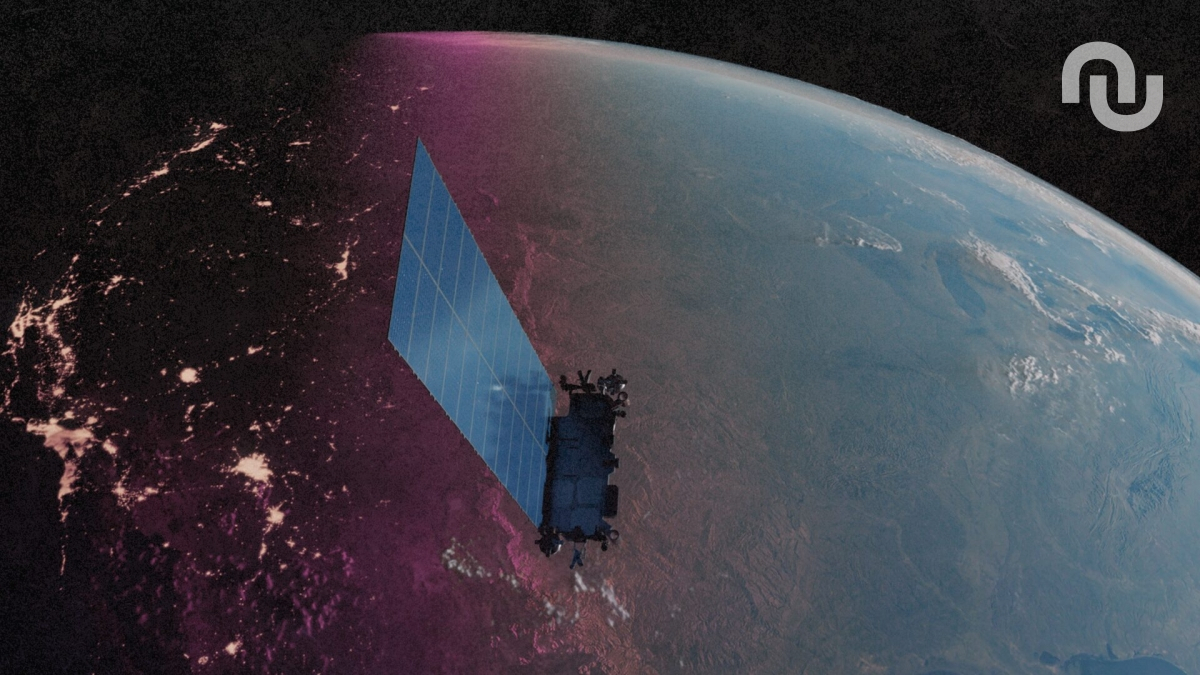
"Starlink is beginning a significant reconfiguration of its satellite constellation focused on increasing space safety," announced Michael Nicolls, Starlink's vice president of engineering: "We are lowering all Starlink satellites orbiting at ~550 km to ~480 km (~4400 satellites) over the course of 2026. The shell lowering is being tightly coordinated with other operators, regulators, and USSPACECOM. Lowering the satellites results in condensing Starlink orbits, and will increase space safety in several ways... Starlink satellites have extremely high reliability, with only 2 dead satellites in its fleet of over 9000 operational satellites. Nevertheless, if a satellite does fail on orbit, we want it to deorbit as quickly as possible. These actions will further improve the safety of the constellation, particularly with difficult to control risks such as uncoordinated maneuvers and launches by other satellite operators. But orbits are being lowered for another reason (besides quick de-orbiting), notes Space.com. Within the next four years the period of least solar activity is expected, a period which coincides with decreased atmospheric density, Nicolls added, "which means the ballistic decay time at any given altitude increases." [Bringing the satellites lower] will mean a >80% reduction in ballistic decay time in solar minimum, or 4+ years reduced to a few months," Nicolls wrote in his X post. "Correspondingly, the number of debris objects and planned satellite constellations is significantly lower below 500 km, reducing the aggregate likelihood of collision...." The downward migration in 2026 involves roughly half of SpaceX's Starlink megaconstellation, which currently consists of nearly 9,400 operational spacecraft (though that number is always growing).

Read more of this story at Slashdot.
  •  

L’Agence Spatiale Européenne annonce un « incident de cybersécurité » et fait face aux menaces d’un hacker

Le 30 décembre 2025, l'Agence Spatiale Européenne (ESA) a annoncé avoir été informée d'un incident de cybersécurité affectant des serveurs situés hors de son réseau. Peu d'informations ont été communiquées sur les causes de cet incident, l'enquête est toujours en cours.

  •  
❌