Vue lecture

Artemis II Astronauts Break Apollo Record For Farthest Distance Humans Have Traveled From Earth

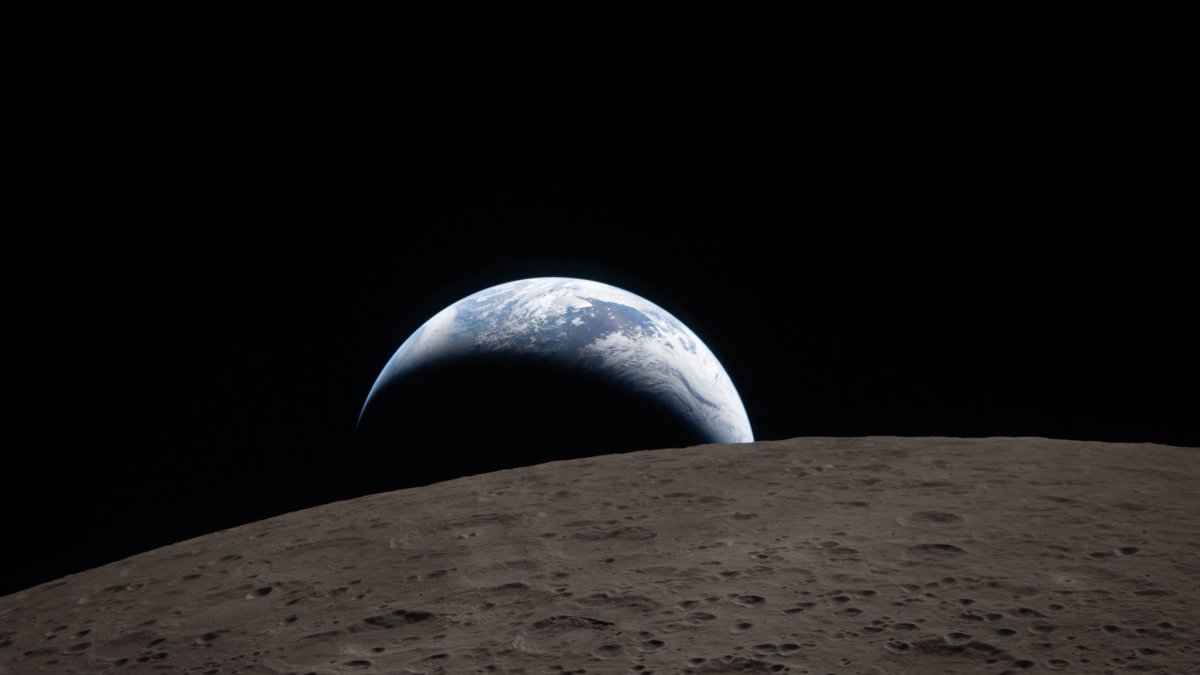
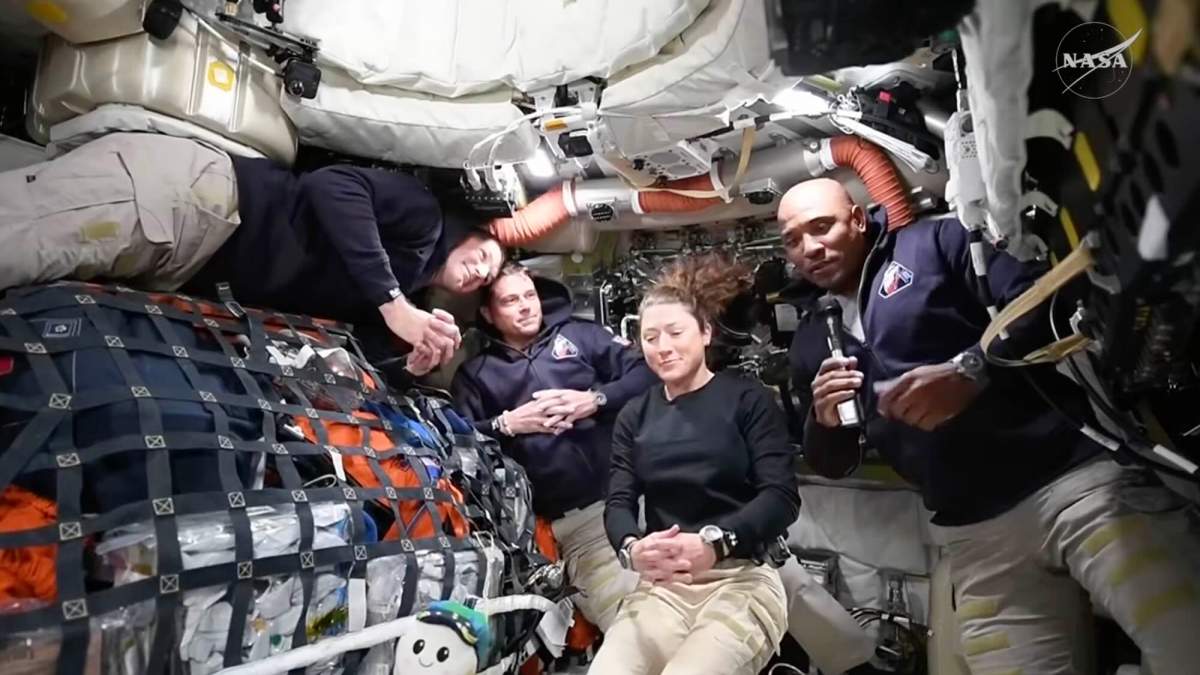
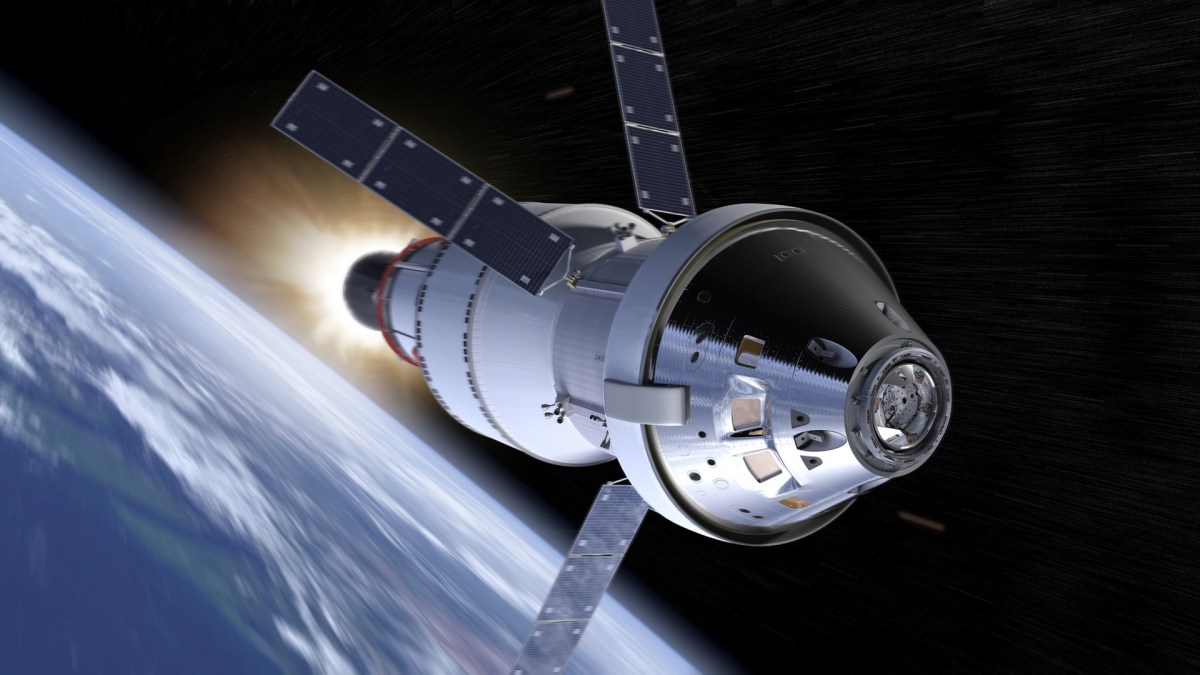
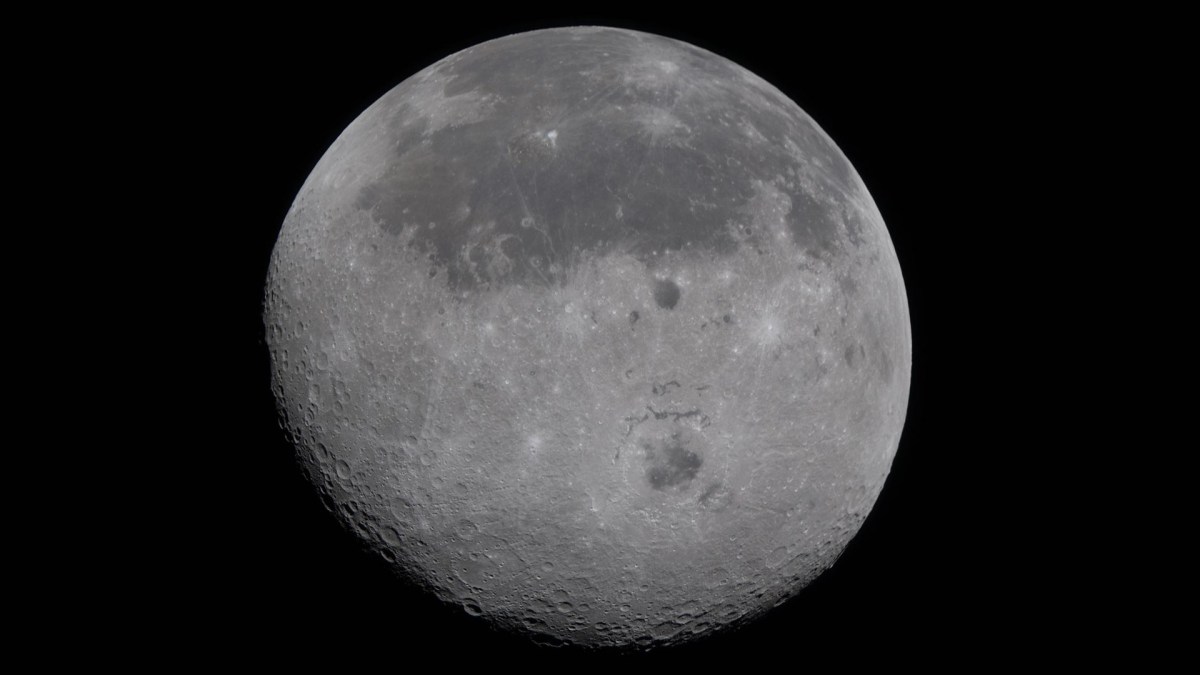
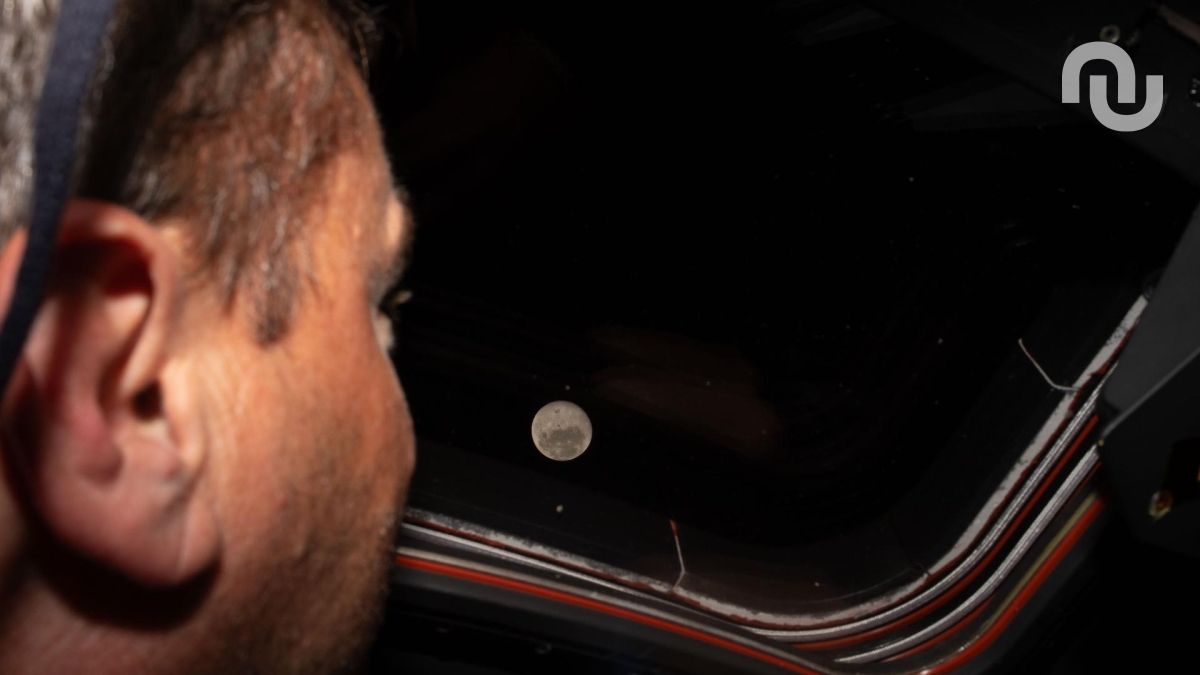
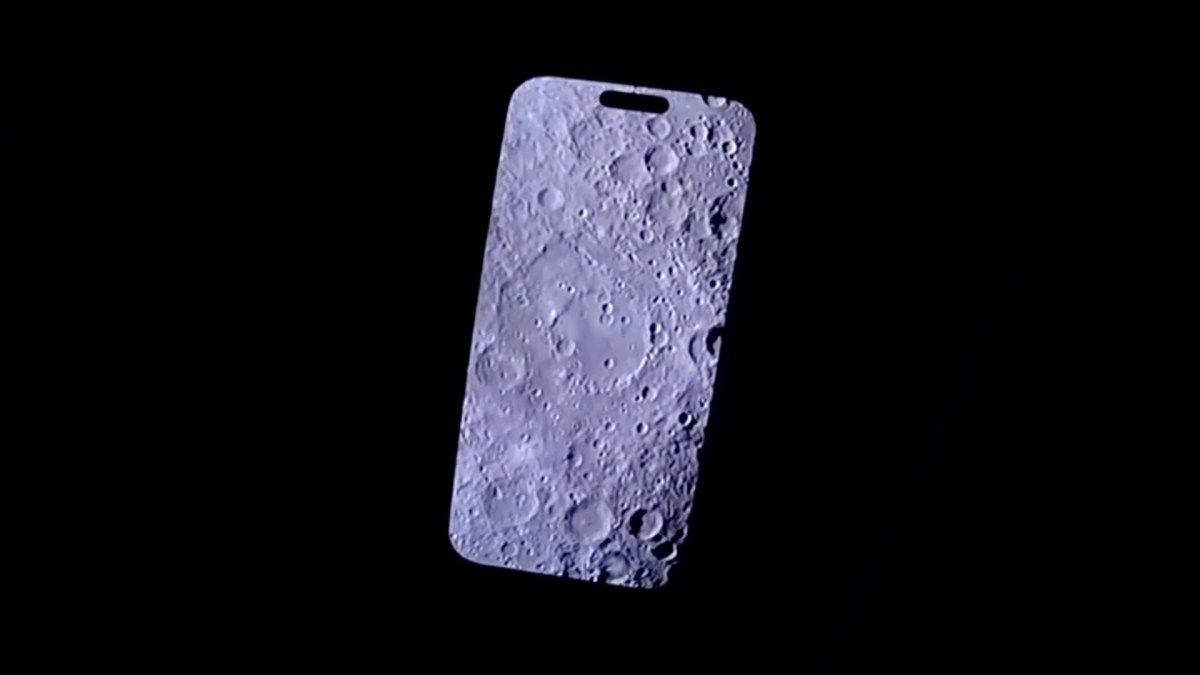
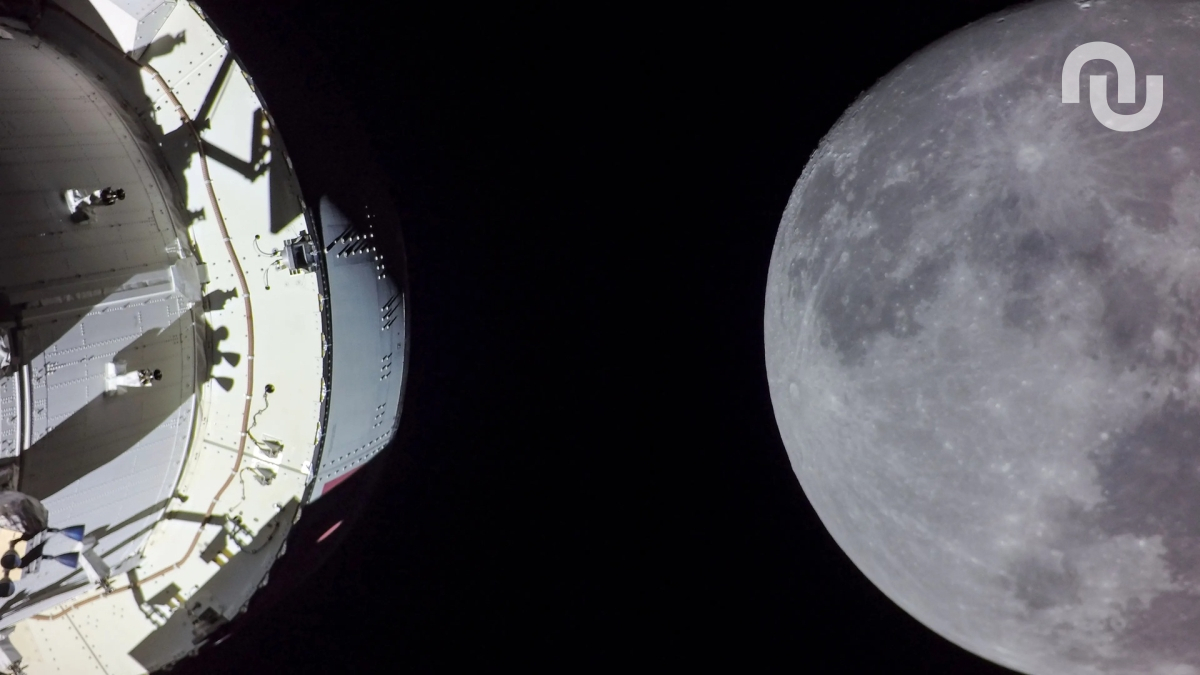
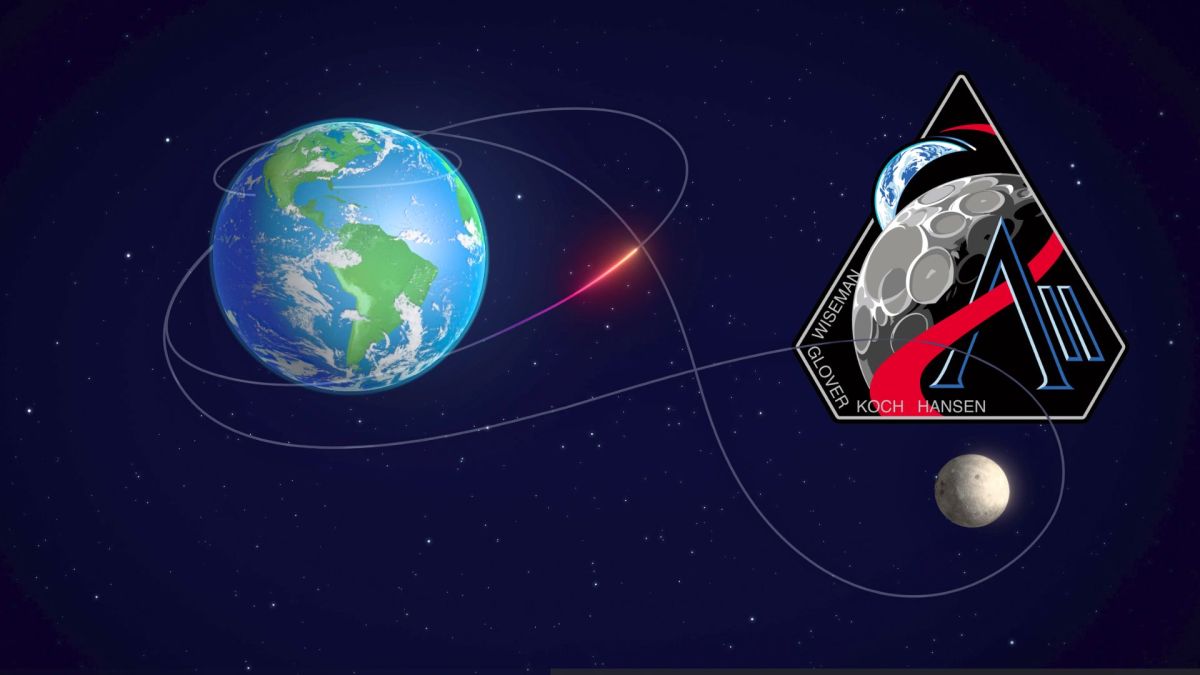
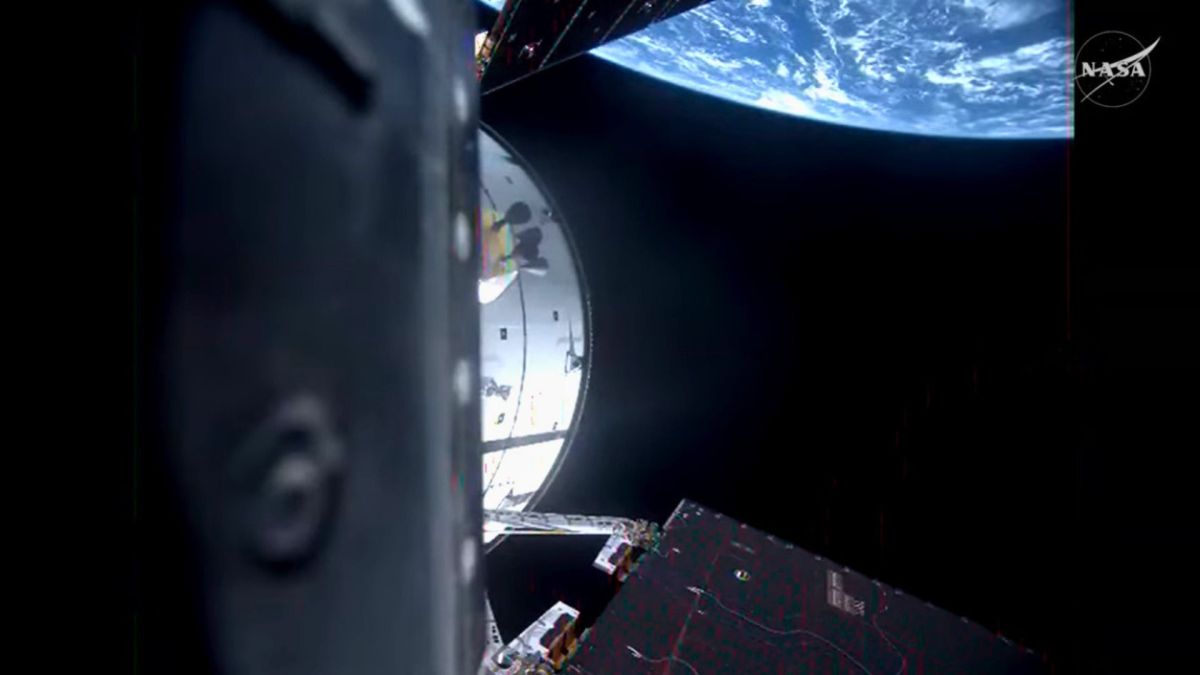
Artemis II has broken the Apollo 13 record for the farthest distance humans have ever traveled from Earth. NASA reports: The Artemis II crew of NASA astronauts Reid Wiseman, Victor Glover, and Christina Koch, along with CSA (Canadian Space Agency) astronaut Jeremy Hansen have set the record for the farthest distance from Earth traveled by a human mission, surpassing the Apollo 13 record of 248,655 miles set in 1970. NASA Flight Director Brandon Lloyd, Capsule Communicator Amy Dill, and Command and Handling Data Officer Brandon Borter also marked a lighthearted milestone today by emailing the crew what is now assumed to be the longest person-to-person message ever sent in human history. After breaking the record for human spaceflight, crew also took a moment to provisionally name a couple of craters on the Moon, noting they were able to see them with their naked eye. Just northwest of Orientale basin highlighted above is a crater they would like to name Integrity after their spacecraft and this historic mission. Just northeast of Integrity, on the near and far side boundary, and sometimes visible from Earth, the crew suggested Carroll crater in honor of Reid Wiseman's late wife, Carroll Taylor Wiseman. After this mission is complete, the crater name proposals will be formally submitted to the International Astronomical Union, the organization that governs the naming of celestial bodies and their surface features. On April 1, NASA successfully launched humanity's first crewed trip around the Moon in more than 50 years. A couple of days into the mission, attention turned to a more mundane problem when reports said the astronauts had access to "two Microsoft Outlooks" and neither was working properly. By April 4, the crew had passed 100,000 miles from Earth as they continued deeper into space, and by April 6, they had entered the Moon's gravitational pull and caught their first views of the lunar far side.

Read more of this story at Slashdot.

  •  

Pourquoi personne n’en parle ?

artémis 2 sls

Le lancement d'Artémis 2 a été noyé dans un flux d'actu massif. A-t-on complètement perdu le sens de l'information en 2026 ? C'est la question qu'on se pose dans Toujours Plus, notre newsletter qui anticipe l'avenir et que vous recevrez tous les jeudis dans votre boîte mail si vous vous abonnez ici !

  •  

Artemis II Astronauts Have 'Two Microsoft Outlooks' and Neither Work

Even on NASA's Artemis II mission around the moon, astronauts apparently still have to deal with broken Microsoft Outlook. One of the crew members, Reid Wiseman, jokingly reported that he had "two Microsoft Outlooks" and neither worked. 404 Media reports: On April 1, four astronauts from the U.S. and Canada embarked on a 10-day flight to loop around the moon. Spotted by VGBees podcast host Niki Grayson on the NASA livestream of live views from the , around 2 a.m. ET, mission control acknowledges an issue with a process control system and offers to remote in -- yes, like how your office IT guy would pause his CoD campaign to log into Okta for you because you used the wrong password too many times. One of the astronauts, Reid Wiseman, says that's chill, but while they're in there: "I also see that I have two Microsoft Outlooks, and neither one of those are working." Astronauts are trained for decades in some of the most physically and mentally grueling environments of any career. They're some of the smartest people on the planet, and they have to be, before we strap them to 3.2 million pounds of jet fuel and make them do complex experiments and high-stakes decisions for days on end. And yet, once they get up there, fucking Outlook is borked.

Read more of this story at Slashdot.

  •  

À 36 000 km de la Terre, l’incroyable course d’Artémis II dans le ciel

Artémis II SLS

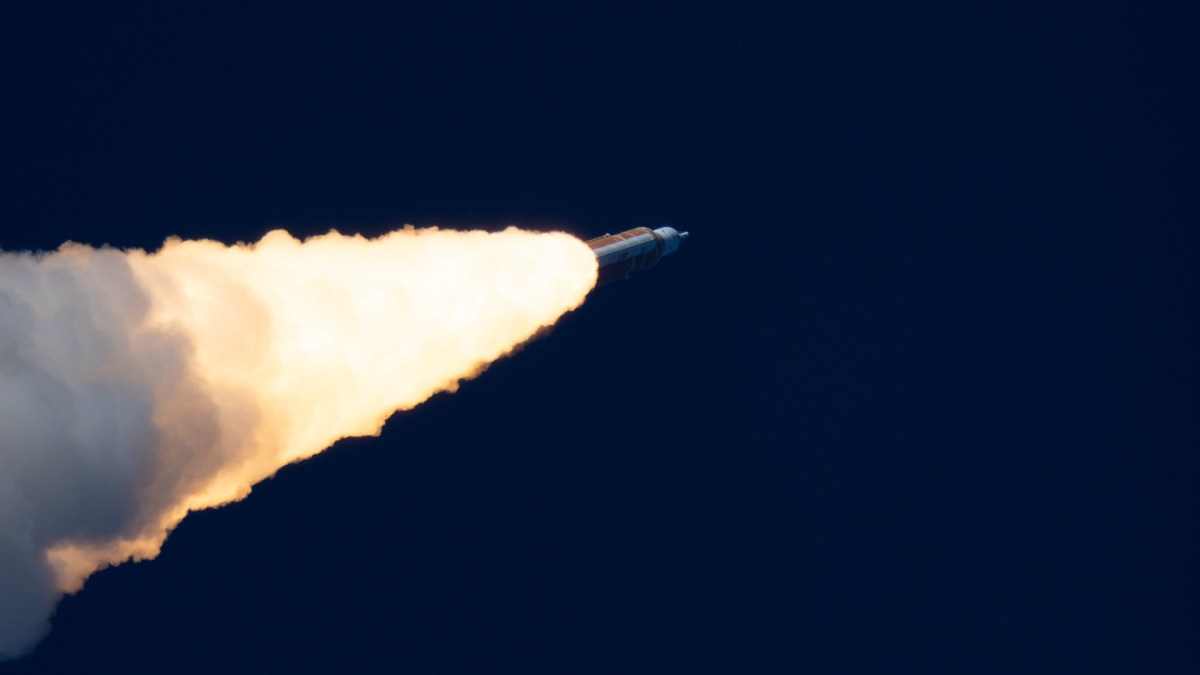
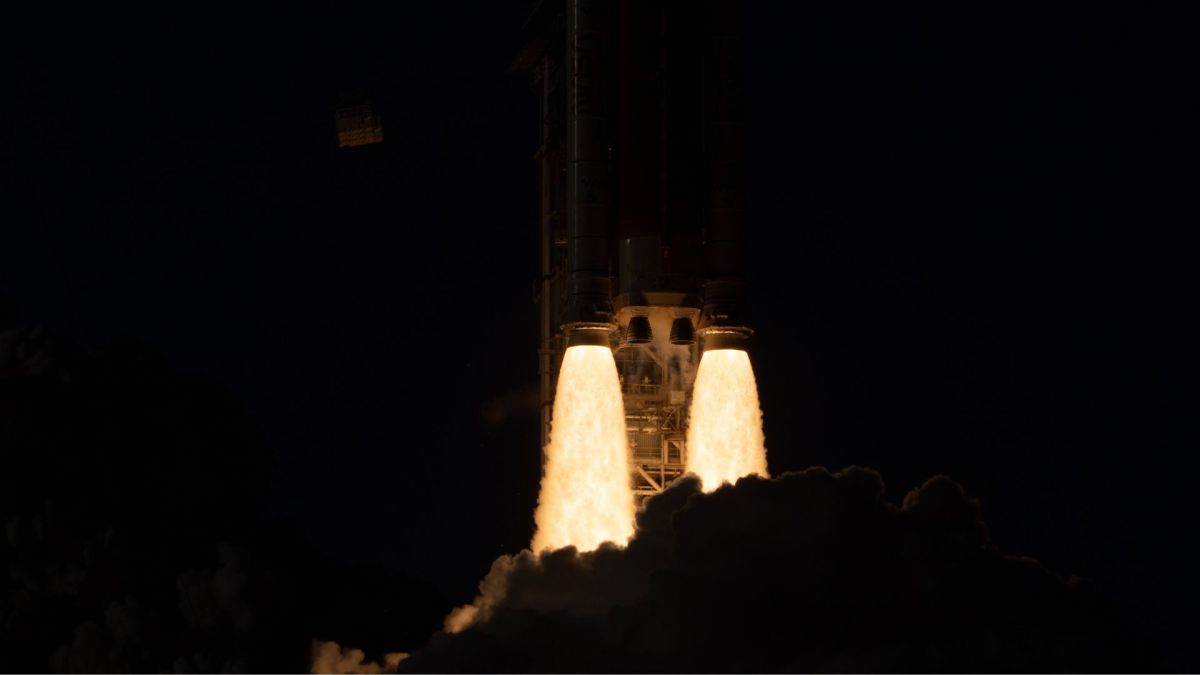
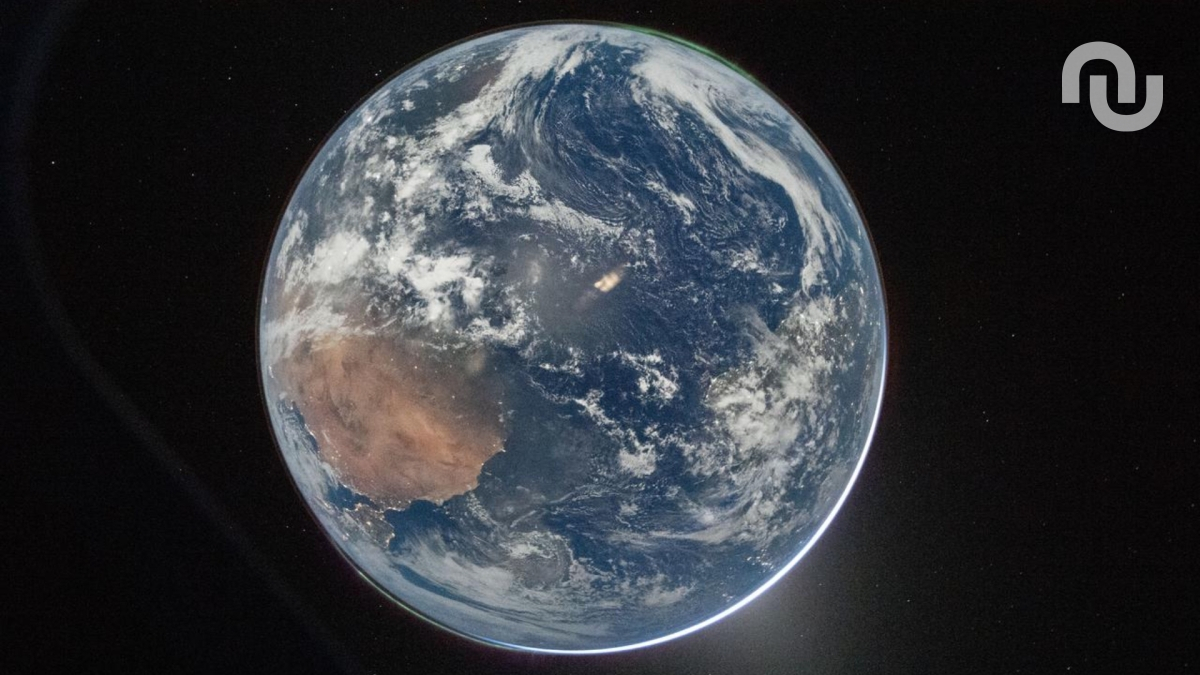
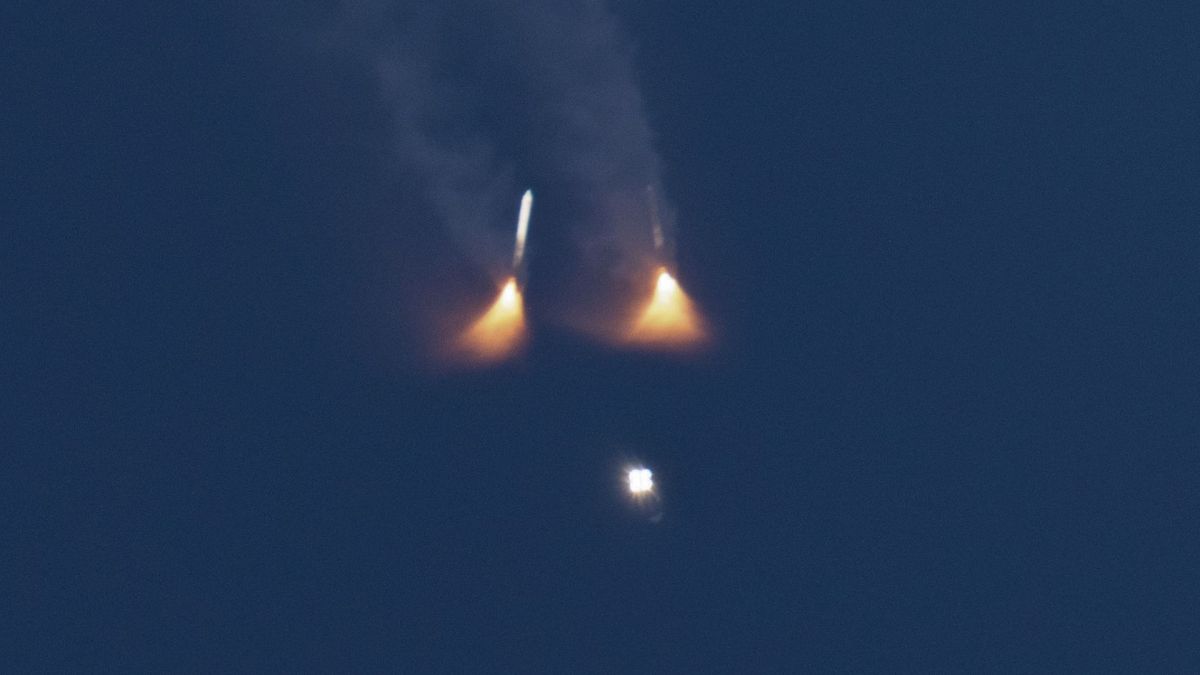
La fusée SLS a décollé dans la nuit du 1er au 2 avril 2026 pour lancer la mission historique Artémis II. Si les objectifs des photographes l'ont mitraillée depuis le sol, le point de vue le plus vertigineux nous vient de l'espace. À près de 36 000 km de distance, un satellite météorologique a capturé une trace étonnante de ce départ vers la Lune.

  •  
❌