 Connexion
L’iPhone 17 Pro Max est de nouveau 100 € moins cher sur Amazon
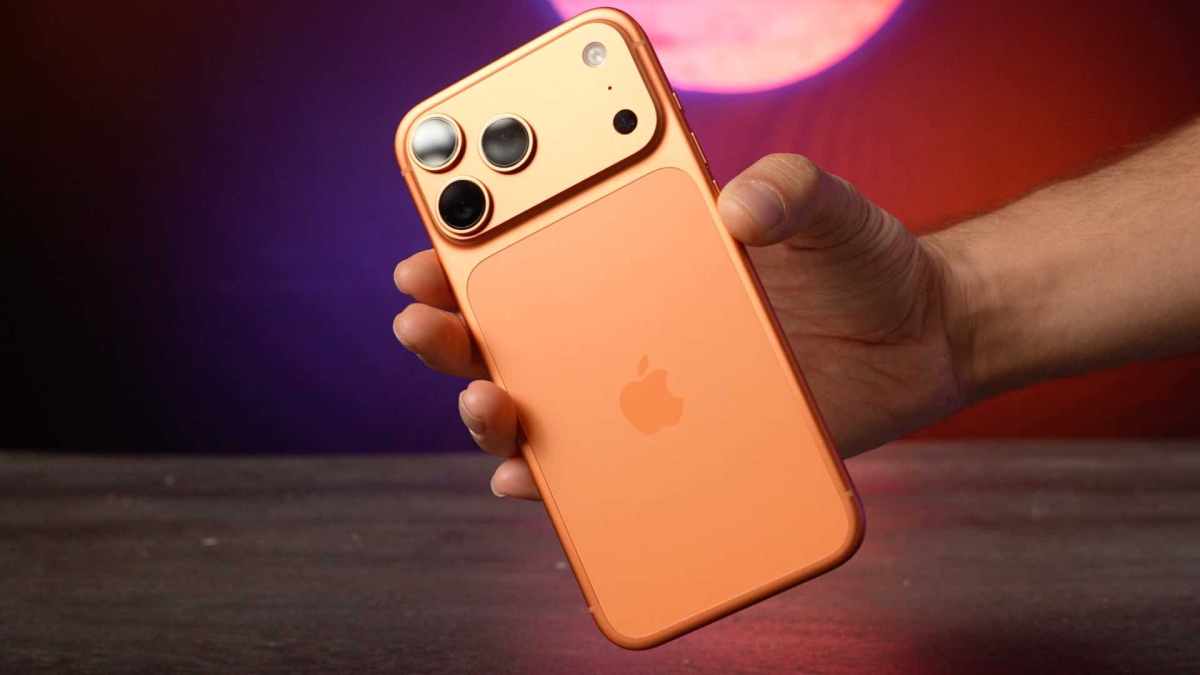
[Deal du jour] Le modèle Pro Max de l’iPhone 17 profite à nouveau d'une petite baisse de prix qui fait plaisir. Le prix du smartphone haut de gamme d’Apple baisse de 100 €.

[Deal du jour] Le modèle Pro Max de l’iPhone 17 profite à nouveau d'une petite baisse de prix qui fait plaisir. Le prix du smartphone haut de gamme d’Apple baisse de 100 €.
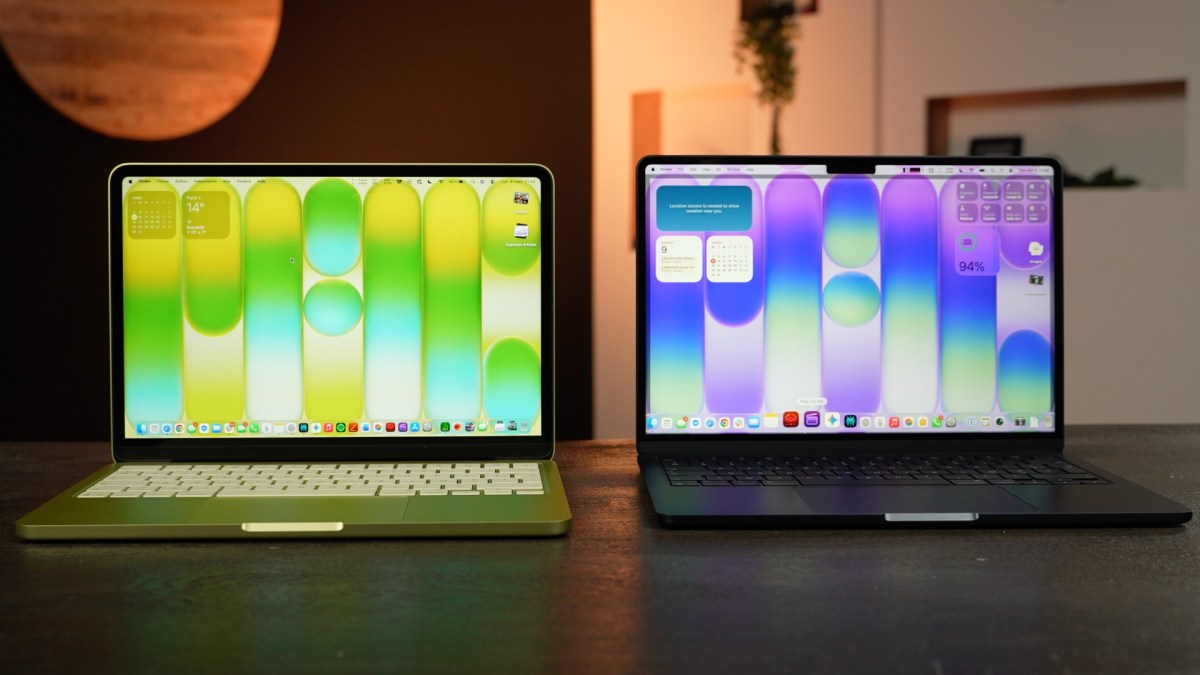
Face à une panne, tous les smartphones et PC portables ne se valent pas : certains constructeurs conçoivent des appareils bien plus faciles à remettre en état que d'autres.
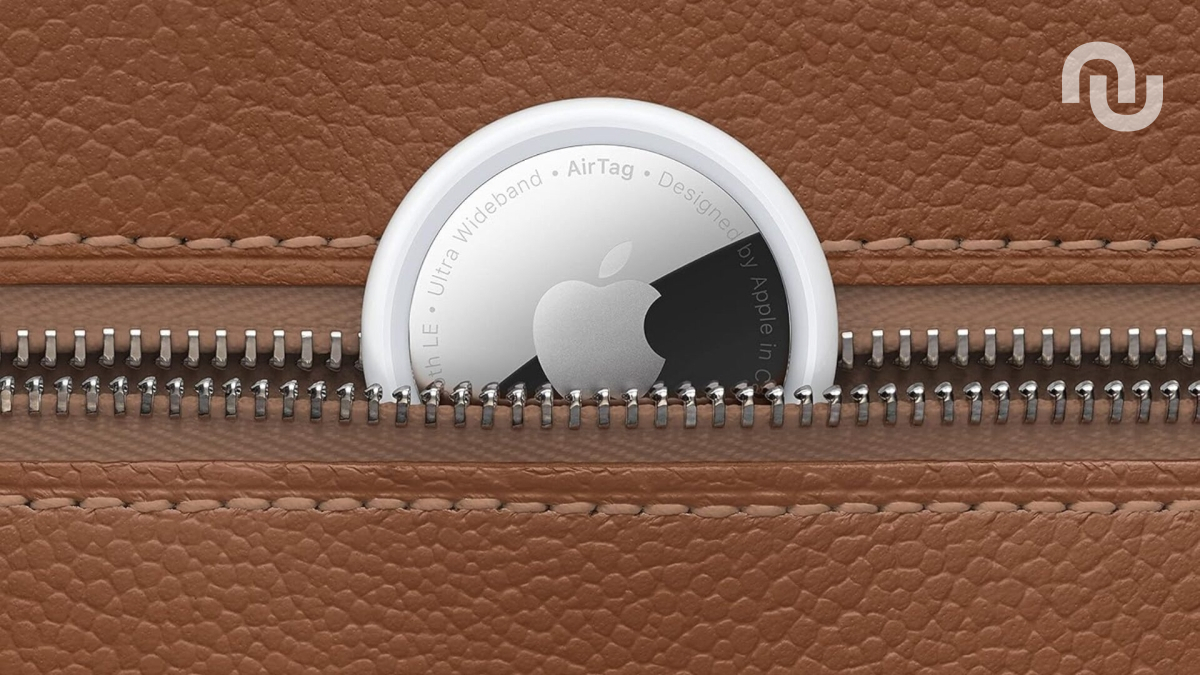
[Deal du jour] Les balises Bluetooth AirTags d’Apple servent à retrouver facilement vos objets sur lesquels elles sont placées. La seconde génération d'AirTags se trouve déjà moins chère en lot.
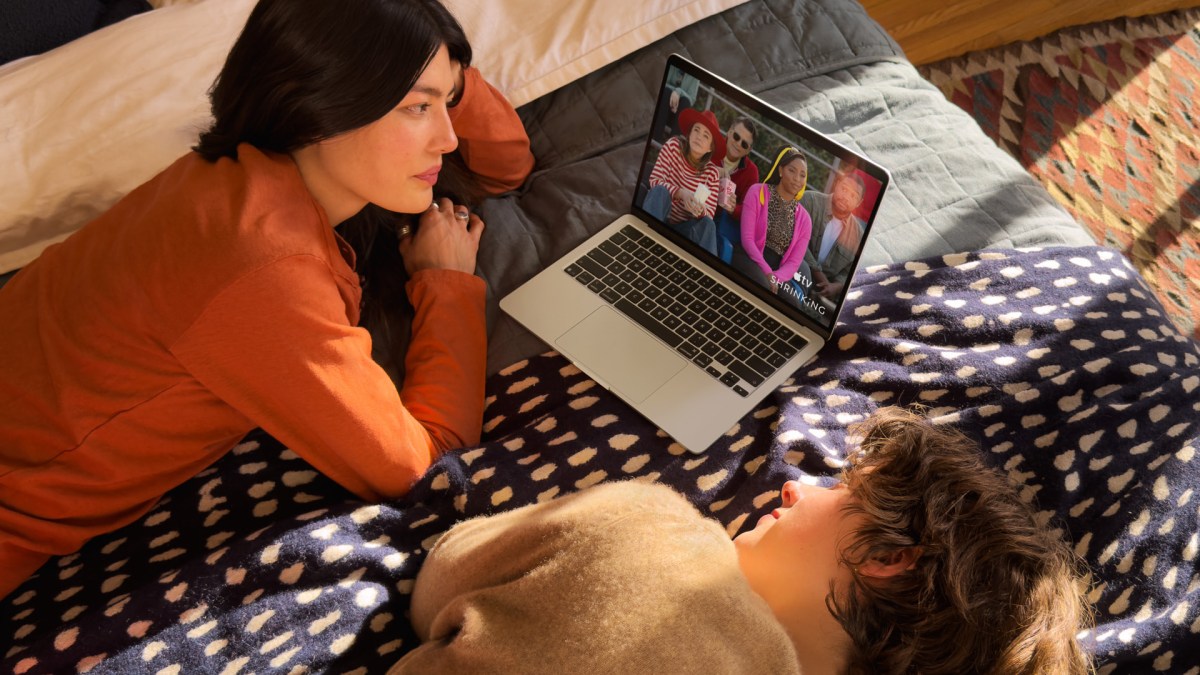
[Deal du jour] Apple a récemment mis à jour sa gamme de MacBook, dont le modèle Air qui embarque une nouvelle configuration M5. Le modèle 15 pouces est déjà moins cher sur Amazon.
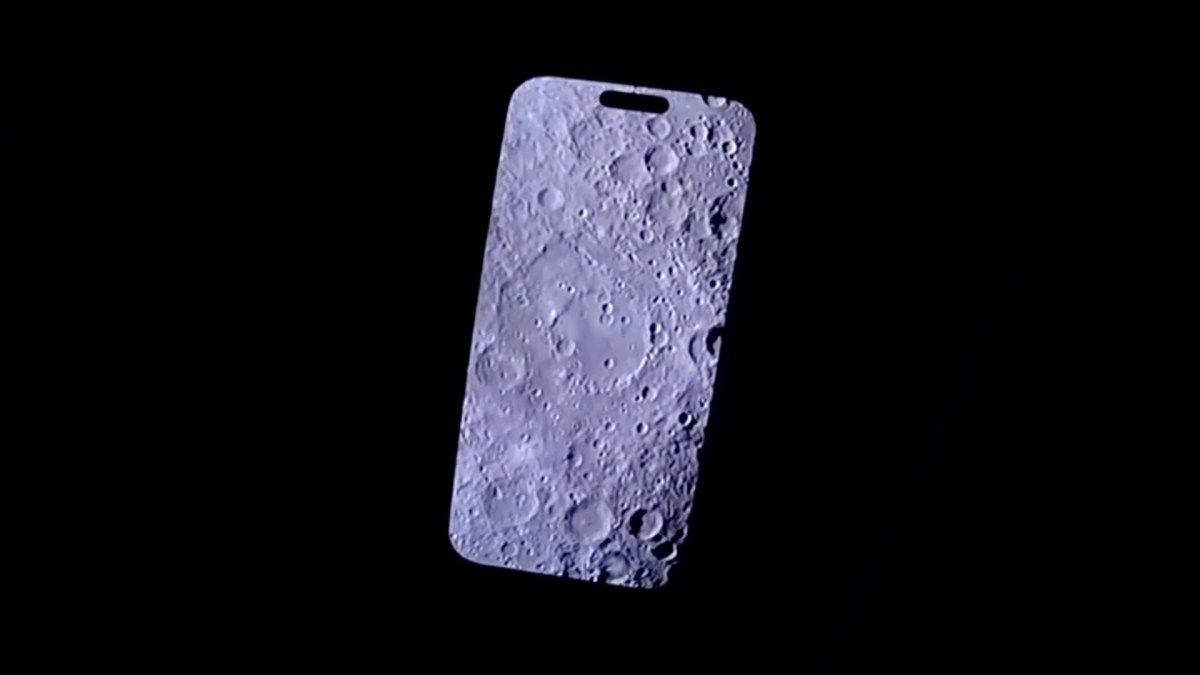
Ce week-end, les astronautes de la mission Artemis II ont photographié la Terre et la Lune avec un iPhone 17 Pro Max. Un coup de communication incroyable pour Apple… qui n'y est certainement pour rien. L'iPhone s'impose comme le produit ultime dans la vie de tous les jours, y compris dans l'espace.


Read more of this story at Slashdot.
Read more of this story at Slashdot.
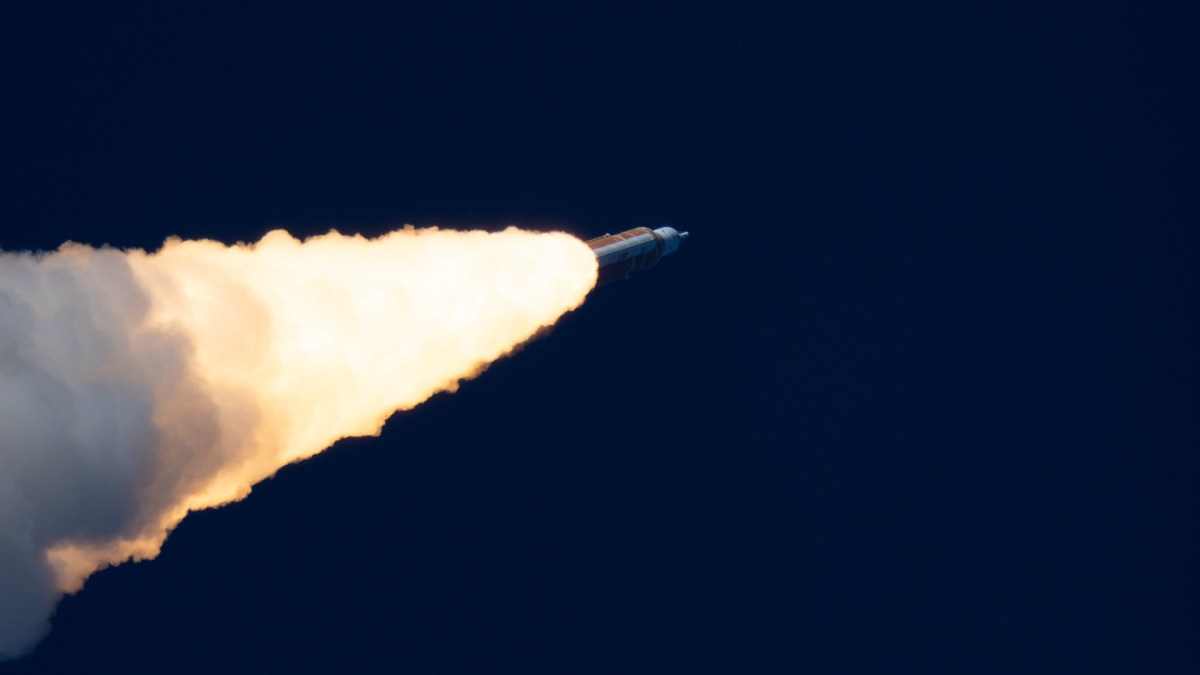
Le lancement d'Artémis 2 a été noyé dans un flux d'actu massif. A-t-on complètement perdu le sens de l'information en 2026 ? C'est la question qu'on se pose dans Toujours Plus, notre newsletter qui anticipe l'avenir et que vous recevrez tous les jeudis dans votre boîte mail si vous vous abonnez ici !
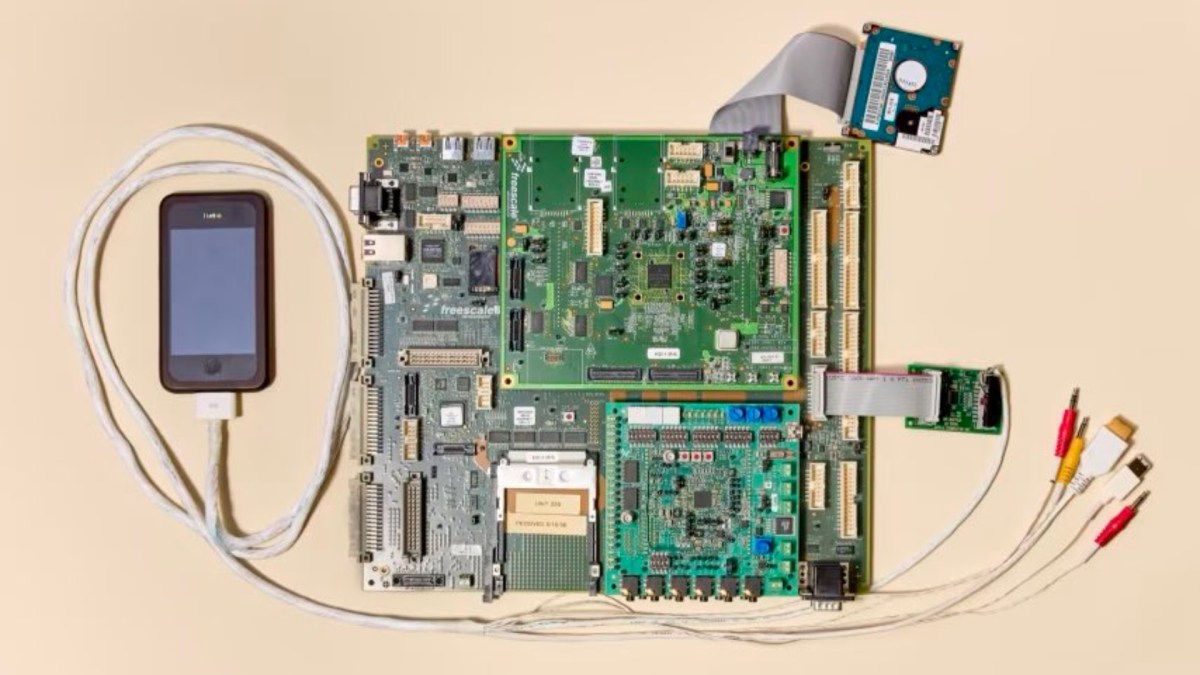
En plus d'une exhibition éphémère dans les couloirs de l'Apple Park et d'une distribution de goodies collectors à ses employés, Apple a ouvert les portes de ses archives secrètes au Wall Street Journal le temps d'une présentation rapide de prototypes et de documents historiques.
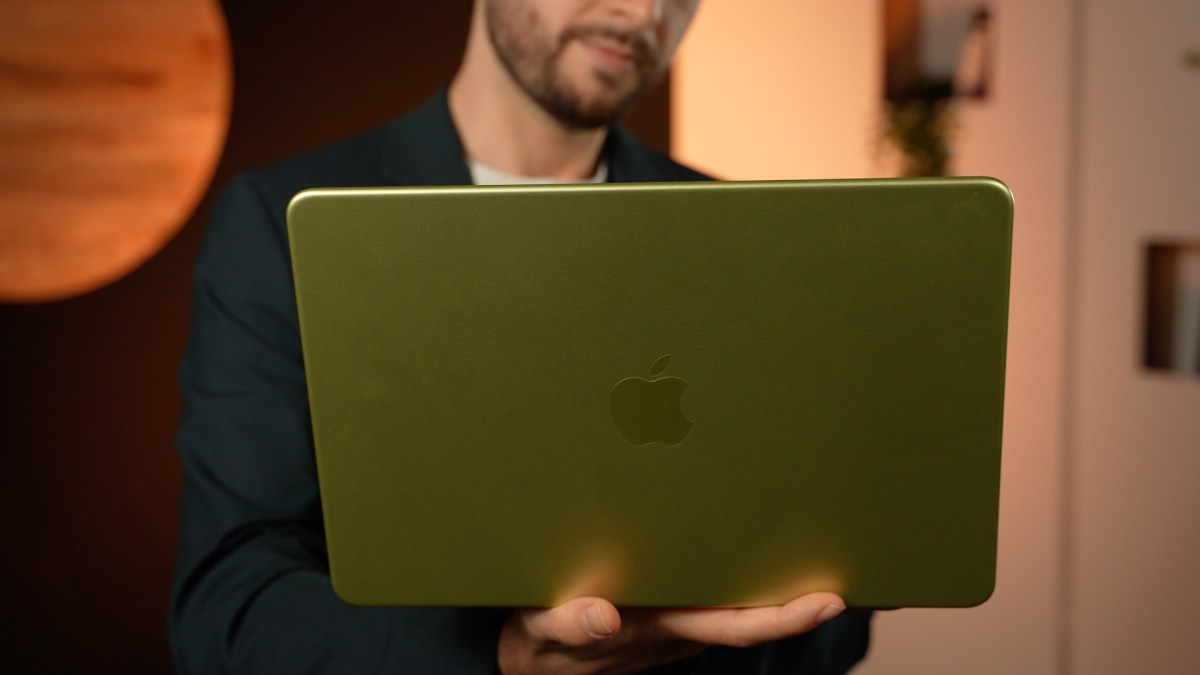
L’époque où le MacBook et l’iMac étaient le seul dilemme chez Apple est révolue. Depuis plusieurs années, le constructeur n’a cessé d'élargir sa gamme. Entre les MacBook Air, Pro et plus récemment Neo, et les modèles de bureau iMac, Mac mini et Mac Studio, le choix n’a rien d’évident. On fait le point pour vous aider à choisir le meilleur MacBook (ou bien le Mac fixe) selon vos besoins.
Interrogé par TBPN à l'occasion des 50 ans d'Apple, Eddy Cue, le vice-président historique en charge des services, a dévoilé une des ruses utilisées par Apple pour rendre iTunes incontournable. La technique : ne pas facturer trop rapidement.
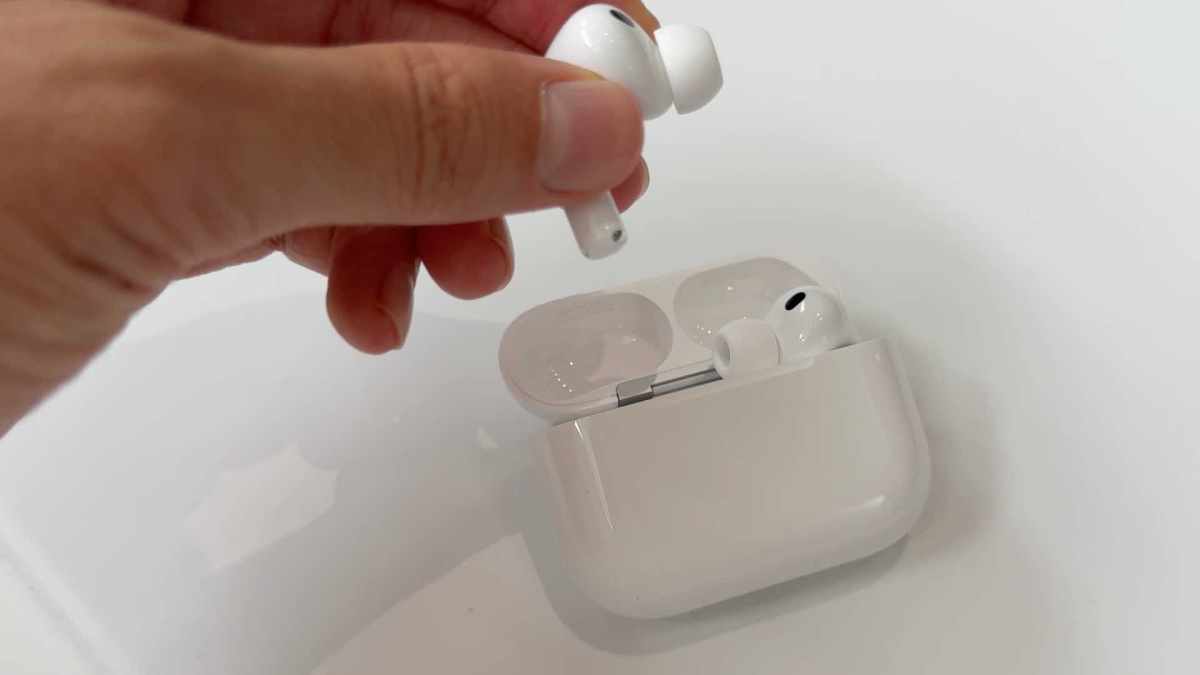
[Deal du jour] Les AirPods Pro 3 sont bel et bien les meilleurs écouteurs du fabricant, et quand leur prix baisse de 50 €, c'est encore mieux.
Amazon envisagerait de racheter Globalstar, un opérateur de satellites en orbite basse (1414 km), selon le Financial Times. Devenu un maillon stratégique de l’iPhone grâce au SOS d’urgence, le groupe est détenu à 20 % par Apple. En toile de fond : la tentative d’Amazon de rattraper Starlink dans la course aux constellations.
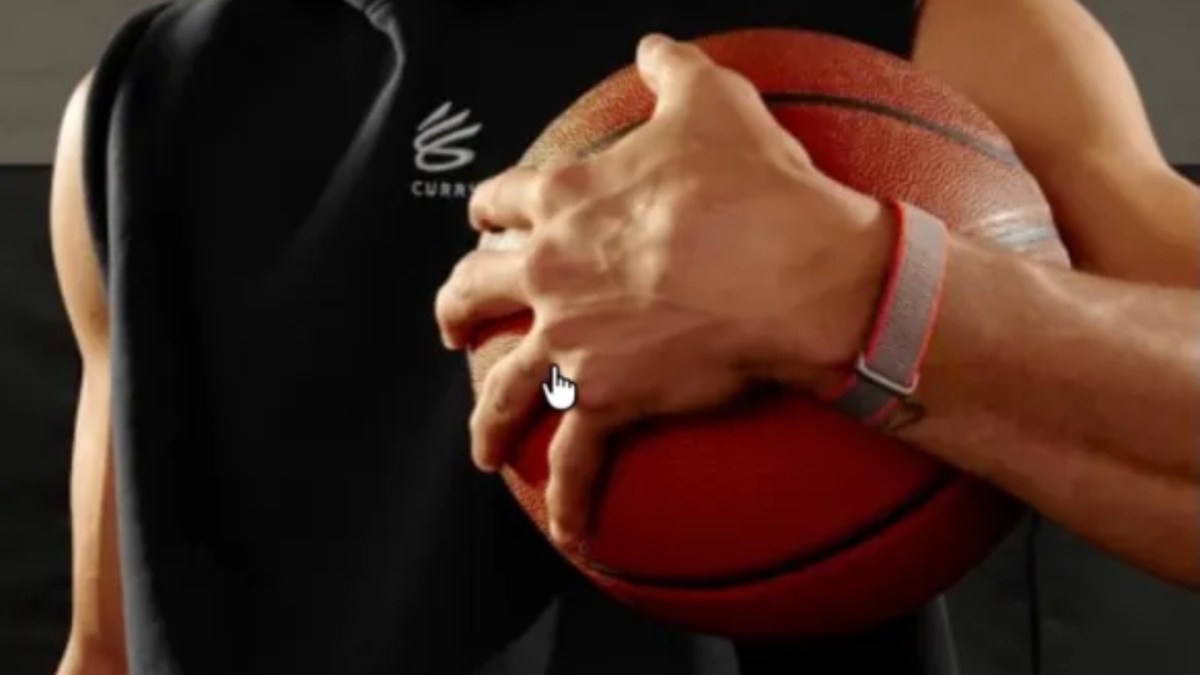
Sur Instagram, le basketteur Stephen Curry, qui conseille déjà Google sur le sport et la santé, a publié une vidéo énigmatique sur une mystérieuse innovation santé et bien-être. On le voit porter un bracelet sur une des images.
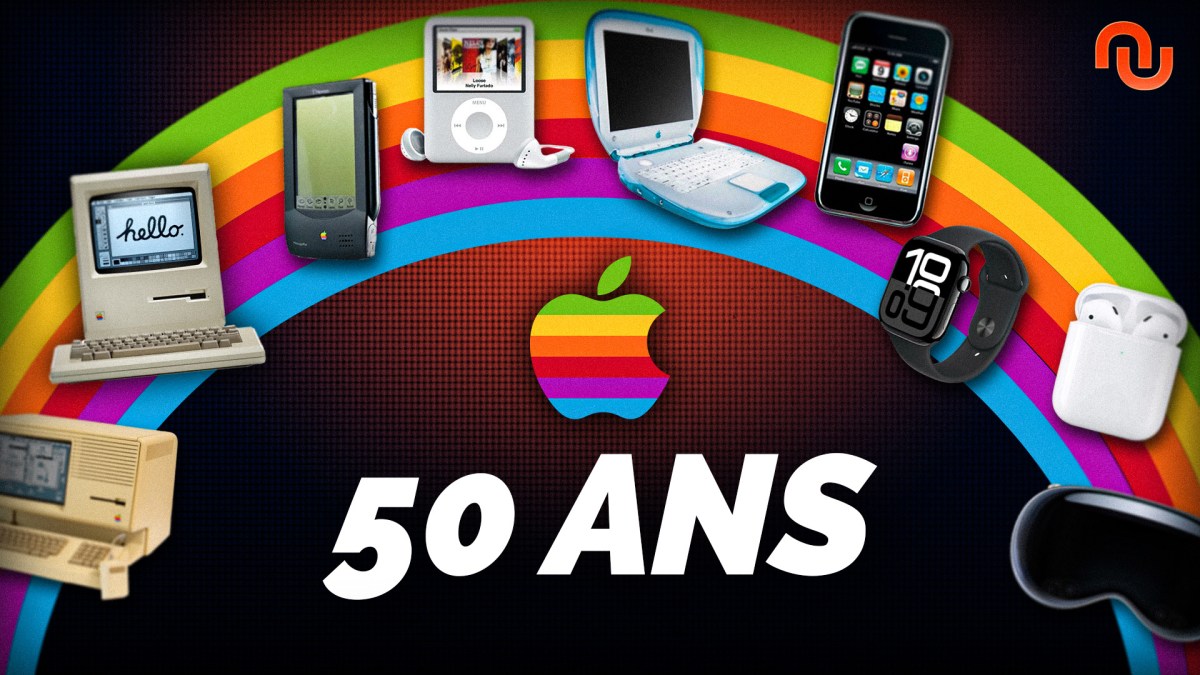
Le 1er avril 1976, Steve Jobs, Steve Wozniak et Ronald Wayne fondaient Apple Computer Company, une entreprise qui commercialisait alors un seul ordinateur fait maison : l'Apple I. Cinquante ans plus tard, en 2026, Apple célèbre ses 50 ans et génère des centaines de milliards de dollars tous les trimestres. Le plus célèbre des constructeurs californiens est devenu une légende de l'histoire de l'informatique.
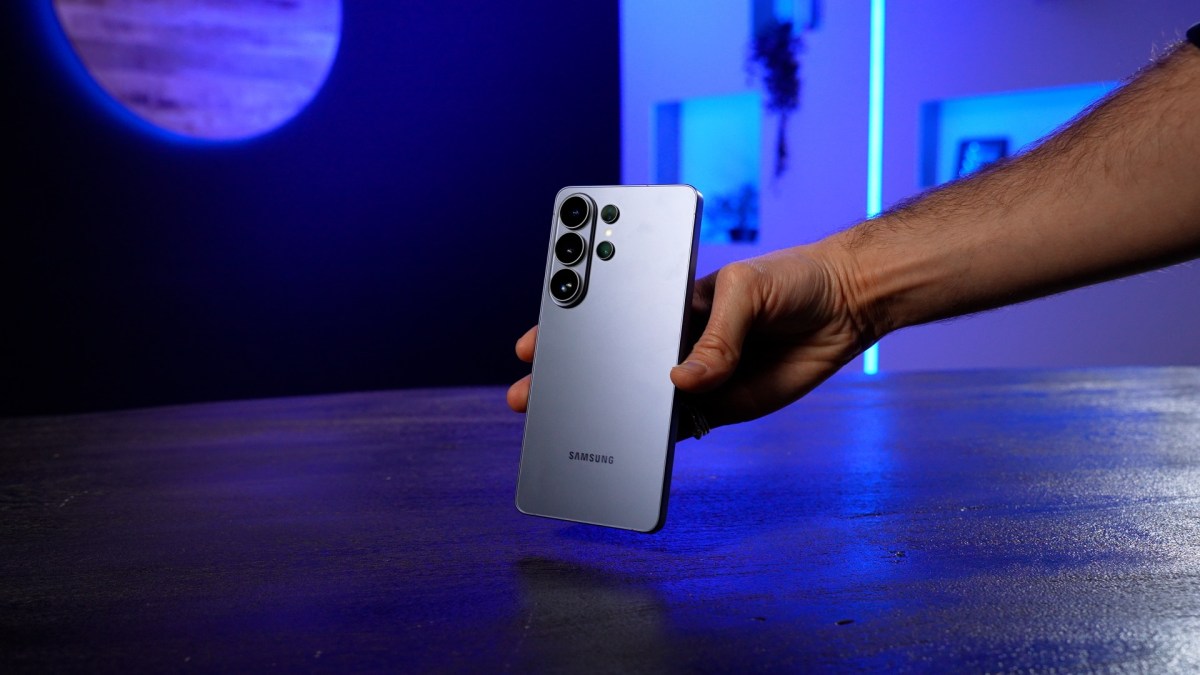
Vous avez l’impression qu’un nouveau téléphone sort tous les jours ? C’est peut-être exagéré, mais ce n'est pas très loin de la vérité… Quoi qu’il en soit, dénicher un excellent smartphone en 2026 demande que l’on s’y attarde. Que vous cherchiez le meilleur en photo, un monstre d’autonomie ou le champion du rapport qualité/prix, nous avons fait le tri pour vous. Voici notre comparatif pour trouver enfin votre smartphone idéal.

Dans la soirée du 27 mars, Apple a organisé une grande soirée dans son Apple Store des Champs-Élysées. La marque a choisi de célébrer la French touch avec un lineup qui risque de faire saliver les fans de musique électronique… en attendant le jour officiel de ses 50 ans.
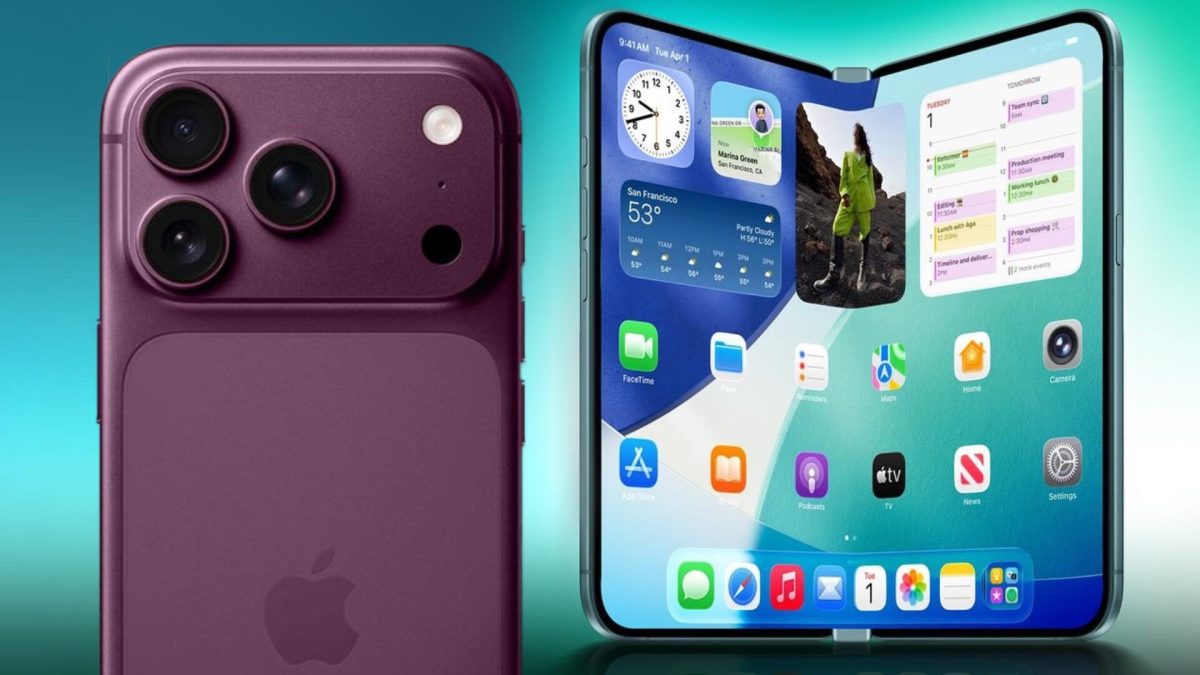
Neuf ans après l'iPhone X, Apple devrait annoncer son smartphone le plus disruptif en 2026 : l'iPhone Fold (qui ne s'appellera probablement pas comme ça). Un smartphone pliant devrait être accompagné de l'iPhone 18 Pro et de l'iPhone 18 Pro Max, deux smartphones surpuissants avec des innovations en photo et une puce gravée en 2 nm. Numerama fait un point sur les rumeurs.
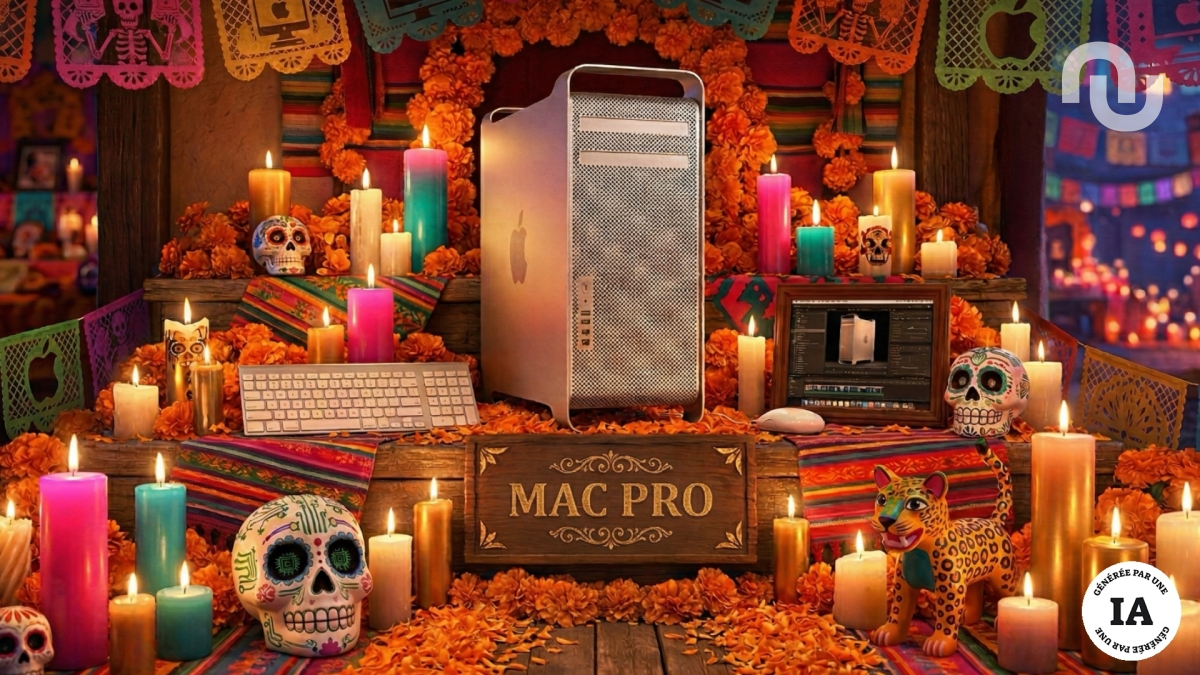
Victime de la transition vers les puces Apple Silicon et de la montée en puissance du Mac Studio, le Mac Pro ne sera pas renouvelé et n'est désormais plus commercialisé par Apple. C'est la fin d'un produit culte et longtemps adoré par les professionnels, malgré plusieurs polémiques.
