Vue lecture

Changement d’heure : voici les réglages à vérifier sur votre smartphone pour ne pas rater votre réveil

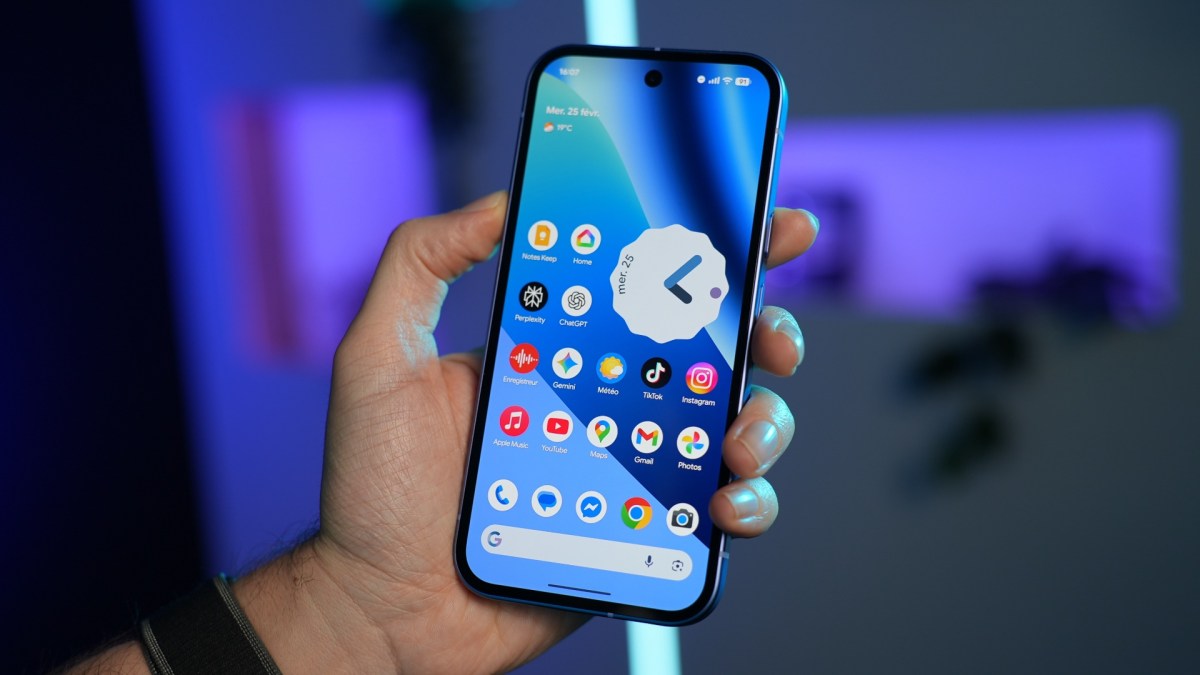
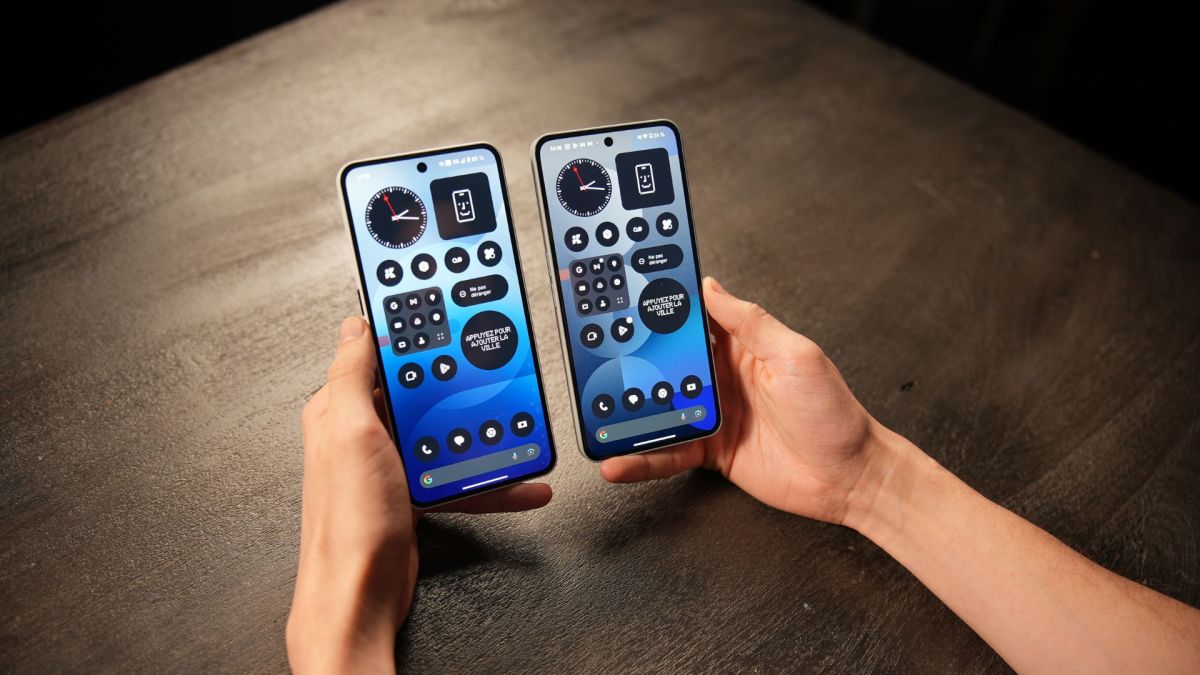
Dans la nuit du 28 au 29 mars, la France passe à l'heure d'été. Il faudra ajouter 60 minutes à son téléphone pour ne pas arriver en retard. Si tout va bien, votre smartphone devrait le faire tout seul. Mais il mieux vaut vérifier que les bons réglages sont cochés pour ne pas rater son réveil.

  •  

Google's Android Automotive Is Moving From the Dashboard To the 'Brain' of the Car

Google is expanding Android Automotive from the infotainment screen into the broader non-safety "brain" of software-defined vehicles. With its new Android Automotive OS for Software-Defined Vehicles, the in-car experience will feel "much more cohesive and the latest features will reach your driveway faster," Matt Crowley, Android Automotive's group product manager, writes in a blog post. "From a truly integrated voice experience to proactive maintenance reminders, your car will become a true extension of your digital life," Crowley adds. The Verge reports: With its new software, Google is promising faster over-the-air software updates, better voice assistants, and more proactive vehicle maintenance alerts. Non-driving functions like climate control, lighting, and seating adjustment would fall under Android's control. And the system would move beyond basic infotainment to create a unified ecosystem for features like remote cabin conditioning, digital key management, and personalized driver profiles. For automakers, the new system promises less expensive software development costs and an opportunity to focus on what matters most to them: branding. By providing the "foundational code and a common language for their software," Google says automakers will be free to design cool experiences for their customers. Google says its already working with companies like Renault Group and Qualcomm to bring its new software-defined vehicle version of Android Automotive to more cars. A variety of automakers already use regular Android Automotive, like Volvo, Polestar, General Motors, Nissan, and Honda.

Read more of this story at Slashdot.

  •  

Le clavier SwiftKey va imposer un compte Microsoft et stocker les données sur OneDrive - iGeneration

Avant que Microsoft le rachète, SwiftKey était vraiment l'un des meilleurs claviers Android.
Mais ça c'était avant : "le clavier va imposer un compte Microsoft et stocker les données sur OneDrive."

S'il est installé sur votre smartphone, je vous encourage fortement à le dégager. La qualité d'un logiciel ne saurait effacer le fait qu'il se torche avec le respect de nos données personnelles. Surtout des données aussi personnelles que tout ce qu'on tape au clavier (!).
(Permalink)
  •  

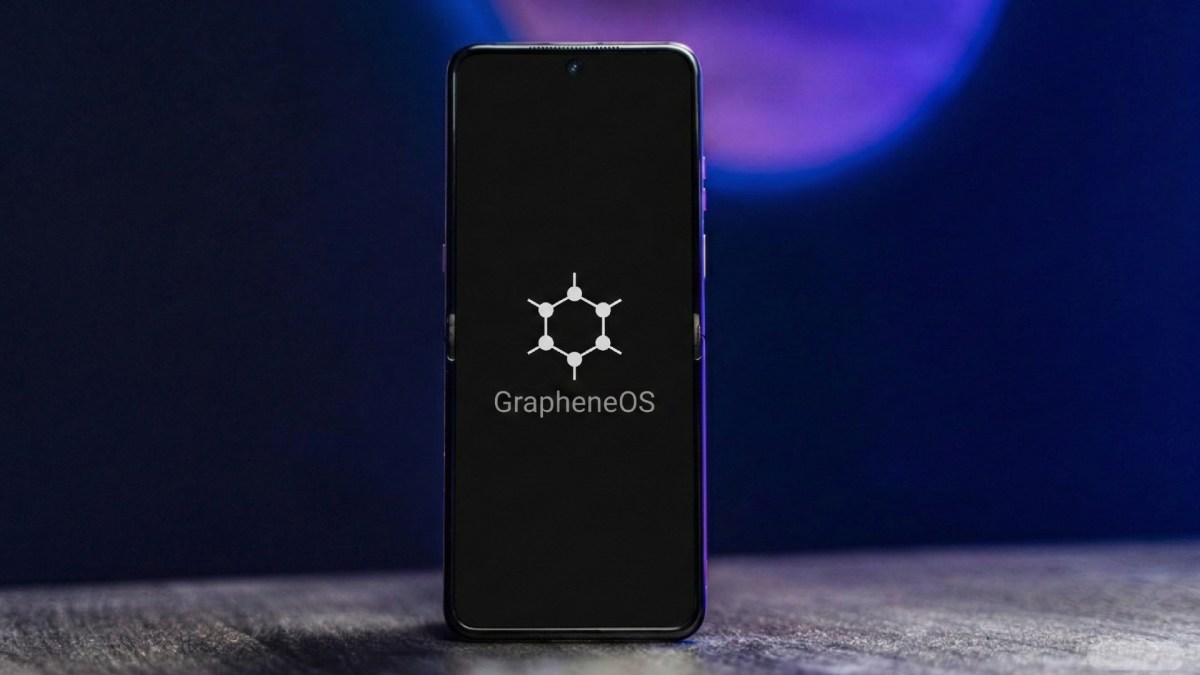
GrapheneOS Refuses to Comply with Age-Verification Laws

An anonymous reader shared this report from Tom's Hardware: GrapheneOS, the privacy-focused Android fork, said in a post on X on Friday that it will not comply with emerging laws requiring operating systems to collect user age data at setup. "GrapheneOS will remain usable by anyone around the world without requiring personal information, identification or an account," the project stated. "If GrapheneOS devices can't be sold in a region due to their regulations, so be it." The statement came after Brazil's Digital ECA (Law 15.211) took effect on March 17, imposing fines of up to R$50 million (roughly $9.5 million) per violation on operating system providers that fail to implement age verification... Motorola and GrapheneOS announced a long-term partnership at MWC on March 2, to bring to bring the hardened OS to future Motorola hardware, ending GrapheneOS's long-standing exclusivity to Google Pixel devices. A GrapheneOS-powered Motorola phone is expected in 2027. If Motorola sells devices with GrapheneOS pre-installed, those devices would need to comply with local regulations in every market where they ship, or Motorola may need to restrict sales geographically. Or, "People can buy the devices without GrapheneOS and install it themselves in any region where that's an issue," according to a post on the GrapheneOS BlueSky account. "Motorola devices with GrapheneOS preinstalled is something we want but it doesn't have to happen right away and doesn't need to happen everywhere for the partnership to be highly successful. Pixels are sold in 33 countries which doesn't include many countries outside North America and Europe." Tom's Hardware also notes that GrapheneOS "isn't the first and won't be the last company to outright refuse compliance with incoming age verification laws." "The developers of open-source calculator firmware DB48X issued a legal notice recently, stating that their software 'does not, cannot and will not implement age verification,' while MidnightBSD updated its license to ban users in Brazil."

Read more of this story at Slashdot.

  •  

Android Developers Blog: Android developer verification: Balancing openness and choice with safety

Ce salopard de Google n'interdira donc pas l'installation d'application hors du PlayStore, mais vous collera un DÉLAI DE 24 HEURES et reboot avant d'avoir le droit d'installer des applications hors PlayStore. 😠
Pour pouvoir installer une application sur l'ordinateur de poche que VOUS avez acheté et qui vous APPARTIENT.
(Permalink)
  •  

Google Details New 24-Hour Process To Sideload Unverified Android Apps

An anonymous reader quotes a report from Ars Technica: Google is planning big changes for Android in 2026 aimed at combating malware across the entire device ecosystem. Starting in September, Google will begin restricting application sideloading with its developer verification program, but not everyone is on board. Android Ecosystem President Sameer Samat tells Ars that the company has been listening to feedback, and the result is the newly unveiled advanced flow, which will allow power users to skip app verification. With its new limits on sideloading, Android phones will only install apps that come from verified developers. To verify, devs releasing apps outside of Google Play will have to provide identification, upload a copy of their signing keys, and pay a $25 fee. It all seems rather onerous for people who just want to make apps without Google's intervention. Apps that come from unverified developers won't be installable on Android phones -- unless you use the new advanced flow, which will be buried in the developer settings. When sideloading apps today, Android phones alert the user to the "unknown sources" toggle in the settings, and there's a flow to help you turn it on. The verification bypass is different and will not be revealed to users. You have to know where this is and proactively turn it on yourself, and it's not a quick process. [...] The actual legwork to activate this feature only takes a few seconds, but the 24-hour countdown makes it something you cannot do spur of the moment. But why 24 hours? According to Samat, this is designed to combat the rising use of high-pressure social engineering attacks, in which the scammer convinces the victim they have to install an app immediately to avoid severe consequences. "In that 24-hour period, we think it becomes much harder for attackers to persist their attack," said Samat. "In that time, you can probably find out that your loved one isn't really being held in jail or that your bank account isn't really under attack." But for people who are sure they don't want Google's verification system to get in the way of sideloading any old APK they come across, they don't have to wait until they encounter an unverified app to get started. You only have to select the "indefinitely" option once on a phone, and you can turn dev options off again afterward. "For a lot of people in the world, their phone is their only computer, and it stores some of their most private information," Samat said. "Over the years, we've evolved the platform to keep it open while also keeping it safe. And I want to emphasize, if the platform isn't safe, people aren't going to use it, and that's a lose-lose situation for everyone, including developers."

Read more of this story at Slashdot.

  •  

Android, Epic, and What's Really Behind Google's 'Existential' Threat to F-Droid

Starting in September, even Android developers not in Google's Play Store will still be required to register with Google to distribute their apps in Brazil, Singapore, Indonesia, and Thailand, with Google continuing "to roll out these requirements globally" four months later. Even developers distributing Android apps on the web for sideloading will be required to register, pay Google a $25 fee, and provide a government ID. But there's a new theory on what's secretly been motivating Google from an unnamed source in the "Keep Android Open" movement, writes long-time Slashdot reader destinyland: "You can't separate this really from their ongoing interactions with Epic and the settlement that they came to," they argue. Twelve days ago Epic Games and Google announced a new proposal for settling their long-running dispute over the legality of alternative app stores on Android phones. (Rather than agreeing to let third-party app stores into their Play Store, Google wants them to continue being sideloaded, promising in a blog post last week that they'll even offer a "more streamlined" and "simplified" sideloading alternative for rival app stores. "This Registered App Store program will begin outside of the US first, and we intend to bring it to the US as well, subject to court approval.") So "developer verification" could be Google's fallback plan if U.S. courts fail to approve this. "If the Google Play Store has to allow any third-party repository app store, Google essentially has given up all control of the apps. But if they're able to claw back that control by requiring that all developers, no matter how they distribute their apps, have to register with Google — have to agree to their Terms & Conditions, pay them money, provide identification — then they have a large degree of indirect control over any app that can be developed for the entire platform." But that plan threatens millions of people using the alternative F/OSS app distributor F-Droid, since Google also wants to have only one signature attached to Android apps. Marc Prud'hommeaux, a member of F-Droid's board of directors, says that "all of a sudden breaks all those versions of the application distributed through F-Droid or any other app store!" Prud'hommeaux says they've told Google's Android team "You know perfectly well that you're killing F-Droid!" creating an "existential" threat to an app distributor "that has existed happily for over 10 years." But good things started happening when he created the website Keep Android Open: There's now a "huge backlog" of signers for an Open Letter that already includes EFF, the Software Freedom Conservancy, and the Free Software Foundation. He believes Android's existing Play Protect security "is completely sufficient to handle the particular scenarios they claim that developer verification is meant to address"... The Keep Android Open site urges developers not to sign up for Android's early access program when it launches next week. (Instead, they're asking developers to respond to invites with an email about their concerns — and to spread the word to other developers and organizations in forums and social media posts.) There's also a petition at Change.org currently signed by 64,000 developers — adding 20,000 new signatures in the last 10 days. And "If you have an Android device, try installing F-Droid!" he adds. Google tracks how many people install these alternative app repositories, and a larger user base means greater consequences from any Android policy changes. Plus, installing F-Droid "might be refreshing!" Prud'hommeaux says. "You don't see all the advertisements and promotions and scam and crapware stuff that you see in the commercial app stores!"

Read more of this story at Slashdot.

  •  

Où trouver le carburant le moins cher ? Les meilleures applications mobiles gratuites

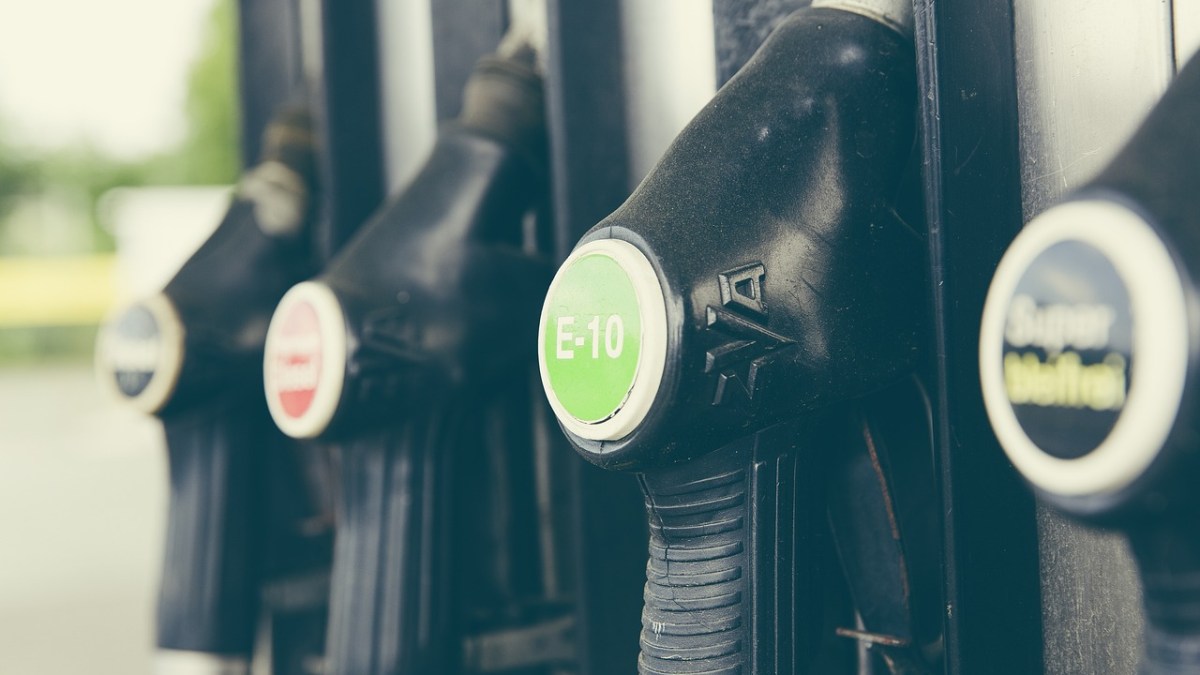
Les automobilistes qui roulent encore en thermique doivent faire face à de nombreux postes de dépense pour leur véhicule, et l’un des plus importants est évidemment le carburant. Alors quand il faut faire le plein, toute économie est bonne à prendre. Pour vous aider à trouver le carburant le moins cher, voici une sélection d’applications gratuites pour comparer les prix des stations-service.

  •  

Où trouver le carburant le moins cher ? Les meilleures applications mobiles gratuites

Les automobilistes qui roulent encore en thermique doivent faire face à de nombreux postes de dépense pour leur véhicule, et l’un des plus importants est évidemment le carburant. Alors quand il faut faire le plein, toute économie est bonne à prendre. Pour vous aider à trouver le carburant le moins cher, voici une sélection d’applications gratuites pour comparer les prix des stations-service.

  •  

Test du Pixel 10a : le pire ennemi de Google s’appelle Google

Commercialisé au tarif compétitif de 549 euros, le Pixel 10a succède au Pixel 9a avec un nombre de nouveautés anormalement bas pour une nouvelle génération de smartphone. Si la qualité est une nouvelle fois au rendez-vous et que les acheteurs peuvent foncer sans hésitation, Il vaut mieux se tourner vers l'ancienne génération tant que les stocks sont disponibles.

  •  

Motorola Partners With GrapheneOS

At MWC 2026, Motorola announced a partnership with the GrapheneOS Foundation to bring the hardened, Google-free Android variant to future devices. Until now, the OS had been designed exclusively for Google Pixel phones. "We are thrilled to be partnering with Motorola to bring GrapheneOS's industry-leading privacy and security-focused mobile operating system to their next-generation smartphone," a GrapheneOS statement reads. "This collaboration marks a significant milestone in expanding the reach of GrapheneOS, and we applaud Motorola for taking this meaningful step towards advancing mobile security." GrapheneOS is a privacy and security focused mobile OS with Android app compatibility developed as a non-profit open source project. It's often referred to as the "de-Googled OS" because Google apps are not available by default. However, users can install them via a sandboxed version of Google Play Services.

Read more of this story at Slashdot.

  •  

Ces 6 meilleurs smartphones à moins de 300 € méritent chaque euro dépensé

Faut-il nécessairement se ruiner pour s'offrir un smartphone récent qui tient la route ? La réponse est non. Que vous cherchiez le meilleur rapport qualité-prix, un photophone efficace ou un monstre d'autonomie, nous avons passé au crible les nouveautés pour vous. Voici les meilleurs smartphones récents à moins de 300 €.

  •  

Xiaomi lance une batterie pour les iPhone beaucoup plus fine que celle d’Apple (mais avec un gros défaut)

Parallèlement à l'annonce de ses nouveaux Xiaomi 17 et Xiaomi 17 Ultra, le constructeur chinois a annoncé le lancement européen de la Xiaomi UltraThin Magnectic Power Bank 5000, une batterie externe épaisse de seulement 6 millimètres, avec une batterie silicum-carbone. Un produit impressionnant sur le papier… mais pas aux dernières normes.

  •  
❌