Vue lecture

À 25 milliards de km, le pari de la NASA pour modifier le fonctionnement électrique des sondes Voyager

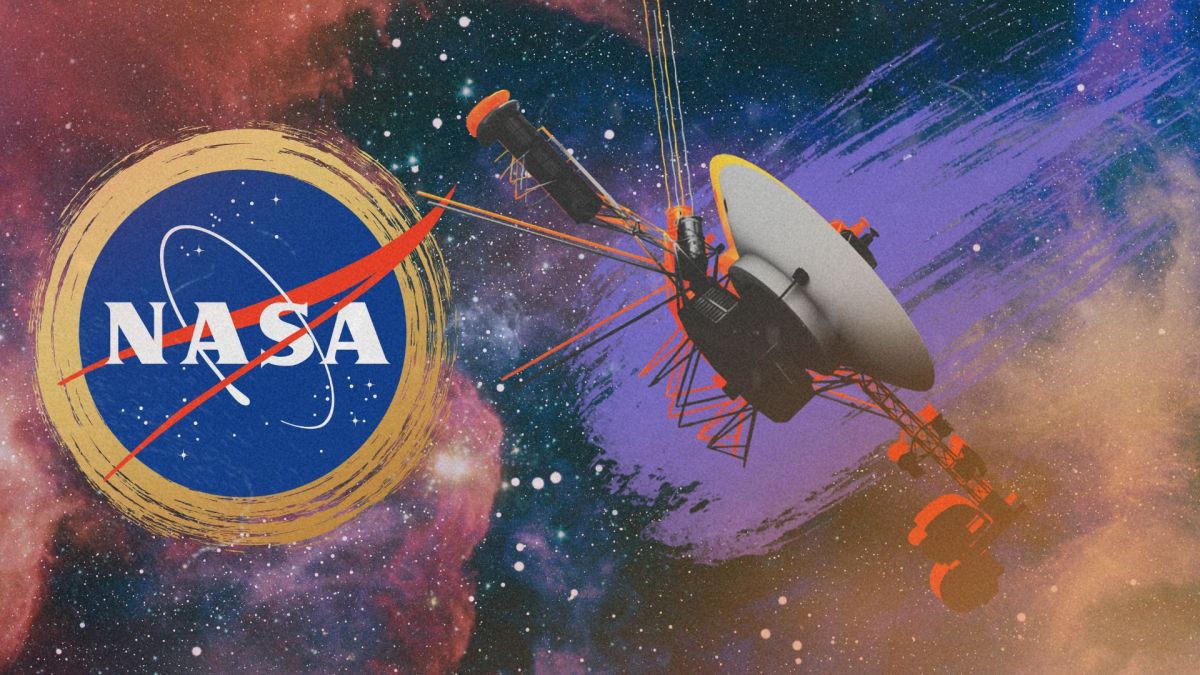
À 25 milliards de kilomètres de la Terre, les sondes Voyager luttent contre le froid et l’épuisement de leurs batteries nucléaires. Pour éviter le silence définitif, la NASA lance une opération de la dernière chance baptisée Big Bang. Objectif : réorganiser totalement la consommation d'énergie pour gagner de précieuses années de vie interstellaire.

  •  

Voyager 1 is Running Out of Power. NASA Just Switched Part of It Off

After 49 years of space travel, Voyager 1 "is running out of power," reports NPR: The spacecraft runs on a radioisotope thermoelectric generator — a device that converts heat from decaying plutonium into electricity. It carries no solar panels, no rechargeable batteries. Just the slow, steady release of nuclear warmth, which diminishes by about 4 watts each year. After nearly five decades, that decline has become critical. During a routine maneuver in late February, Voyager 1's power levels fell unexpectedly, bringing the probe dangerously close to triggering an automatic fault-protection shutdown — a self-preservation response that would have forced engineers into a lengthy and risky recovery process. The team needed to act first. On April 17, mission engineers sent a sequence of commands to deactivate the Low-energy Charged Particles experiment, known as the LECP, which is one of Voyager 1's remaining science instruments. The LECP has measured ions, electrons, and cosmic rays originating from both our solar system and the galaxy beyond it, helping scientists map the structure of interstellar space in a way no other instrument could... Voyager 1 now carries two operational science instruments: one that listens for plasma waves, and one that measures magnetic fields. Engineers believe the latest shutdown could buy the mission roughly another year of breathing room. The team is also developing a more sweeping power conservation plan they informally call "the Big Bang" — a coordinated swap of several powered components all at once, trading older systems for lower-power alternatives. If testing on Voyager 2, planned for May and June 2026, goes well, the same procedure will be attempted on Voyager 1 no sooner than July. If it works, there is even a slim chance the LECP could once more continue to work. The engineers say they hope to keep at least one instrument operating on each spacecraft into the 2030s. It would leave both still reporting from places no machine has ever gone before.111 Voyager 1 is now 15 billion miles from Earth, the article points out. (Radio signals take 23 hours to arrive...) Thanks to long-time Slashdot reader fahrbot-bot for sharing the article.

Read more of this story at Slashdot.

  •  

NASA Restarts Work To Support Europe's Uncrewed Trip To Mars After Years of Setbacks

NASA has revived support for the European Space Agency's long-delayed Rosalind Franklin Mars rover mission. According to the space agency, the current plan is to launch via a SpaceX Falcon Heavy no earlier than 2028. Engadget reports: This is a partnership between NASA and the ESA, with the European agency providing the rover, the spacecraft and the lander. The US will provide braking engines for the lander, heater units for the rover's internal systems and, of course, assistance with the actual launch. The rover will be outfitted with scientific instruments to look for signs of ancient life on the red planet. These include a state-of-the-art mass spectrometer and an organic molecule analyzer, which will come in handy as the vehicle collects samples at the Oxia Planum landing site. The mission has been stuck in development limbo since 2001, with delays caused by budget problems, technical issues, shifting international partners, and geopolitical fallout. After NASA dropped out, Russia stepped in, then was cut loose after invading Ukraine, and now -- despite NASA rejoining in 2024 and fresh political budget threats -- the rover is tentatively back on track for a 2028 launch.

Read more of this story at Slashdot.

  •  

ExoMars 2028 : sauvée de la malédiction, la mission européenne s’envolera vers Mars sur un Falcon Heavy

Falcon Heavy

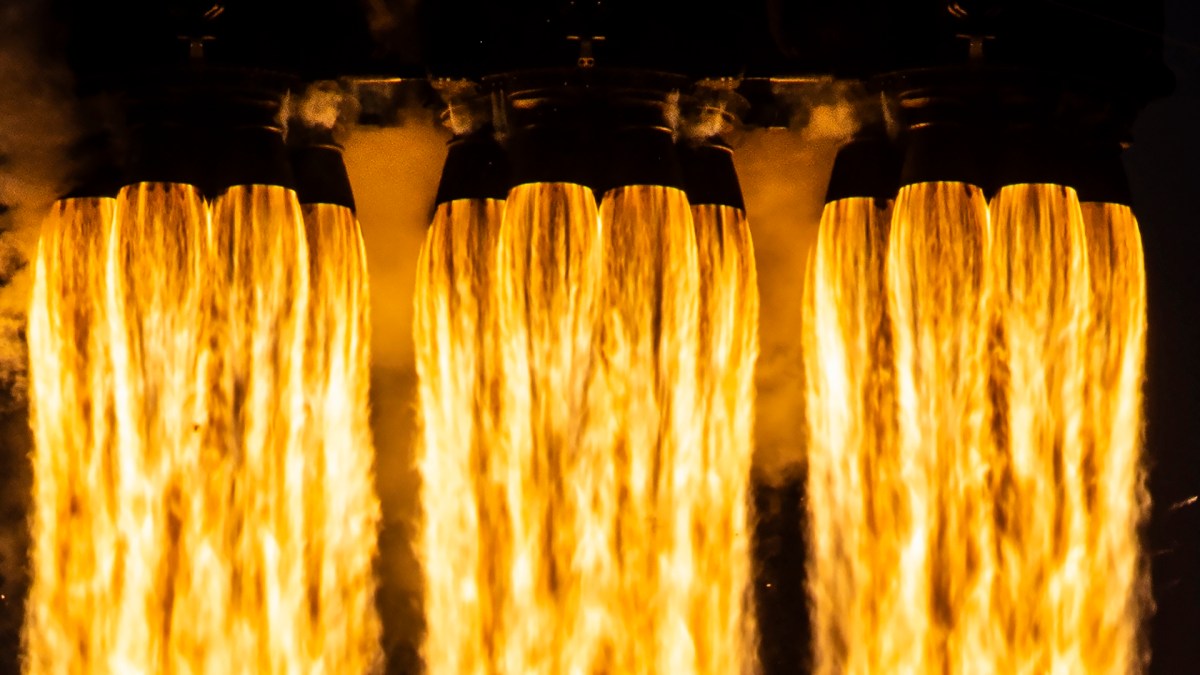
Longtemps considérée comme maudite, la mission européenne ExoMars voit enfin son horizon s’éclaircir. Épaulé par la NASA, le rover Rosalind Franklin s’envolera fin 2028 à bord du rare et surpuissant Falcon Heavy de SpaceX, prêt à traquer d'anciennes traces de vie sous le sol martien.

  •  

Artemis II Astronauts Splash Down Off California's Coast

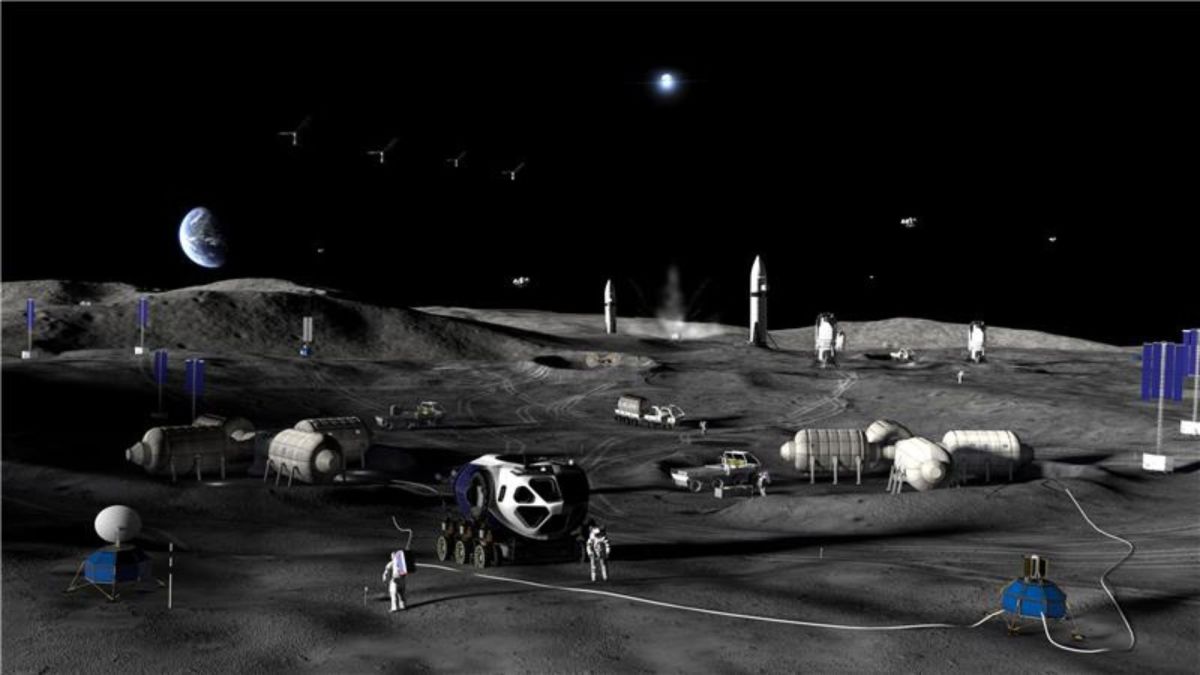
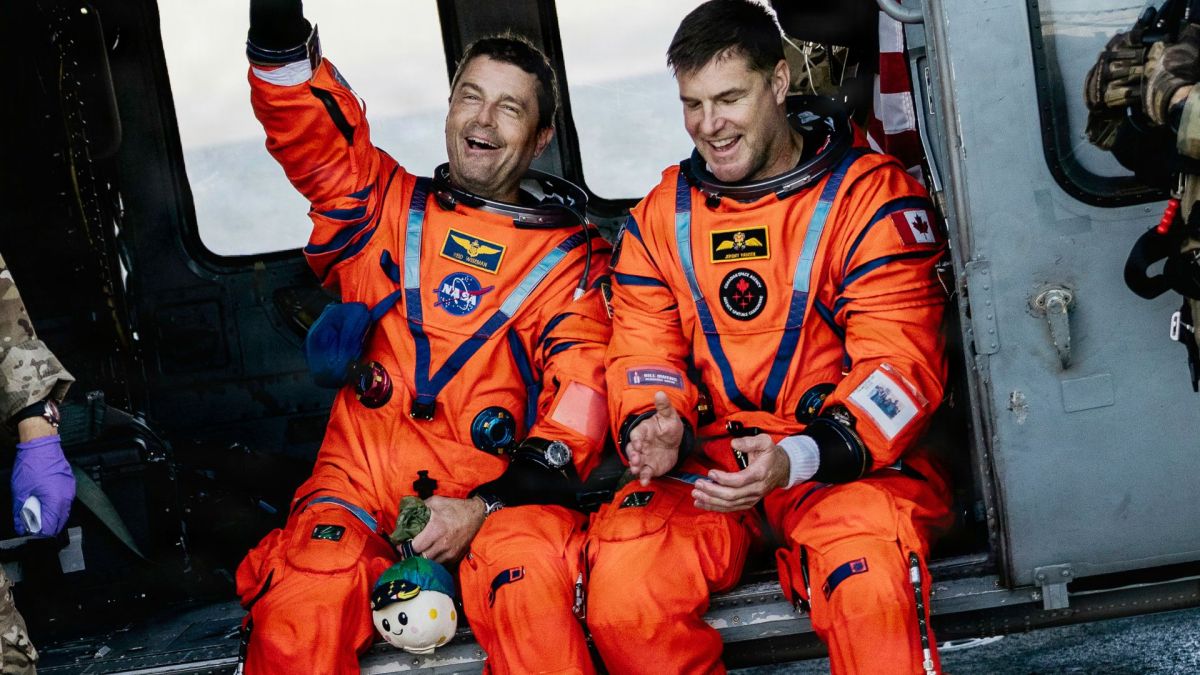
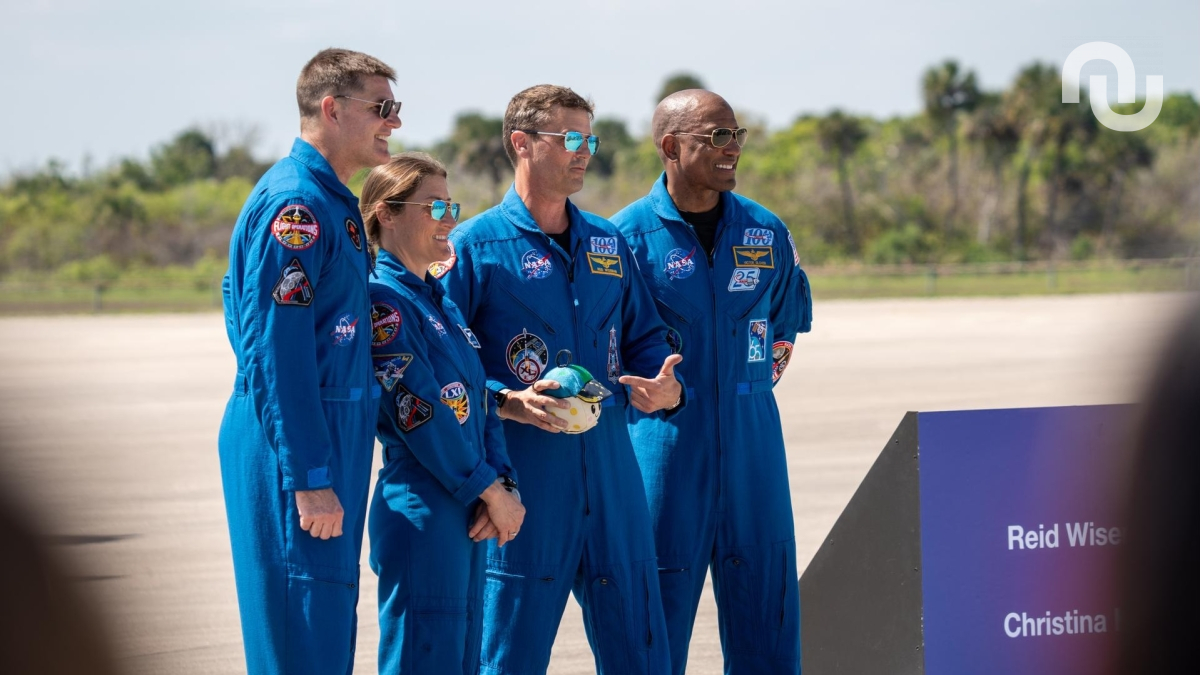
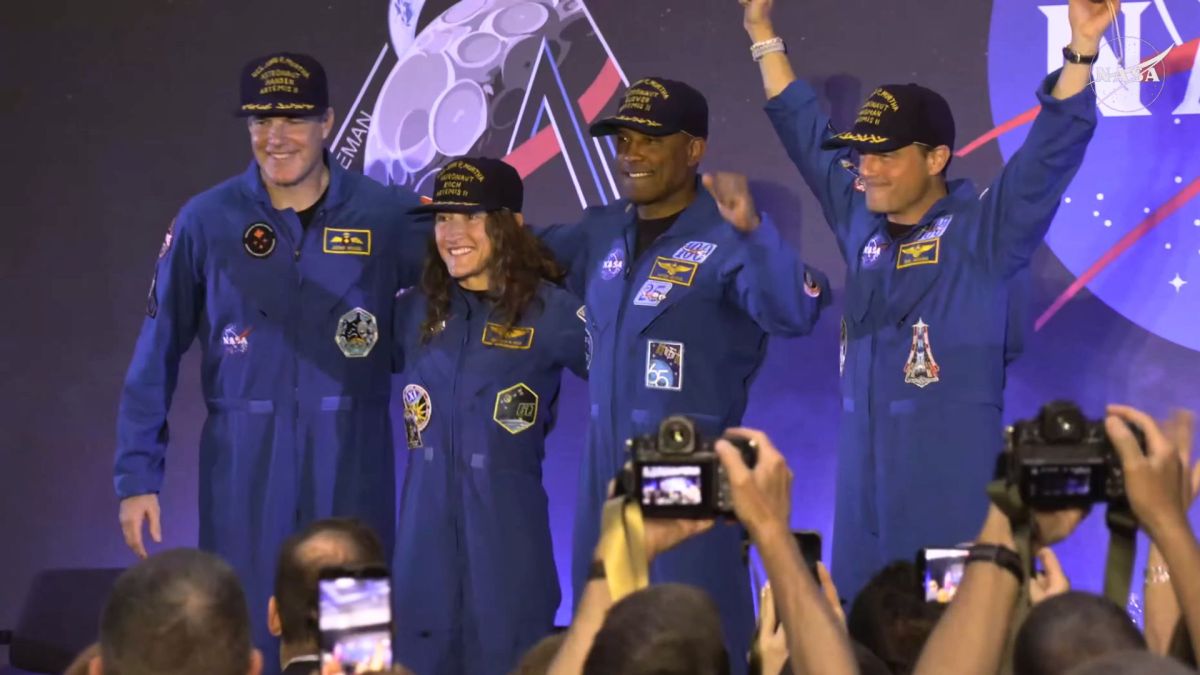
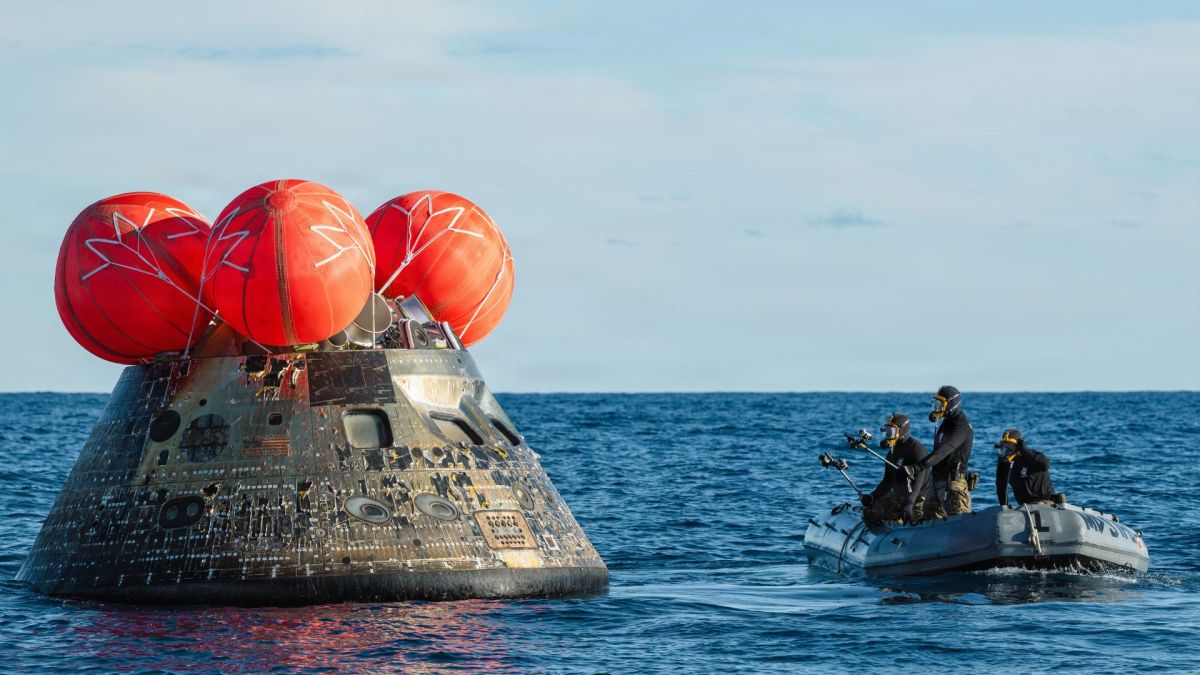
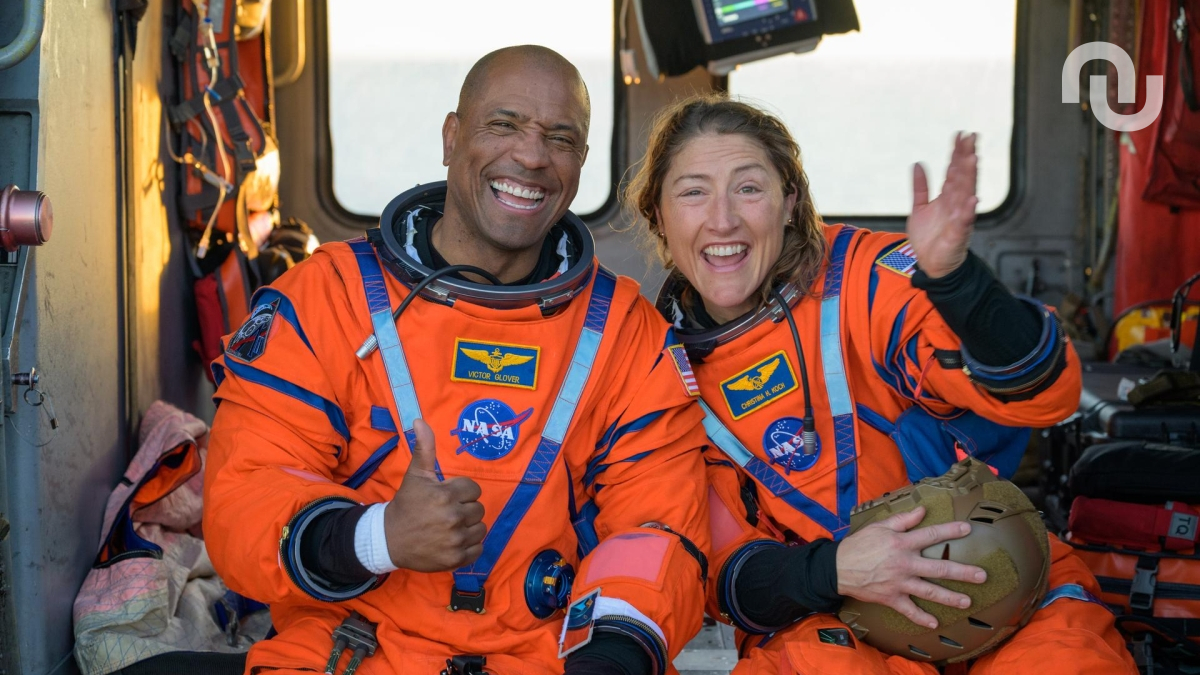
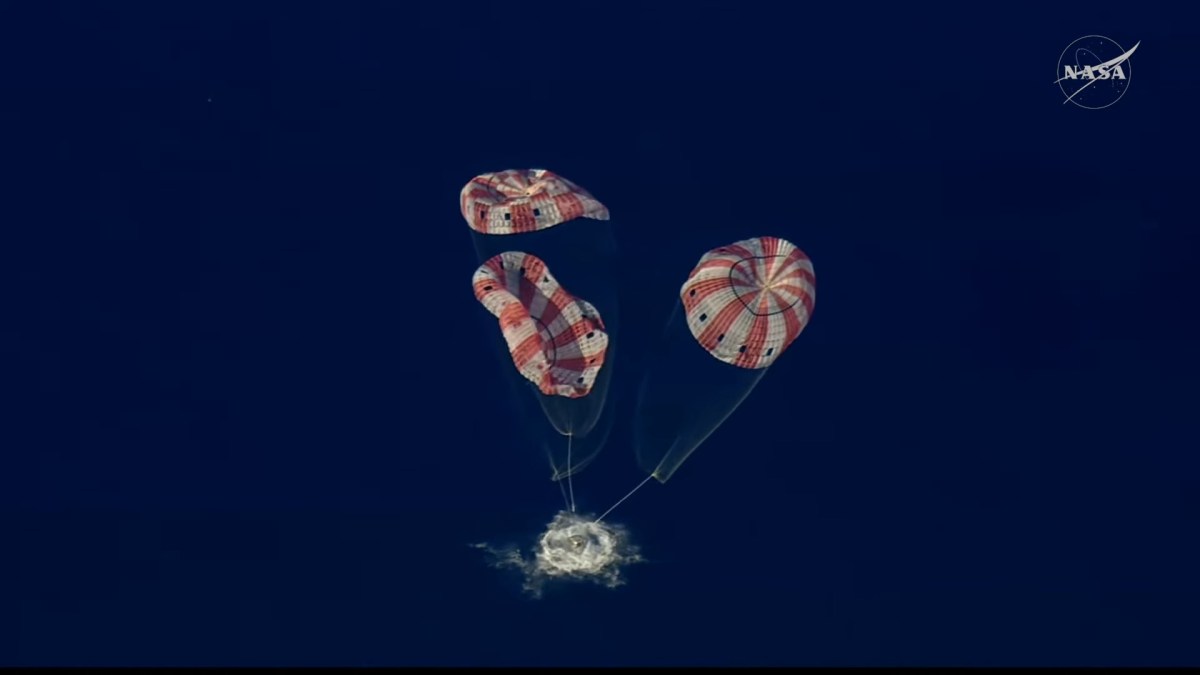
NASA's Artemis II crew safely splashed down off the California coast after completing a 10-day trip around the moon and back. "This is not just an accomplishment for NASA," sad NASA Administrator Jared Isaacman. "This is an accomplishment for humanity, again, a historic mission to the moon and back." From a report: Isaacman is aboard the USS John. P Murtha Navy recovery vessel, where the astronauts will be brought once they've been retrieved from the Orion capsule, and he shared "there is a lot to celebrate right now on on a mission well accomplished for Artemis II." Isaacman also complimented the crew as "absolutely professional astronauts, wonderful communicators and almost poets" "" as well as "ambassadors from humanity to the stars." "I can't imagine a better crew than the Artemis II crew that just completed a perfect mission right now. We are back in the business of sending astronauts to the moon and bringing them back safely. This is just the beginning. We are going to get back into doing this with frequency, sending missions to the moon until we land on it in 2028 and start building our base." Isaacman also said it's time to start preparing for Artemis III, expected to launch in 2027. You can watch the moment of the splashdown here.

Read more of this story at Slashdot.

  •  
❌