Vue lecture

Combien de tokens me reste-t-il ? La question que Claude n’arrivera peut-être jamais à résoudre

Anthropic tâtonne sous la pression : ses quotas de tokens, devenus imprévisibles, mettent une partie de ses utilisateurs en rogne. L'entreprise américaine paie en partie le succès de Claude et se retrouve depuis plusieurs semaines à manœuvrer entre ajustements à chaud et infrastructure qui peine à suivre.

  •  

Google dévoile Gemma 4, son nouveau modèle open source que vous pouvez faire tourner sans Internet

Google lance quatre nouveaux modèles open source destinés à différents usages. Son objectif : ne pas laisser les acteurs chinois, de plus en plus efficaces, seuls sur ce segment. Les modèles Gemma 4 peuvent tourner localement sur des téléphones pour les plus petits, et nécessitent des ordinateurs plus performants pour les versions les plus sophistiquées.

  •  

Le code source de Claude Code a fuité : quelles conséquences pour Anthropic ?

Une erreur humaine lors d'une mise à jour vient peut-être de révéler le plus grand secret d'Anthropic : le fonctionnement de Claude Code. Anthropic a publié un fichier de 60 Mo contenant l'intégralité du code source de son produit le plus populaire et le plus lucratif. Conséquence : des copies du système émergent déjà sur GitHub et Reddit.

  •  

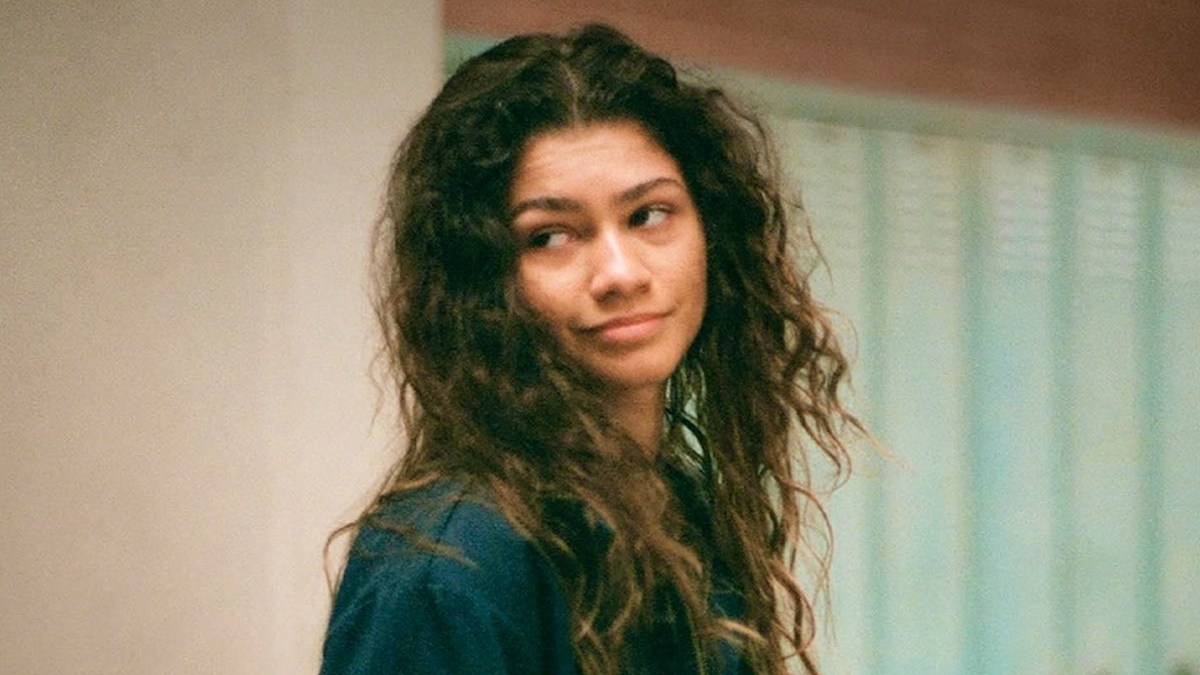
Euphoria : le deuxième trailer de la saison 3 est là, et il est bouleversant

L'attente touche à sa fin, mais elle s'accompagne d'une émotion indescriptible. HBO vient de dévoiler la deuxième bande-annonce officielle de la saison 3 d'Euphoria, dont la sortie est prévue pour le 12 avril 2026. Si les premières images promettent une saison plus sombre que jamais pour Rue et sa bande, elles constituent surtout un hommage vibrant à Eric Dane.

  •  

AV1's Open, Royalty-Free Promise In Question As Dolby Sues Snapchat Over Codec

An anonymous reader quotes a report from Ars Technica: AOMedia Video 1 (AV1) was invented by a group of technology companies to be an open, royalty-free alternative to other video codecs, like HEVC/H.265. But a lawsuit that Dolby Laboratories Inc. filed this week against Snap Inc. calls all that into question with claims of patent infringement. Numerous lawsuits are currently open in the US regarding the use of HEVC. Relevant patent holders, such as Nokia and InterDigital, have sued numerous hardware vendors and streaming service providers in pursuit of licensing fees for the use of patented technologies deemed essential to HEVC. It's a touch rarer to see a lawsuit filed over the implementation of AV1. The Alliance for Open Media (AOMedia), whose members include Amazon, Apple, Google, Microsoft, Mozilla, and Netflix, says it developed AV1 "under a royalty-free patent policy (Alliance for Open Media Patent License 1.0)" and that the standard is "supported by high-quality reference implementations under a simple, permissive license (BSD 3-Clause Clear License)." Yet, Dolby's lawsuit filed in the US District Court for the District of Delaware [PDF] alleges that AV1 leverages technologies that Dolby has patented and has not agreed to license for free and without receiving royalties. The filing reads: "[AOMedia] does not own all patents practiced by implementations of the AV1 codec. Rather, the AV1 specification was developed after many foundational video coding patents had already been filed, and AV1 incorporates technologies that are also present in HEVC. Those technologies are subject to existing third-party patent rights and associated licensing obligations." Dolby is seeking a jury trial, a declaration that Dolby isn't obligated to license the patents in questions under FRAND (fair, reasonable, and non-discriminatory) licensing obligations, and for the court to enjoin Snap from further "infringement."

Read more of this story at Slashdot.

  •  

Wikipedia Bans Use of Generative AI

Wikipedia has banned the use of generative AI to write or rewrite articles, saying it "often violates several of Wikipedia's core content policies." That said, editors may still use it for translation or light refinements as long as a human carefully checks the copy for accuracy. Engadget reports: Editors can use large language models (LLMs) to refine their own writing, but only if the copy is checked for accuracy. The policy states that this is because LLMs "can go beyond what you ask of them and change the meaning of the text such that it is not supported by the sources cited." Editors can also use LLMs to assist with language translation. However, they must be fluent enough in both languages to catch errors. Once again, the information must be checked for inaccuracies. "My genuine hope is that this can spark a broader change. Empower communities on other platforms, and see this become a grassroots movement of users deciding whether AI should be welcome in their communities, and to what extent," Wikipedia administrator Chaotic Enby wrote. The administrator also called the policy a "pushback against enshittification and the forceful push of AI by so many companies in these last few years."

Read more of this story at Slashdot.

  •  

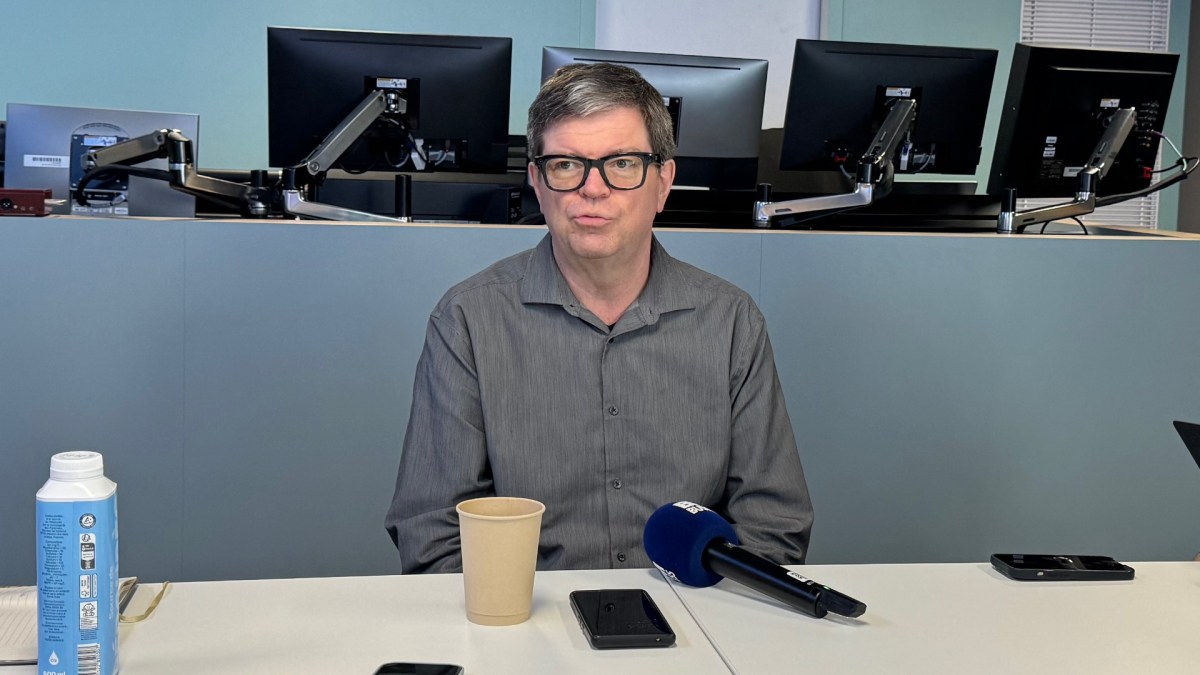
15 millions de paramètres et 1 seul GPU : Yann LeCun fait un premier pas vers l’IA qui comprend le monde réel

En attendant les premières découvertes d'AMI Labs, sa nouvelle startup créée en France, Yann LeCun et un consortium de chercheurs spécialisés en intelligence artificielle dévoilent LeWorldModel, première version d'une technologie capable de s'entraîner directement à partir de pixels bruts sans problème de stabilité. À terme, les robots pourraient s'appuyer sur ces avancées pour voir le monde et interagir avec.

  •  

OpenAI abandonne la génération de vidéos (Sora) et perd son deal avec Disney : comment expliquer un tel échec ?

Un peu plus d'un an après avoir lancé Sora, son modèle pour générer des vidéos intégré à une application dédiée, OpenAI annonce renoncer à la technologie, qui va même perdre son API. L'entreprise semble vouloir se reconcentrer sur ChatGPT et réduire ses coûts d'exploitation.

  •  
❌