Vue lecture

Artemis II Astronauts Have 'Two Microsoft Outlooks' and Neither Work

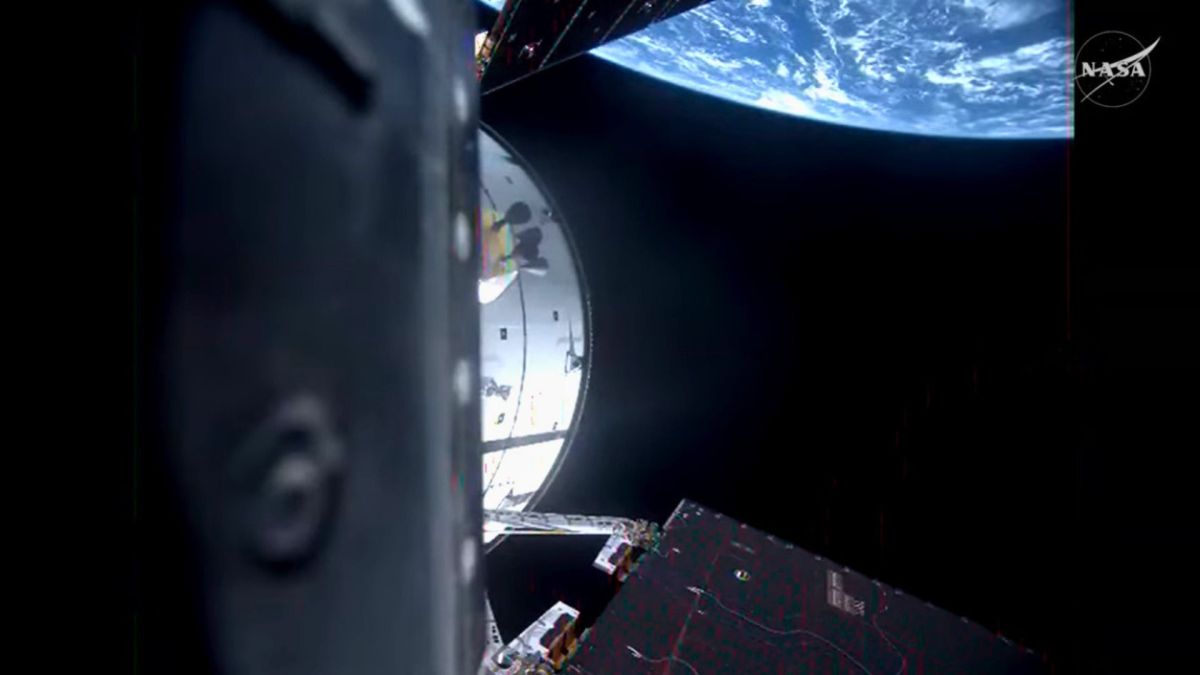
Even on NASA's Artemis II mission around the moon, astronauts apparently still have to deal with broken Microsoft Outlook. One of the crew members, Reid Wiseman, jokingly reported that he had "two Microsoft Outlooks" and neither worked. 404 Media reports: On April 1, four astronauts from the U.S. and Canada embarked on a 10-day flight to loop around the moon. Spotted by VGBees podcast host Niki Grayson on the NASA livestream of live views from the , around 2 a.m. ET, mission control acknowledges an issue with a process control system and offers to remote in -- yes, like how your office IT guy would pause his CoD campaign to log into Okta for you because you used the wrong password too many times. One of the astronauts, Reid Wiseman, says that's chill, but while they're in there: "I also see that I have two Microsoft Outlooks, and neither one of those are working." Astronauts are trained for decades in some of the most physically and mentally grueling environments of any career. They're some of the smartest people on the planet, and they have to be, before we strap them to 3.2 million pounds of jet fuel and make them do complex experiments and high-stakes decisions for days on end. And yet, once they get up there, fucking Outlook is borked.

Read more of this story at Slashdot.

  •  

À 36 000 km de la Terre, l’incroyable course d’Artémis II dans le ciel

Artémis II SLS

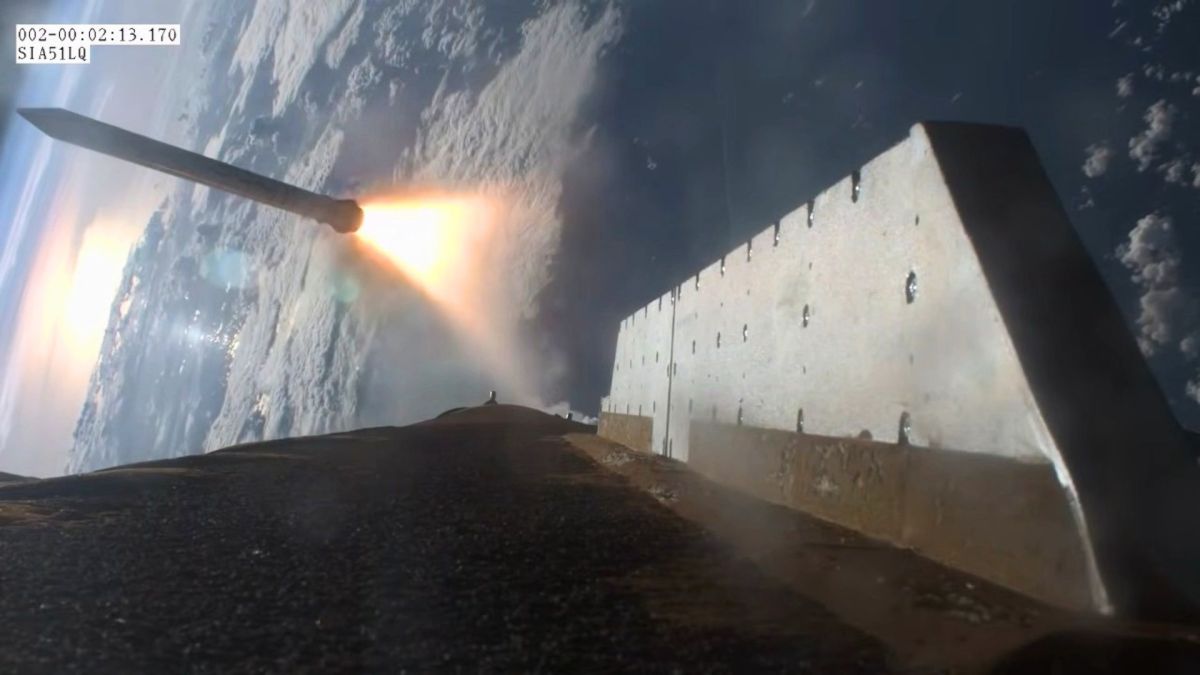
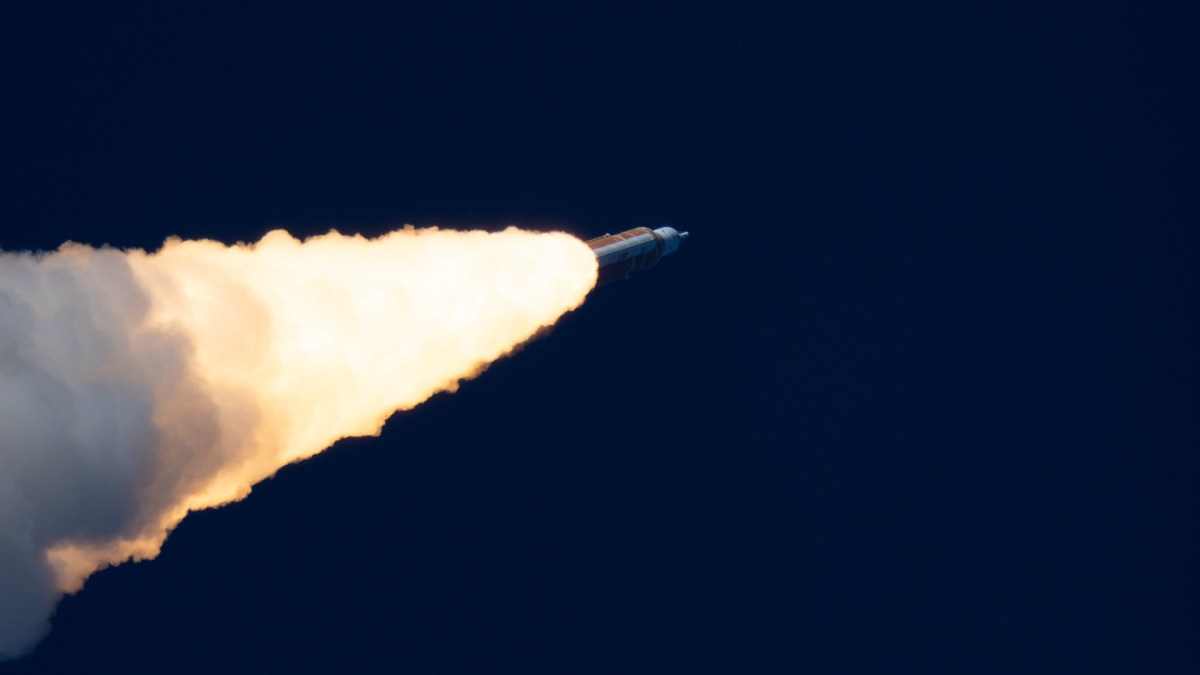
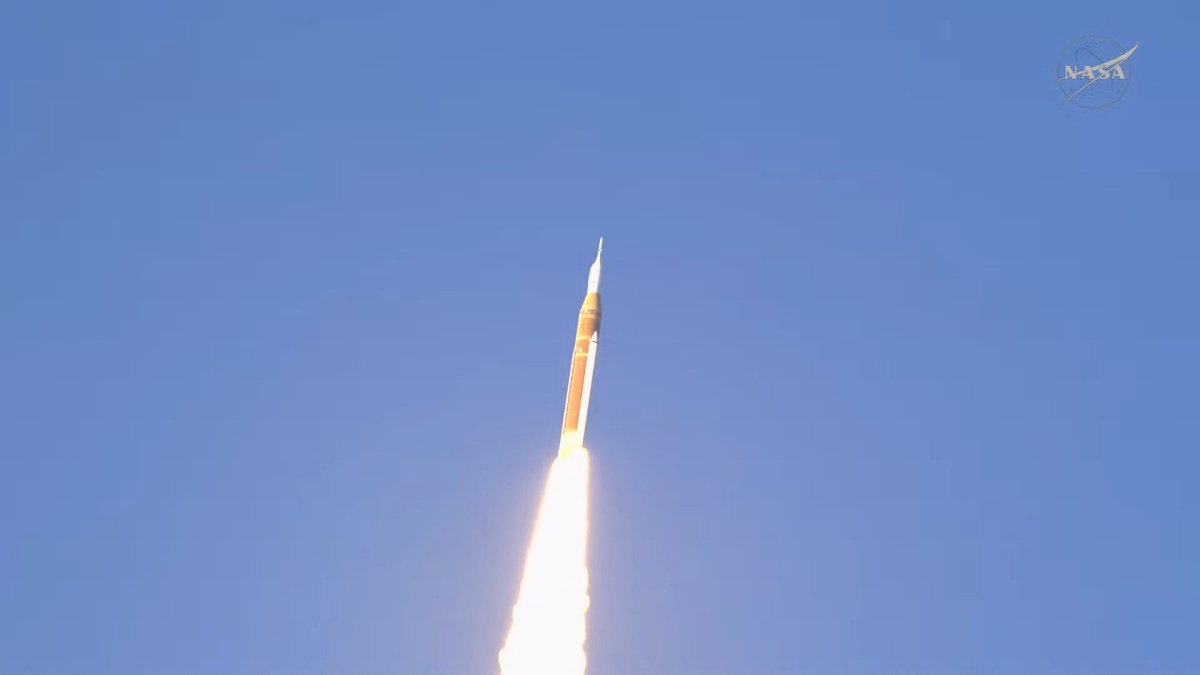
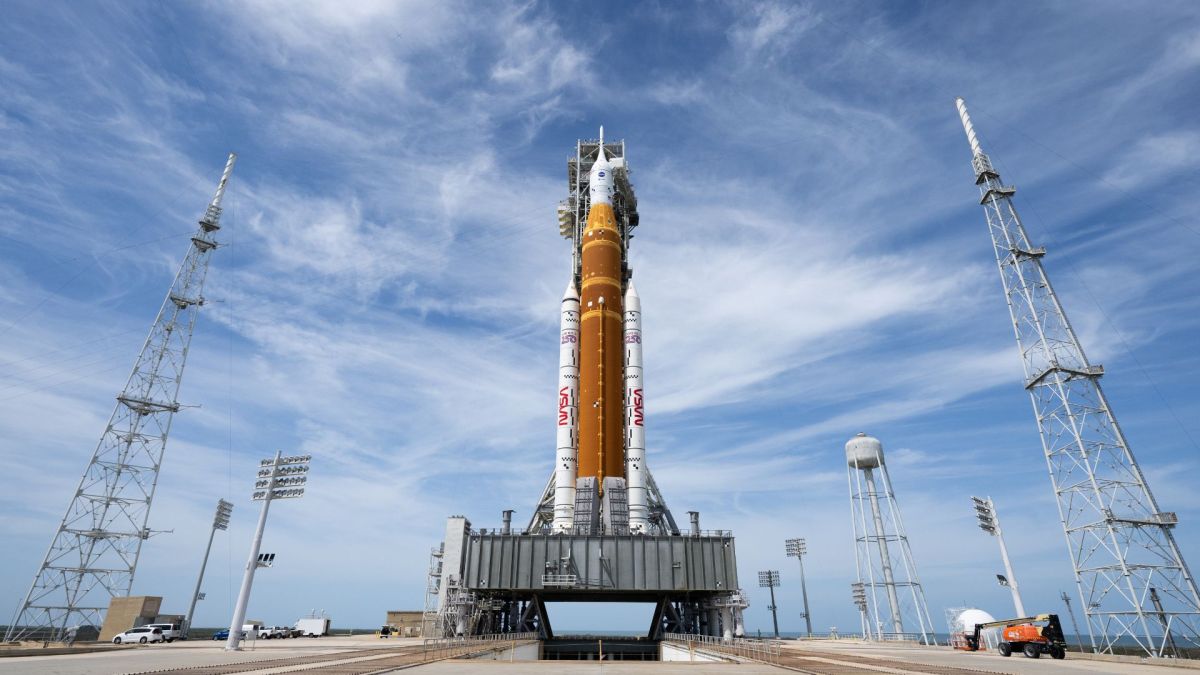
La fusée SLS a décollé dans la nuit du 1er au 2 avril 2026 pour lancer la mission historique Artémis II. Si les objectifs des photographes l'ont mitraillée depuis le sol, le point de vue le plus vertigineux nous vient de l'espace. À près de 36 000 km de distance, un satellite météorologique a capturé une trace étonnante de ce départ vers la Lune.

  •  

À 36 000 km de la Terre, l’incroyable course d’Artémis II dans le ciel, capturée par les satellites

Artémis II SLS

La fusée SLS a décollé dans la nuit du 1er au 2 avril 2026 pour lancer la mission historique Artémis II. Si les objectifs des photographes l'ont mitraillée depuis le sol, le point de vue le plus vertigineux nous vient de l'espace. À près de 36 000 km de distance, un satellite météorologique a capturé une trace étonnante de ce départ vers la Lune.

  •  

NASA Launches Artemis II Astronauts Around the Moon

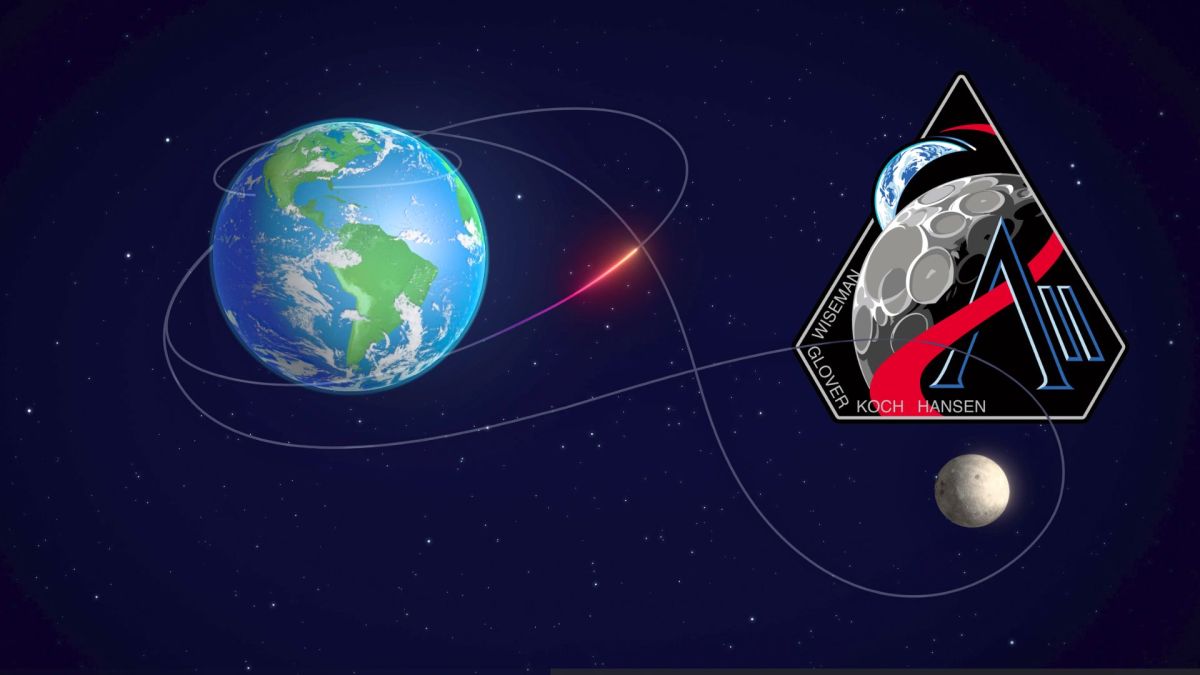
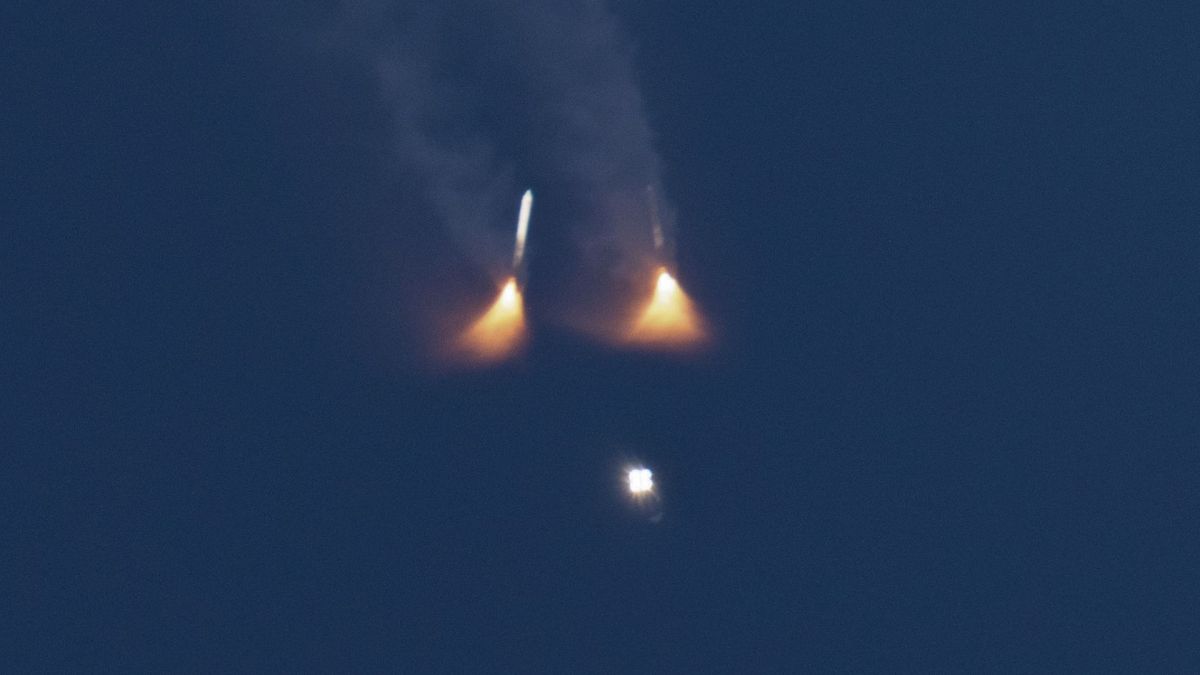
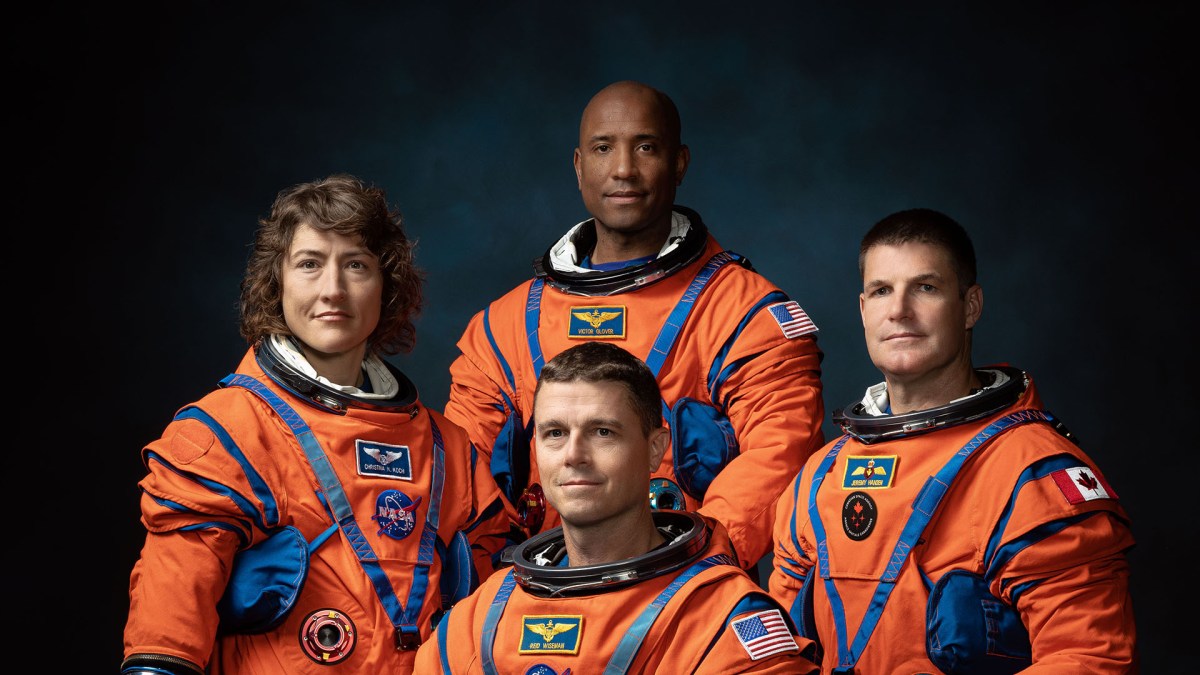
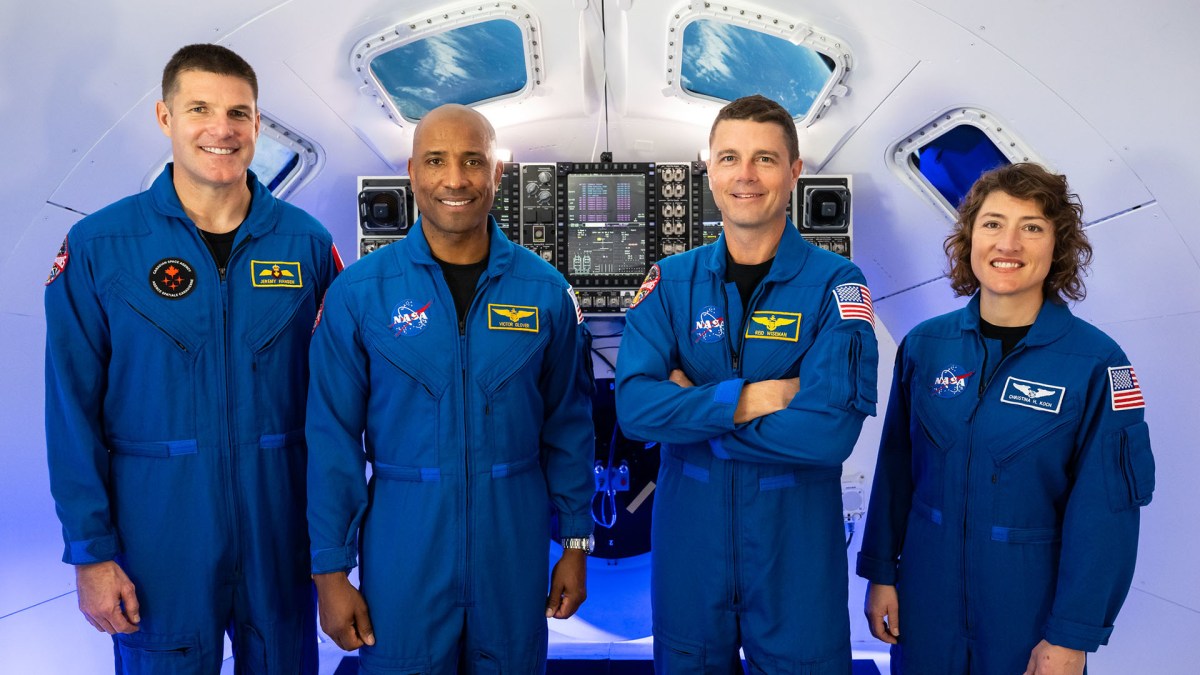
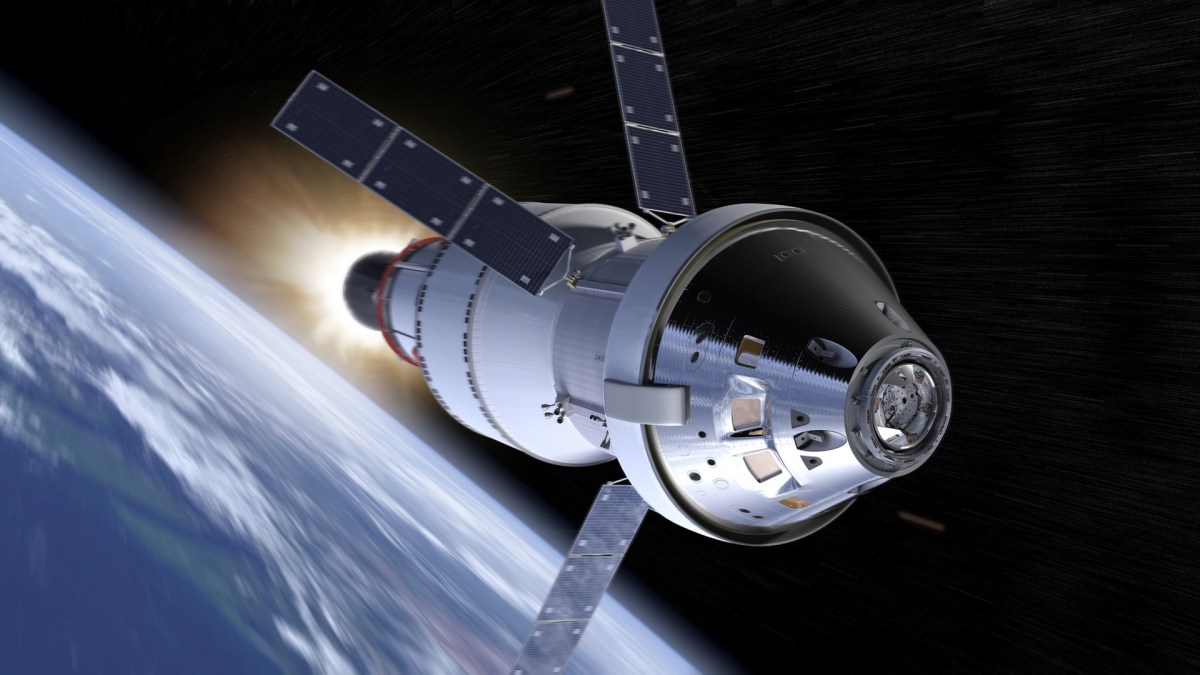
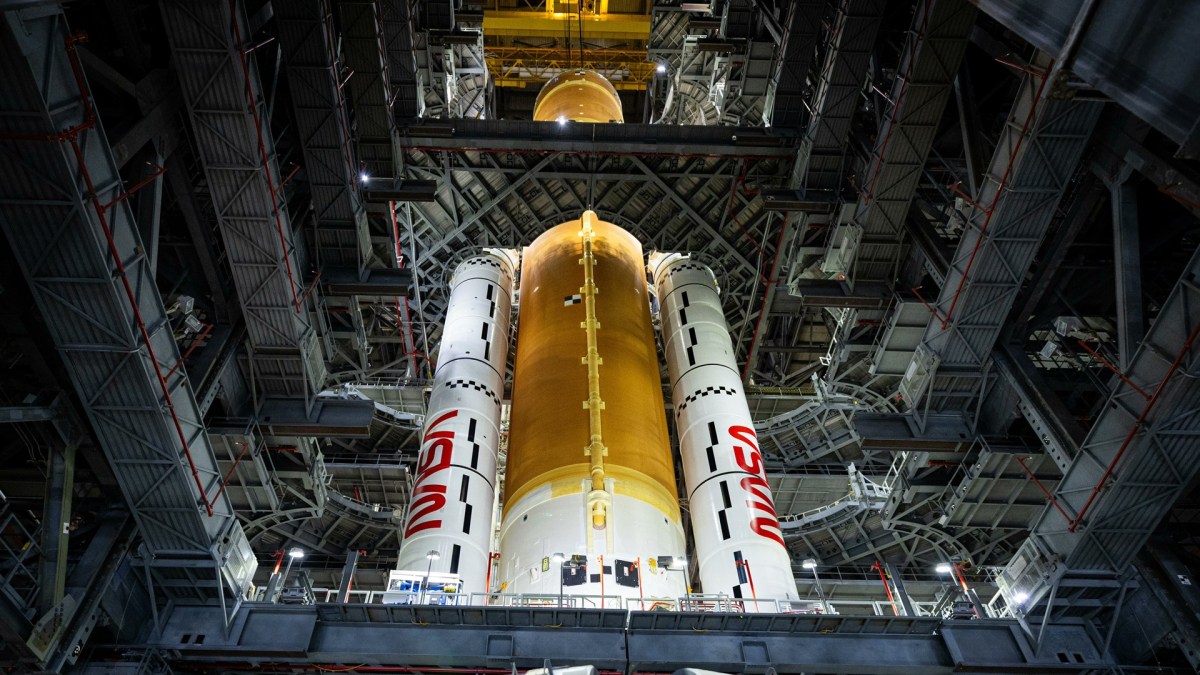
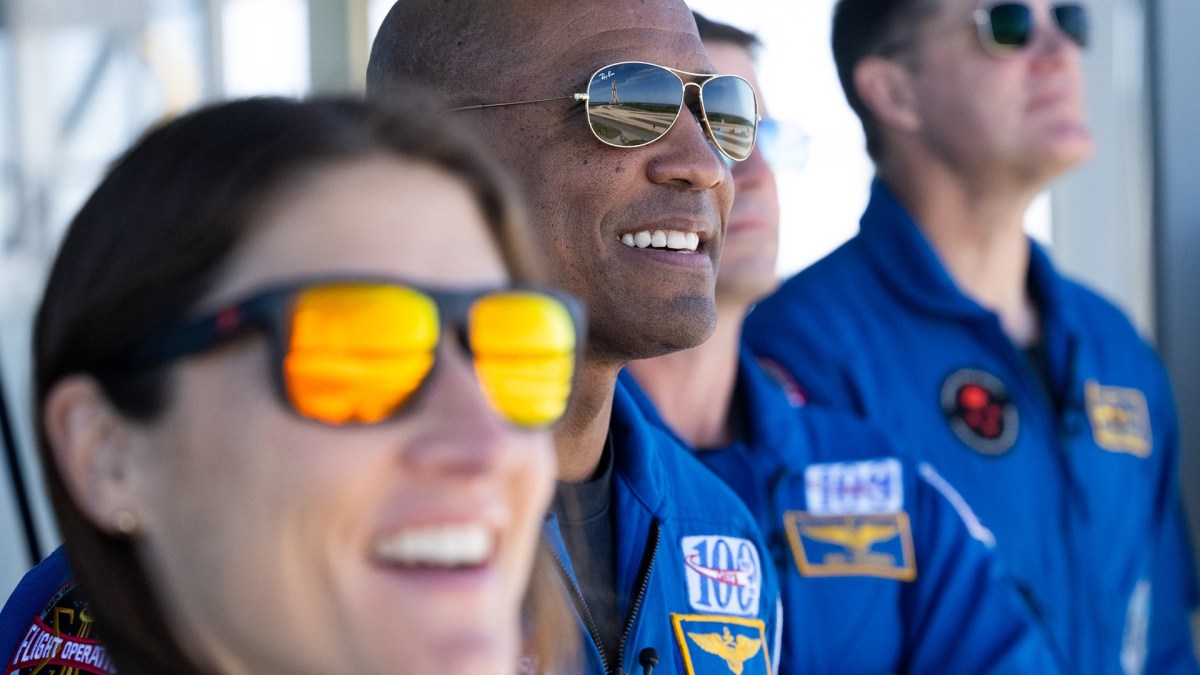
NASA's Artemis II mission has launched four astronauts around the moon and back, marking humanity's first crewed lunar voyage in 53 years and the first test flight of NASA's Orion capsule and Space Launch System (SLS) with people on board. Five minutes into the flight, Commander Reid Wiseman saw the team's target: "We have a beautiful moonrise, we're headed right at it," he said from the capsule. The Associated Press reports: Artemis II set sail from the same Florida launch site that sent Apollo's explorers to the moon so long ago. The handful still alive cheered this next generation's grand adventure as the Space Launch System rocket thundered into the early evening sky, a nearly full moon beckoning some 248,000 miles (400,000 kilometers) away. Artemis II commander Reid Wiseman led the charge into space with "Let's go to the moon!" accompanied by pilot Victor Glover, Christina Koch and Canada's Jeremy Hansen. It was the most diverse lunar crew ever with the first woman, person of color and non-U.S. citizen riding in NASA's new Orion capsule. Carrying three Americans and one Canadian, the 32-story rocket rose from NASA's Kennedy Space Center where tens of thousands gathered to witness the dawn of this new era. Crowds also jammed the surrounding roads and beaches, reminiscent of the Apollo moonshots in the 1960s and '70s. It is NASA's biggest step yet toward establishing a permanent lunar presence. Visit NASA's Artemis II Launch Day blog for the latest updates. Developing...

Read more of this story at Slashdot.

  •  

Pourquoi n’est-on pas retourné sur la Lune depuis 1972 ?

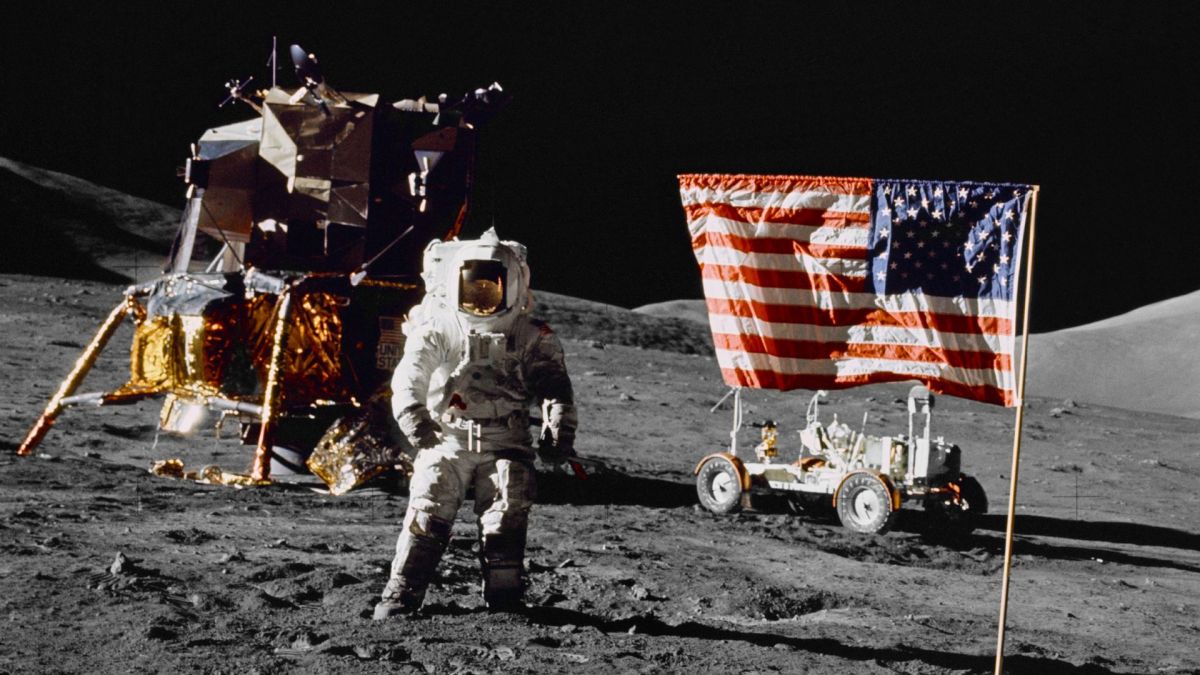
Le 14 décembre 1972, les astronautes de la mission Apollo 17 ont quitté la Lune. Depuis, plus aucun humain n'a foulé le sol du satellite de la Terre. Malgré l'enthousiasme suscité en 1969, personne n'est retourné sur la Lune en plus de 50 ans. Le programme Artémis, dont la première mission habitée s'apprête à décoller, pourrait changer cela.

  •  
❌