Vue lecture

« Nous sortons enfin la propulsion nucléaire des labos » : le pari renversant du futur vaisseau spatial de la NASA

nucléaire fusée

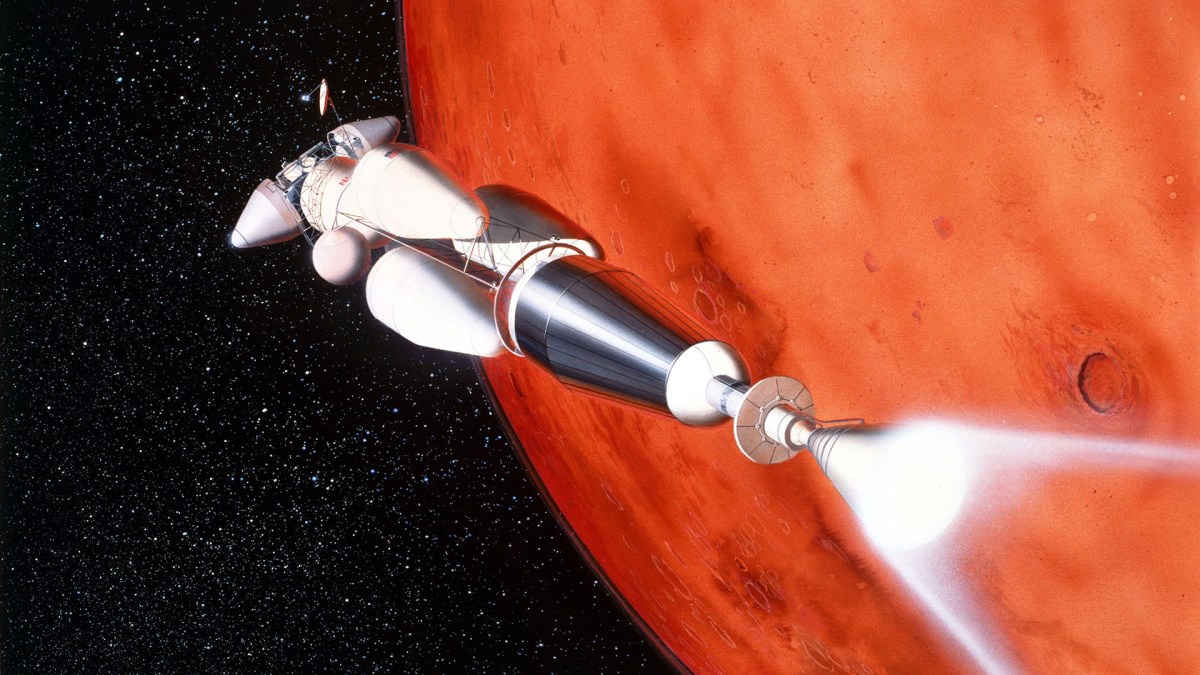
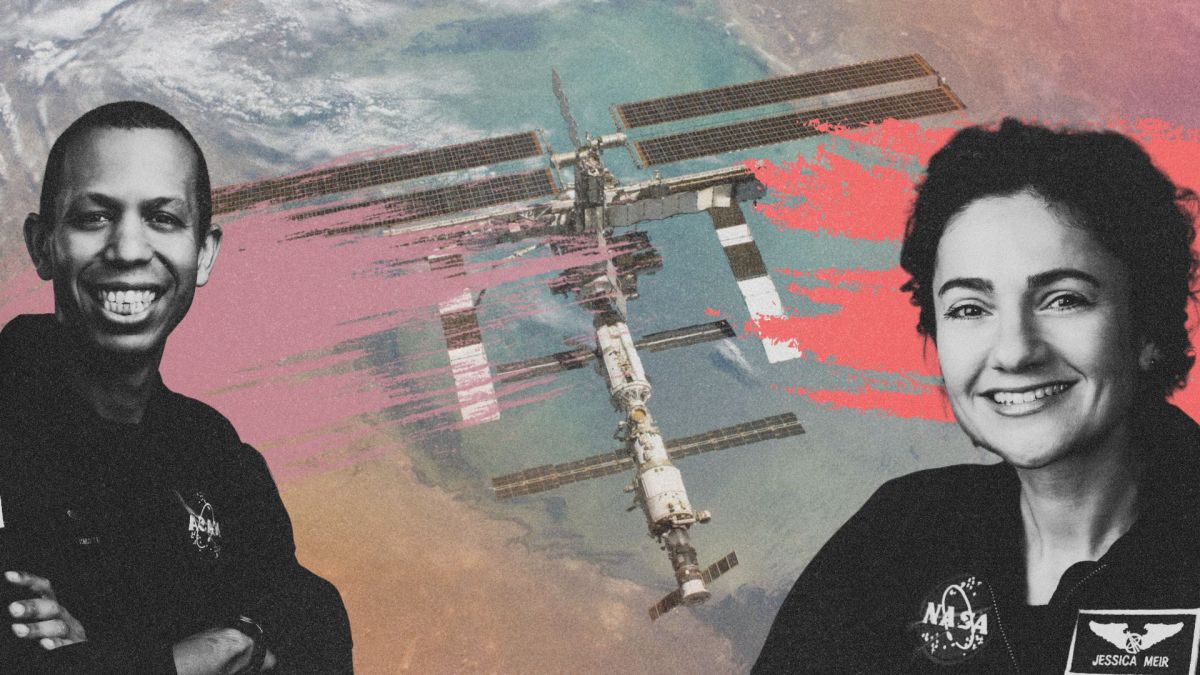
Promis il y a un an par Jared Isaacman, le grand virage nucléaire de la NASA est officiel. Avec le projet Space Reactor-1 Freedom prévu pour 2028, l'agence spatiale américaine compte réduire drastiquement le temps de trajet vers Mars. Une révolution technologique décisive pour protéger la santé des futurs astronautes, et qui s'appuie sur des décennies de recherches théoriques.

  •  

La NASA sort le grand jeu : le vaisseau nucléaire SR-1 Freedom pour partir vers Mars dès 2028

nucléaire fusée

Promis il y a un an par Jared Isaacman, le grand virage nucléaire de la NASA est officiel. Avec le projet Space Reactor-1 Freedom prévu pour 2028, l'agence spatiale américaine compte réduire drastiquement le temps de trajet vers Mars. Une révolution technologique décisive pour protéger la santé des futurs astronautes, et qui s'appuie sur des décennies de recherches théoriques.

  •  

Objectif Mars : la NASA relance la propulsion nucléaire pour accélérer l’exploration de l’espace lointain

nucléaire fusée

Promis il y a un an par Jared Isaacman, le grand virage nucléaire de la NASA est officiel. Avec le projet Space Reactor-1 Freedom prévu pour 2028, l'agence spatiale américaine compte réduire drastiquement le temps de trajet vers Mars. Une révolution technologique décisive pour protéger la santé des futurs astronautes, et qui s'appuie sur des décennies de recherches théoriques.

  •  

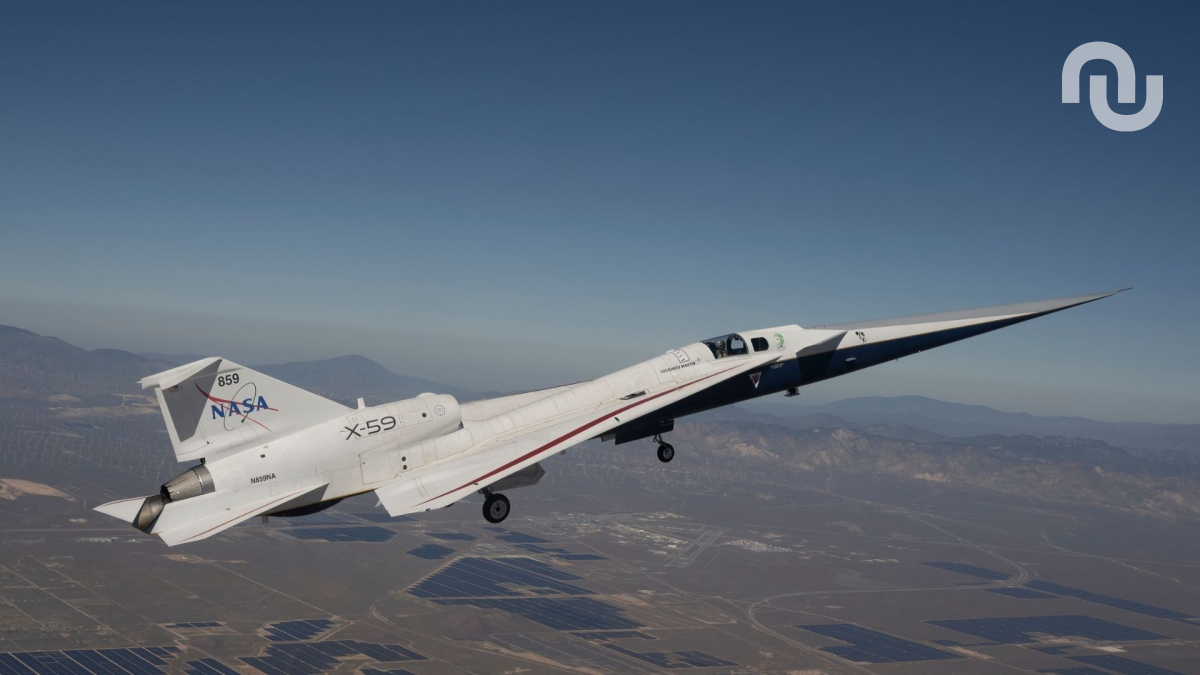
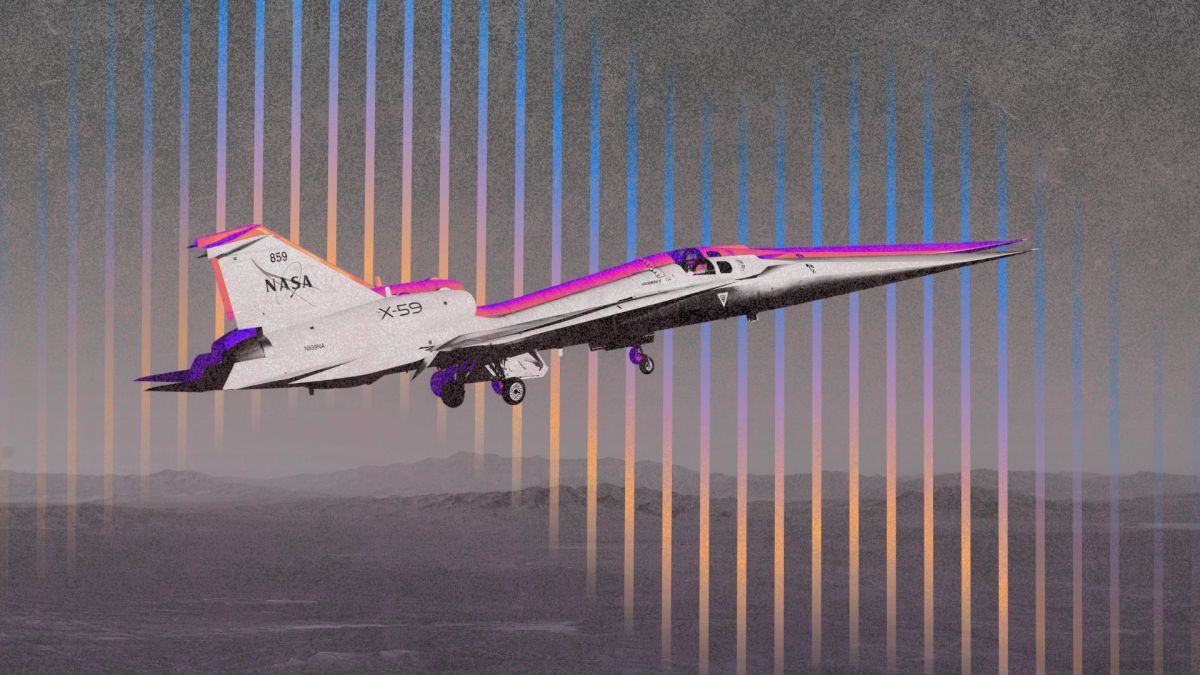
Un coup de feu, un ballon qui éclate, un feu d’artifice… : à quel point l’avion supersonique silencieux X-59 est-il bruyant ?

son x-59

Passer le mur du son sans faire de bruit ? C’est le pari de la Nasa avec l'avion expérimental X-59. Conçu pour transformer le fracassant « bang » supersonique en un simple bruit sourd, cet appareil pourrait bien lever l'interdiction de survol des terres et révolutionner l'aviation civile. Voici comment le bruit du bang sonore du X-59 se situe par rapport à d'autres sons du quotidien.

  •  

Un coup de feu, un ballon qui éclate, un feu d’artifice… : à quel point l’avion supersonique silencieux X-59 est-il bruyant ?

son x-59

Passer le mur du son sans faire de bruit ? C’est le pari de la Nasa avec l'avion expérimental X-59. Conçu pour transformer le fracassant « bang » supersonique en un simple bruit sourd, cet appareil pourrait bien lever l'interdiction de survol des terres et révolutionner l'aviation civile. Voici comment le bruit du bang sonore du X-59 se situe par rapport à d'autres sons du quotidien.

  •  

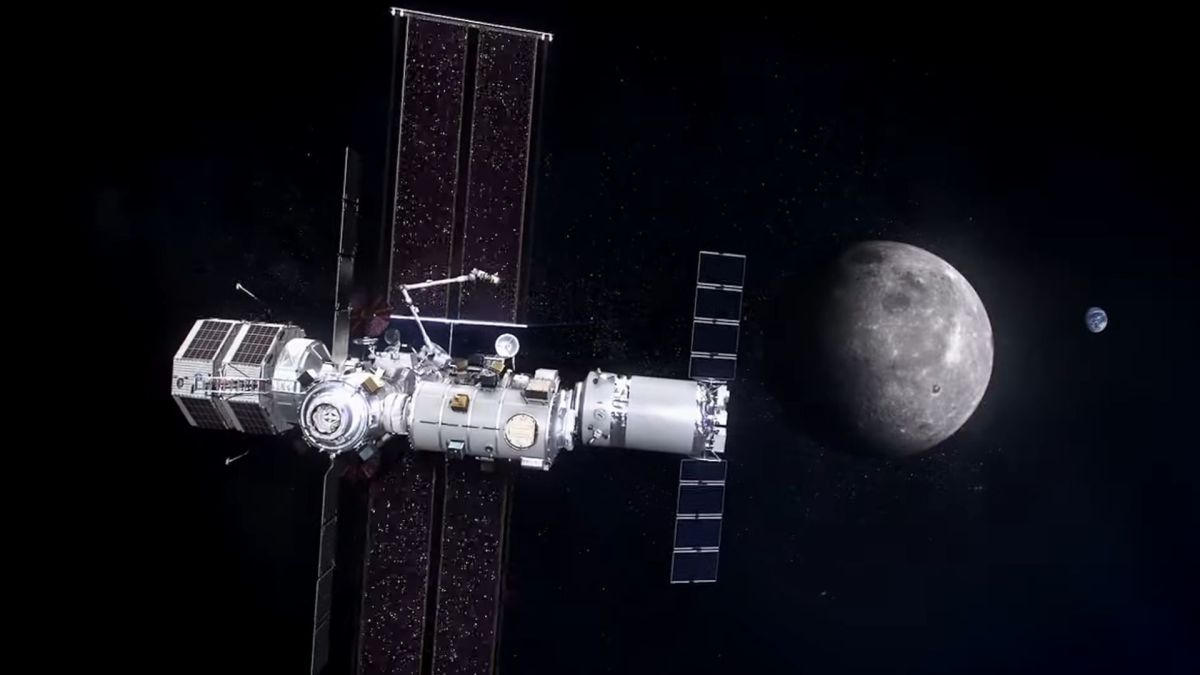
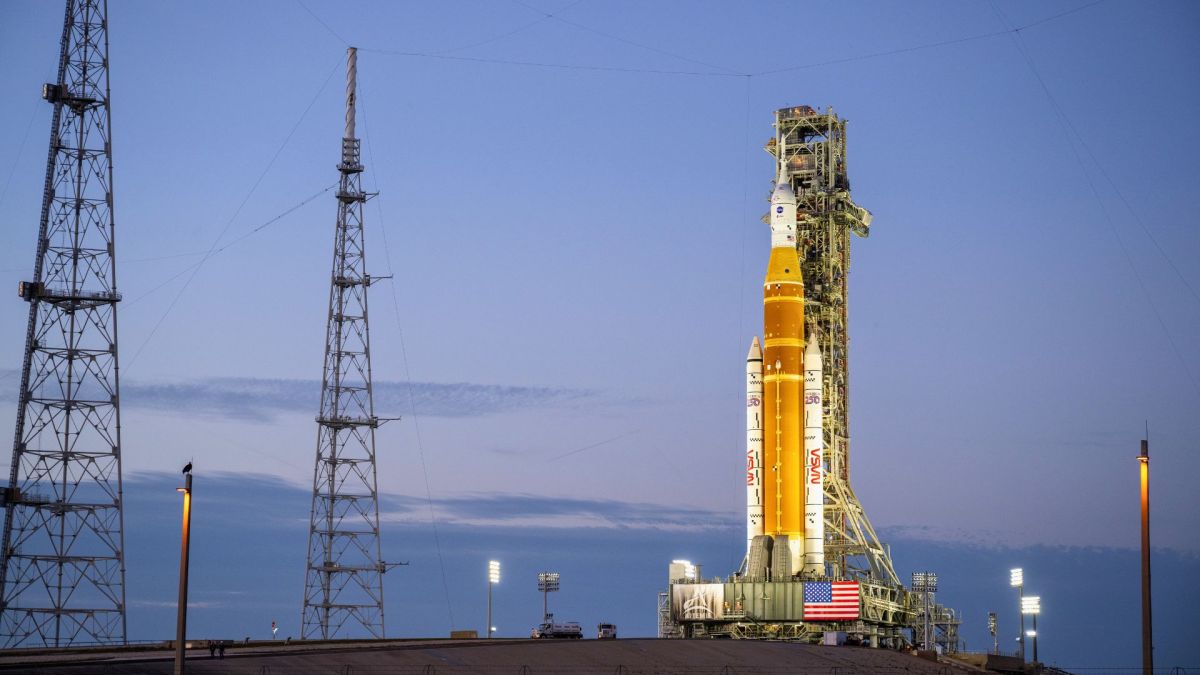
Artémis II : comment voir la fusée géante en direct avant qu’elle ne quitte la Terre

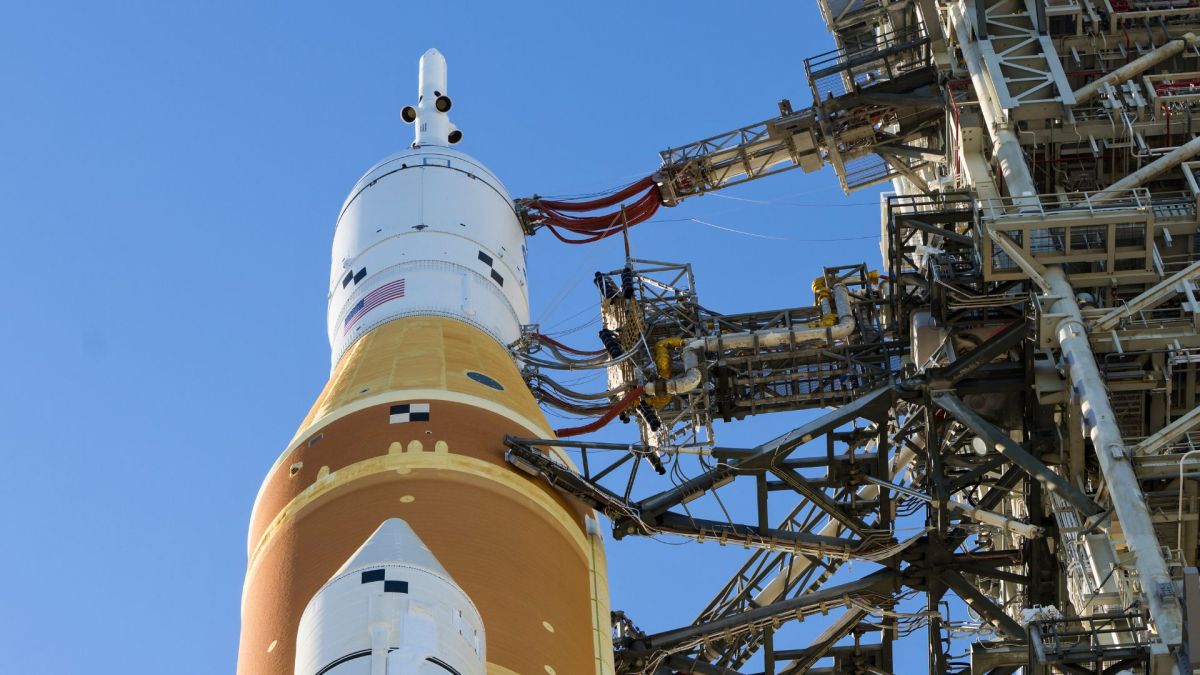
La Nasa ramène sa fusée Space Launch System (SLS) sur son pas de tir. Il est possible de suivre en direct l'événement sur YouTube. Le flux vidéo devrait ensuite rester accessible, pour observer la fusée à toute heure. En attendant le tonitruant décollage de la fusée d'Artémis II, voici comment la voir 24h/24.

  •  

A 1,300-Pound NASA Spacecraft To Re-Enter Earth's Atmosphere

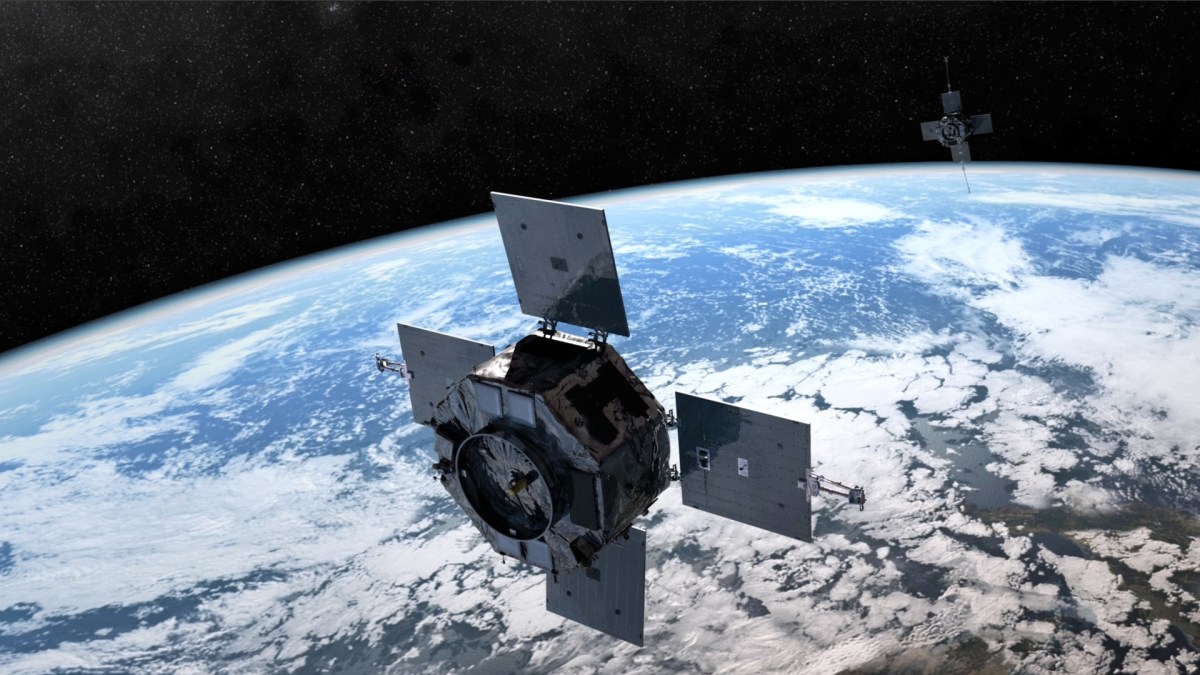
Van Allen Probe A, a 1,300-pound (600 kg) NASA satellite launched in 2012 to study Earth's radiation belts, is expected to re-enter Earth's atmosphere this week. While most of it is expected to burn up during descent, "some components may survive," reports the BBC. "The space agency said there is a one in 4,200 chance of being harmed by a piece of the probe, which it characterized as 'low' risk." From the report: The spacecraft is projected to re-enter around 19:45 EST (00:45 GMT) on Tuesday the U.S. Space Force predicted, according to Nasa, though there is a 24-hour margin of "uncertainty" in the timing. [...] The spacecraft and its twin, Van Allen Probe B, were on a mission to gather unprecedented data on Earth's two permanent radiation belts. It was not immediately clear where in Earth's atmosphere the satellite is projected to re-enter. NASA and the U.S. Space Force has said it will monitor the re-entry and update any predictions. [...] Van Allen Probe B is not expected to re-enter the Earth's atmosphere before 2030.

Read more of this story at Slashdot.

  •  

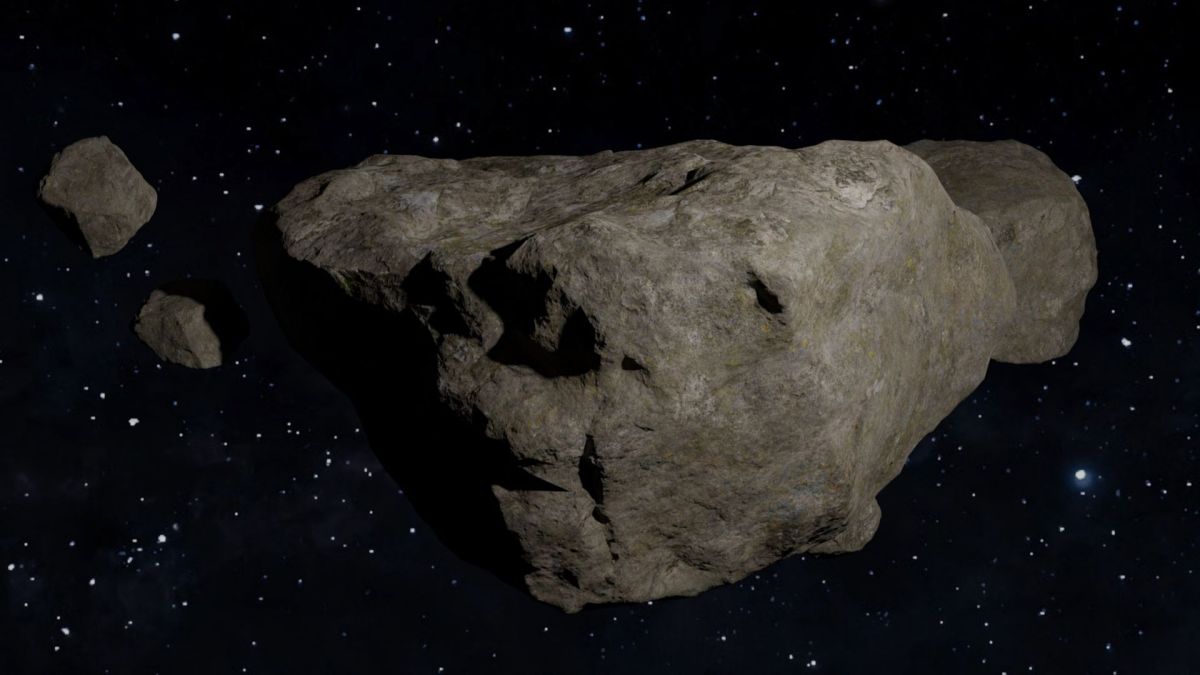
A First for Humanity Confirmed: NASA's DART Mission Slowed the Asteroid's Orbit

NASA heralded a new study published Friday documenting a first for humanity — "the first time a human-made object has measurably altered the path of a celestial body around the Sun." It was 2022's DART mission where NASA crashed a spacecraft into an asteroid — and the experiment "could have implications for protecting Earth from future asteroid strikes," writes ScienceNews: A spacecraft slowed the orbit of a pair of asteroids around the sun by more than 10 micrometers per second... Within a month, researchers showed that the impact shortened Dimorphos' 12-hour orbit by 32 minutes. Some of the rocks knocked off of Dimorphos fled the vicinity completely, escaping the gravitational influence of the Dimorphos-Didymos pair, says planetary defense researcher Rahil Makadia of the University of Illinois Urbana-Champaign. Those rocky runaways took some momentum away from the duo and changed their joint motion around the sun. To figure out how much that motion was affected, astronomers watched the asteroids pass in front of distant stars, dimming some of the stars' light like a tiny eclipse. These blinks, called stellar occultations, can be visible from anywhere on Earth and are predictable in advance... Calculating how far off occultation timings were from predictions revealed that the asteroids' orbit around the sun was about 150 milliseconds slower than before the DART impact... Didymos and Dimorphos are not a threat to Earth, Makadia says, and weren't before DART. But knowing how a deliberate impact changes one asteroid's orbit can help make defense plans against another, "in case we need to do a kinetic impact for real." The researchers spent nearly two and a half years to collect 22 measurements of the asteroid's post-crash position, relying on amateur astronomers "to go out into the middle of nowhere and observe the necessary stellar occultations," acvcording to their paper. Planetary defense researcher even tells ScienceNews "There was an observer who drove two days each way into the Australian outback to get these measurements."

Read more of this story at Slashdot.

  •  
❌