Vue lecture

A 1,300-Pound NASA Spacecraft To Re-Enter Earth's Atmosphere

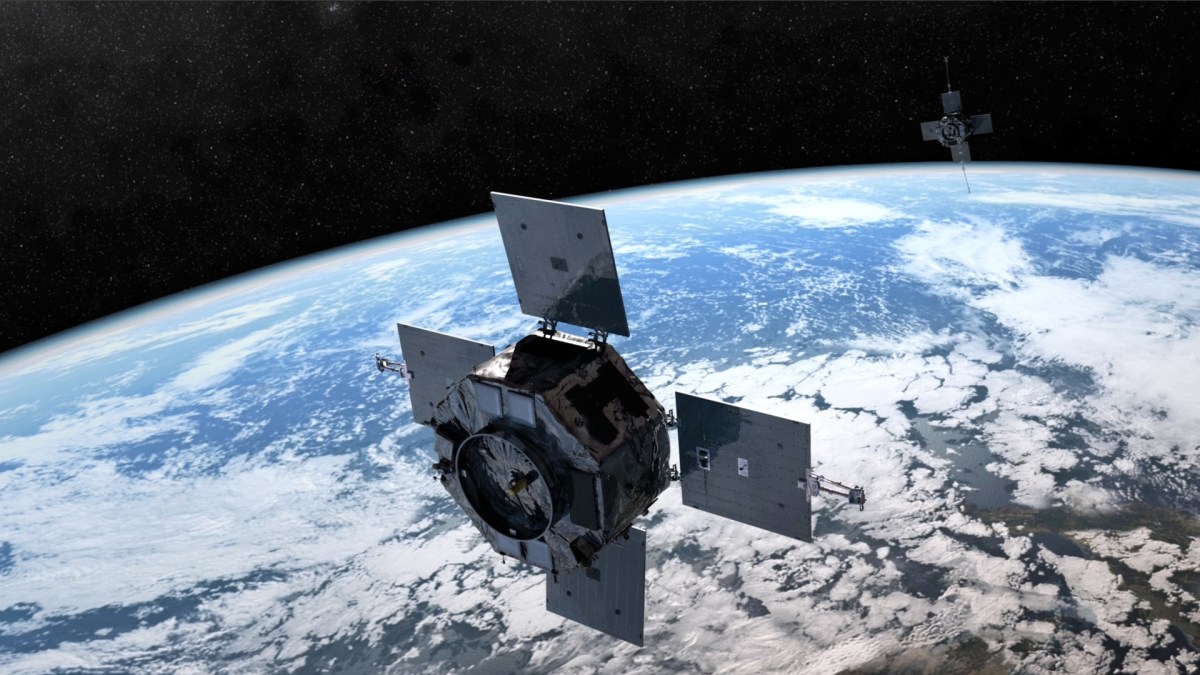
Van Allen Probe A, a 1,300-pound (600 kg) NASA satellite launched in 2012 to study Earth's radiation belts, is expected to re-enter Earth's atmosphere this week. While most of it is expected to burn up during descent, "some components may survive," reports the BBC. "The space agency said there is a one in 4,200 chance of being harmed by a piece of the probe, which it characterized as 'low' risk." From the report: The spacecraft is projected to re-enter around 19:45 EST (00:45 GMT) on Tuesday the U.S. Space Force predicted, according to Nasa, though there is a 24-hour margin of "uncertainty" in the timing. [...] The spacecraft and its twin, Van Allen Probe B, were on a mission to gather unprecedented data on Earth's two permanent radiation belts. It was not immediately clear where in Earth's atmosphere the satellite is projected to re-enter. NASA and the U.S. Space Force has said it will monitor the re-entry and update any predictions. [...] Van Allen Probe B is not expected to re-enter the Earth's atmosphere before 2030.

Read more of this story at Slashdot.

  •  

A First for Humanity Confirmed: NASA's DART Mission Slowed the Asteroid's Orbit

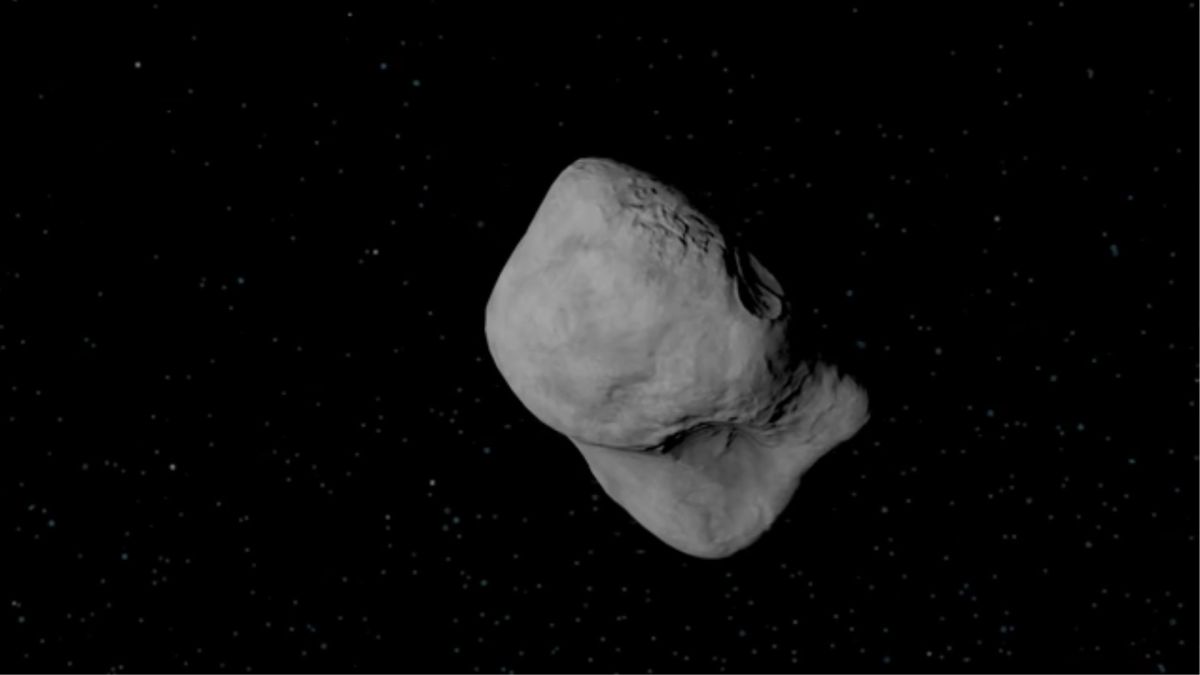
NASA heralded a new study published Friday documenting a first for humanity — "the first time a human-made object has measurably altered the path of a celestial body around the Sun." It was 2022's DART mission where NASA crashed a spacecraft into an asteroid — and the experiment "could have implications for protecting Earth from future asteroid strikes," writes ScienceNews: A spacecraft slowed the orbit of a pair of asteroids around the sun by more than 10 micrometers per second... Within a month, researchers showed that the impact shortened Dimorphos' 12-hour orbit by 32 minutes. Some of the rocks knocked off of Dimorphos fled the vicinity completely, escaping the gravitational influence of the Dimorphos-Didymos pair, says planetary defense researcher Rahil Makadia of the University of Illinois Urbana-Champaign. Those rocky runaways took some momentum away from the duo and changed their joint motion around the sun. To figure out how much that motion was affected, astronomers watched the asteroids pass in front of distant stars, dimming some of the stars' light like a tiny eclipse. These blinks, called stellar occultations, can be visible from anywhere on Earth and are predictable in advance... Calculating how far off occultation timings were from predictions revealed that the asteroids' orbit around the sun was about 150 milliseconds slower than before the DART impact... Didymos and Dimorphos are not a threat to Earth, Makadia says, and weren't before DART. But knowing how a deliberate impact changes one asteroid's orbit can help make defense plans against another, "in case we need to do a kinetic impact for real." The researchers spent nearly two and a half years to collect 22 measurements of the asteroid's post-crash position, relying on amateur astronomers "to go out into the middle of nowhere and observe the necessary stellar occultations," acvcording to their paper. Planetary defense researcher even tells ScienceNews "There was an observer who drove two days each way into the Australian outback to get these measurements."

Read more of this story at Slashdot.

  •  

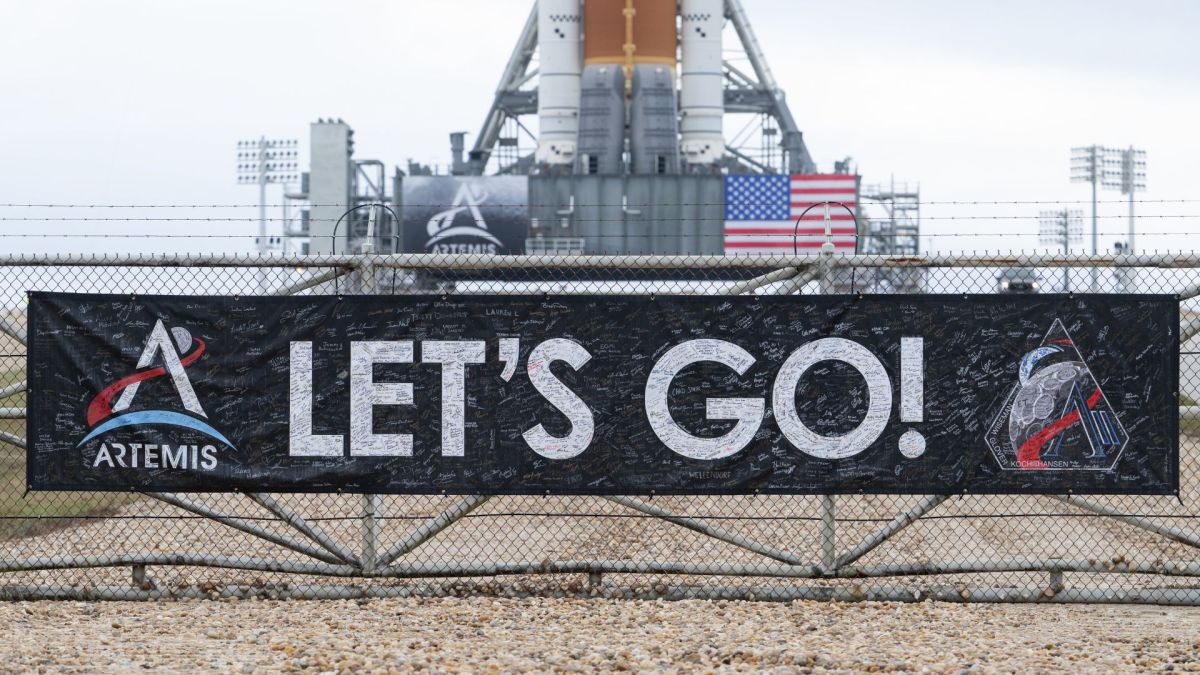
Nasa Announces Artemis III Mission No Longer Aims To Send Humans To Moon

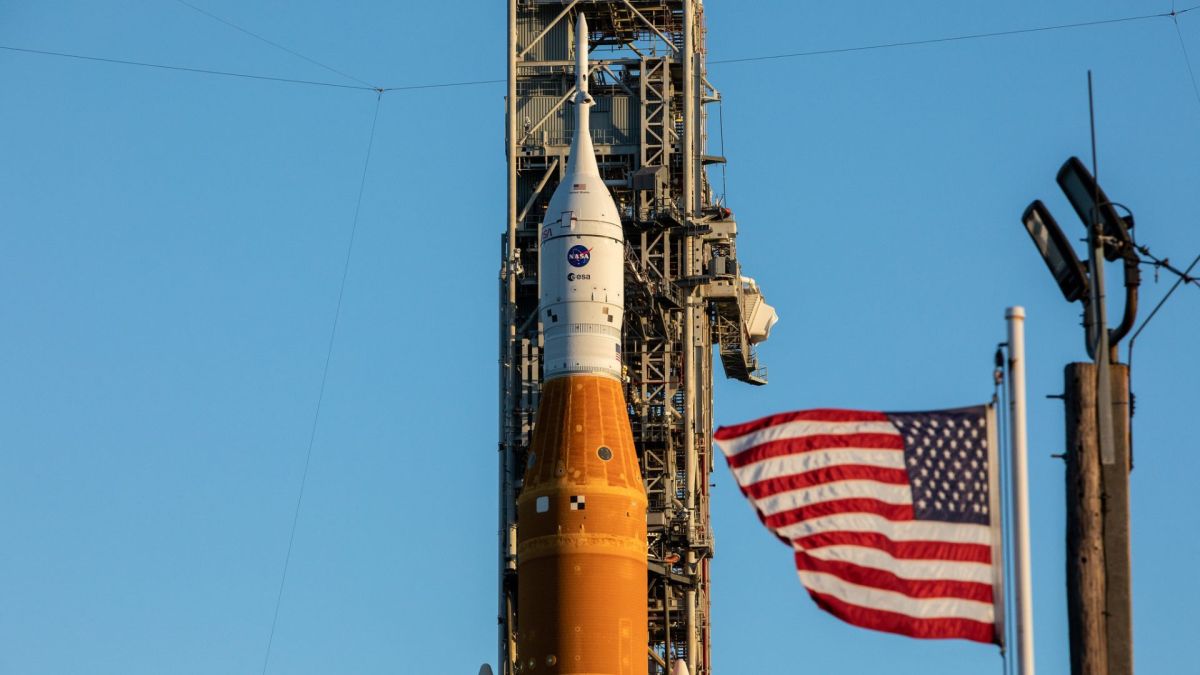
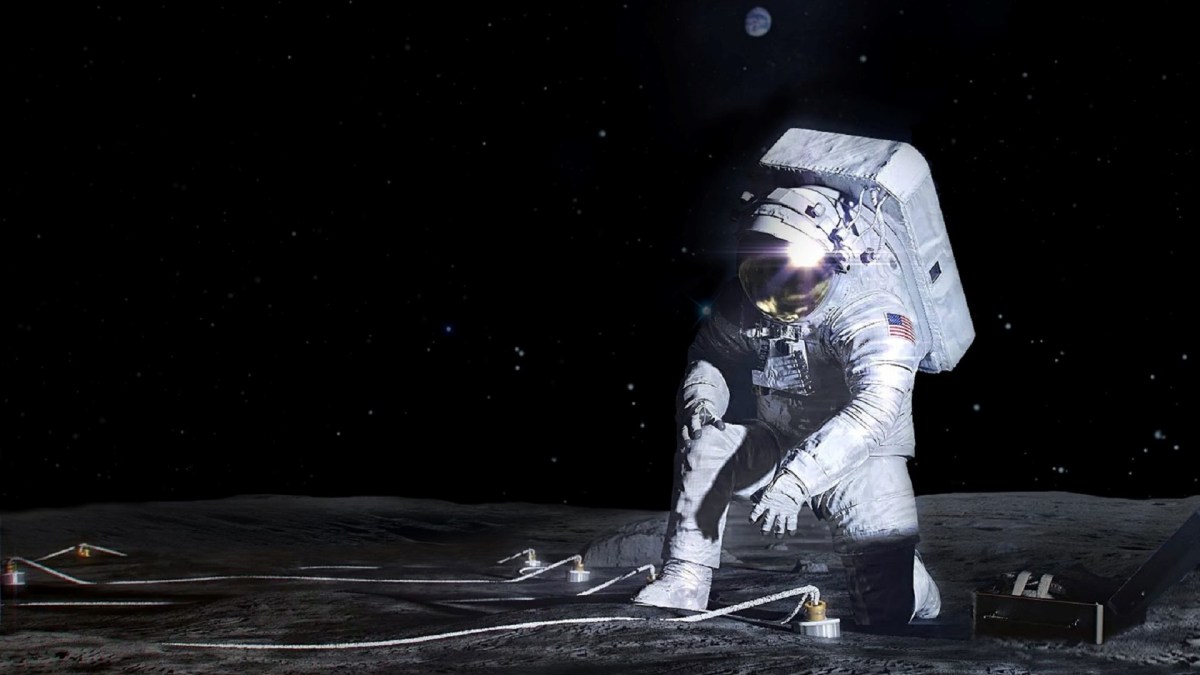
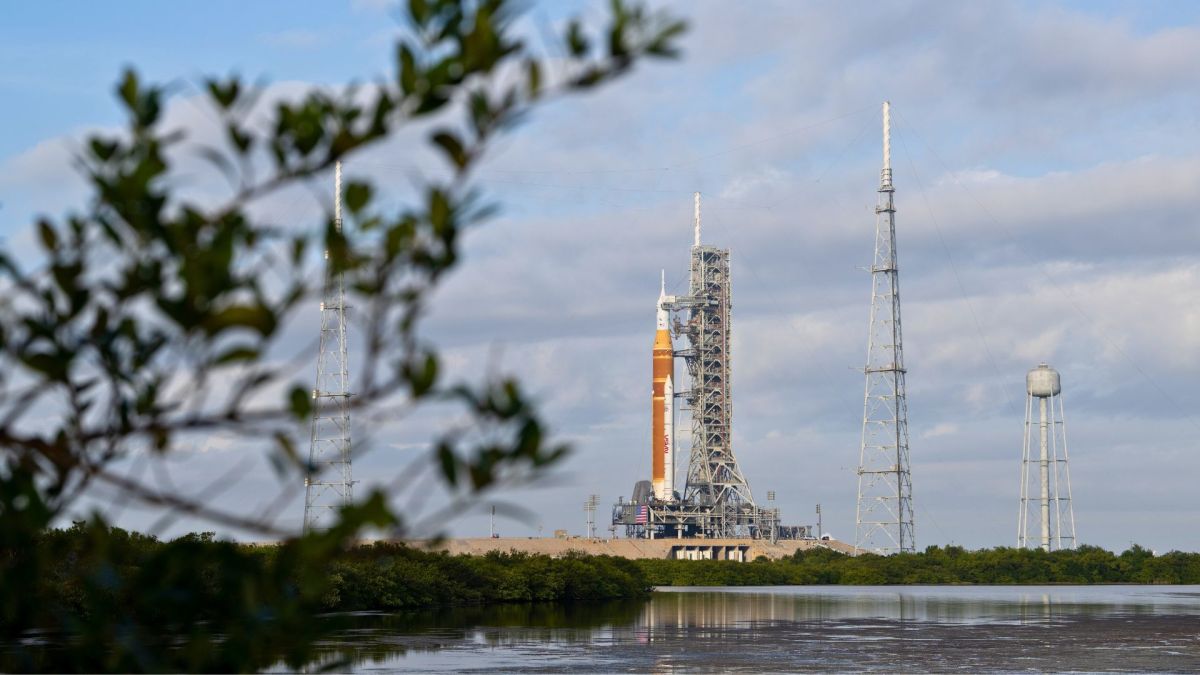
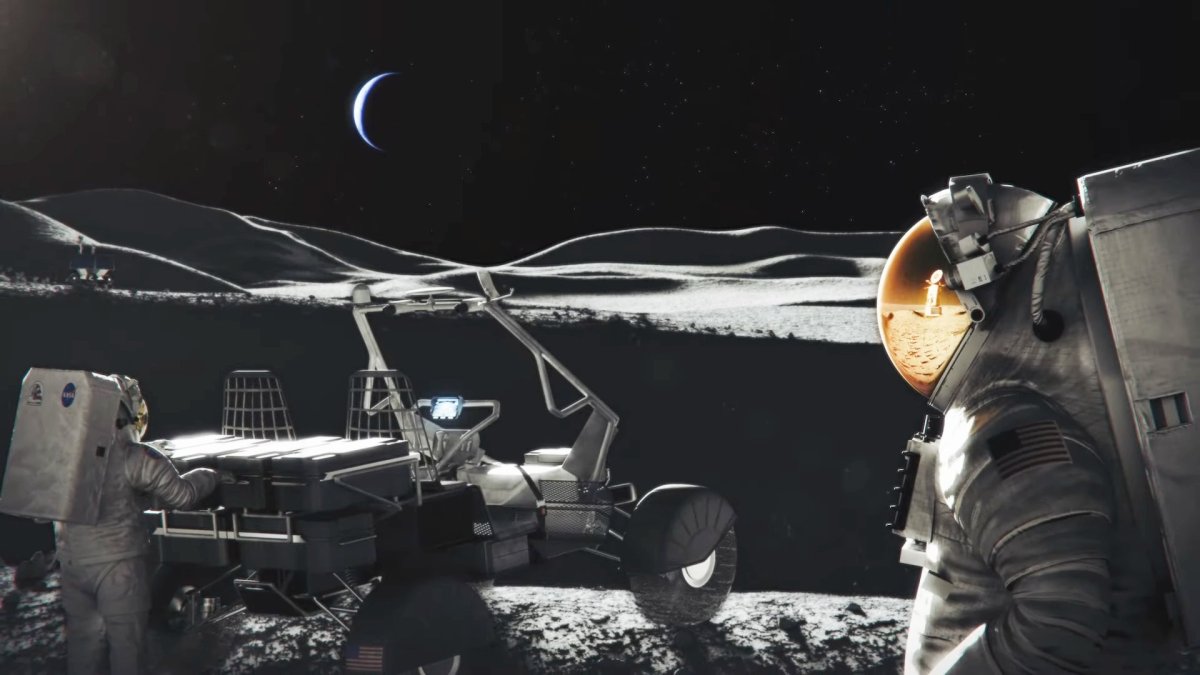
Nasa announced on Friday radical changes to its delayed Artemis III mission to land humans back on the moon, as the US space agency grapples with technical glitches and criticism that it is trying to do too much too soon. From a report: The abrupt shift in strategy was laid out by the space agency's recently confirmed administrator, Jared Isaacman. Announcing the changes on Friday, he said that Nasa would introduce at least one new moon flight before attempting to put humans back on the lunar surface for the first time in more than half a century, in 2028. The new, more incremental approach would give the Nasa team a chance to test flight and refine its technology. As part of the changes, the Artemis II mission to fly humans around the moon this year, without landing, would also be pushed back from its latest scheduled launch on 6 March to 1 April at the earliest. "Everybody agrees this is the only way forward," Isaacman told reporters at a news conference. "I know this is how Nasa changed the world, and this is how Nasa is going to do it again."

Read more of this story at Slashdot.

  •  

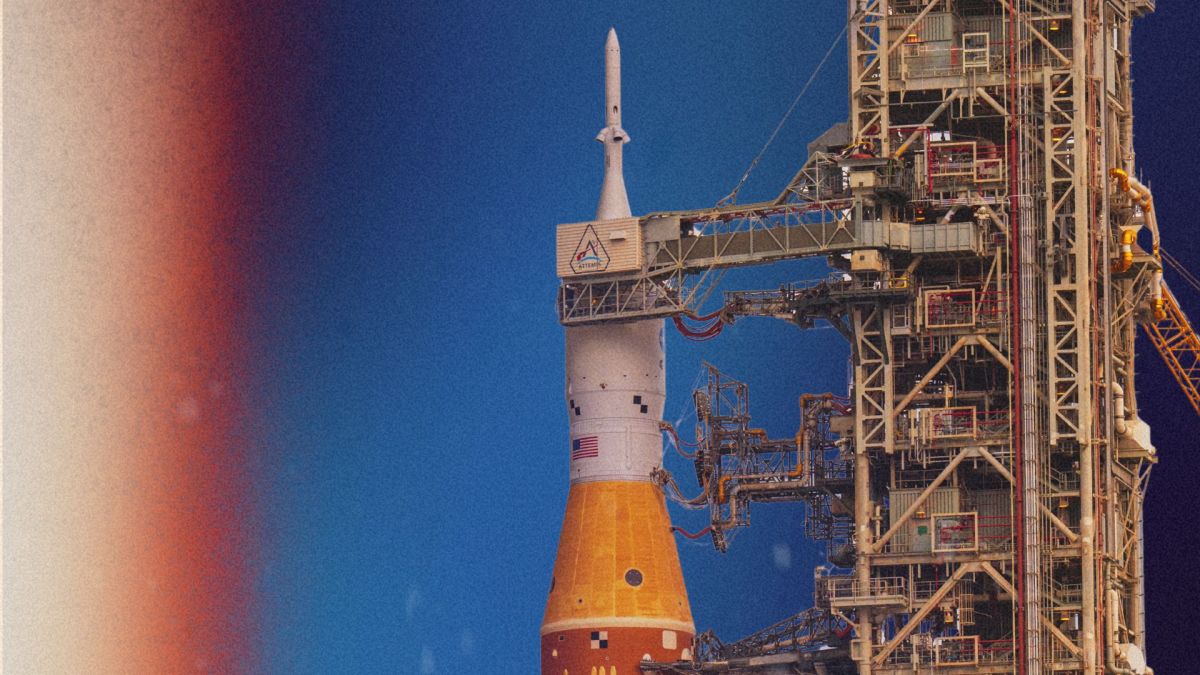
Artémis III est-elle une mission trop risquée ? On craint le pire à la NASA

Alors que la mission Artémis II espère décoller pour la Lune d'ici quelques semaines, l'ambiance n'est pas au beau fixe pour la suite du programme. Artémis III, dont l'objectif est de déposer des astronautes sur le satellite, est dans le viseur du comité de sécurité de la NASA, qui craint des failles majeures pour la mission.

  •  

NASA Reveals Identity of Astronaut Who Suffered Medical Incident Aboard ISS

Longtime Slashdot reader ArchieBunker shares a report from NBC News: NASA revealed that astronaut Mike Fincke was the crew member who suffered a medical incident at the International Space Station in January, which prompted the agency to carry out the first evacuation due to a medical issue in the space station's 25-year history. The rare decision to cut a mission short and bring Fincke and three other crew members home early made for a dramatic week in space early this year. In a statement released by NASA "at the request of Fincke," the veteran astronaut said he experienced a medical event on Jan. 7 "that required immediate attention" from his space station crew members. "Thanks to their quick response and the guidance of our NASA flight surgeons, my status quickly stabilized," Fincke, 58, said in the statement. [...] In his statement, Fincke thanked his Crew-11 colleagues, along with NASA astronaut Chris Williams and Russian cosmonauts Sergey Kud-Sverchkov and Sergei Mikaev, who were also aboard the space station at the time and are still in space. Fincke also thanked the teams at NASA, SpaceX and the medical professionals at Scripps Memorial Hospital La Jolla. "Their professionalism and dedication ensured a positive outcome," he said. Fincke ended his statement by saying he is "doing very well" and still actively involved with standard post-flight reconditioning at NASA's Johnson Space Center in Houston. "Spaceflight is an incredible privilege, and sometimes it reminds us just how human we are," he said. "Thank you for all your support."

Read more of this story at Slashdot.

  •  

Ce mystérieux vaisseau spatial chinois s’est envolé pour la quatrième fois, et on ne sait toujours pas pourquoi

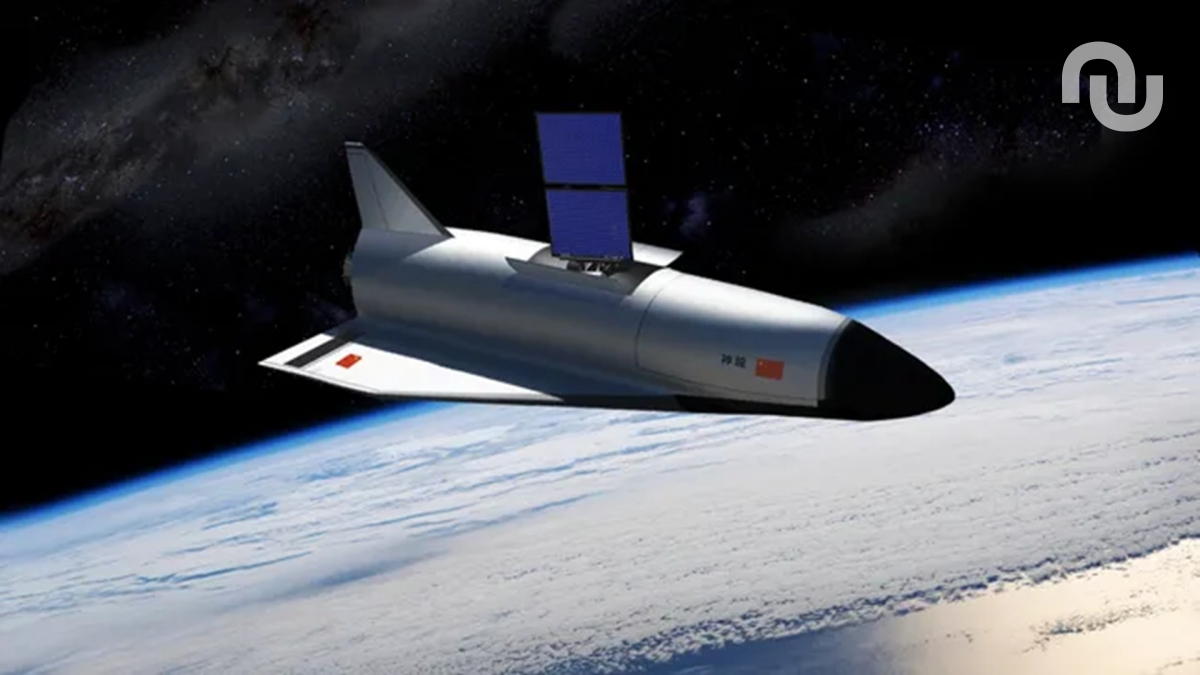
Vue d'artiste du vaisseau Shenlong

Une navette spatiale chinoise est repartie dans l'espace pour la quatrième fois en six ans, mais son objectif n'est toujours pas connu. La Chine évoque de vagues projets scientifiques, mais des observateurs étrangers pensent que l'engin répondrait aussi à des enjeux militaires secrets.

  •  

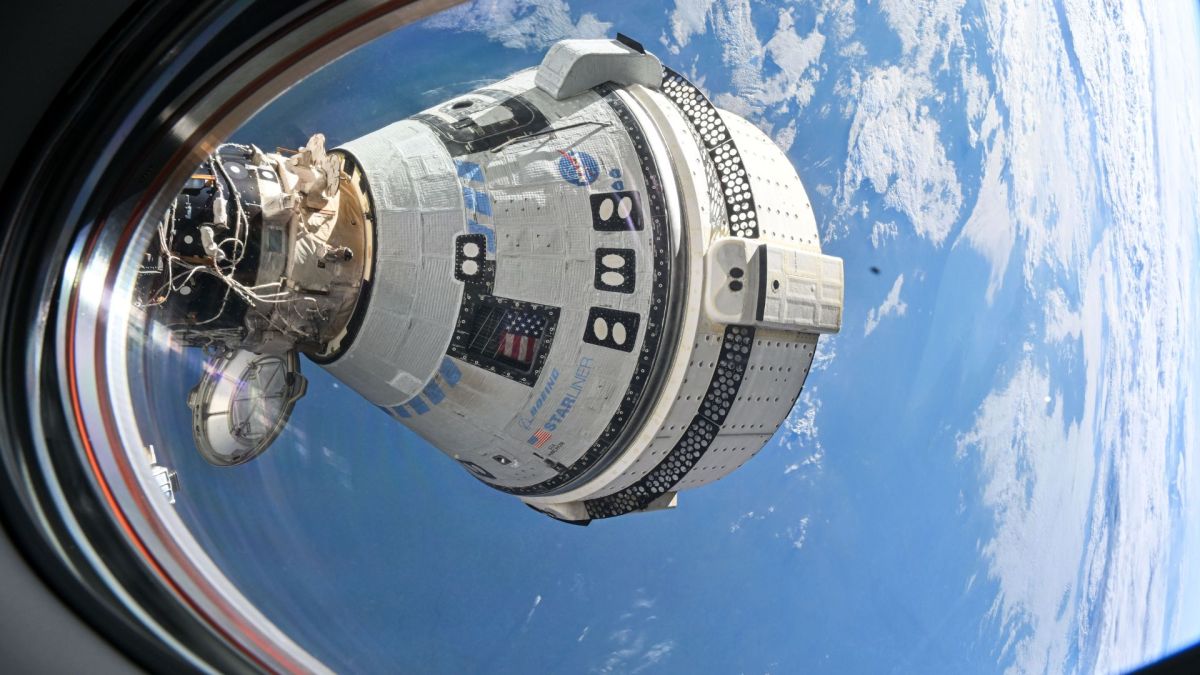
Rapport Starliner : la Nasa classe l’incident au niveau des catastrophes Challenger et Columbia

Dans une conférence de presse annoncée au dernier moment, la Nasa a fait le point sur les déboires de Starliner, plus d'un an et demi après. Des ratés avaient perturbé lourdement la mission, forçant même les astronautes à rester bien plus longtemps que prévu à bord de l'ISS. L'analyse finale de l'agence spatiale américaine est très dure à l'égard de Boeing, le fabricant de la capsule, mais aussi envers elle-même.

  •  

Artémis II : toutes les dates possibles pour le grand retour autour de la Lune en avril

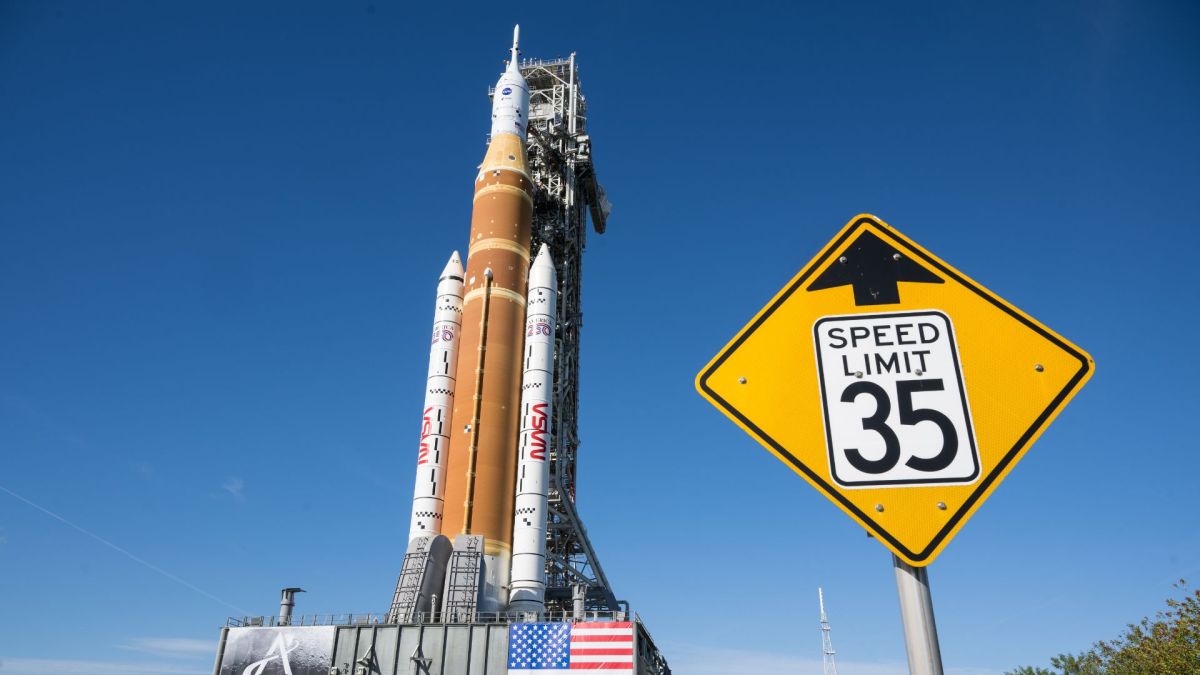
Nous n'avons jamais été aussi proches du départ d'Artemis II. Après un premier report à la suite d'un incident technique, la fusée SLS s'apprête à décoller et pourrait bien percer les cieux afin de ramener l'humanité autour de la Lune dès la nuit du 1er avril 2026. Voici à quelle heure le départ est prévu et toutes les fenêtres de lancement de secours possibles en avril si ce départ est raté.

  •  
❌