Dans une étude publiée mi-février 2026, des chercheurs venus d'ETH Zurich, de MATS Research et d'Anthropic démontrent que les grands modèles de langage (LLM) sont capables de désanonymiser des comptes en ligne à grande échelle, avec une précision et une rapidité inédites.
An anonymous reader shares a report: A Cloudflare engineer says he has implemented 94% of the Next.js API by directing Anthropic's Claude, spending about $1,100 on tokens. The purpose of the experimental project was not to show off AI coding, but to address an issue with Next.js, the popular React-based framework sponsored by Vercel.
According to Cloudflare engineering director Steve Faulkner, the Next.js tooling is "entirely bespoke... If you want to deploy it to Cloudflare, Netlify, or AWS Lambda, you have to take that build output and reshape it into something the target platform can actually run."
The Next.js team is addressing this following numerous complaints that deploying the framework with full features on platforms other than Vercel is too difficult, with a feature in progress called deployment adapters. "Vercel will use the same adapter API as every other partner," the company said when introducing the planned feature last year.
Despite AI's progress in building complex software, the ubiquitous PDF remains something of a grand challenge -- a format Adobe developed in the early 1990s to preserve the precise visual appearance of documents. PDFs consist of character codes, coordinates, and rendering instructions rather than logically ordered text, and even state-of-the-art models asked to extract information from them will summarize instead, confuse footnotes with body text, or outright hallucinate contents, The Verge writes.
Companies like Reducto are now tackling the problem by segmenting pages into components -- headers, tables, charts -- before routing each to specialized parsing models, an approach borrowed from computer vision techniques used in self-driving vehicles. Researchers at Hugging Face recently found roughly 1.3 billion PDFs sitting in Common Crawl alone, and the Allen Institute for AI has noted that PDFs could provide trillions of novel, high-quality training tokens from government reports, textbooks, and academic papers -- the kind of data AI developers are increasingly desperate for.
La série d'espionnage la plus populaire de Netflix vient enfin de nous offrir une saison 3, disponible en streaming depuis le 19 février 2026. Si vous avez déjà englouti les 10 nouveaux épisodes de The Night Agent, voici 4 séries similaires à découvrir sur Netflix.
La série d'espionnage la plus populaire de Netflix vient enfin de nous offrir une saison 3, disponible en streaming depuis le 19 février 2026. Si vous avez déjà englouti les 10 nouveaux épisodes de The Night Agent, voici 4 séries similaires à découvrir sur Netflix.
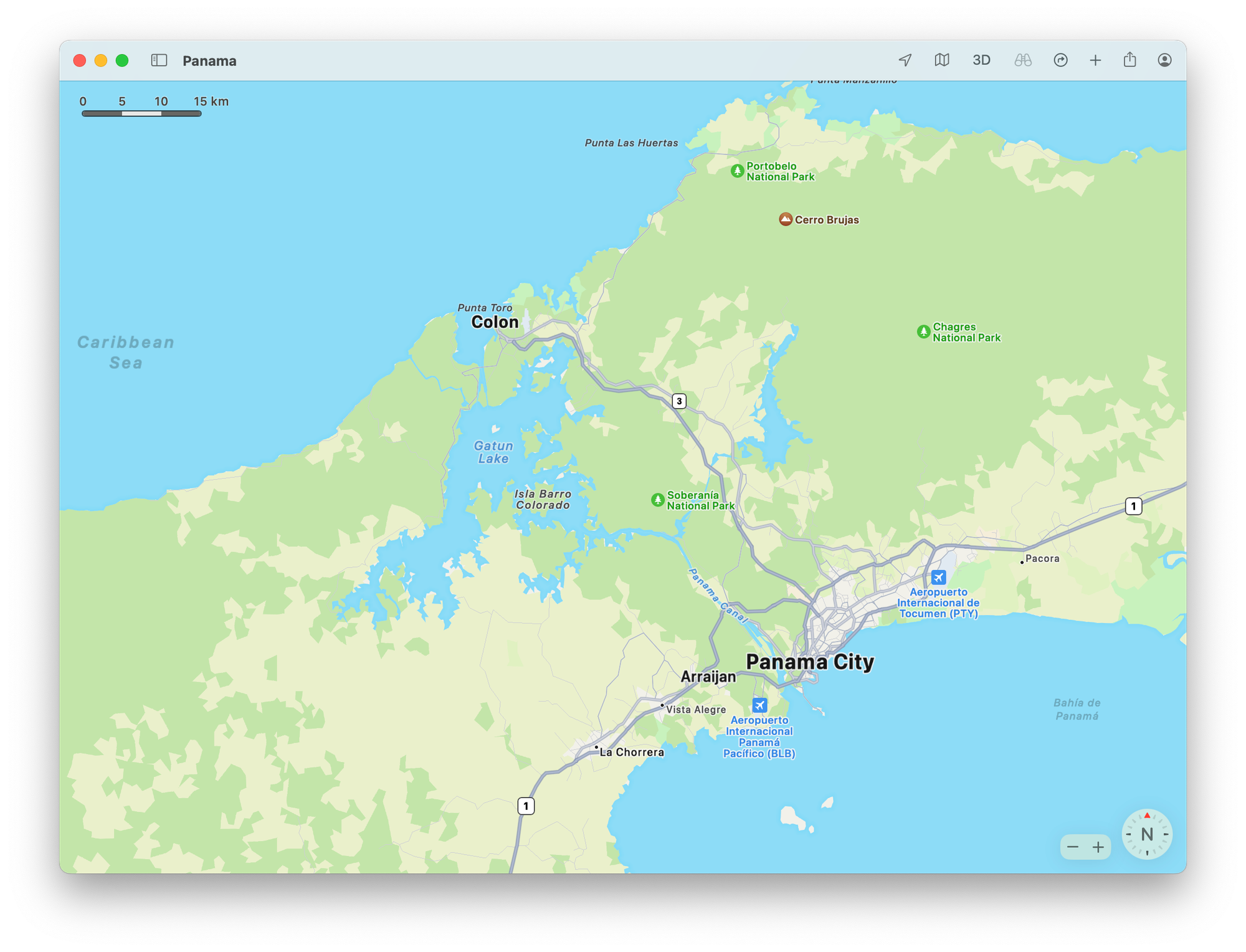
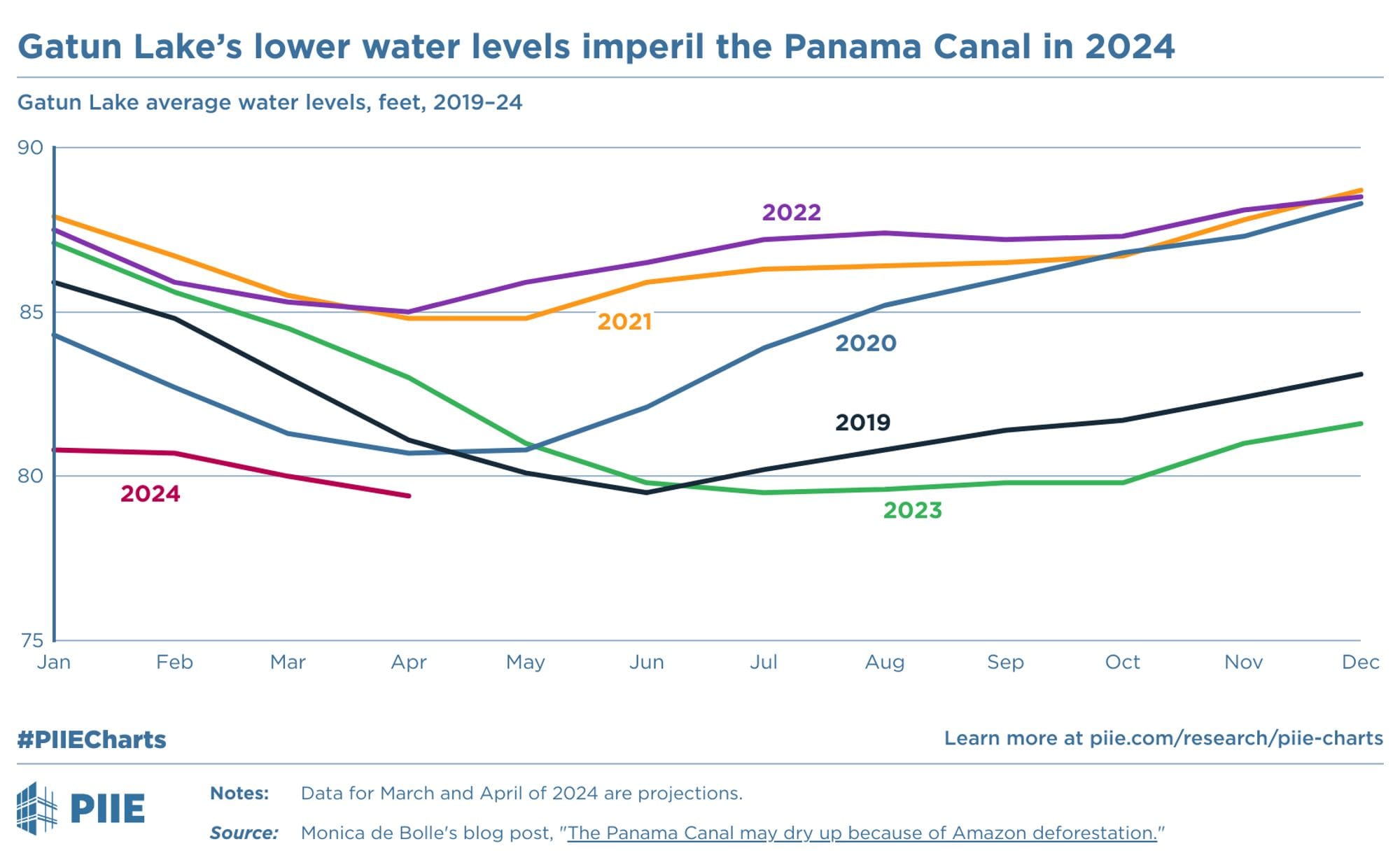
Le niveau d'eau bas a contraint la Panama Canal Authority à réduire le transit quotidien de 36 bateaux à 24, ainsi que le tirant d'eau maximum (le tirant d'eau est la "profondeur" avec laquelle la coque d'un bateau peut s'enfoncer dans l'eau).
La réduction du transit a un impact négatif sur de nombreux secteurs, tels que l'énergie, les porte-conteneurs ou le transport du grain.
Because of historically low water levels at Gatun Lake, the Panama Canal Authority has reduced daily traffic from 36 to 24 vessels & limited allowable draft size, affecting energy product carriers, container vessels, & ships transporting grain from the US.
Ce type de perturbation va devenir de plus en plus fréquente à mesure que les effets du réchauffement climatique vont se manifester. Le Canal du Panama, comme de nombreuses autres infrastructures, a été conçu pour un climat différent de celui qui est en train de s'installer.

 Connexion