 Connexion
Plus de 50 ans après Apollo, voici les 4 astronautes d’Artémis II qui sont partis faire le tour de la Lune

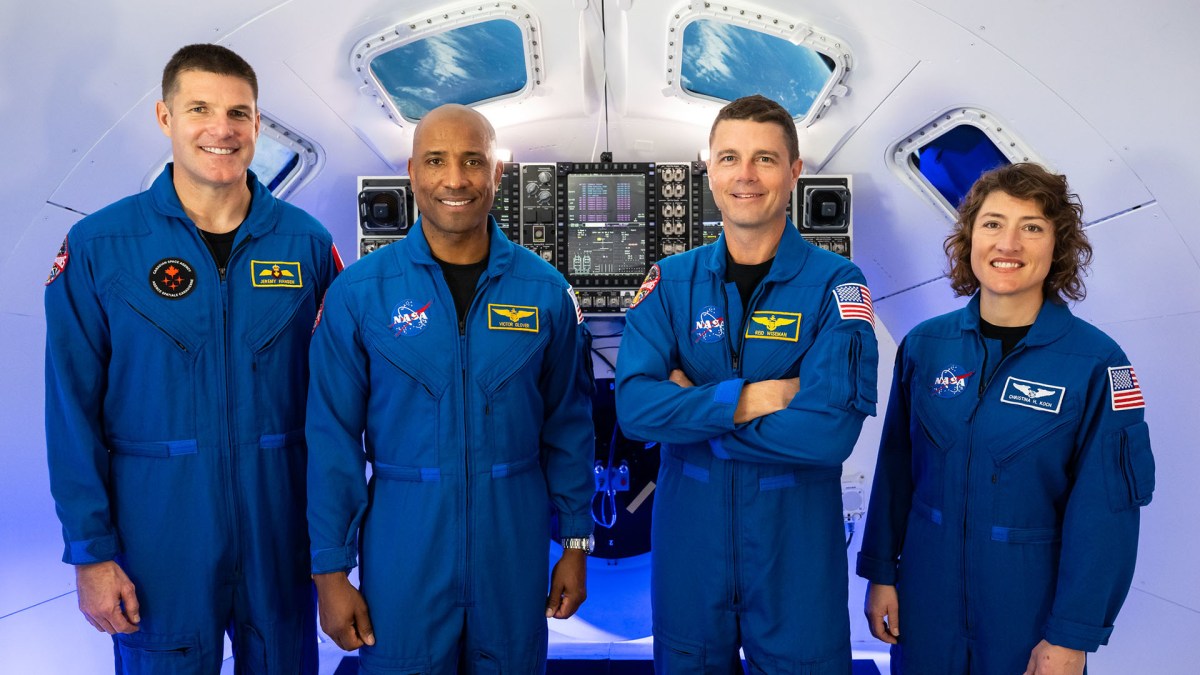
Ce sont les quatre astronautes qui voleront autour de la Lune en 2026 avec la mission Artémis II.

Ce sont les quatre astronautes qui voleront autour de la Lune en 2026 avec la mission Artémis II.
La mission Artémis II autour de la Lune est un voyage d'environ dix jours, avec quatre astronautes à bord de la capsule Orion. La Nasa a détaillé les grandes étapes de cette odyssée.
Partie pour un voyage historique d'environ 10 jours, la mission Artémis II file désormais vers la Lune. Pour suivre ce périple inédit, la NASA a mis en ligne un outil permettant de traquer la capsule Orion et son équipage en temps réel.
Le compte à rebours pour le décollage d'Artémis II a connu une brève péripétie cette nuit, avec un bug décelé dans le système d'autodestruction de la fusée SLS. L'anomalie a depuis été corrigée. Le décompte se poursuit.
Artémis II part en principe au tout début du mois d'avril 2026. L'évènement pourra être suivi en direct. Mais plutôt que de rester inactif devant l'écran, la Nasa a eu l'idée d'un petit jeu pour faire participer le public.
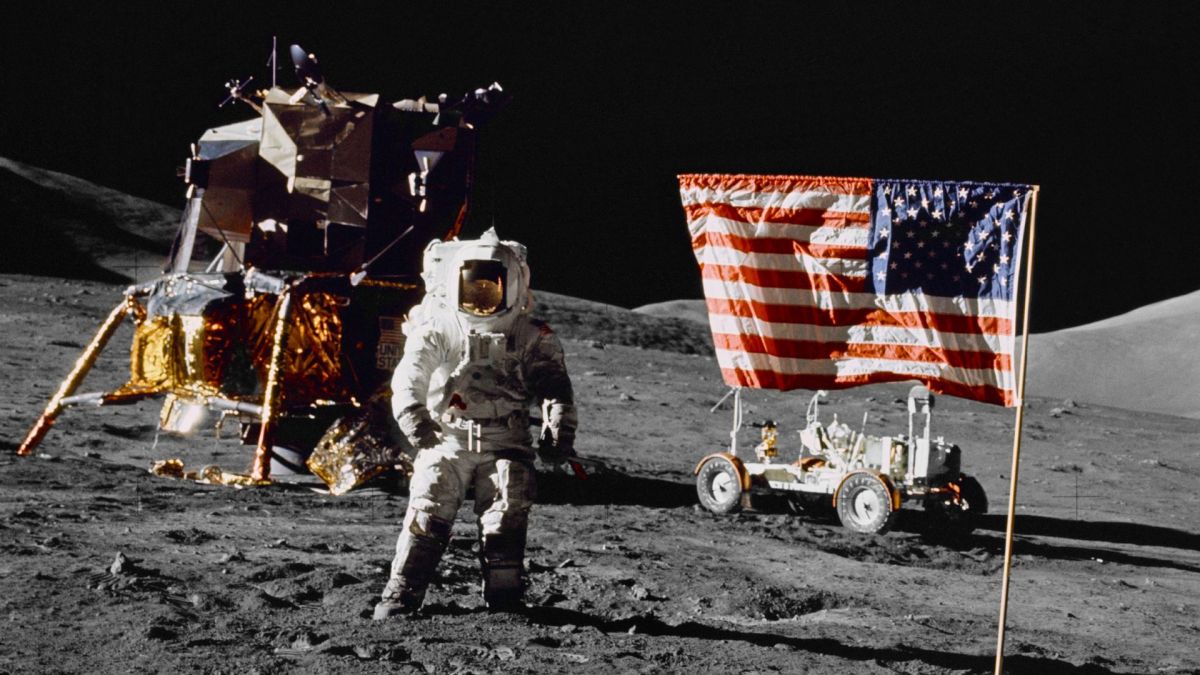
Le 14 décembre 1972, les astronautes de la mission Apollo 17 ont quitté la Lune. Depuis, plus aucun humain n'a foulé le sol du satellite de la Terre. Malgré l'enthousiasme suscité en 1969, personne n'est retourné sur la Lune en plus de 50 ans. Le programme Artémis, dont la première mission habitée s'apprête à décoller, pourrait changer cela.
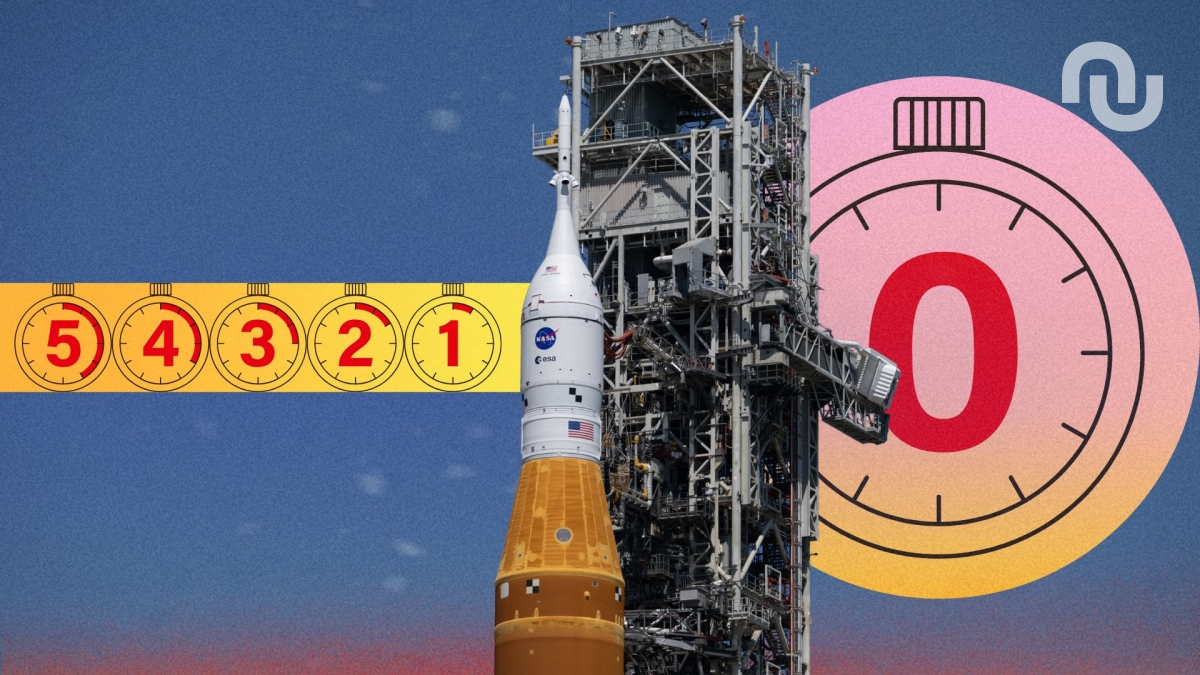
Tout est calé pour le jour J. La mission Artémis II doit décoller dans la nuit du 1ᵉʳ au 2 avril 2026. L'agence spatiale américaine a partagé le déroulement des deux derniers jours qui surviendront avant le moment très attendu : l'allumage des moteurs.
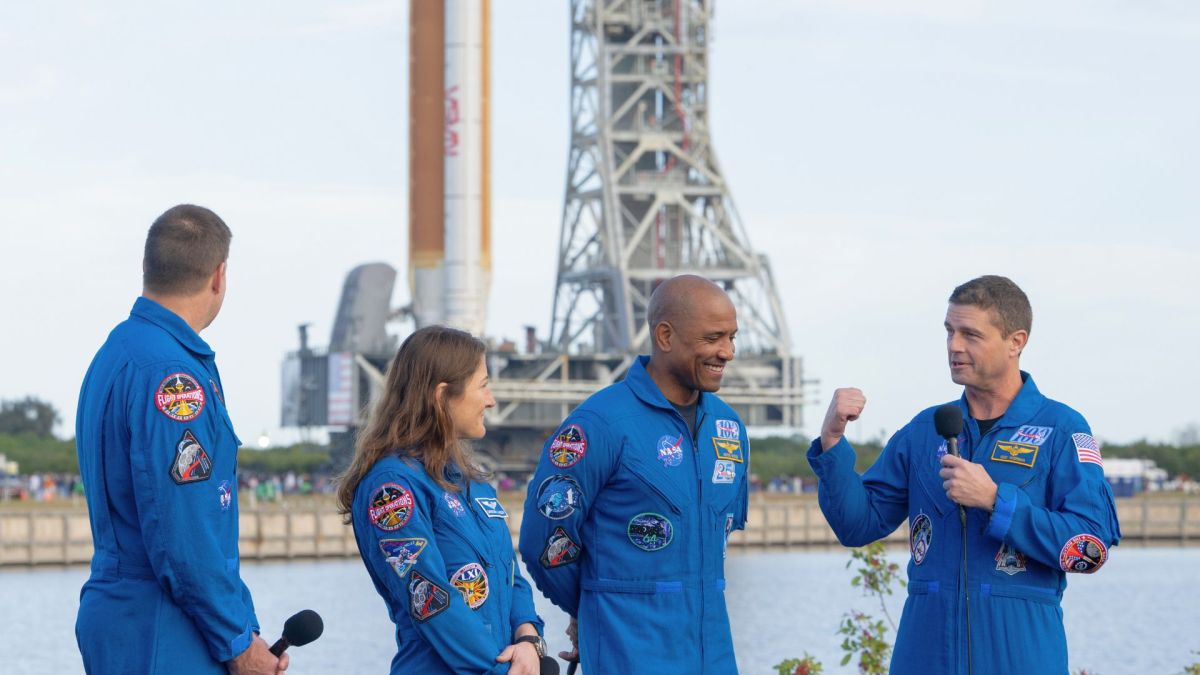
La fusée emportant la mission Artémis II est prête à partir, comme les astronautes qui seront à bord de la capsule d'Orion. Pendant leurs dix jours autour de la Lune, ils auront un emploi du temps chargé.
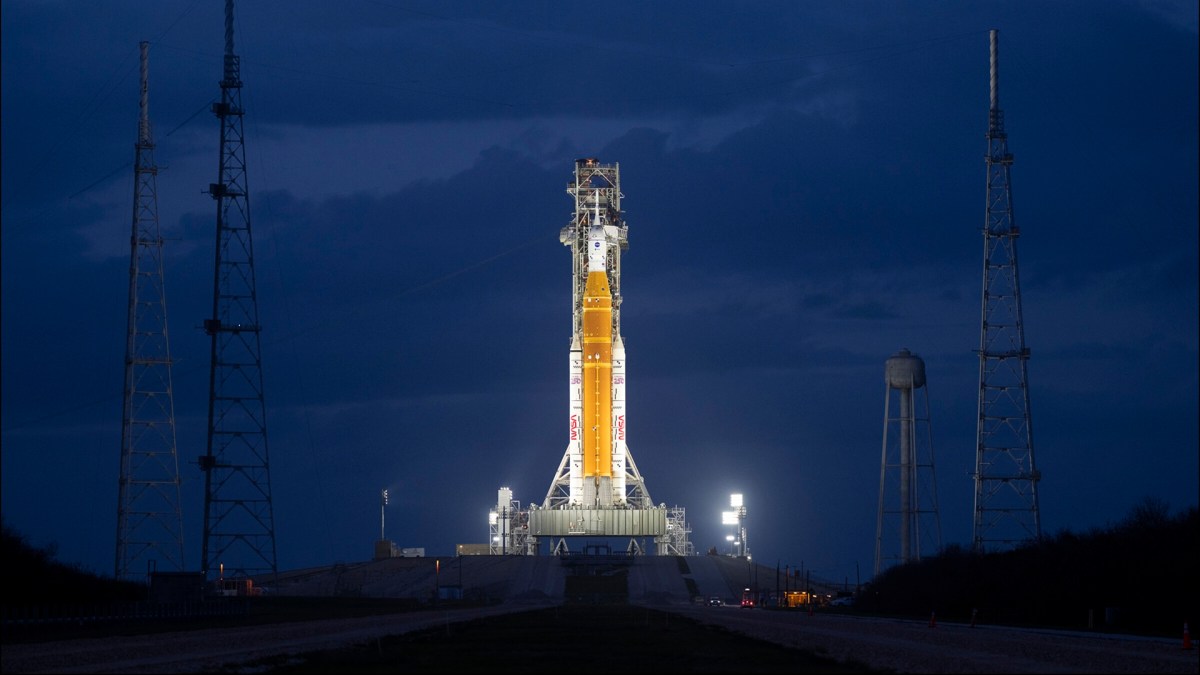
Alors que le décollage d'Artémis II approche à grands pas, il est temps de se pencher sur tous les records qui vont être battus lors de cette mission historique. Un décollage qui signe également un bon nombre de premières fois.
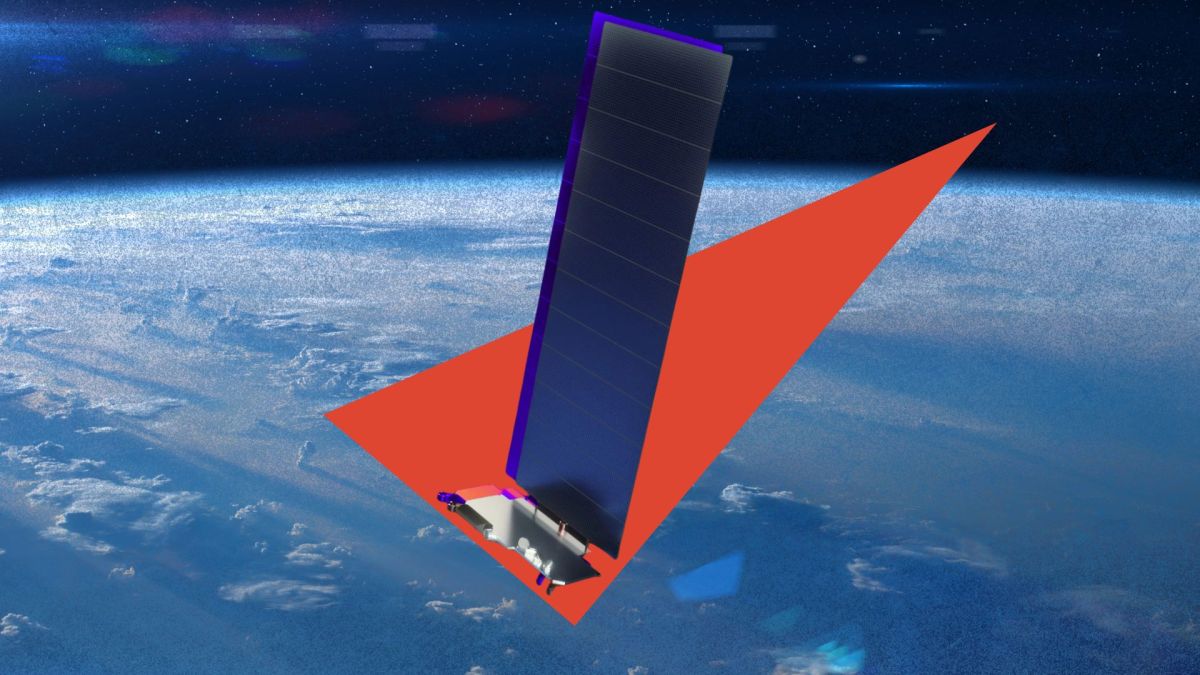
SpaceX a annoncé la perte d'un satellite Starlink qui évoluait sur une orbite terrestre basse, à environ 560 km d'altitude. L'engin a créé un nuage de débris, qui n'est a priori pas menaçant ni pour l'ISS ni pour Artémis II.
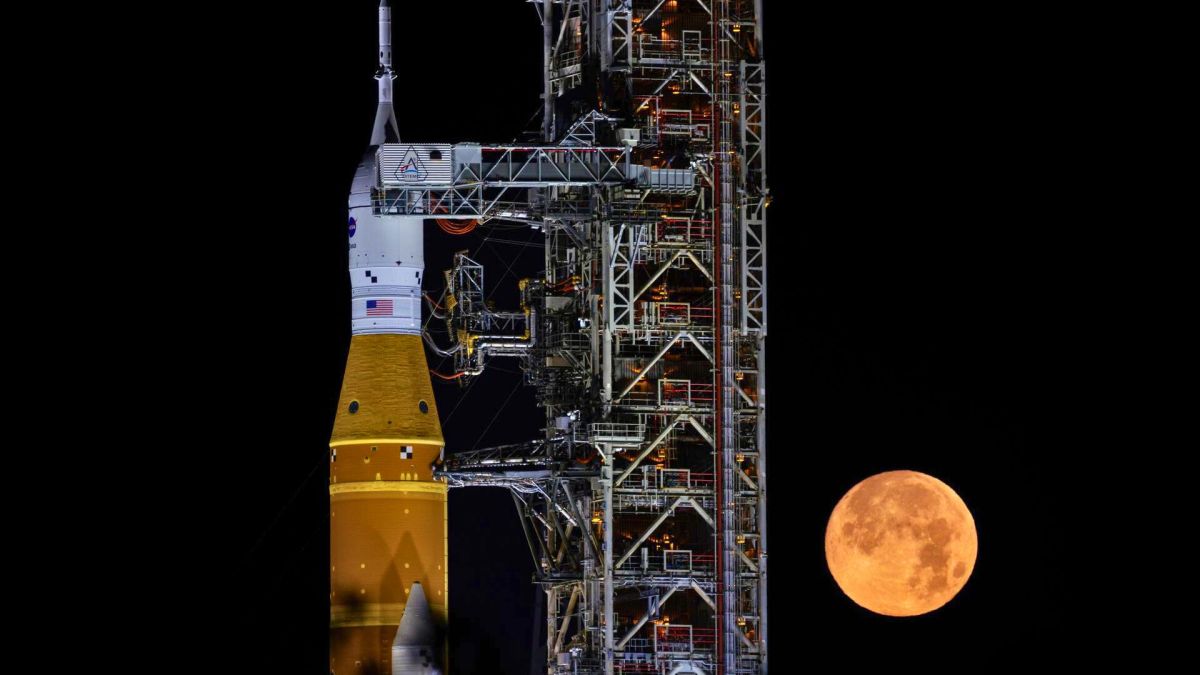
La NASA fait son possible pour que la mission Artémis II puisse avoir lieu dans la nuit du 1ᵉʳ au 2 avril 2026, mais un souci peut toujours advenir pendant les derniers instants du compte à rebours. L'agence spatiale américaine dispose cependant de plusieurs options qui lui laissent des marges de manœuvre.
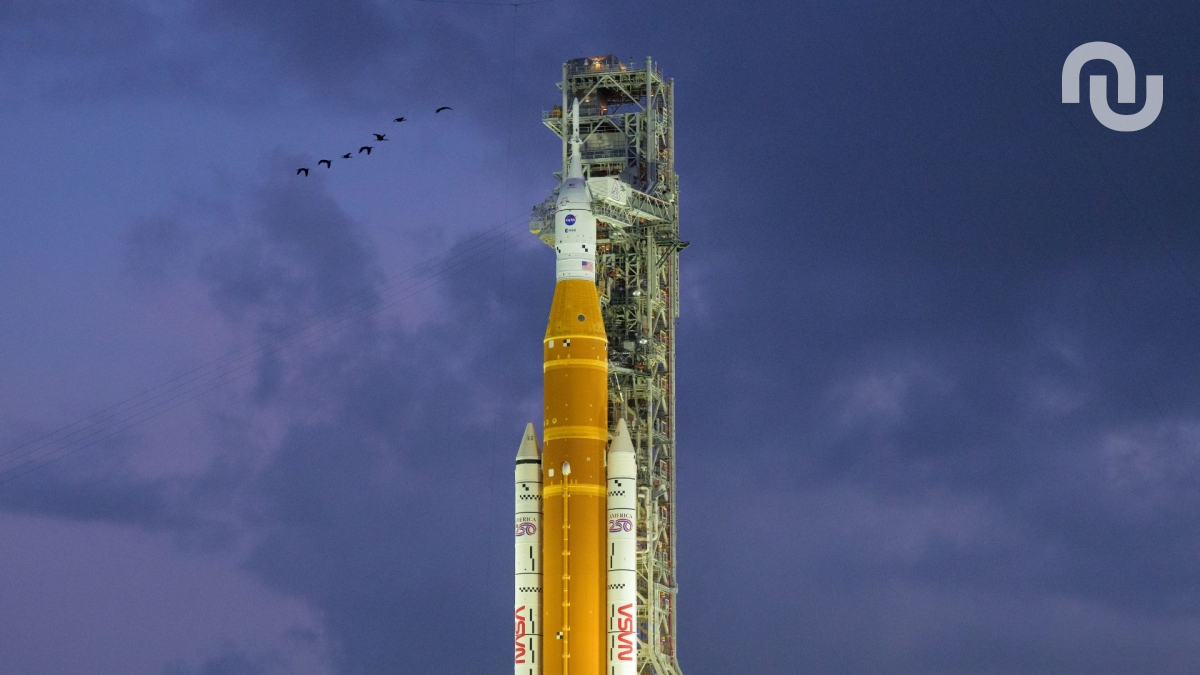
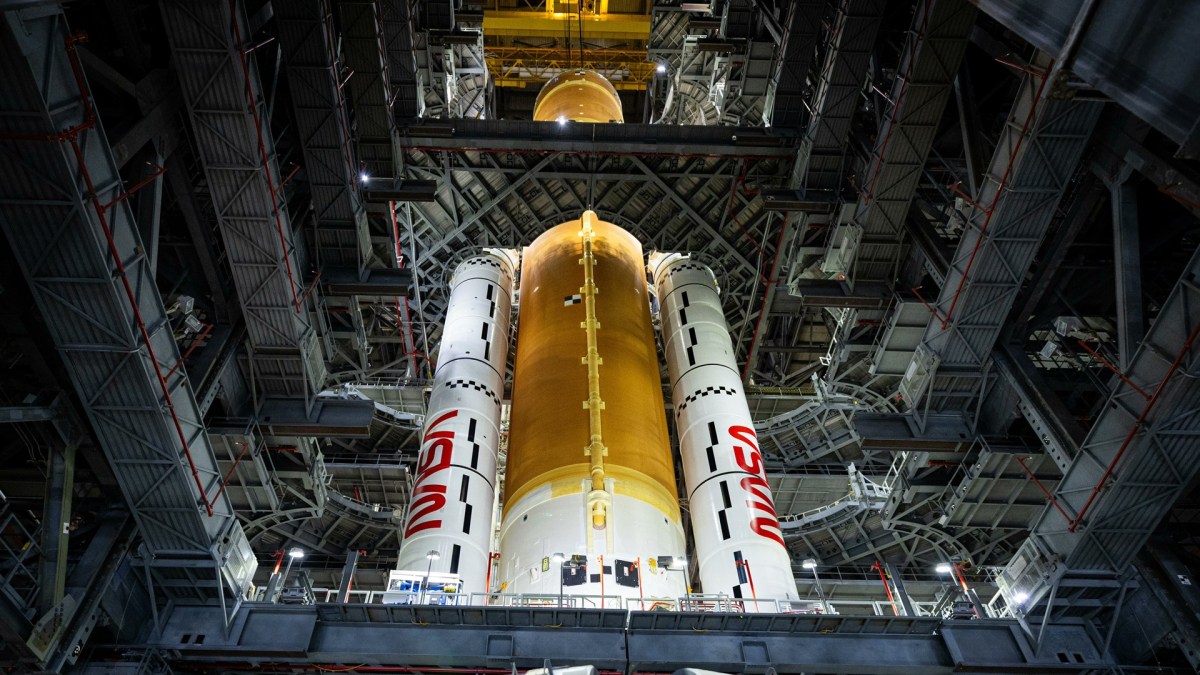
La fusée SLS (Space Launch System) qui doit emmener des humains vers la Lune n'est pas reconnaissable que par sa taille impressionnante. Au premier regard, c'est avant tout sa couleur orangée qui saute aux yeux. Une teinte qui n'a pas qu'un côté esthétique : la Nasa a fait ce choix pour une raison.
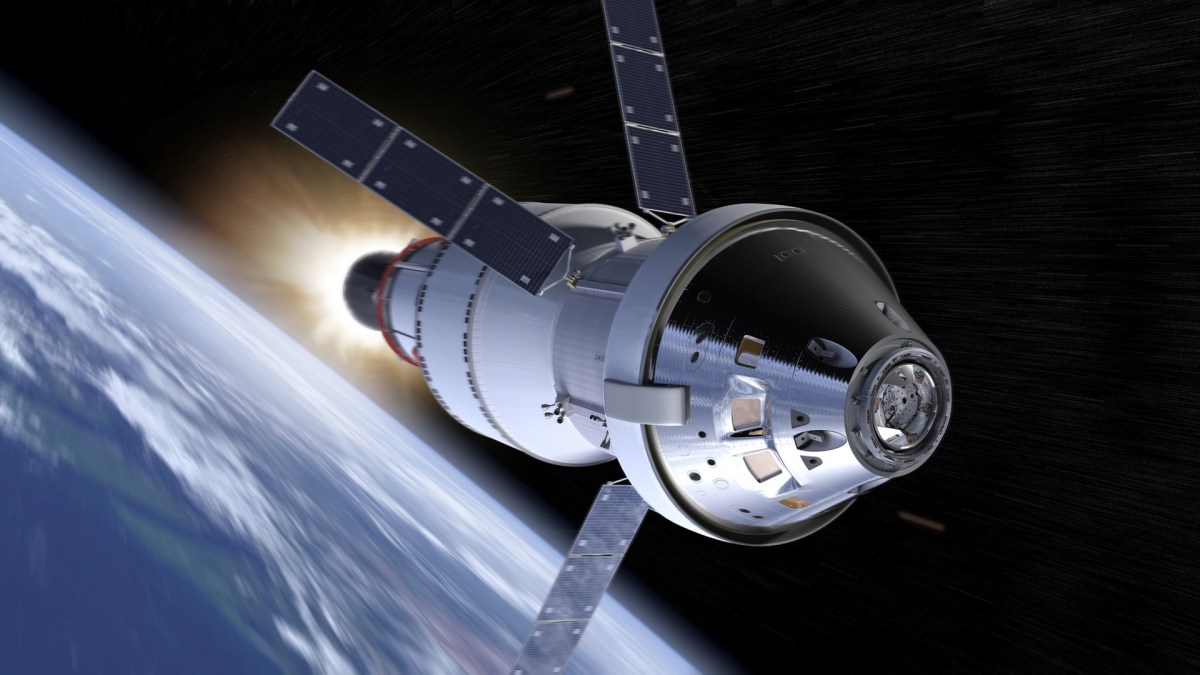
La mission Artémis II autour de la Lune est un voyage d'environ dix jours, avec quatre astronautes à bord de la capsule Orion. La Nasa a détaillé les grandes étapes de cette odyssée.

C’est le grand retour de l’humanité vers la Lune. Dans la nuit du 1er au 2 avril 2026, la Nasa fera décoller la mission Artémis II avec quatre astronautes à bord. Plus de cinquante ans après Apollo, ce lancement historique est à suivre en direct.
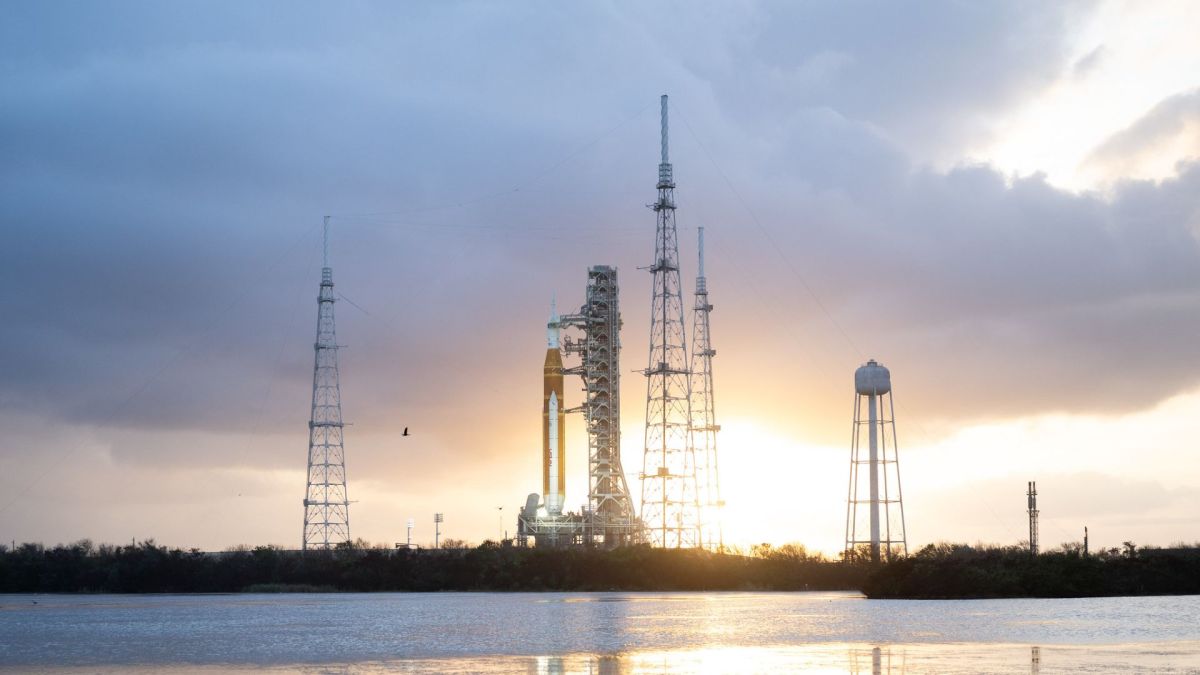
Le grand jour s'approche pour la mission Artémis II. C'est en principe dans la nuit du 1er au 2 avril 2026 que doit décoller la fusée SLS, avec à bord de la capsule Orion quatre astronautes. Pour l'instant, la Nasa juge les conditions météorologiques très favorables pour un départ.


Read more of this story at Slashdot.
Ce sont les quatre astronautes qui voleront autour de la Lune en 2026 avec la mission Artémis II.
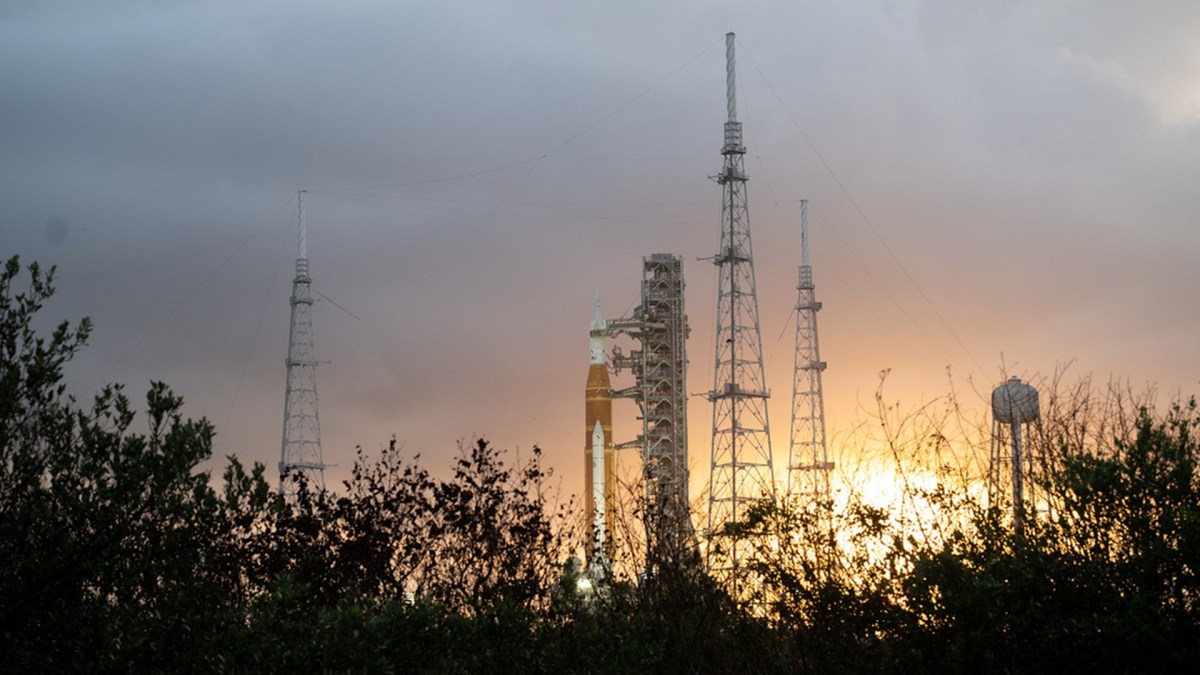
Une éruption solaire a été détectée dans la nuit du dimanche 29 au lundi 30 mars 2026, associée à un flux de particules qui se dirige vers la Terre. Ce, à quelques jours à peine du lancement d'Artémis II vers la Lune. Mais selon la Nasa, il n'y aurait pas de risque pour la fusée.
Le grand jour s'approche pour la mission Artémis II. C'est en principe dans la nuit du 1er au 2 avril 2026 que doit décoller la fusée SLS, avec à bord de la capsule Orion quatre astronautes. Pour l'instant, la Nasa juge les conditions météorologiques très favorables pour un départ.
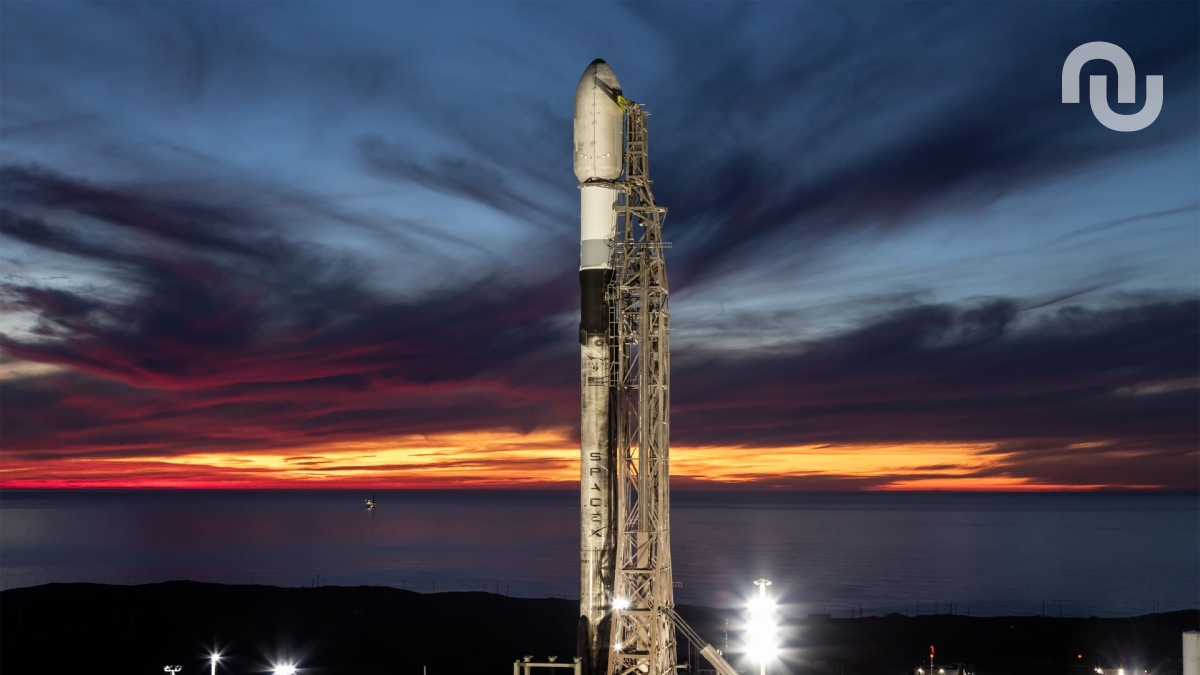
SpaceX a procédé à un vol partagé ce lundi 30 mars 2026. À bord d'une fusée Falcon 9 se trouvaient 119 charges utiles.
