Vue lecture

Quadratic Gravity Theory Reshapes Quantum View of Big Bang

Researchers at the University of Waterloo say a new "quadratic quantum gravity" framework could explain the universe's rapid early expansion without adding extra ingredients to Einstein's theory by hand. The idea is especially notable because it makes testable predictions, including a minimum level of primordial gravitational waves that future experiments may be able to detect. "Even though this model deals with incredibly high energies, it leads to clear predictions that today's experiments can actually look for," said Dr. Niayesh Afshordi, professor of physics and astronomy at the University of Waterloo and Perimeter Institute (PI). "That direct link between quantum gravity and real data is rare and exciting." Phys.org reports: The research team found that the Big Bang's rapid early expansion can emerge naturally from this simple, consistent theory of quantum gravity, without adding any extra ingredients. This early burst of expansion, often called inflation, is a central idea in modern cosmology because it explains why the universe looks the way it does today. Their model also predicts a minimum amount of primordial gravitational waves, which are tiny ripples in spacetime geometry created in the first moments after the Big Bang. These signals may be detectable in upcoming experiments, offering a rare chance to test ideas about the universe's quantum origins. [...] The team plans to refine their predictions for upcoming experiments to explore how their framework connects to particle physics and other puzzles about the early universe. Their long-term goal is to strengthen the bridge between quantum gravity and observational cosmology. The research has been published in the journal Physical Review Letters.

Read more of this story at Slashdot.

  •  

Jupiter's Lightning May Have the Force of Nuclear Weapons

How powerful is Jupiter's lightning? Thick clouds cover the view, notes Science magazine. But using an instrument on NASA's Juno spacecraft (orbiting Jupiter for the past decade), researchers determined Jupiter's lightning bolts are 100 to 10,000 times more energetic than earth's: A single bolt of lightning on Earth releases about 1 billion joules of energy. That means the most extreme bolts of jovian lightning carry 10 trillion joules of energy, equivalent to 2400 tons of TNT, or one-sixth the power of the atomic bomb dropped on Hiroshima, Japan. Based on the rates of flashes seen by Juno, storms on this tempestuous world can unleash the force of multiple nuclear weapons every minute... The four storms Juno studied were monstrous, says Michael Wong, a planetary scientist at the University of California, Berkeley and one of the study's authors. There were three flashes per second on average, often emerging from the hearts of storms that are 3000 kilometers across, longer than the distance from New York City to Denver. The researchers used the Hubble Space Telescope (and photographs from Juno's camera) to track Jupiter's storms with such precision that their radiometer could then pick out individual lightning flashes, according to the article. "It's just a massive ball of gas. It makes sense that there's very energetic lightning happening," says Daniel Mitchard, a lightning physicist at Cardiff University who wasn't involved with the new study. But confirming such suspicions "is exciting," he says, because lightning plays an important role in forging complex chemistry — including the sort that primordial life is built on. Thanks to Slashdot reader sciencehabit for sharing the article.

Read more of this story at Slashdot.

  •  

Coup de génie de Google sur la RAM, la propulsion nucléaire arrive & le reboot de Harry Potter – le récap’ de la semaine

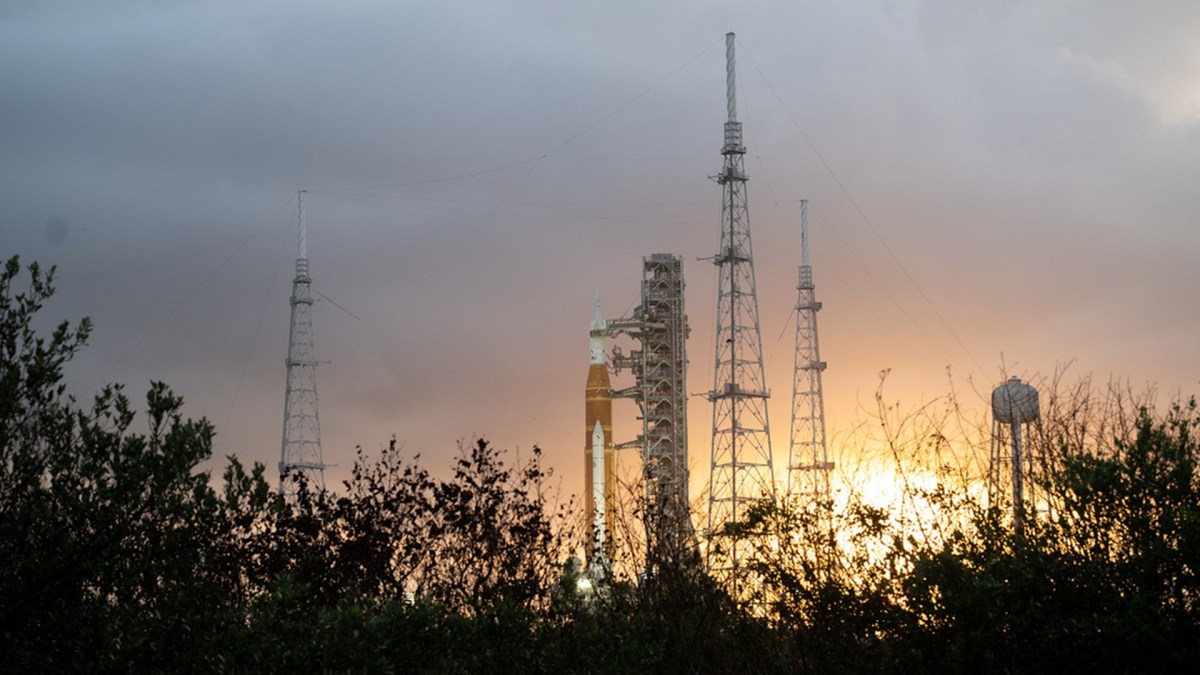
Nasa fusée nucléaire

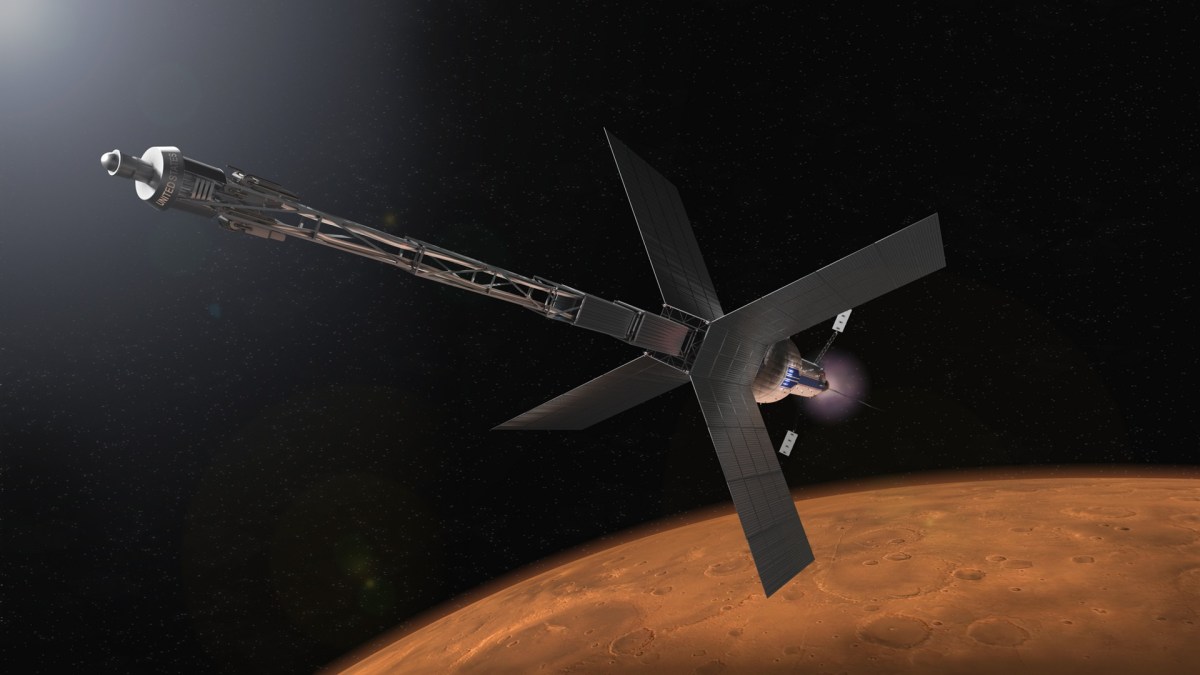
Cette semaine était une semaine de grandes annonces : la NASA fait le pari de la propulsion nucléaire pour aller sur Mars, avec une mission attendue pour 2028. Google, de son côté, a développé un algorithme qui pourrait, in fine, régler la crise de la mémoire vive (RAM). Et puis il y a eu la sortie de la première bande-annonce du reboot de Harry Potter.

  •  

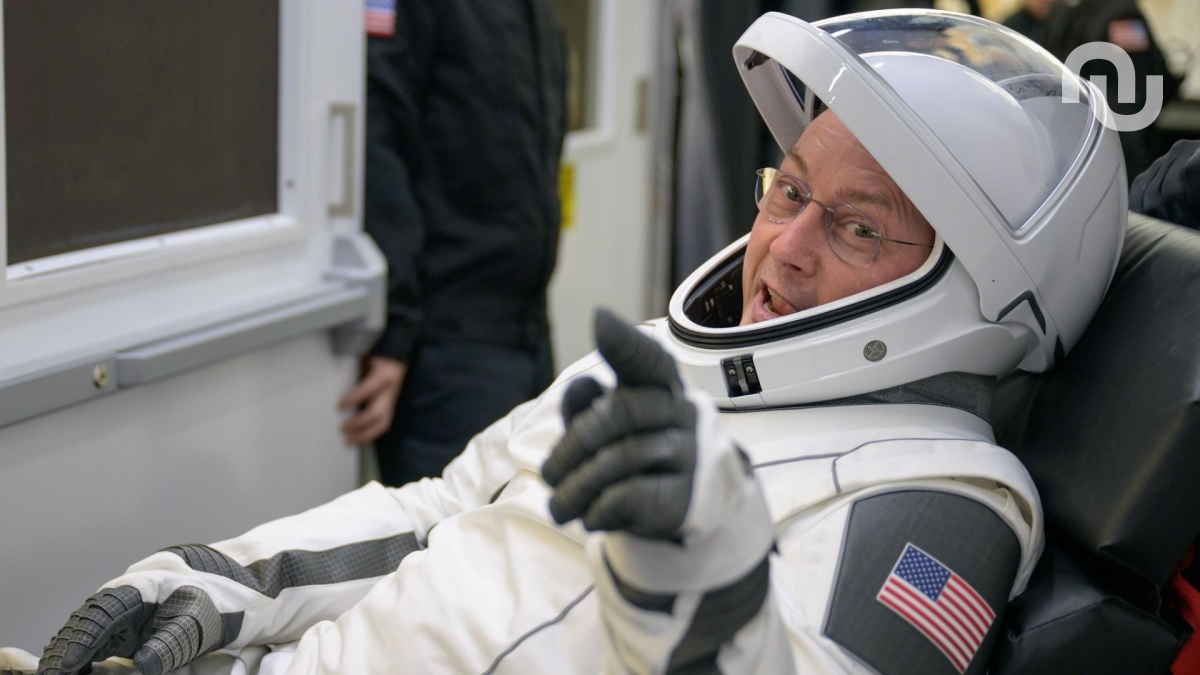
20 minutes de mutisme en orbite : le mystère médical qui a forcé l’évacuation Mike Fincke de l’ISS

Mike Fincke

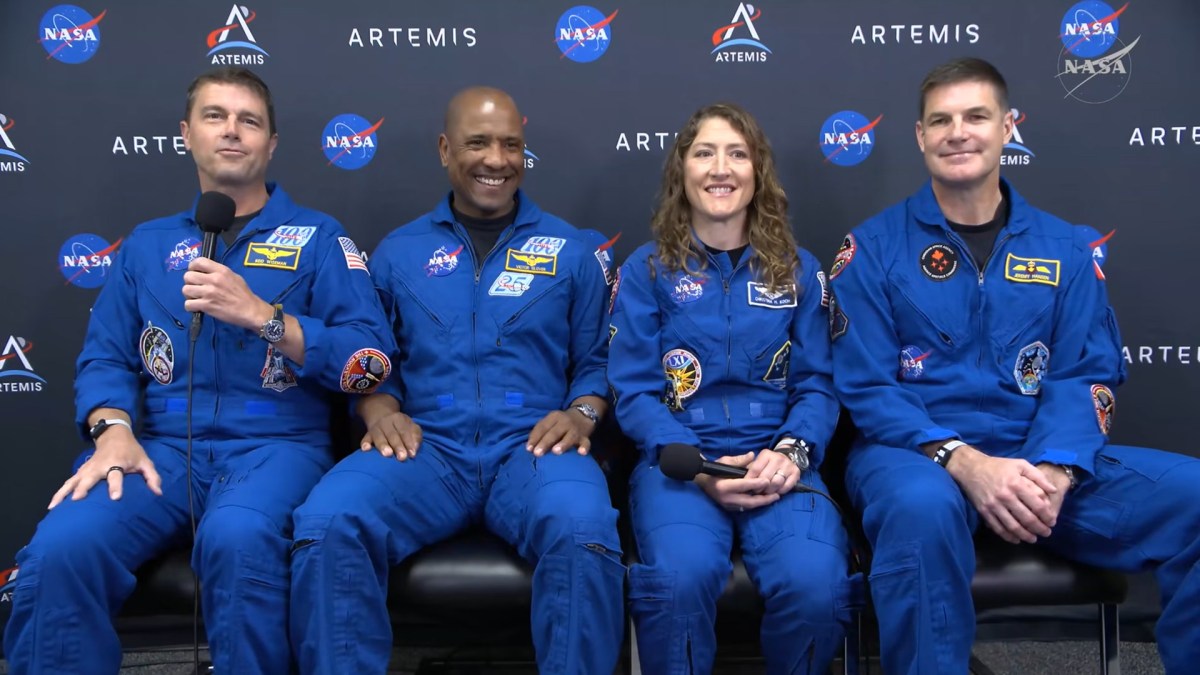
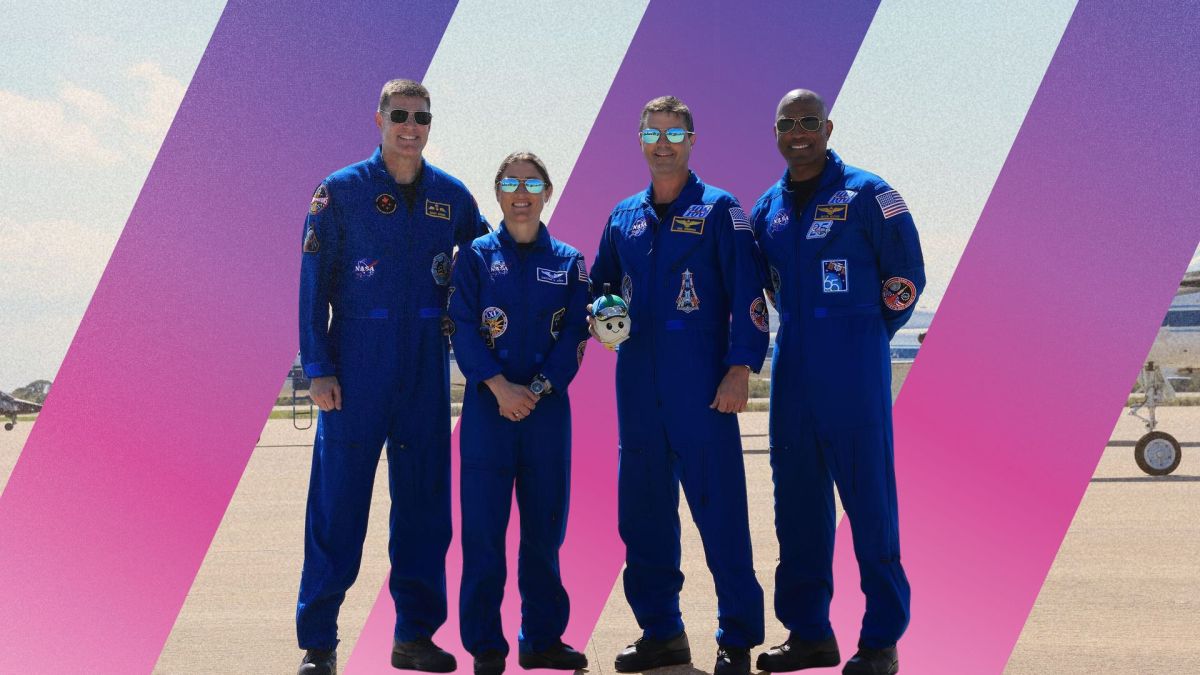
C'est une première historique dont la NASA se serait bien passée : l'évacuation médicale d'urgence d'un équipage de l'ISS. Rapatrié sur Terre en janvier après avoir subitement perdu l'usage de la parole en orbite, l'astronaute américain Mike Fincke raconte ces vingt minutes d'angoisse en apesanteur. À ce jour, les médecins ignorent toujours ce qui lui est arrivé.

  •  

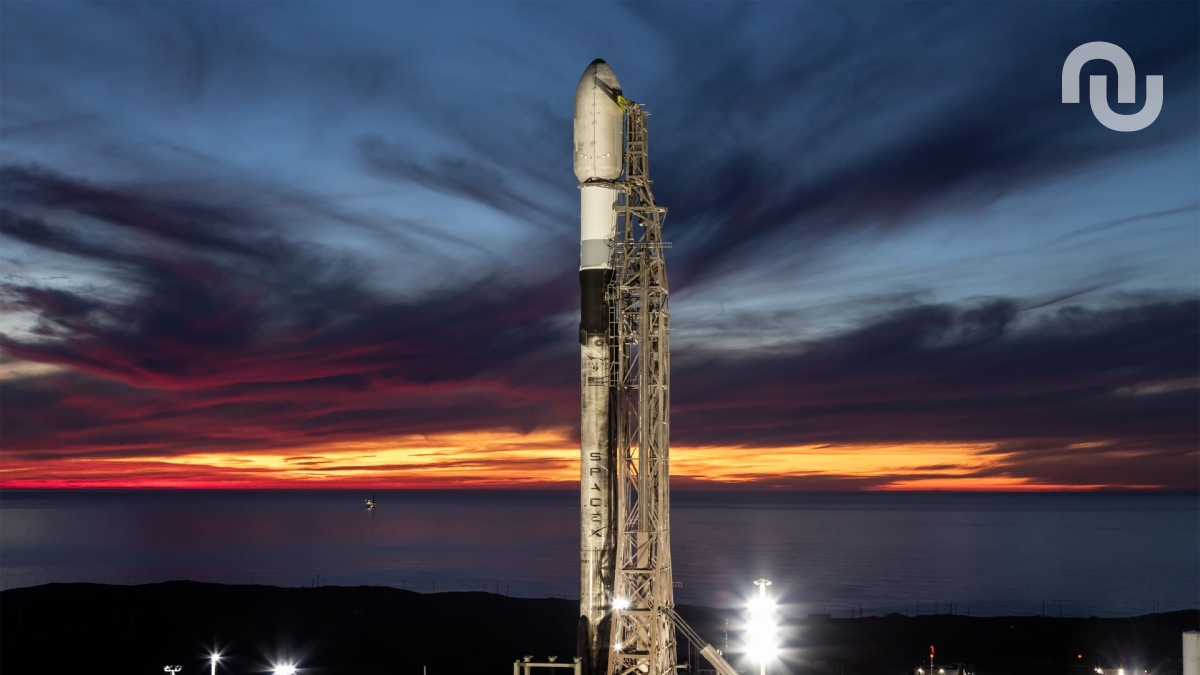
UK Startup Ignites Plasma Inside Nuclear Fusion Rocket

UK startup Pulsar Fusion says it has achieved the first plasma ignition inside a nuclear fusion rocket engine prototype -- a huge step for space travel that could cut missions to Mars "from months-long journeys to just a few weeks," reports Euronews. From the report: Pulsar Fusion revealed the milestone during a live stream at Amazon's MARS Conference, hosted by Jeff Bezos in California this week, with CEO Richard Dinan calling it an "exceptional moment" for the company. The team successfully created plasma - an intensely hot, electrically charged state of matter, often described as the fourth state of matter - using electric and magnetic fields inside its experimental and early prototype "Sunbird fusion exhaust system." [...] The company now plans further testing of its Sunbird system to improve performance. Upcoming upgrades include more powerful superconducting magnets designed to better contain and control plasma.

Read more of this story at Slashdot.

  •  
❌