Vue lecture

Jupiter's Lightning May Have the Force of Nuclear Weapons

How powerful is Jupiter's lightning? Thick clouds cover the view, notes Science magazine. But using an instrument on NASA's Juno spacecraft (orbiting Jupiter for the past decade), researchers determined Jupiter's lightning bolts are 100 to 10,000 times more energetic than earth's: A single bolt of lightning on Earth releases about 1 billion joules of energy. That means the most extreme bolts of jovian lightning carry 10 trillion joules of energy, equivalent to 2400 tons of TNT, or one-sixth the power of the atomic bomb dropped on Hiroshima, Japan. Based on the rates of flashes seen by Juno, storms on this tempestuous world can unleash the force of multiple nuclear weapons every minute... The four storms Juno studied were monstrous, says Michael Wong, a planetary scientist at the University of California, Berkeley and one of the study's authors. There were three flashes per second on average, often emerging from the hearts of storms that are 3000 kilometers across, longer than the distance from New York City to Denver. The researchers used the Hubble Space Telescope (and photographs from Juno's camera) to track Jupiter's storms with such precision that their radiometer could then pick out individual lightning flashes, according to the article. "It's just a massive ball of gas. It makes sense that there's very energetic lightning happening," says Daniel Mitchard, a lightning physicist at Cardiff University who wasn't involved with the new study. But confirming such suspicions "is exciting," he says, because lightning plays an important role in forging complex chemistry — including the sort that primordial life is built on. Thanks to Slashdot reader sciencehabit for sharing the article.

Read more of this story at Slashdot.
  •  

Coup de génie de Google sur la RAM, la propulsion nucléaire arrive & le reboot de Harry Potter – le récap’ de la semaine

Nasa fusée nucléaire

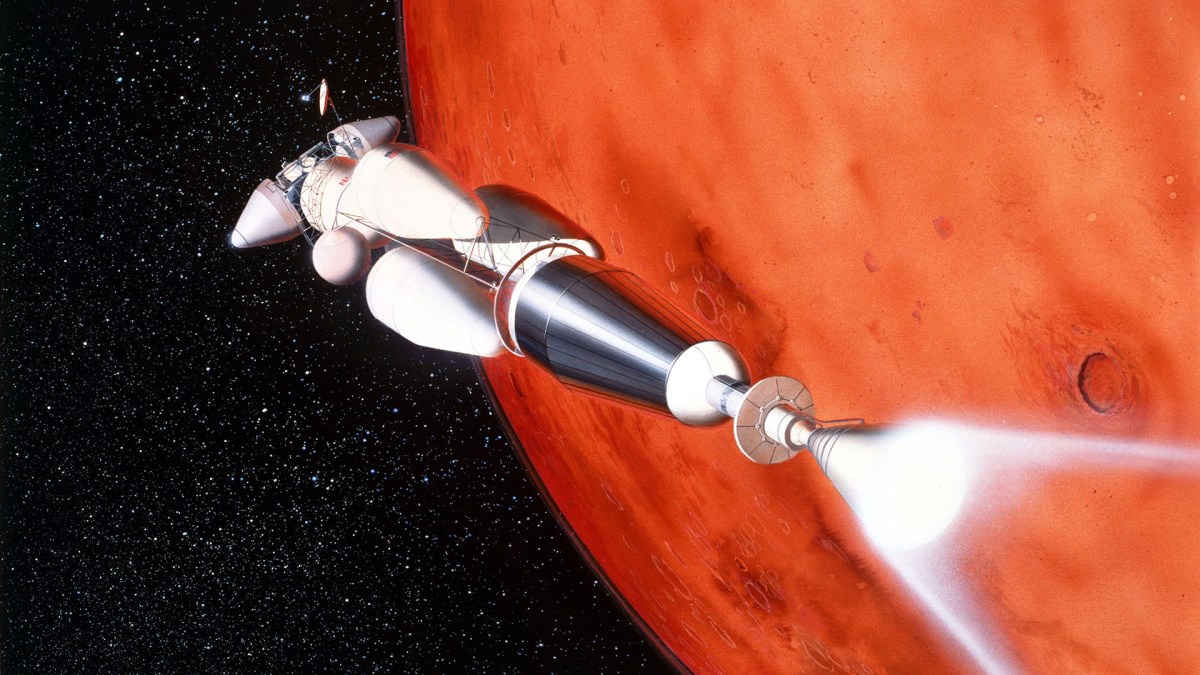
Cette semaine était une semaine de grandes annonces : la NASA fait le pari de la propulsion nucléaire pour aller sur Mars, avec une mission attendue pour 2028. Google, de son côté, a développé un algorithme qui pourrait, in fine, régler la crise de la mémoire vive (RAM). Et puis il y a eu la sortie de la première bande-annonce du reboot de Harry Potter.

  •  

20 minutes de mutisme en orbite : le mystère médical qui a forcé l’évacuation Mike Fincke de l’ISS

Mike Fincke

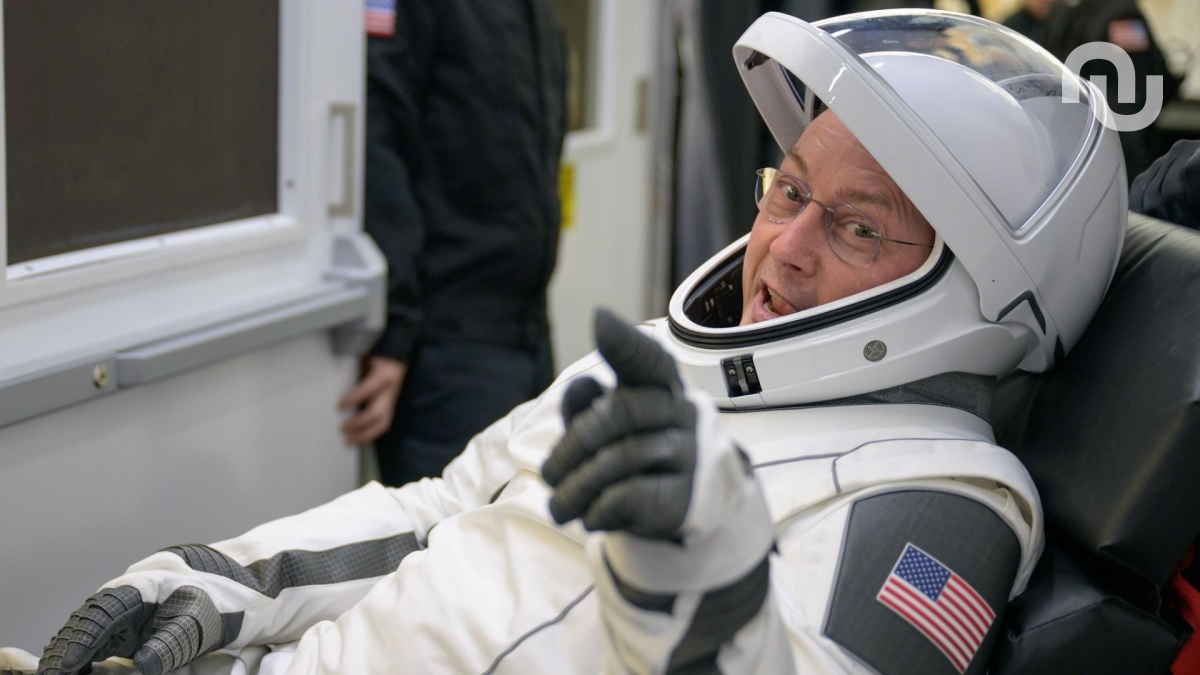
C'est une première historique dont la NASA se serait bien passée : l'évacuation médicale d'urgence d'un équipage de l'ISS. Rapatrié sur Terre en janvier après avoir subitement perdu l'usage de la parole en orbite, l'astronaute américain Mike Fincke raconte ces vingt minutes d'angoisse en apesanteur. À ce jour, les médecins ignorent toujours ce qui lui est arrivé.

  •  

UK Startup Ignites Plasma Inside Nuclear Fusion Rocket

UK startup Pulsar Fusion says it has achieved the first plasma ignition inside a nuclear fusion rocket engine prototype -- a huge step for space travel that could cut missions to Mars "from months-long journeys to just a few weeks," reports Euronews. From the report: Pulsar Fusion revealed the milestone during a live stream at Amazon's MARS Conference, hosted by Jeff Bezos in California this week, with CEO Richard Dinan calling it an "exceptional moment" for the company. The team successfully created plasma - an intensely hot, electrically charged state of matter, often described as the fourth state of matter - using electric and magnetic fields inside its experimental and early prototype "Sunbird fusion exhaust system." [...] The company now plans further testing of its Sunbird system to improve performance. Upcoming upgrades include more powerful superconducting magnets designed to better contain and control plasma.

Read more of this story at Slashdot.
  •  

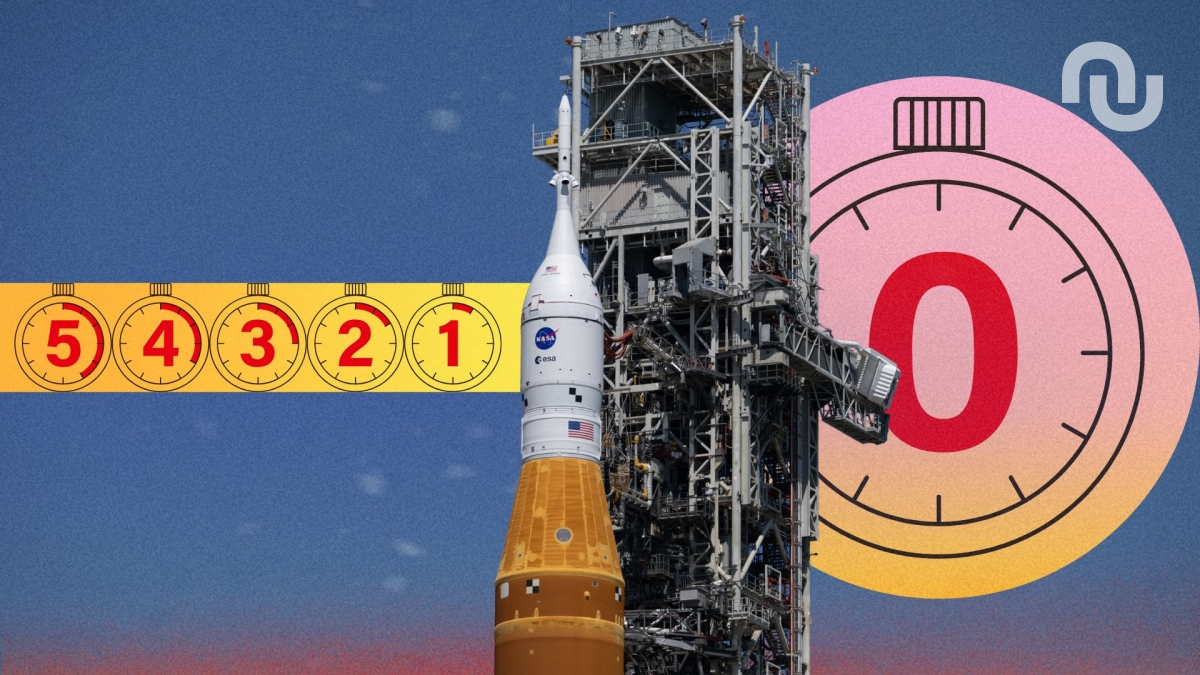
Artémis II : que se passe-t-il s’il y a un pépin juste avant le décollage de la fusée SLS ?

Artémis II SLS

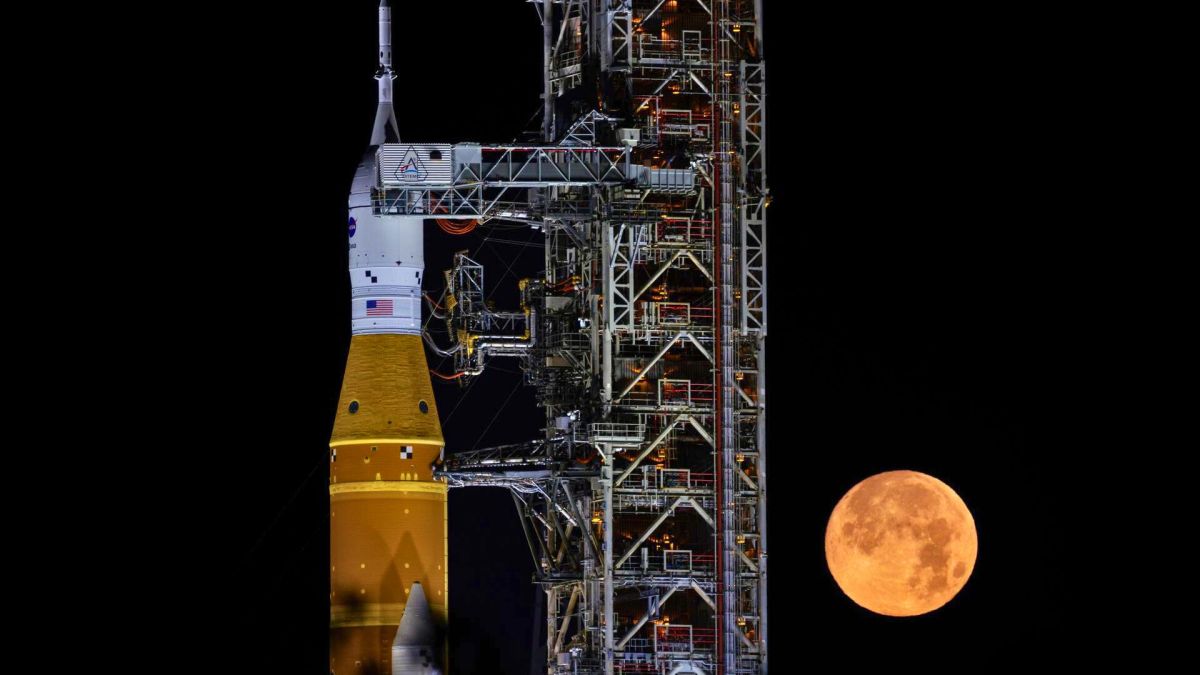
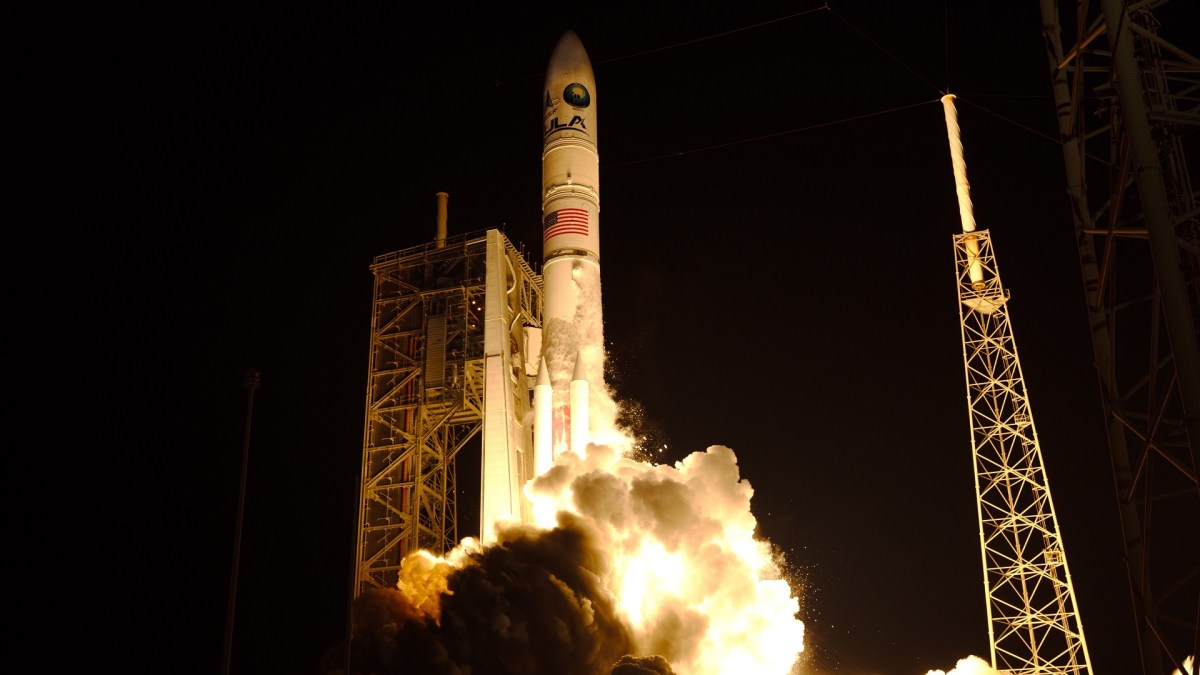
La NASA fait son possible pour que la mission Artémis II puisse avoir lieu dans la nuit du 1ᵉʳ au 2 avril 2026, mais un souci peut toujours advenir pendant les derniers instants du compte à rebours. L'agence spatiale américaine dispose cependant de plusieurs options qui lui laissent des marges de manœuvre.

  •  

Chandra Resolves Why Black Holes Hit the Brakes On Growth

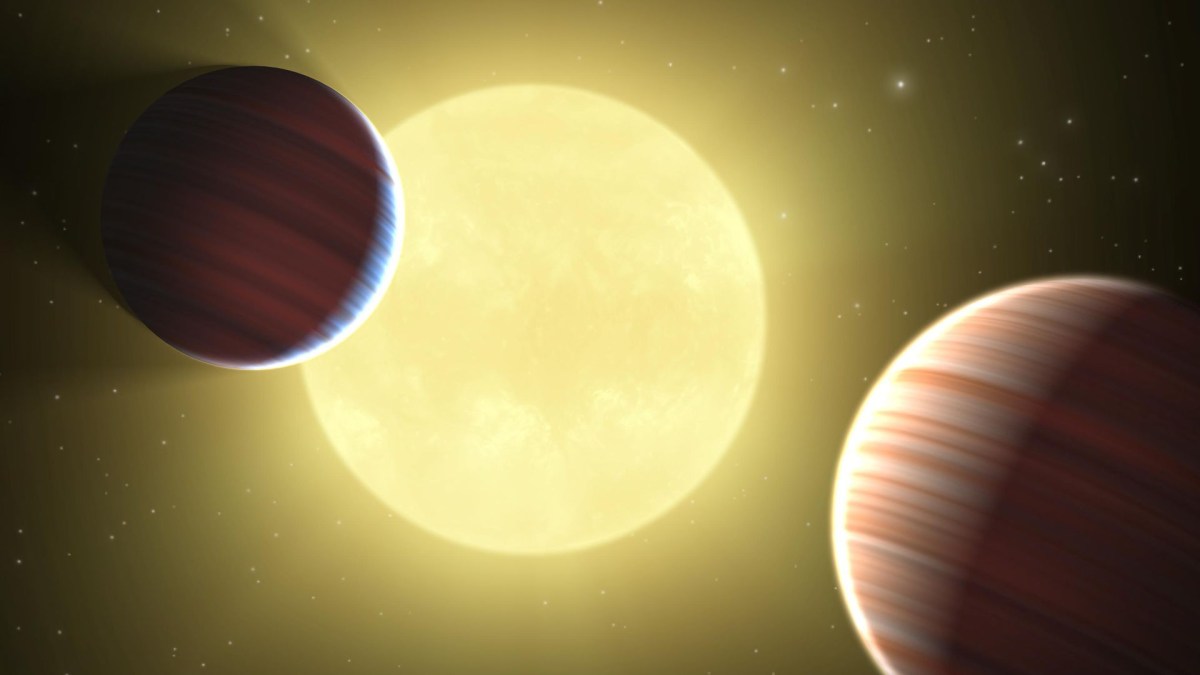
alternative_right shares a report from Phys.org: Astronomers have an answer for a long-running mystery in astrophysics: why is the growth of supermassive black holes so much lower today than in the past? A study using NASA's Chandra X-ray Observatory and other X-ray telescopes found that supermassive black holes are unable to consume material as rapidly as they did in the distant past. The results appeared in the December 2025 issue of The Astrophysical Journal. [...] The team ran tests of the three main possible scenarios currently being considered for the slowdown of black hole growth. These options were: could the decline in black hole growth be caused by less efficient rates of consumption, or by smaller typical black hole masses, or by fewer actively growing black holes? Their analysis of the data, extending over billions of years of cosmic history, led them to the conclusion that black holes are indeed consuming material less rapidly the later they are found after the Big Bang. The researchers expect this trend of slower-growing black holes to continue into the future.

Read more of this story at Slashdot.

  •  

« Nous sortons enfin la propulsion nucléaire des labos » : le pari renversant du futur vaisseau spatial de la NASA

nucléaire fusée

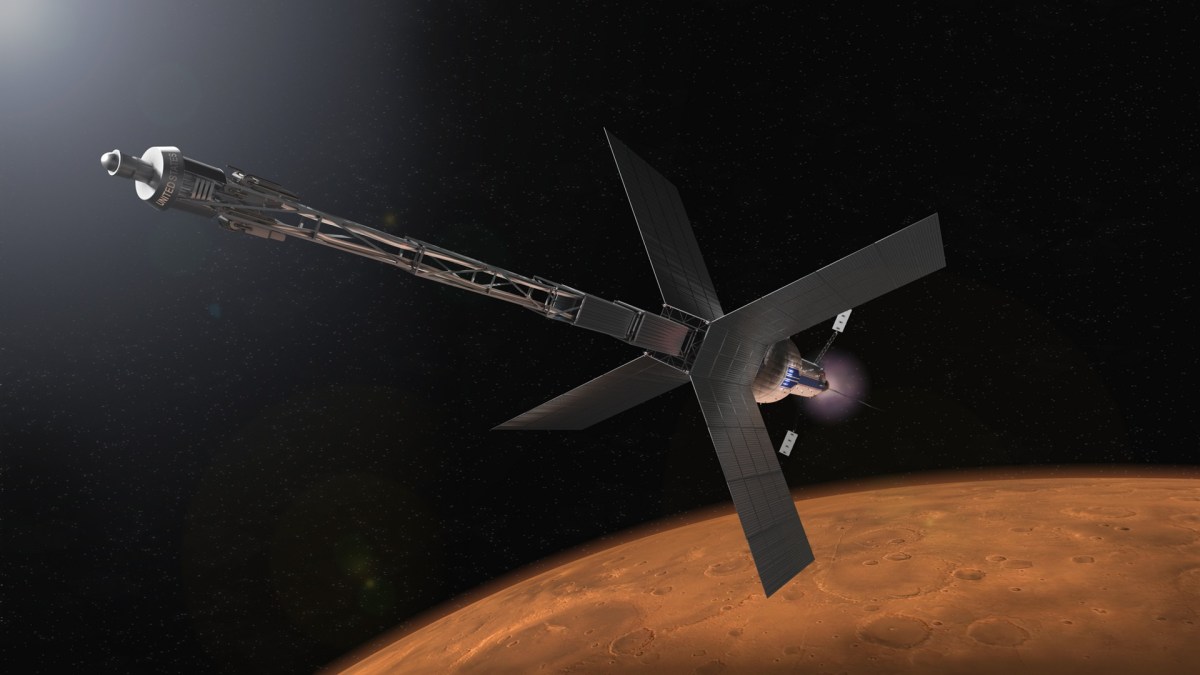
Promis il y a un an par Jared Isaacman, le grand virage nucléaire de la NASA est officiel. Avec le projet Space Reactor-1 Freedom prévu pour 2028, l'agence spatiale américaine compte réduire drastiquement le temps de trajet vers Mars. Une révolution technologique décisive pour protéger la santé des futurs astronautes, et qui s'appuie sur des décennies de recherches théoriques.

  •  

La NASA sort le grand jeu : le vaisseau nucléaire SR-1 Freedom pour partir vers Mars dès 2028

nucléaire fusée

Promis il y a un an par Jared Isaacman, le grand virage nucléaire de la NASA est officiel. Avec le projet Space Reactor-1 Freedom prévu pour 2028, l'agence spatiale américaine compte réduire drastiquement le temps de trajet vers Mars. Une révolution technologique décisive pour protéger la santé des futurs astronautes, et qui s'appuie sur des décennies de recherches théoriques.

  •  

Objectif Mars : la NASA relance la propulsion nucléaire pour accélérer l’exploration de l’espace lointain

nucléaire fusée

Promis il y a un an par Jared Isaacman, le grand virage nucléaire de la NASA est officiel. Avec le projet Space Reactor-1 Freedom prévu pour 2028, l'agence spatiale américaine compte réduire drastiquement le temps de trajet vers Mars. Une révolution technologique décisive pour protéger la santé des futurs astronautes, et qui s'appuie sur des décennies de recherches théoriques.

  •  
❌