Vue lecture

Chandra Resolves Why Black Holes Hit the Brakes On Growth

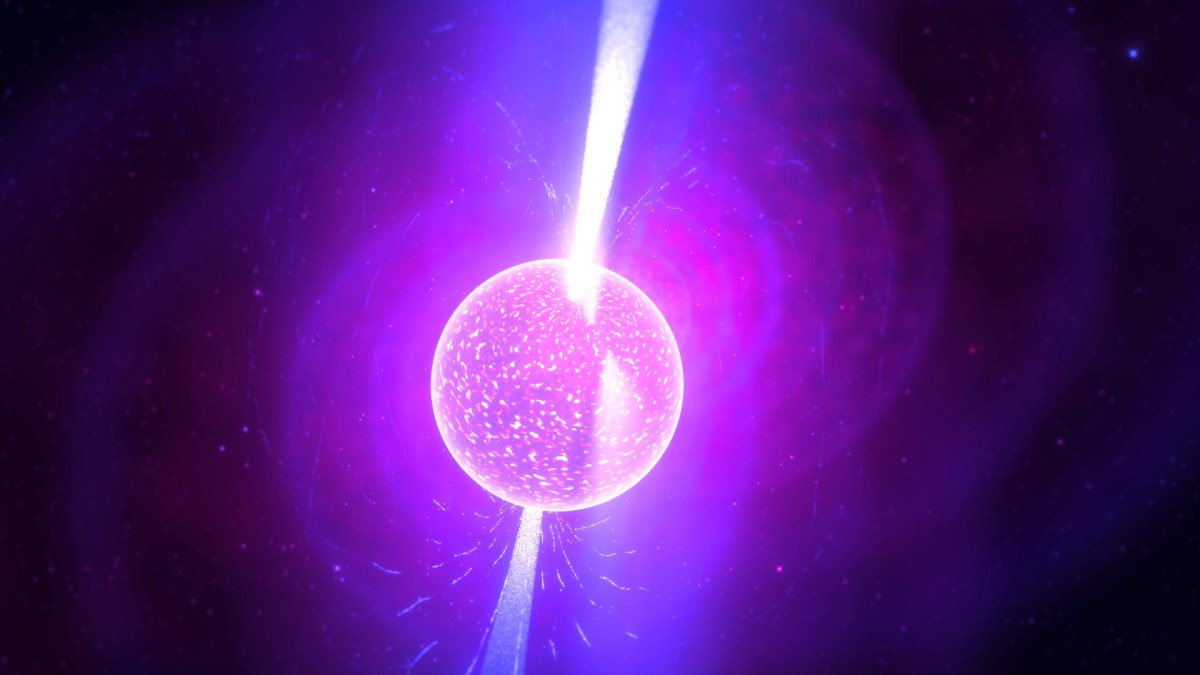
alternative_right shares a report from Phys.org: Astronomers have an answer for a long-running mystery in astrophysics: why is the growth of supermassive black holes so much lower today than in the past? A study using NASA's Chandra X-ray Observatory and other X-ray telescopes found that supermassive black holes are unable to consume material as rapidly as they did in the distant past. The results appeared in the December 2025 issue of The Astrophysical Journal. [...] The team ran tests of the three main possible scenarios currently being considered for the slowdown of black hole growth. These options were: could the decline in black hole growth be caused by less efficient rates of consumption, or by smaller typical black hole masses, or by fewer actively growing black holes? Their analysis of the data, extending over billions of years of cosmic history, led them to the conclusion that black holes are indeed consuming material less rapidly the later they are found after the Big Bang. The researchers expect this trend of slower-growing black holes to continue into the future.

Read more of this story at Slashdot.

  •  

« Nous sortons enfin la propulsion nucléaire des labos » : le pari renversant du futur vaisseau spatial de la NASA

nucléaire fusée

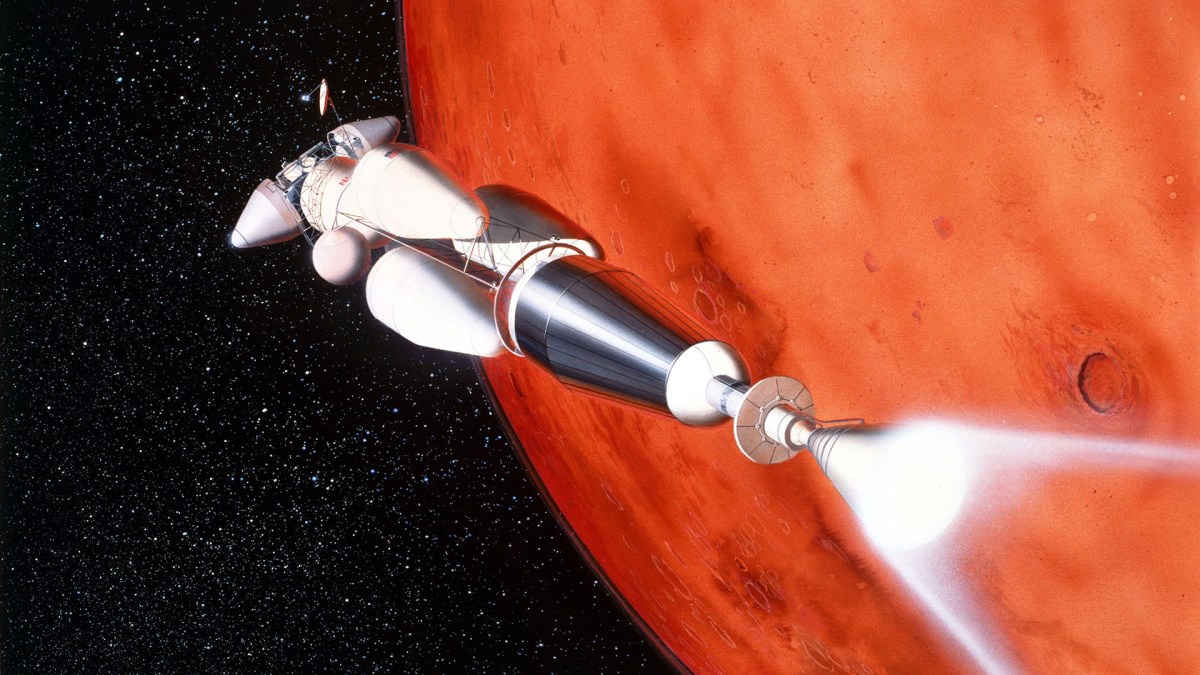
Promis il y a un an par Jared Isaacman, le grand virage nucléaire de la NASA est officiel. Avec le projet Space Reactor-1 Freedom prévu pour 2028, l'agence spatiale américaine compte réduire drastiquement le temps de trajet vers Mars. Une révolution technologique décisive pour protéger la santé des futurs astronautes, et qui s'appuie sur des décennies de recherches théoriques.

  •  

La NASA sort le grand jeu : le vaisseau nucléaire SR-1 Freedom pour partir vers Mars dès 2028

nucléaire fusée

Promis il y a un an par Jared Isaacman, le grand virage nucléaire de la NASA est officiel. Avec le projet Space Reactor-1 Freedom prévu pour 2028, l'agence spatiale américaine compte réduire drastiquement le temps de trajet vers Mars. Une révolution technologique décisive pour protéger la santé des futurs astronautes, et qui s'appuie sur des décennies de recherches théoriques.

  •  

Objectif Mars : la NASA relance la propulsion nucléaire pour accélérer l’exploration de l’espace lointain

nucléaire fusée

Promis il y a un an par Jared Isaacman, le grand virage nucléaire de la NASA est officiel. Avec le projet Space Reactor-1 Freedom prévu pour 2028, l'agence spatiale américaine compte réduire drastiquement le temps de trajet vers Mars. Une révolution technologique décisive pour protéger la santé des futurs astronautes, et qui s'appuie sur des décennies de recherches théoriques.

  •  

Meteor Rumbles Over Houston, as Six-Pound Fragment Crashes Into a Texas Home

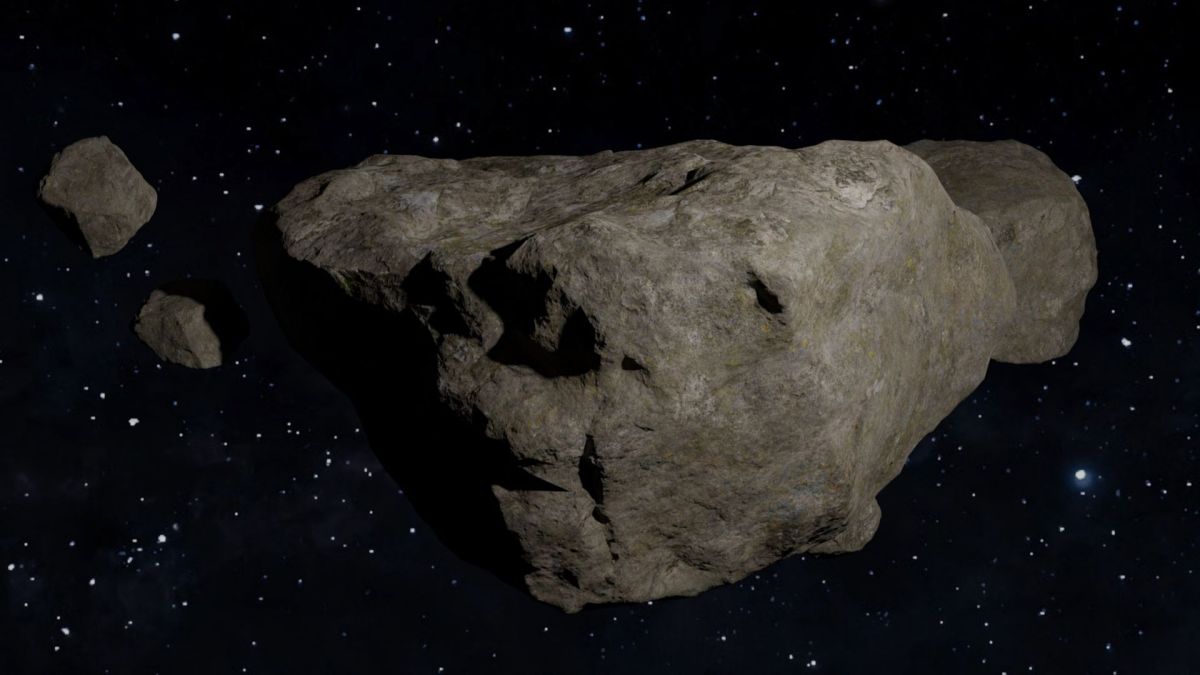
"It is the talk of the town today — the loud boom, the flash of light in the sky experienced by a lot of folks across the Houston area this afternoon," says a local Texas newscaster. "And then there was this — a home in northwest Harris county hit by something that crashed through their roof." Travelling at very high speed, the six-pound meteorite crashed through their roof and through their attic, crashing again through the ceiling of the floor below. It then bounced off the floor, hit the ceiling again — and then fell onto the bed. CBS News reports: NASA said in a social media post that the meteor became visible at 49 miles above Stagecoach, northwest of Houston, at 4:40 p.m. local time. The meteor moved southeast at 35,000 miles per hour, breaking apart 29 miles above Bammel, just west of Cypress Station, NASA said. "The fragmentation of the meteor — which weighed about a ton with a diameter of 3 feet — created a pressure wave that caused booms heard by some in the area," NASA said in the post. Across the Houston area, residents described hearing a low, rumbling sound that many compared to thunder, even though the skies were clear, according to CBS affiliate KHOU. Earlier this week, an asteroid weighing about 7 tons and traveling at 45,000 mph traveled over multiple states. And last June, a bright meteor was seen across the southeastern U.S. and exploded over Georgia, creating similar booms heard by residents in the area.

Read more of this story at Slashdot.

  •  
❌