Vue lecture

Billionaire Backer Sues Trump Family's Crypto Firm Over Alleged Extortion

Ancient Slashdot reader Alain Williams shares a report from the BBC: The Trump family's World Liberty crypto venture is being sued by one of its billionaire backers over allegations of extortion. Justin Sun has accused World Liberty of an "illegal scheme" to seize his WLFI tokens, a cryptocurrency issued by the company. Sun alleges the firm, co-founded by U.S. President Donald Trump and his son Eric Trump, has "frozen" all of his tokens and stripped him of his right to vote on governance issues. [...] Sun alleged that those running World Liberty, including another co-founder, Chase Herro, are using it as a "golden opportunity to leverage the Trump brand to profit through fraud." In his complaint, filed on Tuesday in a San Francisco federal court, Sun argues that initial promises to give token-holders the option to trade the currency in future "were false and misleading." While the tokens at large became tradeable, Sun said World Liberty has blocked him from being able to sell a single one, and is now threatening to "burn" his - deleting them entirely. WLFI said in a post on X: "Does anyone still believe @justinsuntron? Justin's favorite move is playing the victim while making baseless allegations to cover up his own misconduct. Same playbook, different target. WLFI isn't the first. We have the contracts. We have the evidence. We have the truth. See you in court pal."

Read more of this story at Slashdot.

  •  

« J’ai passé une journée vraiment difficile », comment une fausse app Ledger glissée dans l’App Store a aspiré 9,5 millions de dollars

Pendant près d’une semaine, une fausse application Ledger Live a séjourné sur le Mac App Store, après avoir passé la revue de sécurité d’Apple. Suffisamment longtemps pour vider les portefeuilles crypto de plus de cinquante utilisateurs, pour un total de 9,5 millions de dollars.

  •  

Impôts sur le bitcoin et les cryptomonnaies : comment remplir sa déclaration en 2026 ?

Depuis le 9 avril, vous pouvez d'ores et déjà remplir votre déclaration d'imposition. Parmi les nombreuses rubriques casse-tête, on retrouve la partie sur les cryptomonnaies. Entre les plus-values, les plateformes d’échange et les obligations fiscales spécifiques, on vous aide à y voir plus clair pour déclarer vos actifs numériques sans trop de difficultés.

  •  

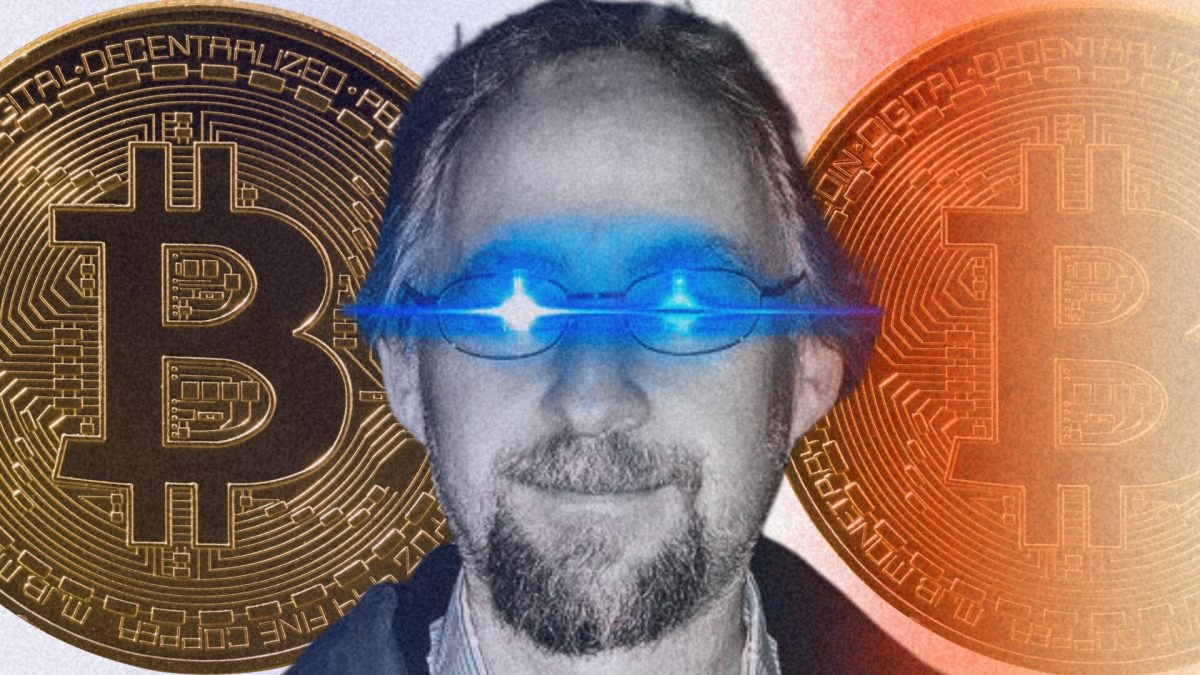
NYT Claims Adam Back Is Bitcoin Creator Satoshi Nakamoto

A New York Times investigation by John Carreyrou claims a British cryptographer named Adam Back is the strongest circumstantial candidate yet for being Satoshi Nakamoto. The report citing overlaps in writing style, ideology, technical background, and old posts that outlined key parts of Bitcoin years before its launch. Carreyrou is a renowned investigative journalist and author, best known for exposing the massive fraud at Theranos while at the Wall Street Journal. Here's an excerpt from the report: ... As anyone steeped in Bitcoin lore will tell you, Satoshi was a master at the art of maintaining anonymity on the internet, leaving few, if any, digital footprints behind. But Satoshi did leave behind a corpus of texts, including a nine-page white paper (PDF) outlining his invention and his many posts on the Bitcointalk forum, an online message board where users gathered to discuss the digital currency's software, economics and philosophy. And that corpus, it turned out, had expanded significantly during the impostor's civil trial when Martti Malmi, a Finnish programmer who collaborated with Satoshi in Bitcoin's early days, released a trove of hundreds of emails he had exchanged with him. Emails Satoshi sent to other early Bitcoin adopters had surfaced before, but none came close in volume to the Malmi dump. If Satoshi was ever going to be found, I was convinced the key lay somewhere in these texts. Then again, others must have gone down this road before me. Journalists, academics and internet sleuths had been trying to identify Satoshi for 16 years. During that span, more than 100 names had been put forward, including those of an Irish cryptography student, an unemployed Japanese American engineer, a South African criminal mastermind and the mathematician portrayed in the movie "A Beautiful Mind." The most alluring theories had focused on coincidences that aligned with what little was known about Satoshi: a particular code-writing style, a mysterious work history, an expertise in Bitcoin's key technical concepts, an anti-government worldview. But they had run aground under the weight of an alibi or some other piece of inconsistent or contrary evidence. Each failure had been met with glee by many members of the Bitcoin community. As they liked to point out, only Satoshi could definitively prove his identity by moving some of his coins. Any evidence short of that would be circumstantial. It seemed foolish to think that I could somehow crack a case that had confounded so many others. But I craved the thrill of a big, challenging story. So I decided to try once more to unmask Bitcoin's mysterious creator. Back, for his part, denies being Satoshi, writing in a post on X: "i'm not satoshi, but I was early in laser focus on the positive societal implications of cryptography, online privacy and electronic cash, hence my ~1992 onwards active interest in applied research on ecash, privacy tech on cypherpunks list which led to hashcash and other ideas."

Read more of this story at Slashdot.

  •  

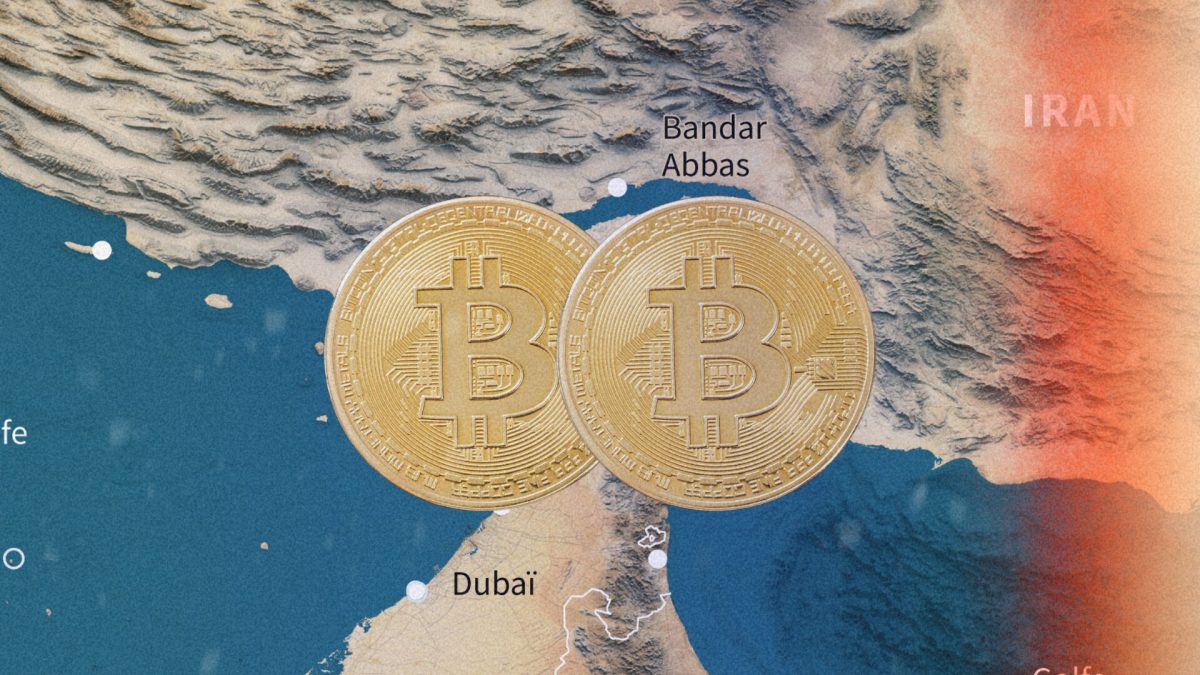
Iran Demands Bitcoin For Ships Passing Hormuz During Ceasefire

An anonymous reader quotes a report from the Financial Times: Iran will demand that shipping companies pay tolls in cryptocurrency for laden oil tankers passing through the Strait of Hormuz (source paywalled; alternative source), as it seeks to retain control over passage through the key waterway during the two-week ceasefire. Hamid Hosseini, a spokesperson for Iran's Oil, Gas and Petrochemical Products Exporters' Union, told the FT on Wednesday that Iran wanted to collect tolling fees from any tanker passing and to assess each ship. "Iran needs to monitor what goes in and out of the strait to ensure these two weeks aren't used for transferring weapons," said Hosseini, whose industry association works closely with the state. "Everything can pass through, but the procedure will take time for each vessel, and Iran is not in a rush," he added. [...] Hosseini said that each tanker must email authorities about its cargo, after which Iran will inform them of the toll to be paid in digital currencies. He said that the tariff is $1 per barrel of oil, adding that empty tankers can pass freely. "Once the email arrives and Iran completes its assessment, vessels are given a few seconds to pay in Bitcoin, ensuring they can't be traced or confiscated due to sanctions," Hosseini added.

Read more of this story at Slashdot.

  •  

Bitcoin et le mystère Satoshi : pourquoi Adam Back est devenu le principal suspect du New York Times

Depuis la création de Bitcoin, la question de l’identité de Satoshi Nakamoto est devenue un mystère quasi mythologique pour la sphère crypto. Dans une longue enquête parue le 8 avril 2026, Le New York Times revient sur cette énigme, pointant cette fois directement du doigt un visage connu de la communauté : Adam Back, cryptographe britannique, inventeur de Hashcash et fondateur de Blockstream.

  •  
❌